


 Скачать презентацию HEPATITES VIRUS VIRAL HEPATITIS It is
Viral hepatitis 2 ppt.pptx
- Количество слайдов: 30
 HEPATITES VIRUS
 VIRAL HEPATITIS • It is inflammation of the liver and divided into 5 types: Hepatitis A Hepatitis B Hepatitis C Hepatitis D Hepatitis E
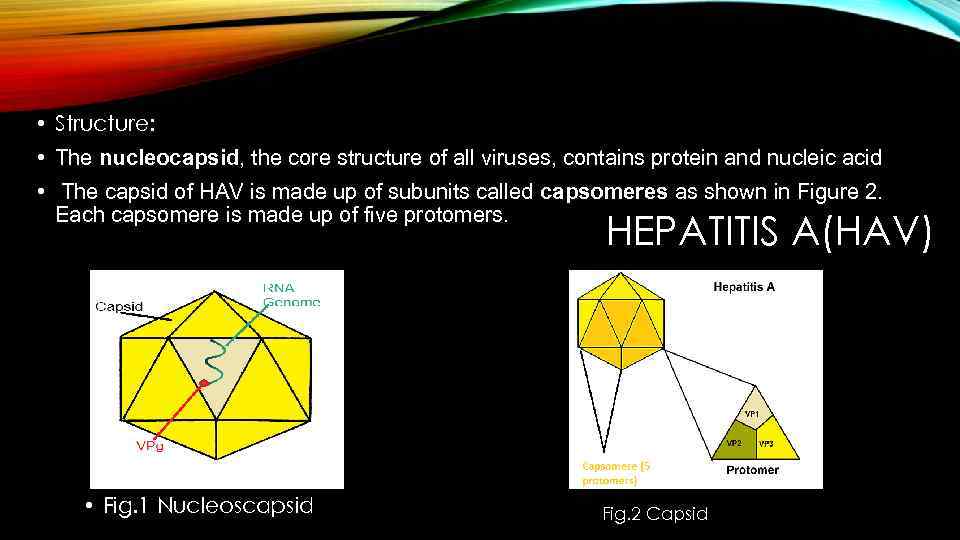 • Structure: • The nucleocapsid, the core structure of all viruses, contains protein and nucleic acid • The capsid of HAV is made up of subunits called capsomeres as shown in Figure 2. Each capsomere is made up of five protomers. HEPATITIS A(HAV) • Fig. 1 Nucleoscapsid Fig. 2 Capsid
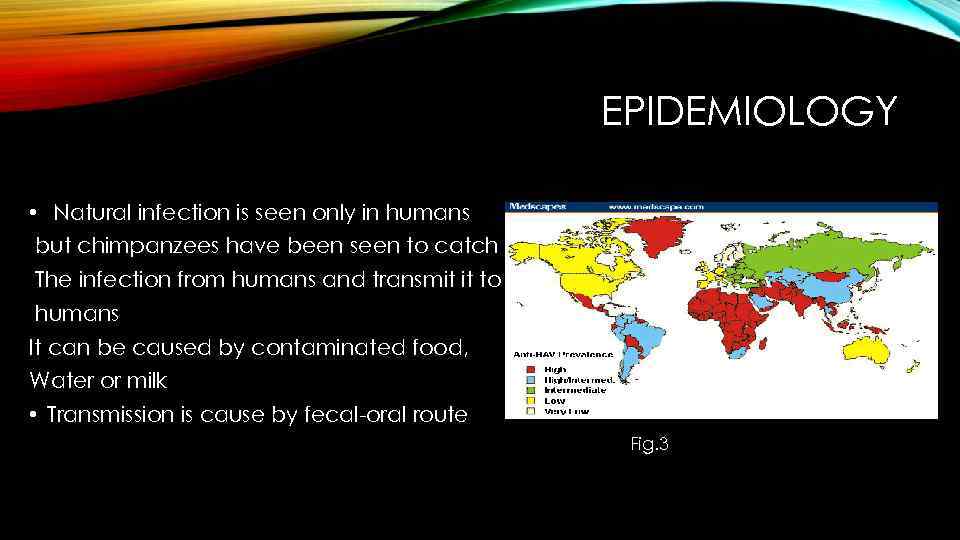 EPIDEMIOLOGY • Natural infection is seen only in humans but chimpanzees have been seen to catch The infection from humans and transmit it to humans It can be caused by contaminated food, Water or milk • Transmission is cause by fecal-oral route Fig. 3
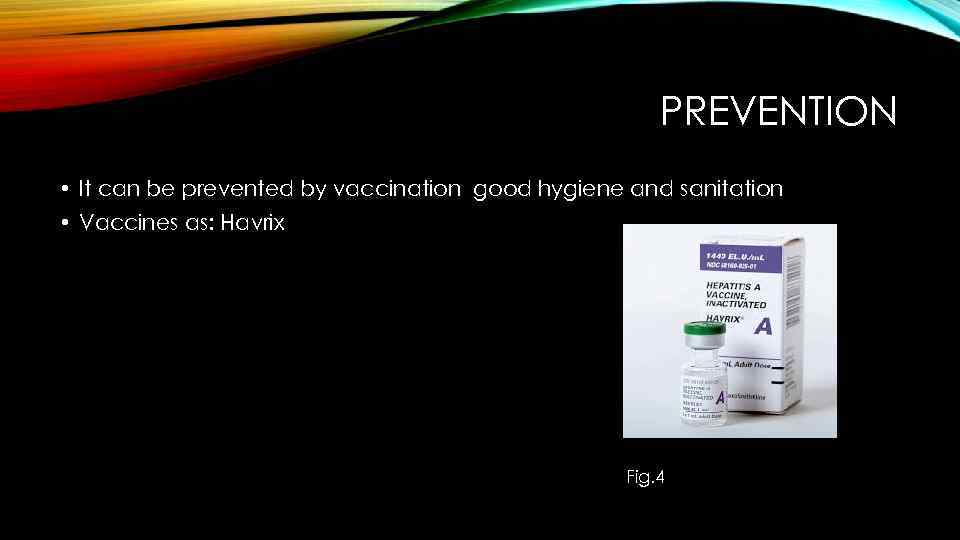 PREVENTION • It can be prevented by vaccination good hygiene and sanitation • Vaccines as: Havrix Fig. 4
 TREATMENT • There is no treatment • Syptomatic treatment : • Initial therapy often consists of bed rest. The patient should probably not work during the acute phase of the illness. • Nausea and vomiting are treated with antiemetics. Dehydration may be managed with hospital admission and intravenous (IV) fluids. In most instances, hospitalization is unnecessary. The majority of children have minimal symptoms; adults are more likely to require more intensive care, including hospitalization.
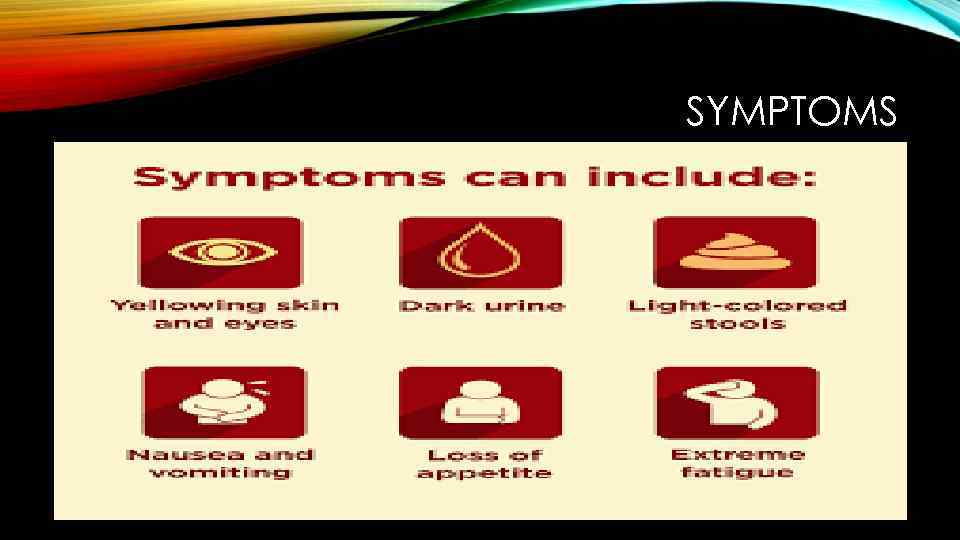 SYMPTOMS
 DIAGNOSIS • Fortunately, blood tests are widely available to accurately diagnose hepatitis A, including tests for antibodies, or the affected person’s immune response to hepatitis A proteins • HAV was first visualized in fecal extracts by electron microscopy using homologous antiserum (80) • Biochemical Diagnosis • Enzyme Immunoassays (ELISA) • Immunochromatographic Assay
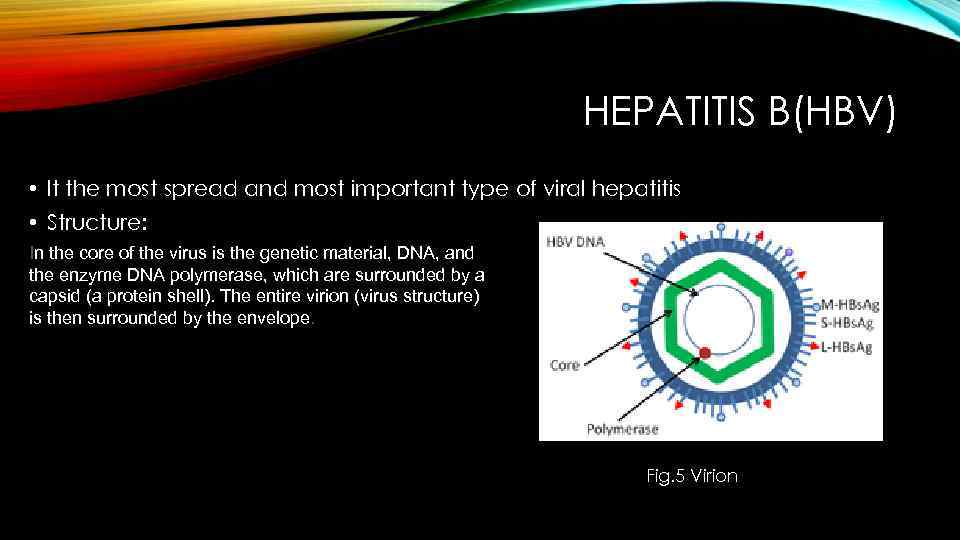 HEPATITIS B(HBV) • It the most spread and most important type of viral hepatitis • Structure: In the core of the virus is the genetic material, DNA, and the enzyme DNA polymerase, which are surrounded by a capsid (a protein shell). The entire virion (virus structure) is then surrounded by the envelope. Fig. 5 Virion
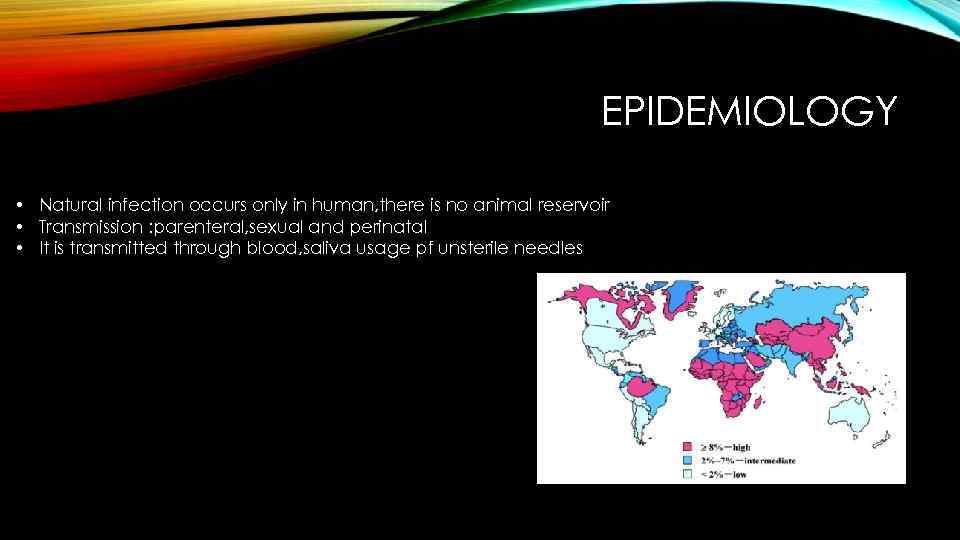 EPIDEMIOLOGY • Natural infection occurs only in human, there is no animal reservoir • Transmission : parenteral, sexual and perinatal • It is transmitted through blood, saliva usage pf unsterile needles
 PREVENTION It can be prevented by : Vaccination : Recombivax HB Not sharing needles or toothbrushes
 TREATMENT • No specific antiviral treatment is available for acute hepatitis B Synergistic approach of suppressing viral load and boosting the patient’s immune response with immunotherapeutic interventions is needed for the best prognosis. [3 The prevention of HCC often includes the use of antiviral treatment using pegylated interferon (PEG-IFN) or nucleos(t)ide analogues. [
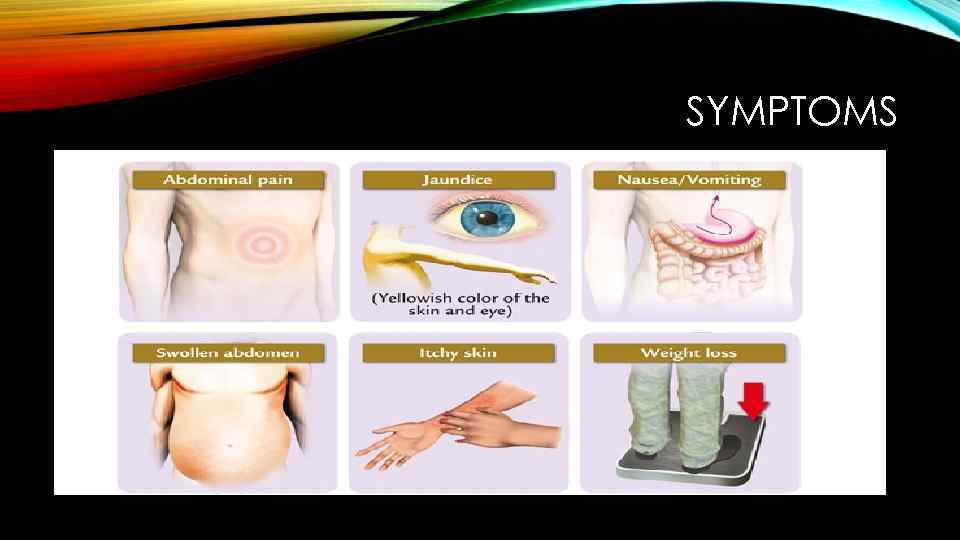 SYMPTOMS
 DISEASES • Cirrhosis • Liver cancer
 DIAGNOSIS
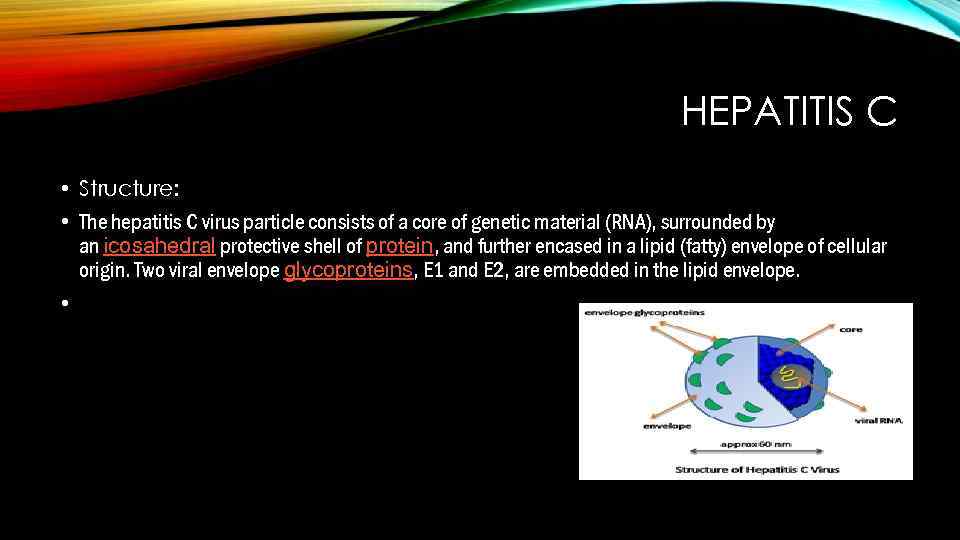 HEPATITIS C • Structure: • The hepatitis C virus particle consists of a core of genetic material (RNA), surrounded by an icosahedral protective shell of protein, and further encased in a lipid (fatty) envelope of cellular origin. Two viral envelope glycoproteins, E 1 and E 2, are embedded in the lipid envelope. •
 SYMPTOMS • Hepatitis C infection causes acute symptoms in 15% of cases. Symptoms are generally mild and vague, including a decreased appetite, fatigue, nausea, muscle or joint pains, and weight loss
 PREVENTION • There are no vaccines for prevention
 TREATMENT • Long term infection can be treated by interferon alone or combined with ribavirin • But short term(acute)infection cannot be treated because there are no symptoms • Treatment with a combination of antiviral medicines can fight the viral infection and prevent serious liver problems like cirrhosis or liver cancer. They are used for 12 weeks to a year and help your body get rid of the virus. •
 DIAGNOSIS
 HEPATITIS E
 PREVENTION • Prevented by sanitation and vaccination
 TREATMENT • No treatment • For people who have severe acute illness and who are not pregnant, treatment with the medication ribavirin for 21 days has resulted in improved liver function in some small studies.
 SYMPTOMS • Jaundice , fatigue, and nausea.
 DIAGNOSIS • El. ISA
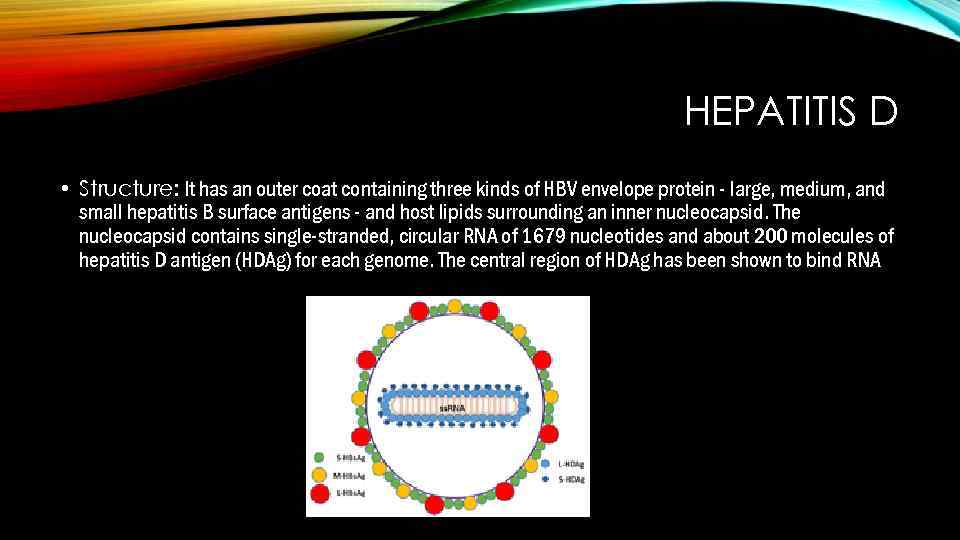 HEPATITIS D • Structure: It has an outer coat containing three kinds of HBV envelope protein - large, medium, and small hepatitis B surface antigens - and host lipids surrounding an inner nucleocapsid. The nucleocapsid contains single-stranded, circular RNA of 1679 nucleotides and about 200 molecules of hepatitis D antigen (HDAg) for each genome. The central region of HDAg has been shown to bind RNA
 PREVENTION • Same vaccine used to treat hepatitis B
 TREATMENT • No treatment • The drug myrcludex B, which inhibits virus entry into hepatocytes, is in clinical trials as of October 2015
 SYMPTOMS • Hepatitis D doesn’t always cause symptoms. When symptoms do occur, they often include: • yellowing of the skin and eyes, which is called jaundice • joint pain • abdominal pain • vomiting • loss of appetite • dark urine • fatigue
 DISGNOSIS • Blood test • Liver function test • ELISA