


 Скачать презентацию Hazardous Waste Management Overview Waste Management Definition
ccc63e9beb49e0cfc417b80f9d391873.ppt
- Количество слайдов: 71
 Hazardous Waste Management: Overview Waste Management
 Definition of Hazardous Waste A solid or liquid wastes which because of its quantity, concentration or physical, chemical or infectious characteristics, may: 1. Cause increase in mortality or severe illness, 2. Pose a substantial potential hazard to human health or environment, when improperly treated, stored, transported or disposed
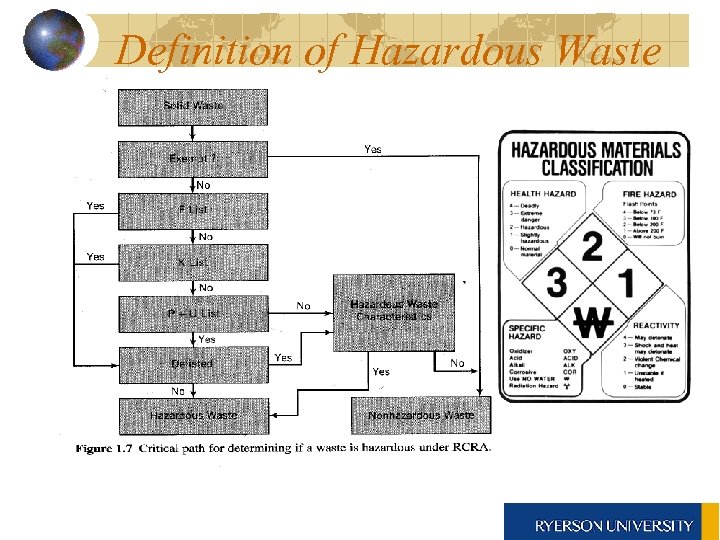 Definition of Hazardous Waste
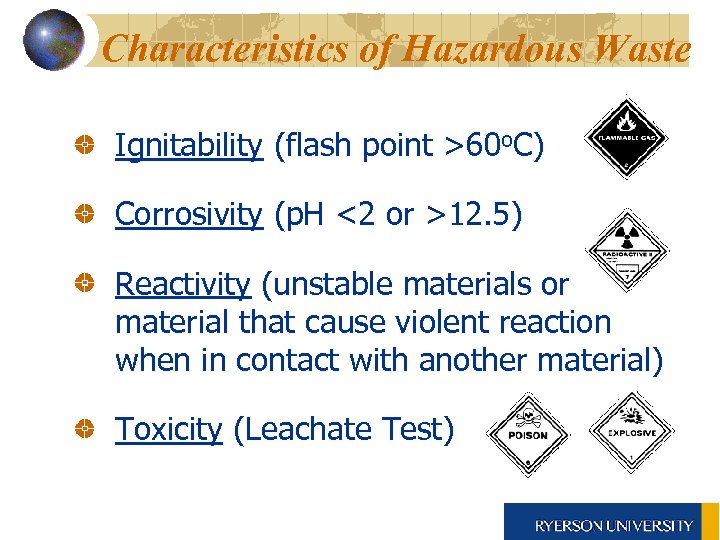 Characteristics of Hazardous Waste Ignitability (flash point >60 o. C) Corrosivity (p. H <2 or >12. 5) Reactivity (unstable materials or material that cause violent reaction when in contact with another material) Toxicity (Leachate Test)
 Nature of Hazardous Waste Management Hazardous Waste field is interdisciplinary Requires professionals with diverse background working together to solve the complex issue of hazardous waste management Environmental Impact and Risk Assessment Treatment, Storage and Disposal Waste Minimization, Recycling and Reduction Management and Cost
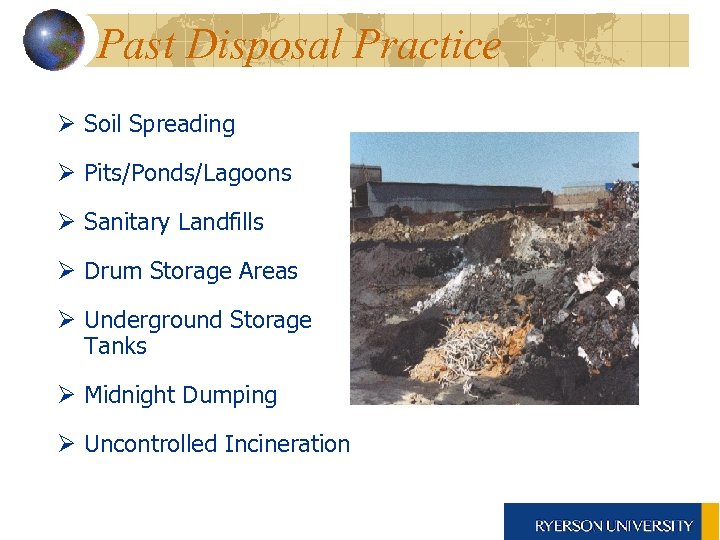 Past Disposal Practice Ø Soil Spreading Ø Pits/Ponds/Lagoons Ø Sanitary Landfills Ø Drum Storage Areas Ø Underground Storage Tanks Ø Midnight Dumping Ø Uncontrolled Incineration
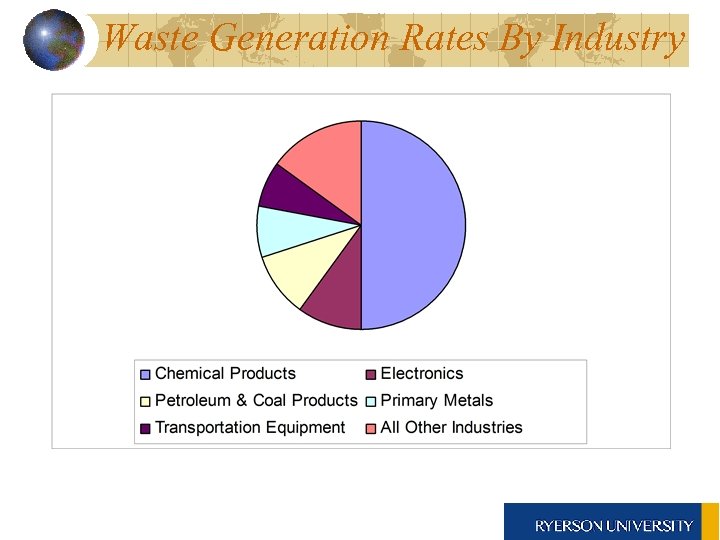 Waste Generation Rates By Industry
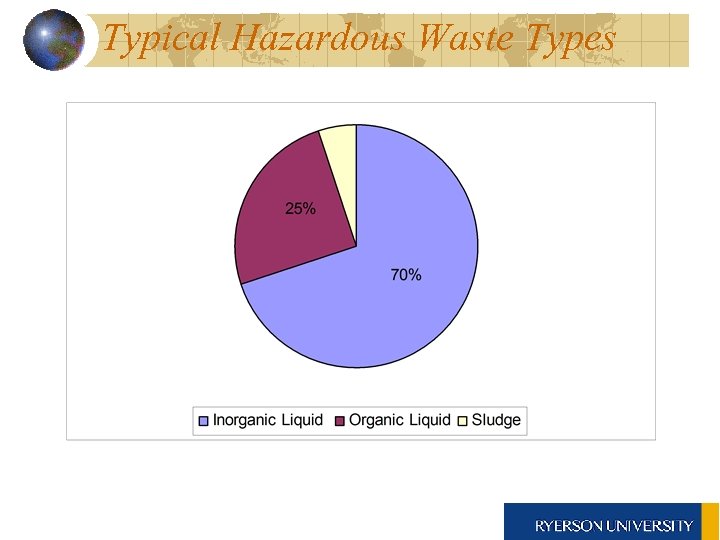 Typical Hazardous Waste Types
 Why the need for HWTC? Protect public health and the environment Reduce impact of hazardous waste on surface water and ground water Provide the means to enhance: Waste minimization at various industrial operations, and Waste recycling
 Objectives of HWTC 1. Avoid and minimize environmental and health pollution risks associated with the generation, storage, collection, transport, handling, recycling, and disposal of hazardous wastes 2. Ensure the movement and disposal practice of hazardous wastes is always controlled and environmentally safe, flexible, and economically sustainable for local conditions
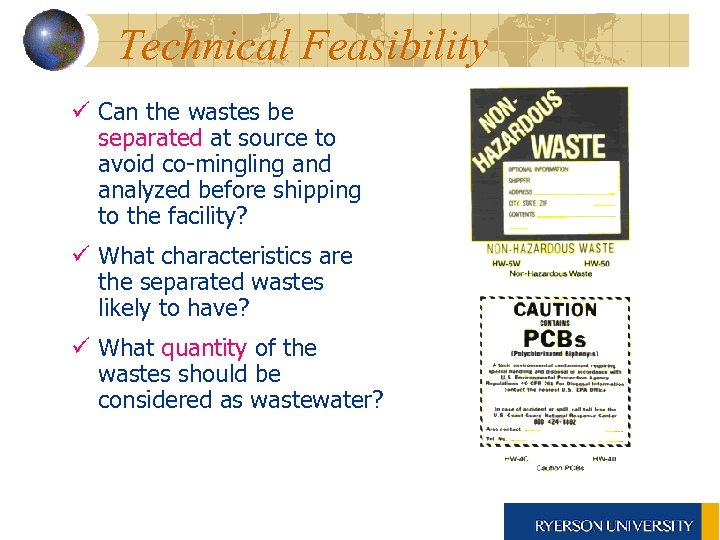 Technical Feasibility ü Can the wastes be separated at source to avoid co-mingling and analyzed before shipping to the facility? ü What characteristics are the separated wastes likely to have? ü What quantity of the wastes should be considered as wastewater?
 Market and Economic Feasibility ü Is there a local market for the products of recycling? ü Is there an international market for the products of recycling? ü What scale of disposal fees is to be expected for each category of waste? ü What rate of return would a Private Sector investor expect for providing and operating a Hazardous Waste Recycling Facility?
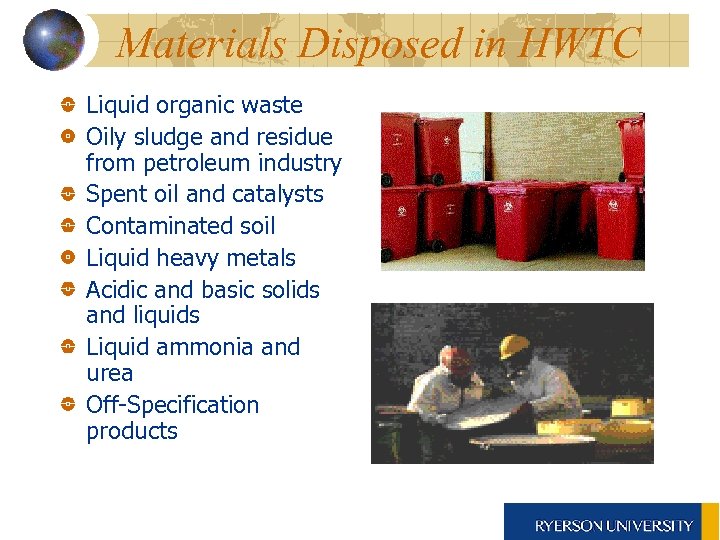 Materials Disposed in HWTC Liquid organic waste Oily sludge and residue from petroleum industry Spent oil and catalysts Contaminated soil Liquid heavy metals Acidic and basic solids and liquids Liquid ammonia and urea Off-Specification products
 Estimation of Hazardous Wastes Quantities? ? Hazardous Waste Inventory: Estimate the total waste stream quantity Deduct the portion of these wastes that are being recycled or processed at the generator’s own facilities Deduct any co-mingled wastes that are impossible to separate in a cost-effective manner
 Estimation of Hazardous Wastes Quantities (cont. ) Deduct waste quantities being disposed without permit Prepare an integrated treatment system for the remainder with add-on facilities for growth and improvement in anticipation of reducing any unauthorized disposal Propose action as necessary for treatment and disposal facilities for the co-mingled and improperly disposed wastes
 HWTC Design Approach 1. A flexible modular design will provide the Project Authority with the opportunity to attract private sector investments and will minimize capital cost in the longterm Focus initially on the major polluters Provide HWTC to treat part of the waste Initiate and monitor
 HWTC Design Approach (cont. ) 2. Due to the nature of the hazardous wastes and their potential to change characteristics and properties over time, the HWTC needs to be properly designed and equipped with facilities that are capable of safely meeting the needs of handling and disposing the hazardous waste
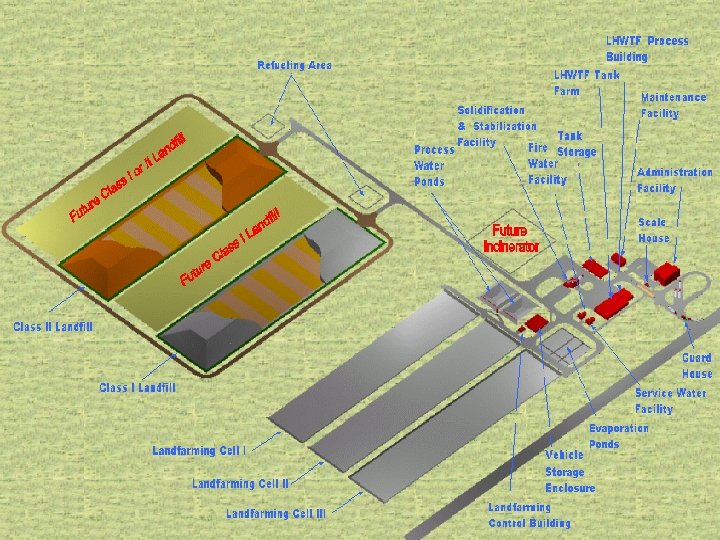
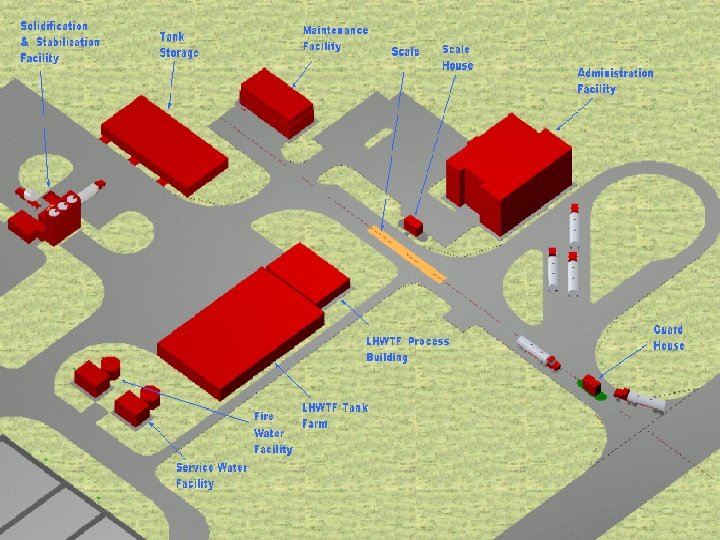
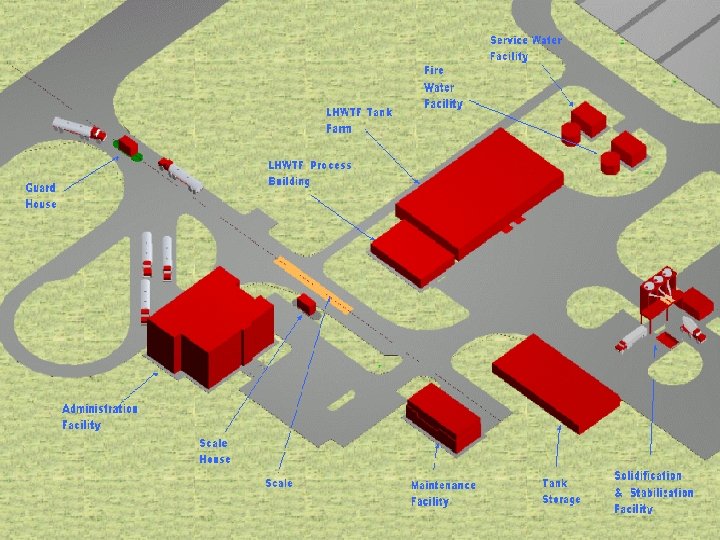
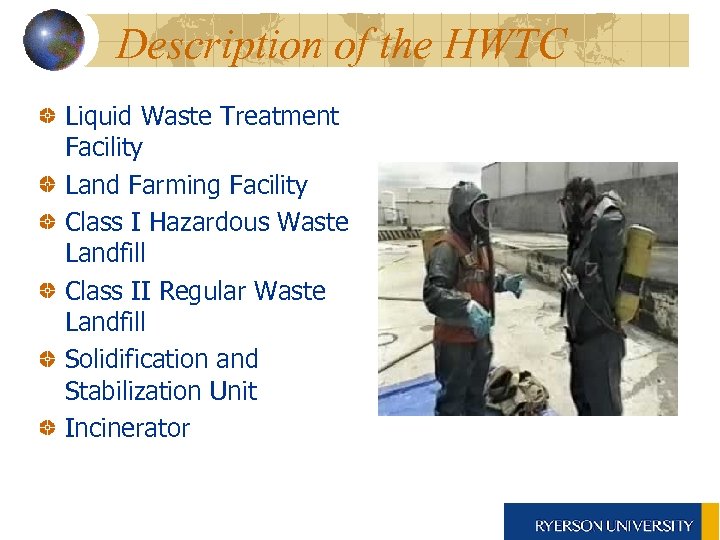 Description of the HWTC Liquid Waste Treatment Facility Land Farming Facility Class I Hazardous Waste Landfill Class II Regular Waste Landfill Solidification and Stabilization Unit Incinerator
 Important Points The priorities of hazardous Waste management in decreasing order of importance: Minimization/Prevention Treatment/Remediation Disposal
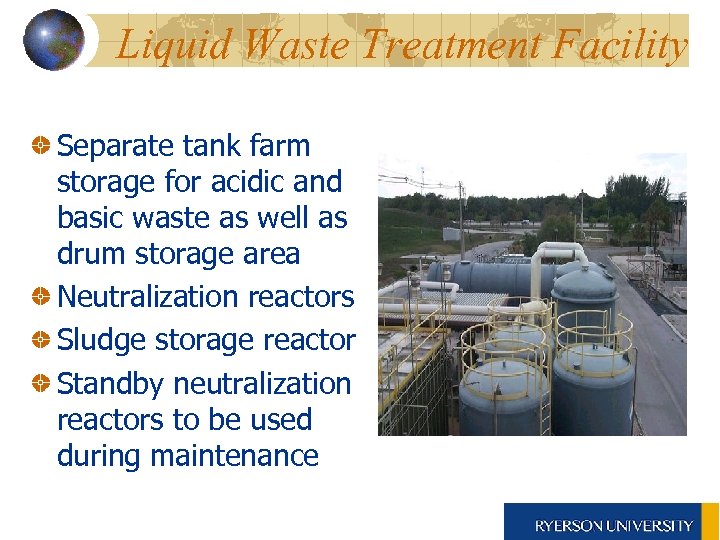 Liquid Waste Treatment Facility Separate tank farm storage for acidic and basic waste as well as drum storage area Neutralization reactors Sludge storage reactor Standby neutralization reactors to be used during maintenance
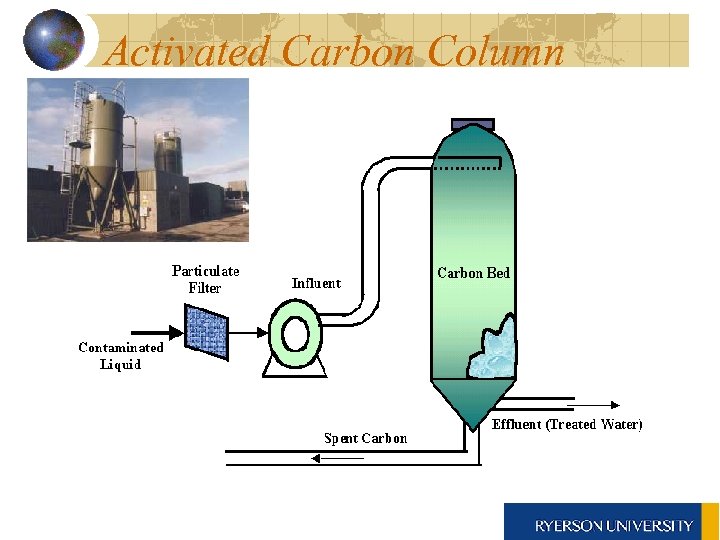 Activated Carbon Column
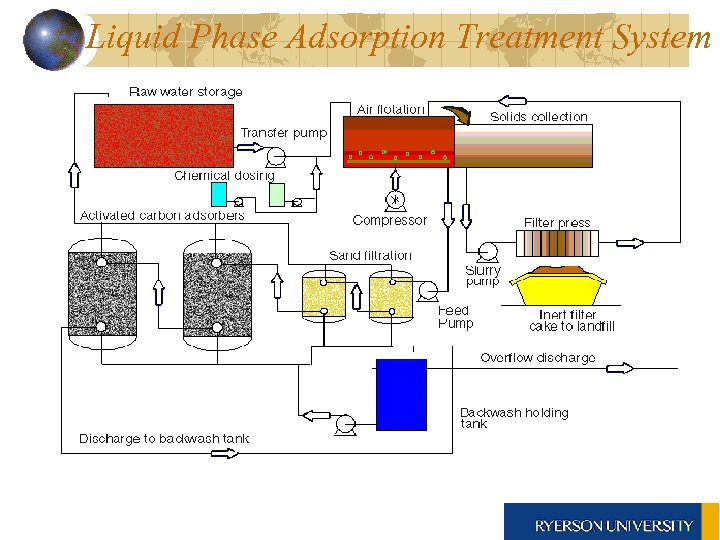 Liquid Phase Adsorption Treatment System
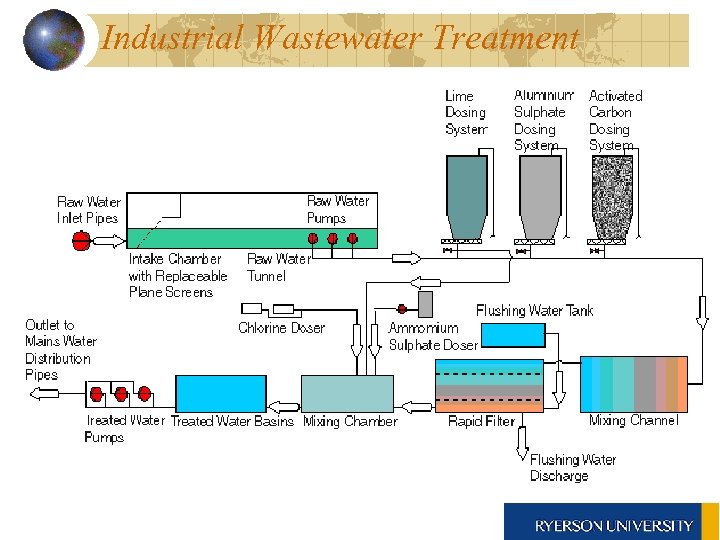 Industrial Wastewater Treatment
 Chemical Oxidation In general the objective of chemical oxidation is to detoxify waste by adding an oxidizing agent to chemically transform waste components Chemical oxidation is a well established technology that is capable of destroying a wide range of organic molecules, including chlorinated VOCs, phenols and inorganics such as cyanide
 Process Description Chemical Oxidation is based on the delivery of oxidants to contaminated media in order to either destroy the contaminants by converting them to innocuous compounds commonly found in nature The oxidants applied are typically hydrogen peroxide (H 2 O 2), potassium permanganate (KMn. O 2), ozone (O 3)
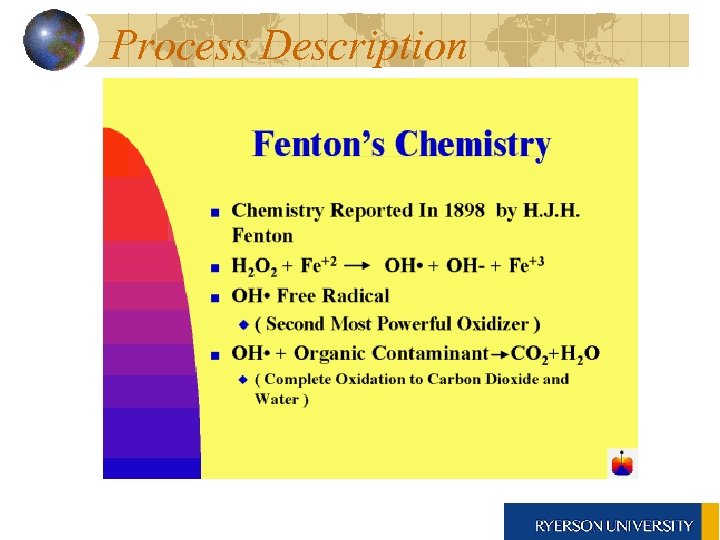 Process Description
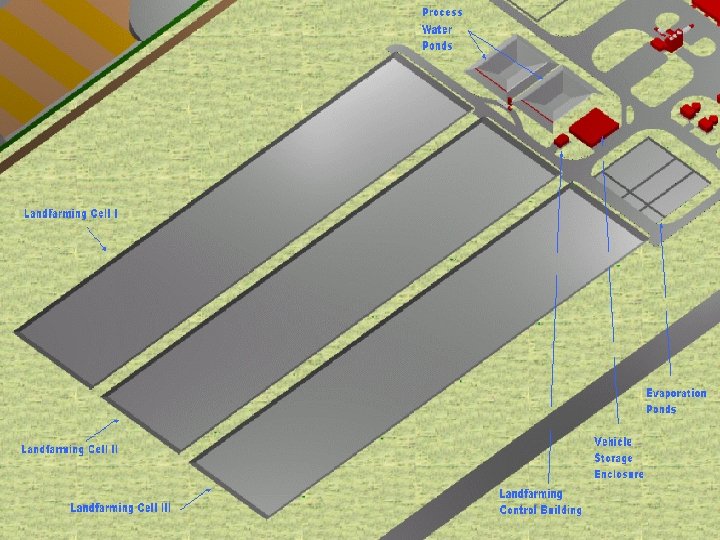
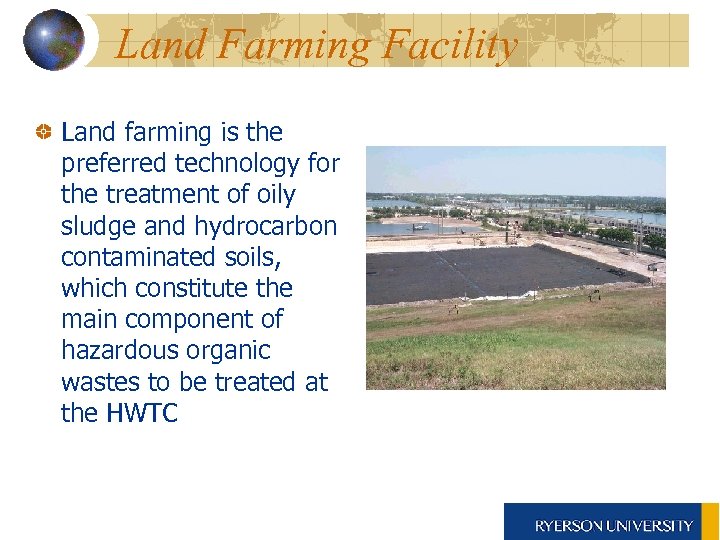 Land Farming Facility Land farming is the preferred technology for the treatment of oily sludge and hydrocarbon contaminated soils, which constitute the main component of hazardous organic wastes to be treated at the HWTC
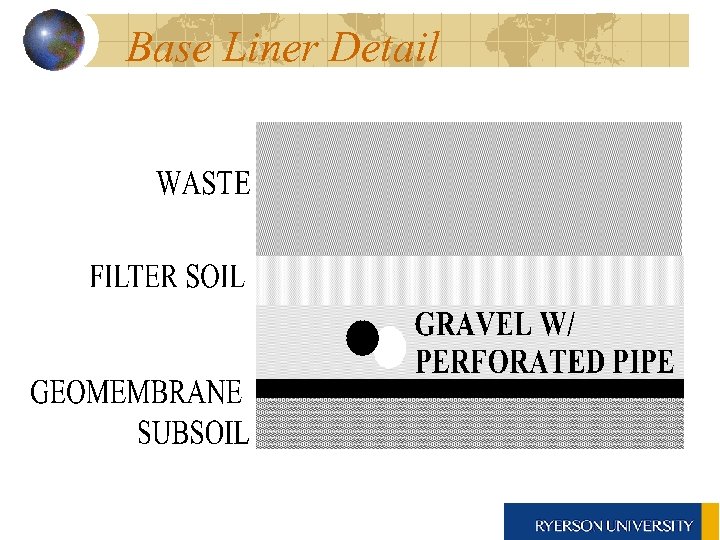 Base Liner Detail
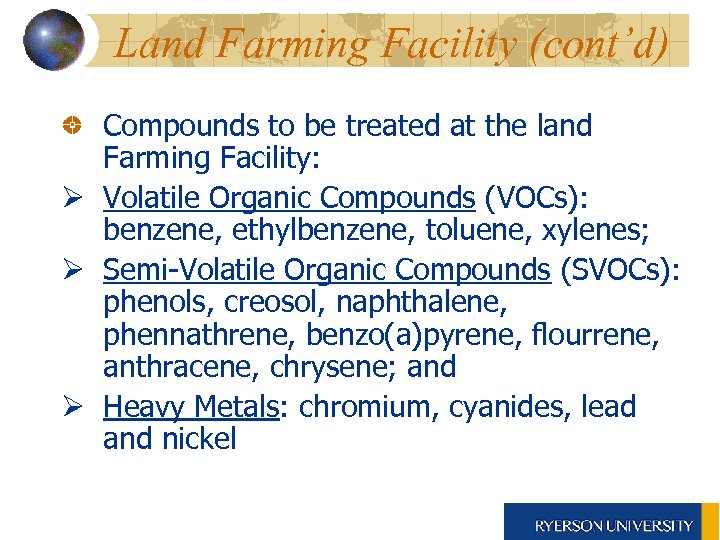 Land Farming Facility (cont’d) Compounds to be treated at the land Farming Facility: Ø Volatile Organic Compounds (VOCs): benzene, ethylbenzene, toluene, xylenes; Ø Semi-Volatile Organic Compounds (SVOCs): phenols, creosol, naphthalene, phennathrene, benzo(a)pyrene, flourrene, anthracene, chrysene; and Ø Heavy Metals: chromium, cyanides, lead and nickel
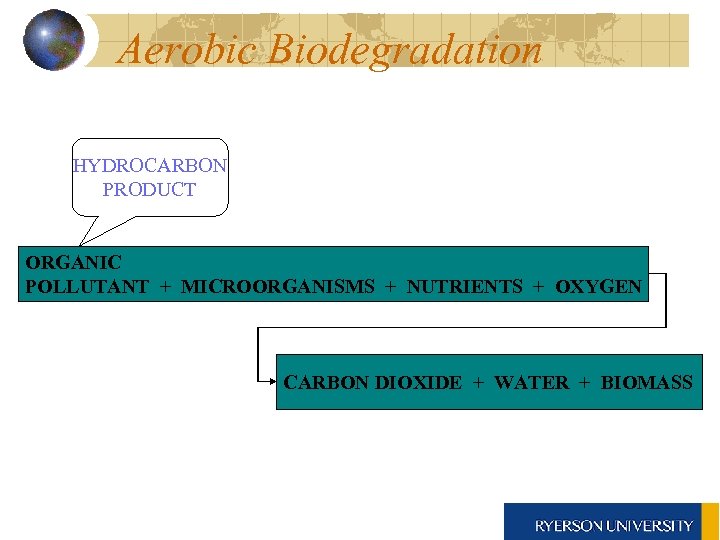 Aerobic Biodegradation HYDROCARBON PRODUCT ORGANIC POLLUTANT + MICROORGANISMS + NUTRIENTS + OXYGEN CARBON DIOXIDE + WATER + BIOMASS
 Microorganisms • Regarding the natural breakdown of hydrocarbon products, bacteria are the main microorganism in the bioremediation process • Bacteria act as decomposers and utilize hydrocarbon product as a source of energy
 Nutrients Ø Nutrients enhance the biodegradation process by supplying essential elements required for optimal microbial growth and maintenance Ø Nutrients can be supplied in the field through the application of manure or fertilizer Ø C: N: P = (100 -300): 10: 1
 Requirements for Biodegradation Ø Proper nutrient balance Ø Temperature 15 – 30 o. C Ø Acceptable p. H 5. 5 - 8. 5 Ø Moisture content of 60% - 80% of field capacity Ø Oxygen concentration Ø Presence of toxic heavy metals
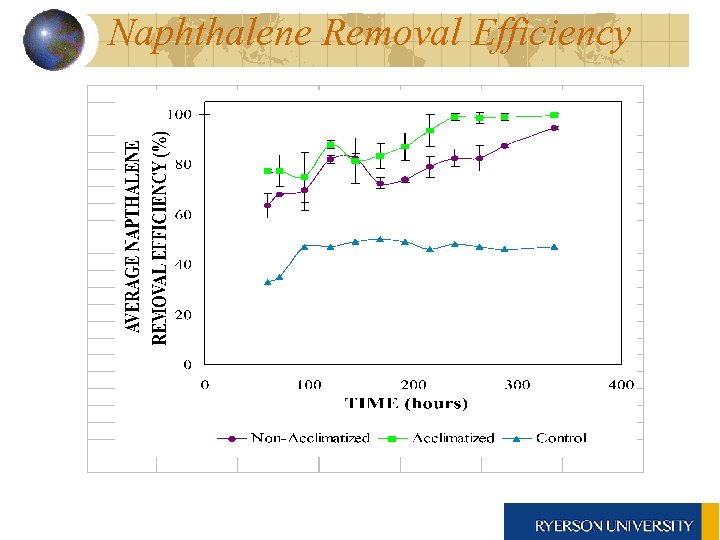 Naphthalene Removal Efficiency
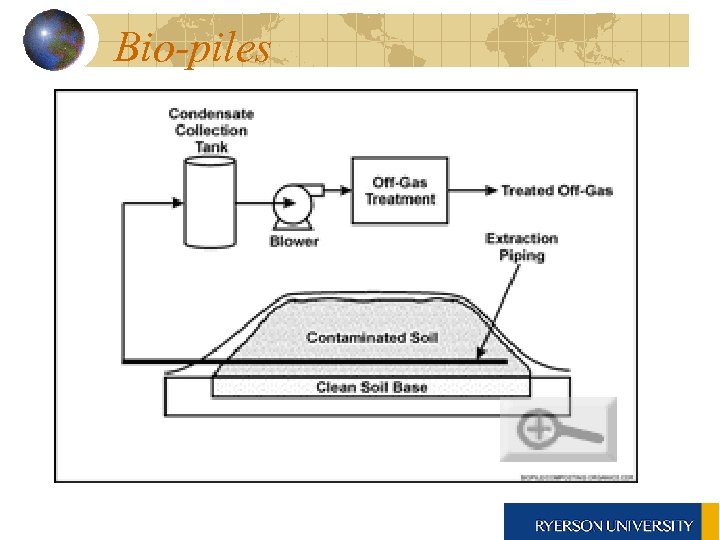 Bio-piles
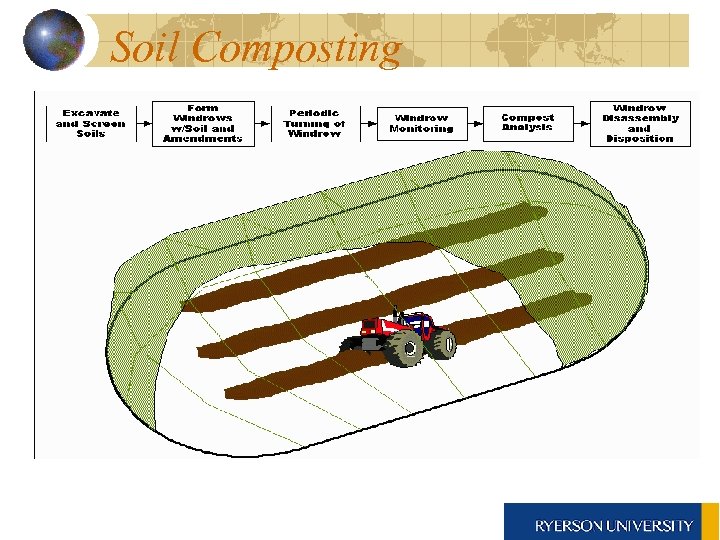 Soil Composting
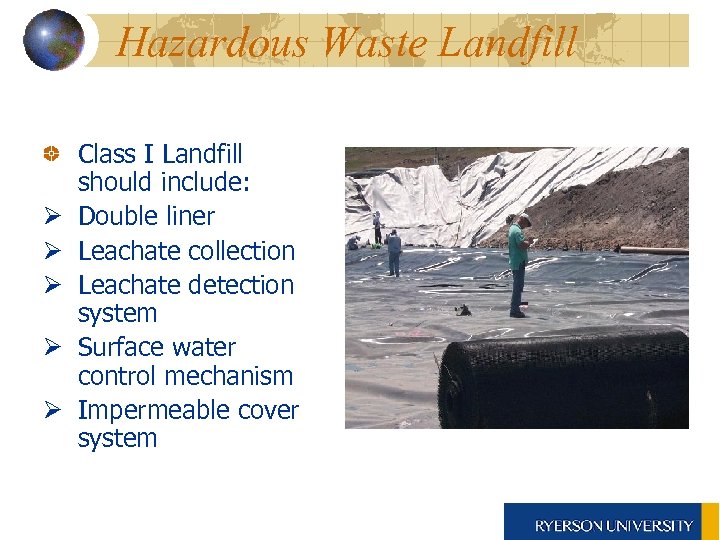 Hazardous Waste Landfill Ø Ø Ø Class I Landfill should include: Double liner Leachate collection Leachate detection system Surface water control mechanism Impermeable cover system
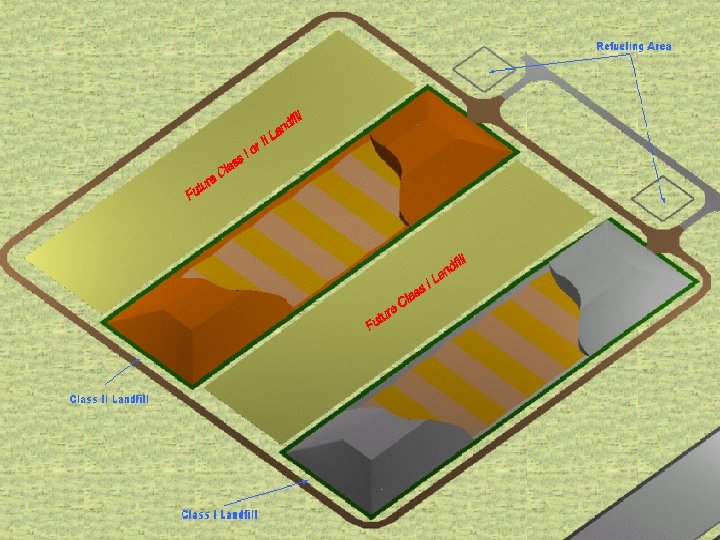
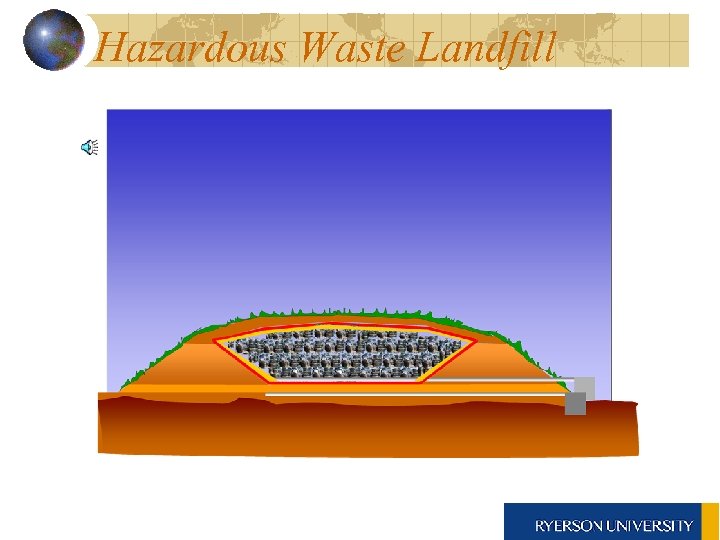 Hazardous Waste Landfill
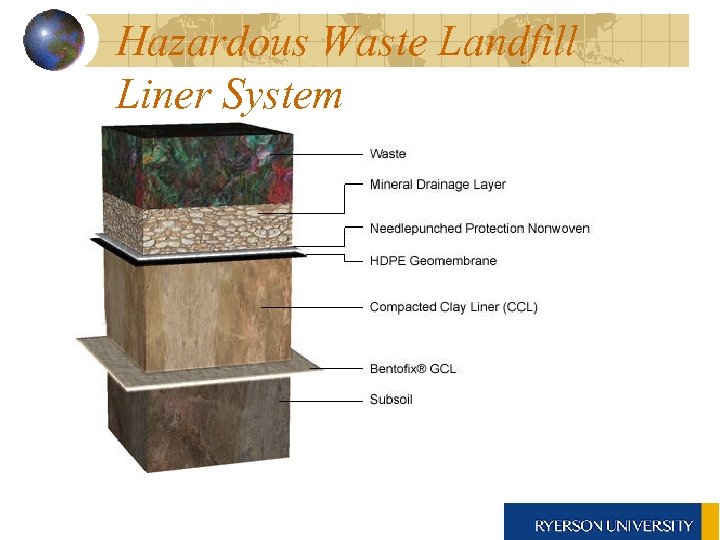 Hazardous Waste Landfill Liner System
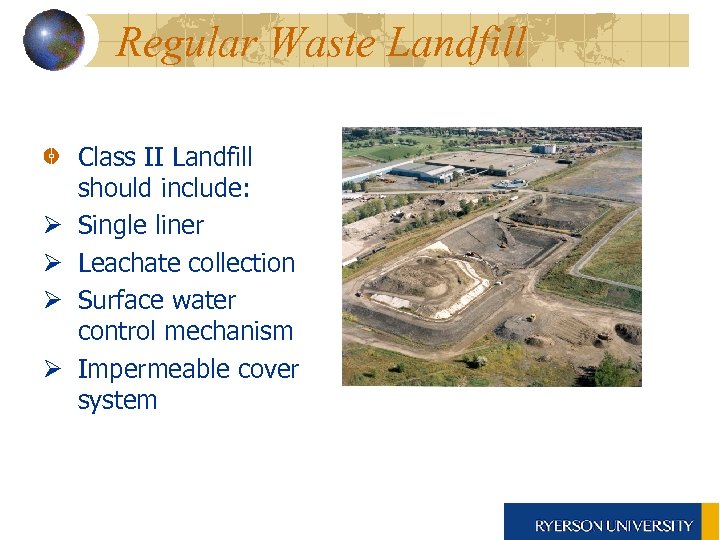 Regular Waste Landfill Ø Ø Class II Landfill should include: Single liner Leachate collection Surface water control mechanism Impermeable cover system
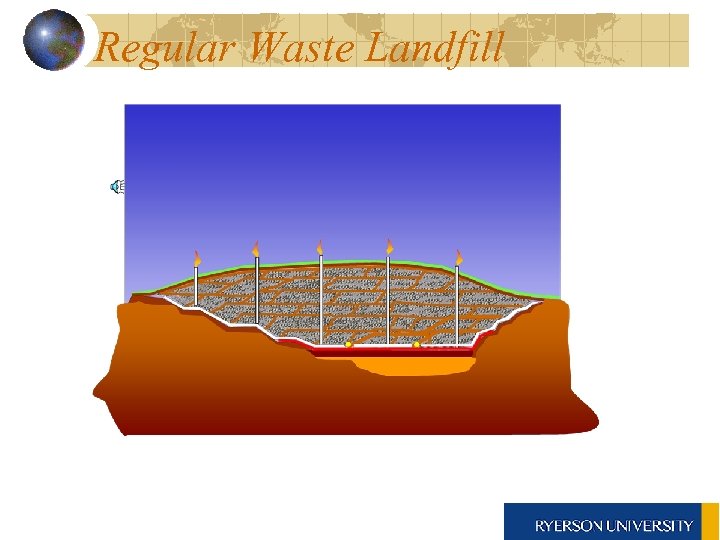 Regular Waste Landfill
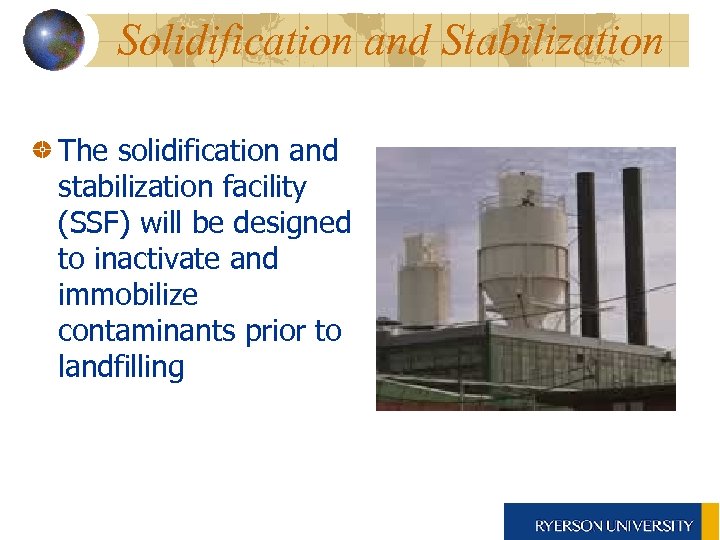 Solidification and Stabilization The solidification and stabilization facility (SSF) will be designed to inactivate and immobilize contaminants prior to landfilling
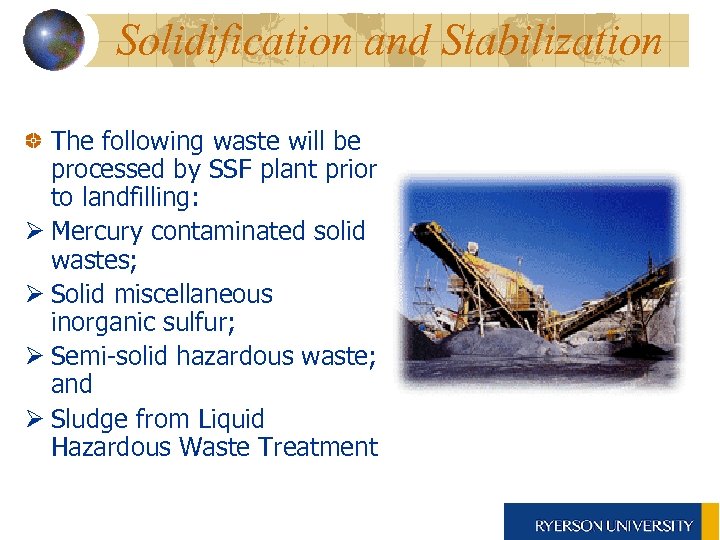 Solidification and Stabilization The following waste will be processed by SSF plant prior to landfilling: Ø Mercury contaminated solid wastes; Ø Solid miscellaneous inorganic sulfur; Ø Semi-solid hazardous waste; and Ø Sludge from Liquid Hazardous Waste Treatment
 Solidification and Stabilization S/S reduces the mobility of hazardous substances and contaminants in the environment through both physical and chemical means S/S seeks to trap or immobilize contaminants within their host medium (i. e. soil, sand binding agent) Leachability testing is usually performed to measure the immobilization of contaminants from the stabilized matrix
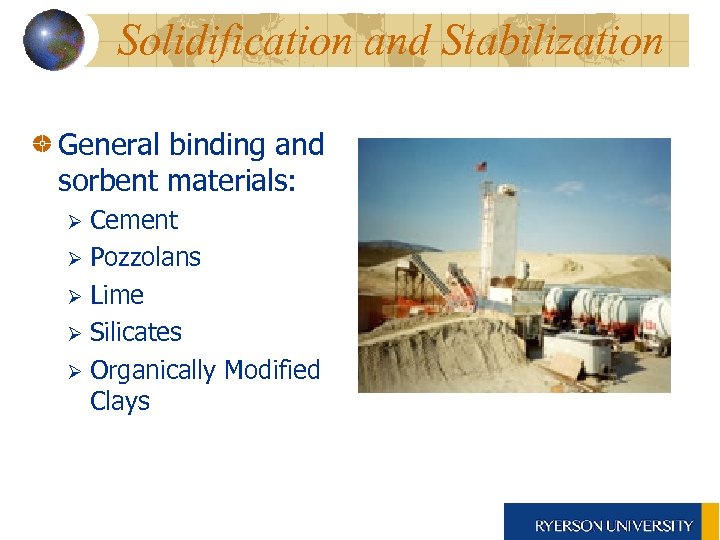 Solidification and Stabilization General binding and sorbent materials: Cement Ø Pozzolans Ø Lime Ø Silicates Ø Organically Modified Clays Ø
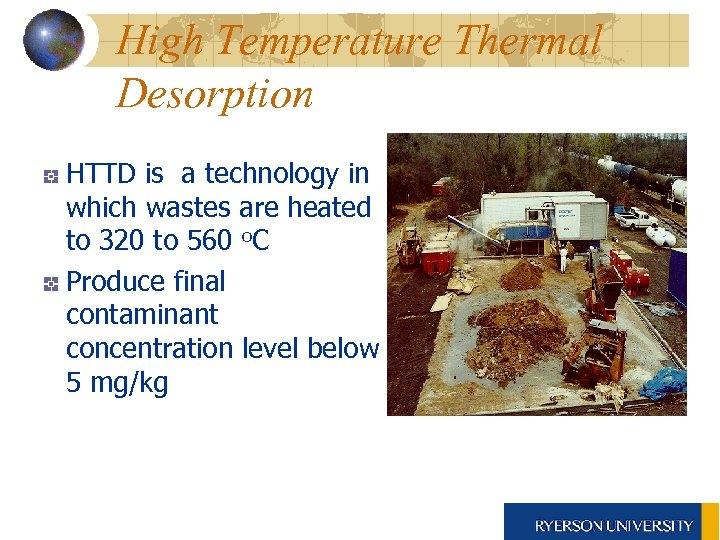 High Temperature Thermal Desorption HTTD is a technology in which wastes are heated to 320 to 560 o. C Produce final contaminant concentration level below 5 mg/kg
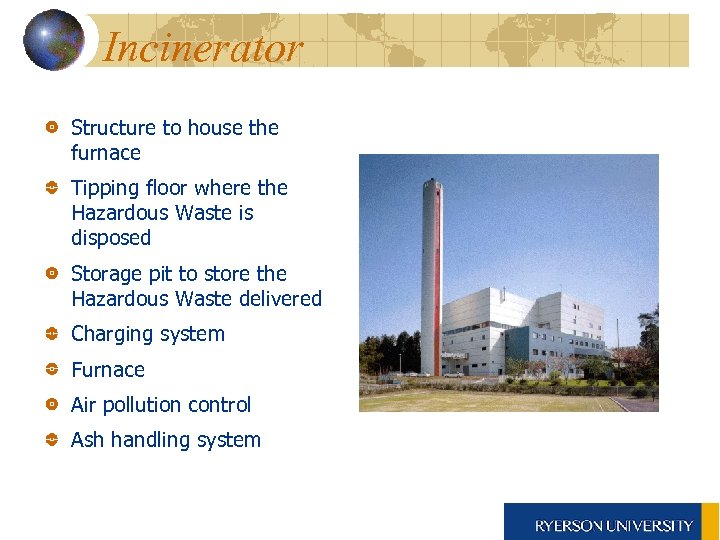 Incinerator Structure to house the furnace Tipping floor where the Hazardous Waste is disposed Storage pit to store the Hazardous Waste delivered Charging system Furnace Air pollution control Ash handling system
 HWTC Control Philosophy Provide a Supervisory Control and Data Acquisition (SCADA). The SCADA system will provide two levels of control: Level 1 control operates equipment directly and bypasses all interlocks. Level 2 is initiated directly by computer programming. Level 2 controls, operates equipment and processes remotely.
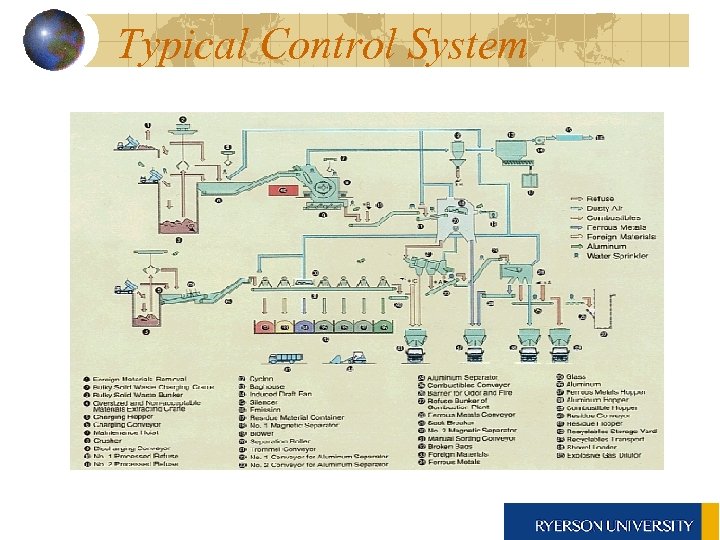 Typical Control System
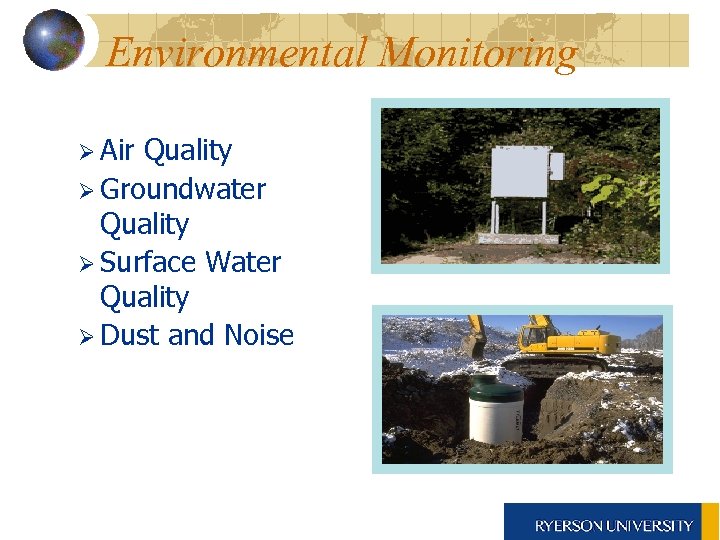 Environmental Monitoring Ø Air Quality Ø Groundwater Quality Ø Surface Water Quality Ø Dust and Noise
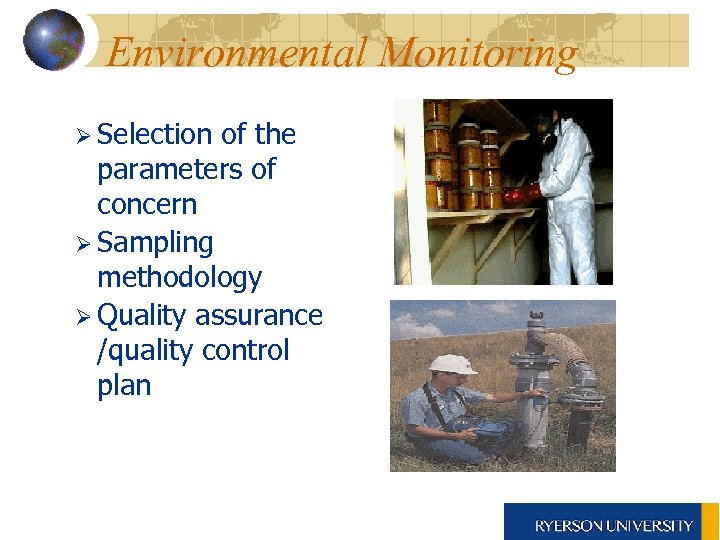 Environmental Monitoring Ø Selection of the parameters of concern Ø Sampling methodology Ø Quality assurance /quality control plan
 Project Approach Task 1: Review of Existing Data Task 2: Discussion with Project Authority Task 3: Development and Finalization of HWTF Design Task 4: Prepare Final Design Drawings and Design Basis Memorandum
 Project Approach (cont. ) Task 5: Design of Liquid Hazardous Waste Treatment Facility Task 6: Class I and II Landfills Design Task 7: Land Framing Facility Design Task 8: Solidification and Stabilization Facility Design
 Project Approach (cont. ) Task 9: HWTC Construction Task 10: Facility Commissioning and Operation Task 11: Facility Handing Over
 Conclusions 1. Key to proper design of HWTC is system flexibility to adjust to hazardous waste quantities and properties over time 2. Enforcement of environmental law and regulations
 Leachate Treatment Using Wetlands Department of Environmental Engineering Beijing University of Chemical Technology December 2003
 Wetlands Ø Wetland is define as land having the water table at, near or above the land surface or which is saturated for long enough period to promote wetland or aquatic processes as indicated by hydric soils, hydrophilic vegetation, and various kinds of biological activity which are adapted to the wet environment.
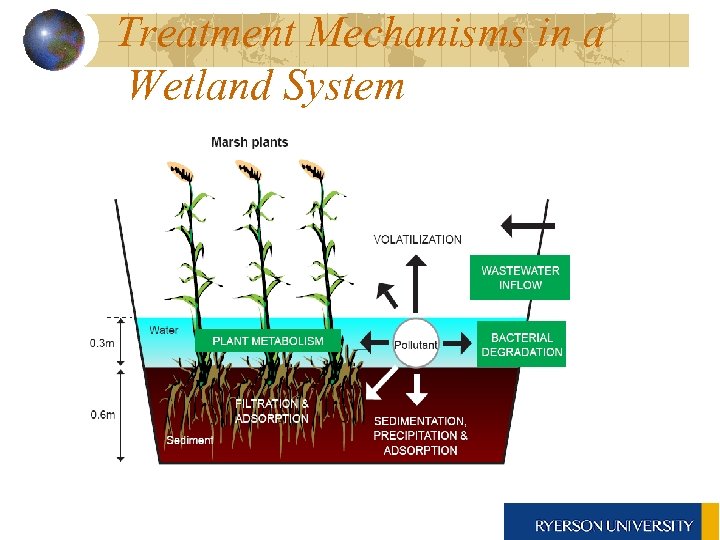 Treatment Mechanisms in a Wetland System
 Type of Engineered wetlands Constructed wetland systems are classified into two general types: Ø Horizontal Flow System (HFS) Ø Ø Surface Flow (SF) Sub-surface Flow (SSF) Ø Vertical Flow System (VFS).
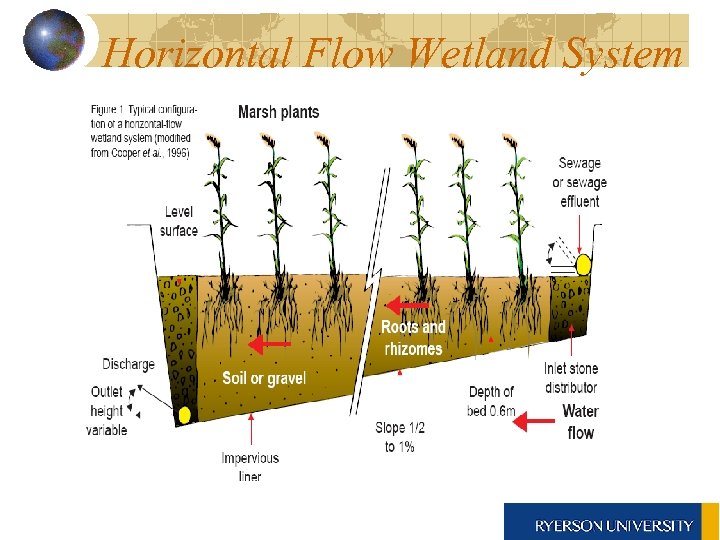 Horizontal Flow Wetland System
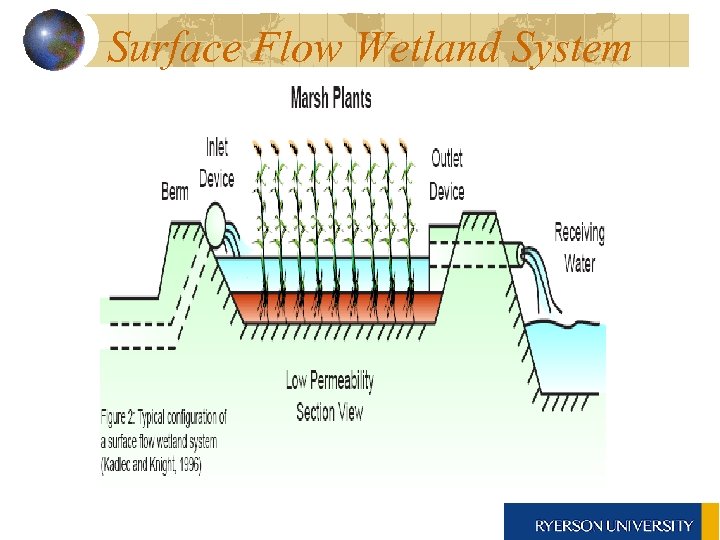 Surface Flow Wetland System
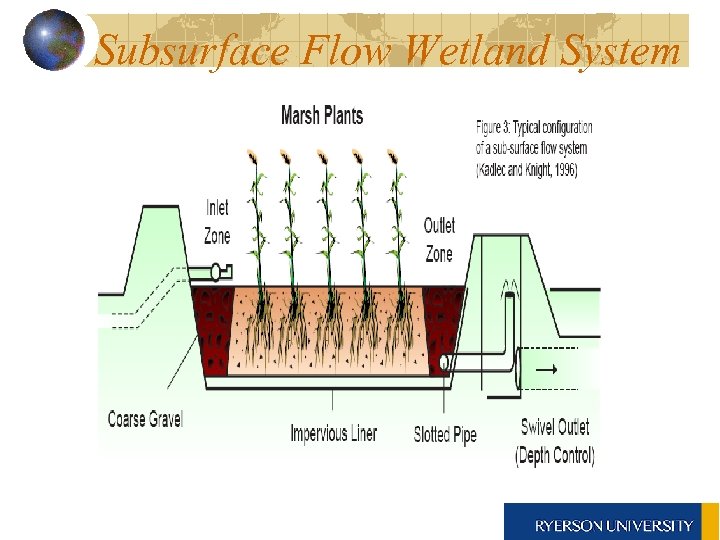 Subsurface Flow Wetland System
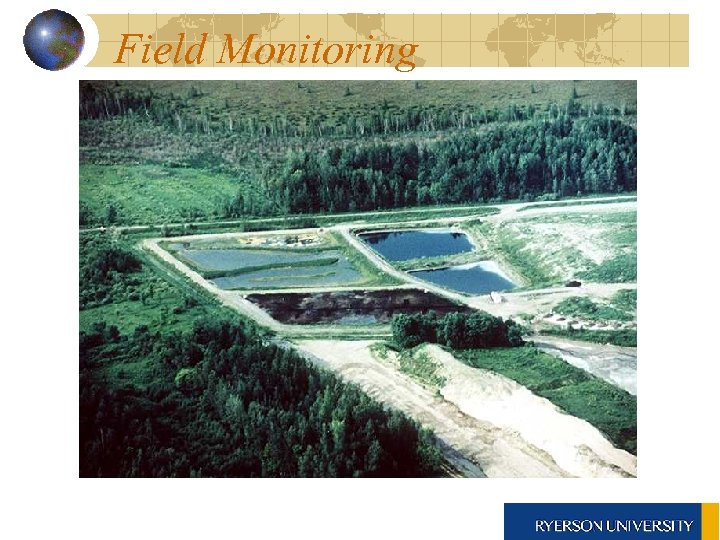 Field Monitoring
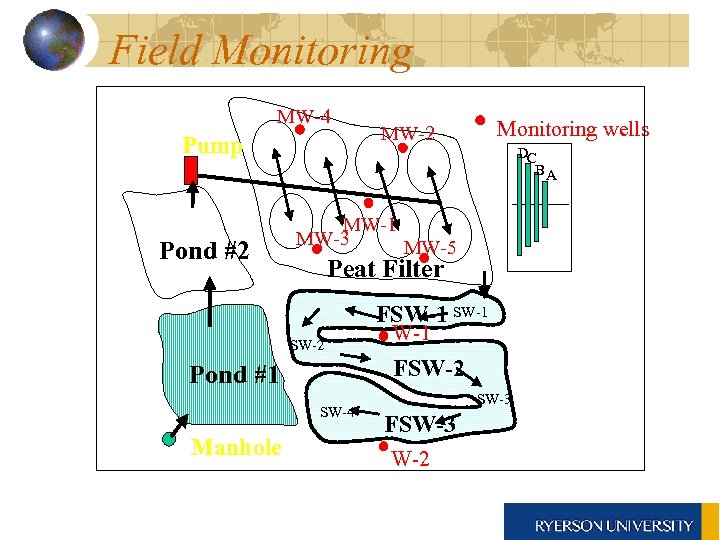 Field Monitoring MW-4 Pump Pond #2 Monitoring wells MW-2 DC BA MW-1 MW-3 MW-5 Peat Filter FSW-1 SW-2 FSW-2 Pond #1 SW-4 Manhole W-1 SW-3 FSW-3 W-2
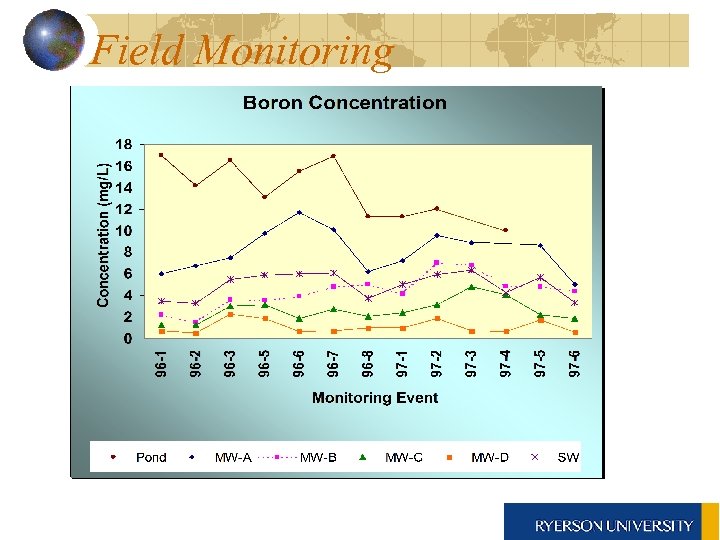 Field Monitoring
 Conclusions Boron adsorption was directly related to organic content Peat filter was effective in treating landfill leachate The adsorption capacity of the peat can be significantly enhanced by lime addition