 Скачать презентацию Green Hotel Concepts September 2010 Our Offices
0882da0248ef95348606aab08278e020.ppt
- Количество слайдов: 35



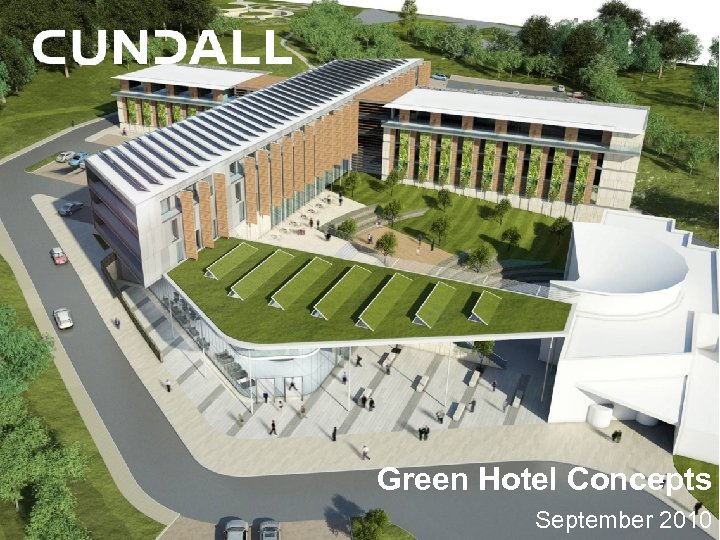
Green Hotel Concepts September 2010
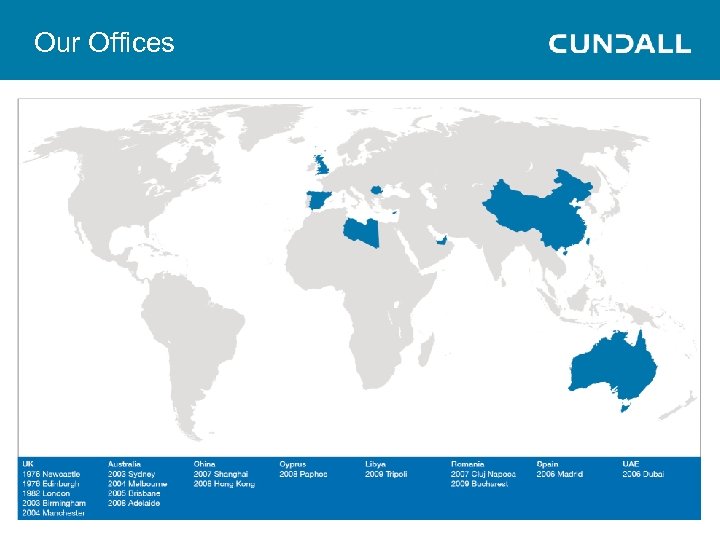
Our Offices
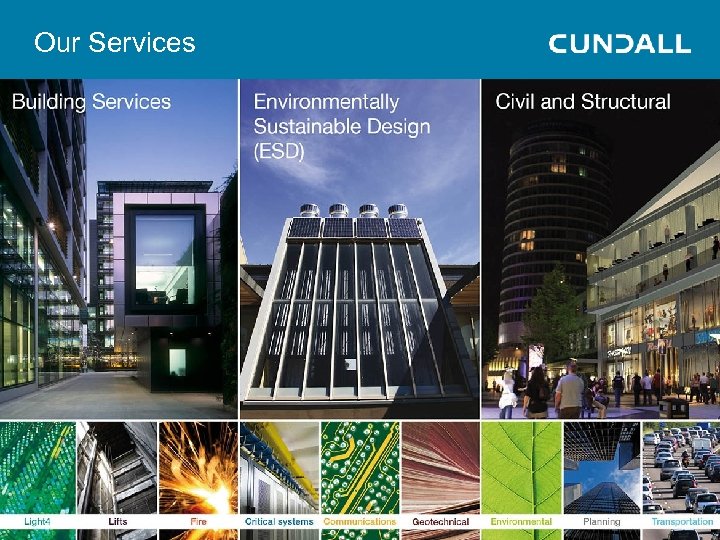
Our Services
Benchmarking
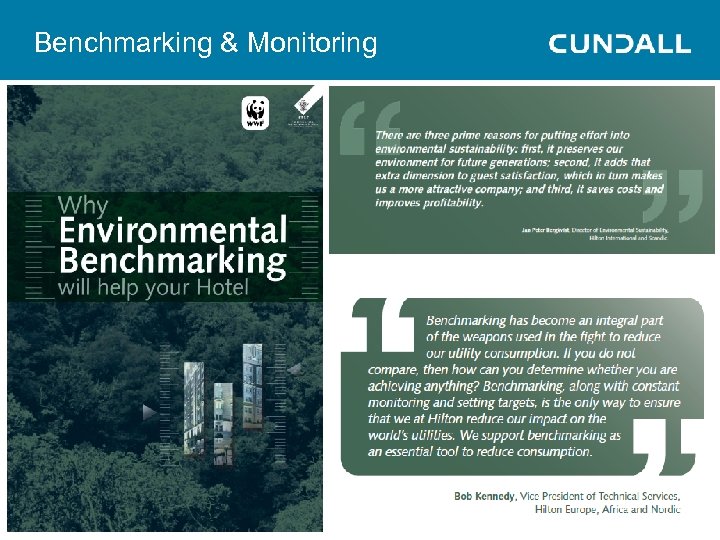
Benchmarking & Monitoring
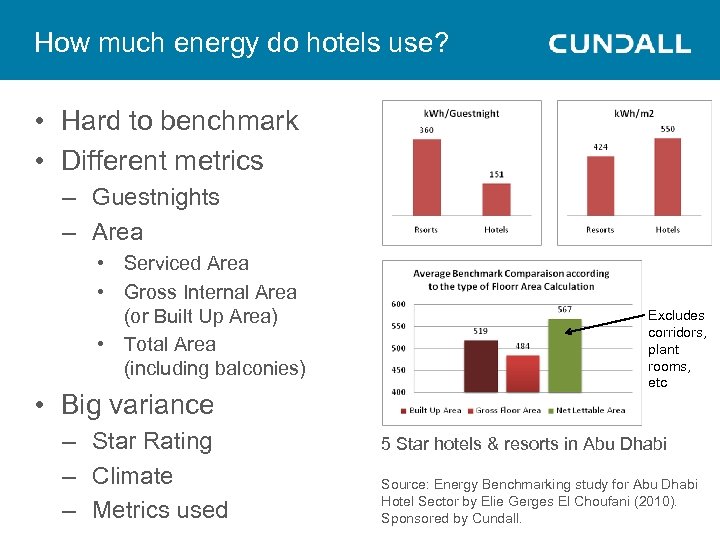
How much energy do hotels use? • Hard to benchmark • Different metrics – Guestnights – Area • Serviced Area • Gross Internal Area (or Built Up Area) • Total Area (including balconies) • Big variance – Star Rating – Climate – Metrics used Excludes corridors, plant rooms, etc 5 Star hotels & resorts in Abu Dhabi Source: Energy Benchmarking study for Abu Dhabi Hotel Sector by Elie Gerges El Choufani (2010). Sponsored by Cundall.
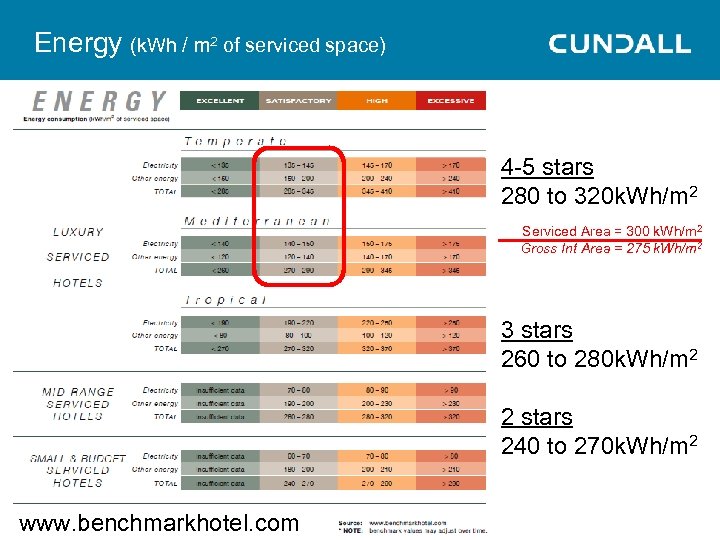
Energy (k. Wh / m 2 of serviced space) 4 -5 stars 280 to 320 k. Wh/m 2 Serviced Area = 300 k. Wh/m 2 Gross Int Area = 275 k. Wh/m 2 3 stars 260 to 280 k. Wh/m 2 2 stars 240 to 270 k. Wh/m 2 www. benchmarkhotel. com
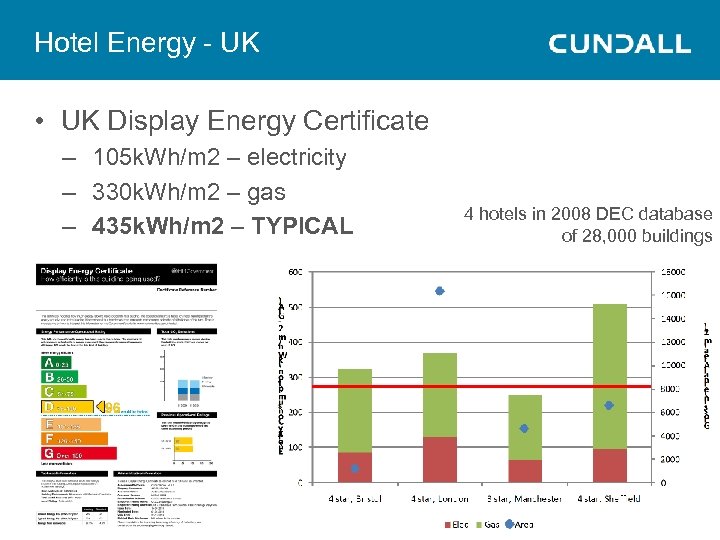
Hotel Energy - UK • UK Display Energy Certificate – 105 k. Wh/m 2 – electricity – 330 k. Wh/m 2 – gas – 435 k. Wh/m 2 – TYPICAL 4 hotels in 2008 DEC database of 28, 000 buildings
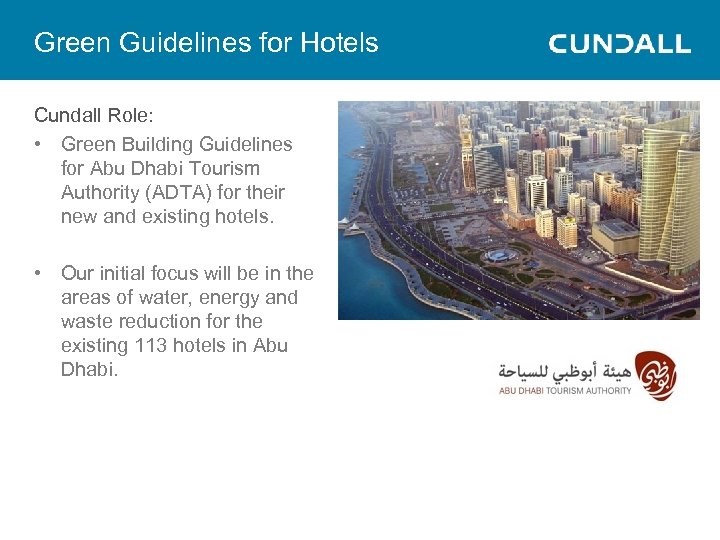
Green Guidelines for Hotels Cundall Role: • Green Building Guidelines for Abu Dhabi Tourism Authority (ADTA) for their new and existing hotels. • Our initial focus will be in the areas of water, energy and waste reduction for the existing 113 hotels in Abu Dhabi.
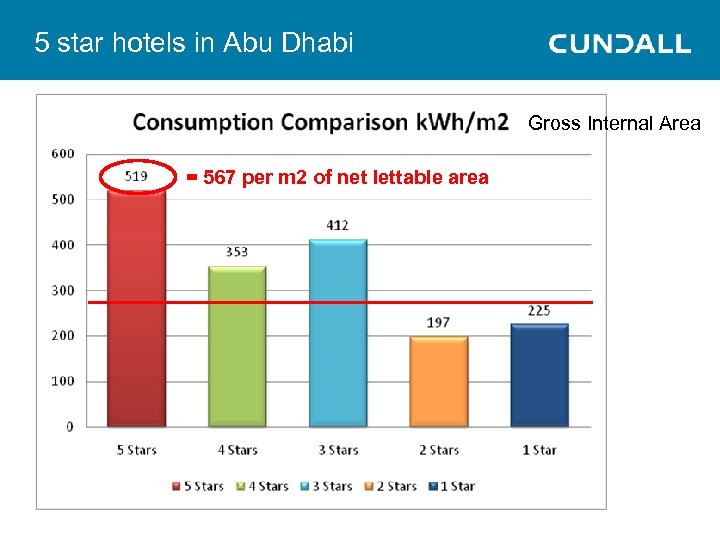
5 star hotels in Abu Dhabi Gross Internal Area = 567 per m 2 of net lettable area
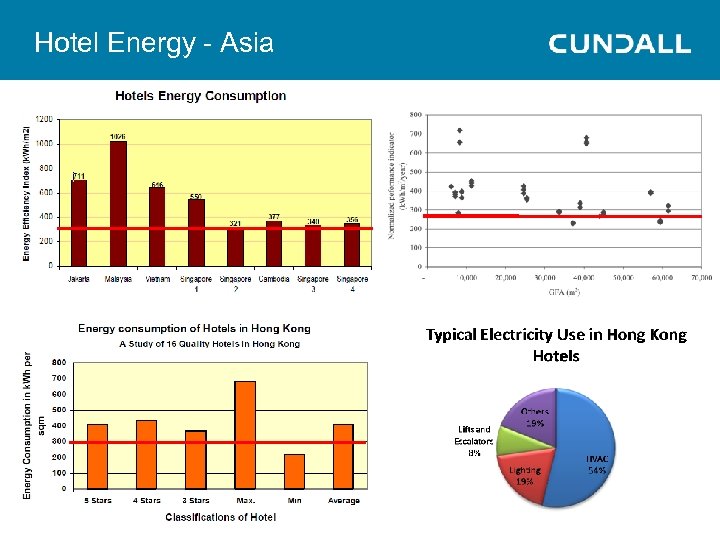
Hotel Energy - Asia
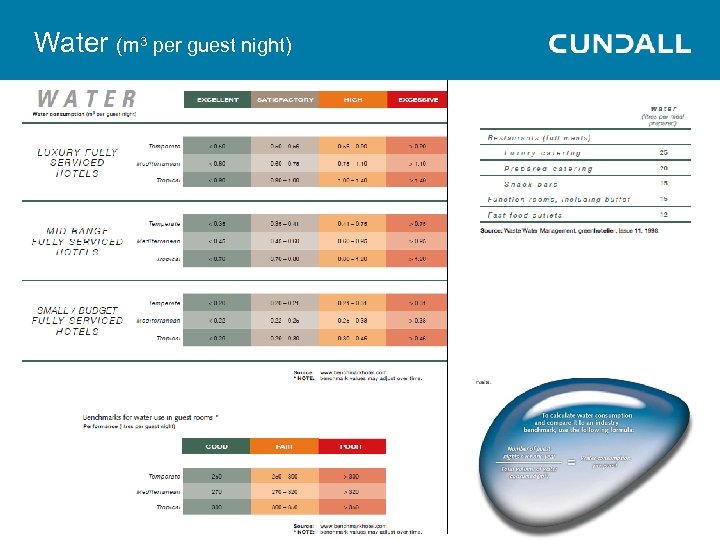
Water (m 3 per guest night)
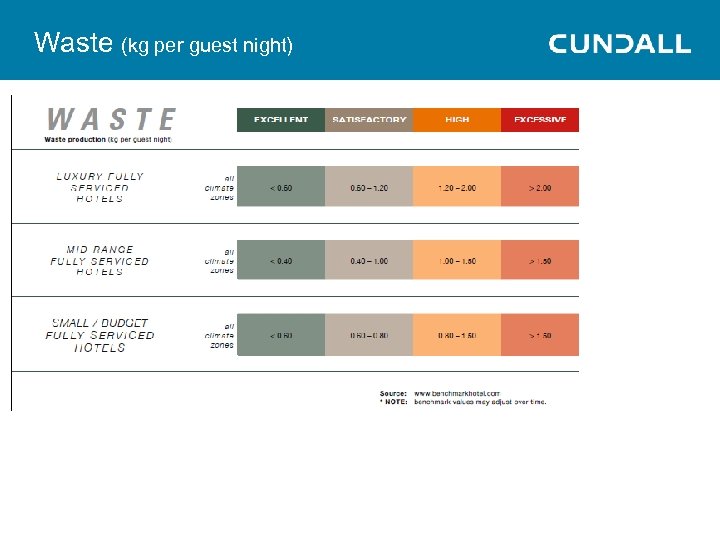
Waste (kg per guest night)
Reducing Energy & Carbon
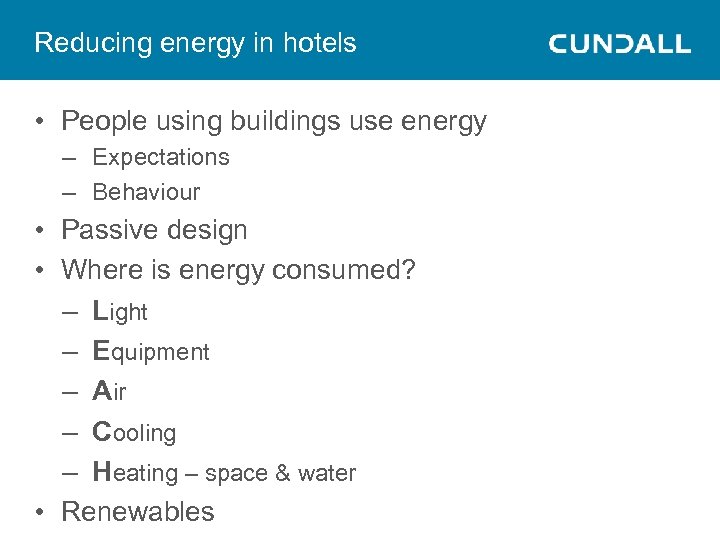
Reducing energy in hotels • People using buildings use energy – Expectations – Behaviour • Passive design • Where is energy consumed? – Light – Equipment – Air – Cooling – Heating – space & water • Renewables
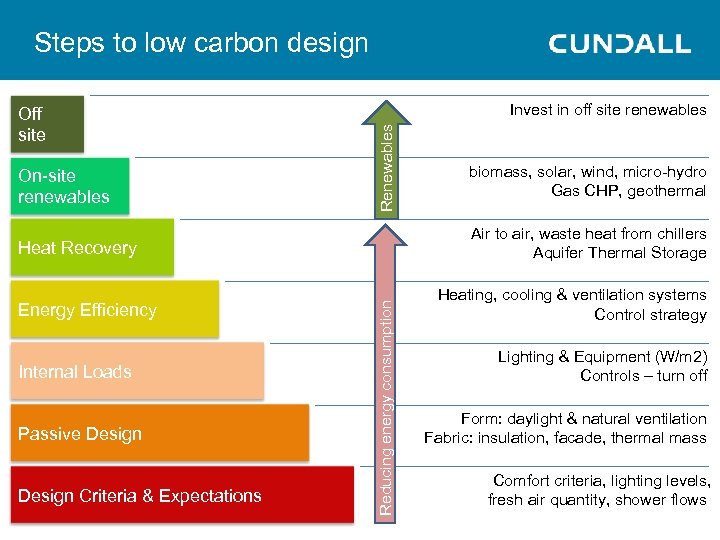
Steps to low carbon design On-site renewables Invest in off site renewables Renewables Off site Air to air, waste heat from chillers Aquifer Thermal Storage Internal Loads Passive Design Criteria & Expectations Reducing energy consumption Heat Recovery Energy Efficiency biomass, solar, wind, micro-hydro Gas CHP, geothermal Heating, cooling & ventilation systems Control strategy Lighting & Equipment (W/m 2) Controls – turn off Form: daylight & natural ventilation Fabric: insulation, facade, thermal mass Comfort criteria, lighting levels, fresh air quantity, shower flows
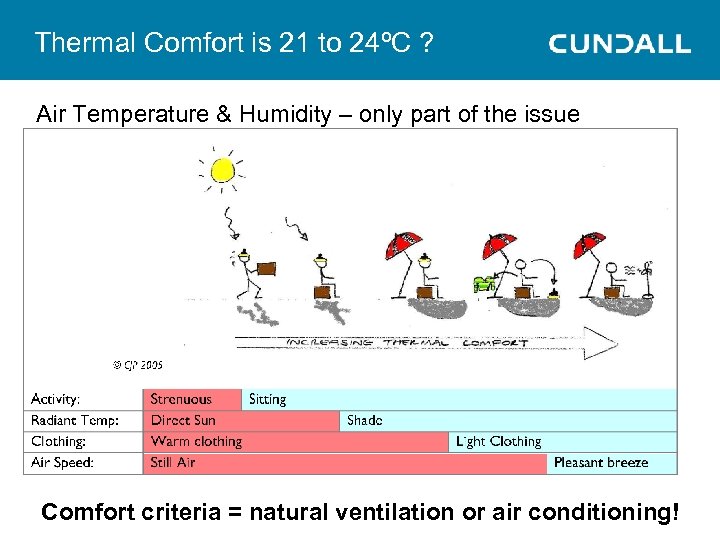
Thermal Comfort is 21 to 24ºC ? Air Temperature & Humidity – only part of the issue Comfort criteria = natural ventilation or air conditioning!
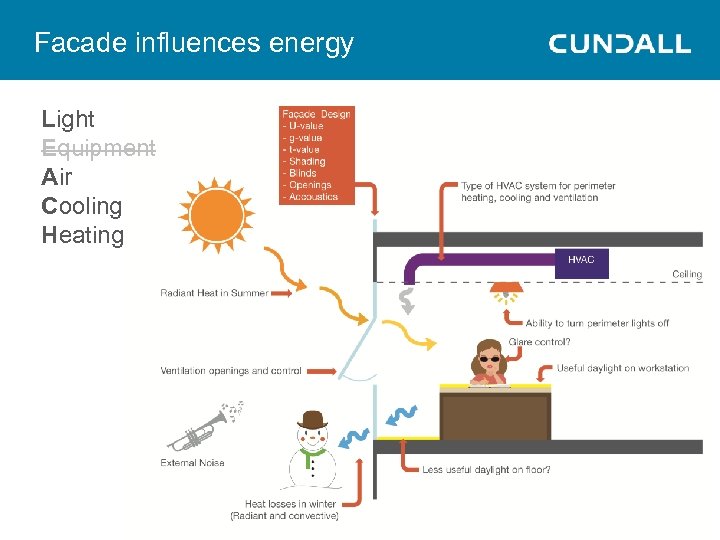
Facade influences energy Light Equipment Air Cooling Heating
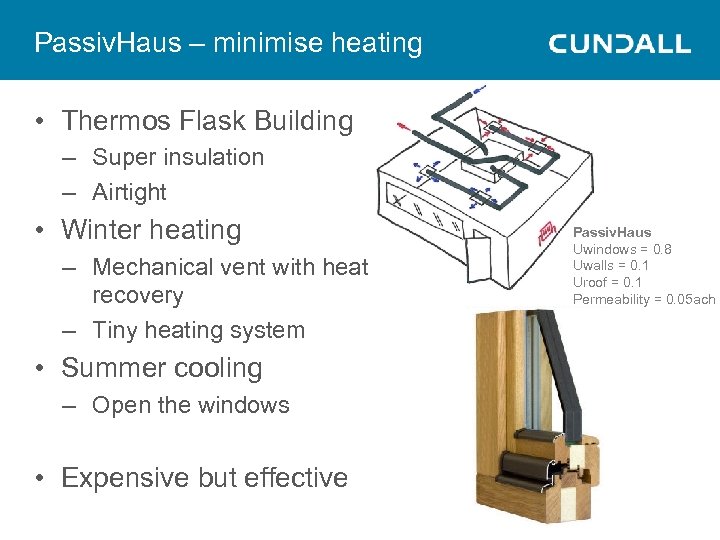
Passiv. Haus – minimise heating • Thermos Flask Building – Super insulation – Airtight • Winter heating – Mechanical vent with heat recovery – Tiny heating system • Summer cooling – Open the windows • Expensive but effective Passiv. Haus Uwindows = 0. 8 Uwalls = 0. 1 Uroof = 0. 1 Permeability = 0. 05 ach
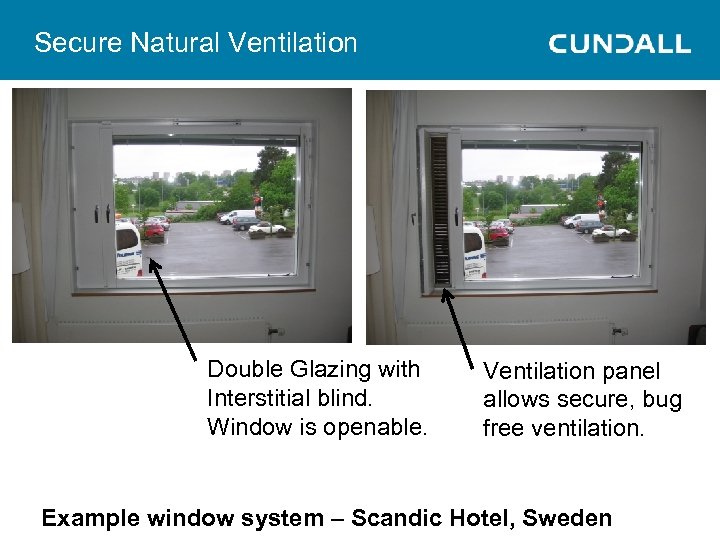
Secure Natural Ventilation Double Glazing with Interstitial blind. Window is openable. Ventilation panel allows secure, bug free ventilation. Example window system – Scandic Hotel, Sweden
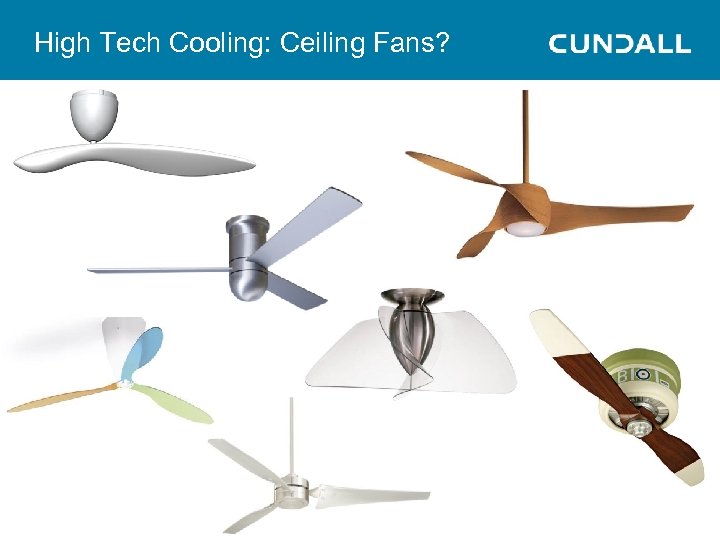
High Tech Cooling: Ceiling Fans?
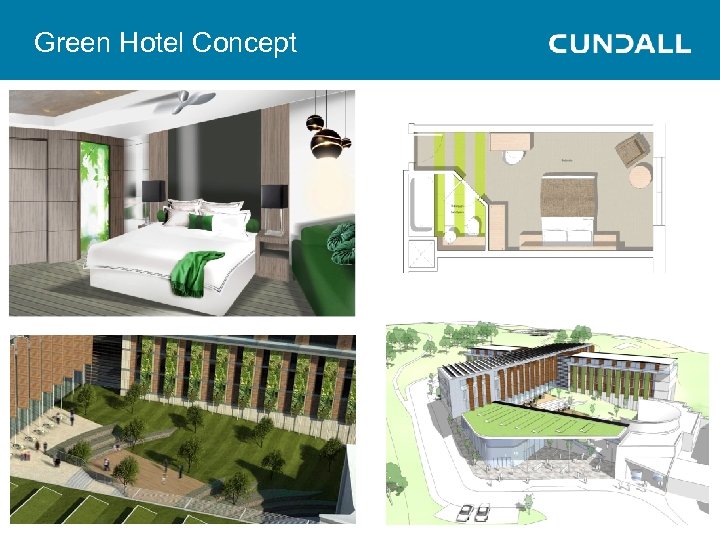
Green Hotel Concept
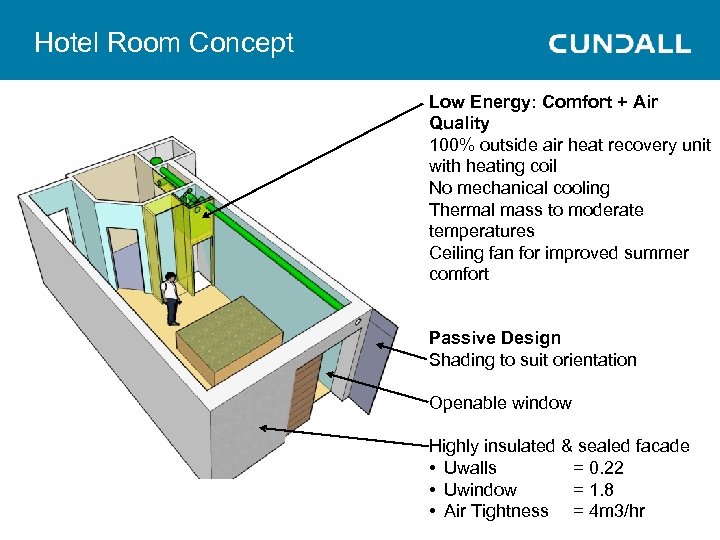
Hotel Room Concept Low Energy: Comfort + Air Quality 100% outside air heat recovery unit with heating coil No mechanical cooling Thermal mass to moderate temperatures Ceiling fan for improved summer comfort Passive Design Shading to suit orientation Openable window Highly insulated & sealed facade • Uwalls = 0. 22 • Uwindow = 1. 8 • Air Tightness = 4 m 3/hr
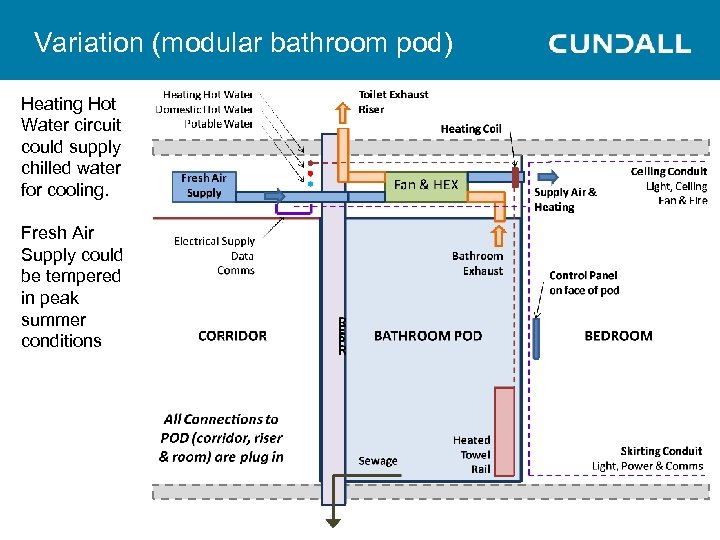
Variation (modular bathroom pod) Heating Hot Water circuit could supply chilled water for cooling. Fresh Air Supply could be tempered in peak summer conditions
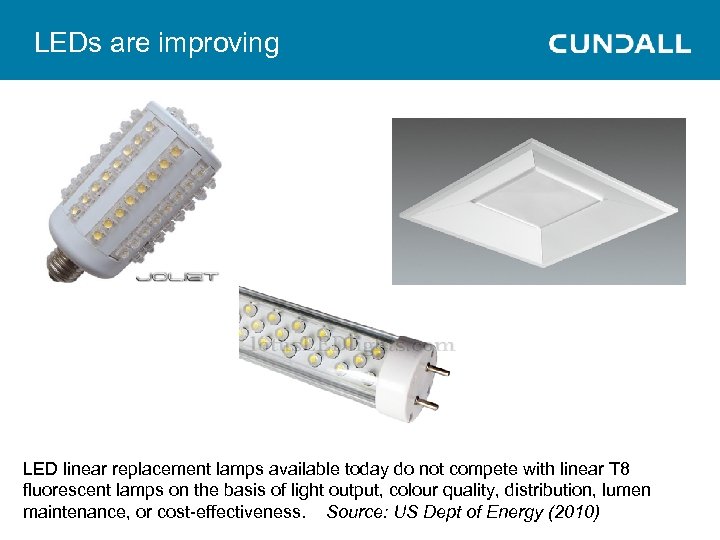
LEDs are improving LED linear replacement lamps available today do not compete with linear T 8 fluorescent lamps on the basis of light output, colour quality, distribution, lumen maintenance, or cost-effectiveness. Source: US Dept of Energy (2010)
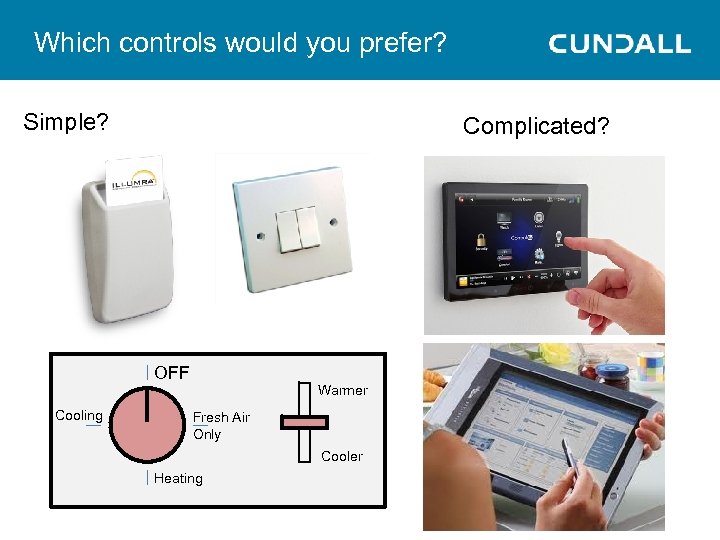
Which controls would you prefer? Simple? Complicated? OFF Cooling Warmer Fresh Air Only Cooler Heating
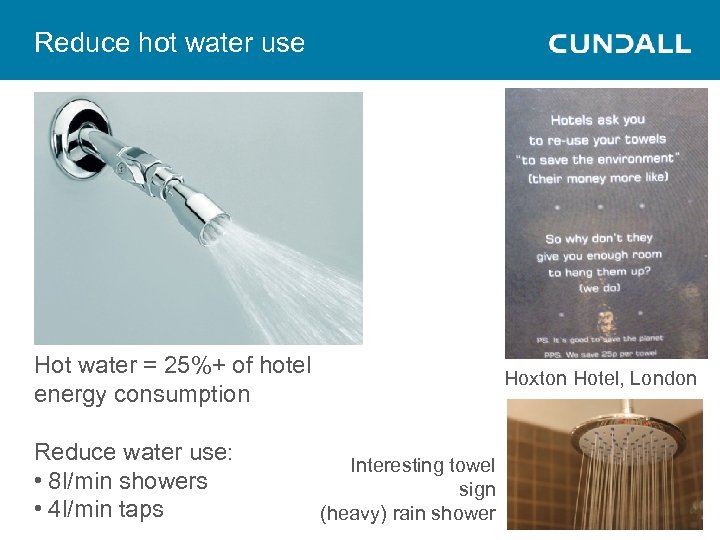
Reduce hot water use Hot water = 25%+ of hotel energy consumption Reduce water use: • 8 l/min showers • 4 l/min taps Hoxton Hotel, London Interesting towel sign (heavy) rain shower
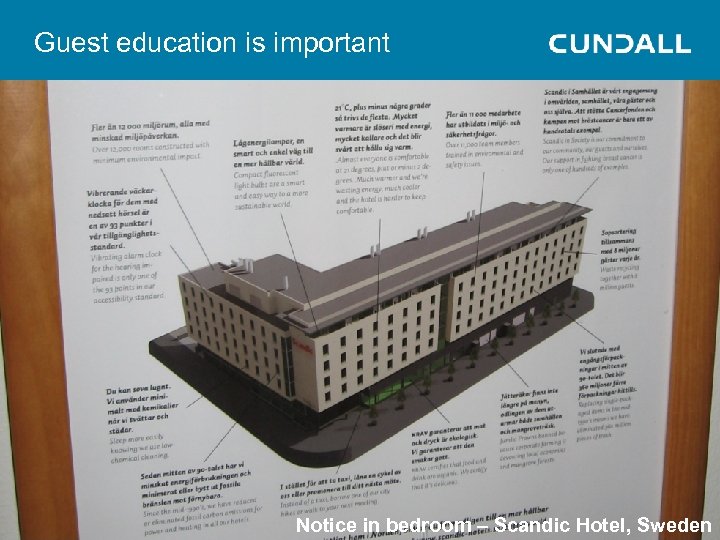
Guest education is important Notice in bedroom – Scandic Hotel, Sweden
Renewables
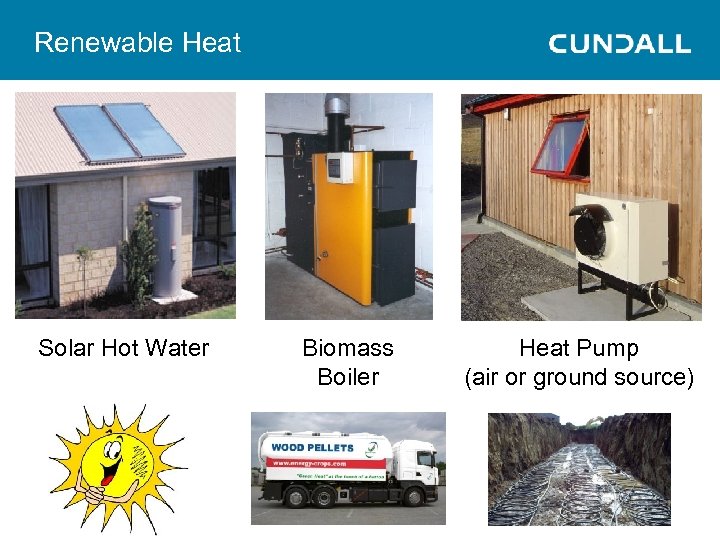
Renewable Heat Solar Hot Water Biomass Boiler Heat Pump (air or ground source)
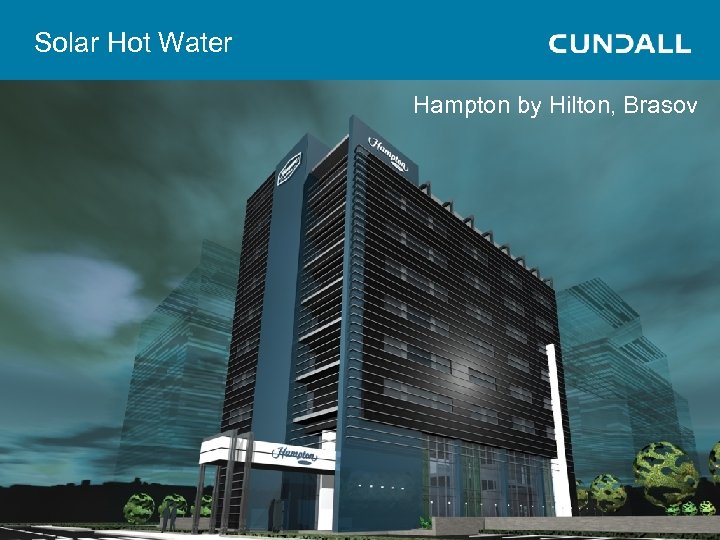
Solar Hot Water Hampton by Hilton, Brasov
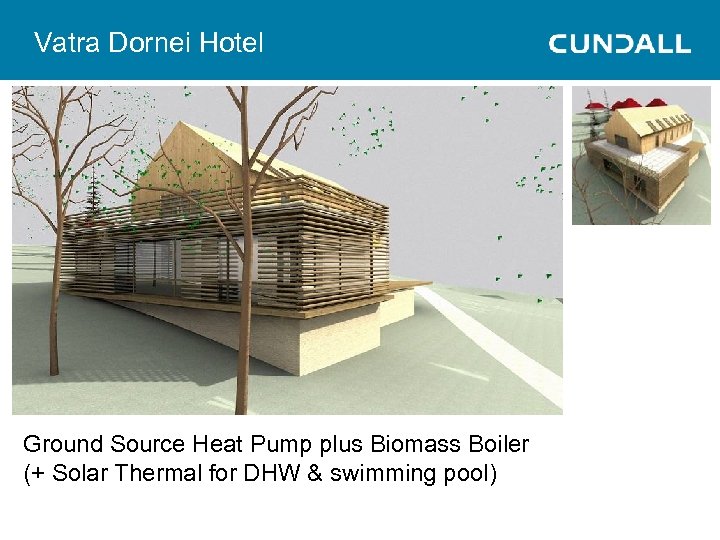
Vatra Dornei Hotel Ground Source Heat Pump plus Biomass Boiler (+ Solar Thermal for DHW & swimming pool)
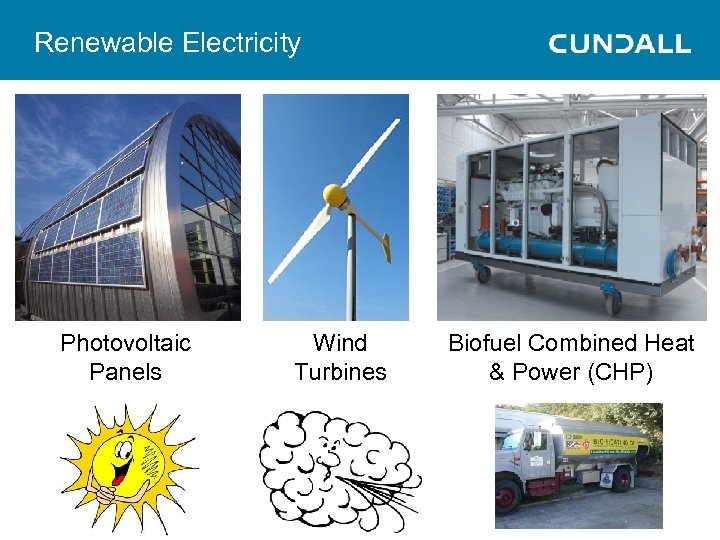
Renewable Electricity Photovoltaic Panels Wind Turbines Biofuel Combined Heat & Power (CHP)
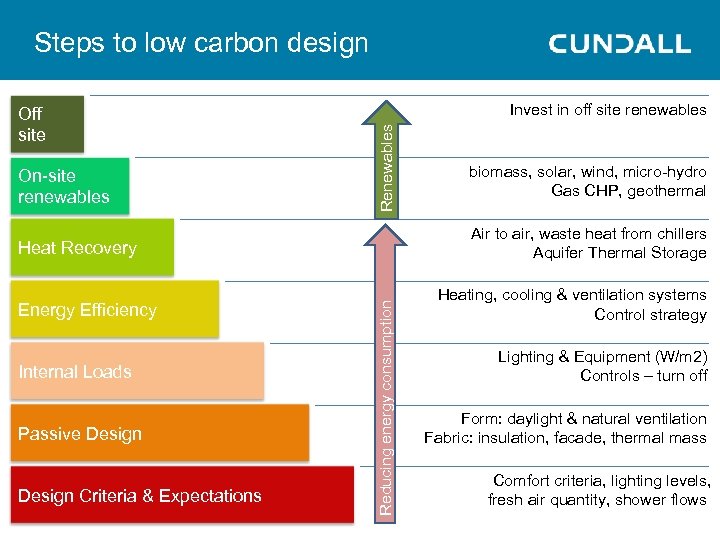
Steps to low carbon design On-site renewables Invest in off site renewables Renewables Off site Air to air, waste heat from chillers Aquifer Thermal Storage Internal Loads Passive Design Criteria & Expectations Reducing energy consumption Heat Recovery Energy Efficiency biomass, solar, wind, micro-hydro Gas CHP, geothermal Heating, cooling & ventilation systems Control strategy Lighting & Equipment (W/m 2) Controls – turn off Form: daylight & natural ventilation Fabric: insulation, facade, thermal mass Comfort criteria, lighting levels, fresh air quantity, shower flows
18 -20 Louis Blanc Ground Floor Sector 1, 011752 Bucharest Tel. +40 21 208 02 30 Str. I. P Voitesti nr 1 -3/ 54 400153 Cluj Napoca Tel. +40 264534240 David Clark d. clark@cundall. com
Скачать презентацию Green Hotel Concepts September 2010 Our Offices
0882da0248ef95348606aab08278e020.ppt