 Скачать презентацию Government of Zimbabwe e-GOVERNMENT IN SUPPORT OF THE
a26bf2a1b3b7891213357a472c35228d.ppt
- Количество слайдов: 22



Government of Zimbabwe e-GOVERNMENT IN SUPPORT OF THE RESULTS BASED MANAGEMENT SYSTEM
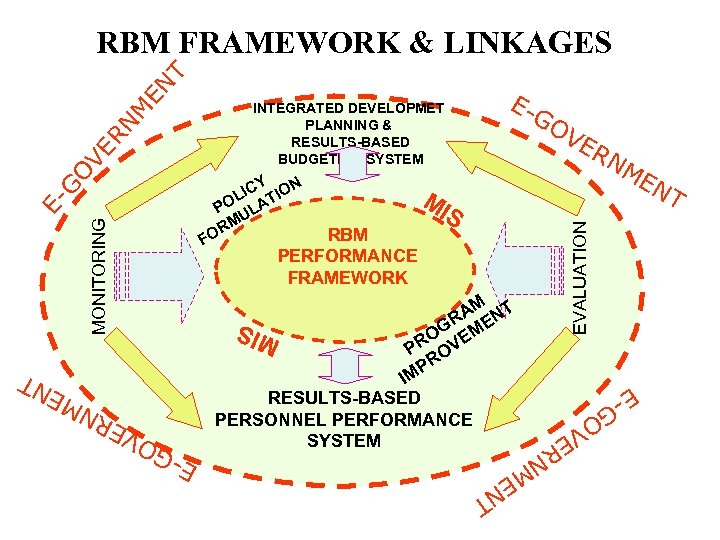
O VE RN M INTEGRATED DEVELOPMET PLANNING & RESULTS-BASED BUDGETING SYSTEM MONITORING E- G Y N LIC TIO PO ULA M OR F RBM PERFORMANCE FRAMEWORK MI EGO VE RN ME N T S AM NT GR ME O E PR OV PR IM RESULTS-BASED PERSONNEL PERFORMANCE SYSTEM EVALUATION EN T RBM FRAMEWORK & LINKAGES MIS G E- OV ER NM T EN E- G O VE RN ME NT
WHAT IS e-GOVERNMENT? e-Government is the use of information and communication technologies (ICTs) to improve the activities of public sector organisations.
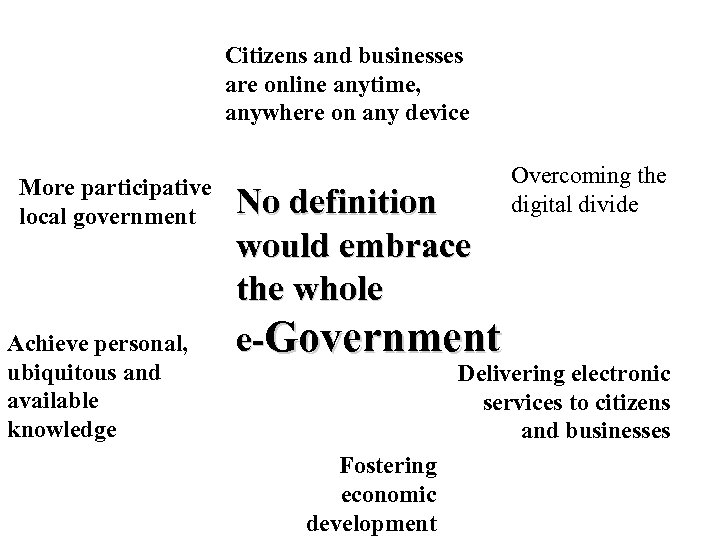
Citizens and businesses are online anytime, anywhere on any device More participative local government Achieve personal, ubiquitous and available knowledge No definition would embrace the whole e-Government Overcoming the digital divide Delivering electronic services to citizens and businesses Fostering economic development
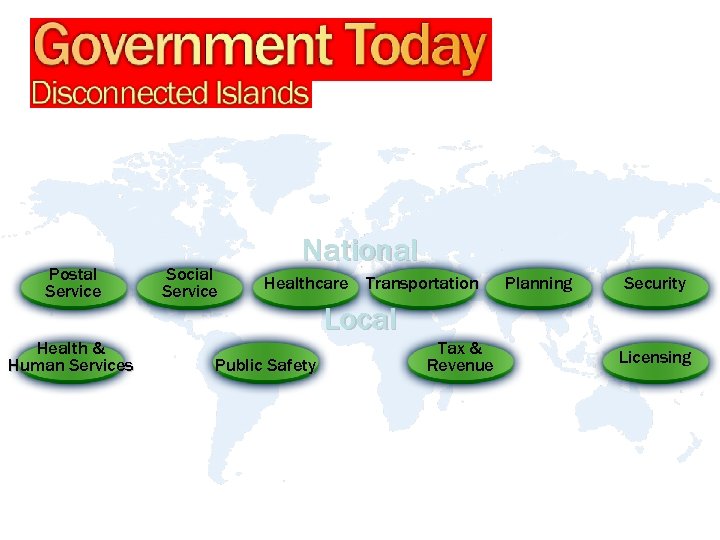
Postal Service Health & Human Services Social Service National Healthcare Transportation Public Safety Planning Security Local Tax & Revenue Licensing
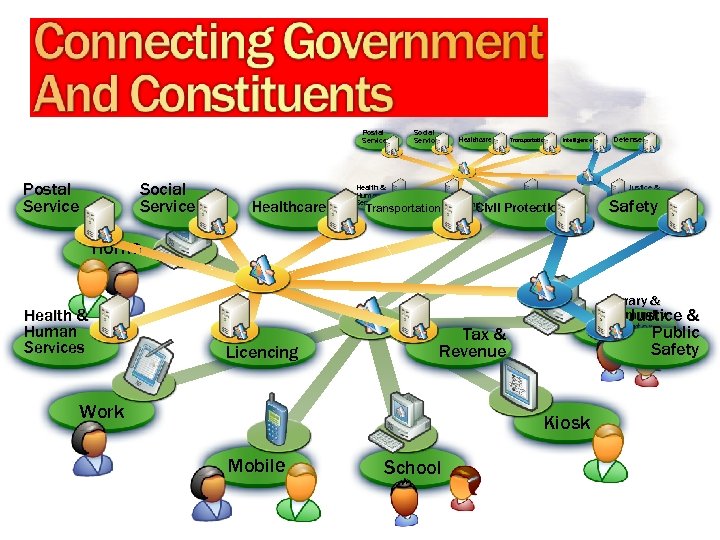
Postal Service Social Service Healthcare Health & Human Services Transportation Intelligence Tax & Revenue Civil Protection Licensing Defense Justice & Public Safety Home Health & Human Services Licencing Library & Community & Justice Center. Public Tax & Revenue Work Safety Kiosk Mobile School
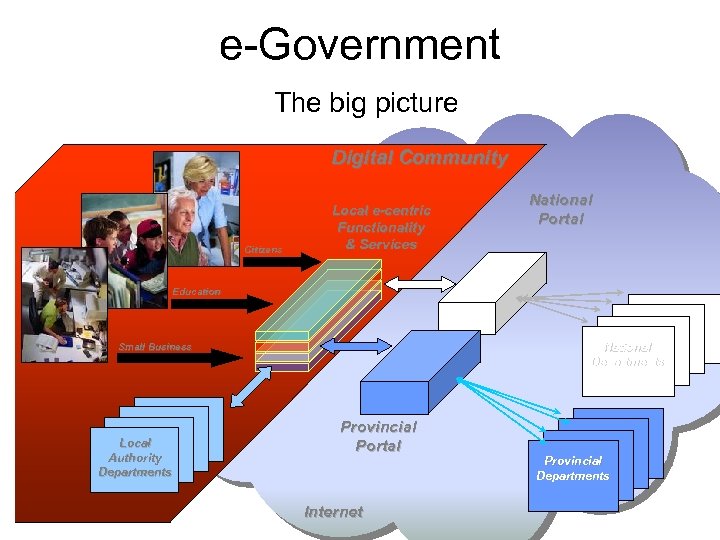
e-Government The big picture Digital Community Citizens Local e-centric Functionality & Services National Portal Education National Departments Small Business Local Authority Departments Provincial Portal Internet Provincial Departments
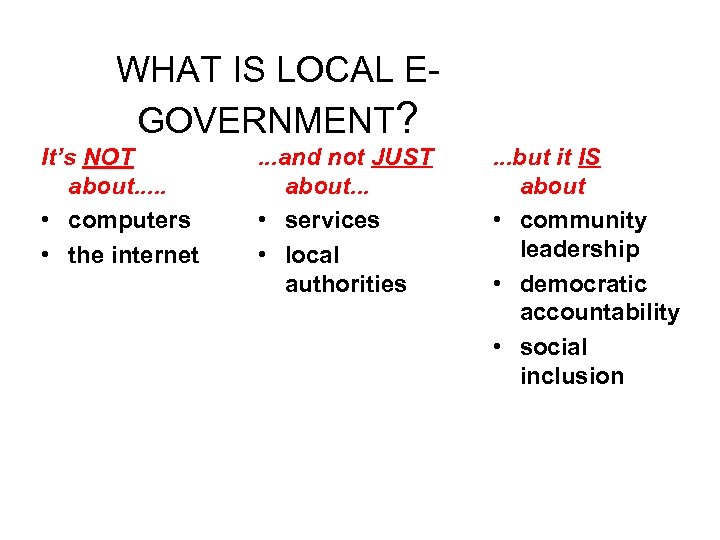
WHAT IS LOCAL EGOVERNMENT? It’s NOT about. . . • computers • the internet . . . and not JUST about. . . • services • local authorities . . . but it IS about • community leadership • democratic accountability • social inclusion
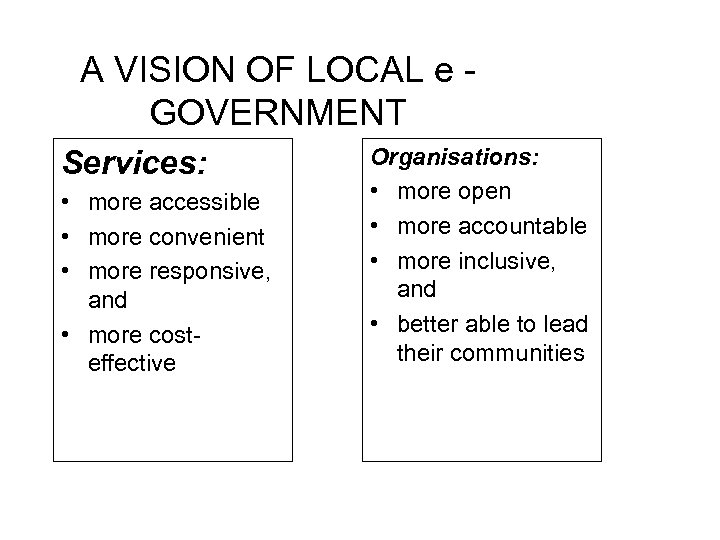
A VISION OF LOCAL e GOVERNMENT Services: • more accessible • more convenient • more responsive, and • more costeffective Organisations: • more open • more accountable • more inclusive, and • better able to lead their communities
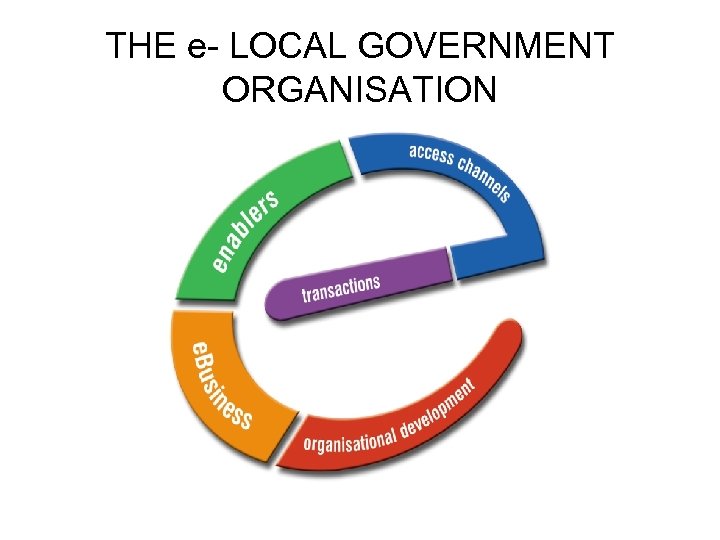
THE e- LOCAL GOVERNMENT ORGANISATION
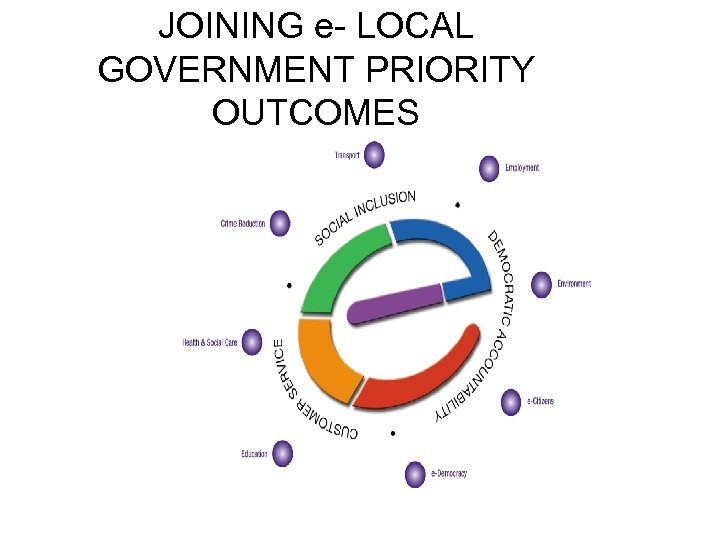
JOINING e- LOCAL GOVERNMENT PRIORITY OUTCOMES
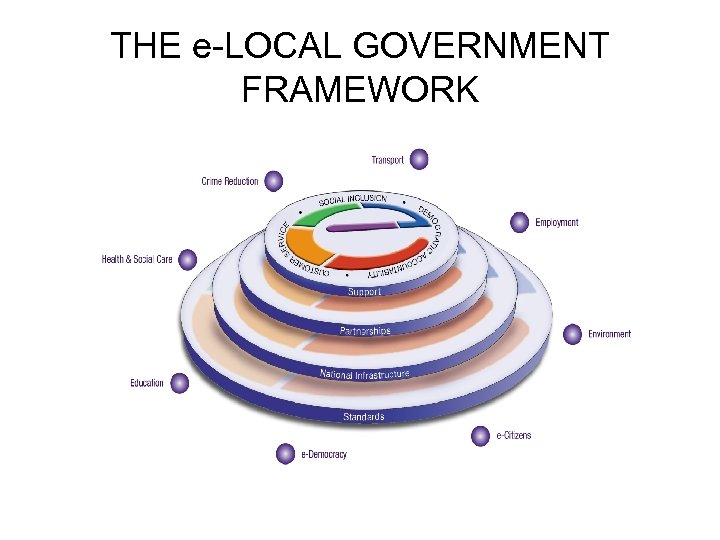
THE e-LOCAL GOVERNMENT FRAMEWORK
RE-ENGINEERING LOCAL GOVERNMENT BUSINESSES Ø As organisations come under pressure to meet the service expectations of citizens, they will increasingly partner with the private sector to quickly and efficiently implement e-government solutions. Ø Local Authorities often lack in-house expertise and project management skills to undertake major e-government initiatives, and partnering can help them establish a Web presence sooner and cheaper. Ø Local Authorities are also embracing e-procurement to quicken turnaround times, lower costs, reduce red tape, keep efficient inventory levels, track orders, replenish consumables, anticipate the next requirement, upgrade systems and plan maintenance
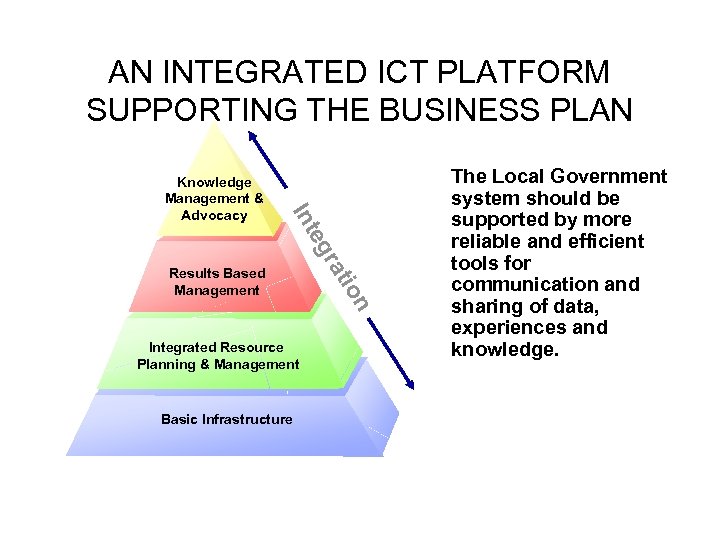
AN INTEGRATED ICT PLATFORM SUPPORTING THE BUSINESS PLAN n tio Results Based Management ra eg Int Knowledge Management & Advocacy Integrated Resource Planning & Management Basic Infrastructure The Local Government system should be supported by more reliable and efficient tools for communication and sharing of data, experiences and knowledge.
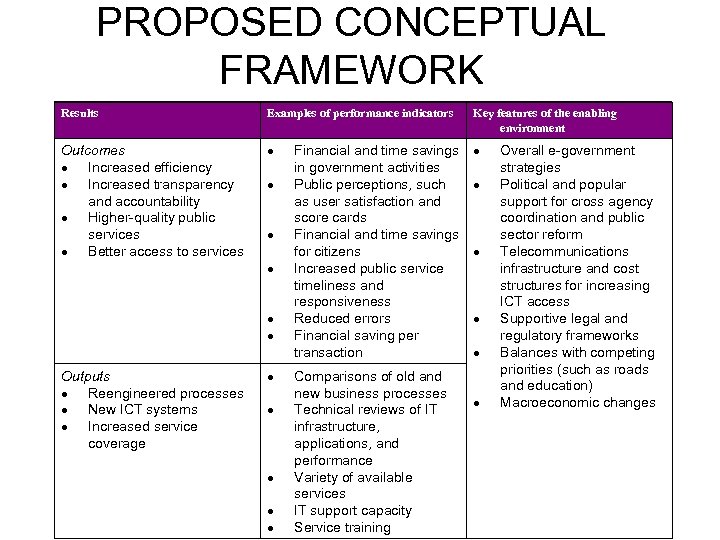
PROPOSED CONCEPTUAL FRAMEWORK Results Examples of performance indicators Key features of the enabling environment Outcomes Increased efficiency Increased transparency and accountability Higher-quality public services Better access to services Outputs Reengineered processes New ICT systems Increased service coverage Financial and time savings in government activities Public perceptions, such as user satisfaction and score cards Financial and time savings for citizens Increased public service timeliness and responsiveness Reduced errors Financial saving per transaction Comparisons of old and new business processes Technical reviews of IT infrastructure, applications, and performance Variety of available services IT support capacity Service training Overall e-government strategies Political and popular support for cross agency coordination and public sector reform Telecommunications infrastructure and cost structures for increasing ICT access Supportive legal and regulatory frameworks Balances with competing priorities (such as roads and education) Macroeconomic changes
WHAT DOES e- GOVERNMENT COVER? Ø Improving local government processes: eadministration Ø Connecting citizens: e-citizens and eservices Ø Building external interactions: e-society
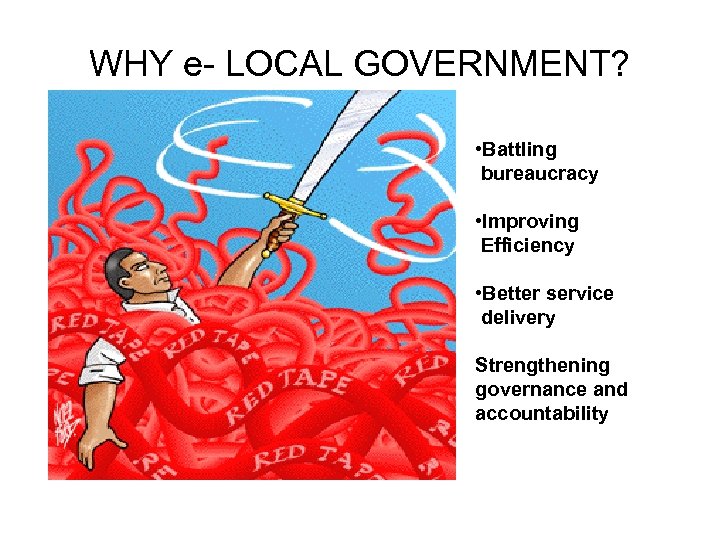
WHY e- LOCAL GOVERNMENT? • Battling bureaucracy • Improving Efficiency • Better service delivery Strengthening governance and accountability
WHY e-LOCAL GOVERNMENT? • allow citizens to initiate, process and conclude transactions with councils • allow transactions to be conducted any time, any day at times which suit the customer as opposed to the Council • allow transactions to be conducted from anywhere which suits the business or personal environment of the customer
ONLINE LOCAL GOVERNMENT SERVICES Ø Ø Ø Ø job boards rates payments licence renewal issuing certificates and permits medical appointments traffic management handling complaints virtual town hall
ON LINE LOCAL GOVERNMENT INFORMATION Ø Official Documents Ø Council proceedings Ø Performance Reports Ø Other information generated and held by a local authority .
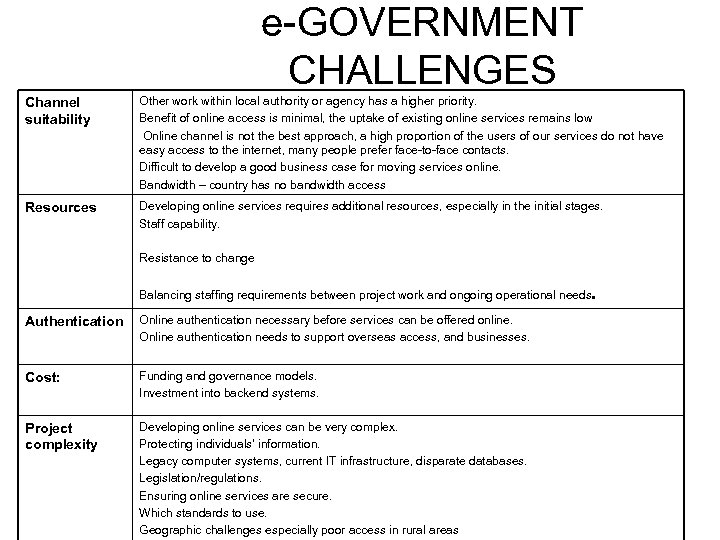
e-GOVERNMENT CHALLENGES Channel suitability Other work within local authority or agency has a higher priority. Benefit of online access is minimal, the uptake of existing online services remains low Online channel is not the best approach, a high proportion of the users of our services do not have easy access to the internet, many people prefer face-to-face contacts. Difficult to develop a good business case for moving services online. Bandwidth – country has no bandwidth access Resources Developing online services requires additional resources, especially in the initial stages. Staff capability. Resistance to change . Balancing staffing requirements between project work and ongoing operational needs Authentication Online authentication necessary before services can be offered online. Online authentication needs to support overseas access, and businesses. Cost: Funding and governance models. Investment into backend systems. Project complexity Developing online services can be very complex. Protecting individuals' information. Legacy computer systems, current IT infrastructure, disparate databases. Legislation/regulations. Ensuring online services are secure. Which standards to use. Geographic challenges especially poor access in rural areas

OPEN DISCUSSION Q&A
Скачать презентацию Government of Zimbabwe e-GOVERNMENT IN SUPPORT OF THE
a26bf2a1b3b7891213357a472c35228d.ppt