


 Скачать презентацию -Glycosphingolipids as immune modulators for oral immune
5880473a1c30e2b4fc86d7083a304c83.ppt
- Количество слайдов: 70
 -Glycosphingolipids as immune modulators for oral immune therapy Yaron Ilan, M. D. Liver and Gastroenterology Units, Department of Medicine Hebrew University-Hadassah Medical Center Jerusalem, Israel 6/2012 EWGGD
 Disclosure I have financial relationships with the companies below and the content of my presentation does include a discussion of the investigative use of Imm 124, anti-CD 3, and glucosylceramide. Medical Director: Accelmed; Immuron; Exalenz Biosciences, Adjuvan Pharma Board member: Exalenz Biosciences, Plantylight, WAYS. Consultant: Abbott, Teva Pharmaceuticals, ENZO Biochem, Chiasma Pharma, Plantylight, Nasvax, Alcobra, One Day.
 -Glucosylceramide (GC) You want less We want more 3
 -Glucosylceramide (GC) • Oral immune therapy • GC in oral immune therapy • GC in animal models • GC in clinical trials 4
 Oral Immune therapy • An approach to treat autoimmune, infectious, malignant and inflammatory diseases. • An active process that uses the inherent ability of the GI tract's immune system to control unwanted systemic immune responses, by inducing regulatory T cells in an antigen-specific manner.
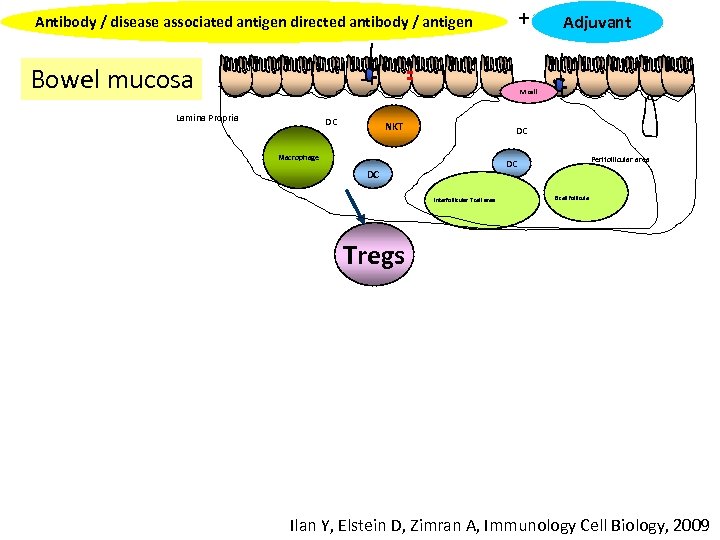
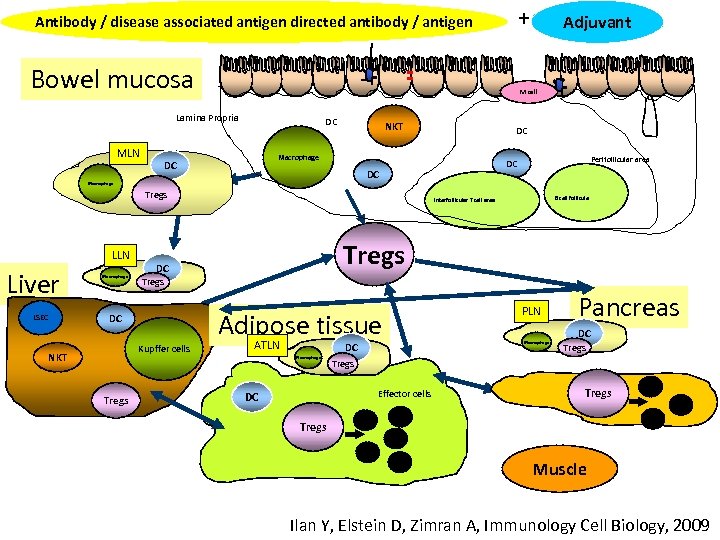
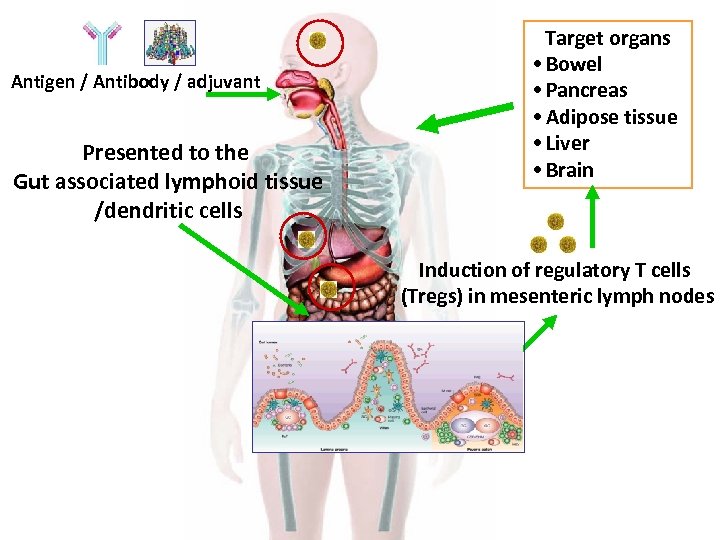 Antigen / Antibody / adjuvant Presented to the Gut associated lymphoid tissue /dendritic cells Target organs • Bowel • Pancreas • Adipose tissue • Liver • Brain Induction of regulatory T cells (Tregs) in mesenteric lymph nodes
 Oral Immune therapy • Platform for a wide range of diseases • No side effects or toxicity • Not associated with general immune suppression • No risks of severe infection or malignancy • Easily tolerated by patients
 Hundreds of years ago, sages wrote in the Talmud: “ If one is bitten by a mad dog, he may eat his liver and be cured. ”
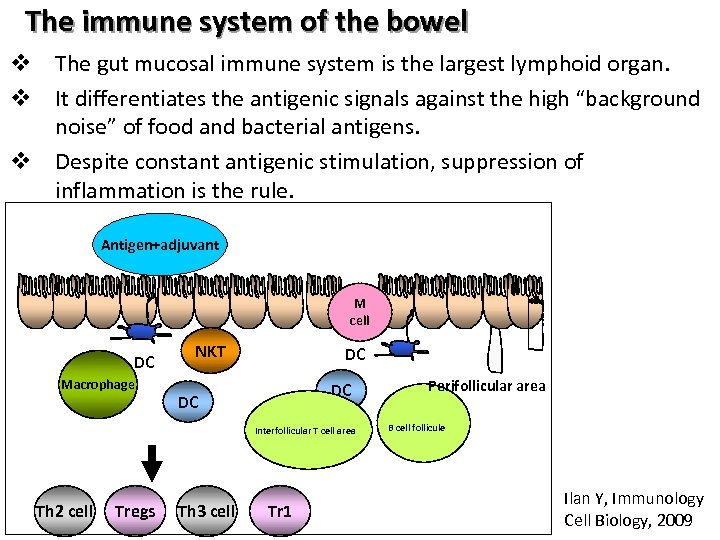 The immune system of the bowel v The gut mucosal immune system is the largest lymphoid organ. v It differentiates the antigenic signals against the high “background noise” of food and bacterial antigens. v Despite constant antigenic stimulation, suppression of inflammation is the rule. Antigen+adjuvant M cell DC Macrophage NKT DC DC DC Interfollicular T cell area Th 2 cell Tregs Th 3 cell Tr 1 Perifollicular area B cell follicule Ilan Y, Immunology Cell Biology, 2009
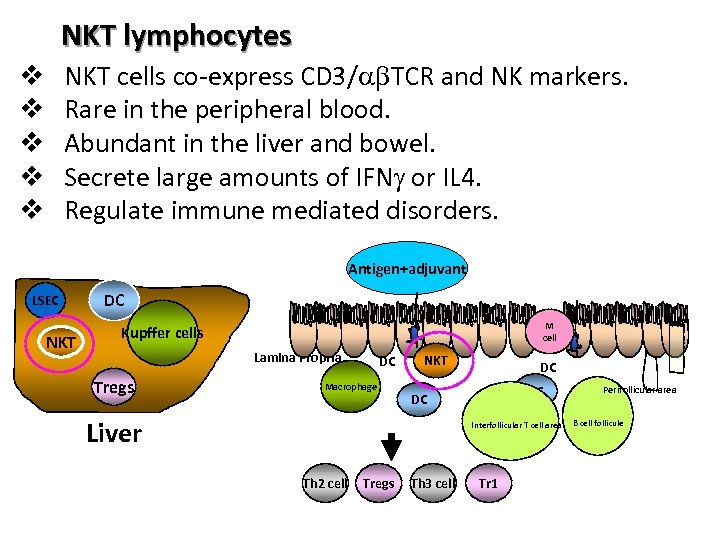 NKT lymphocytes NKT cells co-express CD 3/ab. TCR and NK markers. Rare in the peripheral blood. Abundant in the liver and bowel. Secrete large amounts of IFNg or IL 4. Regulate immune mediated disorders. v v v Antigen+adjuvant LSEC NKT DC M cell Kupffer cells Lamina Propria Tregs DC Macrophage NKT DC DC DC Liver Interfollicular T cell area Th 2 cell Tregs Th 3 cell Tr 1 Perifollicular area B cell follicule
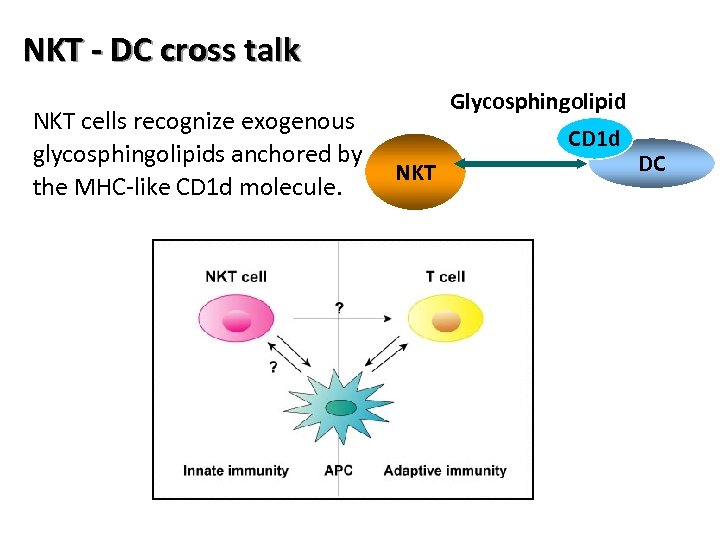 NKT - DC cross talk NKT cells recognize exogenous glycosphingolipids anchored by the MHC-like CD 1 d molecule. Glycosphingolipid CD 1 d NKT DC
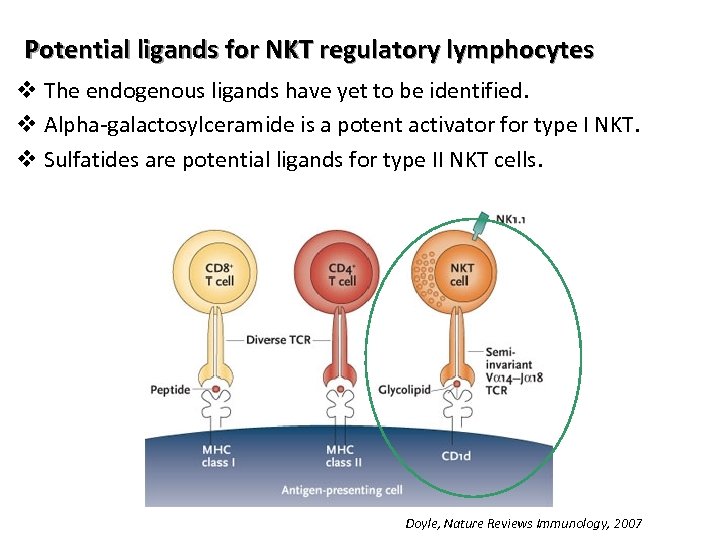 Potential ligands for NKT regulatory lymphocytes v The endogenous ligands have yet to be identified. v Alpha-galactosylceramide is a potent activator for type I NKT. v Sulfatides are potential ligands for type II NKT cells. Doyle, Nature Reviews Immunology, 2007
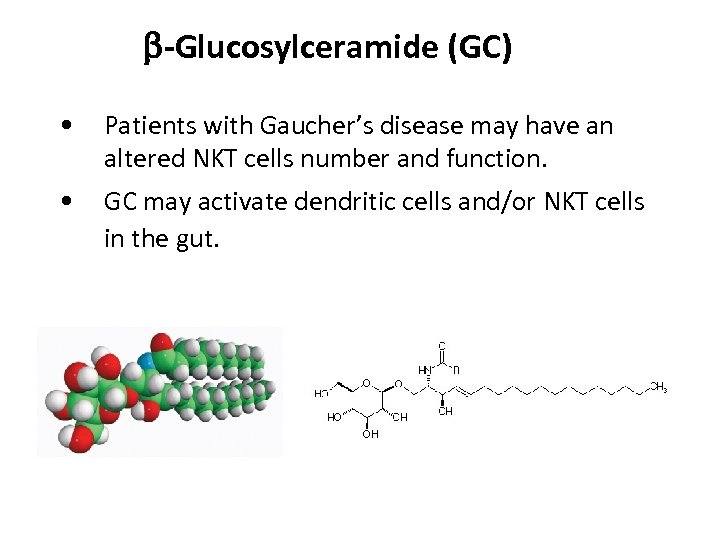 -Glucosylceramide (GC) • Patients with Gaucher’s disease may have an altered NKT cells number and function. • GC may activate dendritic cells and/or NKT cells in the gut.
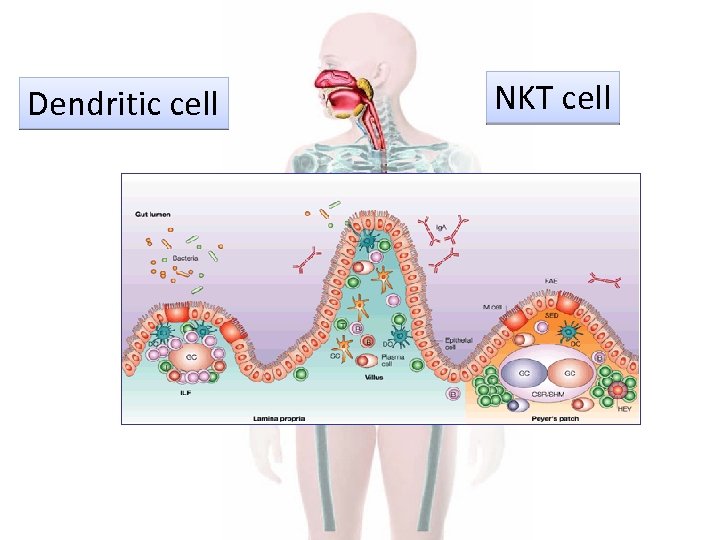 Dendritic cell NKT cell
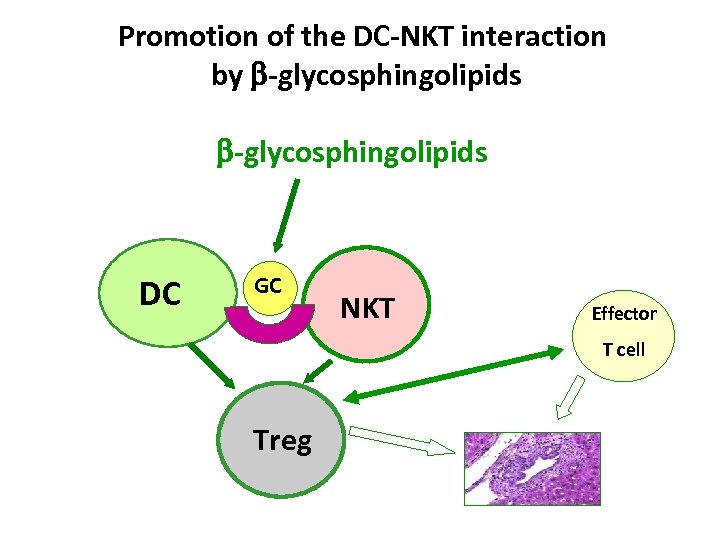 Promotion of the DC-NKT interaction by -glycosphingolipids DC GC NKT Effector T cell Treg
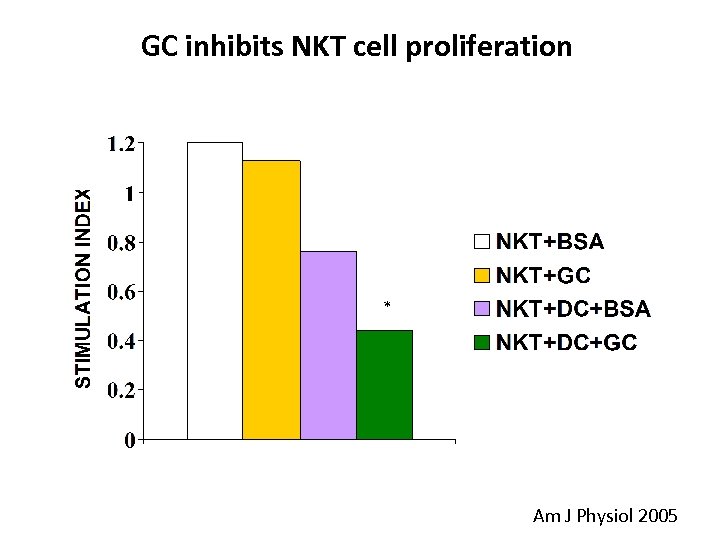 GC inhibits NKT cell proliferation * Am J Physiol 2005
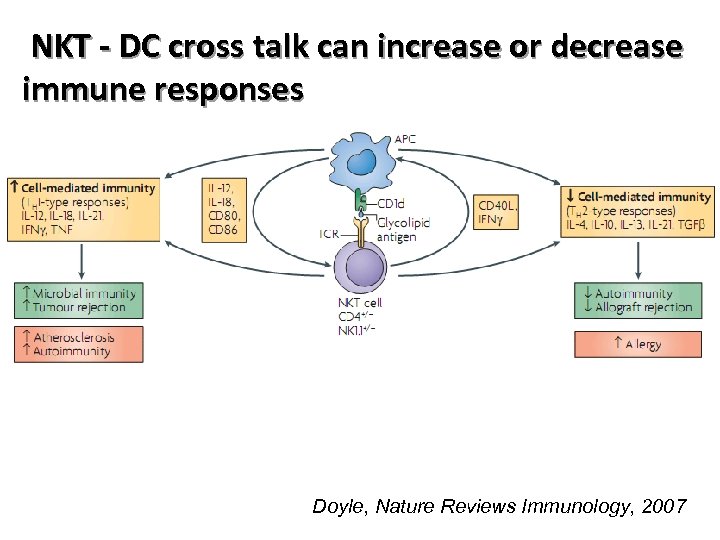 NKT - DC cross talk can increase or decrease immune responses Doyle, Nature Reviews Immunology, 2007
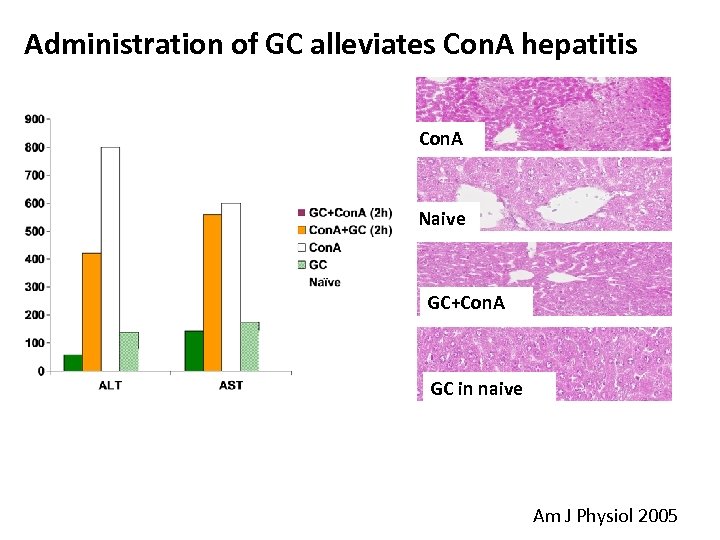 Administration of GC alleviates Con. A hepatitis Con. A Naive GC+Con. A GC in naive Am J Physiol 2005
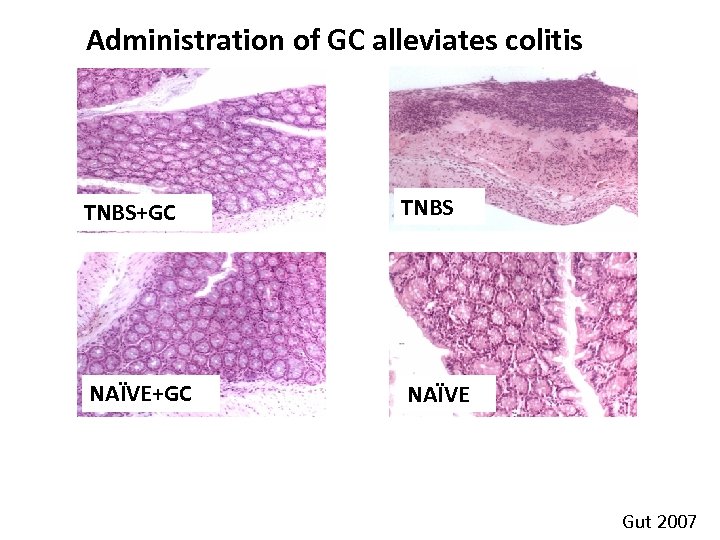 Administration of GC alleviates colitis TNBS+GC TNBS NAÏVE+GC NAÏVE Gut 2007
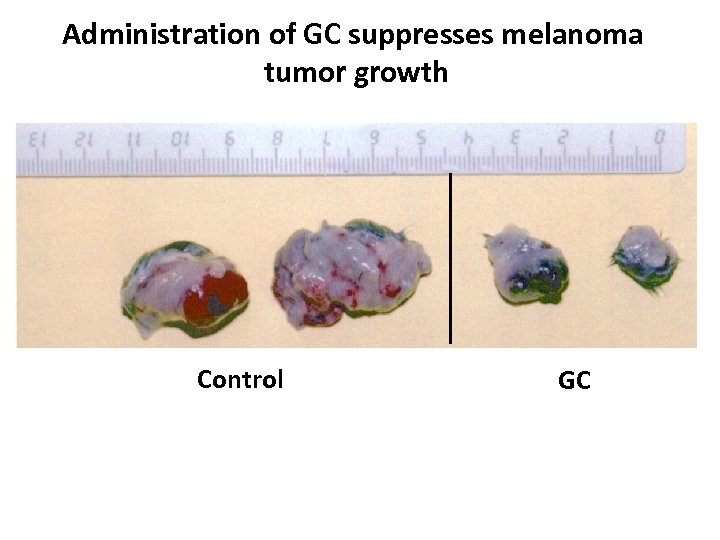 Administration of GC suppresses melanoma tumor growth Control GC
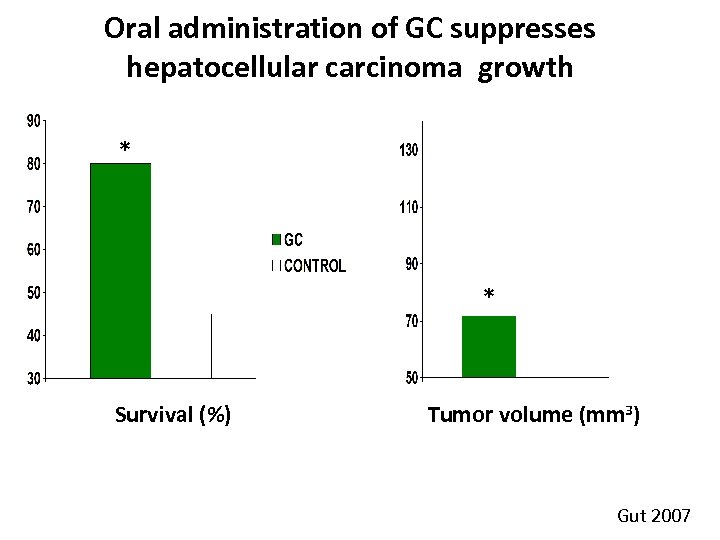 Oral administration of GC suppresses hepatocellular carcinoma growth * * Survival (%) Tumor volume (mm 3) Gut 2007
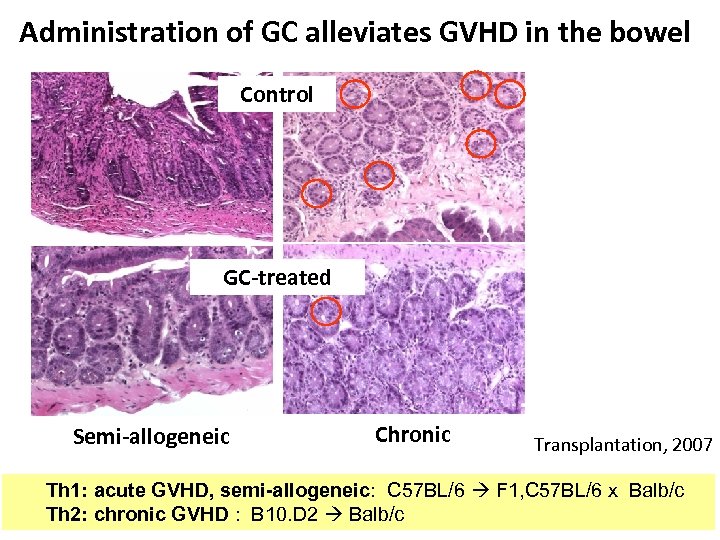 Administration of GC alleviates GVHD in the bowel Control GC-treated Semi-allogeneic Chronic Transplantation, 2007 Th 1: acute GVHD, semi-allogeneic: C 57 BL/6 F 1, C 57 BL/6 x Balb/c Th 2: chronic GVHD : B 10. D 2 Balb/c
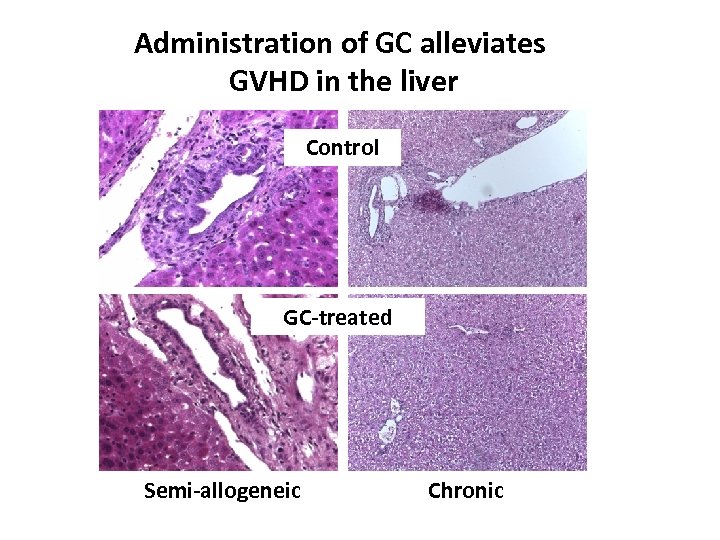 Administration of GC alleviates GVHD in the liver Control GC-treated Semi-allogeneic Chronic
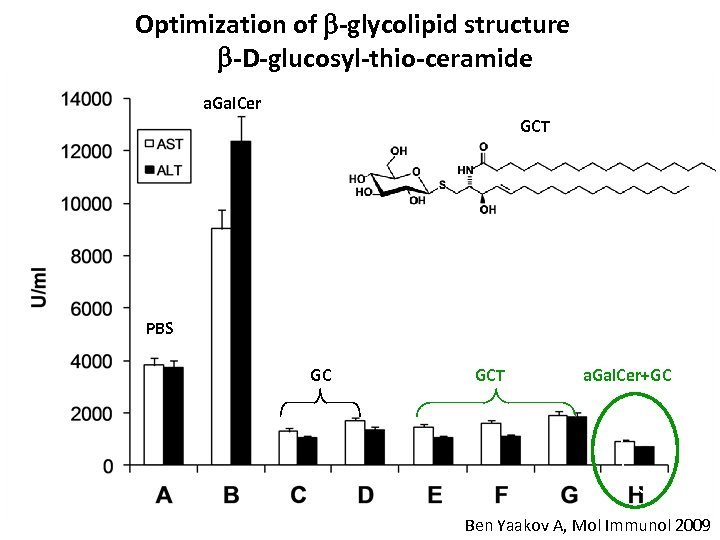 Optimization of -glycolipid structure -D-glucosyl-thio-ceramide a. Gal. Cer GCT PBS GC GCT a. Gal. Cer+GC Ben Yaakov A, Mol Immunol 2009
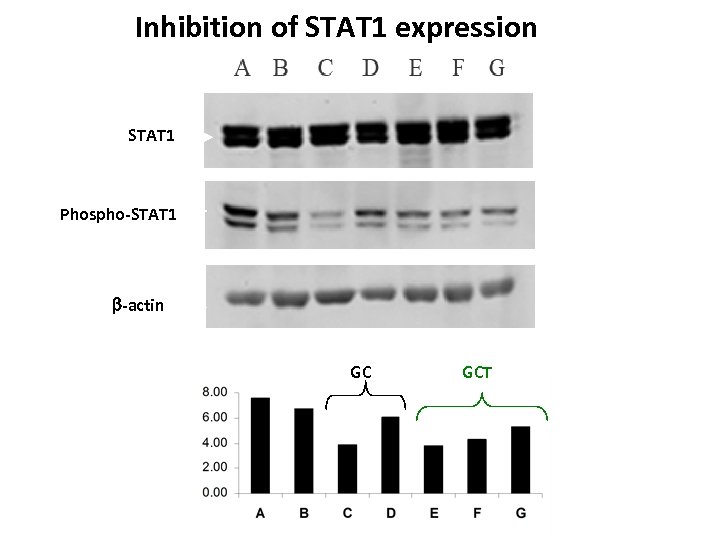 Inhibition of STAT 1 expression STAT 1 Phospho-STAT 1 -actin GC GCT
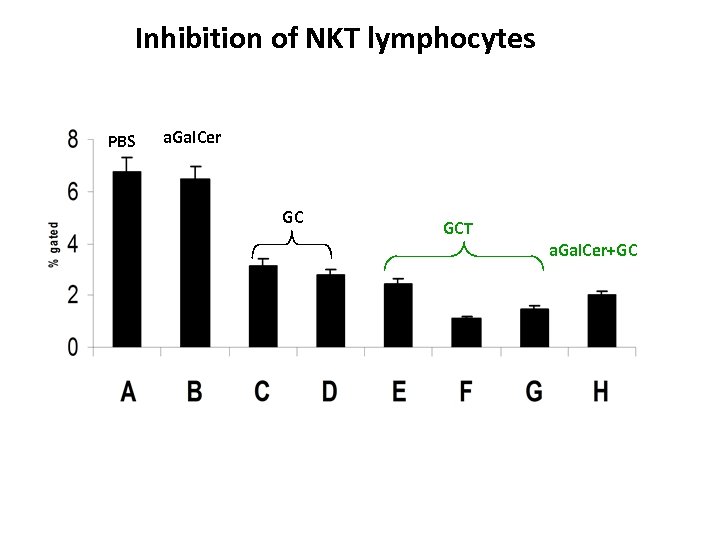 Inhibition of NKT lymphocytes PBS a. Gal. Cer GC GCT a. Gal. Cer+GC
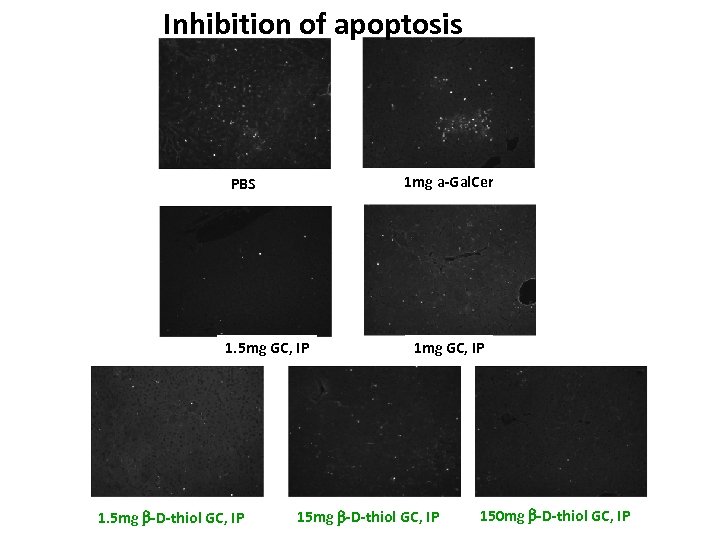 Inhibition of apoptosis PBS 1 mg a-Gal. Cer 1. 5 mg GC, IP IP 1. 5 mg GC, 1. 5 mg -D-thiol GC, IP 15 mg GC, 1 mg GC, IPIP 15 mg -D-thiol GC, IP 150 mg -D-thiol GC, IP
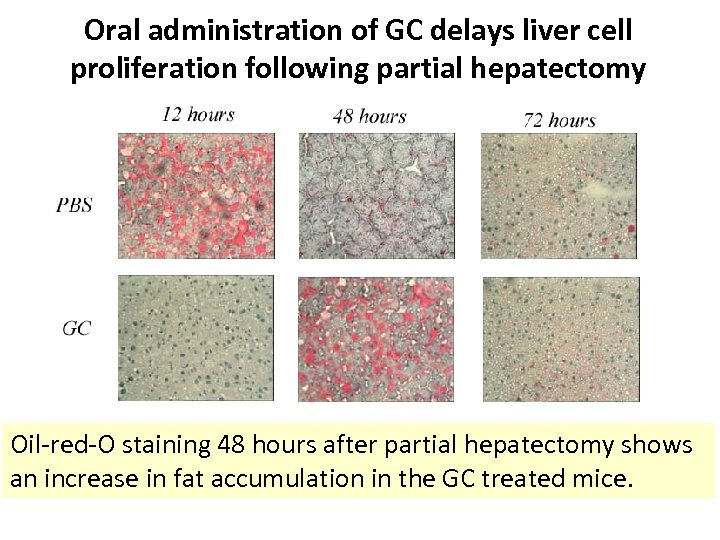 Oral administration of GC delays liver cell proliferation following partial hepatectomy Oil-red-O staining 48 hours after partial hepatectomy shows an increase in fat accumulation in the GC treated mice.
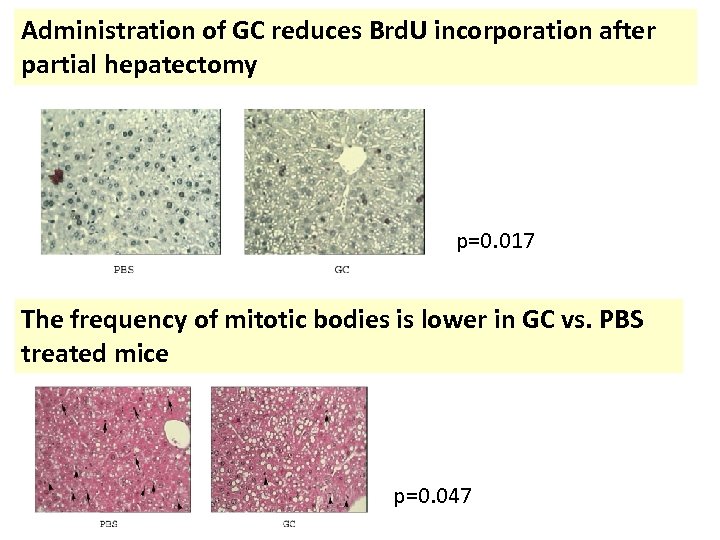 Administration of GC reduces Brd. U incorporation after partial hepatectomy p=0. 017 The frequency of mitotic bodies is lower in GC vs. PBS treated mice p=0. 047
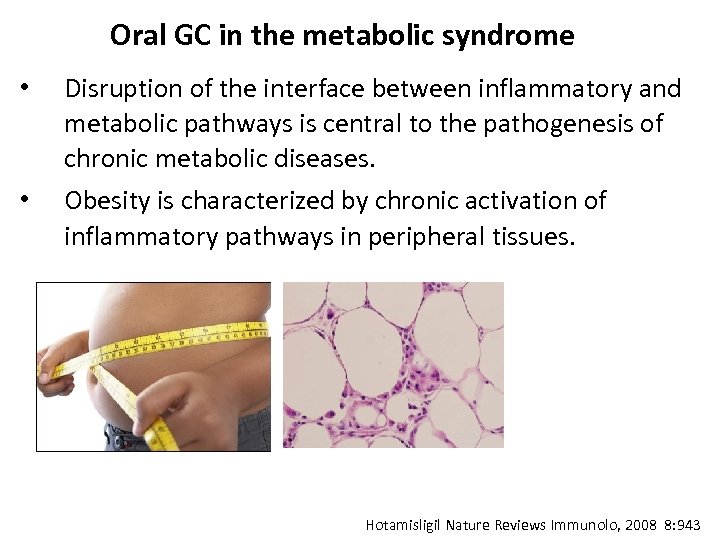 Oral GC in the metabolic syndrome • Disruption of the interface between inflammatory and metabolic pathways is central to the pathogenesis of chronic metabolic diseases. • Obesity is characterized by chronic activation of inflammatory pathways in peripheral tissues. Hotamisligil Nature Reviews Immunolo, 2008 8: 943
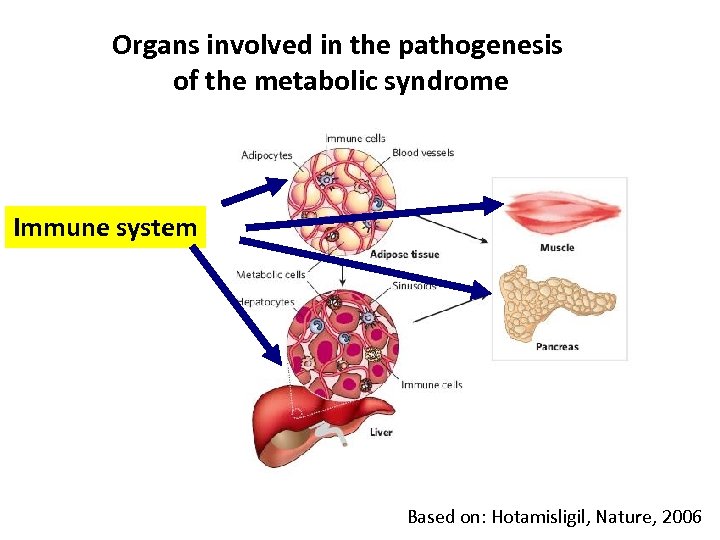 Organs involved in the pathogenesis of the metabolic syndrome Immune system Based on: Hotamisligil, Nature, 2006
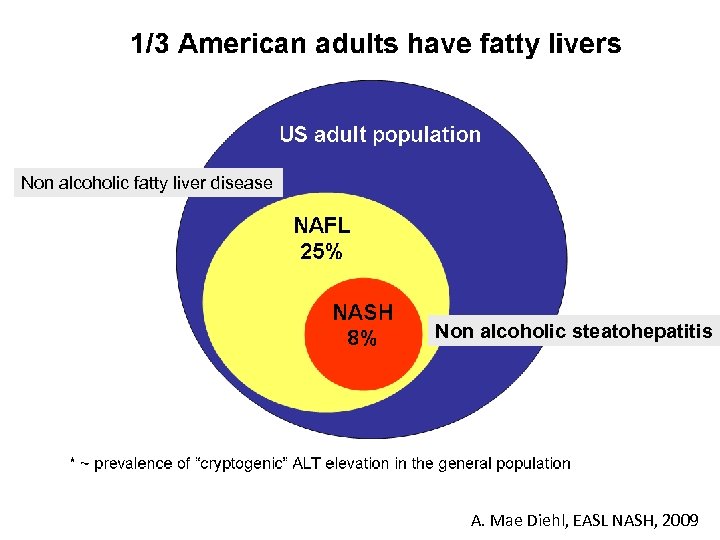 Non alcoholic fatty liver disease Non alcoholic steatohepatitis A. Mae Diehl, EASL NASH, 2009
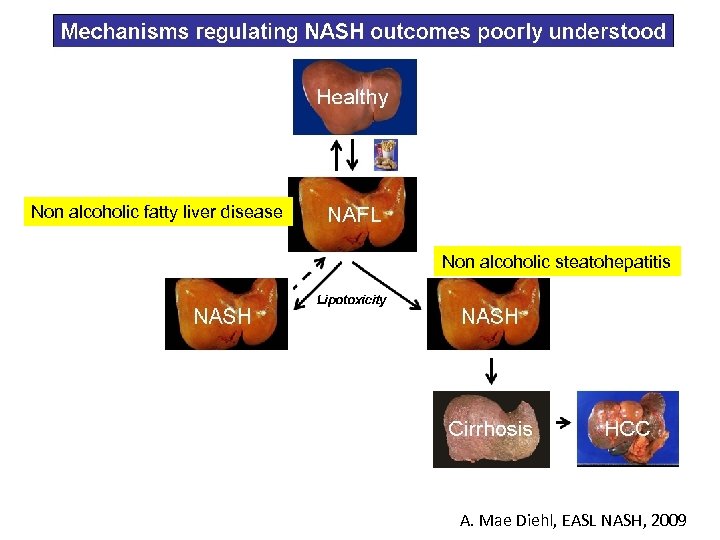 Non alcoholic fatty liver disease Non alcoholic steatohepatitis A. Mae Diehl, EASL NASH, 2009
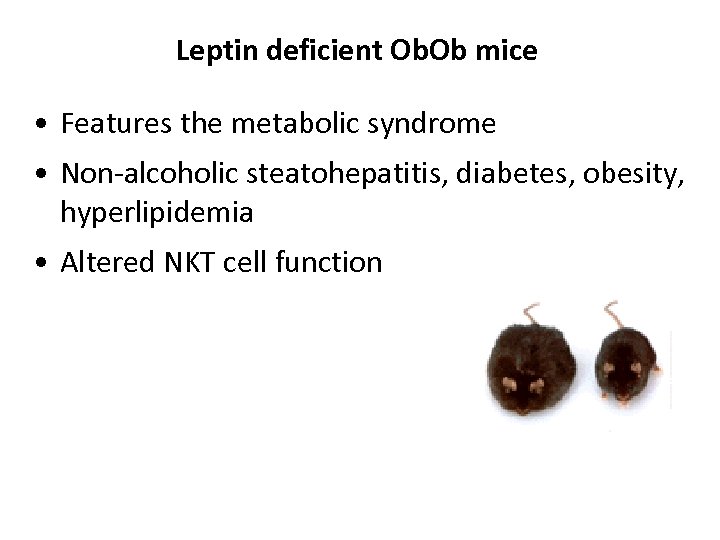 Leptin deficient Ob. Ob mice • Features the metabolic syndrome • Non-alcoholic steatohepatitis, diabetes, obesity, hyperlipidemia • Altered NKT cell function b-Glucosylceramide GC
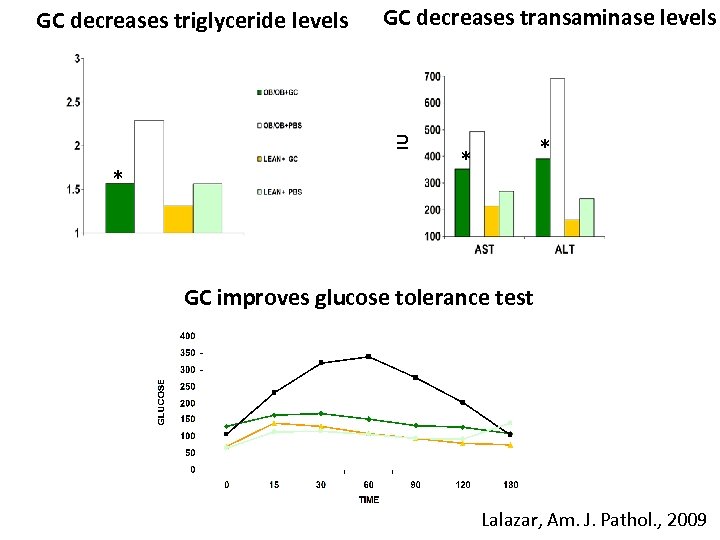 * * IU GC decreases transaminase levels * GC decreases triglyceride levels GC improves glucose tolerance test Lalazar, Am. J. Pathol. , 2009
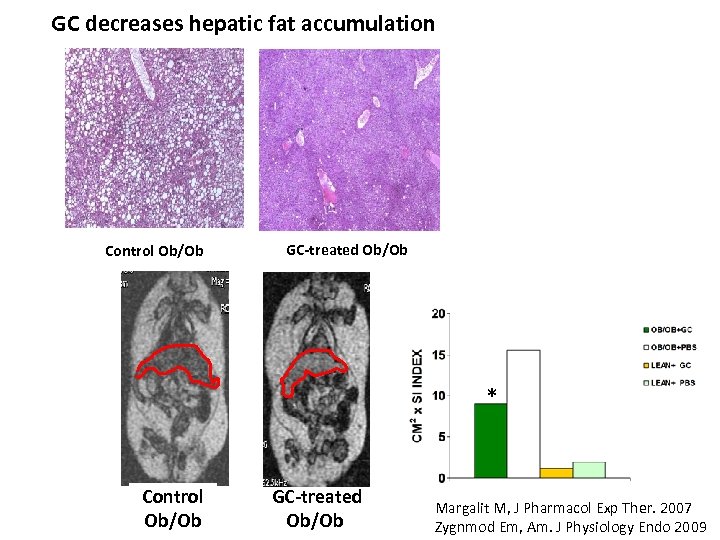 GC decreases hepatic fat accumulation Control Ob/Ob GC-treated Ob/Ob * Control Ob/Ob GC-treated Ob/Ob Margalit M, J Pharmacol Exp Ther. 2007 Margalit, J. Physiology Endo 2009 Zygnmod Em, Am. JExp. Therap. 2006
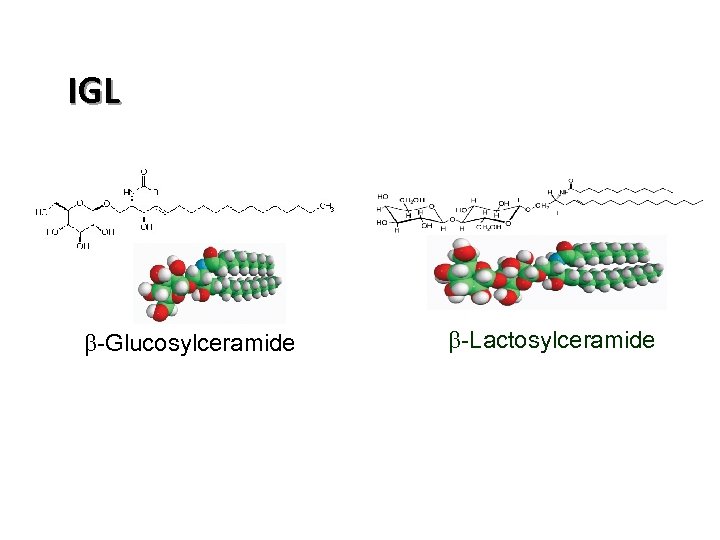 IGL GC b-Glucosylceramide LC b-Lactosylceramide
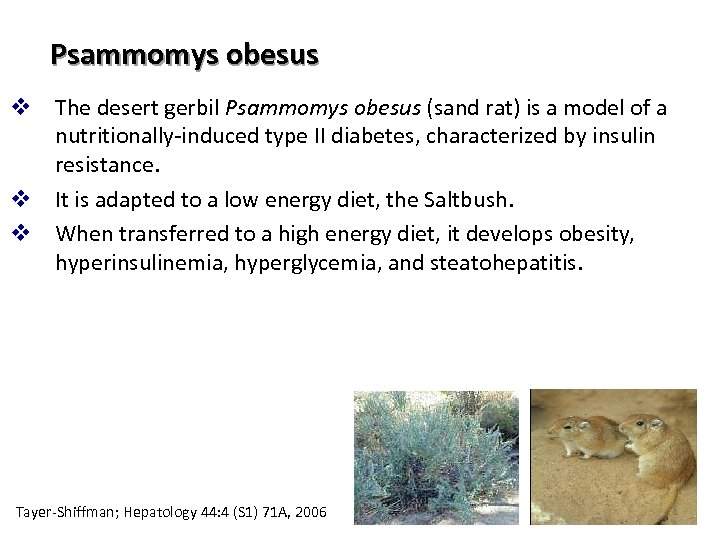 Psammomys obesus v The desert gerbil Psammomys obesus (sand rat) is a model of a nutritionally-induced type II diabetes, characterized by insulin resistance. v It is adapted to a low energy diet, the Saltbush. v When transferred to a high energy diet, it develops obesity, hyperinsulinemia, hyperglycemia, and steatohepatitis. Tayer-Shiffman; Hepatology 44: 4 (S 1) 71 A, 2006
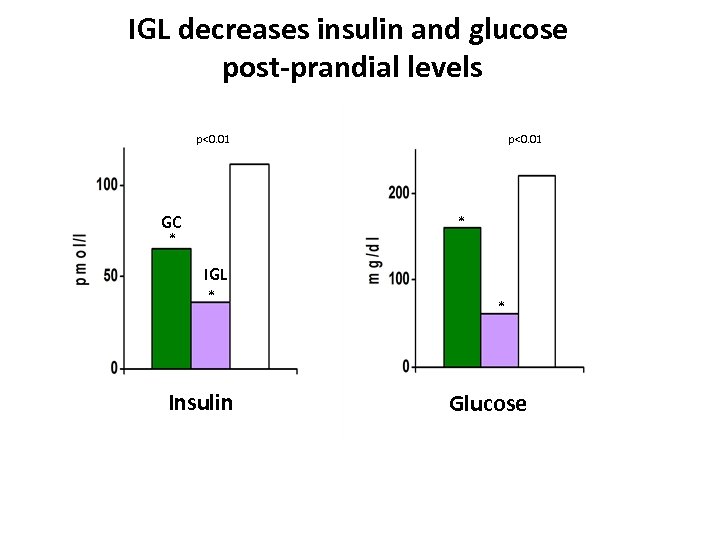 IGL decreases insulin and glucose post-prandial levels p<0. 01 GC p<0. 01 * * IGL * Insulin * Glucose
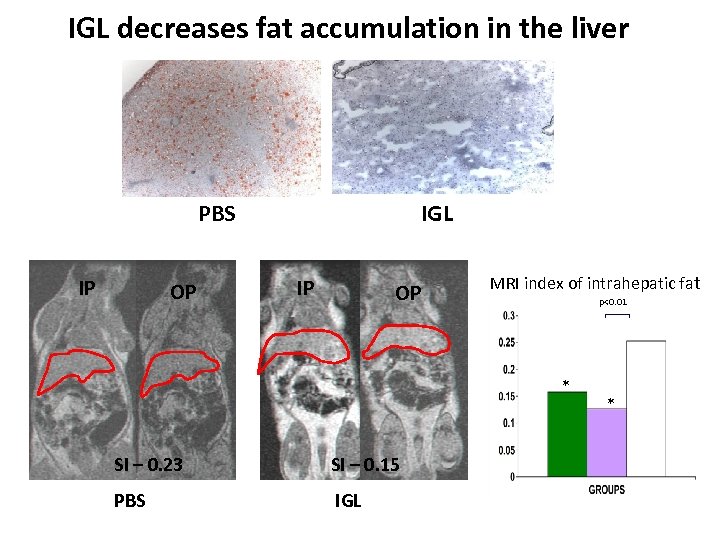 IGL decreases fat accumulation in the liver PBS IP OP IGL IP OP MRI index of intrahepatic fat p<0. 01 * SI – 0. 23 SI – 0. 15 PBS IGL *
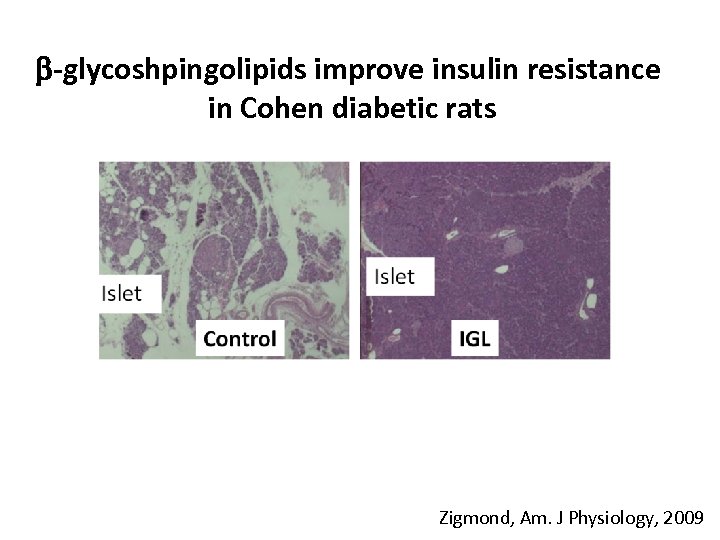 -glycoshpingolipids improve insulin resistance in Cohen diabetic rats Zigmond, Am. J Physiology, 2009
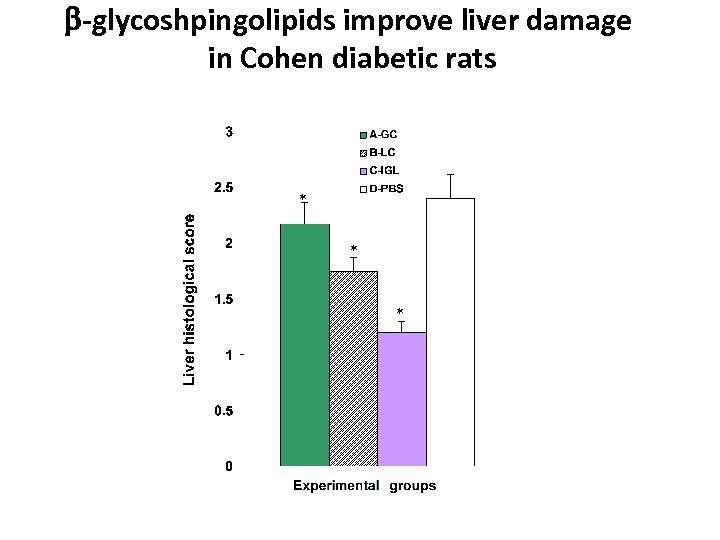 -glycoshpingolipids improve liver damage in Cohen diabetic rats * * *
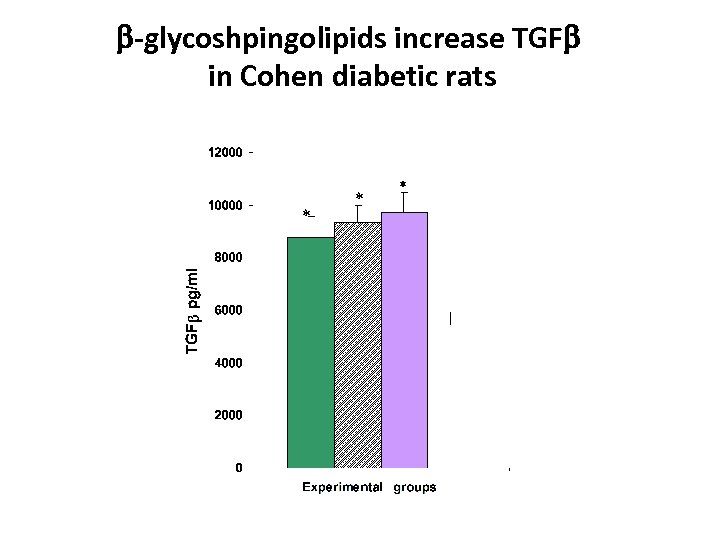 -glycoshpingolipids increase TGF in Cohen diabetic rats * * *
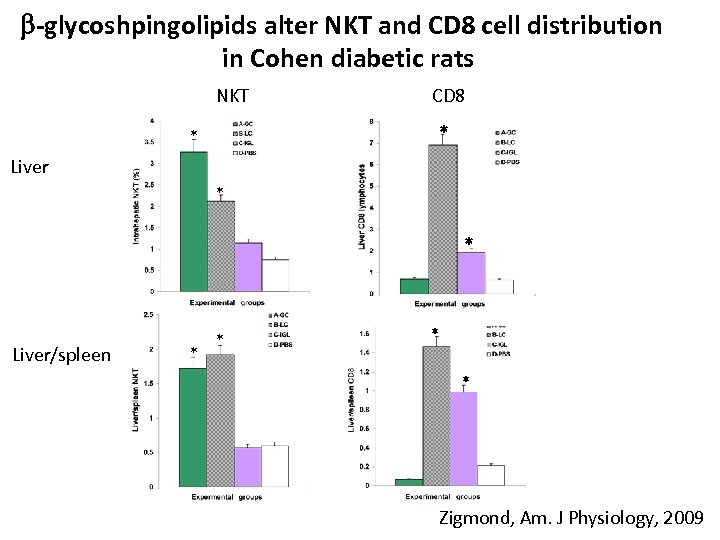 -glycoshpingolipids alter NKT and CD 8 cell distribution in Cohen diabetic rats NKT CD 8 * * Liver/spleen * * Zigmond, Am. J Physiology, 2009
 Can GC alter the structure of lipid rafts and cell signaling?
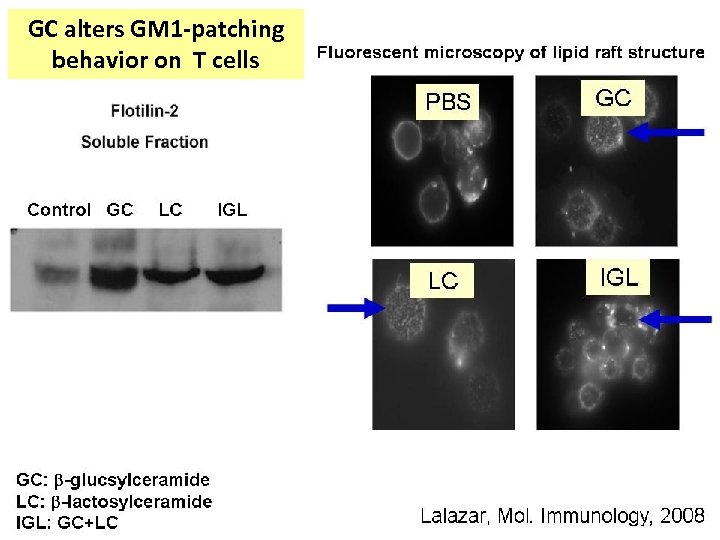 GC alters GM 1 -patching behavior on T cells
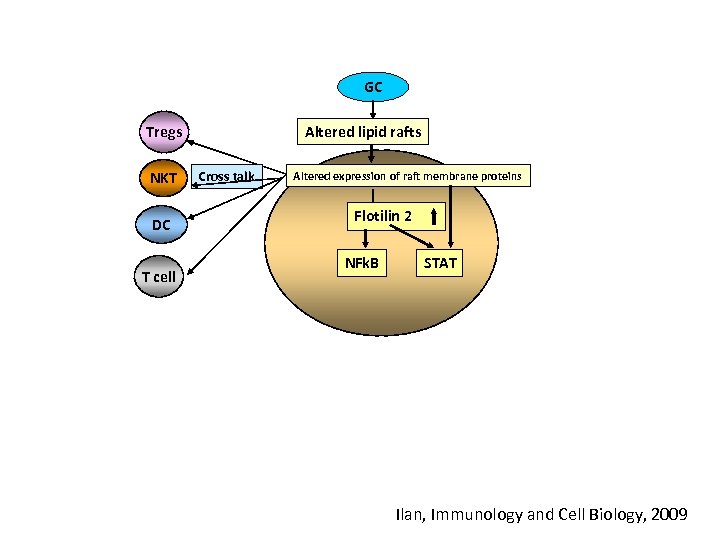 GC Altered lipid rafts Tregs NKT DC T cell Cross talk Altered expression of raft membrane proteins Flotilin 2 NFk. B STAT Ilan, Immunology and Cell Biology, 2009
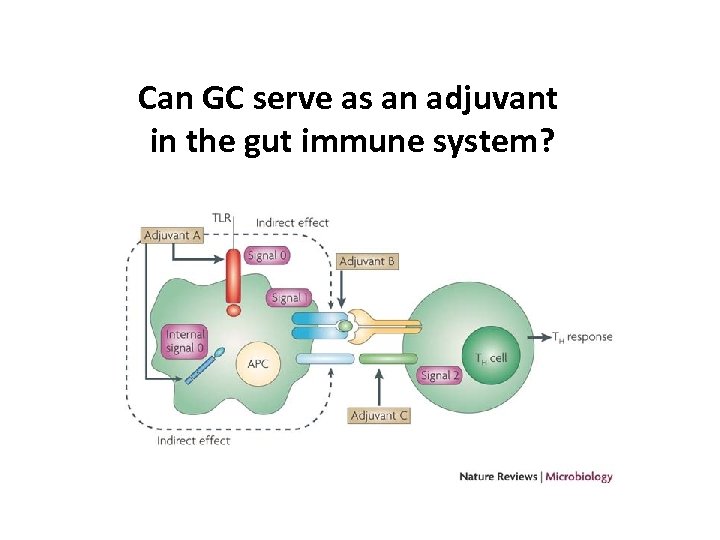 Can GC serve as an adjuvant in the gut immune system? 48
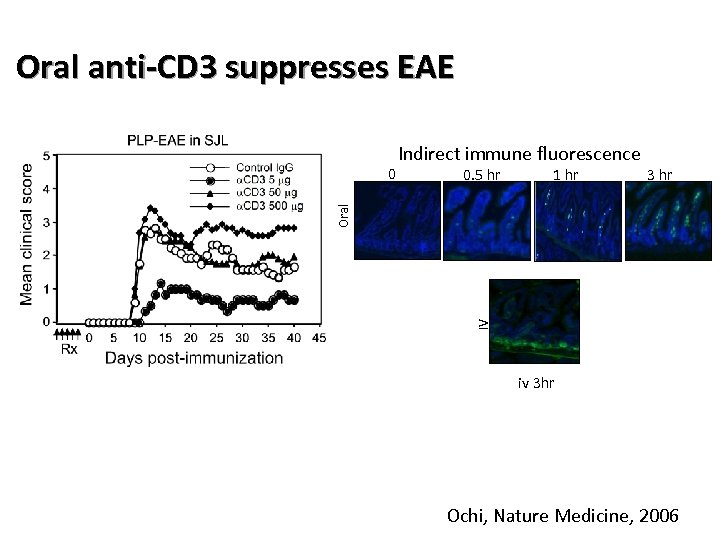 Oral anti-CD 3 suppresses EAE 0. 5 hr 1 hr 3 hr IV Oral 0 Indirect immune fluorescence iv 3 hr Ochi, Nature Medicine, 2006
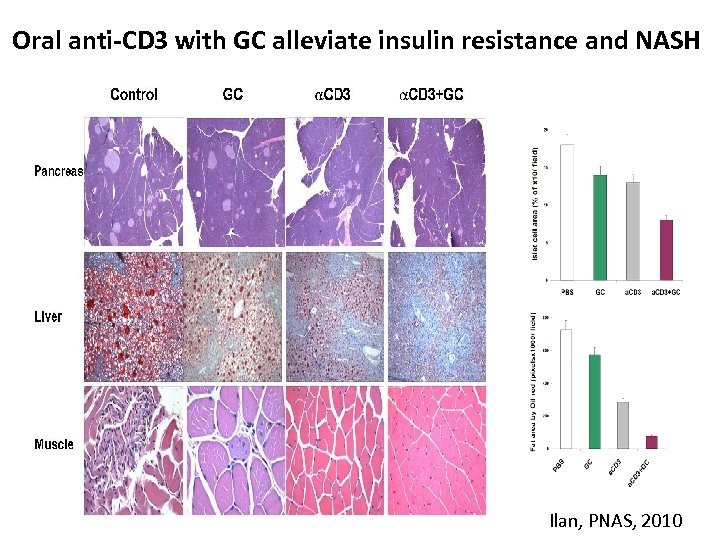 Oral anti-CD 3 with GC alleviate insulin resistance and NASH Ilan, PNAS, 2010
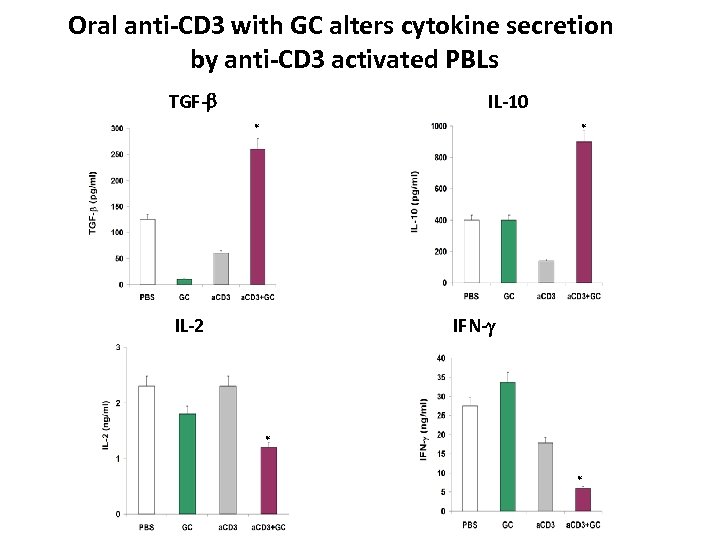 Oral anti-CD 3 with GC alters cytokine secretion by anti-CD 3 activated PBLs TGF- IL-10 * * IL-2 IFN-g * *
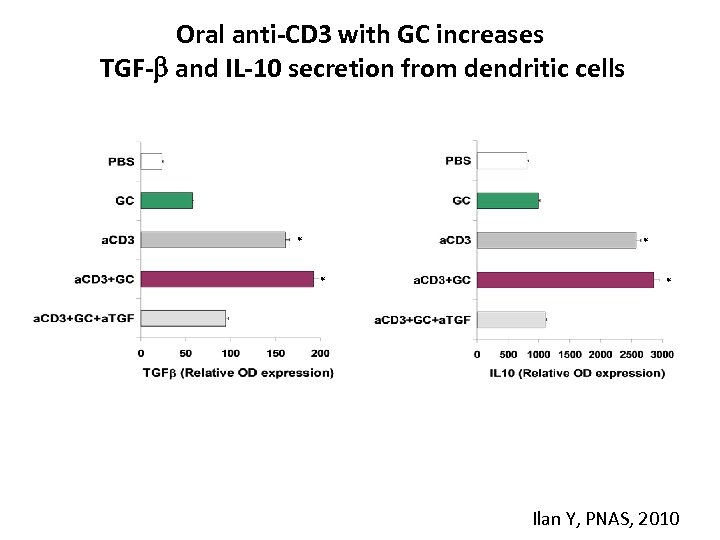 Oral anti-CD 3 with GC increases TGF- and IL-10 secretion from dendritic cells A * * Ilan Y, PNAS, 2010
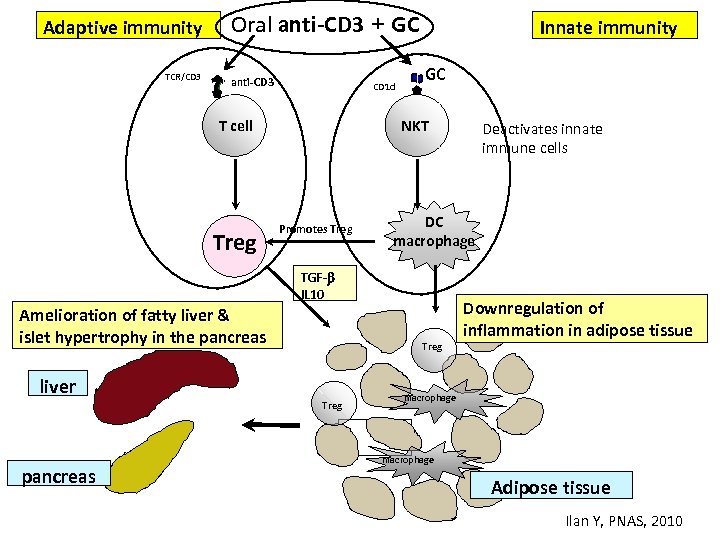 Adaptive immunity TCR/CD 3 Oral anti-CD 3 + GC anti-CD 3 CD 1 d T cell Treg Innate immunity GC NKT Promotes Treg DC macrophage TGF- IL 10 Amelioration of fatty liver & islet hypertrophy in the pancreas Treg liver Treg pancreas Deactivates innate immune cells Downregulation of inflammation in adipose tissue macrophage Adipose tissue Ilan Y, PNAS, 2010
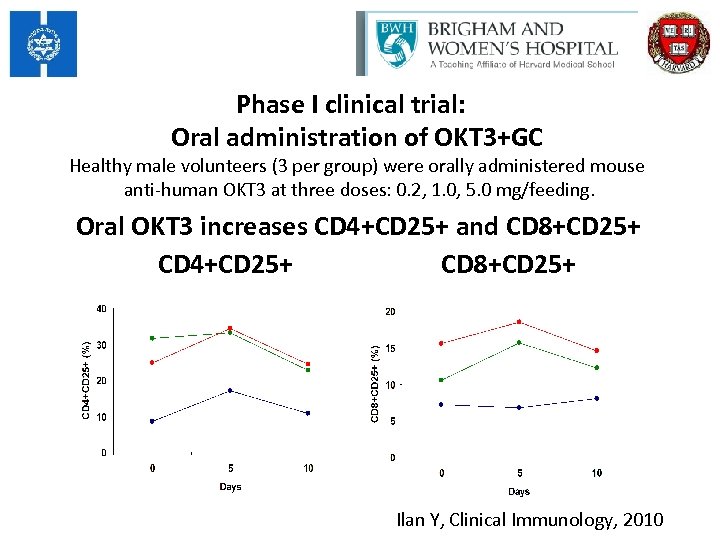 Phase I clinical trial: Oral administration of OKT 3+GC Healthy male volunteers (3 per group) were orally administered mouse anti-human OKT 3 at three doses: 0. 2, 1. 0, 5. 0 mg/feeding. Oral OKT 3 increases CD 4+CD 25+ and CD 8+CD 25+ CD 4+CD 25+ CD 8+CD 25+ Ilan Y, Clinical Immunology, 2010
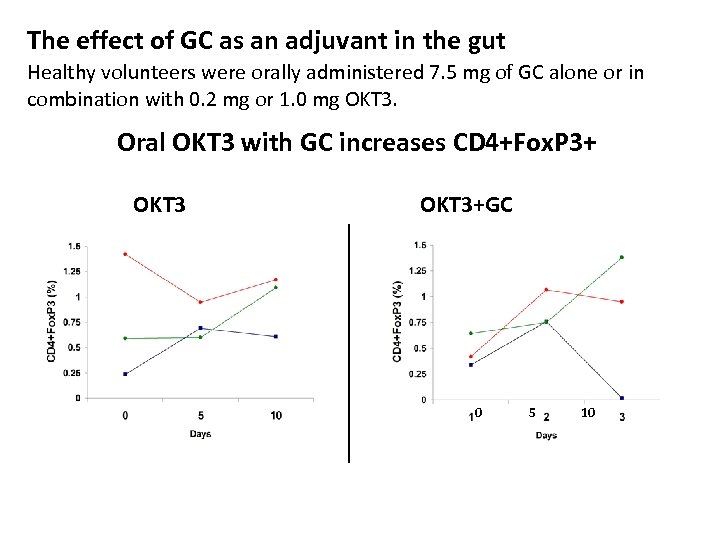 The effect of GC as an adjuvant in the gut Healthy volunteers were orally administered 7. 5 mg of GC alone or in combination with 0. 2 mg or 1. 0 mg OKT 3. Oral OKT 3 with GC increases CD 4+Fox. P 3+ OKT 3+GC 0 5 10
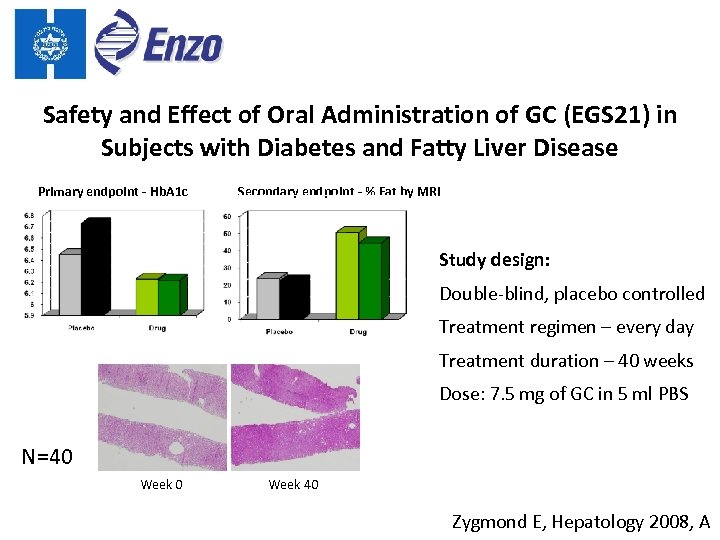 Safety and Effect of Oral Administration of GC (EGS 21) in Subjects with Diabetes and Fatty Liver Disease Primary endpoint - Hb. A 1 c Secondary endpoint - % Fat by MRI Study design: Double-blind, placebo controlled Treatment regimen – every day Treatment duration – 40 weeks Dose: 7. 5 mg of GC in 5 ml PBS N=40 Week 40 Zygmond E, Hepatology 2008, A
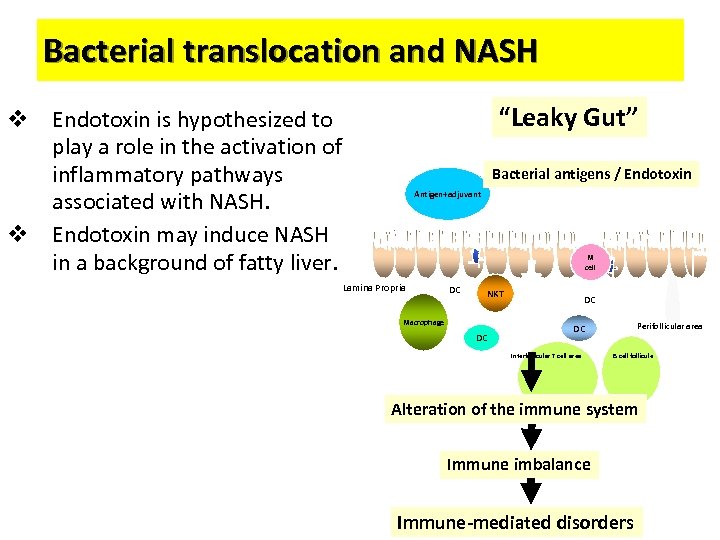 Bacterial translocation and NASH “Leaky Gut” v Endotoxin is hypothesized to play a role in the activation of inflammatory pathways associated with NASH. v Endotoxin may induce NASH in a background of fatty liver. Bacterial antigens / Endotoxin Antigen+adjuvant M cell Lamina Propria DC NKT Macrophage DC DC Perifollicular area DC Interfollicular T cell area B cell follicule Alteration of the immune system Immune imbalance Immune-mediated disorders
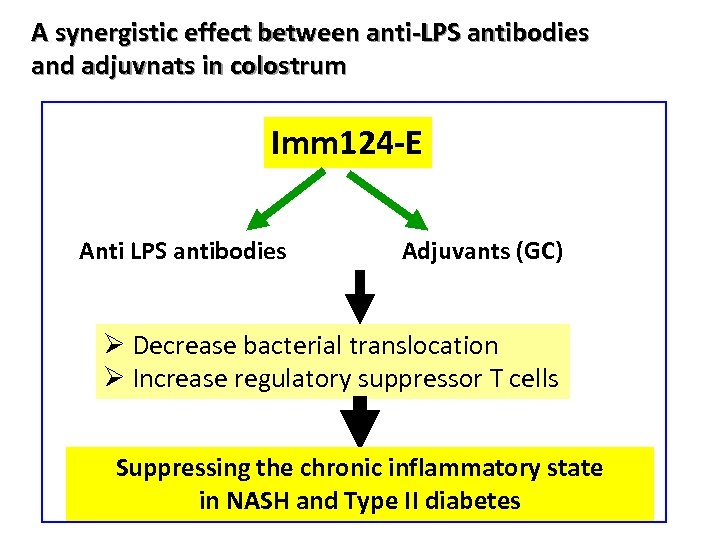 A synergistic effect between anti-LPS antibodies and adjuvnats in colostrum Imm 124 -E Anti LPS antibodies Adjuvants (GC) Ø Decrease bacterial translocation Ø Increase regulatory suppressor T cells Suppressing the chronic inflammatory state in NASH and Type II diabetes
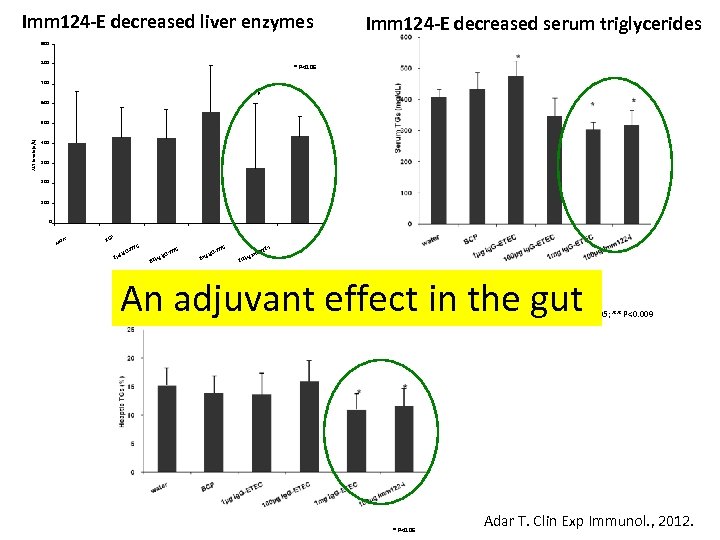 Imm 124 -E decreased liver enzymes Imm 124 -E decreased serum triglycerides 900 800 * P<0. 05 700 * 600 ALT levels (u/L) 500 400 300 200 100 0 ter wa BCP 1µg EC -ET Ig. G µg 100 TEC -E Ig. G G-E g Ig 1 m µg 100 -I 122 Imm An adjuvant effect in the gut Imm 124 -E decreased Hepatic TGs * P<0. 05; ** P<0. 009 * P<0. 05 Adar T. Clin Exp Immunol. , 2012.
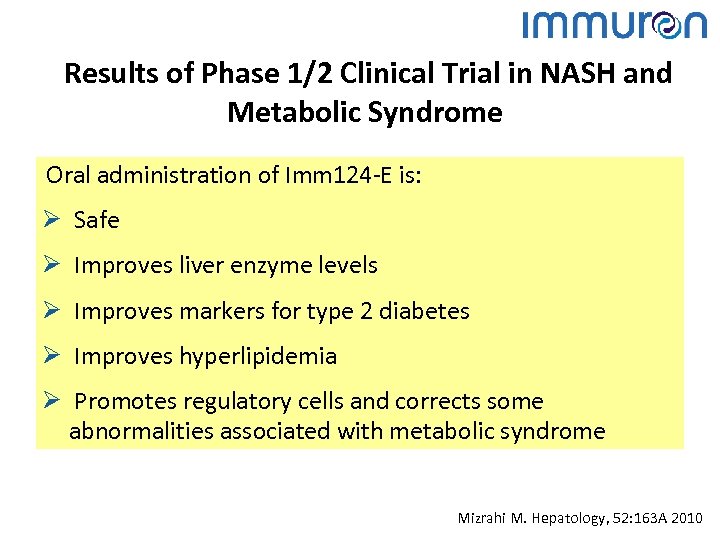 Results of Phase 1/2 Clinical Trial in NASH and Metabolic Syndrome Oral administration of Imm 124 -E is: Ø Safe Ø Improves liver enzyme levels Ø Improves markers for type 2 diabetes Ø Improves hyperlipidemia Ø Promotes regulatory cells and corrects some abnormalities associated with metabolic syndrome Mizrahi M. Hepatology, 52: 163 A 2010
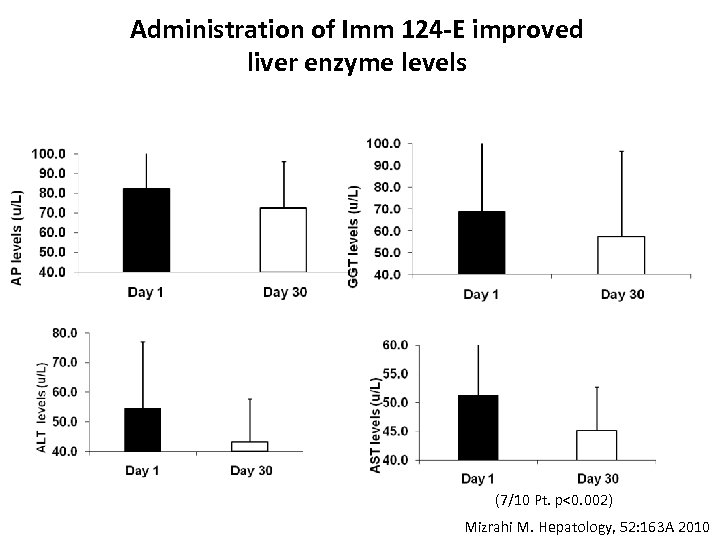 Administration of Imm 124 -E improved liver enzyme levels (7/10 Pt. p<0. 002) Mizrahi M. Hepatology, 52: 163 A 2010
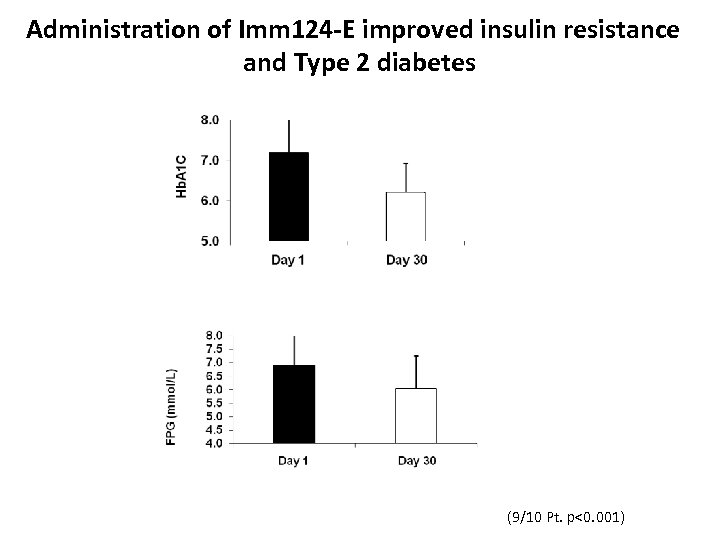 Administration of Imm 124 -E improved insulin resistance and Type 2 diabetes (9/10 Pt. p<0. 001)
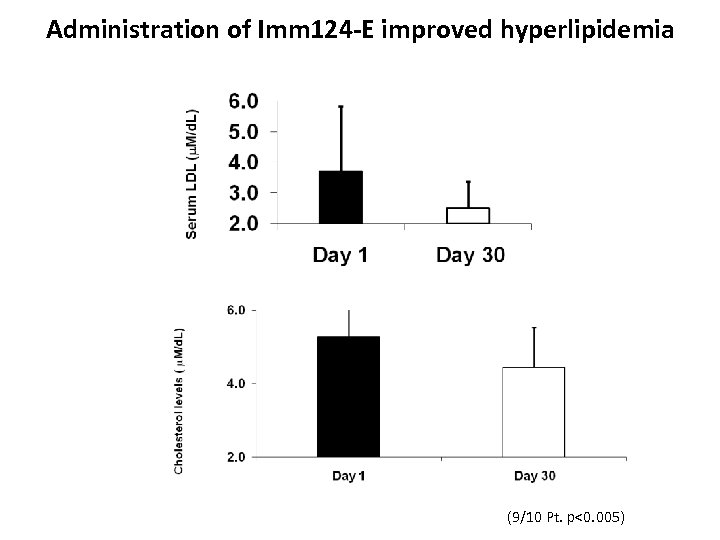 Administration of Imm 124 -E improved hyperlipidemia (9/10 Pt. p<0. 005)
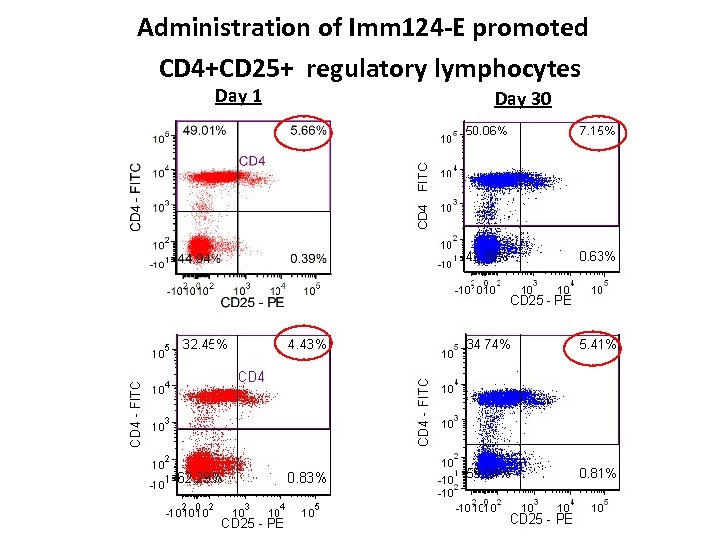 Administration of Imm 124 -E promoted CD 4+CD 25+ regulatory lymphocytes Day 1 Day 30
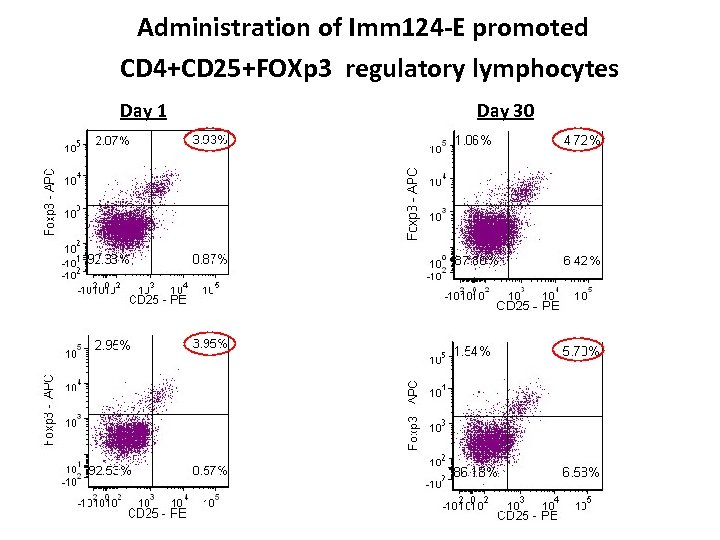 Administration of Imm 124 -E promoted CD 4+CD 25+FOXp 3 regulatory lymphocytes Day 1 Day 30
 + Antibody / disease associated antigen directed antibody / antigen Bowel mucosa Adjuvant M cell Lamina Propria DC NKT DC Macrophage Perifollicular area DC DC Interfollicular T cell area B cell follicule Tregs Ilan Y, Elstein D, Zimran A, Immunology Cell Biology, 2009
 + Antibody / disease associated antigen directed antibody / antigen Bowel mucosa M cell Lamina Propria MLN Macrophage MLNs DC NKT Liver Macrophage Tregs B cell follicule Interfollicular T cell area Tregs Adipose tissue Kupffer cells NKT Perifollicular area DC DC LSEC DC Macrophage DC Tregs LLN Adjuvant ATLN DC Macrophage Pancreas DC Tregs Effector cells DC PLN Tregs Muscle Ilan Y, Elstein D, Zimran A, Immunology Cell Biology, 2009
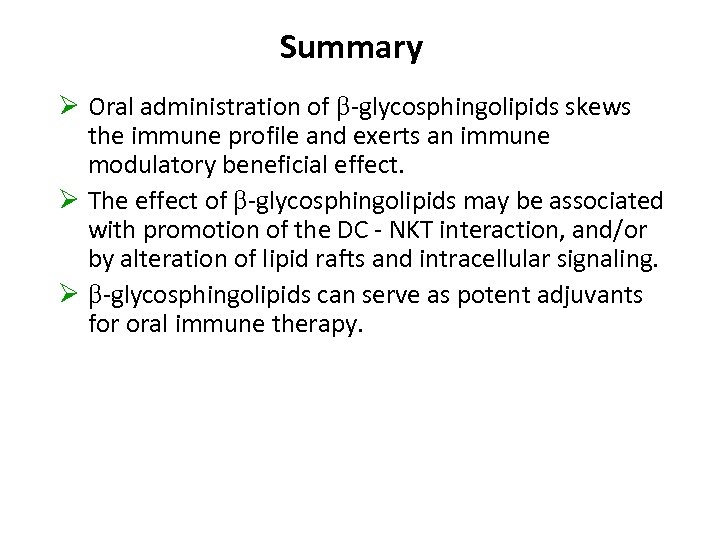 Summary Ø Oral administration of b-glycosphingolipids skews the immune profile and exerts an immune modulatory beneficial effect. Ø The effect of b-glycosphingolipids may be associated with promotion of the DC - NKT interaction, and/or by alteration of lipid rafts and intracellular signaling. Ø b-glycosphingolipids can serve as potent adjuvants for oral immune therapy.
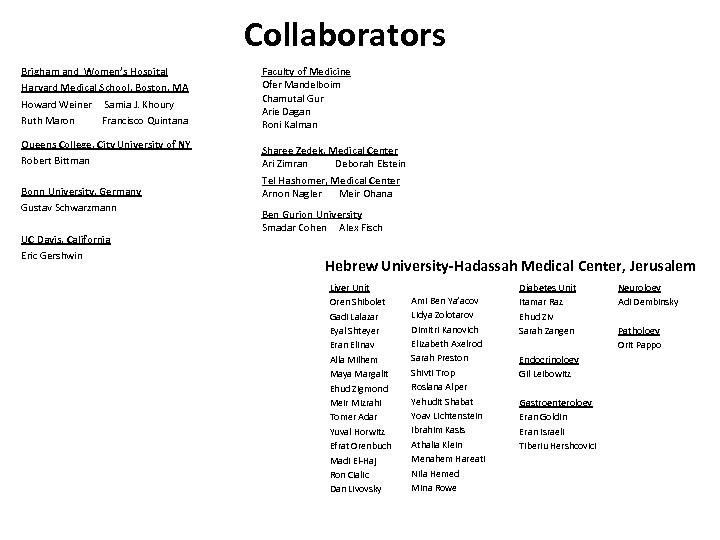 Collaborators Brigham and Women’s Hospital Harvard Medical School, Boston, MA Howard Weiner Samia J. Khoury Ruth Maron Francisco Quintana Faculty of Medicine Ofer Mandelboim Chamutal Gur Arie Dagan Roni Kalman Queens College, City University of NY Robert Bittman Sharee Zedek, Medical Center Ari Zimran Deborah Elstein Bonn University, Germany Gustav Schwarzmann UC Davis, California Eric Gershwin Tel Hashomer, Medical Center Arnon Nagler Meir Ohana Ben Gurion University Smadar Cohen Alex Fisch Hebrew University-Hadassah Medical Center, Jerusalem Liver Unit Oren Shibolet Gadi Lalazar Eyal Shteyer Eran Elinav Alla Milhem Maya Margalit Ehud Zigmond Meir Mizrahi Tomer Adar Yuval Horwitz Efrat Orenbuch Madi El-Haj Ron Cialic Dan Livovsky Ami Ben Ya’acov Lidya Zolotarov Dimitri Kanovich Elizabeth Axelrod Sarah Preston Shivti Trop Roslana Alper Yehudit Shabat Yoav Lichtenstein Ibrahim Kasis Athalia Klein Menahem Hareati Nila Hemed Mina Rowe Diabetes Unit Itamar Raz Ehud Ziv Sarah Zangen Endocrinology Gil Leibowitz Gastroenterology Eran Goldin Eran Israeli Tiberiu Hershcovici Neurology Adi Dembinsky Pathology Orit Pappo
 Thank you