 Скачать презентацию GLOBAL WARMING Impacts Solutions Actions Bob
84ecc9e4f62a243299b08cacfdca2b21.ppt
- Количество слайдов: 70



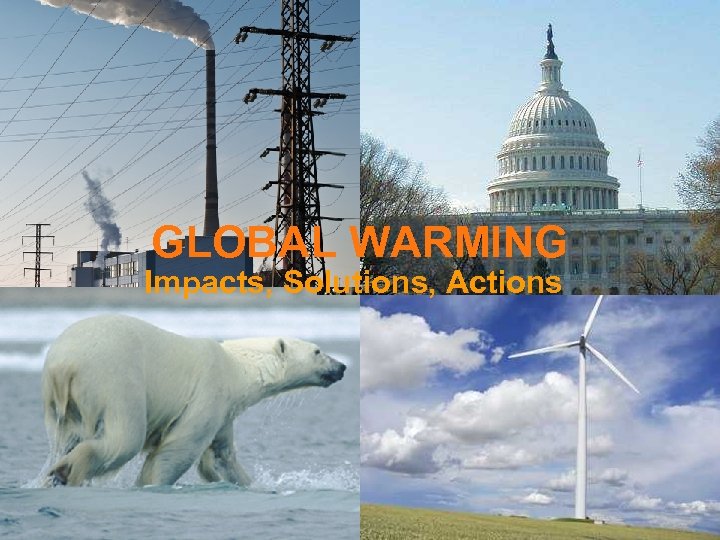
GLOBAL WARMING Impacts, Solutions, Actions
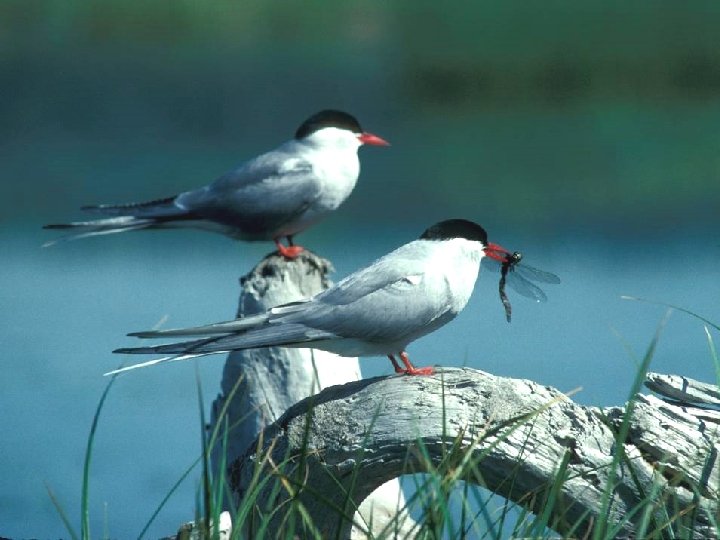
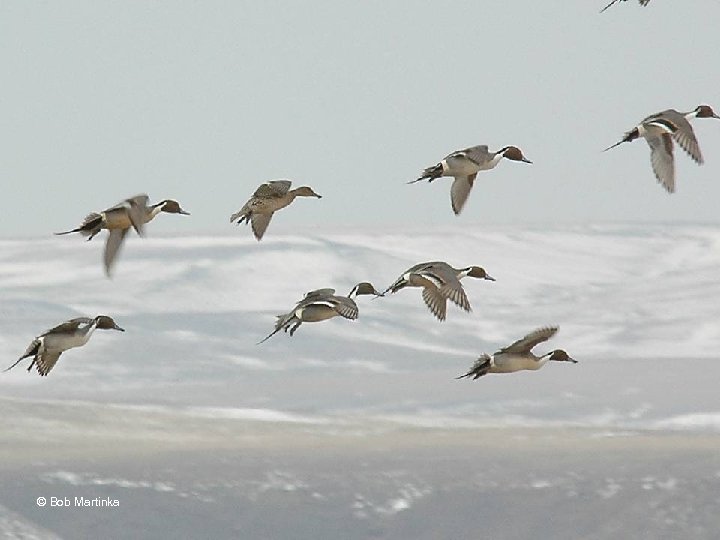
© Bob Martinka
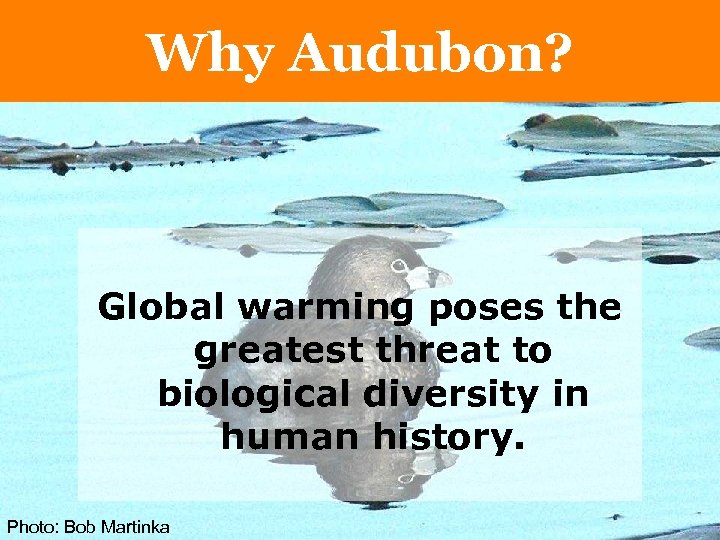
Why Audubon? Global warming poses the greatest threat to biological diversity in human history. Photo: Bob Martinka
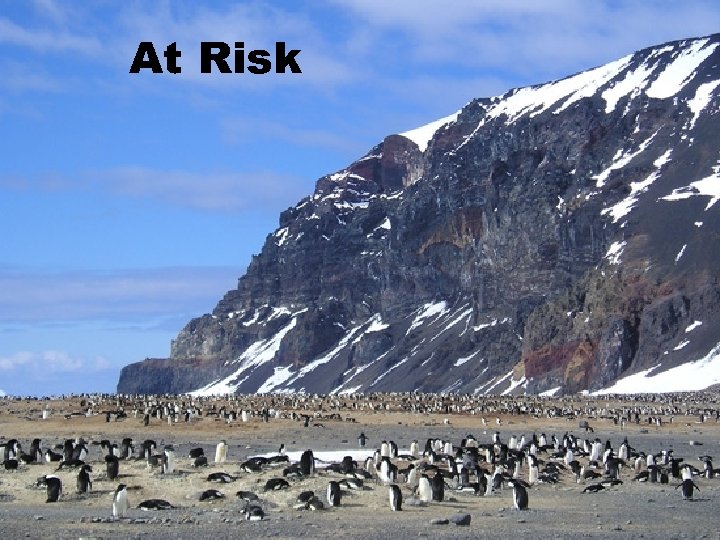
At Risk
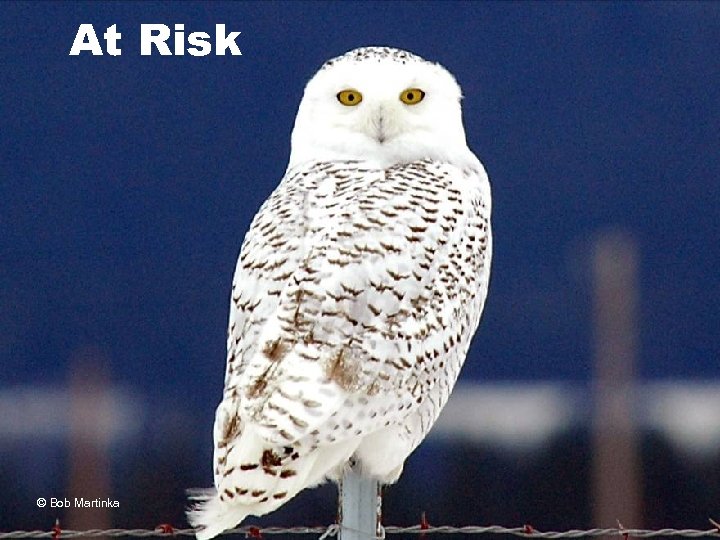
At Risk © Bob Martinka
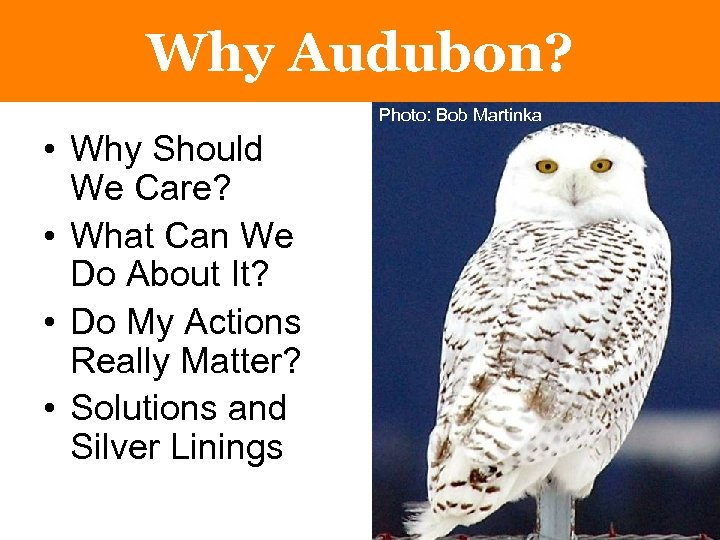
Why Audubon? Photo: Bob Martinka • Why Should We Care? • What Can We Do About It? • Do My Actions Really Matter? • Solutions and Silver Linings
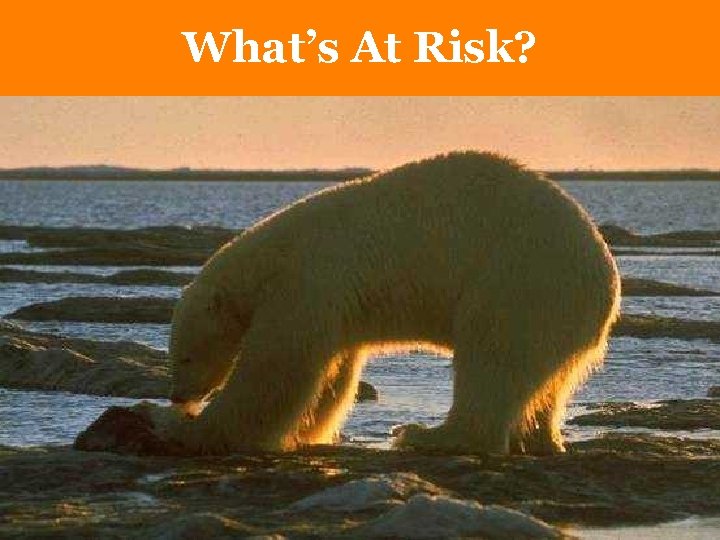
What’s At Risk?
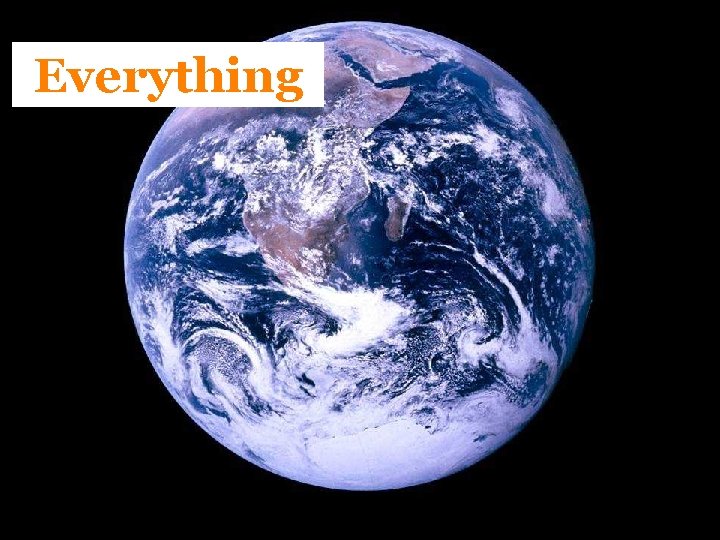
Everything
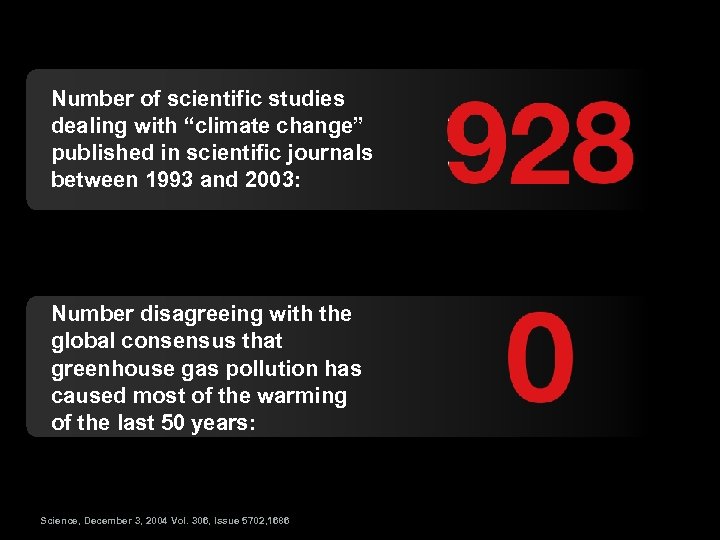
Number of scientific studies dealing with “climate change” published in scientific journals between 1993 and 2003: Number disagreeing with the global consensus that greenhouse gas pollution has caused most of the warming of the last 50 years: Science, December 3, 2004 Vol. 306, Issue 5702, 1686
Intergovernmental Panel on Climate Change (IPCC) Fourth Assessment Report • Over 1, 200 authors • 2, 500 scientific expert reviewers from more than 130 countries
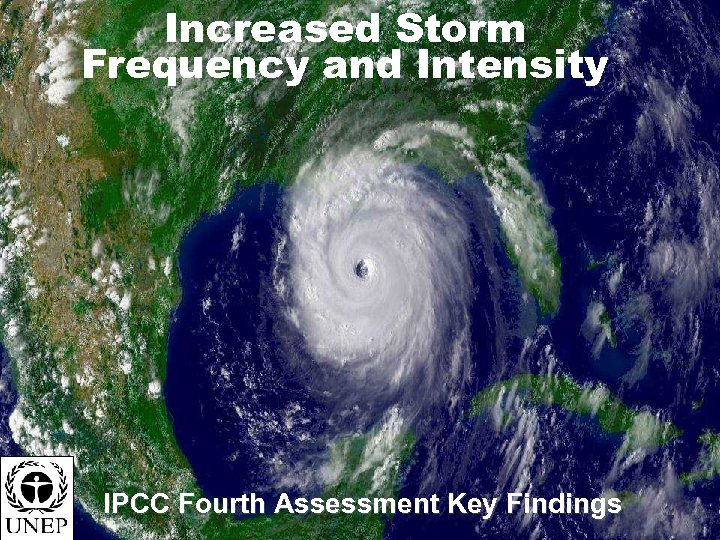
Increased Storm Frequency and Intensity IPCC Fourth Assessment Key Findings
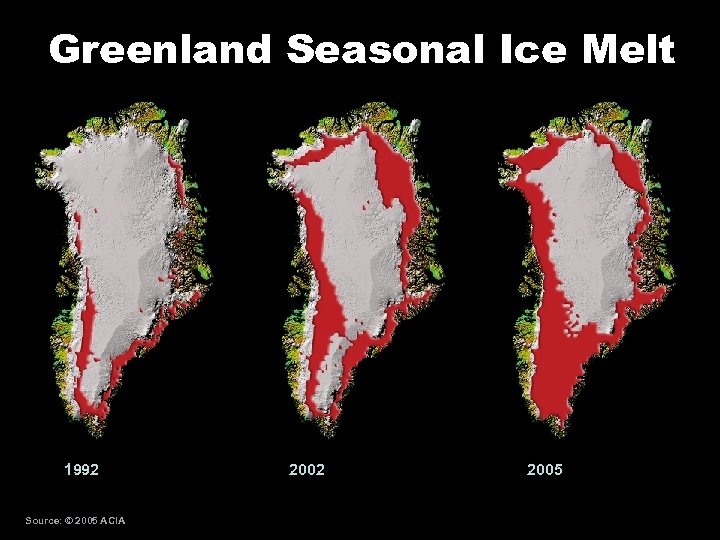
Greenland Seasonal Ice Melt 1992 Source: © 2005 ACIA 2002 2005
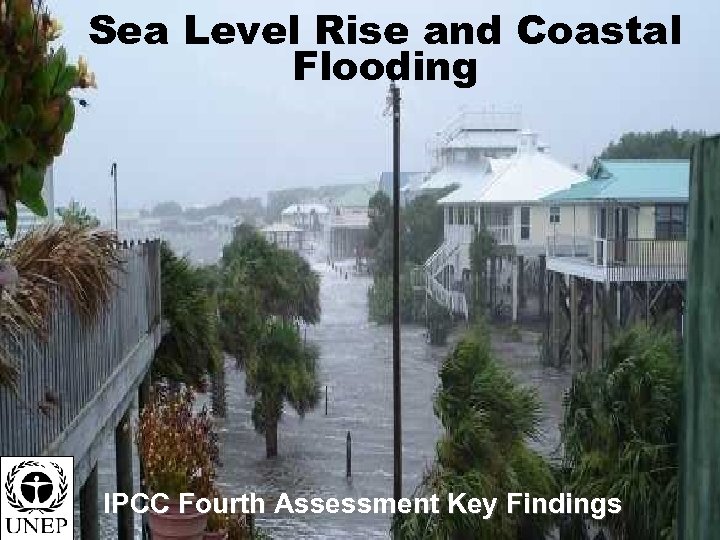
Sea Level Rise and Coastal Flooding IPCC Fourth Assessment Key Findings
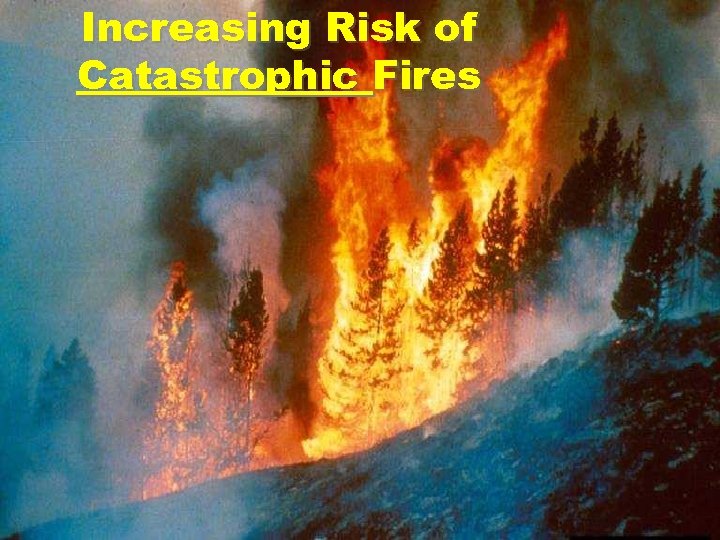
Increasing Risk of Catastrophic Fires
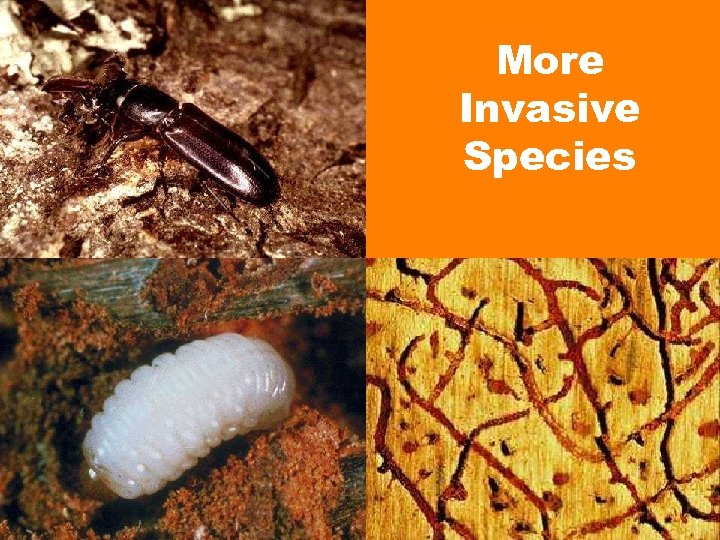
More Invasive Species
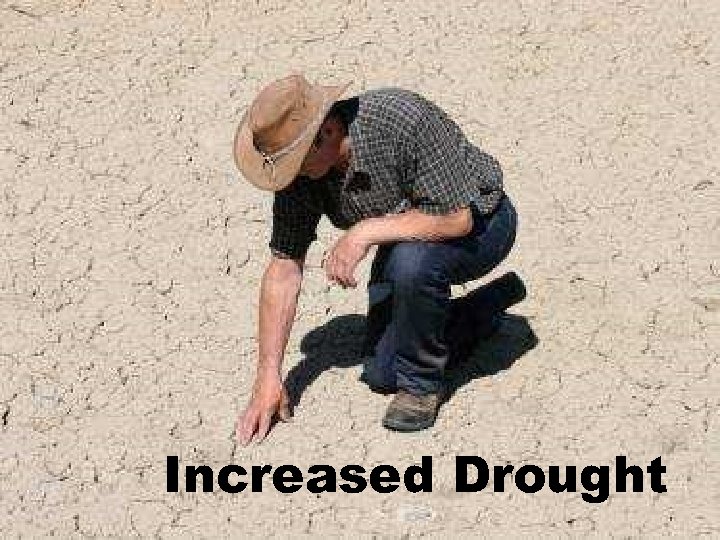
Increased Drought
Economic Toll The Economic Toll Global Warming impacts will cost 20 times more than reducing our emissions now. * * 2007 Report by British Treasury Secretary Nicholas Stern
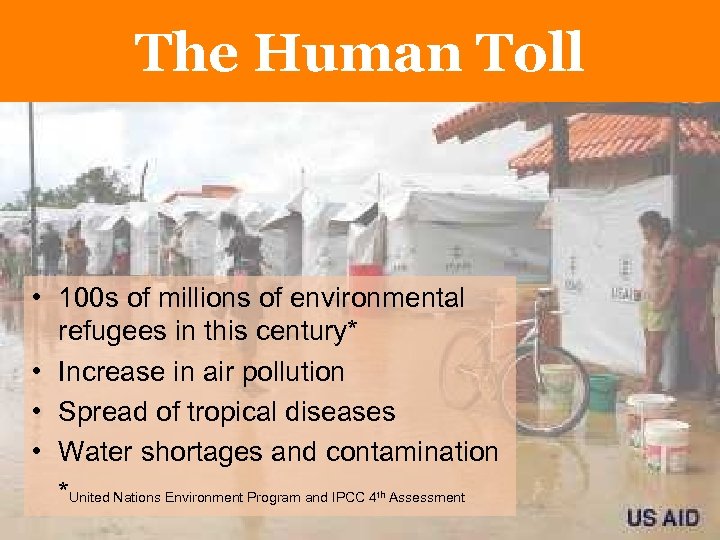
The Human Toll • 100 s of millions of environmental refugees in this century* • Increase in air pollution • Spread of tropical diseases • Water shortages and contamination *United Nations Environment Program and IPCC 4 Assessment th
The Science, the Choices, the Benefits Have Never Been More Clear

The Most Important Crossroads Of Our Lives…
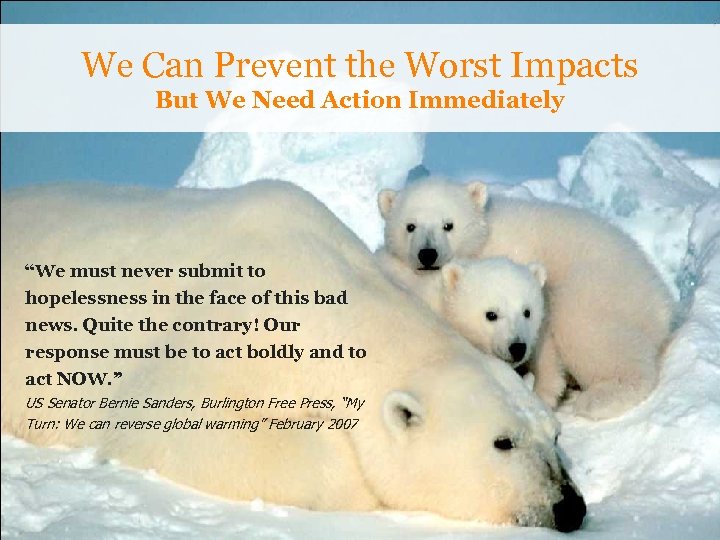
We Can Prevent the Worst Impacts But We Need Action Immediately “We must never submit to hopelessness in the face of this bad news. Quite the contrary! Our response must be to act boldly and to act NOW. ” US Senator Bernie Sanders, Burlington Free Press, “My Turn: We can reverse global warming” February 2007
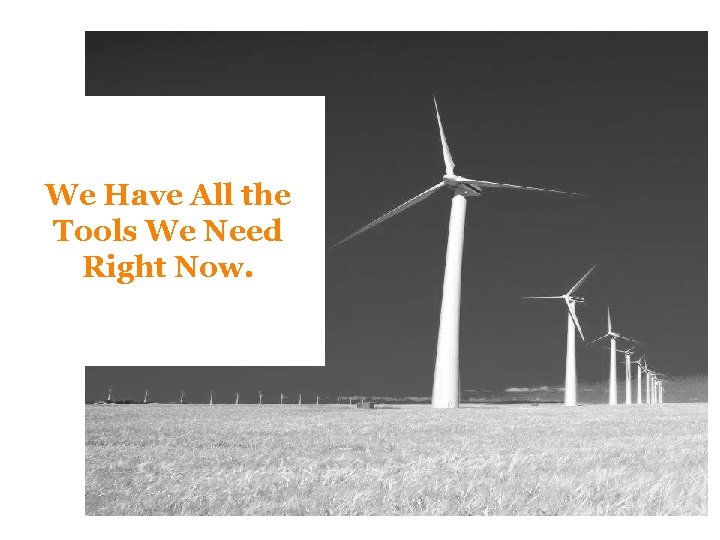
We Have All the Tools We Need Right Now.
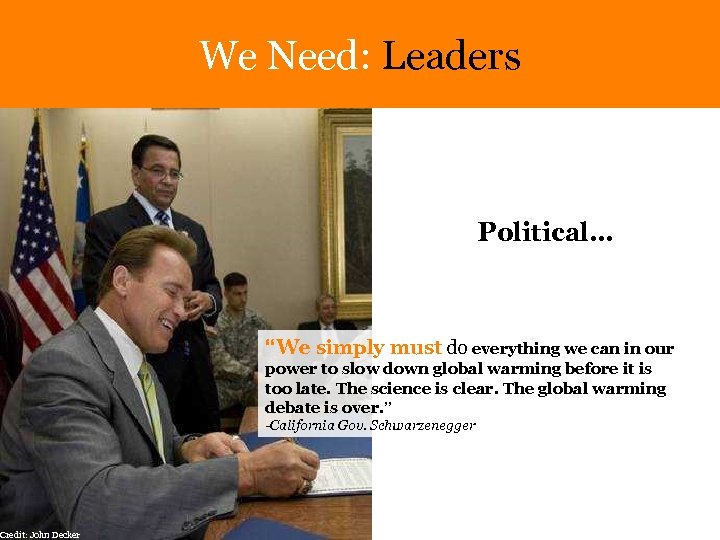
Credit: John Decker We Need: Leaders Political… “We simply must do everything we can in our power to slow down global warming before it is too late. The science is clear. The global warming debate is over. ” -California Gov. Schwarzenegger
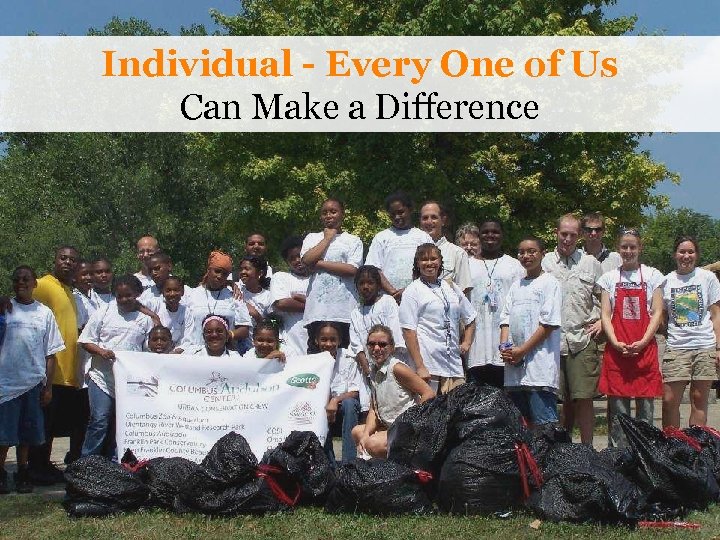
Individual - Every One of Us Can Make a Difference
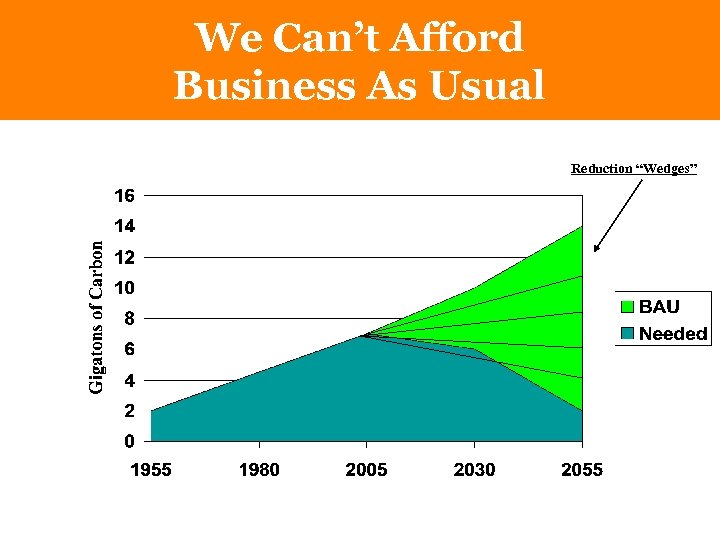
We Can’t Afford Business As Usual Reduction “Wedges”
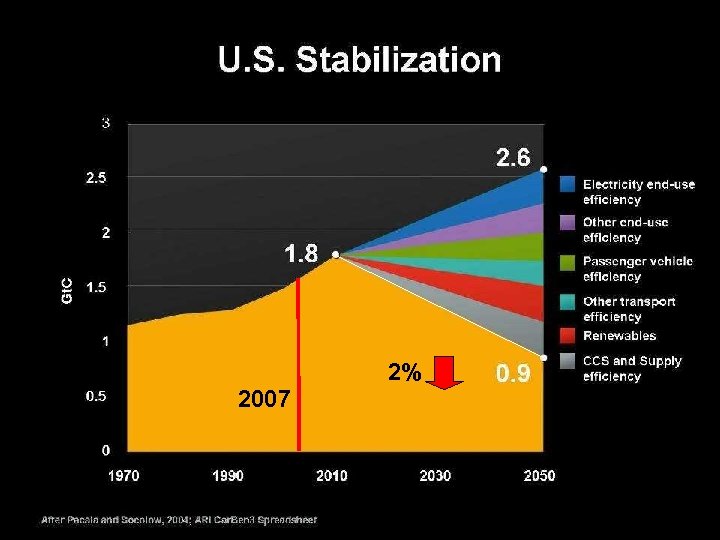
2% 2007

What Do We Want?
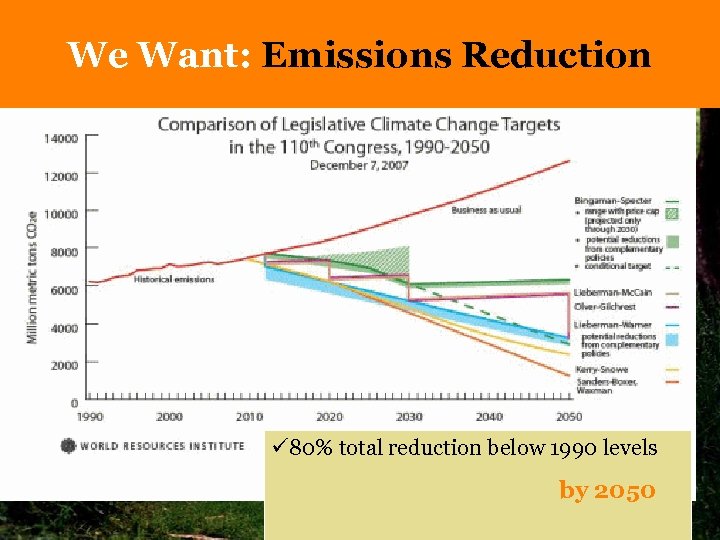
We Want: Emissions Reduction ü 80% total reduction below 1990 levels by 2050
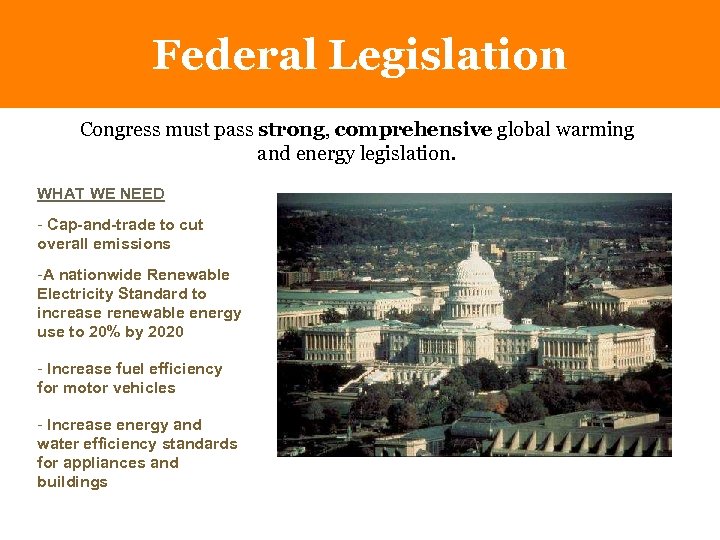
Federal Legislation Congress must pass strong, comprehensive global warming and energy legislation. WHAT WE NEED - Cap-and-trade to cut overall emissions -A nationwide Renewable Electricity Standard to increase renewable energy use to 20% by 2020 - Increase fuel efficiency for motor vehicles - Increase energy and water efficiency standards for appliances and buildings
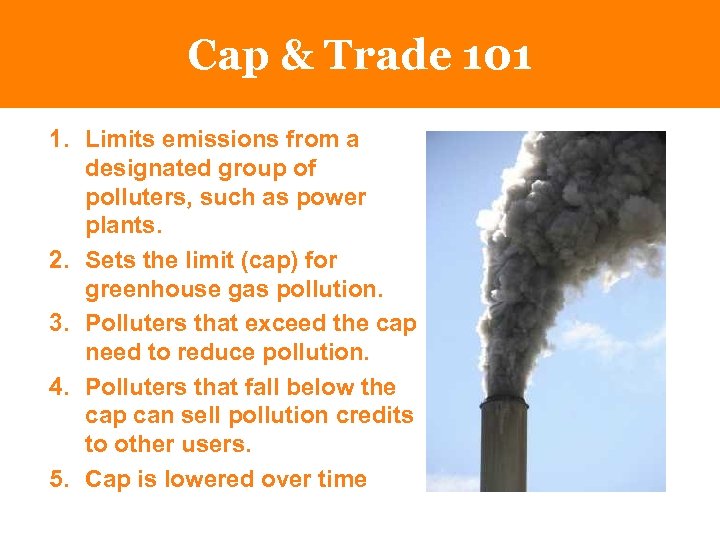
Cap & Trade 101 1. Limits emissions from a designated group of polluters, such as power plants. 2. Sets the limit (cap) for greenhouse gas pollution. 3. Polluters that exceed the cap need to reduce pollution. 4. Polluters that fall below the cap can sell pollution credits to other users. 5. Cap is lowered over time
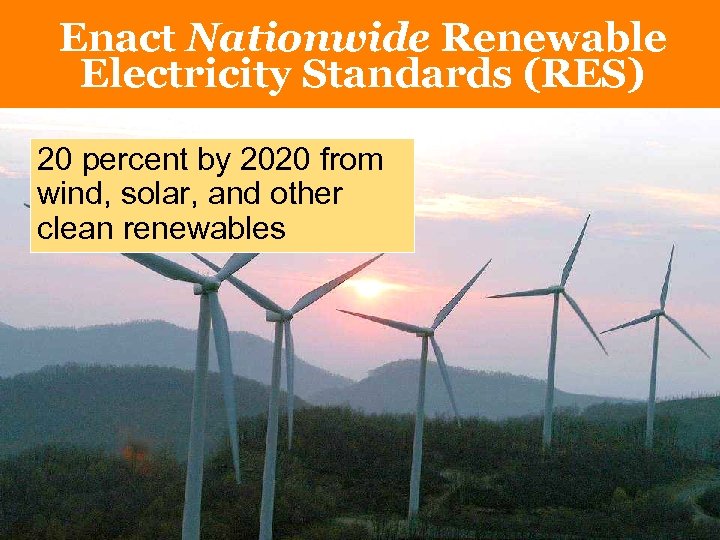
Enact Nationwide Renewable Electricity Standards (RES) 20 percent by 2020 from wind, solar, and other clean renewables
The Benefits of a 20% RES • Pollution reduction equal to taking 36. 4 million cars off the road • Creates 185, 000 new jobs • $66 billion in new capital investment • $25. 6 billion income to farmers, ranchers, rural communities • $2 billion in new local tax revenues • $10 billion reduction in electric and natural gas bills (growing to $31. 8 billion by 2030)
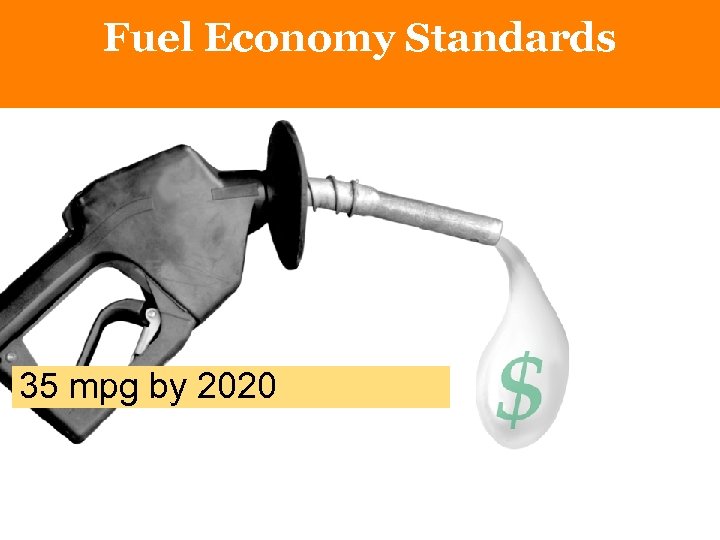
Fuel Economy Standards 35 mpg by 2020
Save Gas, Save Money! • Save 1. 2 million barrels of oil a day – more than half of what we import from the Persian Gulf. • Prevent 200 million metric tons of CO² pollution. • Save consumers more than $25 billion at the gas pump.
Increase Energy & Water Efficiency Standards • ENERGY STAR rated appliances save consumers 31 percent on energy bills. • $24 billion spent on energy each year by the commercial building industry, which releases 18 percent of U. S. greenhouse gas emissions. • Saving water reduces emissions.

What Do We Need to Do?
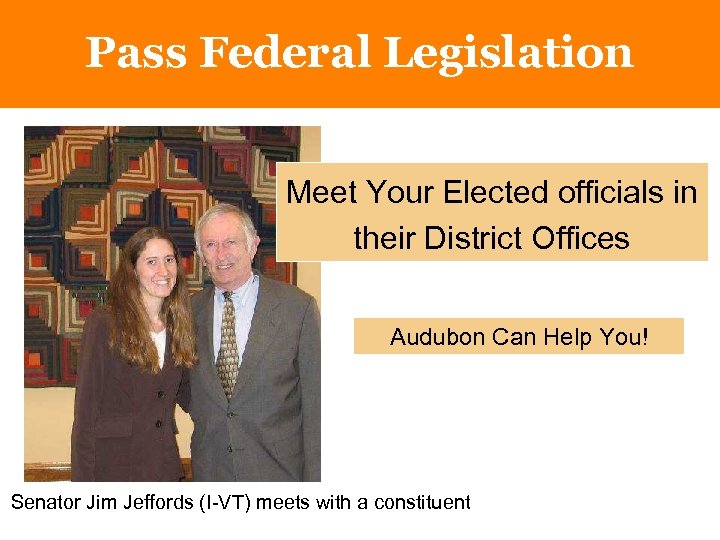
Pass Federal Legislation Meet Your Elected officials in their District Offices Audubon Can Help You! Senator Jim Jeffords (I-VT) meets with a constituent
Pass Federal Legislation Every call represents thousands of voters to a legislator. • Phone Calls: Capitol Switchboard: 202 -224 -3121 • Mail: The Hon. Christopher Coons The Hon. Thomas Carper The Hon. John Carney U. S. Senate U. S. House of Representatives Washington, DC 20510 Washington, DC 20515 • Emails: www. senate. gov www. house. gov *Be sure to customize emails when responding to alerts. Congress received 200 million emails in 2004!
Pass Federal Legislation • Write letters to the editor of newspapers and magazines. • Start or participate in a global warming blog. • If you have a story angle, talk with local reporters. • Meet with editorial writers from your local paper. Ask Audubon for Help
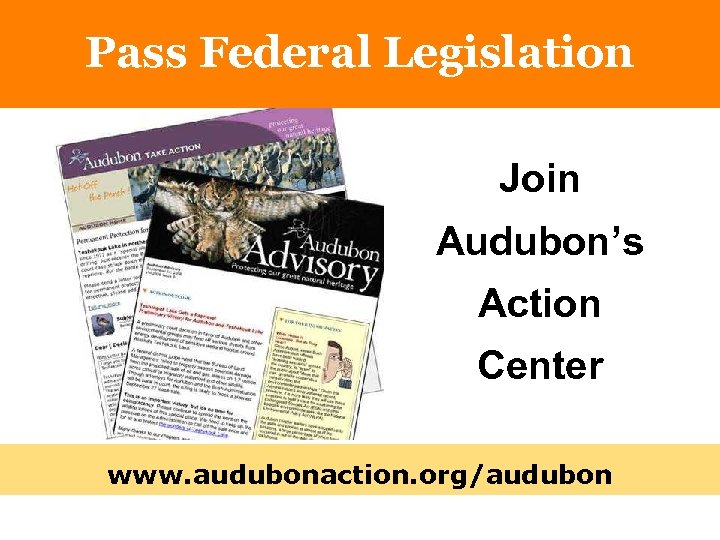
Pass Federal Legislation Join Audubon’s Action Center www. audubonaction. org/audubon
Take Action and Vote Tell your elected representatives how important global warming solutions are to you.
Is Congress the Only Answer? NO! Individuals, Businesses, Communities Can Reduce Emissions Immediately Early Reductions are like Early Investments in Retirement – the sooner we do it, the bigger the payoff!
Individual Actions Add Up!
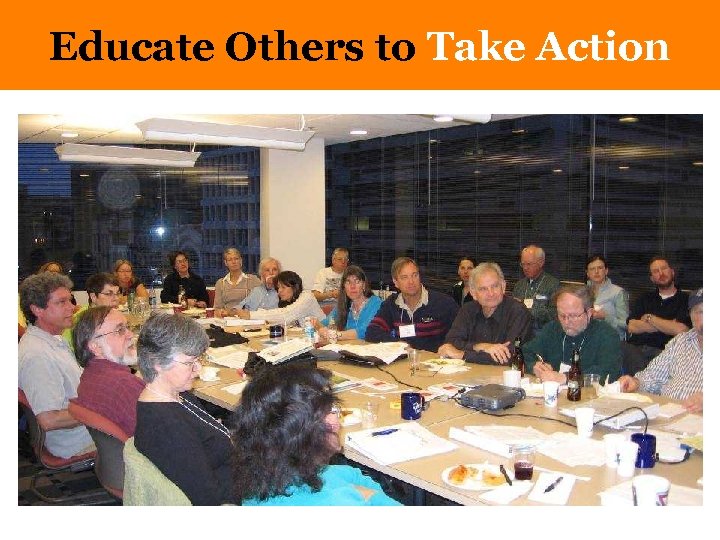
Educate Others to Take Action
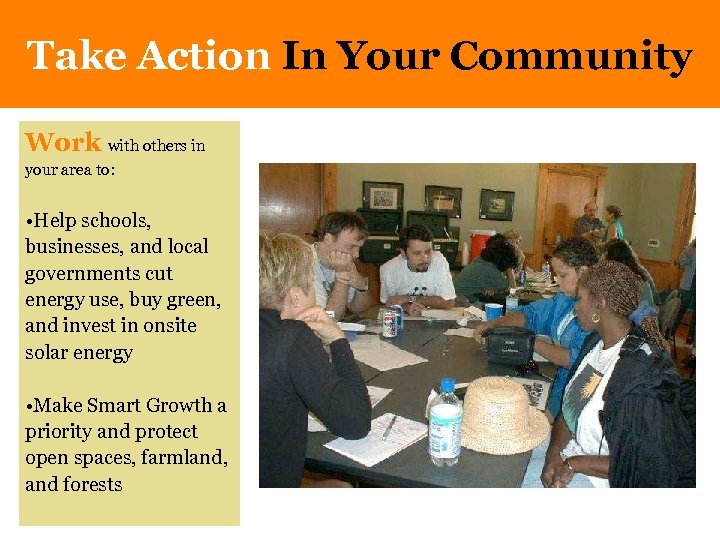
Take Action In Your Community Work with others in your area to: • Help schools, businesses, and local governments cut energy use, buy green, and invest in onsite solar energy • Make Smart Growth a priority and protect open spaces, farmland, and forests

Take Action In Your Community Support Smart Growth not suburban sprawl
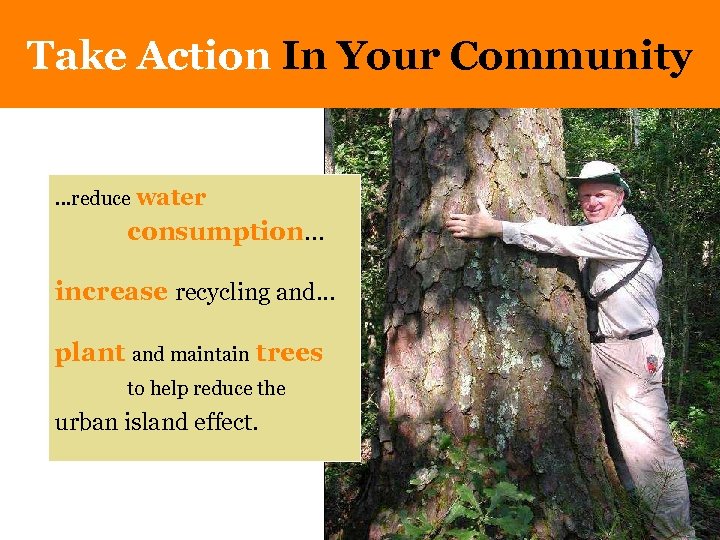
Take Action In Your Community …reduce water consumption… increase recycling and… plant and maintain trees to help reduce the urban island effect.
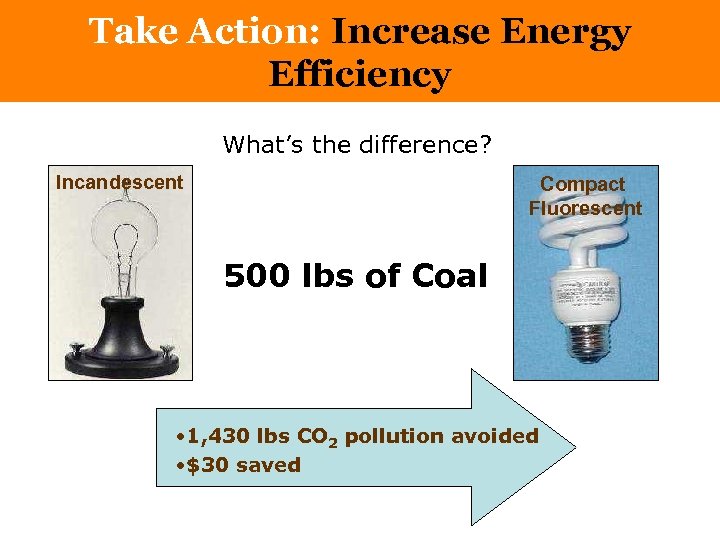
Take Action: Increase Energy Efficiency What’s the difference? Incandescent Compact Fluorescent 500 lbs of Coal • 1, 430 lbs CO 2 pollution avoided • $30 saved
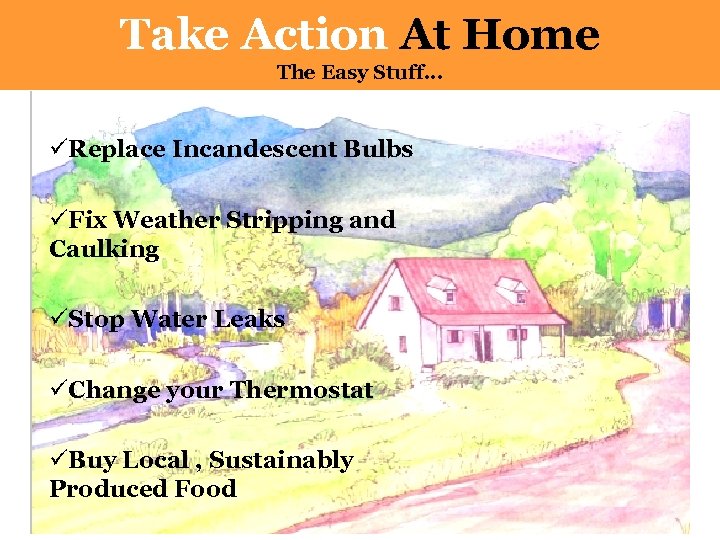
Take Action At Home The Easy Stuff. . . üReplace Incandescent Bulbs üFix Weather Stripping and Caulking üStop Water Leaks üChange your Thermostat üBuy Local , Sustainably Produced Food
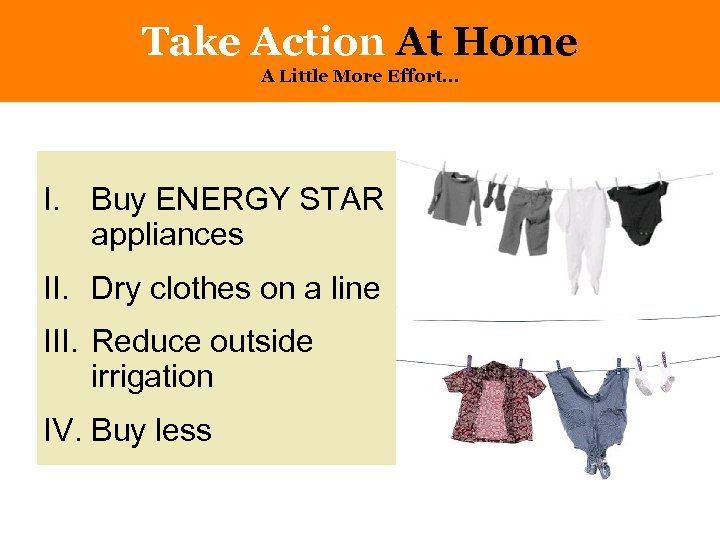
Take Action At Home A Little More Effort… I. Buy ENERGY STAR appliances II. Dry clothes on a line III. Reduce outside irrigation IV. Buy less
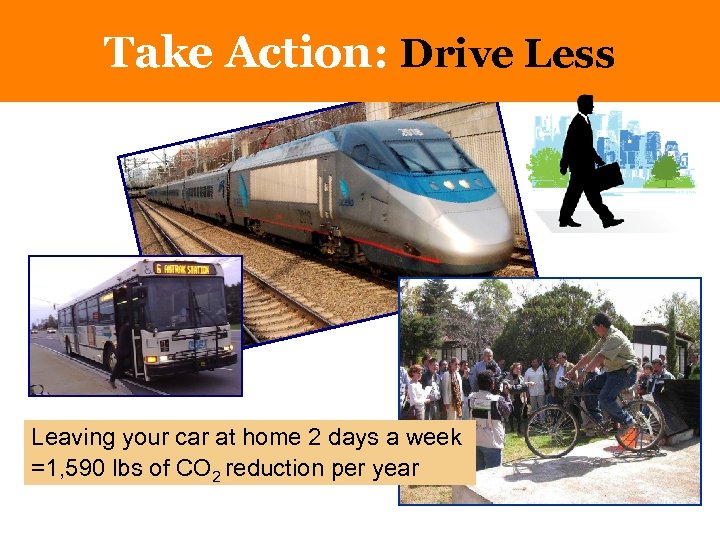
Take Action: Better. Less Drive Cars Drive Less; Buy Leaving your car at home 2 days a week =1, 590 lbs of CO 2 reduction per year
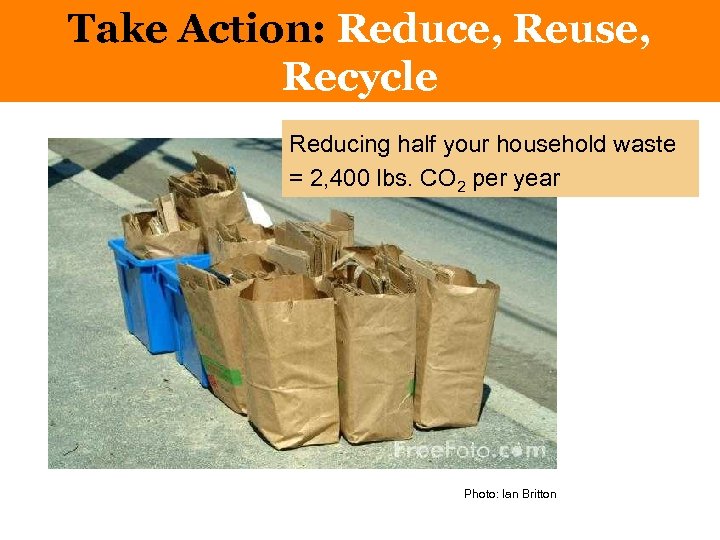
Take Action: Reduce, Reuse, Recycle Reducing half your household waste = 2, 400 lbs. CO 2 per year Photo: Ian Britton
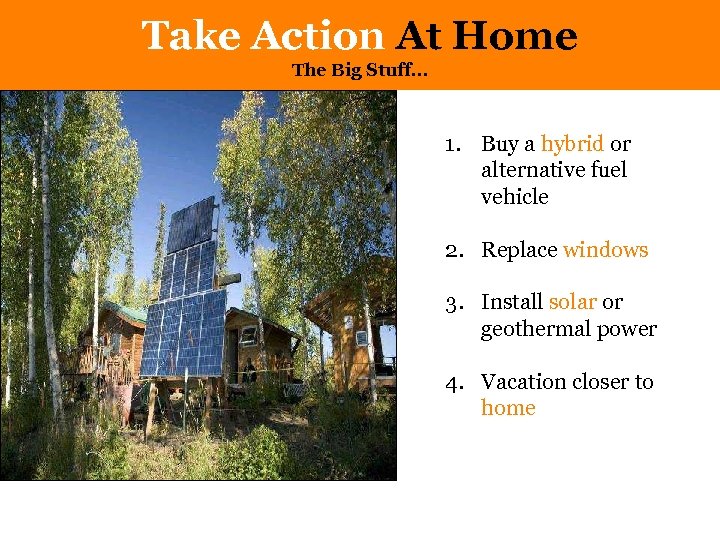
Take Action At Home The Big Stuff… 1. Buy a hybrid or alternative fuel vehicle 2. Replace windows 3. Install solar or geothermal power 4. Vacation closer to home
Our Actions All Add Up 1. Help pass federal legislation to cut emissions 2. Reduce emissions at home, at work, at school, in your community 3. Convince others to Act 4. Vote for candidates and policies that will cut emissions
The Silver Linings of Taking Global Warming Action: Better air and water quality Clean energy/technology jobs Freedom from fossil fuels and pollution Secure energy independence More forests, farmland, wetlands, wildlife
Our Actions All Add Up “Don’t let your inability to do everything be an excuse to do nothing” nothing
A lot to do
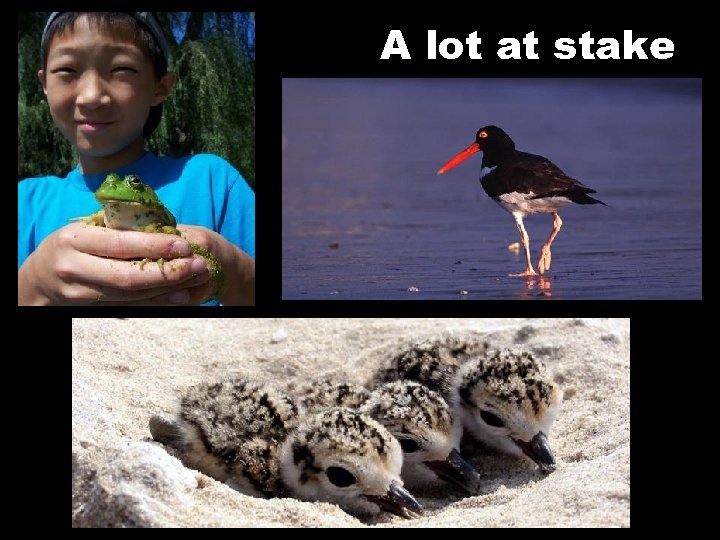
A lot at stake
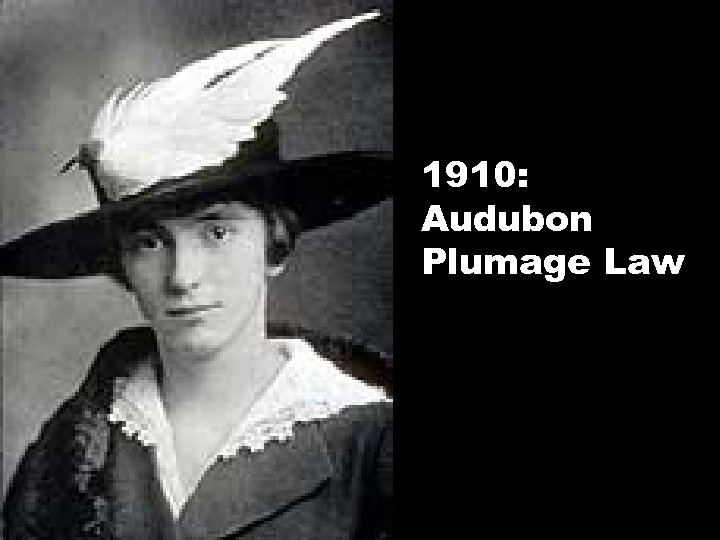
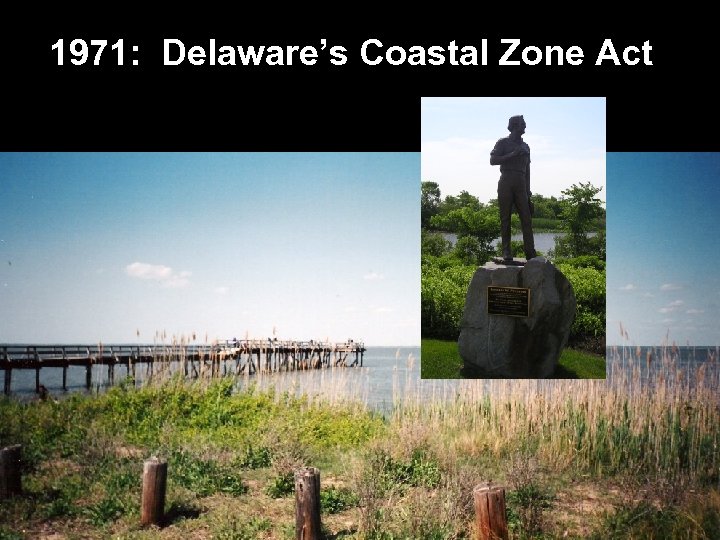
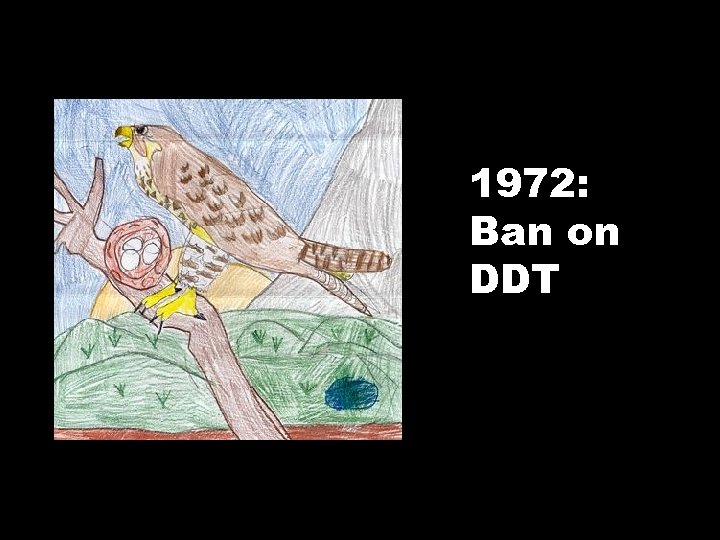
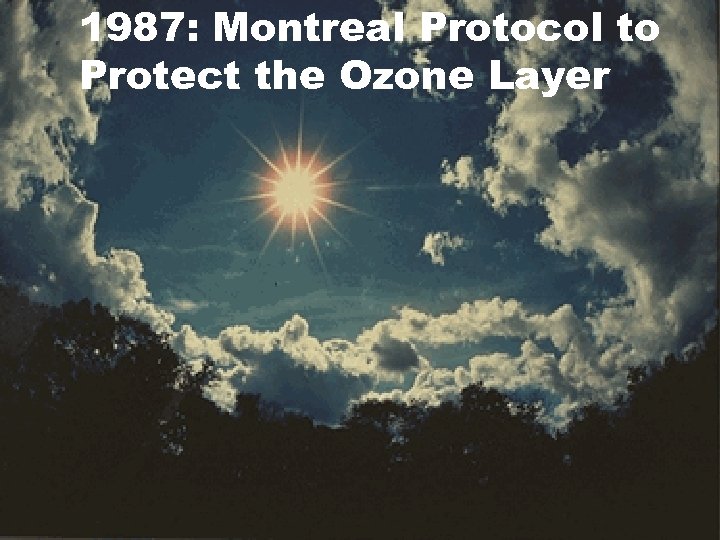
But We’ve Done It Before
1910: Audubon Plumage Law
1971: Delaware’s Coastal Zone Act
1972: Ban on DDT
1987: Montreal Protocol to Protect the Ozone Layer
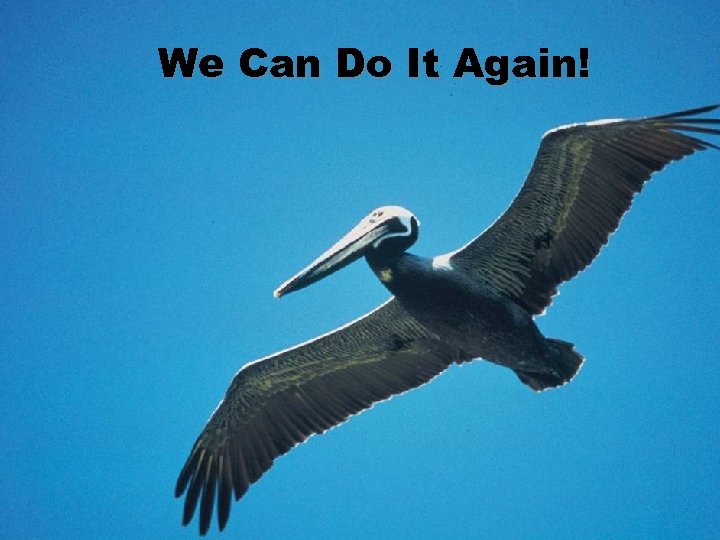
We Can Do It Again!
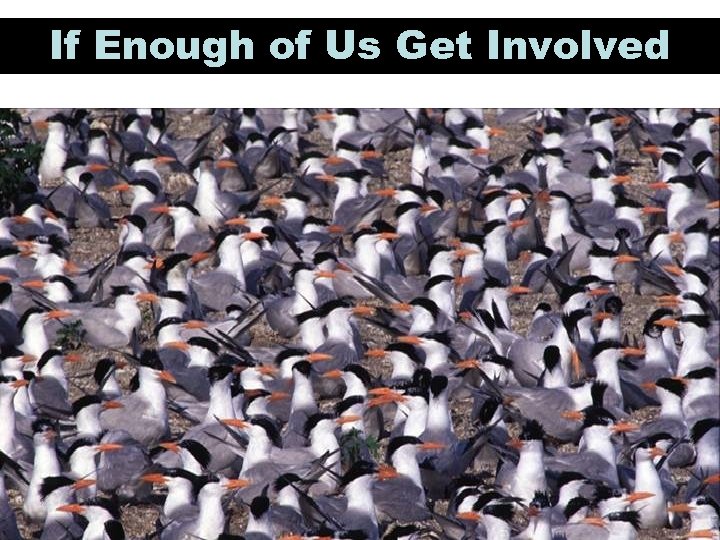
If Enough of Us Get Involved
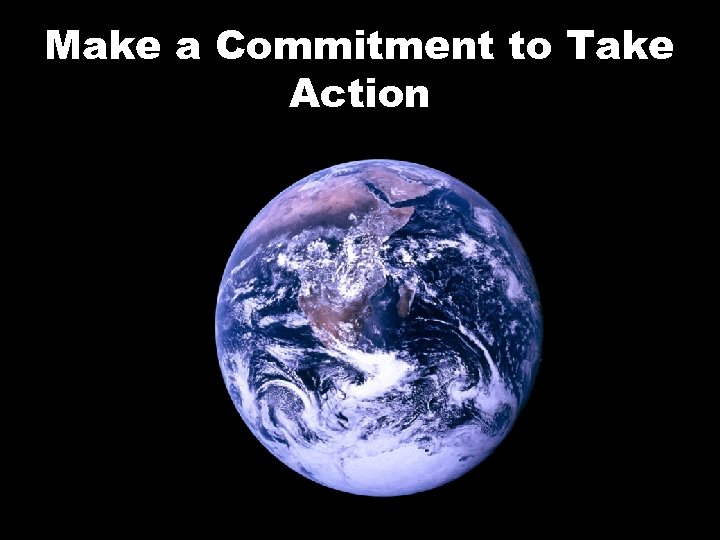
Make a Commitment to Take Action
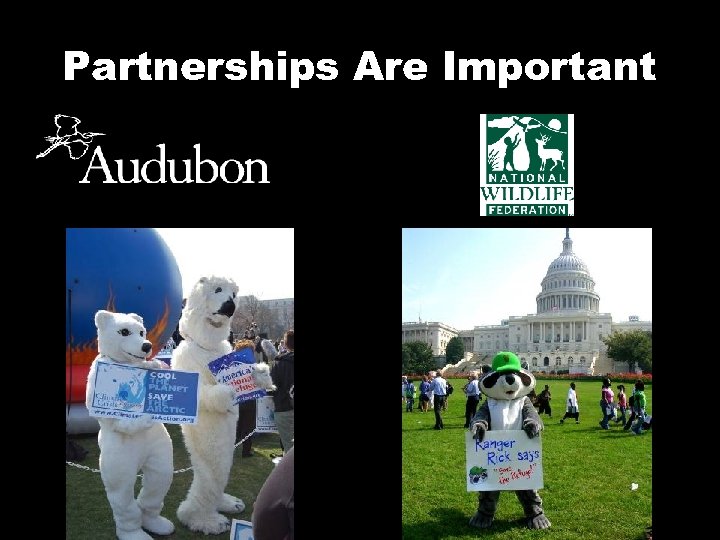
Partnerships Are Important
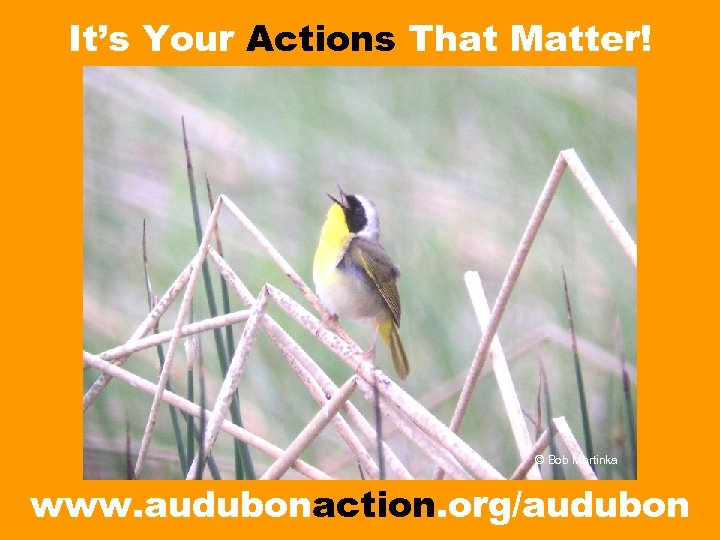
It’s Your Actions That Matter! © Bob Martinka www. audubonaction. org/audubon
For Delaware Information and Action Alerts www. delawareaudubon. org dasmail@delawareaudubon. org
Скачать презентацию GLOBAL WARMING Impacts Solutions Actions Bob
84ecc9e4f62a243299b08cacfdca2b21.ppt