 Скачать презентацию Global Health 12 hour elective Planning an international
b79e6c618f68b478ece77a5c38b41d43.ppt
- Количество слайдов: 32



Global Health 12 hour elective Planning an international health elective
Goals of 12 hour elective Consider benefits and challenges u Steps in planning u Choice of site u Goal setting u Minimize risks u Check list u
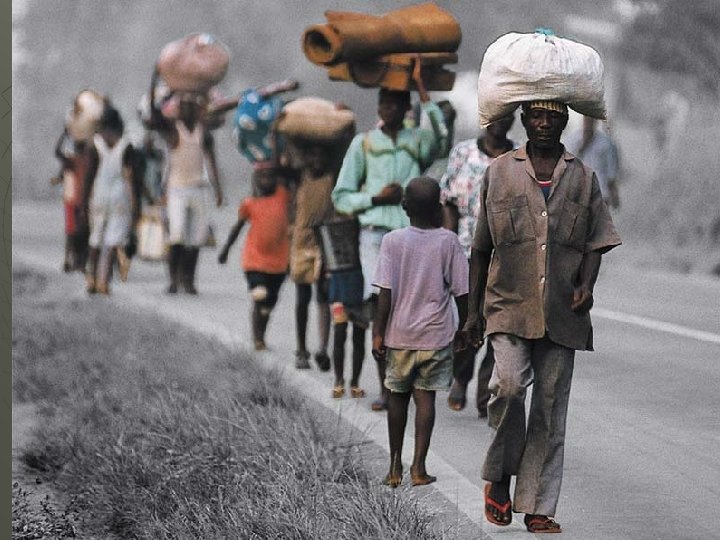
The Global Village u If we could shrink the earth’s population to a village of exactly 100 people, with all the existing human ratios remaining the same, the village would look like this…….
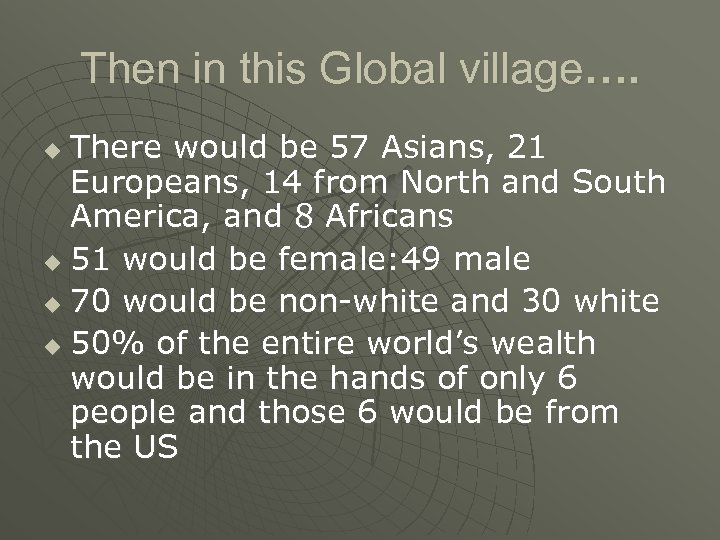
Then in this Global village…. There would be 57 Asians, 21 Europeans, 14 from North and South America, and 8 Africans u 51 would be female: 49 male u 70 would be non-white and 30 white u 50% of the entire world’s wealth would be in the hands of only 6 people and those 6 would be from the US u
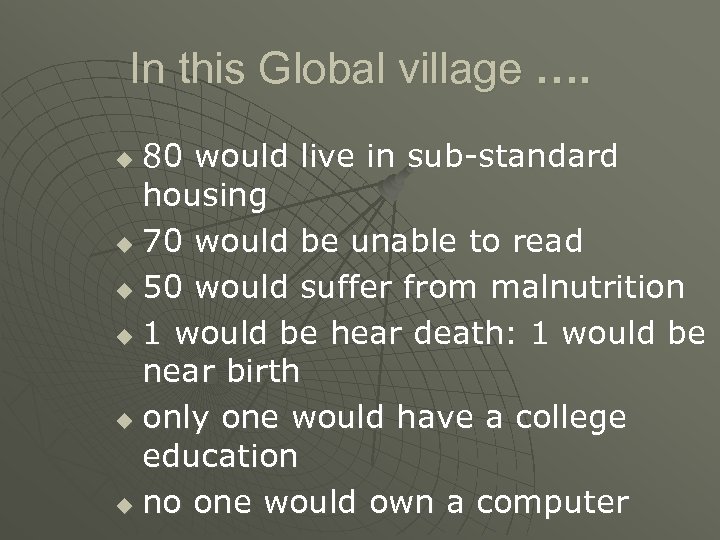
In this Global village …. 80 would live in sub-standard housing u 70 would be unable to read u 50 would suffer from malnutrition u 1 would be hear death: 1 would be near birth u only one would have a college education u no one would own a computer u
March 8 Anne Fanning, Lory Laing, Daniel Roth Hour 1 -global burden of disease and health systems-AF u Hour 2 - opportunities and experiences at UA-LL u Hour 3 -ethical considerations-some case senarios, based on personal experience-DR u Assignment for March 15, Goal setting u
schedule u March 15 Stan Houston, Lynora Saxinger, Walter Kipp • Goal setting • Assignment for March 22 fill in the cross culture information on your chosen country u March 22 • Examining different health care settings and Cross cultural issues • Assignment Fill in the check list and set time lines u March 29 -all facilitators • Check list
introduction to global health issues Goals Health determinants Burden of disease Health systems Essential programs
1. Poverty and disparity 1. 3 billion live in Extreme poverty (<$1 USD/d) unable to afford adequate food water and shelter (and other 1 billion in relative poverty, <$2/day). u 95% of the worlds resources are controlled by 5% u
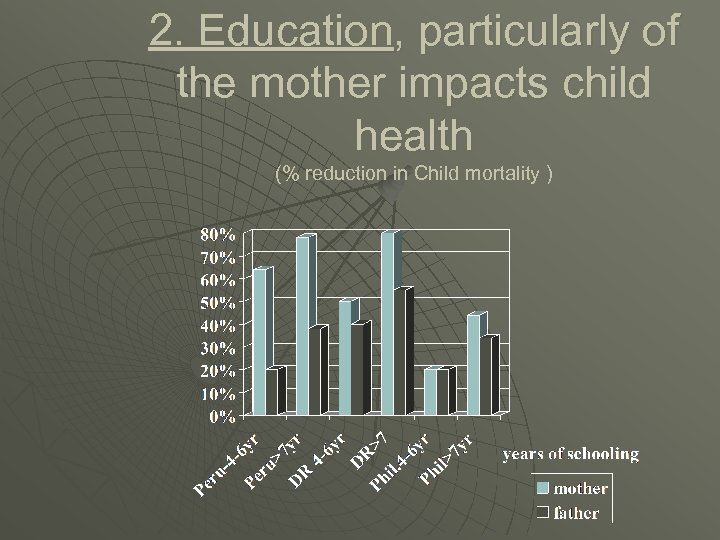
2. Education, particularly of the mother impacts child health (% reduction in Child mortality )
3. Social disruption u u u Migration-over 1 million cross borders daily War or civil strife (emergency defined as >1 death/10, 000/d) introduces issues of food security, psychological trauma as well as need for essential health services Urbanization • 45% live in cities • 41 cities have >5 million • increase industry, increase pollution
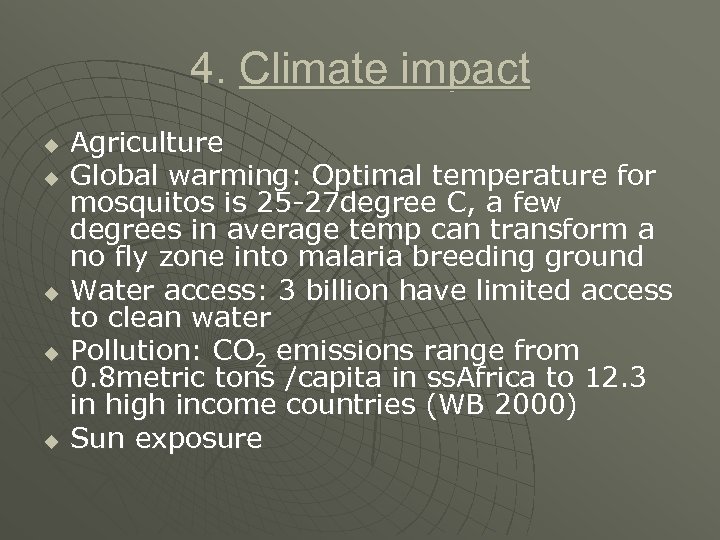
4. Climate impact u u u Agriculture Global warming: Optimal temperature for mosquitos is 25 -27 degree C, a few degrees in average temp can transform a no fly zone into malaria breeding ground Water access: 3 billion have limited access to clean water Pollution: CO 2 emissions range from 0. 8 metric tons /capita in ss. Africa to 12. 3 in high income countries (WB 2000) Sun exposure
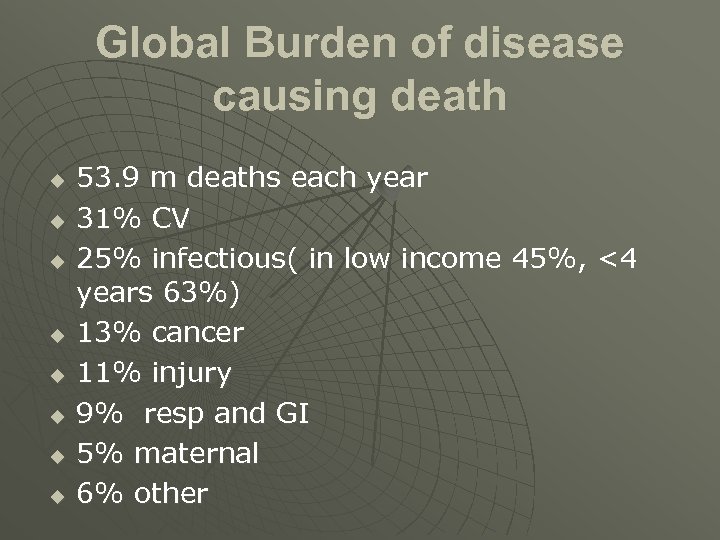
Global Burden of disease causing death u u u u 53. 9 m deaths each year 31% CV 25% infectious( in low income 45%, <4 years 63%) 13% cancer 11% injury 9% resp and GI 5% maternal 6% other
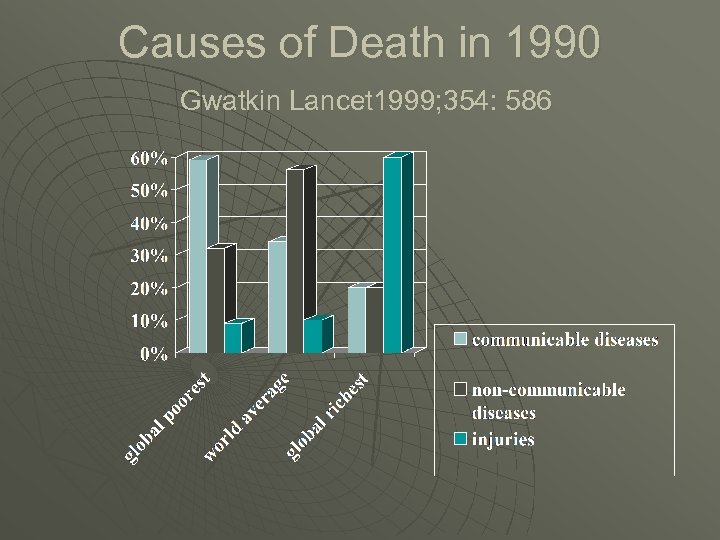
Causes of Death in 1990 Gwatkin Lancet 1999; 354: 586
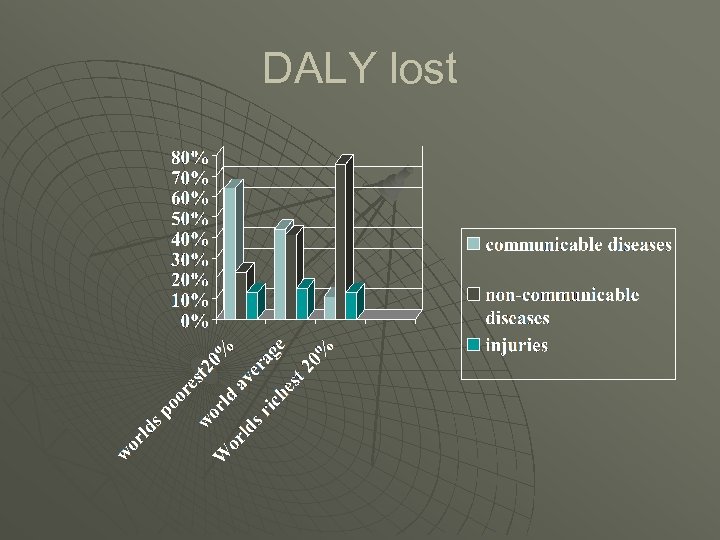
DALY lost
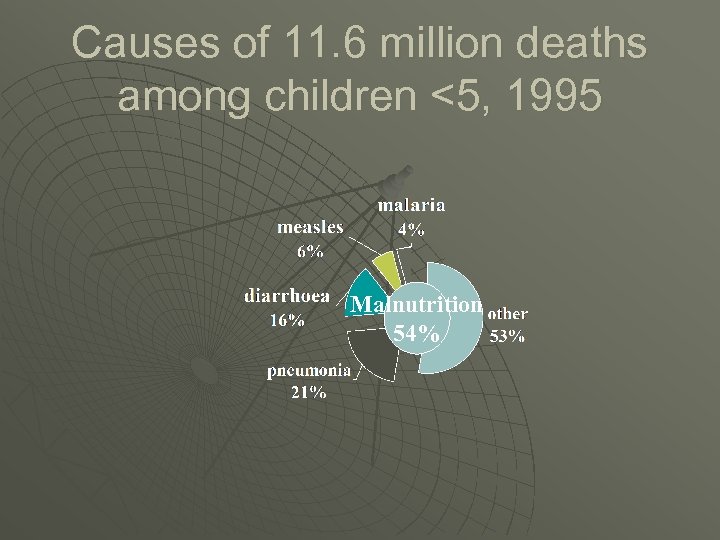
Causes of 11. 6 million deaths among children <5, 1995 Malnutrition 54%
Global Health of the poor, those living on less than $2 a day
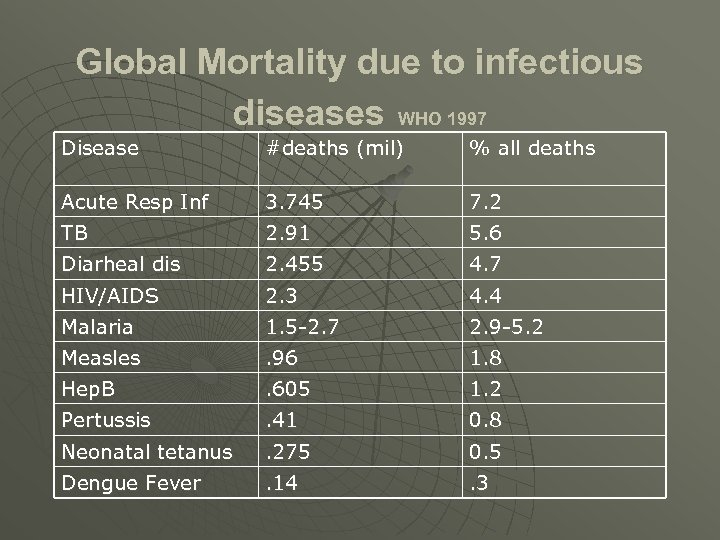
Global Mortality due to infectious diseases WHO 1997 Disease #deaths (mil) % all deaths Acute Resp Inf 3. 745 7. 2 TB 2. 91 5. 6 Diarheal dis 2. 455 4. 7 HIV/AIDS 2. 3 4. 4 Malaria 1. 5 -2. 7 2. 9 -5. 2 Measles . 96 1. 8 Hep. B . 605 1. 2 Pertussis . 41 0. 8 Neonatal tetanus . 275 0. 5 Dengue Fever . 14 . 3
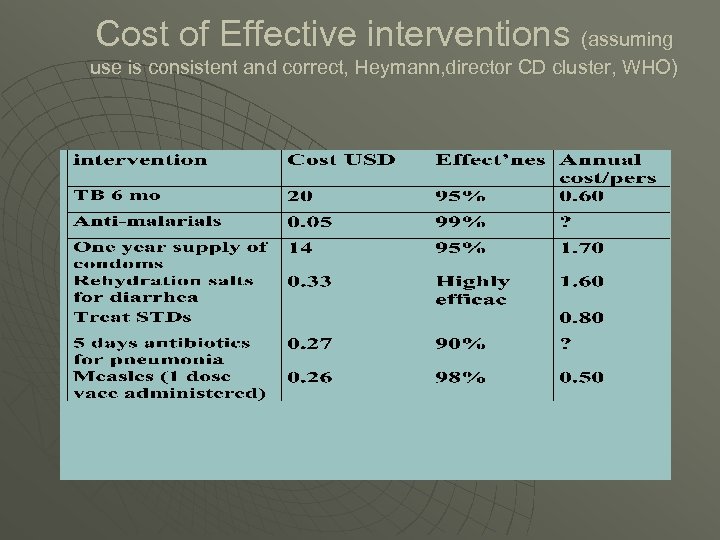
Cost of Effective interventions (assuming use is consistent and correct, Heymann, director CD cluster, WHO)
5. Access to Health care A. Public health services B. Clinical care
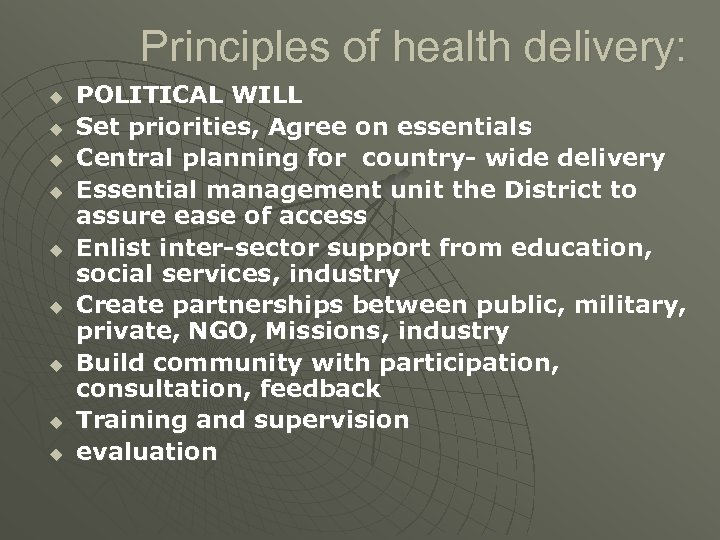
Principles of health delivery: u u u u u POLITICAL WILL Set priorities, Agree on essentials Central planning for country- wide delivery Essential management unit the District to assure ease of access Enlist inter-sector support from education, social services, industry Create partnerships between public, military, private, NGO, Missions, industry Build community with participation, consultation, feedback Training and supervision evaluation
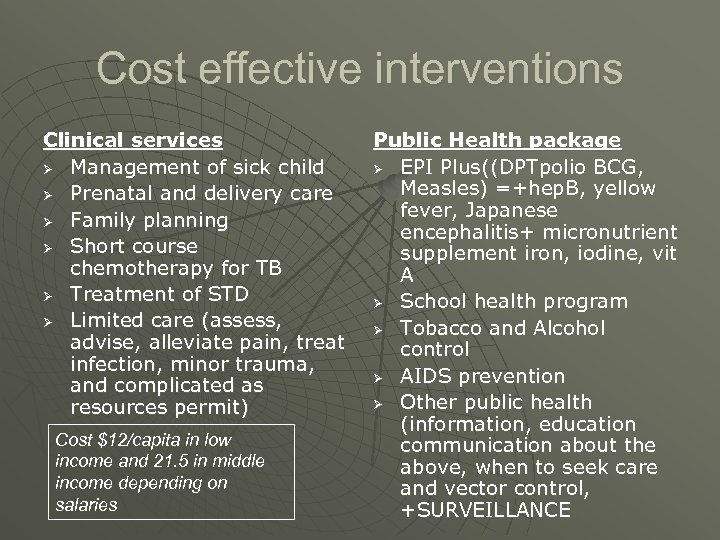
Cost effective interventions Clinical services Ø Management of sick child Ø Prenatal and delivery care Ø Family planning Ø Short course chemotherapy for TB Ø Treatment of STD Ø Limited care (assess, advise, alleviate pain, treat infection, minor trauma, and complicated as resources permit) Cost $12/capita in low income and 21. 5 in middle income depending on salaries Public Health package Ø EPI Plus((DPTpolio BCG, Measles) =+hep. B, yellow fever, Japanese encephalitis+ micronutrient supplement iron, iodine, vit A Ø School health program Ø Tobacco and Alcohol control Ø AIDS prevention Ø Other public health (information, education communication about the above, when to seek care and vector control, +SURVEILLANCE
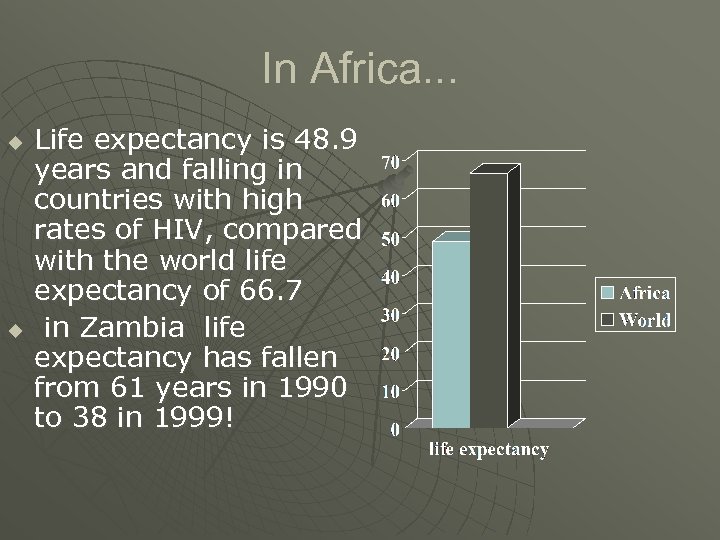
In Africa. . . u u Life expectancy is 48. 9 years and falling in countries with high rates of HIV, compared with the world life expectancy of 66. 7 in Zambia life expectancy has fallen from 61 years in 1990 to 38 in 1999!
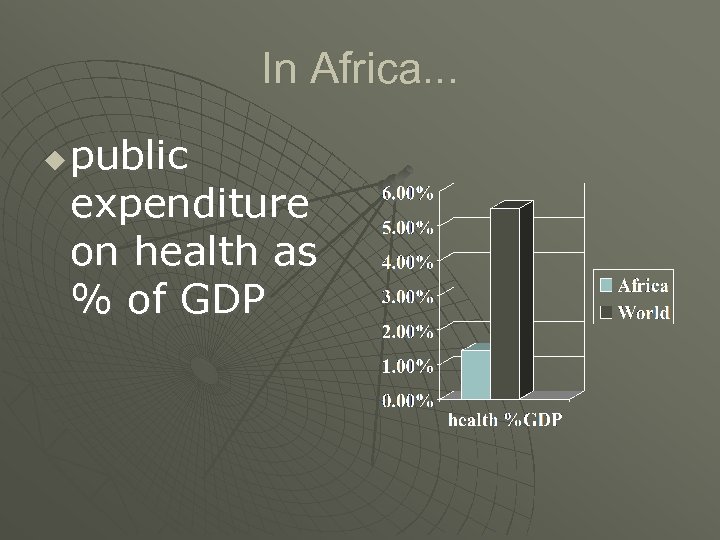
In Africa. . . u public expenditure on health as % of GDP
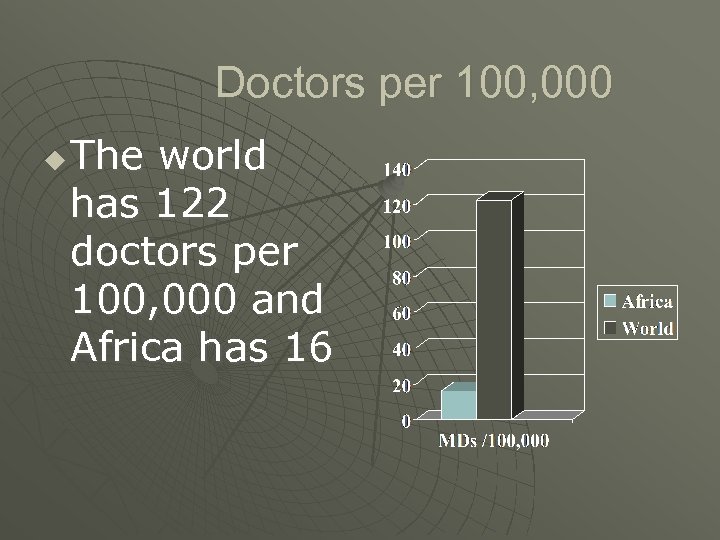
Doctors per 100, 000 u The world has 122 doctors per 100, 000 and Africa has 16
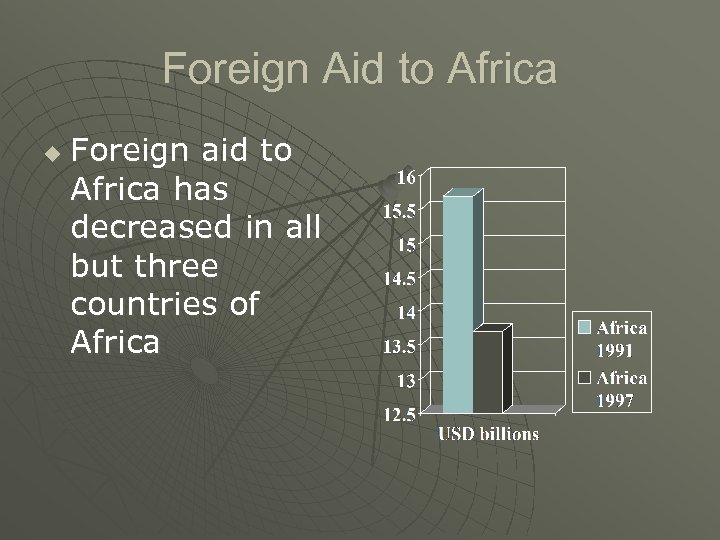
Foreign Aid to Africa u Foreign aid to Africa has decreased in all but three countries of Africa
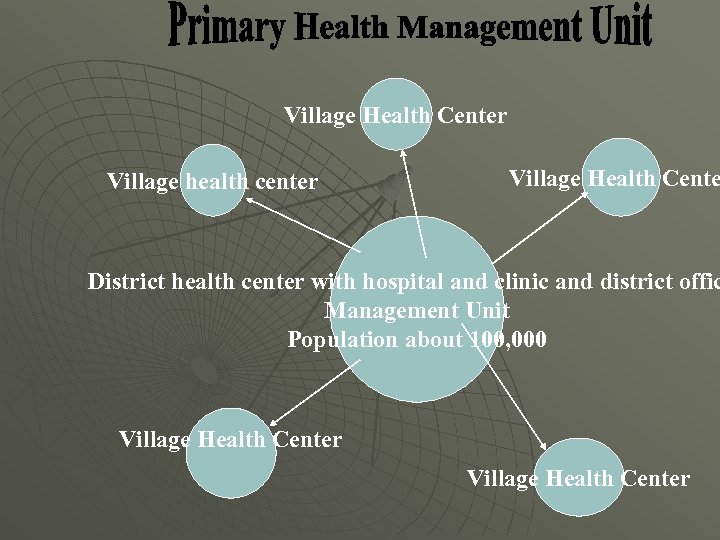
Village Health Center Village health center Village Health Cente District health center with hospital and clinic and district offic Management Unit Population about 100, 000 Village Health Center
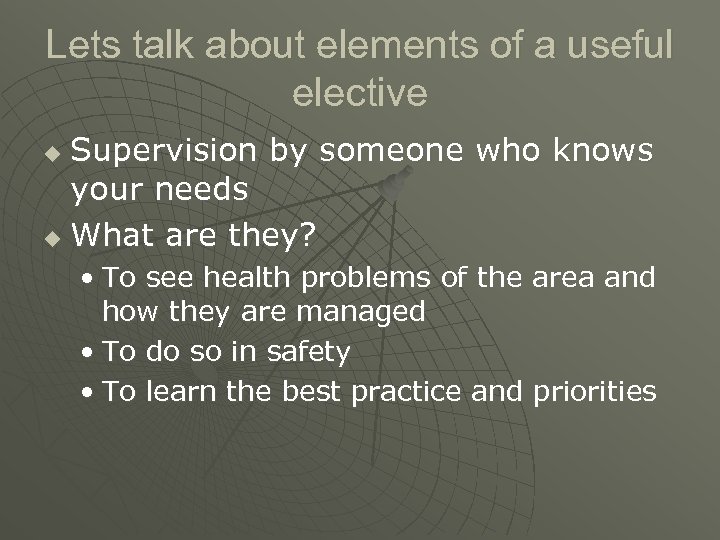
Lets talk about elements of a useful elective Supervision by someone who knows your needs u What are they? u • To see health problems of the area and how they are managed • To do so in safety • To learn the best practice and priorities
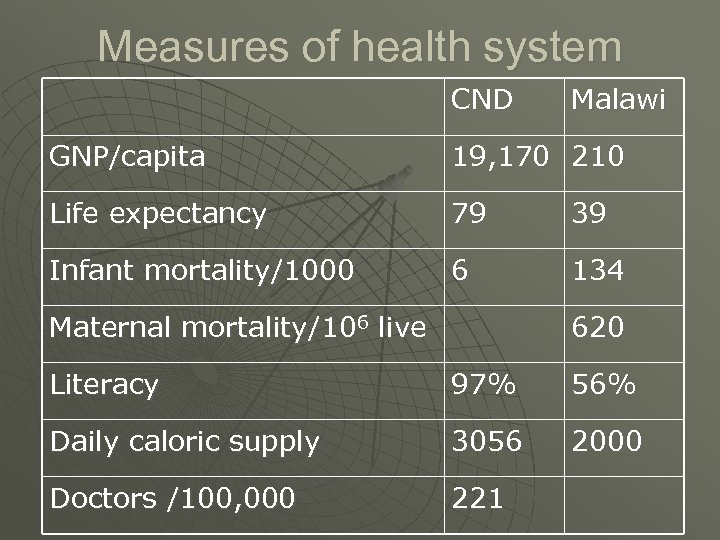
Measures of health system CND Malawi GNP/capita 19, 170 210 Life expectancy 79 39 Infant mortality/1000 6 134 Maternal mortality/106 live 620 Literacy 97% 56% Daily caloric supply 3056 2000 Doctors /100, 000 221
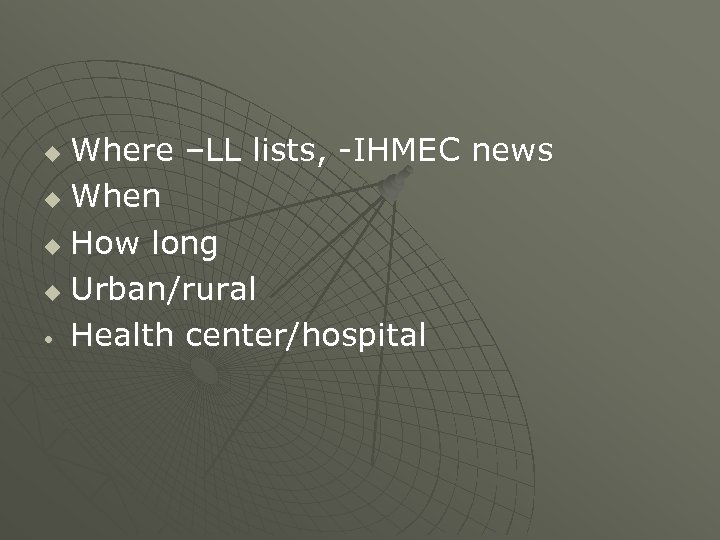
Where –LL lists, -IHMEC news u When u How long u Urban/rural • Health center/hospital u
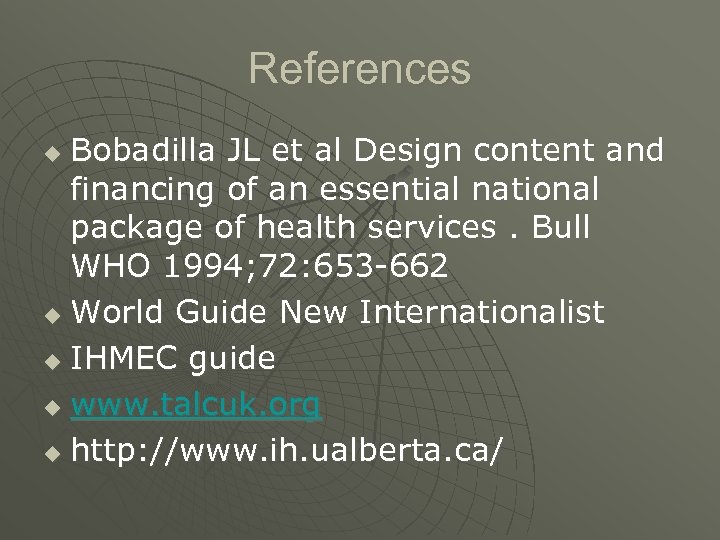
References Bobadilla JL et al Design content and financing of an essential national package of health services. Bull WHO 1994; 72: 653 -662 u World Guide New Internationalist u IHMEC guide u www. talcuk. org u http: //www. ih. ualberta. ca/ u
Скачать презентацию Global Health 12 hour elective Planning an international
b79e6c618f68b478ece77a5c38b41d43.ppt