 Скачать презентацию Global Consumer Culture CAHS 2000 March 24 2009
dd866e164d0b05d811fe057458b438cd.ppt
- Количество слайдов: 24



Global Consumer Culture CAHS 2000 March 24, 2009
Brands
Brands • A brand is a name, term, symbol, or any other unique element of a product that identifies one firm’s product(s) and sets it apart from competition • Brands should – be memorable – have a positive connotation – convey a certain image
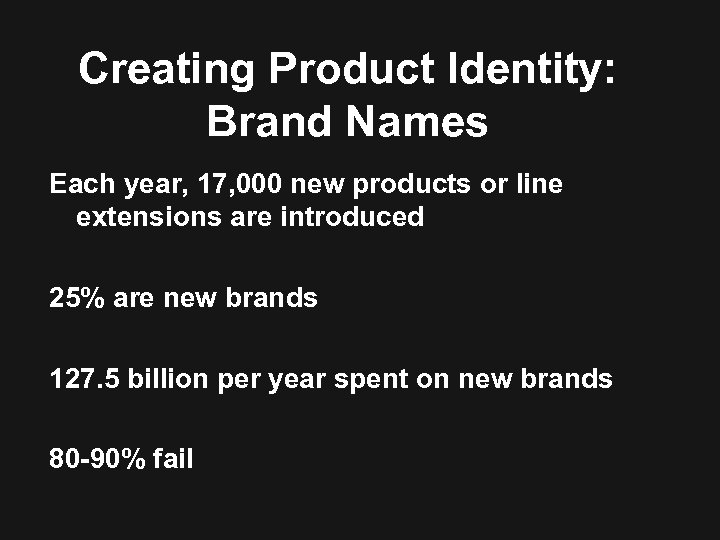
Creating Product Identity: Brand Names Each year, 17, 000 new products or line extensions are introduced 25% are new brands 127. 5 billion per year spent on new brands 80 -90% fail
The Functions of Brands • • Identification of source of product Assignment of responsibility to maker Risk reducer Search cost reducer Promise or pact with maker Symbolic device Signal of quality

Good Brand Names • • Easy to say Easy to spell Easy to read Easy to remember • Fit the target market • Fit the product’s benefits • Fit the customer’s culture • Fit legal requirements
Brand Elements • Slogans and jingles “I'd like to buy the world a Coke…” “Breakfast of Champions” “Tastes great, less filling” “Just do it” • Logos Particularly important for services due to abstract nature of product
Brand Logos and Recognition How many of these logos can you recognize from just a single letter?
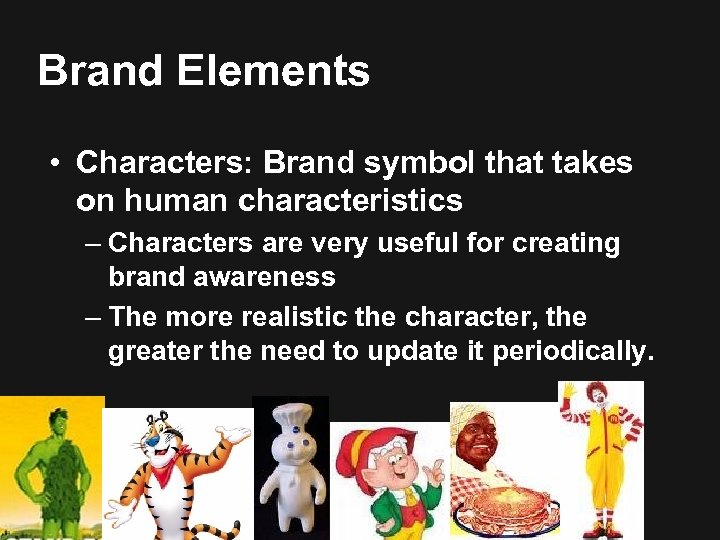
Brand Elements • Characters: Brand symbol that takes on human characteristics – Characters are very useful for creating brand awareness – The more realistic the character, the greater the need to update it periodically.
Trademarks • Legal term for a brand name, brand mark or trade character TM • Trademarks established by the Lanham Act of 1946 and updated by the Trademark Revision Act of 1989 • ® is used when registered with the USPTO; ™ is used when a name or mark has not been legally registered but the user is claiming ownership • Only protects in U. S. - if a firm wants multinational recognition, it must register in each country ®
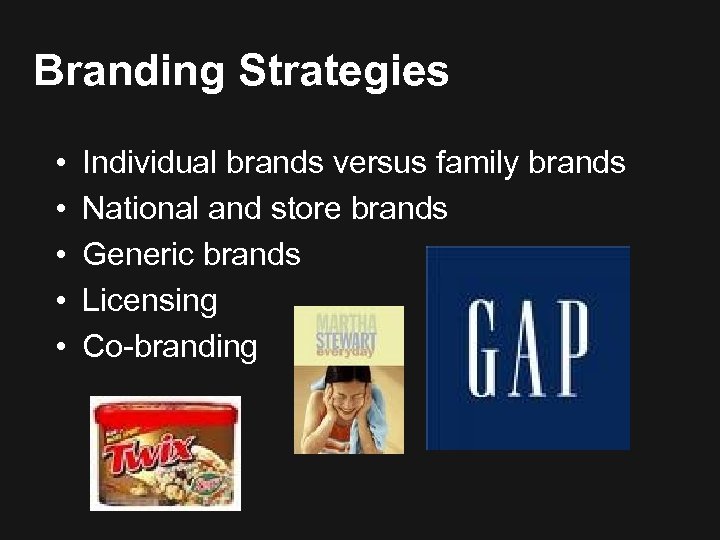
Branding Strategies • • • Individual brands versus family brands National and store brands Generic brands Licensing Co-branding

Licensing Example: Harry Potter
Packaging and Labeling Packaging functions – Protects product – Provides information – Functional benefits Effective packaging designs – Communicates brand’s personality • Even color matters: consumers assume that beer in a clear bottle is less hearty than beer in a dark bottle. – Enhances brand image – Provides brand name recognition
Packaging and Labeling regulations – Federal Fair Packaging and Labeling Act – FDA requires labels with nutrition information
Management of Existing Products • Brand Manager responsible for positioning of brands, developing brand equity • Product Category Managers responsible for coordinating the mix of product lines within the more general product category • Market Managers focus on customer groups rather than on the products made by the firm
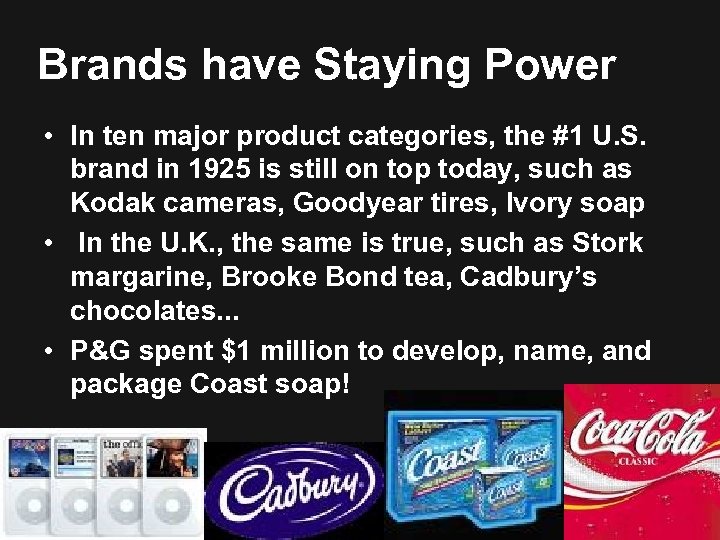
Brands have Staying Power • In ten major product categories, the #1 U. S. brand in 1925 is still on top today, such as Kodak cameras, Goodyear tires, Ivory soap • In the U. K. , the same is true, such as Stork margarine, Brooke Bond tea, Cadbury’s chocolates. . . • P&G spent $1 million to develop, name, and package Coast soap!
Brand Equity • The Brand’s value to its organization • Provides customer loyalty, perceived quality, brand name awareness, competitive advantage • Provides competitive advantage • Used to establish brand extensions
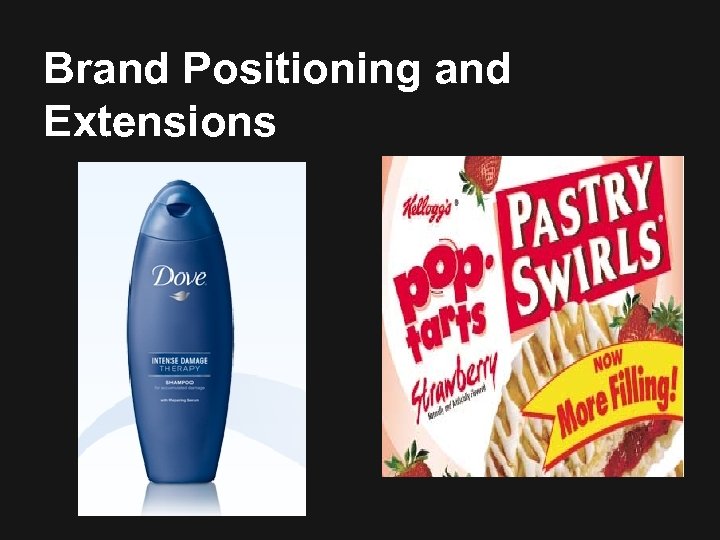
Brand Positioning and Extensions
Quiz 8 • Write down your favorite CLOTHING BRAND. – Target Market – Logo/Slogan/Packaging – Brand Positioning in the Marketplace – Explain any emotional attachments you have with the brand – Brand Strategies: Generic, Individual or Family brand, National or Store brand?

• http: //www. ted. com/index. php/talks/seth _godin_on_sliced_bread. html
Extra Credit Opportunity • Survey on causes and brands • 5 points extra credit • You will receive an email • Click the link • Click next • Print the thank you page
Скачать презентацию Global Consumer Culture CAHS 2000 March 24 2009
dd866e164d0b05d811fe057458b438cd.ppt