 Скачать презентацию Global and national information control and security
Global and national information control and security.pptx
- Количество слайдов: 62



Global and national information control and security
Outline of the lecture 1. Cyber warfare and the issues of international and national security. 2. Cyber terrorism, media manipulation and propaganda. 3. Threats of information warfare and cyber attack. 4. Cyber warfare in US and European countries. 5. Information warfare and security in Russia and post-Soviet space. 6. Information warfare in China and other countries.





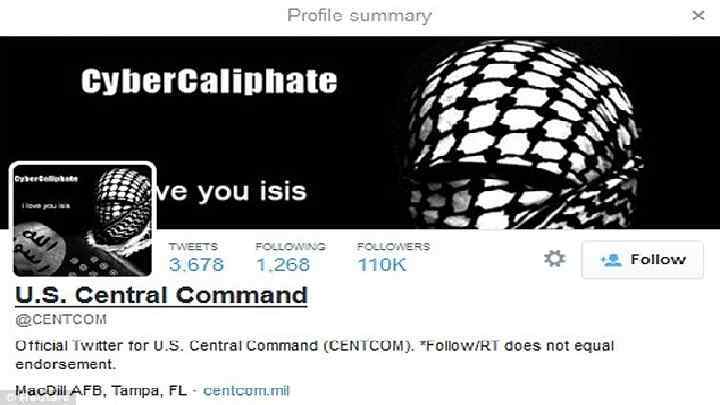
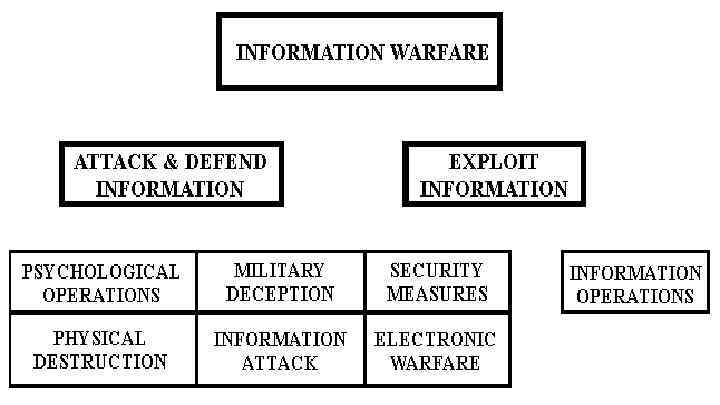
Information warfare The use of information technology as an active weapon of war. This includes not only attempts to intercept, disrupt, and defend military-specific communications and information technology, but also attempts to gain access to and disrupt such critical computer systems as those involved in air traffic control, the electric power grids, and banking systems.
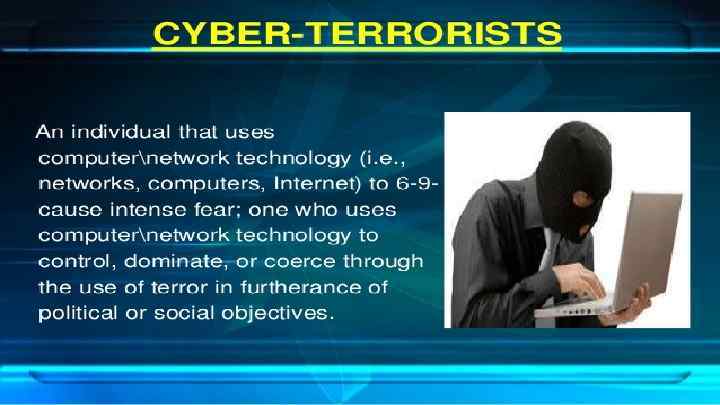
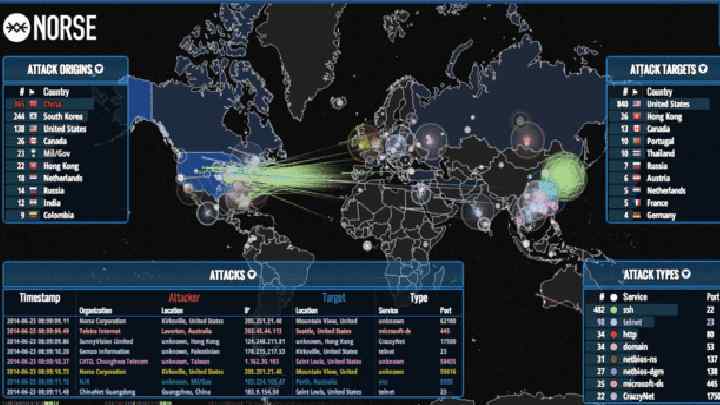
Cyberwarfare is Internet-based conflict involving politically motivated attacks on information and information systems. Cyberwarfare attacks can disable official websites and networks, disrupt or disable essential services, steal or alter classified data, and cripple financial systems - among many other possibilities. According to Jeffrey Carr, author of "Inside Cyber Warfare, " any country can wage cyberwar on any other country, irrespective of resources, because most military forces are network-centric and connected to the Internet, which is not secure. For the same reason, non-governmental groups and individuals could also launch cyberwarfare attacks. Carr likens the Internet's enabling potential to that of the handgun, which became known as "the great equalizer. "
Cyber warfare
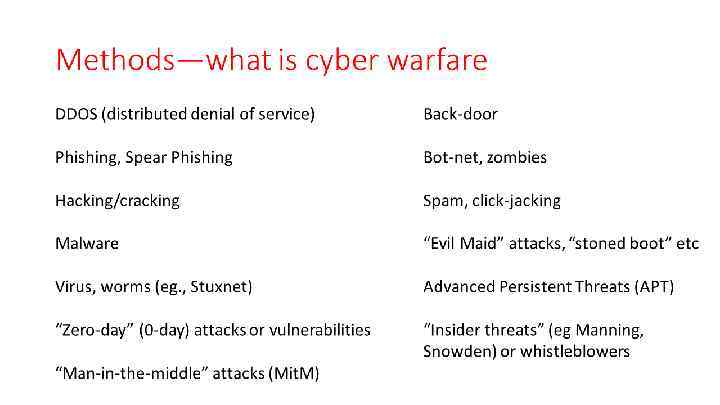
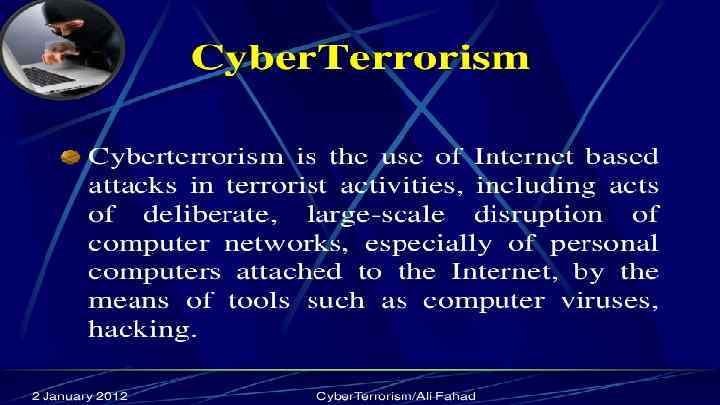
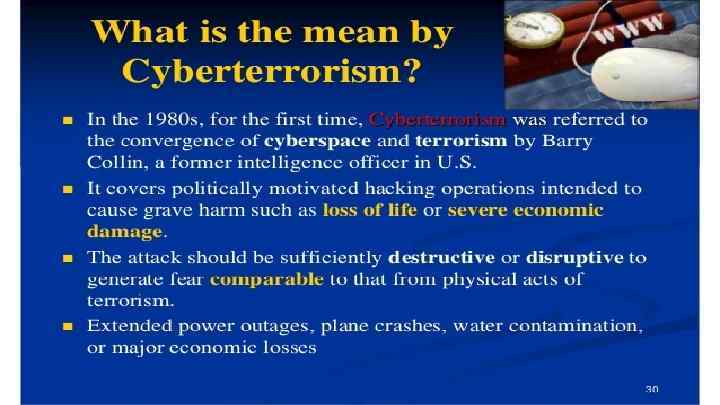
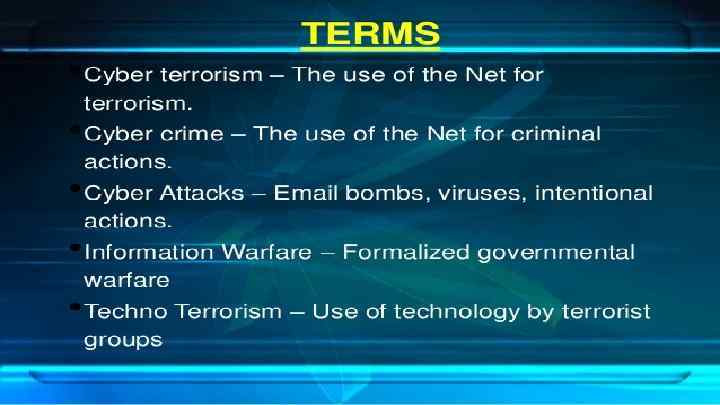
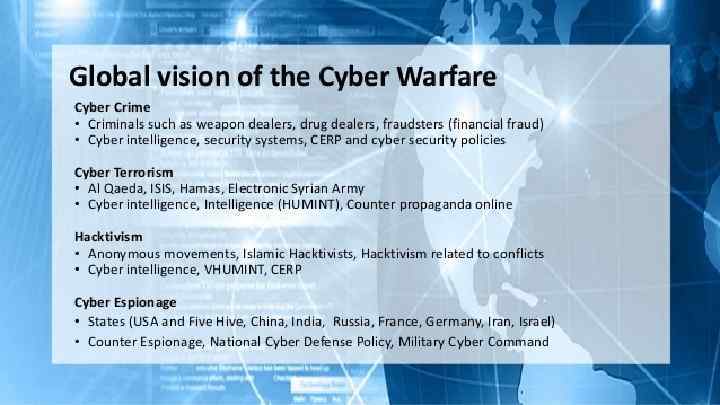
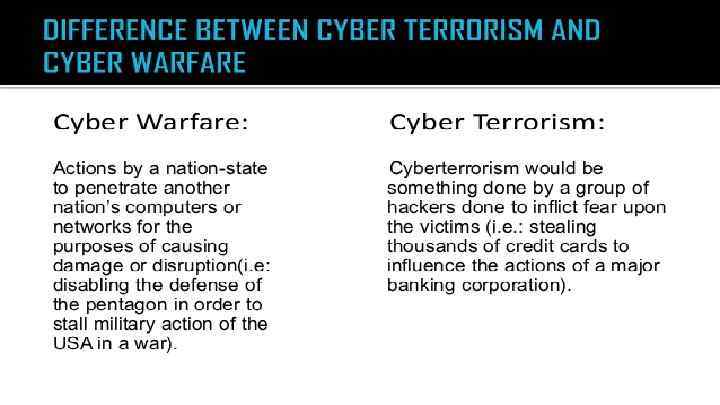
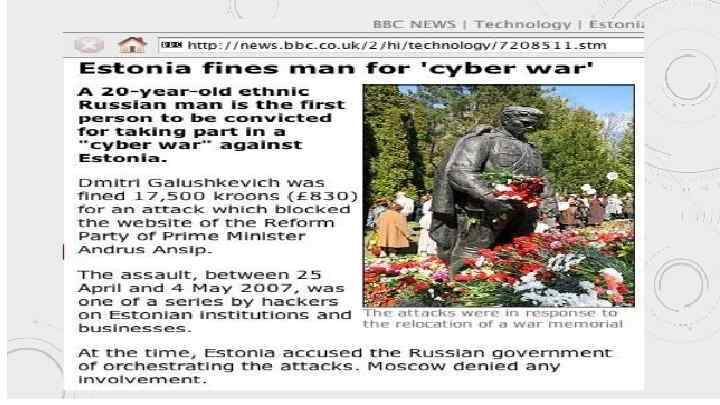
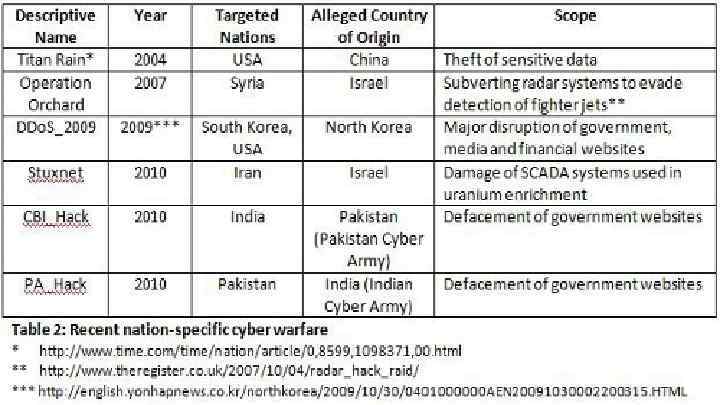
Examples of cyberwarfare: - In 1998, the United States hacked into Serbia's air defense system to compromise air traffic control and facilitate the bombing of Serbian targets. - In 2007, in Estonia, a botnet of over a million computers brought down government, business and media websites across the country. The attack was suspected to have originated in Russia, motivated by political tension between the two countries. - Also in 2007, an unknown foreign party hacked into high tech and military agencies in the United States and downloaded terabytes of information. - In 2009, a cyber spy network called "Ghost. Net" accessed confidential information belonging to both governmental and private organizations in over 100 countries around the world. Ghost. Net was reported to originate in China, although that country denied responsibility.
What is a botnet A botnet (also known as a zombie army) is a number of Internet computers that, although their owners are unaware of it, have been set up to forward transmissions (including spam or viruses) to other computers on the Internet. Any such computer is referred to as a zombie - in effect, a computer "robot" or "bot" that serves the wishes of some master spam or virus originator. Most computers compromised in this way are home-based. According to a report from Russian-based Kaspersky Labs, botnets -- not spam, viruses, or worms -currently pose the biggest threat to the Internet. A report from Symantec came to a similar conclusion.








Protection against cyberwarfare attacks The most effective protection against cyberwarfare attacks is securing information and networks. Security updates should be applied to all systems - including those that are not considered critical - because any vulnerable system can be co-opted and used to carry out attacks. Measures to mitigate the potential damage of an attack include comprehensive disaster recovery planning that includes provisions for extended outages.
Cyber warfare and security In US terminology, defensive counter-cyber(DCC) are 'all defensive countermeasures designed to detect, identify, intercept, and destroy or negate harmful activities attempting to penetrate or attack through cyberspace'. Offensive counter-cyber (OCC) are 'offensive operations to destroy, disrupt or neutralise adversary cyberspace capabilities both before and after their use against friendly forces, but as close to their source as possible. ' Offensive cyberspace operations represent 'activities that, through cyberspace, actively gather information from computers, information systems or networks, or manipulate, disrupt, degrade or destroy targeted computers, information systems or networks. This includes cyber operational preparation of the environment, offensive counter-cyber, cyber attack and related electronic attack and space control negation'.
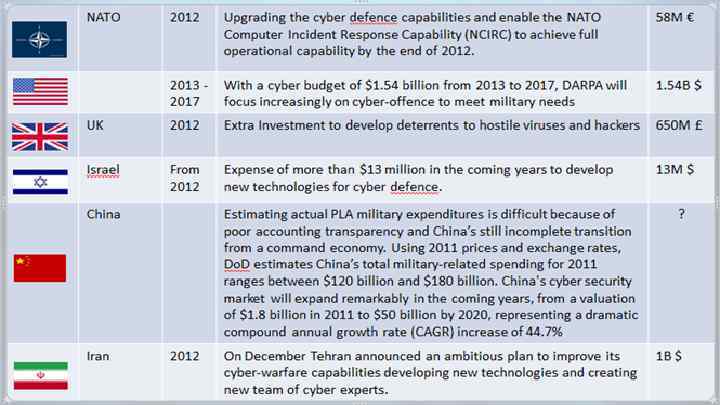
The US has militarised the response to cyber-attacks through its Cyber Command (USCYBERCOM), launched in 2010 and bringing together the cyber components of the US Navy, the US Marine Corps, the army and air force into a unified command. USCYBERCOM is one of the largest cyber-defence organisations in the world.
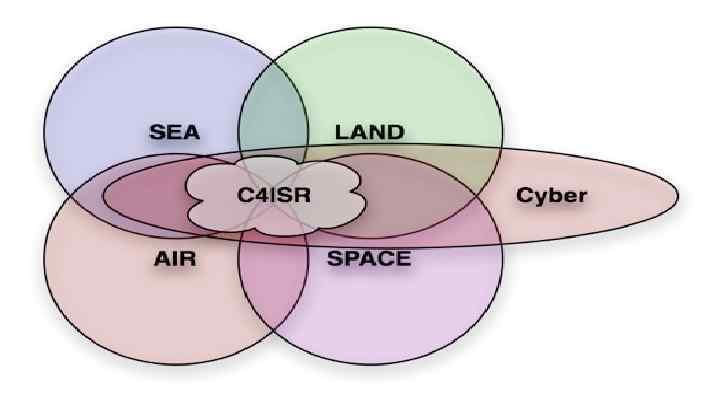
In 2011, the US Department of Defense (Do. D) adopted the 'Strategy for operating in Cyberspace' which rests upon five strategic initiatives: cyberspace will be treated in a similar manner to air, land, maritime and space domains; the Do. D will employ new defensive methods for dealing with cyber threats; cooperation at national and international levels will be encouraged; finally, the Do. D will focus on developing a pool of skilled personnel and technological innovations. Although predominantly defensive (the Pentagon is said to possess 90% offensive and 10% defensive cyber capabilities), the creation of a strong offensive deterrent has been advocated by high-ranking military officials in the US.
The Do. D's new cyber strategy does not explain how offensive capabilities might be used or the 'active' cyber defence posture. The Snowden leaks offer information about the US Monster. Mind programme, designed for automated response to cyber attacks against the US. The Pentagon has also increased spending on cyber operations ($26 billion over the next five years) and pledged to build a 6 000 - strong cyber force by 2016. Besides the development of offensive and defensive cyber capabilities, the US pursues a normsetting agenda internationally, to set rules about what kind of cyber operations constitute an act of war. Moreover, a 2013 presidential directive instructs the US to aid allies who come under foreign cyber attack.
A future EU Cyber Defence Policy Framework The European Union has recognised cyber attacks are a key threat to its security interests and realised the importance of a comprehensive EU approach to cyber security. However, the EU has taken action predominantly to fight cybercrime and protect critical information infrastructure, by defining the legal and operational framework guiding cooperation between MS and with competent EU bodies (e. g. European Network and Information Security Agency, the European Cybercrime Centre). While cyber security constitutes a priority in its internal security strategy, EU action within the Common Foreign and Security Policy (CFSP) has been limited, due to the reluctance of Member States to cooperate in this field. Nevertheless, the comprehensive EU Cyber Security Strategy (2013) contains a number of strategic priorities, including cyber defence in the framework of the Common Security and Defence Policy (CSDP). Efforts should focus accordingly on building cyber defence capabilities in the MS; building the EU cyber defence policy framework; promoting civilmilitary dialogue, as well as dialogue with international partners, including NATO, and other
Member States' national policies on cyber defence/warfare There are various national practices on cyber defence among the EU Member States (MS). Almost all MS have adopted a national cyber security strategy, or mention cybersecurity as an important aspect of their national security strategies, or have put in place structures to deal with cyber threats. Around 15 MS have included a military perspective of cyber defence in their national approaches, but only a few admit to investing in cyber weapons or define cyberspace as a potential warfare domain. Germany's 2011 cyber security strategy establishes a National Cyber Security Council and a National Cyber Response Centre to coordinate cyber policy and, respectively, to ensure operational cooperation in areas of vulnerability protection and incident response. The German military's Strategic Reconnaissance Unit is apparently a specialised cyber group trained in offensive cyber capabilities.
The UK's 2011 Cyber Security Strategy characterises cyber attacks as a national security threat, and aims at, inter alia, defending national infrastructure from cyber attacks and improving capabilities to 'deter and disrupt attacks on the UK'. A Global Operations and Security Control Centre and a Defence Cyber Operations Group of the Mo. D respectively defend the Ministry's network, and integrate the Mo. D's 'cyber activities across the spectrum of defence operations. ' The UK announced in 2013 its intention to incorporate cyber warfare as part of future military operations and to develop a 'cyber strike force' to respond to potential military use of cyber capabilities. According to the Military Balance 2014, the UK government announced, in 2011, a £ 650 million investment in a national cyber-security programme (and possibly an additional £ 150 million in cyber-security measures) over four years. In 2014, the UK announced £ 2 million in funding for R&D focused on automated cyber defence response systems
France's 'Information systems defence and security' strategy (2011) contains four objectives for France in cyberspace: to become a global power in cyber defence; safeguard France's ability to make decisions through the protection of information related to its sovereignty; strengthen the cyber security of critical national infrastructure and ensure security in cyberspace. Moreover, France's White Paper on Defence (2013) characterises cyber attacks as the third most important threat to national security. France will develop cyber-intelligence capabilities, as well as 'offensive capabilities'. The main authority for cyber defence is the French Network and Information Security Agency (ANSSI, set up in 2009), responsible for detecting and responding to cyber attacks, supporting R&D and providing information to other governmental bodies. Other units and agencies within the armed forces focus either on cyber warfare or on cyber defence of the state's military networks. In January 2014, the Defence Ministry earmarked more than € 1 billion for cyber defence
NATO's cyber defence policy NATO put cyber defence on its agenda following the 1999 cyber attacks against NATO during the Kosovo war. In 2002, NATO adopted a cyber defence programme, and created a NATO Computer Incident Response Capability (NCIRC), to prevent, detect and respond to cyber incidents. In 2008, NATO leaders approved the 'NATO Cyber Defence Policy', while, at the Lisbon Summit (2010), they decided to integrate cyber defence into NATO's defence planning process. In 2011, NATO approved its revised Cyber Defence Policy and Action Plan. NATO's main mission remains securing its own networks, although it aims also to assist Allies in ensuring a minimum level of cyber defence and in reducing vulnerabilities in their critical infrastructure. At the NATO Summit in Wales, in September 2014, the Allies endorsed an 'enhanced cyber defence policy', to improve NATO's governance of cyber defence, create partnerships with industry, help individual Allies to reinforce their cyber capabilities and focus more on training and education.
Russia Cyberspace has become in Russia's interpretation a 'new theatre of war' and one of the priorities for military R&D. The Military Doctrine of 2010 discusses the use of political and informational instruments to protect national interests and those of allies. The doctrine defines the characteristic features of modern military conflict as including the integrated use of military force and non-military capabilities, and a greater role for information warfare. Creation of a cyber-security command a new cyber branch within the armed forces will enhance the preparedness of Russian armed forces to defend against attacks from cyberspace (and outer space). Moreover, in efforts to secure its networks, Russia has been buying typewriters. Conversely, Russia is thought to use complex and advanced cyber attacks in support of its national interest and military goals; for example there is evidence that Russian military operations in Georgia during the 2008 war were supported by cyber operations. In 2013, the US and Russia agreed to create a cyber 'hotline' to help defuse any cyber-related crises in the
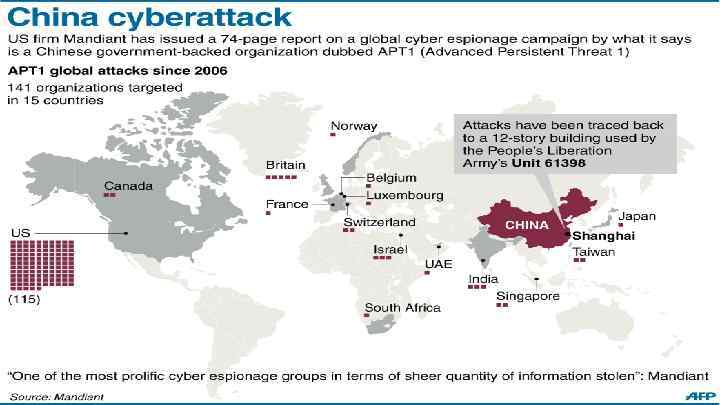
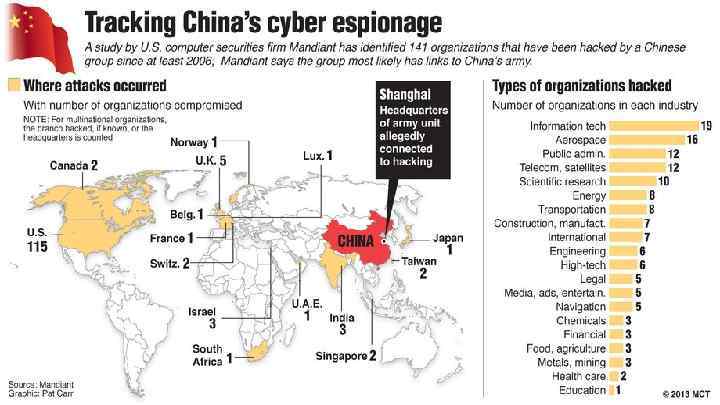
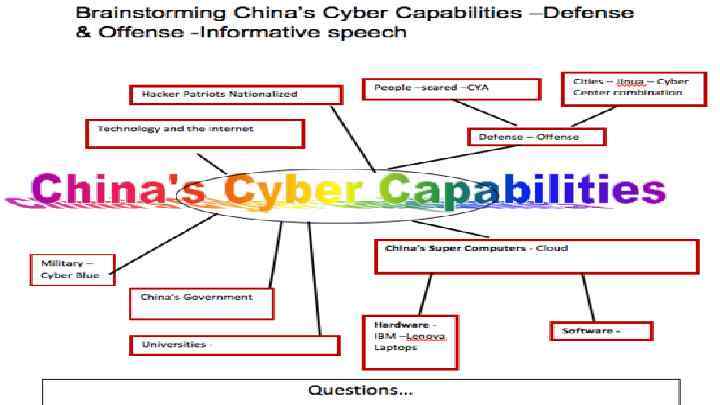
China has invested large sums in personnel and information infrastructure for cyber warfare. In addition to People's Liberation Army (PLA) operators, in particular the PLA's Unit 61398, there is a large network of volunteer Militia Information Technology Battalions, or 'net militia units', recruited from civilian talent pools. China is viewed by Pentagon officials as the main cyber threat to the US. On the other hand, in 2007, China denounced the US as an important source of cyber attacks against it. Recently, the Snowden revelations of US cyber espionage against China have complicated the US-China cyber dialogue. Nevertheless, the first meeting of the USChina Cyber Working Group still took place in July 2013, although China suspended its participation in the group in 2014, following US indictments against five Chinese hackers accused of economic espionage and cyber-theft of trade secrets. Besides the US, Chinese cyber attacks have targeted countries all over the world. Analysts suggest that Chinese attacks are less sophisticated technologically, but highly effective due to
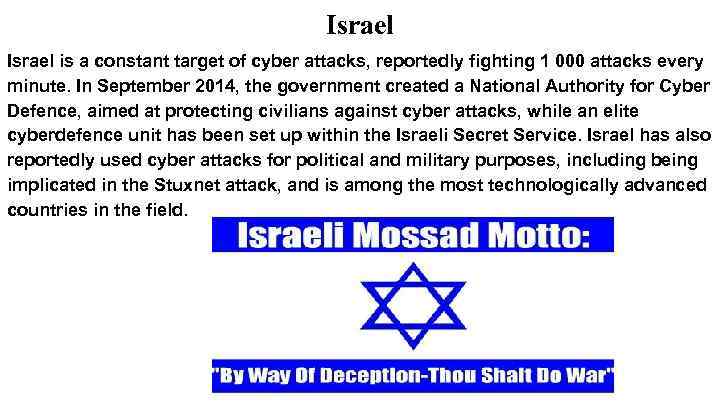
Israel is a constant target of cyber attacks, reportedly fighting 1 000 attacks every minute. In September 2014, the government created a National Authority for Cyber Defence, aimed at protecting civilians against cyber attacks, while an elite cyberdefence unit has been set up within the Israeli Secret Service. Israel has also reportedly used cyber attacks for political and military purposes, including being implicated in the Stuxnet attack, and is among the most technologically advanced countries in the field.
Middle East: Iran, Syria, Turkey Iran has been a target of the most advanced malware (e. g. Stuxnet, Duqu, Flame) and it has reportedly chosen to respond in kind, with cyber attacks perpetrated by non-state groups such as 'Izz ad-Din al-Qassam' and the 'Iranian Cyber Army'. The latter group is believed to be linked to the Iranian military. In March 2012, a decree was issued establishing the Supreme Council of Cyberspace, tasked with the coordination of national cyber warfare and information security. Iran announced in June 2011 that it planned to establish a cyber command for the armed forces to defend against cyber attack and to centralise operations. Iranian cyber capabilities are coordinated within the military by the Passive Defence Organisation. Syria's most prominent hacker group is the Syrian Electronic Army (SEA), loyal to Assad and responsible for cyber attacks on governments and media critical of his regime. There is also possible SEA involvement in cyber attacks against Islamic State, to collect intelligence on behalf of the Syrian and Iranian governments. Turkey's military strategy, revised in October 2010, added cybersecurity threats. Turkey established a cyber defence unit in 2012 within the armed forces
The Korean Peninsula South Korea is one of the most networked countries in the world and has been the target of cyber attacks allegedly stemming from North Korea. The government has attributed the attacks to Pyongyang's Reconnaissance General Bureau, a branch of the military. In South Korea, the National Cyber Security Centre (NCSC) coordinates the civilian response to cyber incidents. The Ministry of Defence established the Cyber War Centre in 2010, with the aim of increasing the security of government and financial information networks, and an independent Cyber Warfare Command with over 200 personnel, for defensive and offensive operations in cyberspace. In February 2014, reports claimed the South Korean military was committed to developing 'sophisticated cyber-warfare tools'
North Korea appears to have been using cyber-attacks as a new weapon to disrupt network systems, in particular in South Korea and the US, as well as to gain access to sensitive information. Reports point to a cyber warfare department of 3 000 personnel. The North Korean regime sees cyber-attacks as an effective tool, and has apparently disconnected its own critical servers from the internet.


 Скачать презентацию Global and national information control and security
Global and national information control and security.pptx