


 Скачать презентацию Getting Your Students Speaking Harnessing the Giving power
f59fe0cdaa46638860ef95ab43eb232b.ppt
- Количество слайдов: 40
 Getting Your Students Speaking Harnessing the Giving power of Students A blended learning Voice and new technologies From Input To Uptake
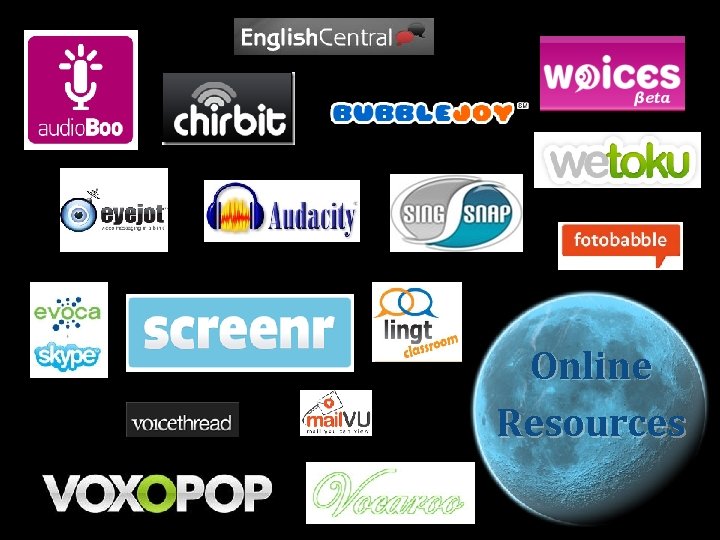 Online Resources
 What’s On Tap • • Potential Why get students speaking online? Types of delivery options Best practices Blended ideas / activities Websites / Tools Overview Q and A
 New Possibilities What If?
 Why? Why the need for students to speak online? Rationale
 Merrill Swain Output reinforces fluency by 1. Practice 2. Noticing + CF 3. Hypothesizing 4. Habituation Rationale
 More Reasons Motivation Repetition Feedback / Monitoring Evaluation Self Directed Learning Efficacy / Fairness Low Affective Filter Rationale
 What options are available? What types of blended learning can teachers implement ? Options
 What options are available? Synchronous Asynchronous Options
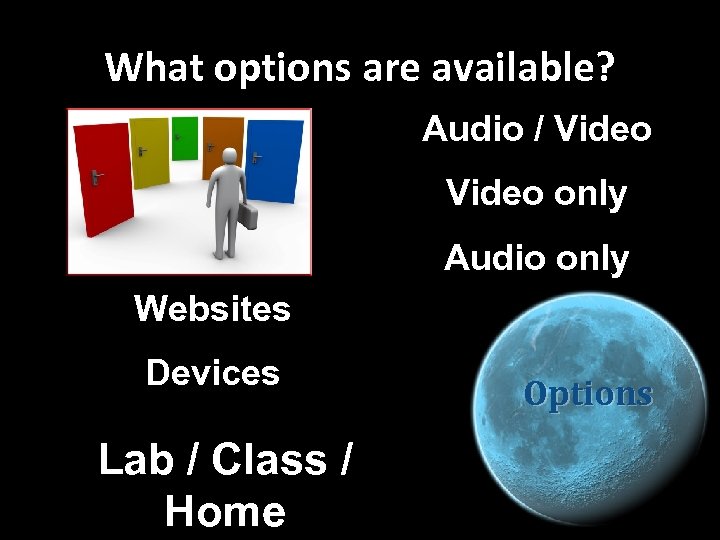 What options are available? Audio / Video only Audio only Websites Devices Lab / Class / Home Options
 Standards What is the Gold standard? Best Practices
 Standards Make it official Give Ss choice Demo in class Provide a model Hardware Set standards Best Practices
 Lesson Planning How can teachers make this part of their online learning? Activities & Ideas
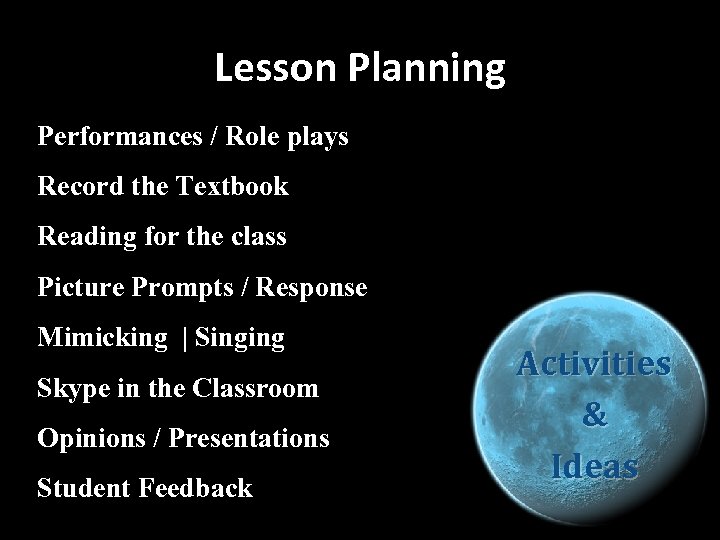 Lesson Planning Performances / Role plays Record the Textbook Reading for the class Picture Prompts / Response Mimicking | Singing Skype in the Classroom Opinions / Presentations Student Feedback Activities & Ideas
 Online Resources
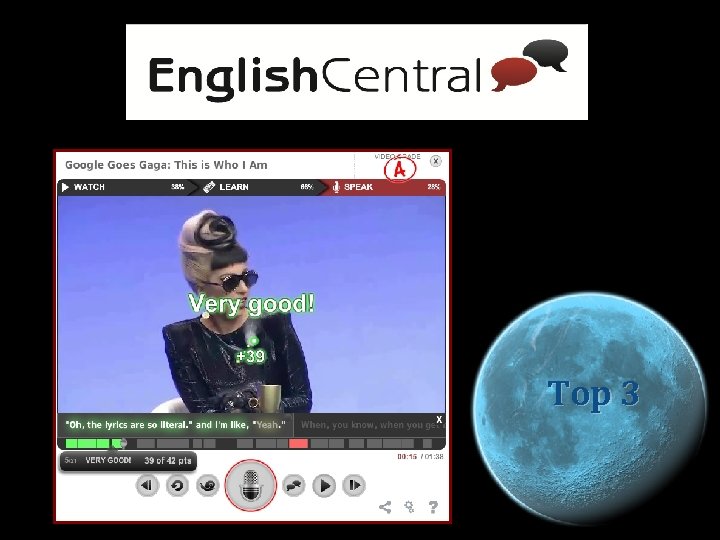 English. Central Top 3
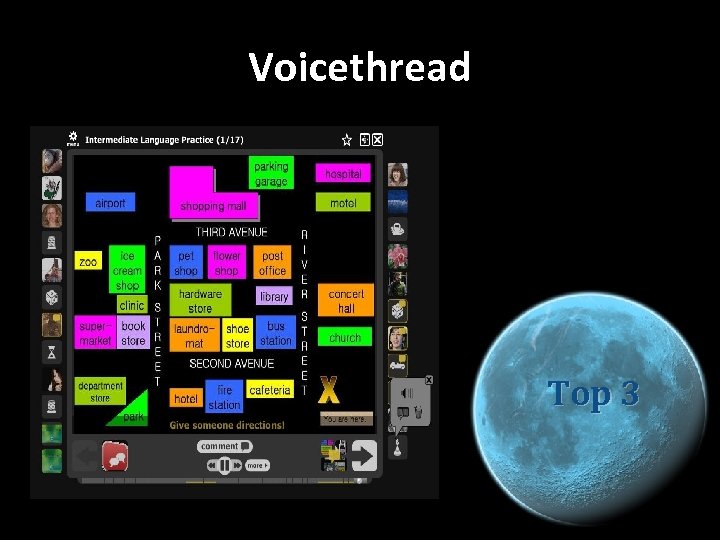 Voicethread Top 3
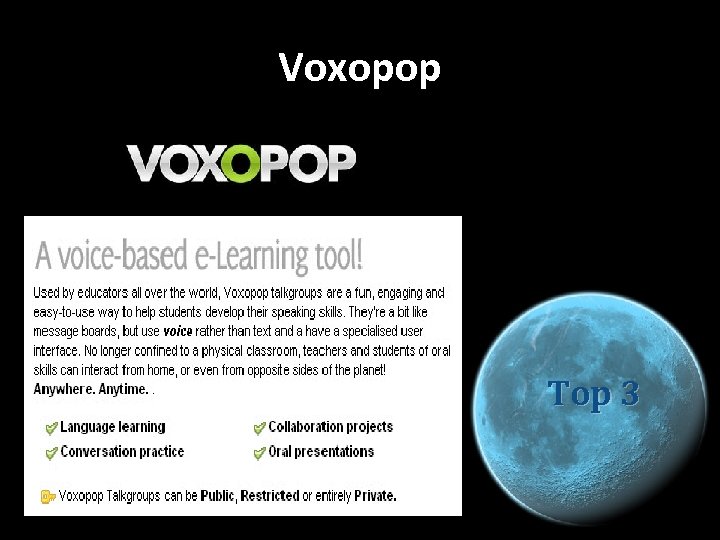 Voxopop Top 3
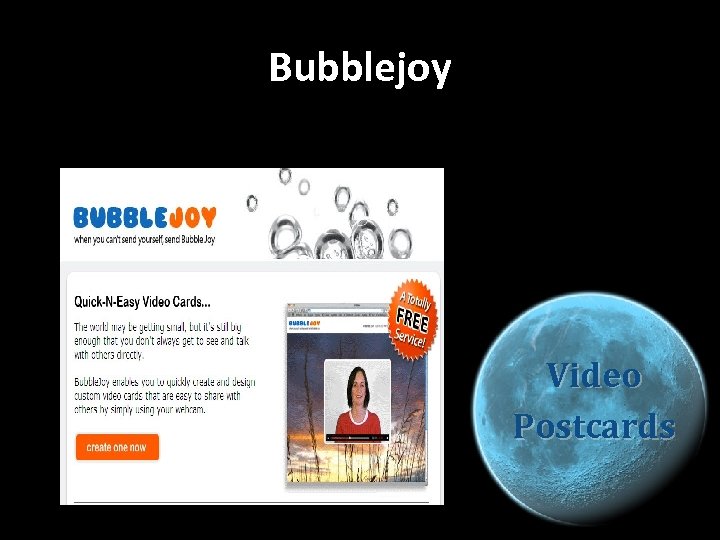 Bubblejoy Video Postcards
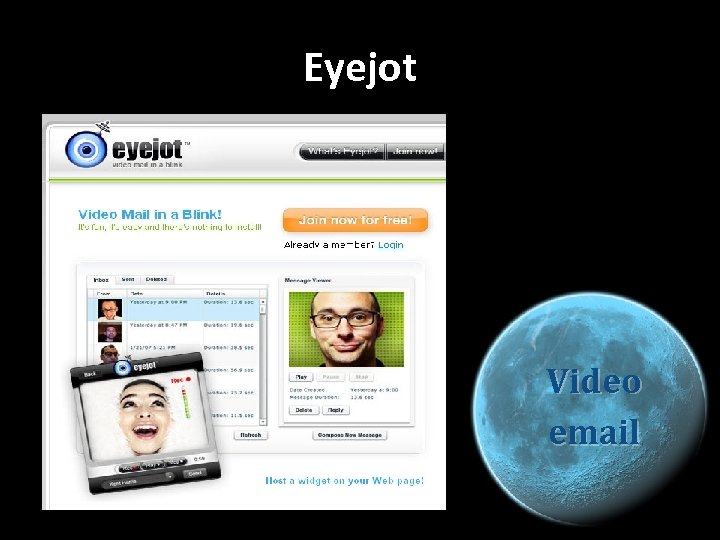 Eyejot Video email
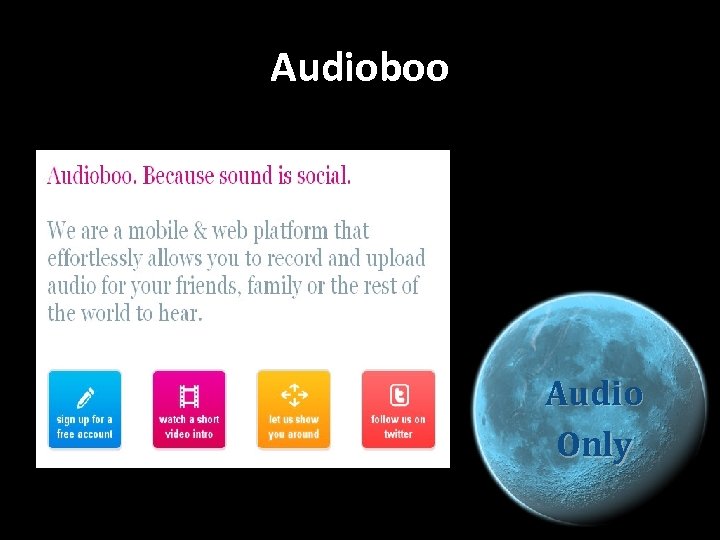 Audioboo Audio Only
 Chirbit Audio Sharing
 Evoca Audio Drop Box
 Vocaroo No Frills Audio
 Fotobabble Speaking Photos
 Mailvu Video Email
 Intervue Video Convo
 Lingt LMS Courses
 Present. me Flipped Curriculum
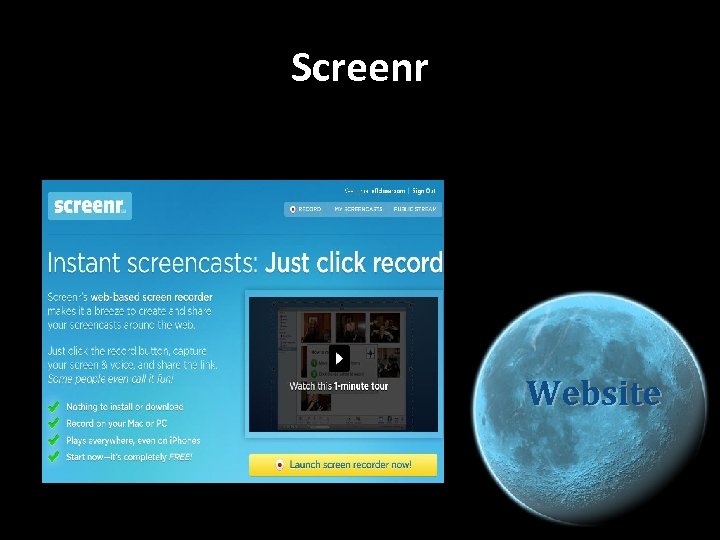 Screenr Website
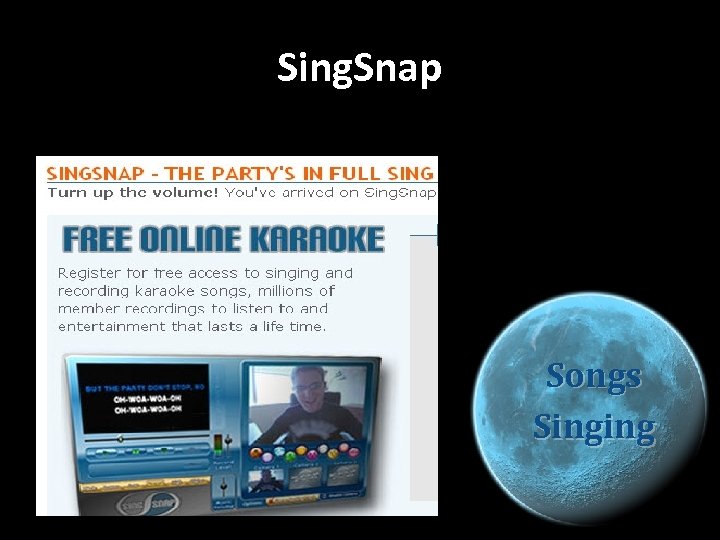 Sing. Snap Songs Singing
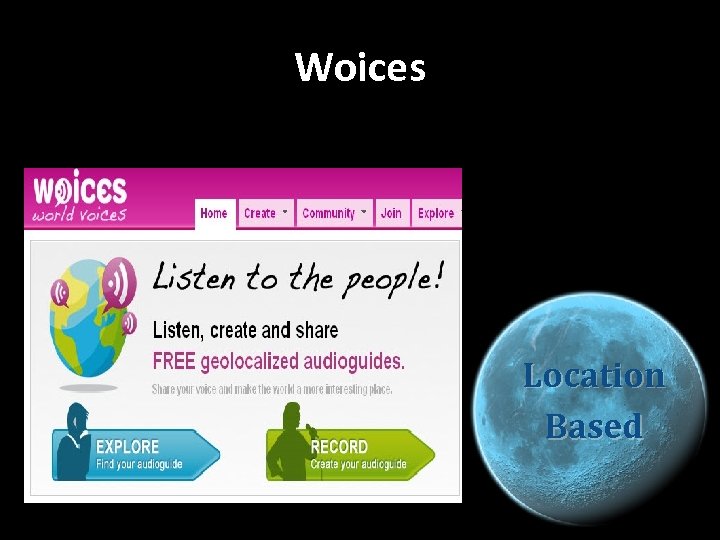 Woices Location Based
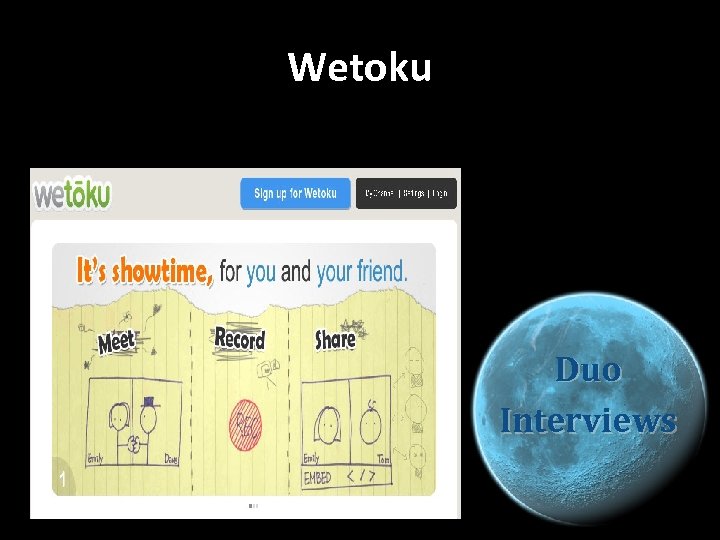 Wetoku Duo Interviews
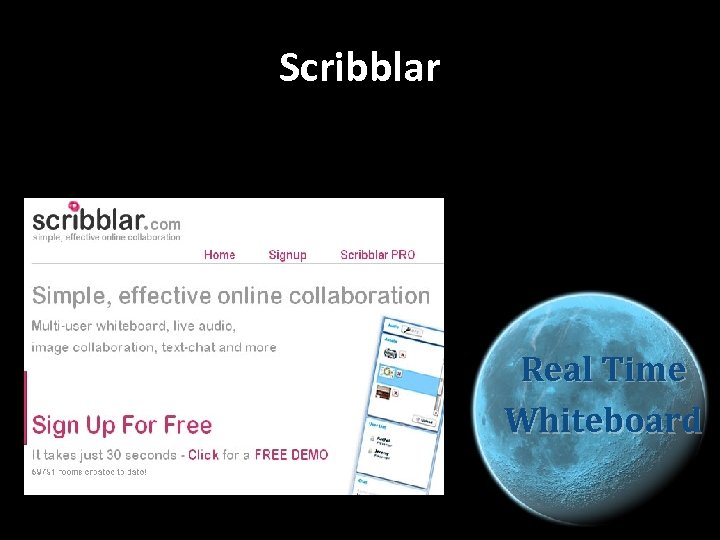 Scribblar Real Time Whiteboard
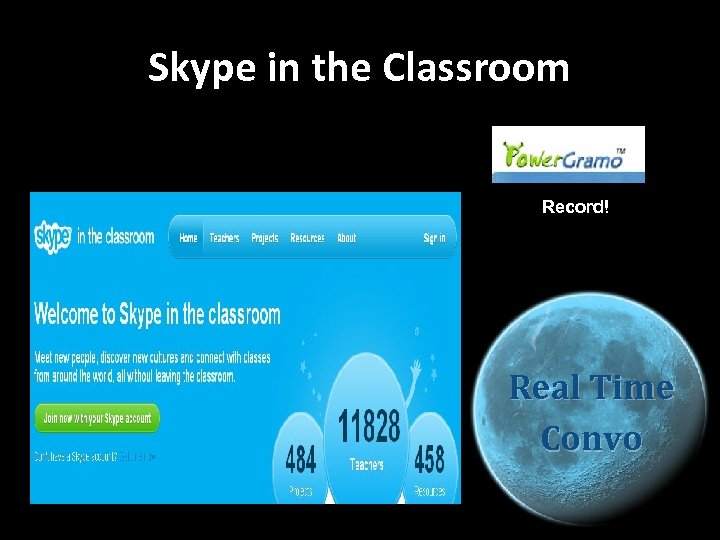 Skype in the Classroom Record! Real Time Convo
 Tutorials PD
 Further Thoughts Discussion Q and A on technology Let’s Talk
 http: //eltandtech. pbworks. com ddeubel@gmail. com http: //bit. ly/h 4 geq. P Contact More. .
 Further Reading Brown, Jeremy, Noticing: Is it a valid concept? TESL-EJ, 2002 Heift, Trude, Corrective Feedback and learner uptake in CALL, Cambridge Univ. Press, 2004. Long, M. H. , Problems in SLA, 2006 Pica, T. , Holliday, L. , Lewis, N. , & Morgenthaler, L. (1989). Comprehensible output as an outcome of linguistic demands on the learner. Studies in Second Language Acquisition, 11, 63– 90. Pica, T. , Lincoln-Porter, F. , Paninos, D. , & Linnell, J. (1996). Language learners’ interaction: How does it address the input, output, and feedback needs of language learners? TESOL Quarterly, 30, 59– 84. Swain, M. (1985). Communicative competence: Some roles of comprehensible input and comprehensible output in its development. In S. Gass & C. Madden (Eds. ), Input in second language acquisition (pp. 235– 253). Rowley, MA: Newbury House. Research
 Further Reading Schmidt, R. (1983). Interaction, acculturation, and the acquisition of communicative competence. In N. Wolfson & E. Judd (Eds. ), Sociolinguistics and language acquisition (pp. 137 -174). Rowley, MA: Newbury House. Swain, M. (1995). Three functions of output in second language learning. In G. Cook & B. Seidlhofer (Eds. ), Principles and practice in applied linguistics (pp. 125– 144). Oxford: Oxford University Press. Swain, M. (2005). The output hypothesis: Theory and research. In E. Hinkel (Ed. ), Handbook of research in second language teaching and learning (pp. 471– 483). New York: Routledge. Swain, M. , & Lapkin, S. (1995). Problems in output and cognitive processes they generate: A step towards second language learning. Applied Linguistics, 16, 371– 391. Taddarth, Assma, Recasts, Uptakes and Learning: Effects and Relationships. 2010 References