Скачать презентацию Genes and populations Chp 20 Generation to generation
b4634a96b9b197fe95fbe6c4220e16bc.ppt
- Количество слайдов: 62
 Genes and populations Chp 20 Generation to generation change in allele frequency
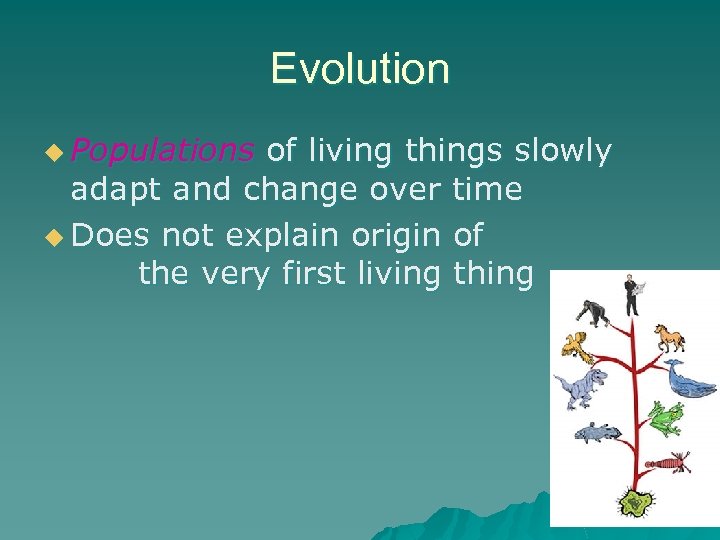 Evolution u Populations of living things slowly adapt and change over time u Does not explain origin of the very first living thing
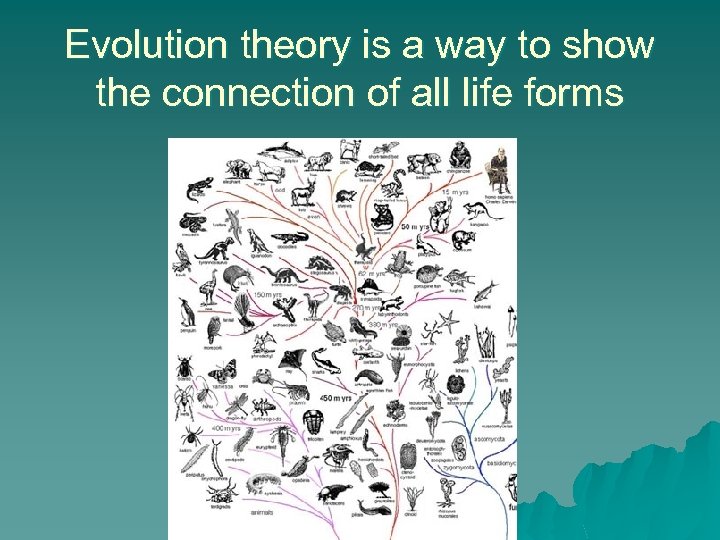 Evolution theory is a way to show the connection of all life forms
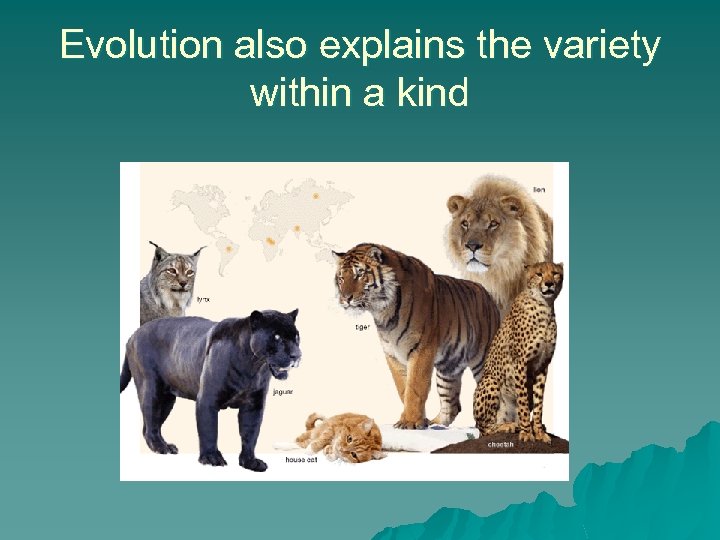 Evolution also explains the variety within a kind
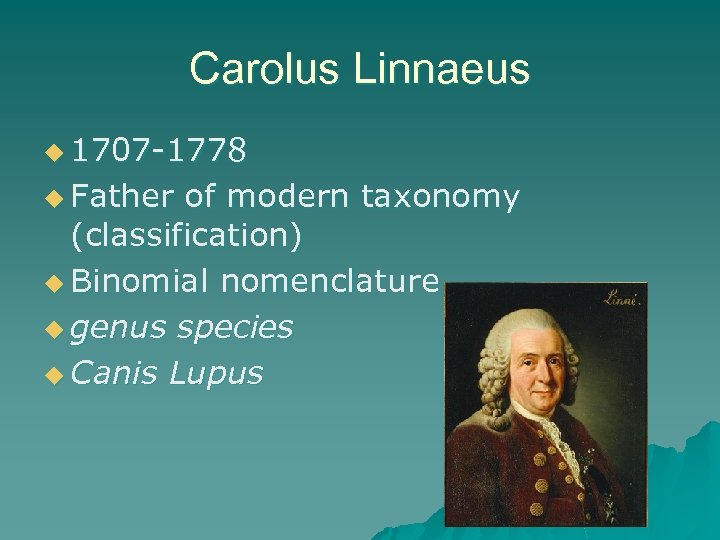 Carolus Linnaeus u 1707 -1778 u Father of modern taxonomy (classification) u Binomial nomenclature u genus species u Canis Lupus
 James Hutton - 1788 u Gradualism – Profound change is the product of slow, continuous processes u “The present is the key to the past” u Ex. Mountains grow slowly now so they always grew slowly!
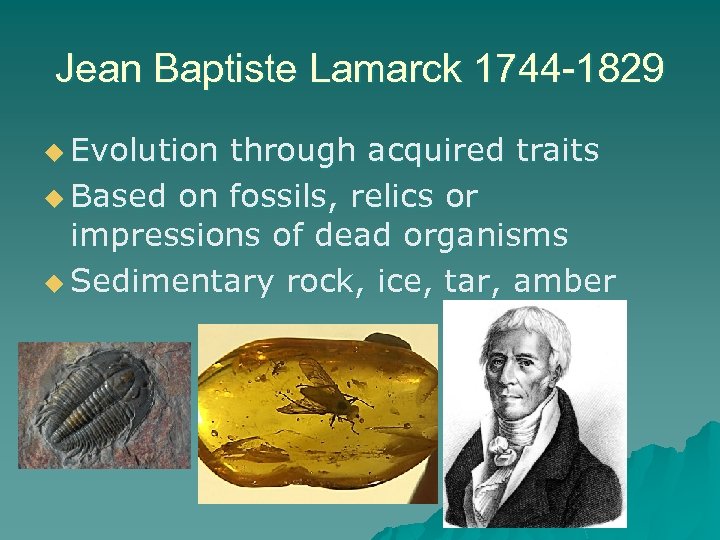 Jean Baptiste Lamarck 1744 -1829 u Evolution through acquired traits u Based on fossils, relics or impressions of dead organisms u Sedimentary rock, ice, tar, amber
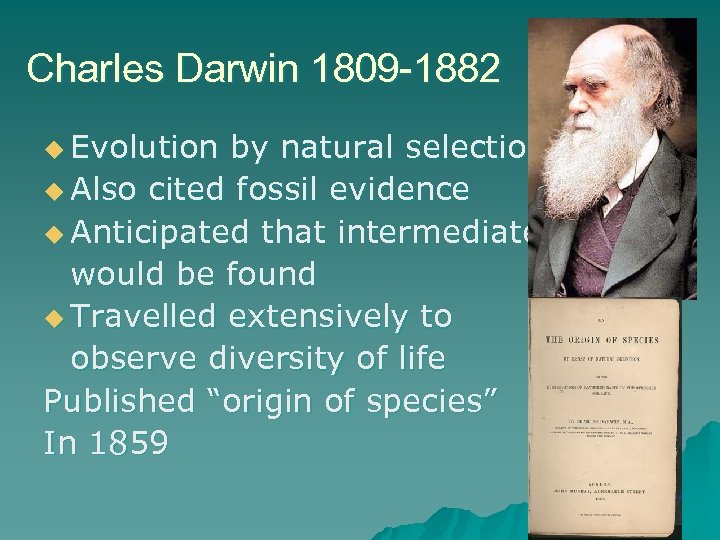 Charles Darwin 1809 -1882 u Evolution by natural selection u Also cited fossil evidence u Anticipated that intermediates would be found u Travelled extensively to observe diversity of life Published “origin of species” In 1859
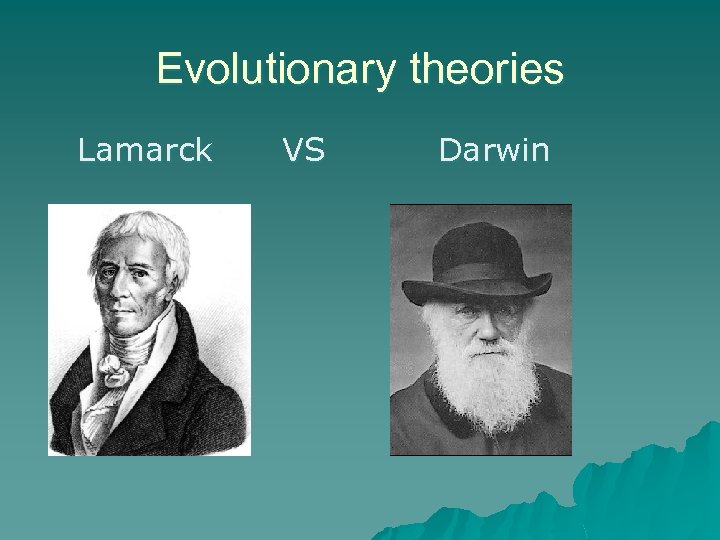 Evolutionary theories Lamarck VS Darwin
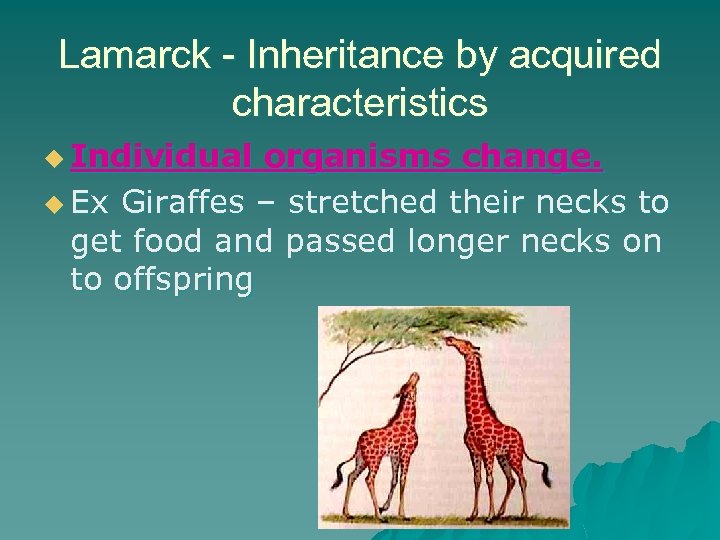 Lamarck - Inheritance by acquired characteristics u Individual organisms change. u Ex Giraffes – stretched their necks to get food and passed longer necks on to offspring
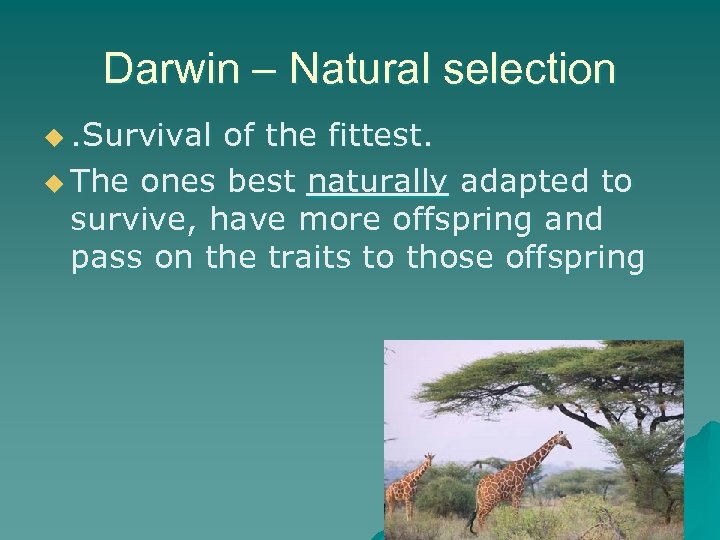 Darwin – Natural selection u. Survival of the fittest. u The ones best naturally adapted to survive, have more offspring and pass on the traits to those offspring
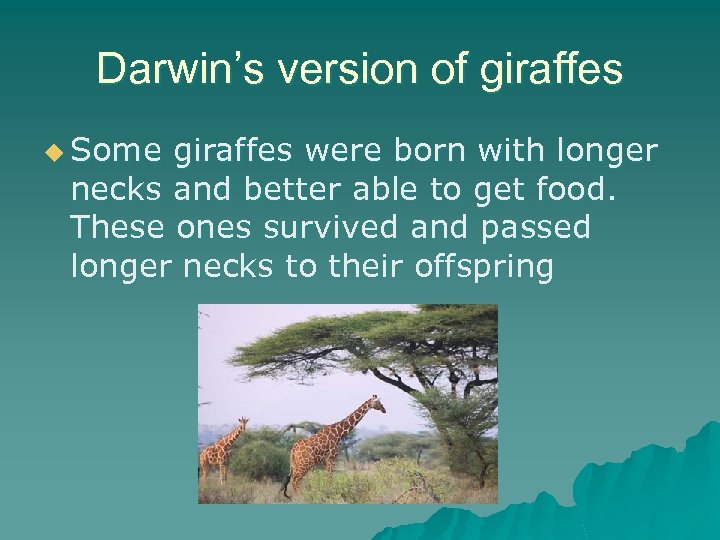 Darwin’s version of giraffes u Some giraffes were born with longer necks and better able to get food. These ones survived and passed longer necks to their offspring
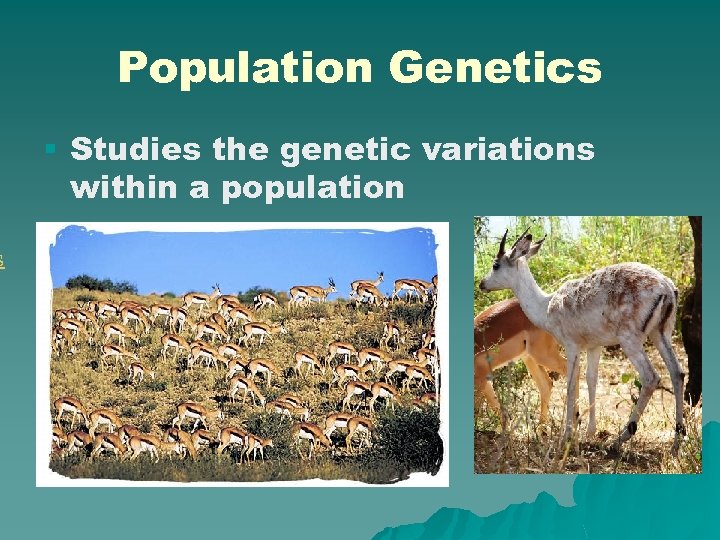 s Population Genetics § Studies the genetic variations within a population
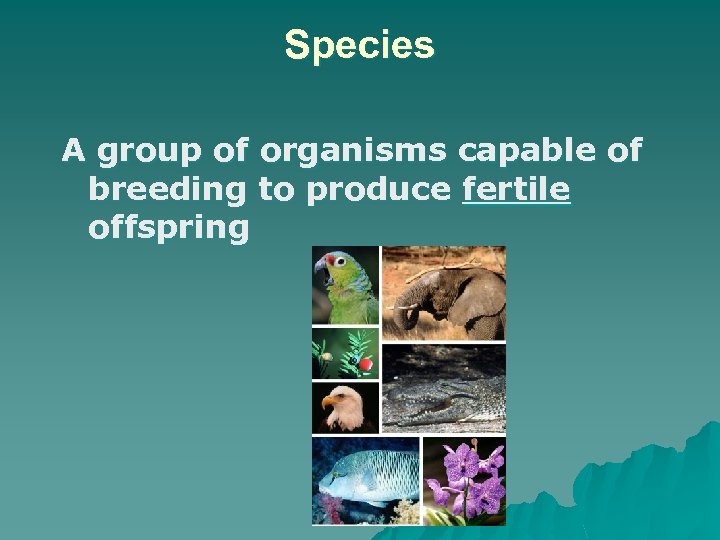 Species A group of organisms capable of breeding to produce fertile offspring
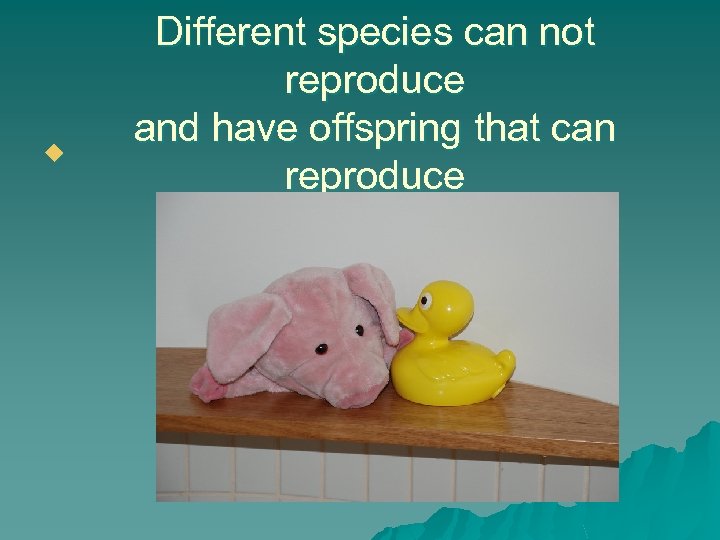 u Different species can not reproduce and have offspring that can reproduce
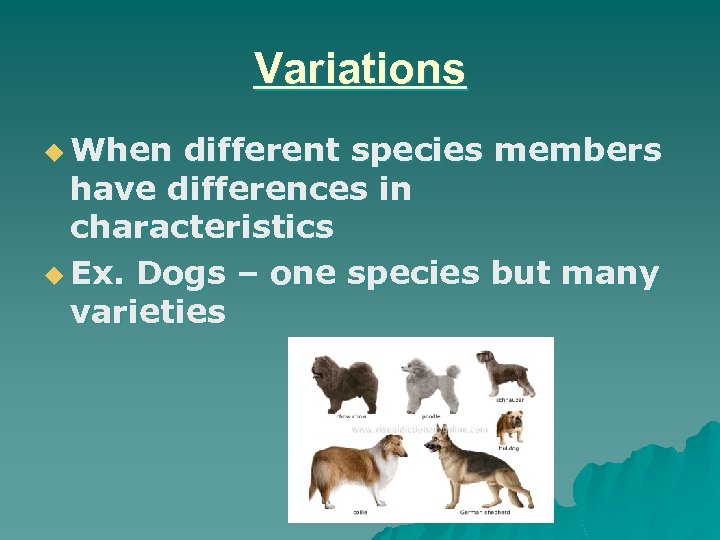 Variations u When different species members have differences in characteristics u Ex. Dogs – one species but many varieties
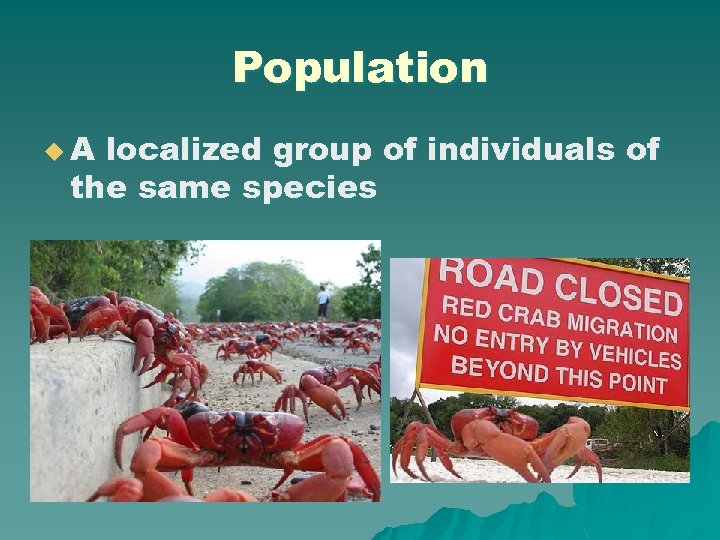 Population u. A localized group of individuals of the same species
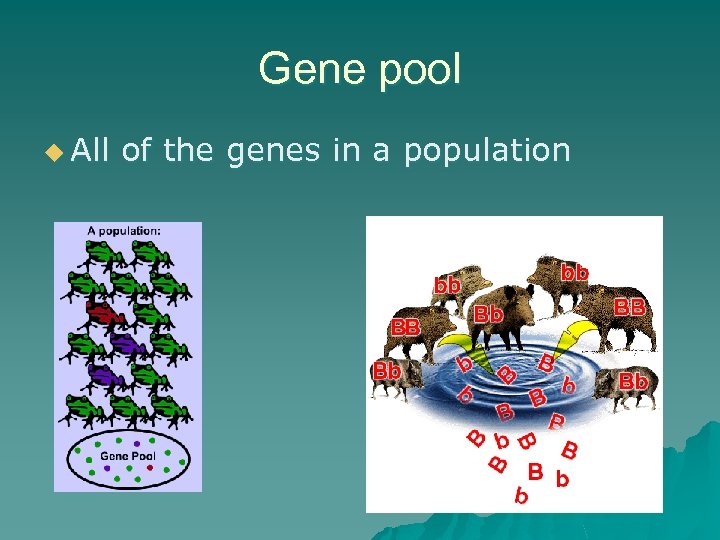 Gene pool u All of the genes in a population
 Why does the dominant trait take over? u Hardy and Weinberg stated the genes in a population will remain stable if under certain conditions
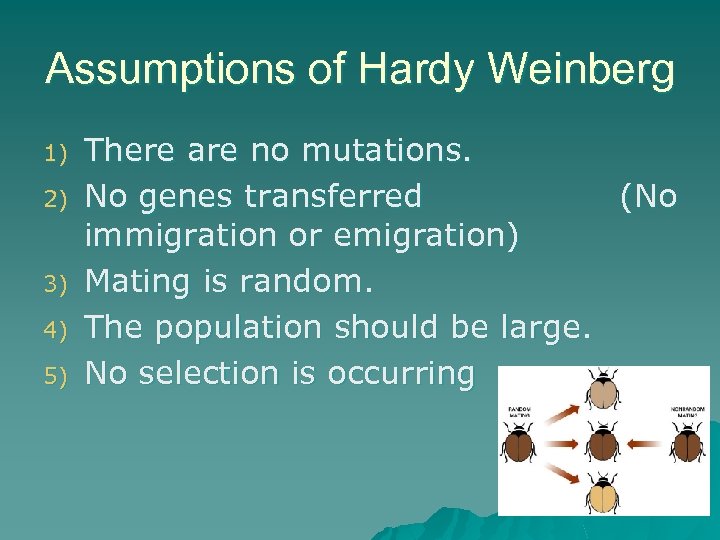 Assumptions of Hardy Weinberg 1) 2) 3) 4) 5) There are no mutations. No genes transferred (No immigration or emigration) Mating is random. The population should be large. No selection is occurring
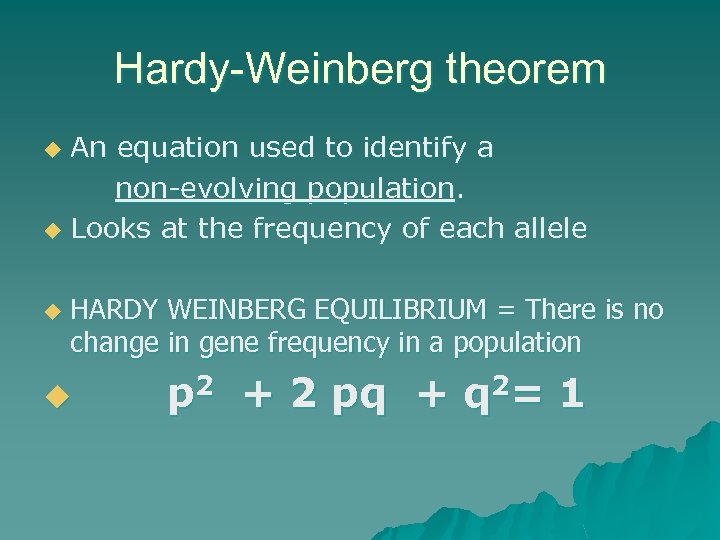 Hardy-Weinberg theorem An equation used to identify a non-evolving population. u Looks at the frequency of each allele u u HARDY WEINBERG EQUILIBRIUM = There is no change in gene frequency in a population u p 2 + 2 pq + q 2= 1
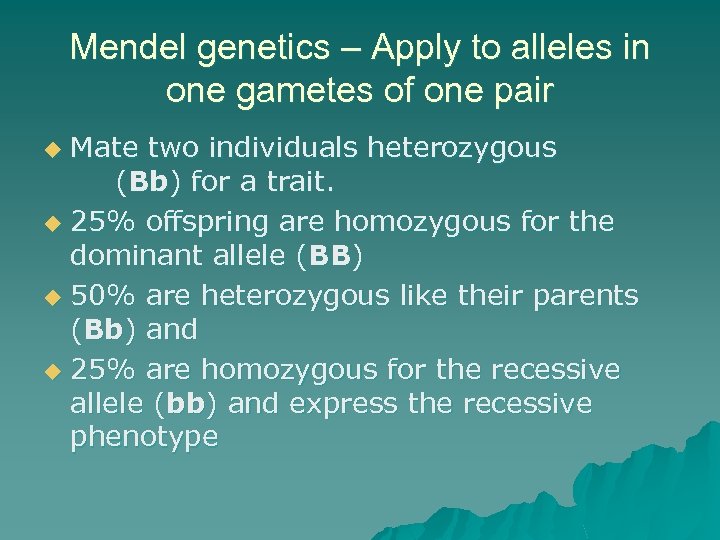 Mendel genetics – Apply to alleles in one gametes of one pair Mate two individuals heterozygous (Bb) for a trait. u 25% offspring are homozygous for the dominant allele (BB) u 50% are heterozygous like their parents (Bb) and u 25% are homozygous for the recessive allele (bb) and express the recessive phenotype u
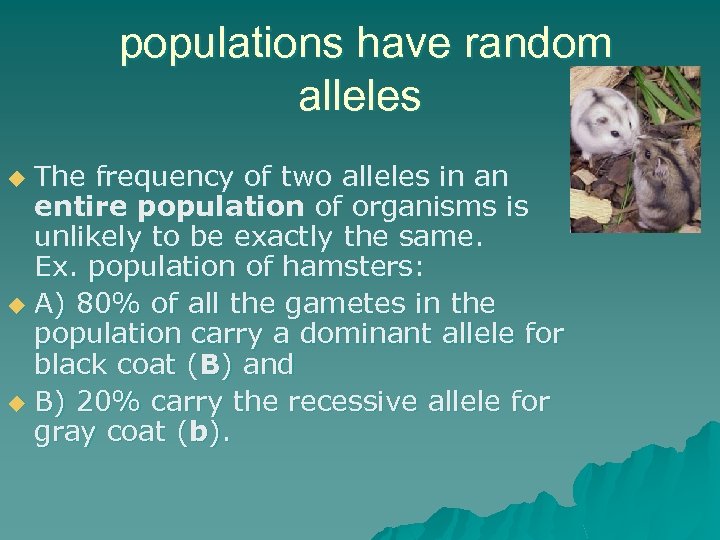 populations have random alleles The frequency of two alleles in an entire population of organisms is unlikely to be exactly the same. Ex. population of hamsters: u A) 80% of all the gametes in the population carry a dominant allele for black coat (B) and u B) 20% carry the recessive allele for gray coat (b). u
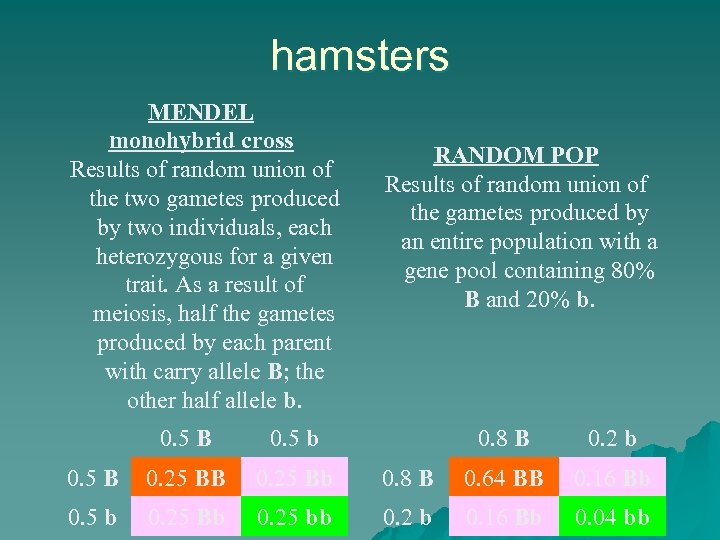 hamsters MENDEL monohybrid cross Results of random union of the two gametes produced by two individuals, each heterozygous for a given trait. As a result of meiosis, half the gametes produced by each parent with carry allele B; the other half allele b. 0. 5 B 0. 25 BB 0. 5 b 0. 25 Bb 0. 5 b RANDOM POP Results of random union of the gametes produced by an entire population with a gene pool containing 80% B and 20% b. 0. 8 B 0. 2 b 0. 25 Bb 0. 8 B 0. 64 BB 0. 16 Bb 0. 25 bb 0. 2 b 0. 16 Bb 0. 04 bb
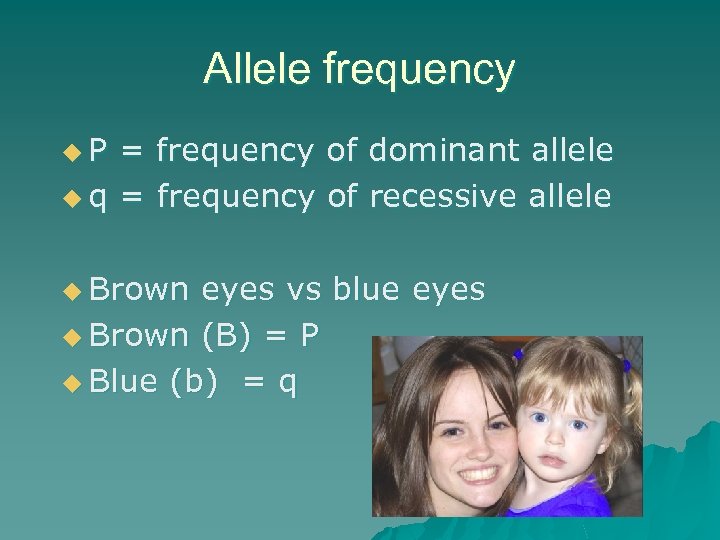 Allele frequency u. P = frequency of dominant allele u q = frequency of recessive allele u Brown eyes vs blue eyes u Brown (B) = P u Blue (b) = q
 Mind your Ps and Qs u From old English pubs, be careful how many pints and quarts you consume u Also from old typesetters, not mixing up ps and qs
 Total frequency of alleles in population = 1 THEREFORE p+q=1 (dom + res = 1) u q =1 – p (res = 1 – dom) u p=1–q (dom = 1 – res) u Ex. R = red r = white there are 20% white flowers in a field u q freq =. 2 (20%) white then p freq = 1 -. 2 =. 8 (80%) red u
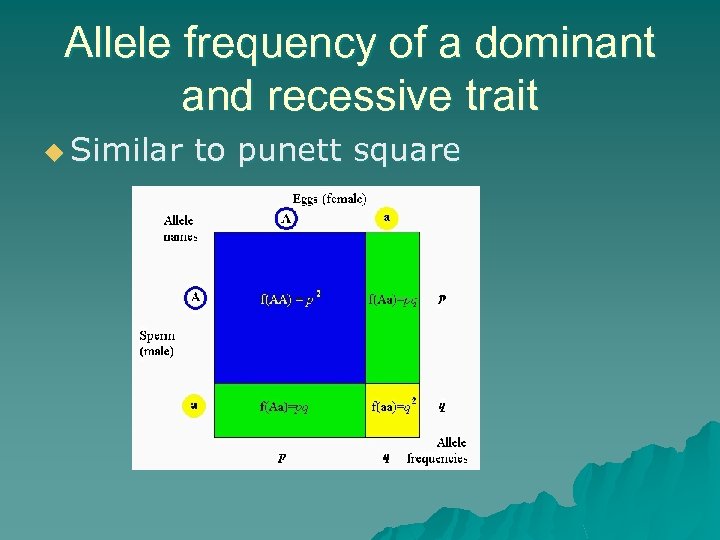 Allele frequency of a dominant and recessive trait u Similar to punett square
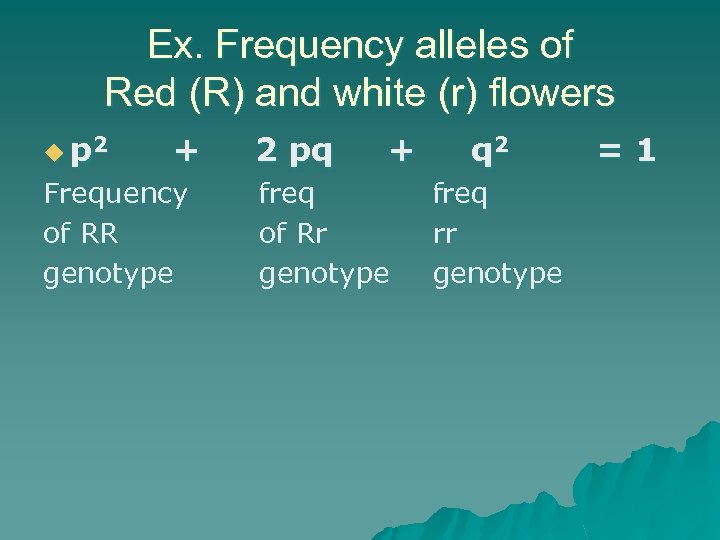 Ex. Frequency alleles of Red (R) and white (r) flowers u p 2 + Frequency of RR genotype 2 pq + freq of Rr genotype q 2 freq rr genotype =1
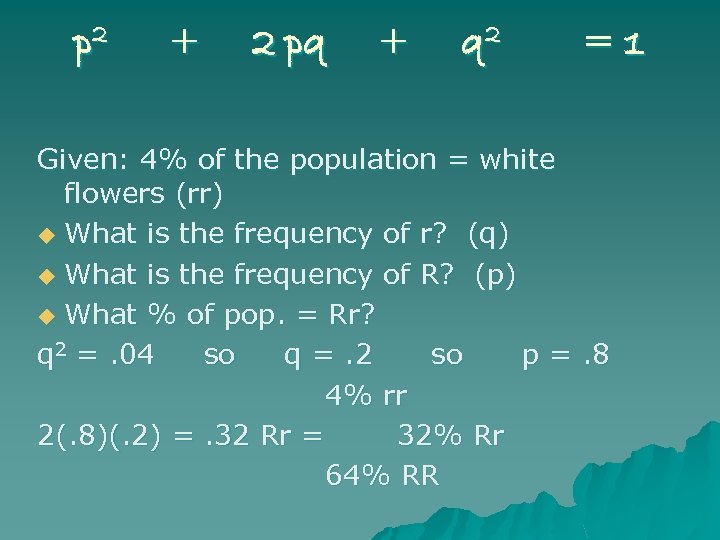 p 2 + 2 pq + q 2 =1 Given: 4% of the population = white flowers (rr) u What is the frequency of r? (q) u What is the frequency of R? (p) u What % of pop. = Rr? q 2 =. 04 so q =. 2 so p =. 8 4% rr 2(. 8)(. 2) =. 32 Rr = 32% Rr 64% RR
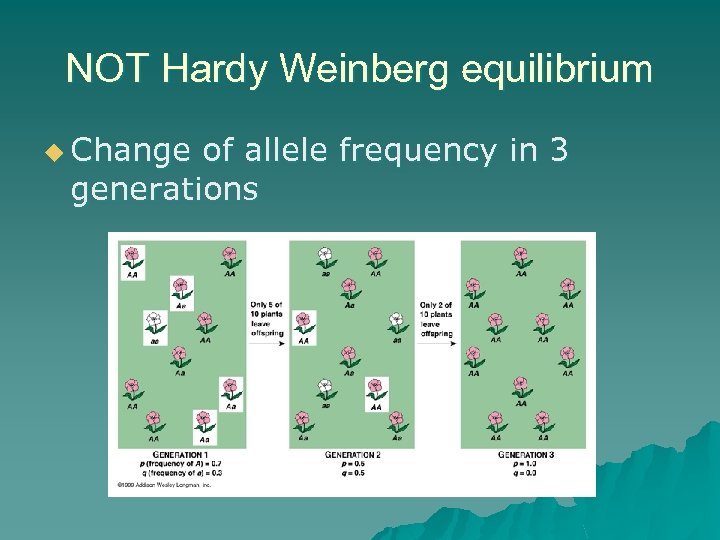 NOT Hardy Weinberg equilibrium u Change of allele frequency in 3 generations
 5 agents of evolutionary change u Things that CHANGE equilibrium of gene pool
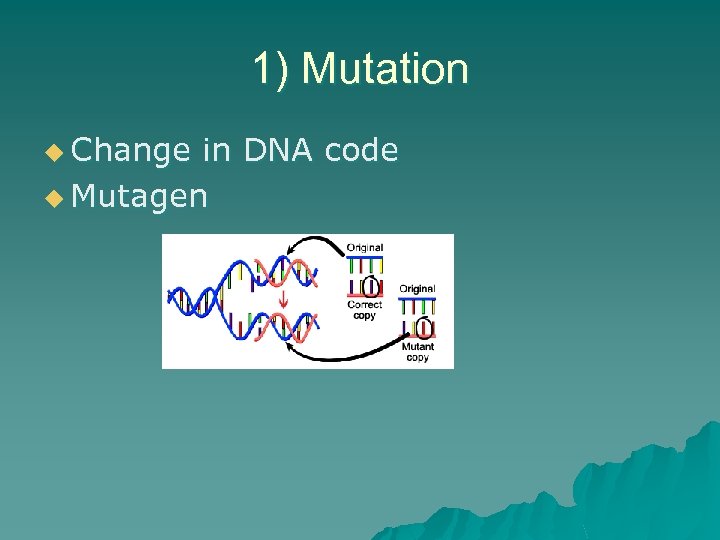 1) Mutation u Change in DNA code u Mutagen
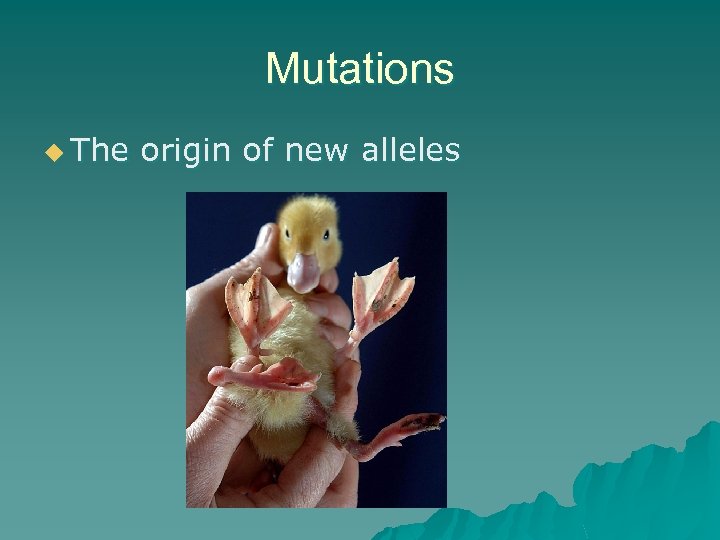 Mutations u The origin of new alleles
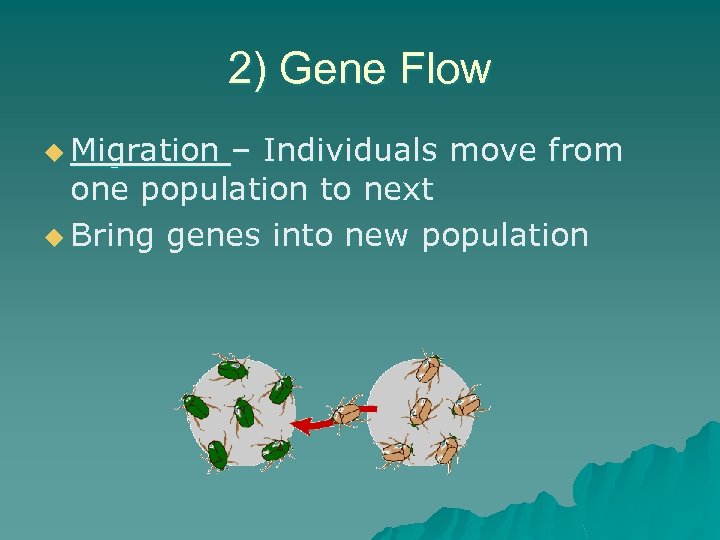 2) Gene Flow u Migration – Individuals move from one population to next u Bring genes into new population
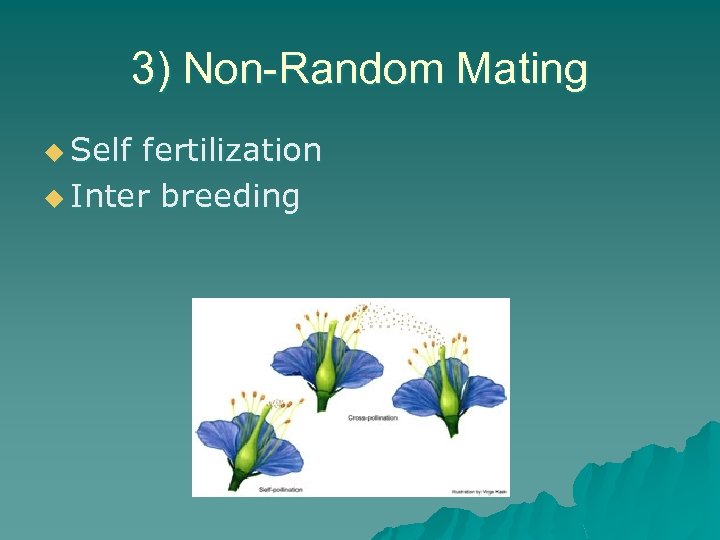 3) Non-Random Mating u Self fertilization u Inter breeding
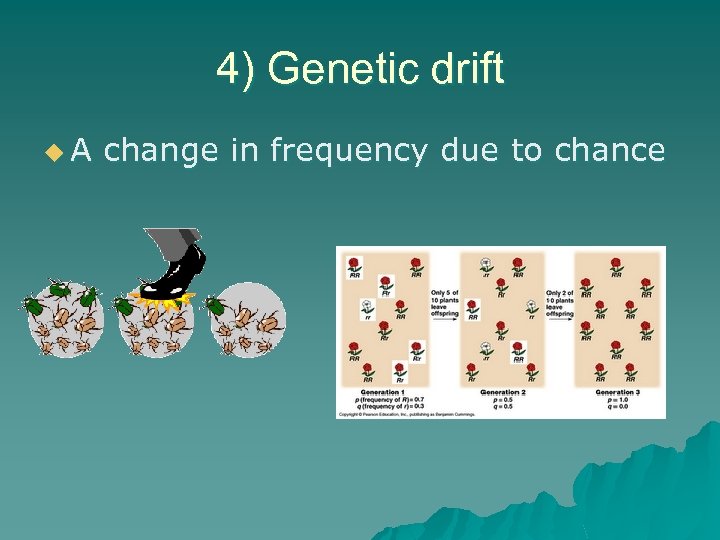 4) Genetic drift u. A change in frequency due to chance
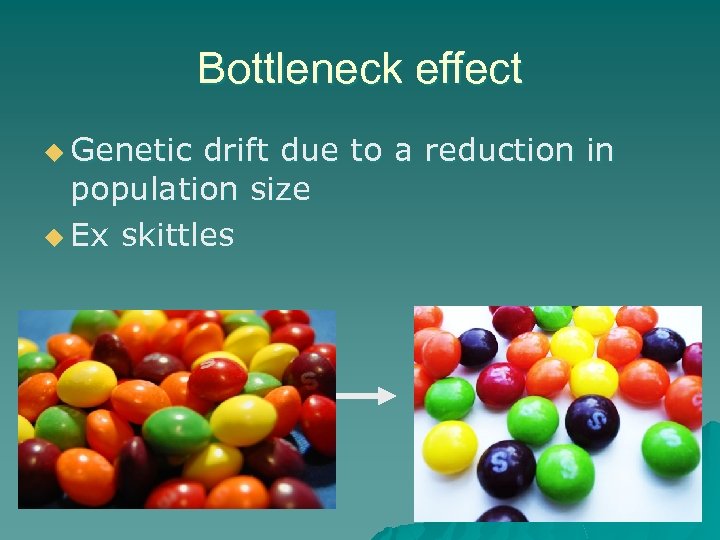 Bottleneck effect u Genetic drift due to a reduction in population size u Ex skittles
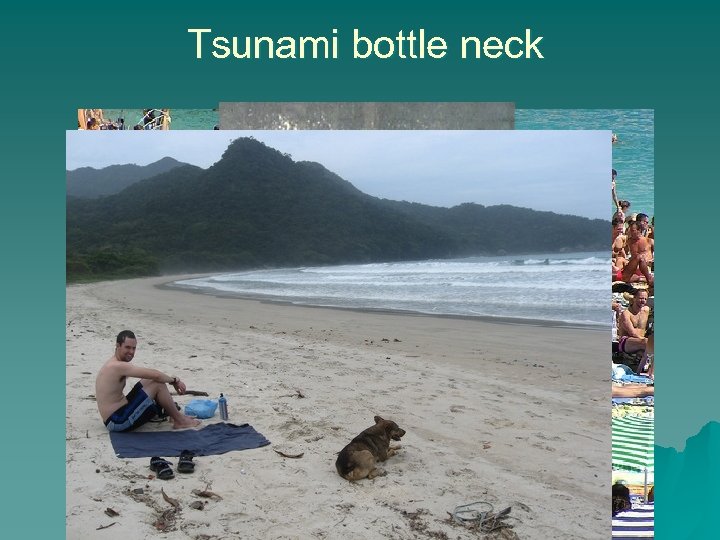 Tsunami bottle neck
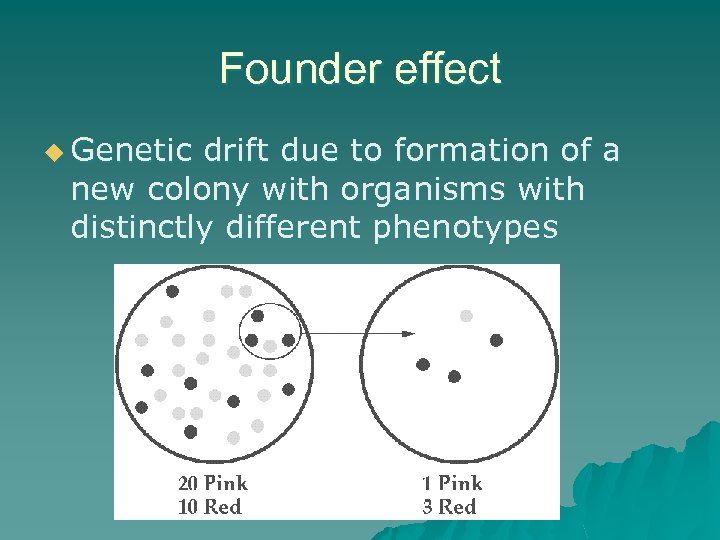 Founder effect u Genetic drift due to formation of a new colony with organisms with distinctly different phenotypes
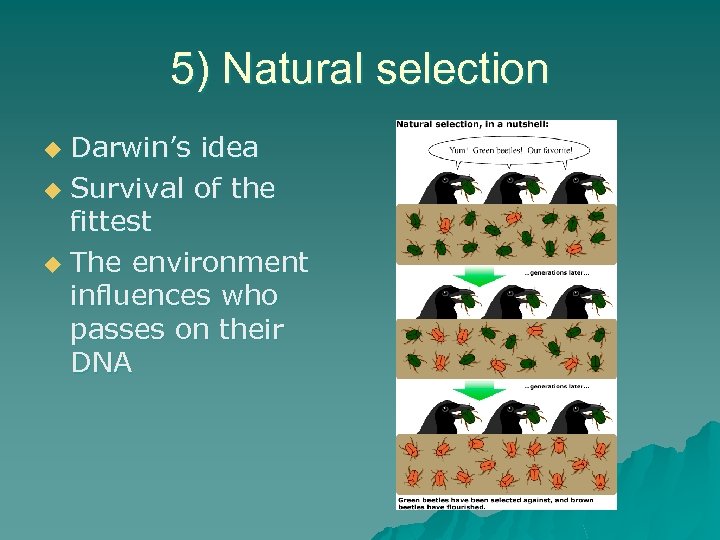 5) Natural selection Darwin’s idea u Survival of the fittest u The environment influences who passes on their DNA u
 Fitness - ability to pass on traits to offspring u 1) 2) 3) The individuals in a population that are most fit are the ones that survive Attract mates better Catch prey better Hide better from predators
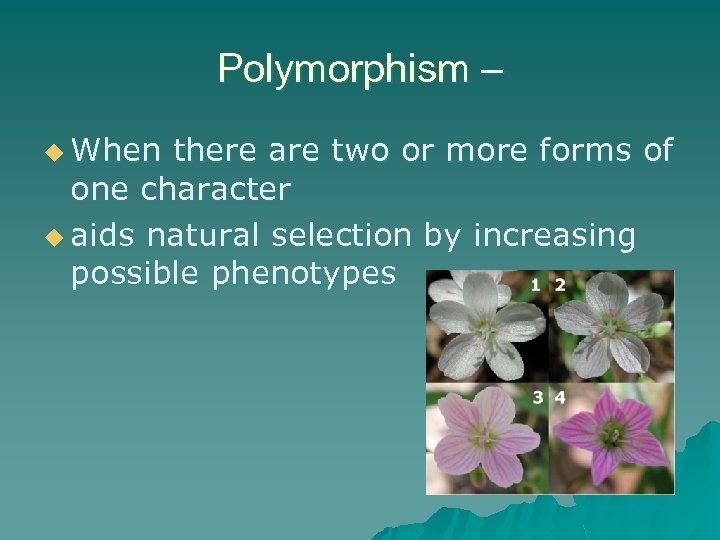 Polymorphism – u When there are two or more forms of one character u aids natural selection by increasing possible phenotypes
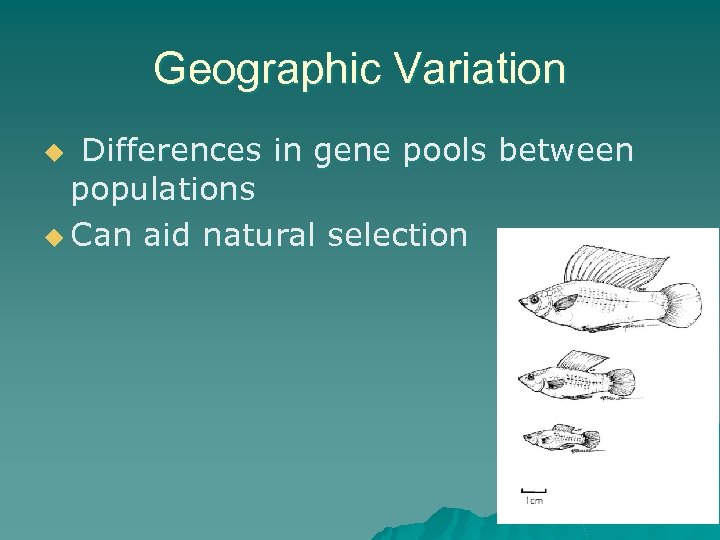 Geographic Variation Differences in gene pools between populations u Can aid natural selection u
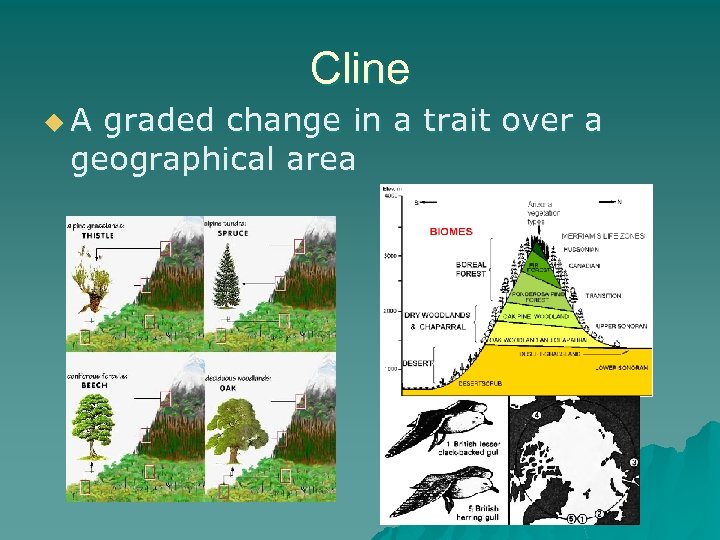 Cline u. A graded change in a trait over a geographical area
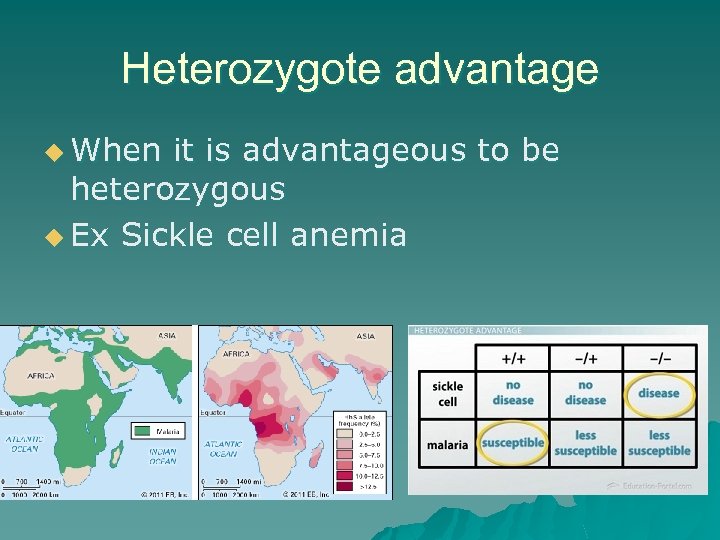 Heterozygote advantage u When it is advantageous to be heterozygous u Ex Sickle cell anemia
 Types of Natural Selection
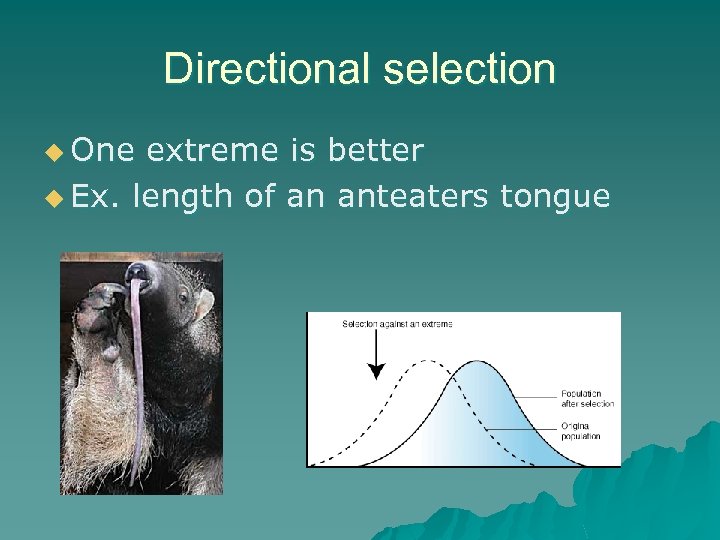 Directional selection u One extreme is better u Ex. length of an anteaters tongue
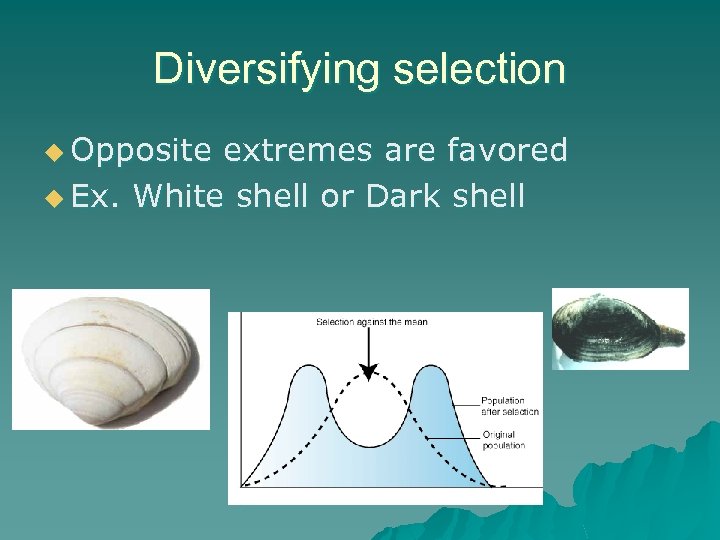 Diversifying selection u Opposite extremes are favored u Ex. White shell or Dark shell
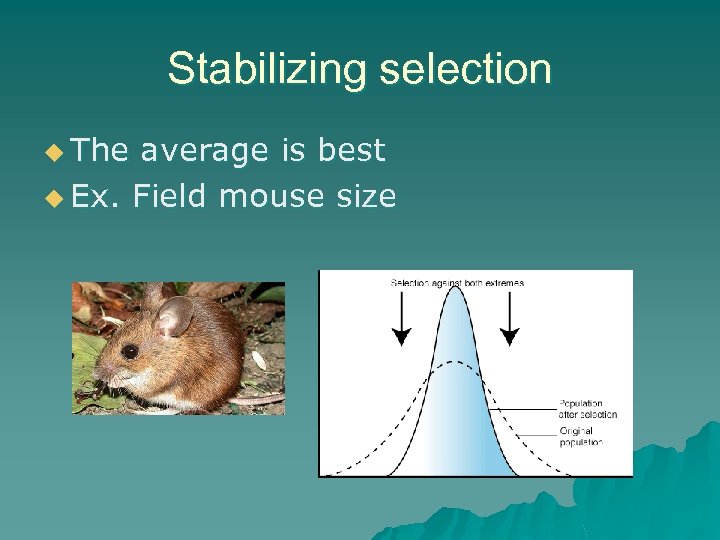 Stabilizing selection u The average is best u Ex. Field mouse size
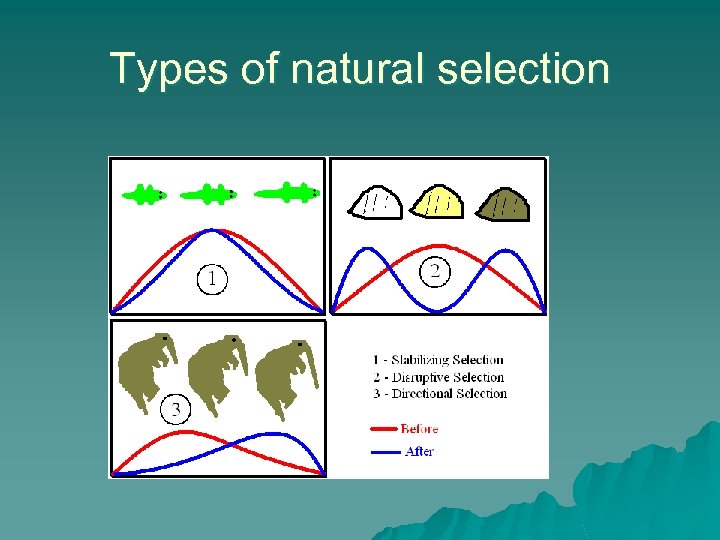 Types of natural selection
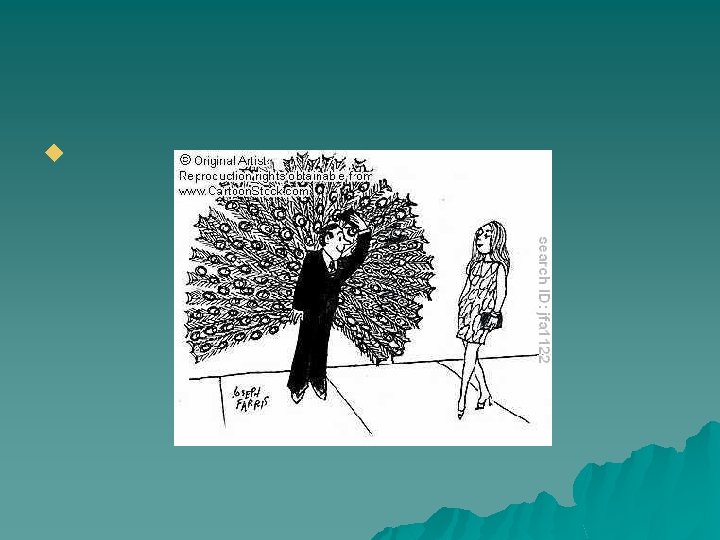
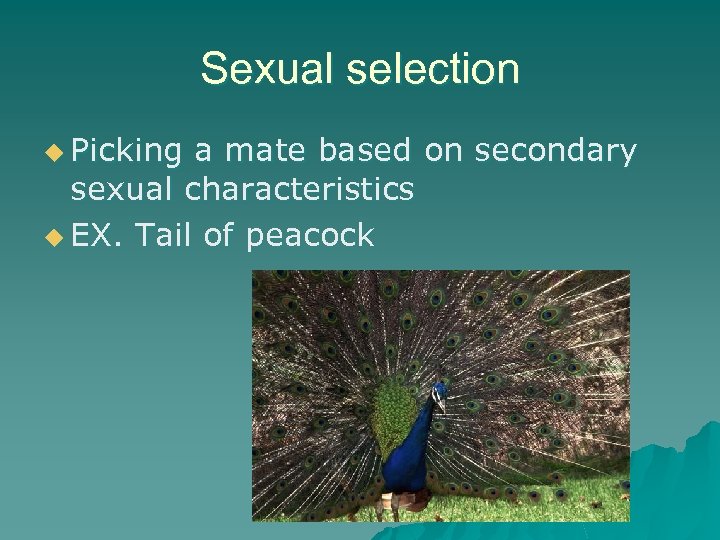 Sexual selection u Picking a mate based on secondary sexual characteristics u EX. Tail of peacock
 u
u
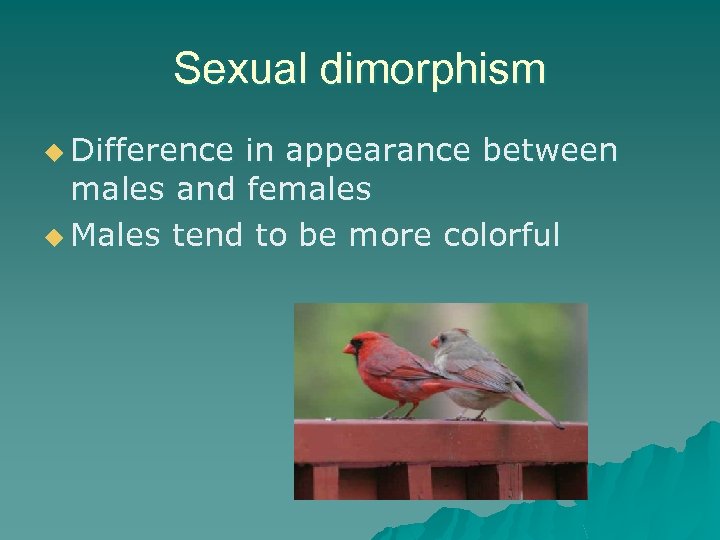 Sexual dimorphism u Difference in appearance between males and females u Males tend to be more colorful
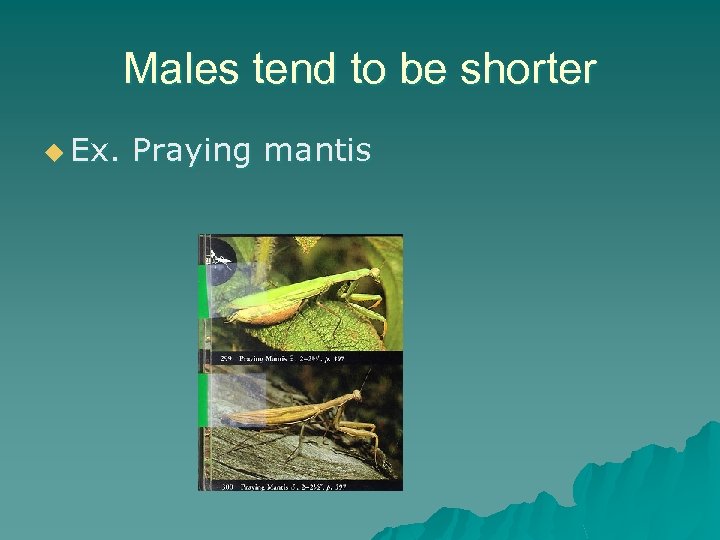 Males tend to be shorter u Ex. Praying mantis
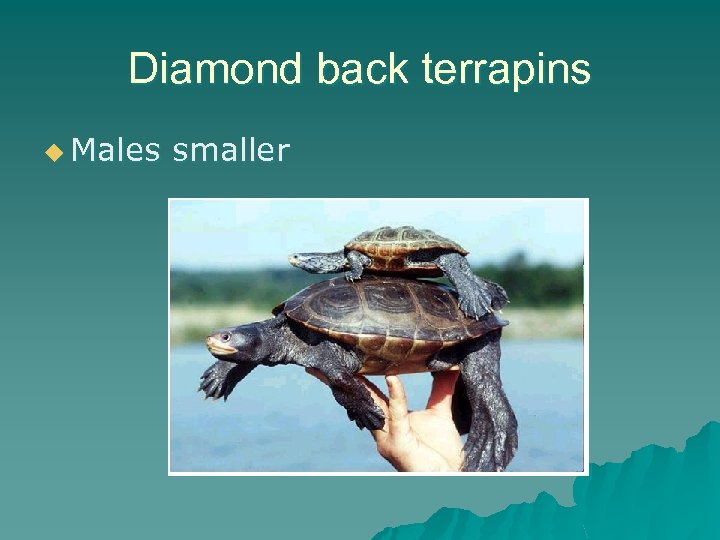 Diamond back terrapins u Males smaller
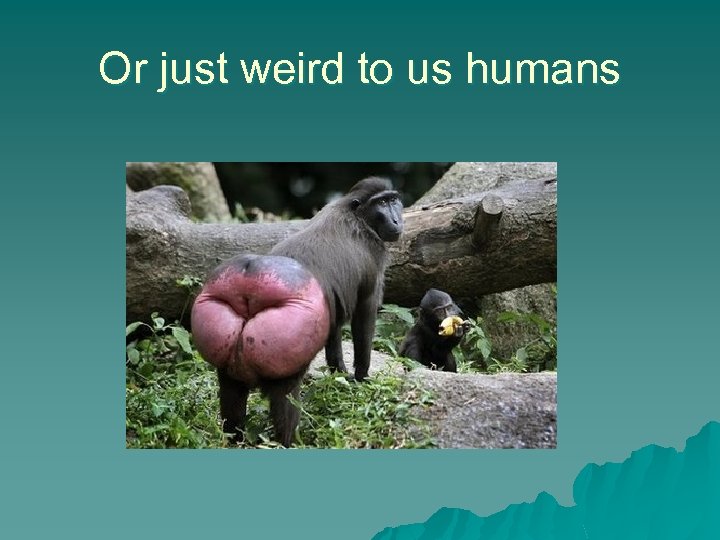 Or just weird to us humans
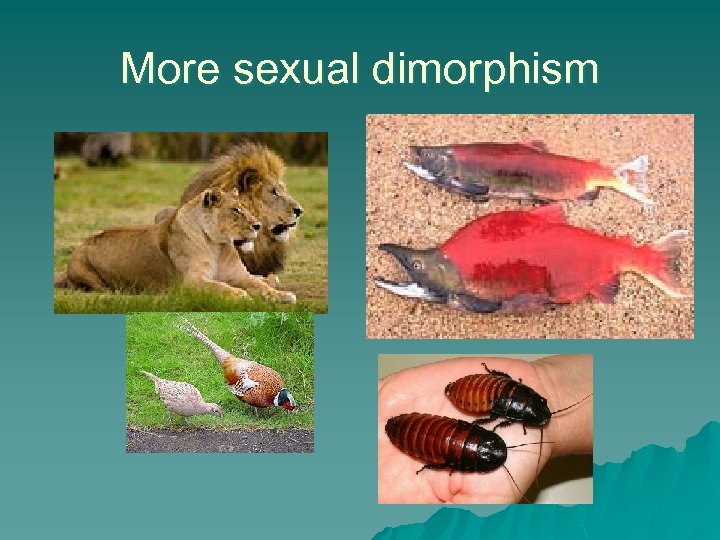 More sexual dimorphism
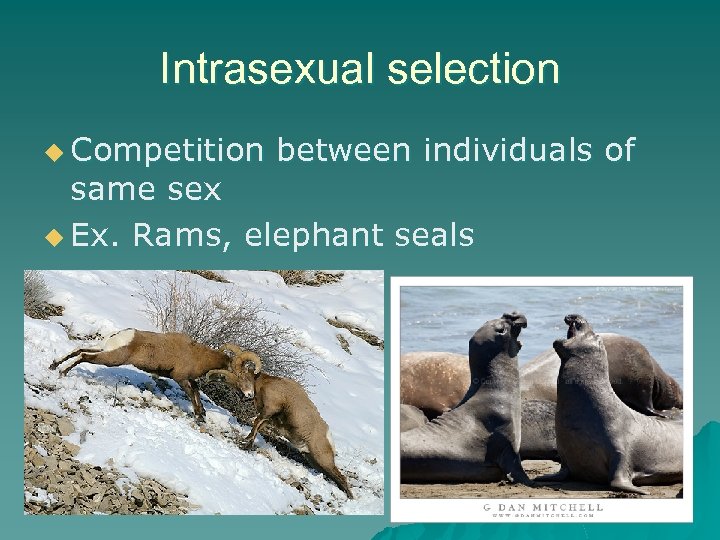 Intrasexual selection u Competition between individuals of same sex u Ex. Rams, elephant seals
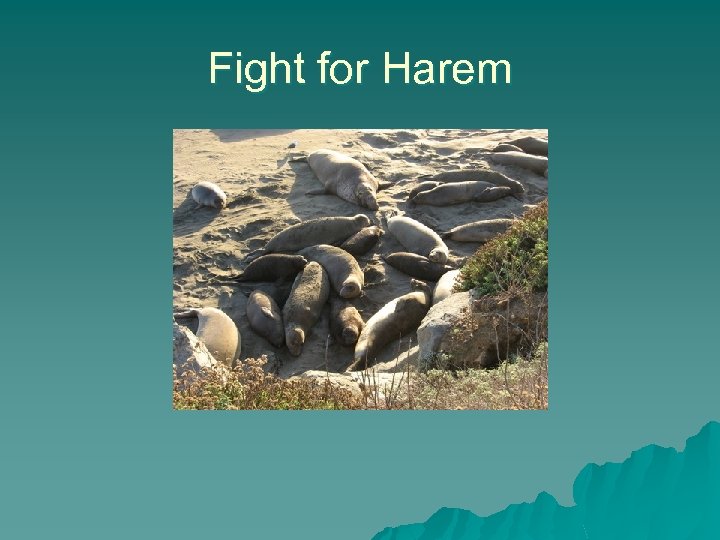 Fight for Harem
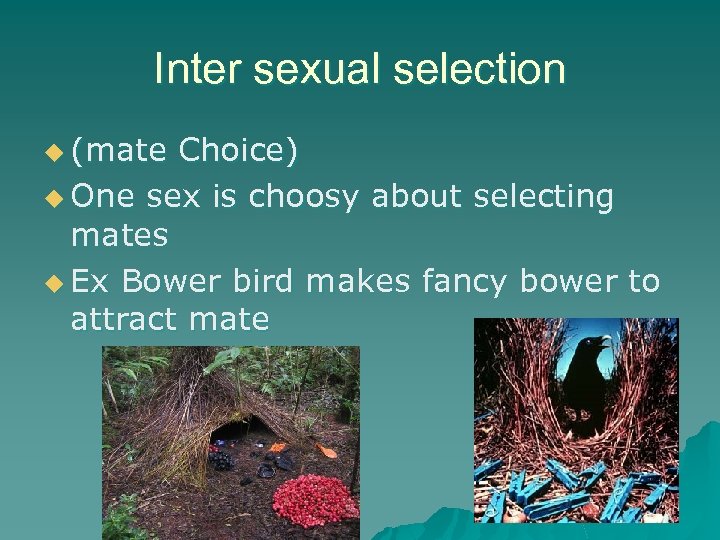 Inter sexual selection u (mate Choice) u One sex is choosy about selecting mates u Ex Bower bird makes fancy bower to attract mate