


 Скачать презентацию Generations Quiz What do you
2016, Mar 23 Generation Icons-A.pptx
- Количество слайдов: 71
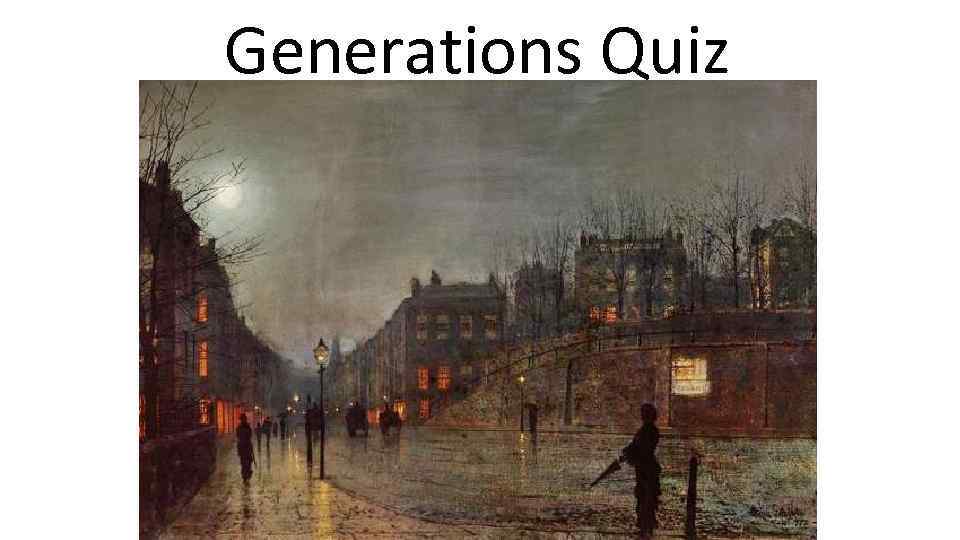 Generations Quiz
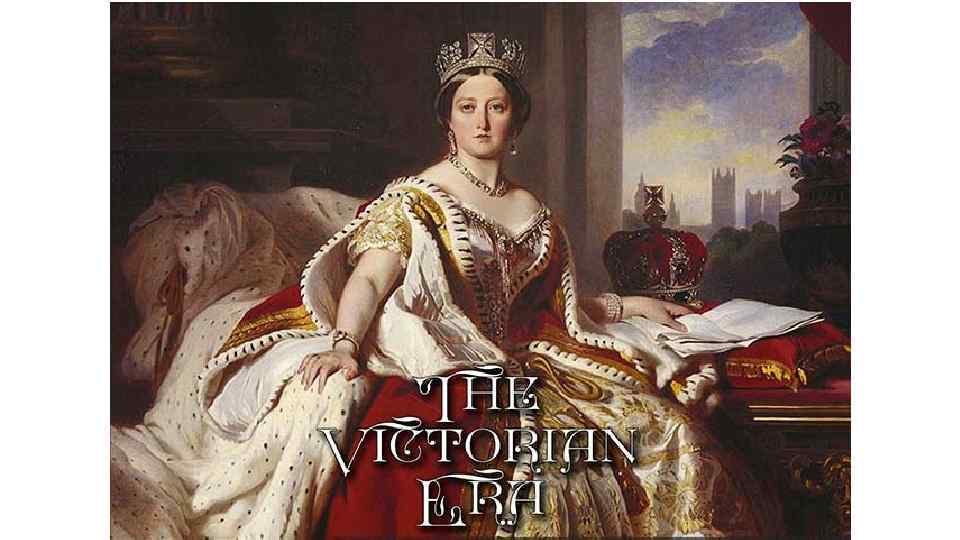
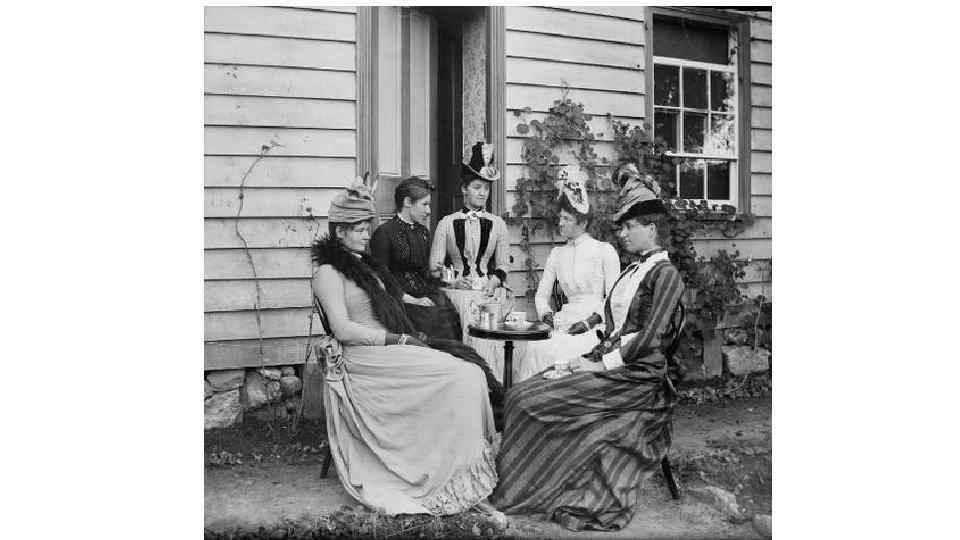
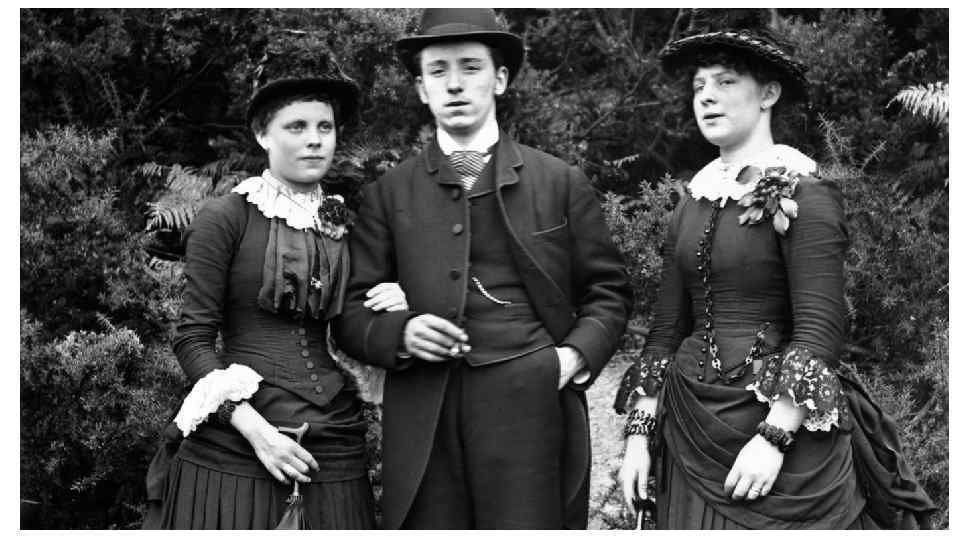
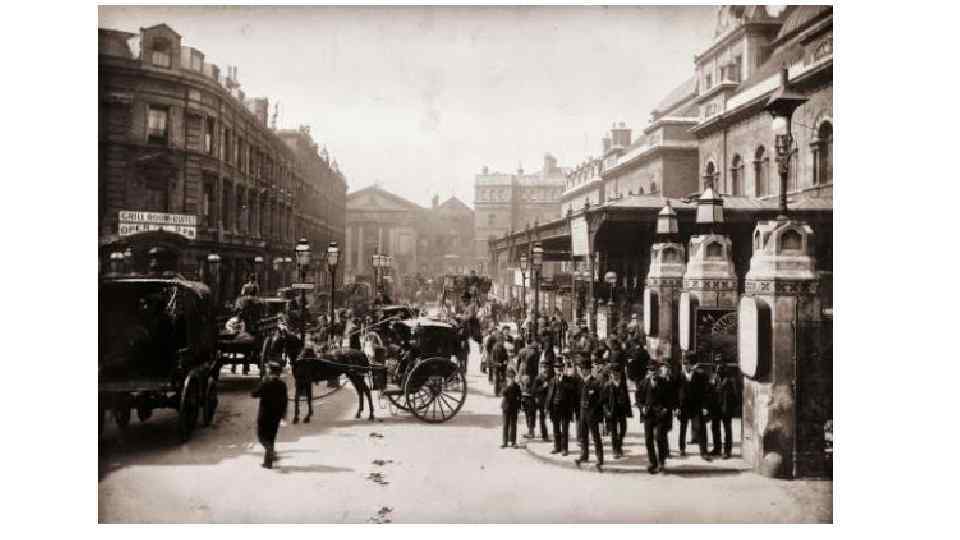
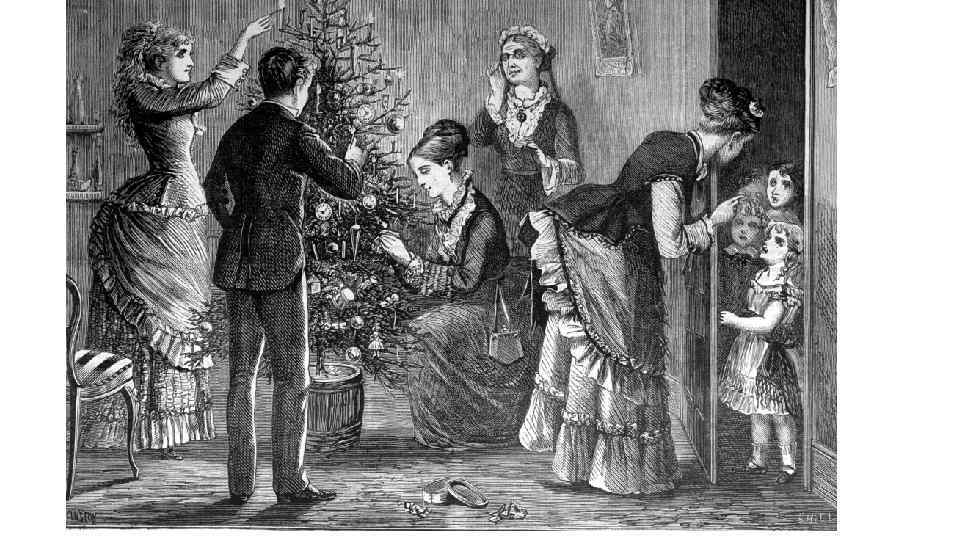
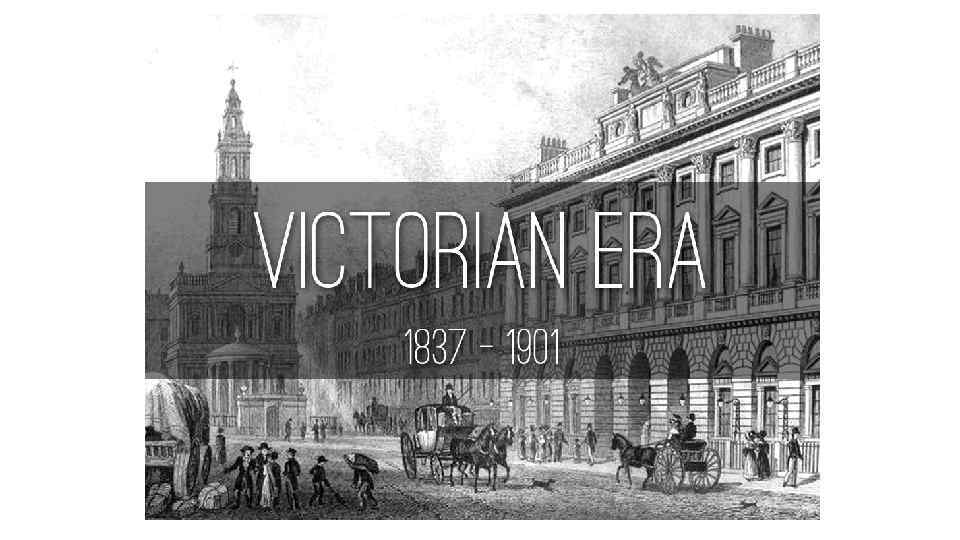
 • What do you know about Victorian Era? • Why was it so called and when it ended? • What fashion and music was popular? • What were the usual professions for the most people?
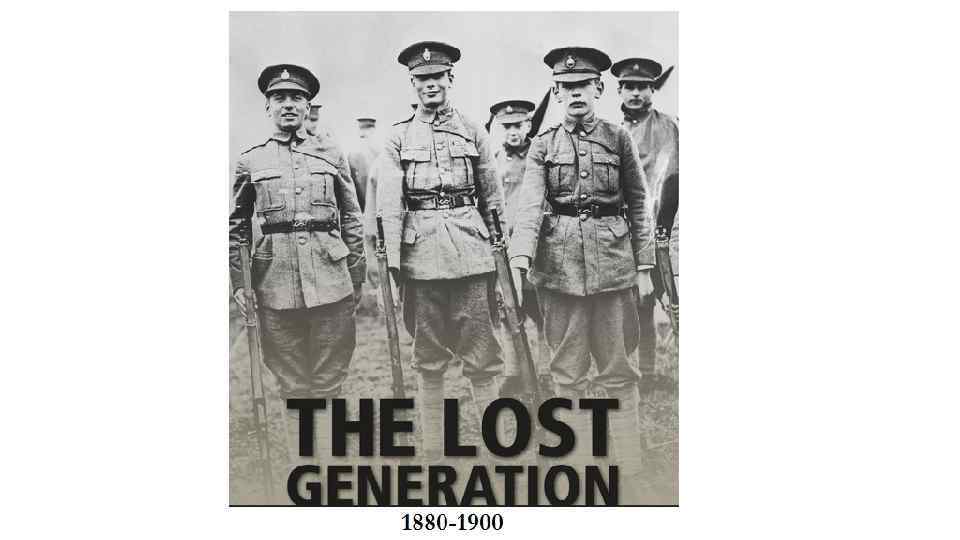
 • What events have shaped the life of the Lost Generation youth in 1901 -1920? • What people or events do you remember from this period? • What fashion and music was popular? • What were the usual professions for the most people?
 How has each of these events affected the Lost Generation and the ones after it?
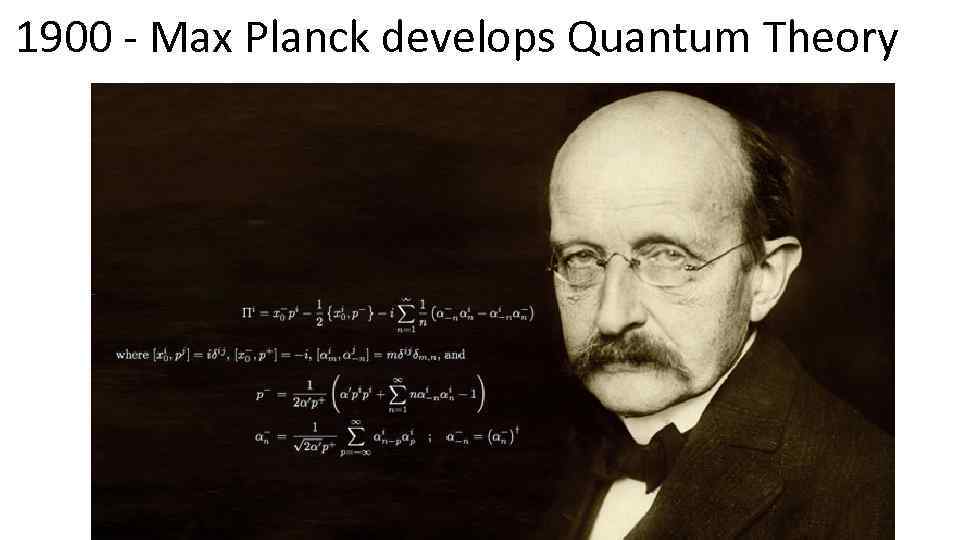 1900 - Max Planck develops Quantum Theory
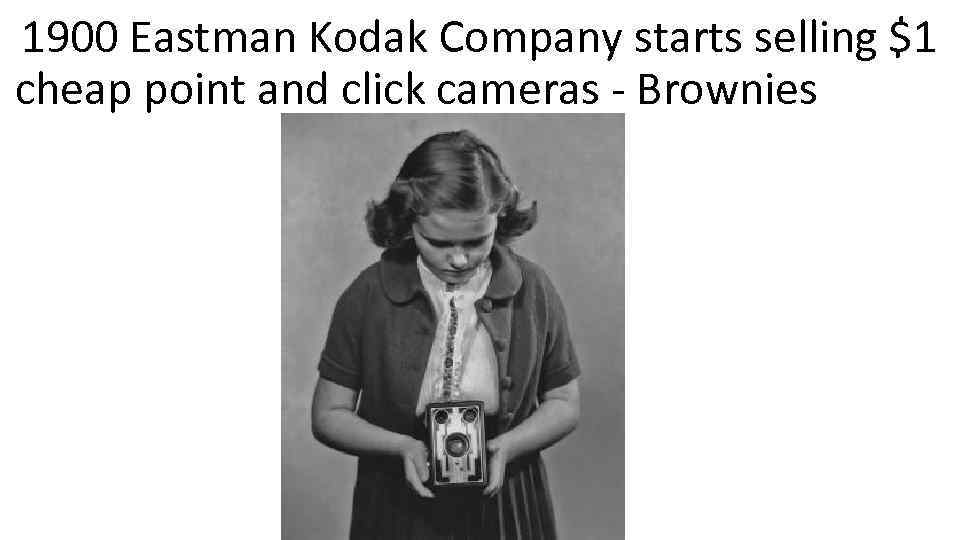 1900 Eastman Kodak Company starts selling $1 cheap point and click cameras - Brownies
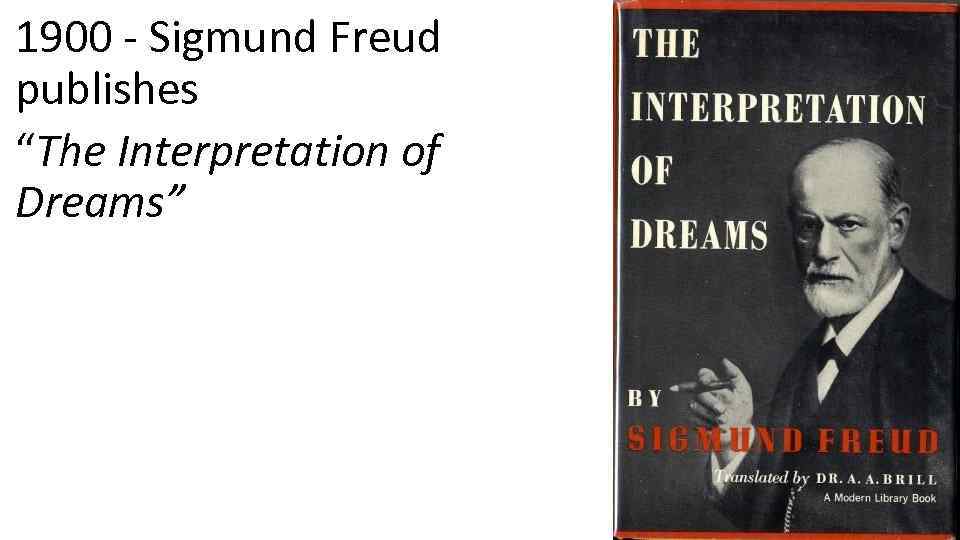 1900 - Sigmund Freud publishes “The Interpretation of Dreams”
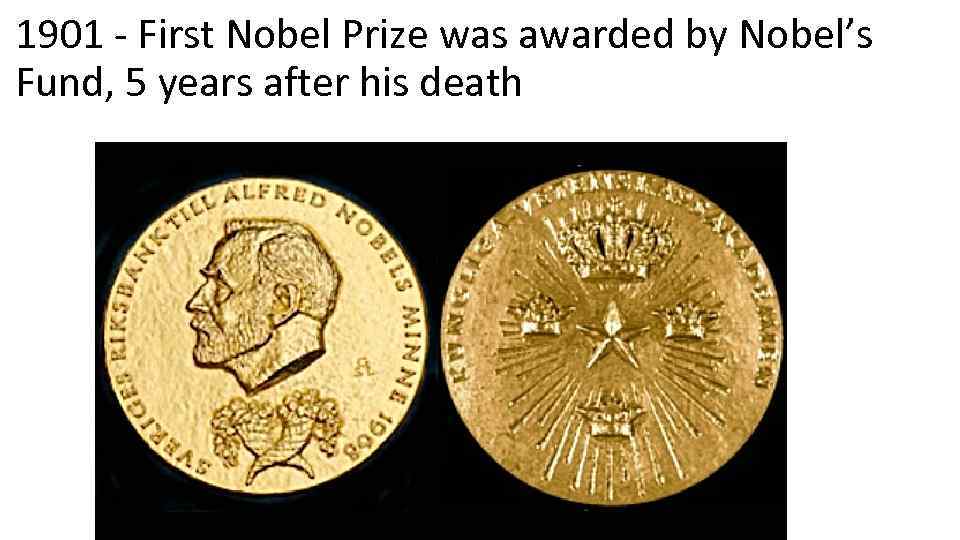 1901 - First Nobel Prize was awarded by Nobel’s Fund, 5 years after his death
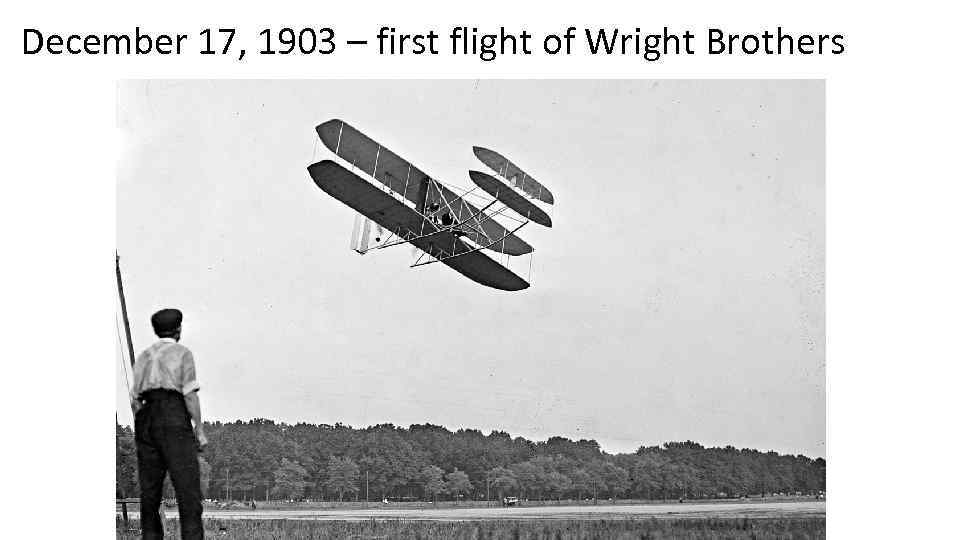 December 17, 1903 – first flight of Wright Brothers
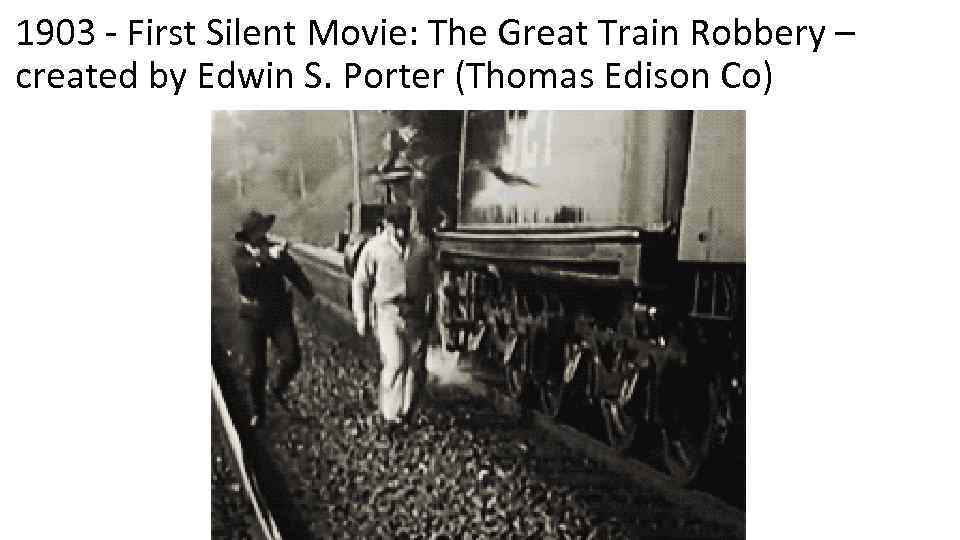 1903 - First Silent Movie: The Great Train Robbery – created by Edwin S. Porter (Thomas Edison Co)
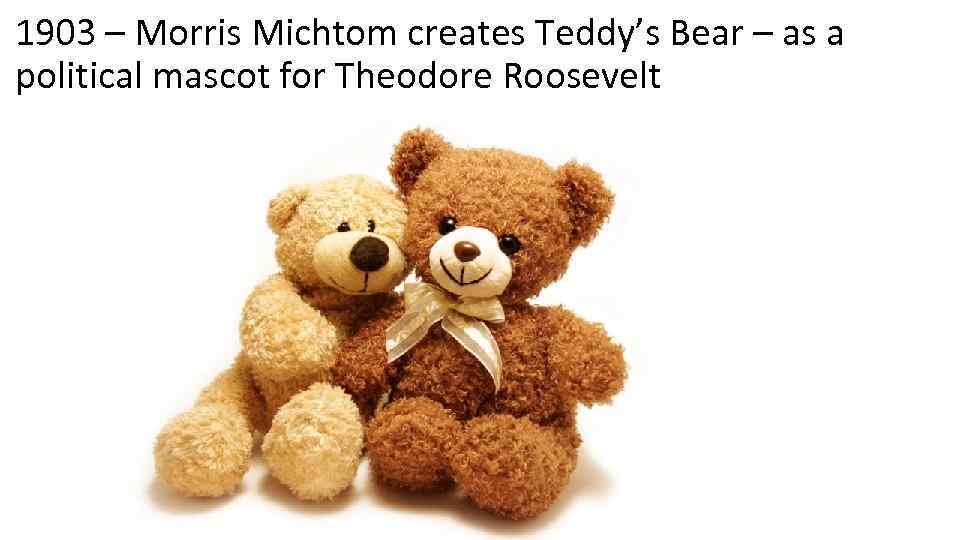 1903 – Morris Michtom creates Teddy’s Bear – as a political mascot for Theodore Roosevelt
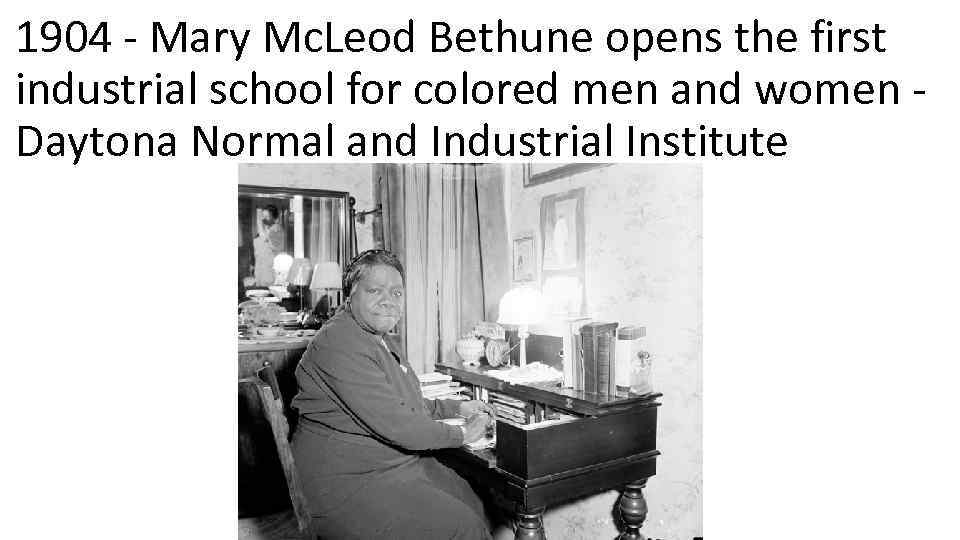 1904 - Mary Mc. Leod Bethune opens the first industrial school for colored men and women Daytona Normal and Industrial Institute
 1905 - Freud publishes “Theory of Sexuality”
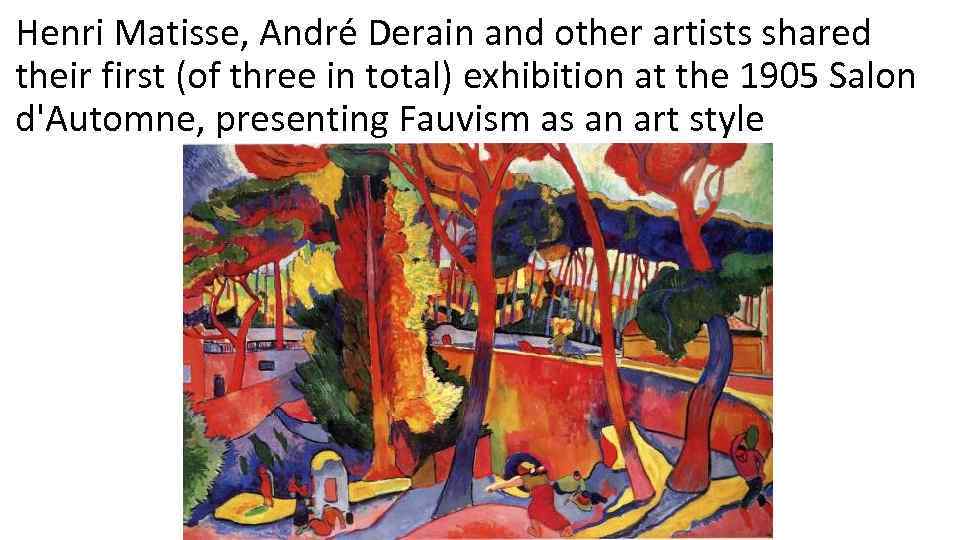 Henri Matisse, André Derain and other artists shared their first (of three in total) exhibition at the 1905 Salon d'Automne, presenting Fauvism as an art style
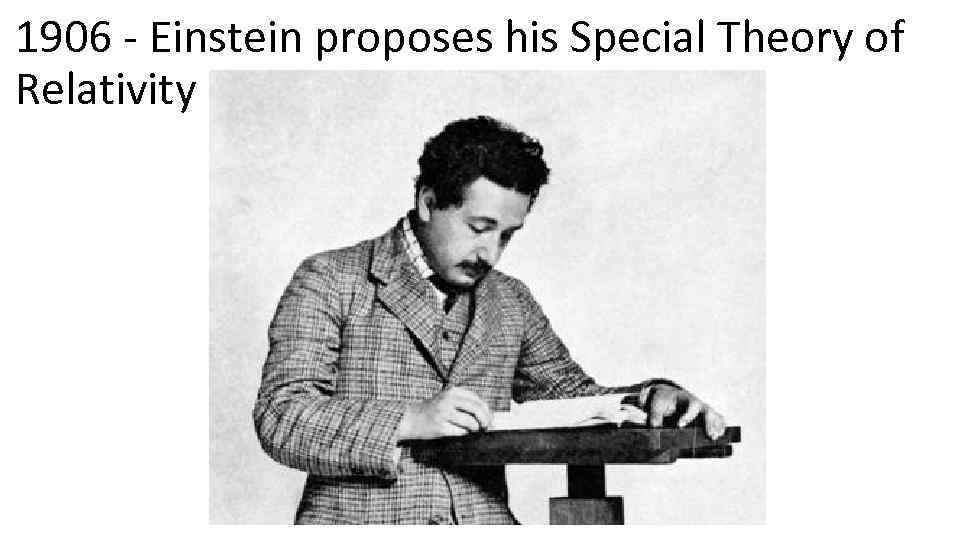 1906 - Einstein proposes his Special Theory of Relativity
 1906 - Teddy Roosevelt tries to simplify spelling of 300 English words to make English easier to learn and read Enuf, tho, fantasy, plow, honor, center, rhyme/rime, blest/blessed
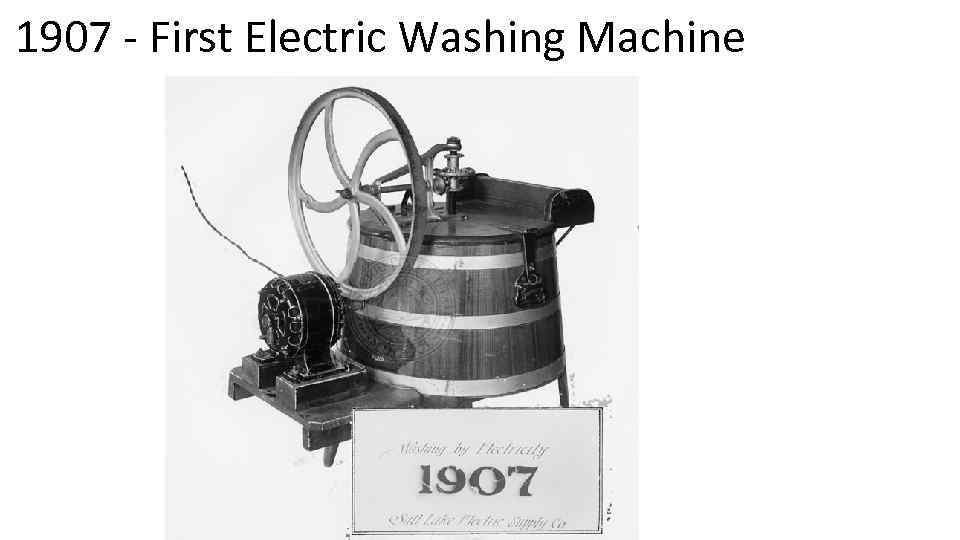 1907 - First Electric Washing Machine
 1907 - Ten Rules of War Established at the Second Hague Peace Conference, which regulated: • The sequences of starting and ending the conflict and the rights of those participating • Rights of the prisoners of war • Duties and rights of neutral parties • Prohibited a list of weapons as unnecessarily traumatizing (light land mines).
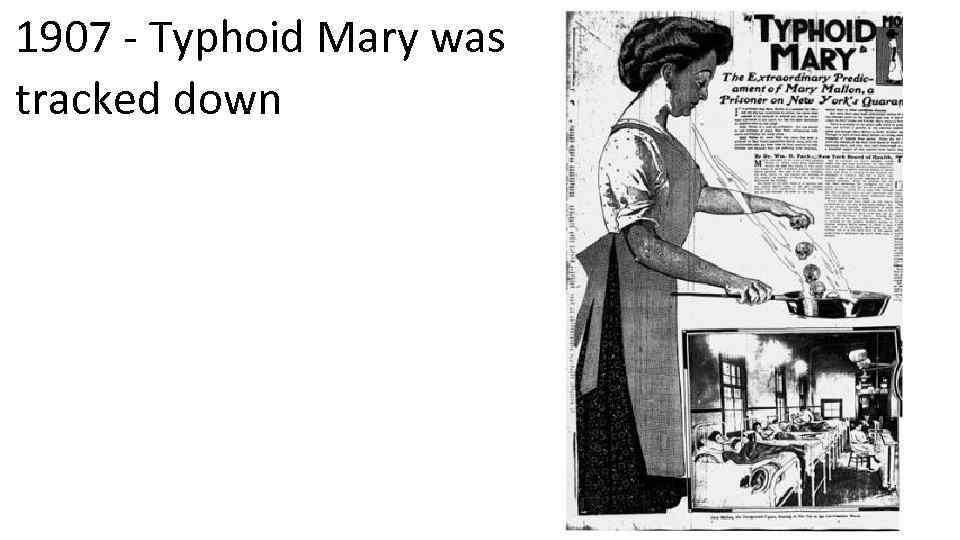 1907 - Typhoid Mary was tracked down
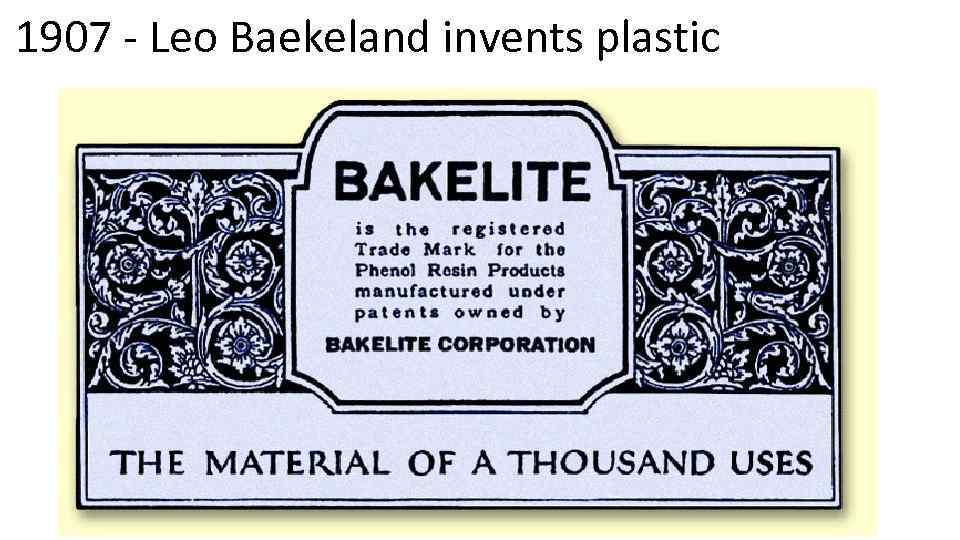 1907 - Leo Baekeland invents plastic
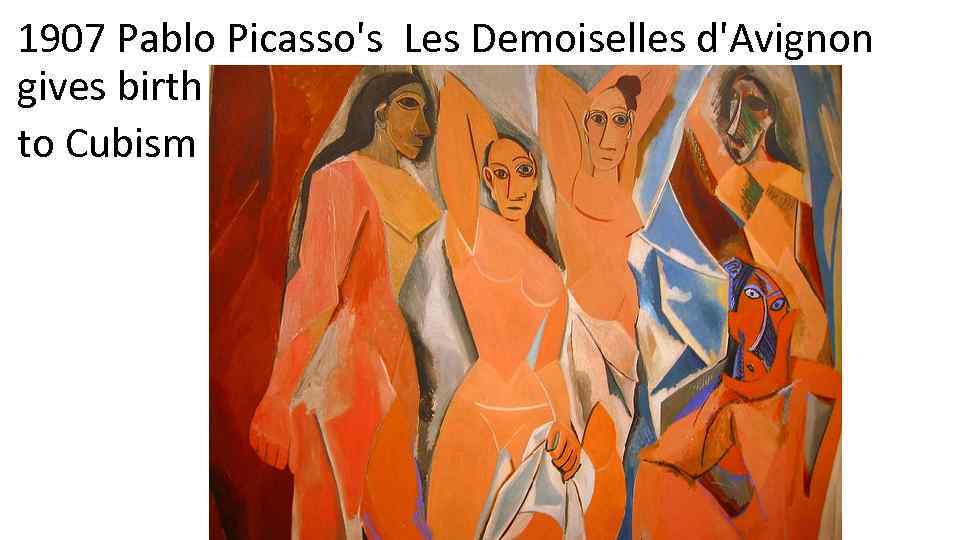 1907 Pablo Picasso's Les Demoiselles d'Avignon gives birth to Cubism
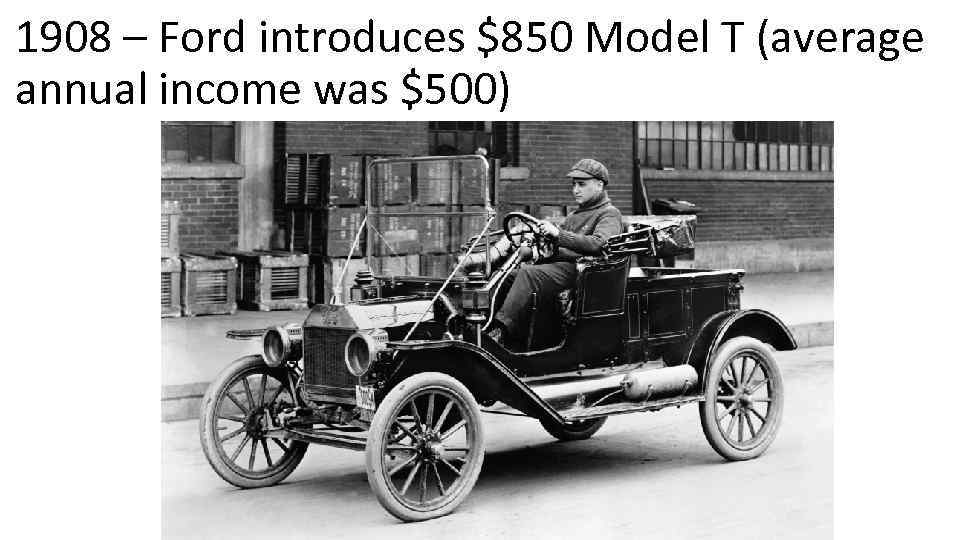 1908 – Ford introduces $850 Model T (average annual income was $500)
 1911 - Ernest Rutherford discovers the structure of atom
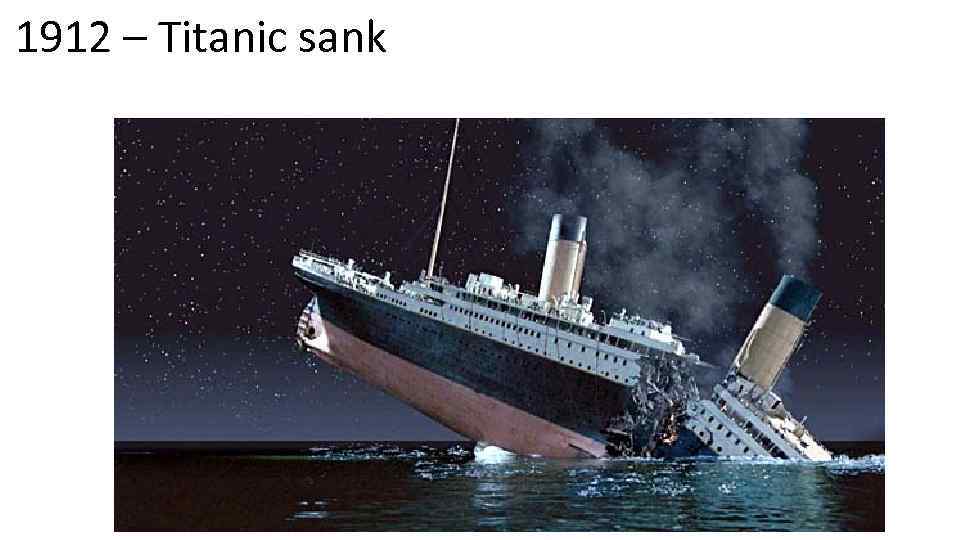 1912 – Titanic sank
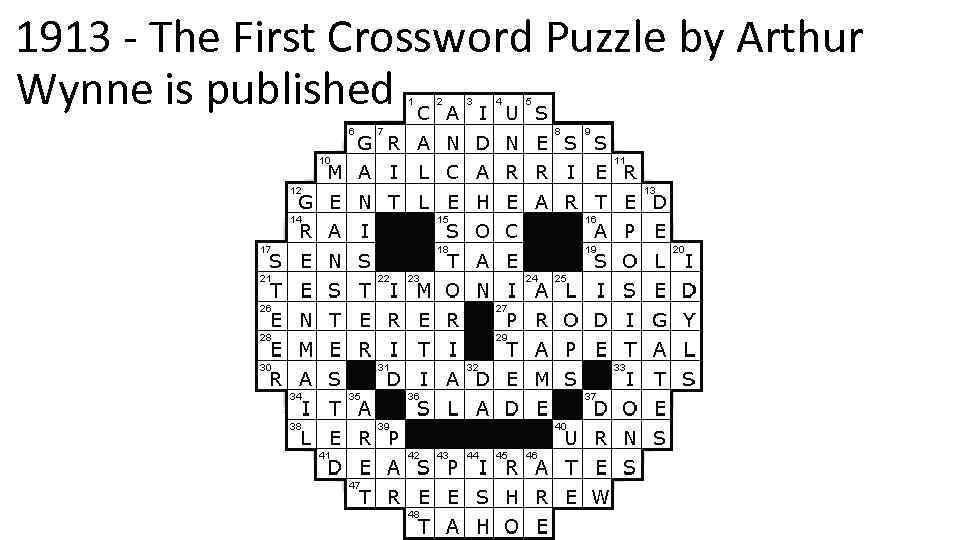 1913 - The First Crossword Puzzle by Arthur Wynne is published
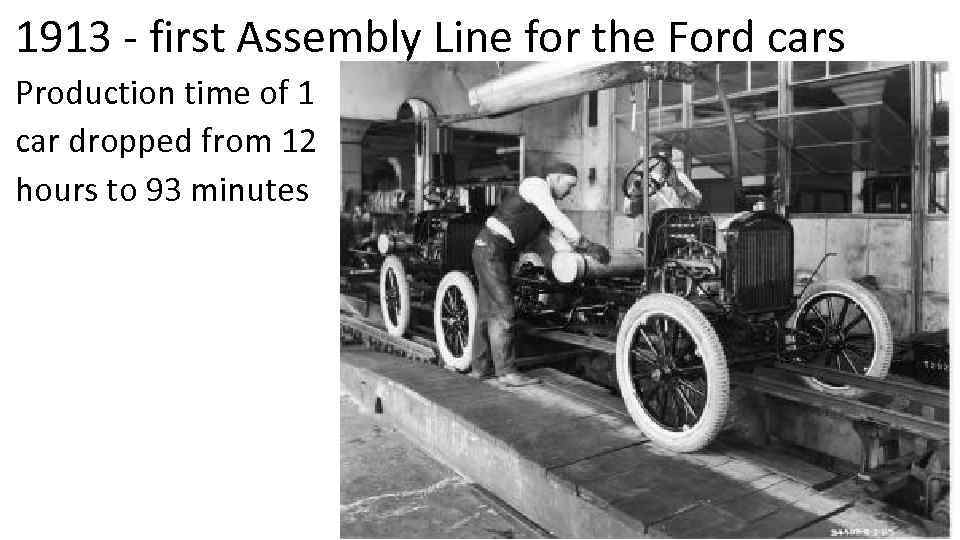 1913 - first Assembly Line for the Ford cars Production time of 1 car dropped from 12 hours to 93 minutes
 1913 – USA introduces Permanent Income Tax - person pays a portion of his income, depending on the amount of income - Before: Only people making over $600 a year were taxed - Even earlier: Tariffs – taxes on imported goods - Excise taxes – taxes on purchase of specific goods (tobacco, alcohol, gambling) ~regressive tax
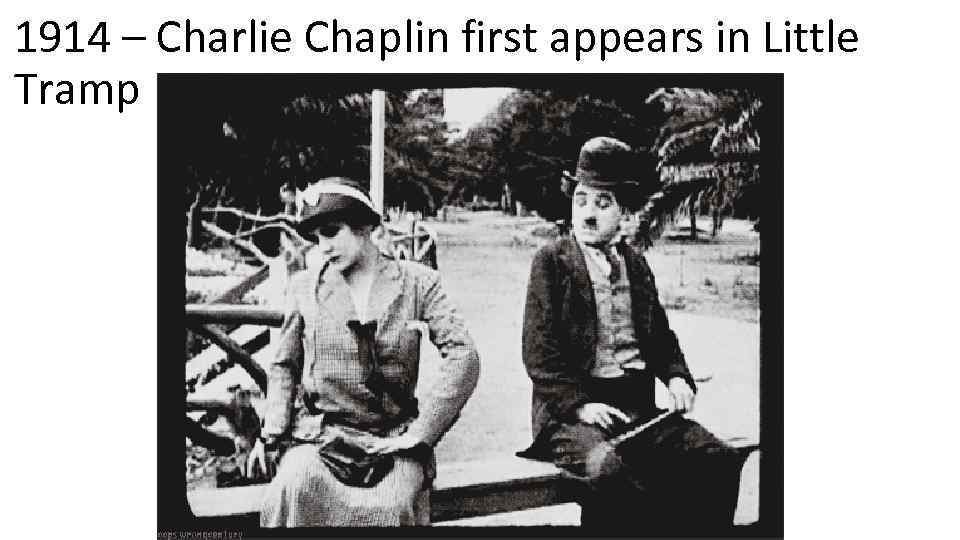 1914 – Charlie Chaplin first appears in Little Tramp
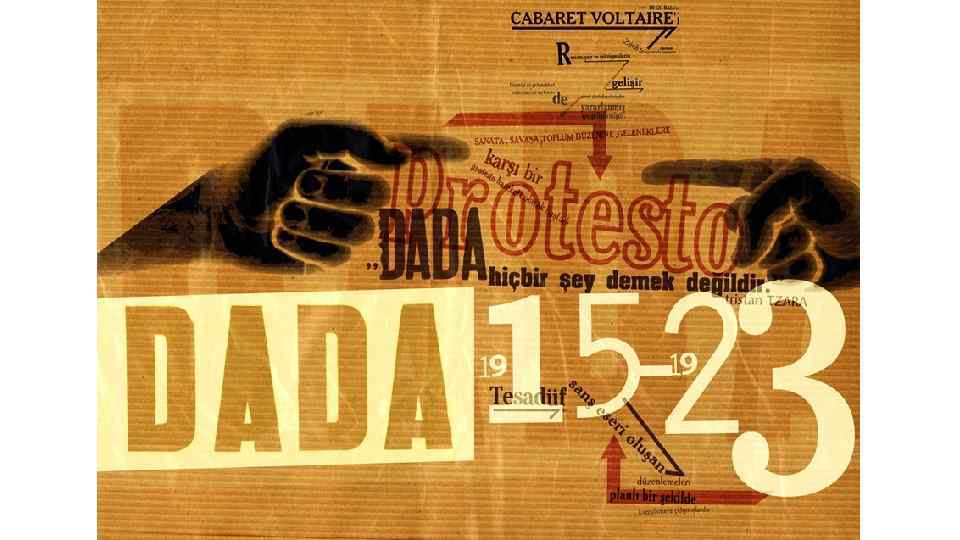
 1916 - Tristan Tzara founds Dadaism as an international anti-aesthetical movement, inspired by the WW-I and its rational cruelty, silently supported by the masses. Dadaism stands for irrational chaos, cynical attitude to arts and culture, a protest "against this world of mutual destruction”. Dadaists wanted to create a tabula rasa – erase the modern culture to build the new, humanist one on the top of it
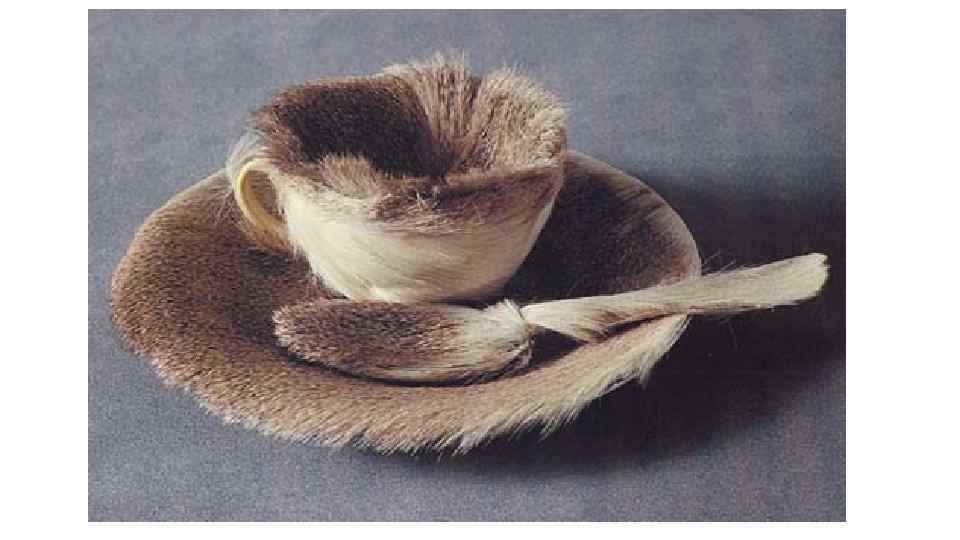
 April 30, 1916 – first Daylight Saving Time implemented Spring forward and Fall back – easy ways to remember
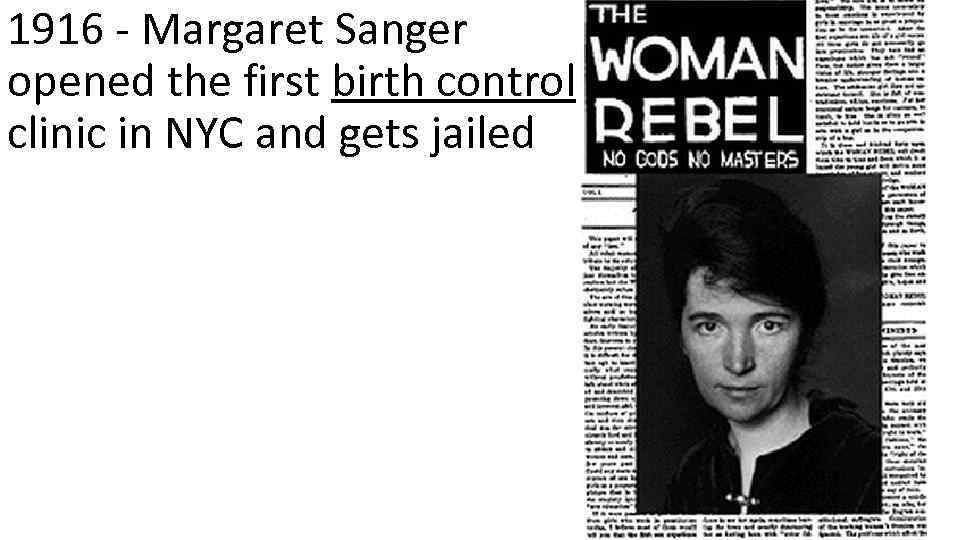 1916 - Margaret Sanger opened the first birth control clinic in NYC and gets jailed
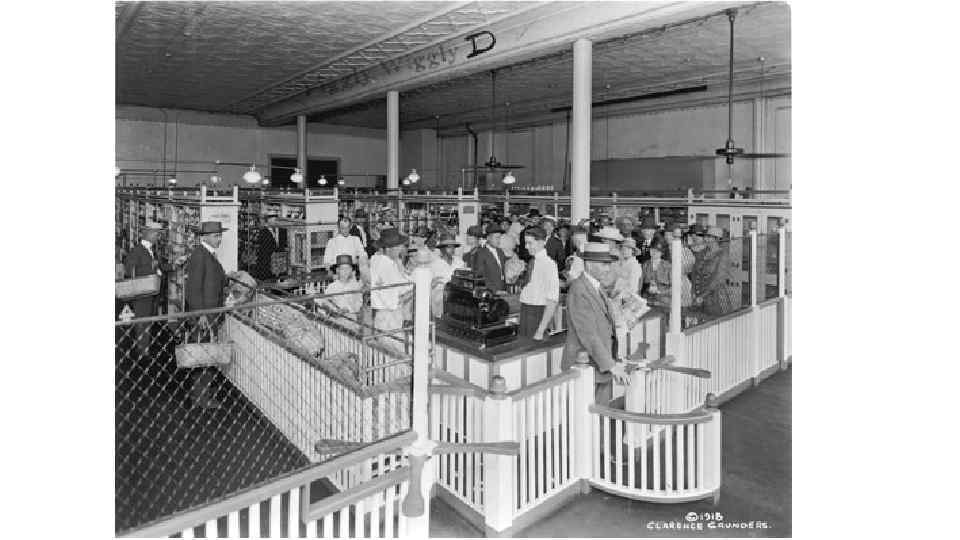
 1916 – first Self-Service Grocery Store
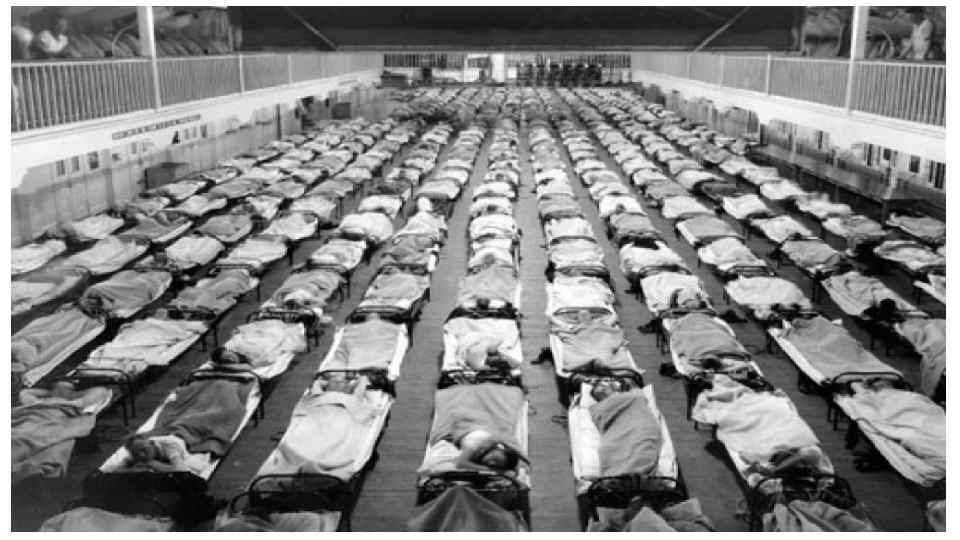
 January 1918 - The first Spanish Flu outbreak starts in Kansas It lasts for 2 years, has three waves and kills from 50 to 100 million people, around 5% world population Its severity is believed to be connected to worldwide Aspirin poisoning. Which was connected to mass sales of expired Bayer aspirin all over the world (and aspirin was more or less the only drug back then). Also the routine life during the war took its toll – and third wave started with happy kisses and hugs when soldiers finally got home after war.

 Cultural Icon
 • He was born in 1835 to the family of Scottish immigrants who settled in the USA. • Since 13 he worked at a cotton mill, then telegraph and then railroads. • During Civil War of 1861 he kept his railroad and telegraph station run and eventually bought them out
 After the Civil War he purchases his first steel plant, then his bridge company and eventually builds the largest Steel Empire in the world He was the richest person of his time and inspired the image of Scrooge Mc. Duck
 Over his life (but mostly in 20 th century) he spent 13 700 000 dollars (in modern money) on charity, science funding, opening public libraries, universities and art. It was 90% of his total capital. His charity funds and philanthropist image has given the face to modern charity and inspired generations of people to follow his example
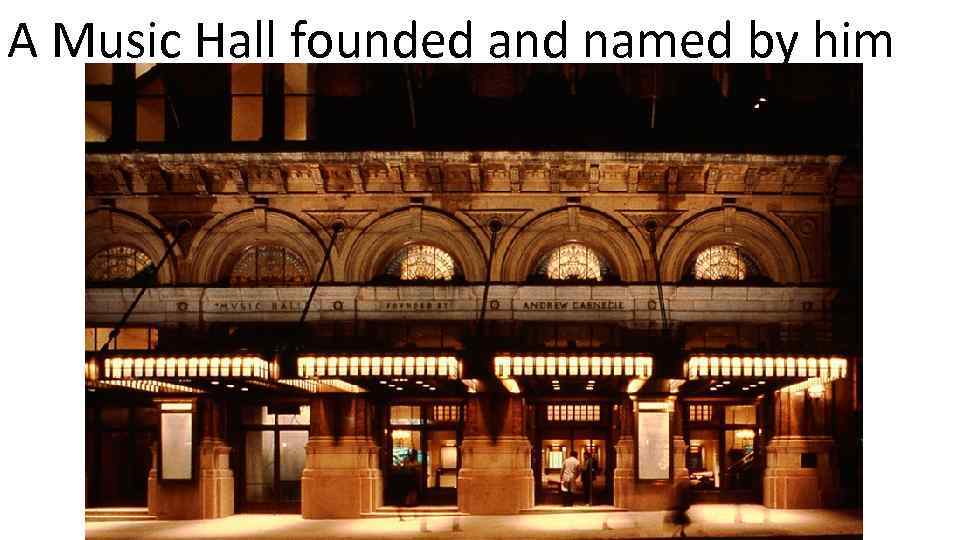 A Music Hall founded and named by him
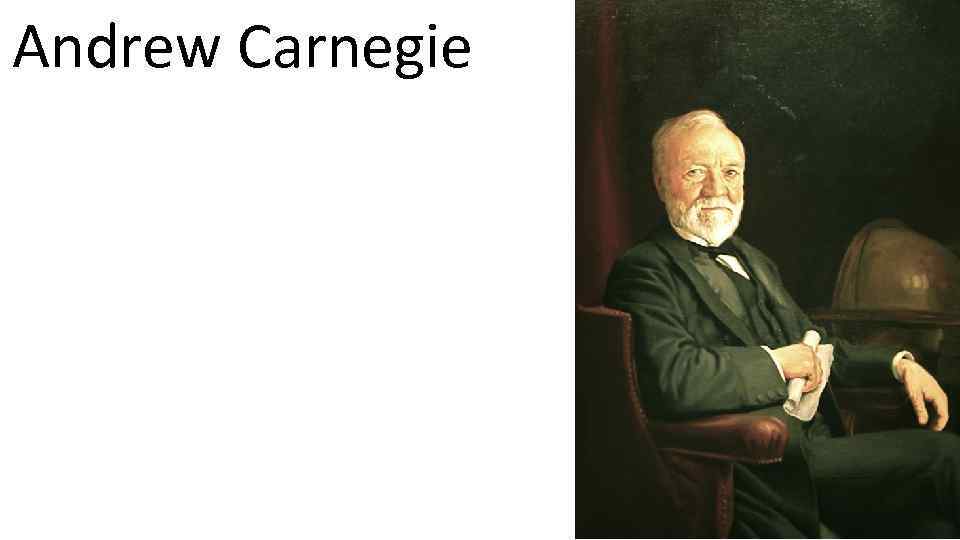 Andrew Carnegie
 • Have you ever dreamed to be as rich as Carnegie? • How would you spend the money if you had so much? • What other (crazy and not) billionaires do you know?
 • Why do you think the rich people spend money for charity? • What other people who devoted their life or most of the money to the charity do you know? • Do you think Andrew Carnegie is a binding role model for a successful businessmen?

 Invention of the century
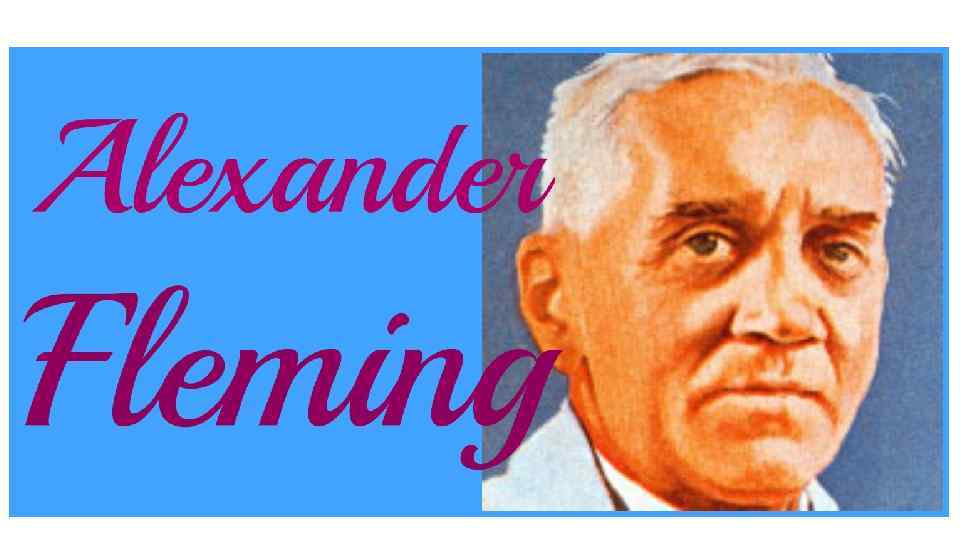
 • He was born on a farm in Scotland in 1881 • Fought in World War I as a captain in the Royal Army Medical Corps • Was knighted for his achievement in medicine made back in 1928, which saved billions of lives
 • There is a popular urban legend that he saved Winston Churchill’s life in WW-2 (in 1943) • There is another popular urban legend that his father saved the same Winston Churchill and this way won a free education for his son
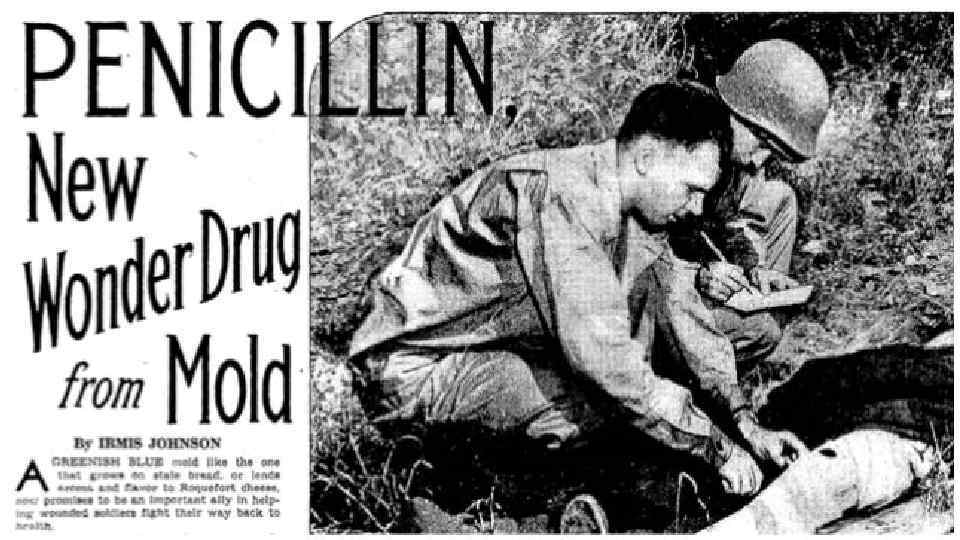
 • What did people use before antibiotics to cure the illnesses? • Have you ever tried any folk medicine recipe or treatment? Did it work? • Do you prefer pills or folk medicine these days, why?
 • What medications do you use? • Do you ever use penicillin, why? • What other important medical inventions do you know?

 Cultural Icon
 • She was born in 1876 to the family of a hat trader in Netherlands • She dreamed to become a kindergarten teacher and even started to study for it, but never finished
 • She got married in 1895 through a newspaper ‘Wife needed’ column • Her husband was a Dutch Army Captain called Rudolf Mac. Leod from Skye Mac. Leods.
 • After divorce she went to work to Paris circus as horse rider and eventually as an exotic dancer and model for artists • Her stage name (the one you know her by) means “Eye of the Day”
 • She became a dancing icon by the time when in 1915 she stopped her career as a dancer and remained a top-class courtesan • She was executed by the French army for being a German spy in 1917
 • Her body and head separately was embalmed and stored in Museum of Anatomy, Paris, but both were stolen around 1954.
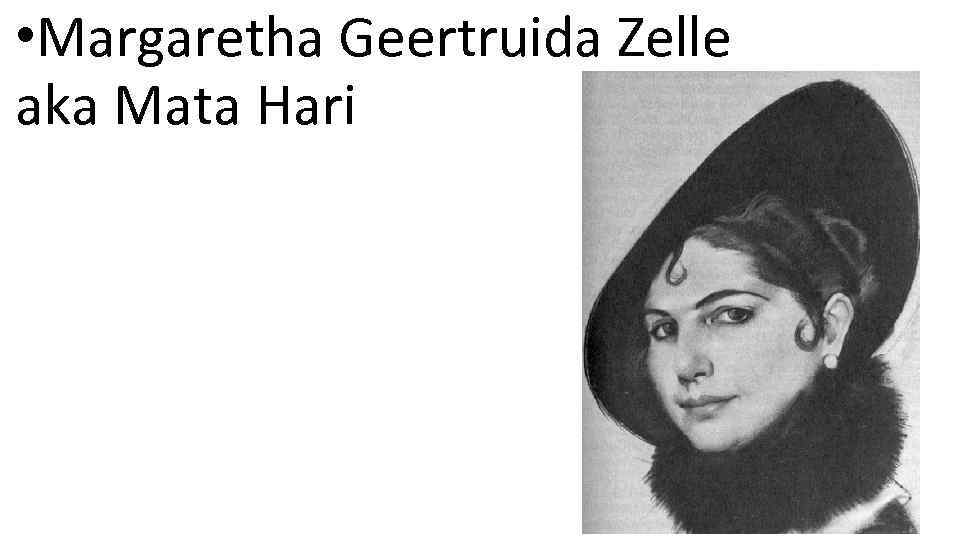 • Margaretha Geertruida Zelle aka Mata Hari
 • Have you ever dreamed of becoming a spy? • Is it normal these days to get acquainted through newspaper column? • Have you ever wanted to run away with the circus? Why?
 • How do you think the image of Mata Hari th has influenced the culture of 20 century? • Would you call her Femme Fatale, why? • Why would anyone steal the bodies of people like Hari and Lincoln?