


 Скачать презентацию Fossil Fuel Economy Current economic system is
d57cc7b26cf9777314dcfecc957c7ebe.ppt
- Количество слайдов: 109
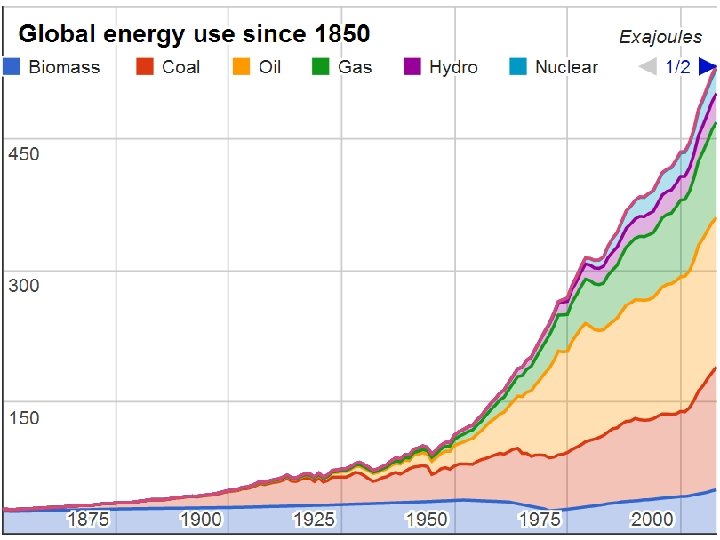
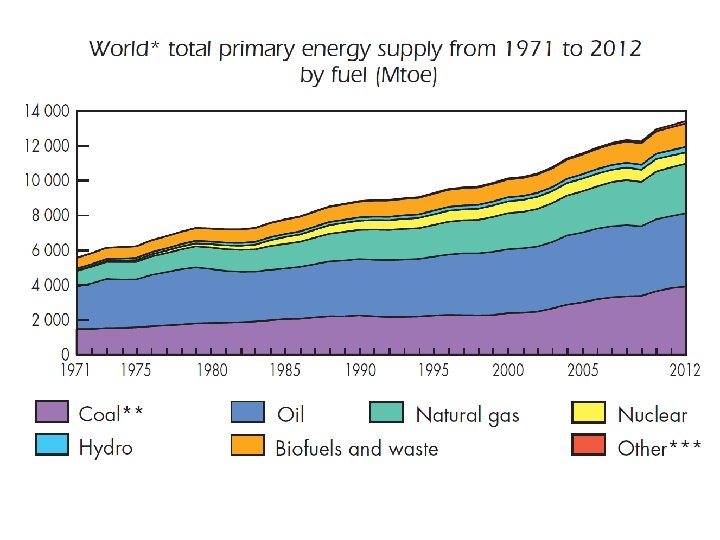
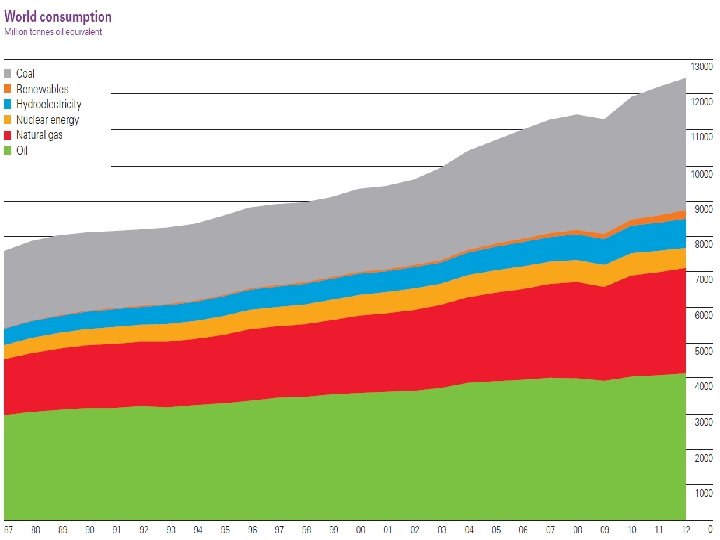
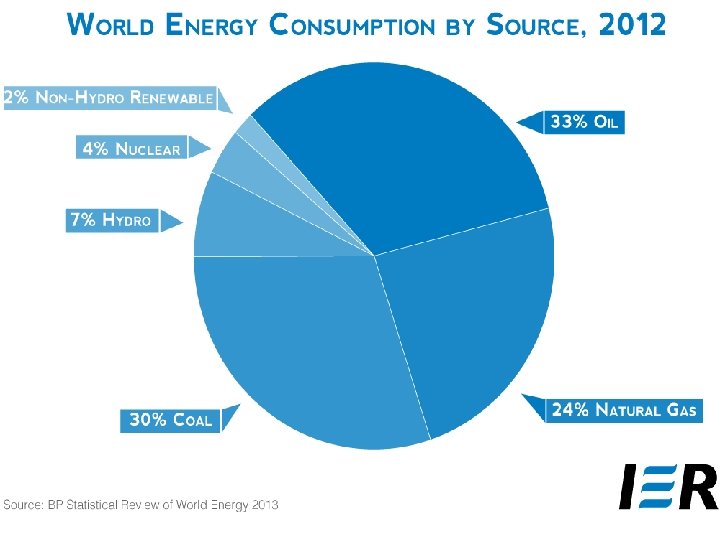
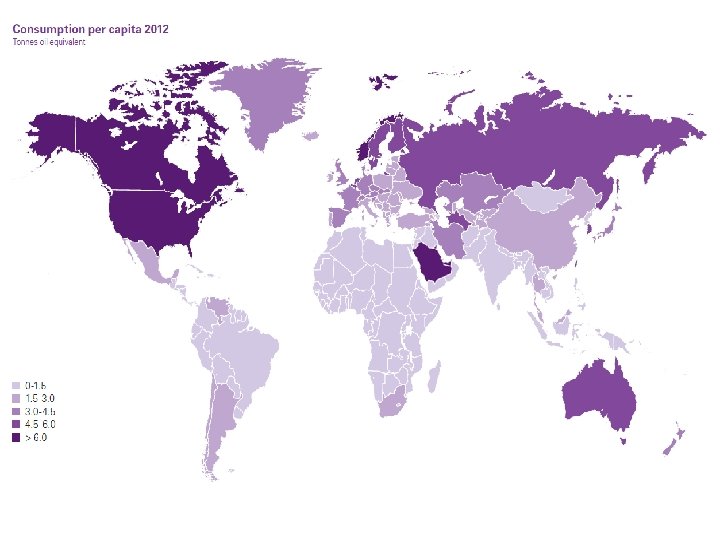
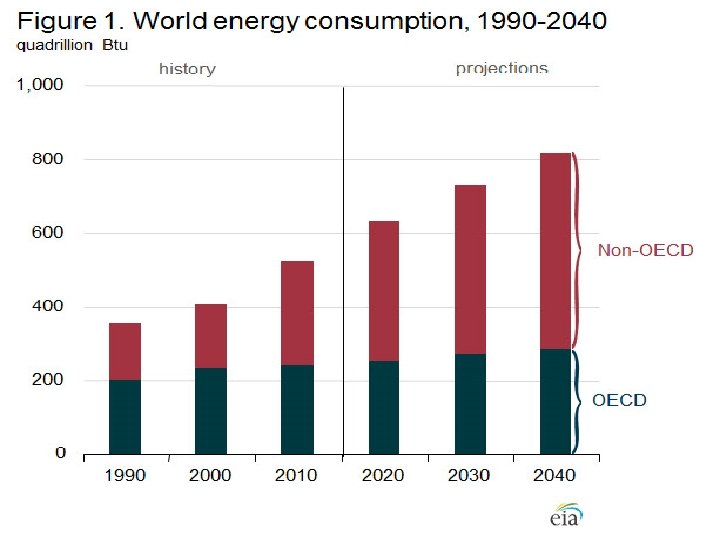
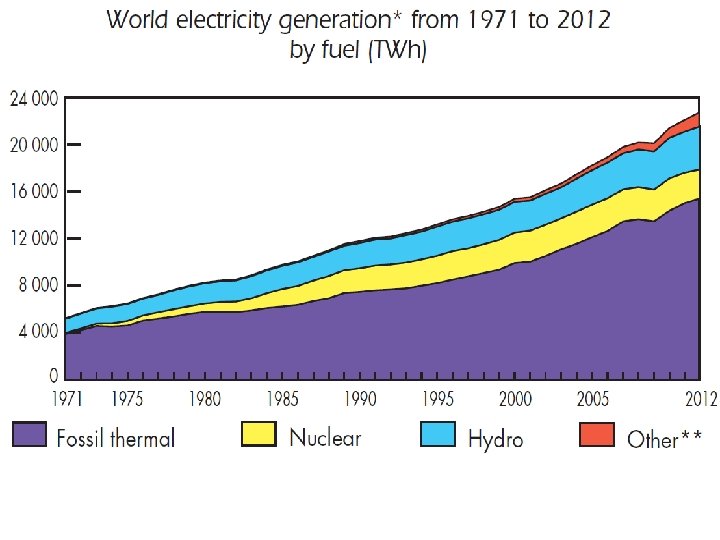
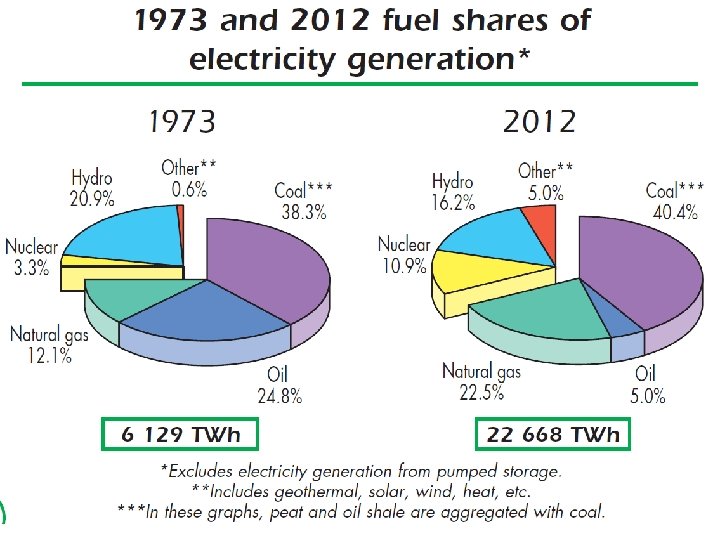
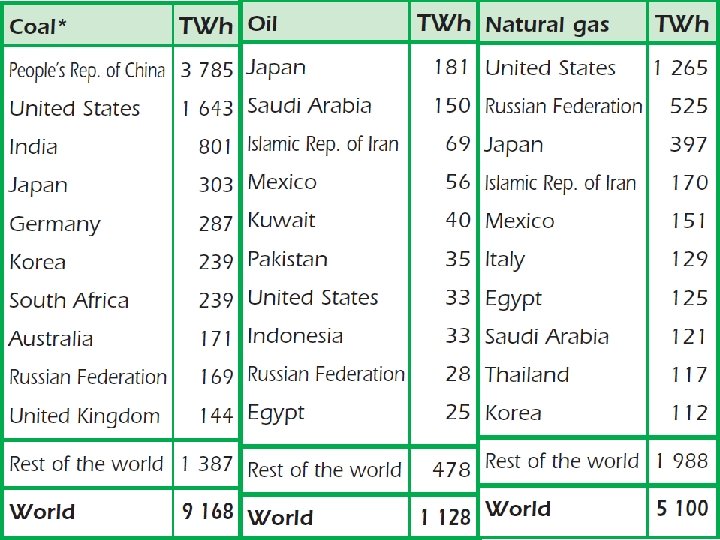
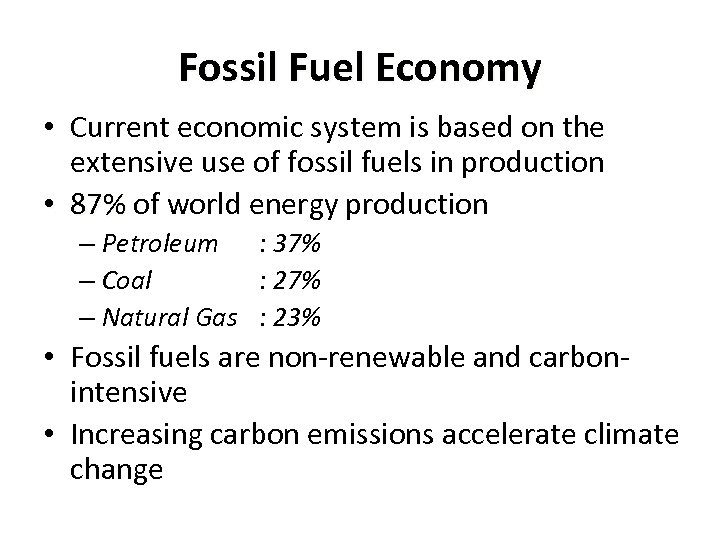 Fossil Fuel Economy • Current economic system is based on the extensive use of fossil fuels in production • 87% of world energy production – Petroleum : 37% – Coal : 27% – Natural Gas : 23% • Fossil fuels are non-renewable and carbonintensive • Increasing carbon emissions accelerate climate change
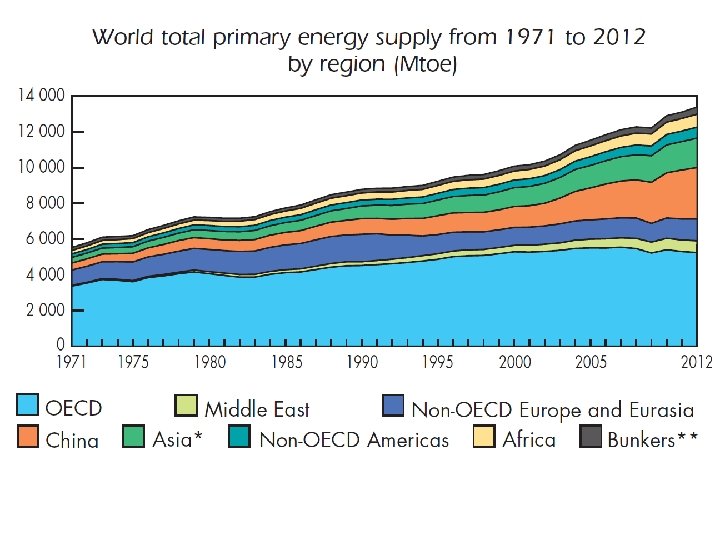
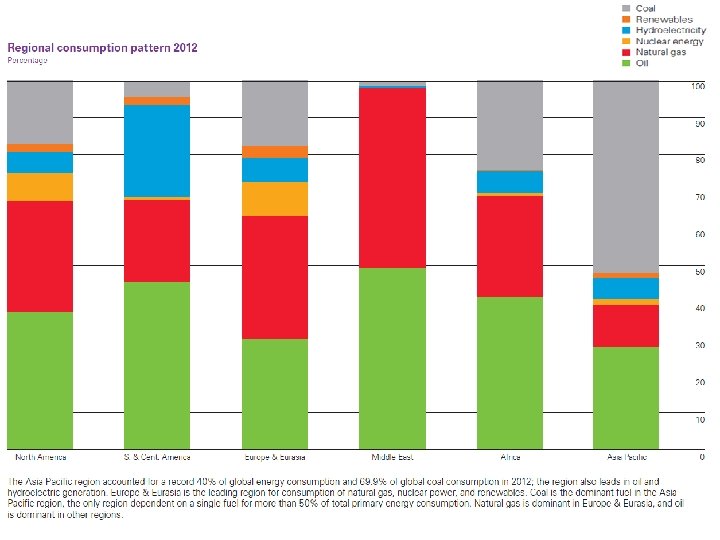
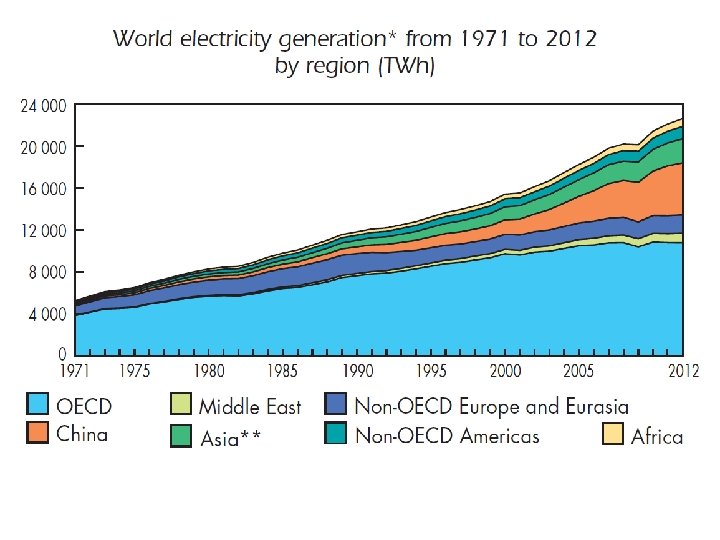
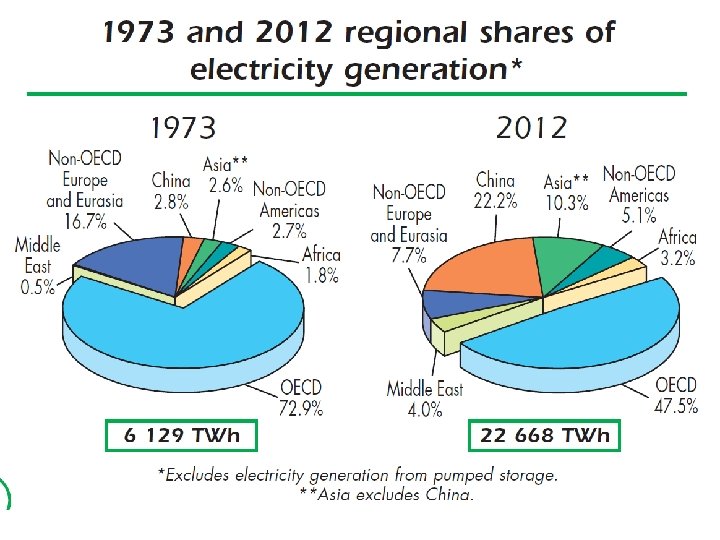
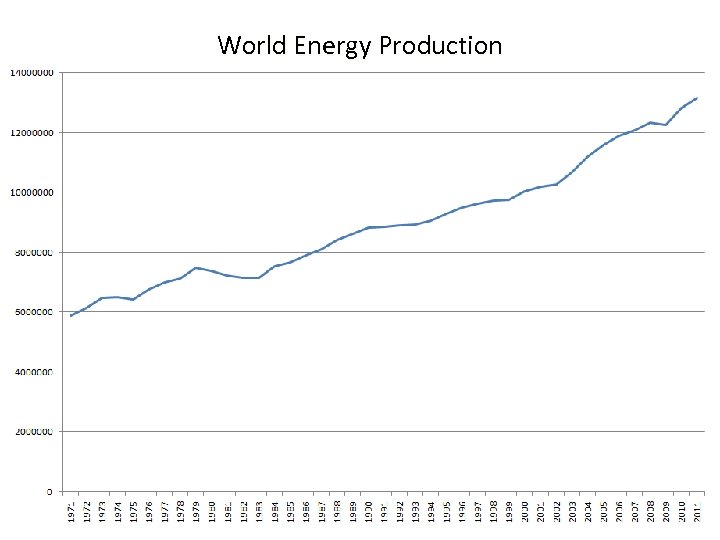 World Energy Production
 OIL
OIL
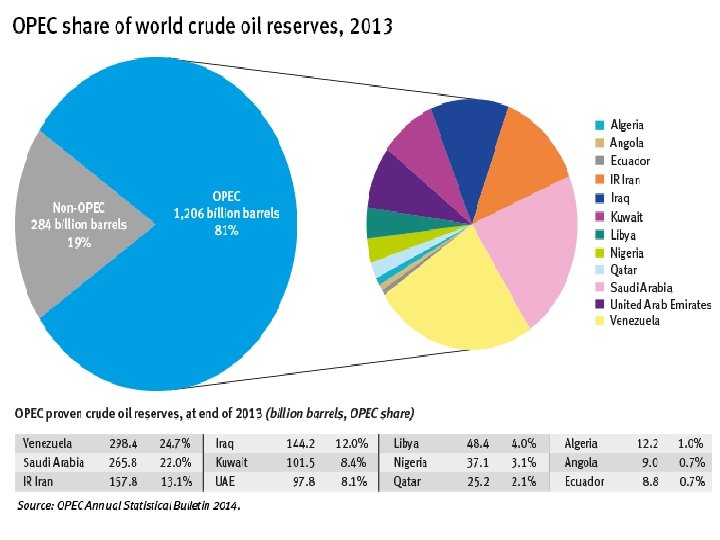
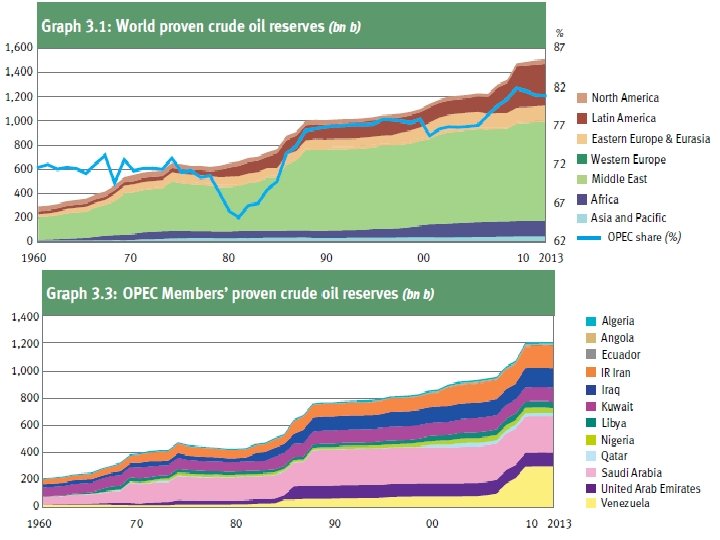
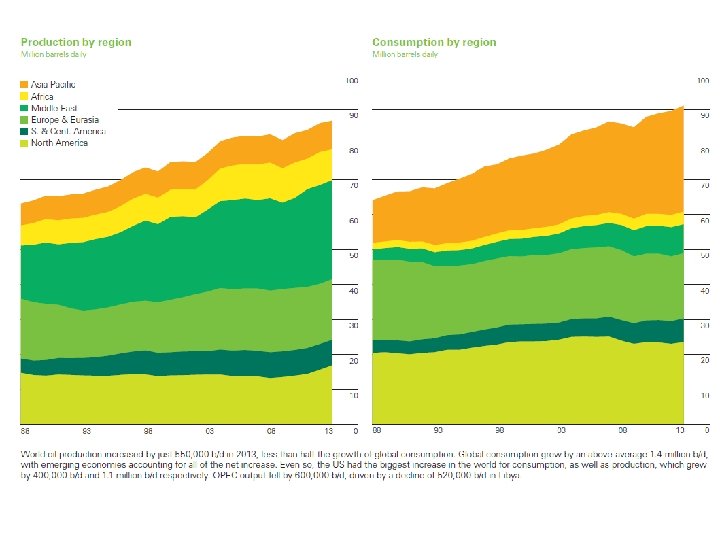
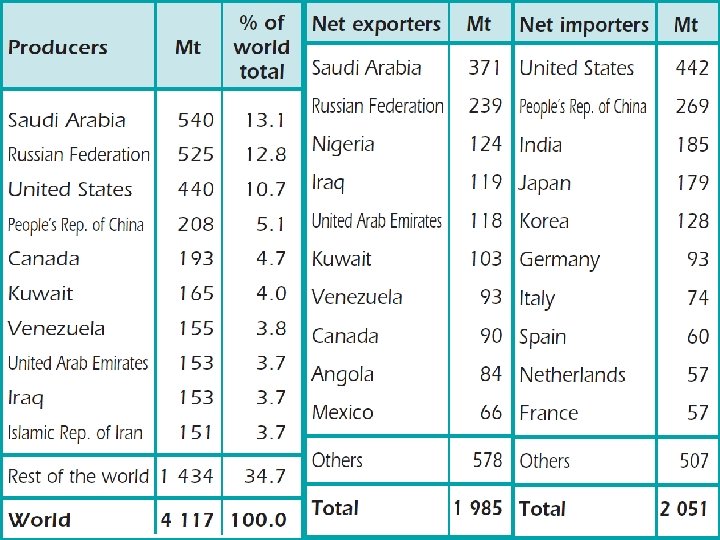
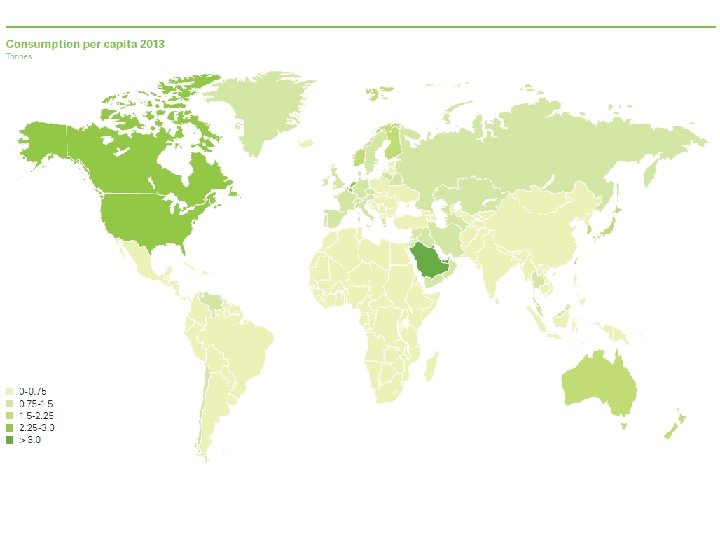
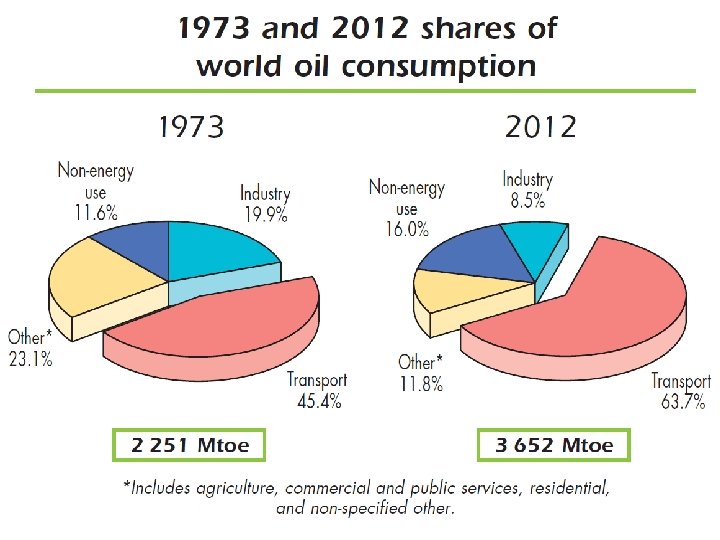
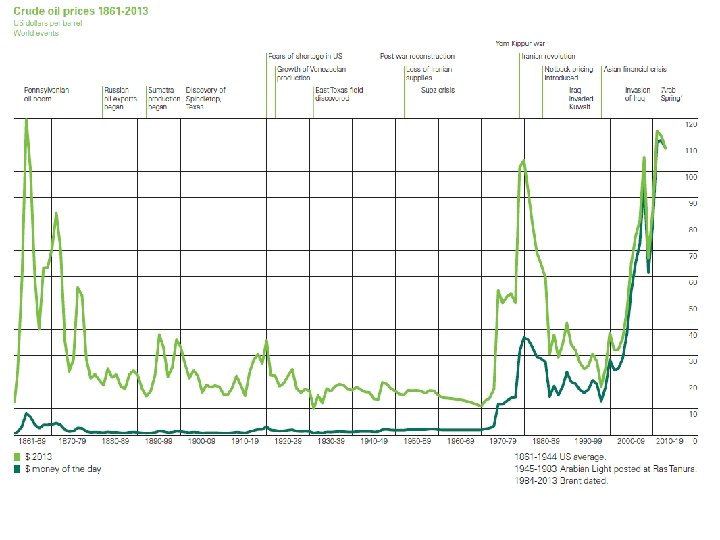
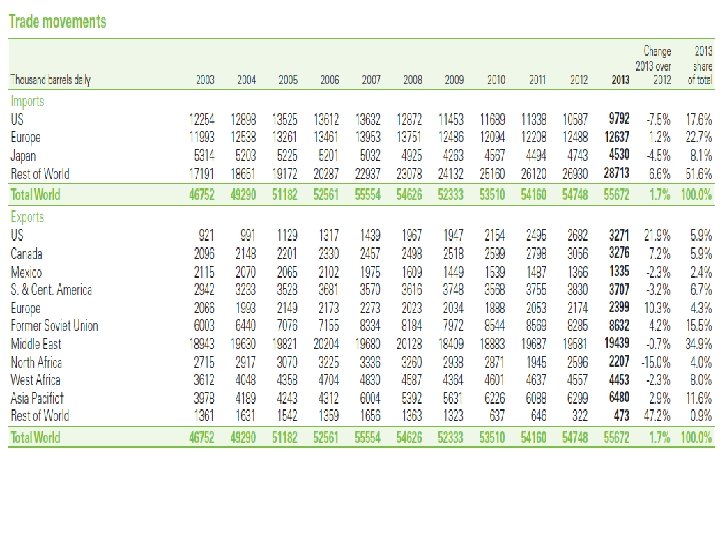
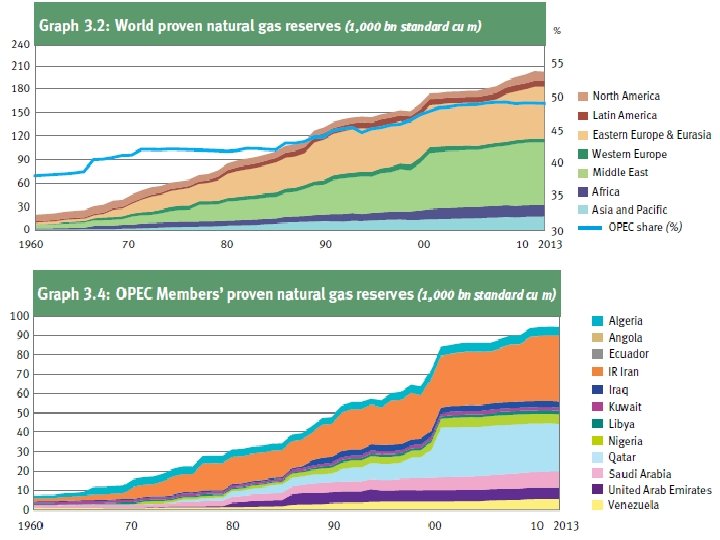
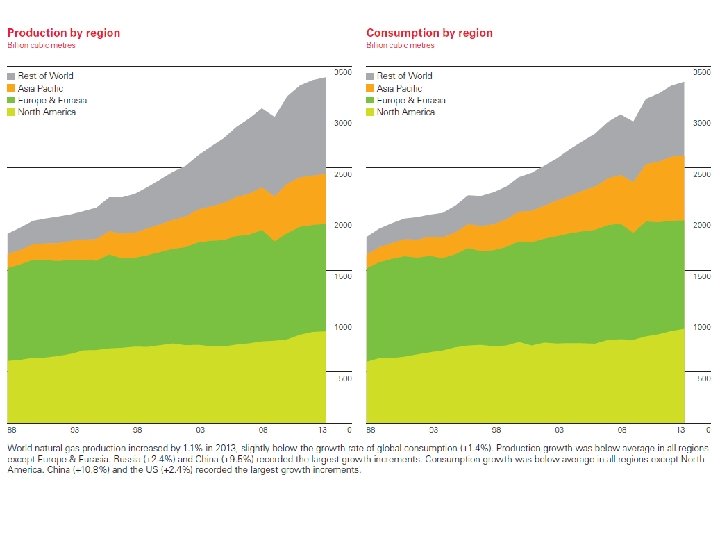
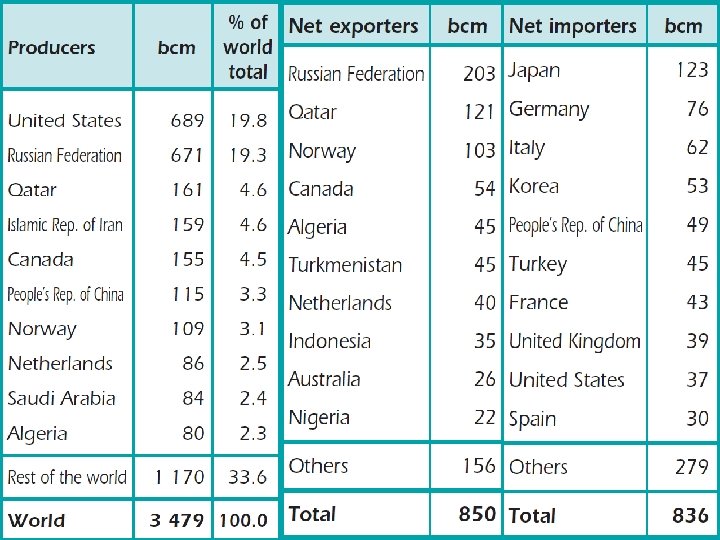
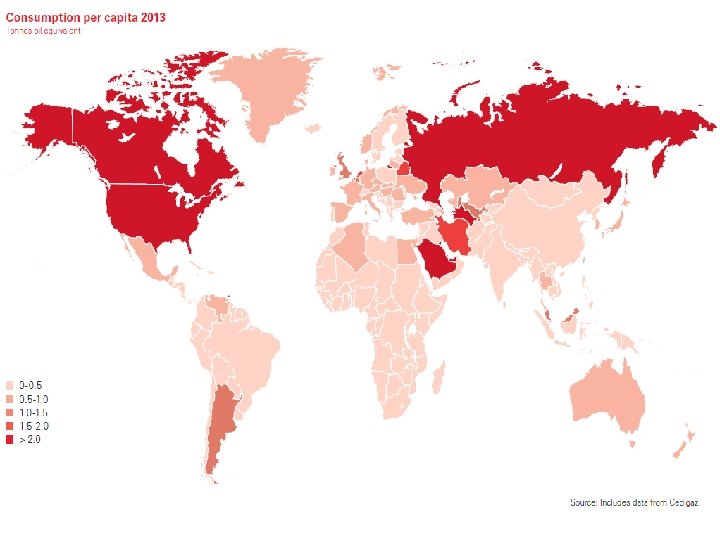
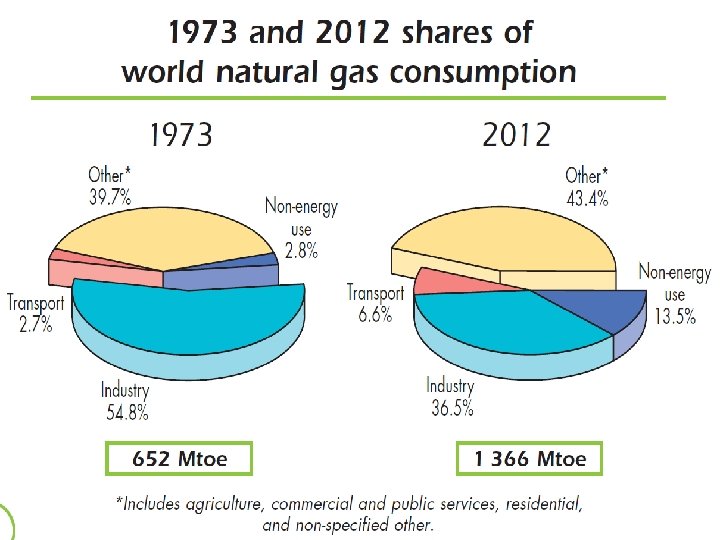
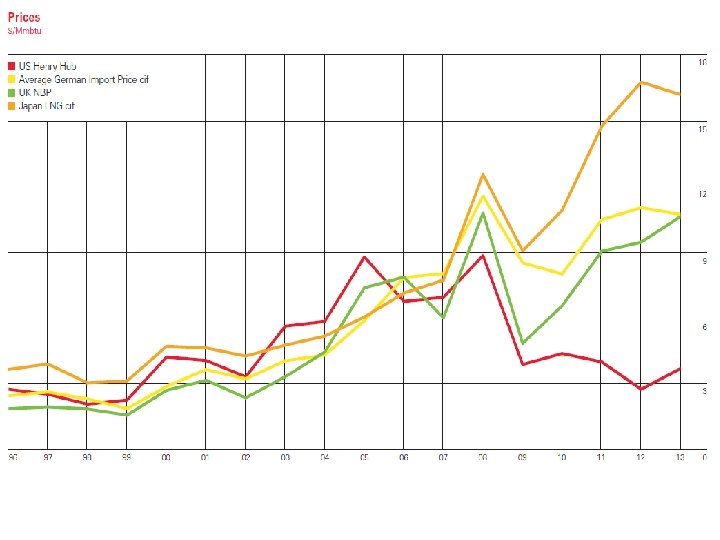
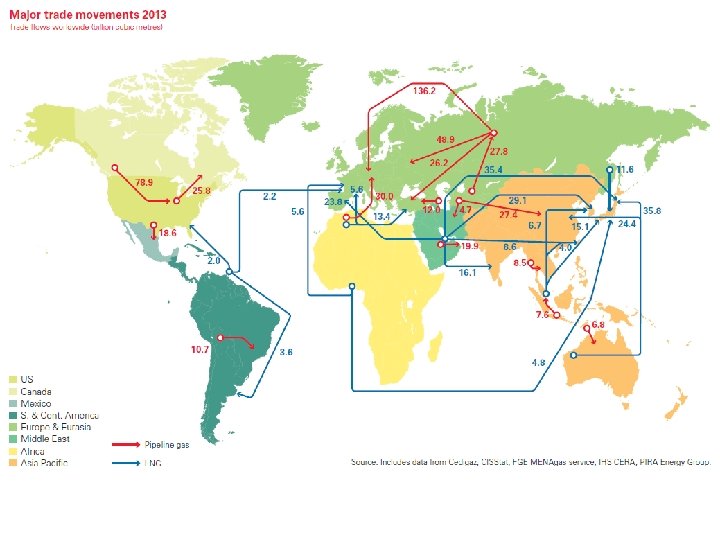
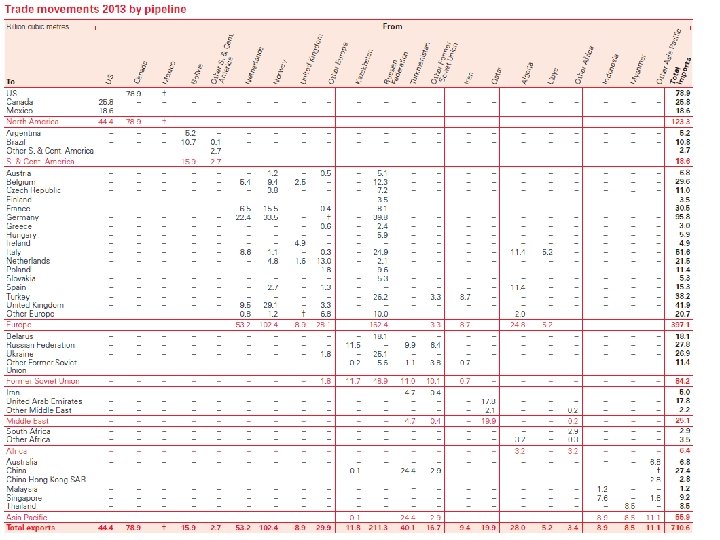
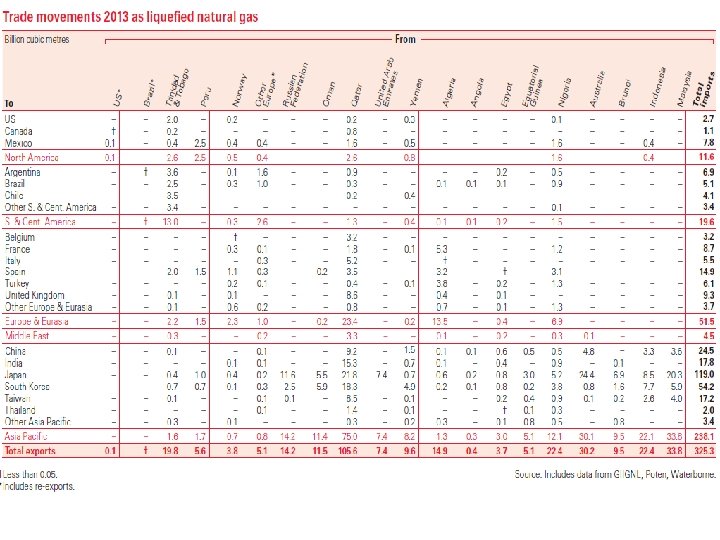
 NATURAL GAS
 COAL
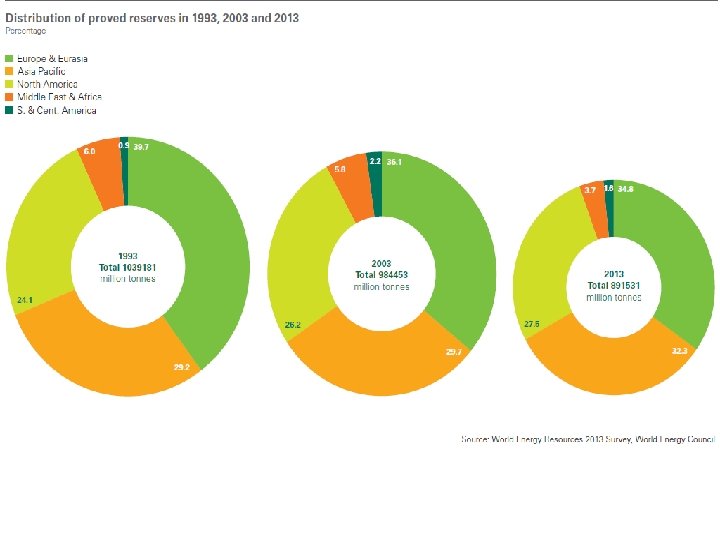
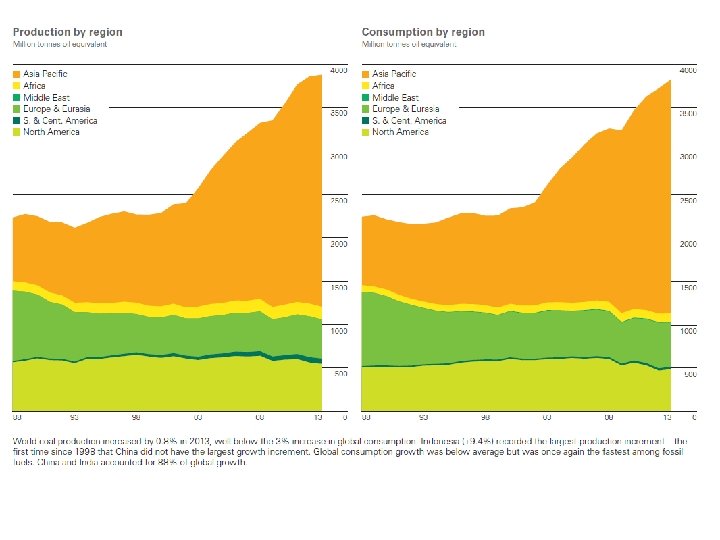
COAL
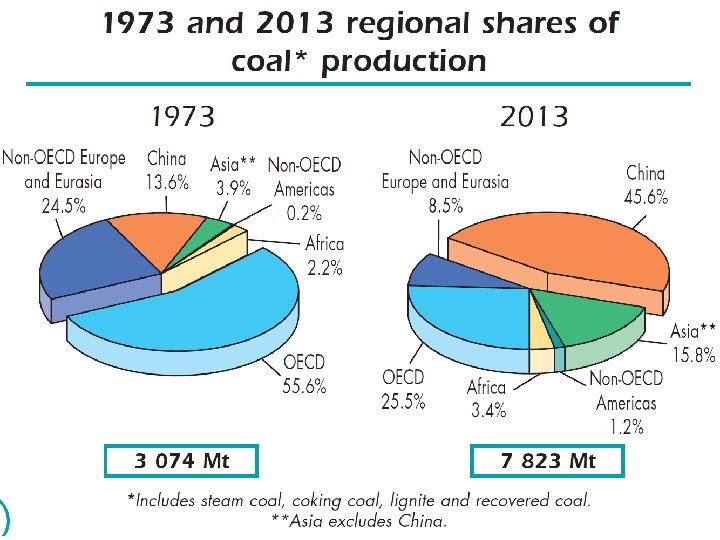
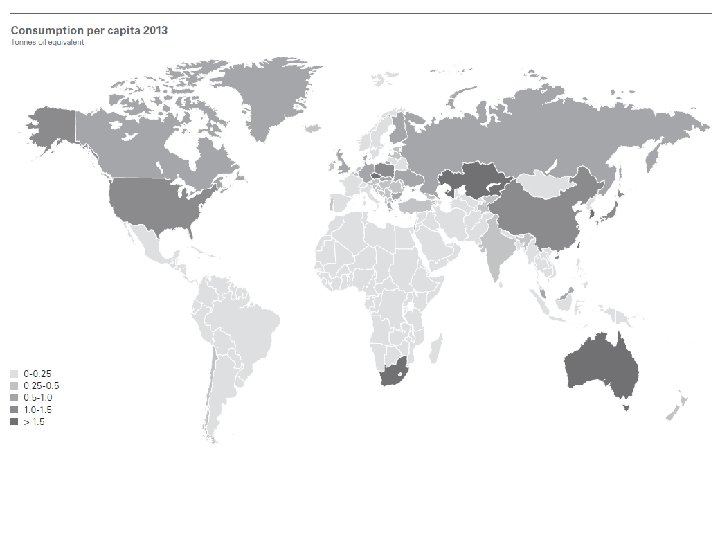
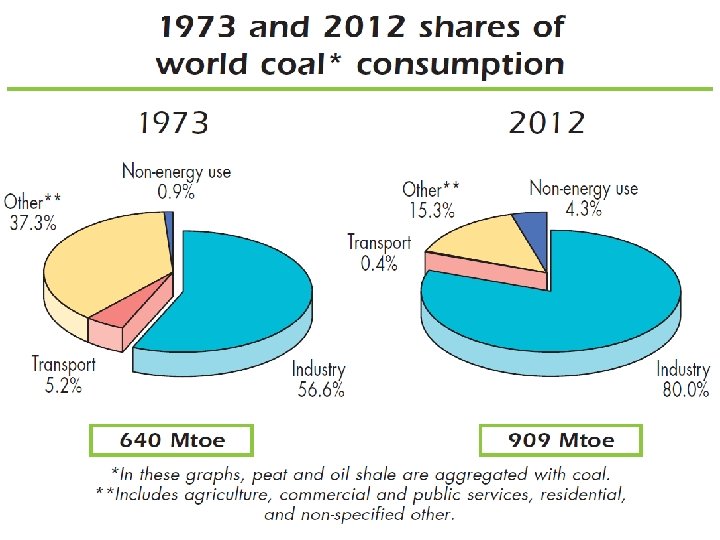
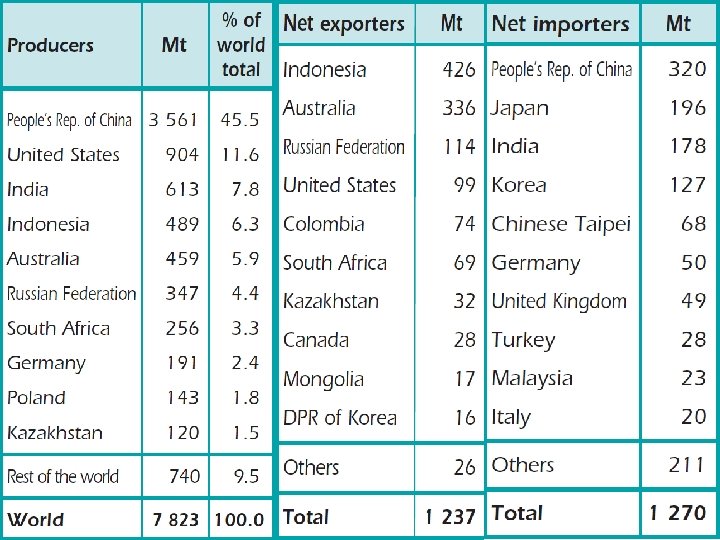
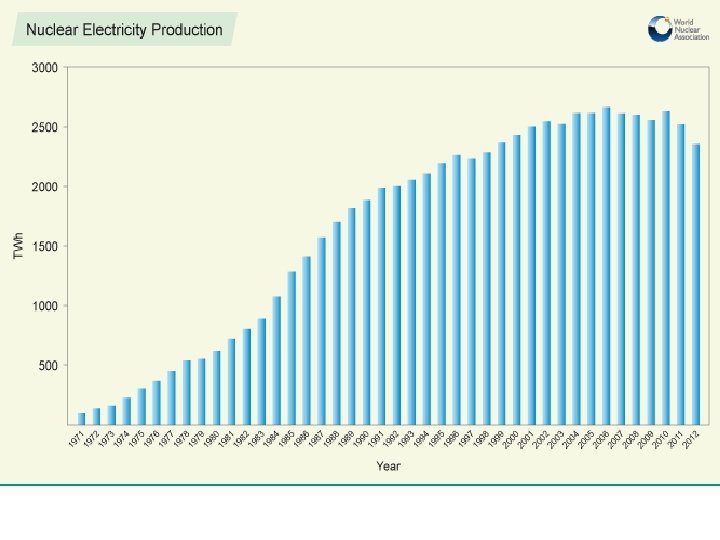
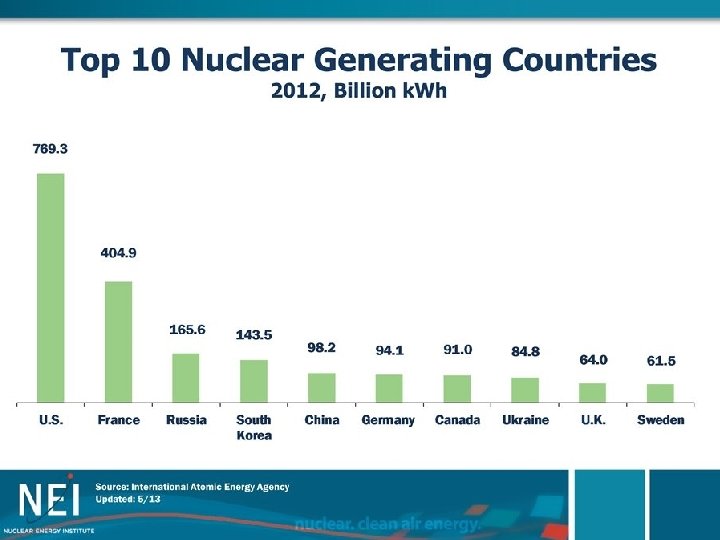
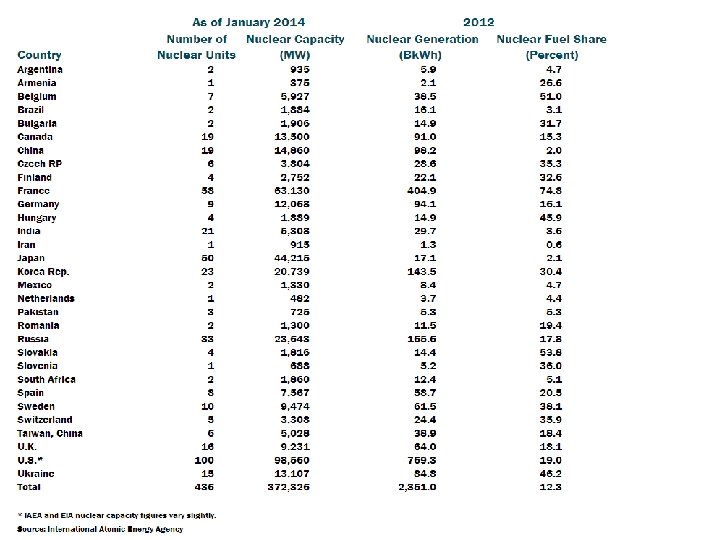
 NUCLEAR ENERGY
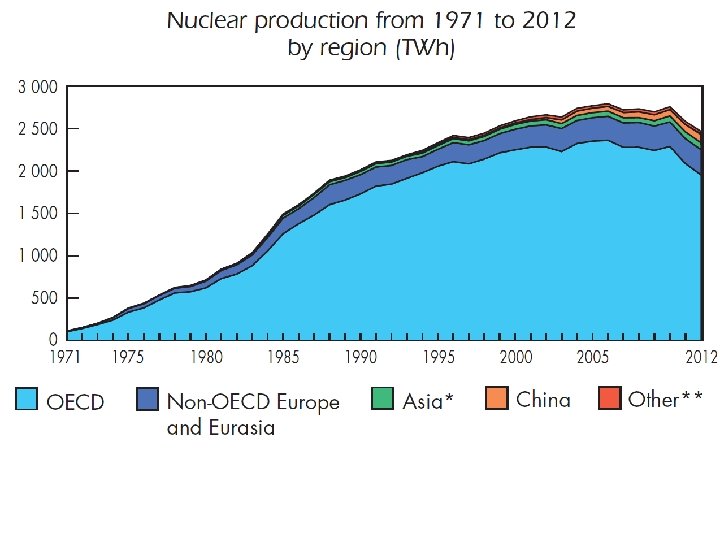
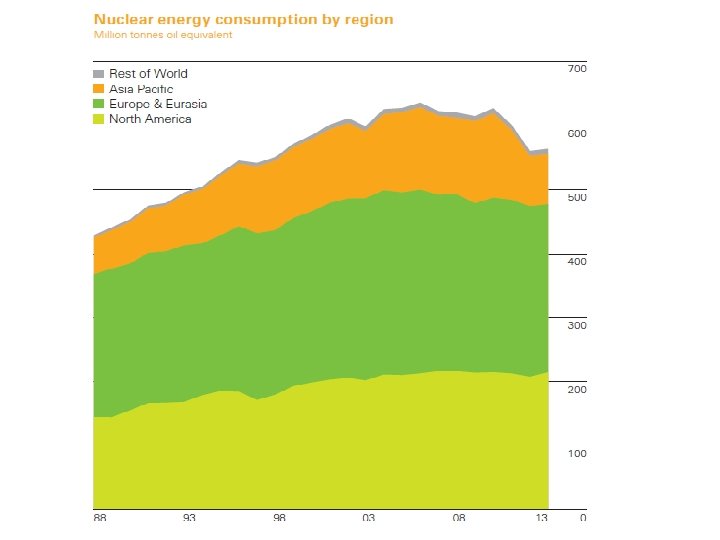
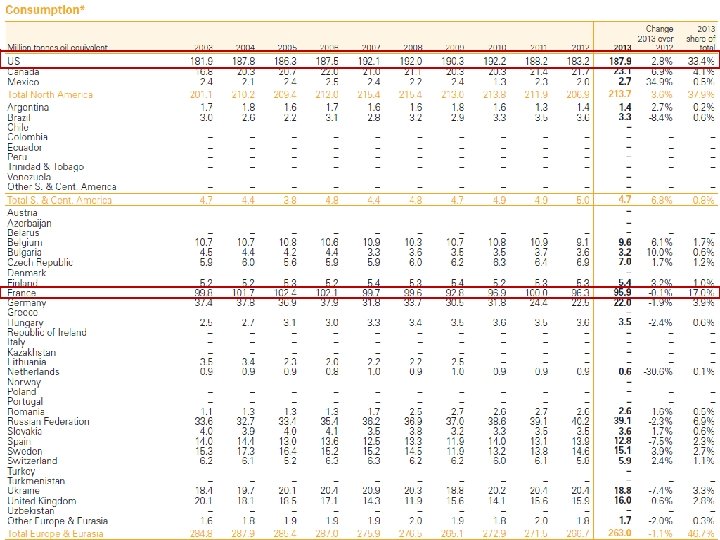
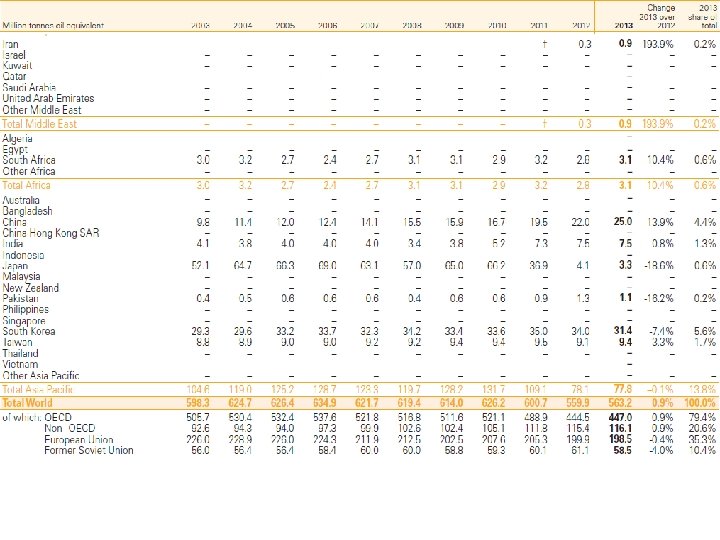
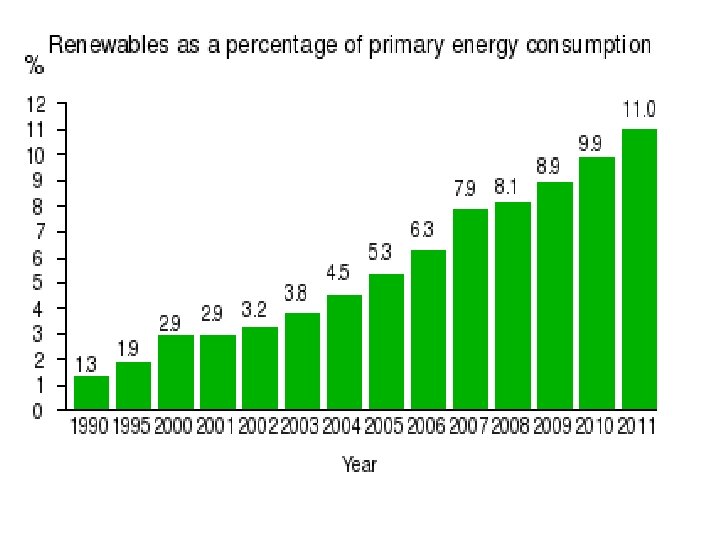
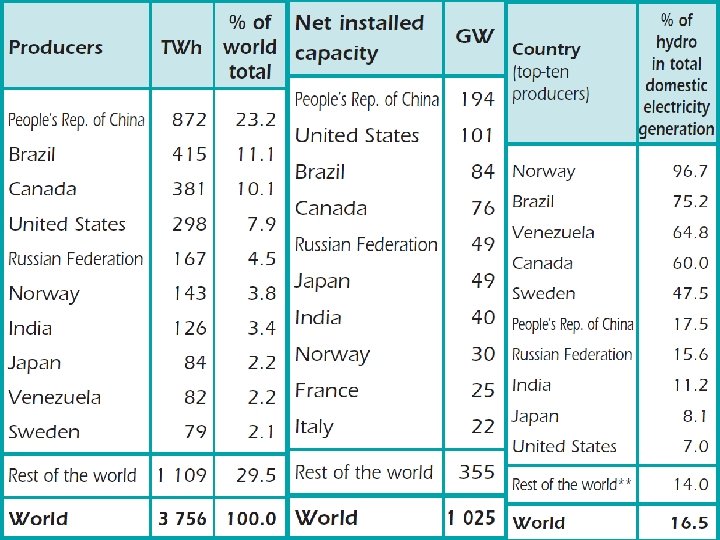
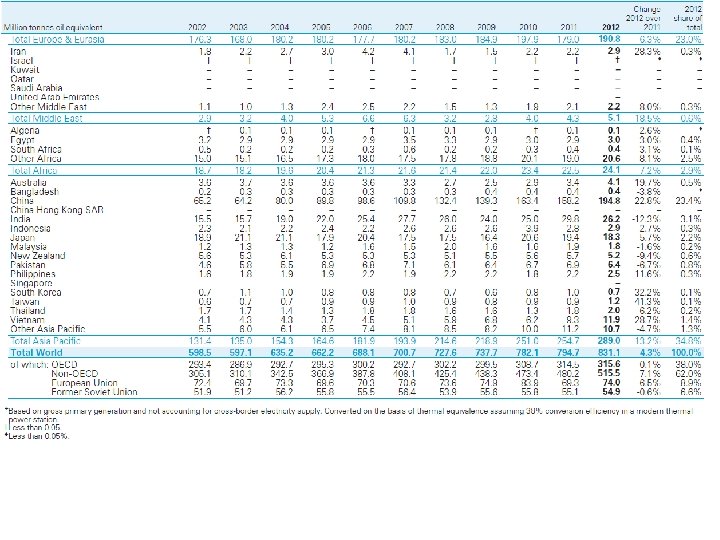
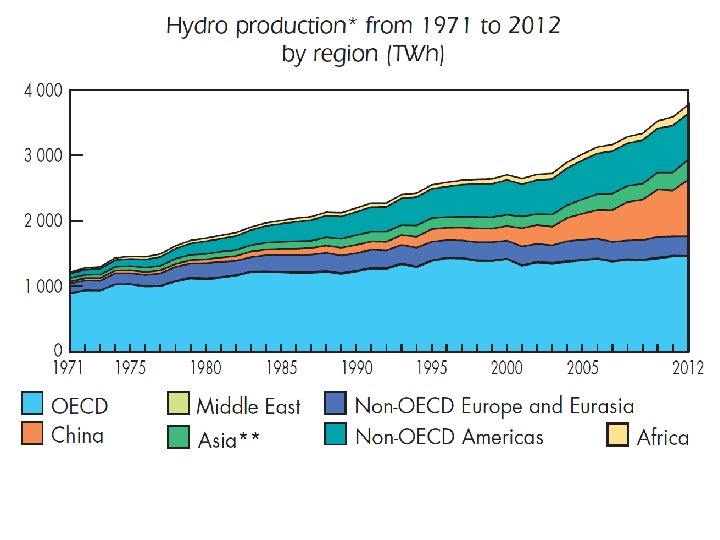
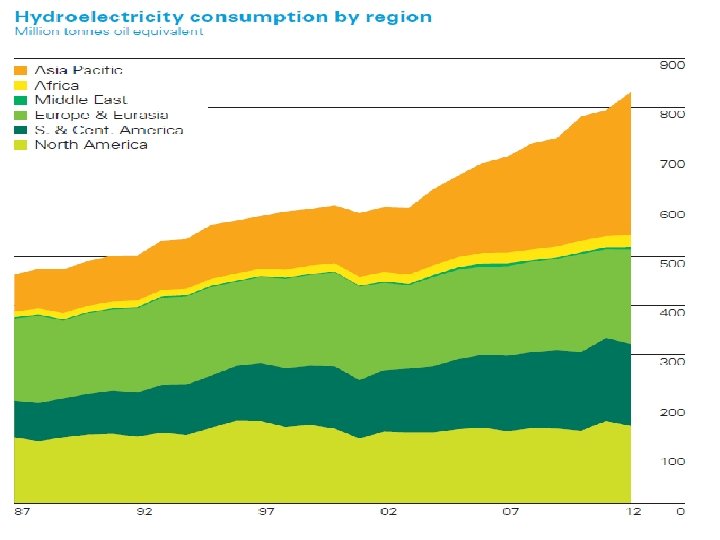
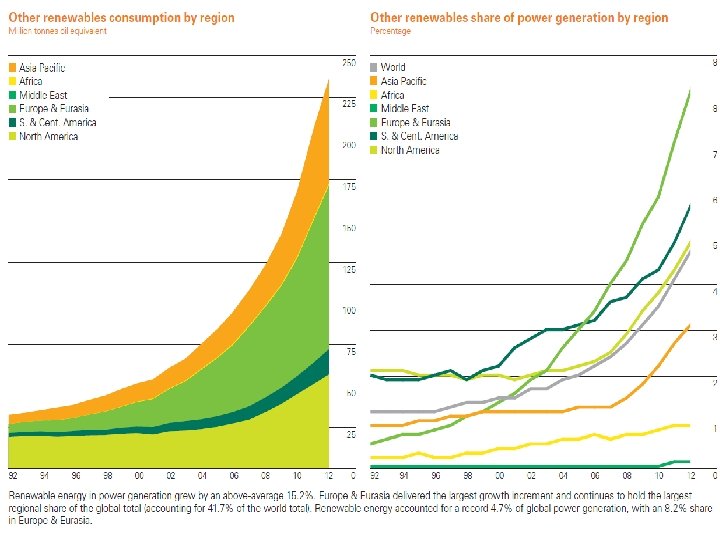
 RENEWABLE ENERGY
 Fossil fuels • Non-renewable and non-recyclable resources. • Rival goods: once used, they are gone forever. • Current populations and economic systems depend for survival on the use of fossil fuels. • Growing accumulation of waste products from fossil fuel use impose risks
 • The most accessible and highest-quality known reserves of fossil fuels extracted first – net energy gains are highest. – the lowest-entropy – Thus, in time, not only a quantitative decrease but also a qualitative decline in stocks expected • Used fuel does not disappear; it must return to the ecosystem as waste – Acid rain, global warming, carbon monoxide
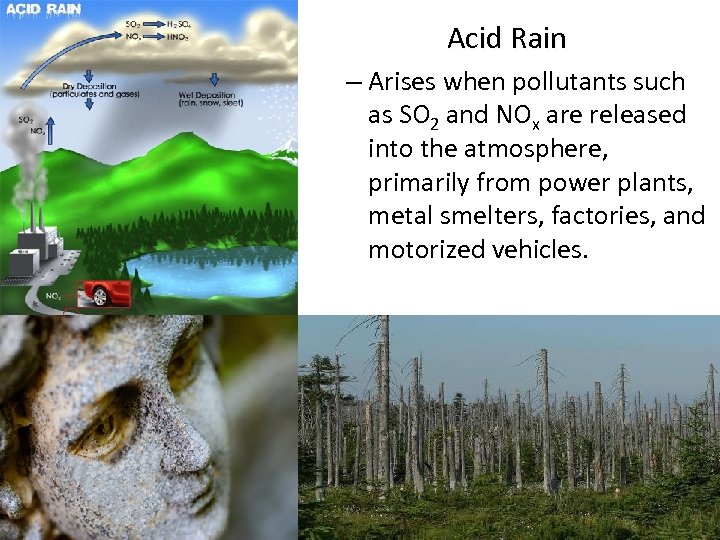 Acid Rain – Arises when pollutants such as SO 2 and NOx are released into the atmosphere, primarily from power plants, metal smelters, factories, and motorized vehicles.
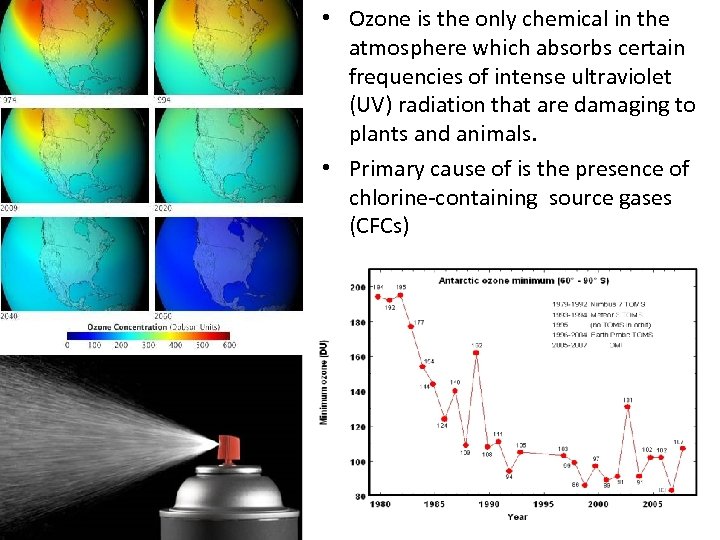 • Ozone is the only chemical in the atmosphere which absorbs certain frequencies of intense ultraviolet (UV) radiation that are damaging to plants and animals. • Primary cause of is the presence of chlorine-containing source gases (CFCs)
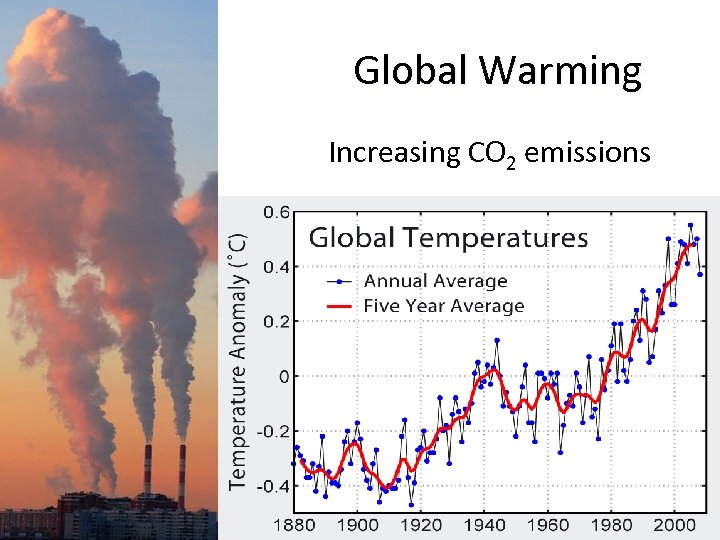 Global Warming Increasing CO 2 emissions
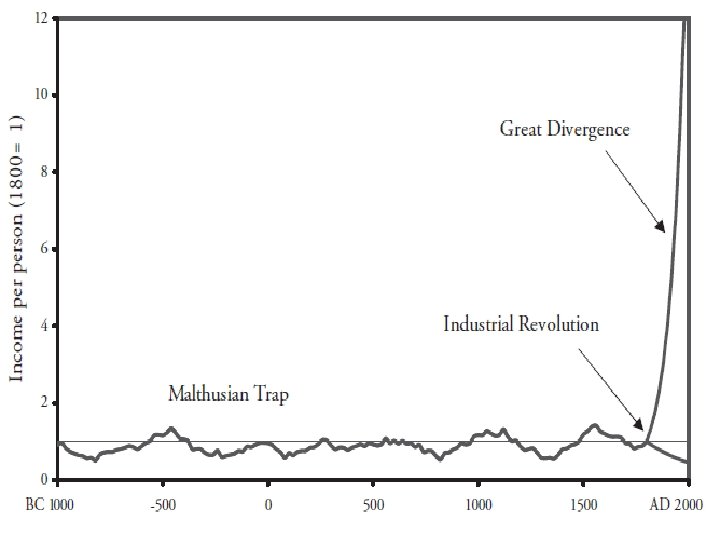
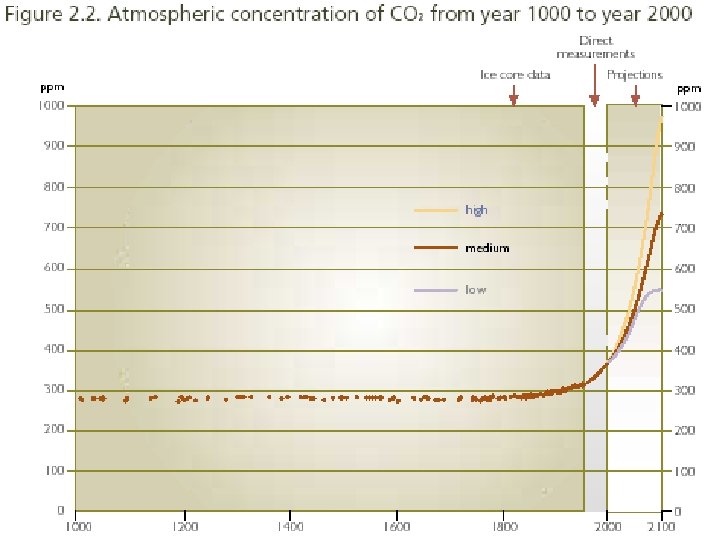
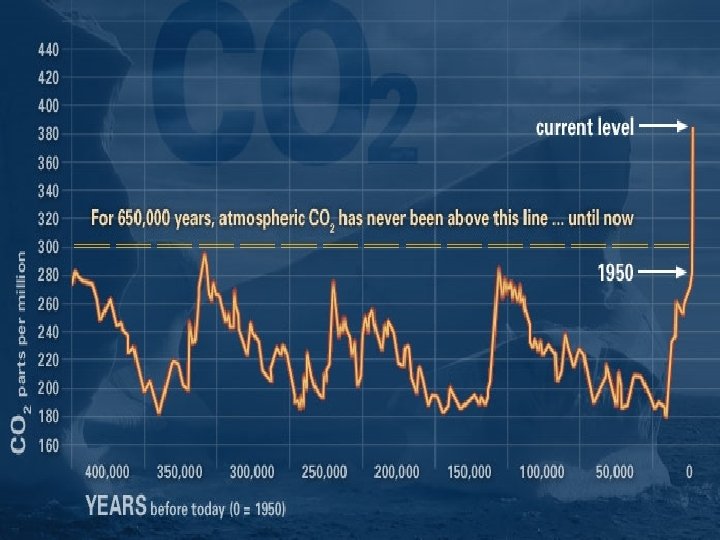
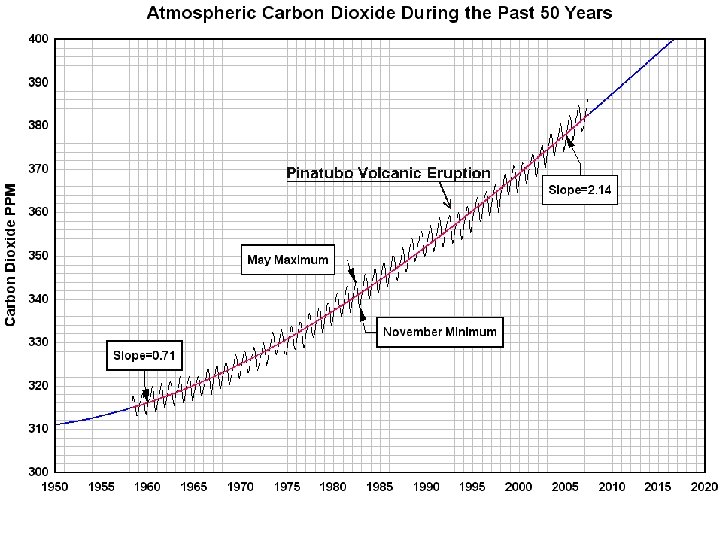
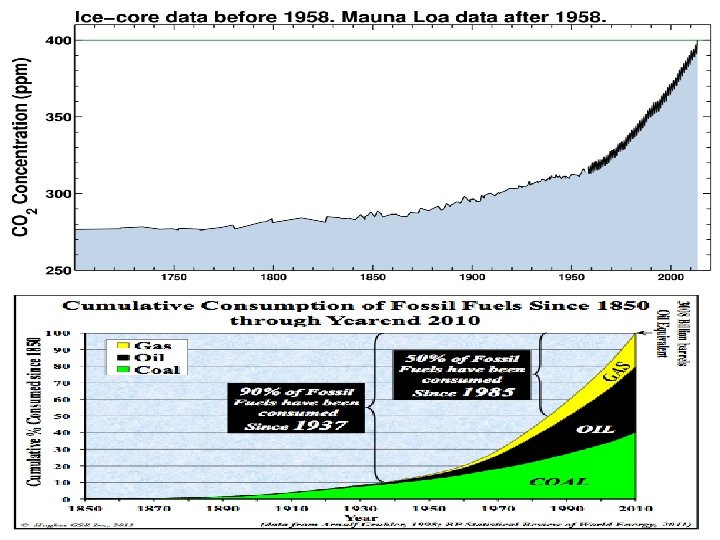
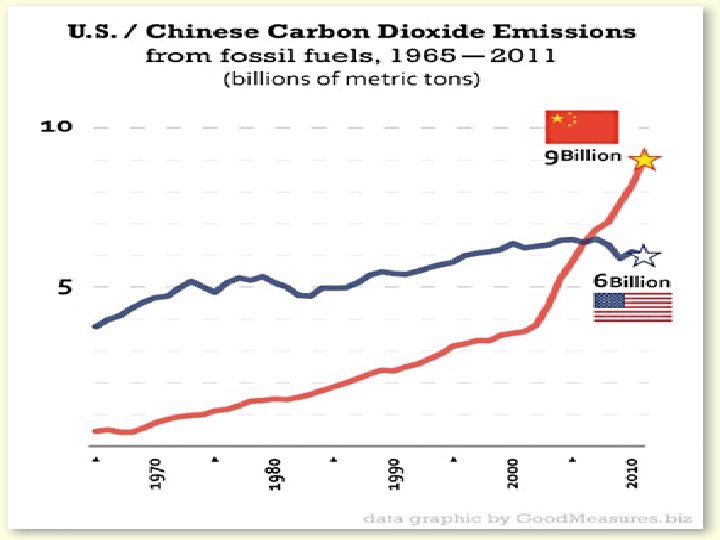
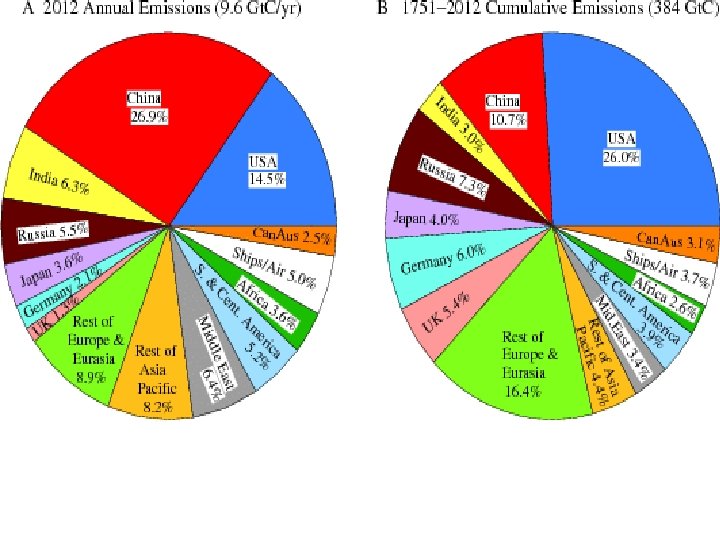
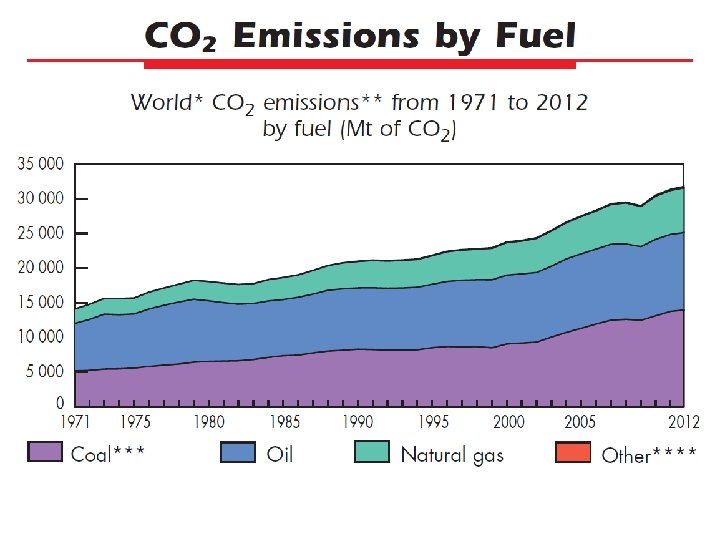
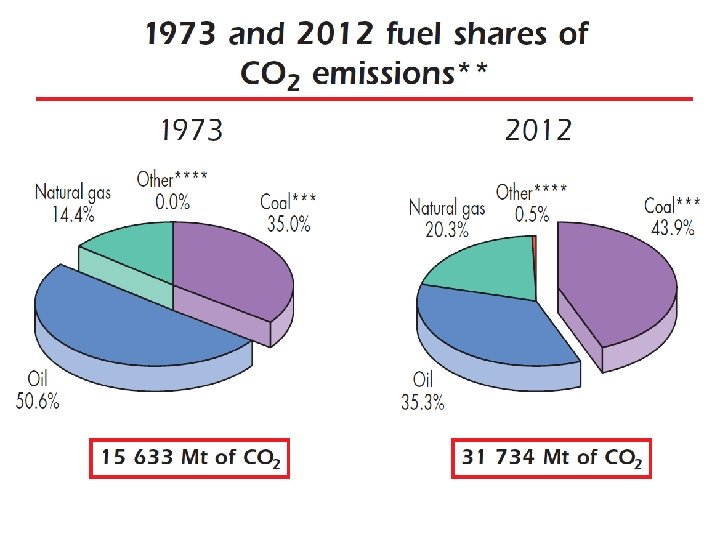
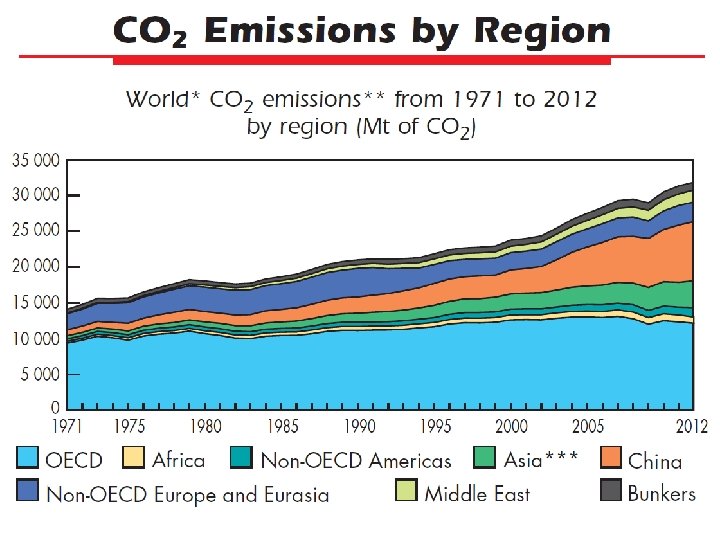
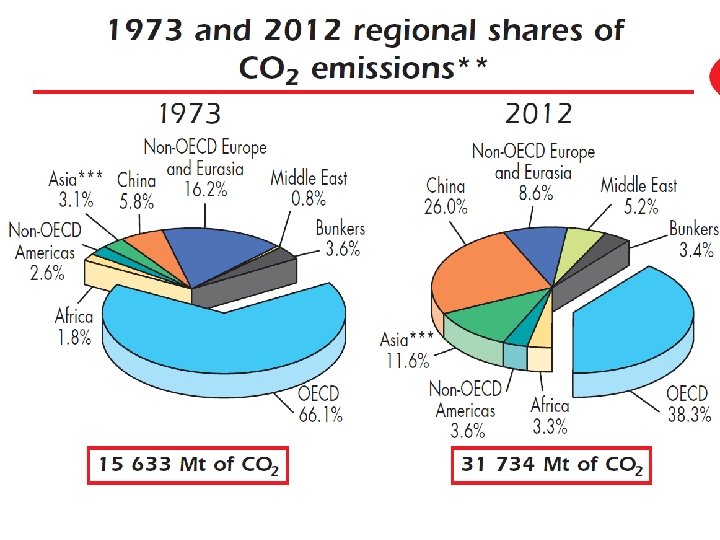
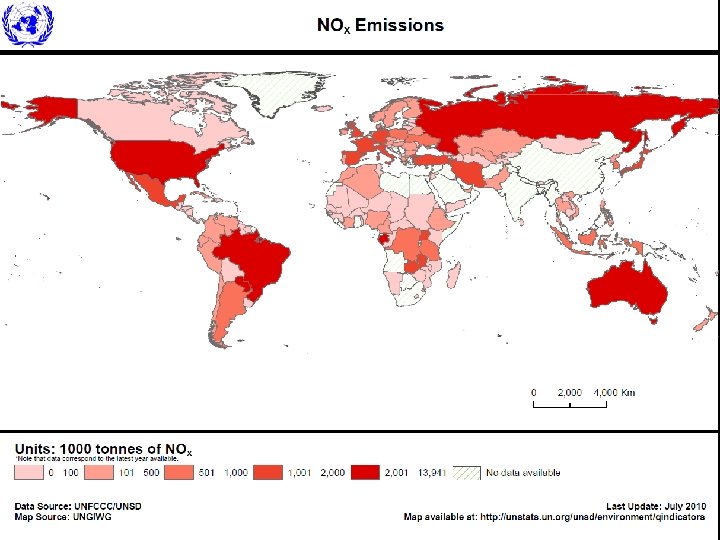
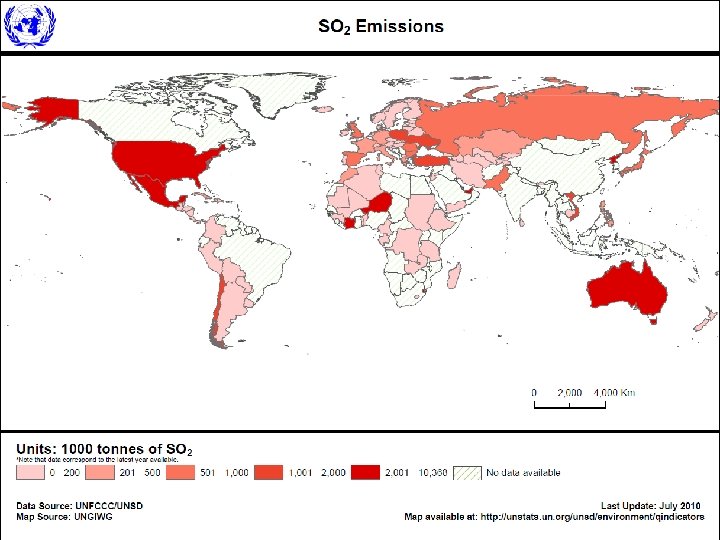
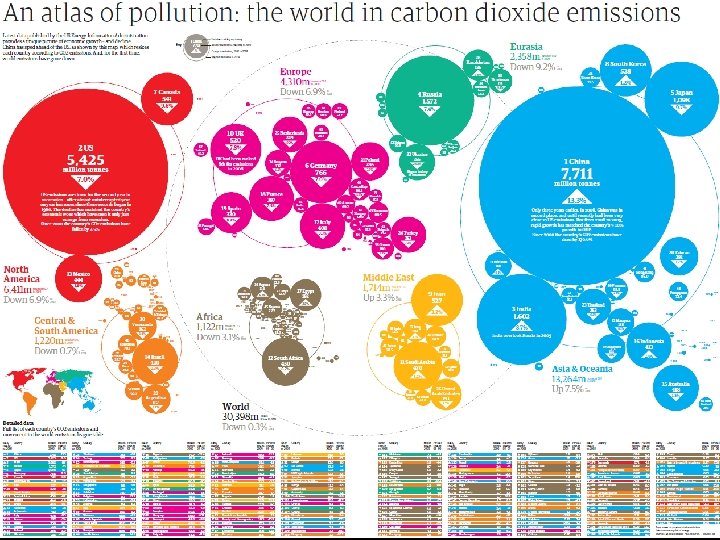
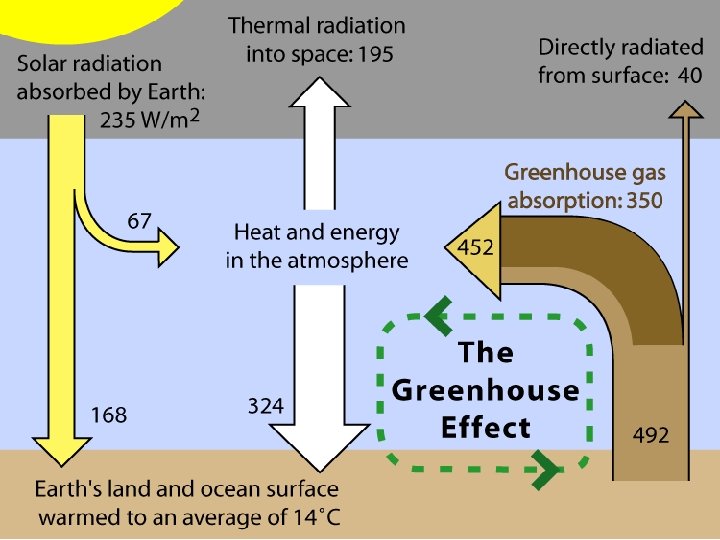
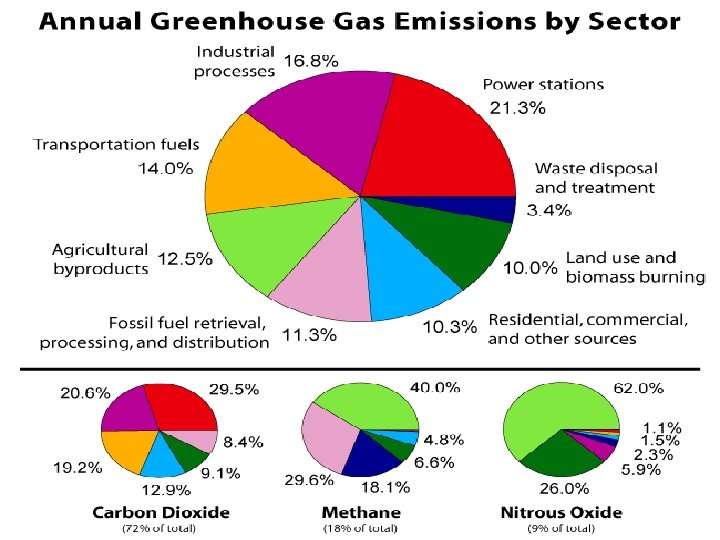
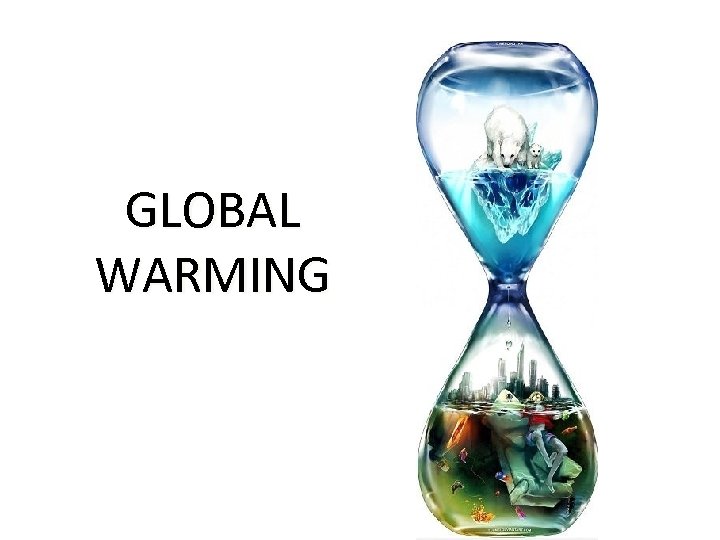 GLOBAL WARMING
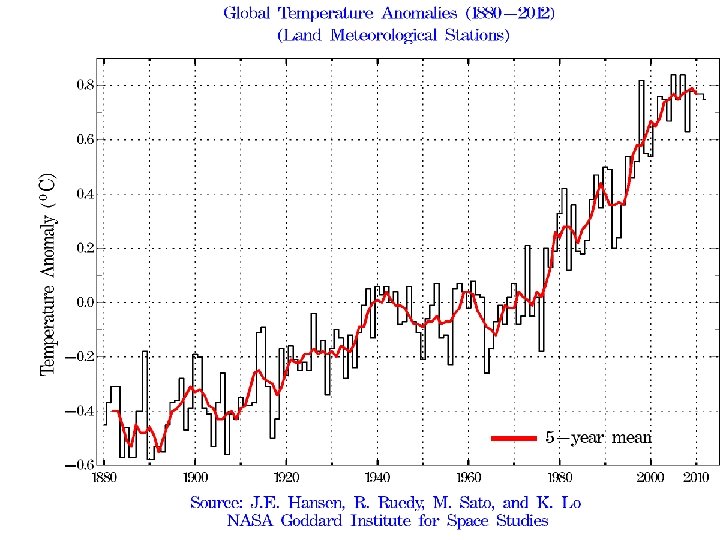
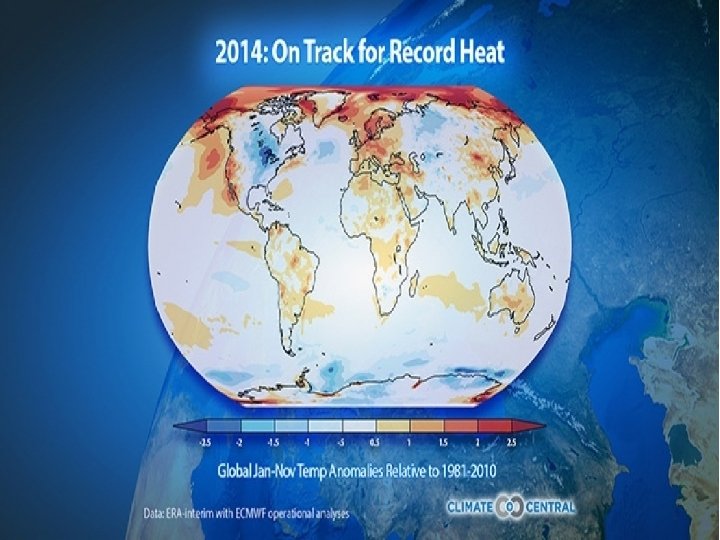
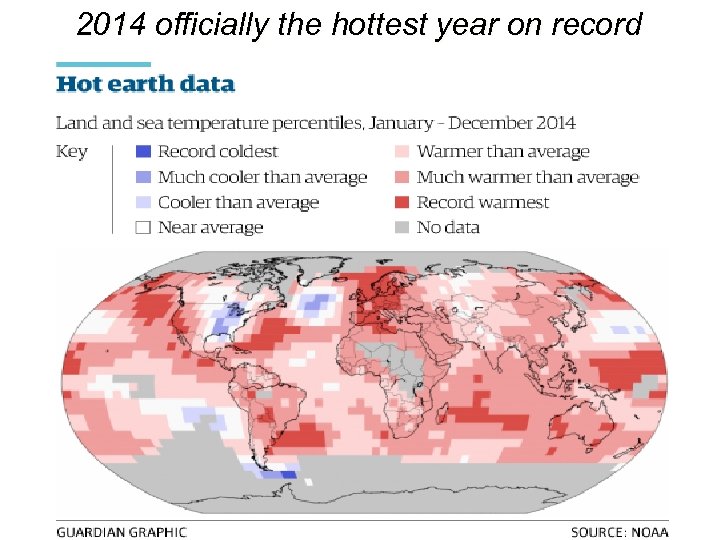 2014 officially the hottest year on record
 England saw its hottest year in three and a half centuries
 https: //www. youtube. com/watch? t=37&v=5 5 p. RU 0 xxc. XA
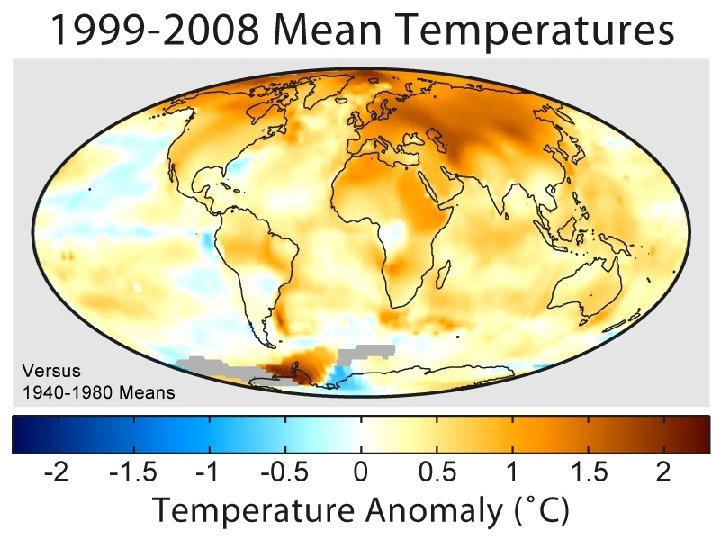
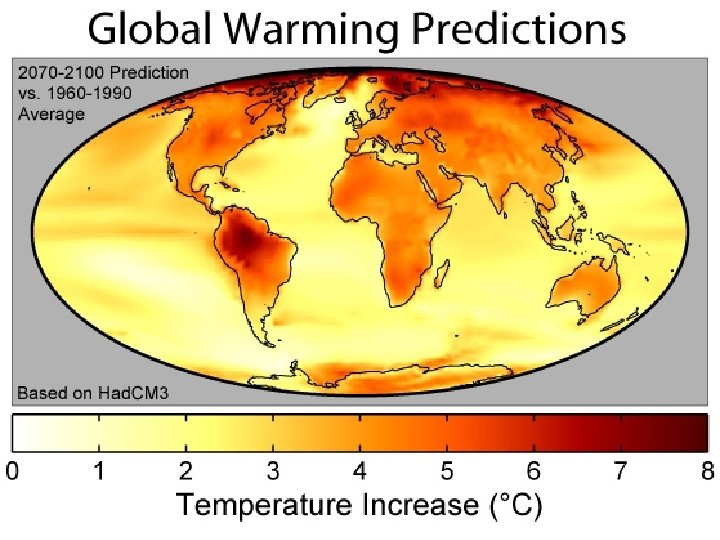
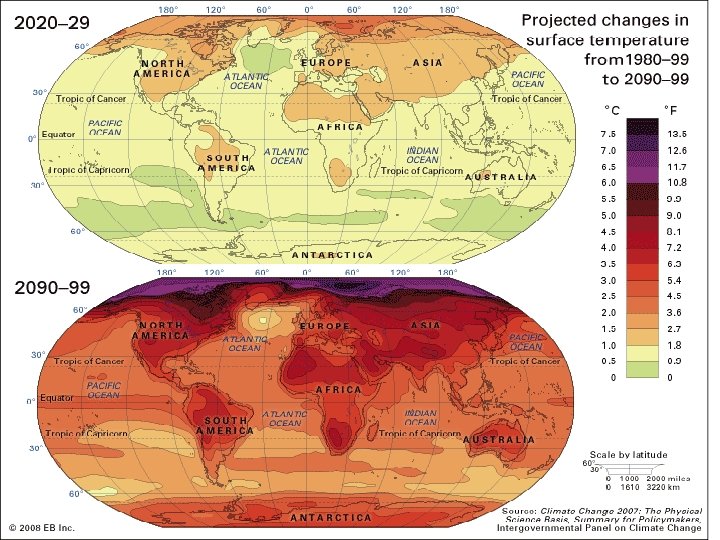
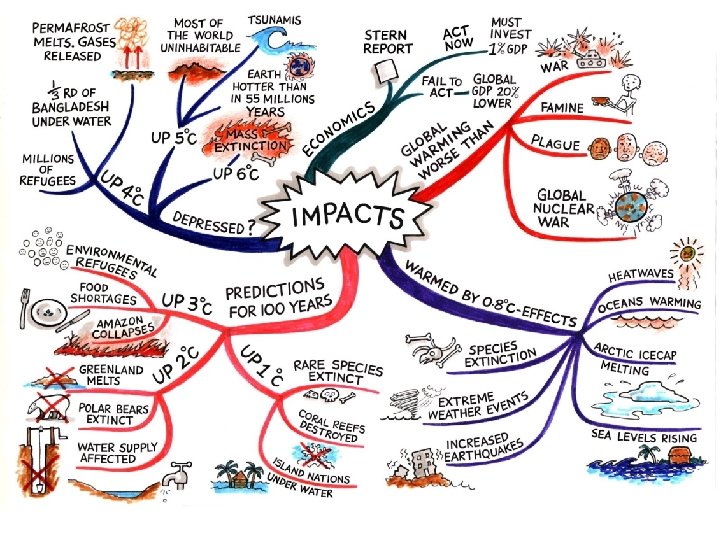
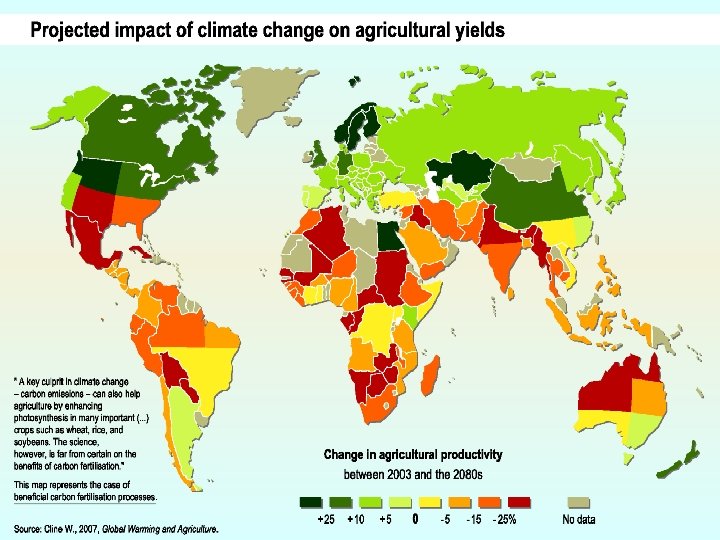
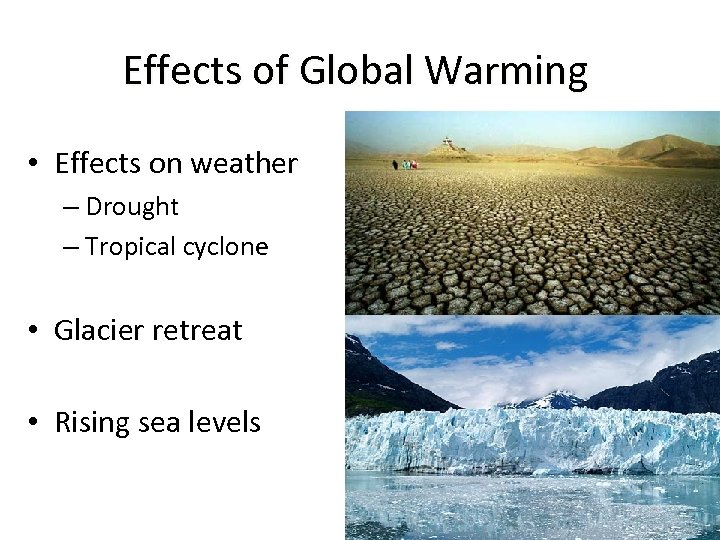 Effects of Global Warming • Effects on weather – Drought – Tropical cyclone • Glacier retreat • Rising sea levels
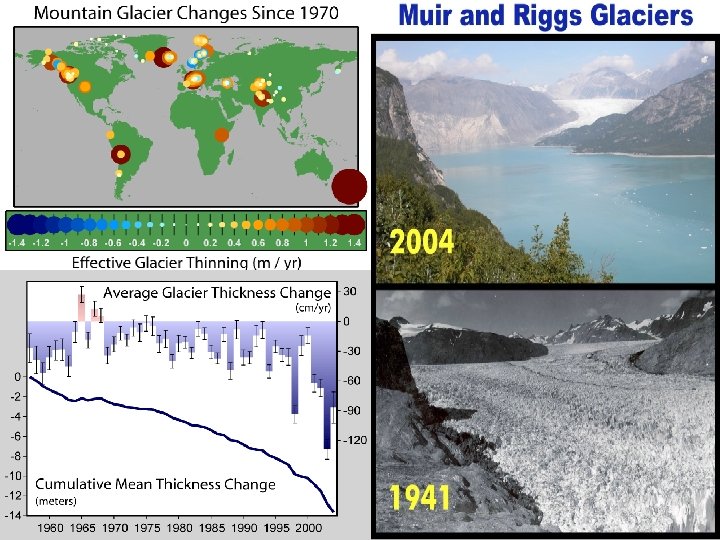
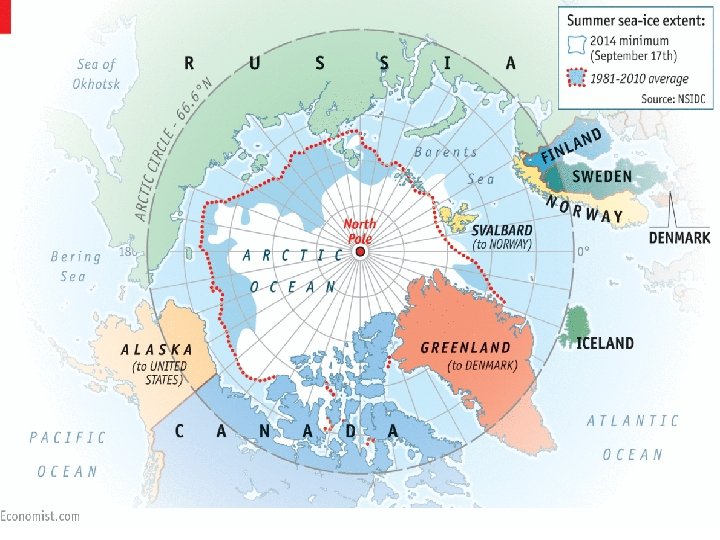
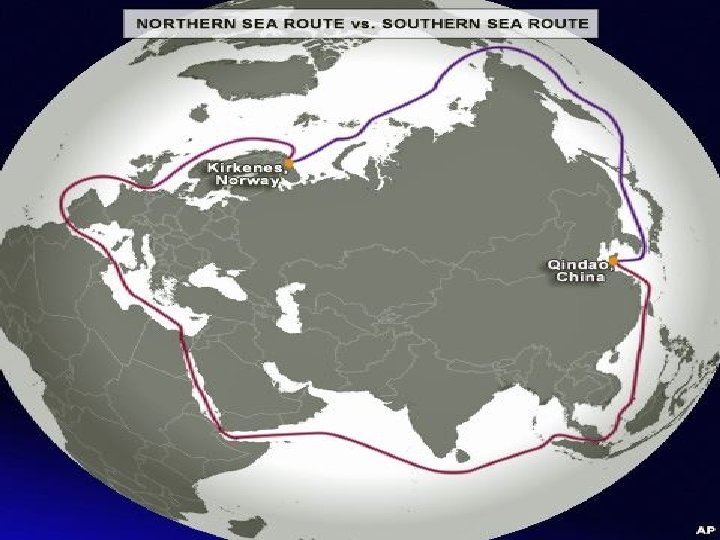
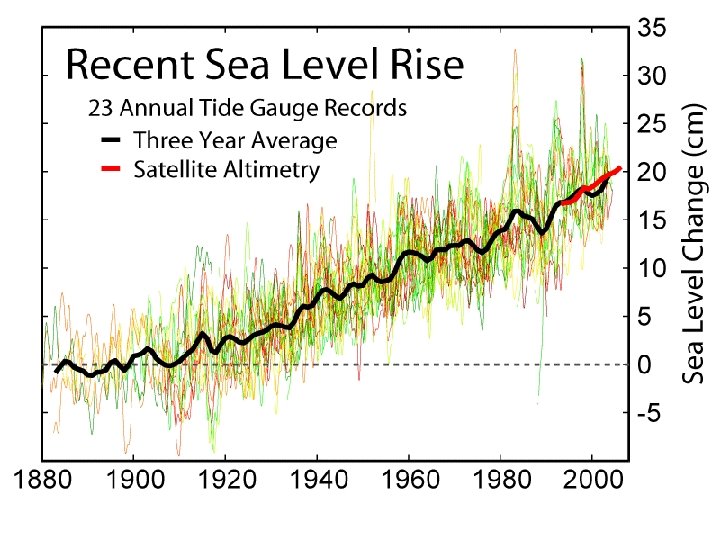
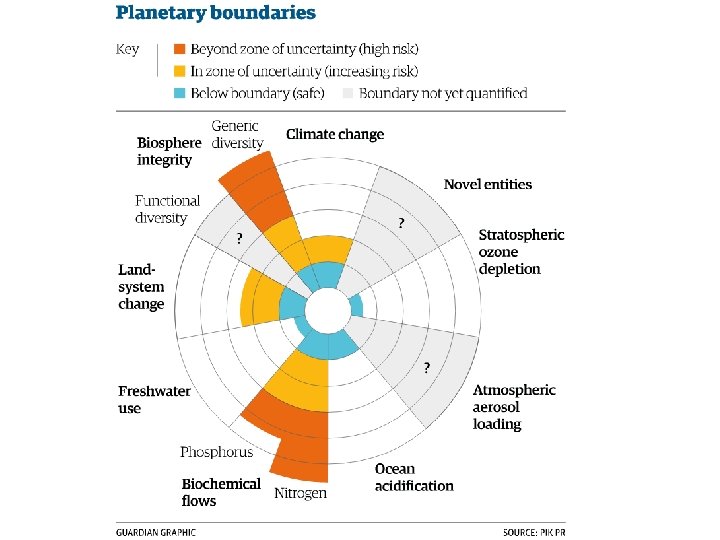
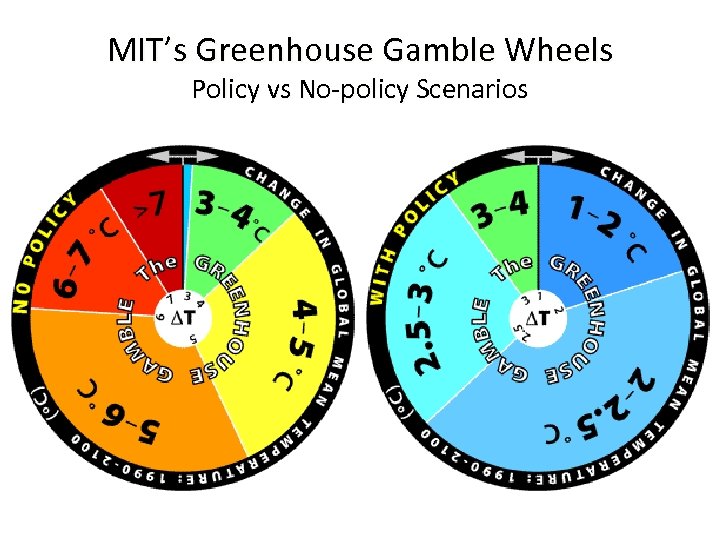 MIT’s Greenhouse Gamble Wheels Policy vs No-policy Scenarios
 Policies Against Global Warming International response needed • United Nations Framework Convention on Climate Change (1994) – objective of the treaty is to stabilize greenhouse gas concentrations in the atmosphere at a level that would prevent dangerous anthropogenic interference with the climate system – industrialized countries, with the intention of stabilizing their emissions of greenhouse gases at 1990 levels by the year 2000 – no mandatory limits on greenhouse gas emissions for individual countries and contains no enforcement mechanisms
 Kyoto Protocol • 3 rd conference of the UNFCCC (1997) • A legally binding international agreement, all participating nations commit themselves to tackling the issue of global warming and greenhouse gas emissions. • The target agreed upon was an average reduction of 5. 2% from 1990 levels by the year 2012. • National limitations range from 8% reductions for the European Union and others, to 7% for the US, 6% for Japan, 0% for Russia, and permitted increases of 8% for Australia and 10% for Iceland.
 Kyoto Protocol • the largest share of historical and current global emissions of greenhouse gases originated in developed countries; • per capita emissions in developing countries are still relatively low; • the share of global emissions originating in developing countries will grow to meet social and development needs.
 Kyoto Protocol Flexible mechanisms • Emissions Trading: allows parties to the Kyoto protocol to buy greenhouse gas emission permits from other countries to help meet their domestic emission reduction targets. • Clean Development Mechanism: investments in projects in Non-Annex I countries that would achieve a net saving in GHG emissions. • Joint Implementation: investments in projects in developing countries that would achieve a net saving in GHG emissions.
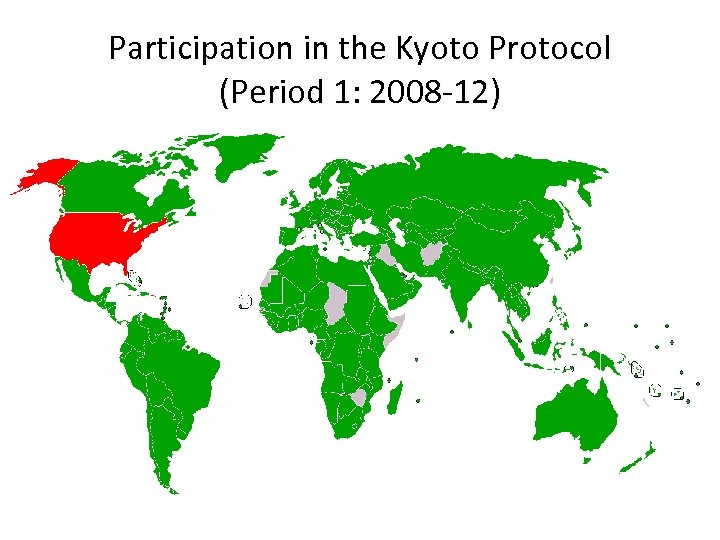 Participation in the Kyoto Protocol (Period 1: 2008 -12)