


 Скачать презентацию FORMAL TITLES IN ENGLISH Mr is
formal-titles-in-english.pptx
- Количество слайдов: 13
 FORMAL TITLES IN ENGLISH
 Mr. is used for married and unmarried males. Mr. is followed by the last name of the person. Examples: Mr. Brian Crawford (on a formal letter) Mr. Crawford (in conversation)
 Mrs. is used for married women or women who are old enough to be married. It is pronounced as “Missis” Example: Mrs. Yvonne Crawford (on a formal letter) Mrs. Crawford (in conversation)
 Ms. is a newer title for women. It’s used for when you aren’t quite sure whether the person is married or not, so you can just say Ms. It is pronounced as “Miz” Example: Ms. Culpepper Ms. Alexandra Culpepper
 Miss is used for young unmarried women, followed by her last name. Example: Miss Amelia Crabtree (on a formal letter) Miss Crabtree (in conversation)
 It is used for a married woman and without her name. Example: Excuse me, ma’am. Can I help you, ma’am?
 It is used for a young unmarried girl, without her name. Example: Sorry, miss. Excuse me, miss.
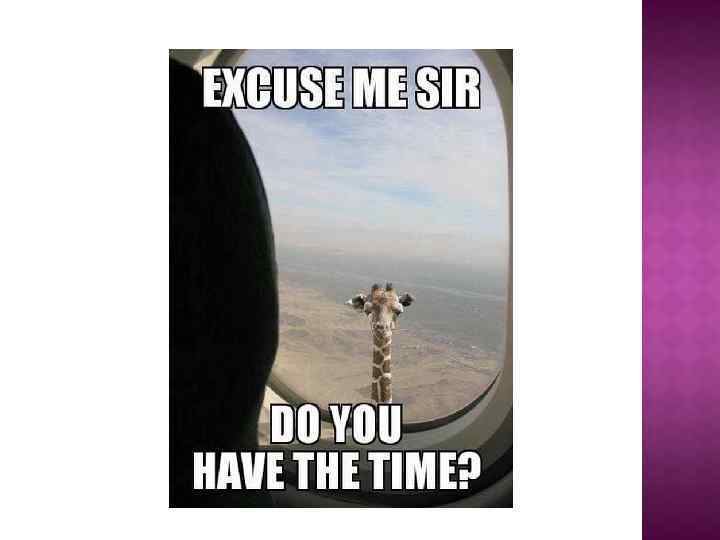
 It is used for a man and without his name. Example: Can I help you, sir? Would you like more coffee, sir?
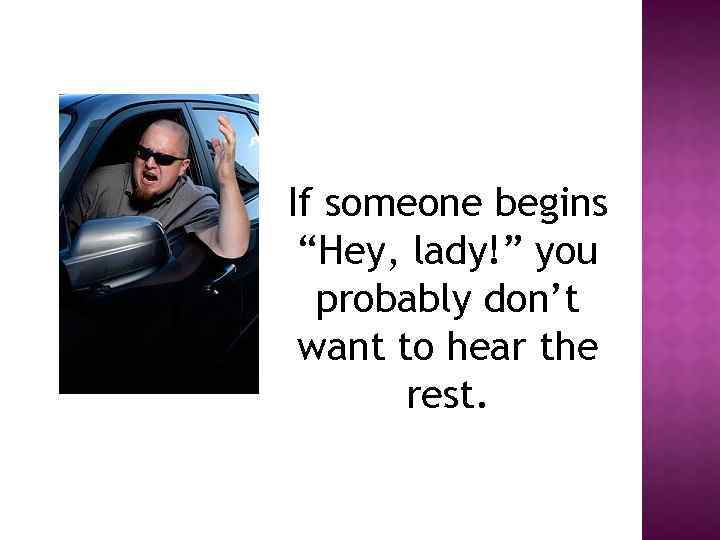 If someone begins “Hey, lady!” you probably don’t want to hear the rest.
 https: //www. youtube. com/watch? v=f. ZVKN- Zk 3 BY