 Скачать презентацию Food Fortification as Public Health Policy TH Tulchinsky
3496ca163589fa8de4ba7d9a4fd57ca7.ppt
- Количество слайдов: 39




Food Fortification as Public Health Policy TH Tulchinsky MD MPH Braun SPH 24 November 2013 1

2
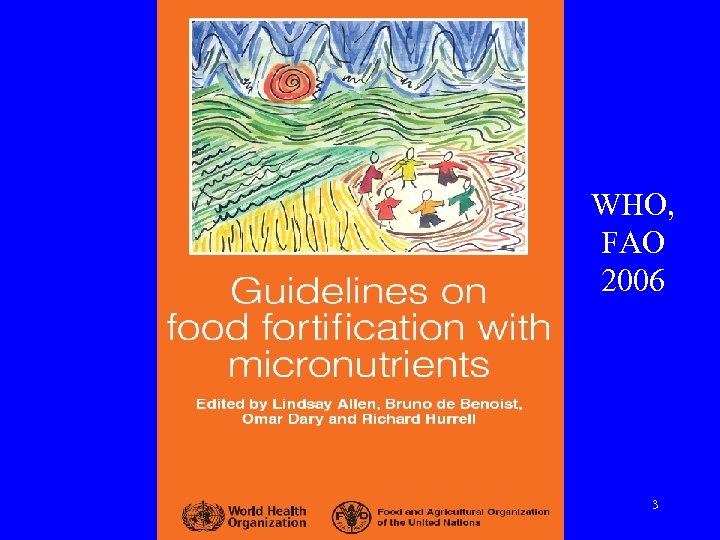
WHO, FAO 2006 3
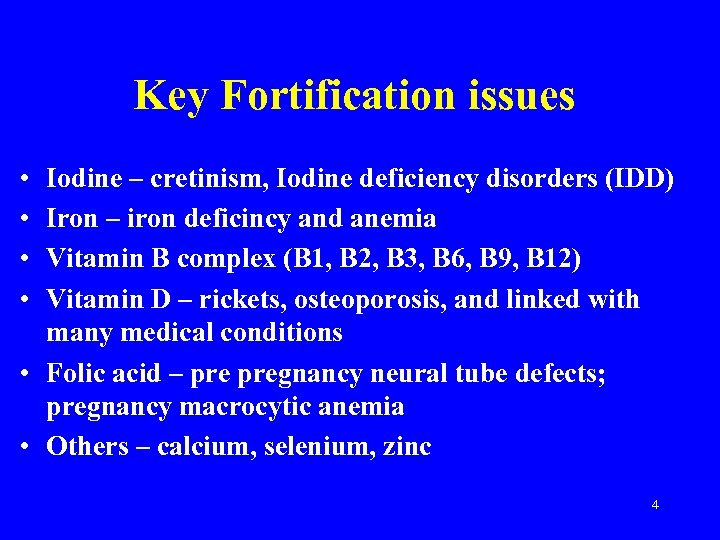
Key Fortification issues • • Iodine – cretinism, Iodine deficiency disorders (IDD) Iron – iron deficincy and anemia Vitamin B complex (B 1, B 2, B 3, B 6, B 9, B 12) Vitamin D – rickets, osteoporosis, and linked with many medical conditions • Folic acid – pregnancy neural tube defects; pregnancy macrocytic anemia • Others – calcium, selenium, zinc 4
5
6
7
8
9
10
Essential Considerations · · Micronutrient deficiency conditions widespread · · · Public health and medical responsibility Non mandatory enriched foods are costly and not available to the poor e. g. bread, milk, yoghurts, salt WHO and best practices standards Regulatory, monitoring and laboratory support are governmental public health responsibilities 11
Public Health Nutrition Strategies • Education • Food based strategy – Socio economic factors – Food supply/costs – Education • Supplementation for target groups – Women and children – Elderly • Fortification of basic foods • Surveillance and monitoring 12
18 -19 th Century Breakthroughs • James Lind and scurvy 1747 • Lemon juice mandatory in Royal Navy, 1796 • Humphrey Davy isolates sodium, potassium, calcium, magnesium, sulphur, boron, 1807 • Chatin shows iodine prevents goiter, 1850 • Takaki and beri, Japanese Navy, 1885 • Eijkman publishes cause of beri, 1897 (Nobel Prize 1929, anti-neuritic vitamin) 13
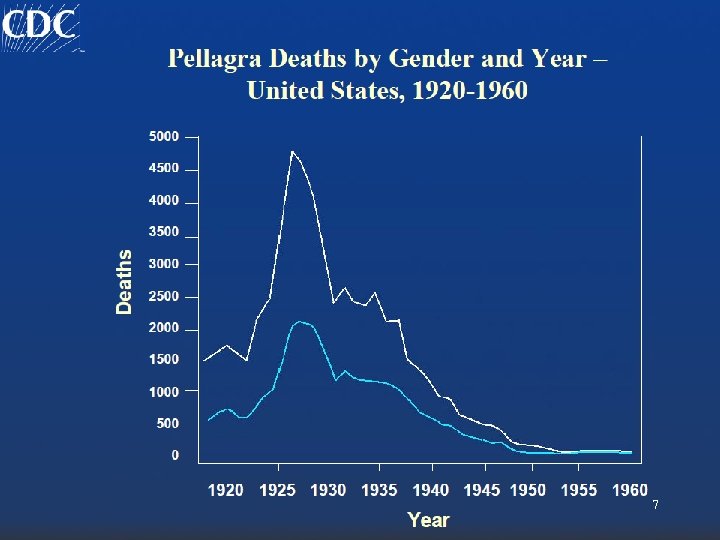
Vital Amines • 1912, Funk defines vital amines • Rickets, scurvy, goiter, beri common in industrial countries • Pellagra epidemic in southern US • 1914, Goldberger of USPHS investigates pellagra • 1922, Mc. Collum and vitamin D in cod liver oil 14
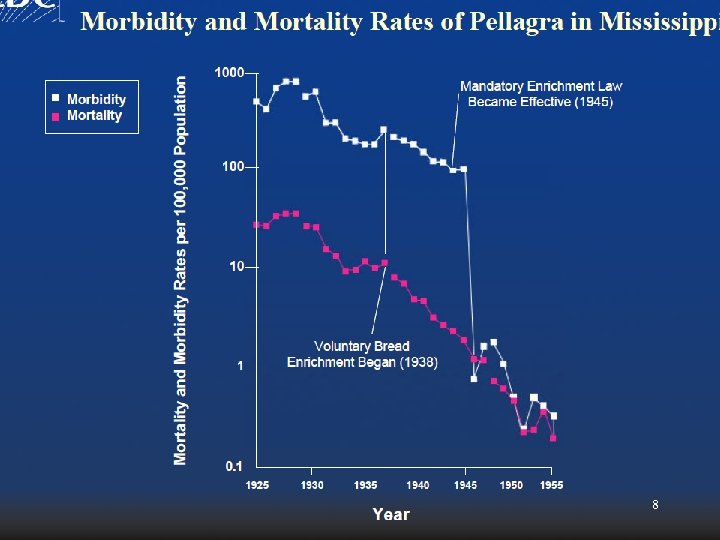
Key Landmarks • Iodized salt, 1924 • Louisiana - mandates vit B fortification of flour to control pellagra epidemic, 1928 • US federal mandate - enrichment of flour with vitamins B and iron, 1941 • Britain and colonies same during WWII • Canada mandates fortification in 1979 • Folic acid found to prevent NTDs in 1990 s 15
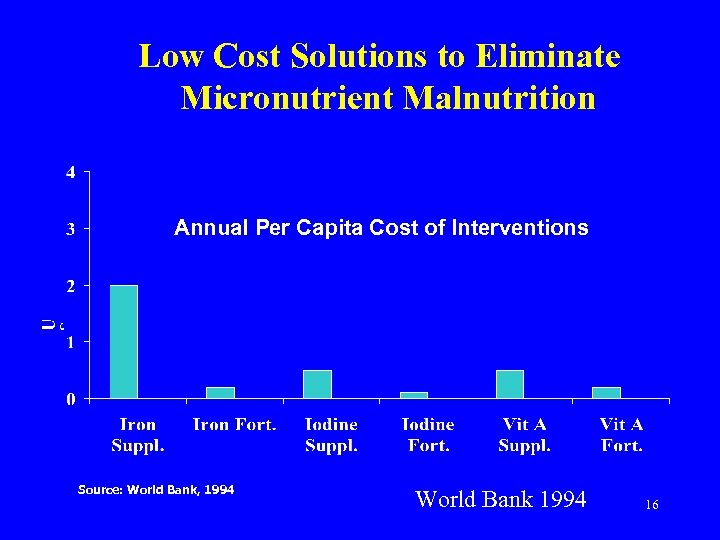
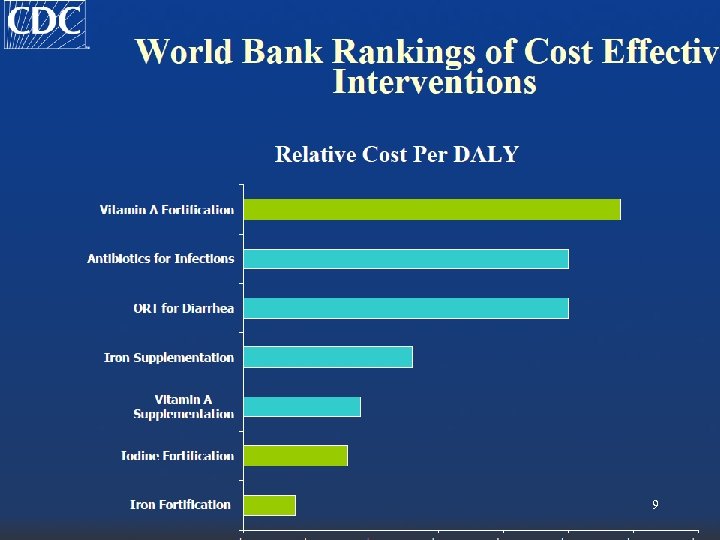
Low Cost Solutions to Eliminate Micronutrient Malnutrition Annual Per Capita Cost of Interventions Source: World Bank, 1994 World Bank 1994 16
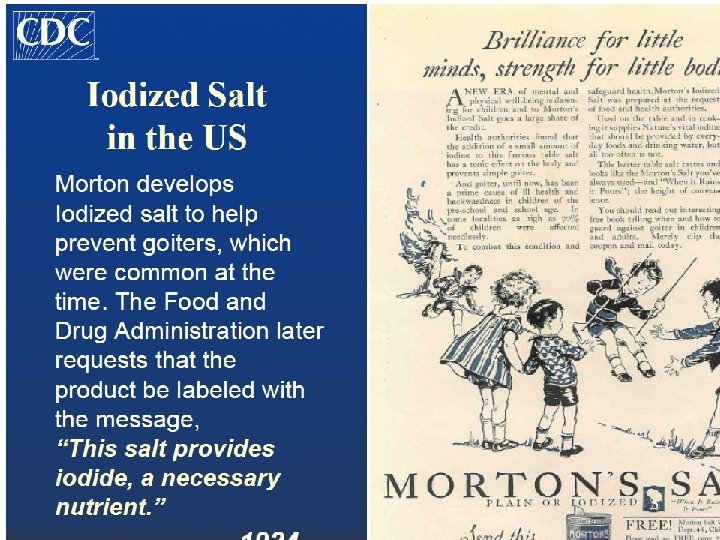
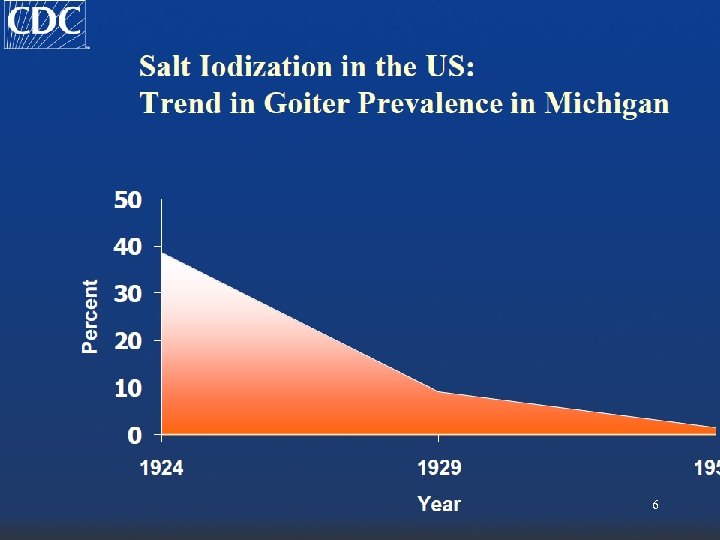
Preventing Goiter and Iodine Deficiency Disorders • 1917 high % US draftees rejected - goiter • 1922 -27, goiter rates fall from 39% to 9% by statewide prevention programs • 1924 Morton’s Iodized Salt (N America) • 1979 Iodization mandatory in Canada • 1980 s WHO - universal iodization of salt • Most member countries achieved iodization 17
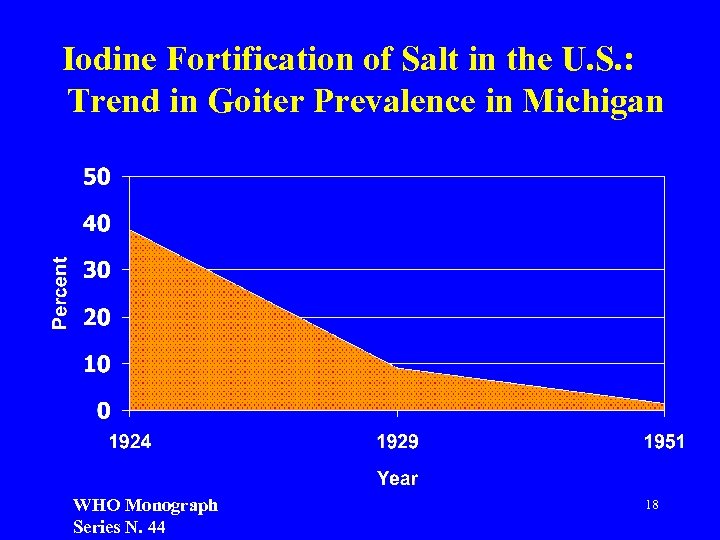
Iodine Fortification of Salt in the U. S. : Trend in Goiter Prevalence in Michigan WHO Monograph Series N. 44 18
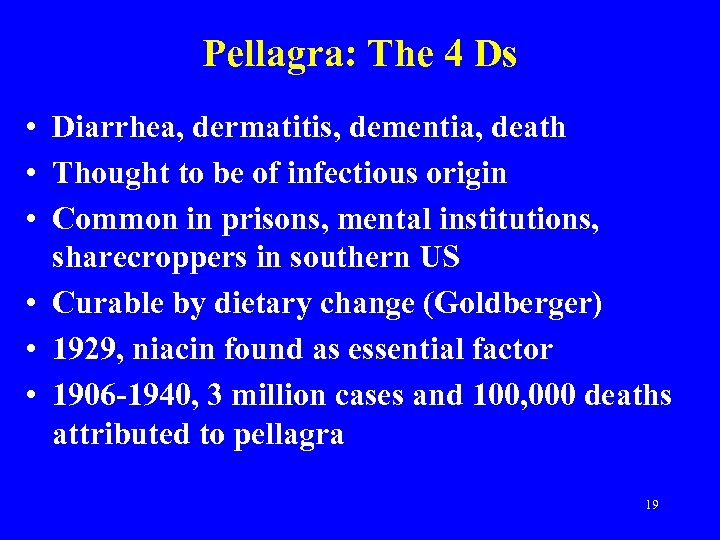
Pellagra: The 4 Ds • Diarrhea, dermatitis, dementia, death • Thought to be of infectious origin • Common in prisons, mental institutions, sharecroppers in southern US • Curable by dietary change (Goldberger) • 1929, niacin found as essential factor • 1906 -1940, 3 million cases and 100, 000 deaths attributed to pellagra 19
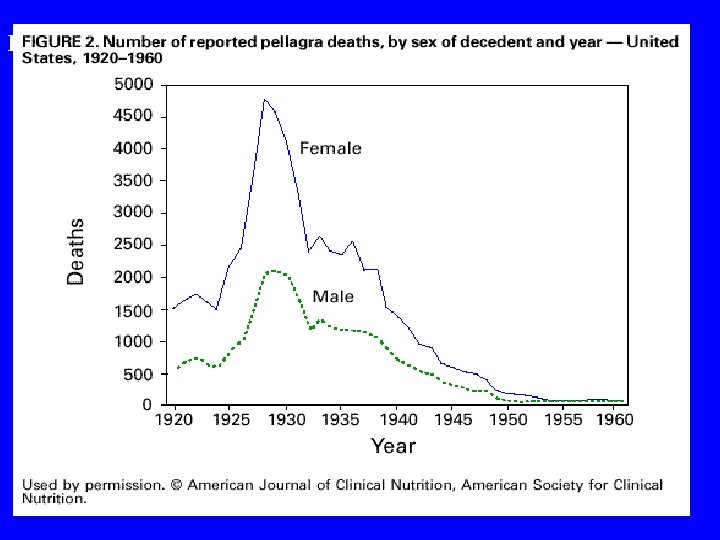
Figure 2 20
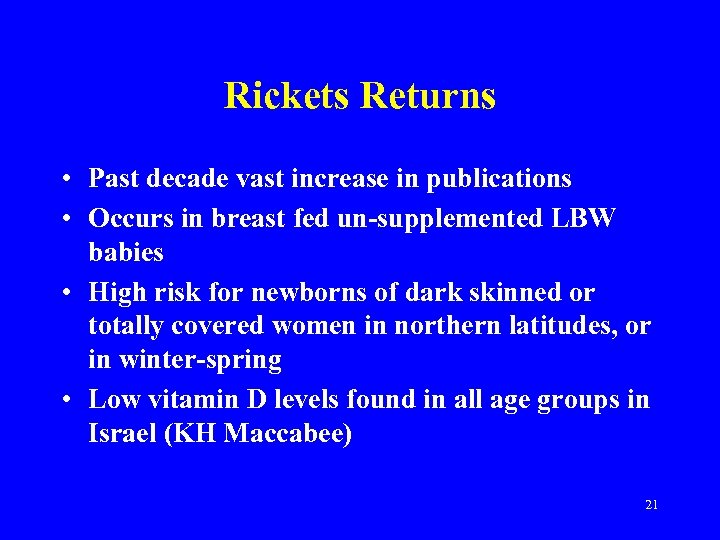
Rickets Returns • Past decade vast increase in publications • Occurs in breast fed un-supplemented LBW babies • High risk for newborns of dark skinned or totally covered women in northern latitudes, or in winter-spring • Low vitamin D levels found in all age groups in Israel (KH Maccabee) 21
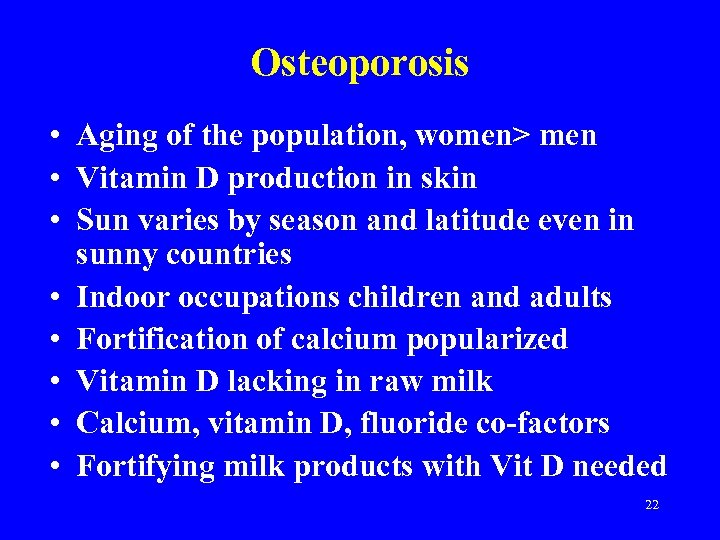
Osteoporosis • Aging of the population, women> men • Vitamin D production in skin • Sun varies by season and latitude even in sunny countries • Indoor occupations children and adults • Fortification of calcium popularized • Vitamin D lacking in raw milk • Calcium, vitamin D, fluoride co-factors • Fortifying milk products with Vit D needed 22
Iron Deficiency • • • Commonest MND Affects survival, health and productivity Affects women in age of fertility Affects pregnancy and newborn Affects growth and cognitive development of infants and children • Interaction with vitamin C deficiency 23
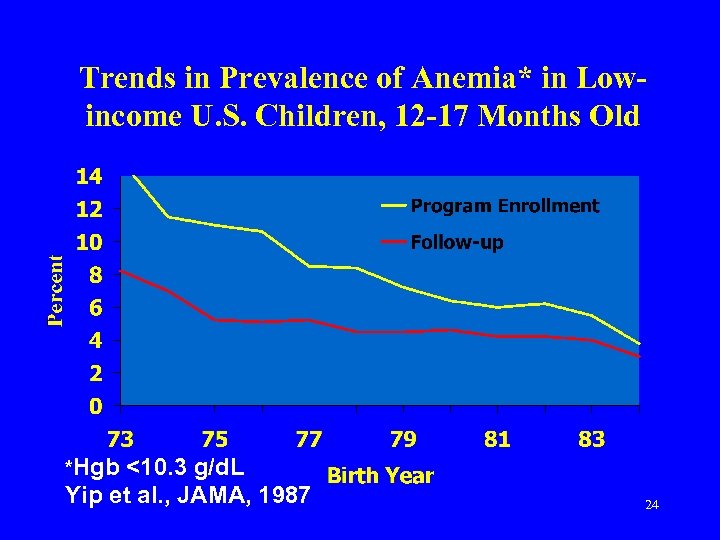
Trends in Prevalence of Anemia* in Lowincome U. S. Children, 12 -17 Months Old *Hgb <10. 3 g/d. L Yip et al. , JAMA, 1987 24
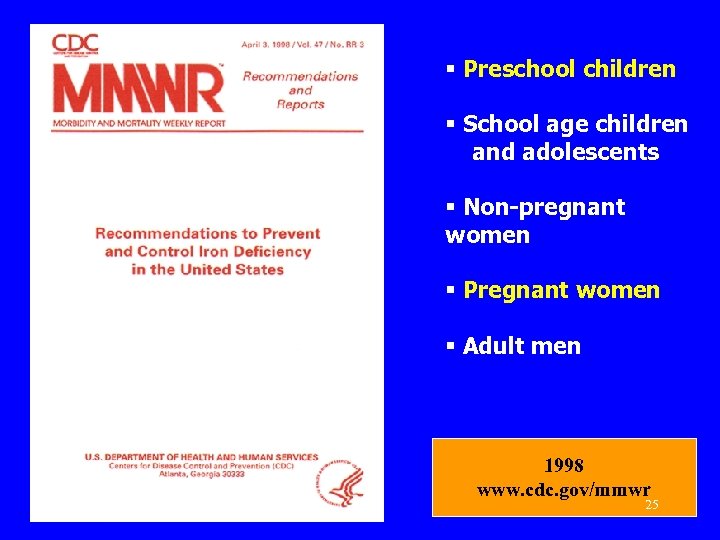
§ Preschool children § School age children and adolescents § Non-pregnant women § Pregnant women § Adult men 1998 www. cdc. gov/mmwr 25
Canada 1979 • • National nutrition survey 1971 Geographic, social and ethnic deficiencies Process of consultation 1979 federal regulations, mandatory – Vitamin A and D in all milk products – Iodine in salt – Vitamins B and iron in flour • Policy review 2005 • Folic acid mandatory since 1998 26
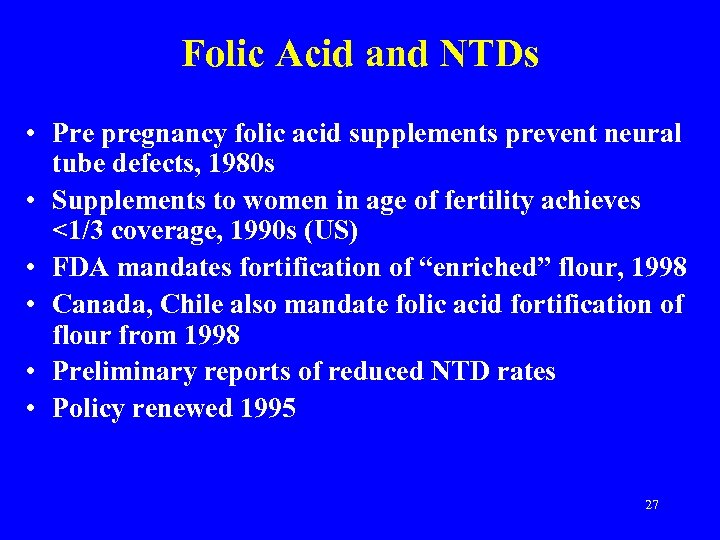
Folic Acid and NTDs • Pre pregnancy folic acid supplements prevent neural tube defects, 1980 s • Supplements to women in age of fertility achieves <1/3 coverage, 1990 s (US) • FDA mandates fortification of “enriched” flour, 1998 • Canada, Chile also mandate folic acid fortification of flour from 1998 • Preliminary reports of reduced NTD rates • Policy renewed 1995 27
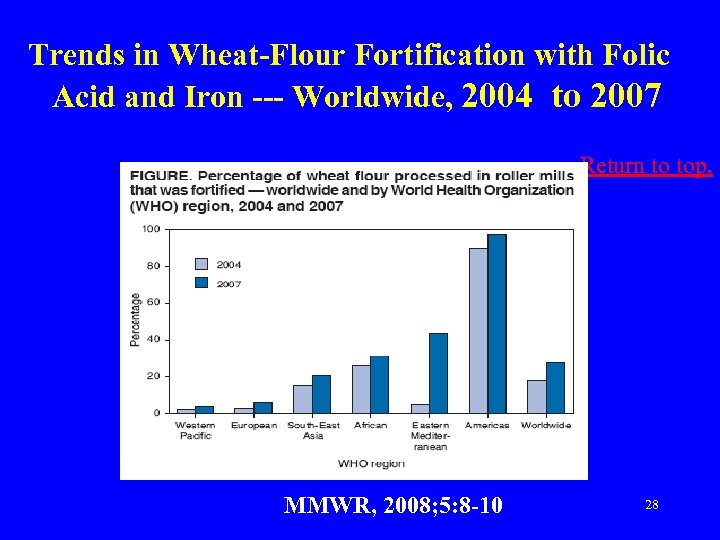
Trends in Wheat-Flour Fortification with Folic Acid and Iron --- Worldwide, 2004 to 2007 Return to top. MMWR, 2008; 5: 8 -10 28
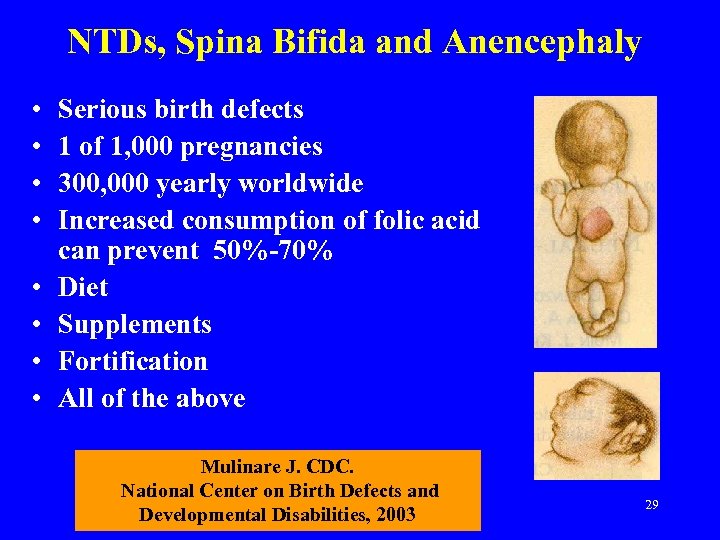
NTDs, Spina Bifida and Anencephaly • • Serious birth defects 1 of 1, 000 pregnancies 300, 000 yearly worldwide Increased consumption of folic acid can prevent 50%-70% Diet Supplements Fortification All of the above Mulinare J. CDC. National Center on Birth Defects and Developmental Disabilities, 2003 From NEJM 1999 29
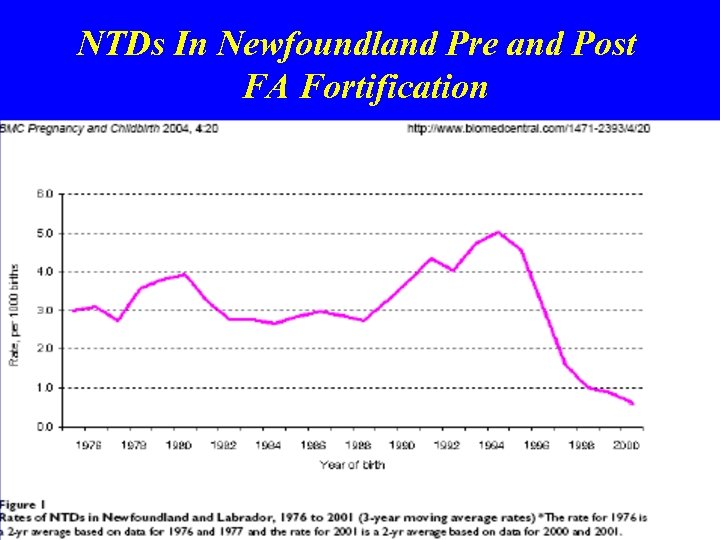
NTDs In Newfoundland Pre and Post FA Fortification 30
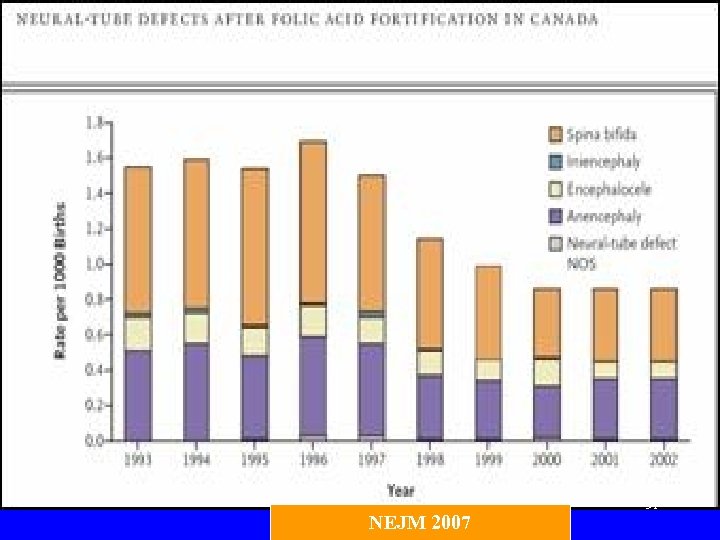
NEJM 2007 31
32
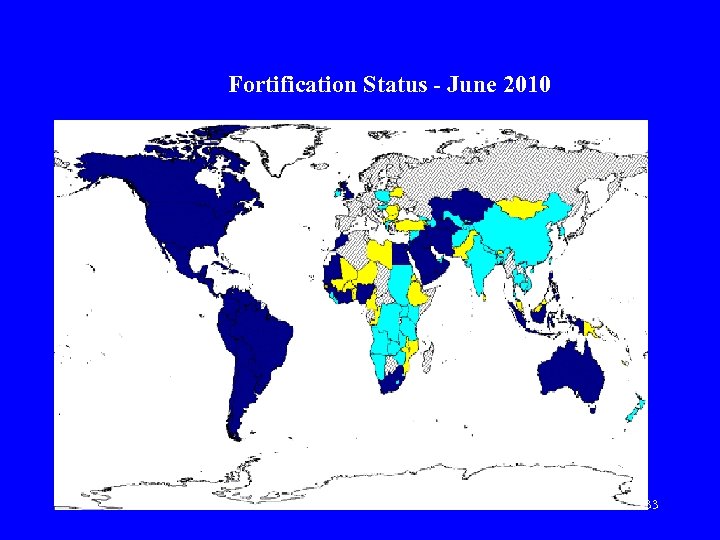
Fortification Status - June 2010 33
34
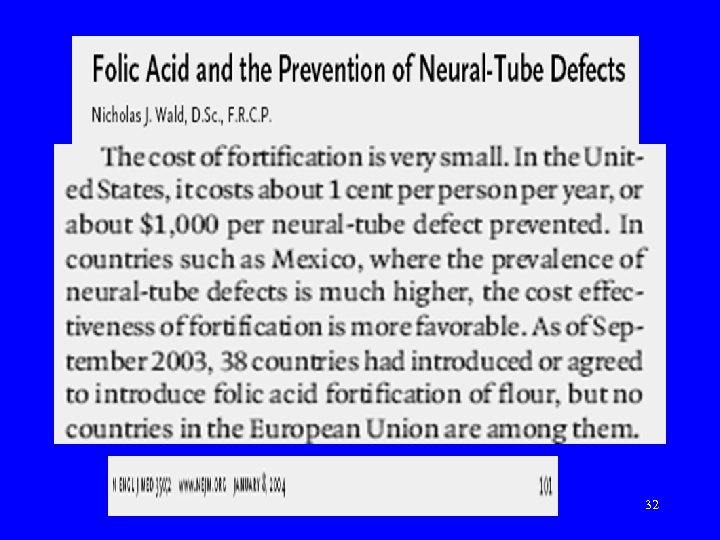
UK Food Standards Agency FSA recommends mandatory fortification of bread or flour with folic acid in order to reduce the risk of neural tube defects in foetuses. Currently being considered by UK health ministers, following advice from the four Chief Medical Officers in the UK. If approved, the relevant UK health departments will be responsible for producing implementation. 35
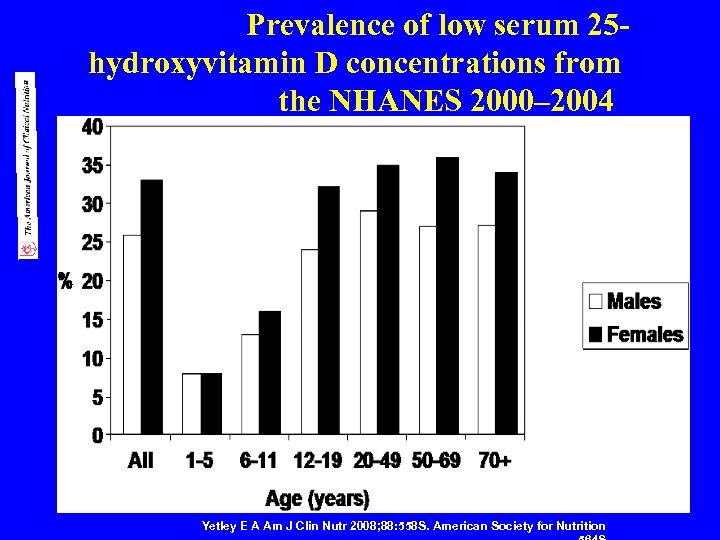
Prevalence. of low serum 25 hydroxyvitamin D concentrations from the NHANES 2000– 2004 36 Yetley E A Am J Clin Nutr 2008; 88: 558 S. American Society for Nutrition
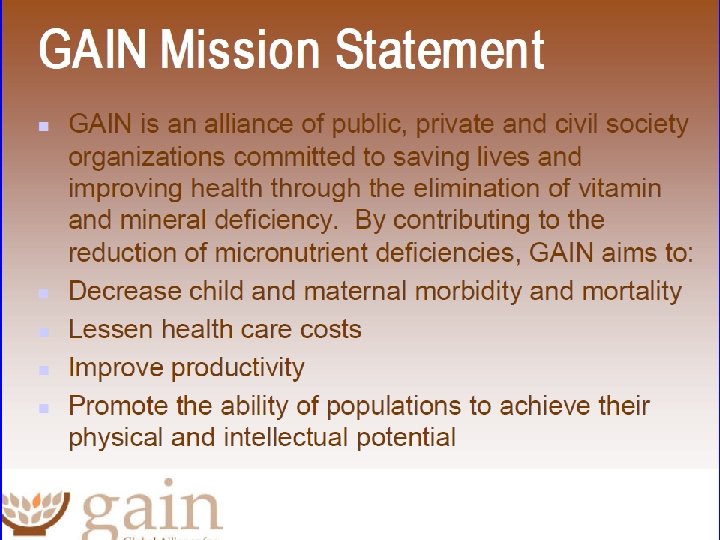
37
Conclusion • • • Nutritional security - major public health issue Affects MCH, infectious, non infectious disease High priority – birth defects, IDA, IDD, CHD Fortification has low sex appeal vs. clinical Mandatory vs. voluntary – false dilemma Requires concern, knowledge, advocacy and leadership • Public health role advocacy !!! 38
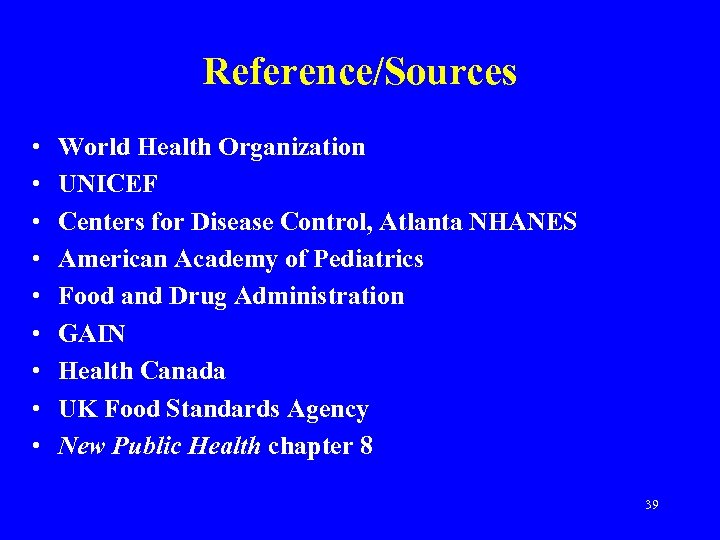
Reference/Sources • • • World Health Organization UNICEF Centers for Disease Control, Atlanta NHANES American Academy of Pediatrics Food and Drug Administration GAIN Health Canada UK Food Standards Agency New Public Health chapter 8 39
Скачать презентацию Food Fortification as Public Health Policy TH Tulchinsky
3496ca163589fa8de4ba7d9a4fd57ca7.ppt