


 Скачать презентацию Focus on Hypertension Hypertension Definition Persistent elevation
8a803a7f0210d74e3f6cee19042078a5.ppt
- Количество слайдов: 38
 Focus on Hypertension
 Hypertension: Definition Persistent elevation of § Systolic blood pressure ≥ 140 mm Hg or § Diastolic blood pressure ≥ 90 mm Hg • Worldwide an estimated 1 billion people have hypertension; about 1 in 3 Americans affected • Direct relationship between hypertension and cardiovascular disease (CVD)
 Prehypertension: Definition • Systolic blood pressure: 120– 139 mm Hg or • Diastolic blood pressure: – 89 mm Hg 80
 Hypertension • It is estimated that 1/3 of the general population in the US have hypertension (Fields et al, 2004) • Healthy People 2010: reduce the # of persons with HTN by 14%, increase the control of BP by 68%, increase the # of adults taking action by weight loss, activity, low sodium diet by 98% and increase the proportion of adults measuring their BP by 95% • Risk of hypertension increases with age; if you don’t have it by age 55 – 90% chance of getting it later in life • CVD is #1 cause of death in women in US & other developed areas of world; < 50% of women are aware of this fact See p. 762 for box at top of page with gender differences & hypertension; Before age 55 hypertension more common in men and they have MIs > 55 yrs, hypertension more common in women and they have strokes
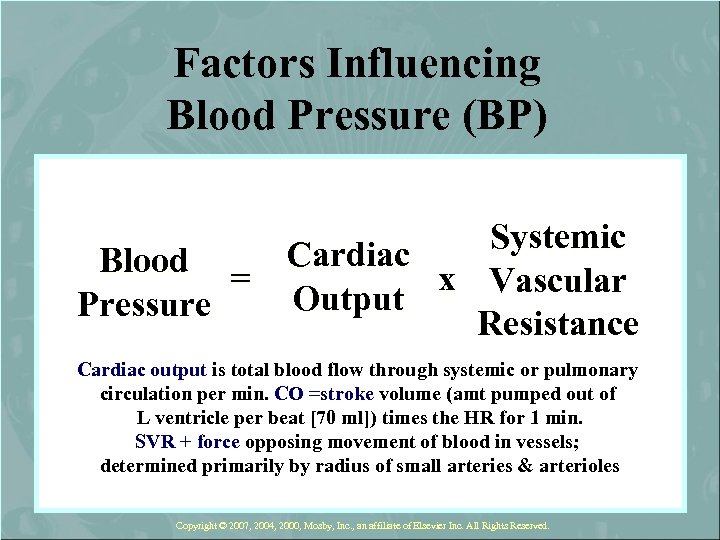 Factors Influencing Blood Pressure (BP) Systemic Blood = Cardiac x Vascular Output Pressure Resistance Cardiac output is total blood flow through systemic or pulmonary circulation per min. CO =stroke volume (amt pumped out of L ventricle per beat [70 ml]) times the HR for 1 min. SVR + force opposing movement of blood in vessels; determined primarily by radius of small arteries & arterioles Copyright © 2007, 2004, 2000, Mosby, Inc. , an affiliate of Elsevier Inc. All Rights Reserved.
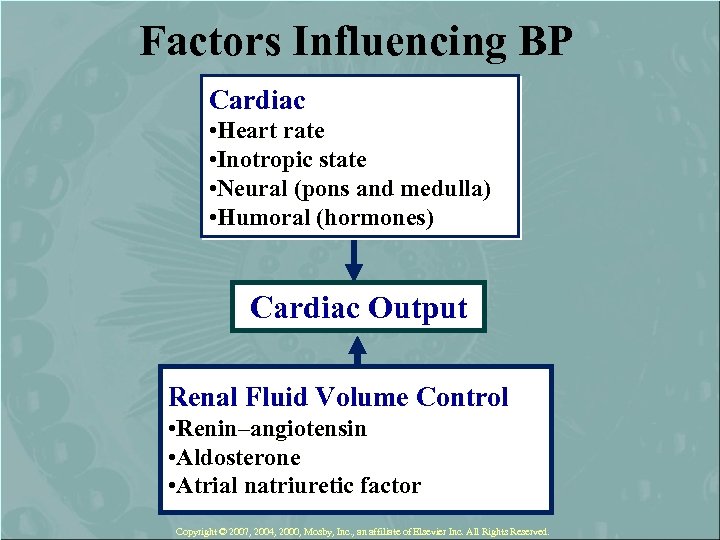 Factors Influencing BP Cardiac • Heart rate • Inotropic state • Neural (pons and medulla) • Humoral (hormones) Cardiac Output Renal Fluid Volume Control • Renin–angiotensin • Aldosterone • Atrial natriuretic factor Copyright © 2007, 2004, 2000, Mosby, Inc. , an affiliate of Elsevier Inc. All Rights Reserved.
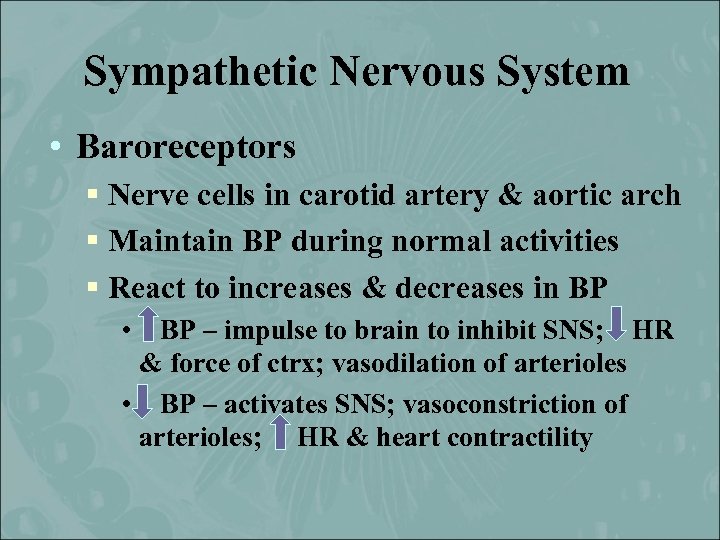 Sympathetic Nervous System • Baroreceptors § Nerve cells in carotid artery & aortic arch § Maintain BP during normal activities § React to increases & decreases in BP • BP – impulse to brain to inhibit SNS; HR & force of ctrx; vasodilation of arterioles • BP – activates SNS; vasoconstriction of arterioles; HR & heart contractility
 • Increased BP send inhibitory impulse to sympathetic vasomotor center in brainstem; • In long-standing hypertension, baroreceptors adjust to elevated BP and reads it as normal; doesn’t make adjustments; also becomes less responsive in some older adults
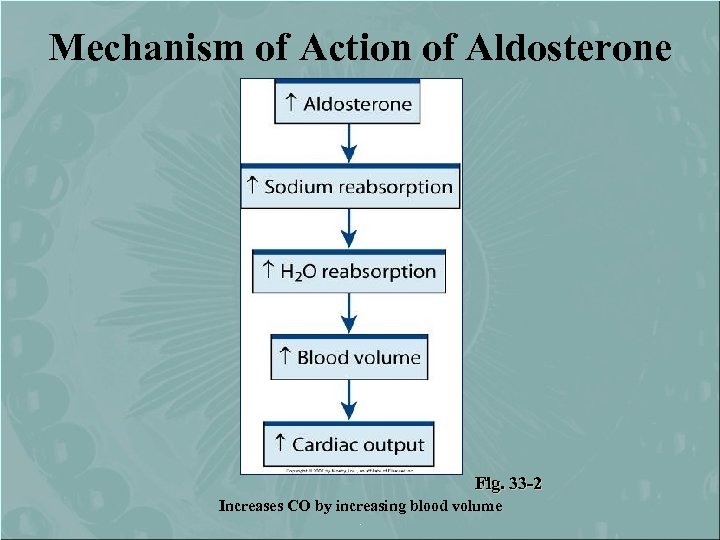 Mechanism of Action of Aldosterone Fig. 33 -2 Increases CO by increasing blood volume.
 Etiology of Hypertension • Primary (essential or idiopathic) hypertension § Elevated BP without an identified cause § 90% to 95% of all cases
 Secondary Hypertension § Elevated BP with a specific cause • 5% to 10% of adult cases § Contributing factors: • Coarctation of aorta name given to a congenital condition whereby the aorta narrows in the area where the ductus arteriosus (ligamentum arteriosum after regression) inserts. • Renal disease • Endocrine disorders • Neurologic disorders • Cirrhosis • Sleep apnea § If someone under 20 or over 50 suddenly develops hypertension, esp. severe then suspect secondary cause
 Risk Factors for - Primary Hypertension • • Age (>55) Alcohol Cigarette smoking Diabetes mellitus Elevated serum lipids Excess dietary sodium Gender § SBP rises with age Alcohol – excessive use strongly correlated to hypertension § Smoking – increases risk for CV disease ; vasoconstriction § Diabetes – along with hypertension greater risk for target organ disease and usually more severe § Hyperlipidemia elevated in people with hypertension; increases risk of atherosclerosis § Some pts Na sensitive Males have higher rates of hypertension <55 and increased in women>55
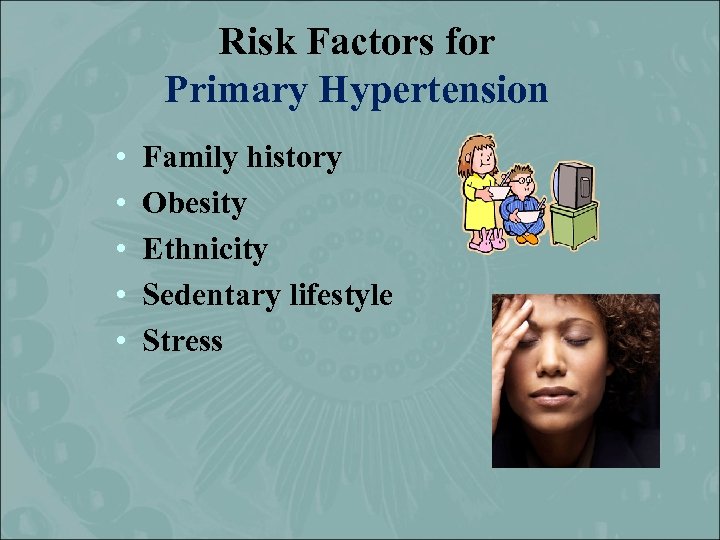 Risk Factors for Primary Hypertension • • • Family history Obesity Ethnicity Sedentary lifestyle Stress
 Primary Hypertension • Water and sodium retention § A high sodium intake may result in water retention § Some people are Na sensitive (about 20%) ; not everyone with high salt diet develops hypertension
 Pathophysiology of Primary Hypertension • Water and sodium retention § Certain demographics are associated with “salt sensitivity” • Obesity • Increasing age • African American ethnicity • People with diabetes, renal disease
 Pathophysiology of Primary Hypertension • Stress and increased SNS activity § § Produces increased vasoconstriction ↑ HR ↑ Renin release Angiotensin II causes direct arteriolar constriction, promotes vascular hypertrophy and induces aldosterone secretion
 Pathophysiology of Primary Hypertension • Insulin resistance & hyperinsulinemia § High insulin concentration stimulates SNS activity and impairs nitric oxide–mediated vasodilation § Not present in secondary hypertension and don’t improve when hypertension is treated
 • Renin is an enzyme released by the kidney to help control the body's sodium-potassium balance, fluid volume, and blood pressure. • Description • When the kidneys release the enzyme renin in response to certain conditions (high blood potassium, low blood sodium, decreased blood volume), it is the first step in what is called the renin-angiotensinaldosterone cycle. This cycle includes the conversion of angiotensinogen to angiotensin I, which in turn is converted to angiotensin II, in the lung. Angiotensin II is a powerful blood vessel constrictor, and its action stimulates the release of aldosterone from an area of the adrenal glands called the adrenal cortex. Together, angiotensin and aldosterone increase the blood volume, the blood pressure, and the blood sodium to re-establish the body's sodiumpotassium and fluid volume balance. Primary aldosteronism, the symptoms of which include hypertension and low blood potassium (hypokalemia), is considered "low-renin aldosteronism. "
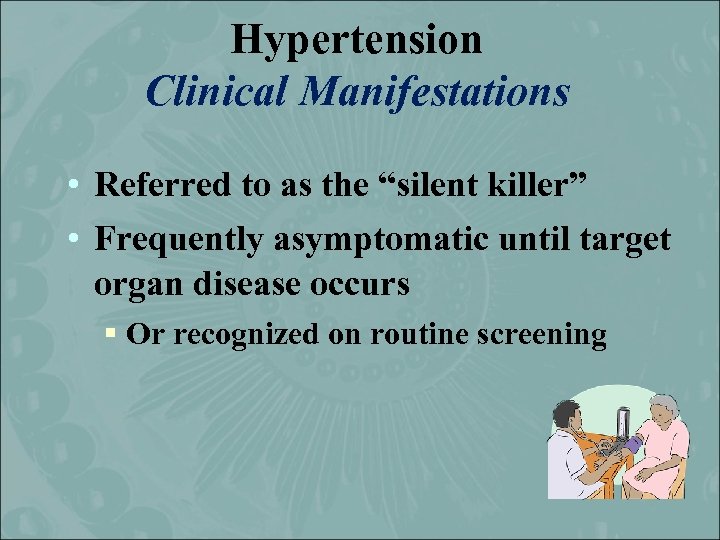 Hypertension Clinical Manifestations • Referred to as the “silent killer” • Frequently asymptomatic until target organ disease occurs § Or recognized on routine screening
 Hypertension Clinical Manifestations • Sx often secondary to target organ disease • Can include: § Fatigue, reduced activity tolerance § Dizziness § Palpitations, angina § Dyspnea
 Hypertension Complications • Target organ diseases occur most frequently in: § Heart § Brain § Peripheral vasculature § Kidney § Eyes
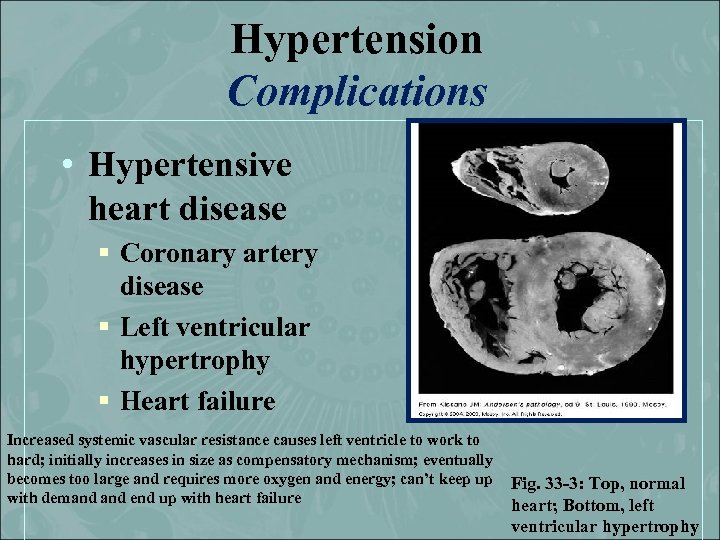 Hypertension Complications • Hypertensive heart disease § Coronary artery disease § Left ventricular hypertrophy § Heart failure Increased systemic vascular resistance causes left ventricle to work to hard; initially increases in size as compensatory mechanism; eventually becomes too large and requires more oxygen and energy; can’t keep up with demand end up with heart failure Fig. 33 -3: Top, normal heart; Bottom, left ventricular hypertrophy
 Hypertension-Complications • Cerebrovascular disease § Stroke • • Peripheral vascular disease Nephrosclerosis Retinal damage Atherosclerosis most common cause of cerebrovascular disease; hypertension major risk factor for cerebral atherosclerosis and stroke • Atherosclerosis in peripheral blood vessels too; can lead to PVD, aortic aneurysm, aortic dissection • Hypertension one of leading causes of end-stage renal disease, esp. in African-Americans; some degree of renal dysfunction usual in person with even mild BP elevations • Retina is only place blood vessels can be directly visualized; if see damage there then indicates damage in brain, heart, & kidney too; Can cause blurring, retinal hemorrhage and blindness
 Hypertension Diagnostic Studies • History and physical examination • BP measurement in both arms § Use arm with higher reading for subsequent measurements § BP highest in early morning, lowest at night
 Hypertension Office BP Measurement • Use auscultatory method with a properly calibrated instrument • Patient seated quietly for 5 min in a chair, feet on the floor, and arm supported at heart level • Appropriate-sized cuff is necessary to ensure accurate reading • At least two measurements should be obtained • Allow at least 1 minute between readings. If one arm higher than other; take BP in higher arm for subsequent measurements
 Hypertension Diagnostic Studies • • Urinalysis, creatinine clearance Serum electrolytes, glucose BUN and serum creatinine Serum lipid profile ECG Echocardiogram Know normal lab values! Use your lab book
 Hypertension Collaborative Care • Overall goals § Control blood pressure § Reduce CVD risk factors • Strategies for adherence to regimens § Empathy increases patient trust, motivation, adherence to therapy § Consider patient’s cultural beliefs, individual attitudes in formulating treatment goals
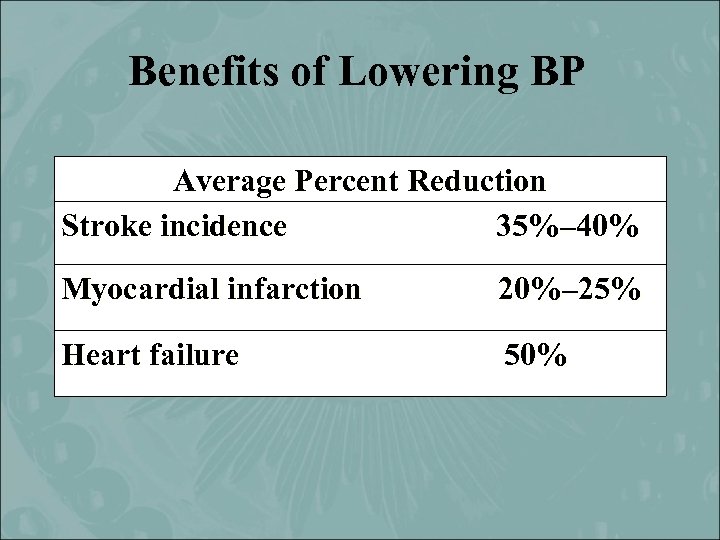 Benefits of Lowering BP Average Percent Reduction Stroke incidence 35%– 40% Myocardial infarction 20%– 25% Heart failure 50%
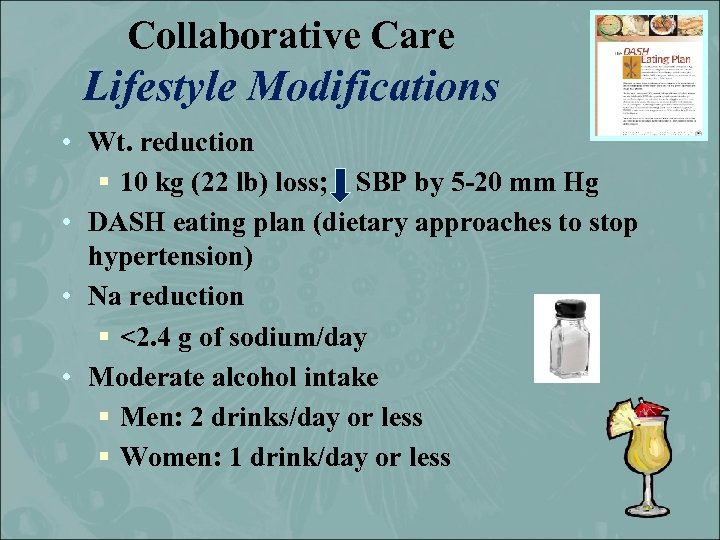 Collaborative Care Lifestyle Modifications • Wt. reduction § 10 kg (22 lb) loss; SBP by 5 -20 mm Hg • DASH eating plan (dietary approaches to stop hypertension) • Na reduction § <2. 4 g of sodium/day • Moderate alcohol intake § Men: 2 drinks/day or less § Women: 1 drink/day or less
 Collaborative Care Lifestyle Modifications • Physical activity: § Regular physical (aerobic) activity, § At least 30 min, most days of week • Avoidance of tobacco products • Stress management
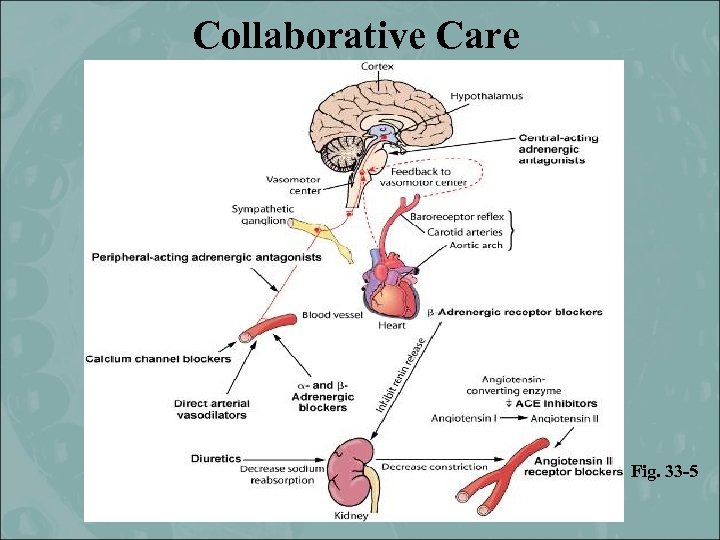 Collaborative Care Fig. 33 -5
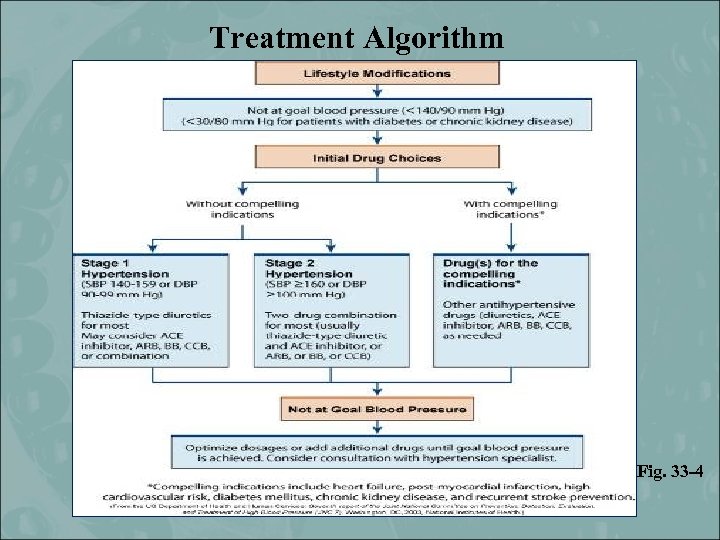 Treatment Algorithm Fig. 33 -4
 Collaborative Care Drug Therapy • Patient teaching § Identify, report, minimize side effects to enhance compliance • Orthostatic hypotension • Sexual dysfunction • Dry mouth • Frequent urination
 Hypertensive Crisis • Severe, abrupt increase in DBP § Defined as >140 mm Hg • Rate of increase in BP more important than absolute value • Often occurs in patients with Hx of HTN who failed to comply with medications or who have been undermedicated • Monitor MAP mean arterial pressure: MAP = (SBP + 2 DBP) 3
 Hypertensive Crisis Clinical Manifestations • Hypertensive emergency = evidence of acute target organ damage: § Hypertensive encephalopathy, cerebral hemorrhage § Acute renal failure § Myocardial infarction § Heart failure with pulmonary edema
 Hypertensive Crisis Nursing & Collaborative Management • Hospitalization § IV drug therapy: Titrated to mean arterial pressure § Monitor cardiac and renal function § Neurologic checks § Determine cause § Education to avoid future crises • Decrease BP by no more than 25% within 1 st hr; then if stable goal for BP is 190/100 over next 2 -6 hrs • Lowering BP too much or too quickly increases risk for stroke, MI, renal failure due to decreased perfusion to these vital organs
 Hypertensive Emergency • Develops over hours-days • BP > 180/120 mm Hg • Evidence of acute target organ damage, esp. to CNS § Hypertensive encephalopathy § Sx may be similar to stroke, but no focal or lateral signs • Can see sudden rise in BP with HA, N&V, SZ, confusion, stupor & coma; Increased ICP due to edema • Common to have blurred vision and transient blindness • Renal insufficiency to complete shutdown • Rapid cardiac decompensation; MI, dyspnea
 Hypertensive Urgency • Develops over days to weeks • BP severely elevated but no evidence of target organ damage § Usually treat with oral meds as outpatient