 Скачать презентацию Fishery Forum for Development Cooperation Annual Meeting Bergen
c49c4667ec47cef929defd73daf63351.ppt
- Количество слайдов: 45



Fishery Forum for Development Cooperation Annual Meeting, Bergen, 31 st March to 1 st April 2005 Recent and prospective aquaculture developments in Tanzania Ian Bryceson Professor, Norwegian University of Life Sciences, Ås, Norway
Presentation • Tanzania – location and development status • Aquaculture production in Tanzania: – – – Tilapia (Oreochromis nilioticus, O. mossambicus) Shrimp (Penaeus monodon, P. indicus) Red seaweeds (Eucheuma, Kappaphycus) Marine and brackish finfish (Siganus, Chanos, Mugil) Molluscs (Saccostrea, Anadara, Pinctada) Integrated systems (agri-aqua) (fish-molluscs-algae) • Research institutions and cooperation • Future prospects
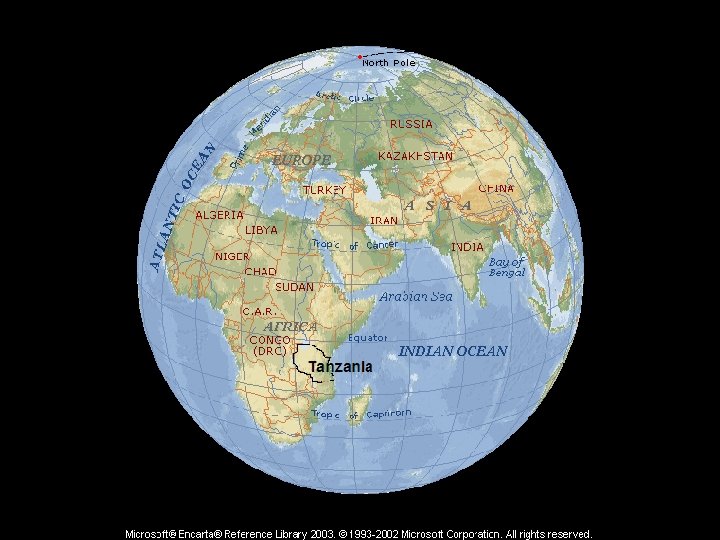
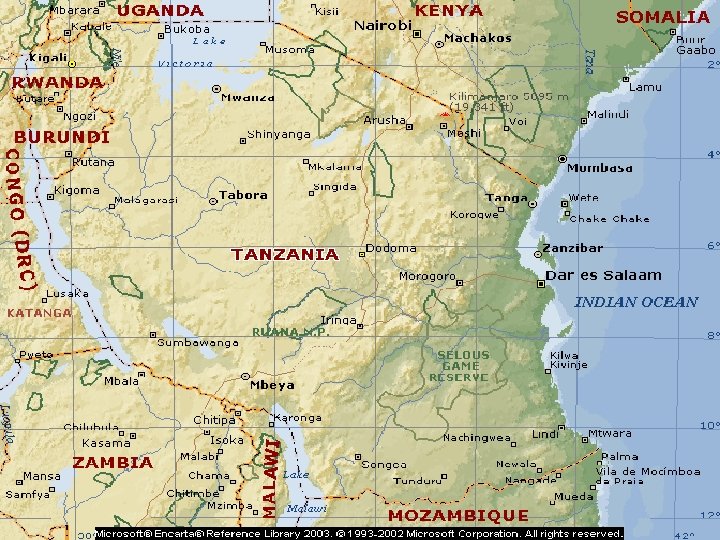
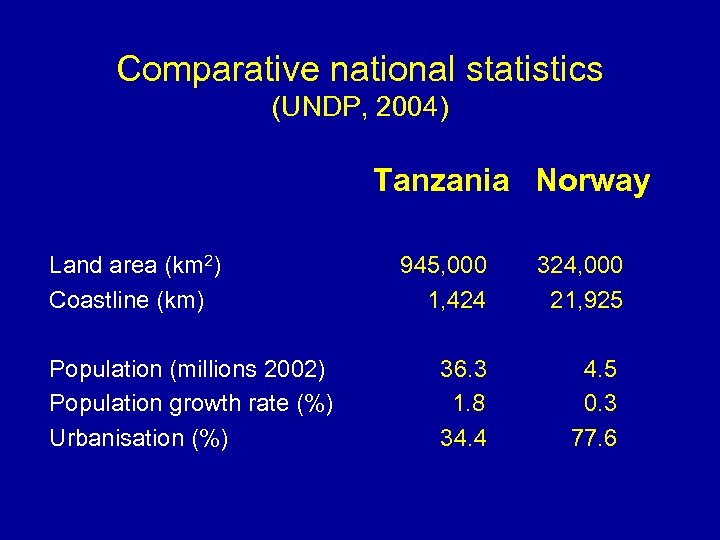
Comparative national statistics (UNDP, 2004) Tanzania Norway Land area (km 2) Coastline (km) Population (millions 2002) Population growth rate (%) Urbanisation (%) 945, 000 1, 424 324, 000 21, 925 36. 3 1. 8 34. 4 4. 5 0. 3 77. 6
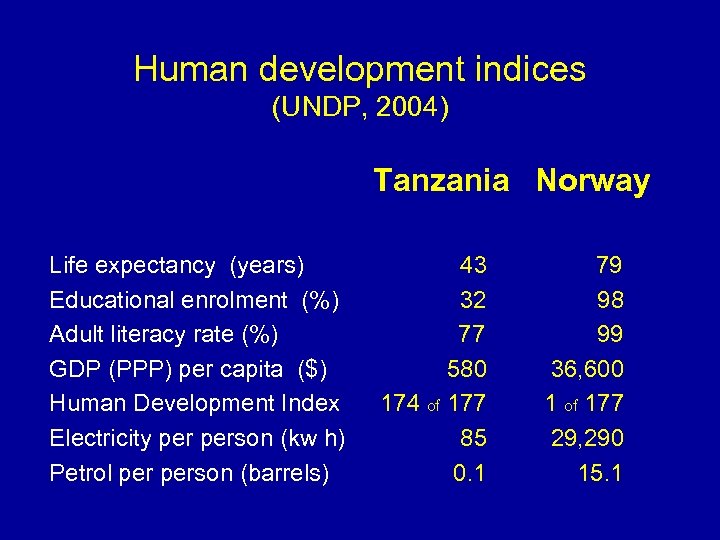
Human development indices (UNDP, 2004) Tanzania Norway Life expectancy (years) Educational enrolment (%) Adult literacy rate (%) GDP (PPP) per capita ($) Human Development Index Electricity person (kw h) Petrol person (barrels) 43 32 77 580 174 of 177 85 0. 1 79 98 99 36, 600 1 of 177 29, 290 15. 1
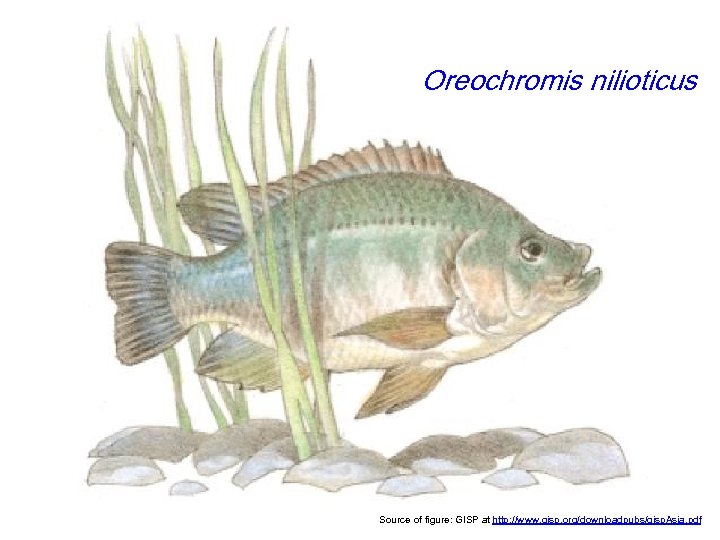
Oreochromis nilioticus Source of figure: GISP at http: //www. gisp. org/downloadpubs/gisp. Asia. pdf
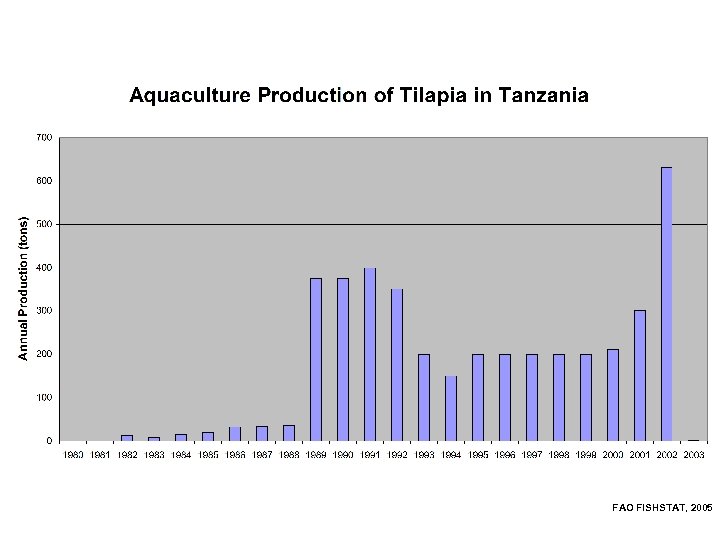
FAO FISHSTAT, 2005
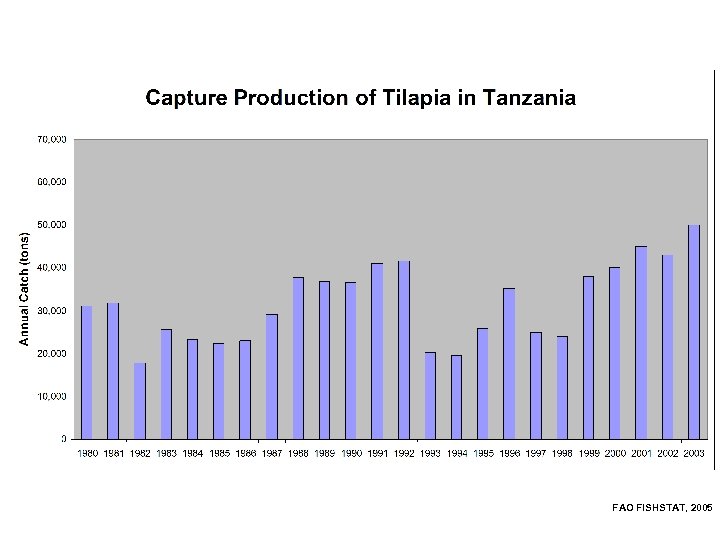
FAO FISHSTAT, 2005
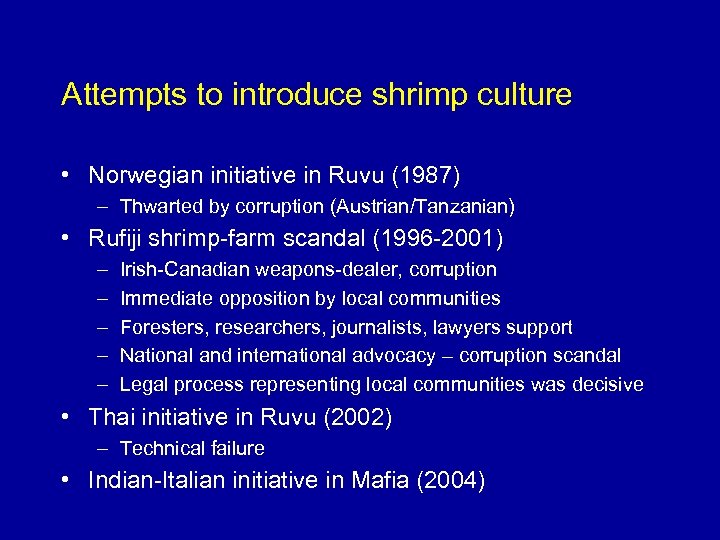
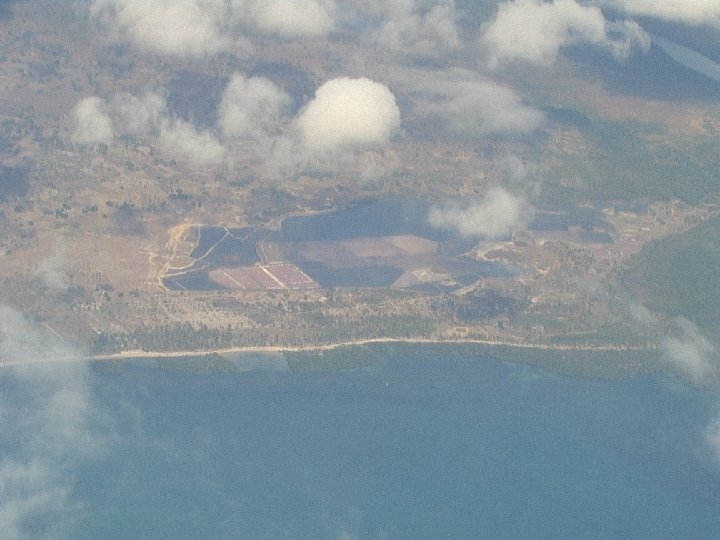
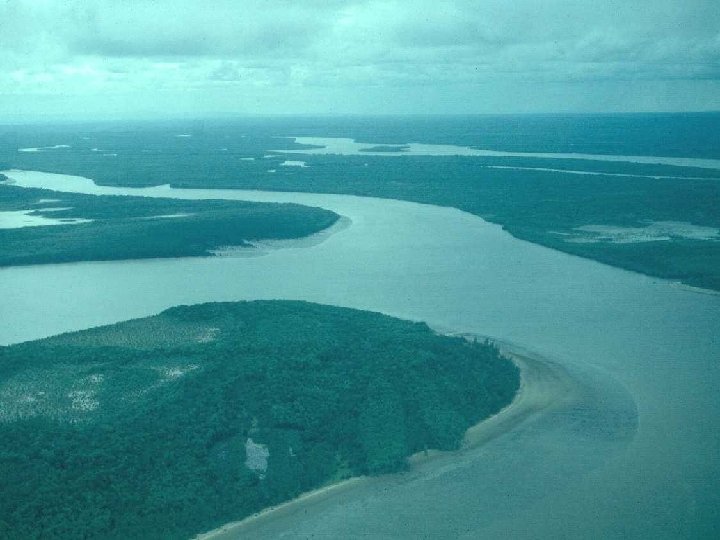
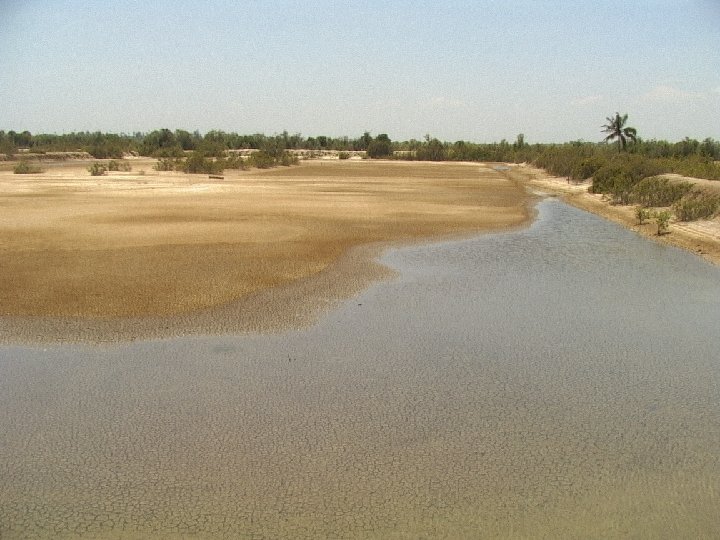
Attempts to introduce shrimp culture • Norwegian initiative in Ruvu (1987) – Thwarted by corruption (Austrian/Tanzanian) • Rufiji shrimp-farm scandal (1996 -2001) – – – Irish-Canadian weapons-dealer, corruption Immediate opposition by local communities Foresters, researchers, journalists, lawyers support National and international advocacy – corruption scandal Legal process representing local communities was decisive • Thai initiative in Ruvu (2002) – Technical failure • Indian-Italian initiative in Mafia (2004)
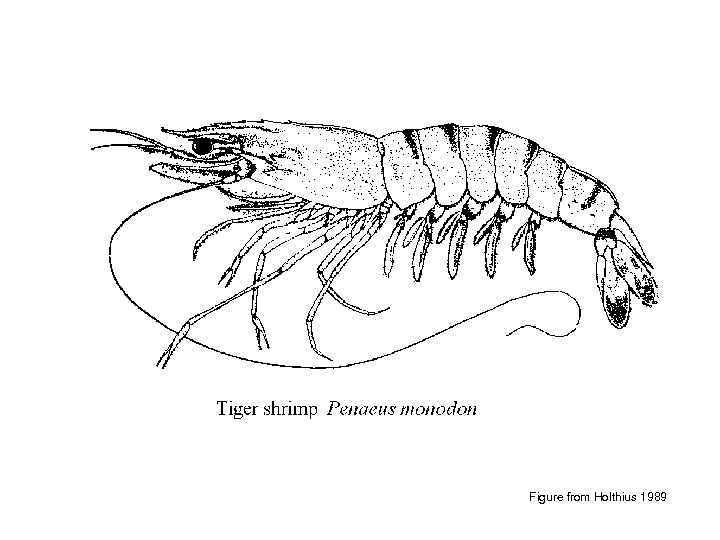
Figure from Holthius 1989
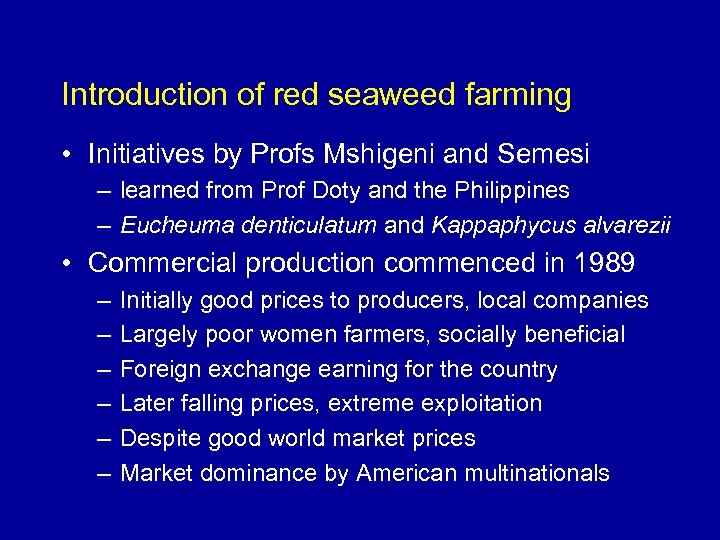
Introduction of red seaweed farming • Initiatives by Profs Mshigeni and Semesi – learned from Prof Doty and the Philippines – Eucheuma denticulatum and Kappaphycus alvarezii • Commercial production commenced in 1989 – – – Initially good prices to producers, local companies Largely poor women farmers, socially beneficial Foreign exchange earning for the country Later falling prices, extreme exploitation Despite good world market prices Market dominance by American multinationals
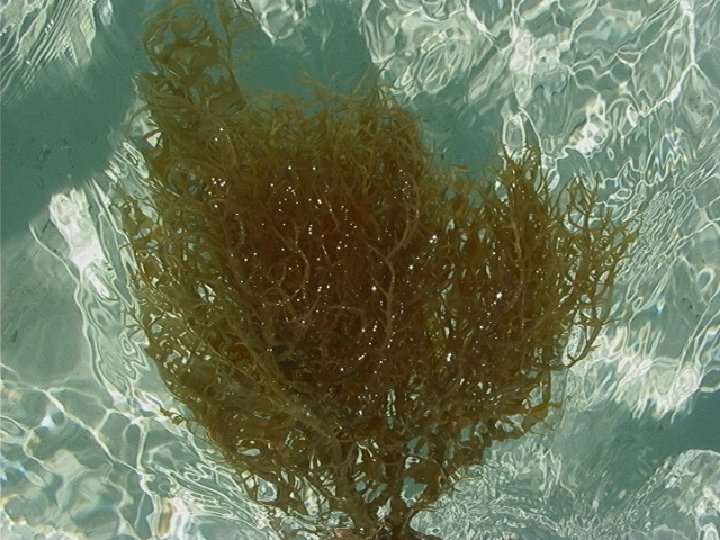
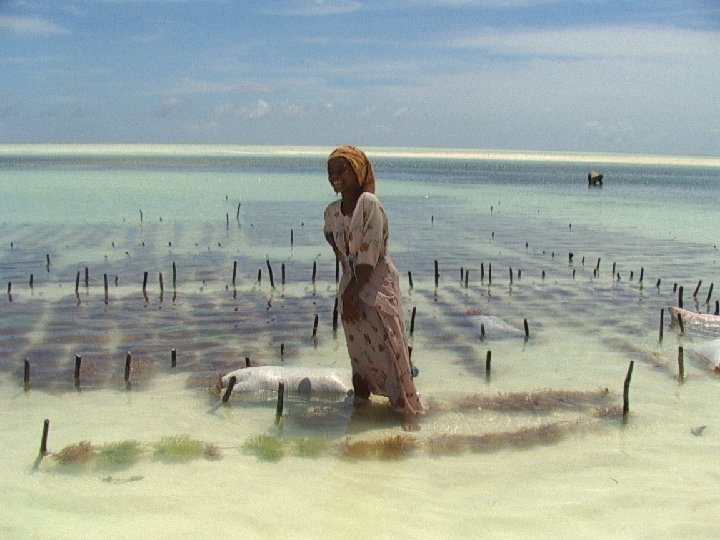
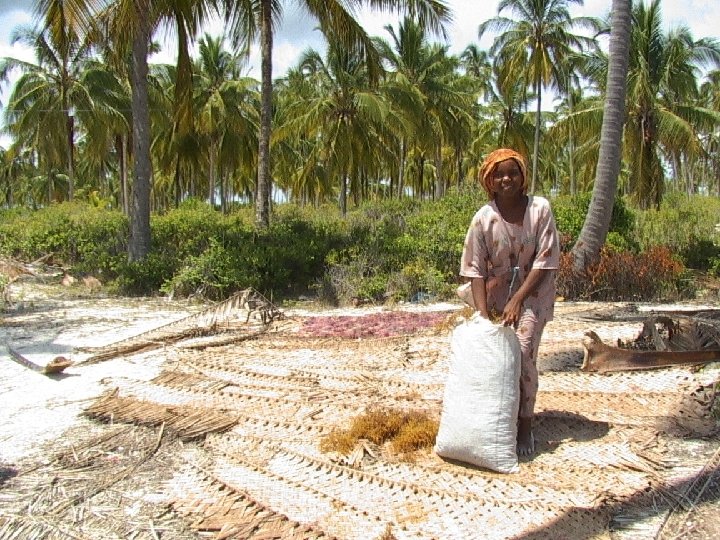
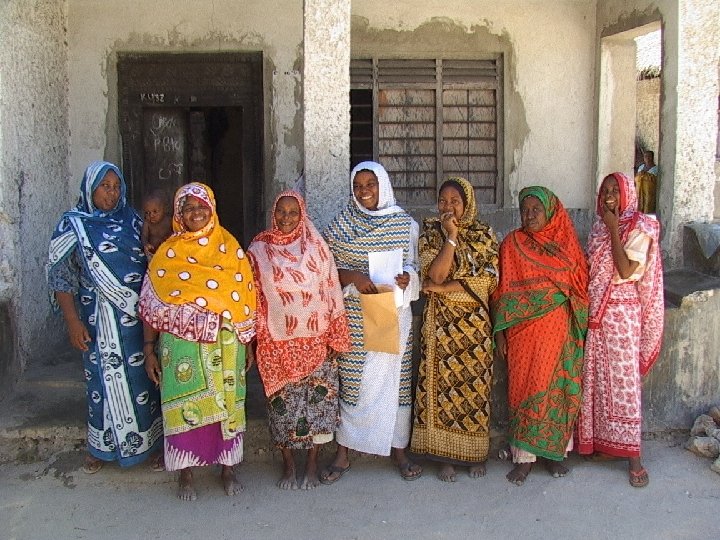
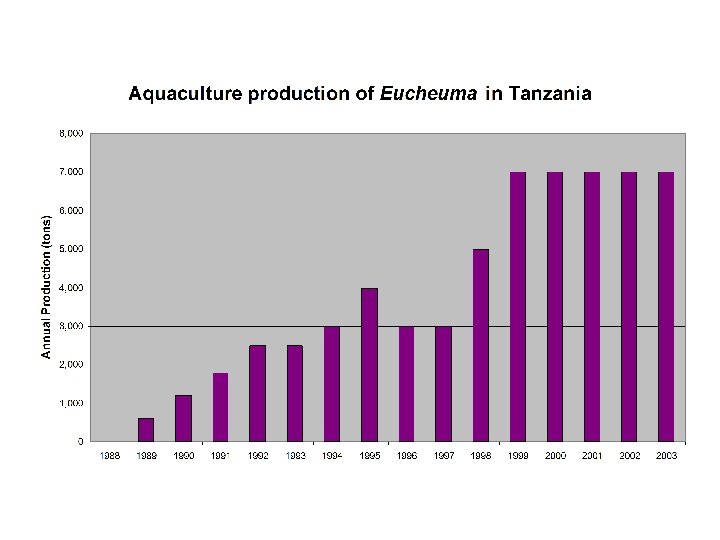
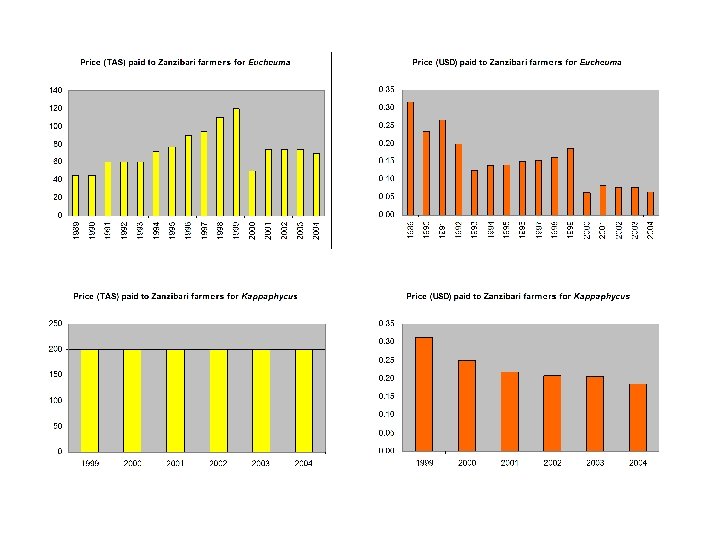
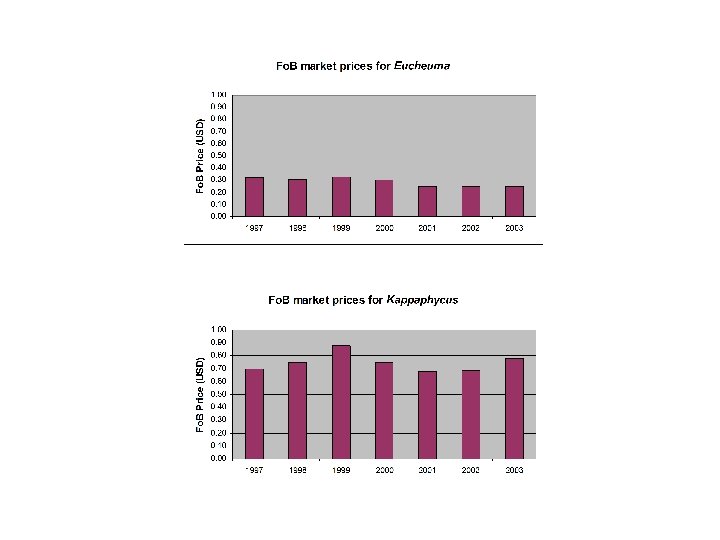
Globalisation -- the exploitative and oppressive logic of monopoly capitalism, a quotation from Erick Ask (2000) of FMC Biopolymer (USA): “As a potential seaweed supplier trying to find the best village to work in, you should be delighted to find a village populated by consumers with no or little livelihood options. In this case we call [seaweed] farming the livelihood of last resort. Today we find the most productive and consistent farmers from villages like these … In these places it is too arid to farm or the soil is unsuitable and the reefs have been destroyed and fish stocks decimated … Your ultimate goal is to make seaweed farming become a way of life for the villagers. This happens after five or so years. At this stage people don’t think too much about price, they just farm because they have always farmed. Their children will follow them …”
Experiments with marine / brackish finfish • G. Mziray MSc (1980) – Siganus sutor • M. Rubindamayugi, MSc (1982) – Leptoscarus vaigiensis • P. Bwathondi (1986) – Siganus sutor • M. Fadhili (1994 -now) – Chanos chanos, Mugil cephalus • M. Mmochi et al. (1998) – Siganus sutor, Chanos chanos • A. Mwandya (current Ph. D study) – Mugil cephalus • A. Dubi et al. (2001 -now) – integrated system including Chanos chanos
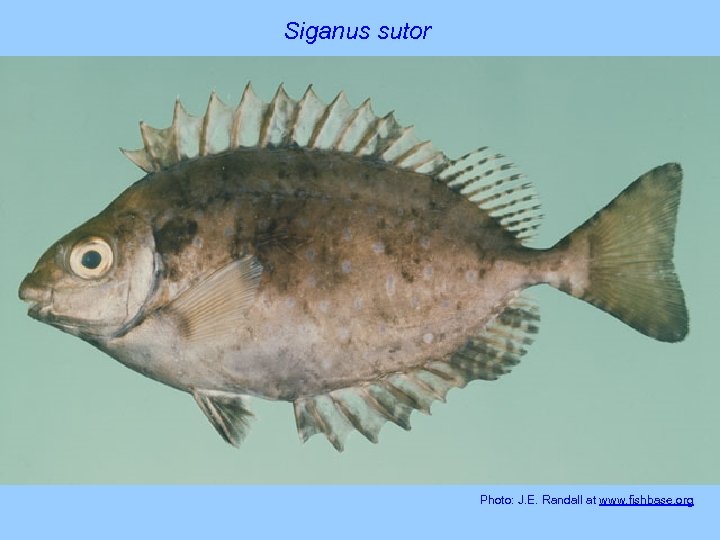
Siganus sutor Photo: J. E. Randall at www. fishbase. org
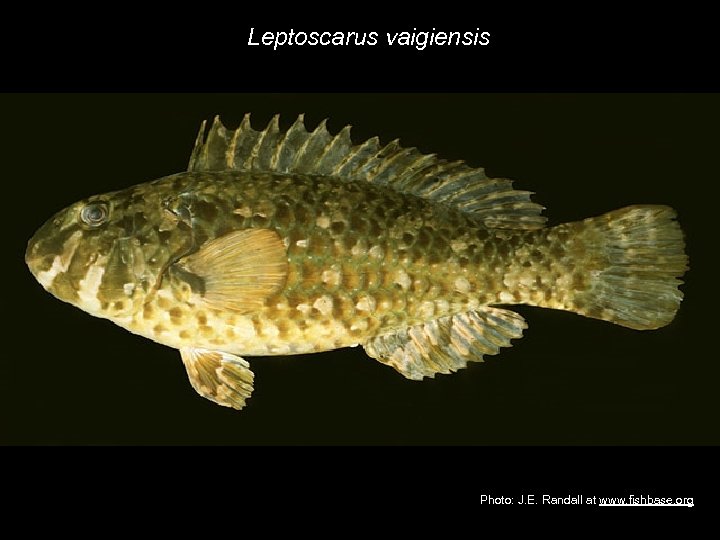
Leptoscarus vaigiensis Photo: J. E. Randall at www. fishbase. org
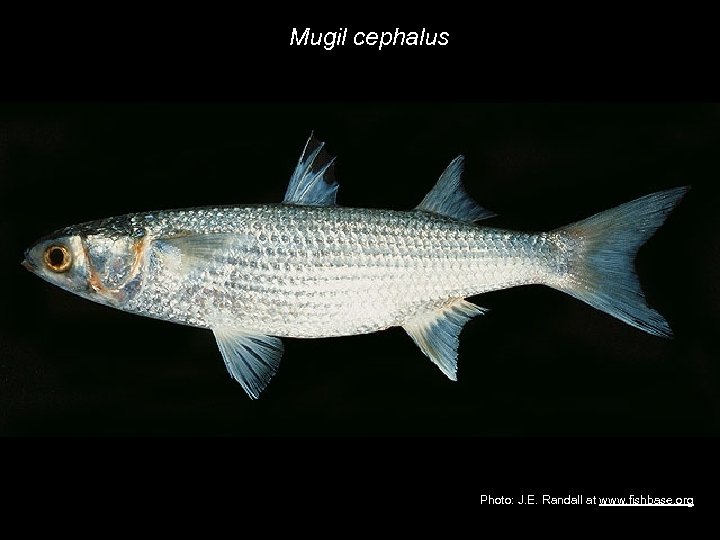
Mugil cephalus Photo: J. E. Randall at www. fishbase. org
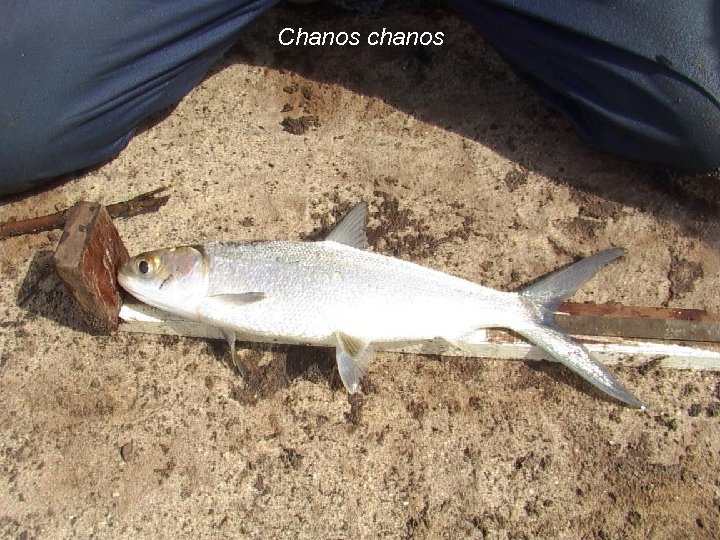
Chanos chanos
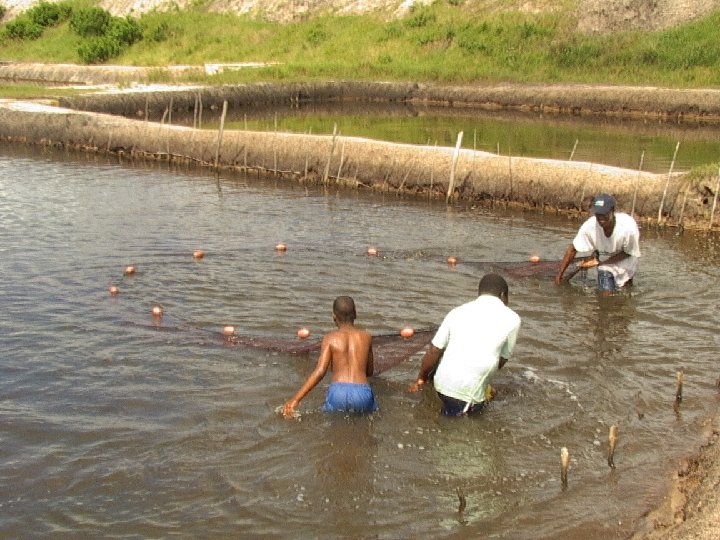
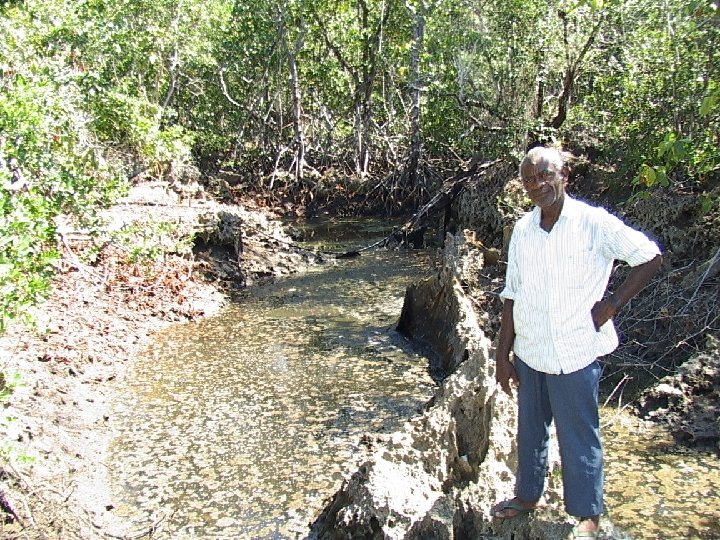
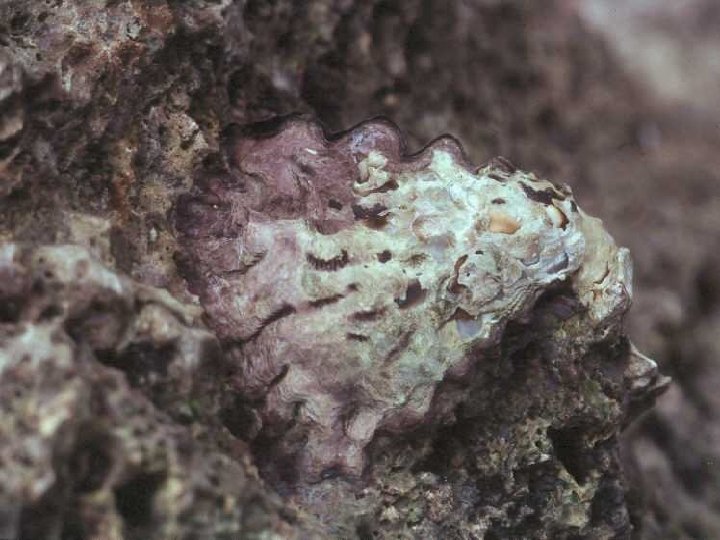
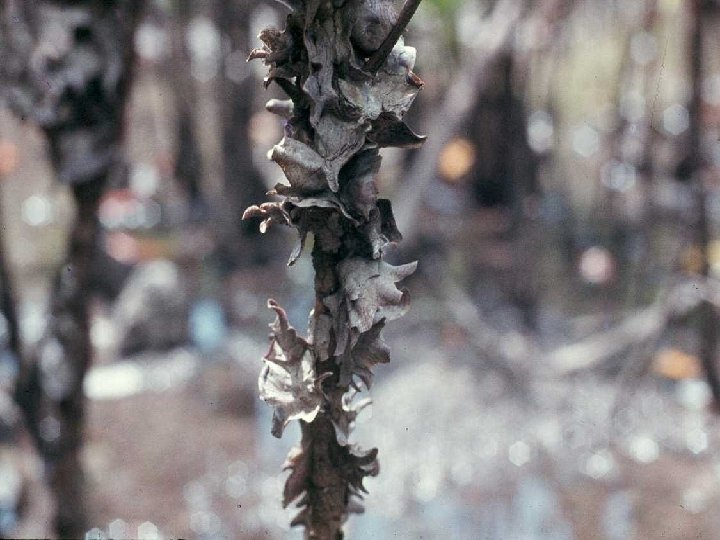
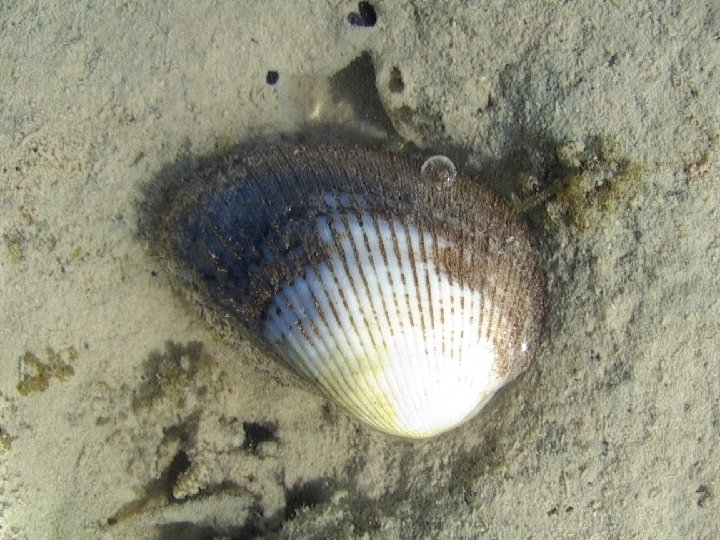
Trials with mollusc culture • Saccostrea cuccullata – cupped oyster trials in 1978 and 1995, biologically promising but problems with hygiene and market • Anadara antiquata – blood cockle, Kayombo 1991 • Pinctada margaritifera – pearl oyster, Jiddawi (2003) at Unguja Ukuu, Zanzibar integrated with seaweed farmering. Also Isognomon isognomon and Modiolus uariculatus
Research on integrated polyculture • Institute of Marine Sciences, University of Dar es Salaam located in Zanzibar initiated research in 1996 at Makoba (funded by German-Israel Foundation), stocked Siganus and Ulva in 1998, survival and growth low. • Built impoundment at Zala – poor water quality. • New attempts at Makoba from 2000 with Chanos chanos funded by MASMA (Sida): better survival and growth. Mugil introduced. • Cooperation with Fadhili at Mlalangaoni, Chwaka. • Integrating seaweeds and molluscs at Unguja Ukuu.
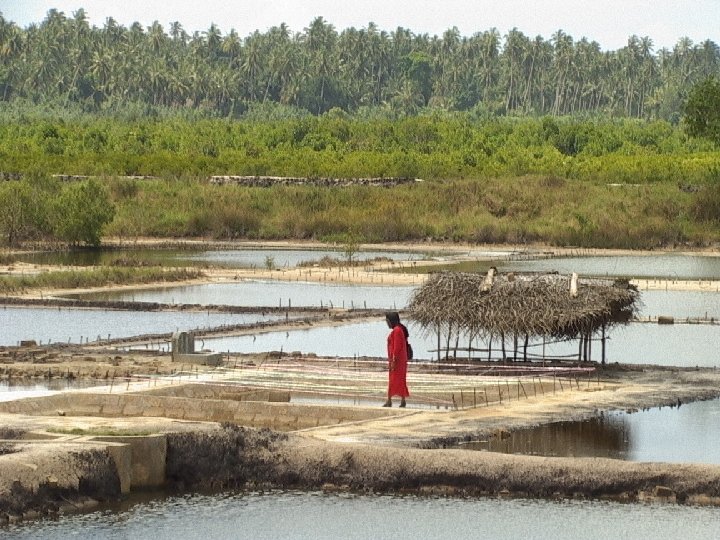
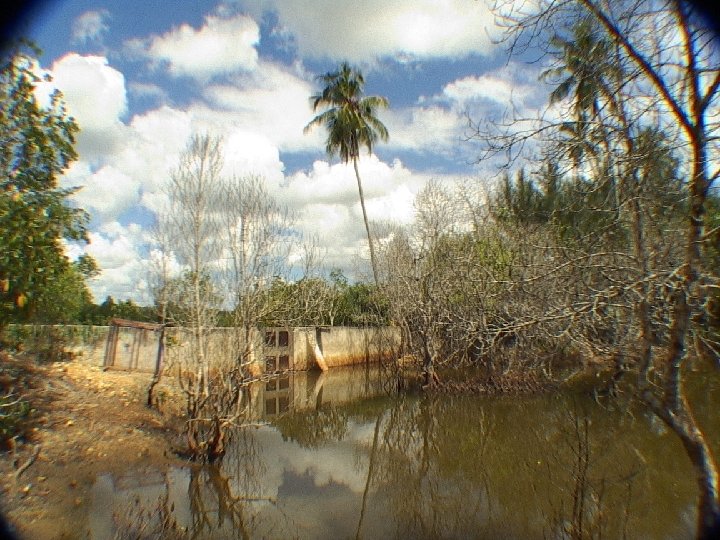
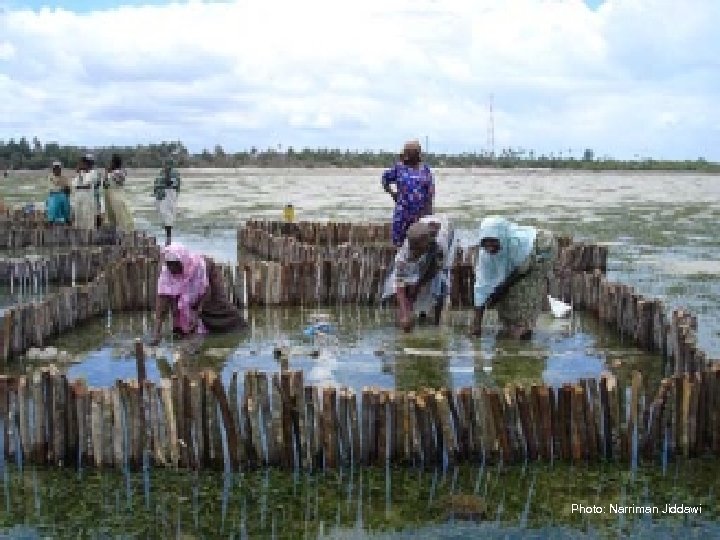
Photo: Narriman Jiddawi
Research institutions and cooperation • Institute of Marine Sciences, University of Dar es Salaam – Zanzibar • Faculty of Aquatic Science and Technology, University of Dar es Salaam – Kunduchi • Cooperation with Stockholm University, Kenya, Mozambique, USA, Israel, Norway (Stirling? ) • Need to explore cooperation with Asia
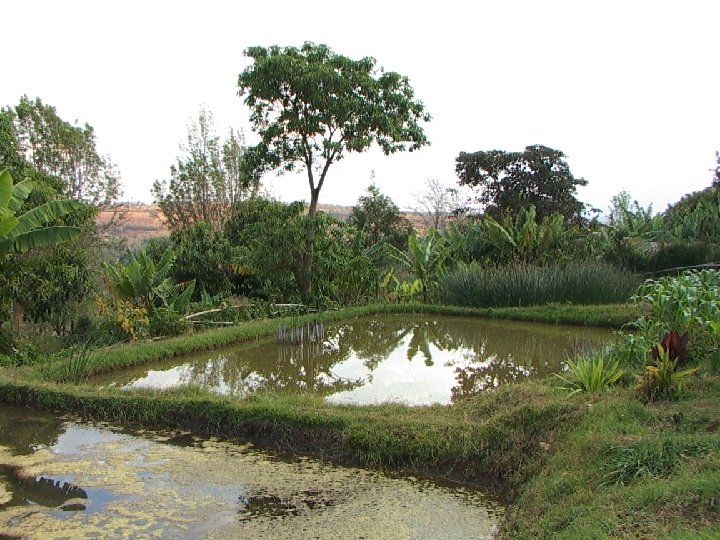
Future prospects • Strong links between scientists and villagers • Low cost aquaculture for domestic market or luxury products for export market – avoiding conflictful systems that exacerbate poverty • Focus on species of low trophic levels – herbivores and detritus feeders • Advantages of integrated polyculture systems – tilapia with agricultural wastes and irrigation – fish, crustaceans, molluscs, algae, mangroves

Thank you for your attention ! Takk for din oppmerksomhet ! Ahsante sana kwa kunisikiliza ! In case you wish to exchange ideas or have any need for additional information, please do not hesitate to contact me: ian. bryceson@umb. no
Скачать презентацию Fishery Forum for Development Cooperation Annual Meeting Bergen
c49c4667ec47cef929defd73daf63351.ppt