


 Скачать презентацию Finding the Key For Our Lives In a
c0374067b71414677908b19af6c41d17.ppt
- Количество слайдов: 159
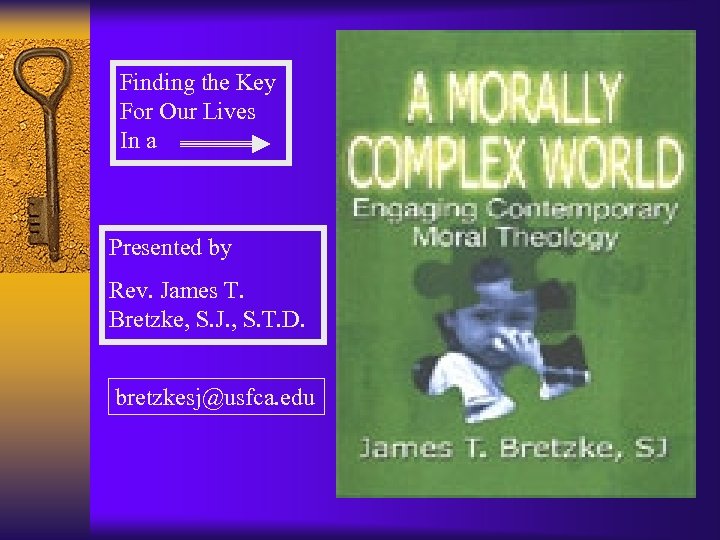 Finding the Key For Our Lives In a Presented by Rev. James T. Bretzke, S. J. , S. T. D. bretzkesj@usfca. edu
 Some Reflection Questions ¨ Who Do We See Ourselves To Be? ¨ How Do We Look Upon God? ¨ How Do We Consider Right & Wrong? ¨ How Do We Consider Sin? ¨ What Should Our Response To Sin Be? ¨ How Do We Live In The World?
 Community of Disciples ¨ We are all called, individually, to enter into this community of followers of Jesus Christ ¨ Look at the picture of the disciples in the Gospels – Not the “best and the brightest” – But chosen by the Lord, and those who in the last analysis remain with him, – And who are called to be fishers of persons and entrusted by Jesus with the Church’s mission to make disciples of all nations
 Sources & Methodology for Moral Theology ¨ Scripture: The Sacred Text ¨ Tradition: The wisdom of the community ¨ Human Experience ¨ Rational Reflection on the Truly Human
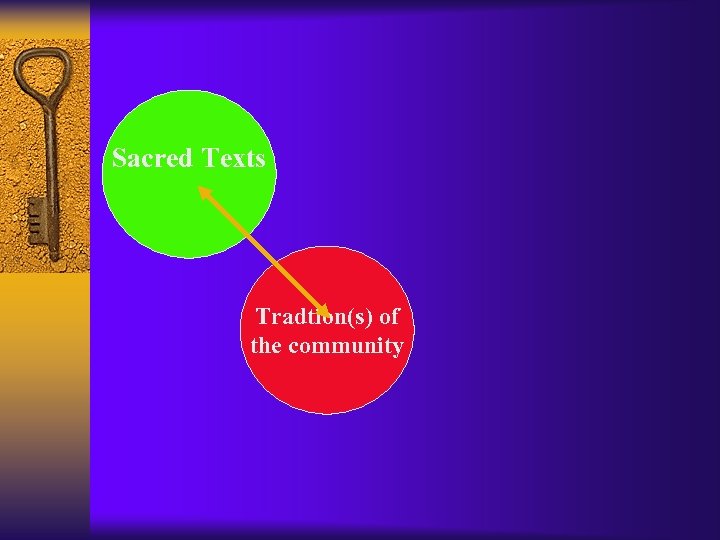 Sacred Texts Tradtion(s) of the community
 Sacred Claim Axis ¨ Scripture, as the revealed Word of God, must exercise a normative “sacred” claim on individual Christians and the whole Christian community ¨ However, this claim is grounded in the tradition of the community, and must also be in essential harmony with reason and human nature.
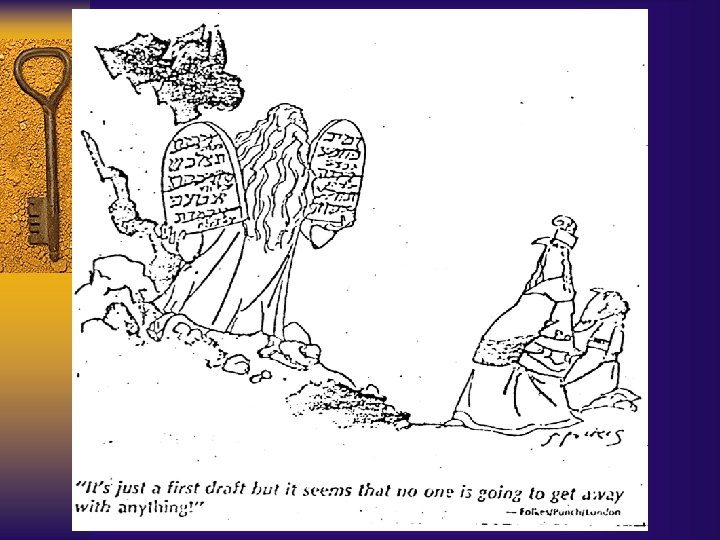
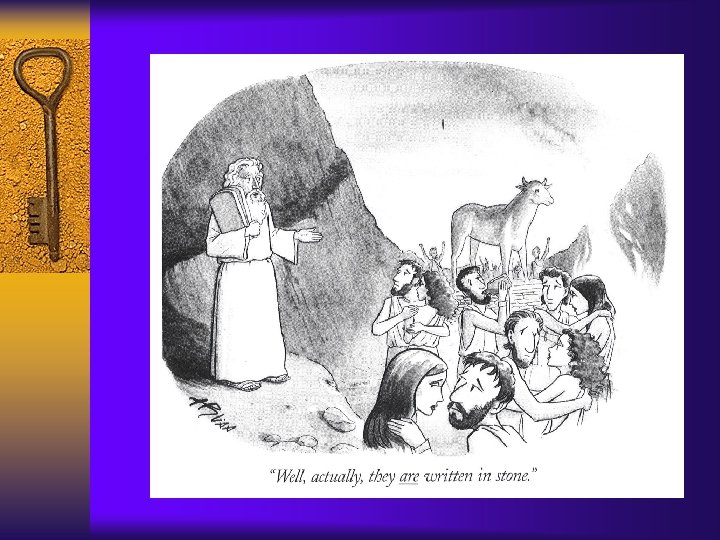
 Scriptural Axis Cuts Both Ways ¨ Scripture comes out of the Tradition of the community, but it acts as the “norming norm” normans on both the individual and the community. No one stands above the Scripture (cf. Dei verbum #10) ¨ Both the individual and the community must seek and follow God ¨ This does not demand “perfection” of us, but rather ongoing conversion; We are all members of a Church always in need of and being reformed (ecclesia semper reformanda), or as Vatican II stressed, the Pilgrim People of God.
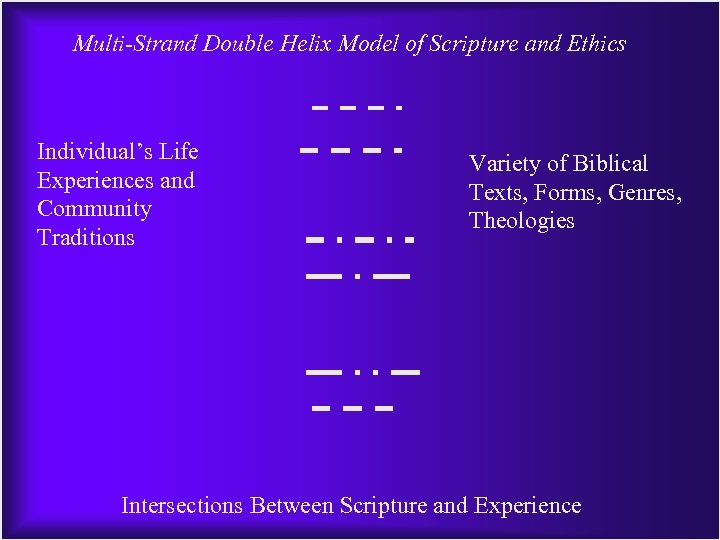 Multi-Strand Double Helix Model of Scripture and Ethics Individual’s Life Experiences and Community Traditions Variety of Biblical Texts, Forms, Genres, Theologies Intersections Between Scripture and Experience
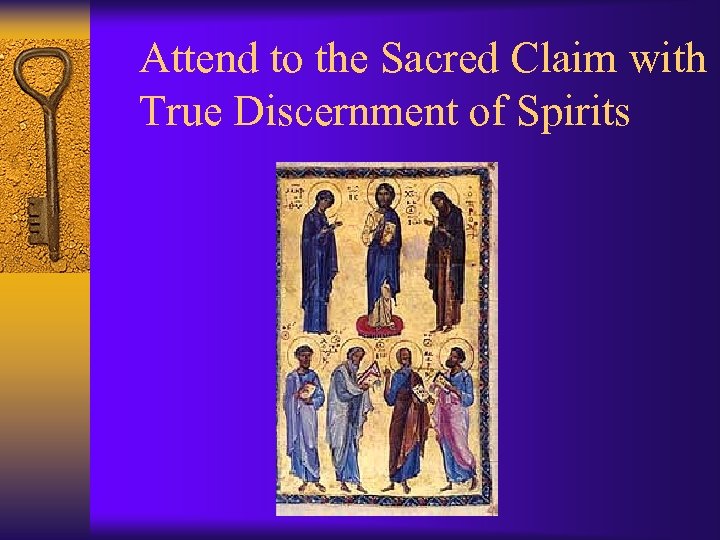 Attend to the Sacred Claim with True Discernment of Spirits
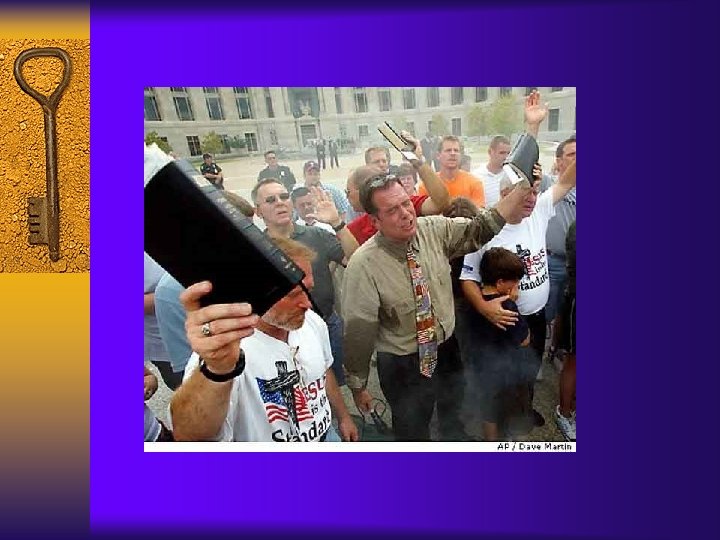
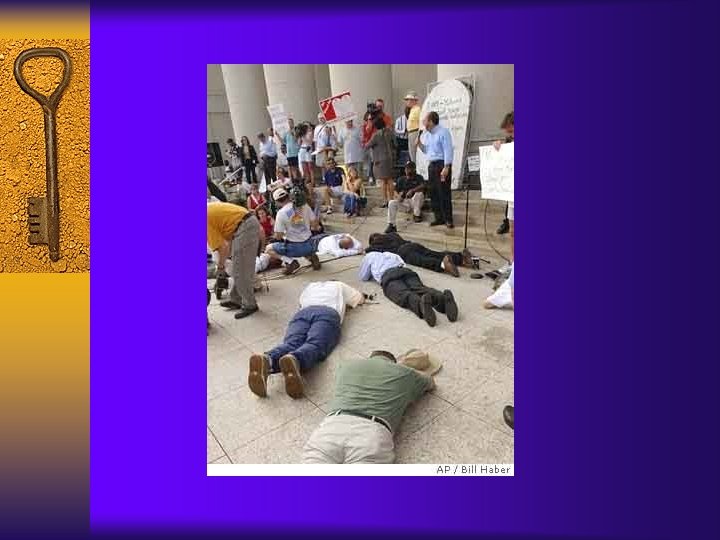
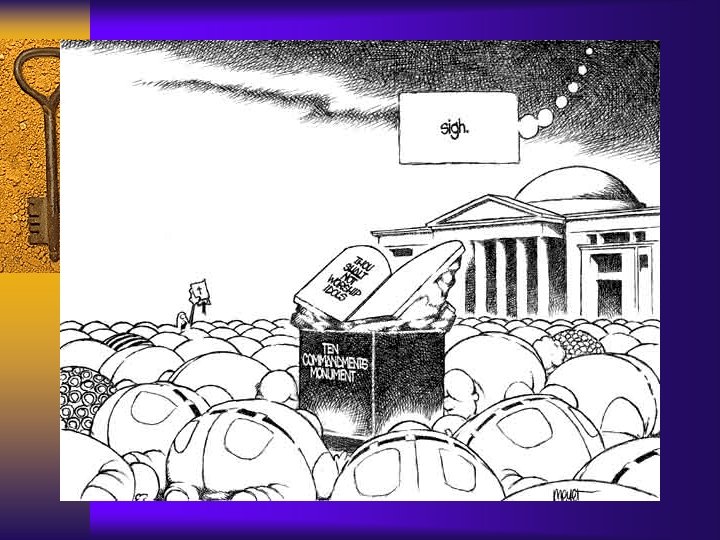
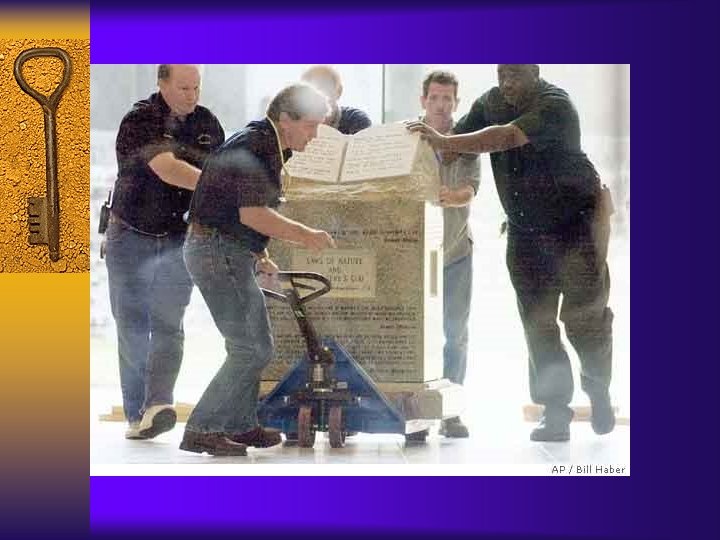
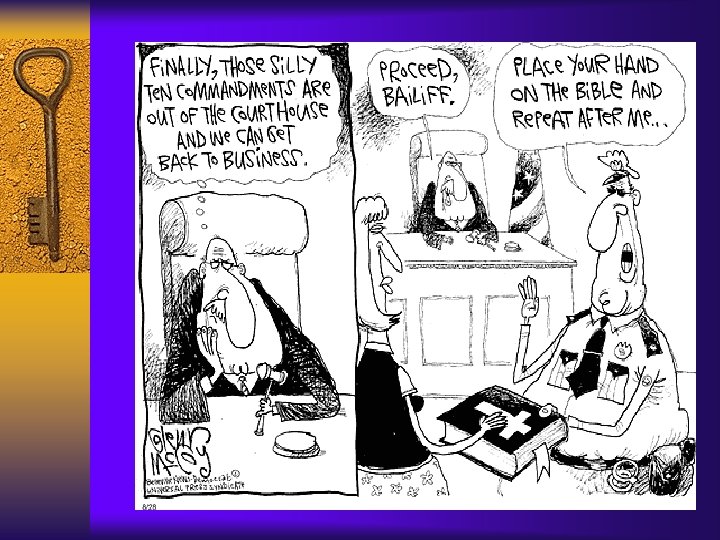
 Sacred Claim vs. Sacred Cow ¨ The Scriptures are not “stand alone” sources ¨ If they purport to reveal God’s will for humankind, then what they reveal must stand in harmony with true human flourishing ¨ Some examples… ¨ Need to attend to the ultimate reference point of Scripture, which is God-with-us
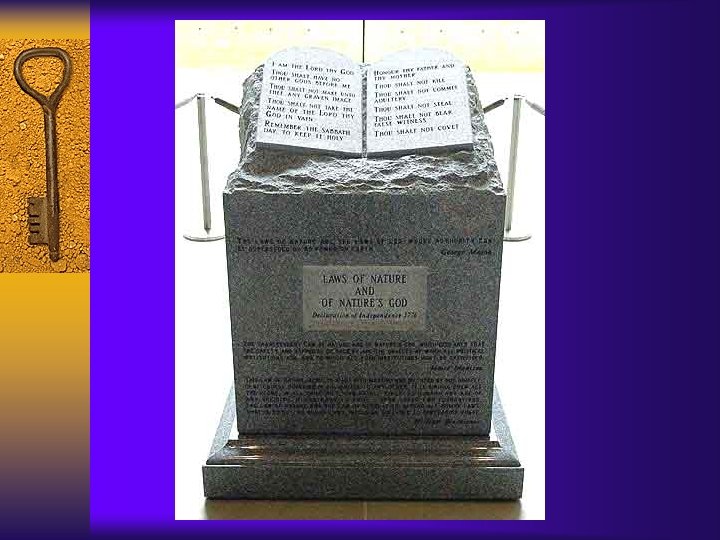
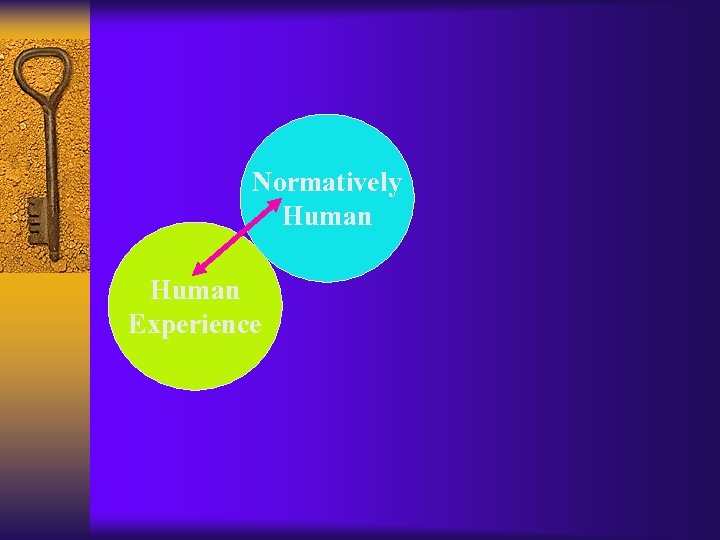 Normatively Human Experience
 Rational Claim Axis ¨ Since the Roman Catholic view of moral agency is grounded primarily in an understanding of the natural law we begin our consideration along the “Rational Claim” axis ¨ However, keep in mind that both poles of this axis must figure in the discussion, and that the starting point is in human experience
 The Rational Axis Also Cuts Both Ways ¨ Our reflection often begins based on human experience; but once we can establish a principle as being normatively human it does bind on us as a normans [non] normata moral norm ¨ However, given that key aspects of human nature include culture and historicity, any moral principle must be tested, verified, retested, and refined according to human experience, which may change according to time and/or place
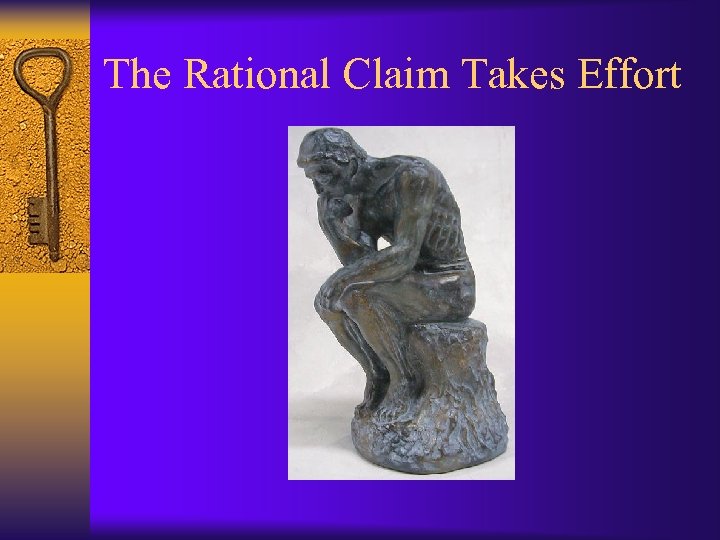 The Rational Claim Takes Effort
 And Community Discussion
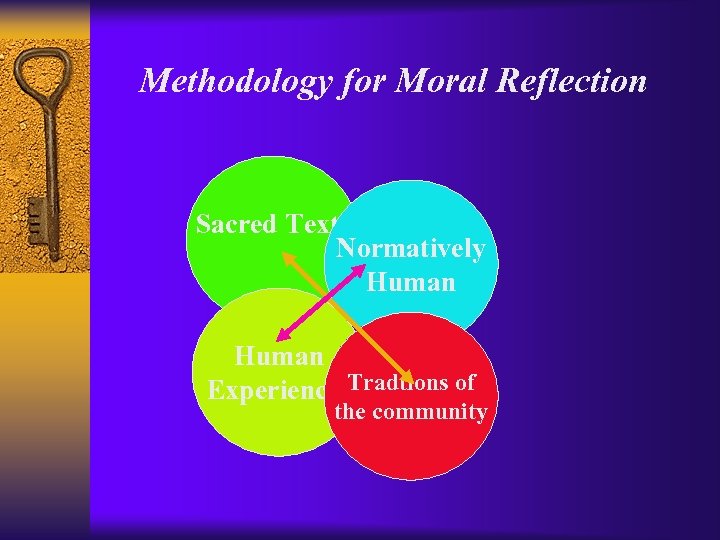 Methodology for Moral Reflection Sacred Texts Normatively Human Experiences. Tradtions of the community
 Source Content Questions ¨ What is used, and why? ¨ What is ignored, and why? ¨ What is rejected, and why? ¨ What is reinterpreted, and why? ¨ Which source(s) is (are) decisive when there is a conflict, and why?
 Six “C’s” of Moral Discourse ¨ Comprehensive (to the situation) ¨ Comprehensible (to the target audience) ¨ Consistent (internally and externally) ¨ Credible (dialogical and realistic) ¨ Convincing (to the target audience) ¨ Christian (the ultimate “test” criterion)
 Moral Discernment & Ethics ¨ Not just what is “right” or “wrong” ¨ Not “WWJD” ¨ BUT what is the Spirit of God making possible for me/us in the here and now ¨ Requires reading the “Signs of the Times” ¨ As Distinguished from the “Spirit of the Age”
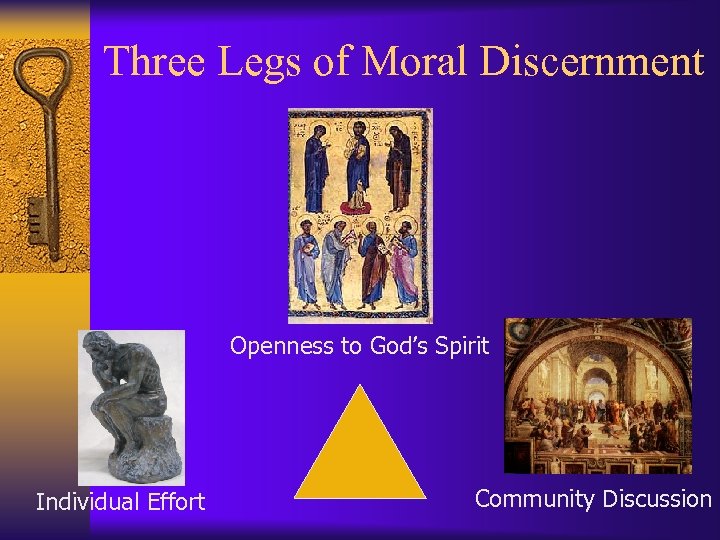 Three Legs of Moral Discernment Openness to God’s Spirit Individual Effort Community Discussion
 Distinctions Between Natural Law And Law of Nature ¨ Natural law deals with ¨ Laws of nature deal with morality and character, e. g. the physical universe, e. g. right/wrong gravity ¨ Natural law depends for its ¨ Laws of nature are existence on human beings “objective” and bind AND God irrespective of human beings (e. g. gravity binds ¨ Natural law’s “objectivity” even without humans needs careful understanding and can ¨ Law of nature can be only be discovered within discovered by scientific the realm of human moral analysis of the world being (conscience) outside of us.
 Location of the Law ¨ Natural Law ¨ Location is primarily within the human person(s) in their relation to God ¨ It is not “out there” in the sense of the chemical periodic table of elements ¨ Thomas says it is “inscribed” on the human heart (Lex indita non scripta) ¨ Law of Nature ¨ Location is primarily outside in the operations of the physical universe ¨ Thus, the law of nature is discovered through science and/or observation of the physical universe and its properties ¨ A morally bad person could be a gifted chemist, etc.
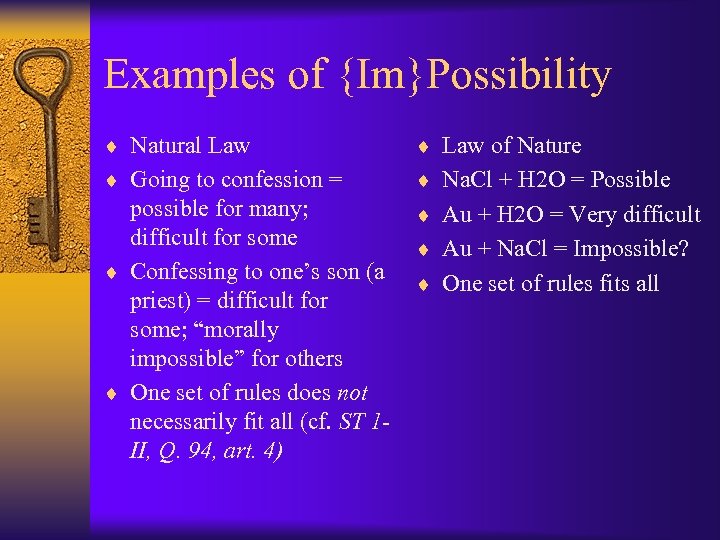 Examples of {Im}Possibility ¨ Natural Law ¨ Law of Nature ¨ Going to confession = ¨ Na. Cl + H 2 O = Possible possible for many; difficult for some ¨ Confessing to one’s son (a priest) = difficult for some; “morally impossible” for others ¨ One set of rules does not necessarily fit all (cf. ST 1 II, Q. 94, art. 4) ¨ Au + H 2 O = Very difficult ¨ Au + Na. Cl = Impossible? ¨ One set of rules fits all
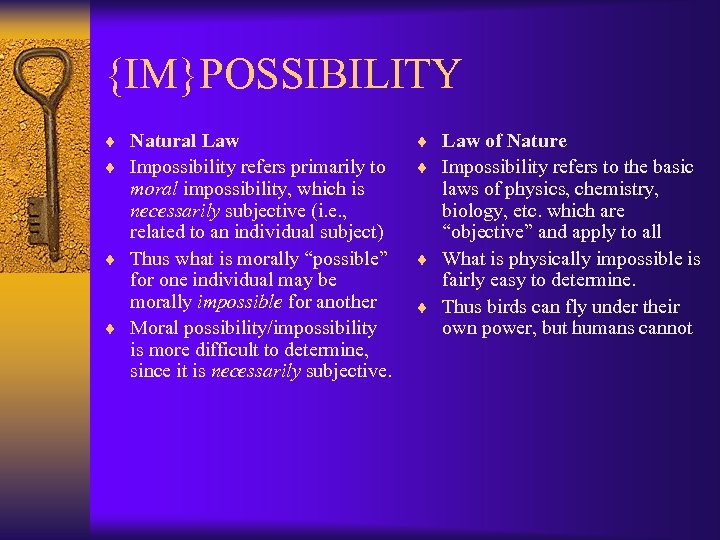 {IM}POSSIBILITY ¨ Natural Law ¨ Impossibility refers primarily to moral impossibility, which is necessarily subjective (i. e. , related to an individual subject) ¨ Thus what is morally “possible” for one individual may be morally impossible for another ¨ Moral possibility/impossibility is more difficult to determine, since it is necessarily subjective. ¨ Law of Nature ¨ Impossibility refers to the basic laws of physics, chemistry, biology, etc. which are “objective” and apply to all ¨ What is physically impossible is fairly easy to determine. ¨ Thus birds can fly under their own power, but humans cannot
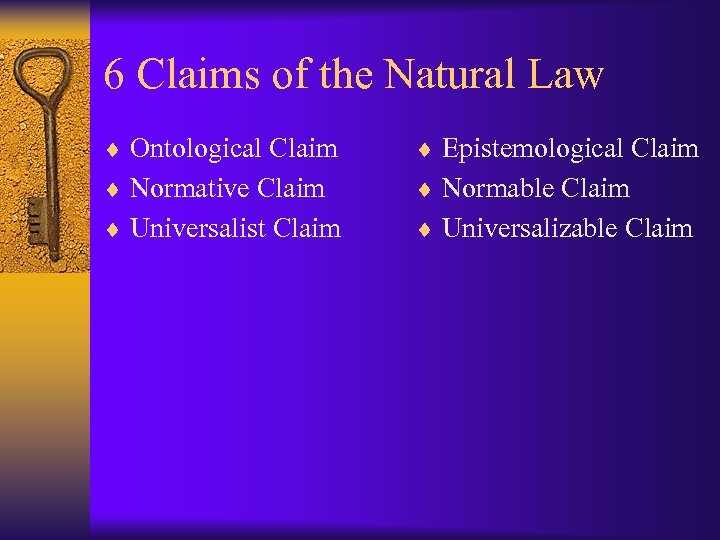 6 Claims of the Natural Law ¨ Ontological Claim ¨ Epistemological Claim ¨ Normative Claim ¨ Normable Claim ¨ Universalist Claim ¨ Universalizable Claim
 The Ontological Claim ¨ There is, in some sense, an objective moral order ¨ Grounded in a human nature ¨ Which indicates a certain way of being ¨ And activities consonant with that being ¨ As well as actions and ways of being not in accord with that nature
 The Epistemological Claim ¨ Not only does this order exist, but we can in some real and significant sense “know” it ¨ I. e. , we can know both the nature of human being ¨ And those actions which are consistent with human flourishing ¨ As well as those which are incompatible with human flourishing
 The Normable Claim ¨ This claim builds on the epistemological claim ¨ It asserts that our moral knowledge can be formulated in a certain way, in terms of moral norms ¨ I. e. , that certain actions or behaviors are fashioned in terms of prescriptions and proscriptions
 The Normative Claim ¨ This claim is a further specification of the ontological claim (the objective moral order) ¨ And this claim flows from the “normable” claim grounded in the epistemological claim ¨ I. e. , that the moral order “is” in a certain way, that we can norm our knowledge, and that these norms in fact are binding on us.
 The Universalizable Claim ¨ This builds on the epistemological and normable claims ¨ I. e. , not only can we “know” the moral order in some real sense, and that we can fashion this knowledge in terms of moral norms ¨ But these norms can be expressed as universal claims, thus these norms are “universalizable” ¨ I. e. , norms expressed as binding on all peoples and in all times and in all places
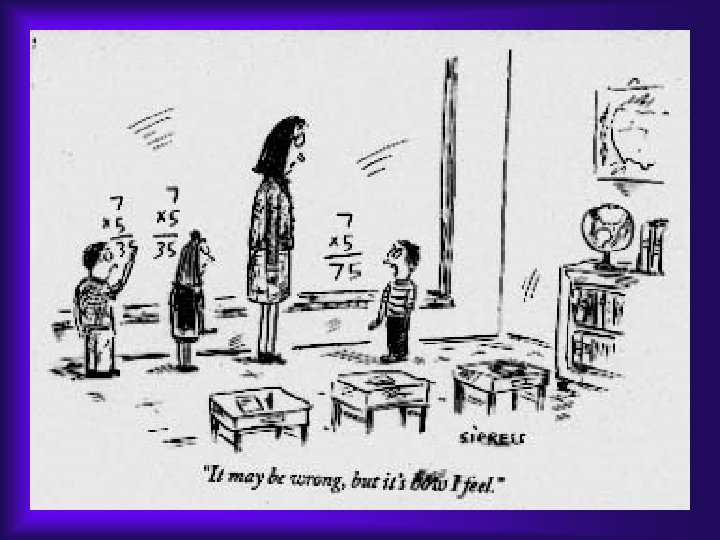
 The Universalist Claim ¨ If the moral order actually exists (ontological claim) and is normative on us ¨ And if we can both know it and norm moral actions in this order in terms of universalizable norms ¨ Then at least some of these moral norms will in fact be universal ¨ They will be applicable to us and to all others
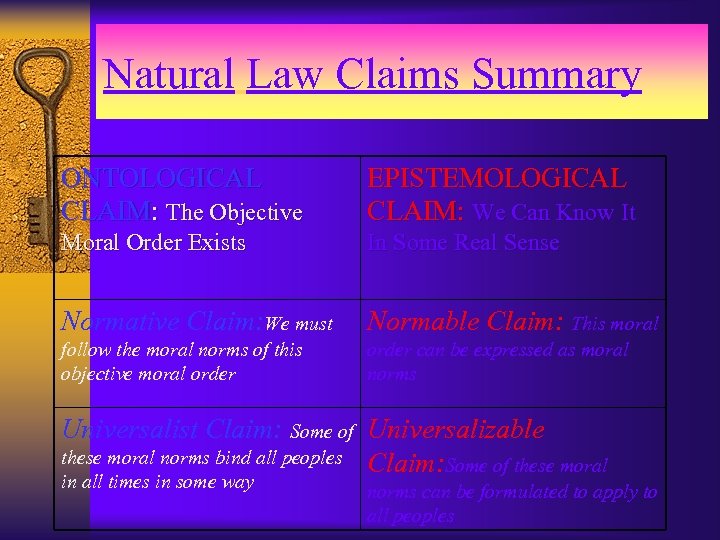 Natural Law Claims Summary ONTOLOGICAL CLAIM: The Objective EPISTEMOLOGICAL CLAIM: We Can Know It Moral Order Exists In Some Real Sense Normative Claim: We must Normable Claim: This moral follow the moral norms of this objective moral order can be expressed as moral norms Universalist Claim: Some of Universalizable these moral norms bind all peoples Claim: Some of these moral in all times in some way norms can be formulated to apply to all peoples
 The Natural Law in St. Thomas ¨ Principle of exitus et reditus (all comes from and returns to God) ¨ Notion of law in general: ordinance of reason promulgated by a competent ruler for the common good) ¨ Human participation in God’s eternal law ¨ A lex indita non scripta (inscribed on the human heart) ¨ Distinctions of speculative and practical reason
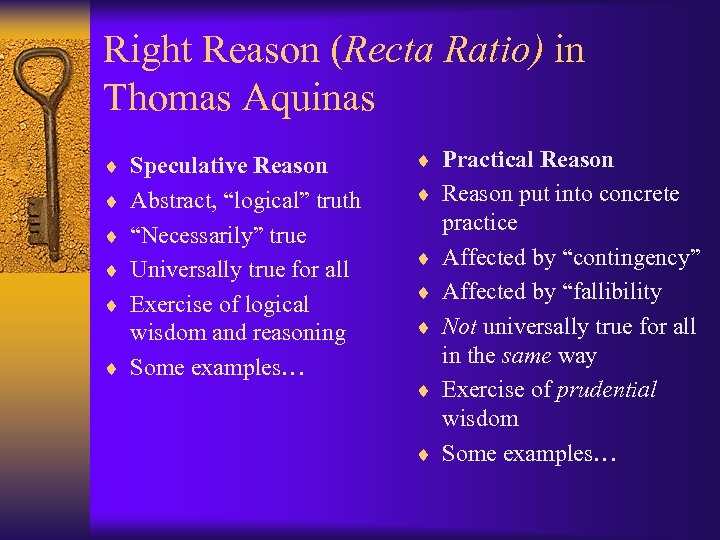 Right Reason (Recta Ratio) in Thomas Aquinas ¨ Speculative Reason ¨ Practical Reason ¨ Abstract, “logical” truth ¨ Reason put into concrete ¨ “Necessarily” true ¨ Universally true for all ¨ Exercise of logical wisdom and reasoning ¨ Some examples… ¨ ¨ ¨ practice Affected by “contingency” Affected by “fallibility Not universally true for all in the same way Exercise of prudential wisdom Some examples…
 Translating the Natural Law Into Action: Moral Norms ¨ Universal principles {Speculative Reason} ¨ Middle Axioms {Speculative & Practical Reason combined} ¨ Concrete Material Norms {Primarily practical reason}
 Universal Moral Principles ¨ Bonum est faciendum et prosequendum et malum vitandum (ST I-II, q. 94) ¨ The good is to be done and fostered, and evil avoided ¨ Look carefully at the grammar… ¨ Knowable by all as principles of truth, according to speculative reason ¨ E. g. , Drive safely
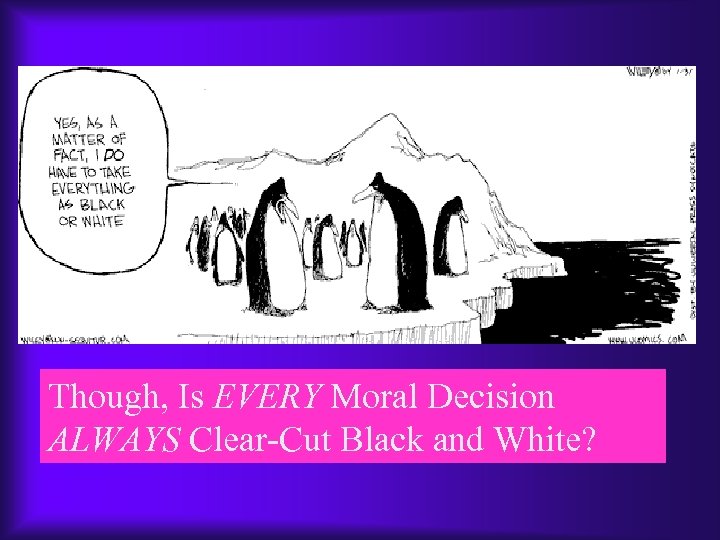 Though, Is EVERY Moral Decision ALWAYS Clear-Cut Black and White?
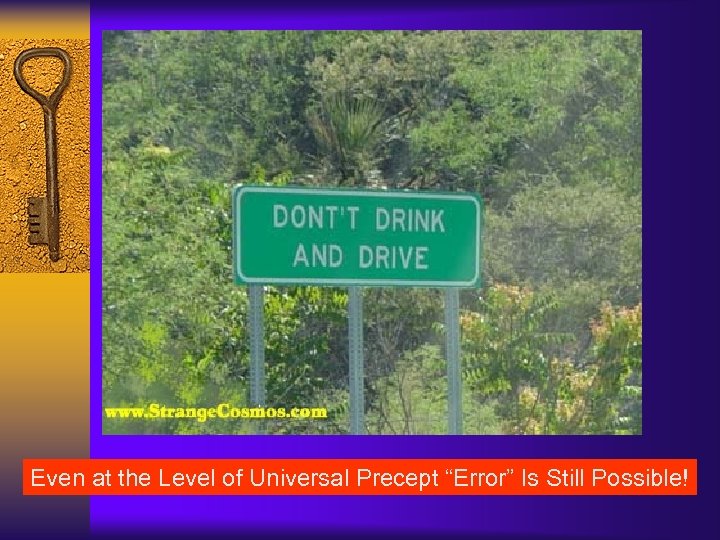 Even at the Level of Universal Precept “Error” Is Still Possible!
 Concrete Middle Axioms ¨ Moral norms which are generally true and not easily altered ¨ Lex valet ut in pluribus (the law/norm is valid “in most cases”) ¨ Yet, according to circumstance and time these norms might be changed or have “exceptions” ¨ E. g. , drive according to the speed limit
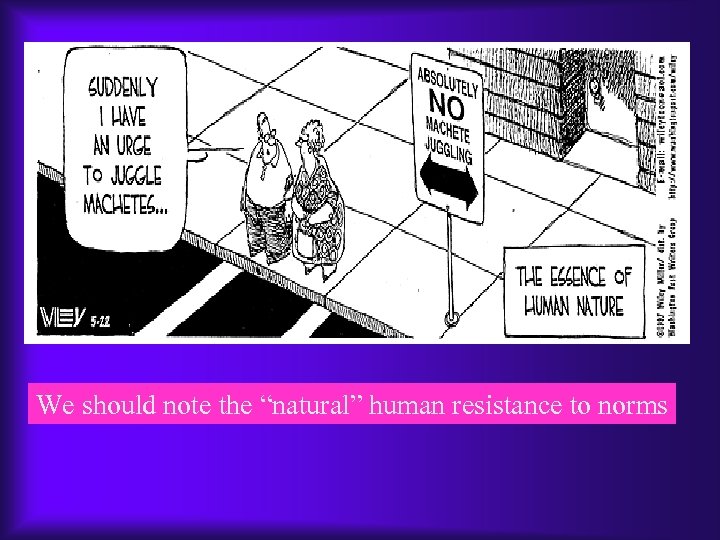 We should note the “natural” human resistance to norms
 Concrete Material Norms ¨ Particular and specific, often tied to a particular understanding of time and/or circumstance ¨ These may be “incomplete” and/or necessary to alter according to time or place ¨ Thus, more “fallible” and more “contingent” ¨ E. g. , drive 15 mph in a school zone
 Levels of Moral Norms Summary ¨ Universal Precepts ¨ Middle Axioms ¨ Concrete Material Norms ¨ Always binding, expressed as abstract truths, such as “drive safely” ¨ Generally true, in most cases (ut in pluribus) but exceptions exist ¨ Apply to a specific situation but are more open to both change and fallibility
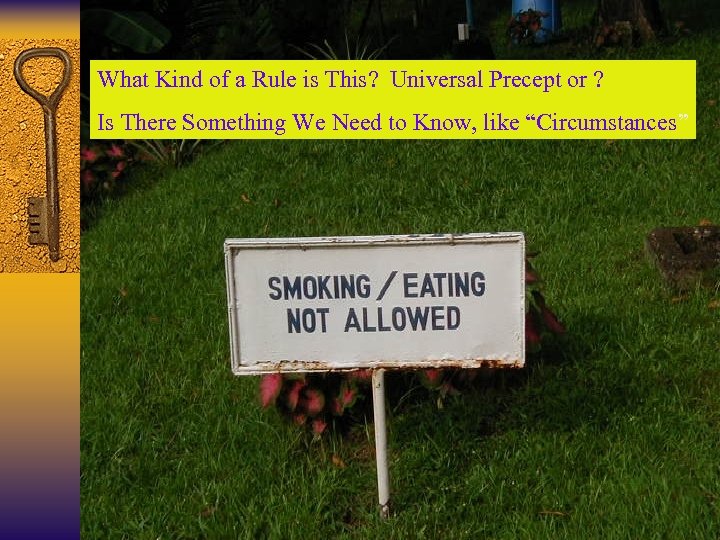 What Kind of a Rule is This? Universal Precept or ? Is There Something We Need to Know, like “Circumstances”
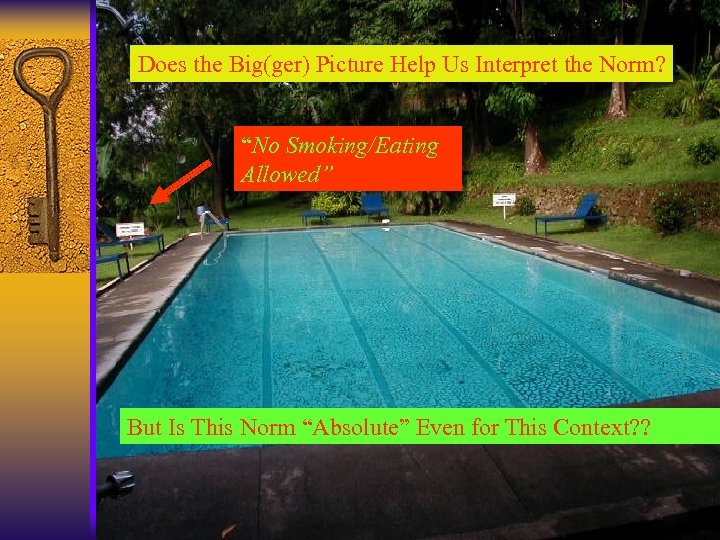 Does the Big(ger) Picture Help Us Interpret the Norm? “No Smoking/Eating Allowed” But Is This Norm “Absolute” Even for This Context? ?
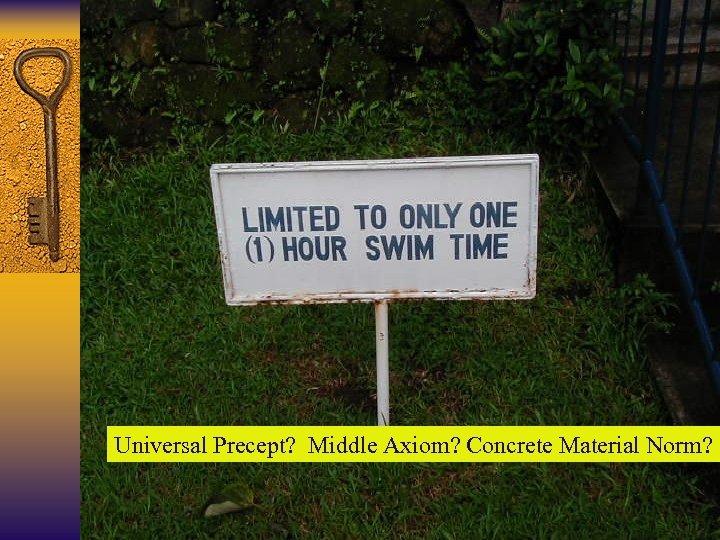 Universal Precept? Middle Axiom? Concrete Material Norm?
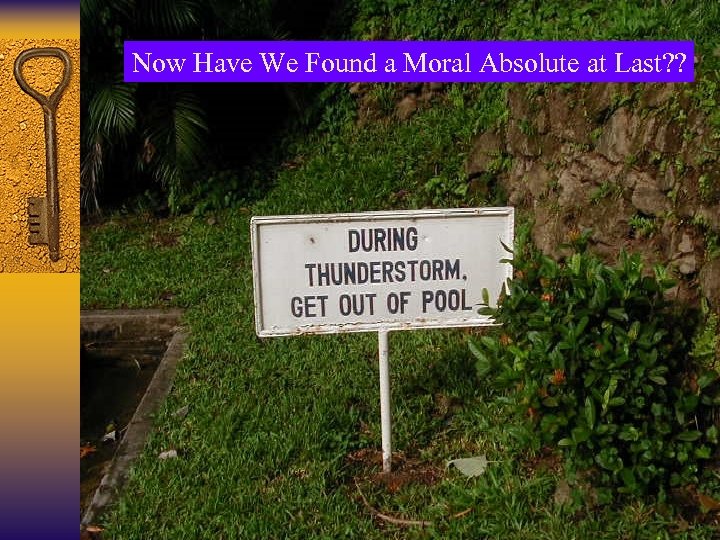 Now Have We Found a Moral Absolute at Last? ?
 Levels of Natural Law Moral Norms ¨ Universal Precepts ¨ Middle Axioms ¨ Concrete Material Norms ¨ Always binding, expressed as abstract truths, such as “drive safely” ¨ Generally true, in most cases (ut in pluribus) but exceptions exist ¨ Apply to a specific situation but are more open to both change and fallibility
 Overview of Human Moral Agency ¨ Keep in mind that for genuine, human moral action we must never separate the human agent from the actions s/he performs ¨ Recall that as humans we are embodied spirit which means we must live in the concrete world ¨ Therefore our moral lives must be grounded and evaluated in reference to our real-life situation ¨ As Christians we believe that our lived response to our situation is best scene in terms of discipleship
 A Basic Distinction ¨ Actus hominis…. – “Act of man” which does NOT involve freedom and intention – E. g. , the brakes fail on my rental car and an accident ensues in which a bystander is seriously injured – Not a “moral act” since it lacks freedom and intention ¨ Actus humanus – “act of the human person” which is a moral act – Done in freedom – With an intention (or “end”) in mind – Guided by reason
 “Fonts of Morality” Action in se (“objective” aspect of the act) Intention of the moral agent Circumstances in which the agent’s intention was made and in which the action was performed While in the tradition these aspects were treated “separately, ” in reality they exist only together, and “simultaneously”
 Catechism of the Catholic Church ¨ 1755 A morally good act requires the goodness of the object, of the end, and of the circumstances together. An evil end corrupts the action, even if the object is good in itself (such as praying and fasting "in order to be seen by men").
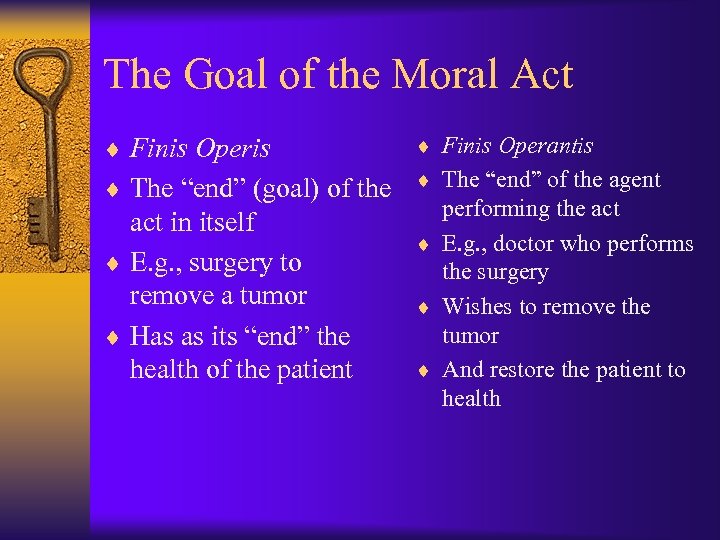 The Goal of the Moral Act ¨ Finis Operis ¨ Finis Operantis ¨ The “end” (goal) of the ¨ The “end” of the agent act in itself ¨ E. g. , surgery to remove a tumor ¨ Has as its “end” the health of the patient performing the act ¨ E. g. , doctor who performs the surgery ¨ Wishes to remove the tumor ¨ And restore the patient to health
 “Good” and “Right” ¨ If both the Finis operis and the Finis operantis are morally correct we have a morally right act which strengthens the moral goodness of the agent ¨ However, what happens when one Finis is correct and the other incorrect? ¨ E. g. , “doing the right thing for the wrong reasons” (or vice versa)? ¨ Some illustrative examples…
 Two Basic Moral Theories ¨ Deontology (duty-based) ¨ Teleology (goal-based)
 Moral Theory #1: Deontology ¨ The word "deontological" comes from the Greek *, @<, [deon] which means "duty. " ¨ Deontological ethical theory stresses clear moral norms which establish parameters, or limits, of what must not be done (prohibitions and proscriptions) ¨ as well as prescriptions of what must be done. ¨ The latter are given as moral duties which often indicate at least a certain basic minimum set of moral expectations
![Moral Theory #2: Teleology ¨ Comes from J, 8@H, [telos] the Greek word for](https://present5.com/presentation/c0374067b71414677908b19af6c41d17/image-70.jpg "Moral Theory #2: Teleology ¨ Comes from J, 8@H, [telos] the Greek word for") Moral Theory #2: Teleology ¨ Comes from J, 8@H, [telos] the Greek word for "end. " ¨ In general teleological ethics stresses two aspects of a moral telos, – end-as-goal, which should orient proper moral action, and – end-as-ideal, which furnishes a goal and a vision which supports us in our ethical growth and moral striving
Moral Theory #2: Teleology ¨ Comes from J, 8@H, [telos] the Greek word for "end. " ¨ In general teleological ethics stresses two aspects of a moral telos, – end-as-goal, which should orient proper moral action, and – end-as-ideal, which furnishes a goal and a vision which supports us in our ethical growth and moral striving
 Contra Naturam ¨ “Against nature” ¨ Not against the “laws of nature” ¨ But against the “nature” or purpose of a faculty of the human person ¨ Thus, contraception was wrong since it frustrated the “nature” of sexual relations in blocking procreation.
 Further Points on Teleology ¨ stresses the "becoming" aspect of our moral nature, – such as genuine moral growth and integration, often expressed in terms of moral character, and what aids this process, such as an understanding of our moral identity (e. g. as disciples of Jesus), – coupled with a guiding moral vision, which in turn is sustained and nourished by the virtues to be cultivated and the vices to work against and to root out.
 Teleology and Discernment ¨ In moral conflict situations: – i. e. , in cases when one is confronted with the dilemma of having two or more "evils, " – one must always choose the lesser evil, or when faced with two or more options which seem to be good, then one must choose the better one.
 A Historical Moral Debate ¨ Peter Lombard: The Finis operis provides the evaluation of the moral act, without reference to the Finis operantis of the agent ¨ Counter-position of Thomas Aquinas: Finis operis semper reducitur in finem operantis (The act’s moral end is always found ultimately in the agent’s intention in performing the act)
 A Note on Thomas’ Position ¨ This position focuses moral meaning primarily and essentially in the moral agent ¨ We can still evaluate the “effects” of a moral action and call them “right” or beneficial ¨ But the judgment about moral goodness can be made only in reference to a human person as moral agent, ¨ Therefore, the Finis operantis is absolutely key
 Or In Other Words… ¨ Consideration of the agent’s intention is indispensable to the evaluation of any moral act ¨ There are no “free-floating” moral acts whose moral evaluation can be made without reference to the agent, and therefore the agent’s intention and circumstances ¨ Cf. Thomas Aquinas: ST I-II q. 18 (On Human Acts)
 The Debate Continues ¨ While the position of Thomas Aquinas is generally accepted in “theory” ¨ There remain sharp ongoing debates as to the application of this theory in practice in certain complex situations ¨ Especially those which might seem to have more than one Finis operantis or Finis operis
 Principle of Totality ¨ Pars Propter Totum: The Part may be “sacrificed” for the good of the whole ¨ Originally viewed only in terms of the individual, physical body (e. g. , amputation to save one’s life) ¨ Later expanded to include a personalist dimension
 CONSCIENCE-BASED MORAL LIVING ¨ Sanctuary of Conscience – Sacred Place: Where we meet God – Safe Place: No outside authority may enter ¨ Primacy of Conscience – Always follow your conscience – Even when “erroneous” – But take care to form and inform
 In the depths of his or her conscience, the human person detects a law which she or he does not impose upon themselves, but which holds them to obedience. Always summoning them to love good and avoid evil, the voice of conscience when necessary speaks to their heart: do this, shun that. For human persons have in their heart a law written by God; to obey it is the very dignity of human persons; according to it they will be judged. Conscience is the most secret core and sanctuary of the human person. There she or he is alone with God, Whose voice echoes in their depths. Gaudium et Spes, Pastoral Constitution on the Church in the Modern World, #16
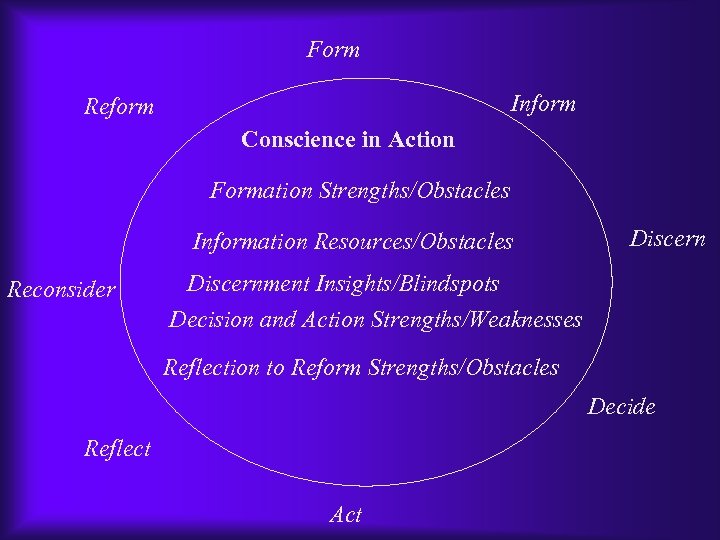 Form Inform Reform Conscience in Action Formation Strengths/Obstacles Information Resources/Obstacles Reconsider Discernment Insights/Blindspots Decision and Action Strengths/Weaknesses Reflection to Reform Strengths/Obstacles Decide Reflect Act
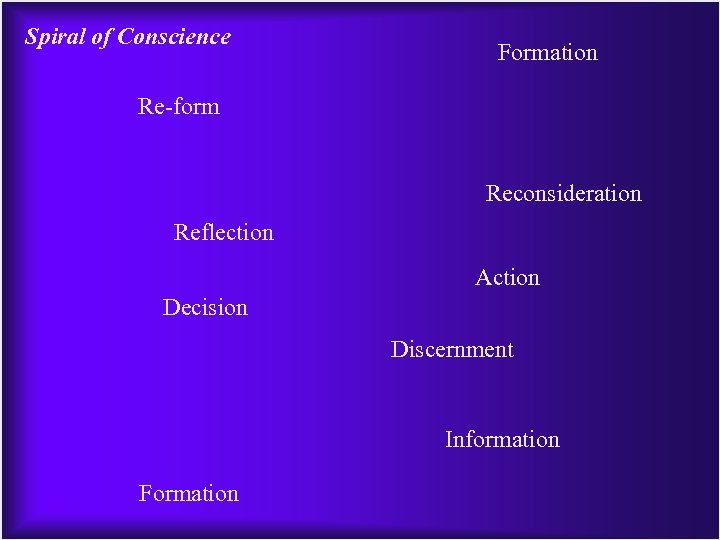 Spiral of Conscience Formation Re-form Reconsideration Reflection Action Decision Discernment Information Formation
 Erroneous Conscience ¨ Vincible Ignorance – Can be overcome and therefore the person is culpable ¨ Invincible Ignorance – Not easily overcome & the person is NOT culpable ¨ “If the ignorance is invincible, or the moral subject is not responsible for his erroneous judgment, the evil committed by the person cannot be imputed to him. It remains no less an evil, a privation, a disorder. One must therefore work to correct the errors of moral conscience. ” Catechism of the Catholic Church, #1793 ¨ “Vincible” and “Invincible” Exist on a Spectrum
 Gaudium et Spes, #16: “Conscience frequently errs from invincible ignorance without losing its dignity. The same cannot be said for a man who cares but little for truth and goodness, or for a conscience which by degrees grows practically sightless as a result of habitual sin. ” Catechism of the Catholic Church, # 1790: “A human being must always obey the certain judgment of his conscience. If he were deliberately to act against it, he would condemn himself. Yet it can happen that moral conscience remains in ignorance and makes erroneous judgments about acts to be performed or already committed. ”
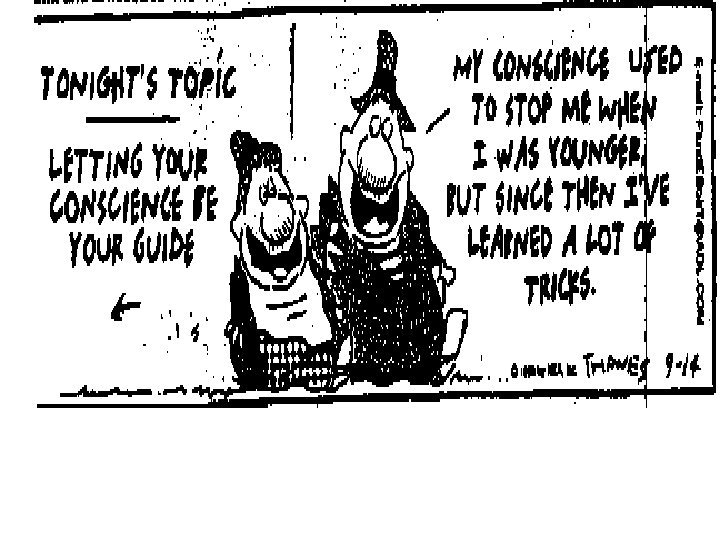
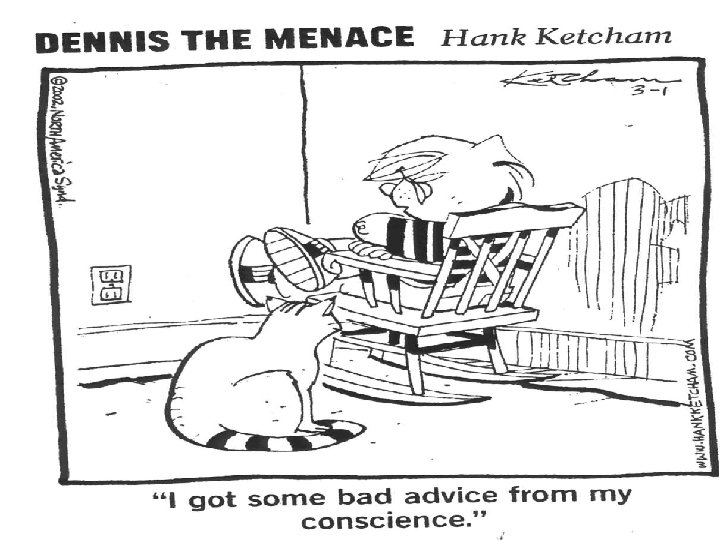
 Rationalization and Conscience ¨Probably the biggest problem for most good people is not “erroneous” or “doubtful” conscience ¨But rather the self-deceptive techniques of rationalization we seem to pick up so easily along life’s path.
 Moving To a Pastoral Application Casuistry with a Human Face: Navigating A Morally Complex World
 What is “Casuistry”? ¨ From the Latin casus for “case” ¨ Moral analysis method which sought to identify – The morally relevant features – The morally relevant principles ¨ And then use these to come to an evaluation of the case, which could be applied to similar cases
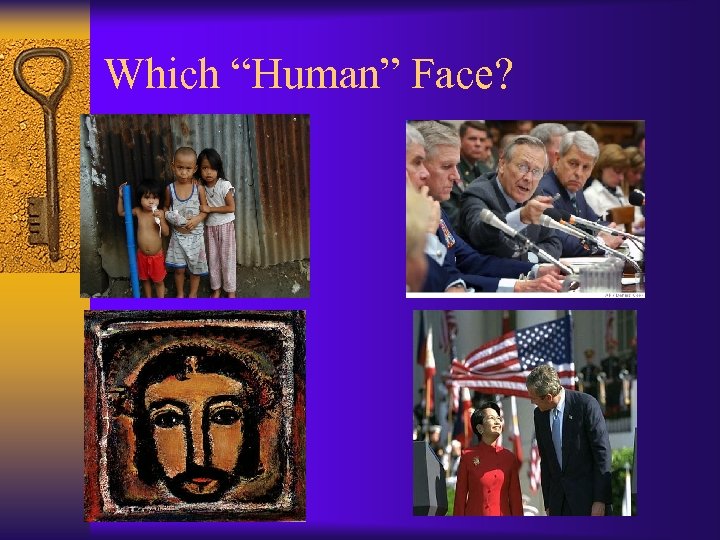 Which “Human” Face?
 Pastoral Guideline Questions ¨ 1) What is your pastoral role & is what is being asked of you legitimate? ¨ 2) What are the morally relevant features of this case? ¨ 3) What presuppositions are brought to this case by you, by others? ¨ 4) What kind of further information would you need to obtain? ¨ 5) What are the morally relevant principles involved? ¨ 6) What pastoral goals do you have for your response to this person(s)? ¨ 7) How would you strategize & organize your pastoral response? ¨ 8) Most importantly:
 The Most Important Guideline ¨ With and for whom is reconciliation most necessary? ¨ Keep in mind that the key to the whole pastoral encounter is not deciding who is “right” or even what the “correct” decision is, ¨ But rather, how can this person be brought into deeper communion with God and God’s family ¨ Thus, center on reconciliation!
 You are on the pastoral team of a parish in which Elena Bartoli, a young mother who is 3 months pregnant, has been diagnosed with advanced uterine cancer. She is 28 years old, married, and a mother of a twoyear old boy. The doctors urge her to have a hysterectomy immediately, in the hopes of arresting the cancer. However, the doctors do admit that her chances of survival even with the hysterectomy are even at best (i. e. 50%). However, if she decides to carry the baby to term the doctors warn her that she probably will die before the baby is born, and that the baby’s chances of survival are only about 30 -40% even if carried to term. Elena is a fervent Catholic and wishes to give her unborn baby every reasonable possible chance of survival. Her husband her family have urged her to talk with you and she agrees. 1) What is your pastoral role & what is being asked of you? 2) What are the morally relevant features of this case? 3) What presuppositions brought to this case by you, by others? 4) What kind of further information would you need to obtain?
 You are on the pastoral team of a parish in which Elena Bartoli, a young mother who is 3 months pregnant, has been diagnosed with advanced uterine cancer. She is 28 years old, married, and a mother of a two-year old boy. The doctors urge her to have a hysterectomy immediately, in the hopes of arresting the cancer. However, the doctors do admit that her chances of survival even with the hysterectomy are even at best (i. e. 50%). However, if she decides to carry the baby to term the doctors warn her that she probably will die before the baby is born, and that the baby’s chances of survival are only about 30 -40% even if carried to term. Elena is a fervent Catholic and wishes to give her unborn baby every reasonable possible chance of survival. Her husband her family have urged her to talk with you and she agrees. 5) What are the morally relevant principles involved? 6) What pastoral goals do you have for your response to this person(s)? 7) How would you strategize & organize your pastoral response?
 Some Additional Pastoral Points ¨ Present the “Big(ger)” Picture ¨ Help people to see the complexity and ambiguity of concrete moral situations ¨ Move them beyond the natural tendency to look for simple clear-cut “black and white” answers
 Facilitate Adult Responses ¨ Avoid being cast in the role of the “expert” answer person ¨ Help people to make and “own” adult decisions; to take responsibility for their own choices in this area as well ¨ Stress looking at all the morally relevant features ¨ Indicate the role of prudence in decisions
 Two Key Concepts in Decisions ¨ Sanctity and Primacy of Conscience – Sanctuary • A Holy Place • A Safe Place ¨ Hierarchy of Values in resolving conflict of duties – Not every value or duty is absolute – Conflicts are bound to occur – Doing the higher duty is morally responsible
 Confront Sin and Failure ¨ Don’t try to absolve people from all guilt ¨ Recognize the limits of a therapeutic model ¨ Stress the reality of rationalization and moral failures in all our lives ¨ Give a brief catechesis on the traditional understanding of sin ¨ Which is the topic of our last talk…
 Ambassadors of Christ: Our Ministry of Reconciliation in the Church Today Confronting Sin and Moral Failure in a Gospel Manner
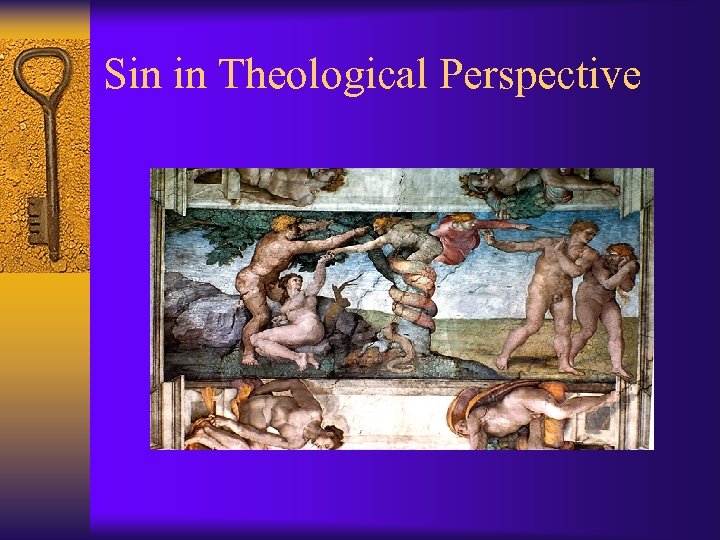 Sin in Theological Perspective
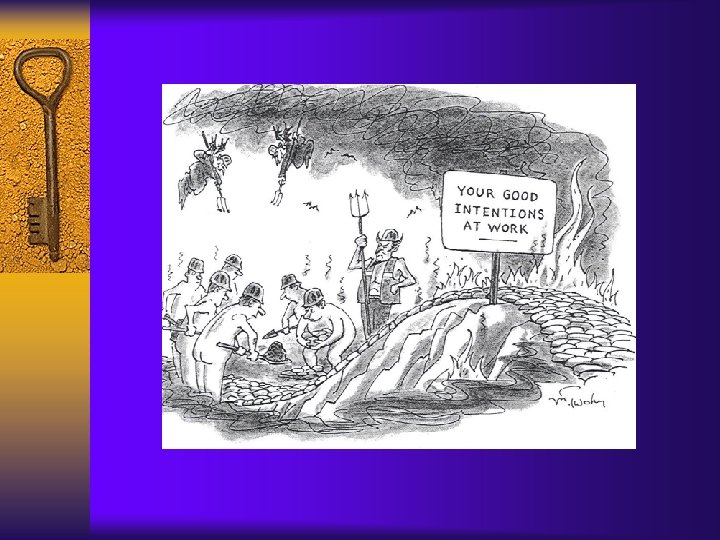
 Contemporary Challenge ¨ Ambiguity regarding sin ¨ Therapeutic models ¨ Need for a Recovery of Sin ¨ Which requires confession ¨ Forgiveness ¨ Reconciliation ¨ Ongoing conversion
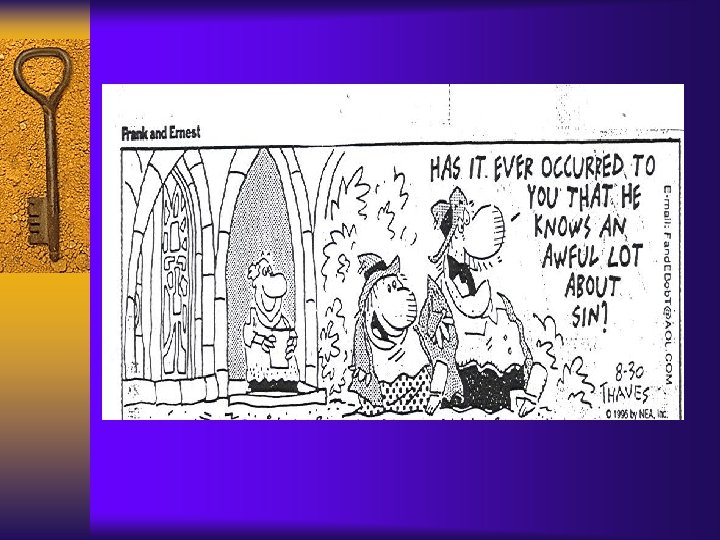
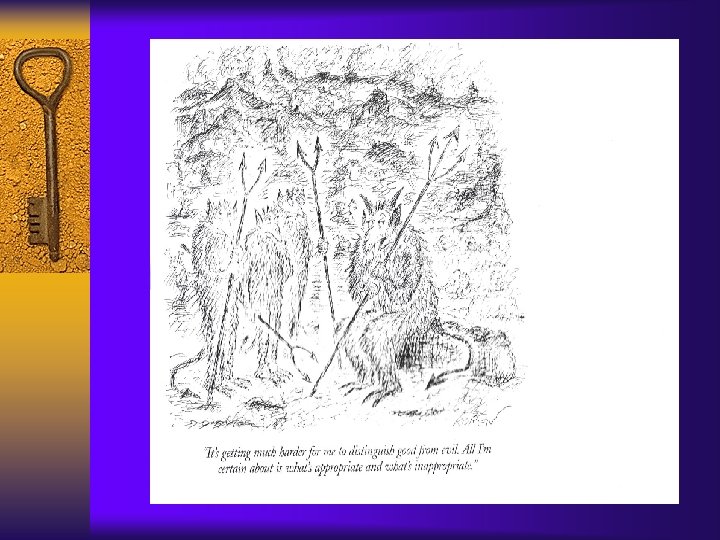
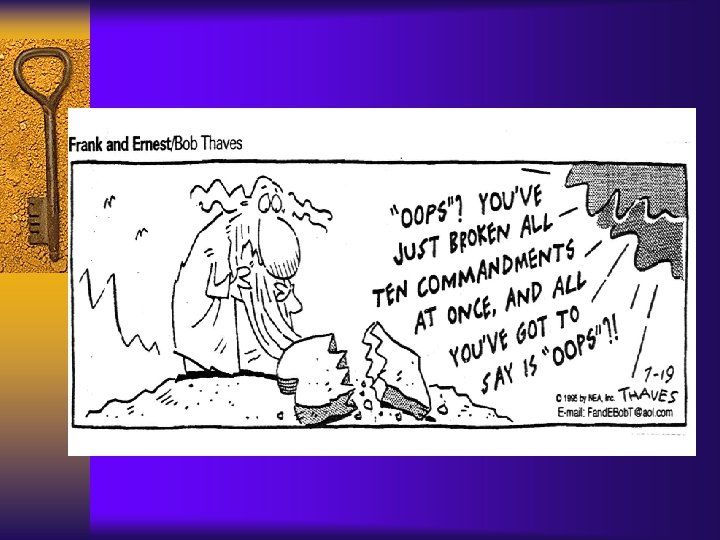
 Biblical Understandings of Sin ¨ Old Testament Views – Grounding in the Covenant – The Decalogue as the “Ten Holy Words” – Role of the prophets as call to social concern and consciousness – Day of Atonement ( Yom Kippur)
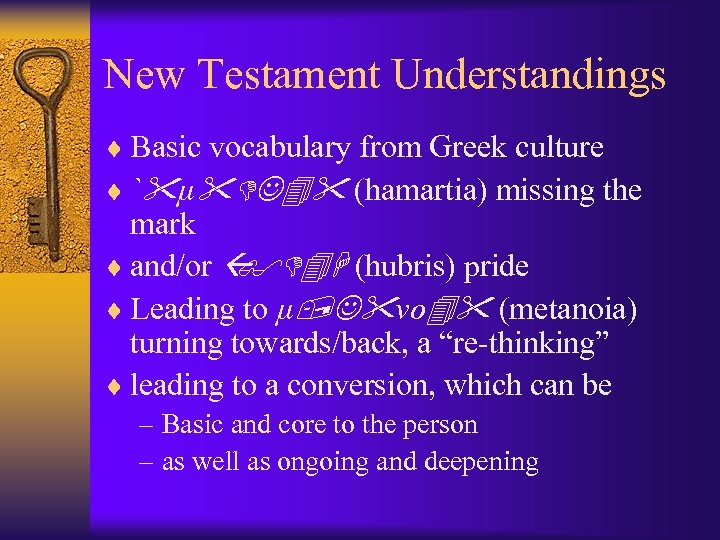 New Testament Understandings ¨ Basic vocabulary from Greek culture ¨ `"µ"DJ 4" (hamartia) missing the mark ¨ and/or ß $D 4 H (hubris) pride ¨ Leading to µ, J"vo 4" (metanoia) turning towards/back, a “re-thinking” ¨ leading to a conversion, which can be – Basic and core to the person – as well as ongoing and deepening
 The Our Father ¨ Prayer of the disciples: the Our Father ("Lead us not into temptation"): ¨ This should not be understood as a wish for no trials in this world. ¨ Rather Jesus is teaching his disciples to ask God not withdraw from them, ¨ and to guard them against temptation by ungodly powers.
 Biblical concept of "trial/testing" ¨ Greek word B, 4 D"Fµ@F ( peirasmos) and/or B, 4 D". o ( peirazo) ¨ The primary meaning is "test or trial” ¨ and only the secondary meaning is "temptation as enticement to sin. "
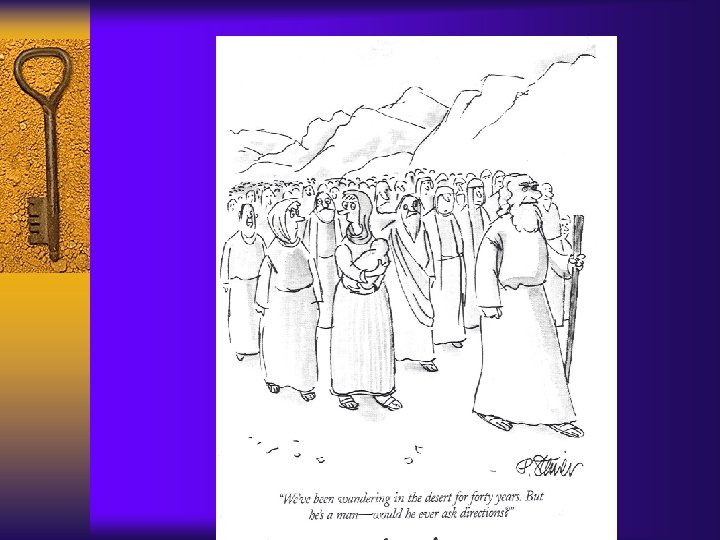
 Old Testament Trials and Testings ¨ Individuals and whole communities are tempted. Cf. Gn 22: 1 -19 [Abraham], ¨ and in Wisdom Literature as well. ¨ Humans, both individuals as well as communities also "tempt" God: Israelites in the desert, Gideon, etc.
 New Testament Trials and Testings ¨ Jesus' " temptations" in the desert ¨ reality (i. e. , the real world has testings) ¨ Temptations of Jesus: to deflect Jesus from obedience to God. ¨ Pay attention to the paradigm of his response, seen also as a corrective or counter-example to Israel's failed response to the testings.
 Summary Conclusions from the New Testament Trials ¨ Less danger of scruples and neurotic guilt with the biblical understanding of "trials and testings” ¨ Interconnection and interrelation between trials and temptations and correction by God ¨ In this context, consider the following from Hebrews 12: 4 -11
 The Early Christian Community ¨ In the Epistles: temptations seen as difficulties in the real world the Christian community must face and navigate ¨ Examples given for sins which may not be “tolerated” (e. g. , incest) ¨ as well as concern lest scandal be given
 Some Key NT Scripture Passages ¨ John 8: 1 -11 (Woman Caught in Adultery) ¨ Romans 7: 14 -20 (Power of Sin in Paul) ¨ Matthew 18: 21 -35 (How Often to Forgive Question Answered with Parable of Unforgiving Slave) ¨ John 20: 19 -23 (Mission to Forgive Sins)
 Other Key N. T. Passages ¨ 1 Jn 1: 8 --2: 6 – If we claim to be without sin, we deceive ourselves and the truth is not in us. ¨ 1 Jn 3: 7 -10 – Dear children, do not let anyone lead you astray. ¨ Romans 7: 15 -25 – I do not understand what I do.
 Parables of God’s Mercy ¨ Lost sheep – Not good business sense – We are each one of us unique and therefore absolutely valuable to God ¨ Lost Drachma ¨ Merciful Father and the Prodigal Son
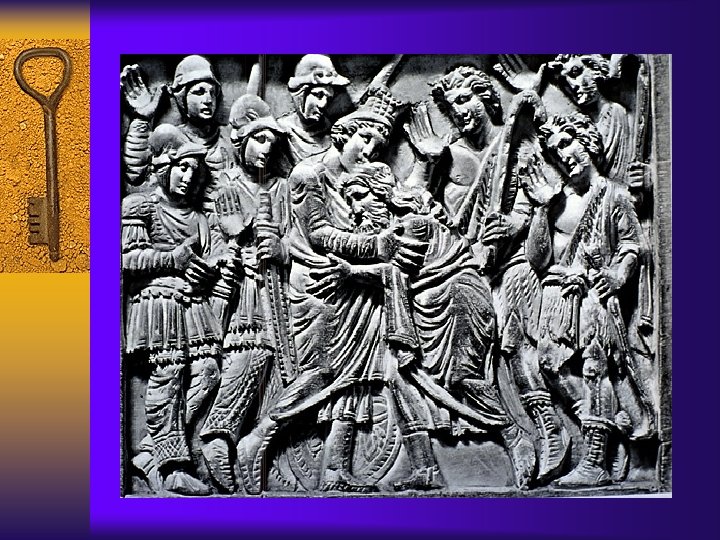
 Fishers of Persons ¨ What does it mean to “catch” someone? ¨ Not in the web of sin, but in the net of God’s grace ¨ Thus, the primary Gospel response to sin and injury is not punishment and retaliation, ¨ but forgiveness and reconciliation. ¨ St. Paul speaks of this as being a “ministry” of the Church, and in this spiritual ministry we are all “ambassadors of Christ” (cf. 2 Cor 5: 18 -21).
 “Sin” as Seen in Jesus’ Ministry ¨ Call to Metanoia (Conversion) linked to… ¨ Call to Discipleship linked to … ¨ Jesus’ own mission… ¨ A mission of liberation and healing ¨ NOT a mission of condemnation & punishment
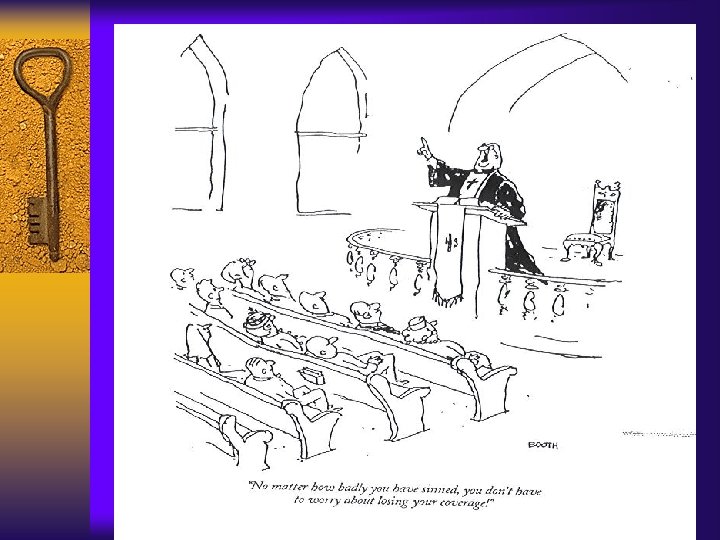
 The Our Father ¨“Forgive Us Our Sins ¨As We Forgive the Sins of Others” ¨Object of Prayer and of God’s Grace ¨Reciprocal Nature of Forgiveness ¨And a Sacred Claim on Us.
 Conditions Necessary for Mortal Sin ¨ Grave Matter ¨ Sufficient knowledge, awareness and reflection ¨ Sufficiently "Full" Consent of the Will ¨ These three conditions must be simultaneously present before the act is committed.
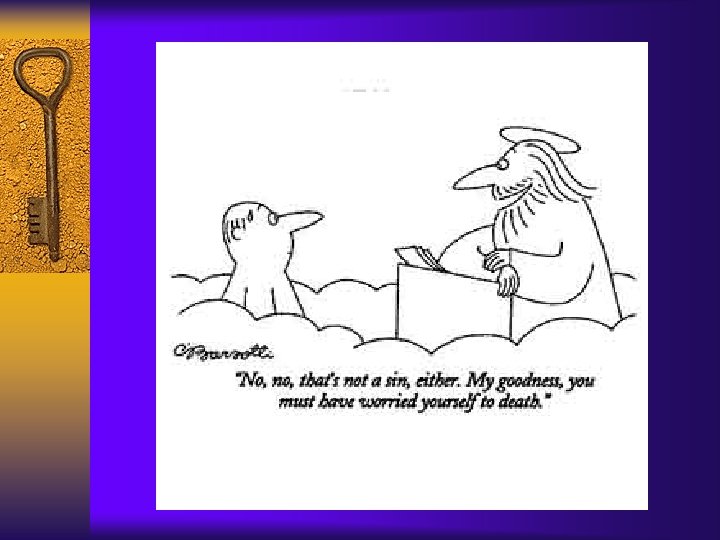
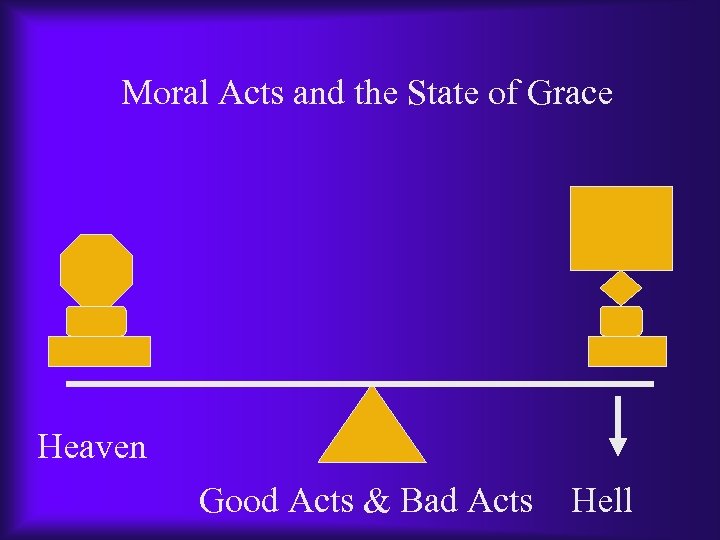
 Pre-Vatican II Notion of Sin ¨ State of Grace and State of Sin were often presented as a sharply dichotomous position, like the “on” or “off” light switch ¨ One day you could be in the state of grace, then the next in mortal sin, then back in grace, and so on ¨ Belief that the act alone changed the balance…
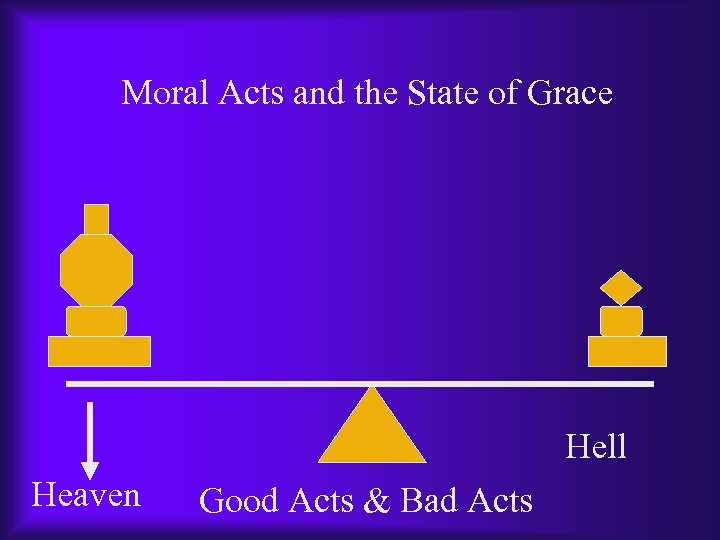 Moral Acts and the State of Grace Hell Heaven Good Acts & Bad Acts
 But what if the balance shifted? Be careful!!
 Moral Acts and the State of Grace Heaven Good Acts & Bad Acts Hell
 But Is This a Sound Vision? ¨ While this approach seemed to fit very well with both the notion of sin as a grievous act ¨ And with the notion that our good acts pleased God ¨ Is this approach actually in accord with the best possible understanding of how God is, and how God deals with us? …
 God ALONE Knows Our State ¨ Jeremiah 17: 9 -10: “The heart is devious above all else; it is perverse-- who can understand it? 10 I the LORD test the mind and search the heart, to give to all according to their ways, according to the fruit of their doings. ” ¨ 1 Cor 4: 3 b-5: “I do not even judge myself. 4 I am not aware of anything against myself, but I am not thereby acquitted. It is the Lord who judges me. “
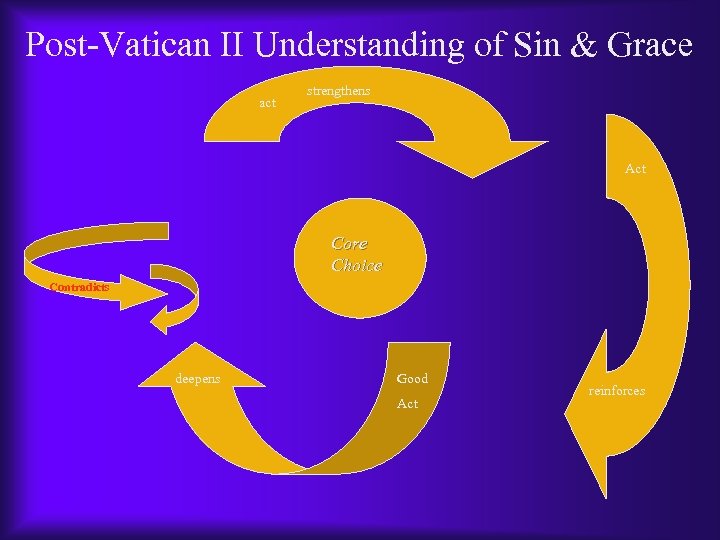 Post-Vatican II Understanding of Sin & Grace act strengthens Act Core Choice Contradicts deepens Good Act reinforces
 Analogy of the Marriages of Bob & Carol and Ted & Alice ¨ Bob & Carol marry ¨ Ted & Alice marry ¨ Marriage relationship has more “downs” than “ups” ¨ Each becomes progressively more self-centered ¨ And hateful to the other has more “ups” than “downs” ¨ Love bond is strengthened and grows ¨ Each grows closer to the other
 But comes an act of infidelity ¨ Bob is unfaithful to ¨ Ted is unfaithful to Carol ¨ This is a single, serious act ¨ A final straw ¨ Which symbolizes and effects the end of the relationship Alice ¨ This is a single, serious act ¨ But since their marriage is strong ¨ Though weakened the union survives
 Insights of Vatican II Theology ¨ Helps us to see more clearly the Relation aspect of the States of Grace or Sin ¨ Takes more seriously the core nature of this relationship and how our individual acts can either strengthen or weaken this relationship ¨ Helps us differentiate sin along a spectrum of venial to serious to mortal
 The Key Pastoral Moral Guideline ¨ With and for whom is reconciliation most necessary? ¨ The key to the whole pastoral encounter is not deciding who is “right” or even what the “correct” decision is, ¨ But rather, how can this person be brought into deeper communion with God and God’s family ¨ Thus, center on reconciliation!
 Ministries in the New Testament ¨ Ministries founded in “charisms”—special “graces” ¨ Diversity: each person is unique and has his or her special gift and task ¨ Yet, the variety of gifts are held together in the unity of the Spirit, ¨ And exercised for the good of the community
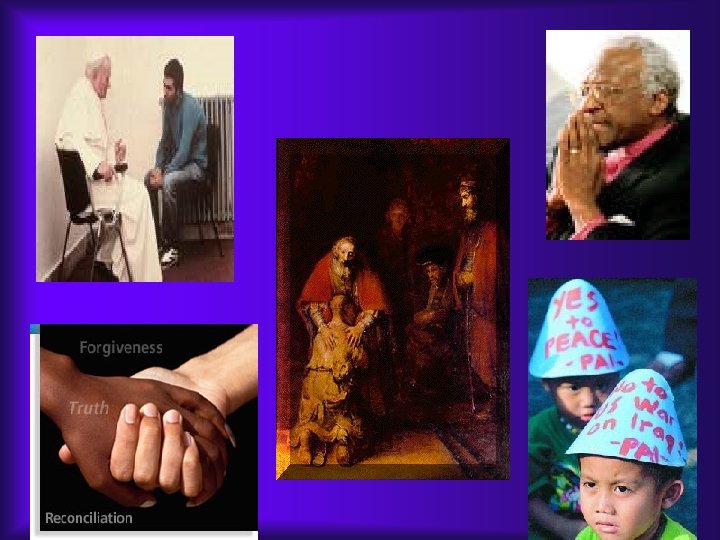
 Spirituality for the Ministry of Reconciliation ¨ Basic twin dynamics – Sin-->repentance-->conversion (on the part of the sinner primarily) – Sin--> forgiveness-->reconciliation (on the part of God, and the community) ¨ Confession of sin--not denial; forgiveness of sin--not “obliteration” of the fact of sin
 Spirituality for the Long Haul ¨ We are still a pilgrim church, an ecclesia semper reformanda. ¨ Thus, need to deal with, but also live through, – my own sins – and the sins of others, – and of the institution
 A Jubilee Spirituality ¨ Biblical Understanding of the Jubilee ¨ Restoration of the status quo ante ¨ Human participation in God’s creative forgiveness ¨ The Season of the Lord’s favor ¨ Cf. Luke 4: Program for Jesus’ Ministry
 Further Marks of this Spirituality ¨ Spirituality of discernment and dialogue ¨ Spirituality of growth and liberation ¨ Spirituality of involvement ¨ Spiritual of ministry: Ambassadors of Christ
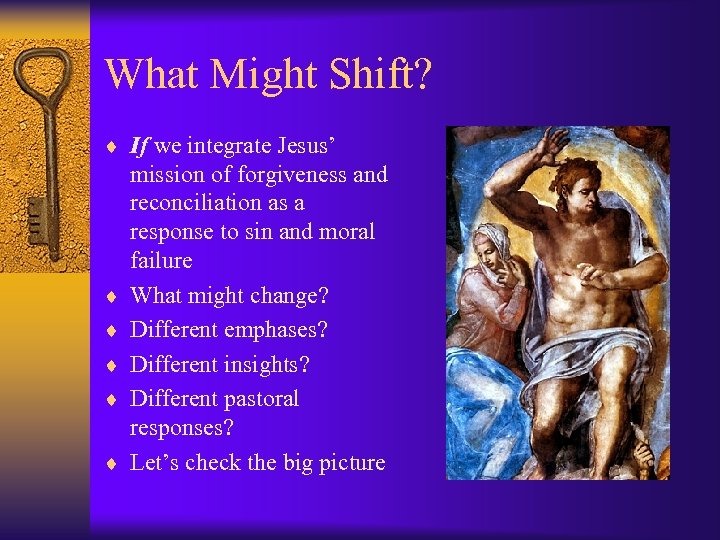 What Might Shift? ¨ If we integrate Jesus’ ¨ ¨ ¨ mission of forgiveness and reconciliation as a response to sin and moral failure What might change? Different emphases? Different insights? Different pastoral responses? Let’s check the big picture
 Checking Out Our Theology ¨ Let us consider the following e-mail, ¨ Looking at its implied theology of sin ¨ Its implied theology of grace ¨ Its implied theology of conscience ¨ Its implied theology of forgiveness ¨ And its interpretation of Canon Law
 We are depressed because we are Catholics and believe that "babyhood" starts from conception - precisely when the sperm joins the egg cell. But that is not the case for the rest of the world - the non-Catholics and even for Catholics who no longer listen to what God says to the world through His Church. Many believe the fertilized egg becomes a baby only upon reaching the second or even the third trimester of pregnancy. How many of the 40 million "legally killed babies" are babies in these "late" sense and how many in the sense we accept? Anyway, if I am not mistaken, our doctrine is that the sin arising from abortion merits automatic excommunication which I understand to mean: (1) grace is automatically cut off (so that none of the sacraments are available or effective as to him) and (2) good faith belief that abortion is not wrong before the second or third trimester is not exculpatory.
 “Our doctrine is that the sin arising from abortion merits automatic excommunication - which I understand to mean: (1) grace is automatically cut off (so that none of the sacraments are available or effective as to him) and (2) good faith belief that abortion is not wrong before the second or third trimester is not exculpatory. ” My mind is made up, so don’t confuse me with the facts What is grace and how is it cut off? Would a “good faith belief” never be “exculpatory”? How does abortion “merit automatic excommunication”? Let’s check out the Code of Canon Law on this last point…
 Can. 1324§ 1 lists ten instances, any one of which if present, prevent an automatic penalty (latae sententiae) from being incurred. These include: 1/ by a person who had only the imperfect use of reason; 2/ by a person who lacked the use of reason because of drunkenness or another similar culpable disturbance of mind; 4/ by a minor; 5/ by a person who was coerced by grave fear, even if only relatively grave, or due to necessity or grave inconvenience 7/ against someone who gravely and unjustly provokes the person; 9/ by a person who without negligence did not know that a penalty was attached to a law or precept; 10/ by a person who acted without full imputability provided that the imputability was grave. § 3. In the circumstances mentioned in § 1, the accused is not bound by a latae sententiae penalty.
 And one more Gospel passage… ¨ Jesus also told this parable to some who trusted in themselves that they were righteous and regarded others with contempt. “Two men up to the temple to pray, one a Pharisee and the other a tax collector. The Pharisee… prayed ‘God I thank you that I am not like other people: thieves, rogues, adulterers, or even like this tax collector. I fast twice a week; I give a tenth of all my income.
 But the tax collector, standing far off, would not even look up to heaven, but was beating his breast and saying, ‘God, be merciful to me a sinner? ’ I tell you, this man went down to his home justified rather than the other; for all who exalt themselves will be humbled, but all who humble themselves will be exalted. ” Luke 18: 9 -15 How does this passage speak to us? ?
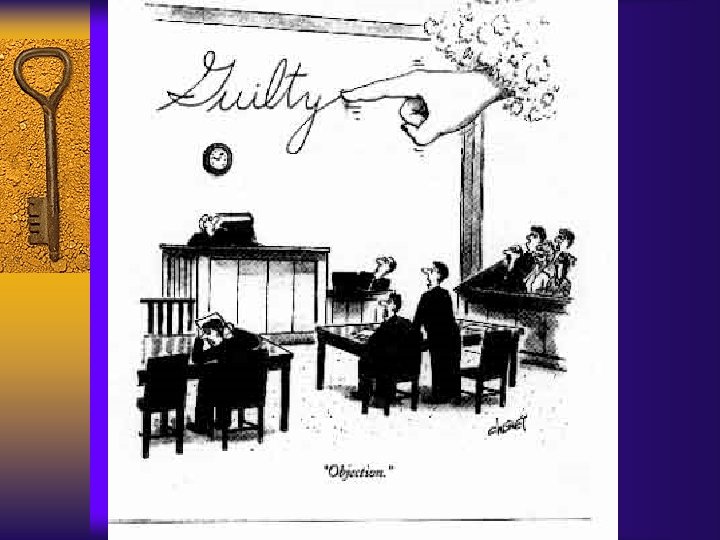
 Therefore, Judge Not! ¨ 1 Cor 4: 5: “ 5 Therefore do not pronounce judgment before the time, before the Lord comes, who will bring to light the things now hidden in darkness and will disclose the purposes of the heart. Then each one will receive commendation from God. ”
 Neither the Answers Nor the Processes Are Simple…. ¨ Need for genuine search for the truth ¨ Need for openness to the Spirit wherever it moves ¨ Need for prayer ¨ Need for dialogue
 Prayer of St. Theresa Avila ¨ Christ has no body on earth but yours ¨ No hands on earth but your hands. ¨ Yours are the eyes through which He looks out with compassion on the world. ¨ Yours are the feet with which He chooses to go about doing good. ¨ For as He is the Head, so you are the members ¨ and we are all one in Christ Jesus.
 A Final Word… ¨ In fide, unitas: in dubiis, libertas; in omnibus, caritas – "In faith, unity; in doubt, liberty; in all things, charity. " – Attributed to St. Augustine, this is an important principle of Christian discernment: unity in faith is important, but in cases of doubt a plurality of opinions and practices should be allowed, and the over-riding principle must always be charity towards each other.
 Further Information ¨ A Morally Complex World: Engaging Contemporary Moral Theology ¨ bretzkesj@usfca. edu ¨ University of San Francisco ¨ 2600 Turk Blvd. , San Francisco, CA 94118 ¨ http: //www. usfca. edu/facstaff/bretzkesj/USFWeb. Index. htm