


 Скачать презентацию Fig 1 How the Future of Surgery is
4a235fabe4bfcde8147c24d024b800a8.ppt
- Количество слайдов: 69
 Fig 1 How the Future of Surgery is Changing: Robotics, telesurgery, surgical simulators and other advanced technologies Richard M. Satava, MD FACS Professor of Surgery University of Washington Program Manager, Advanced Biomedical Technologies Defense Advanced Research Projects Agency (DARPA) and Special Assistant, Advance Medical Technologies US Army Medical Research and Materiel Command University of Washington, September, 2006
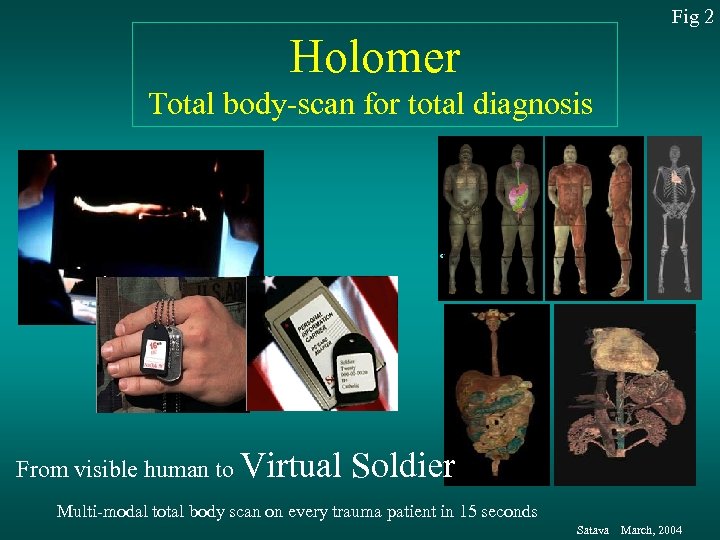 Fig 2 Holomer Total body-scan for total diagnosis From visible human to Virtual Soldier Multi-modal total body scan on every trauma patient in 15 seconds Satava March, 2004
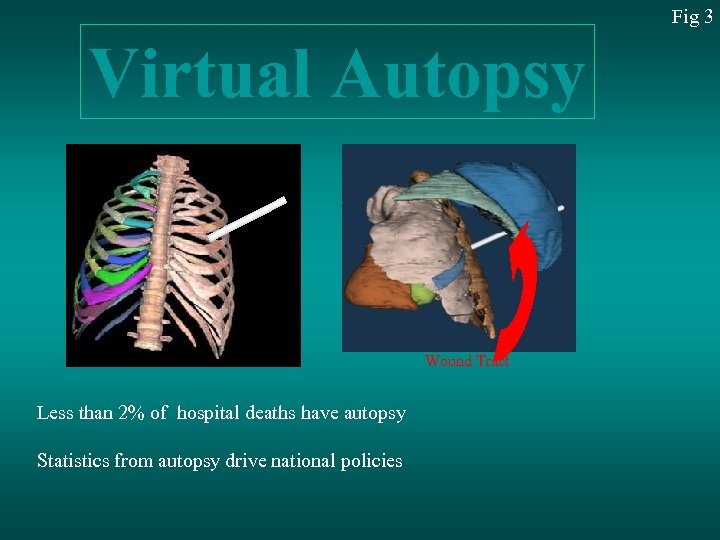 Fig 3 Virtual Autopsy Wound Tract Less than 2% of hospital deaths have autopsy Statistics from autopsy drive national policies
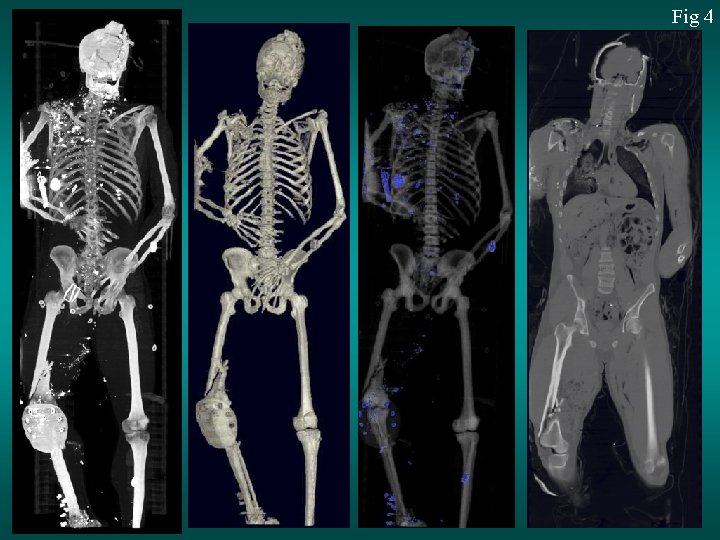 Fig 4
Fig 4
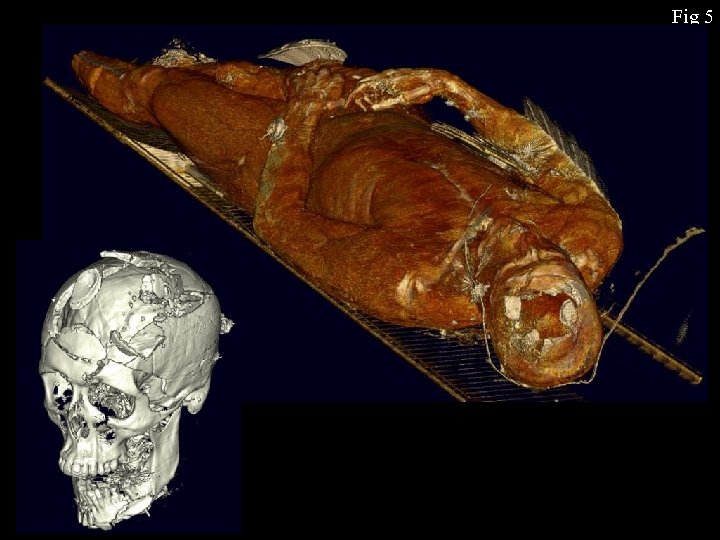 Fig 5
Fig 5
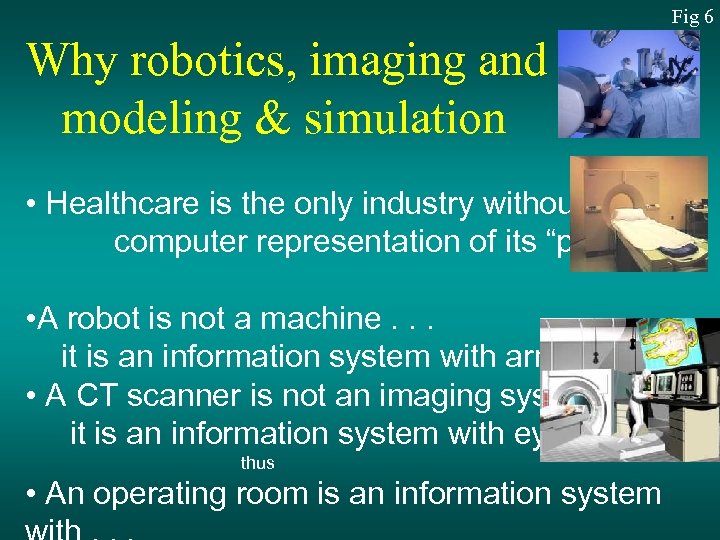 Fig 6 Why robotics, imaging and modeling & simulation • Healthcare is the only industry without a computer representation of its “product” • A robot is not a machine. . . it is an information system with arms. . . • A CT scanner is not an imaging system it is an information system with eyes. . . thus • An operating room is an information system
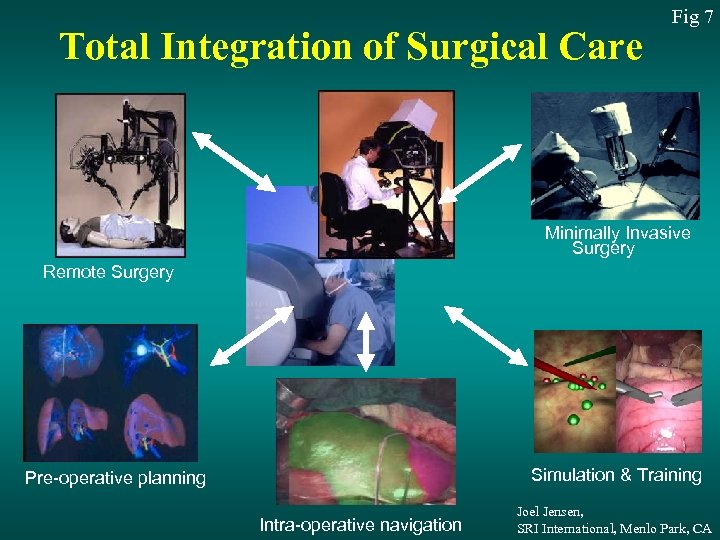 Total Integration of Surgical Care Fig 7 Minimally Invasive Surgery Remote Surgery Simulation & Training Pre-operative planning Intra-operative navigation Joel Jensen, SRI International, Menlo Park, CA
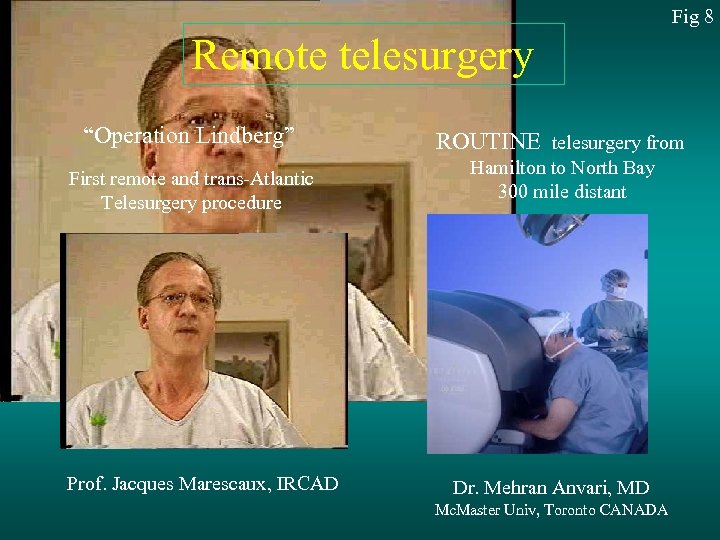 Fig 8 Remote telesurgery “Operation Lindberg” First remote and trans-Atlantic Telesurgery procedure Prof. Jacques Marescaux, IRCAD ROUTINE telesurgery from Hamilton to North Bay 300 mile distant Dr. Mehran Anvari, MD Mc. Master Univ, Toronto CANADA
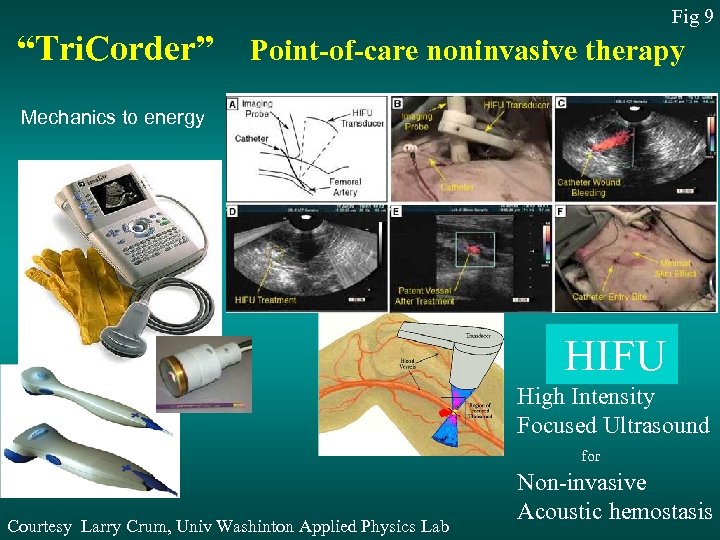 Fig 9 “Tri. Corder” Point-of-care noninvasive therapy Mechanics to energy HIFU Courtesy Larry Crum, Univ Washinton Applied Physics Lab High Intensity Focused Ultrasound for Non-invasive Acoustic hemostasis
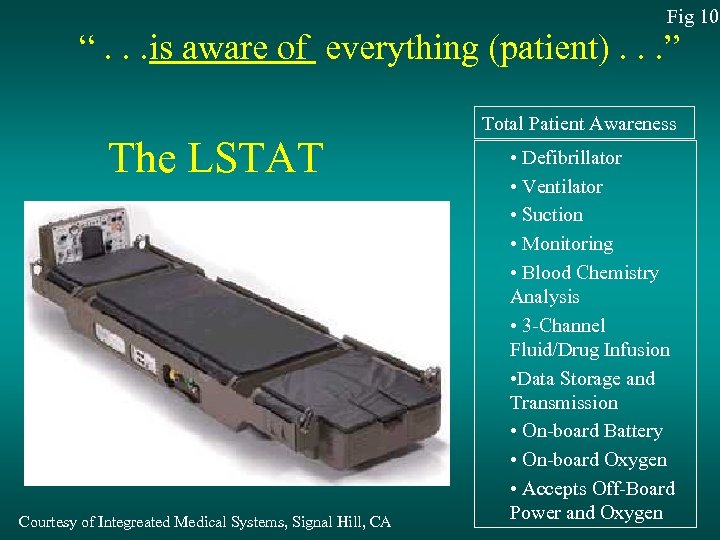 Fig 10 “. . . is aware of everything (patient). . . ” The LSTAT Courtesy of Integreated Medical Systems, Signal Hill, CA Total Patient Awareness • Defibrillator • Ventilator • Suction • Monitoring • Blood Chemistry Analysis • 3 -Channel Fluid/Drug Infusion • Data Storage and Transmission • On-board Battery • On-board Oxygen • Accepts Off-Board Power and Oxygen
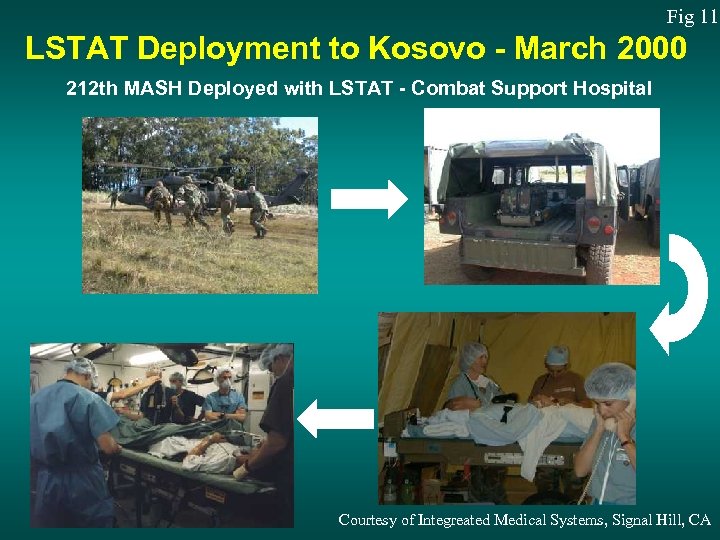 Fig 11 LSTAT Deployment to Kosovo - March 2000 212 th MASH Deployed with LSTAT - Combat Support Hospital Courtesy of Integreated Medical Systems, Signal Hill, CA
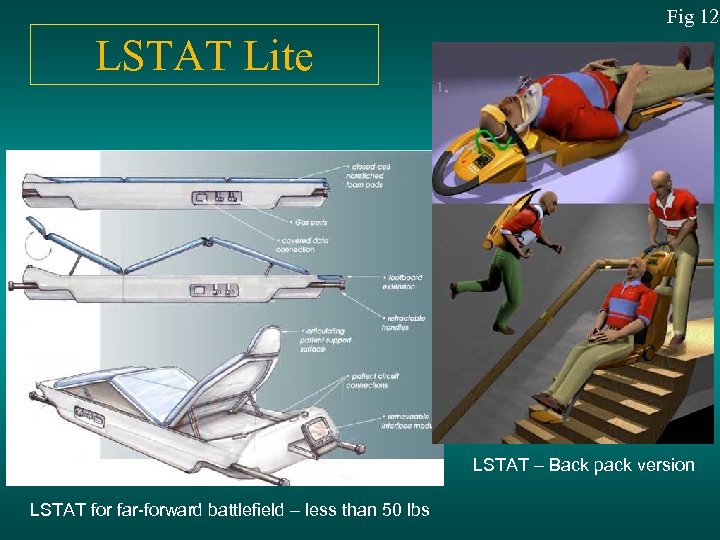 Fig 12 LSTAT Lite LSTAT – Back pack version LSTAT for far-forward battlefield – less than 50 lbs
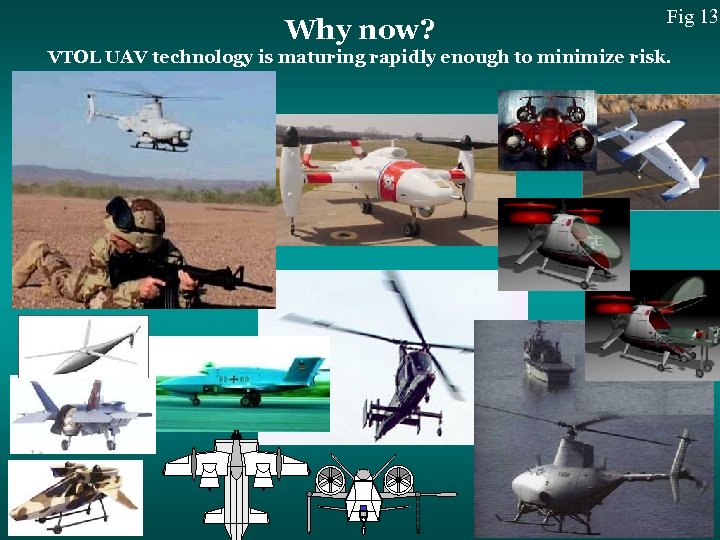 Why now? Fig 13 VTOL UAV technology is maturing rapidly enough to minimize risk.
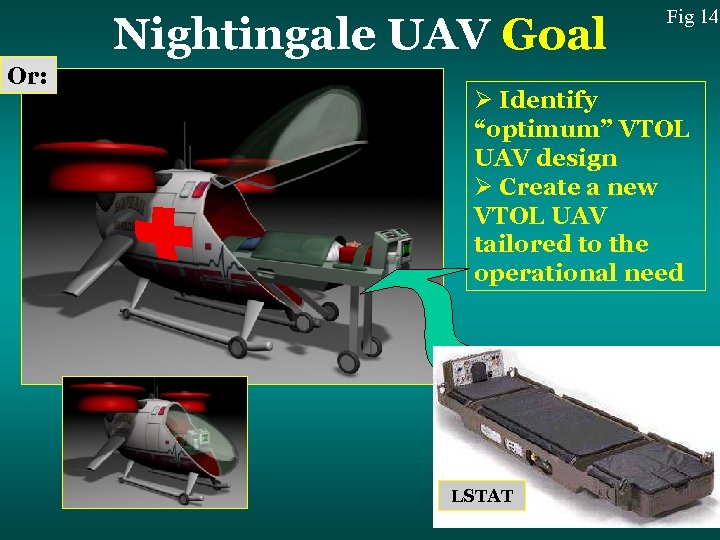 Nightingale UAV Goal Or: Fig 14 Ø Identify “optimum” VTOL UAV design Ø Create a new VTOL UAV tailored to the operational need LSTAT
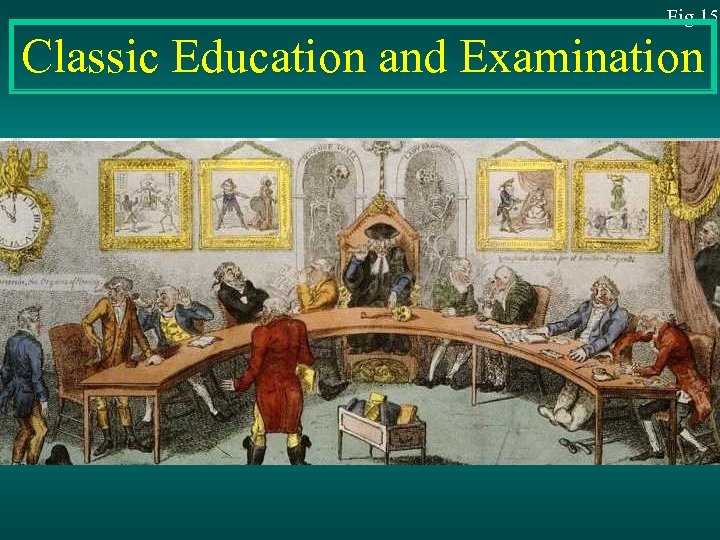 Fig 15 Classic Education and Examination
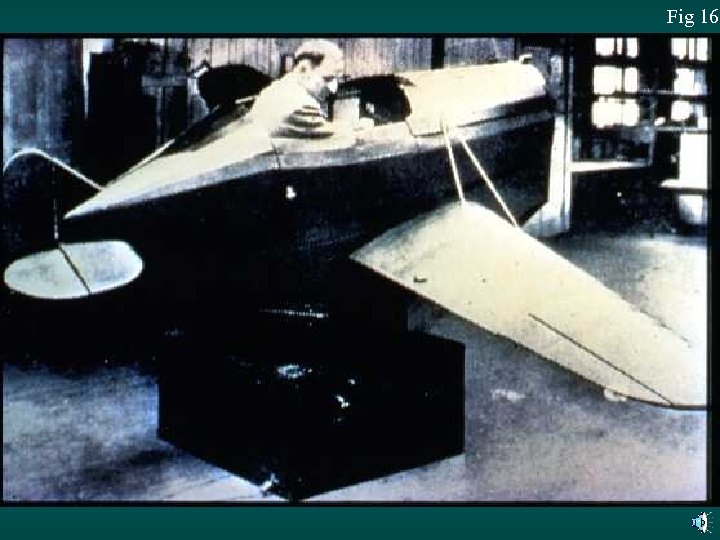 Fig 16
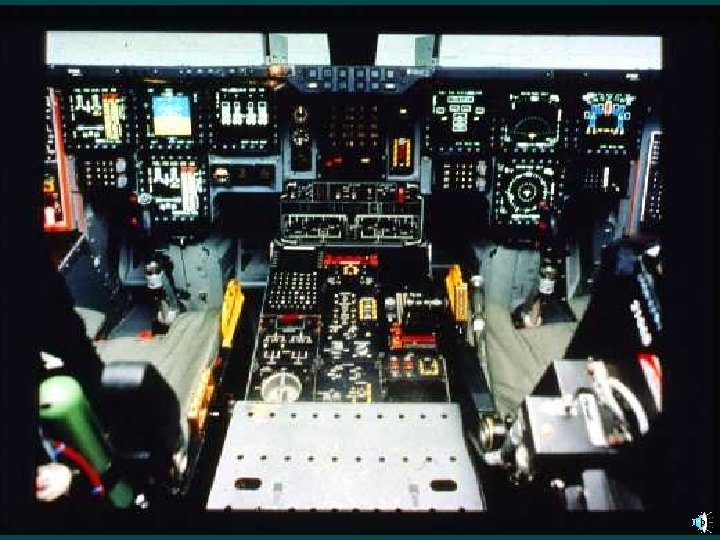 Fig 17
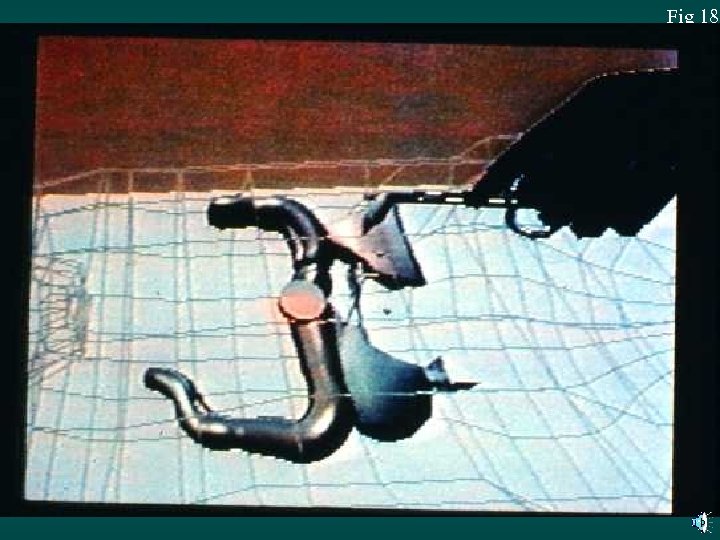 Fig 18
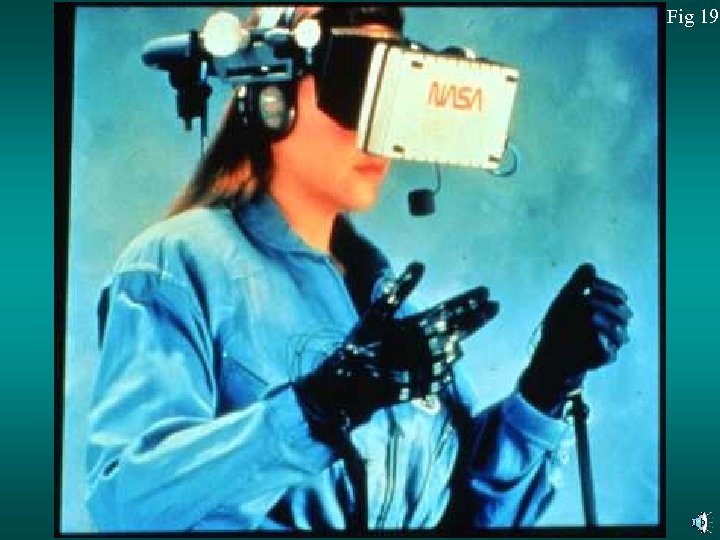 Fig 19
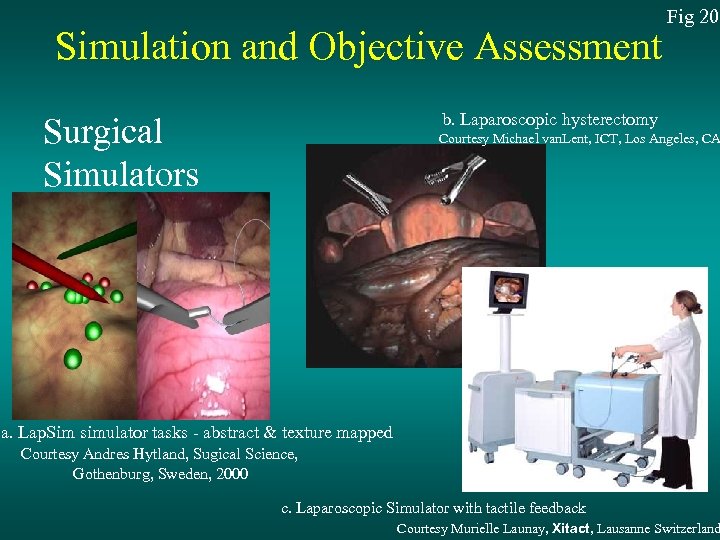 Simulation and Objective Assessment Fig 20 b. Laparoscopic hysterectomy Surgical Simulators Courtesy Michael van. Lent, ICT, Los Angeles, CA a. Lap. Sim simulator tasks - abstract & texture mapped Courtesy Andres Hytland, Sugical Science, Gothenburg, Sweden, 2000 c. Laparoscopic Simulator with tactile feedback Courtesy Murielle Launay, Xitact, Lausanne Switzerland
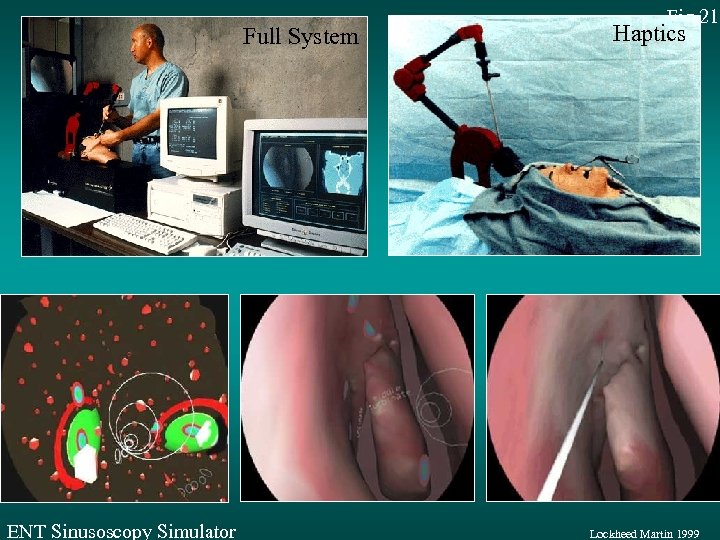 Full System Fig 21 Haptics ENT Sinusoscopy Simulator Lockheed Martin 1999
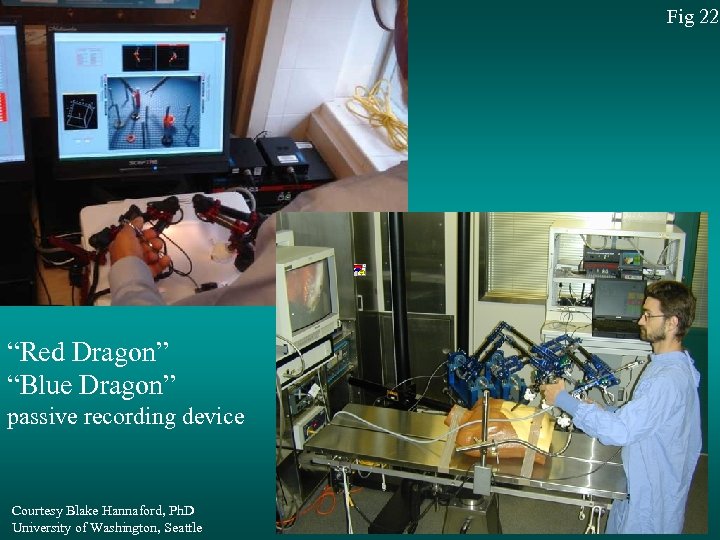 Fig 22 “Red Dragon” “Blue Dragon” passive recording device Courtesy Blake Hannaford, Ph. D University of Washington, Seattle
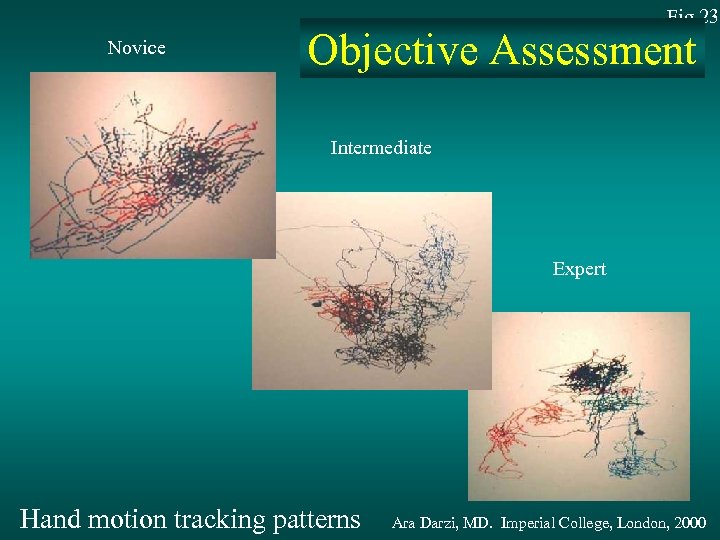 Fig 23 Novice Objective Assessment Intermediate Expert Hand motion tracking patterns Ara Darzi, MD. Imperial College, London, 2000
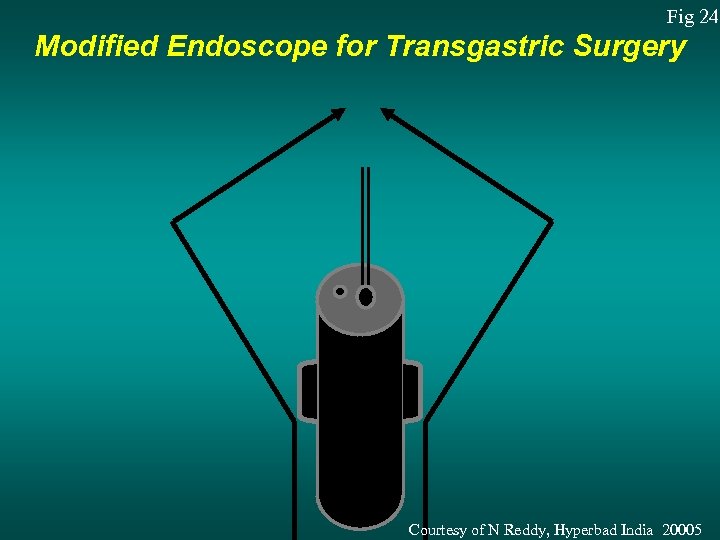 Fig 24 Modified Endoscope for Transgastric Surgery Courtesy of N Reddy, Hyperbad India 20005
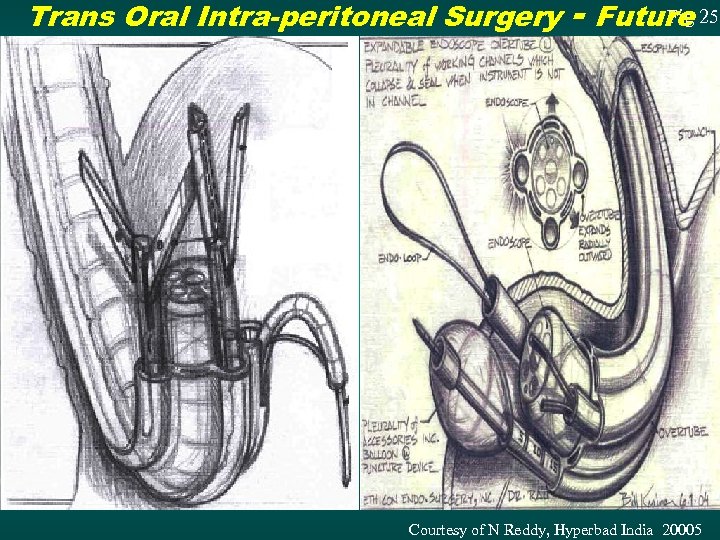 Trans Oral Intra-peritoneal Surgery - Fig 25 Future Courtesy of N Reddy, Hyperbad India 20005
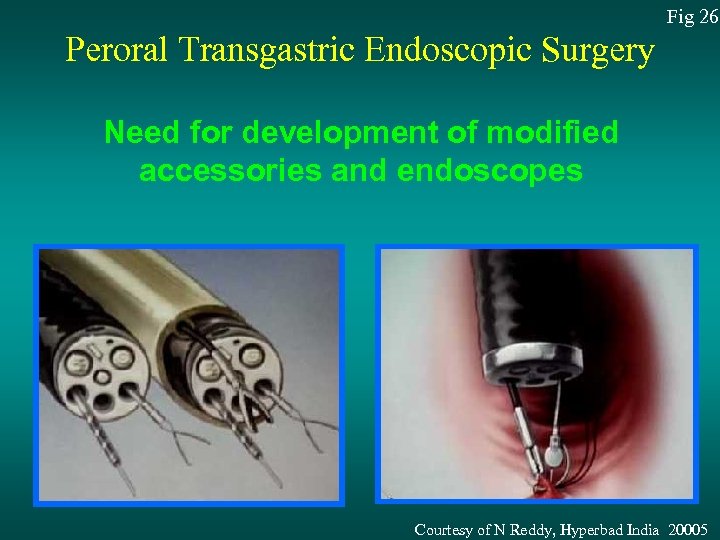 Fig 26 Peroral Transgastric Endoscopic Surgery Need for development of modified accessories and endoscopes Courtesy of N Reddy, Hyperbad India 20005
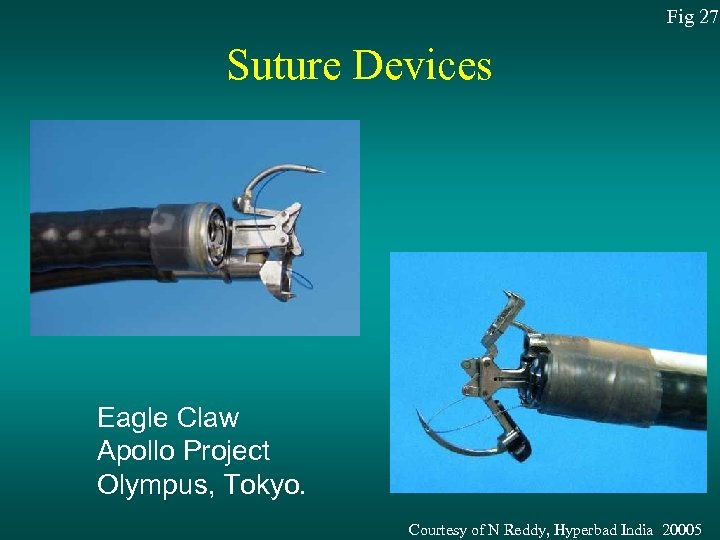 Fig 27 Suture Devices Eagle Claw Apollo Project Olympus, Tokyo. Courtesy of N Reddy, Hyperbad India 20005
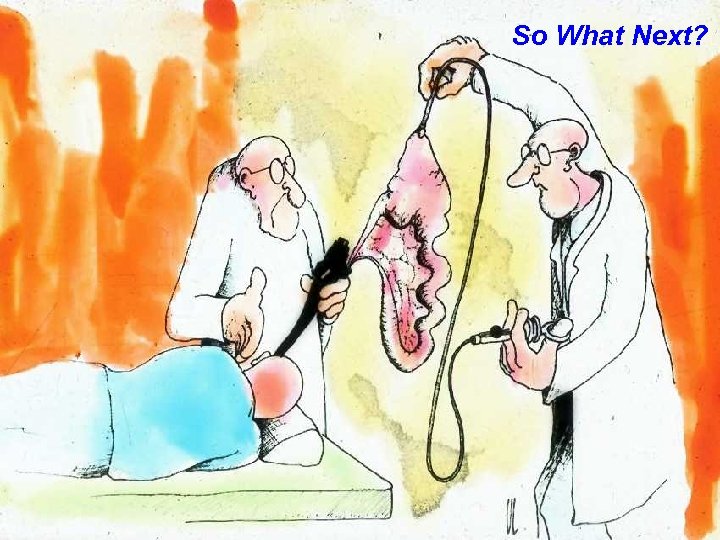 Fig 28 So What Next?
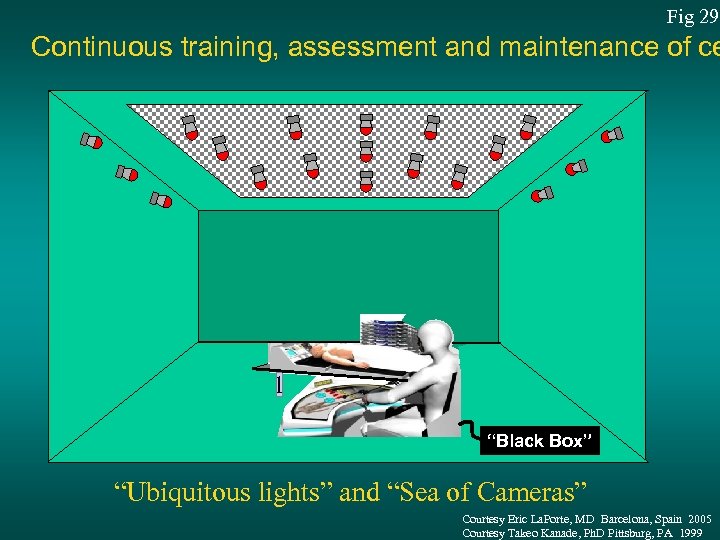 Fig 29 Continuous training, assessment and maintenance of ce l “Black Box” “Ubiquitous lights” and “Sea of Cameras” Courtesy Eric La. Porte, MD Barcelona, Spain 2005 Courtesy Takeo Kanade, Ph. D Pittsburg, PA 1999
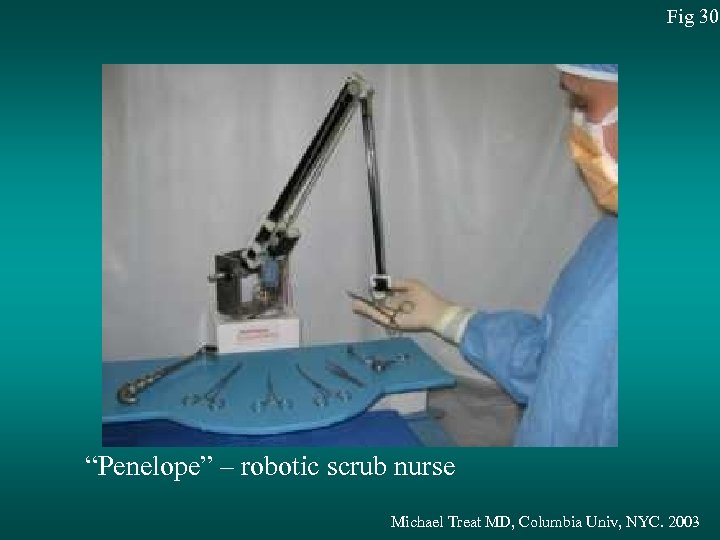 Fig 30 “Penelope” – robotic scrub nurse Michael Treat MD, Columbia Univ, NYC. 2003
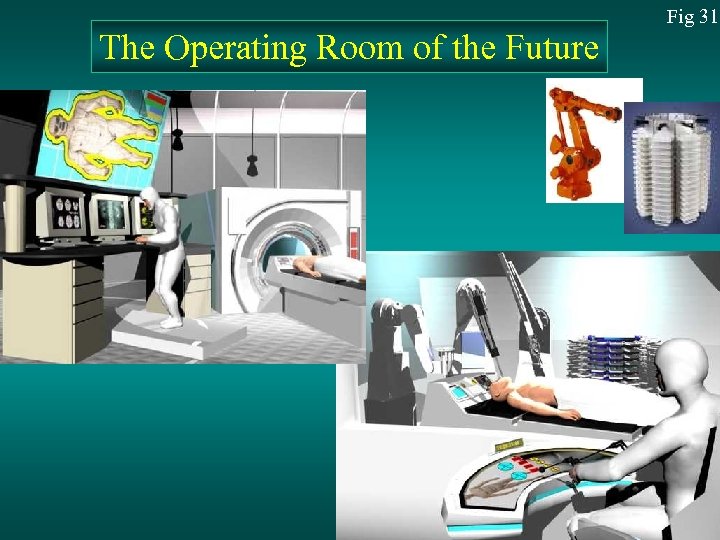 The Operating Room of the Future Fig 31
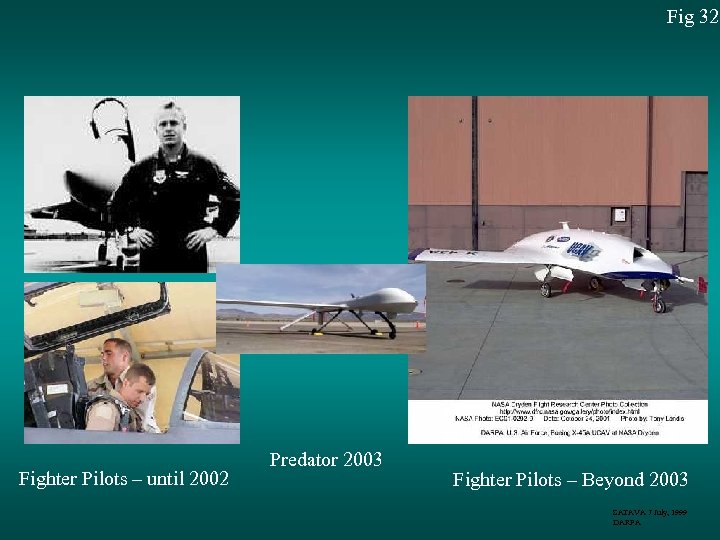 Fig 32 Fighter Pilots – until 2002 Predator 2003 Fighter Pilots – Beyond 2003 SATAVA 7 July, 1999 DARPA
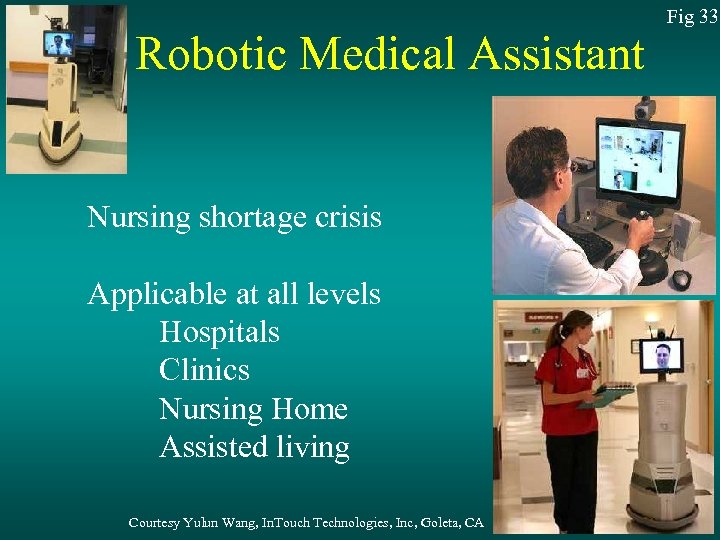 Robotic Medical Assistant Fig 33 Nursing shortage crisis Applicable at all levels Hospitals Clinics Nursing Home Assisted living Courtesy Yulun Wang, In. Touch Technologies, Inc, Goleta, CA SATAVA 7 July, 1999 DARPA
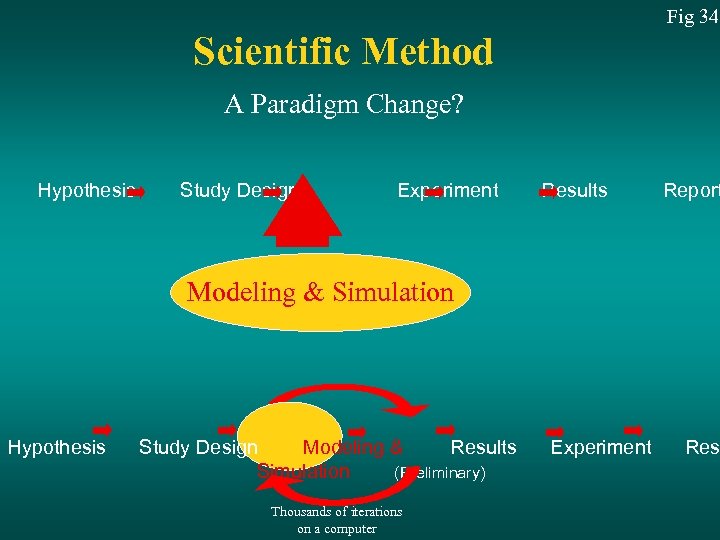 Fig 34 Scientific Method A Paradigm Change? Hypothesis Study Design Experiment Results Report Modeling & Simulation Hypothesis Study Design Modeling & Results Experiment Res Simulation (Preliminary) Thousands of iterations on a computer
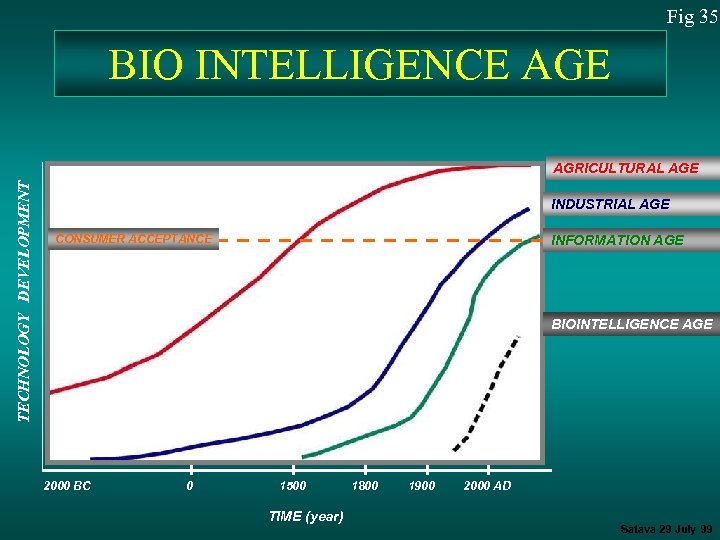 Fig 35 BIO INTELLIGENCE AGE TECHNOLOGY DEVELOPMENT AGRICULTURAL AGE INDUSTRIAL AGE CONSUMER ACCEPTANCE INFORMATION AGE BIOINTELLIGENCE AGE 2000 BC 0 1500 TIME (year) 1800 1900 2000 AD Satava 29 July 99
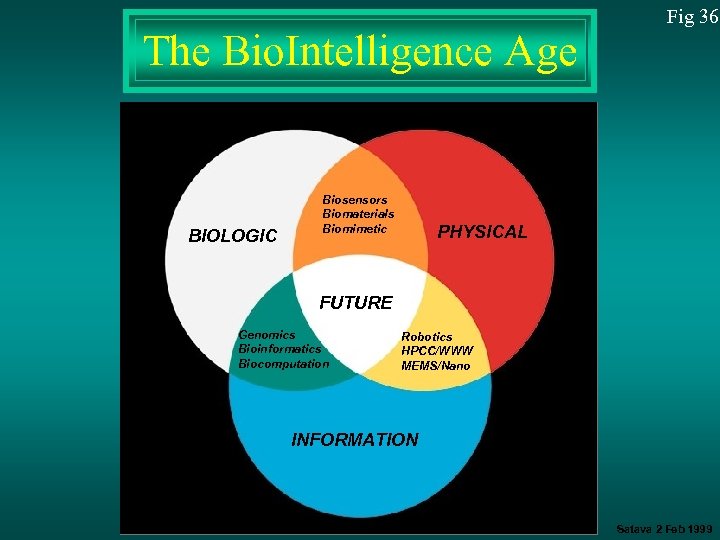 The Bio. Intelligence Age BIOLOGIC Biosensors Biomaterials Biomimetic Fig 36 PHYSICAL FUTURE Genomics Bioinformatics Biocomputation Robotics HPCC/WWW MEMS/Nano INFORMATION Satava 2 Feb 1999
 Fig 37 ¿And just what are these incredible new technologies?
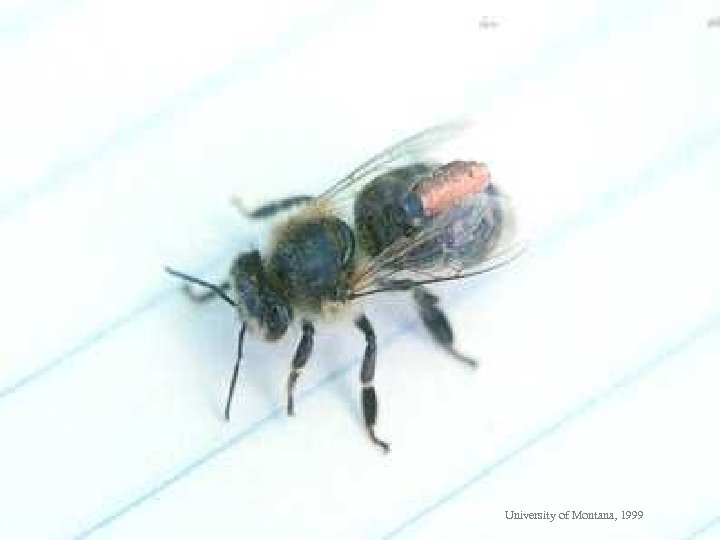 Fig 38 University of Montana, 1999
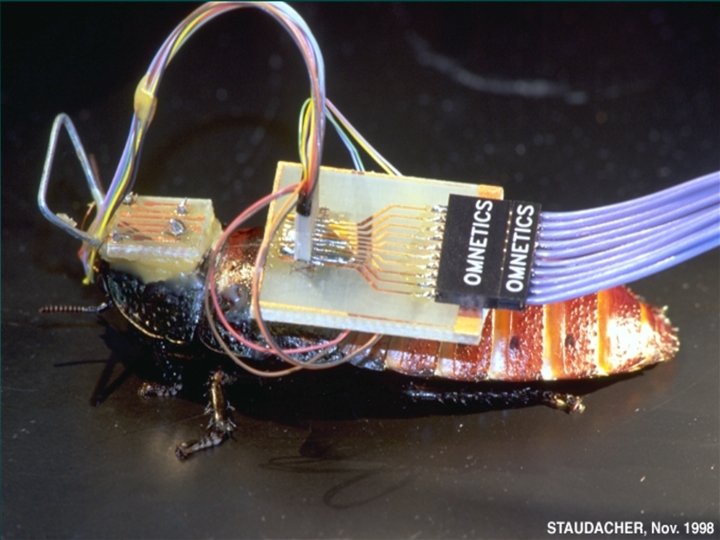 Fig 39
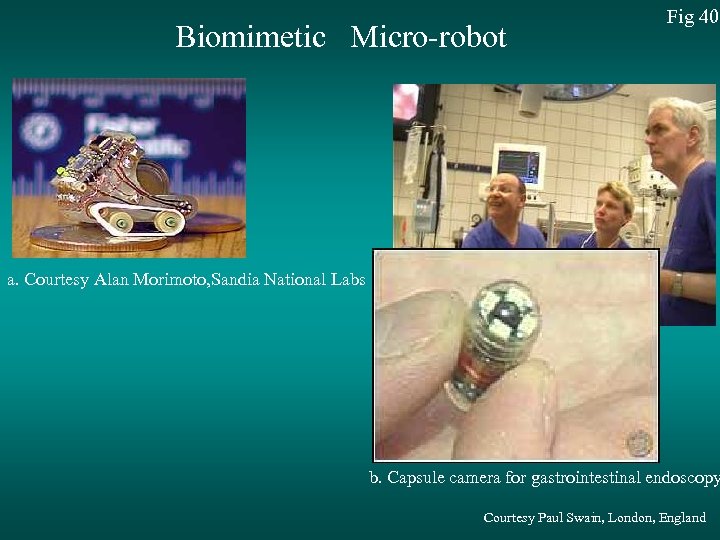 Biomimetic Micro-robot Fig 40 a. Courtesy Alan Morimoto, Sandia National Labs b. Capsule camera for gastrointestinal endoscopy Courtesy Paul Swain, London, England
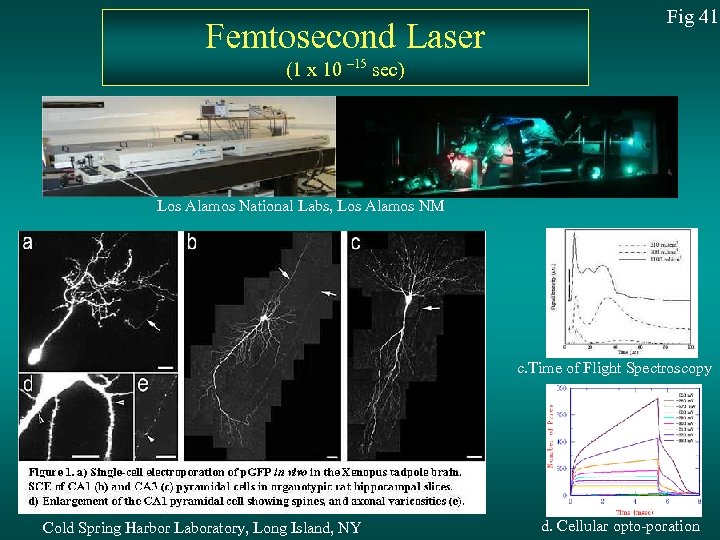 Femtosecond Laser Fig 41 (1 x 10 – 15 sec) Los Alamos National Labs, Los Alamos NM c. Time of Flight Spectroscopy Cold Spring Harbor Laboratory, Long Island, NY d. Cellular opto-poration
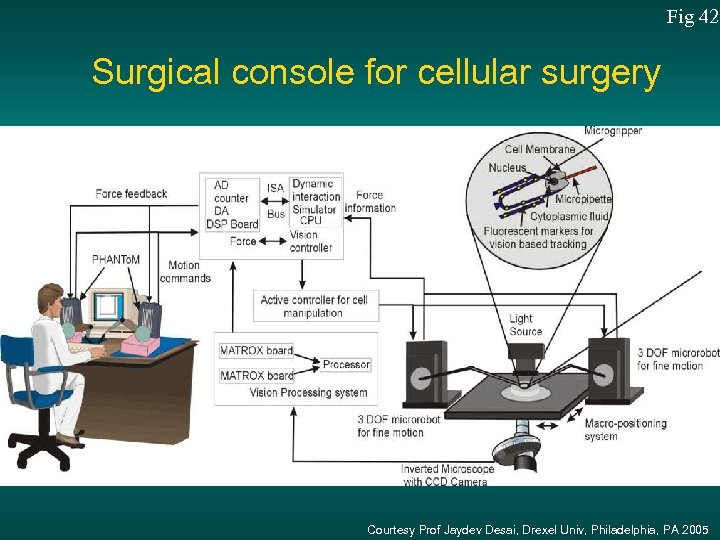 Fig 42 Surgical console for cellular surgery Courtesy Prof Jaydev Desai, Drexel Univ, Philadelphia, PA 2005
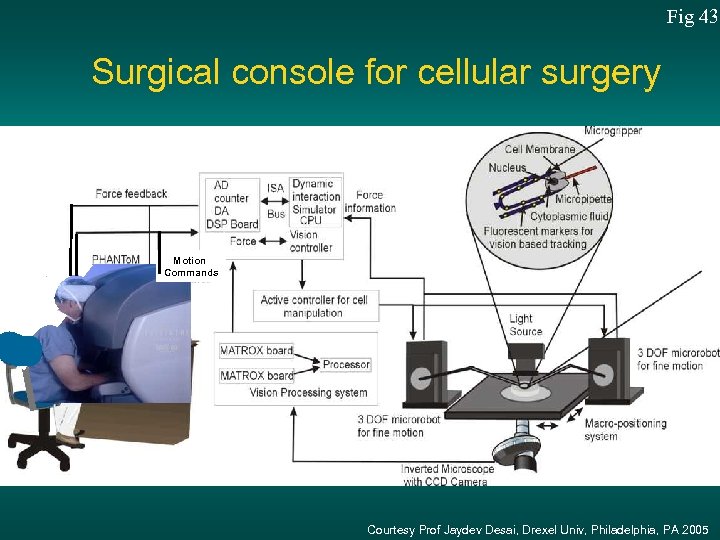 Fig 43 Surgical console for cellular surgery Motion Commands Courtesy Prof Jaydev Desai, Drexel Univ, Philadelphia, PA 2005
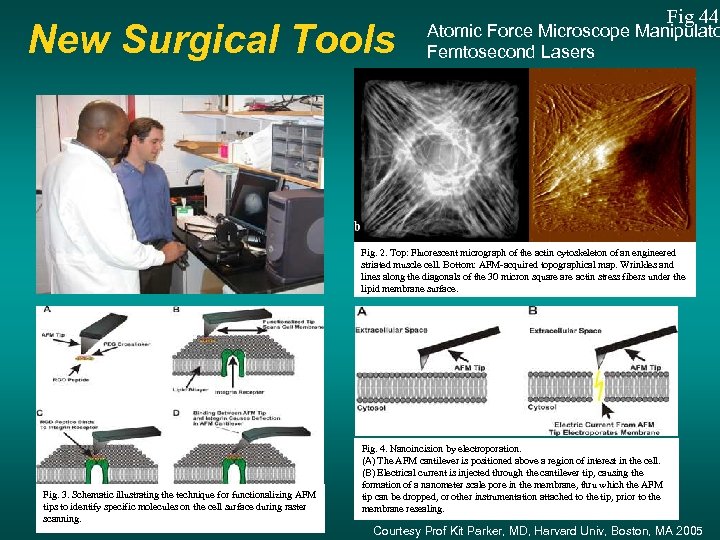 New Surgical Tools Fig 44 Atomic Force Microscope Manipulato Femtosecond Lasers Fig. 2. Top: Fluorescent micrograph of the actin cytoskeleton of an engineered striated muscle cell. Bottom: AFM-acquired topographical map. Wrinkles and lines along the diagonals of the 30 micron square actin stress fibers under the lipid membrane surface. Fig. 3. Schematic illustrating the technique for functionalizing AFM tips to identify specific molecules on the cell surface during raster scanning. Fig. 4. Nanoincision by electroporation. (A) The AFM cantilever is positioned above a region of interest in the cell. (B) Electrical current is injected through the cantilever tip, causing the formation of a nanometer scale pore in the membrane, thru which the AFM tip can be dropped, or other instrumentation attached to the tip, prior to the membrane resealing. Courtesy Prof Kit Parker, MD, Harvard Univ, Boston, MA 2005
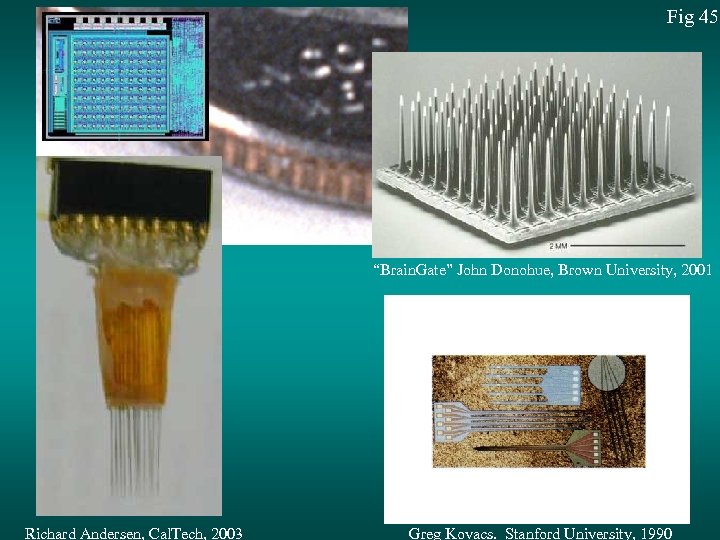 Fig 45 “Brain. Gate” John Donohue, Brown University, 2001 Richard Andersen, Cal. Tech, 2003 Greg Kovacs. Stanford University, 1990
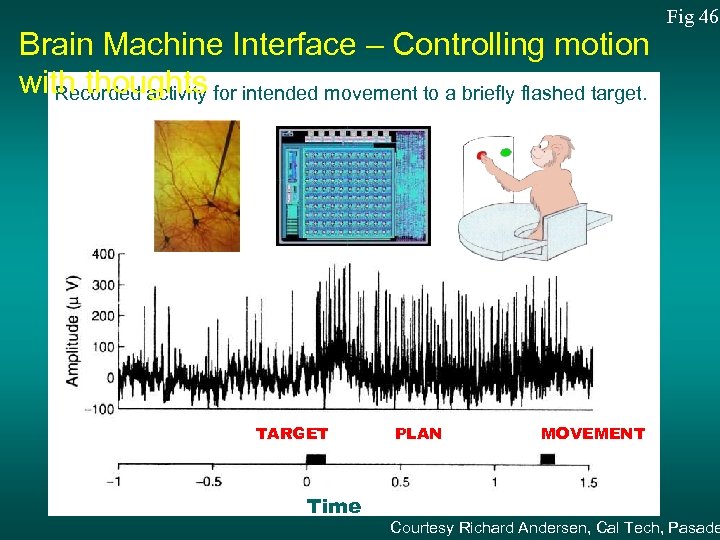 Brain Machine Interface – Controlling motion with thoughts Recorded activity for intended movement to a briefly flashed target. TARGET Time PLAN Fig 46 MOVEMENT Courtesy Richard Andersen, Cal Tech, Pasade
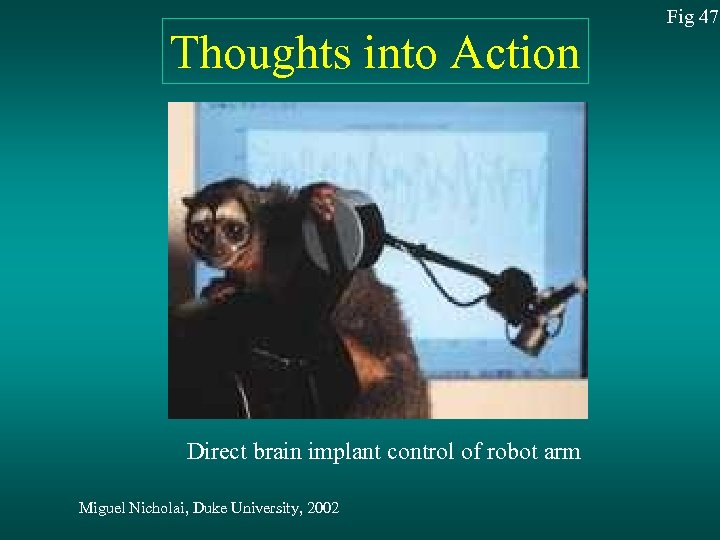 Thoughts into Action Direct brain implant control of robot arm Miguel Nicholai, Duke University, 2002 Fig 47
 Fig 48
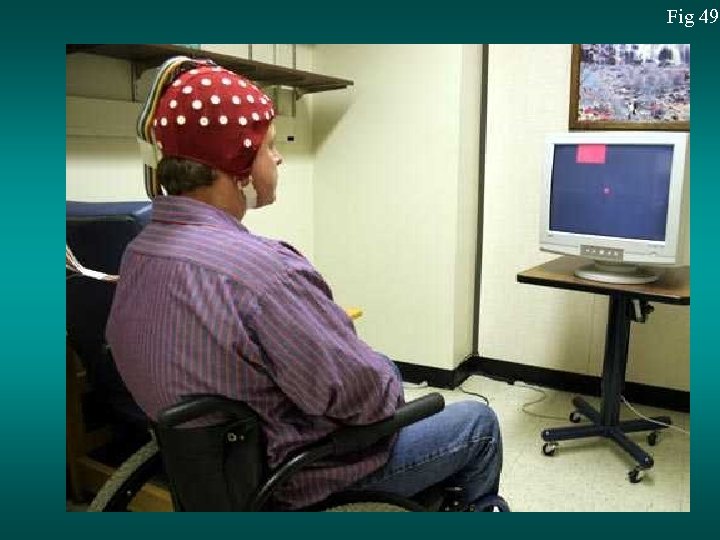 Fig 49
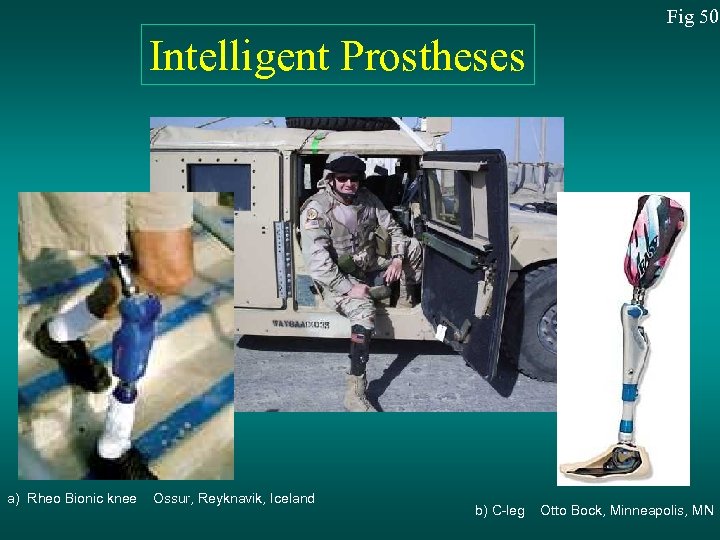 Fig 50 Intelligent Prostheses a) Rheo Bionic knee Ossur, Reyknavik, Iceland b) C-leg Otto Bock, Minneapolis, MN
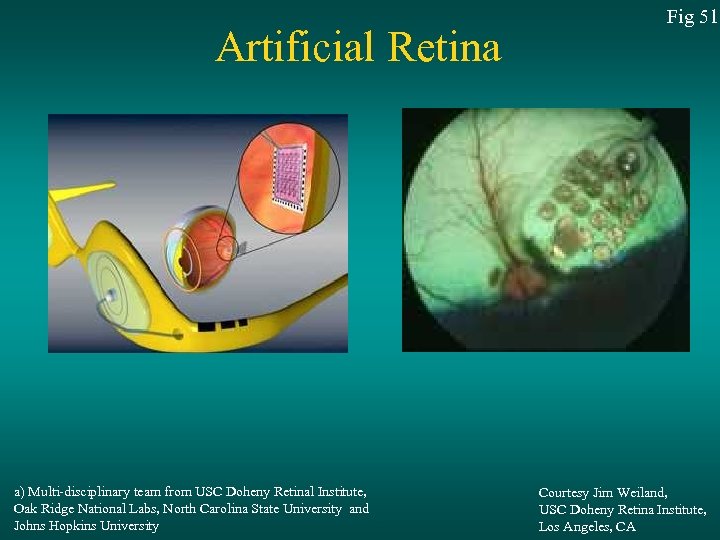 Artificial Retina a) Multi-disciplinary team from USC Doheny Retinal Institute, Oak Ridge National Labs, North Carolina State University and Johns Hopkins University Fig 51 Courtesy Jim Weiland, USC Doheny Retina Institute, Los Angeles, CA
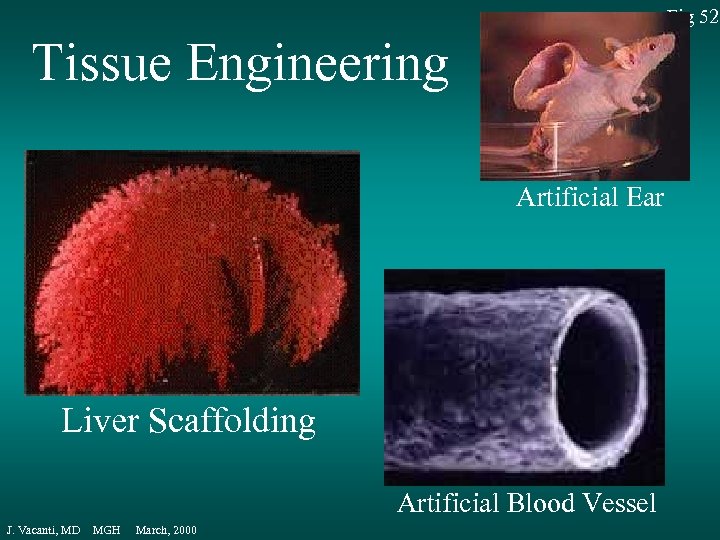 Fig 52 Tissue Engineering Artificial Ear Liver Scaffolding Artificial Blood Vessel J. Vacanti, MD MGH March, 2000
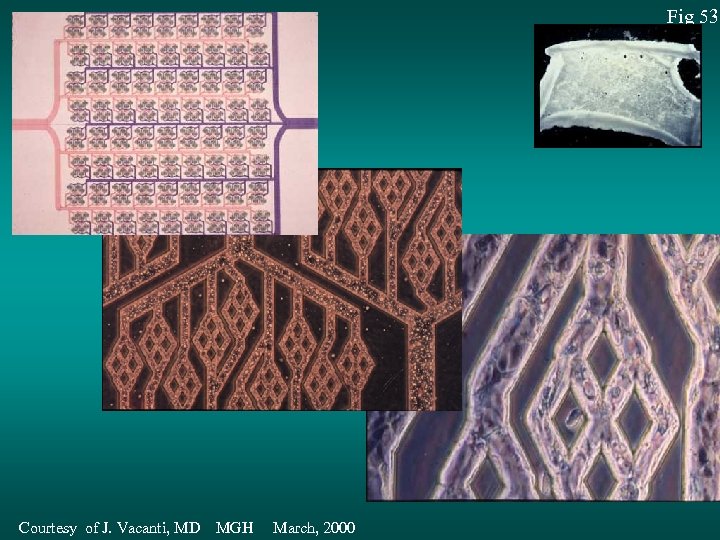 Fig 53 Courtesy of J. Vacanti, MD MGH March, 2000
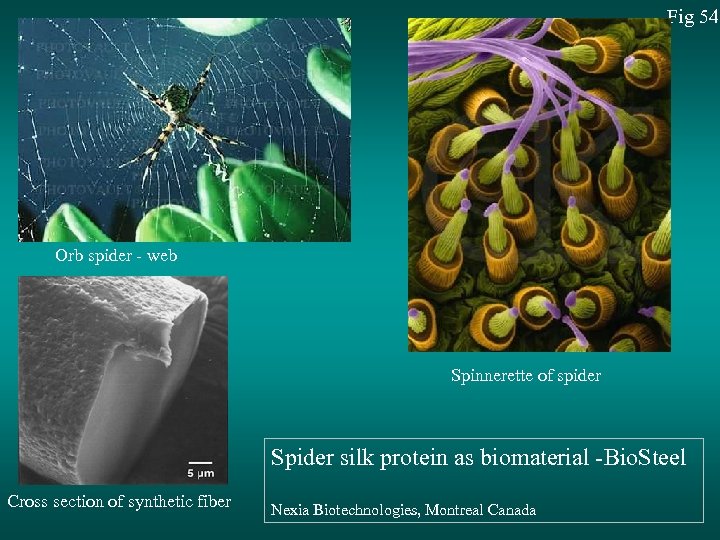 Fig 54 Orb spider - web Spinnerette of spider Spider silk protein as biomaterial -Bio. Steel Cross section of synthetic fiber Nexia Biotechnologies, Montreal Canada
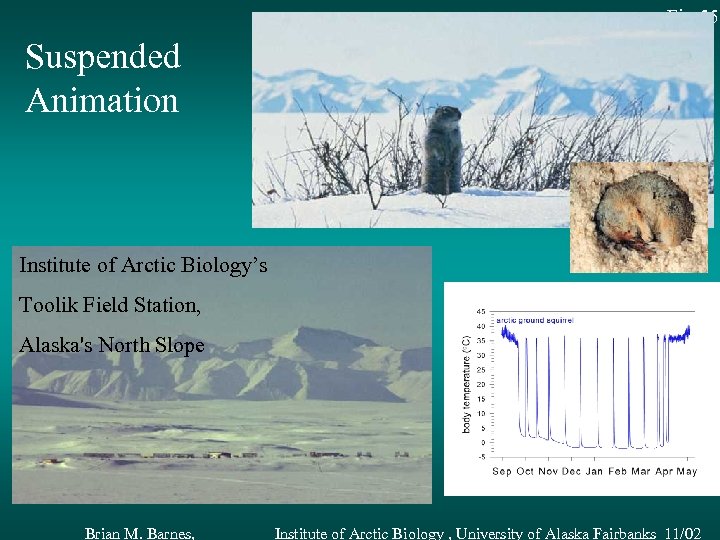 Fig 55 Suspended Animation Institute of Arctic Biology’s Toolik Field Station, Alaska's North Slope Brian M. Barnes, Institute of Arctic Biology , University of Alaska Fairbanks 11/02
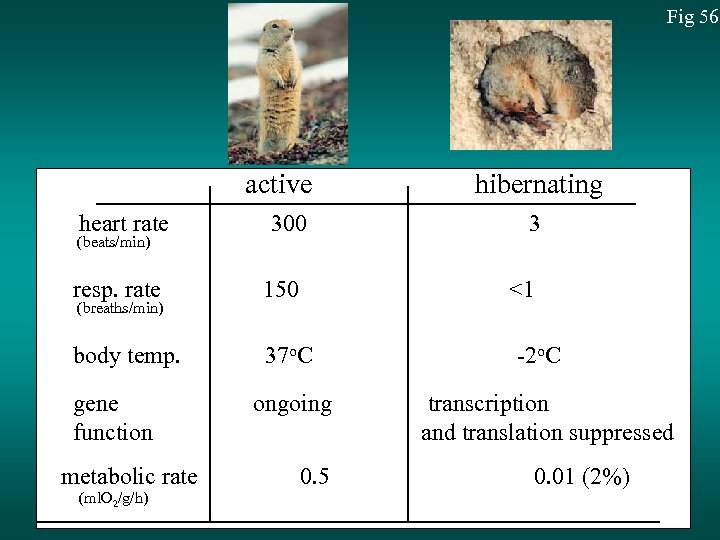 Fig 56 active hibernating heart rate 300 3 (beats/min) resp. rate 150 <1 (breaths/min) body temp. 37 o. C -2 o. C gene ongoing transcription function and translation suppressed metabolic rate 0. 5 0. 01 (2%) (ml. O 2/g/h)
 Fig 57 Co de fi n al ti n
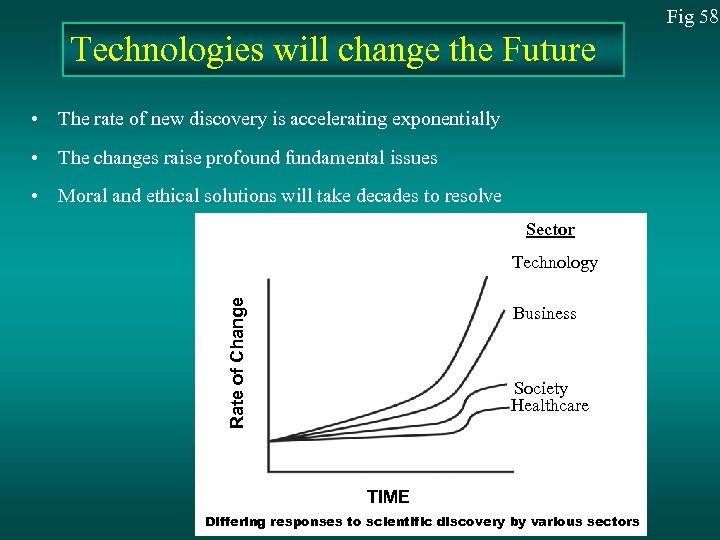 Fig 58 Technologies will change the Future • The rate of new discovery is accelerating exponentially • The changes raise profound fundamental issues • Moral and ethical solutions will take decades to resolve Sector Rate of Change Technology Business Society Healthcare TIME Differing responses to scientific discovery by various sectors
 Fig 59 The Moral Dilemma Technology is Neutral - it is neither good or evil It is up to us to breathe moral and ethical life into these technologies And then apply them with empathy and compassion for each and every patient
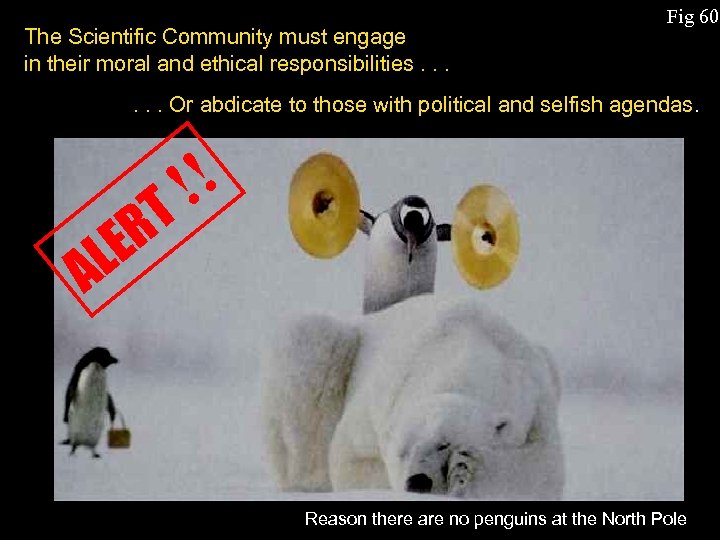 The Scientific Community must engage in their moral and ethical responsibilities. . . Fig 60 . . . Or abdicate to those with political and selfish agendas. A E L T R ! ! Reason there are no penguins at the North Pole
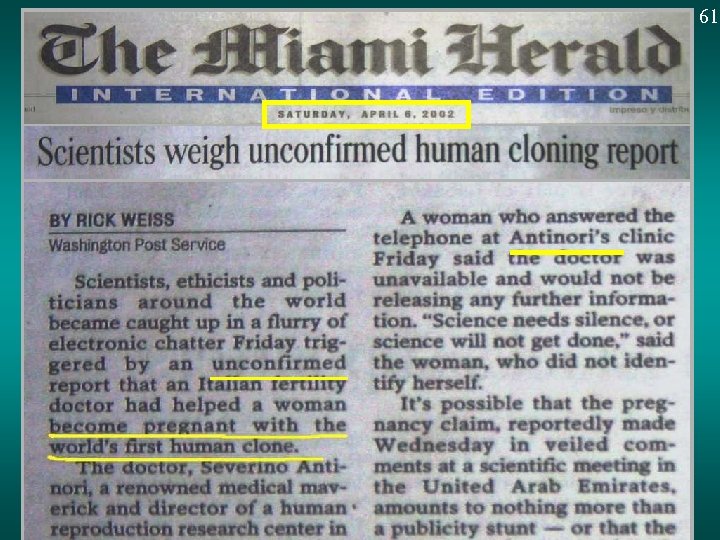 Fig 61
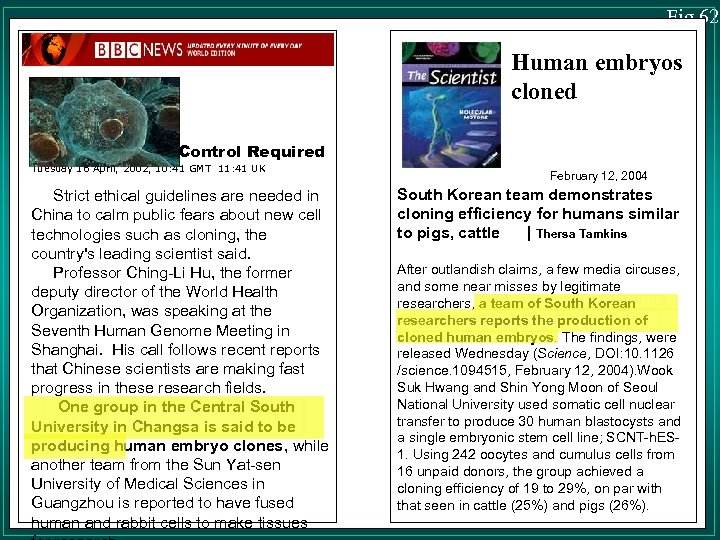 Fig 62 Human embryos cloned Chinese Cloning Control Required Tuesday 16 April, 2002, 10: 41 GMT 11: 41 UK Strict ethical guidelines are needed in China to calm public fears about new cell technologies such as cloning, the country's leading scientist said. Professor Ching-Li Hu, the former deputy director of the World Health Organization, was speaking at the Seventh Human Genome Meeting in Shanghai. His call follows recent reports that Chinese scientists are making fast progress in these research fields. One group in the Central South University in Changsa is said to be producing human embryo clones, while another team from the Sun Yat-sen University of Medical Sciences in Guangzhou is reported to have fused human and rabbit cells to make tissues February 12, 2004 South Korean team demonstrates cloning efficiency for humans similar to pigs, cattle | Thersa Tamkins After outlandish claims, a few media circuses, and some near misses by legitimate researchers, a team of South Korean researchers reports the production of cloned human embryos. The findings, were released Wednesday (Science, DOI: 10. 1126 /science. 1094515, February 12, 2004). Wook Suk Hwang and Shin Yong Moon of Seoul National University used somatic cell nuclear transfer to produce 30 human blastocysts and a single embryonic stem cell line; SCNT-h. ES 1. Using 242 oocytes and cumulus cells from 16 unpaid donors, the group achieved a cloning efficiency of 19 to 29%, on par with that seen in cattle (25%) and pigs (26%).
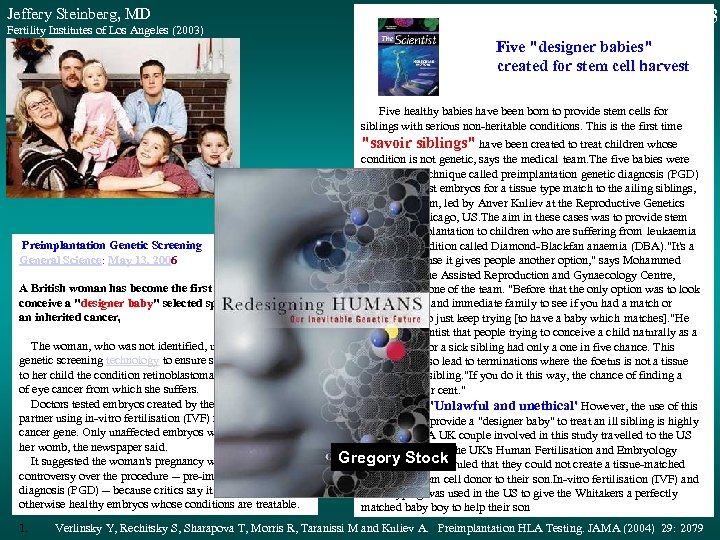 Jeffery Steinberg, MD Fertility Institutes of Los Angeles (2003) Fig 63 Five "designer babies" created for stem cell harvest Five healthy babies have been born to provide stem cells for siblings with serious non-heritable conditions. This is the first time "savoir siblings" have been created to treat children whose Preimplantation Genetic Screening General Science: May 13, 2006 A British woman has become the first in the country to conceive a "designer baby" selected specifically to avoid an inherited cancer, The woman, who was not identified, used controversial genetic screening technology to ensure she does not pass on to her child the condition retinoblastoma, an hereditary form of eye cancer from which she suffers. Doctors tested embryos created by the woman and her partner using in-vitro fertilisation (IVF) methods for the cancer gene. Only unaffected embryos were implanted in her womb, the newspaper said. It suggested the woman's pregnancy would increase controversy over the procedure -- pre-implantation genetic diagnosis (PGD) -- because critics say it involves destroying otherwise healthy embryos whose conditions are treatable. 1. condition is not genetic, says the medical team. The five babies were born after a technique called preimplantation genetic diagnosis (PGD) was used to test embryos for a tissue type match to the ailing siblings, reports the team, led by Anver Kuliev at the Reproductive Genetics Institute in Chicago, US. The aim in these cases was to provide stem cells for transplantation to children who are suffering from leukaemia and a rare condition called Diamond-Blackfan anaemia (DBA). "It's a big step, because it gives people another option, " says Mohammed Taranissi, at the Assisted Reproduction and Gynaecology Centre, London, UK, one of the team. "Before that the only option was to look in the siblings and immediate family to see if you had a match or alternatively to just keep trying [to have a baby which matches]. "He told New Scientist that people trying to conceive a child naturally as a tissue match for a sick sibling had only a one in five chance. This method can also lead to terminations where the foetus is not a tissue match for the sibling. "If you do it this way, the chance of finding a 1997 match is 98 per cent. " 'Unlawful and unethical' However, the use of this technology to provide a "designer baby" to treat an ill sibling is highly controversial. A UK couple involved in this study travelled to the US for treatment after the UK's Human Fertilisation and Embryology Gregory Stock Authority (HFEA) ruled that they could not create a tissue-matched sibling as a stem cell donor to their son. In-vitro fertilisation (IVF) and tissue-typing was used in the US to give the Whitakers a perfectly matched baby boy to help their son Genetically “designed” child Verlinsky Y, Rechitsky S, Sharapova T, Morris R, Taranissi M and Kuliev A. Preimplantation HLA Testing. JAMA (2004) 29: 2079
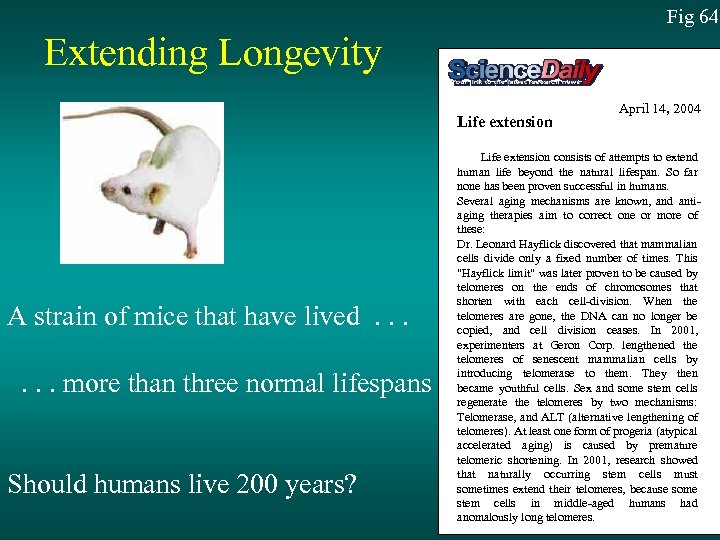 Fig 64 Extending Longevity Life extension A strain of mice that have lived . . . more than three normal lifespans Should humans live 200 years? April 14, 2004 Life extension consists of attempts to extend human life beyond the natural lifespan. So far none has been proven successful in humans. Several aging mechanisms are known, and antiaging therapies aim to correct one or more of these: Dr. Leonard Hayflick discovered that mammalian cells divide only a fixed number of times. This "Hayflick limit" was later proven to be caused by telomeres on the ends of chromosomes that shorten with each cell-division. When the telomeres are gone, the DNA can no longer be copied, and cell division ceases. In 2001, experimenters at Geron Corp. lengthened the telomeres of senescent mammalian cells by introducing telomerase to them. They then became youthful cells. Sex and some stem cells regenerate the telomeres by two mechanisms: Telomerase, and ALT (alternative lengthening of telomeres). At least one form of progeria (atypical accelerated aging) is caused by premature telomeric shortening. In 2001, research showed that naturally occurring stem cells must sometimes extend their telomeres, because some stem cells in middle-aged humans had anomalously long telomeres.
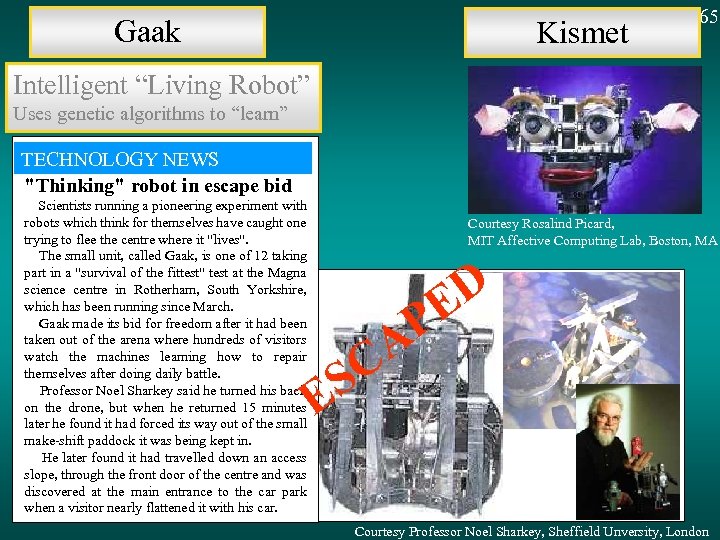 Gaak Kismet Fig 65 Intelligent “Living Robot” Uses genetic algorithms to “learn” TECHNOLOGY NEWS "Thinking" robot in escape bid Scientists running a pioneering experiment with robots which think for themselves have caught one trying to flee the centre where it "lives". The small unit, called Gaak, is one of 12 taking part in a "survival of the fittest" test at the Magna science centre in Rotherham, South Yorkshire, which has been running since March. Gaak made its bid for freedom after it had been taken out of the arena where hundreds of visitors watch the machines learning how to repair themselves after doing daily battle. Professor Noel Sharkey said he turned his back on the drone, but when he returned 15 minutes later he found it had forced its way out of the small make-shift paddock it was being kept in. He later found it had travelled down an access slope, through the front door of the centre and was discovered at the main entrance to the car park when a visitor nearly flattened it with his car. Courtesy Rosalind Picard, MIT Affective Computing Lab, Boston, MA S E D E P A C Courtesy Professor Noel Sharkey, Sheffield Unversity, London
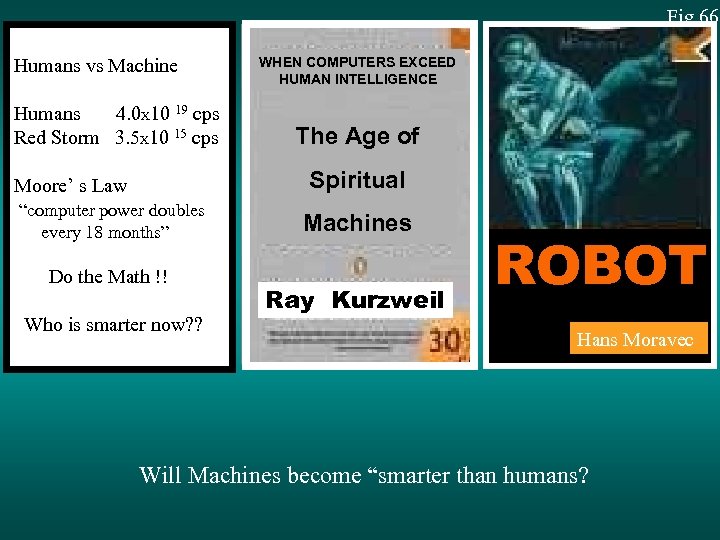 Fig 66 Humans vs Machine Humans 4. 0 X 10 19 cps Red Storm 3. 5 X 10 15 cps Moore’ s Law “computer power doubles every 18 months” Do the Math !! Who is smarter now? ? WHEN COMPUTERS EXCEED HUMAN INTELLIGENCE The Age of Spiritual Machines Ray Kurzweil ROBOT Hans Moravec Will Machines become “smarter than humans?
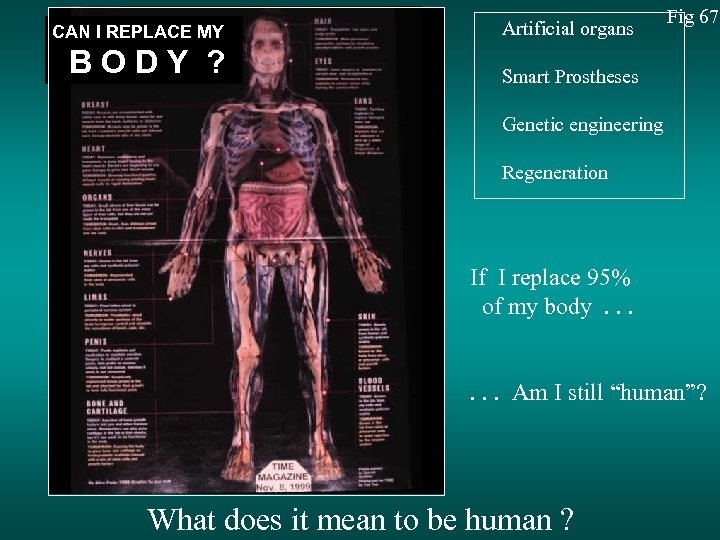 CAN I REPLACE MY BODY ? Artificial organs Fig 67 Smart Prostheses Genetic engineering Regeneration If I replace 95% of my body . . . Am I still “human”? What does it mean to be human ?
 The Ultimate Ethical Question? For the first time in history, there walks upon this planet, a species so powerful, that it can control its own evolution, at its own time of choosing … … homo sapiens. Who will be the next “created” species? Fig 68
 Fig 69 http: //depts. washington. edu/biointel Do Robots Dream ?