


 Скачать презентацию Features of translation of proper nouns on the
Features of translation ПРЕЗЕНТАЦИЯ.pptx
- Количество слайдов: 11
 Features of translation of proper nouns on the basis of the book by J. K. Rowling Fantastic Beasts and Where to Find Them Completed by A. A. Polonskaya student, SP-433301 Research supervisor: Lecturer I. E. Kharlov
 Goal The aim of the study is to analyze the features of translation of proper names and to investigate the problems that arise in the translation of the names from English into Russian Tasks: • to consider ‘proper noun’ as a linguistic concept • to study the principal types of translation of proper nouns • to investigate the ways of word-formation of proper names in the original text • to analyze methods of translation of proper names on the basis of the book Fantastic Beasts and Where to Find Them
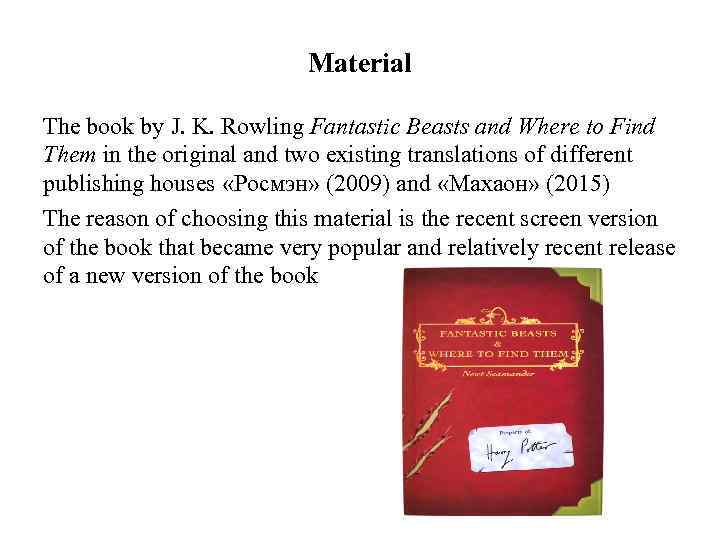 Material The book by J. K. Rowling Fantastic Beasts and Where to Find Them in the original and two existing translations of different publishing houses «Росмэн» (2009) and «Махаон» (2015) The reason of choosing this material is the recent screen version of the book that became very popular and relatively recent release of a new version of the book
 Relevance of the study • Presence of international relations • A lot of books and films in fantasy genre which are full of proper names • A number of controversial opinions of fans and readers concerning the variant of translation, including that of proper names • The need for studying proper names before they are created and invented
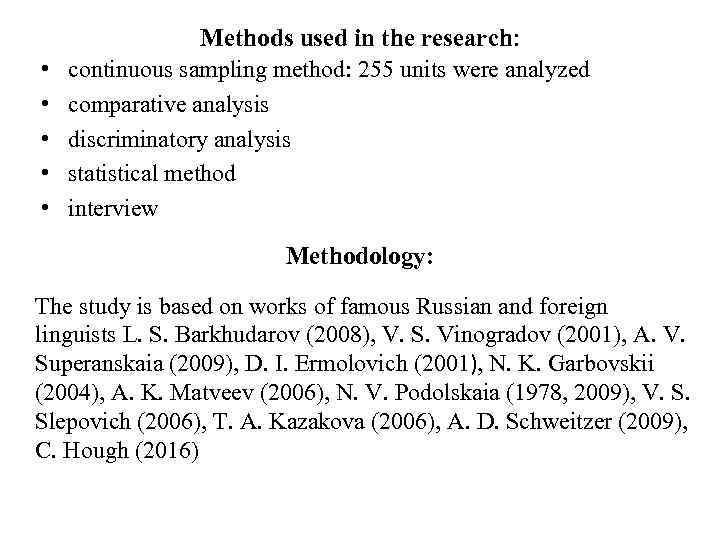 • • • Methods used in the research: continuous sampling method: 255 units were analyzed comparative analysis discriminatory analysis statistical method interview Methodology: The study is based on works of famous Russian and foreign linguists L. S. Barkhudarov (2008), V. S. Vinogradov (2001), A. V. Superanskaia (2009), D. I. Ermolovich (2001), N. K. Garbovskii (2004), A. K. Matveev (2006), N. V. Podolskaia (1978, 2009), V. S. Slepovich (2006), T. A. Kazakova (2006), A. D. Schweitzer (2009), C. Hough (2016)
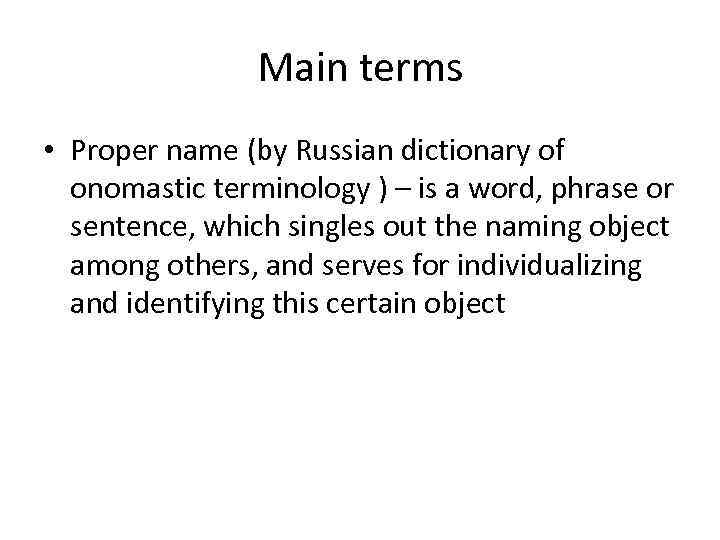 Main terms • Proper name (by Russian dictionary of onomastic terminology ) – is a word, phrase or sentence, which singles out the naming object among others, and serves for individualizing and identifying this certain object
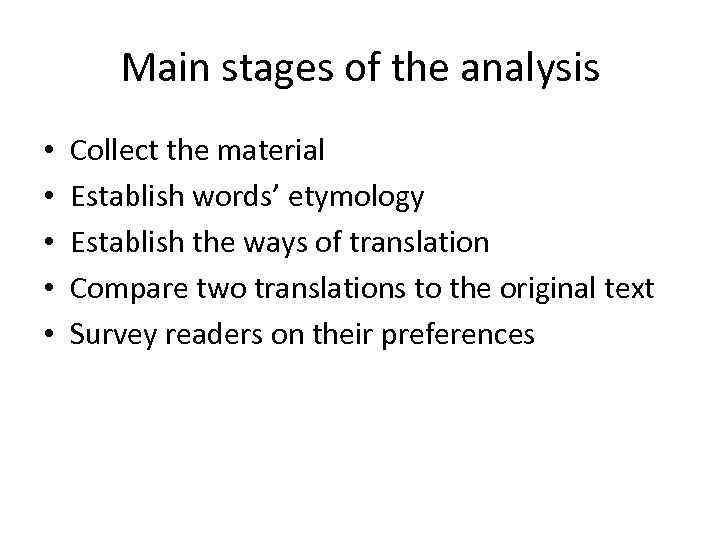 Main stages of the analysis • • • Collect the material Establish words’ etymology Establish the ways of translation Compare two translations to the original text Survey readers on their preferences
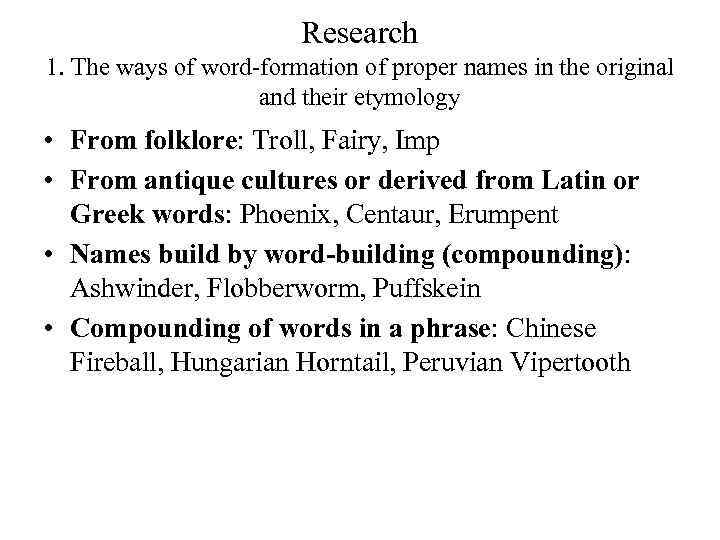 Research 1. The ways of word-formation of proper names in the original and their etymology • From folklore: Troll, Fairy, Imp • From antique cultures or derived from Latin or Greek words: Phoenix, Centaur, Erumpent • Names build by word-building (compounding): Ashwinder, Flobberworm, Puffskein • Compounding of words in a phrase: Chinese Fireball, Hungarian Horntail, Peruvian Vipertooth
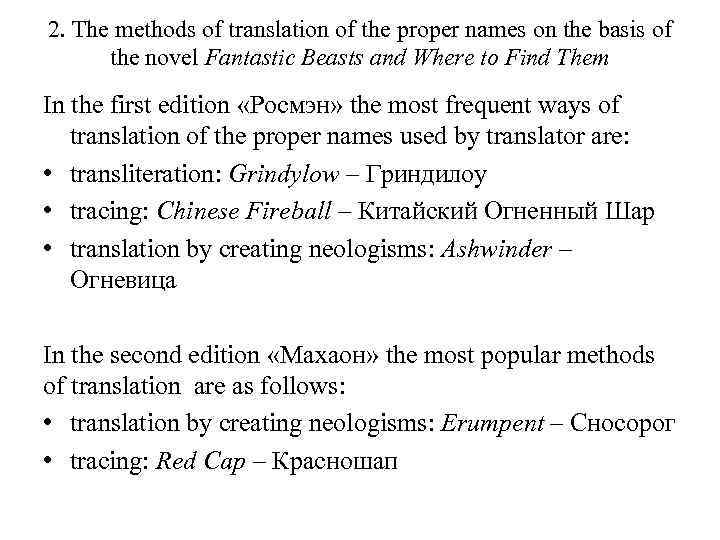 2. The methods of translation of the proper names on the basis of the novel Fantastic Beasts and Where to Find Them In the first edition «Росмэн» the most frequent ways of translation of the proper names used by translator are: • transliteration: Grindylow – Гриндилоу • tracing: Chinese Fireball – Китайский Огненный Шар • translation by creating neologisms: Ashwinder – Огневица In the second edition «Махаон» the most popular methods of translation are as follows: • translation by creating neologisms: Erumpent – Сносорог • tracing: Red Cap – Красношап
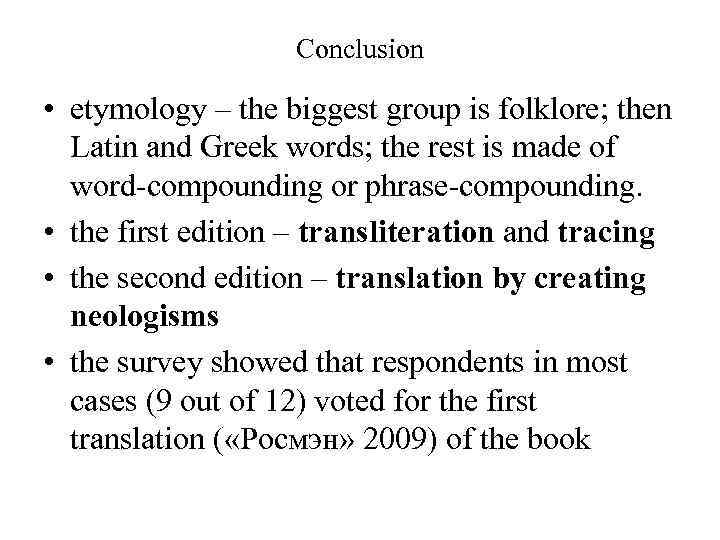 Conclusion • etymology – the biggest group is folklore; then Latin and Greek words; the rest is made of word-compounding or phrase-compounding. • the first edition – transliteration and tracing • the second edition – translation by creating neologisms • the survey showed that respondents in most cases (9 out of 12) voted for the first translation ( «Росмэн» 2009) of the book
 Thank you for your attention!