 Скачать презентацию Fall Summit HSH Nordbank Hamburg Germany November 15
c289f87789d5b697a469caf645320d6b.ppt
- Количество слайдов: 43



Fall Summit, HSH Nordbank, Hamburg, Germany, November 15, 2007 Logistics and Global Commodity Chains Jean-Paul Rodrigue Associate Professor, Dept. of Economics & Geography, Hofstra University, New York, USA Email: ecojpr@hofstra. edu Paper available at: http: //people. hofstra. edu/faculty/Jeanpaul_Rodrigue
Introduction: Capital on the Move Changes in Global Trade Global Production Networks and Commodity Chains The “China Effect” and Global Commodity Chains Integrating Commodity Chains into Containerized Supply Chains 2 Trimodal Container Terminal, Willebroek, Belgium
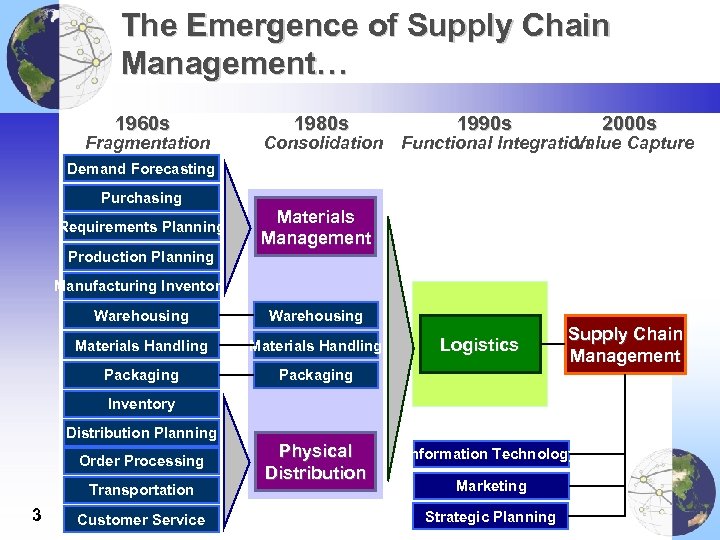
The Emergence of Supply Chain Management… 1960 s Fragmentation 1980 s Consolidation 1990 s 2000 s Logistics Supply Chain Management Functional Integration Value Capture Demand Forecasting Purchasing Requirements Planning Production Planning Materials Management Manufacturing Inventory Warehousing Materials Handling Packaging Inventory Distribution Planning Order Processing Transportation 3 Customer Service Physical Distribution Information Technology Marketing Strategic Planning
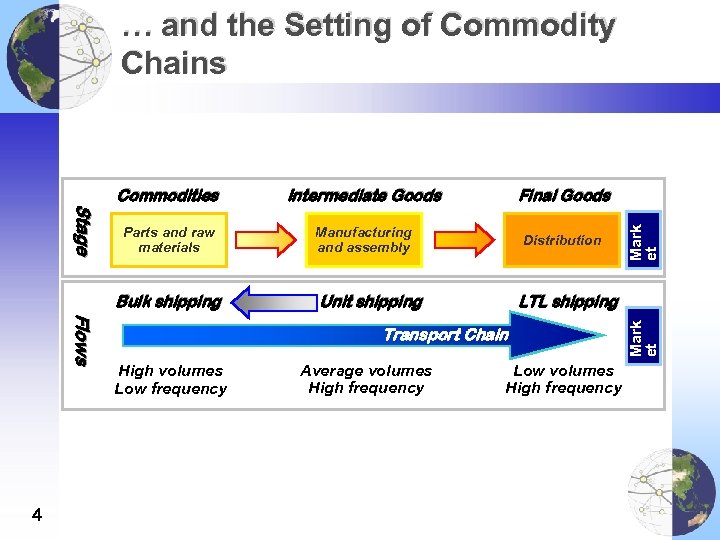
… and the Setting of Commodity Chains Final Goods Parts and raw materials Manufacturing and assembly Distribution Bulk shipping Flows 4 LTL shipping Unit shipping Transport Chain High volumes Low frequency Average volumes High frequency Mark et Intermediate Goods Low volumes High frequency Mark et Stage Commodities
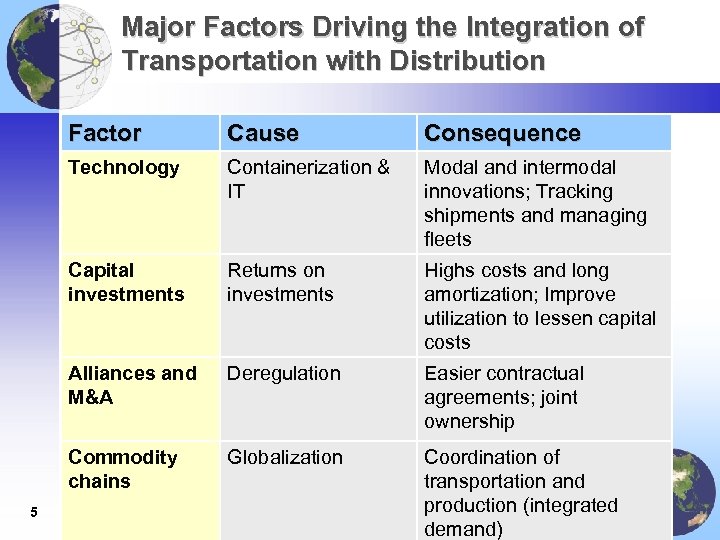
Major Factors Driving the Integration of Transportation with Distribution Factor Consequence Technology Containerization & IT Modal and intermodal innovations; Tracking shipments and managing fleets Capital investments Returns on investments Highs costs and long amortization; Improve utilization to lessen capital costs Alliances and M&A Deregulation Easier contractual agreements; joint ownership Commodity chains 5 Cause Globalization Coordination of transportation and production (integrated demand)
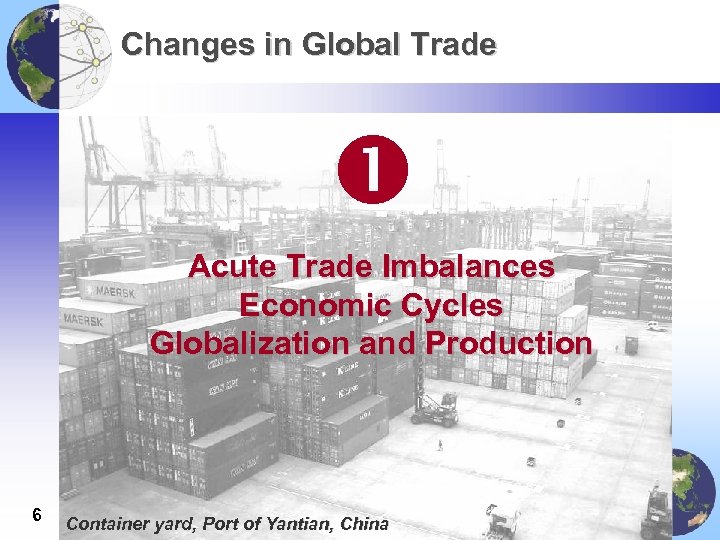
Changes in Global Trade Acute Trade Imbalances Economic Cycles Globalization and Production 6 Container yard, Port of Yantian, China
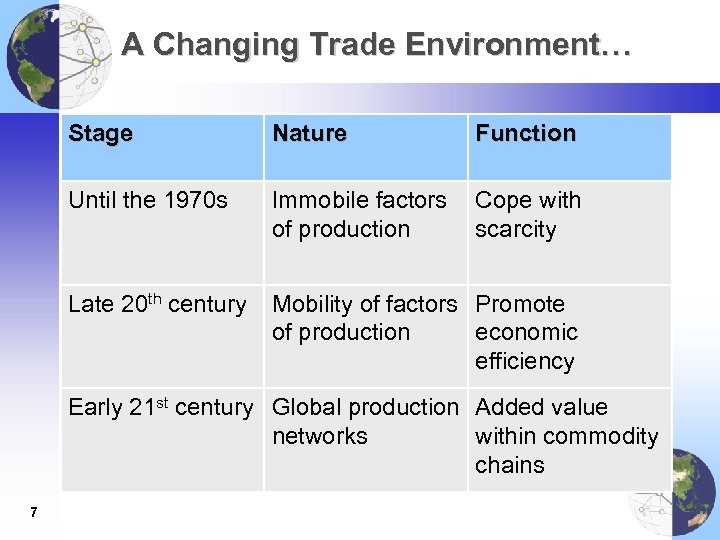
A Changing Trade Environment… Stage Nature Function Until the 1970 s Immobile factors of production Cope with scarcity Late 20 th century Mobility of factors Promote of production economic efficiency Early 21 st century Global production Added value networks within commodity chains 7
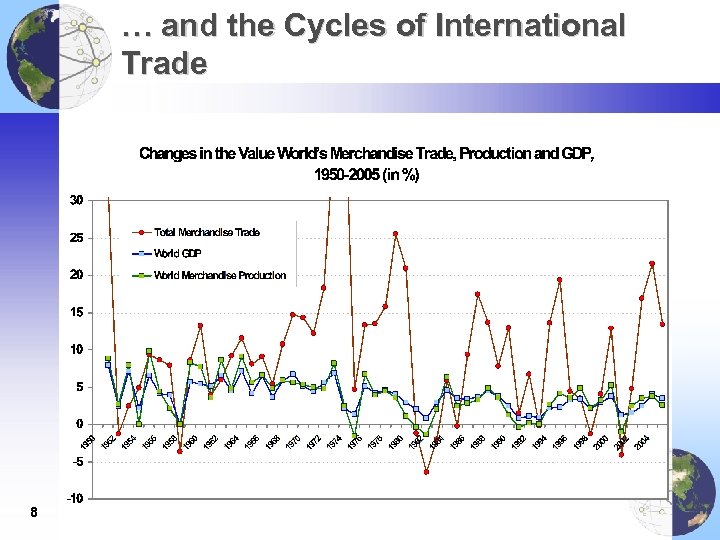
… and the Cycles of International Trade 8
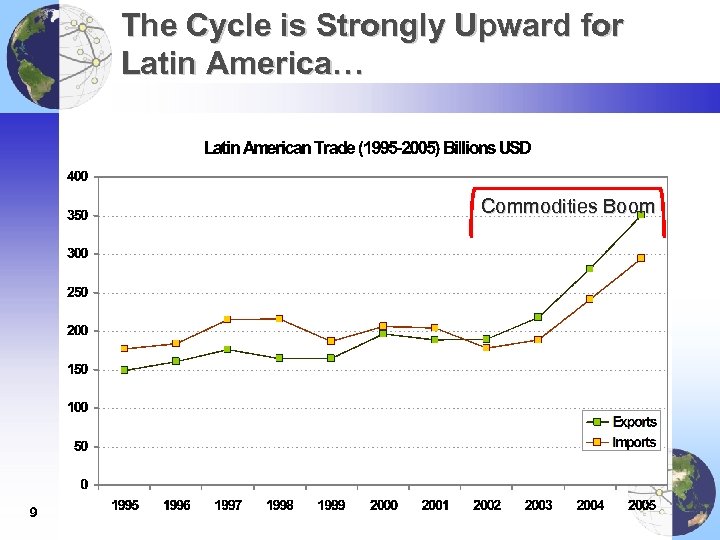
The Cycle is Strongly Upward for Latin America… Commodities Boom 9
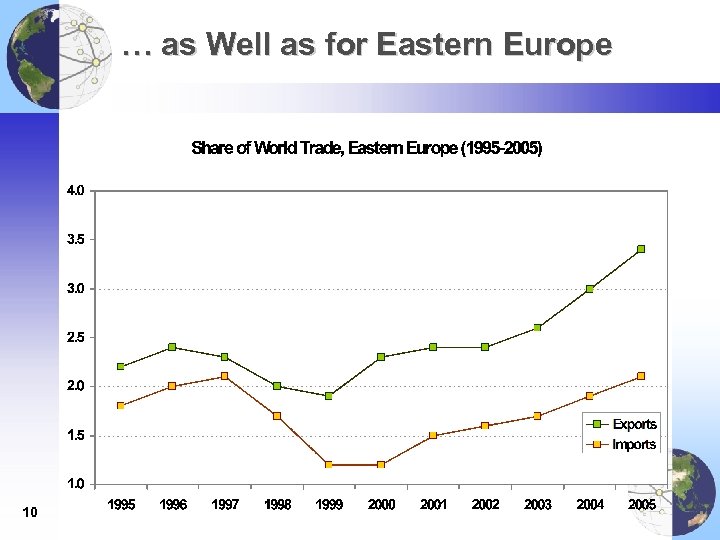
… as Well as for Eastern Europe 10
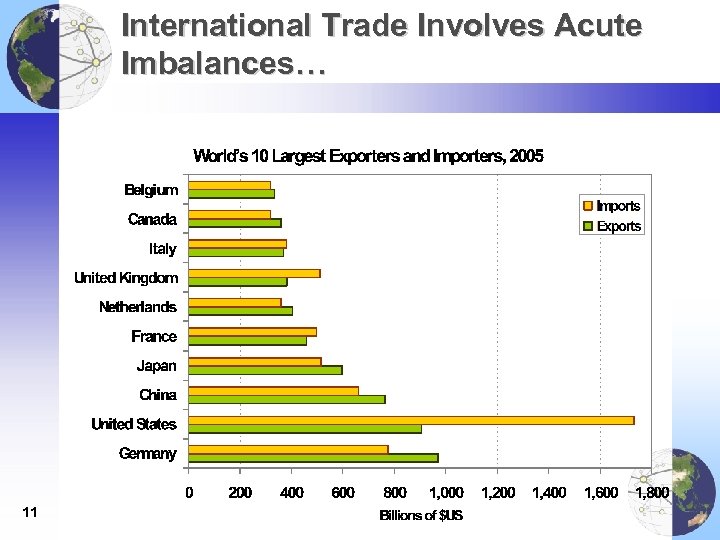
International Trade Involves Acute Imbalances… 11
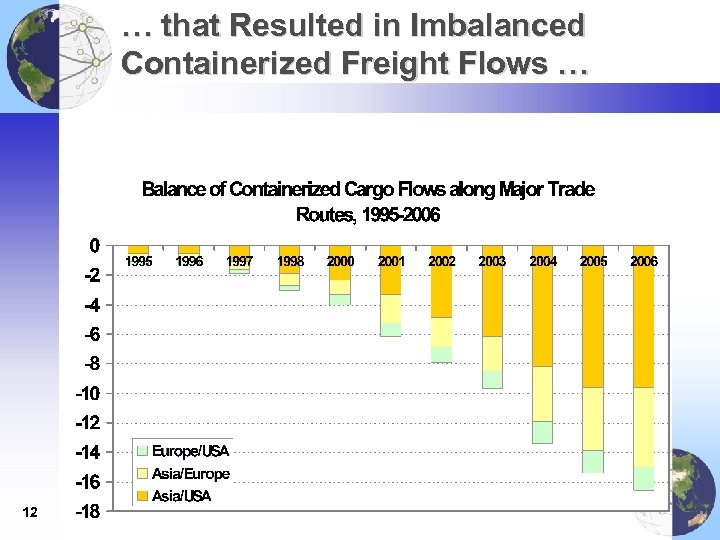
… that Resulted in Imbalanced Containerized Freight Flows … 12
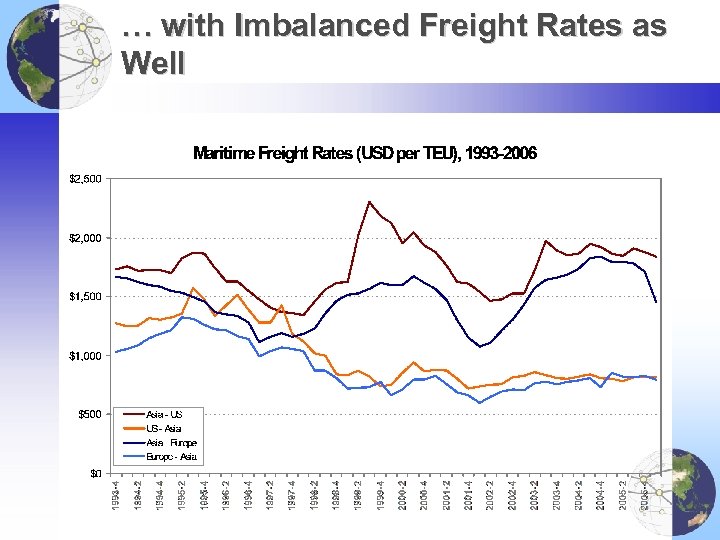
… with Imbalanced Freight Rates as Well
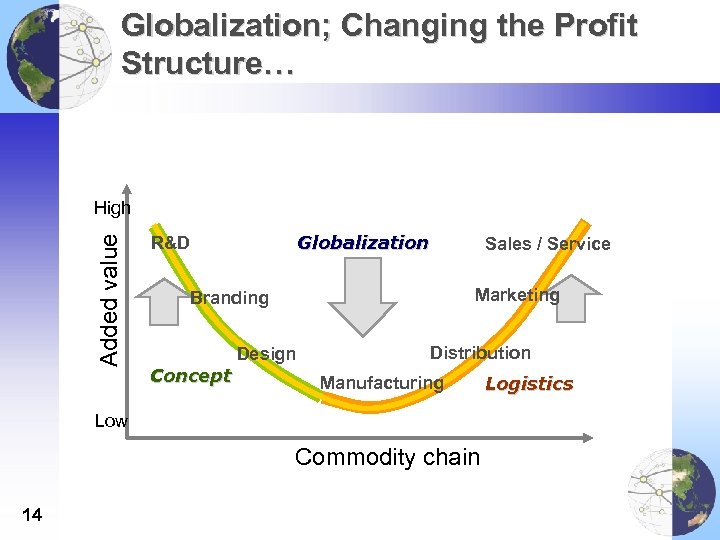
Globalization; Changing the Profit Structure… Added value High Globalization R&D Sales / Service Marketing Branding Design Concept Distribution Manufacturing Low Commodity chain 14 Logistics
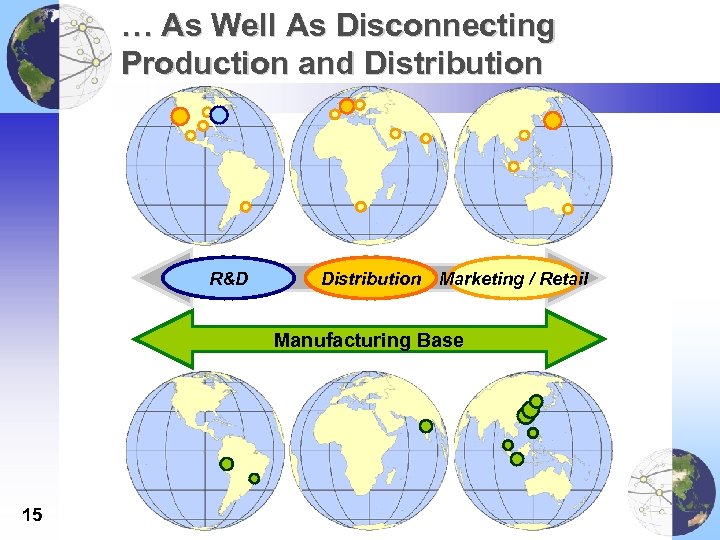
… As Well As Disconnecting Production and Distribution R&D Distribution Core Base Marketing / Retail Manufacturing Base 15
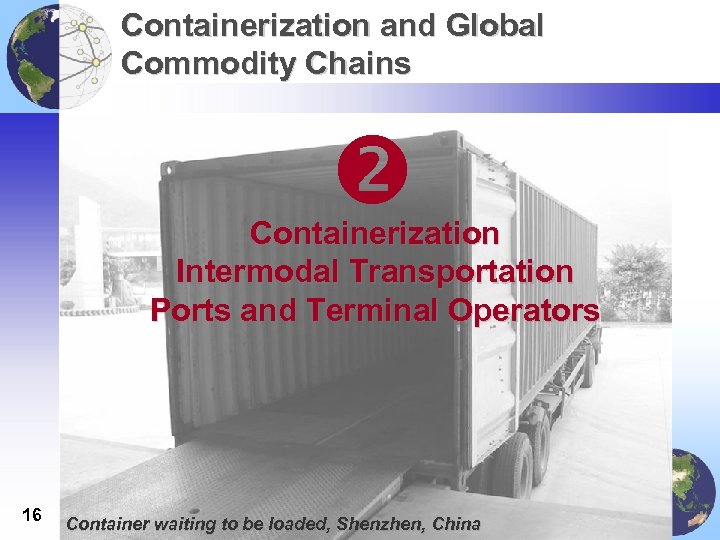
Containerization and Global Commodity Chains Containerization Intermodal Transportation Ports and Terminal Operators 16 Container waiting to be loaded, Shenzhen, China
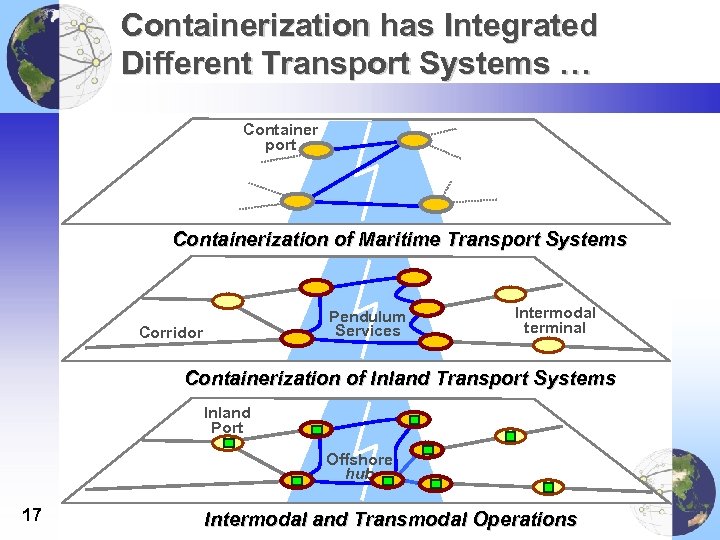
Containerization has Integrated Different Transport Systems … Container port Containerization of Maritime Transport Systems Pendulum Services Corridor Intermodal terminal Containerization of Inland Transport Systems Inland Port Offshore hub 17 Intermodal and Transmodal Operations
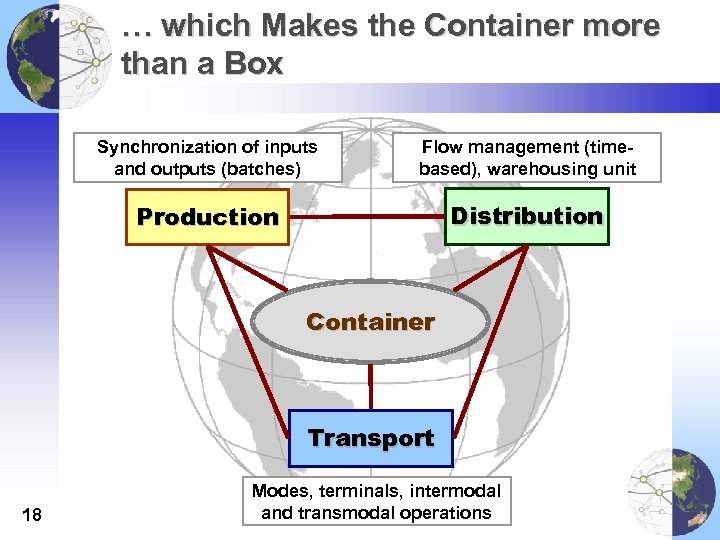
… which Makes the Container more than a Box Synchronization of inputs and outputs (batches) Flow management (timebased), warehousing unit Production Distribution Container Transport 18 Modes, terminals, intermodal and transmodal operations
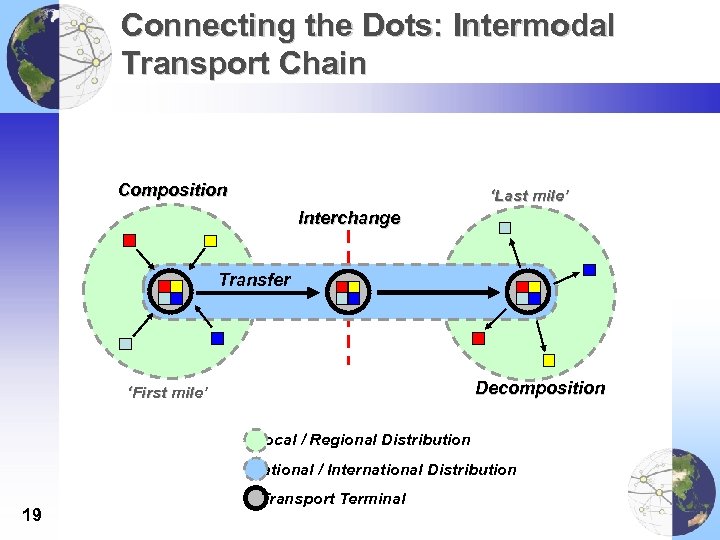
Connecting the Dots: Intermodal Transport Chain Composition ‘Last mile’ Interchange Transfer Decomposition ‘First mile’ Local / Regional Distribution National / International Distribution 19 Transport Terminal
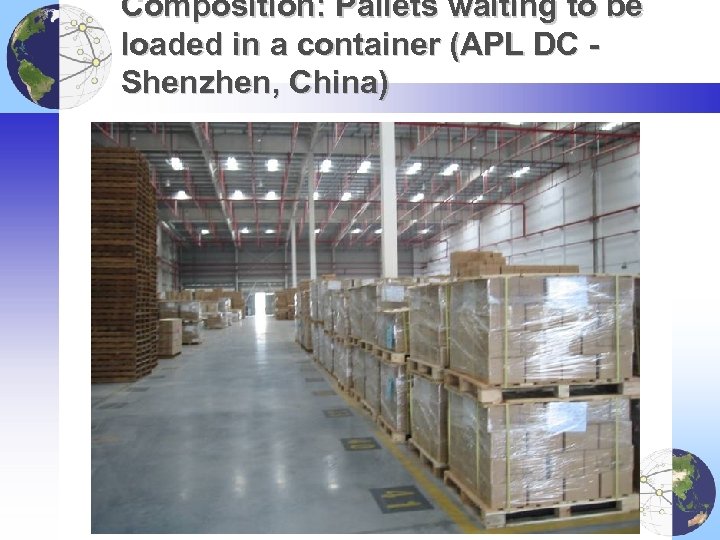
Composition: Pallets waiting to be loaded in a container (APL DC Shenzhen, China)
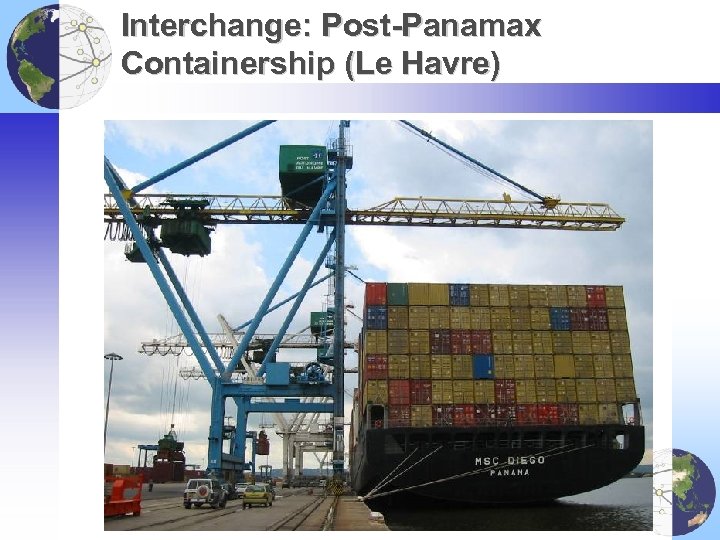
Interchange: Post-Panamax Containership (Le Havre)
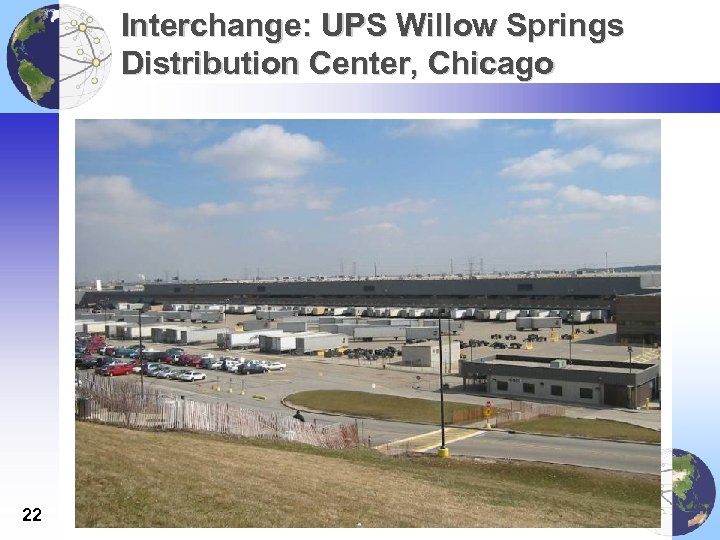
Interchange: UPS Willow Springs Distribution Center, Chicago 22
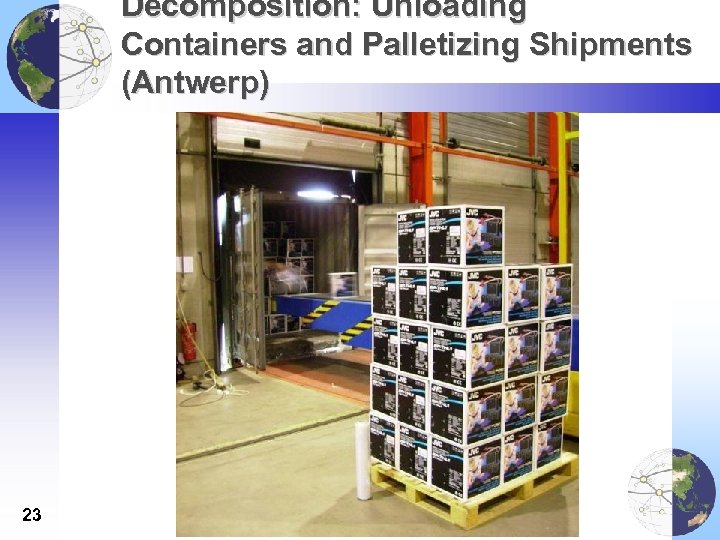
Decomposition: Unloading Containers and Palletizing Shipments (Antwerp) 23
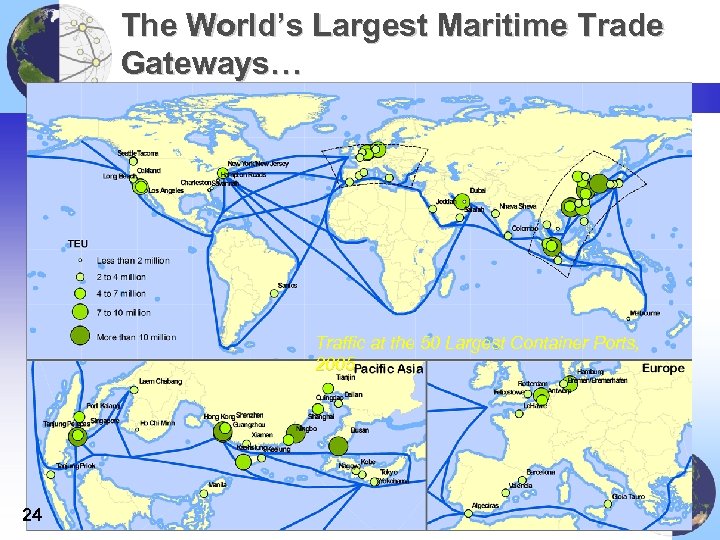
The World’s Largest Maritime Trade Gateways… Traffic at the 50 Largest Container Ports, 2005 24
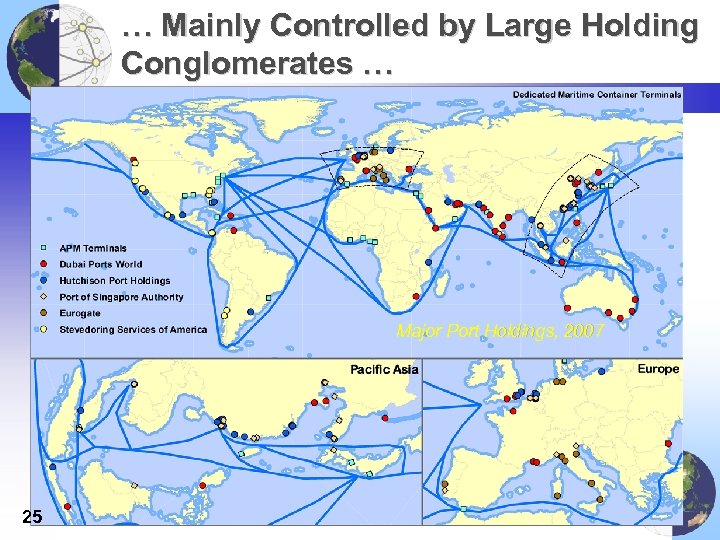
… Mainly Controlled by Large Holding Conglomerates … Major Port Holdings, 2007 25
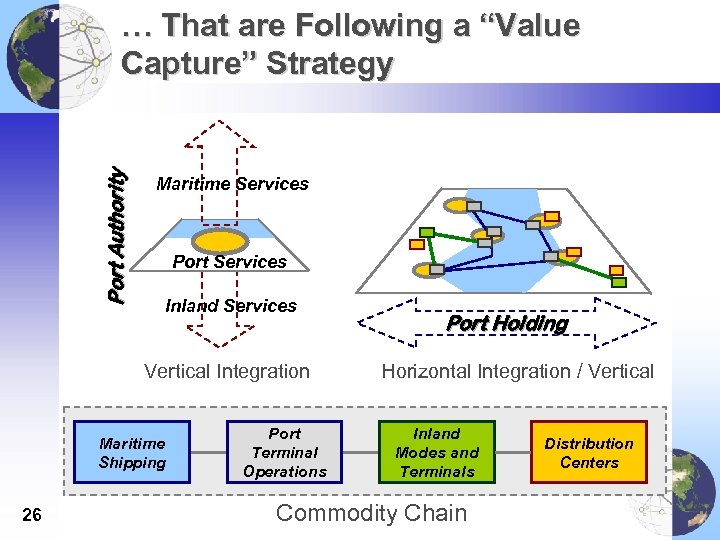
Port Authority … That are Following a “Value Capture” Strategy Maritime Services Port Services Inland Services Vertical Integration Maritime Shipping 26 Port Terminal Operations Port Holding Horizontal Integration / Vertical Inland Modes and Terminals Commodity Chain Distribution Centers
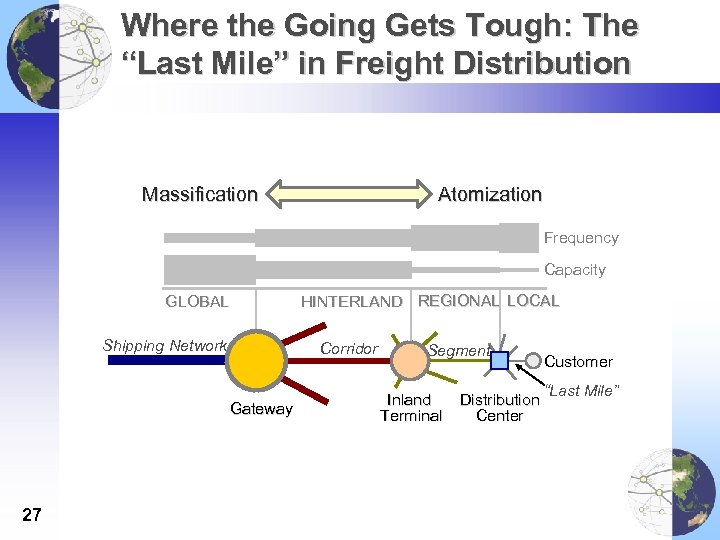
Where the Going Gets Tough: The “Last Mile” in Freight Distribution Massification Atomization Frequency Capacity GLOBAL Shipping Network Corridor Gateway 27 HINTERLAND REGIONAL LOCAL Segment Inland Terminal Distribution Center Customer “Last Mile”
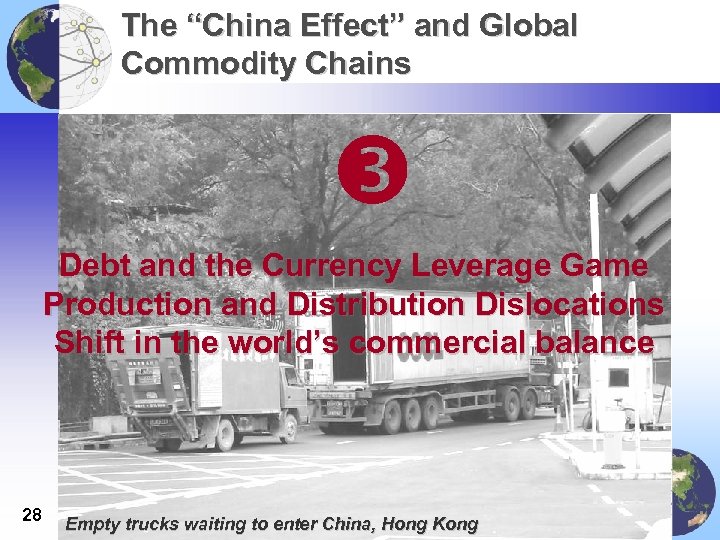
The “China Effect” and Global Commodity Chains Debt and the Currency Leverage Game Production and Distribution Dislocations Shift in the world’s commercial balance 28 Empty trucks waiting to enter China, Hong Kong
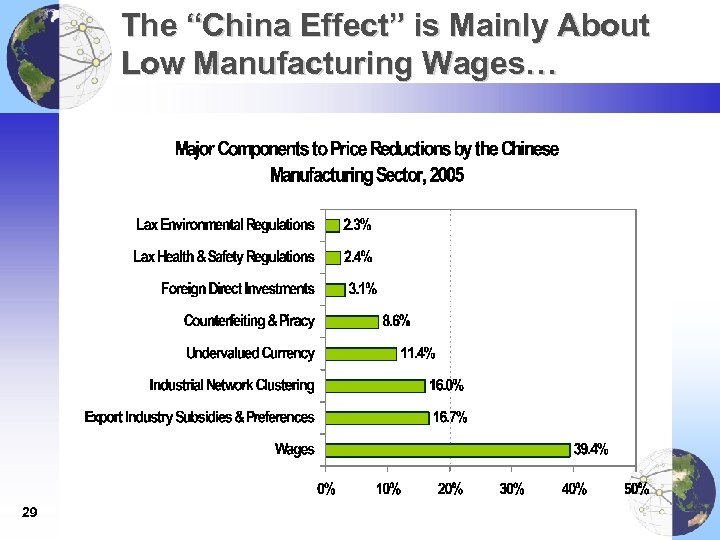
The “China Effect” is Mainly About Low Manufacturing Wages… 29
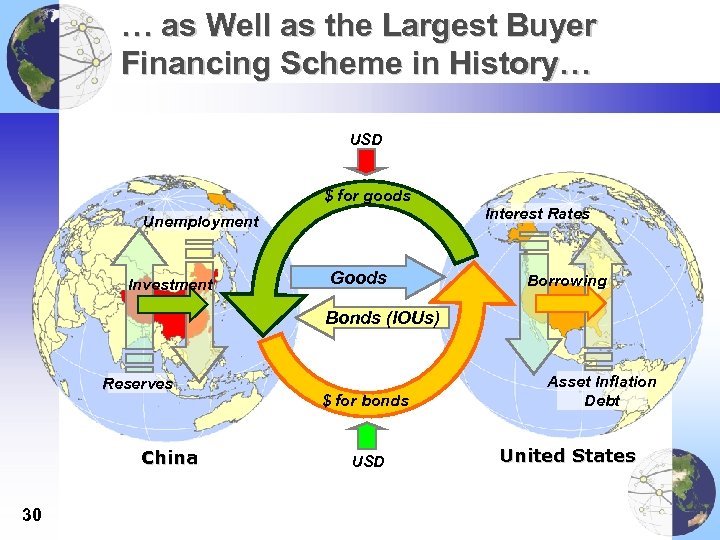
… as Well as the Largest Buyer Financing Scheme in History… USD $ for goods Unemployment Investment Goods Interest Rates Borrowing Bonds (IOUs) Reserves China 30 $ for bonds USD Asset Inflation Debt United States
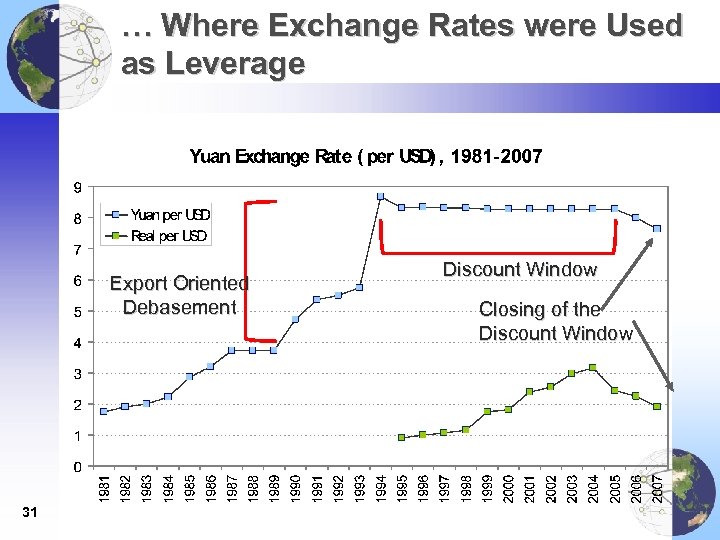
… Where Exchange Rates were Used as Leverage Export Oriented Debasement 31 Discount Window Closing of the Discount Window
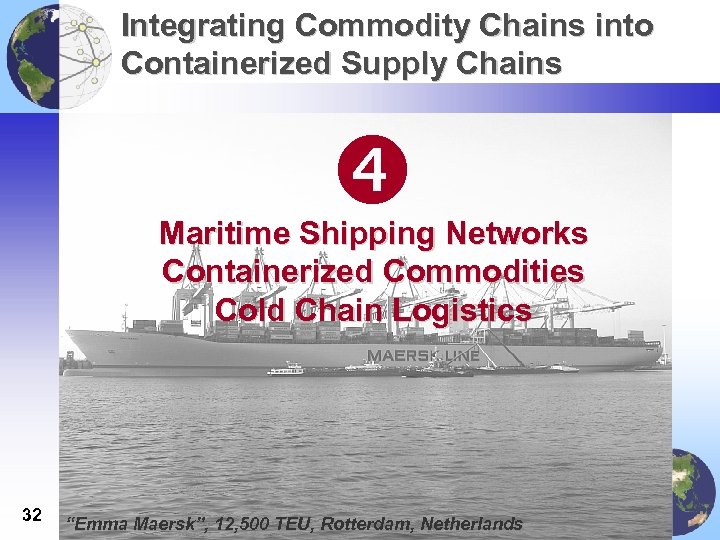
Integrating Commodity Chains into Containerized Supply Chains Maritime Shipping Networks Containerized Commodities Cold Chain Logistics 32 “Emma Maersk”, 12, 500 TEU, Rotterdam, Netherlands
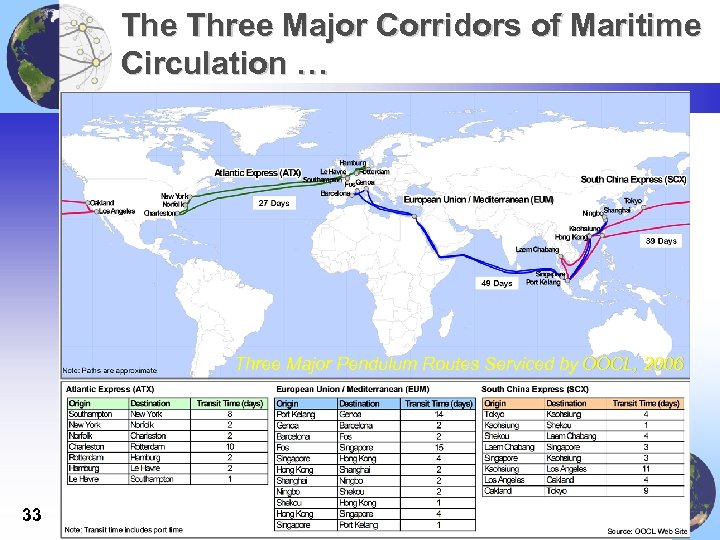
The Three Major Corridors of Maritime Circulation … Three Major Pendulum Routes Serviced by OOCL, 2006 33
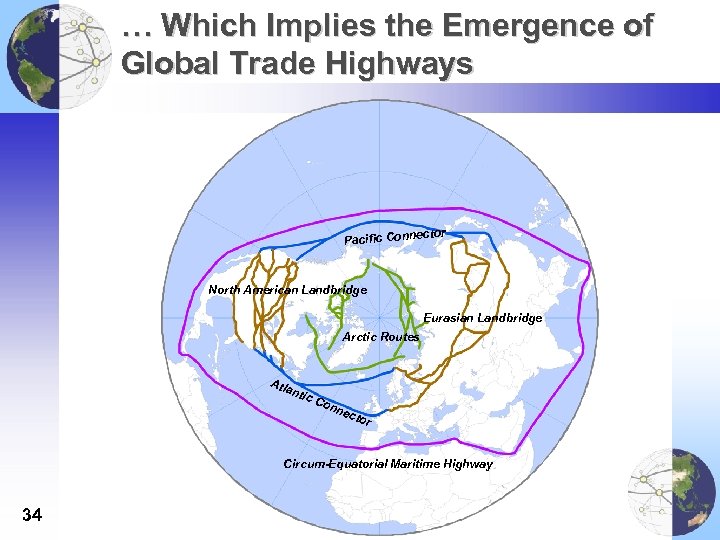
… Which Implies the Emergence of Global Trade Highways ector Pacific Conn North American Landbridge Eurasian Landbridge Arctic Routes Atla ntic Con nec tor Circum-Equatorial Maritime Highway 34
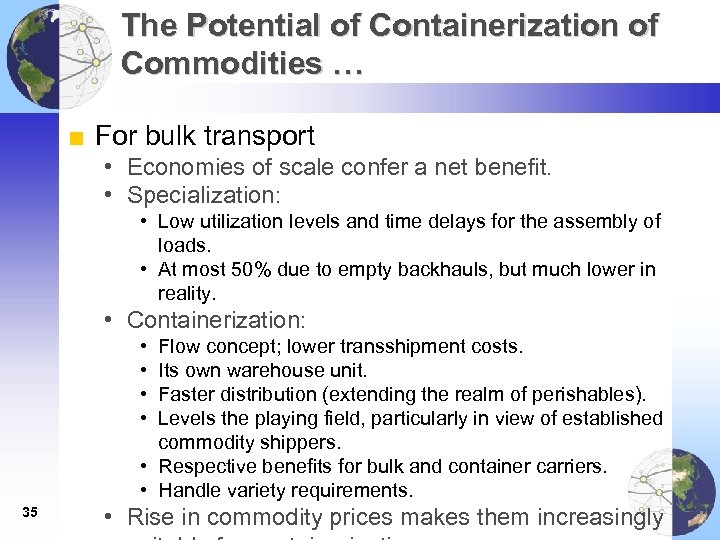
The Potential of Containerization of Commodities … ■ For bulk transport • Economies of scale confer a net benefit. • Specialization: • Low utilization levels and time delays for the assembly of loads. • At most 50% due to empty backhauls, but much lower in reality. • Containerization: • • Flow concept; lower transshipment costs. Its own warehouse unit. Faster distribution (extending the realm of perishables). Levels the playing field, particularly in view of established commodity shippers. • Respective benefits for bulk and container carriers. • Handle variety requirements. 35 • Rise in commodity prices makes them increasingly
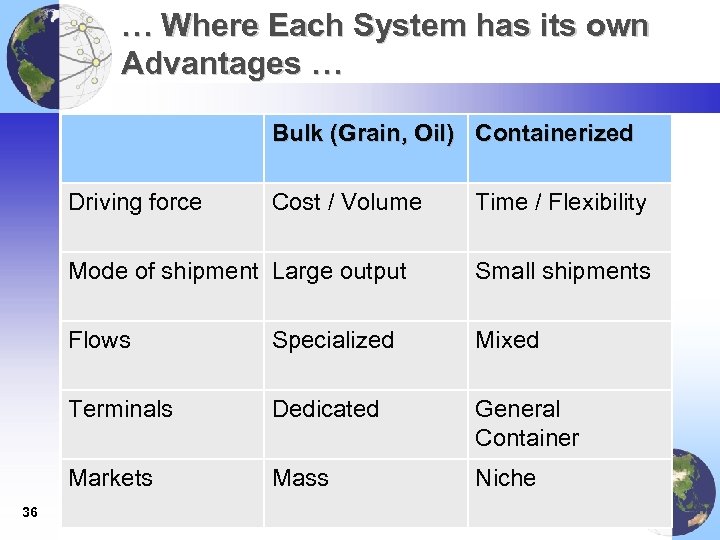
… Where Each System has its own Advantages … Bulk (Grain, Oil) Containerized Driving force Cost / Volume Time / Flexibility Mode of shipment Large output Flows Specialized Mixed Terminals Dedicated General Container Markets 36 Small shipments Mass Niche
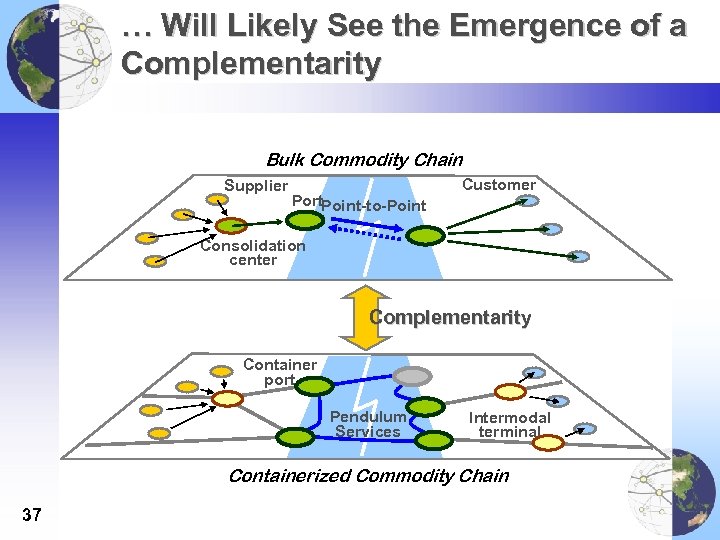
… Will Likely See the Emergence of a Complementarity Bulk Commodity Chain Supplier Port. Point-to-Point Customer Consolidation center Complementarity Container port Pendulum Services Intermodal terminal Containerized Commodity Chain 37
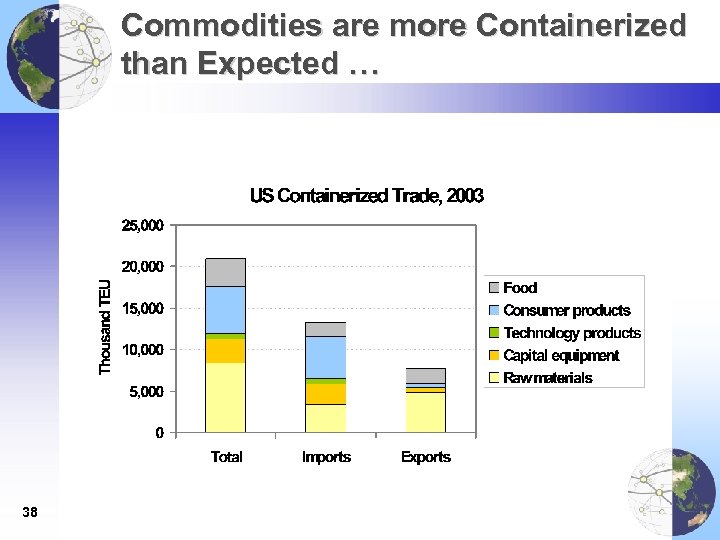
Commodities are more Containerized than Expected … 38
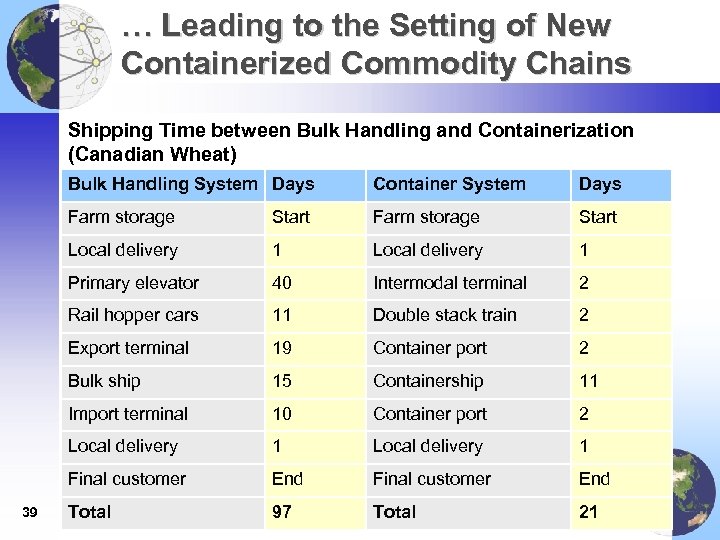
… Leading to the Setting of New Containerized Commodity Chains Shipping Time between Bulk Handling and Containerization (Canadian Wheat) Bulk Handling System Days Farm storage Start Local delivery 1 Primary elevator 40 Intermodal terminal 2 Rail hopper cars 11 Double stack train 2 Export terminal 19 Container port 2 Bulk ship 15 Containership 11 Import terminal 10 Container port 2 Local delivery 1 Final customer 39 Container System End Final customer End Total 97 Total 21
What Could be the Impacts on Commodity Markets? ■ Containerization and commodity markets • Futures / forward contracts are often conditioned by the capacity for delivery. • What would be the impacts of containerization on this market structure? • A contract could involve the allocation of containers. • What type of “price discovery” this would entail. • From futures to spot markets? • Transportation flexibility will increase financial flexibility. 40
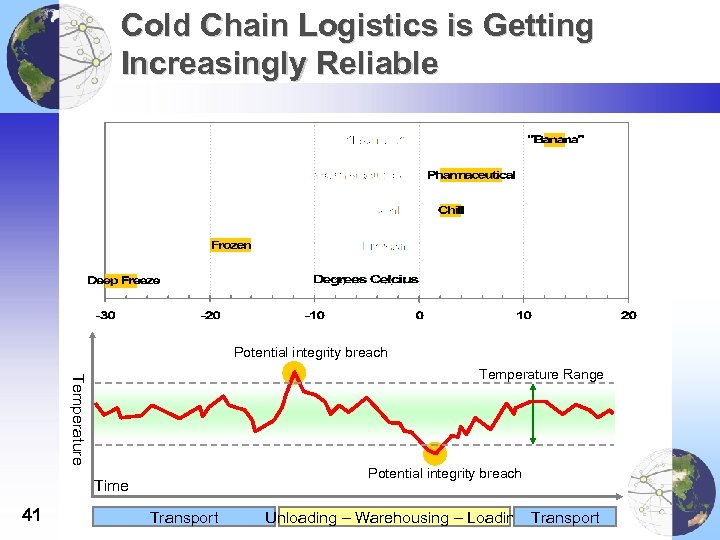
Cold Chain Logistics is Getting Increasingly Reliable Potential integrity breach Temperature Range Potential integrity breach Time 41 Transport Unloading – Warehousing – Loading Transport
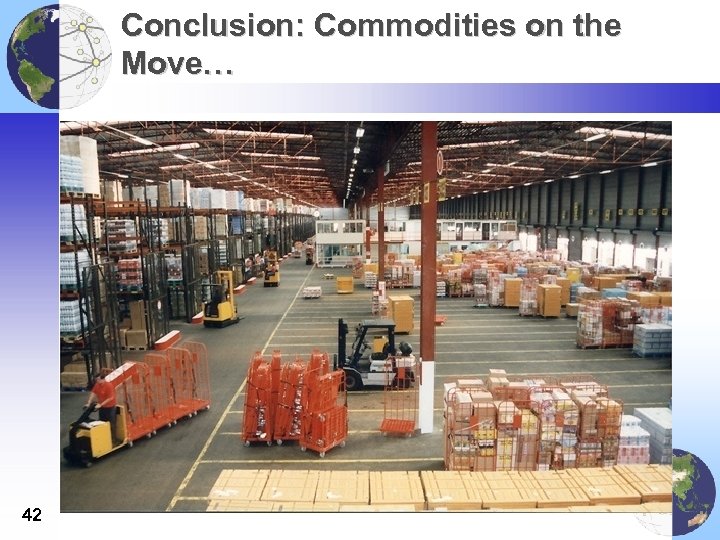
Conclusion: Commodities on the Move… 42
… Adapting to a Challenging Environment with many Opportunities ■ Global trade • Imbalances and dislocations. ■ Global commodity chains • Added value and value capture. ■ The “China Effect” • Trade and financial process. ■ Containerized commodity chains • Opportunities to rectify imbalances. • Setting of new commodity chains. ■ Global prospects • Positive for commodities. • New markets and investment opportunities. 43
Скачать презентацию Fall Summit HSH Nordbank Hamburg Germany November 15
c289f87789d5b697a469caf645320d6b.ppt