


 Скачать презентацию Exploring the Cat Industry Lesson 8 Next
ffe91a938e9a76581755097185e16d6f.ppt
- Количество слайдов: 26
 Exploring the Cat Industry Lesson 8
 Next Generation Science/Common Core Standards Addressed! • RST. 11‐ 12. 7 Integrate and evaluate multiple sources of information presented in diverse formats and media (e. g. , quantitative data, video, multimedia) in order to address a question or solve a problem(HS-LS 26), (HSL 2 -7), (HS-LS 2 -8) problem. • WHST. 9‐ 12. 9 Draw evidence from informational texts to support analysis, reflection, and research. (HS‐LS 1‐ 1)
 Work! • Describe the biology and physiology of a cat. • Explain classes and breeds of cats. • Identify management, training, and grooming of cats. • List considerations when selecting a cat.
 Terms • • • Companion animal Declawed Hairballs Kitten Litter • • Neutering Queen Spaying Tomcat
 Interest Approach • Display a litter box, cat litter, a pet carrier, cat brush, and a scratching post along with any other supplies you have access to. You may offer extra credit to students to bring these materials in. Use the supplies to create interest in the subject by discussing what each item is and what it is used for.
 What are terms unique to cats? • Tomcat – mature male cat • Queen – mature female cat • Kitten – baby cat of either sex • Litter – a group of kittens born to the same parents • Companion animal – any domestic animal kept for enjoyment and companionship with humans • Declawed – the cat’s claws have been surgically removed by a veterinarian
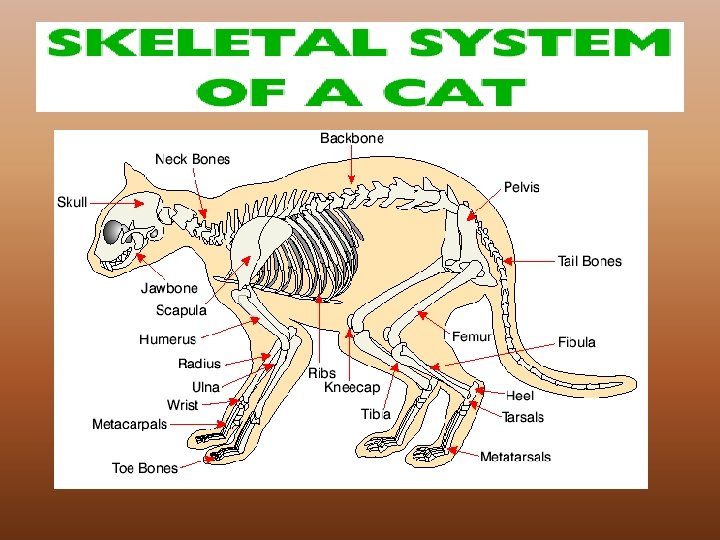
 What are terms unique to cats and their anatomy? • cats are very common • 60 million are used for companion animals • Can live up to 30 years • average is between 12 and 18 years • weighs from 6 to 15 pounds • have 250 bones and 500 muscles • Extra sensitive ears, noses, and paws • cats are carnivores that can feed on mice and rats but food has been designed especially for their needs • have an extra taste organ and can distinguish between foods • have 3 -dimensional vision • whiskers are attached to nerves to help find their way in the dark
 What are terms unique to cats and their anatomy? • Other animals in the cat family include lions and tigers. • Similar to these wild animals because their foot structure are closely designed. • Outside cats need to be quick and agile. • House cats are declawed to protect carpeting furniture, and curtains. • Keep declawed cats inside because they no longer have their most important defense mechanisms.

 Explain classes and breeds of cats. Objective #2
 What are the classes and breeds of cats? • Many different classes and breeds of cats. • Purebred or the common house cat • Two classes of cats – short-haired – long-haired • 36 breeds in the U. S. • Good website – http: //www. cfainc. org/ • Short-Haired – popular because less work – require little to no brushing – less hair to shed • Long-Haired • require more work • need to be brushed frequently • often get hairballs – wads of hair that collect inside the digestive tract and block the digestion of food
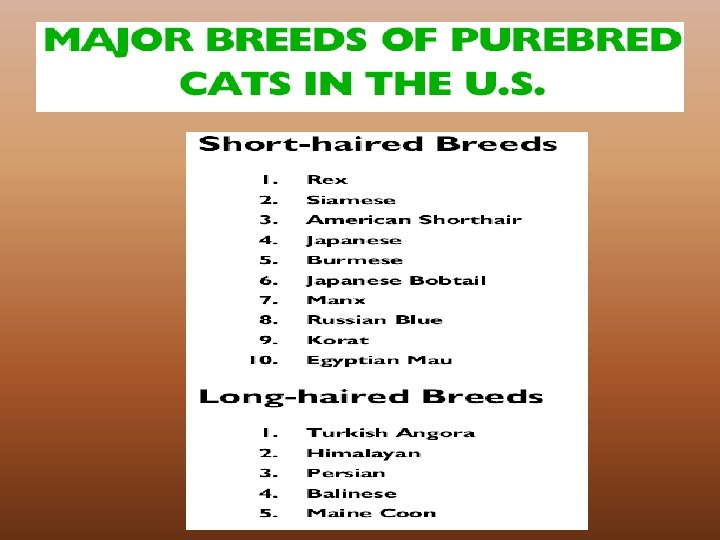
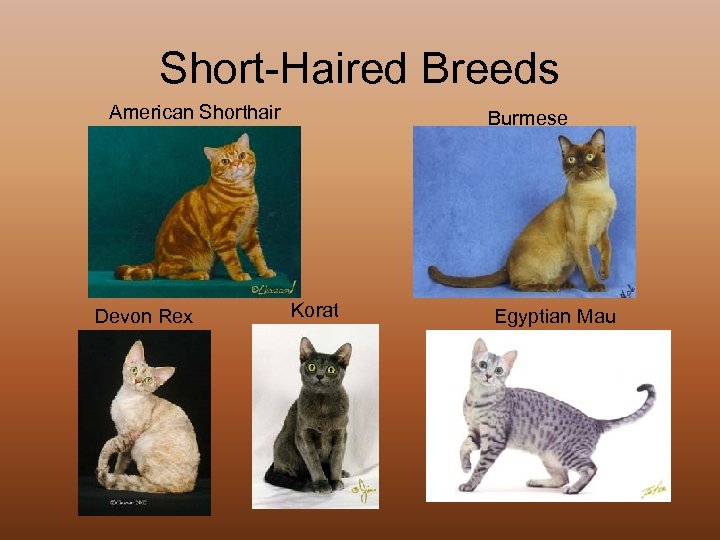 Short-Haired Breeds American Shorthair Devon Rex Burmese Korat Egyptian Mau
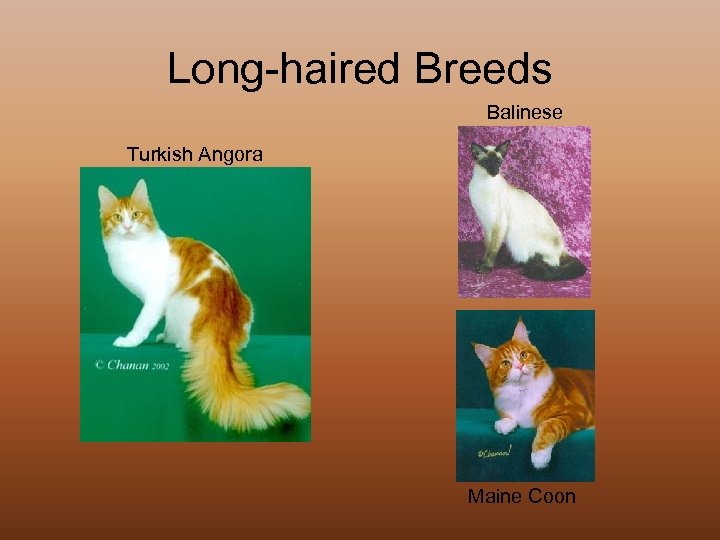 Long-haired Breeds Balinese Turkish Angora Maine Coon
 Identify management, training and grooming of cats. Objective #3
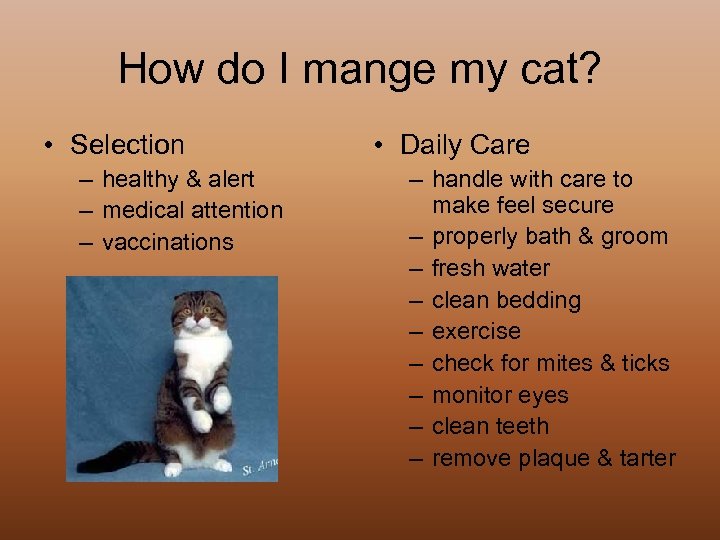 How do I mange my cat? • Selection – healthy & alert – medical attention – vaccinations • Daily Care – handle with care to make feel secure – properly bath & groom – fresh water – clean bedding – exercise – check for mites & ticks – monitor eyes – clean teeth – remove plaque & tarter
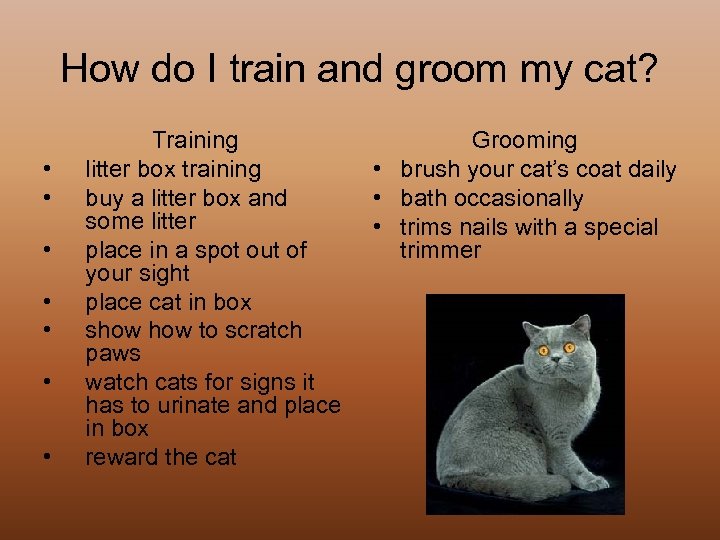 How do I train and groom my cat? • • Training litter box training buy a litter box and some litter place in a spot out of your sight place cat in box show to scratch paws watch cats for signs it has to urinate and place in box reward the cat Grooming • brush your cat’s coat daily • bath occasionally • trims nails with a special trimmer
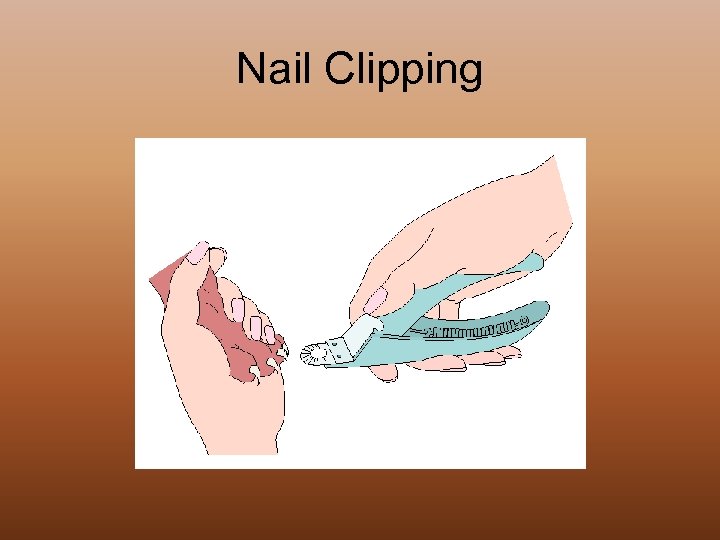 Nail Clipping
 List considerations when selecting a cat. Objective #4
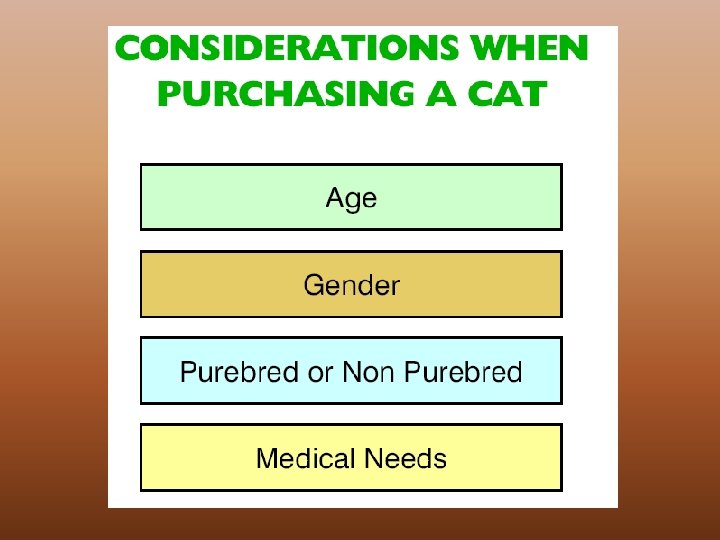
 What should I consider when selecting a cat? • tend to be independent and affordable Age • kittens are cute and cuddly • kittens require more work • adult cats come with old habits Breed • purebred vs. non-purebred • how much money do you want to invest • pedigree cats are more expensive
 What should I consider when selecting a cat? Gender • unfixed animals – males may urinate frequently to mark their territory – females will go through reproductive cycles and become annoying when in heat • Spaying – removing the ovaries & uterus of a queen • Neutering – process of altering a tomcat sexually to prevent from breeding
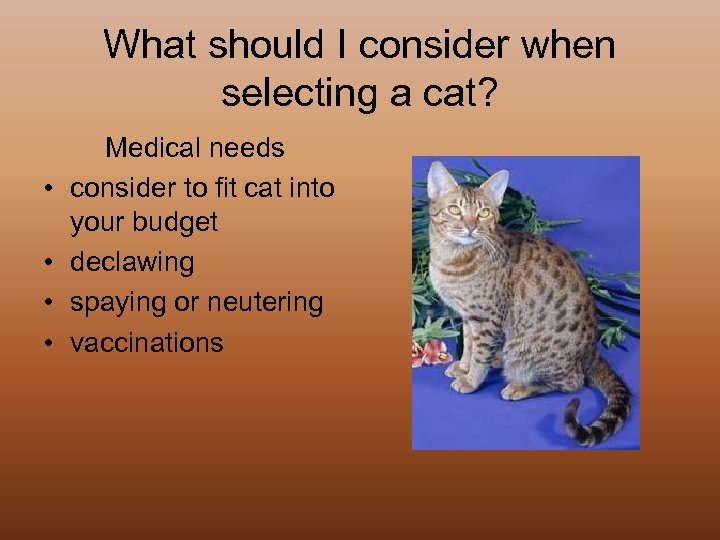 What should I consider when selecting a cat? • • Medical needs consider to fit cat into your budget declawing spaying or neutering vaccinations
 Review • What are terms unique to cats and their anatomy? • What are the classes and breeds of cats? • How do I manage, train, and groom my cat? • What should I consider when selecting a cat?
 The End!