 Скачать презентацию Explore the World with Fruits and Vegetables OCES
dea52f5d4218f8ed4aa2245c197a3f2a.ppt
- Количество слайдов: 82



Explore the World with Fruits and Vegetables OCES Conference January 2008 Barbara Brown, Ph. D & Deana Hildebrand, Ph. D
Our Opportunity • Oklahoma - 50 th nationwide for fruit & vegetable consumption. • How much FV are 7 -12 year olds eating? – Males • 4 cups recommended • 1¾ cups consumed – Females • 3½ cups recommended • 17/8 cups consumed
Melting Pot of Cuisines • In 2006 US minority population topped 100 million people. • Hispanic was the largest & fastest growing. • African was the second largest group. • Asian was the second fastest growing. • Each year – 1 million immigrants granted citizenship, coming from 200 different countries. US Census Bureau, US Department of Homeland Security
Explore the World with Fruits & Vegetables • Materials developed by – CDC, Produce for Better Health – http: //www. fruitsandveggiesmatter. gov/ publications/index. html • Target audiences – Children ages 7 -12 – Parents & caregivers
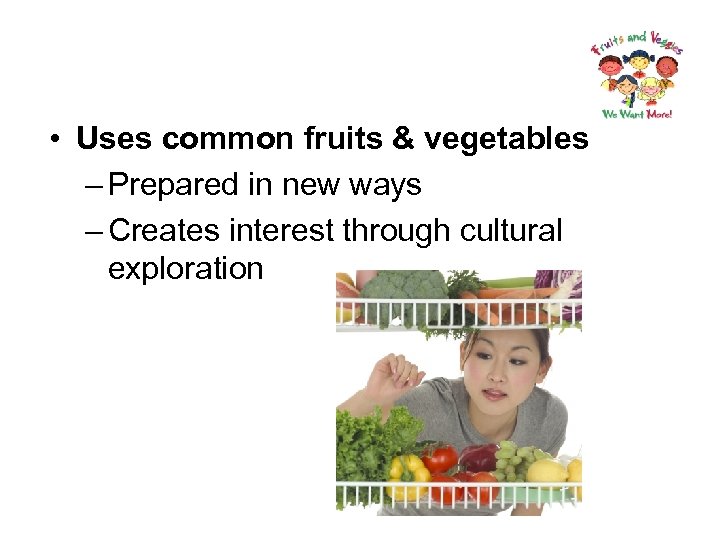
• Uses common fruits & vegetables – Prepared in new ways – Creates interest through cultural exploration
Potential Uses • School curriculum – Geography – History – Math • 4 -H • Parent/student school wide events • After school programming • Scouts
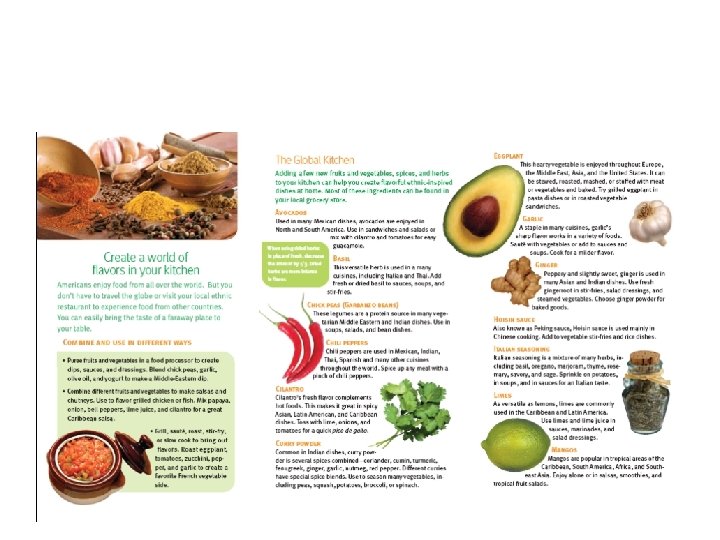
Resource Materials • • • Leader’s Guide Brochure Poster Interactive worksheets Adult recipe cards Kid recipe cards
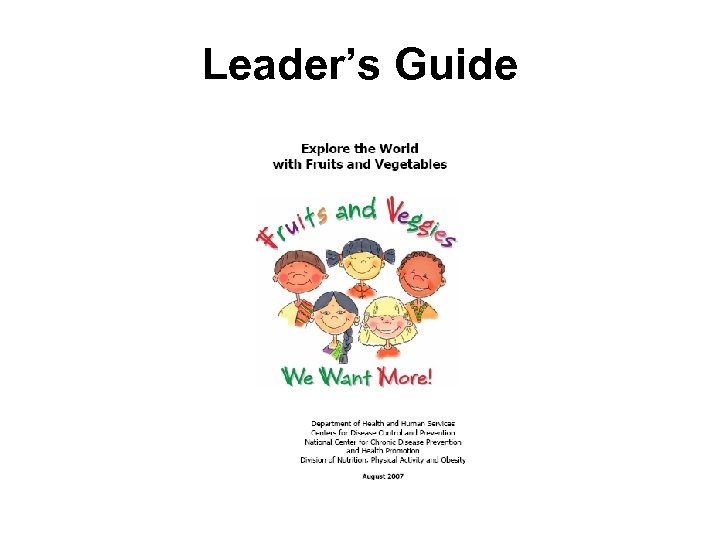
Leader’s Guide
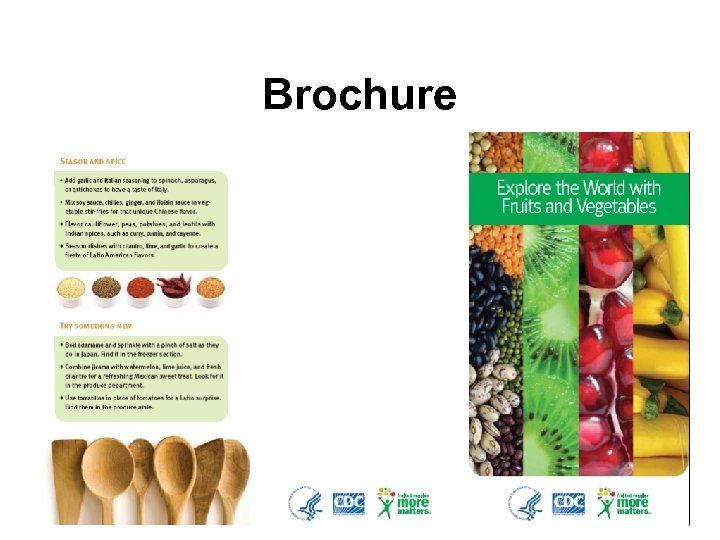
Brochure
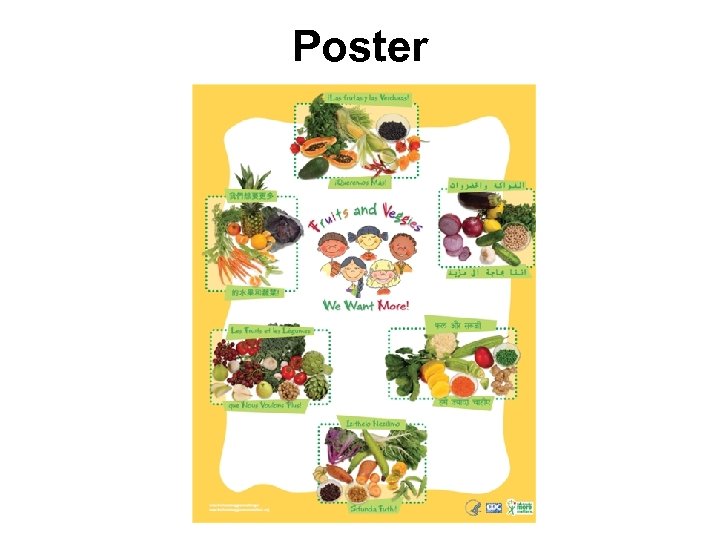
Poster
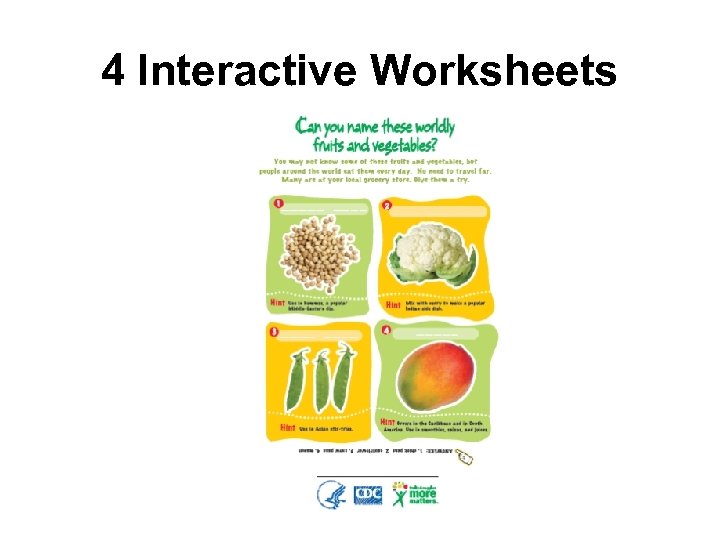
4 Interactive Worksheets
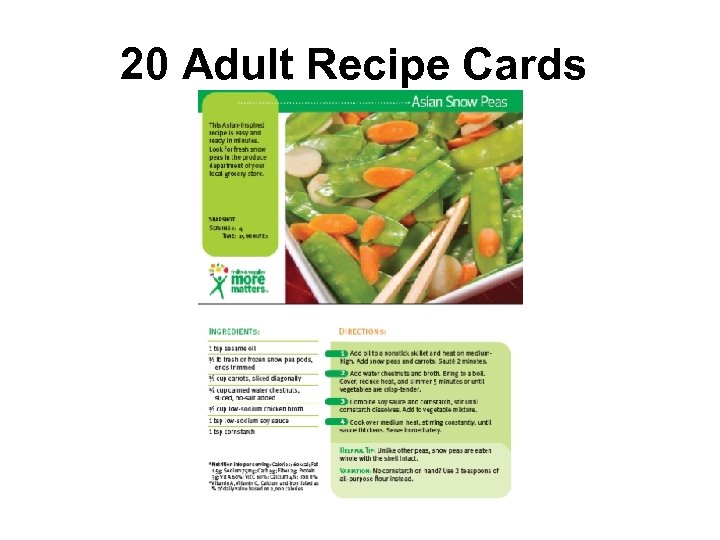
20 Adult Recipe Cards
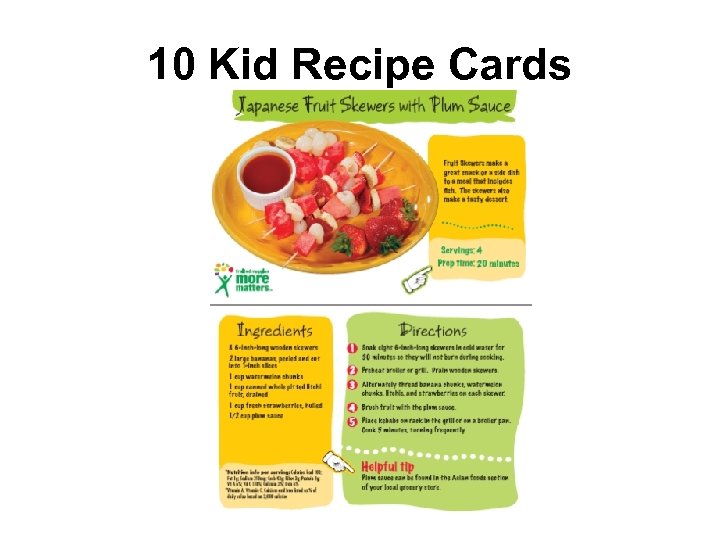
10 Kid Recipe Cards
Explore the World with Fruits and Vegetables Oklahoma Cooperative Extension Service
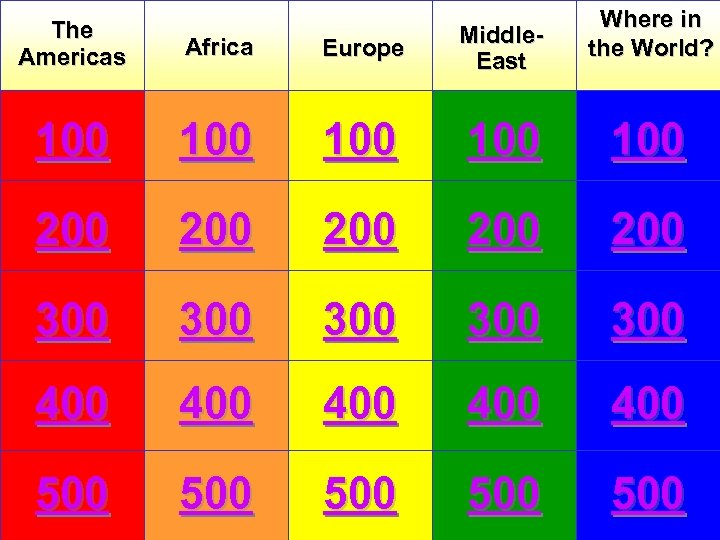
Where in the World? The Americas Africa Europe Middle. East 100 100 100 200 200 200 300 300 300 400 400 400 500 500 500
The Americas for 100 Clue: Native to the Americas they were planted in Europe and became a staple in the Irish diet. Check Your Answer
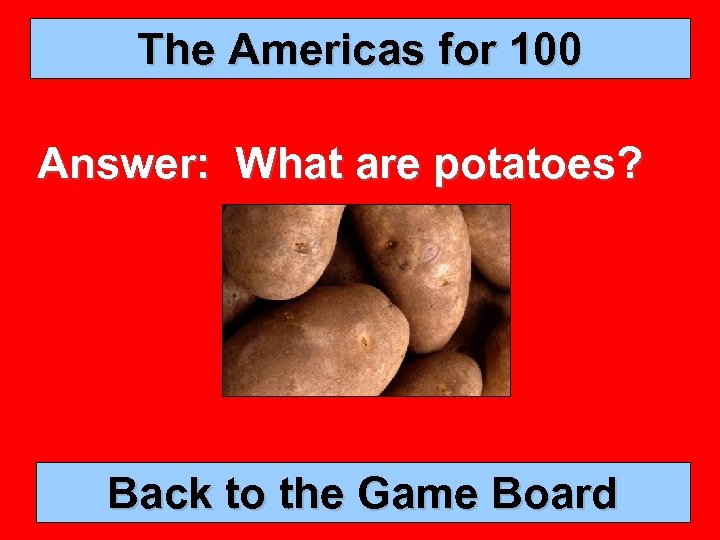
The Americas for 100 Answer: What are potatoes? Back to the Game Board
The Americas for 200 Clue: Originated in the Americas and now widely used in Italian dishes. Check Your Answer
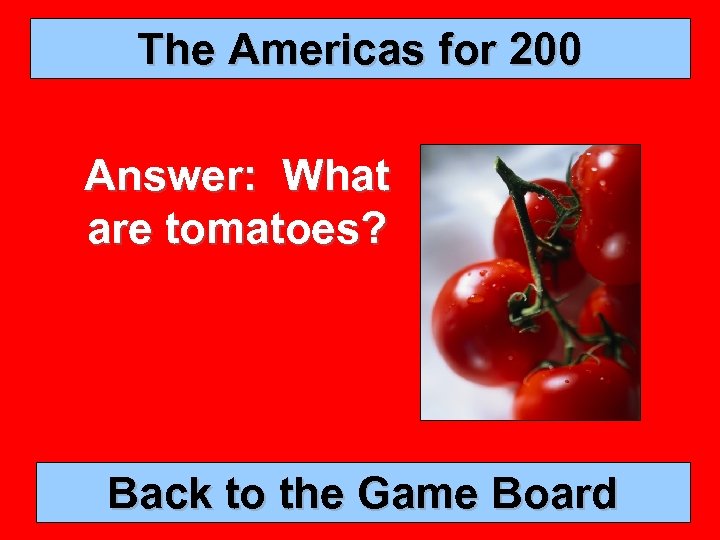
The Americas for 200 Answer: What are tomatoes? Back to the Game Board
The Americas for 300 Clue: Native Americans and Europeans who settled in the New World used this vegetable as a grain to make bread, pudding, mush and tortillas. Check Your Answer
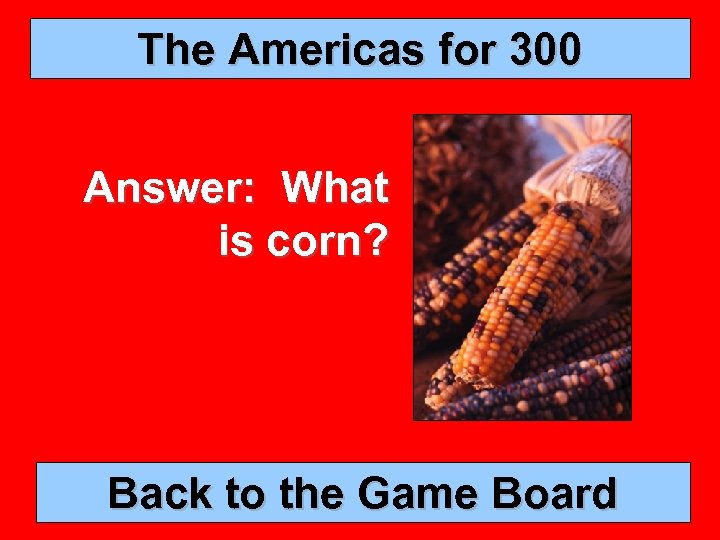
The Americas for 300 Answer: What is corn? Back to the Game Board
The Americas for 400 Clue: Ancestors of this vegetable originated in Boliva but they now influence the hot, spicy flavors of India, China, Southeast Asia and Europe. Check Your Answer
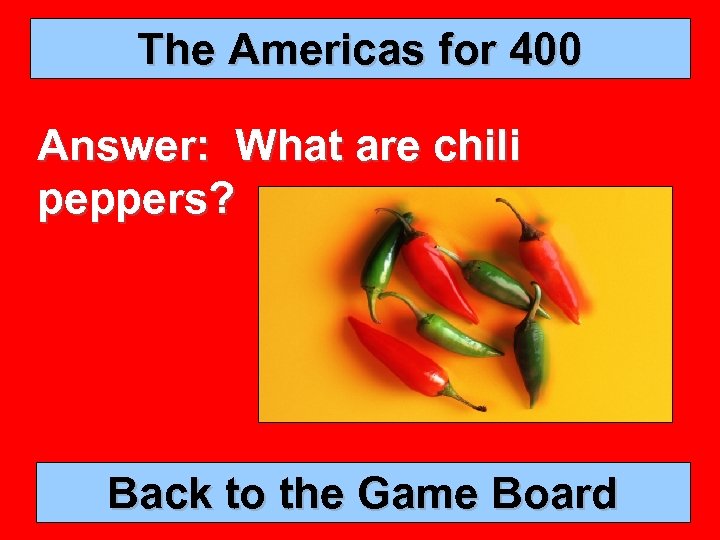
The Americas for 400 Answer: What are chili peppers? Back to the Game Board
The Americas for 500 Clue: The only spice to originate in the Americas that is still produced commercially only in the Americas. Check Your Answer
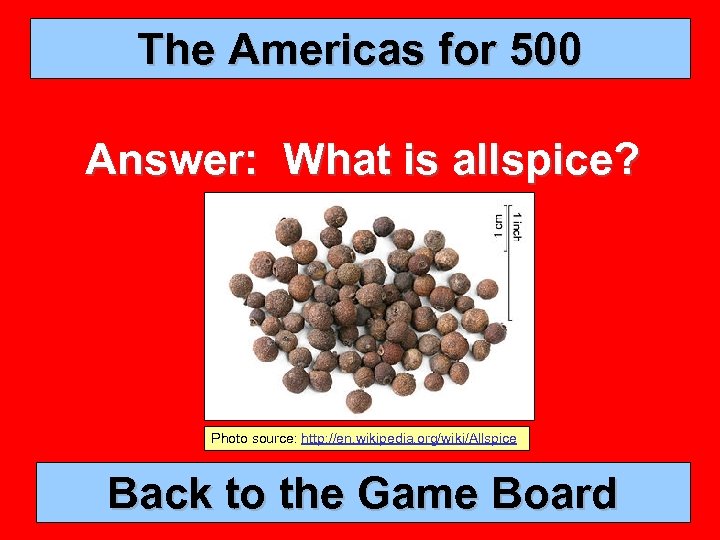
The Americas for 500 Answer: What is allspice? Photo source: http: //en. wikipedia. org/wiki/Allspice Back to the Game Board
Africa for 100 Clue: Known for its slimy texture this vegetable thickens gumbo and is popular in the Southern U. S. Check Your Answer
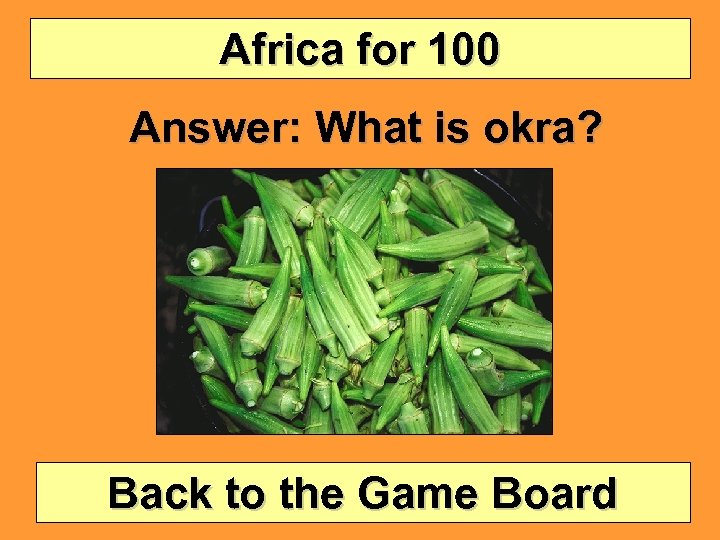
Africa for 100 Answer: What is okra? Back to the Game Board
Africa for 200 Clue: Known as a groundnut this food is not a nut at all but a legume. Check Your Answer
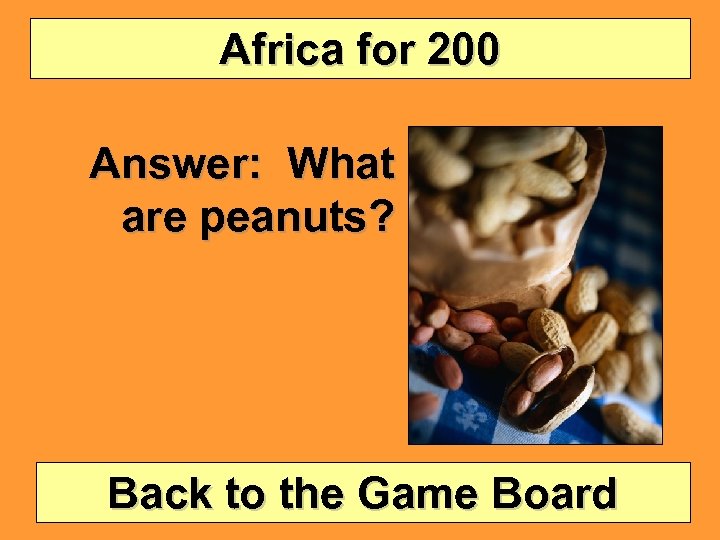
Africa for 200 Answer: What are peanuts? Back to the Game Board

Africa for 300 Daily Double!!! Back to the Game Board
Africa for 400 Clue: An oval fruit from 3 to 5 inches long with a bright yellow skin studded with stubby “horns. ” Check Your Answer
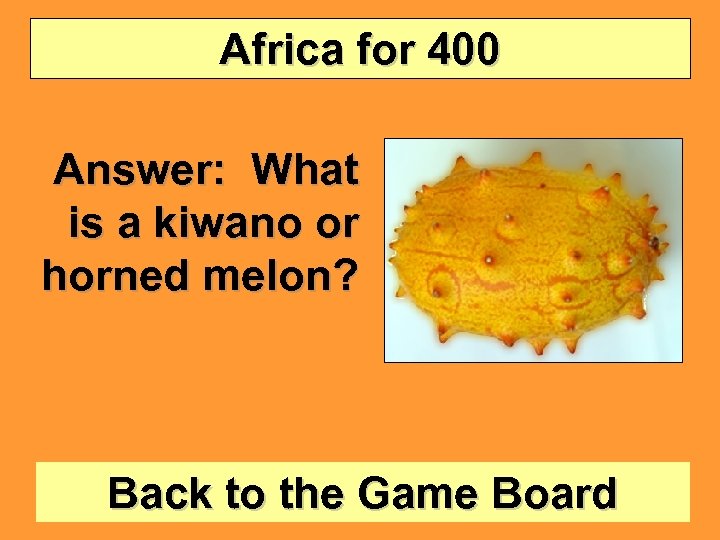
Africa for 400 Answer: What is a kiwano or horned melon? Back to the Game Board
Africa for 500 Clue: Edible leaves of pants including beets, collards, turnips and dandelions. Check Your Answer
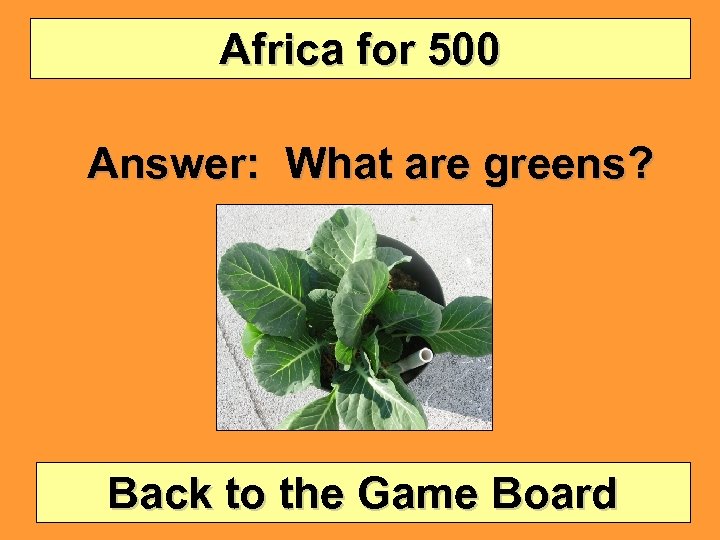
Africa for 500 Answer: What are greens? Back to the Game Board
Europe for 100 Clue: They look like a baby cabbage and are named for the capital of Belgium. Check Your Answer
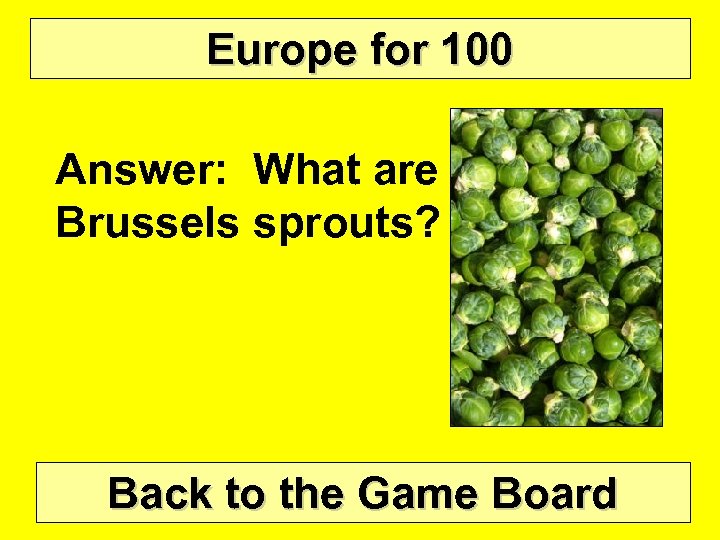
Europe for 100 Answer: What are Brussels sprouts? Back to the Game Board
Europe for 200 Clue: A member of the cruciferous family this white vegetable looks like cottage cheese. Check Your Answer
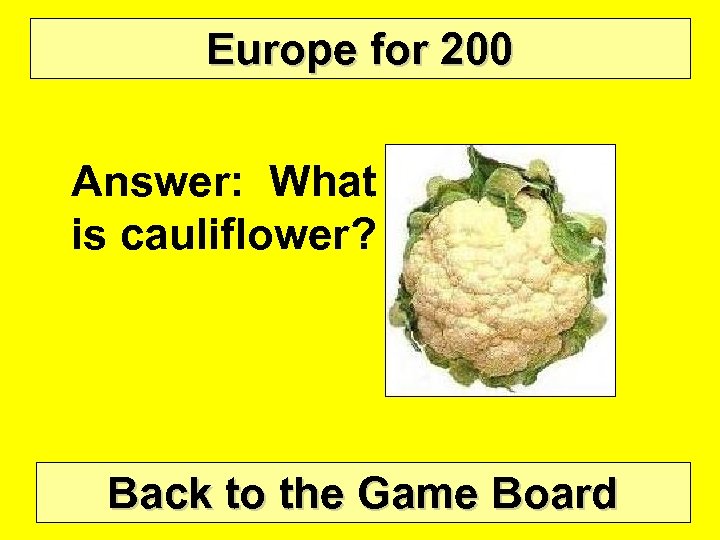
Europe for 200 Answer: What is cauliflower? Back to the Game Board
Europe for 300 Clue: Widely popular thistle in Italy, France and Spain. Check Your Answer
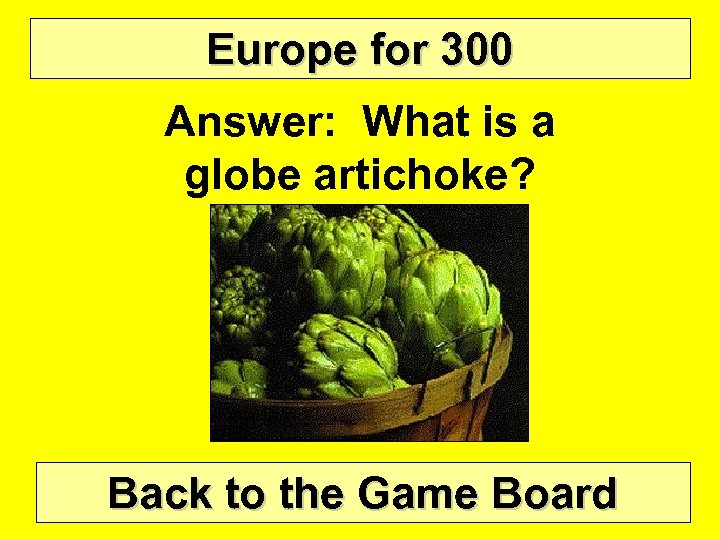
Europe for 300 Answer: What is a globe artichoke? Back to the Game Board
Europe for 400 Clue: Edible berries that grow in clusters on vines and are commonly eaten fresh, dried and fermented. Check Your Answer
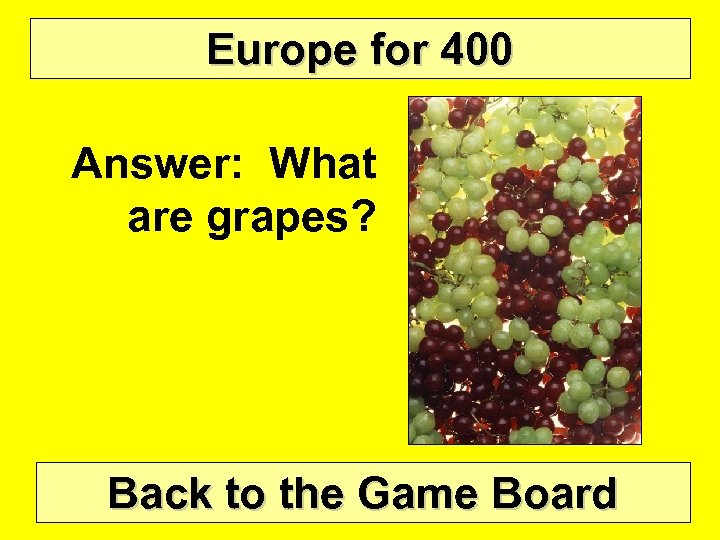
Europe for 400 Answer: What are grapes? Back to the Game Board
Europe for 500 Clue: Today there are 2500 varieties of this often gritty textured fruit. Check Your Answer
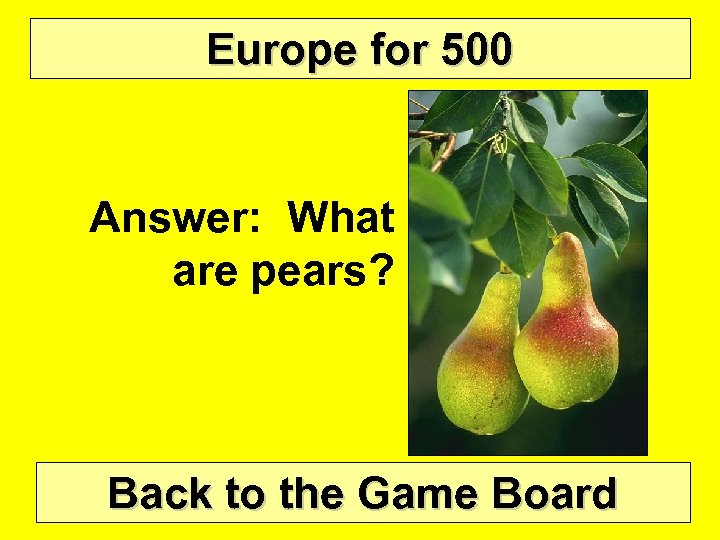
Europe for 500 Answer: What are pears? Back to the Game Board
Middle-East for 100 Clue: This vegetable, the most commonly eaten vegetable in the middle-east, is related to the potato and tomato, and is actually a berry. Check Your Answer
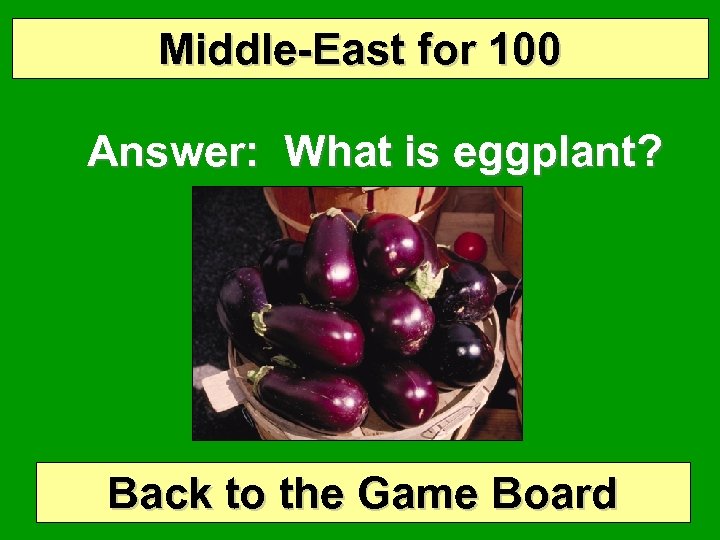
Middle-East for 100 Answer: What is eggplant? Back to the Game Board
Middle-East for 200 Clue: A long, cylindrical, green-skinned fruit usually eaten raw as a vegetable or pickled. Check Your Answer
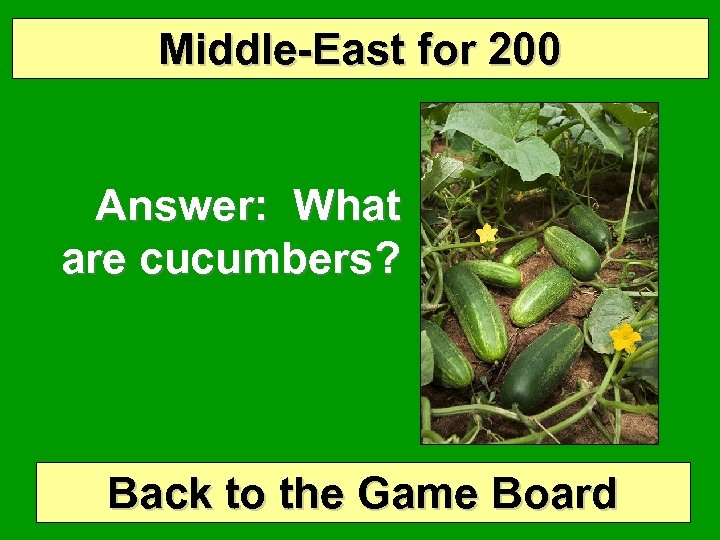
Middle-East for 200 Answer: What are cucumbers? Back to the Game Board
Middle-East for 300 Clue: Legume used in making hummus and falafel. Check Your Answer
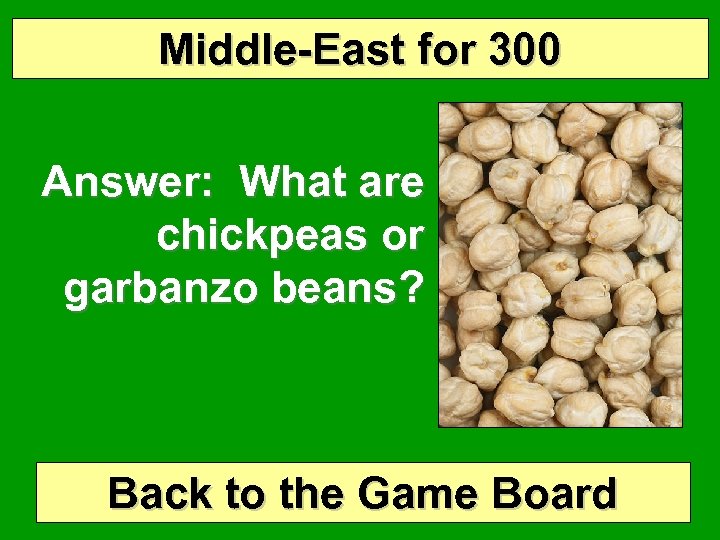
Middle-East for 300 Answer: What are chickpeas or garbanzo beans? Back to the Game Board
Middle-East for 400 Clue: Citrus fruit used to flavor many Middle-Eastern dishes. Check Your Answer
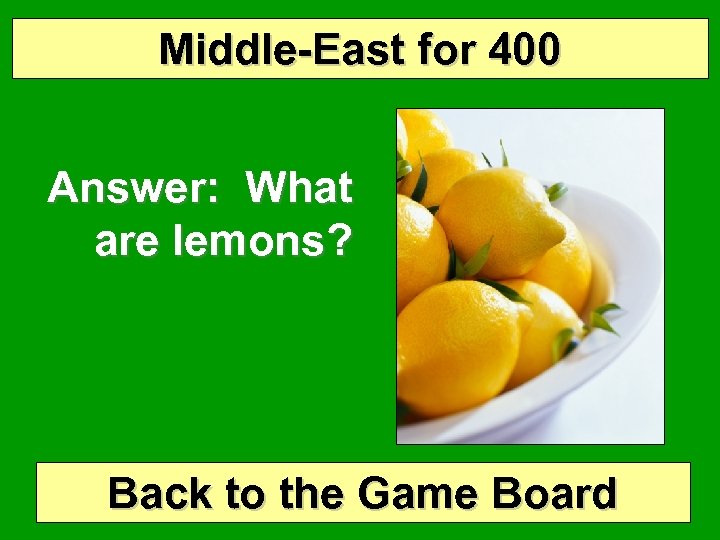
Middle-East for 400 Answer: What are lemons? Back to the Game Board
Middle-East for 500 Clue: Herb often associated with hard candy that is used in the Middle-East along with cracked wheat (bulgur), parsley and other ingredients to make tabouleh. Check Your Answer
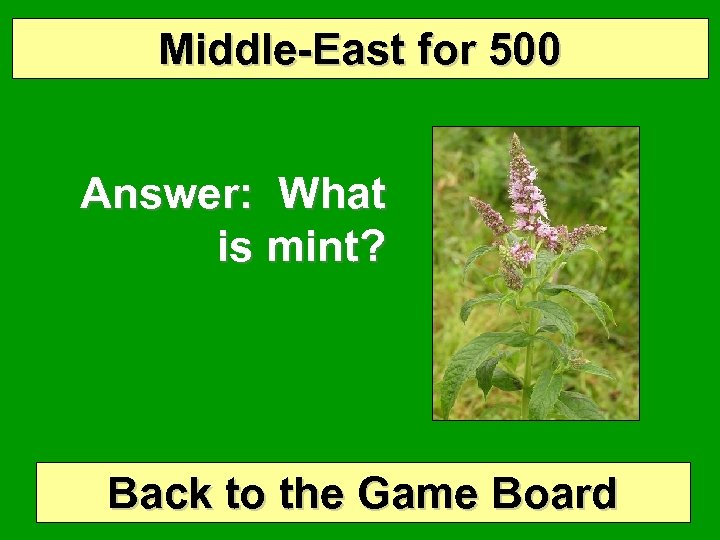
Middle-East for 500 Answer: What is mint? Back to the Game Board
Where in the World for 100 Clue: Continent where soy and fish sauces are predominant flavors. Check Your Answer
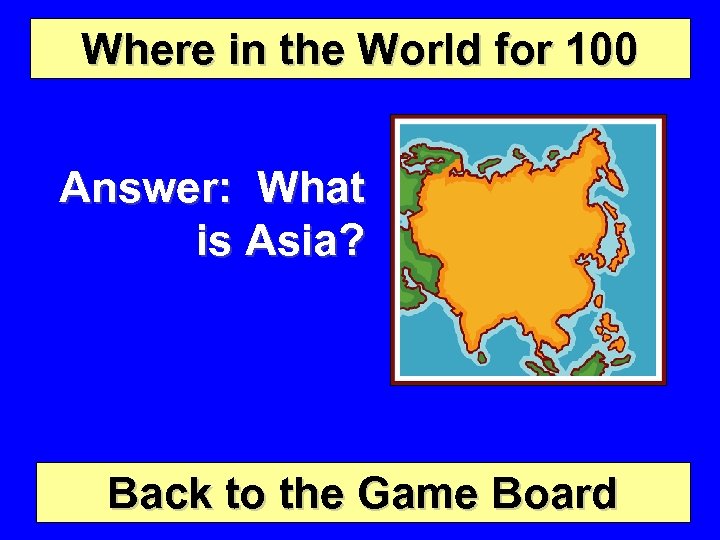
Where in the World for 100 Answer: What is Asia? Back to the Game Board
Where in the World for 200 Clue: Country where cooks rely on beans, tortillas, avocados and cilantro. Check Your Answer
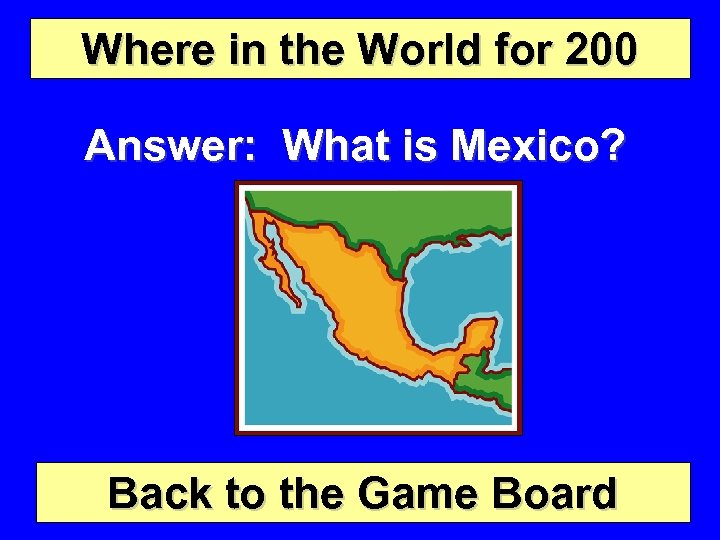
Where in the World for 200 Answer: What is Mexico? Back to the Game Board
Where in the World for 300 Clue: Ginger is one of the main spices used in curries prepared in this country. Check Your Answer
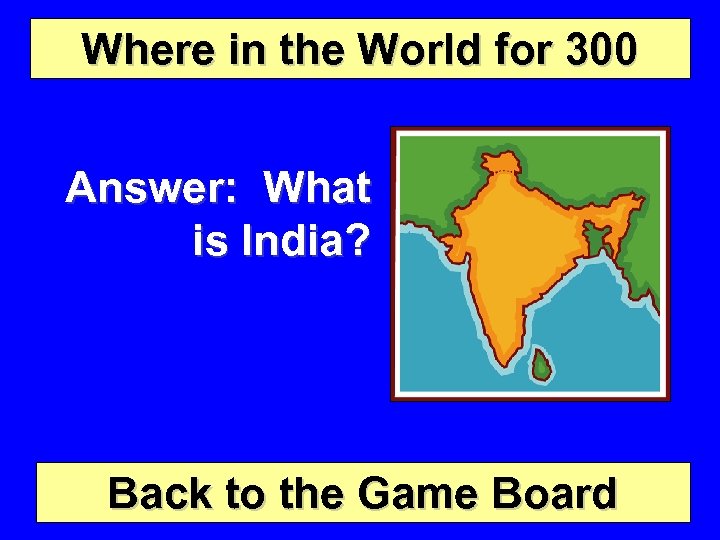
Where in the World for 300 Answer: What is India? Back to the Game Board
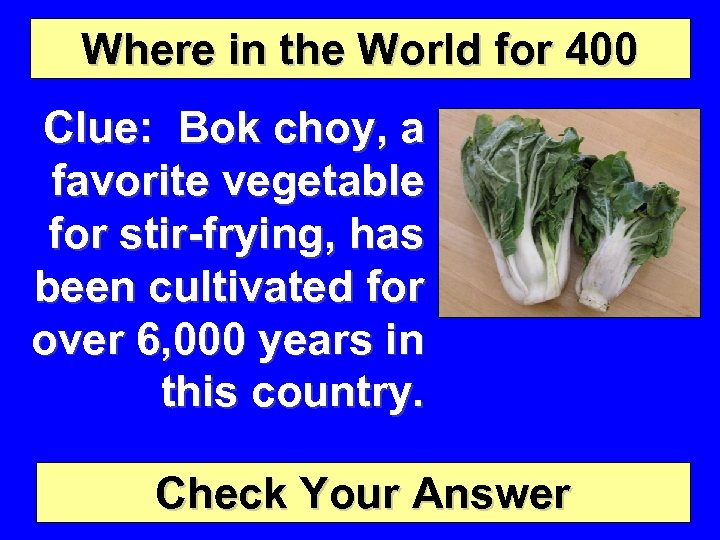
Where in the World for 400 Clue: Bok choy, a favorite vegetable for stir-frying, has been cultivated for over 6, 000 years in this country. Check Your Answer
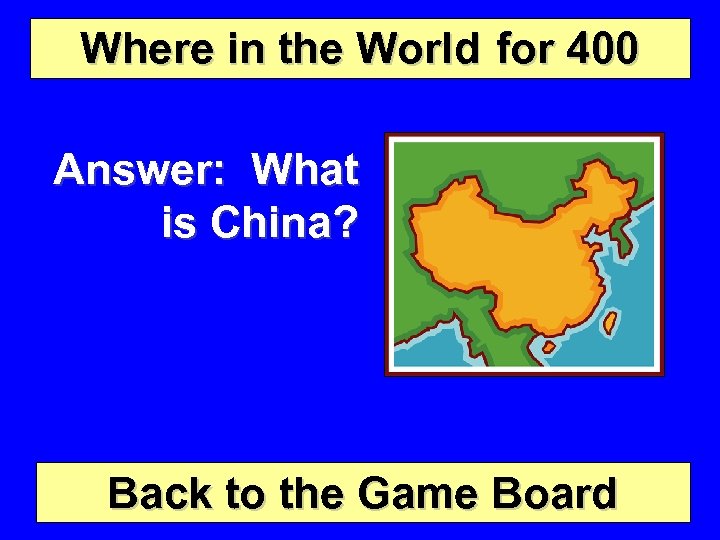
Where in the World for 400 Answer: What is China? Back to the Game Board
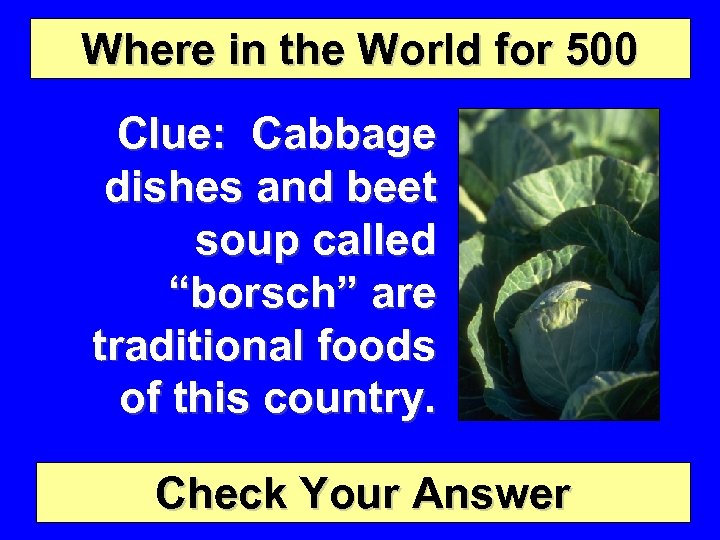
Where in the World for 500 Clue: Cabbage dishes and beet soup called “borsch” are traditional foods of this country. Check Your Answer
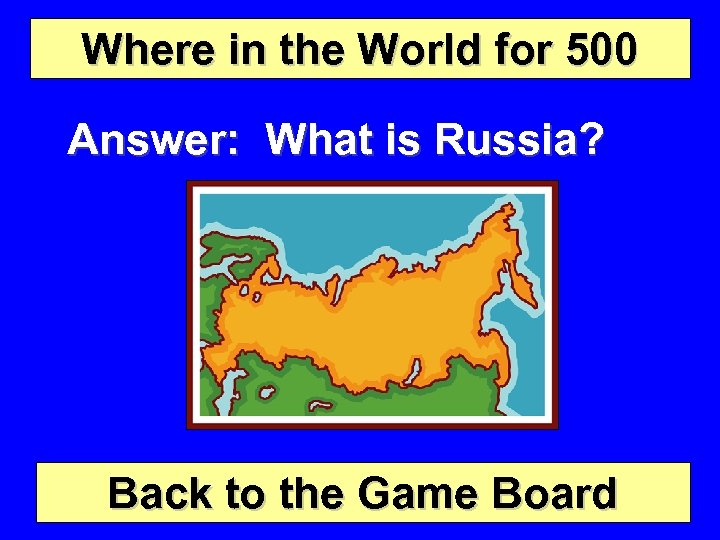
Where in the World for 500 Answer: What is Russia? Back to the Game Board
Customizing the Quiz Show Template The Blank Quiz Show Review is ready for you to customize. This presentation is designed to be a review for a unit. You make up the categories, Clues and answers, then show the review to your class using a scan converter or projector. All the hyperlinks connecting the points on slide two to the correct Clues have already been created. Once you have created one review, you can give the blank Power. Point show and these directions to students and assign them to create the next review. Students, in groups of five, can make up 5 Clues each: one for each category, or each in charge of a category of their own. 1. Double-click on the quiz show template file “Blank Quiz Show Review” to open it. 2. Click on File and Save As to give the quiz show template a new file name. This way you can save the blank copy to use again. 3. Change the view to Slide Sorter from the View Menu. 4. From the Edit menu, choose Replace. In the first line of the box that appears, type Classes of Horses, then tab to the second line. Type in your first category name. Click on the Replace All button. You should get a message that 11 changes were made, and you should be able to see the changes in the slides. 5. Repeat this process to change all your general “topics” to your specific topic names. When you are finished, switch back to Slide View from the View Menu. 6. Go to Slide 3 by clicking on the double down-arrow at the bottom of the vertical scroll bar. 7. Click after the colon in the text box reading "Clue: " to type in your first Clue. 8. Go to Slide 4. Click after the colon in the text box reading "Answer: " to type in the answer to your first Clue. 9. Repeat with all slides in the quiz show presentation. Don't forget to save your work every few minutes by clicking on the third icon on the top toolbar (looks like a floppy disk). 10. Showing the presentation: Open the new document in Power. Point. From the View menu, choose Slide Show. To link to the Clues from slide 2, move the mouse over a number so that a hand appears. Click on the number. You must do the same to go back to the gameboard on each answer slide. DO NOT click on the slide just ANYWHERE. That will take you to the next slide instead of back to the gameboard. Make sure ONLY to click when you see the hand indicating a hyperlink. Click Here to go to First Slide
Jeopardy Quiz Game Suggested instructions for playing the game with a class: 1. Project the game onto a large screen or use a large computer monitor at the front of the class. 2. Divide the class into teams of up to four players. Have any other students count off 1 to 4 and sit in the audience. 3. Provide each team with a flashlight, whistle, or other means of "buzzing-in" to indicate they know the answer. 4. Appoint a scorekeeper. 5. Appoint a reader to read each question to the group. 6. The teacher or a student can act as moderator. 7. Let the first team select a category. 8. Once the question pops up, the first team to "buzz-in" gets to try to answer the question. 9. Add or deduct the number of points corresponding to the number they selected under the category. 10. If the first team misses, the remaining teams can buzz-in and answer the question. 11. If no team knows the answer, the audience is given the opportunity to answer. The first person to raise his or her hand answer correctly receives the points for the team that corresponds to their number. 12. Go back to the game board and let the team who answered correctly select the next category and point value. 13. This power point may include a slide with a list of terms the teacher may wish to print out to assist the students during the game. Georgia Agricultural Education Curriculum Office Click Here to go to First Slide Click Here to go to customizing your own quiz game
Experience the World through Spices & Herbs • Herbs: fresh & dried leaves generally of temperate plants – Usually green • Spices: flowers, fruit, seeds, bark, & roots typically of tropical plants – Range from brown to black to red – Generally have more pungent flavor than herbs • Its possible for 1 plant to provide an herb & a spice – Example, Coriandrum sativum leaves are used as the herb cilantro, the seed is used as the spice coriander
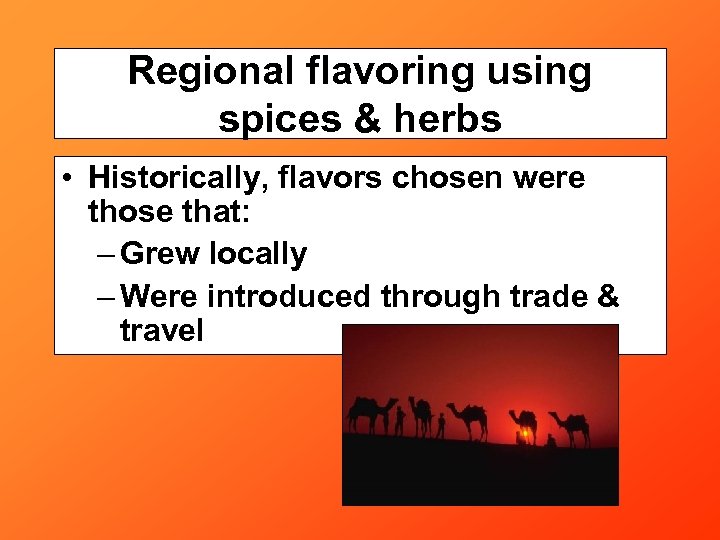
Regional flavoring using spices & herbs • Historically, flavors chosen were those that: – Grew locally – Were introduced through trade & travel
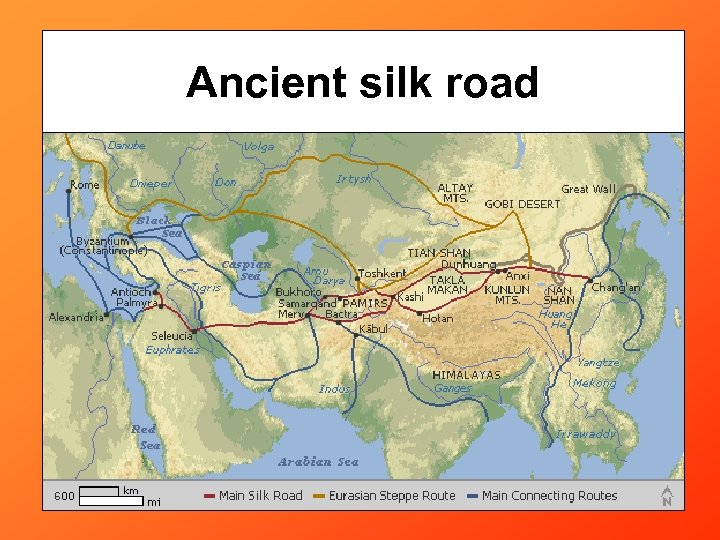
Ancient silk road
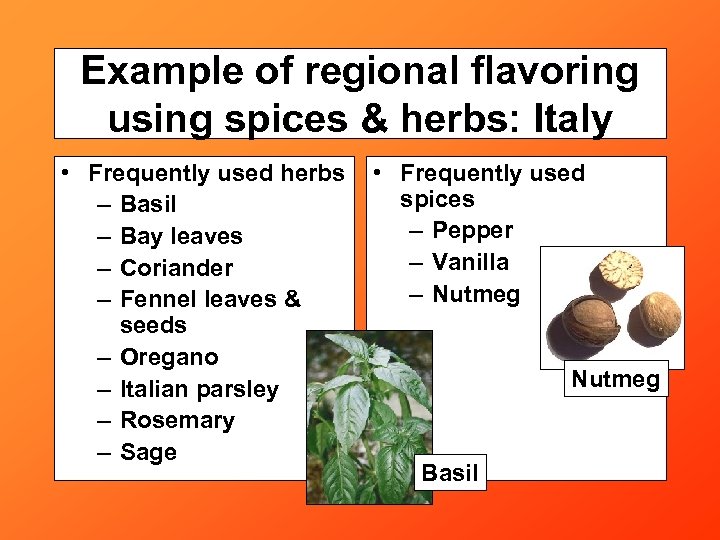
Example of regional flavoring using spices & herbs: Italy • Frequently used herbs – Basil – Bay leaves – Coriander – Fennel leaves & seeds – Oregano – Italian parsley – Rosemary – Sage • Frequently used spices – Pepper – Vanilla – Nutmeg Basil
Seasoning blends: mixtures of spices &/or herbs • Chili powder: red pepper, cumin, oregano, salt, garlic powder • Curry powder: coriander, turmeric, cumin, fenugreek seed, white pepper, allspice, yellow mustard, red pepper, ginger • Poultry seasoning: pepper, sage, thyme, marjoram, rosemary, savory, nutmeg • Pumpkin pie spice: cinnamon, ginger, nutmeg, allspice, cloves (sometimes)
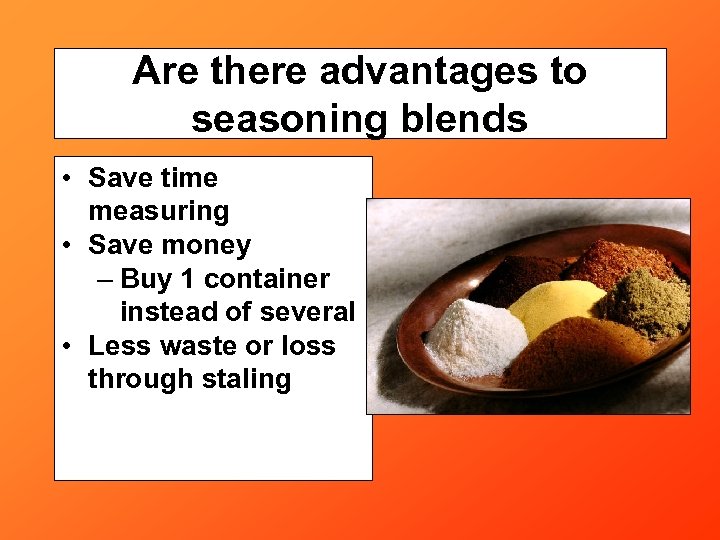
Are there advantages to seasoning blends • Save time measuring • Save money – Buy 1 container instead of several • Less waste or loss through staling
Are there disadvantages to seasoning blends • Loss of control • Everybody’s pie tastes the same • May contain substantial amounts of sodium
Activity: Americas fastest growing new game!
Check out the taste • Recipes provided for adults & youth • Offer food to reinforce information – Prepared ahead—better than a lecture for retaining, reinforcing & changing behavior – Demonstration—better than pre-made – Hands-on cooking class—best but highest expense in time & money, & greatest risk of poor quality
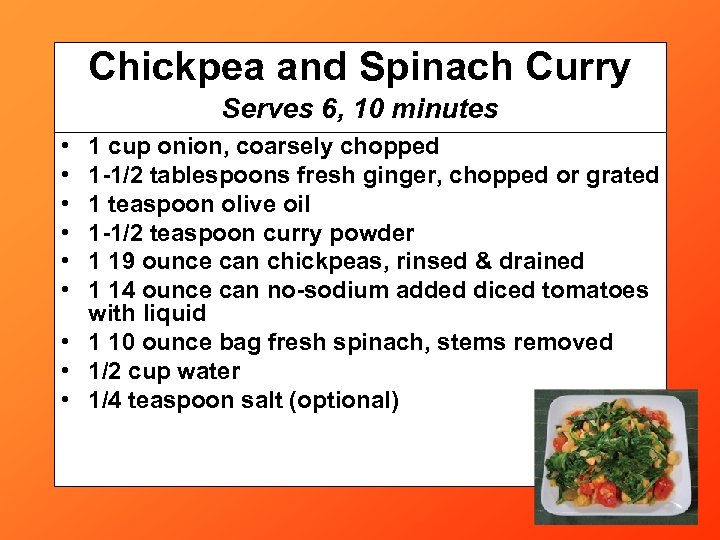
Chickpea and Spinach Curry Serves 6, 10 minutes • • • 1 cup onion, coarsely chopped 1 -1/2 tablespoons fresh ginger, chopped or grated 1 teaspoon olive oil 1 -1/2 teaspoon curry powder 1 19 ounce can chickpeas, rinsed & drained 1 14 ounce can no-sodium added diced tomatoes with liquid • 1 10 ounce bag fresh spinach, stems removed • 1/2 cup water • 1/4 teaspoon salt (optional)
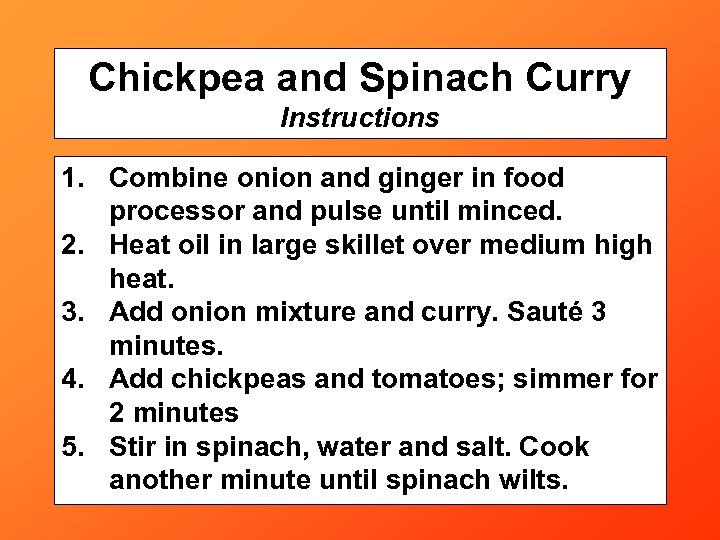
Chickpea and Spinach Curry Instructions 1. Combine onion and ginger in food processor and pulse until minced. 2. Heat oil in large skillet over medium high heat. 3. Add onion mixture and curry. Sauté 3 minutes. 4. Add chickpeas and tomatoes; simmer for 2 minutes 5. Stir in spinach, water and salt. Cook another minute until spinach wilts.
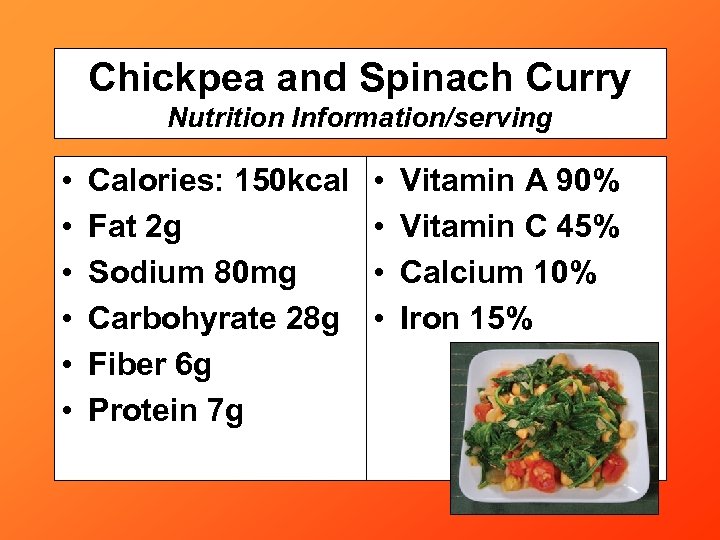
Chickpea and Spinach Curry Nutrition Information/serving • • • Calories: 150 kcal Fat 2 g Sodium 80 mg Carbohyrate 28 g Fiber 6 g Protein 7 g • • Vitamin A 90% Vitamin C 45% Calcium 10% Iron 15%
Chickpea and Spinach Curry Discussion questions 1. What country(s) influences the flavors and ingredients of this dish? 2. What part of the spinach plant do we eat? 3. Was Popeye right that eating spinach will make you strong? 4. Can you make this without a food processor?
Chickpea and Spinach Curry Discussion questions • Can we use dried ginger if we don’t have fresh? – 1 teaspoon finely chopped fresh ginger = 1/4 teaspoon ground ginger • What are the ingredients of curry powder? – Varies but may include some or all of : coriander, fenugreek, turmeric, cumin, black pepper, bay leaves, celery seed, nutmeg, cloves, onion, red pepper, ginger
 Скачать презентацию Explore the World with Fruits and Vegetables OCES
dea52f5d4218f8ed4aa2245c197a3f2a.ppt