Скачать презентацию Exercise fitness and health research strategies for a
78c532bb25fa020216134e411c7a4fba.ppt
- Количество слайдов: 84
 Exercise, fitness and health: research strategies for a changing society David Brodie Professor of Health Studies Faculty of Health Studies Buckinghamshire Chilterns University College United Kingdom
 Cardiovascular Health n Process of cardiac rehabilitation: -Acute and chronic changes in cardiac enzymes -Changes in heart rate variability -Changes in cardio-respiratory function In all cases the research team has shown beneficial changes as a result of exercisebased cardiac rehabilitation
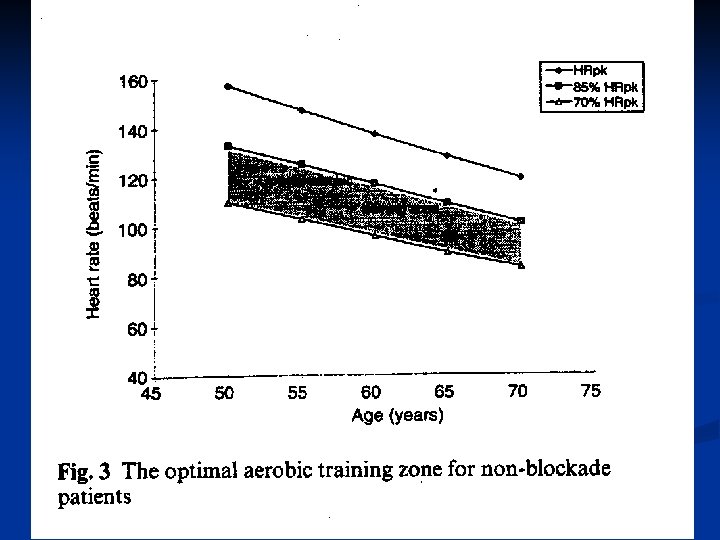
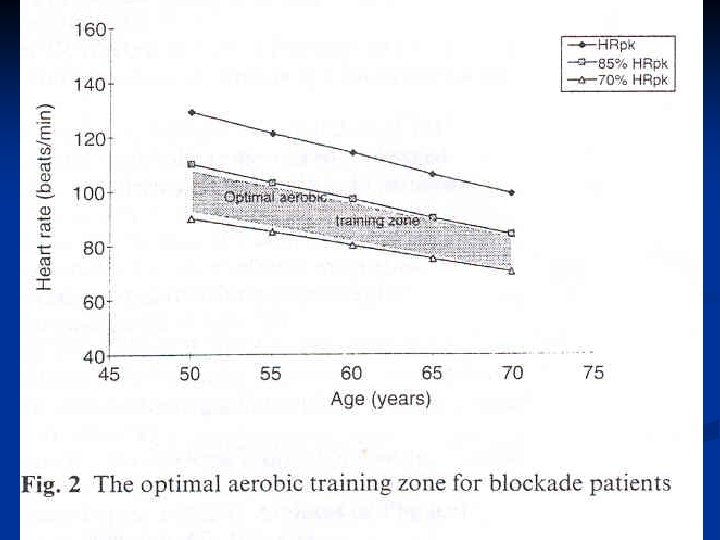
 Method-Training Threshold Post-MI patients over a wide age range n Cardiac rehabilitation n Range of cardio-respiratory variables n Maximum heart rate is often calculated from 220 -Age n Training threshold is 70 -85% max. heart rate n Beta-blockade drugs lower heart rate n
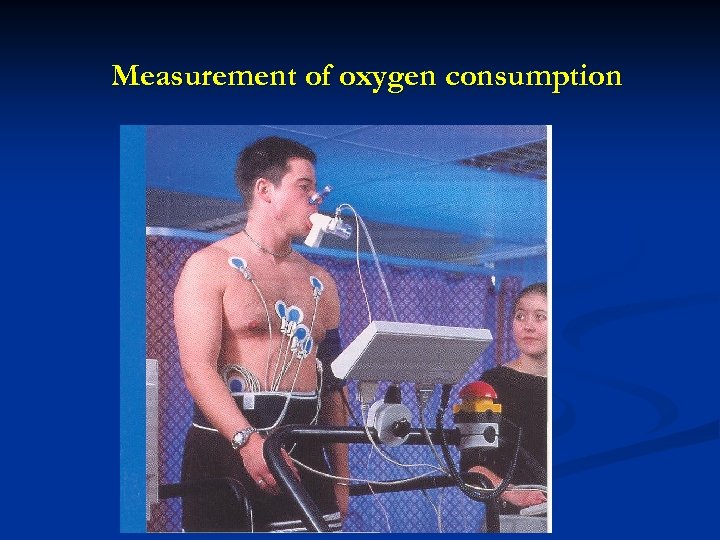 Measurement of oxygen consumption
 Cardiac Power Output “Cardiac power output is equivalent to the rate at which the heart imparts hydraulic energy into the arterial system to maintain the circulation of the blood” Combines pressure and flow
 Cardiac power output n Calculated from mean arterial pressure, cardiac output and a correction factor (10 -3). n Measurement of CPO offers a major advantage over simply measuring cardiac output n Pressure and flow, gives a more complete representation of the heart
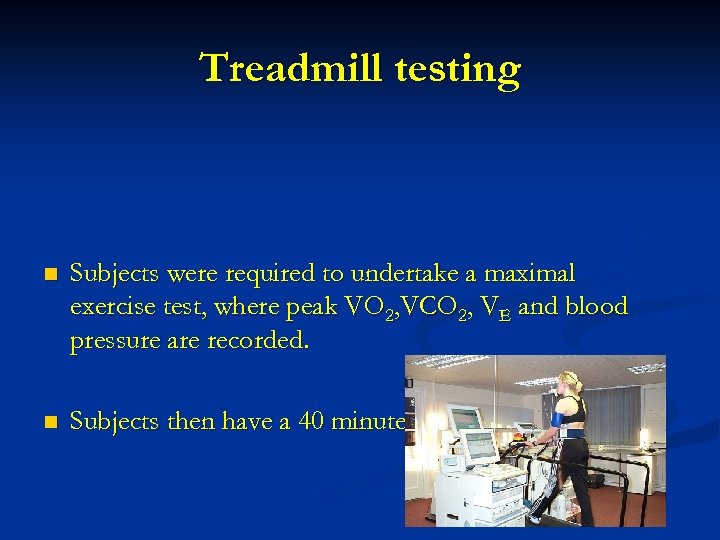 Treadmill testing n Subjects were required to undertake a maximal exercise test, where peak VO 2, VCO 2, VE and blood pressure are recorded. n Subjects then have a 40 minute recovery period.
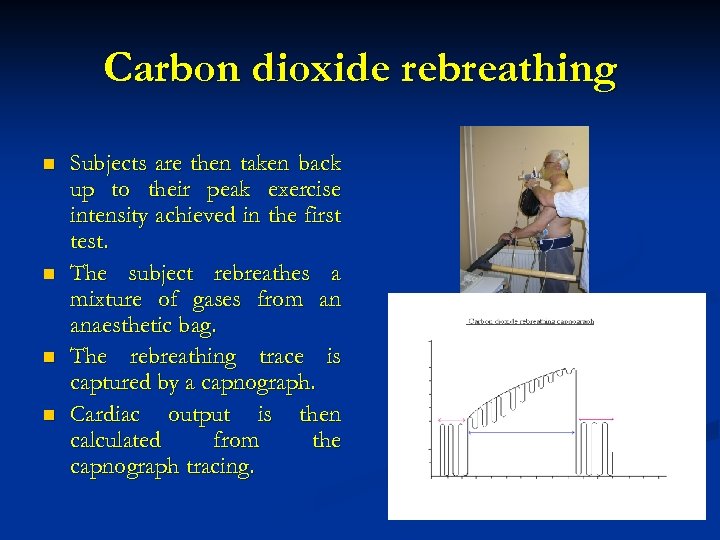 Carbon dioxide rebreathing n n Subjects are then taken back up to their peak exercise intensity achieved in the first test. The subject rebreathes a mixture of gases from an anaesthetic bag. The rebreathing trace is captured by a capnograph. Cardiac output is then calculated from the capnograph tracing.
 PVD Patients Functional capacity n Impaired free living and ambulation n Risk of coronary and cerebral event n Purpose of research n Examine cardiovascular and respiratory dynamics n Provide evidence on the mechanisms by which the increase in maximal walking distance is achieved n
 Measurements Maximal walking time n Peak oxygen consumption n Cardiac output n Mean arterial pressure n Cardiac power output n Quality of life n
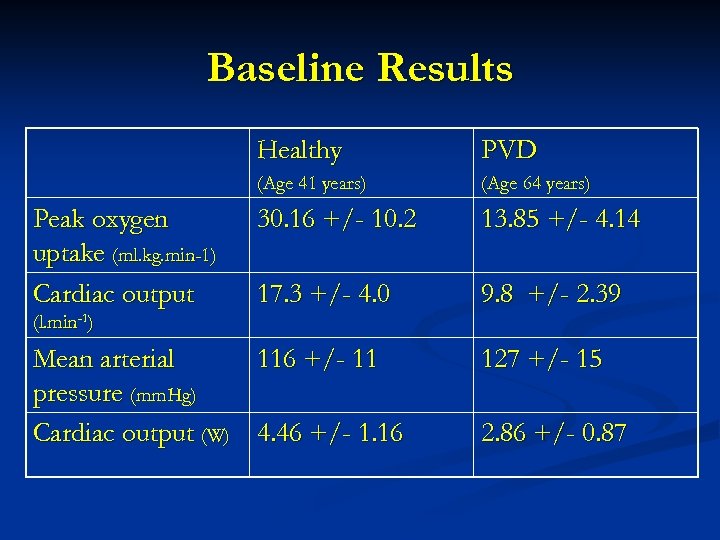 Baseline Results Healthy (Age 41 years) Peak oxygen uptake (ml. kg. min-1) Cardiac output PVD (Age 64 years) 30. 16 +/- 10. 2 13. 85 +/- 4. 14 17. 3 +/- 4. 0 9. 8 +/- 2. 39 (l. min-1) Mean arterial 116 +/- 11 pressure (mm. Hg) Cardiac output (W) 4. 46 +/- 1. 16 127 +/- 15 2. 86 +/- 0. 87
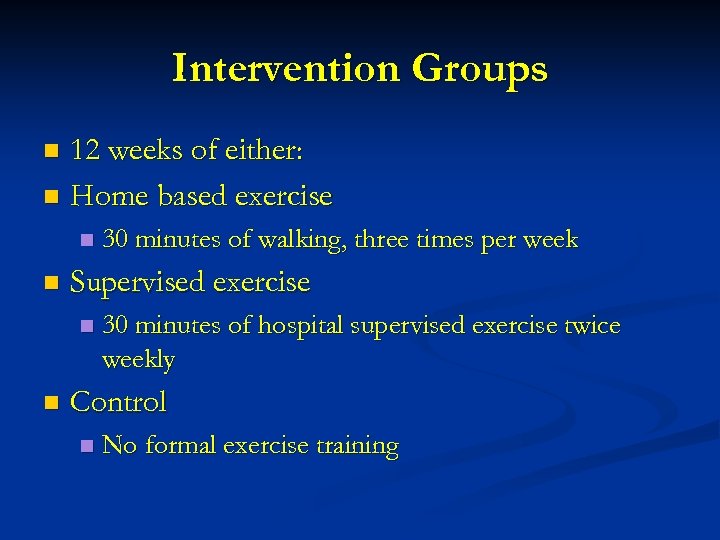 Intervention Groups 12 weeks of either: n Home based exercise n n n Supervised exercise n n 30 minutes of walking, three times per week 30 minutes of hospital supervised exercise twice weekly Control n No formal exercise training
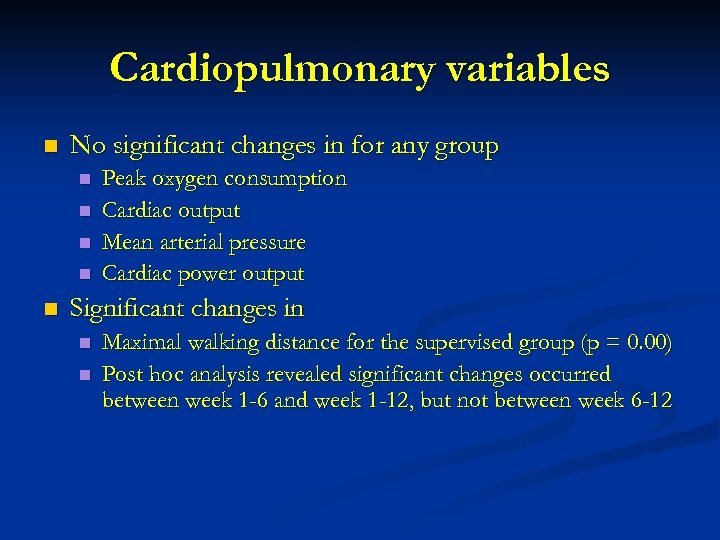 Cardiopulmonary variables n No significant changes in for any group n n n Peak oxygen consumption Cardiac output Mean arterial pressure Cardiac power output Significant changes in n n Maximal walking distance for the supervised group (p = 0. 00) Post hoc analysis revealed significant changes occurred between week 1 -6 and week 1 -12, but not between week 6 -12
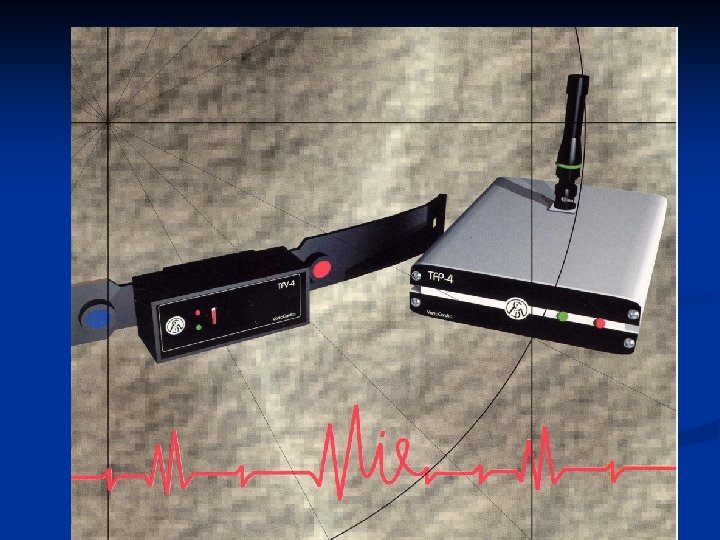
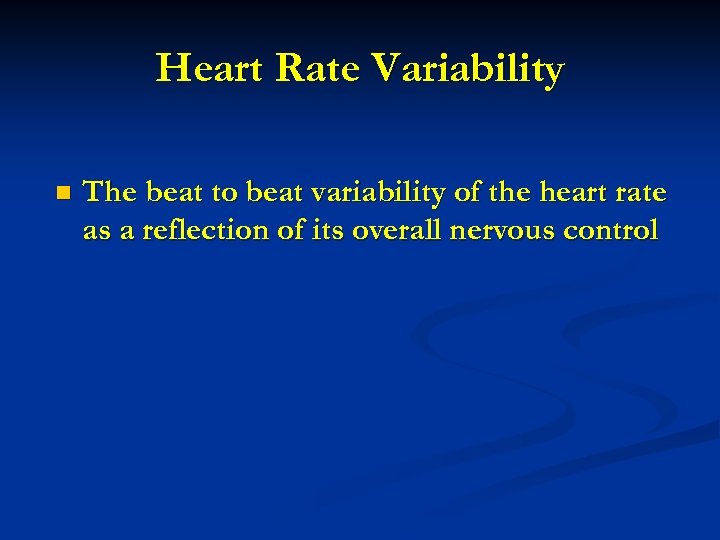 Heart Rate Variability n The beat to beat variability of the heart rate as a reflection of its overall nervous control
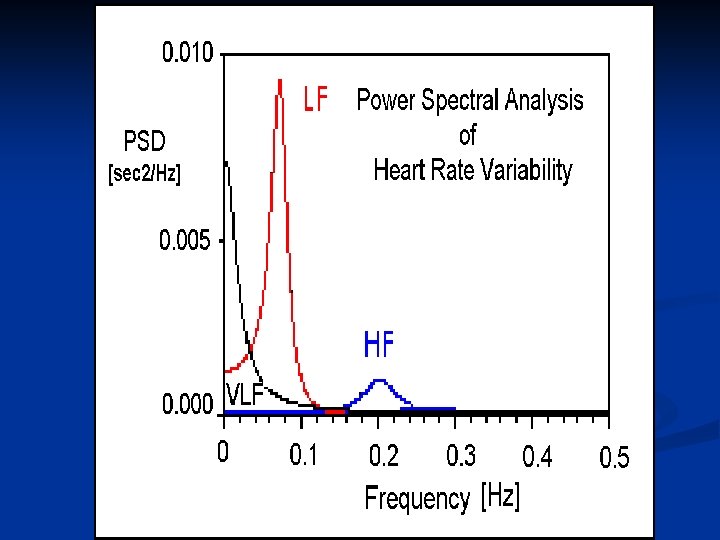
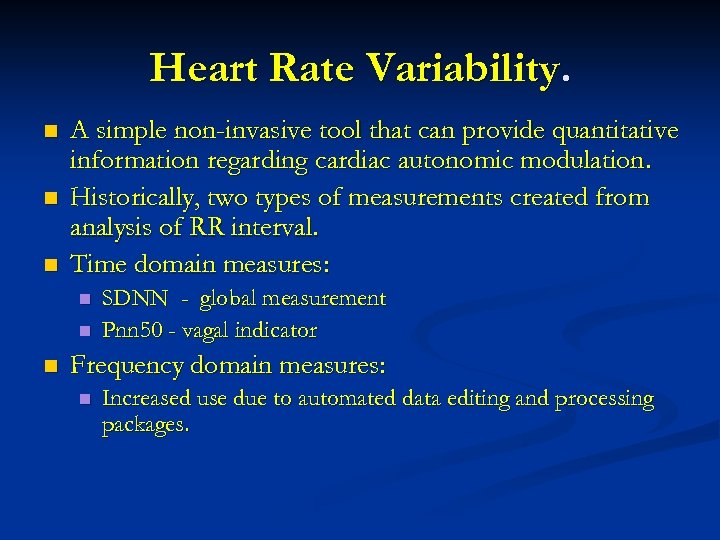 Heart Rate Variability. n n n A simple non-invasive tool that can provide quantitative information regarding cardiac autonomic modulation. Historically, two types of measurements created from analysis of RR interval. Time domain measures: n n n SDNN - global measurement Pnn 50 - vagal indicator Frequency domain measures: n Increased use due to automated data editing and processing packages.
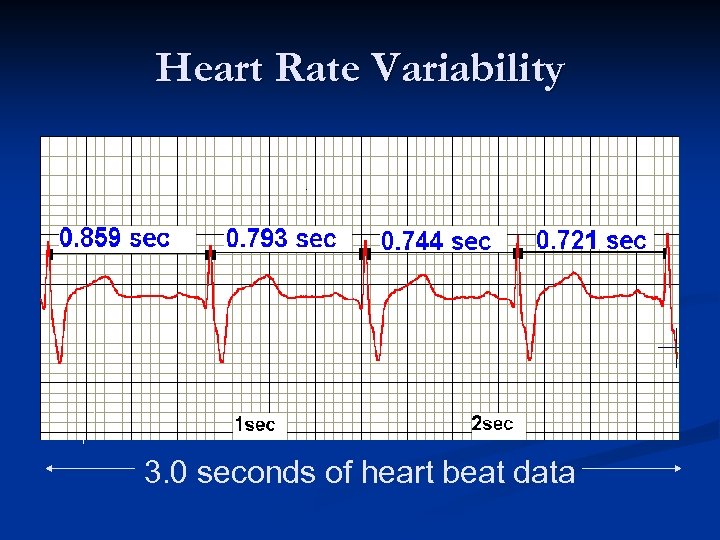 Heart Rate Variability 3. 0 seconds of heart beat data
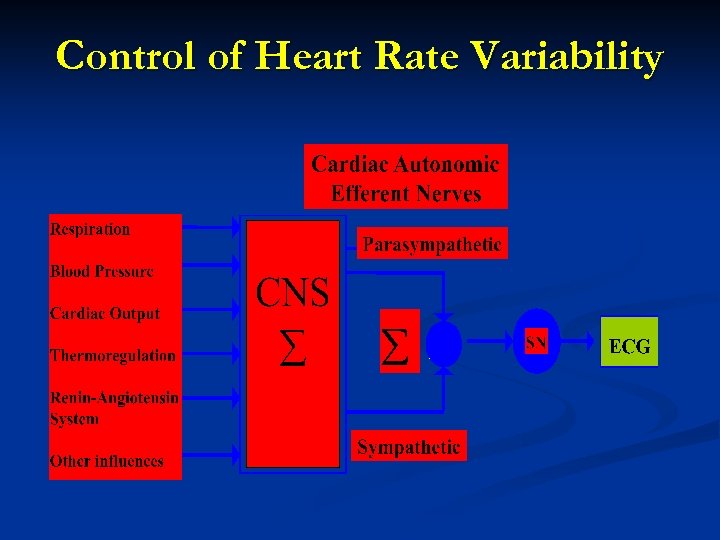 Control of Heart Rate Variability
 Past/Current Applications of HRV Healthy subjects at rest n Healthy subjects during exercise (steady state) n PVD patients at rest n Post MI patients during incremental exercise n
 Current/Future Applications of HRV LVAD (explanted) patients n Chronic heart failure patients n Healthy, age-matched controls n Dynamic analysis of non-stationary tachograms via wavelet analysis n Post MI patients during cardiac rehab. exercise classes n
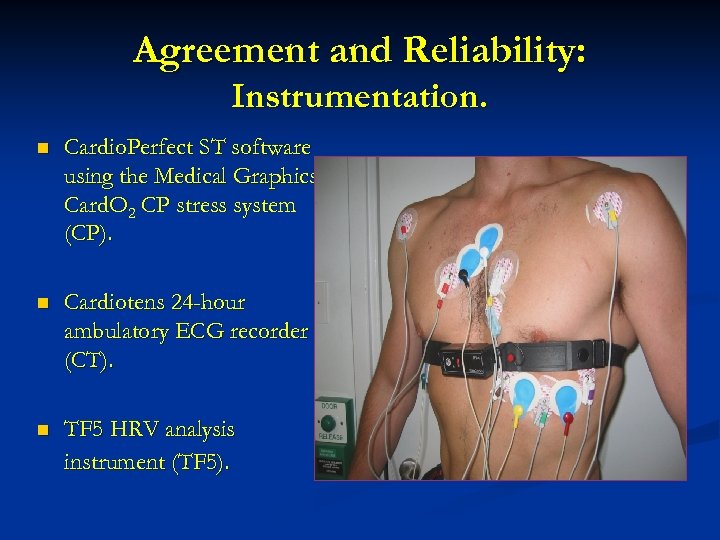 Agreement and Reliability: Instrumentation. n Cardio. Perfect ST software using the Medical Graphics Card. O 2 CP stress system (CP). n Cardiotens 24 -hour ambulatory ECG recorder (CT). n TF 5 HRV analysis instrument (TF 5).
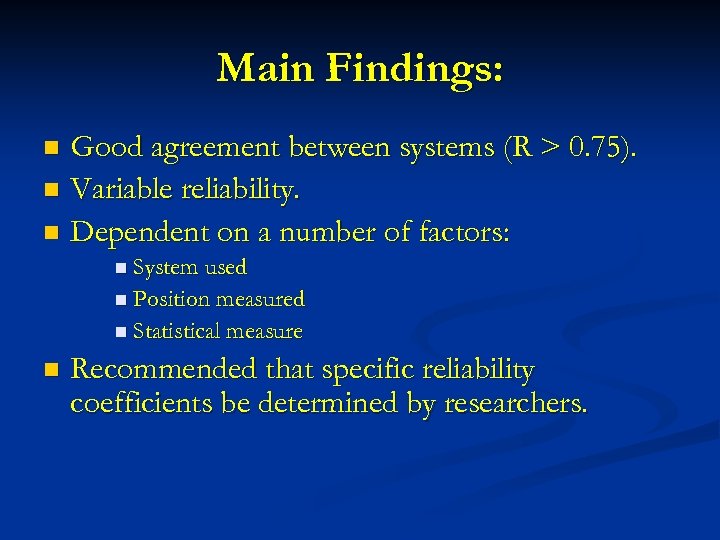 Main Findings: Good agreement between systems (R > 0. 75). n Variable reliability. n Dependent on a number of factors: n n System used n Position measured n Statistical measure n Recommended that specific reliability coefficients be determined by researchers.
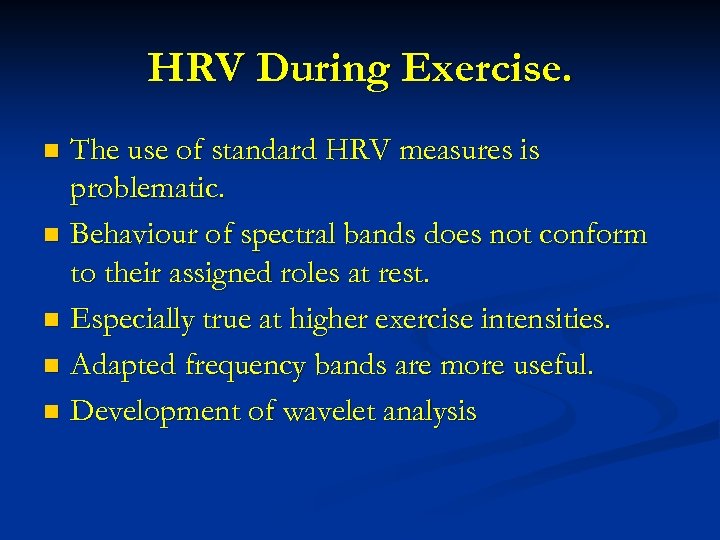 HRV During Exercise. The use of standard HRV measures is problematic. n Behaviour of spectral bands does not conform to their assigned roles at rest. n Especially true at higher exercise intensities. n Adapted frequency bands are more useful. n Development of wavelet analysis n
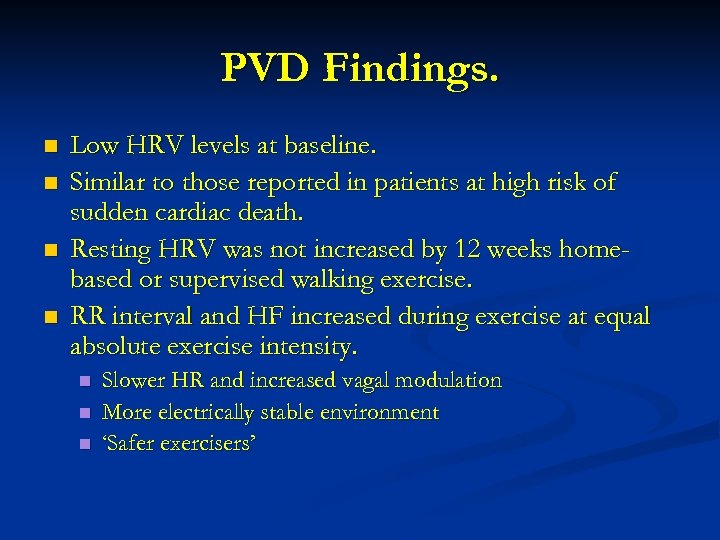 PVD Findings. n n Low HRV levels at baseline. Similar to those reported in patients at high risk of sudden cardiac death. Resting HRV was not increased by 12 weeks homebased or supervised walking exercise. RR interval and HF increased during exercise at equal absolute exercise intensity. n n n Slower HR and increased vagal modulation More electrically stable environment ‘Safer exercisers’
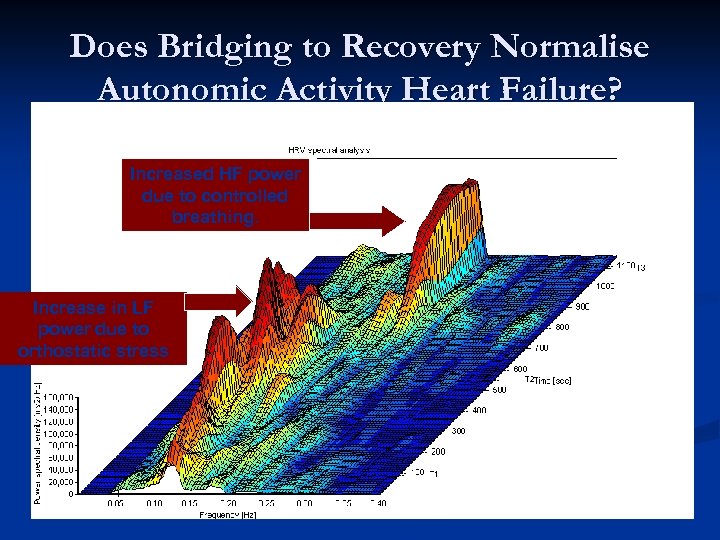 Does Bridging to Recovery Normalise Autonomic Activity Heart Failure? Increased HF power due to controlled breathing. Increase in LF power due to orthostatic stress Standing Supine
 Exercise, the best medicine in the world
 Benefits of Exercise - 1 § Cancer - certain types (colon, breast & reproductive tract)

 Benefits of Exercise - 1 § Cancer - certain types (colon, breast & reproductive tract) § Diabetes - improved sensitivity of muscles to insulin - reduced risk of development in middle age
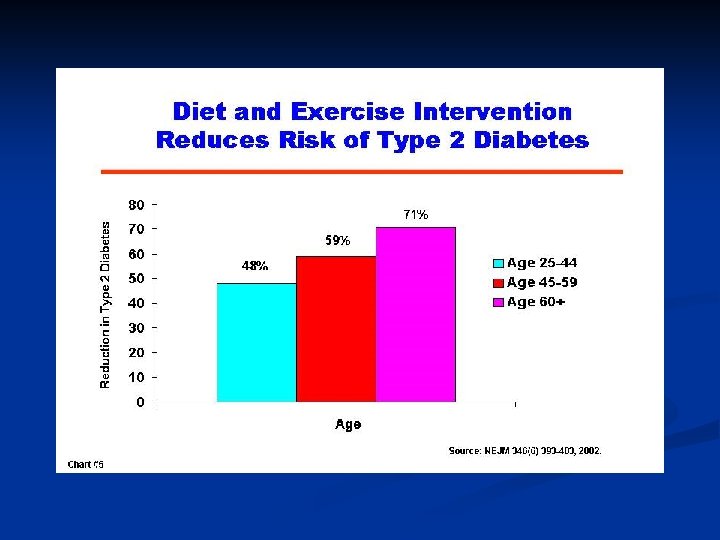
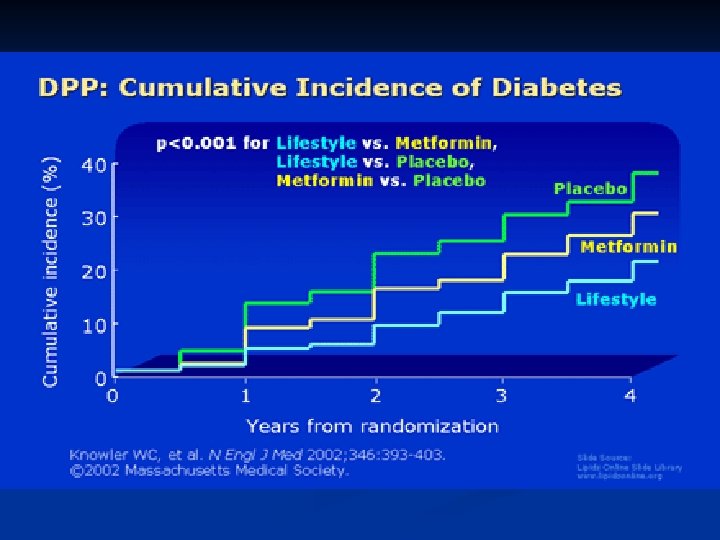
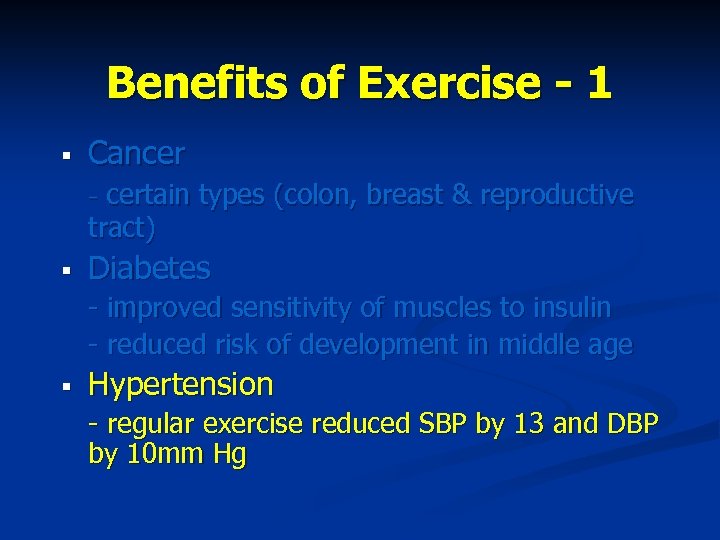 Benefits of Exercise - 1 § Cancer - certain types (colon, breast & reproductive tract) § Diabetes - improved sensitivity of muscles to insulin - reduced risk of development in middle age § Hypertension - regular exercise reduced SBP by 13 and DBP by 10 mm Hg
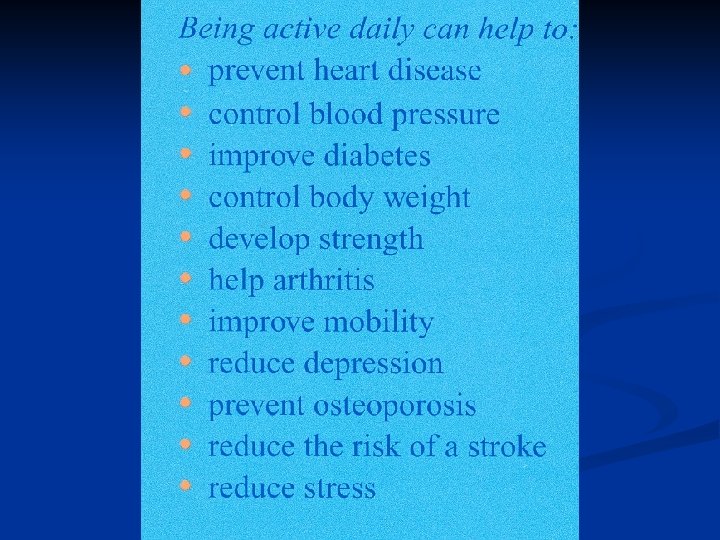
 Benefits of Exercise - 2 § Coronary Artery Disease - halve the risk - increases HDL cholesterol
 Benefits of Exercise - 2 § § Coronary Artery Disease - halve the risk - increases HDL cholesterol Arthritis - improved level of mobility in sufferers
 Benefits of Exercise - 2 § § § Coronary Artery Disease - halve the risk - increases HDL cholesterol Arthritis - improved level of mobility in sufferers Obesity - regular exercise results in fat loss of 0. 5 kg per week
 Benefits of Exercise - 2 § § Coronary Artery Disease - halve the risk - increases HDL cholesterol Arthritis - improved level of mobility in sufferers Obesity - regular exercise results in fat loss of 0. 5 kg per week Stroke - reduced risk by x 3 with regular therapy
 Benefits of Exercise - 3 § Depression - equal to one form of psychotherapy & superior to another in treatment of moderate depression - equally effective as time limited and time unlimited psychotherapy, meditation-relaxation & group psychotherapy
 Benefits of Exercise - 3 § § Depression - equal to one form of psychotherapy & superior to another in treatment of moderate depression - equally effective as time limited and time unlimited psychotherapy, meditation-relaxation & group psychotherapy Anxiety - lowered levels
 Benefits of Exercise - 4 § Osteoporosis - reduction in hip fractures by 50% - 4. 2% increase in midshaft radius bone mineral content (2% in controls)
 Benefits of Exercise - 4 § Osteoporosis - reduction in hip fractures by 50% (E) - 4. 2% increase in midshaft radius bone mineral content (2% in controls) § Intermittent Claudication - better outcome than arterial reconstruction
 Benefits of Exercise - 4 § Osteoporosis - reduction in hip fractures by 50% (E) - 4. 2% increase in midshaft radius bone mineral content (2% in controls) § Intermittent Claudication - better outcome than arterial reconstruction § Behavioural Benefits - higher abstinence rates in alcohol treatment - dose response relationship with smoking
 Benefits of Exercise - 5 § Back Pain - weak association with reduced back pain - no evidence of prevention - decreased absenteeism from low back pain in those using therapy regularly
 Benefits of Exercise - 5 § § Back Pain - weak association with reduced back pain - no evidence of prevention - decreased absenteeism from low back pain in those using therapy regularly Multiple Sclerosis - daily therapy maintains remission
 Benefits of Exercise - 5 § § § Back Pain - weak association with reduced back pain - no evidence of prevention - decreased absenteeism from low back pain in those using therapy regularly Multiple Sclerosis - daily therapy maintains remission Alzheimer’s disease - reduction by 50%
 So why isn’t everyone exercising?
 Is it necessary in China compared with the West?
 Is it necessary in China compared with the West? Rural to urban economy One child family Mac. Donalds
 So why isn’t everyone exercising? n I’m too fat
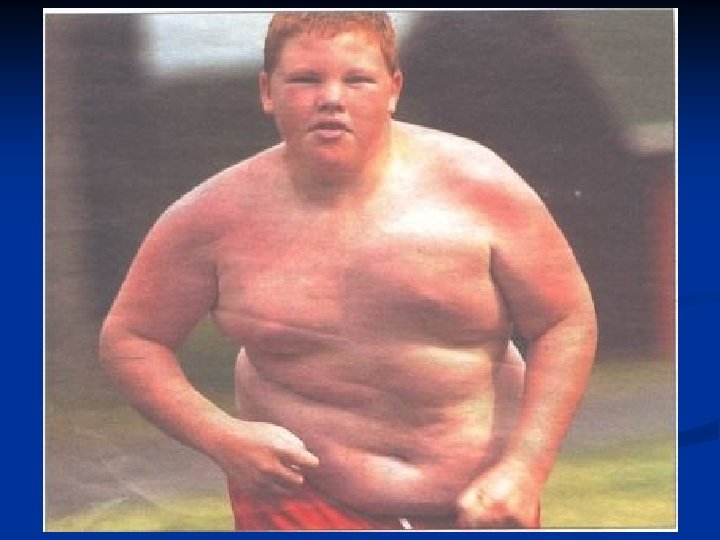
 So why isn’t everyone exercising? I’m too fat n I might get injured n
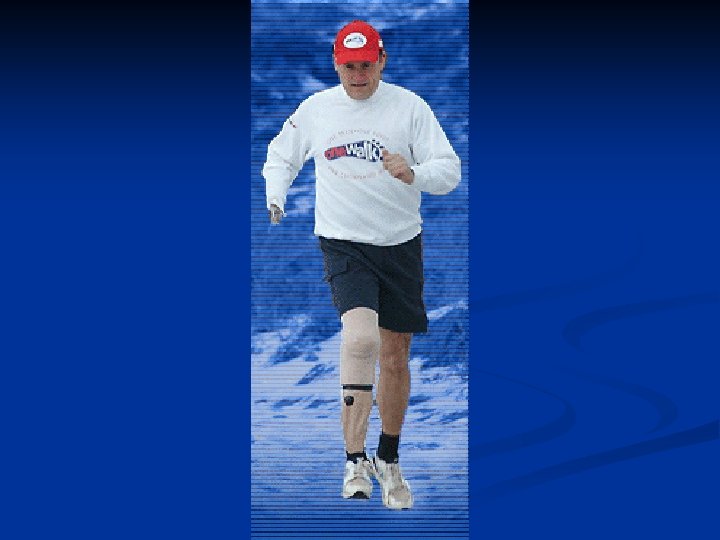
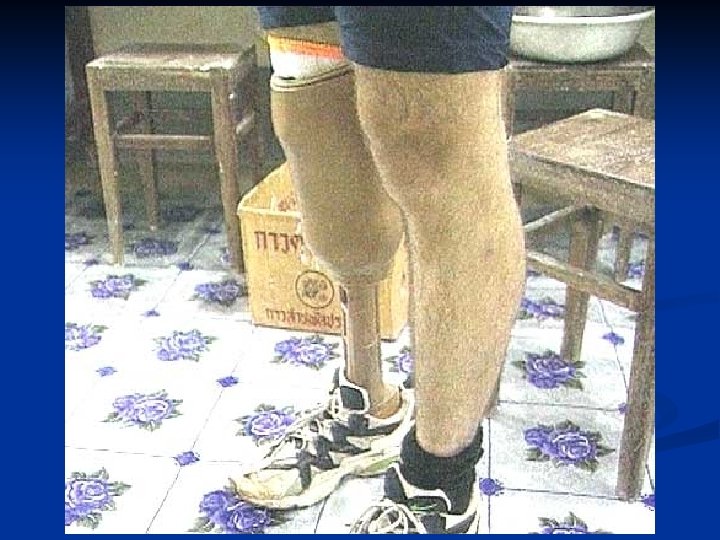
 So why isn’t everyone exercising? I’m too fat n I might get injured n I’m too old n
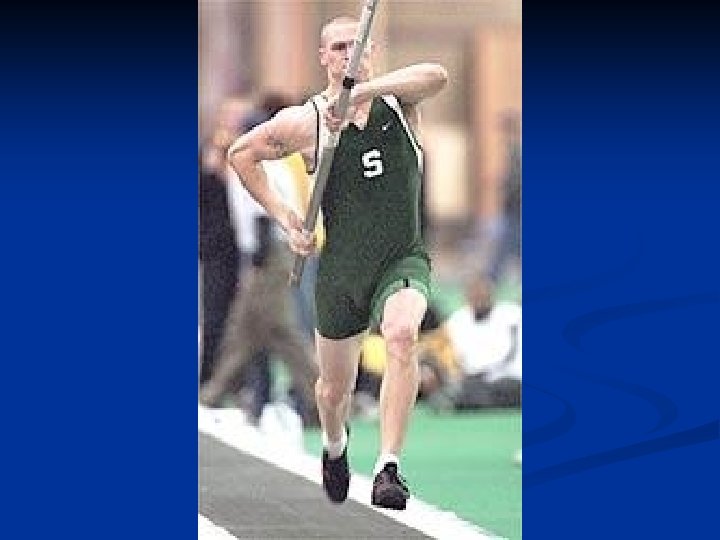
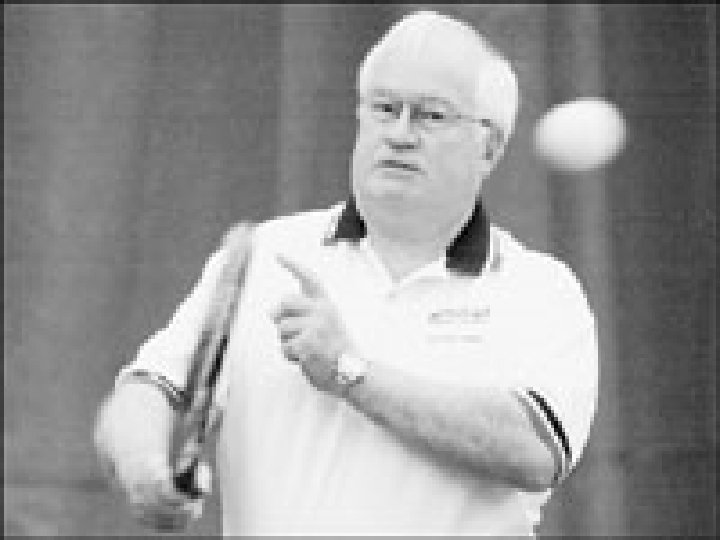
 So why isn’t everyone exercising? I’m too fat n I might get injured n I’m too old n I might get cold n
 So why isn’t everyone exercising? I’m too fat n I might get injured n I’m too old n I might get cold n I might get wet and muddy n
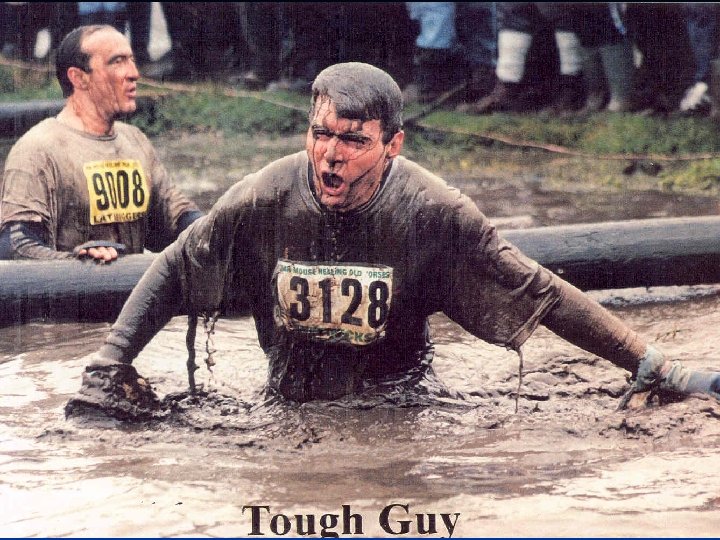
 So why isn’t everyone exercising? I’m too fat n I might get injured n I’m too old n I might get cold n I might get wet and muddy n I’m too busy n
 So why isn’t everyone exercising? I’m too fat n I might get injured n I’m too old n I might get cold n I might get wet and muddy n I’m too busy n I’ve young children to look after n

 So why isn’t everyone exercising? I’m too fat n I might get injured n I’m too old n I might get cold n I might get wet and muddy n I’m too busy n I’ve young children to look after n I haven’t the right clothes n
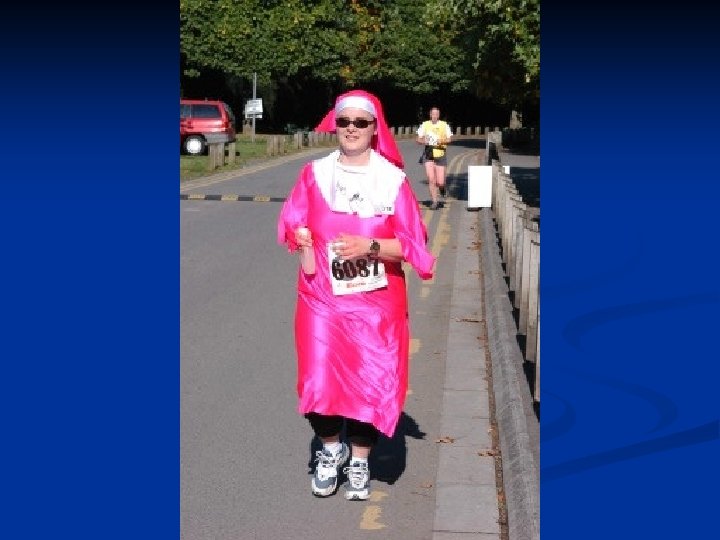
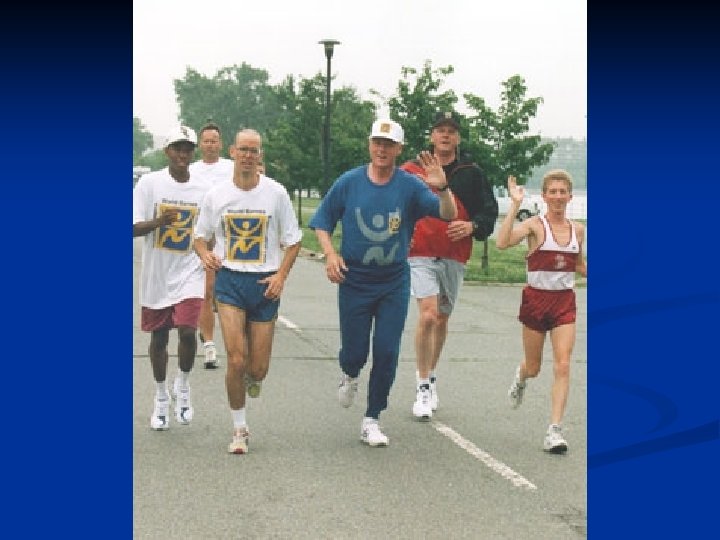
 So why isn’t everyone exercising? n n n n n I’m too fat I might get injured I’m too old I might get cold I might get wet and muddy I’m too busy I’ve young children to look after I haven’t the right clothes I’ve no one to exercise with
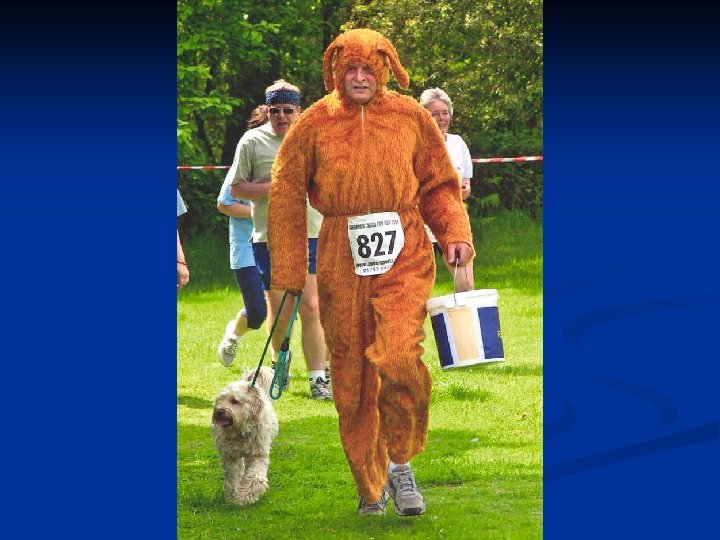
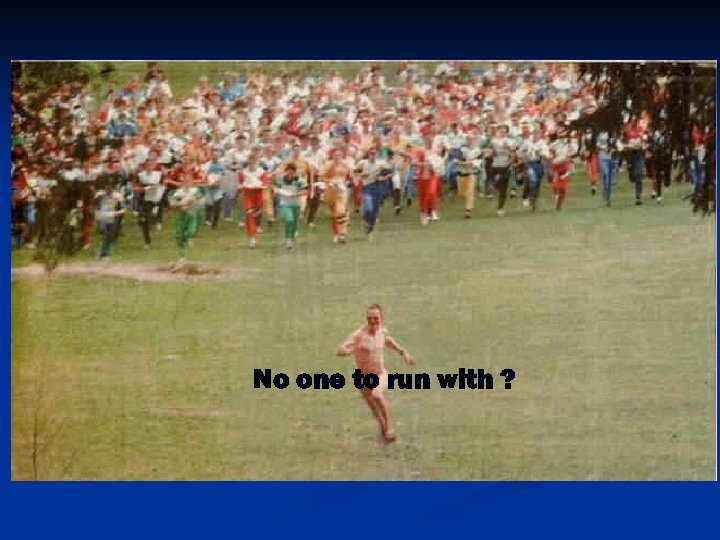 No one to run with ?
 Themes
 Themes n Clinical applications of research into cardiovascular health
 Themes Clinical applications of research into body composition and cardiovascular health n Benefits of exercise n
 Themes Clinical applications of research into body composition and cardiovascular health n Benefits of exercise n Equipment development and validation n
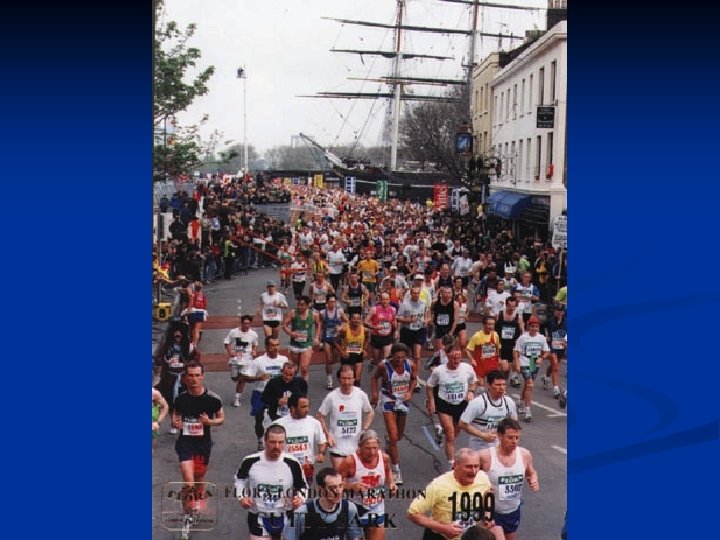
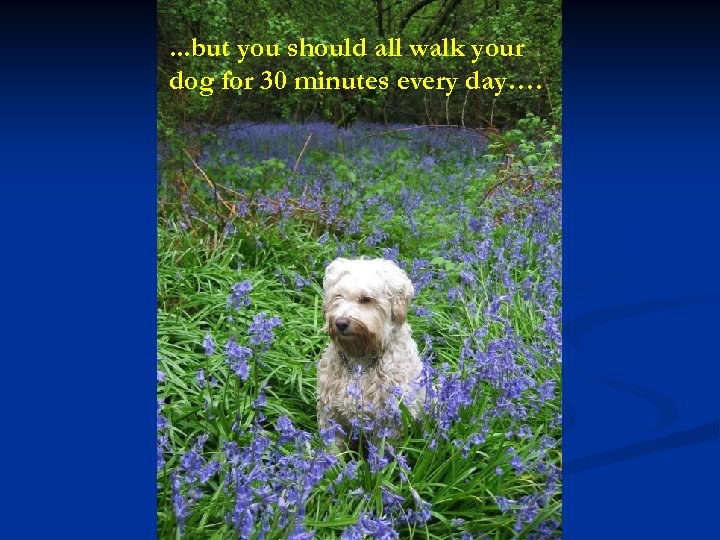 . . . but you should all walk your dog for 30 minutes every day….
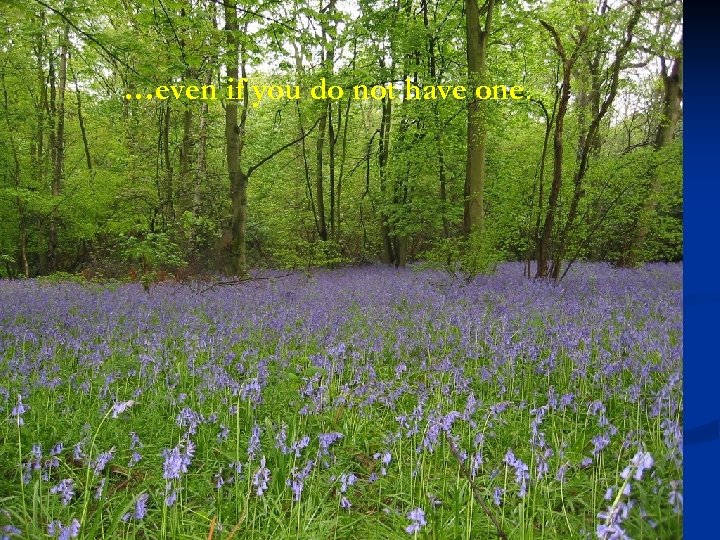 …even if you do not have one.
 ………and finally,
 Thank you all for listening to big nose and panda eyes so patiently.