


 Скачать презентацию Европейская интеграция и Европейский Союз ЕС The
L E C T U R E (EU) 10.02.2017.ppt
- Количество слайдов: 45
 Европейская интеграция и Европейский Союз (ЕС)
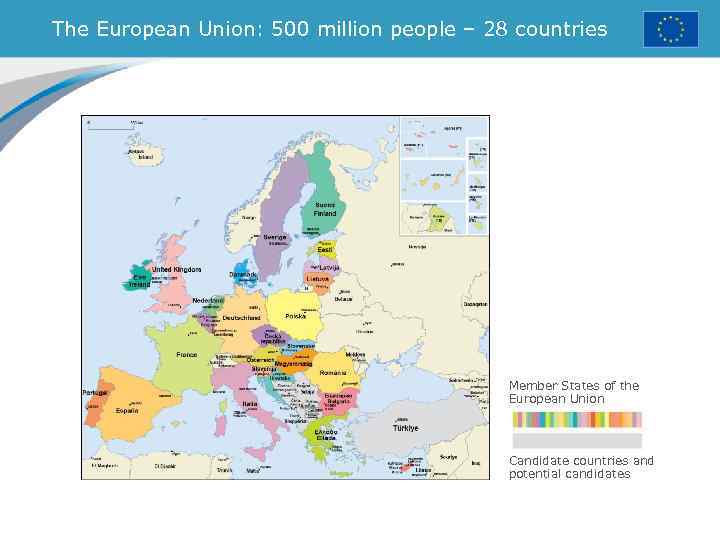 The European Union: 500 million people – 28 countries Member States of the European Union Candidate countries and potential candidates
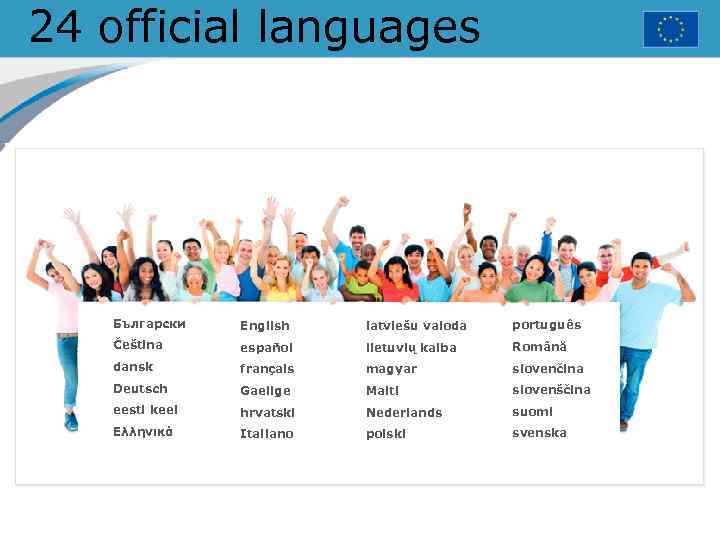 24 official languages Български English latviešu valoda português Čeština español lietuvių kalba Română dansk français magyar slovenčina Deutsch Gaeilge Malti slovenščina eesti keel hrvatski Nederlands suomi Ελληνικά Italiano polski svenska
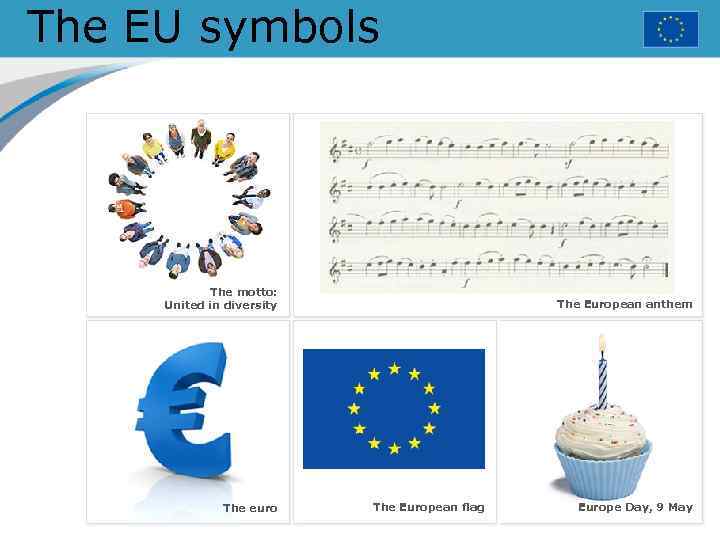 The EU symbols The motto: United in diversity The euro The European anthem The European flag Europe Day, 9 May
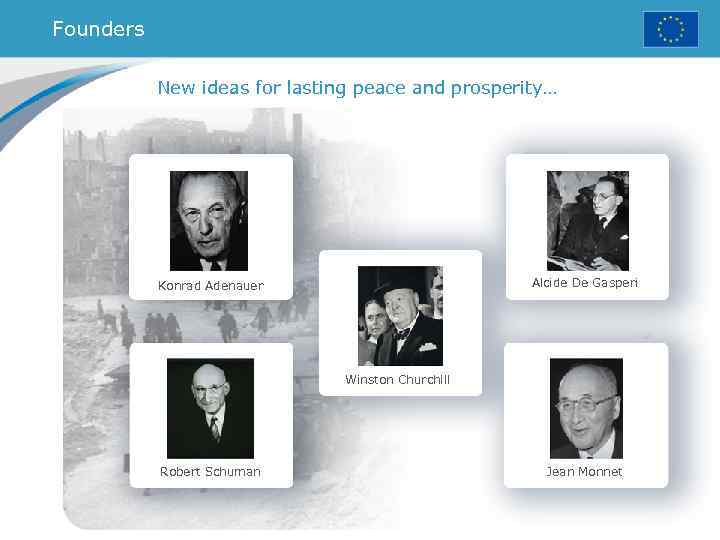 Founders New ideas for lasting peace and prosperity… Alcide De Gasperi Konrad Adenauer Winston Churchill Robert Schuman Jean Monnet
 Этапы европейской интеграции • 9 мая 1950 г. - Декларация Шумана • Баланс политических, экономических и социальных мотивов • Политическое спонсорство США в деле улучшения отношений между Францией и Западной Германией • 18 апреля 1951 г. – Парижский договор и создание Европейского объединения угля и стали (ЕОУС) • Франция, ФРГ, Бельгия, Нидерланды, Люксембург, Италия • Наднациональность • Правосубъектность сообщества • Договор заключен на 50 лет. Срок действия истек в 2002 г. После 2002 г. функции ЕОУС перешли к ЕЭС • Отраслевая цель – создание общего рынка угля и стали (создан в 1953 г. )
 Этапы европейской интеграции • План Шумана и ЕОУС • Институты • Август 1952 г. – начало работы Высшего руководящего органа • Право инициативы • Совет министров • Отказ от принципа единогласия • Суд • Парламентская Ассамблея • Принципы • Превосходство институтов • Независимость органов Сообщества • Межинституциональное сотрудничество в рамках единой системы принятия решений • Равенство государств
 • «Каждый человек накапливает свой опыт самостоятельно с самого начала. Одни лишь институты становятся мудрее: они накапливают коллективный опыт. Благодаря этому опыту и этой мудрости люди, действующие в рамках одних и тех же правил, не увидят изменений в их собственной натуре, но вместе с тем их поведение будет постепенно меняться» Жан Монне
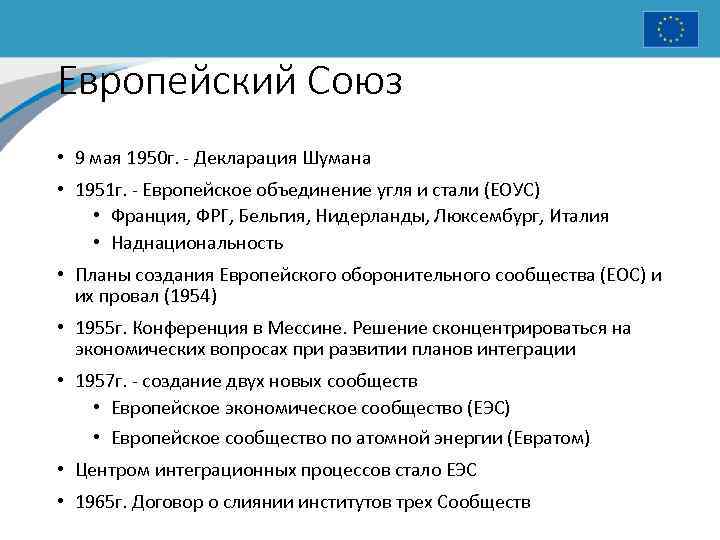 Европейский Союз • 9 мая 1950 г. - Декларация Шумана • 1951 г. - Европейское объединение угля и стали (ЕОУС) • Франция, ФРГ, Бельгия, Нидерланды, Люксембург, Италия • Наднациональность • Планы создания Европейского оборонительного сообщества (ЕОС) и их провал (1954) • 1955 г. Конференция в Мессине. Решение сконцентрироваться на экономических вопросах при развитии планов интеграции • 1957 г. - создание двух новых сообществ • Европейское экономическое сообщество (ЕЭС) • Европейское сообщество по атомной энергии (Евратом) • Центром интеграционных процессов стало ЕЭС • 1965 г. Договор о слиянии институтов трех Сообществ
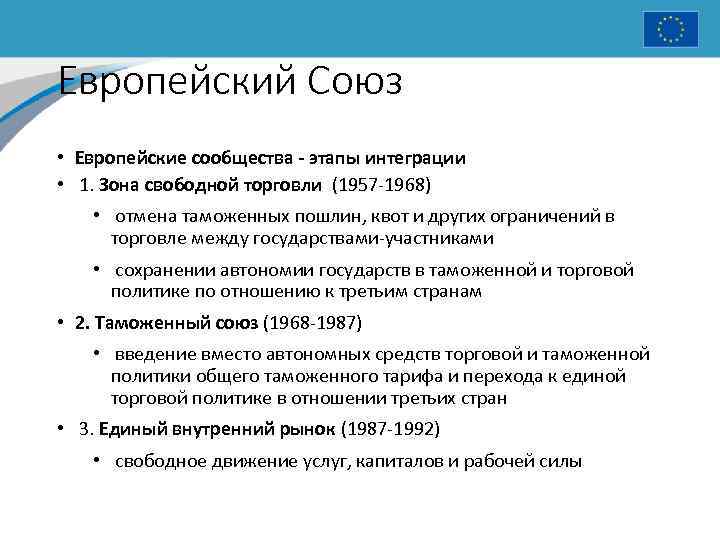 Европейский Союз • Европейские сообщества - этапы интеграции • 1. Зона свободной торговли (1957 -1968) • отмена таможенных пошлин, квот и других ограничений в торговле между государствами-участниками • сохранении автономии государств в таможенной и торговой политике по отношению к третьим странам • 2. Таможенный союз (1968 -1987) • введение вместо автономных средств торговой и таможенной политики общего таможенного тарифа и перехода к единой торговой политике в отношении третьих стран • 3. Единый внутренний рынок (1987 -1992) • свободное движение услуг, капиталов и рабочей силы
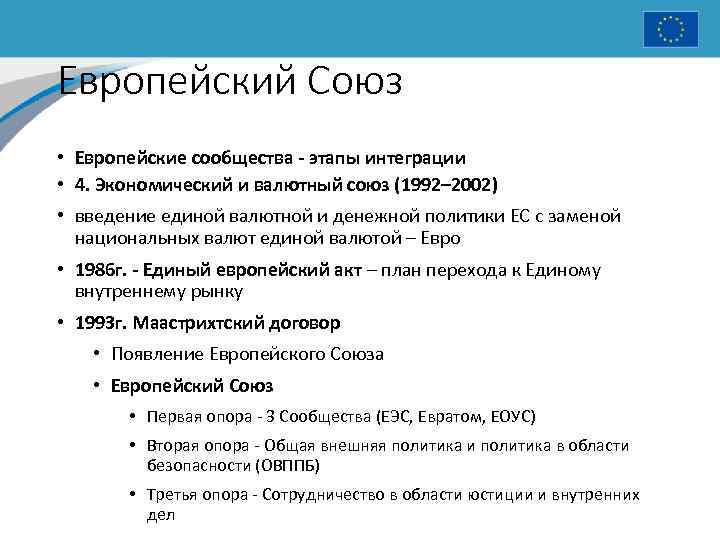 Европейский Союз • Европейские сообщества - этапы интеграции • 4. Экономический и валютный союз (1992– 2002) • введение единой валютной и денежной политики ЕС с заменой национальных валют единой валютой – Евро • 1986 г. - Единый европейский акт – план перехода к Единому внутреннему рынку • 1993 г. Маастрихтский договор • Появление Европейского Союза • Европейский Союз • Первая опора - 3 Сообщества (ЕЭС, Евратом, ЕОУС) • Вторая опора - Общая внешняя политика и политика в области безопасности (ОВППБ) • Третья опора - Сотрудничество в области юстиции и внутренних дел
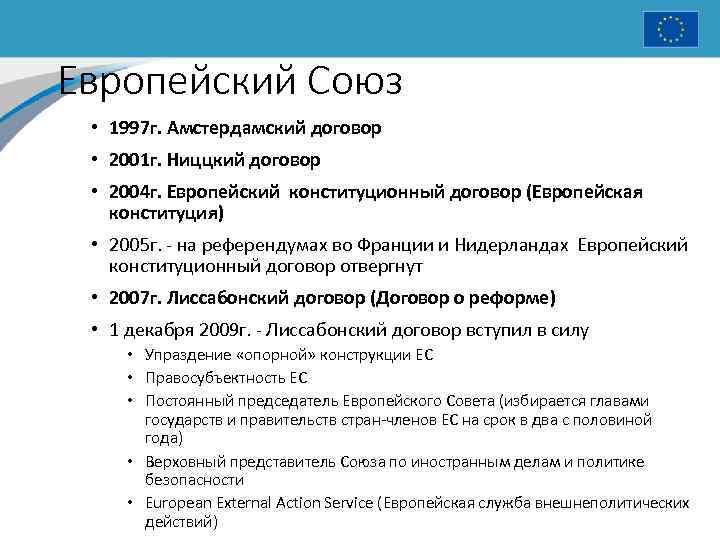 Европейский Союз • 1997 г. Амстердамский договор • 2001 г. Ниццкий договор • 2004 г. Европейский конституционный договор (Европейская конституция) • 2005 г. - на референдумах во Франции и Нидерландах Европейский конституционный договор отвергнут • 2007 г. Лиссабонский договор (Договор о реформе) • 1 декабря 2009 г. - Лиссабонский договор вступил в силу • Упраздение «опорной» конструкции ЕС • Правосубъектность ЕС • Постоянный председатель Европейского Совета (избирается главами государств и правительств стран-членов ЕС на срок в два с половиной года) • Верховный представитель Союза по иностранным делам и политике безопасности • European External Action Service (Европейская служба внешнеполитических действий)
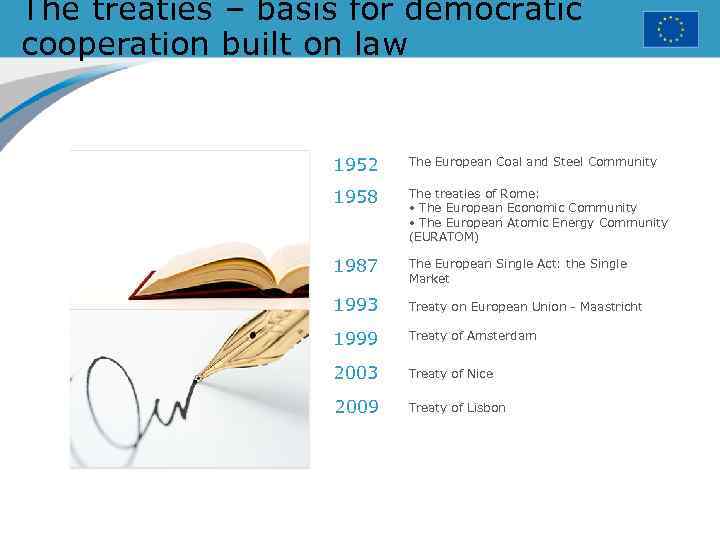 The treaties – basis for democratic cooperation built on law 1952 The European Coal and Steel Community 1958 The treaties of Rome: • The European Economic Community • The European Atomic Energy Community (EURATOM) 1987 The European Single Act: the Single Market 1993 Treaty on European Union - Maastricht 1999 Treaty of Amsterdam 2003 Treaty of Nice 2009 Treaty of Lisbon
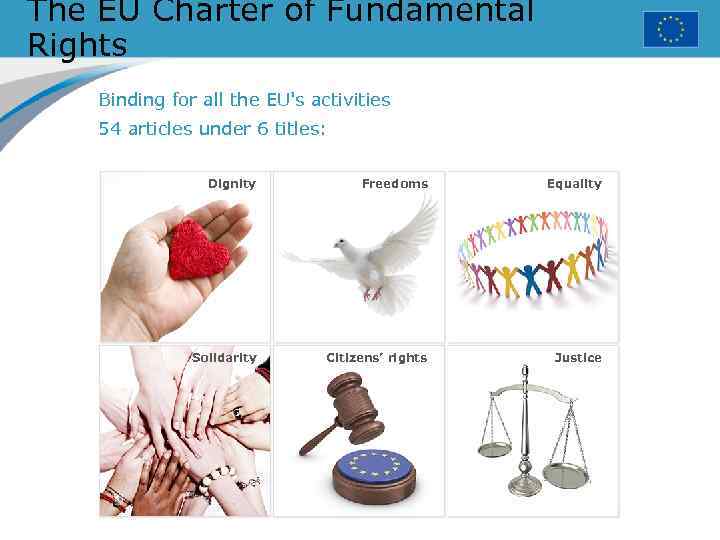 The EU Charter of Fundamental Rights Binding for all the EU's activities 54 articles under 6 titles: Dignity Freedoms Equality Solidarity Citizens’ rights Justice
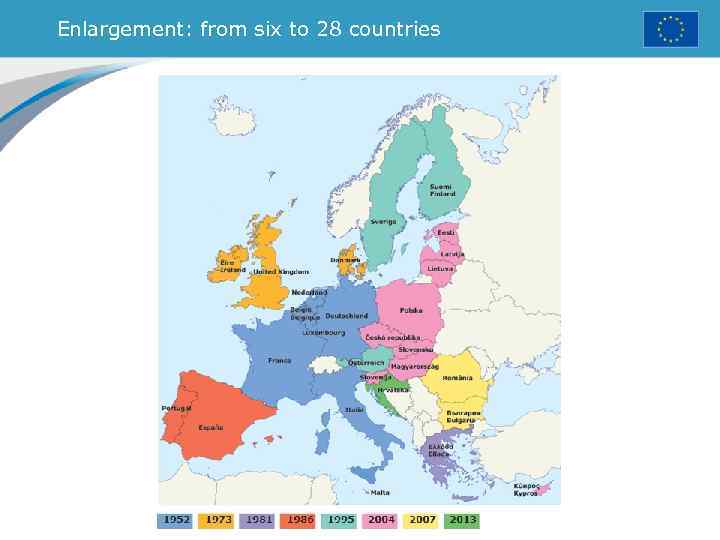 Enlargement: from six to 28 countries
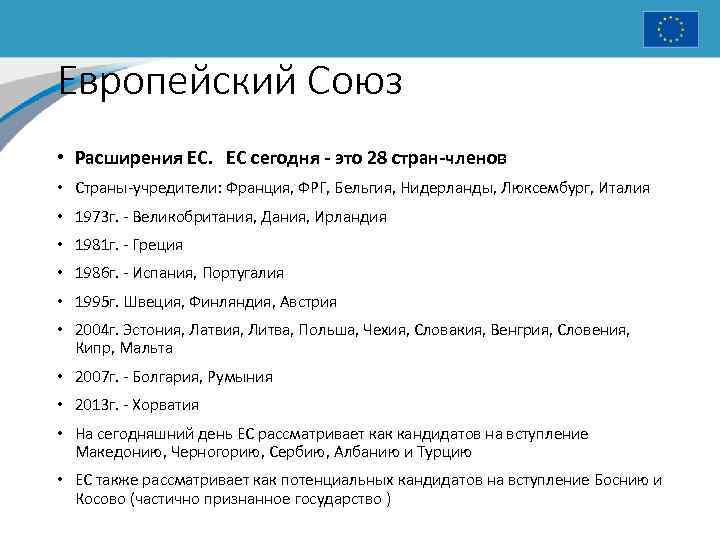 Европейский Союз • Расширения ЕС. ЕС сегодня - это 28 стран-членов • Страны-учредители: Франция, ФРГ, Бельгия, Нидерланды, Люксембург, Италия • 1973 г. - Великобритания, Дания, Ирландия • 1981 г. - Греция • 1986 г. - Испания, Португалия • 1995 г. Швеция, Финляндия, Австрия • 2004 г. Эстония, Латвия, Литва, Польша, Чехия, Словакия, Венгрия, Словения, Кипр, Мальта • 2007 г. - Болгария, Румыния • 2013 г. - Хорватия • На сегодняшний день ЕС рассматривает как кандидатов на вступление Македонию, Черногорию, Сербию, Албанию и Турцию • ЕС также рассматривает как потенциальных кандидатов на вступление Боснию и Косово (частично признанное государство )
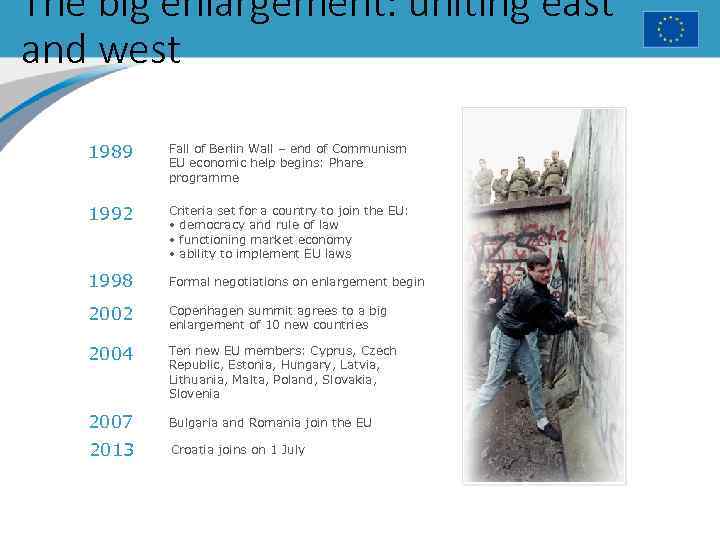 The big enlargement: uniting east and west 1989 Fall of Berlin Wall – end of Communism EU economic help begins: Phare programme 1992 Criteria set for a country to join the EU: • democracy and rule of law • functioning market economy • ability to implement EU laws 1998 Formal negotiations on enlargement begin 2002 Copenhagen summit agrees to a big enlargement of 10 new countries 2004 Ten new EU members: Cyprus, Czech Republic, Estonia, Hungary, Latvia, Lithuania, Malta, Poland, Slovakia, Slovenia 2007 Bulgaria and Romania join the EU 2013 Croatia joins on 1 July
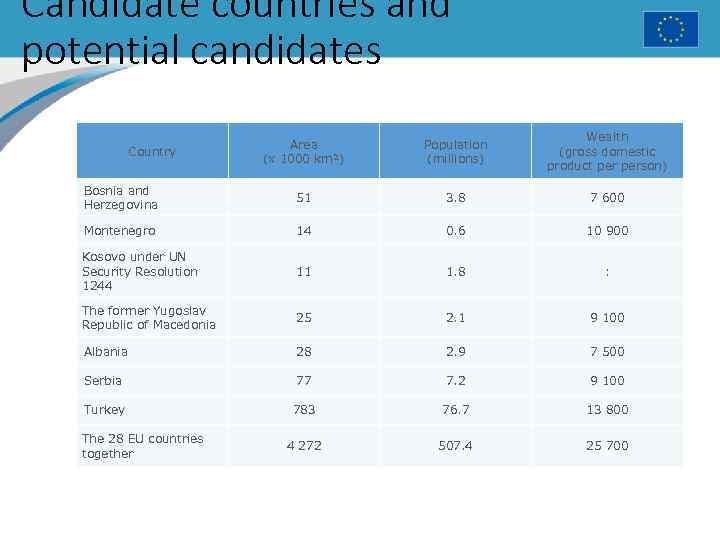 Candidate countries and potential candidates Area (x 1000 km²) Population (millions) Wealth (gross domestic product person) Bosnia and Herzegovina 51 3. 8 7 600 Montenegro 14 0. 6 10 900 Kosovo under UN Security Resolution 1244 11 1. 8 : The former Yugoslav Republic of Macedonia 25 2. 1 9 100 Albania 28 2. 9 7 500 Serbia 77 7. 2 9 100 Turkey 783 76. 7 13 800 4 272 507. 4 25 700 Country The 28 EU countries together
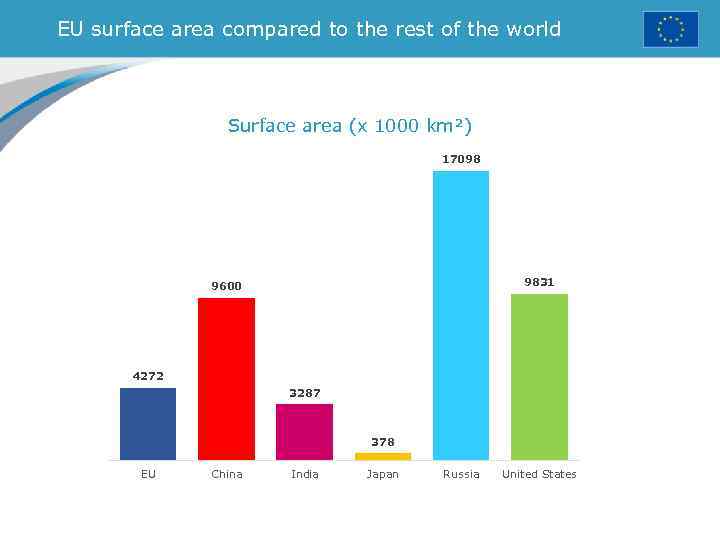 EU surface area compared to the rest of the world Surface area (x 1000 km²) 17098 9831 9600 4272 3287 378 EU China India Japan Russia United States
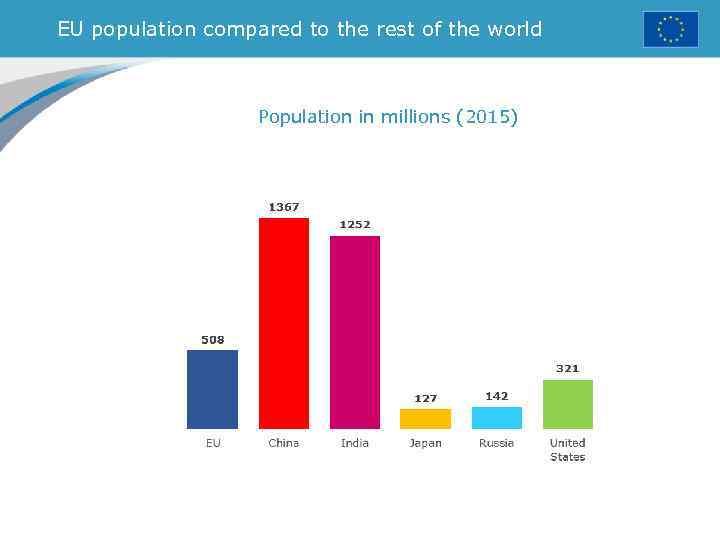 EU population compared to the rest of the world Population in millions (2015)
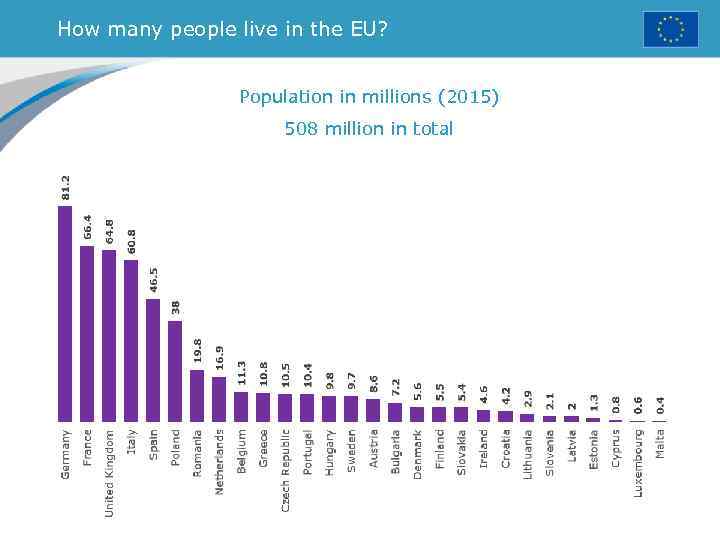 How many people live in the EU? Population in millions (2015) 508 million in total
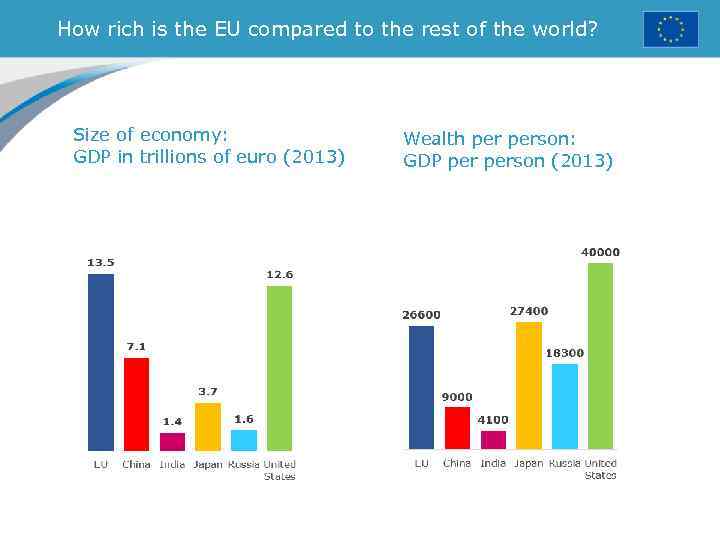 How rich is the EU compared to the rest of the world? Size of economy: GDP in trillions of euro (2013) Wealth person: GDP person (2013)
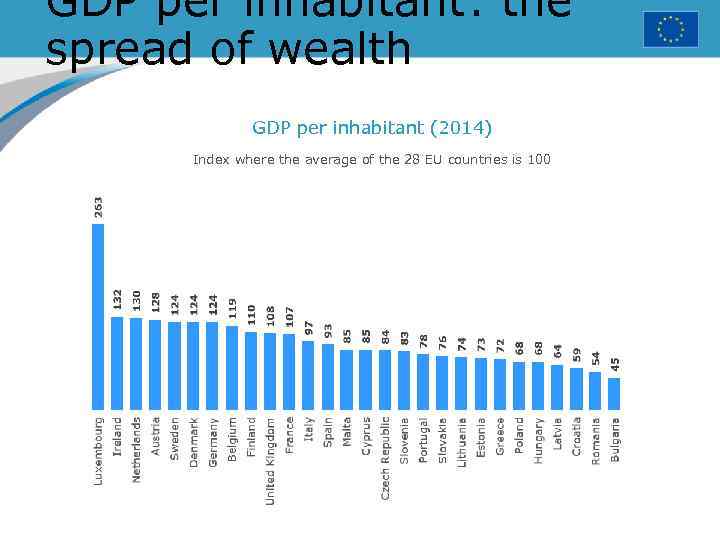 GDP per inhabitant: the spread of wealth GDP per inhabitant (2014) Index where the average of the 28 EU countries is 100
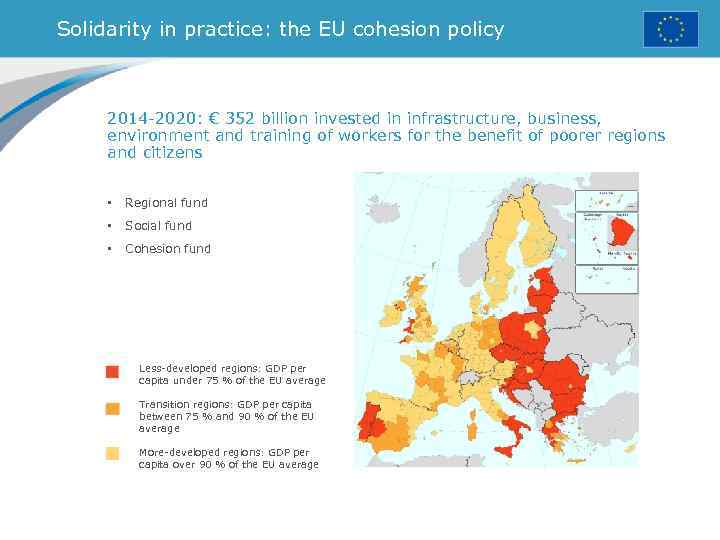 Solidarity in practice: the EU cohesion policy 2014 -2020: € 352 billion invested in infrastructure, business, environment and training of workers for the benefit of poorer regions and citizens • Regional fund • Social fund • Cohesion fund Less-developed regions: GDP per capita under 75 % of the EU average Transition regions: GDP per capita between 75 % and 90 % of the EU average More-developed regions: GDP per capita over 90 % of the EU average
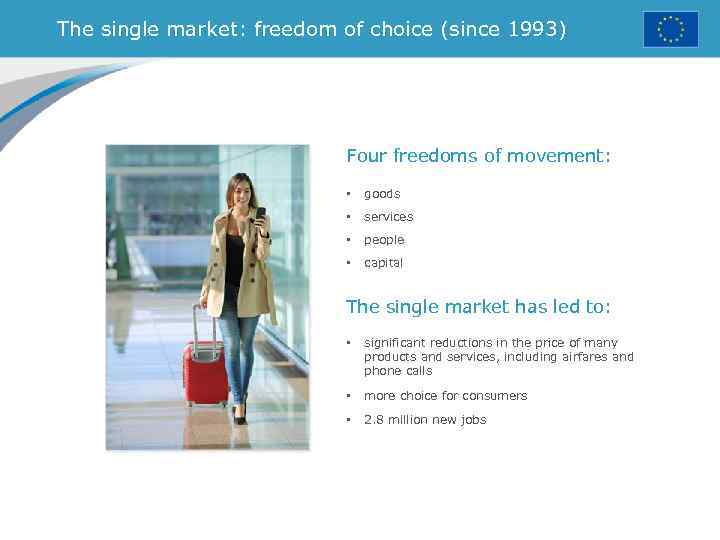 The single market: freedom of choice (since 1993) Four freedoms of movement: • goods • services • people • capital The single market has led to: • significant reductions in the price of many products and services, including airfares and phone calls • more choice for consumers • 2. 8 million new jobs
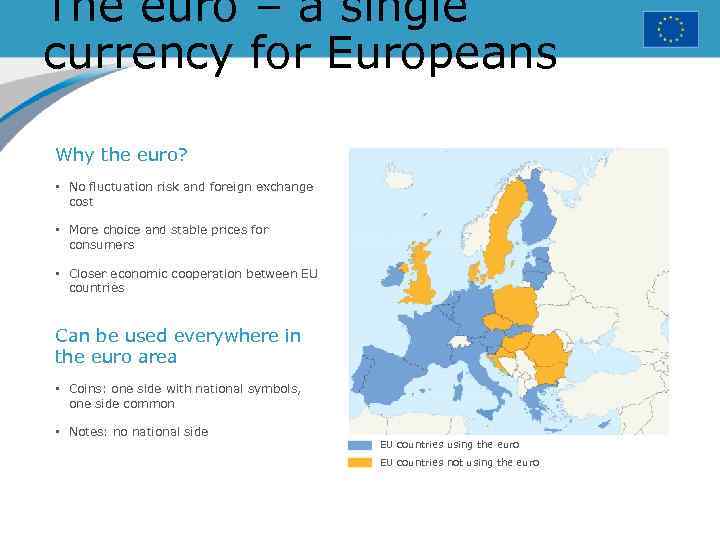 The euro – a single currency for Europeans Why the euro? • No fluctuation risk and foreign exchange cost • More choice and stable prices for consumers • Closer economic cooperation between EU countries Can be used everywhere in the euro area • Coins: one side with national symbols, one side common • Notes: no national side EU countries using the euro EU countries not using the euro
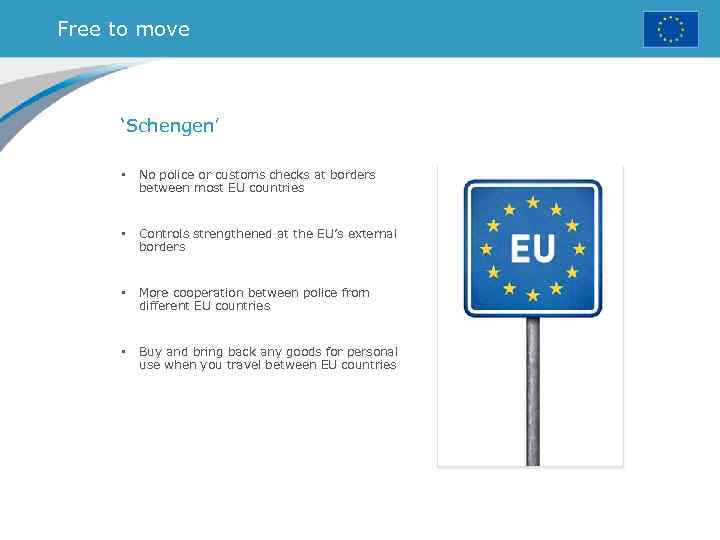 Free to move ‘Schengen’ • No police or customs checks at borders between most EU countries • Controls strengthened at the EU’s external borders • More cooperation between police from different EU countries • Buy and bring back any goods for personal use when you travel between EU countries
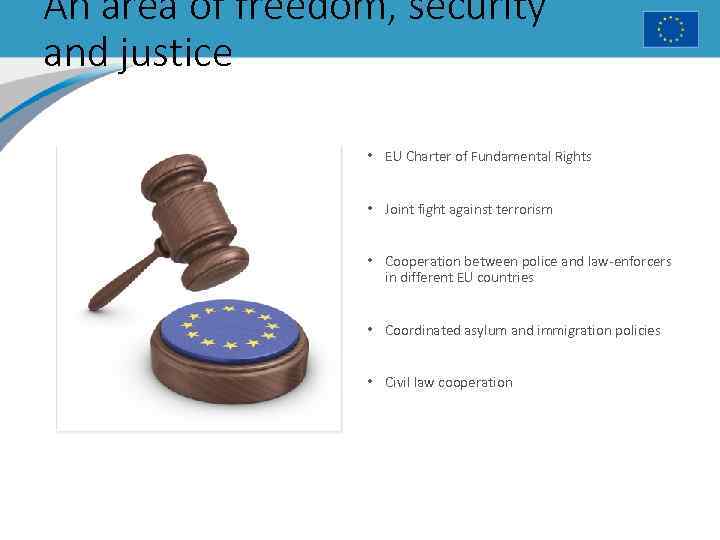 An area of freedom, security and justice • EU Charter of Fundamental Rights • Joint fight against terrorism • Cooperation between police and law-enforcers in different EU countries • Coordinated asylum and immigration policies • Civil law cooperation
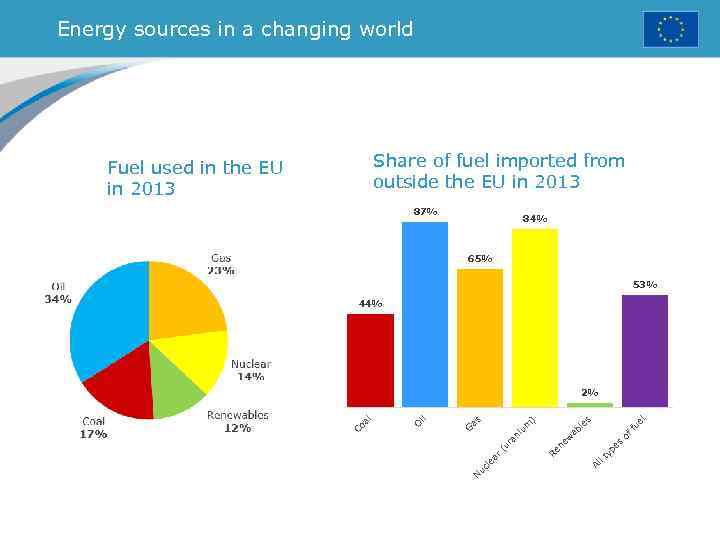 Energy sources in a changing world Share of fuel imported from outside the EU in 2013 Fuel used in the EU in 2013 87% 84% 65% 53% 44% l ue le s o f f Al l t yp es w ne Re ra n (u r le a ab iu m ) as G uc N il O Co al 2%
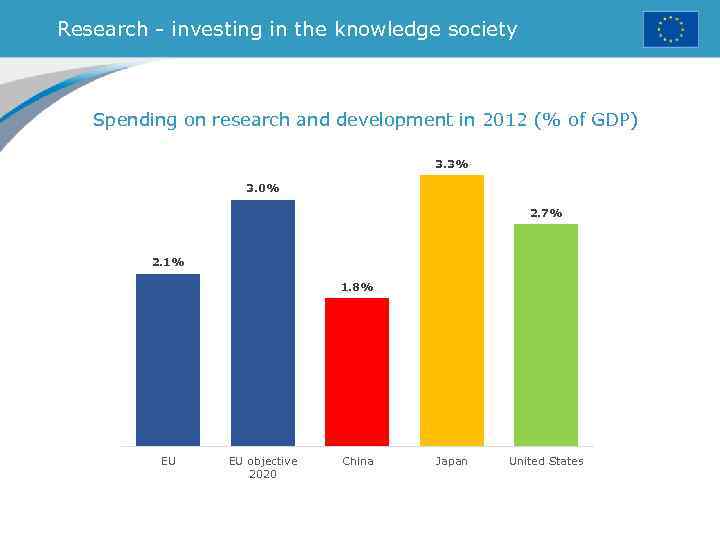 Research - investing in the knowledge society Spending on research and development in 2012 (% of GDP) 3. 3% 3. 0% 2. 7% 2. 1% 1. 8% EU EU objective 2020 China Japan United States
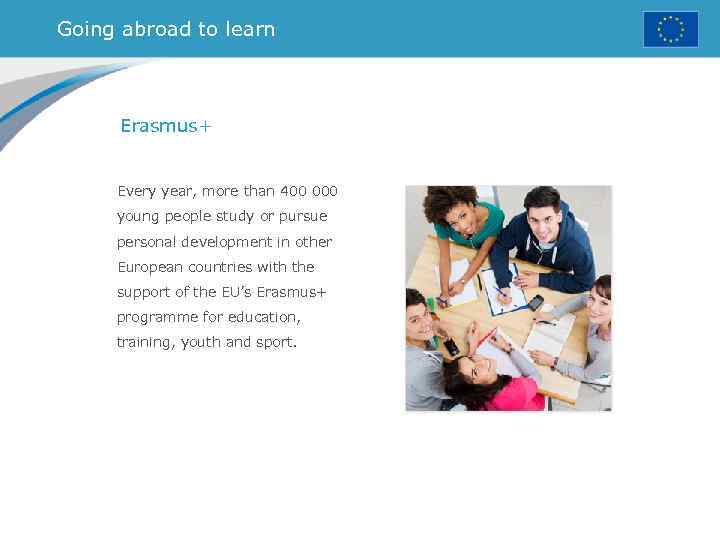 Going abroad to learn Erasmus+ Every year, more than 400 000 young people study or pursue personal development in other European countries with the support of the EU’s Erasmus+ programme for education, training, youth and sport.
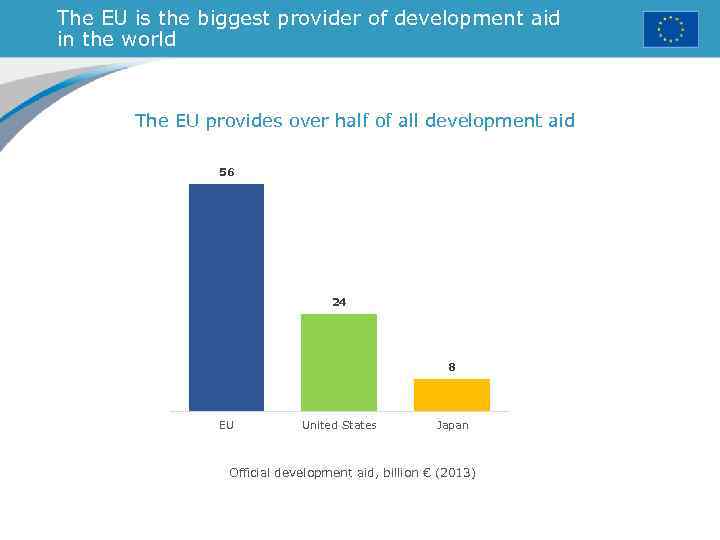 The EU is the biggest provider of development aid in the world The EU provides over half of all development aid 56 24 8 EU United States Japan Official development aid, billion € (2013)
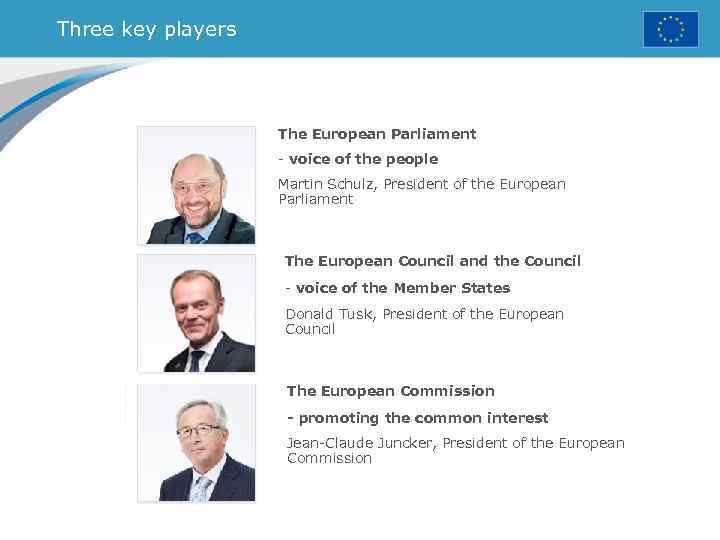 Three key players The European Parliament - voice of the people Martin Schulz, President of the European Parliament The European Council and the Council - voice of the Member States Donald Tusk, President of the European Council The European Commission - promoting the common interest Jean-Claude Juncker, President of the European Commission
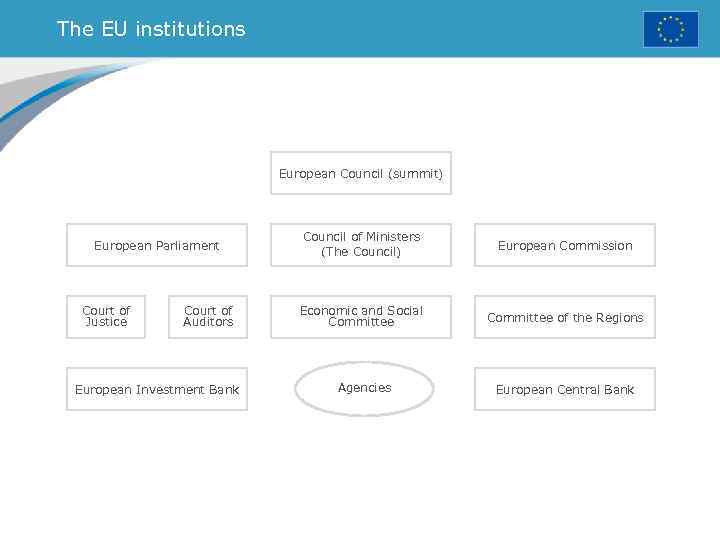 The EU institutions European Council (summit) European Parliament Court of Justice Court of Auditors European Investment Bank Council of Ministers (The Council) European Commission Economic and Social Committee of the Regions Agencies European Central Bank
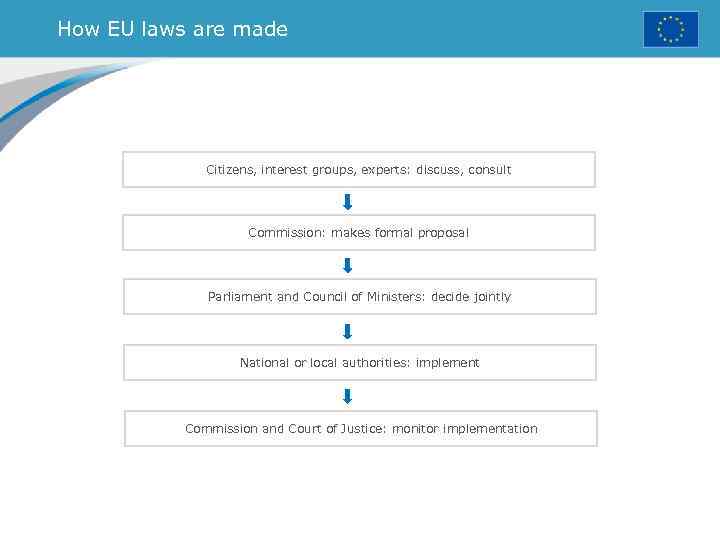 How EU laws are made Citizens, interest groups, experts: discuss, consult Commission: makes formal proposal Parliament and Council of Ministers: decide jointly National or local authorities: implement Commission and Court of Justice: monitor implementation
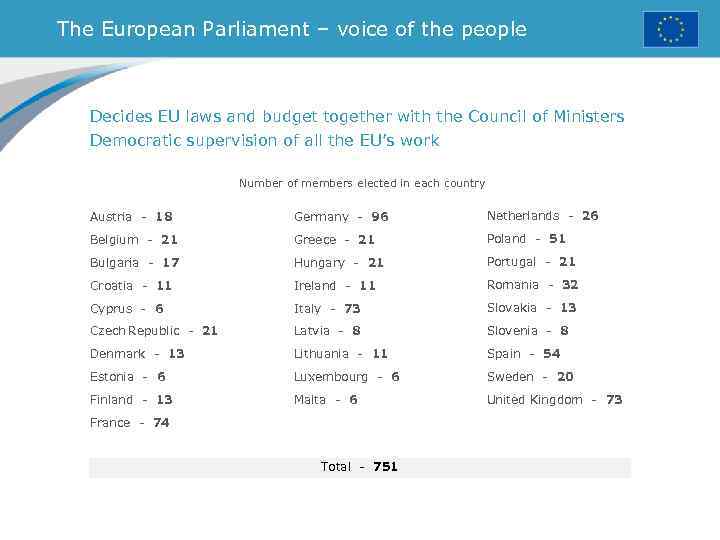 The European Parliament – voice of the people Decides EU laws and budget together with the Council of Ministers Democratic supervision of all the EU’s work Number of members elected in each country Austria - 18 Germany - 96 Netherlands - 26 Belgium - 21 Greece - 21 Poland - 51 Bulgaria - 17 Hungary - 21 Portugal - 21 Croatia - 11 Ireland - 11 Romania - 32 Cyprus - 6 Italy - 73 Slovakia - 13 Czech Republic - 21 Latvia - 8 Slovenia - 8 Denmark - 13 Lithuania - 11 Spain - 54 Estonia - 6 Luxembourg - 6 Sweden - 20 Finland - 13 Malta - 6 United Kingdom - 73 France - 74 Total - 751
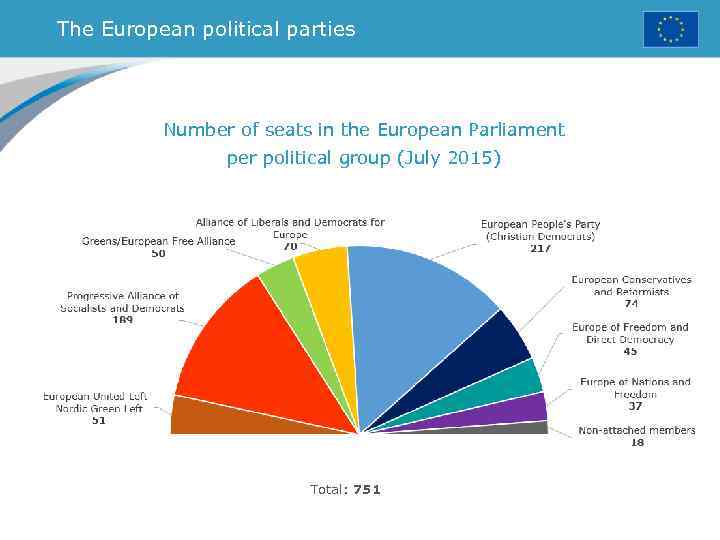 The European political parties Number of seats in the European Parliament per political group (July 2015) Total: 751
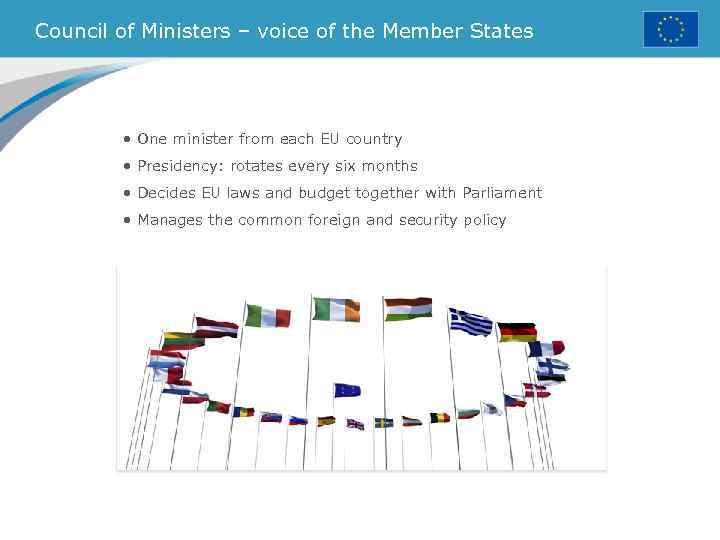 Council of Ministers – voice of the Member States • One minister from each EU country • Presidency: rotates every six months • Decides EU laws and budget together with Parliament • Manages the common foreign and security policy
 Council of Ministers – how they vote Most decisions in the Council are taken by ‘double majority’. A decision must have the support of at least: • 55 % of Member States (16 countries) • Member States that represent 65 % of the EU’s population
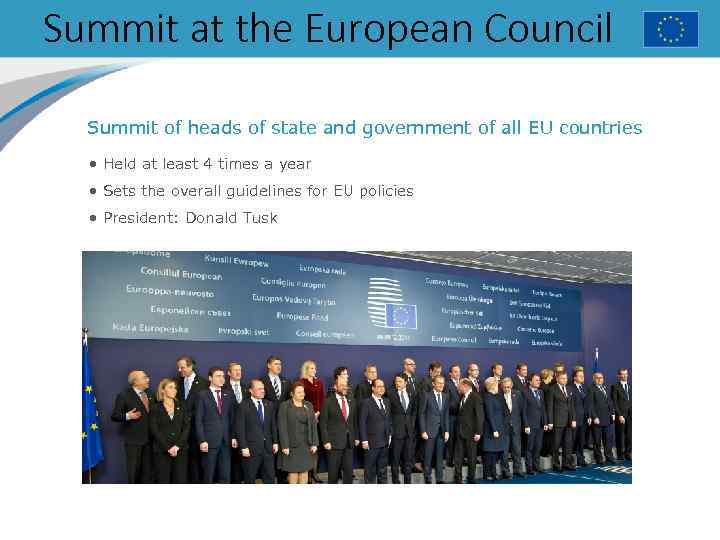 Summit at the European Council Summit of heads of state and government of all EU countries • Held at least 4 times a year • Sets the overall guidelines for EU policies • President: Donald Tusk
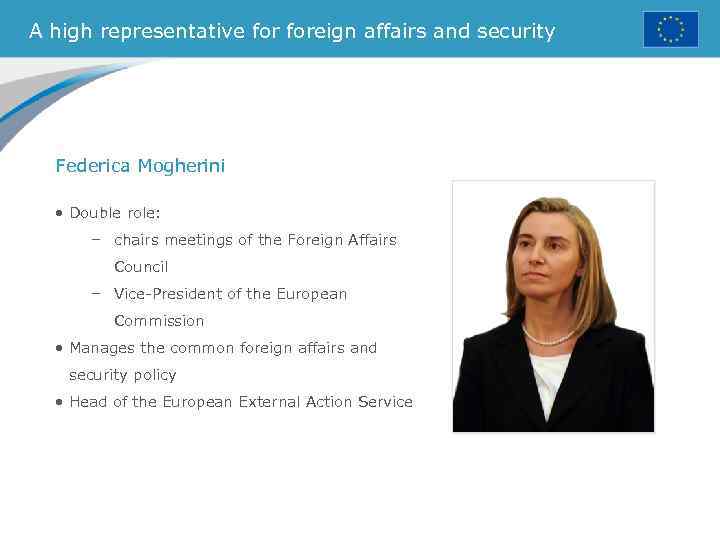 A high representative foreign affairs and security Federica Mogherini • Double role: – chairs meetings of the Foreign Affairs Council – Vice-President of the European Commission • Manages the common foreign affairs and security policy • Head of the European External Action Service
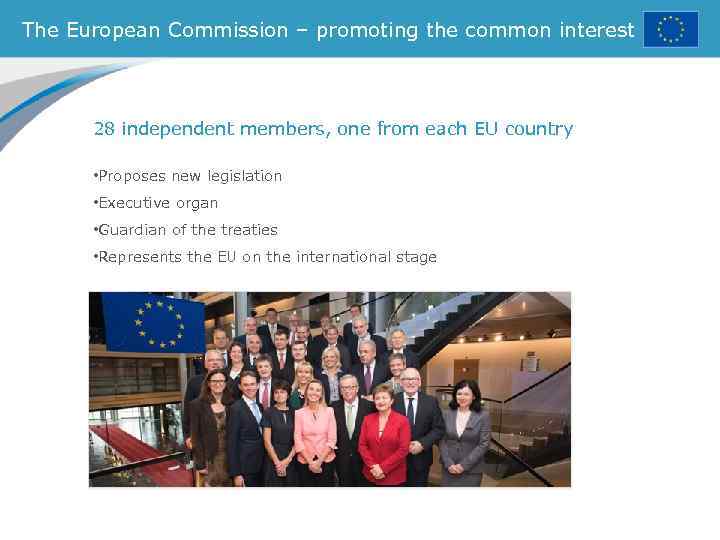 The European Commission – promoting the common interest 28 independent members, one from each EU country • Proposes new legislation • Executive organ • Guardian of the treaties • Represents the EU on the international stage
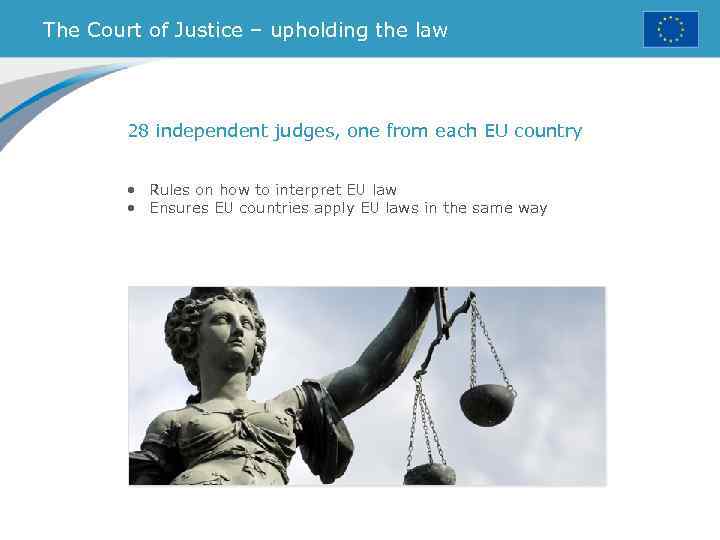 The Court of Justice – upholding the law 28 independent judges, one from each EU country • Rules on how to interpret EU law • Ensures EU countries apply EU laws in the same way
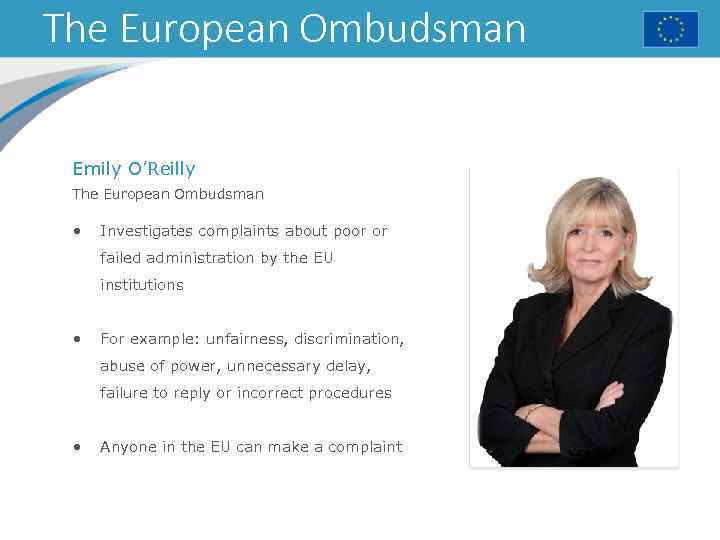 The European Ombudsman Emily O’Reilly The European Ombudsman • Investigates complaints about poor or failed administration by the EU institutions • For example: unfairness, discrimination, abuse of power, unnecessary delay, failure to reply or incorrect procedures • Anyone in the EU can make a complaint
 Спасибо за внимание !