 Скачать презентацию Evolution of the universe Can the biogenicity of
03fb3311306944d1203cb59b1704c634.ppt
- Количество слайдов: 27



Evolution of the universe: Can the biogenicity of Europa's From Astrophysics to Astrobiology surficial sulfur be tested Julian Chela-Flores simultaneously with landers, The Abdus Salam ICTP, Trieste, Italia and Instituto de Estudios Avanzados, Caracas, penetrators Republica Bolivariana de Venezuela and ion , traps? The Origins: how, when and where it all started Accademia Nazionale dei Lincei. Centro Linceo Interdisciplinare “Beniamino Segre”, Roma, 22 May 2006
Session GI 5 Instrumentation in the Solar System EGU 2009, Austria Center Vienna, Lecture Room 7; 22 April 2009: 9. 45 AM. J. Chela-Flores 1, 2, A. B. Bhattacherjee 3, S. Dudeja 1, 4, N. Kumar 5 and J. Seckbach 6 • 1. The Abdus Salam International Centre for Theoretical Physics (ICTP), Strada Costiera 11, 34014, Trieste, Italy • 2. Instituto de Estudios Avanzados, Caracas 1015 A, R. B. de Venezuela • 3. Department of Physics, ARSD College, University of Delhi, India • 4. Department of Chemistry, ARSD College, University of Delhi, India • 5. Raman Research Institute, Bangalore-560080, India • 6. The Hebrew University of Jerusalem, Israel.
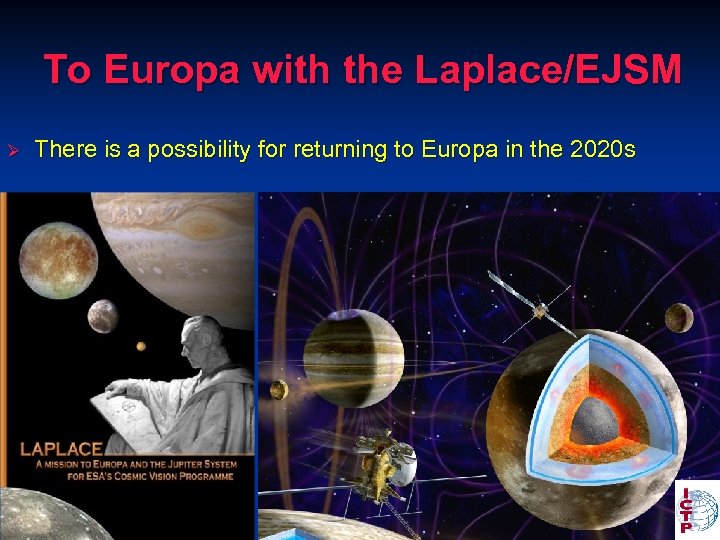
To Europa with the Laplace/EJSM Ø There is a possibility for returning to Europa in the 2020 s
The question of habitability “Is Europa habitable? ” • This has been a main objective for the LAPLACE mission. • Habitability has also been adopted by the EJSM.
Plan of the talk • The patchy surface of Europa. • The surfaces of the Arctic, Antarctic and Europa. • Testing biogenicity on Europa. • Instrumentation. • Concluding remarks.
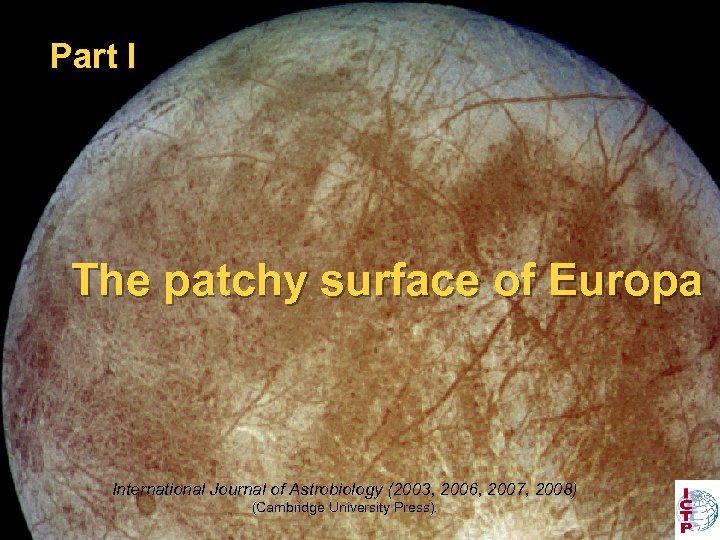
Part I The patchy surface of Europa International Journal of Astrobiology (2003, 2006, 2007, 2008) (Cambridge University Press).
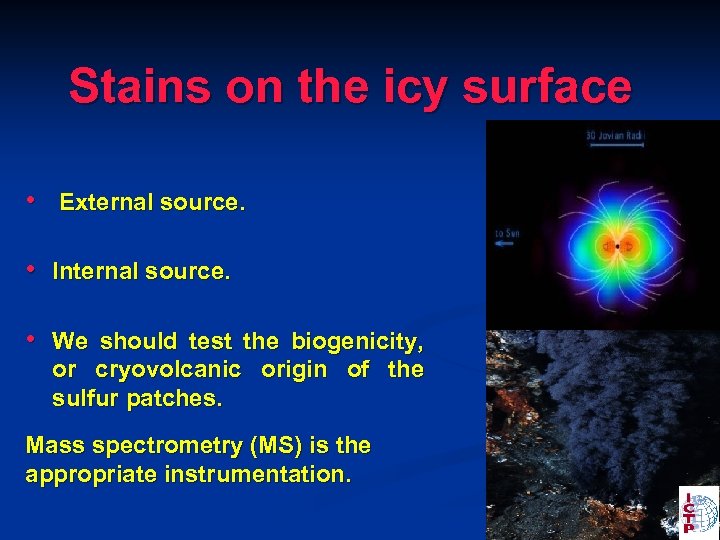
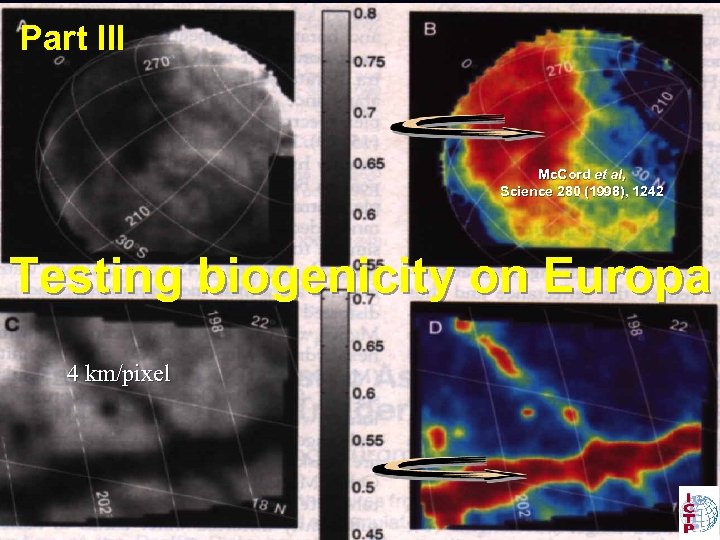
Stains on the icy surface • External source. • Internal source. • We should test the biogenicity, or cryovolcanic origin of the sulfur patches. Mass spectrometry (MS) is the appropriate instrumentation.
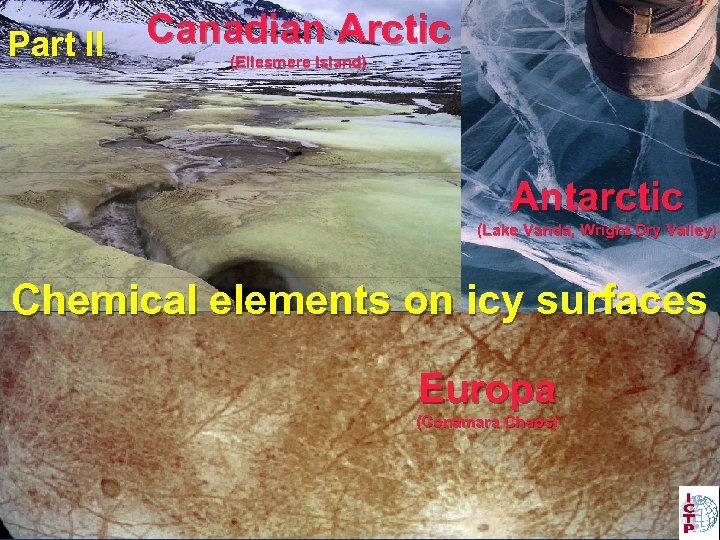
Part II Canadian Arctic (Ellesmere Island) Antarctic (Lake Vanda, Wright Dry Valley) Chemical elements on icy surfaces Europa (Conamara Chaos)
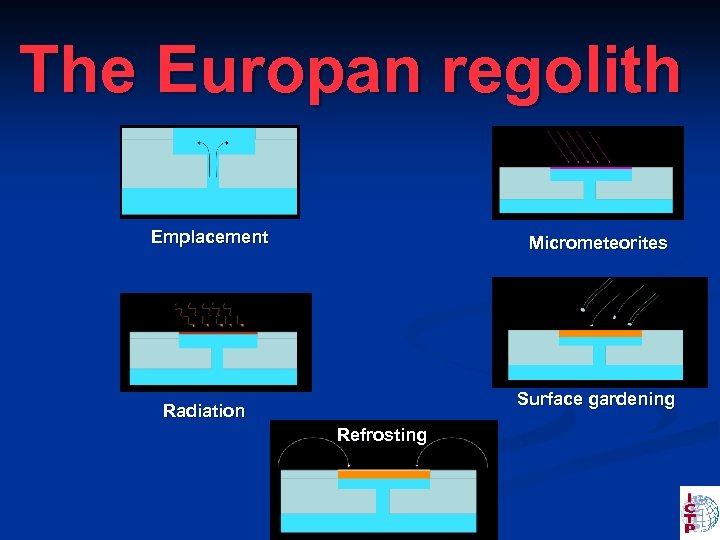
The Europan regolith Emplacement Micrometeorites Surface gardening Radiation Refrosting
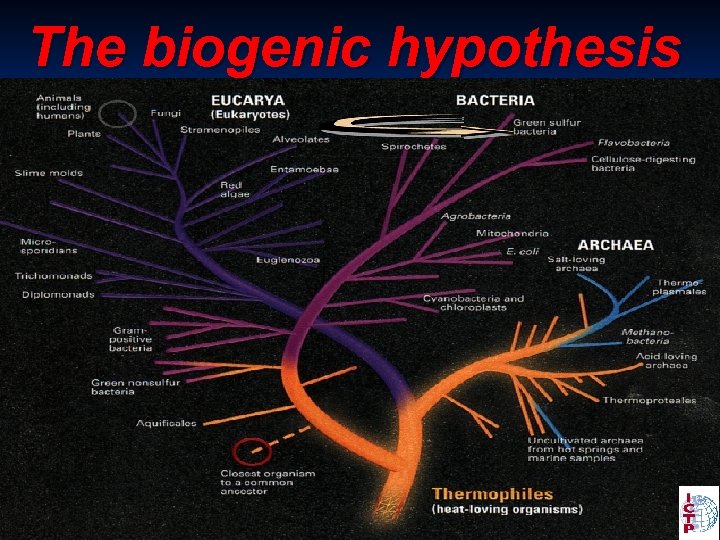
The biogenic hypothesis
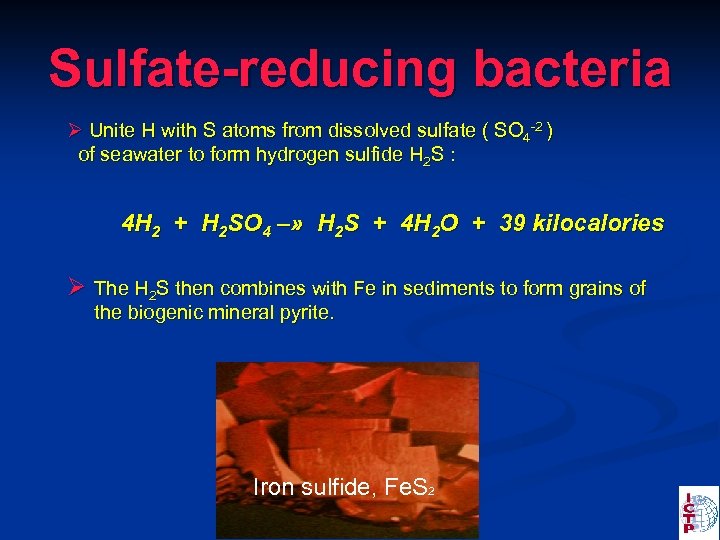
Sulfate-reducing bacteria Ø Unite H with S atoms from dissolved sulfate ( SO 4 -2 ) of seawater to form hydrogen sulfide H 2 S : 4 H 2 + H 2 SO 4 –» H 2 S + 4 H 2 O + 39 kilocalories Ø The H 2 S then combines with Fe in sediments to form grains of the biogenic mineral pyrite. Iron sulfide, Fe. S 2
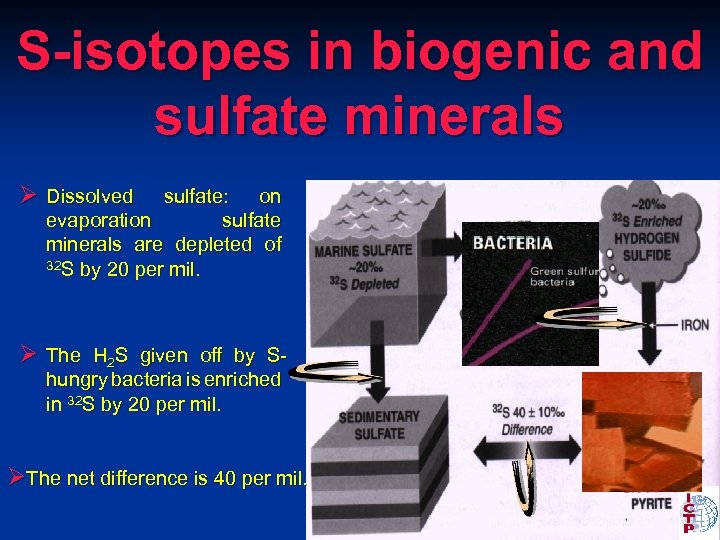
S-isotopes in biogenic and sulfate minerals Ø Dissolved sulfate: on evaporation sulfate minerals are depleted of 32 S by 20 per mil. Ø The H 2 S given off by Shungry bacteria is enriched in 32 S by 20 per mil. ØThe net difference is 40 per mil.
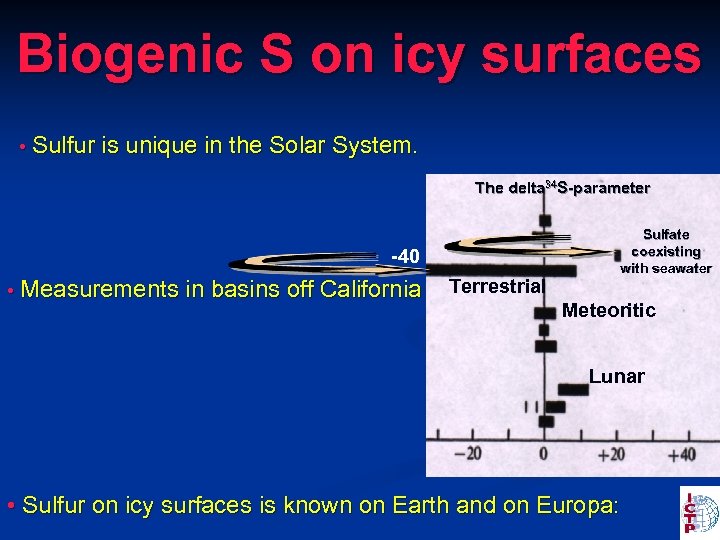
Biogenic S on icy surfaces • Sulfur is unique in the Solar System. The delta 34 S-parameter -40 • Measurements in basins off California Terrestrial Sulfate coexisting with seawater Meteoritic Lunar • Sulfur on icy surfaces is known on Earth and on Europa:
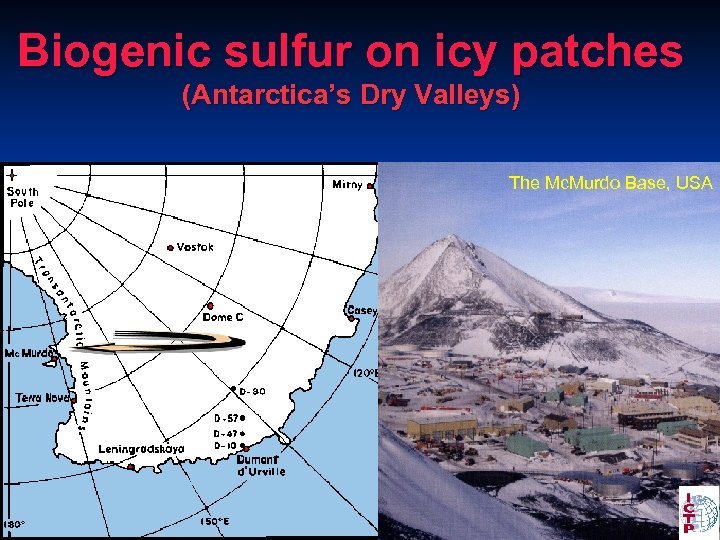
Biogenic sulfur on icy patches (Antarctica’s Dry Valleys) The Mc. Murdo Base, USA
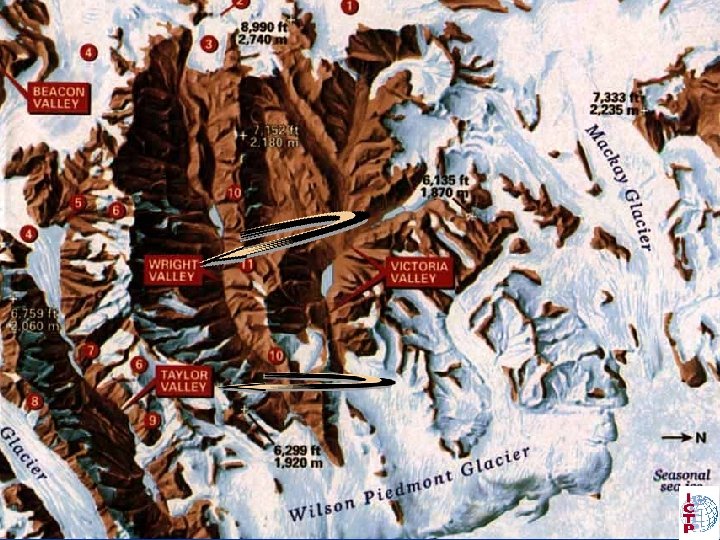
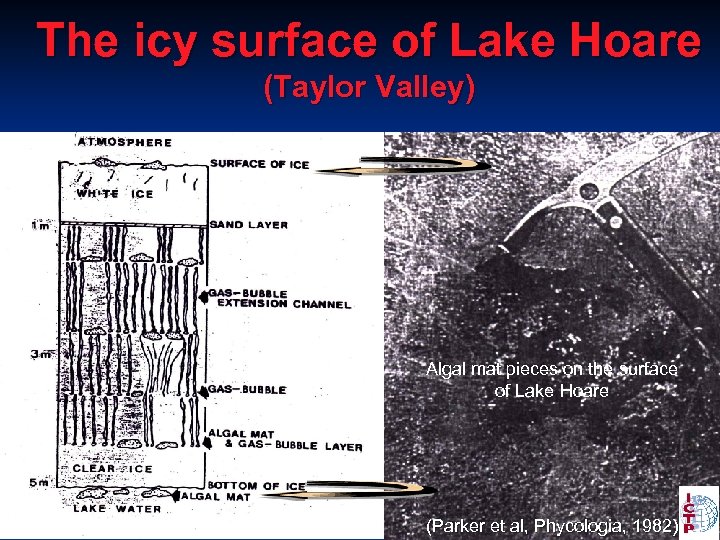
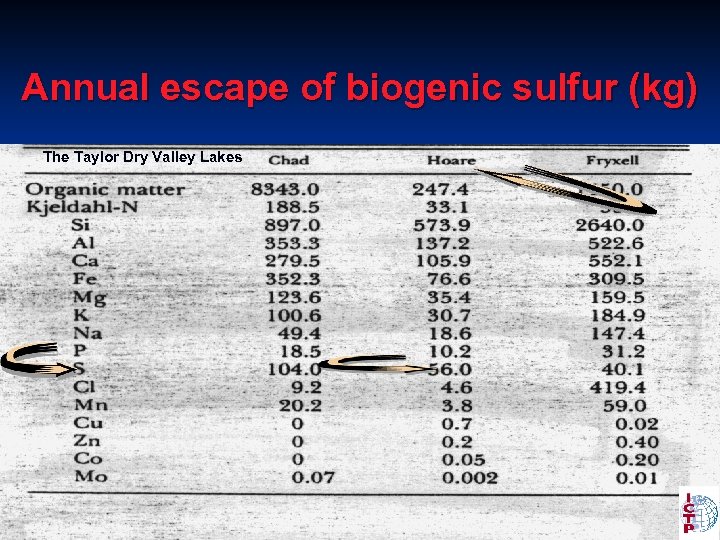
The icy surface of Lake Hoare (Taylor Valley) Algal mat pieces on the surface of Lake Hoare (Parker et al, Phycologia, 1982)
Annual escape of biogenic sulfur (kg) The Taylor Dry Valley Lakes
Part III Mc. Cord et al, Science 280 (1998), 1242 Testing biogenicity on Europa 4 km/pixel
Fluctuation test (Luria and Delbruck) • Infection implies that the number of resistant individuals would vary very little from one experiment to the next. • The number of resistant bacteria would depend on the time elapsed since the mutation; this number would show exponentially large fluctuations. • Higher order statistics helps us detect such deviations from Gaussianity.
The cloud around Europa • The cloud mirrors the large S-isotope deviations on the surface. • Dust detectors should record non-vanishing cumulants. • The O 2 atmosphere should be described instead by a Gaussian distribution with vanishing cumulants.
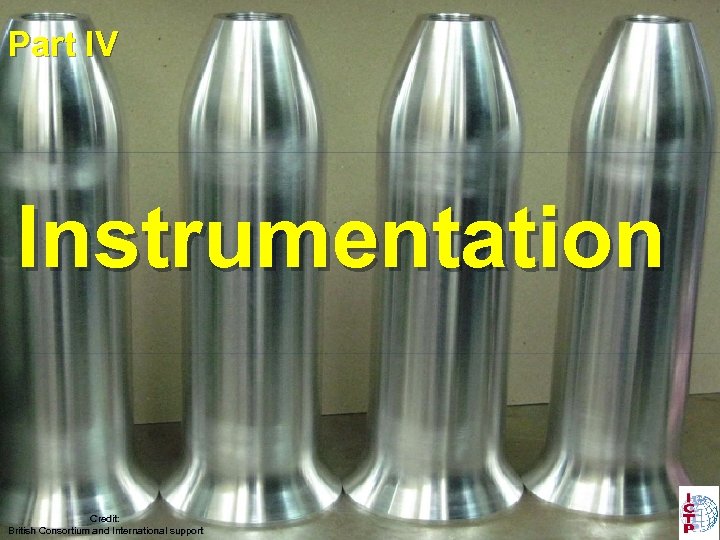
Part IV Instrumentation Credit: British Consortium and International support
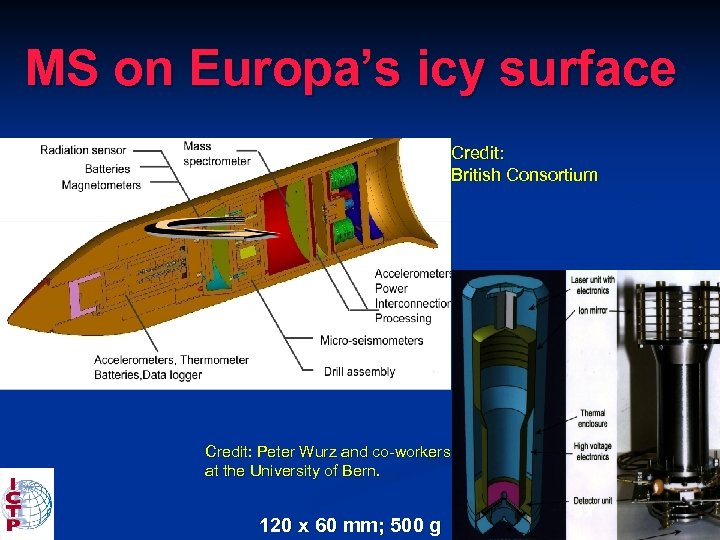
MS on Europa’s icy surface Credit: British Consortium Credit: Peter Wurz and co-workers at the University of Bern. 120 x 60 mm; 500 g
Difficulties with the dust analyzers • 32 S is isobaric (same m/z) with 16 O 2. • So the likely ion counts is a key issue.
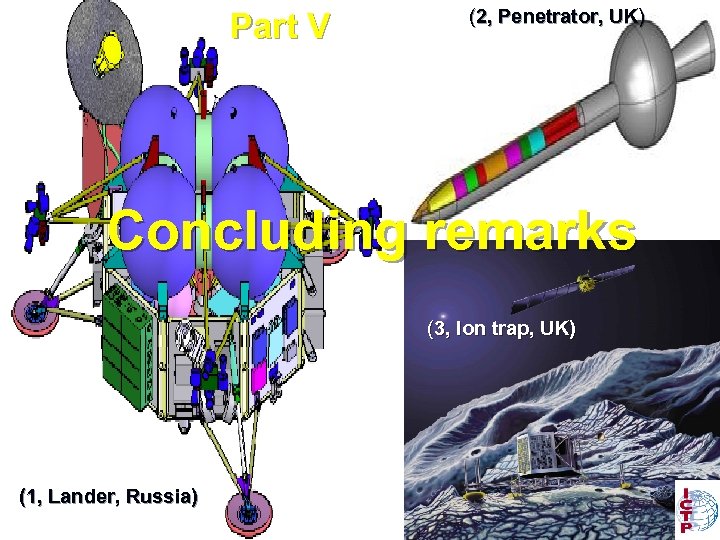
Part V (2, Penetrator, UK) Concluding remarks (3, Ion trap, UK) (1, Lander, Russia)
Recommendations • The isotopic biosignatures of the patches would not be affected substantially by the reshuffling of the surficial material. (Nuclear binding forces. ) • The living-cell biosignatures are complicated by the factors modifying the surface. (Hydrogen bonds binding forces. )
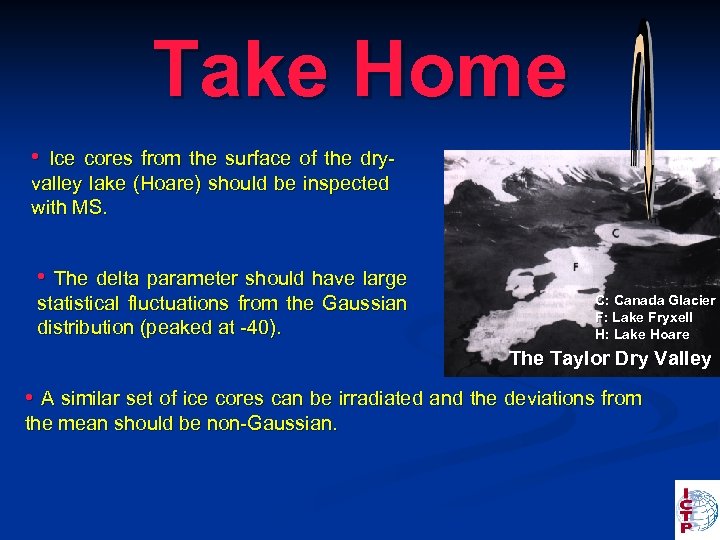
Take Home • Ice cores from the surface of the dryvalley lake (Hoare) should be inspected with MS. • The delta parameter should have large statistical fluctuations from the Gaussian distribution (peaked at -40). C: Canada Glacier F: Lake Fryxell H: Lake Hoare The Taylor Dry Valley • A similar set of ice cores can be irradiated and the deviations from the mean should be non-Gaussian.
 Скачать презентацию Evolution of the universe Can the biogenicity of
03fb3311306944d1203cb59b1704c634.ppt