


 Скачать презентацию EUROPEAN COMMISSION P 2 P Programme Use of
af4b539dbb3970ba72983b36240fc7d7.ppt
- Количество слайдов: 46
 EUROPEAN COMMISSION P 2 P Programme Use of drugs and its impact on public health Brussels, 17 May 2011 Prevention of drug abuse amongst young people Fabrizio Faggiano – Avogadro University –Novara (I)
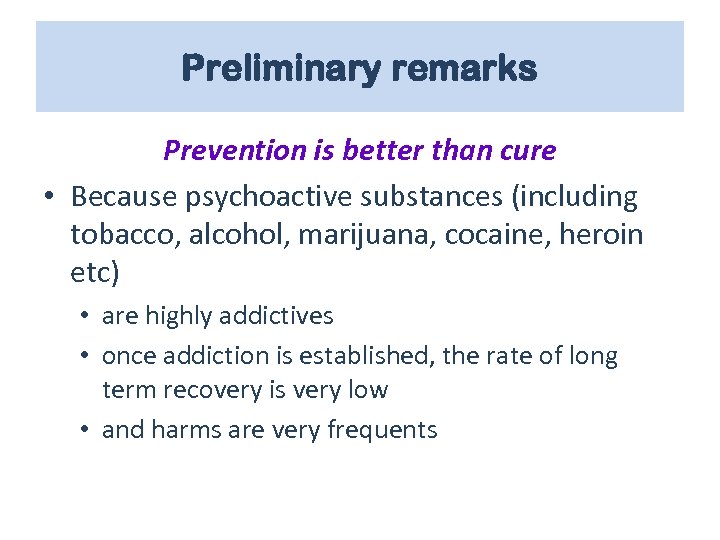 Preliminary remarks Prevention is better than cure • Because psychoactive substances (including tobacco, alcohol, marijuana, cocaine, heroin etc) • are highly addictives • once addiction is established, the rate of long term recovery is very low • and harms are very frequents
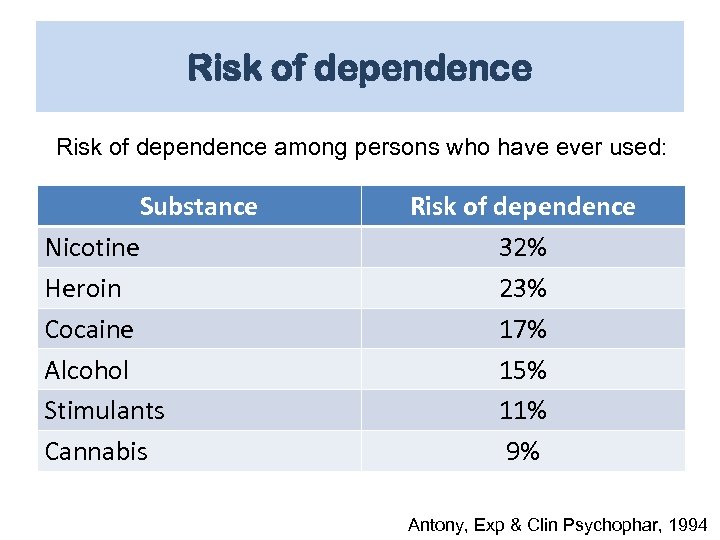 Risk of dependence among persons who have ever used: Substance Nicotine Heroin Cocaine Alcohol Stimulants Cannabis Risk of dependence 32% 23% 17% 15% 11% 9% Antony, Exp & Clin Psychophar, 1994
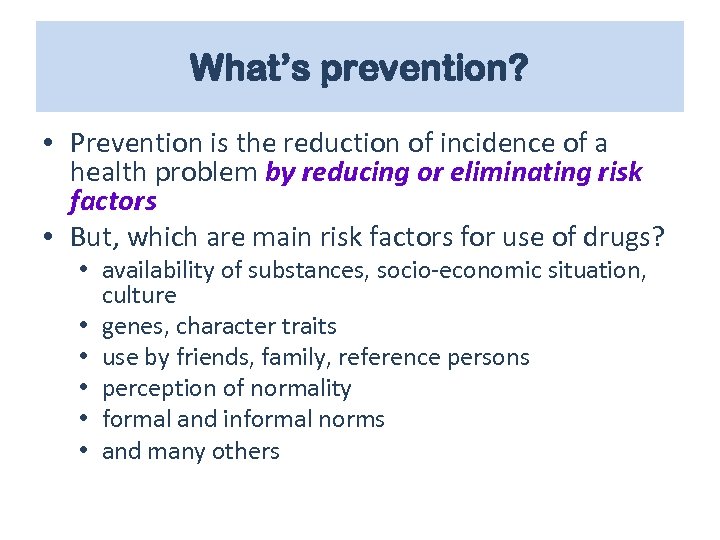 What’s prevention? • Prevention is the reduction of incidence of a health problem by reducing or eliminating risk factors • But, which are main risk factors for use of drugs? • availability of substances, socio-economic situation, culture • genes, character traits • use by friends, family, reference persons • perception of normality • formal and informal norms • and many others
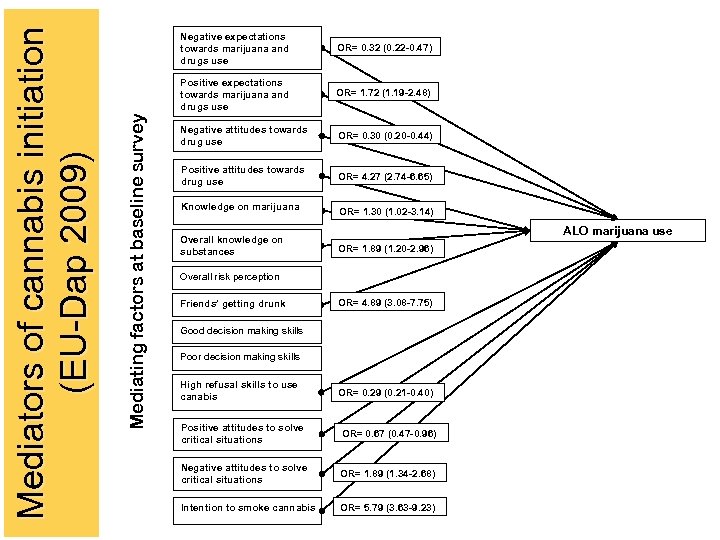 OR= 0. 32 (0. 22 -0. 47) Positive expectations towards marijuana and drugs use Mediating factors at baseline survey Mediators of cannabis initiation (EU-Dap 2009) Negative expectations towards marijuana and drugs use OR= 1. 72 (1. 19 -2. 48) Negative attitudes towards drug use OR= 0. 30 (0. 20 -0. 44) Positive attitudes towards drug use OR= 4. 27 (2. 74 -6. 65) Knowledge on marijuana OR= 1. 30 (1. 02 -3. 14) Overall knowledge on substances ALO marijuana use OR= 1. 89 (1. 20 -2. 96) Overall risk perception Friends’ getting drunk OR= 4. 89 (3. 08 -7. 75) Good decision making skills Poor decision making skills High refusal skills to use canabis OR= 0. 29 (0. 21 -0. 40) Positive attitudes to solve critical situations OR= 0. 67 (0. 47 -0. 96) Negative attitudes to solve critical situations OR= 1. 89 (1. 34 -2. 68) Intention to smoke cannabis OR= 5. 79 (3. 63 -9. 23)
 Prevention is better than cure • There are many THEORIES trying to explain factors affecting drug experimentation, escalation in use and addiction • and prevention programs in the field of drug addiction have to be based on good THEORIES • But THEORIES alone cannot predict the success of a prevention program • 3 cases for the discussion
 1. The case of Life Education • Life Education is a school-based program based on Moskowitz Model (knowledge + positive life) • Developed in Australia during 1988 -1992 • In a first evaluation, it resulted in a good increase in knowledge of drug effects and in a fair decrease of intentions to use drugs • It has been disseminated across all Australia (and in many other countries) by law
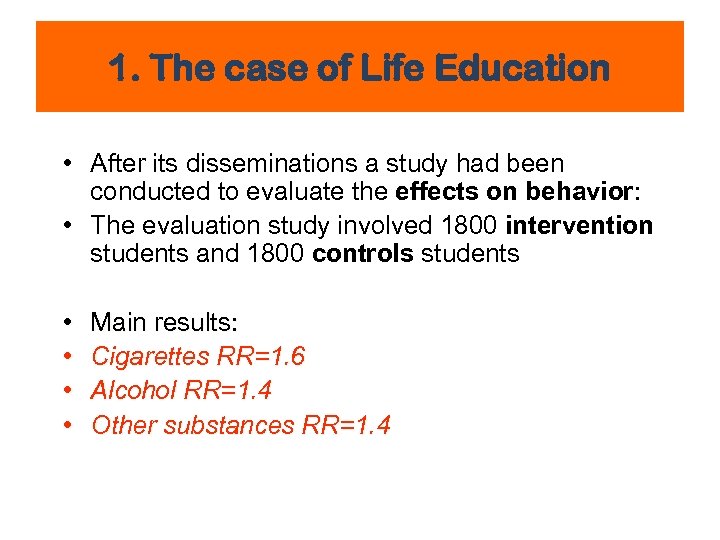 1. The case of Life Education • After its disseminations a study had been conducted to evaluate the effects on behavior: • The evaluation study involved 1800 intervention students and 1800 controls students • • Main results: Cigarettes RR=1. 6 Alcohol RR=1. 4 Other substances RR=1. 4
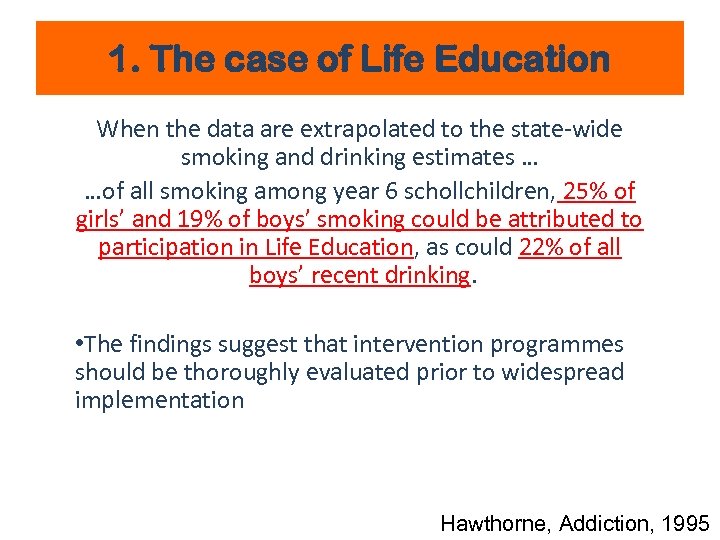 1. The case of Life Education When the data are extrapolated to the state-wide smoking and drinking estimates … …of all smoking among year 6 schollchildren, 25% of girls’ and 19% of boys’ smoking could be attributed to participation in Life Education, as could 22% of all boys’ recent drinking. • The findings suggest that intervention programmes should be thoroughly evaluated prior to widespread implementation Hawthorne, Addiction, 1995
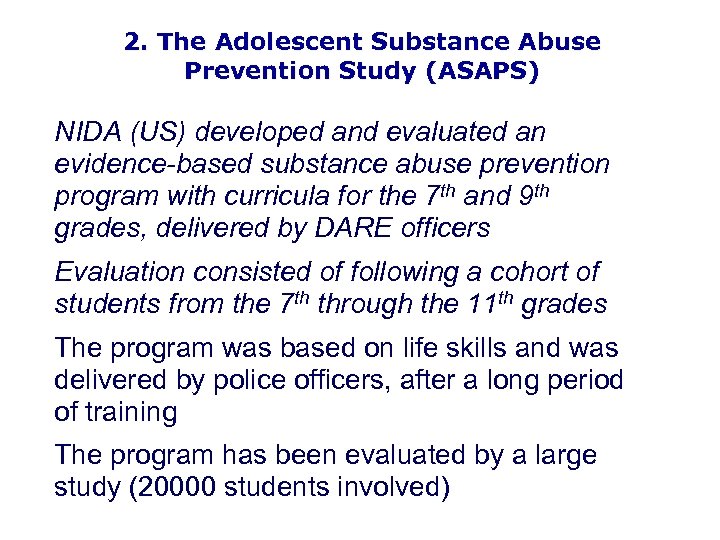 2. The Adolescent Substance Abuse Prevention Study (ASAPS) NIDA (US) developed and evaluated an evidence-based substance abuse prevention program with curricula for the 7 th and 9 th grades, delivered by DARE officers Evaluation consisted of following a cohort of students from the 7 th through the 11 th grades The program was based on life skills and was delivered by police officers, after a long period of training The program has been evaluated by a large study (20000 students involved)
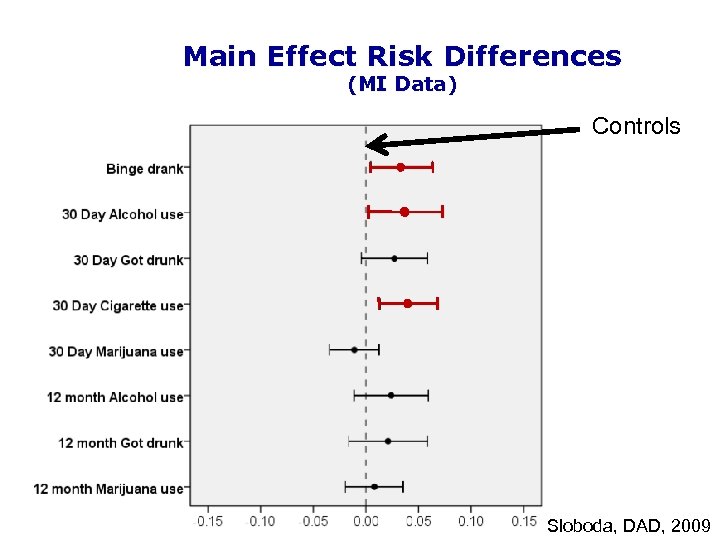 Main Effect Risk Differences (MI Data) Controls Sloboda, DAD, 2009
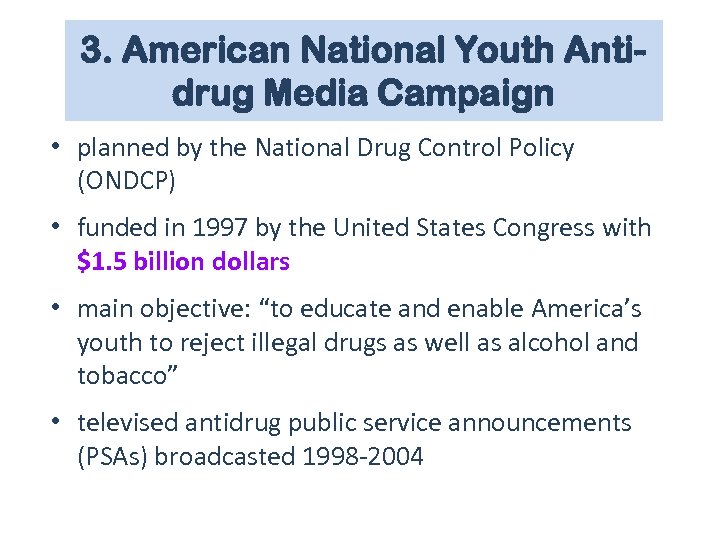 3. American National Youth Antidrug Media Campaign • planned by the National Drug Control Policy (ONDCP) • funded in 1997 by the United States Congress with $1. 5 billion dollars • main objective: “to educate and enable America’s youth to reject illegal drugs as well as alcohol and tobacco” • televised antidrug public service announcements (PSAs) broadcasted 1998 -2004
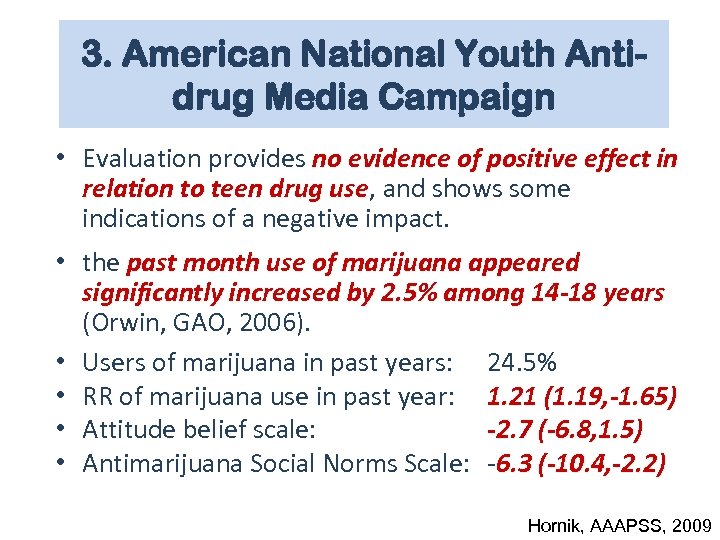 3. American National Youth Antidrug Media Campaign • Evaluation provides no evidence of positive effect in relation to teen drug use, and shows some use indications of a negative impact. • the past month use of marijuana appeared significantly increased by 2. 5% among 14 -18 years (Orwin, GAO, 2006). • Users of marijuana in past years: 24. 5% • RR of marijuana use in past year: 1. 21 (1. 19, -1. 65) • Attitude belief scale: -2. 7 (-6. 8, 1. 5) • Antimarijuana Social Norms Scale: -6. 3 (-10. 4, -2. 2) Hornik, AAAPSS, 2009
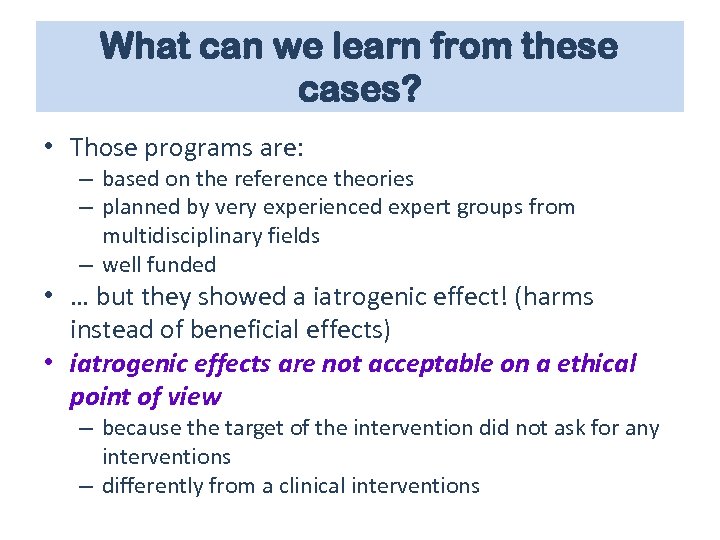 What can we learn from these cases? • Those programs are: – based on the reference theories – planned by very experienced expert groups from multidisciplinary fields – well funded • … but they showed a iatrogenic effect! (harms instead of beneficial effects) • iatrogenic effects are not acceptable on a ethical point of view – because the target of the intervention did not ask for any interventions – differently from a clinical interventions
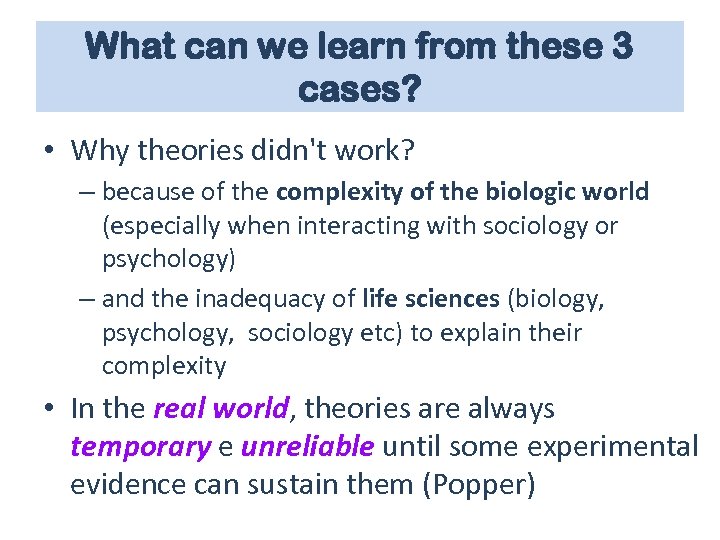 What can we learn from these 3 cases? • Why theories didn't work? – because of the complexity of the biologic world (especially when interacting with sociology or psychology) – and the inadequacy of life sciences (biology, psychology, sociology etc) to explain their complexity • In the real world, theories are always temporary e unreliable until some experimental evidence can sustain them (Popper)
 The best professional intentions and theories are not enough in order to select policies and practices for promoting health of the people Iain Chalmers
 What can we do? • Any prevention activity have to be planned in order to: – be focalized on priority health problems – be effective – avoid any harm • How to find effective and safe interventions?
 Effective interventions • the only way to ensure lack of unintended harms is to select interventions that have been proven to be effective and safe – by looking carefully for them into the scientific literature – adopting intervention evaluated in a rigorous way – and evaluating the impact at the level of population at the end of the project
 How to do the selection/quality assurance? • by developing skills – methods for evaluation of effectiveness of interventions – literature search – critical review of scientific studies • by consulting Cochrane Library – Interventions for prevention of drug use by young people delivered in non-school settings (Gates 2006) – School-based prevention for illicit drugs' use (Faggiano 2005) • by consulting Best Practice Portals – – Public Health Agency of Canada http: //cbpp-pcpe. phac-aspc. gc. ca/ European Monitoring Center for Drugs and Drug Abuse EMCDDA http: //www. emcdda. europa. eu/best-practice
 What we have to take into account in designing prevention strategies? • role of tobacco smoking and alcohol as gateway drugs – contrast tobacco use and alcool abuse as well as illicit drugs – public health point of view • role of social influence, formal and informal influence norms – act on the society as a whole (changing laws, policies) in order to de-normalize tobacco smoking – act on the mass media in order to de-glamourise use of tobacco, alcohol and drugs
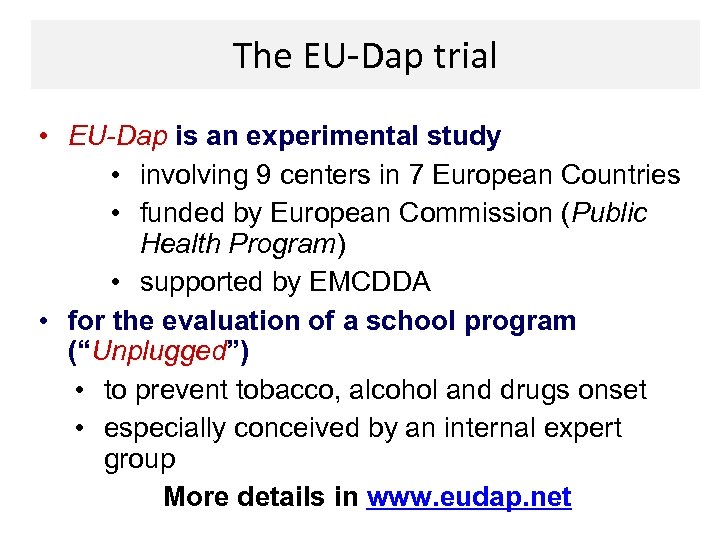 The EU-Dap trial • EU-Dap is an experimental study • involving 9 centers in 7 European Countries • funded by European Commission (Public Health Program) • supported by EMCDDA • for the evaluation of a school program (“Unplugged”) Unplugged • to prevent tobacco, alcohol and drugs onset • especially conceived by an internal expert group More details in www. eudap. net
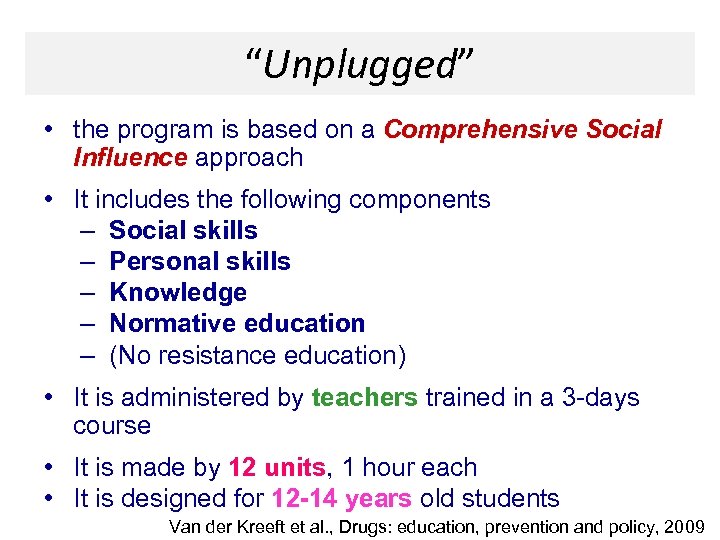 “Unplugged” • the program is based on a Comprehensive Social Influence approach • It includes the following components – Social skills – Personal skills – Knowledge – Normative education – (No resistance education) • It is administered by teachers trained in a 3 -days course • It is made by 12 units, 1 hour each • It is designed for 12 -14 years old students Van der Kreeft et al. , Drugs: education, prevention and policy, 2009
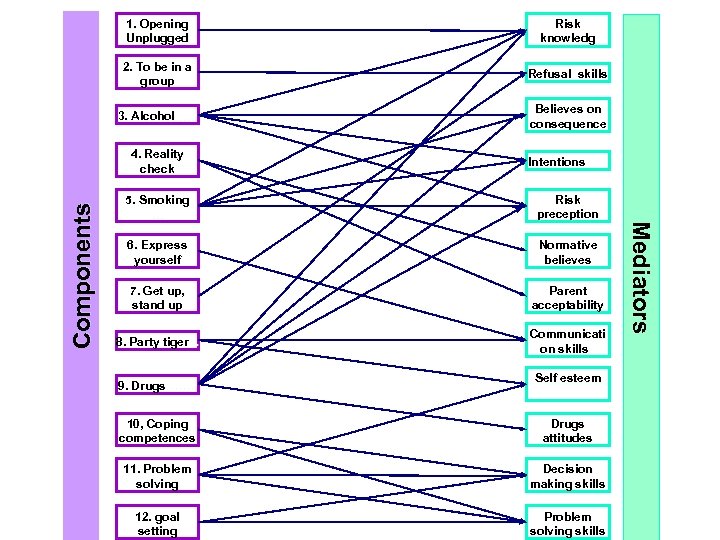 2. To be in a group Refusal skills 3. Alcohol …. . Believes on consequence 4. Reality check Components Risk knowledg Intentions …. . 5. Smoking … Risk preception 6. Express yourself Normative believes 7. Get up, stand up Parent acceptability 8. Party tiger. . Communicati on skills. . 9. Drugs ……. Self esteem … 10, Coping competences Drugs attitudes 11. Problem solving Decision making skills 12. goal setting Problem solving skills Mediators 1. Opening Unplugged
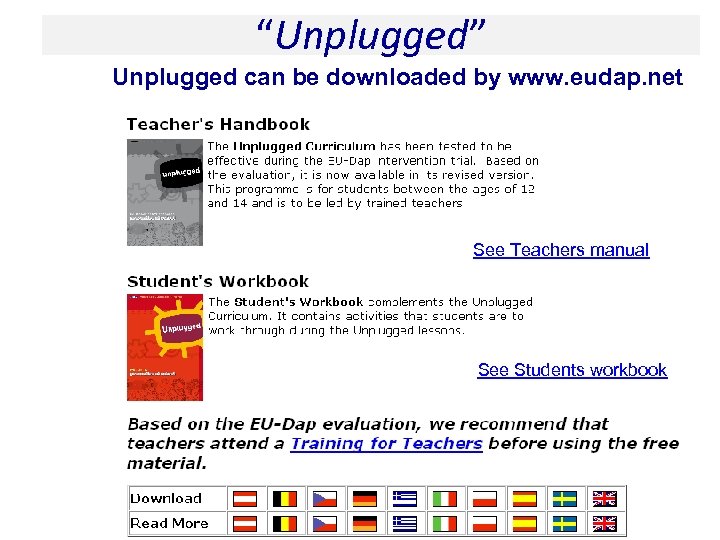 “Unplugged” Unplugged can be downloaded by www. eudap. net See Teachers manual See Students workbook
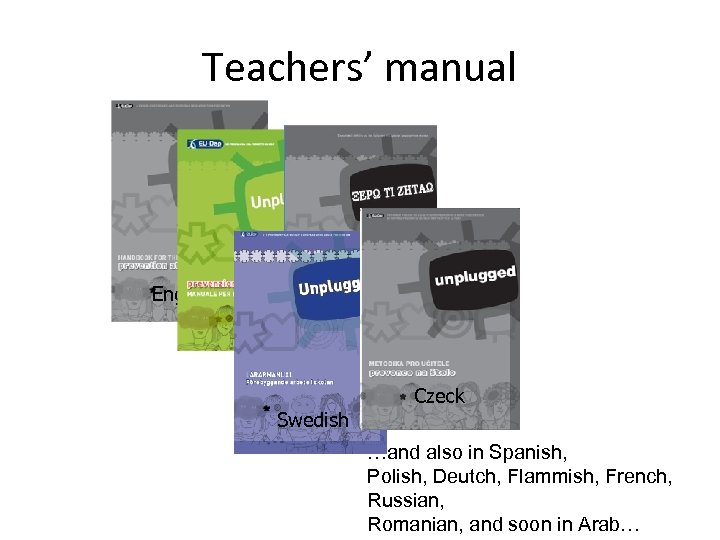 Teachers’ manual English Italian Greek Swedish Czeck …and also in Spanish, Polish, Deutch, Flammish, French, Russian, Romanian, and soon in Arab…
 Workbook for students
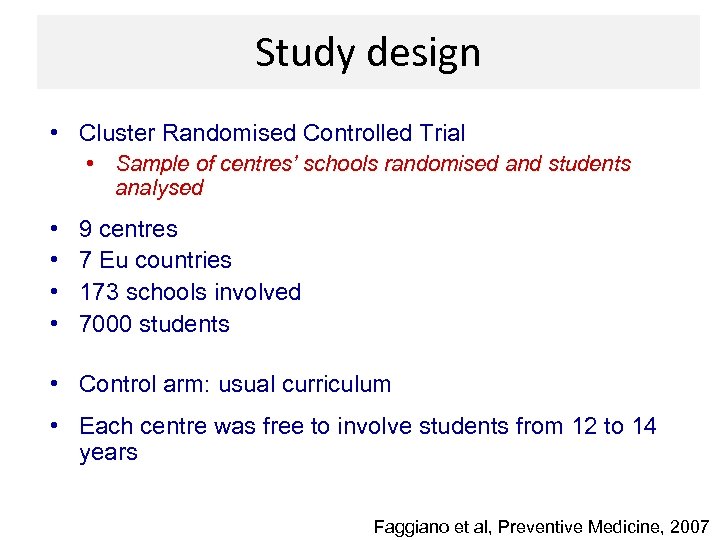 Study design • Cluster Randomised Controlled Trial • Sample of centres’ schools randomised and students analysed • • 9 centres 7 Eu countries 173 schools involved 7000 students • Control arm: usual curriculum • Each centre was free to involve students from 12 to 14 years Faggiano et al, Preventive Medicine, 2007
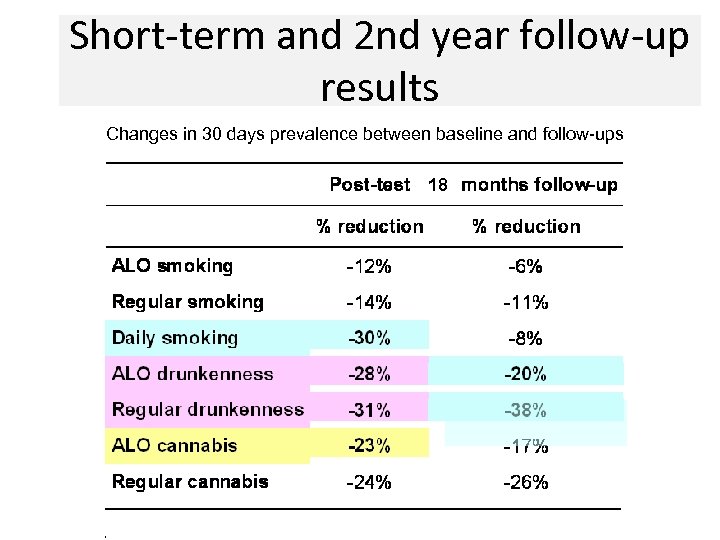 Short-term and 2 nd year follow-up results Changes in 30 days prevalence between baseline and follow-ups 18
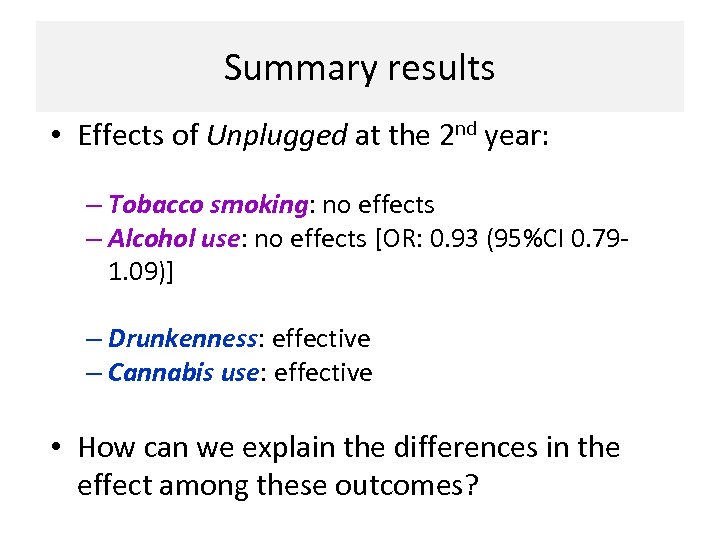 Summary results • Effects of Unplugged at the 2 nd year: – Tobacco smoking: no effects – Alcohol use: no effects [OR: 0. 93 (95%CI 0. 791. 09)] – Drunkenness: effective – Cannabis use: effective • How can we explain the differences in the effect among these outcomes?
 Can social influence explain this differences? • There is a stronger social pressure for tobacco and alcohol use than for drunkenness and cannabis use – tobacco and alcohol are socially accepted – students have parents, teachers, friends who smoke cigarettes and drink alcohol – everybody can buy tobacco at the corner shop, and watch alcohol advertising on TV • The 12 units of Unplugged can do little against this pervading social pressure
 Contrasting social influence: the environmental strategies Environmental prevention strategies aim at altering the immediate cultural, social, physical and economic environments in which people make their choices about drug use. Because individuals do not become involved with substances solely on the basis of personal characteristics or cognitive functioning. Rather, they are influenced by a complex set of factors in the environment, such as what is considered normal, expected or accepted in the communities in which they live. . . Gregor Burkhart - 2011
 Assessing the role of environment • Are there other evidence on the role of environment in setting informal norms?
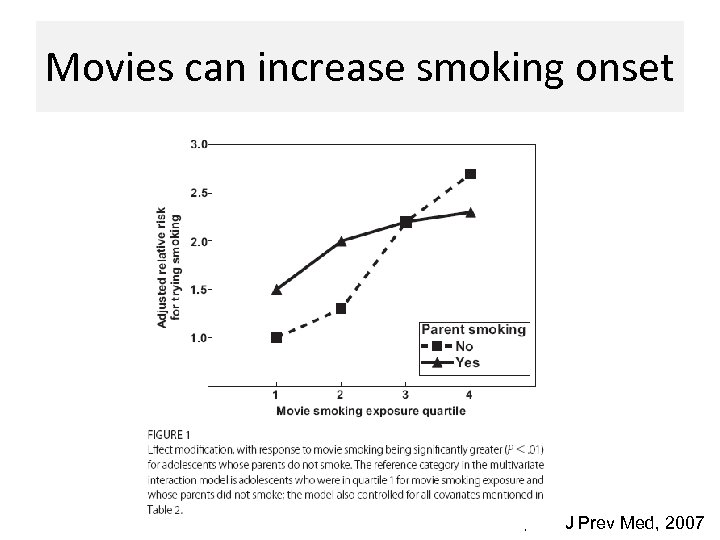 Movies can increase smoking onset Hanewinkel, Am J Prev Med, 2007
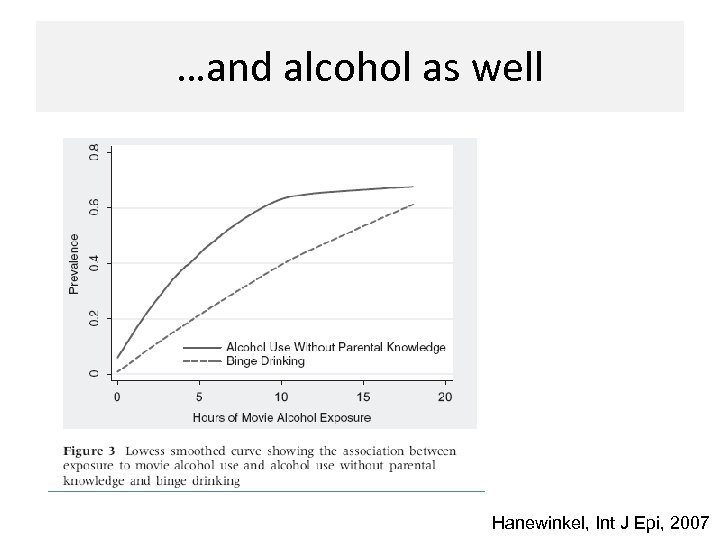 …and alcohol as well Hanewinkel, Int J Epi, 2007
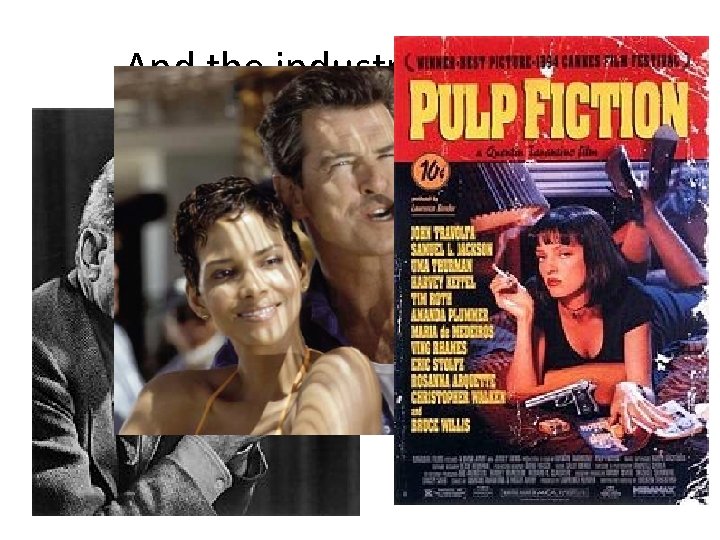 And the industry knows it!
 Other influences… • Schools have an important role in defining informal norms • As family or other environments like University, health professionals etc University
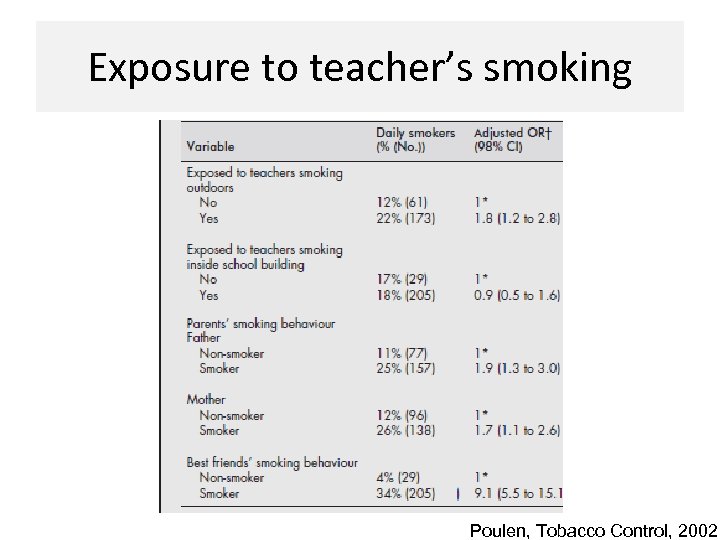 Exposure to teacher’s smoking Poulen, Tobacco Control, 2002
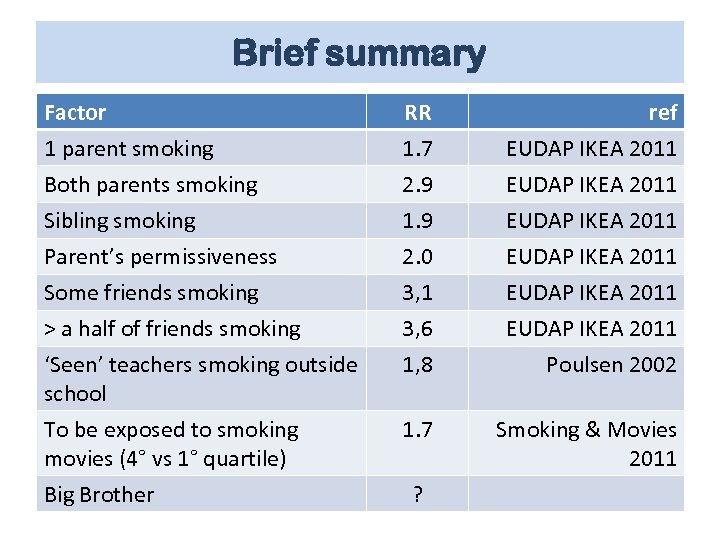 Brief summary Factor 1 parent smoking Both parents smoking RR 1. 7 2. 9 ref EUDAP IKEA 2011 Sibling smoking 1. 9 EUDAP IKEA 2011 Parent’s permissiveness Some friends smoking > a half of friends smoking ‘Seen’ teachers smoking outside school 2. 0 3, 1 3, 6 1, 8 EUDAP IKEA 2011 Poulsen 2002 To be exposed to smoking movies (4° vs 1° quartile) Big Brother 1. 7 Smoking & Movies 2011 ?
 How this evidence can be useful? Environment contribute to use of substances by setting informal norms How can we modify the environment? How can we integrate individual/group programs with environmental interventions?
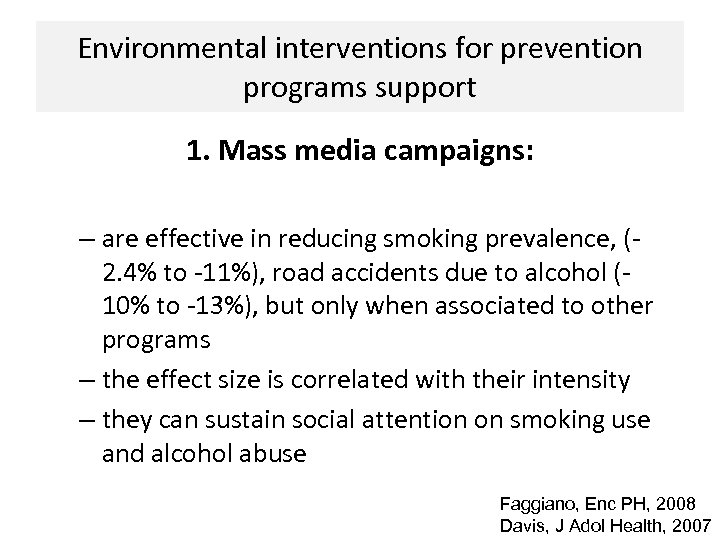 Environmental interventions for prevention programs support 1. Mass media campaigns: – are effective in reducing smoking prevalence, (2. 4% to -11%), road accidents due to alcohol (10% to -13%), but only when associated to other programs – the effect size is correlated with their intensity – they can sustain social attention on smoking use and alcohol abuse Faggiano, Enc PH, 2008 Davis, J Adol Health, 2007
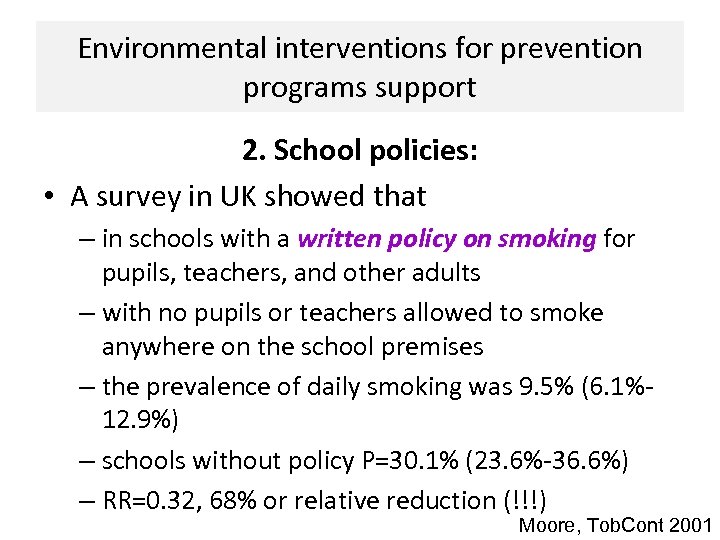 Environmental interventions for prevention programs support 2. School policies: • A survey in UK showed that – in schools with a written policy on smoking for pupils, teachers, and other adults – with no pupils or teachers allowed to smoke anywhere on the school premises – the prevalence of daily smoking was 9. 5% (6. 1%12. 9%) – schools without policy P=30. 1% (23. 6%-36. 6%) – RR=0. 32, 68% or relative reduction (!!!) Moore, Tob. Cont 2001
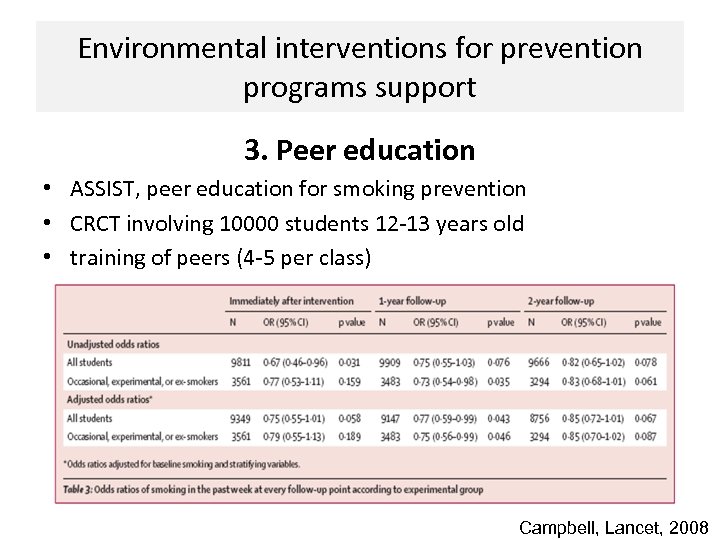 Environmental interventions for prevention programs support 3. Peer education • ASSIST, peer education for smoking prevention • CRCT involving 10000 students 12 -13 years old • training of peers (4 -5 per class) Campbell, Lancet, 2008
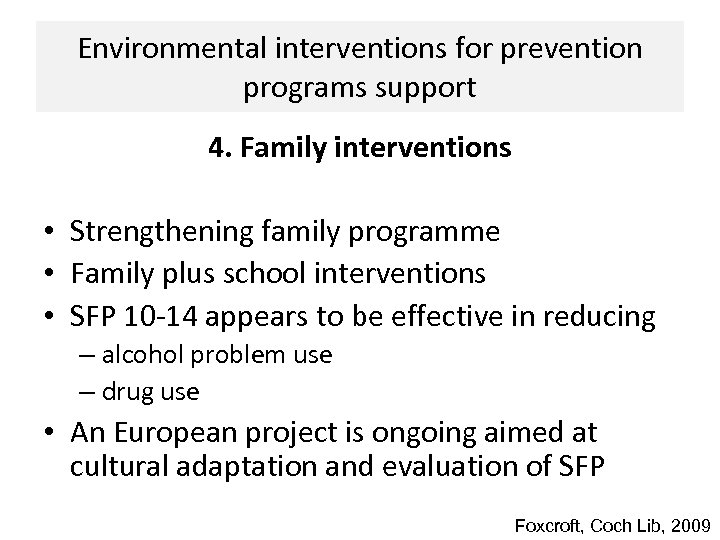 Environmental interventions for prevention programs support 4. Family interventions • Strengthening family programme • Family plus school interventions • SFP 10 -14 appears to be effective in reducing – alcohol problem use – drug use • An European project is ongoing aimed at cultural adaptation and evaluation of SFP Foxcroft, Coch Lib, 2009
 Environmental interventions for prevention programs support 5. Smoke-free homes • Awards: Health Smoke Free Homes Award – Gold (totally smoke-free) / Silver (not smoking in the presence of children, smoking limited to one well ventilated room) / Bronze (not smoking in the presence of children or other non-smokers) (Ritchie, BMC PH, 2009) • Smoke-free-homes RR=0, 20 for smoking cessation (Messer, AJPM, 2008) • Probably even a letter written by the school to promote a smoke free home, as a support for prevention programs, could have an effect
 Conclusions • Prevention is better than cure • but building prevention strategies requires caution in order to: – avoid iatrogenic effects – ensure impact on healt • major recommendations are: – to adopt interventions already evaluated – to build multimodal interventions including school and environmental interventions