


 Скачать презентацию Essentials of L 1 Acquisition SS 2007
4283f458c022bca1e264510bd0e5586e.ppt
- Количество слайдов: 50
 Essentials of L 1 Acquisition SS 2007
 When does language acquisition begin?
 Early speech production 1. crying, coughing, noises 2. babbling: baba
 Segmentation of the speech stream bidtopt … ftulis … kji li optert … • • Phonological cues (e. g. pauses, intonation, stress) Distributional cues
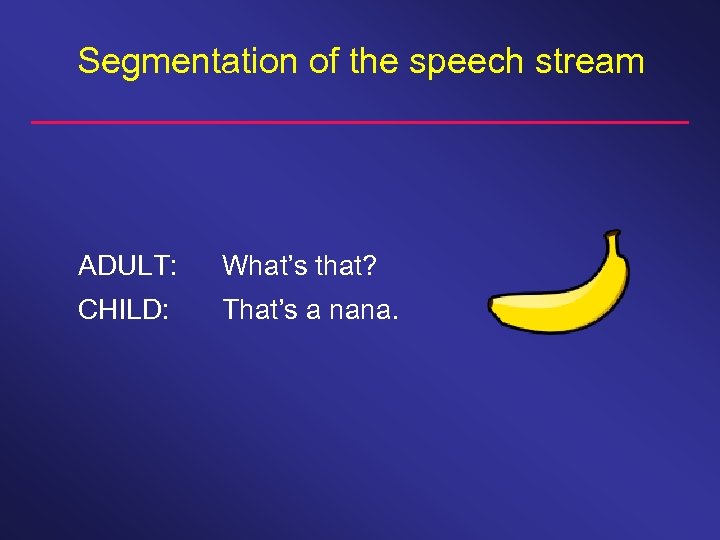 Segmentation of the speech stream ADULT: What’s that? CHILD: That’s a nana.
 How do children acquire their native language? My research focuses on the kinds of learning abilities required to master the complexities of language. Three broad issues characterize my work. One line of research asks what kinds of learning emerge in infancy. A second line of research probes the biases that shape human learning abilities, and the relationship between these biases and the structure of human languages. A third issue concerns the extent to which the learning abilities underlying this process are specifically tailored for language acquisition. Related research concerns infant music perception, and the relationship between music and language learning.
![Early speech perception English [ba] – [da] Hindi [Ôa] – [ta] Nthlakapmx [k’i] –](https://present5.com/presentation/4283f458c022bca1e264510bd0e5586e/image-7.jpg "Early speech perception English [ba] – [da] Hindi [Ôa] – [ta] Nthlakapmx [k’i] –") Early speech perception English [ba] – [da] Hindi [Ôa] – [ta] Nthlakapmx [k’i] – [q’i] Werker ánd Tees (1984)
Early speech perception English [ba] – [da] Hindi [Ôa] – [ta] Nthlakapmx [k’i] – [q’i] Werker ánd Tees (1984)
![Eraly speech perception German [Y] – [u] Tür - Tour Polka and Werker (1994)](https://present5.com/presentation/4283f458c022bca1e264510bd0e5586e/image-8.jpg "Eraly speech perception German [Y] – [u] Tür - Tour Polka and Werker (1994)") Eraly speech perception German [Y] – [u] Tür - Tour Polka and Werker (1994)
Eraly speech perception German [Y] – [u] Tür - Tour Polka and Werker (1994)
![Early speech perception Japanese [l] – [r] Tsushima et al. (1994)](https://present5.com/presentation/4283f458c022bca1e264510bd0e5586e/image-9.jpg "Early speech perception Japanese [l] – [r] Tsushima et al. (1994)") Early speech perception Japanese [l] – [r] Tsushima et al. (1994)
Early speech perception Japanese [l] – [r] Tsushima et al. (1994)
 Early speech perception Phonemes are categories. Categories are mental constructs that underlie our perception of the world. There are everyday categories such as car and tree, and there are linguistic categories such as phonemes and noun phrases. What are categories good for?
 Early speech perception Categories are shaped by experience: Every time a person encounters a particular entity it leaves a trace in memory.
 Emergence of phonemic categories
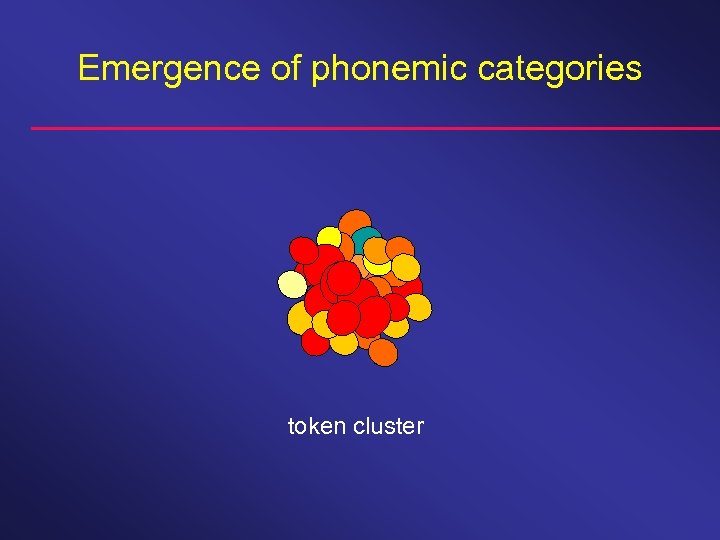 Emergence of phonemic categories token cluster
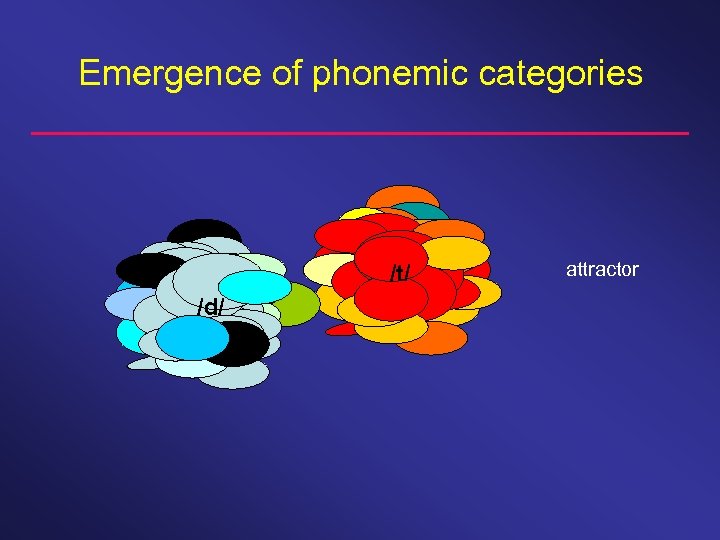 Emergence of phonemic categories /t/ /d/ attractor
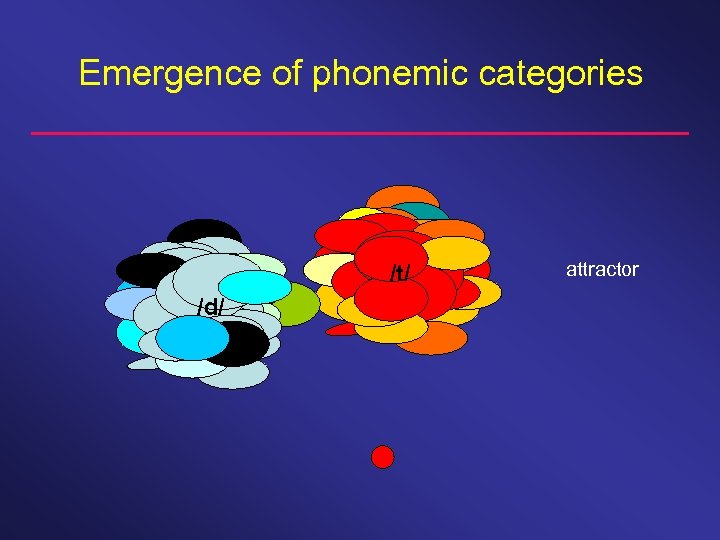 Emergence of phonemic categories /t/ /d/ attractor
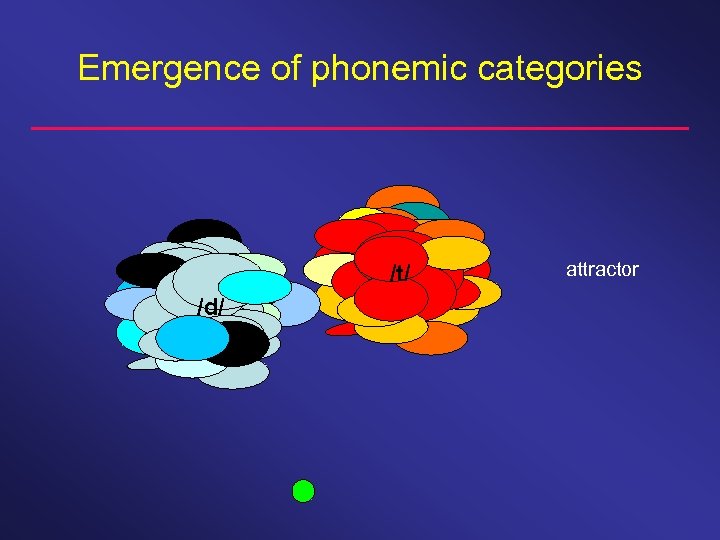 Emergence of phonemic categories /t/ /d/ attractor
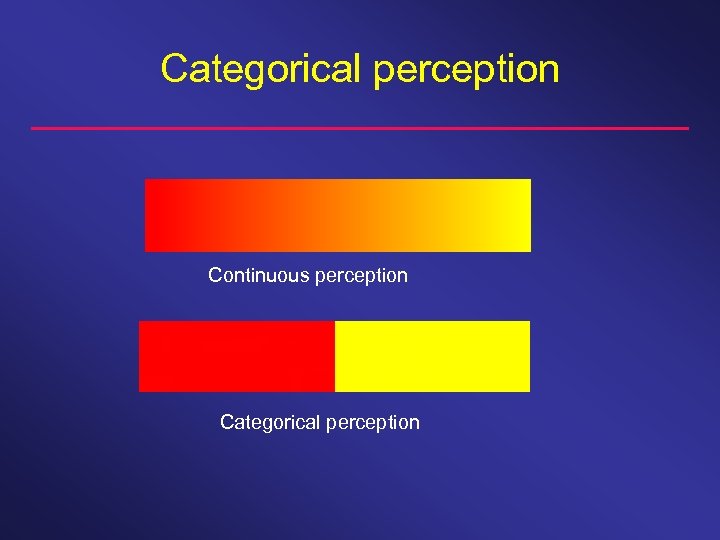 Categorical perception Continuous perception Categorical perception
![Categorical perception [p] [b] Liberman 1957](https://present5.com/presentation/4283f458c022bca1e264510bd0e5586e/image-18.jpg "Categorical perception [p] [b] Liberman 1957") Categorical perception [p] [b] Liberman 1957
Categorical perception [p] [b] Liberman 1957
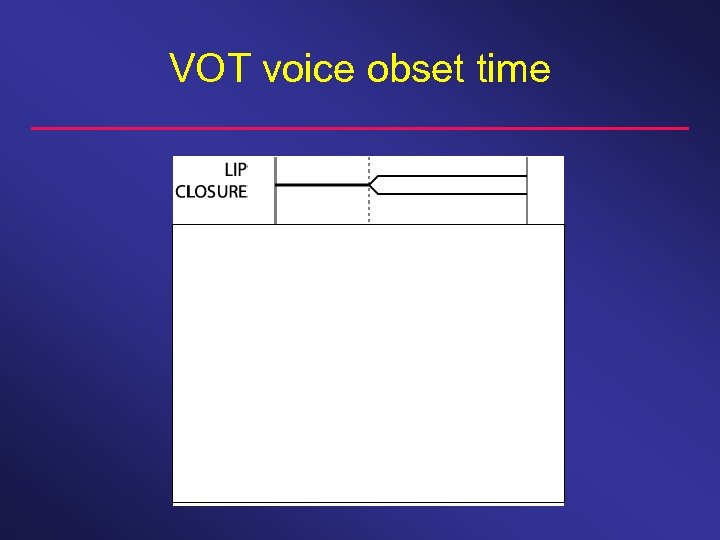 VOT voice obset time
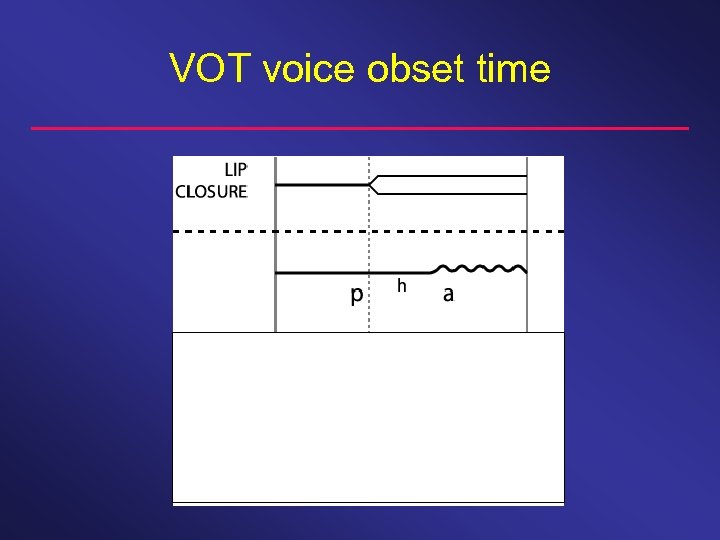 VOT voice obset time
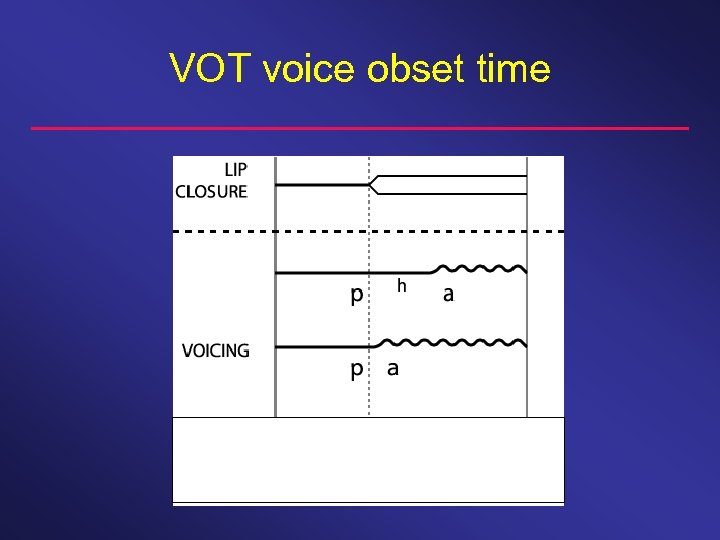 VOT voice obset time
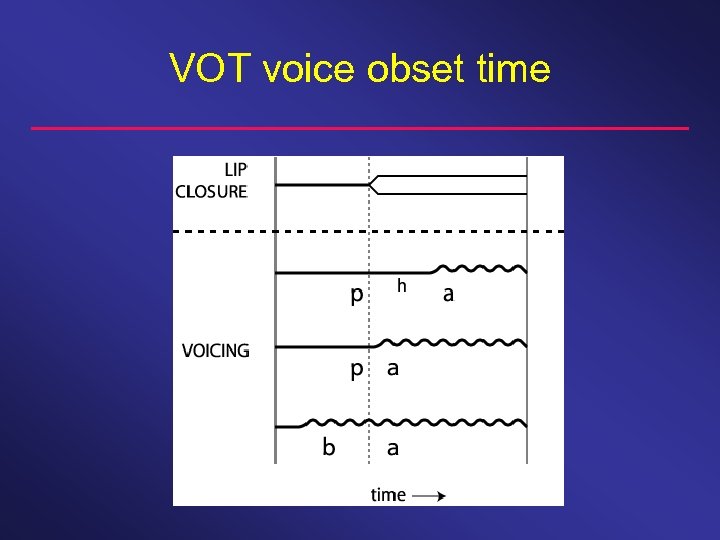 VOT voice obset time
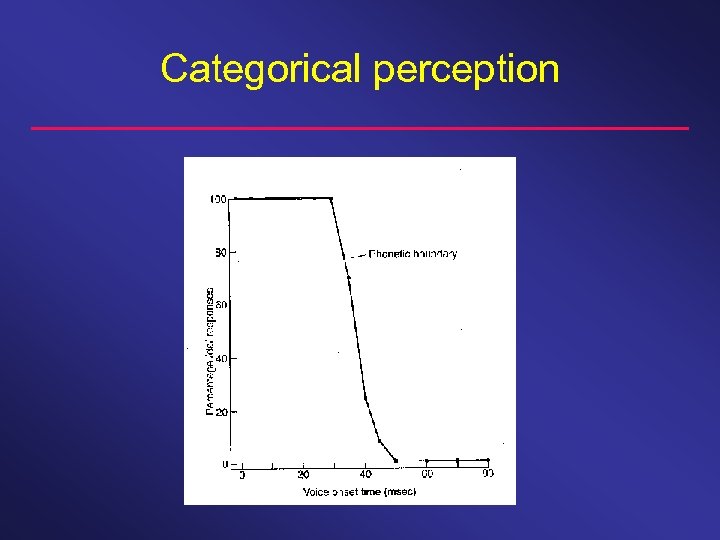 Categorical perception
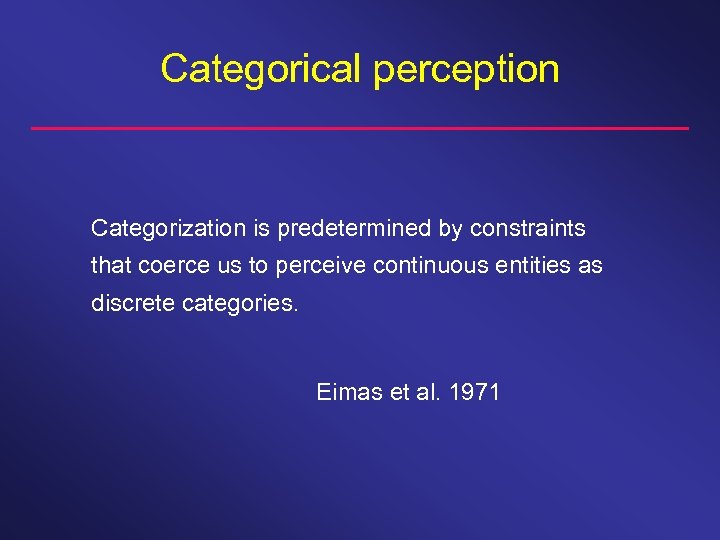 Categorical perception Categorization is predetermined by constraints that coerce us to perceive continuous entities as discrete categories. Eimas et al. 1971
 Pragmatic development Language is an instrument used to … • • express anger ask a question promise someone to do something warn somebody
 Pragmatic development Language is learned in social interactions involving three important components: • speaker • hearer • things and events talked about
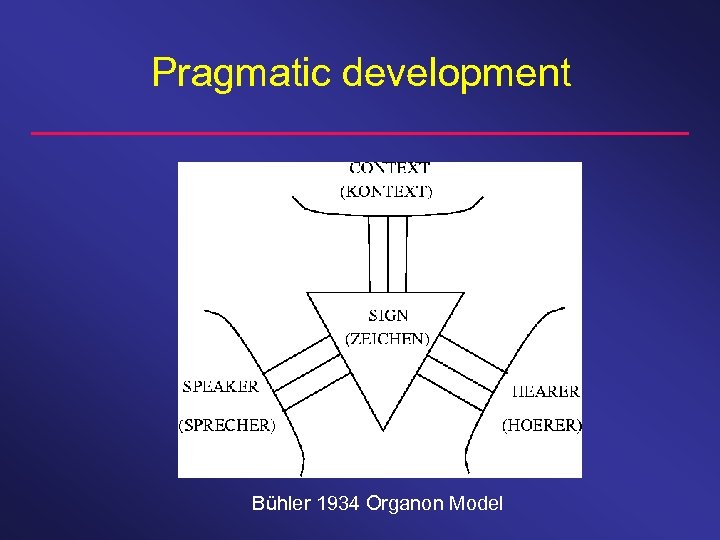 Pragmatic development Bühler 1934 Organon Model
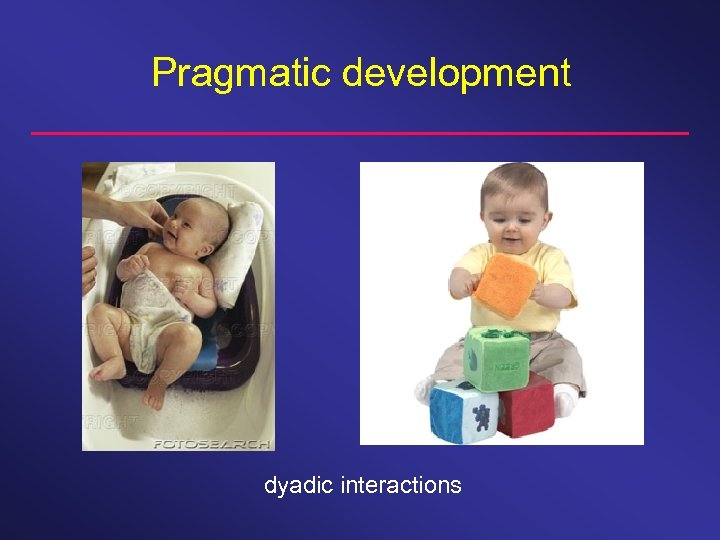 Pragmatic development dyadic interactions
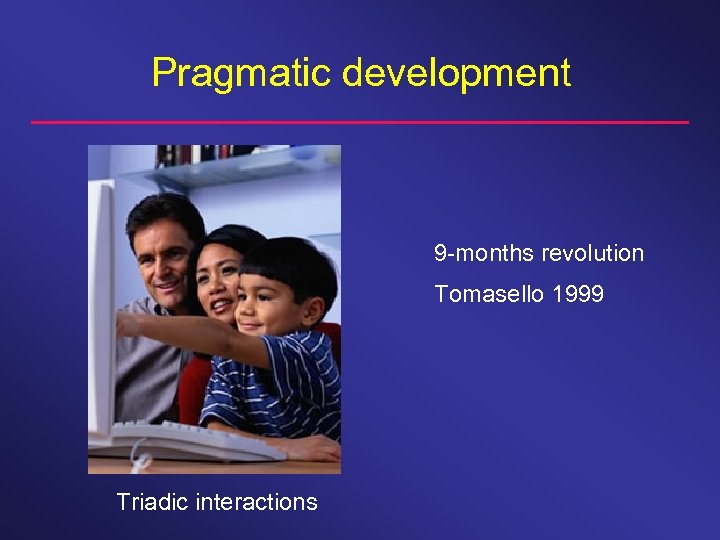 Pragmatic development 9 -months revolution Tomasello 1999 Triadic interactions
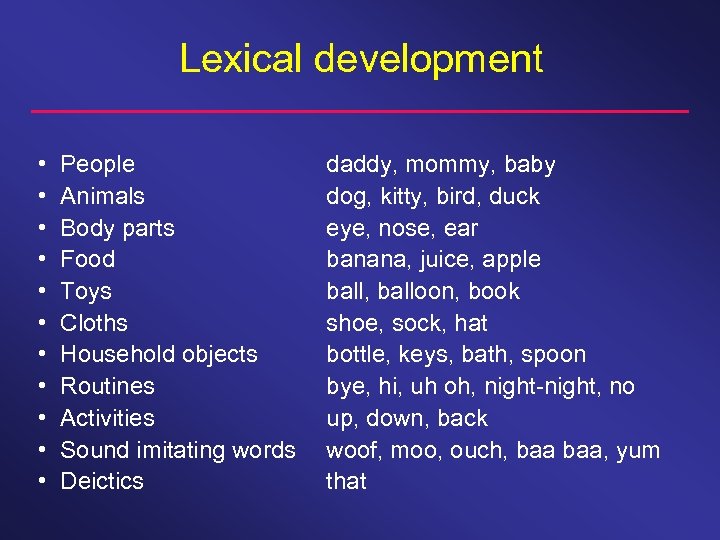 Lexical development • • • People Animals Body parts Food Toys Cloths Household objects Routines Activities Sound imitating words Deictics daddy, mommy, baby dog, kitty, bird, duck eye, nose, ear banana, juice, apple ball, balloon, book shoe, sock, hat bottle, keys, bath, spoon bye, hi, uh oh, night-night, no up, down, back woof, moo, ouch, baa, yum that
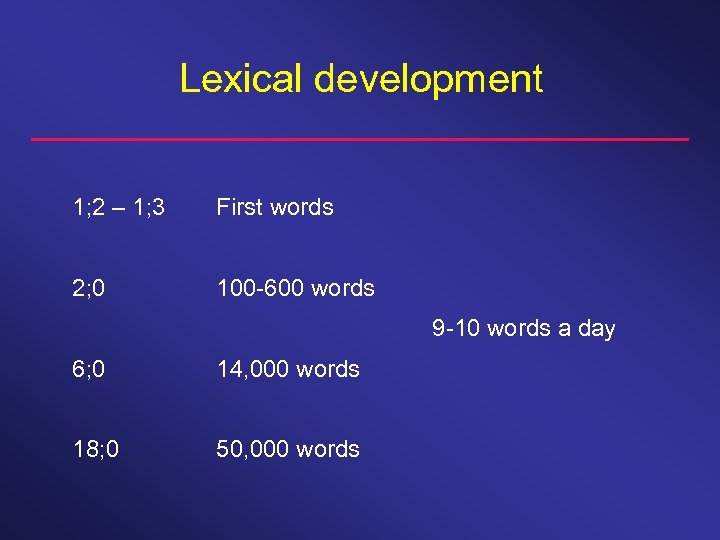 Lexical development 1; 2 – 1; 3 First words 2; 0 100 -600 words 9 -10 words a day 6; 0 14, 000 words 18; 0 50, 000 words
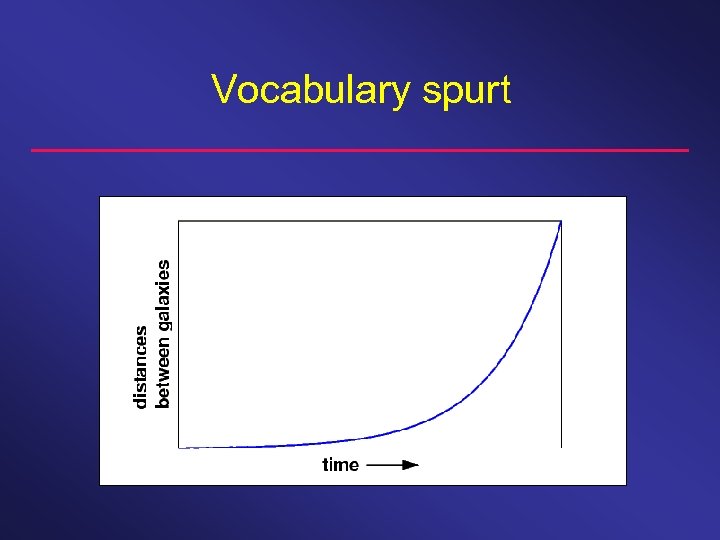 Vocabulary spurt
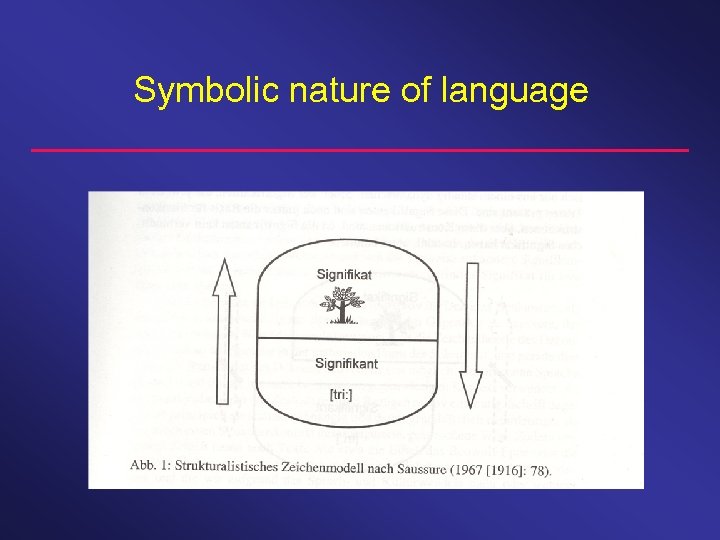 Symbolic nature of language
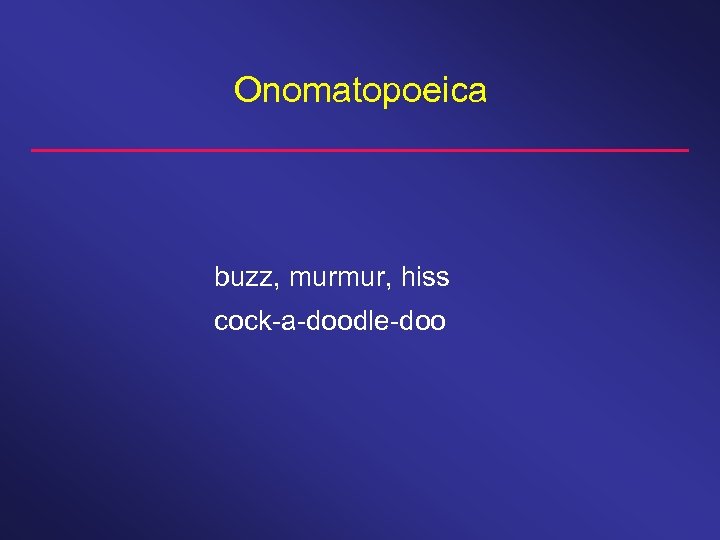 Onomatopoeica buzz, murmur, hiss cock-a-doodle-doo
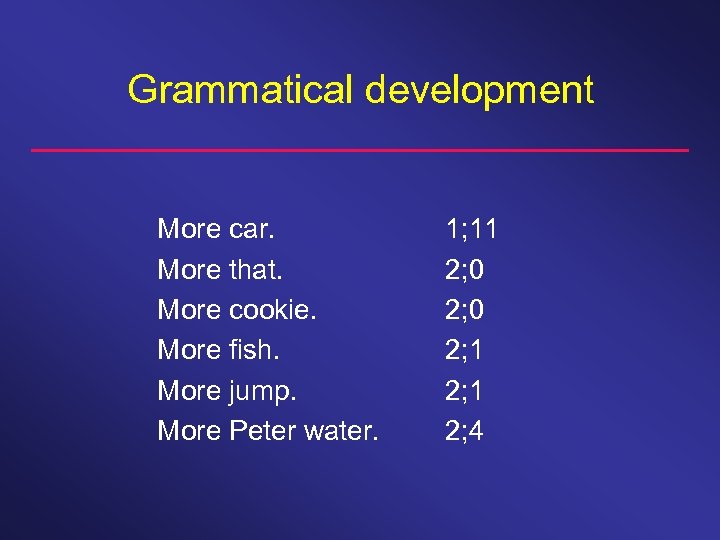 Grammatical development More car. More that. More cookie. More fish. More jump. More Peter water. 1; 11 2; 0 2; 1 2; 4
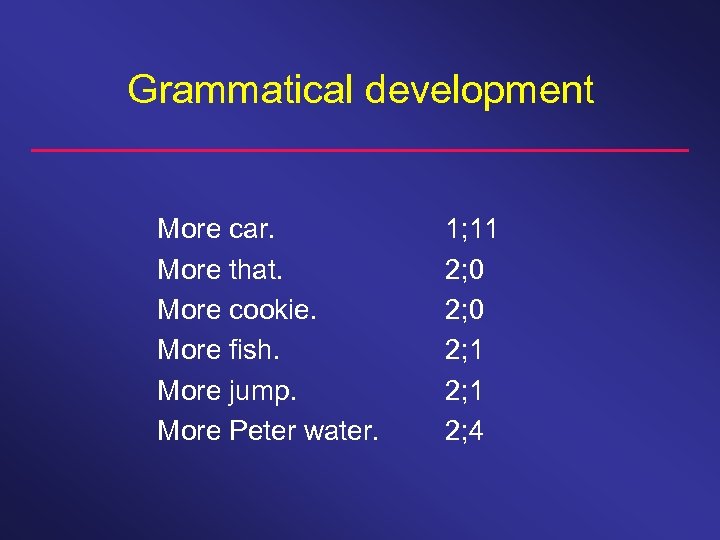 Grammatical development More car. More that. More cookie. More fish. More jump. More Peter water. 1; 11 2; 0 2; 1 2; 4
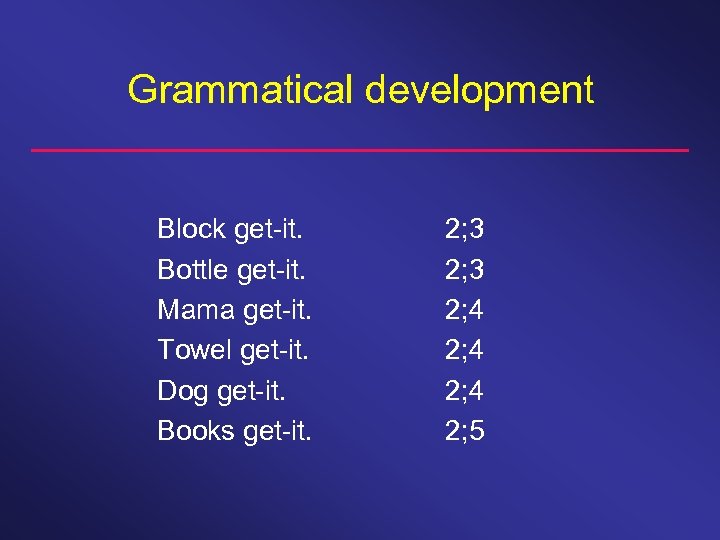 Grammatical development Block get-it. Bottle get-it. Mama get-it. Towel get-it. Dog get-it. Books get-it. 2; 3 2; 4 2; 5
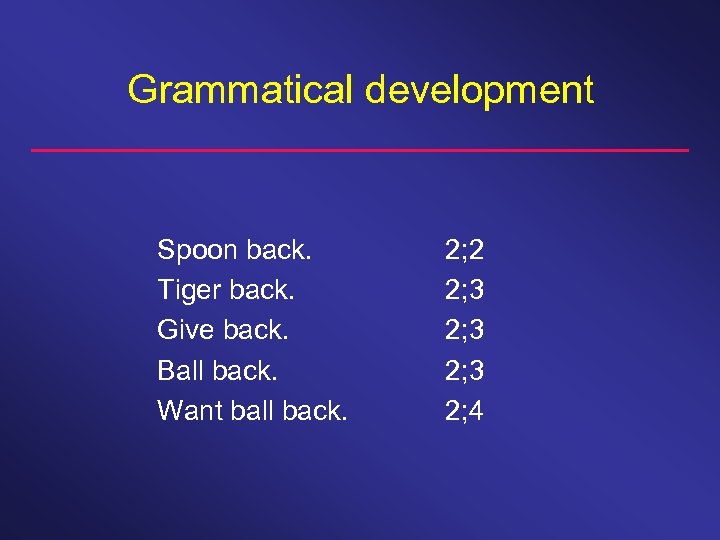 Grammatical development Spoon back. Tiger back. Give back. Ball back. Want ball back. 2; 2 2; 3 2; 4
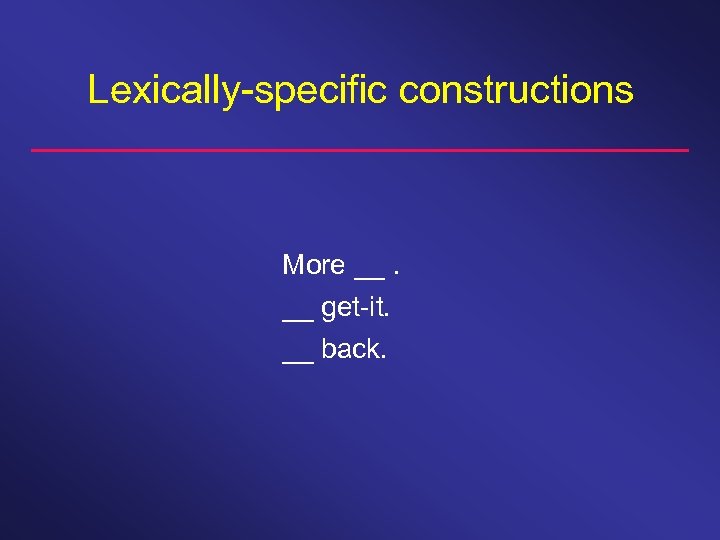 Lexically-specific constructions More __. __ get-it. __ back.
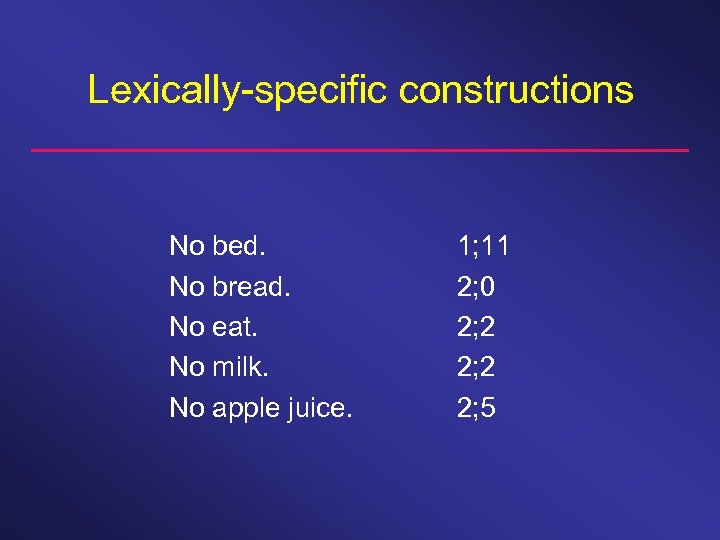 Lexically-specific constructions No bed. No bread. No eat. No milk. No apple juice. 1; 11 2; 0 2; 2 2; 5
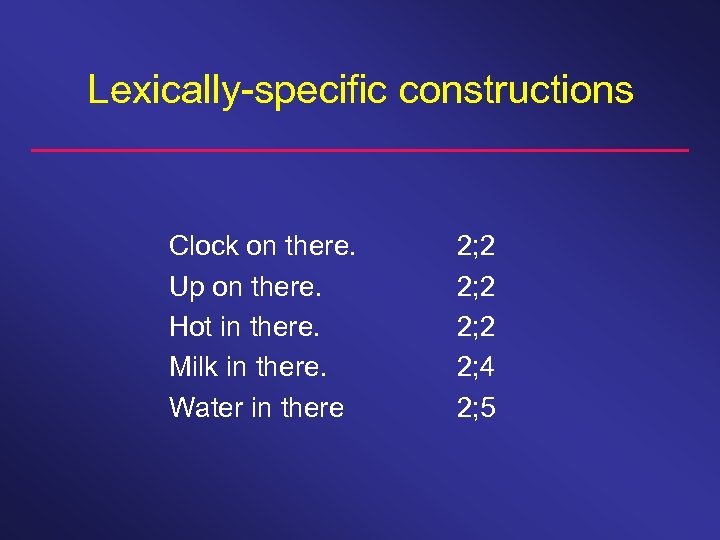 Lexically-specific constructions Clock on there. Up on there. Hot in there. Milk in there. Water in there 2; 2 2; 4 2; 5
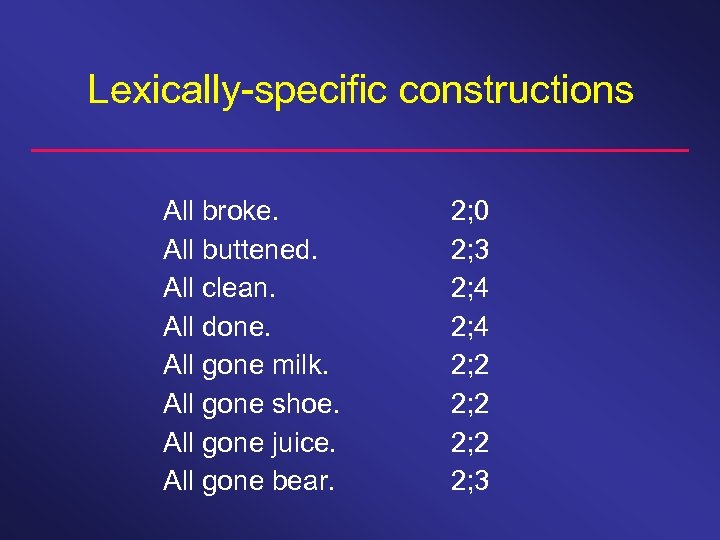 Lexically-specific constructions All broke. All buttened. All clean. All done. All gone milk. All gone shoe. All gone juice. All gone bear. 2; 0 2; 3 2; 4 2; 2 2; 3
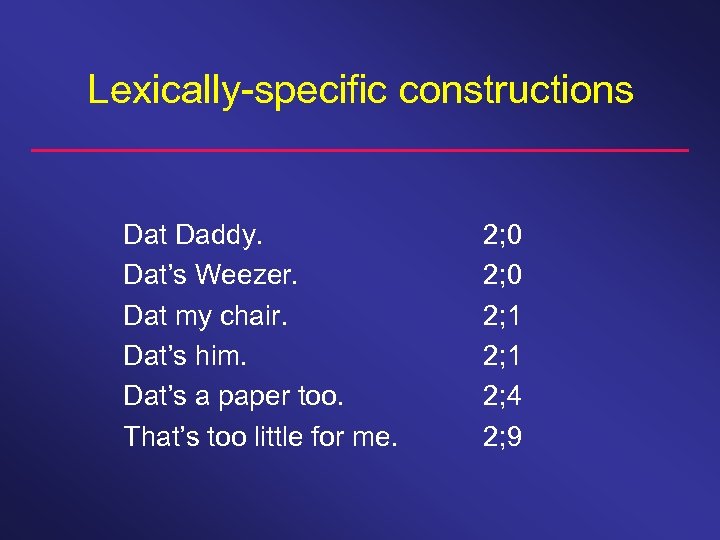 Lexically-specific constructions Dat Daddy. Dat’s Weezer. Dat my chair. Dat’s him. Dat’s a paper too. That’s too little for me. 2; 0 2; 1 2; 4 2; 9
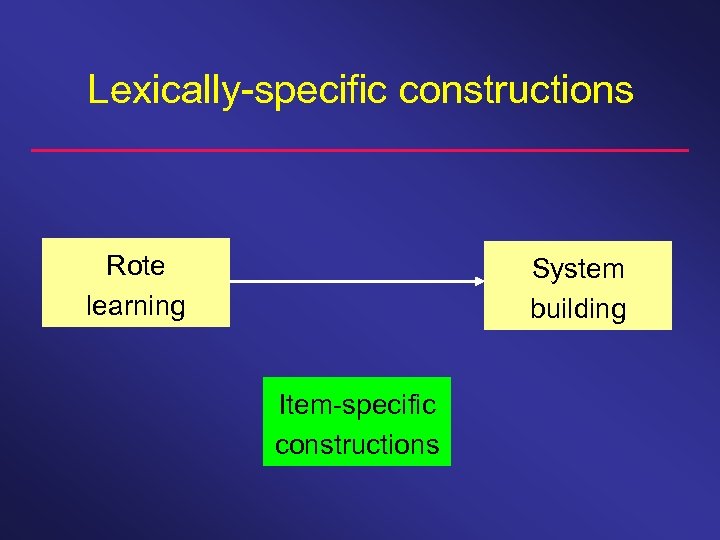 Lexically-specific constructions Rote learning System building Item-specific constructions
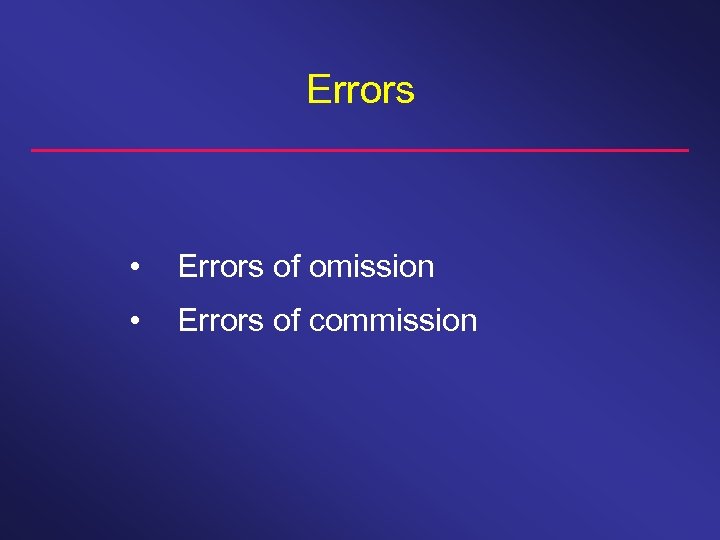 Errors • Errors of omission • Errors of commission
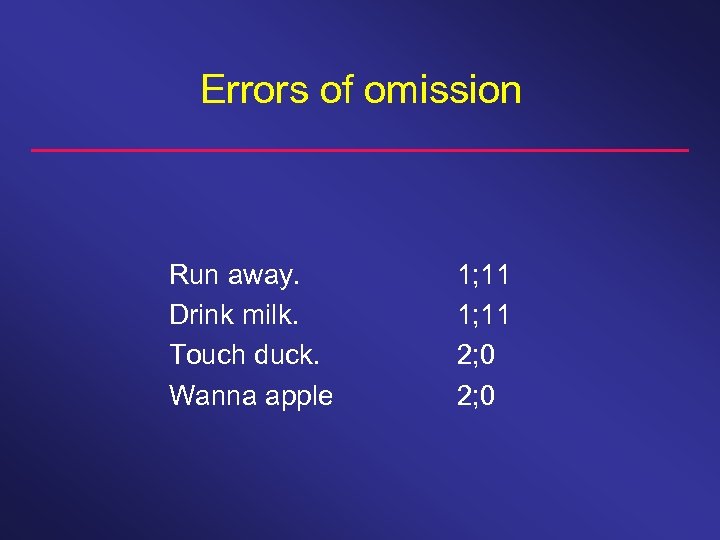 Errors of omission Run away. Drink milk. Touch duck. Wanna apple 1; 11 2; 0
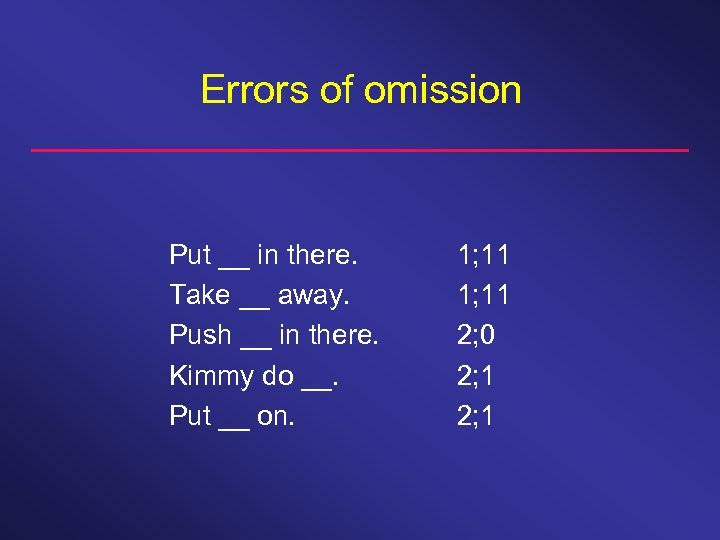 Errors of omission Put __ in there. Take __ away. Push __ in there. Kimmy do __. Put __ on. 1; 11 2; 0 2; 1
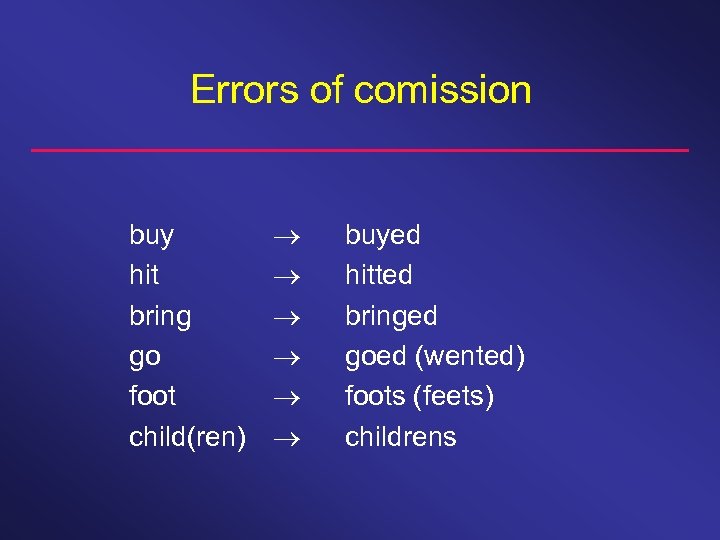 Errors of comission buy hit bring go foot child(ren) buyed hitted bringed goed (wented) foots (feets) childrens
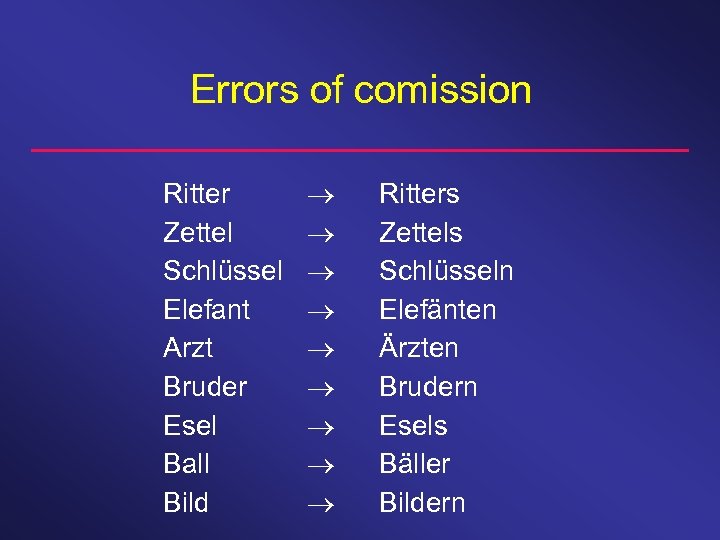 Errors of comission Ritter Zettel Schlüssel Elefant Arzt Bruder Esel Ball Bild Ritters Zettels Schlüsseln Elefänten Ärzten Brudern Esels Bäller Bildern
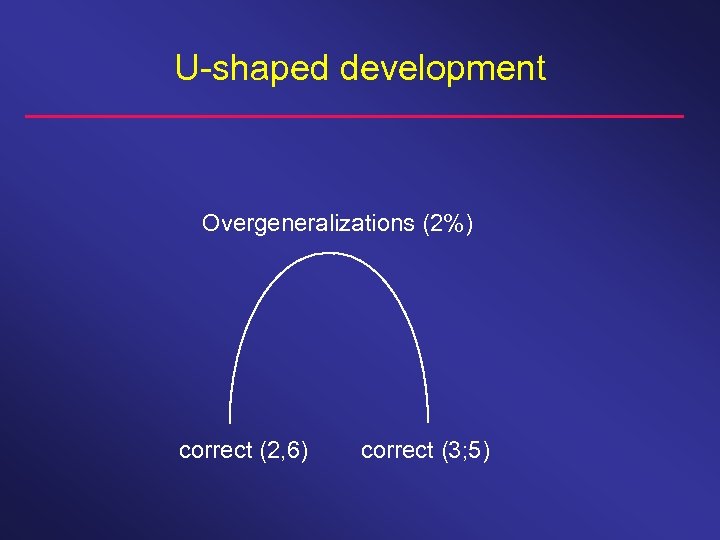 U-shaped development Overgeneralizations (2%) correct (2, 6) correct (3; 5)