


 Скачать презентацию Especially Hazardous Cargo EHC Model Office of Port
dc0c853234165d5eb64e6f77883495c6.ppt
- Количество слайдов: 11
 Especially Hazardous Cargo (EHC) Model Office of Port & Facility Compliance (CG-FAC) U. S. Coast Guard Headquarters 1
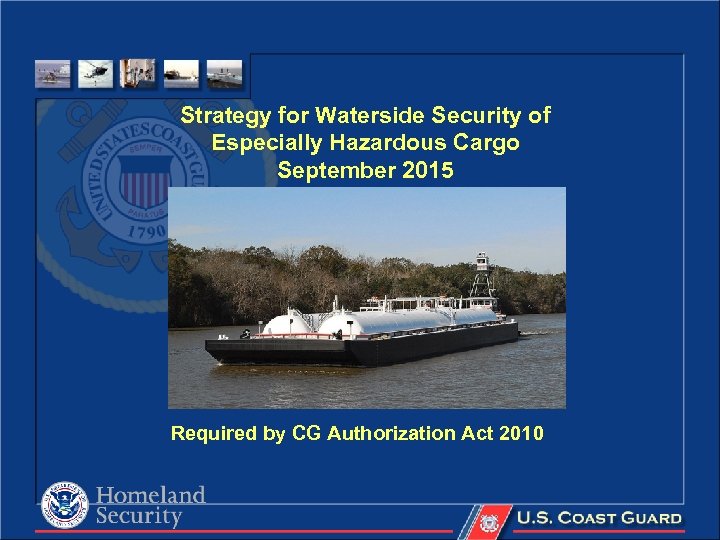 Strategy for Waterside Security of Especially Hazardous Cargo September 2015 Required by CG Authorization Act 2010
 Four Strategic Goals • Goal 1. Contribute to the real time national, regional, and local awareness of the location of EHCs • Goal 2. Assess vulnerability and potential consequences to the MTS of waterside attacks on vessels and facilities handling EHCs • Goal 3. Improve DHS response capabilities and coordination that would mitigate the consequence of an attack • Goal 4. Promote governmental capabilities for MTS recovery from waterside attacks on vessels and facilities handling and storing EHCs
 EHC Model Purpose • The purpose of the new EHC model is to: • Inform development of an implementation plan for the Strategy for the Waterside Security of EHC • Identify EHC Routes in the MTS • Identify where EHC are loaded and discharged from vessels and where EHC barges are fleeted. • Identify how frequently these commodities are transported in the MTS annually • Validate data from the original 2011 CDC Flow Study
 EHC Flow Model vs. 2011 CDC Flow Study • • Covered most CDCs defined in 33 CFR 160. 202 General description, uses, hazards and manufacturing process for each cargo Transits per waterway or river segment annually (frequency) Specifically funded from a separate source Informed by IRVMC Percentage of commodity transported via MTS Identified MTS distribution routes • EHC Flow Model (Similar with a few exceptions) • • • Not as well funded, does not have a special contract Only EHCs noted in 2010 CG Authorization Act Not informed by IRVMC Will highlight time of year/month or season EHCs are transported Will identify the next intermodal transport means (pipeline, rail, etc) once departing the MTS Will use e. GIS to map EHC routes, KPAs and facilities
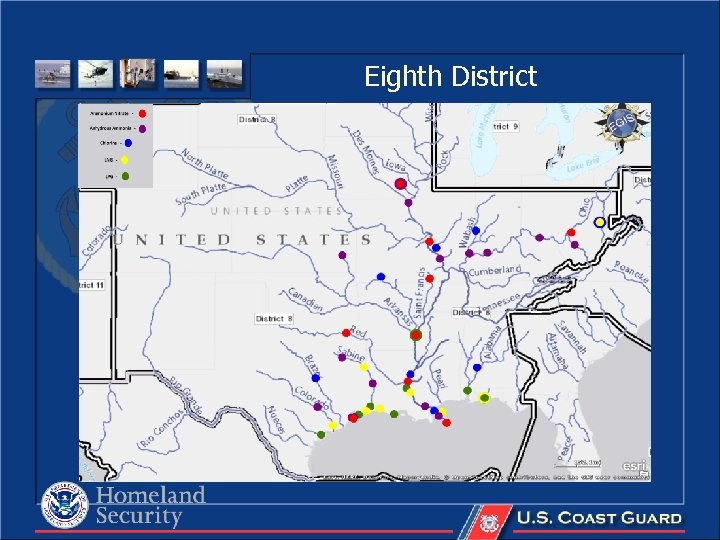 Eighth District
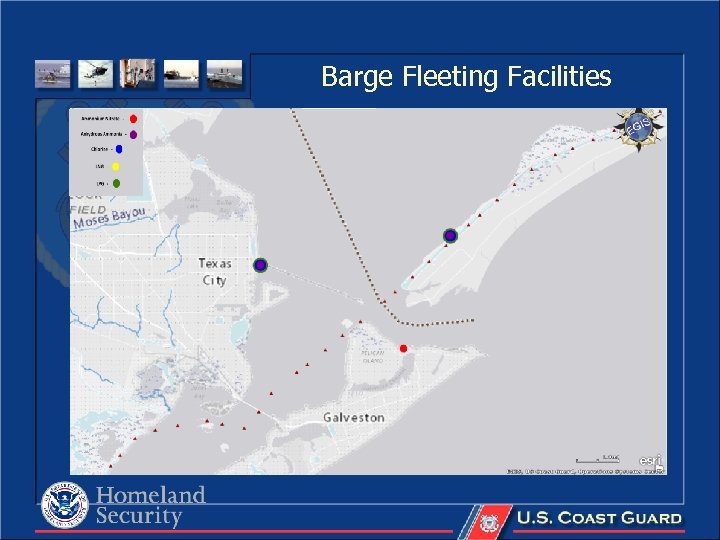 Barge Fleeting Facilities
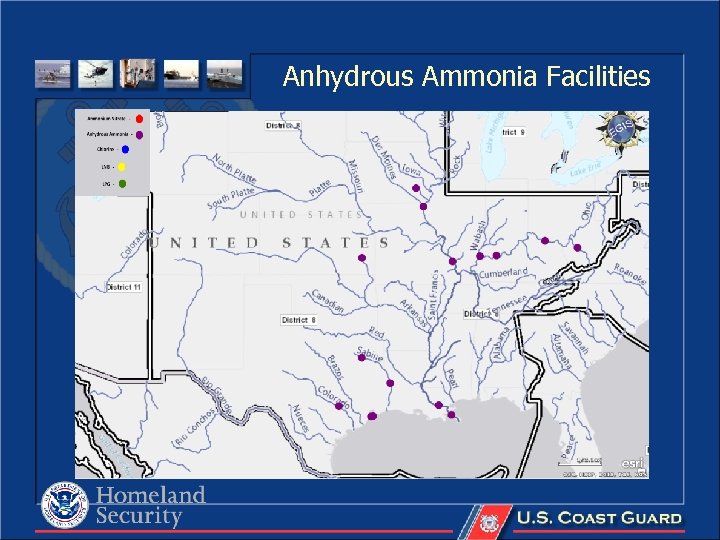 Anhydrous Ammonia Facilities
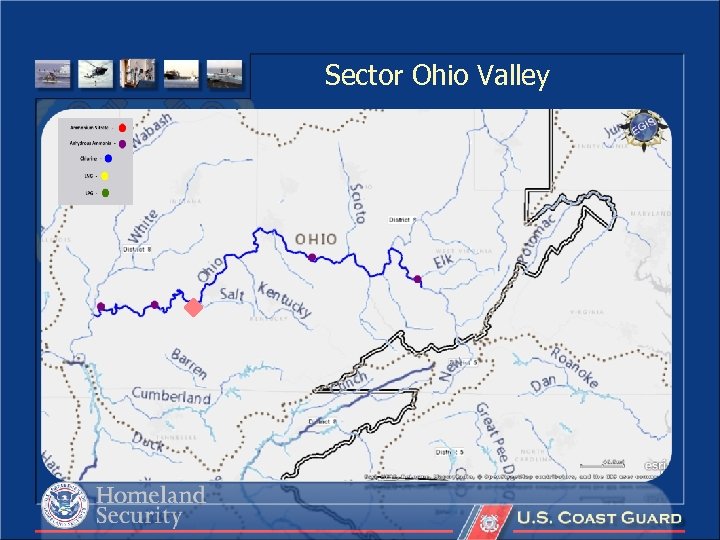 Sector Ohio Valley
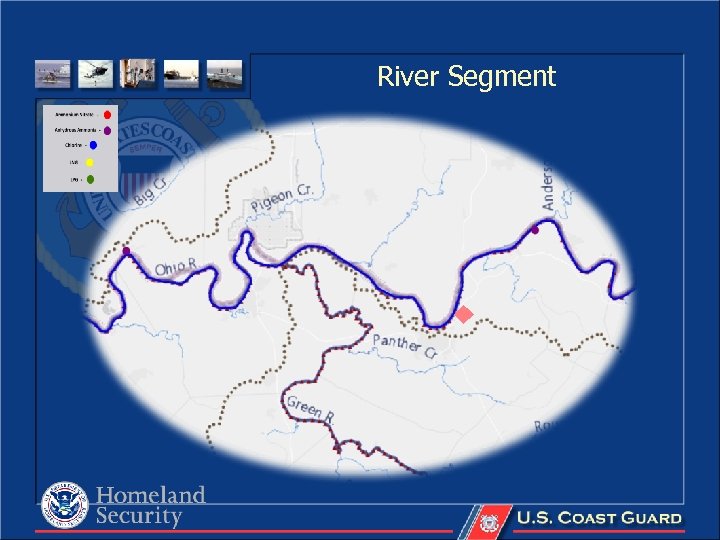 River Segment
 Thank You 11