


 Скачать презентацию Еsophageal disease stricture diverticula achalasia Surgery department
Еsophageal disease (stricture, diverticula,.ppt
- Количество слайдов: 39
 Еsophageal disease (stricture, diverticula, achalasia) Surgery department № 2, DSMA
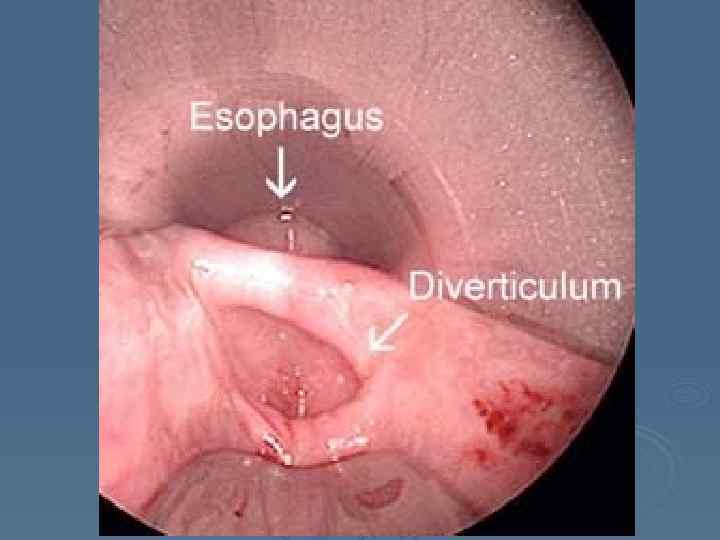
 Clinical picture of esophageal diverticula Ø Food regurgitation might occur when standing, bending or lying down Ø Patients might develop dysphagia (difficulty swallowing) Ø Chronic coughing Ø Chest pain Ø Heartburn Ø Weight loss
 Esophageal diverticula classification By acuirence: l l congenital acquired By quantity: l l single multiple By localisation l l l crycopharyngeal (or Zencer) midoesophageal epiphrenic
 Clinical picture of esophageal diverticula Ø As food collects in the pockets, it promotes bacteria in the esophagus, which also leads to halitosis (bad breath). Ø A patient’s voice also might change.
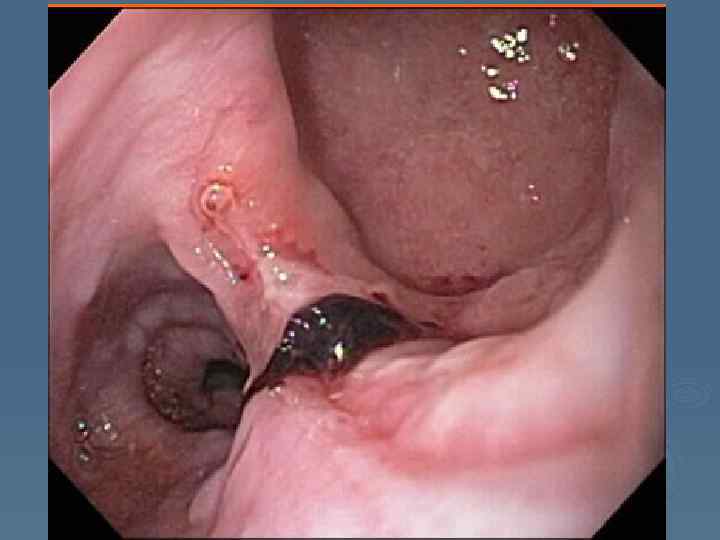
 Diagnostic of esophageal diverticula Ø Esophagoscopy Ø Chest X-ray Ø Contrast esophagography
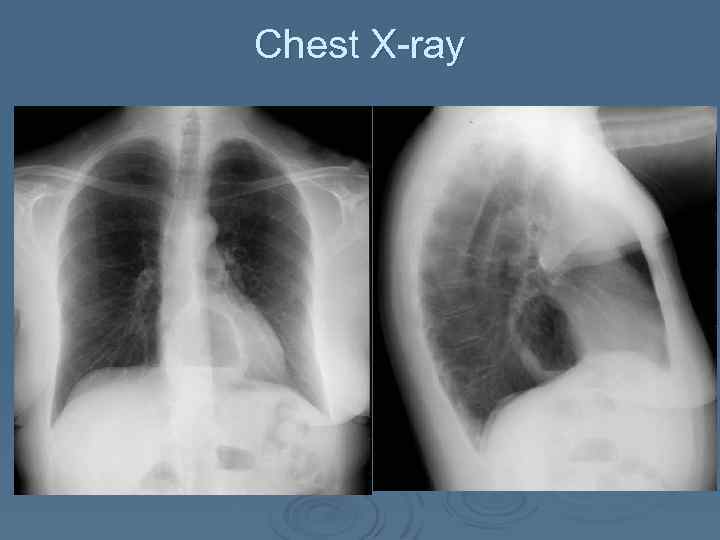 Chest X-ray
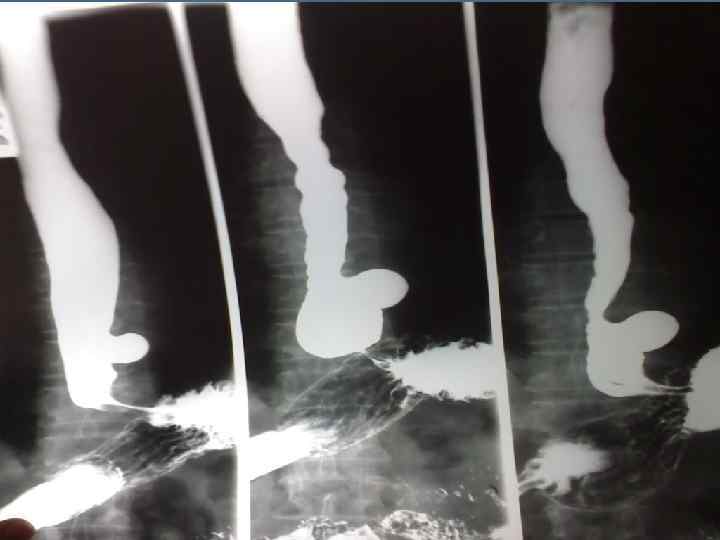
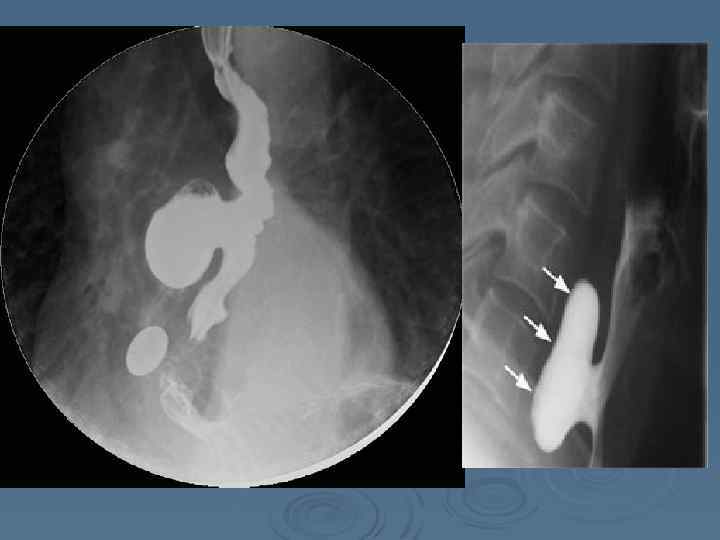
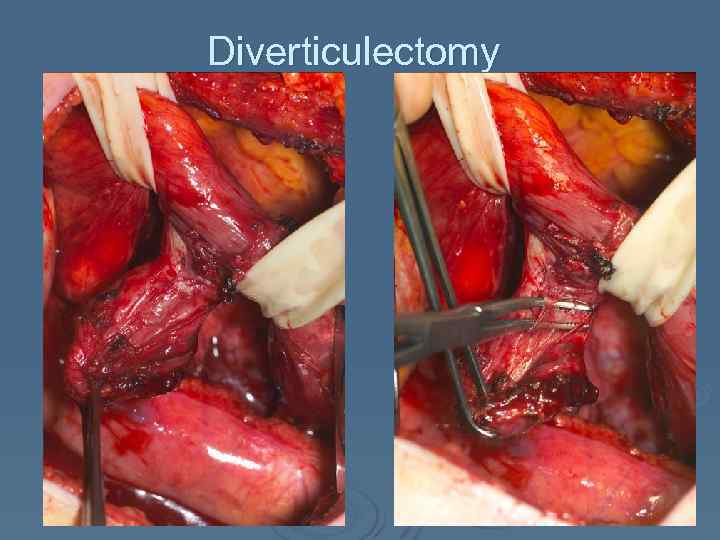 Diverticulectomy
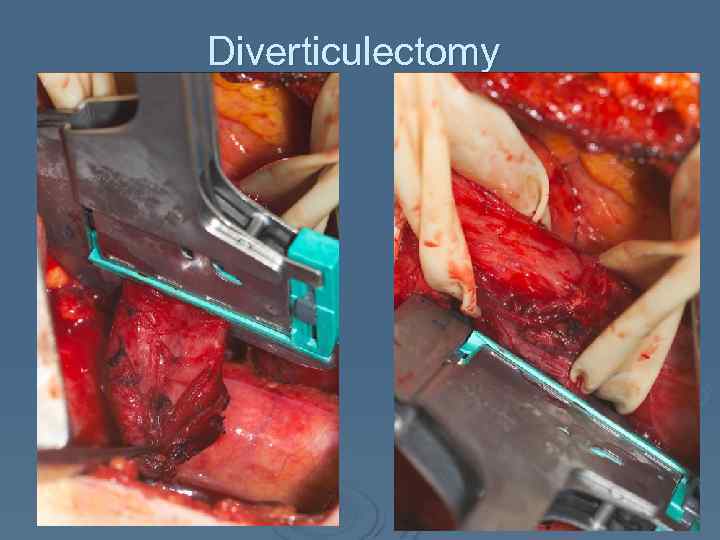 Diverticulectomy
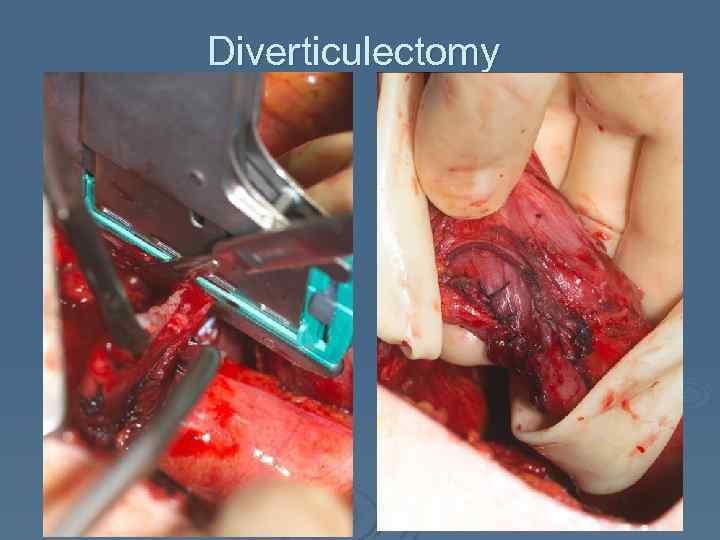 Diverticulectomy
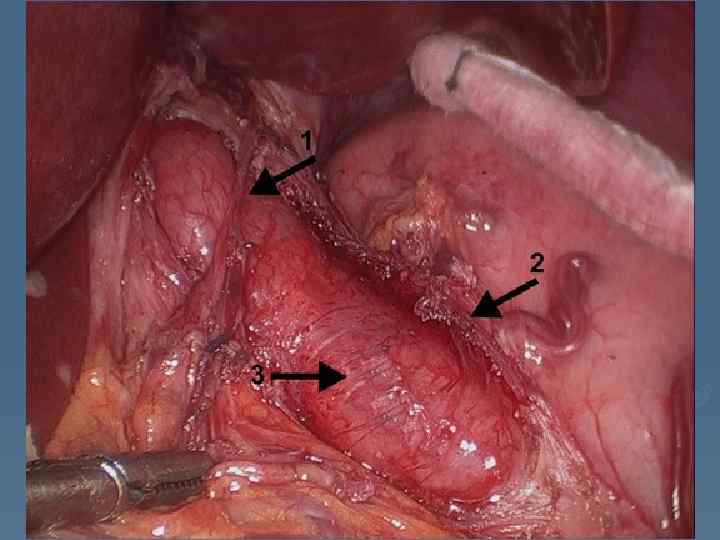
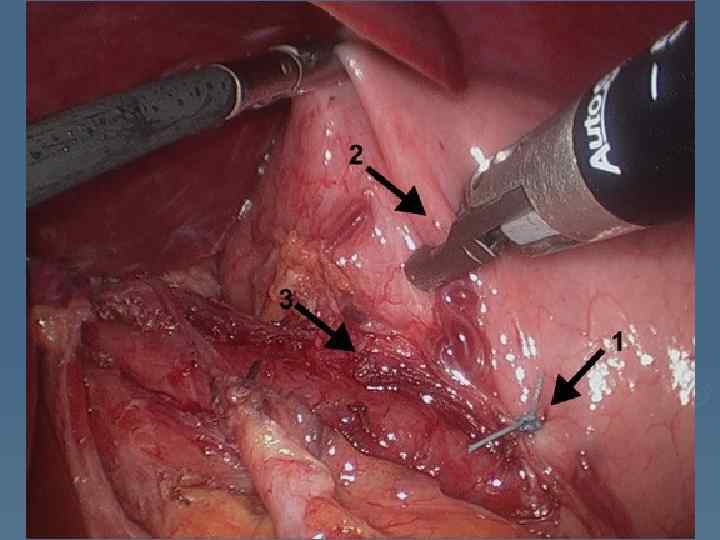
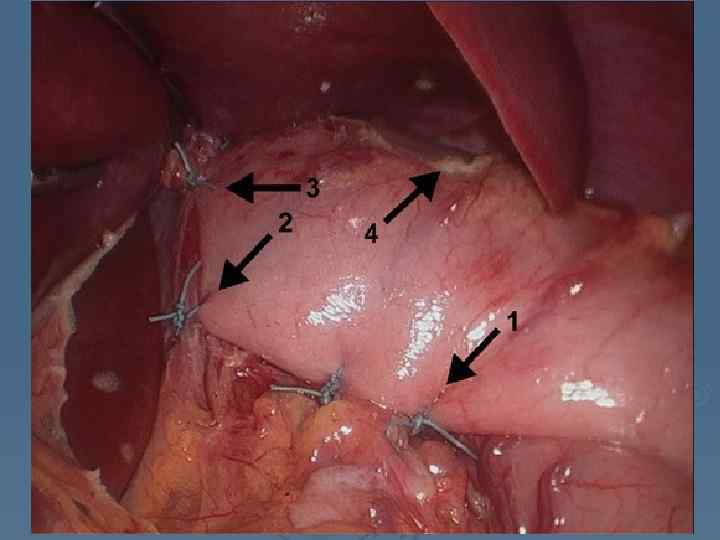
 Esophageal achalasia A rare motor disorder of the esophagus characterized by inability of the lower esophageal sphincter and esophageal muscle to relax as well as dilation of the esophagus
 Esophageal achalasia clinical picture Ø Dysphagia (most common) Ø Regurgitation Ø Chest pain Ø Heartburn Ø Weight loss
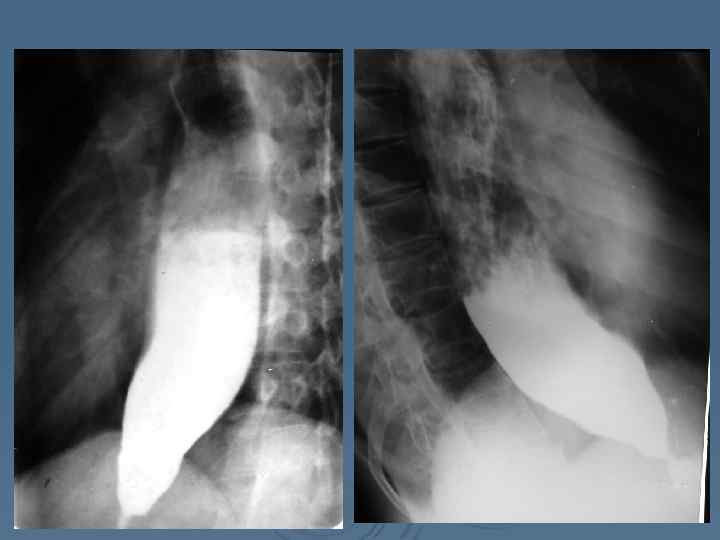
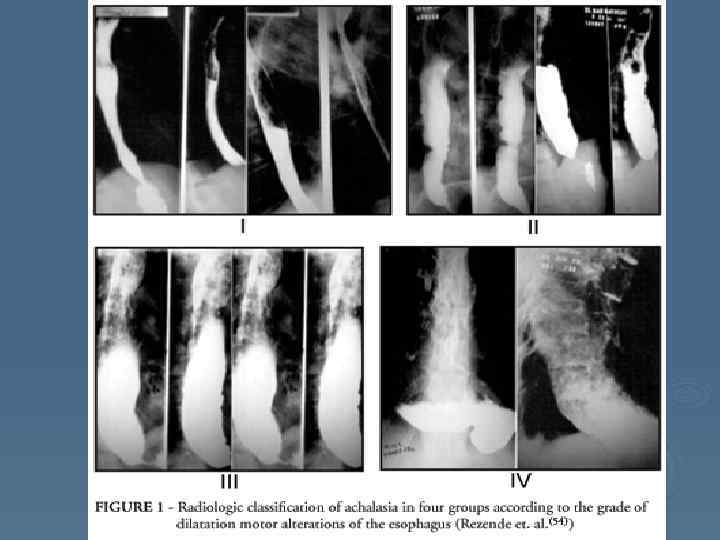
 Esophageal achalasia classification There are four stages: 1. 2. 3. 4. Functional spasm with out gullet extension Stable spasm with moderate gullet extension but peristalsis is saved Scar changes of esophageal wall with pronounced its dilatation, peristalsis is absent Pronounced gullet dilatation with its S-type bending and erosive esophagitis
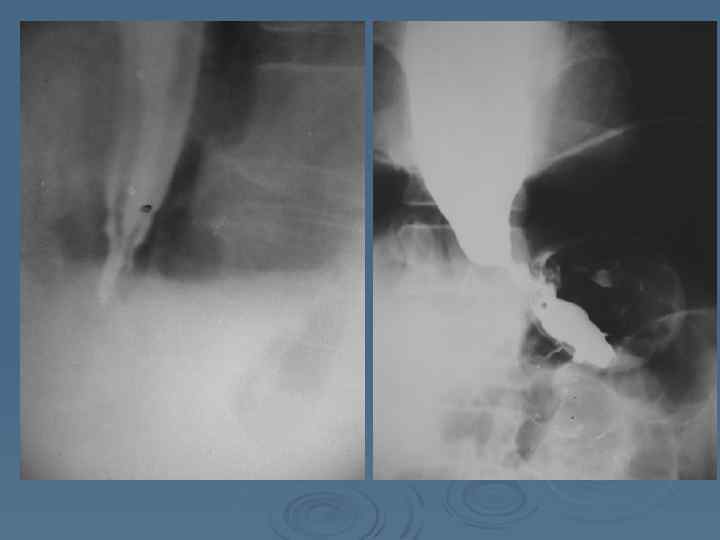
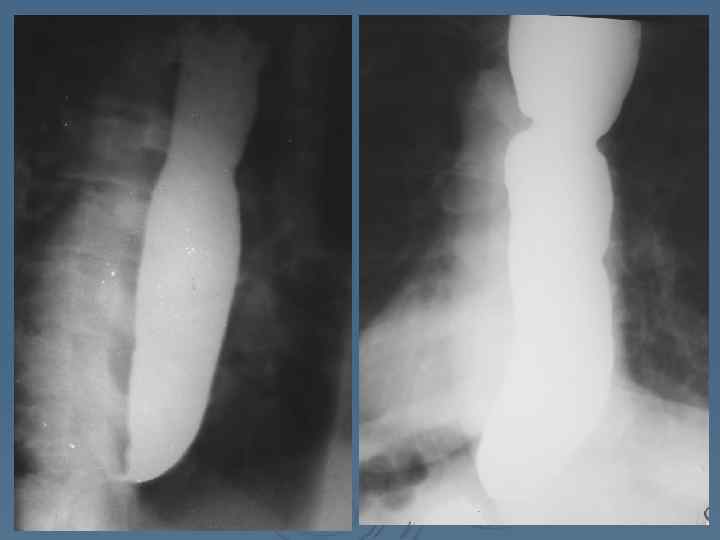
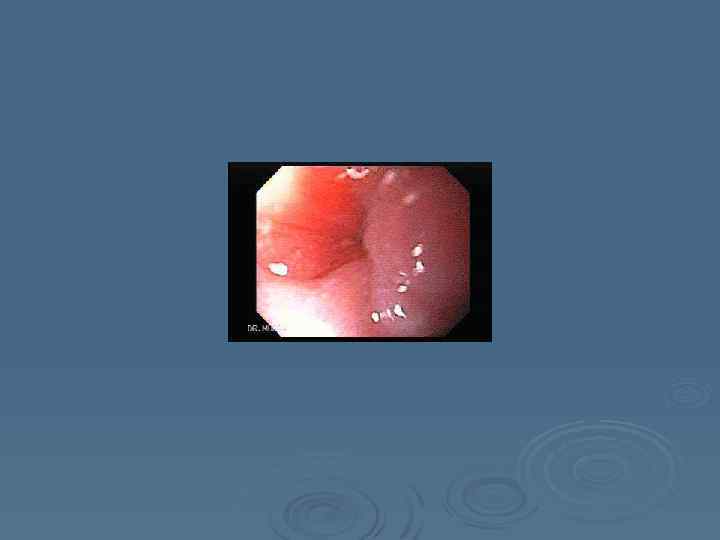
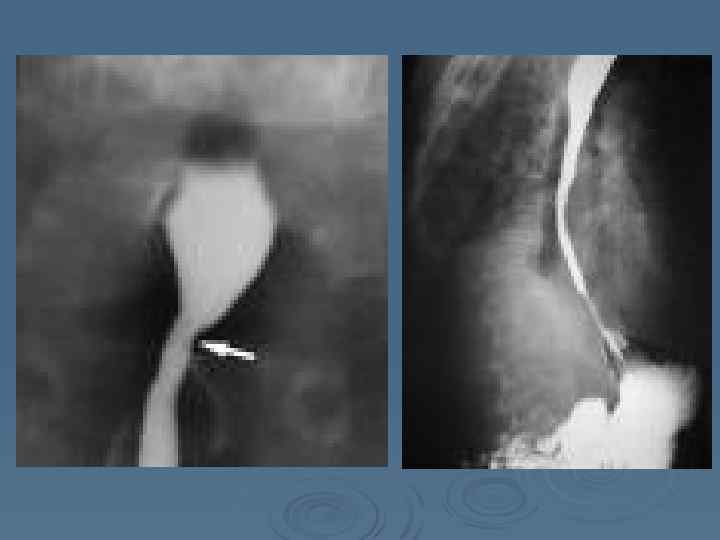
 Esophageal achalasia diagnostic Ø Contrast esophagography (barium swallowing) Ø Fibroesophagoscopy Ø Manometry Ø Biopsy

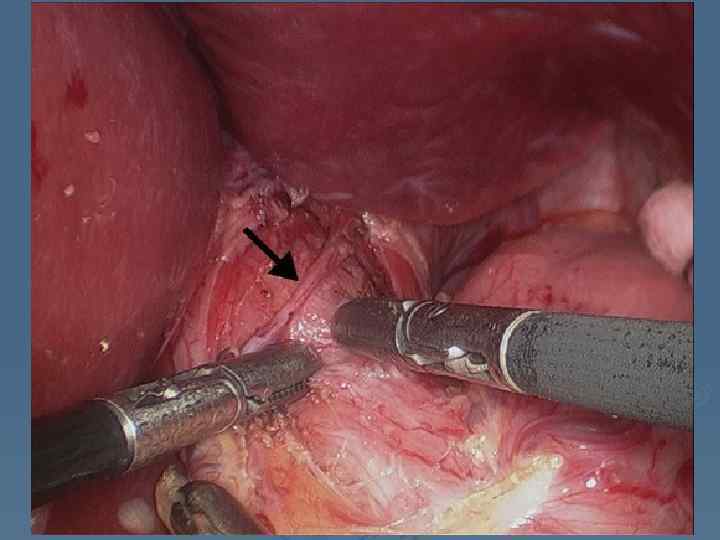
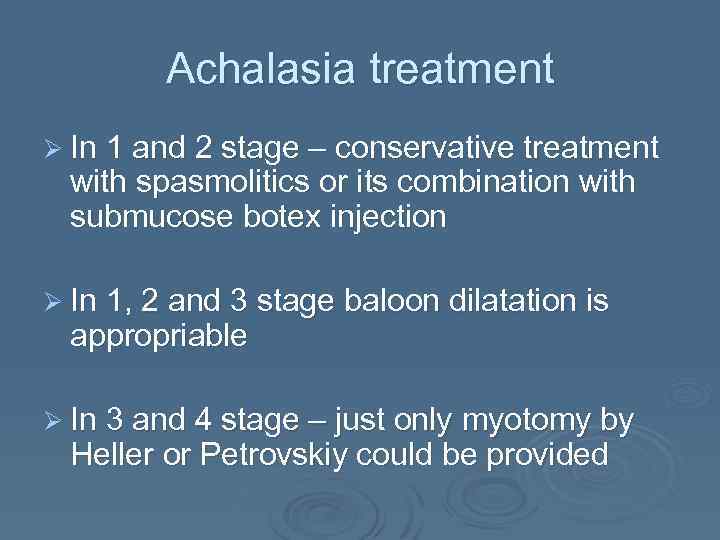 Achalasia treatment Ø In 1 and 2 stage – conservative treatment with spasmolitics or its combination with submucose botex injection Ø In 1, 2 and 3 stage appropriable baloon dilatation is Ø In 3 and 4 stage – just only myotomy by Heller or Petrovskiy could be provided
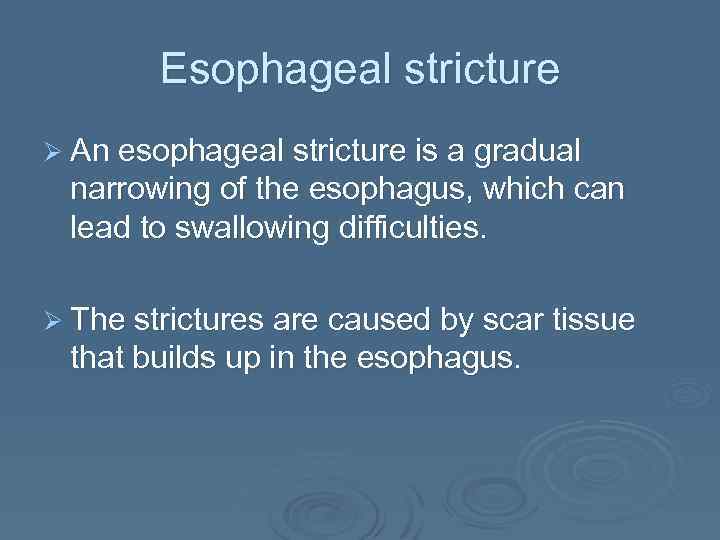 Esophageal stricture Ø An esophageal stricture is a gradual narrowing of the esophagus, which can lead to swallowing difficulties. Ø The strictures are caused by scar tissue that builds up in the esophagus.
 Esophageal stricture Ø When the lining of the esophagus is damaged, scarring develops. Ø When scarring occurs, the lining of the esophagus becomes stiff. Ø In time, as this scar tissue continues to build up, the esophagus begins to narrow in that area.
 Esophageal stricture clinical picture Ø Heartburn Ø Dysphagia Ø Odynophagia Ø Food impaction Ø Weight loss Ø Chest pain.
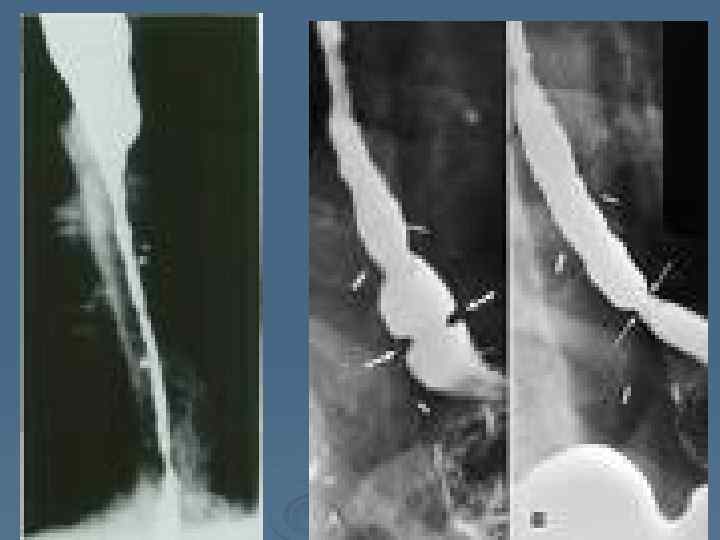
 Esophageal stricture diagnostic Ø Contrast esophagography (barium swallowing) Ø Fibroesophagoscopy Ø Biopsy
 Esophageal stricture treatment Ø Dilation. The esophagus is stretched by passing a dilator or air-filled balloon is passed through a endoscope. Ø Repeated dilation may be necessary to prevent the stricture from returning.
 Esophageal stricture treatment Ø If is performed if a stricture can't be dilated enough to allow solid food to pass through. Ø Surgery is also performed if repeated dilations do not keep these strictures from returning.
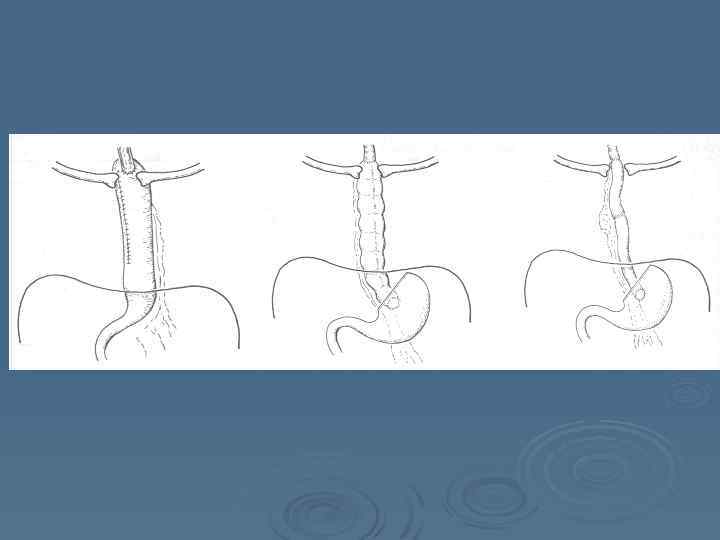
 Esophageal bypass grafting (Esophagoplasty) Ø Total colonoesophagoplasty Ø Total gastroesophagoplasty Ø Total jejunoesophagoplasty
 Thanks for your attention