Скачать презентацию Environmental Health and Resource Geopolitics Environmental Determinism
0cdd6e0c5bbaa16cafd600cb04954ca9.ppt
- Количество слайдов: 59
 Environmental, Health and Resource Geopolitics
 Environmental Determinism Chernobyl and environments beyond borders Oil and Resource Wars Food scares Infectious diseases - Ebola Climate Change
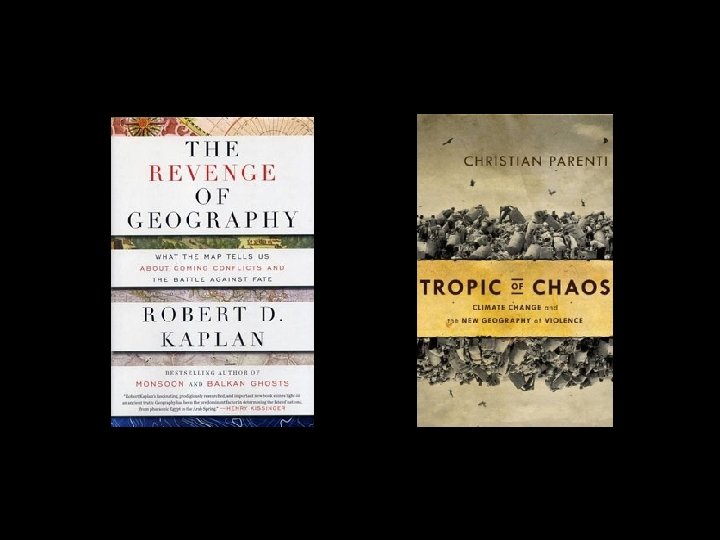
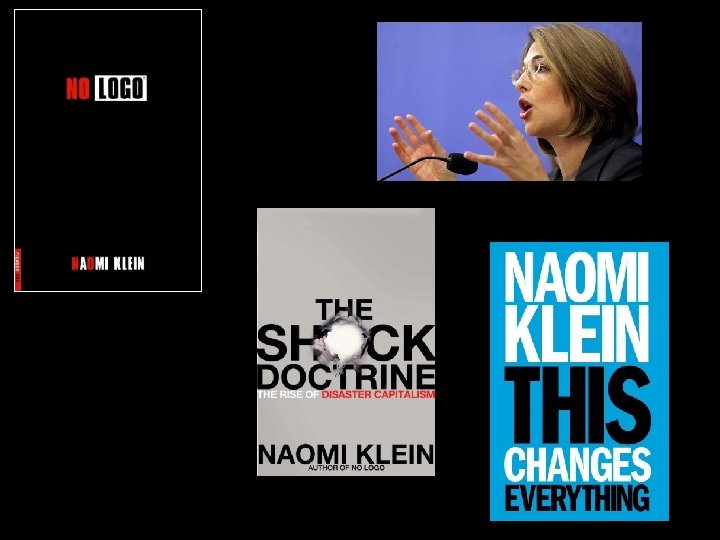
 Environmental Determinism 1890 s Geopolitics 1990 s-2000 s Environmental Geopolitics Physical differences cause economic and political differences, i. e. with development or, environmental problems are the direct result of simply understood political or economic phenomena (i. e. capitalism)
 Since World War Two shift to recognise human impact on earth But discussed as major topic only relatively recently (c 25 years) 1940 s- present nuclear weapon testing 1963 atmospheric test ban treaty Pesticides Mercury poisoning Oil spills – Exxon Valdez in Alaska. March 24, 1989, 11 m gallons
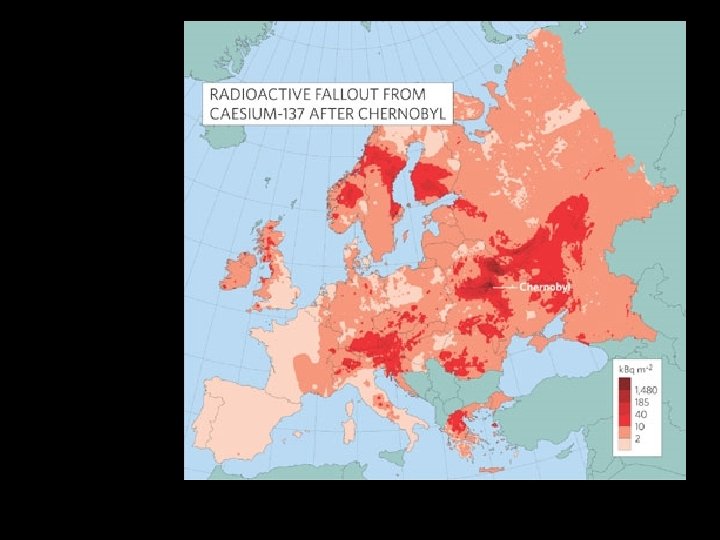
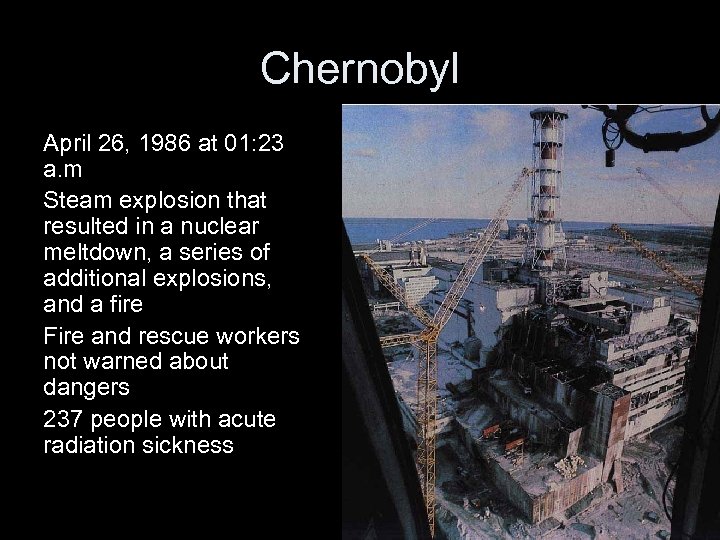 Chernobyl April 26, 1986 at 01: 23 a. m Steam explosion that resulted in a nuclear meltdown, a series of additional explosions, and a fire Fire and rescue workers not warned about dangers 237 people with acute radiation sickness
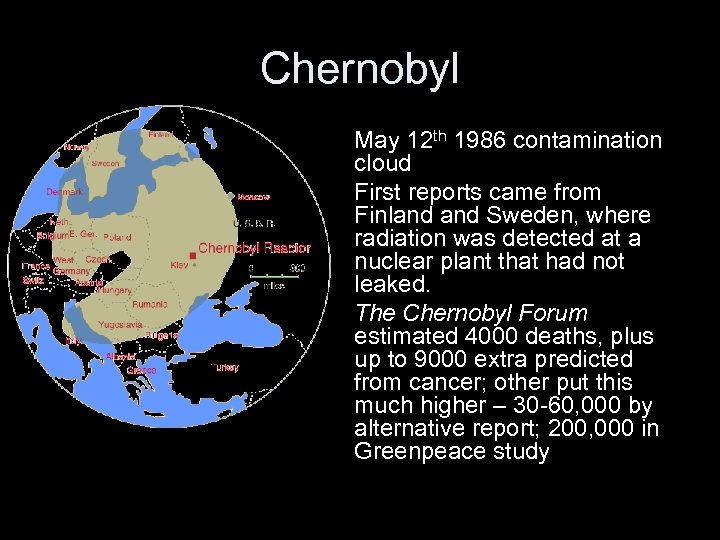 Chernobyl May 12 th 1986 contamination cloud First reports came from Finland Sweden, where radiation was detected at a nuclear plant that had not leaked. The Chernobyl Forum estimated 4000 deaths, plus up to 9000 extra predicted from cancer; other put this much higher – 30 -60, 000 by alternative report; 200, 000 in Greenpeace study
 Beyond borders Environmental hazards produced in one state but felt in another – acid rain, polluted air, or rivers Environmental side effects of other processes (economic, political etc. ) Ozone layer depletion, CFCs
 Beyond Sovereign Territory ‘Global warming’ (climate change) Nuclear and biochemical weapons and accidents ‘nuclear-free zones’ Over-fishing Genetically modified foods imported “Dangers from ‘over there’ are now potentially ‘in here’” (Simon Dalby)
 Military security Gulf War syndrome (1991 -) Anthrax (2001) Disposal of nuclear weapons in USSR and elsewhere – More general issues of disposal of nuclear fuel anywhere, and other toxic waste Deliberate sabotage – Jan 23 1991, Iraq opened oil terminal and dumped oil in Gulf – Burning oil wells in Kuwait
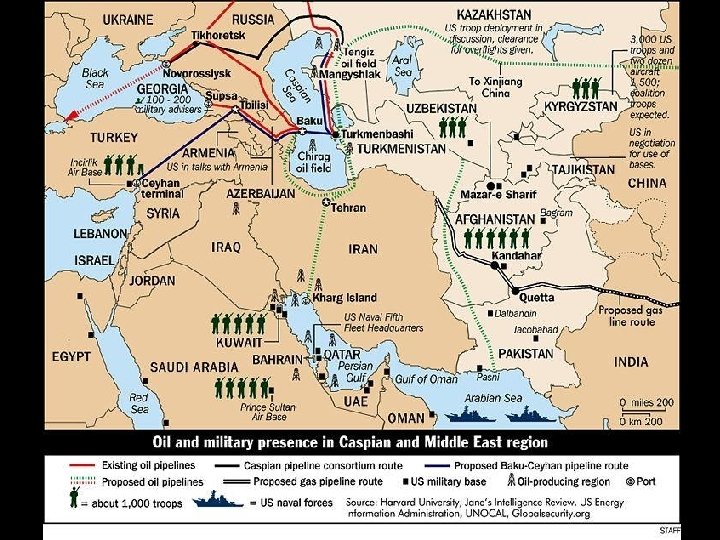
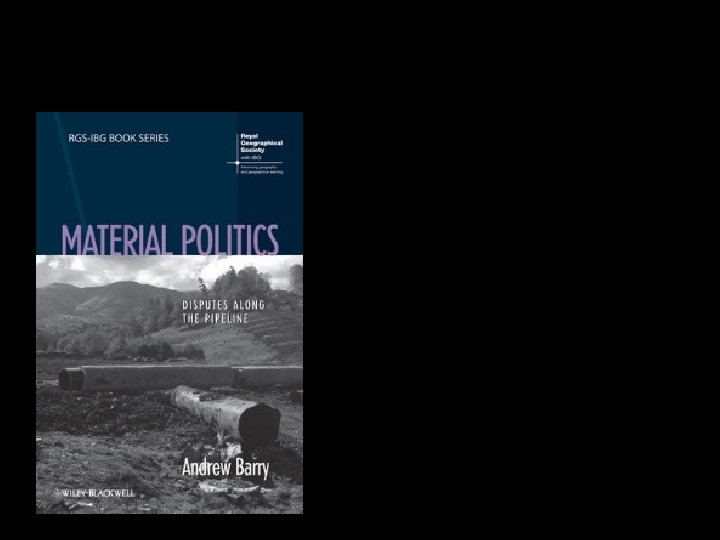
 Oil crisis of 1973 Oil embargo of OPEC Manipulation of prices Iranian revolution 1979 Carter doctrine Gulf War 1991 War in Iraq 2003
 ‘How did our oil get under their sands? ’ ‘No blood for oil’ Peak Oil National Energy Policy (The Cheney Report) May 2001 – Didn’t stress conservation or renewable energy – Domestic oil production in decline so lead to more imports (from which areas? ) – US energy independence (i. e. exploit resources in Alaskan National Wildlife Reserve)
 Flows of wealth Resource rich countries New elites Wider disparities between rich and poor Low social indicators, tendency to be authoritarian, corrupt, ineffective, prioritise military expenditure and more likely to be involved in conflict (Philippe le Billon)
 Materiality and illicit economies Minerals hard to extract, easy to smuggle Illegal logging of trees for timber Drug trade – Colombia – Afghanistan Oil
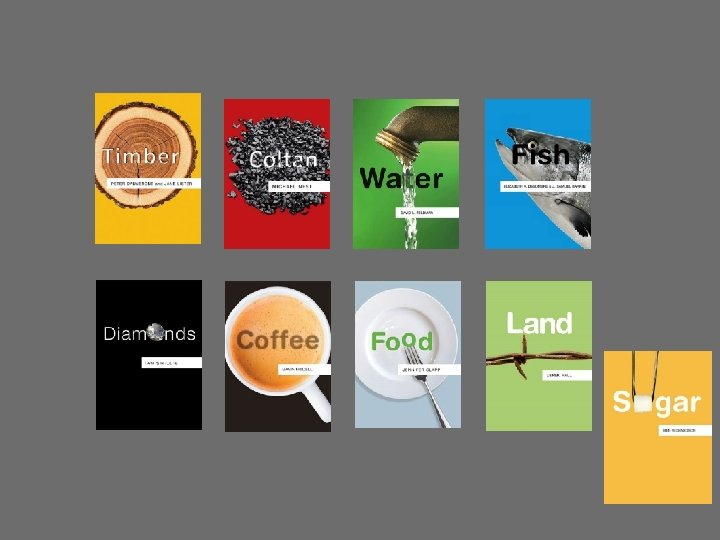
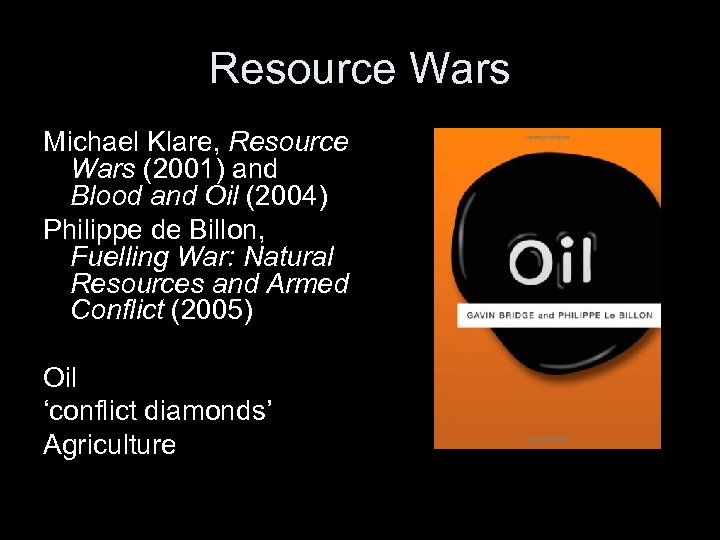 Resource Wars Michael Klare, Resource Wars (2001) and Blood and Oil (2004) Philippe de Billon, Fuelling War: Natural Resources and Armed Conflict (2005) Oil ‘conflict diamonds’ Agriculture
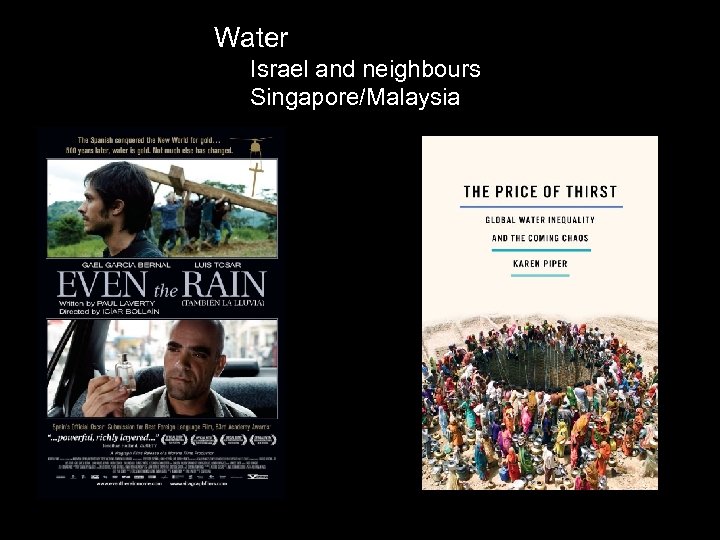 Water Israel and neighbours Singapore/Malaysia
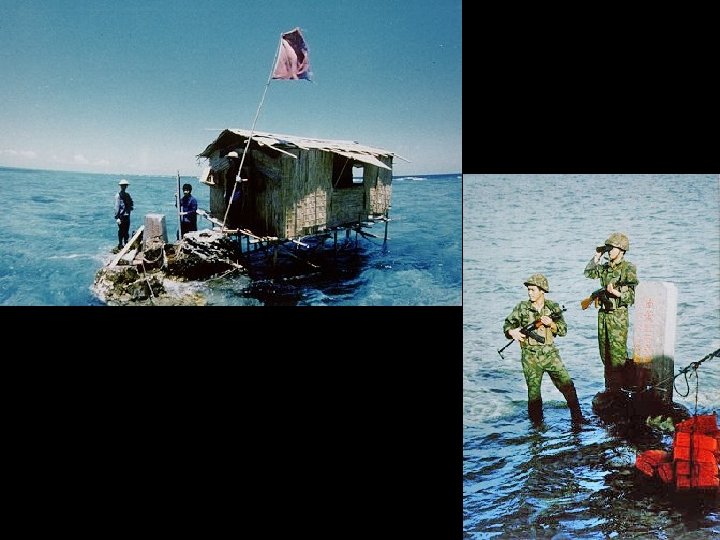
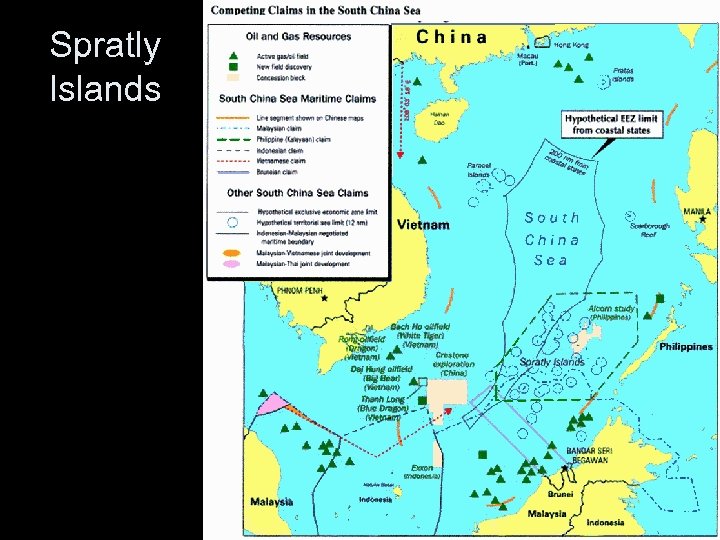 Spratly Islands
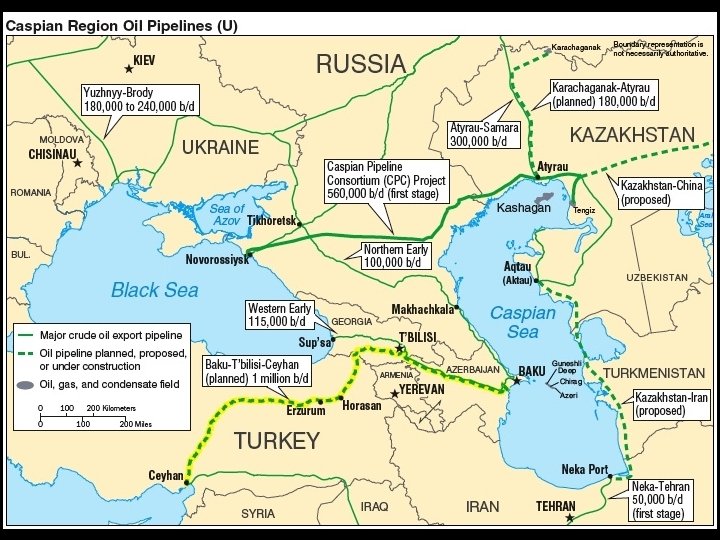
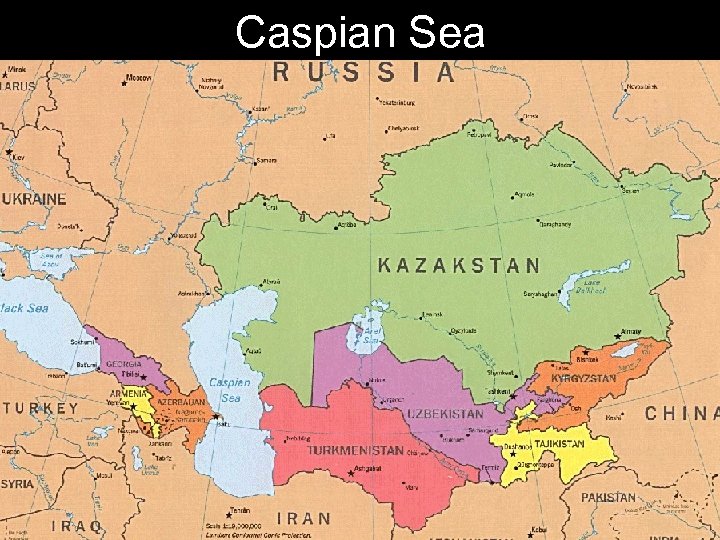 Caspian Sea
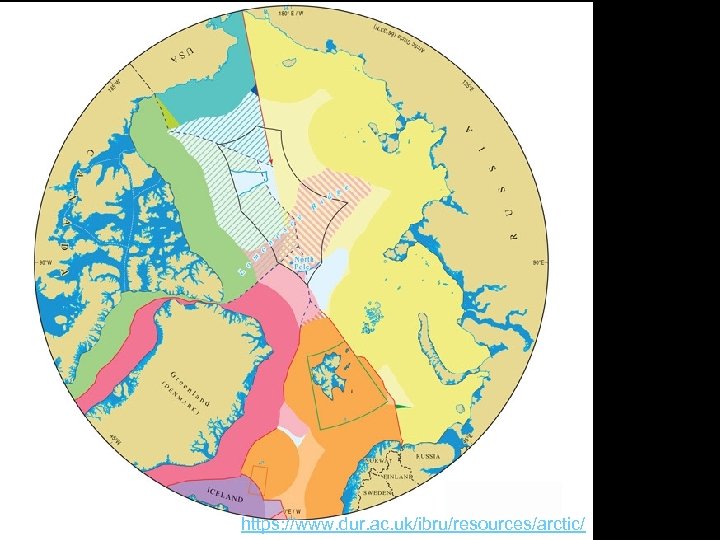 https: //www. dur. ac. uk/ibru/resources/arctic/
 South Atlantic claims https: //www. dur. ac. uk/resources/ibru/south_ atlantic_maritime_claims. pdf
 Food Scares Genetically modified foods (GM foods) Fertilisers and pesticides vs. ‘organic’ BSE – animals eating parts of other animals Foot and mouth
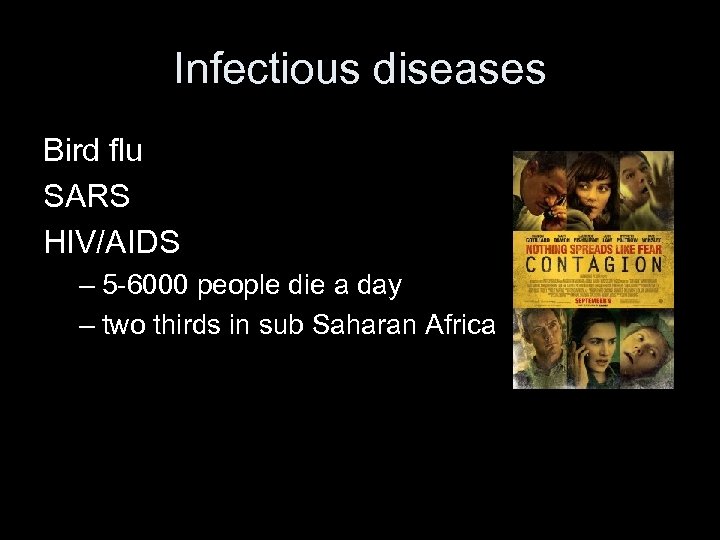 Infectious diseases Bird flu SARS HIV/AIDS – 5 -6000 people die a day – two thirds in sub Saharan Africa
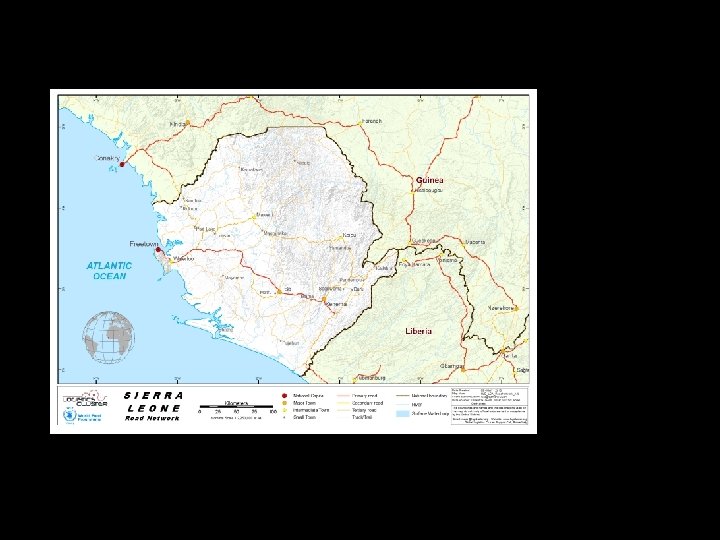
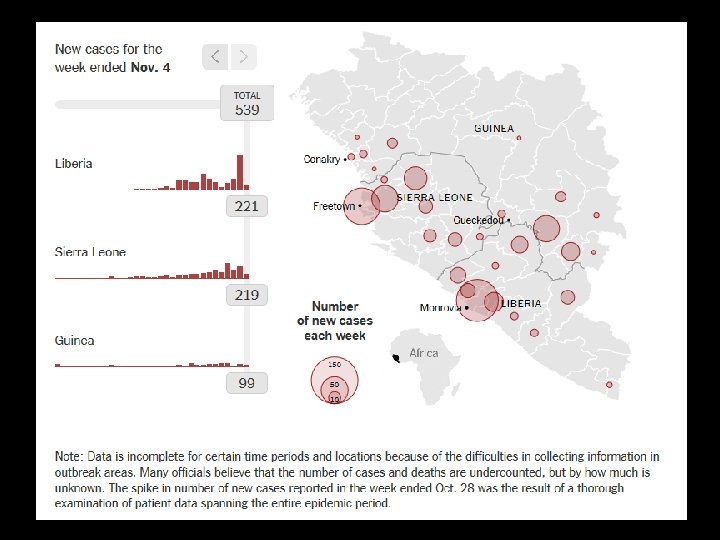
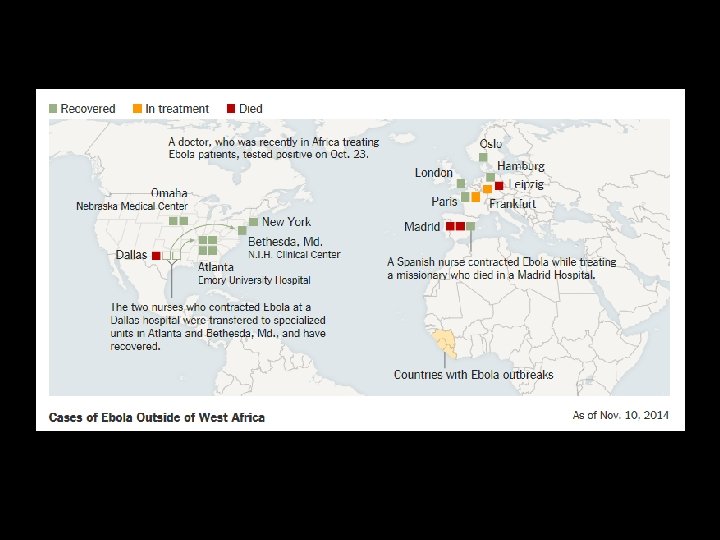
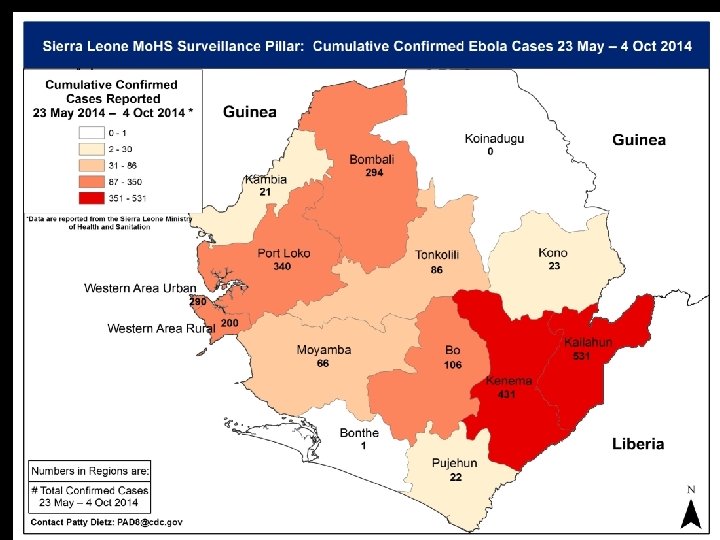
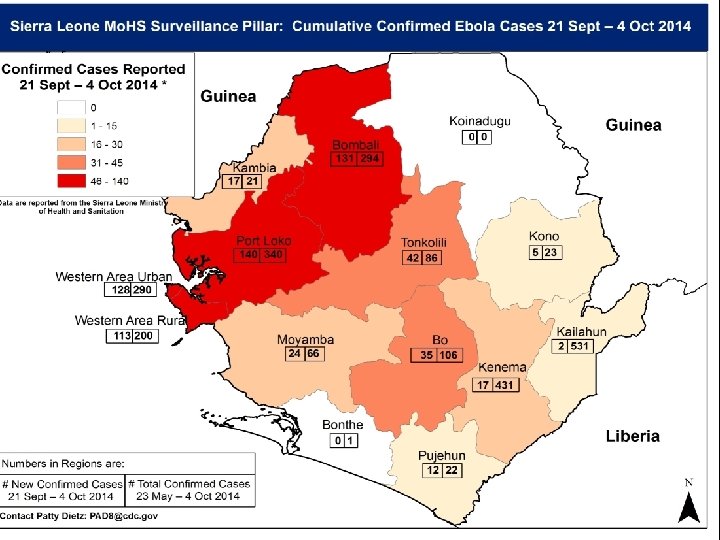
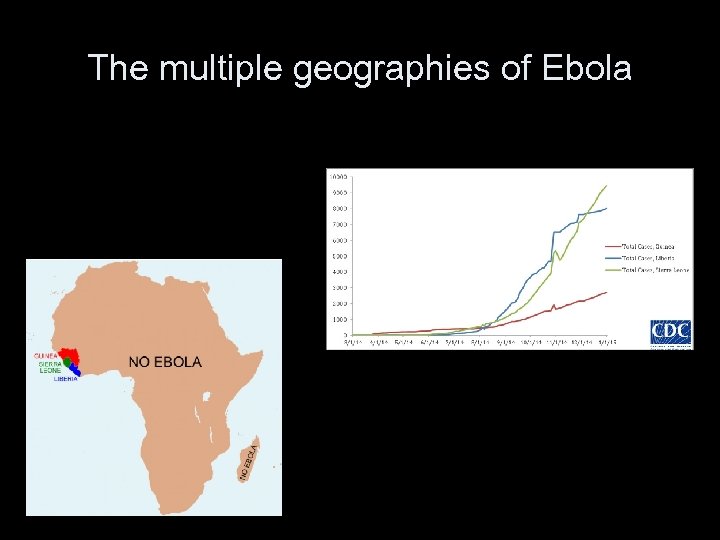 The multiple geographies of Ebola
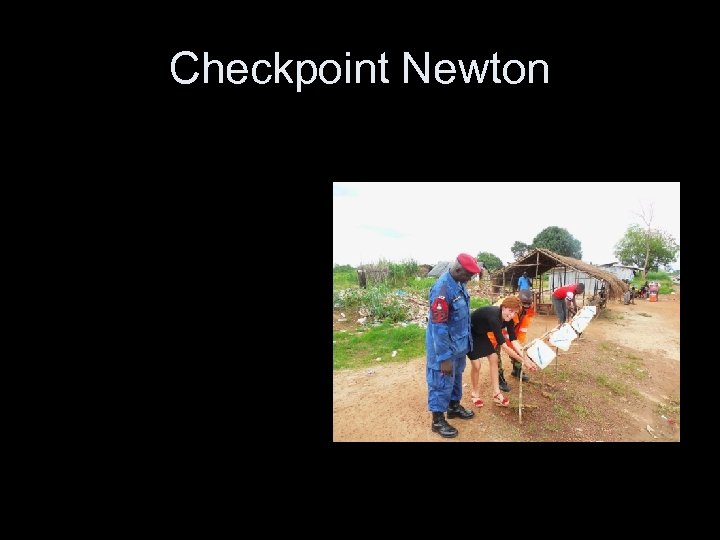 Checkpoint Newton
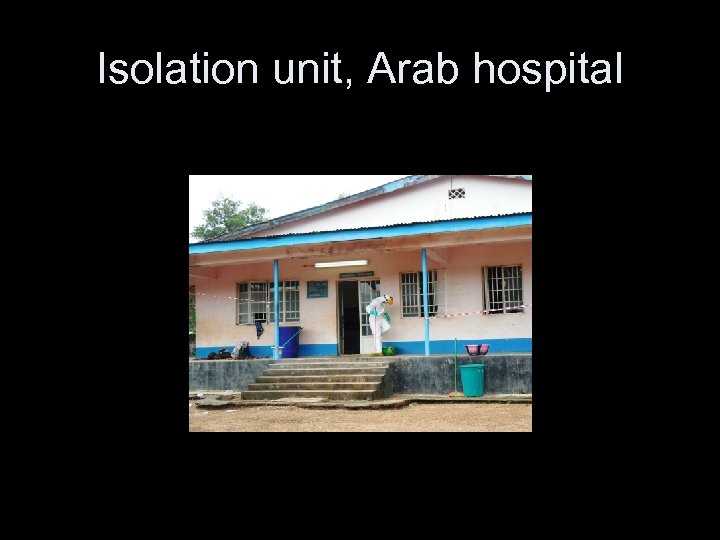 Isolation unit, Arab hospital
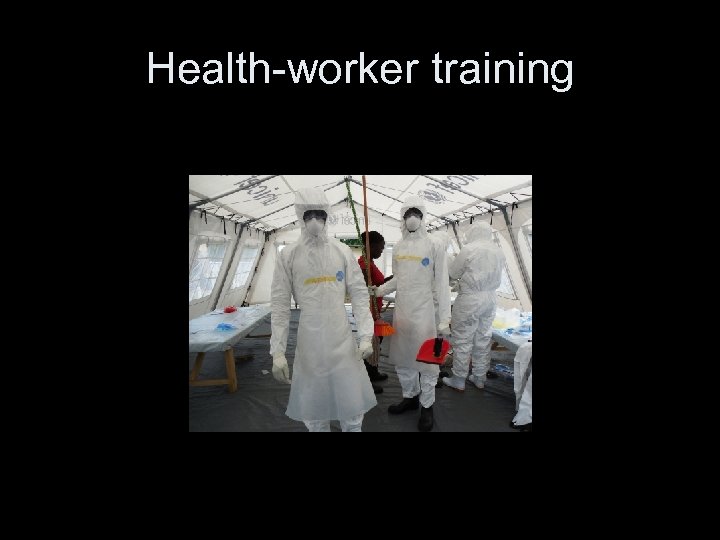 Health-worker training
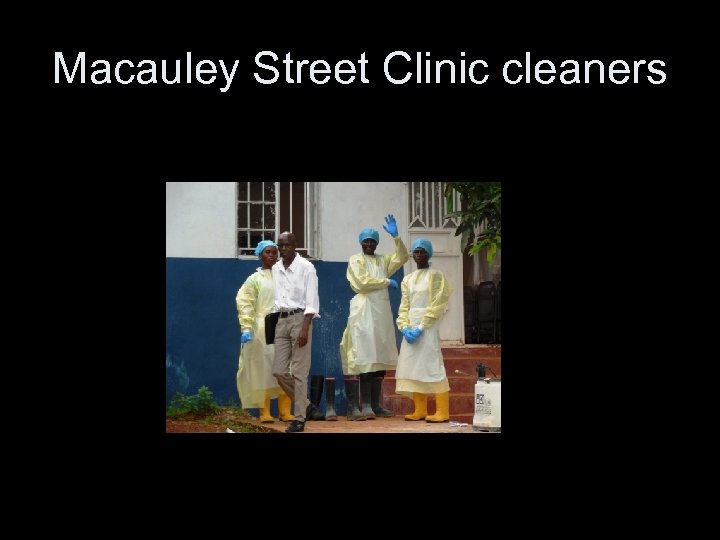 Macauley Street Clinic cleaners
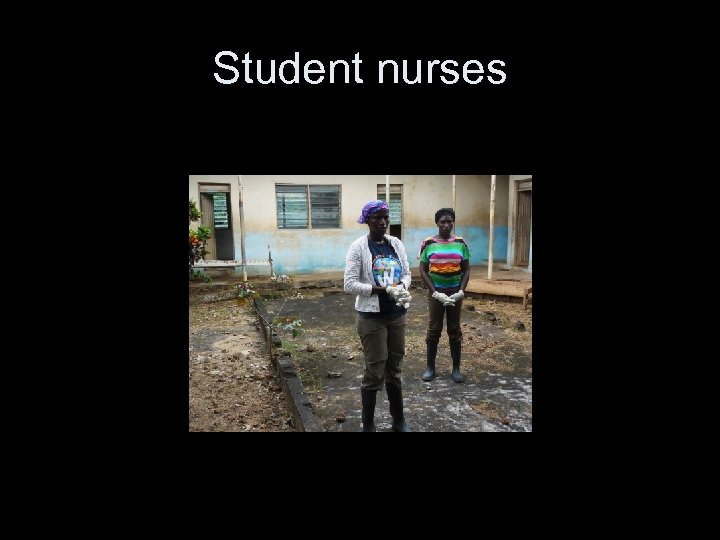 Student nurses
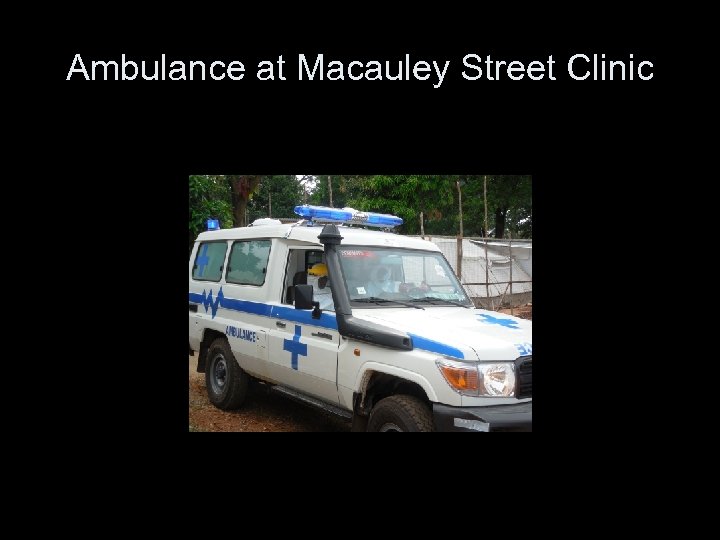 Ambulance at Macauley Street Clinic
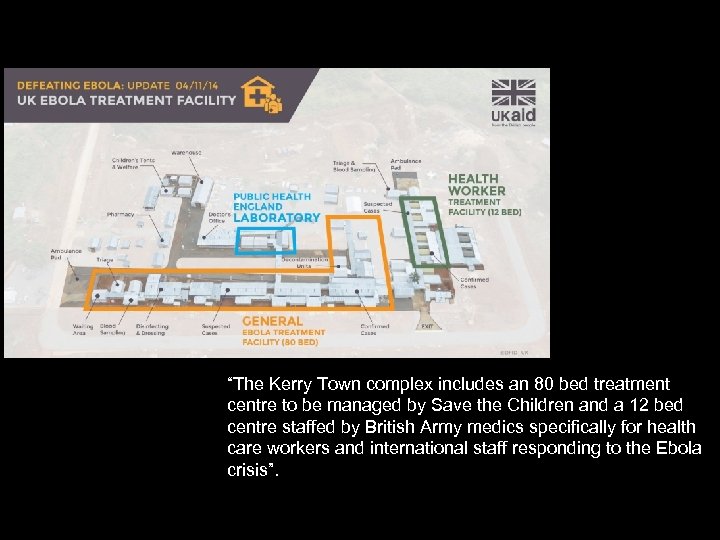 “The Kerry Town complex includes an 80 bed treatment centre to be managed by Save the Children and a 12 bed centre staffed by British Army medics specifically for health care workers and international staff responding to the Ebola crisis”.
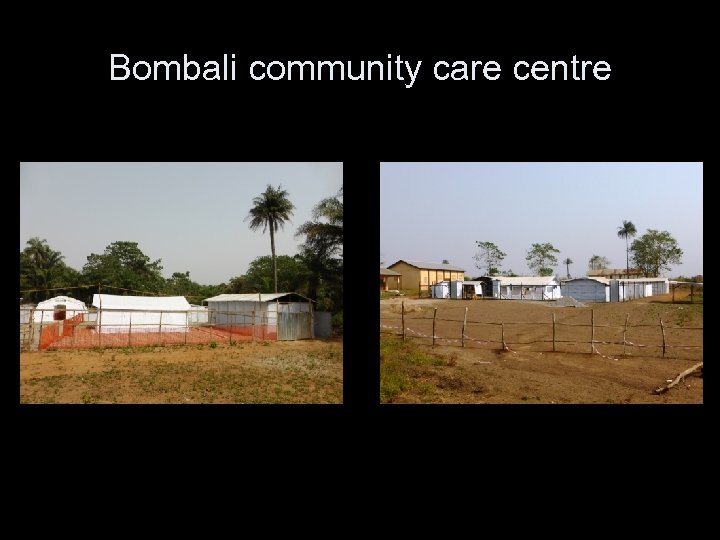 Bombali community care centre
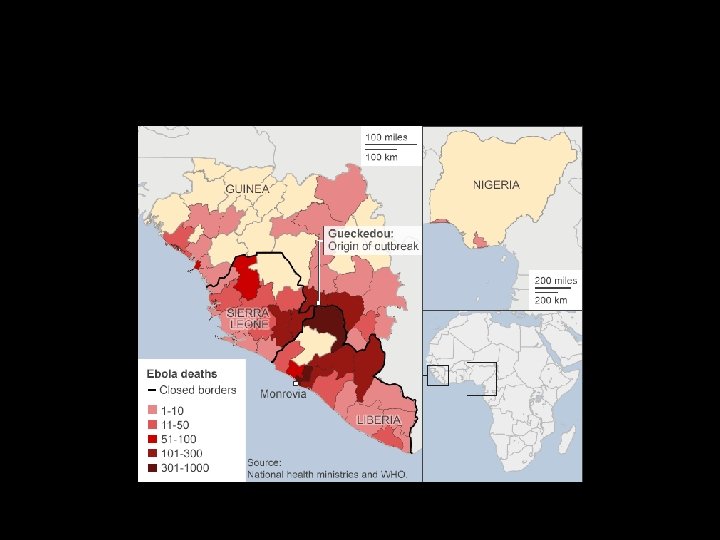
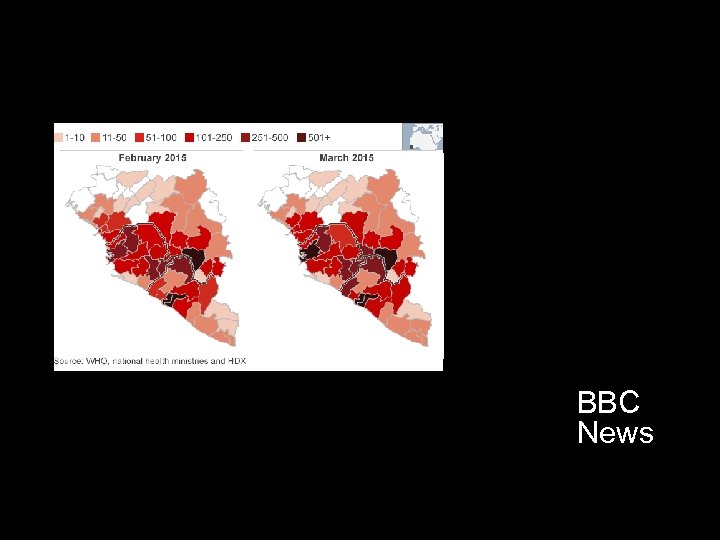 BBC News
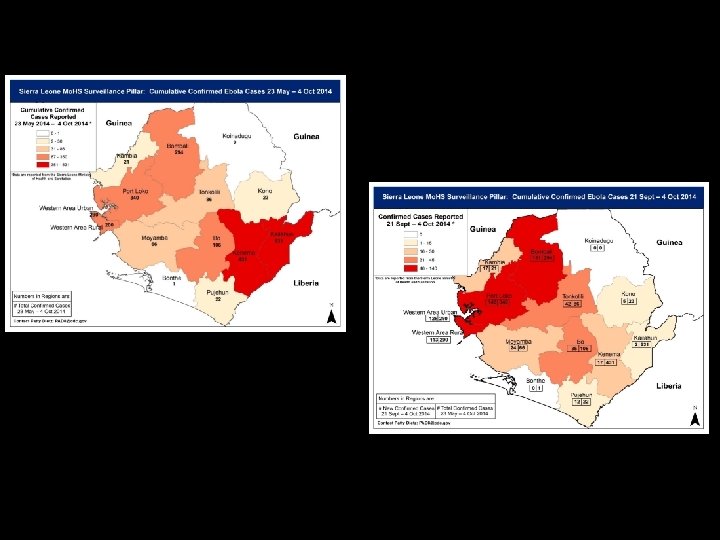
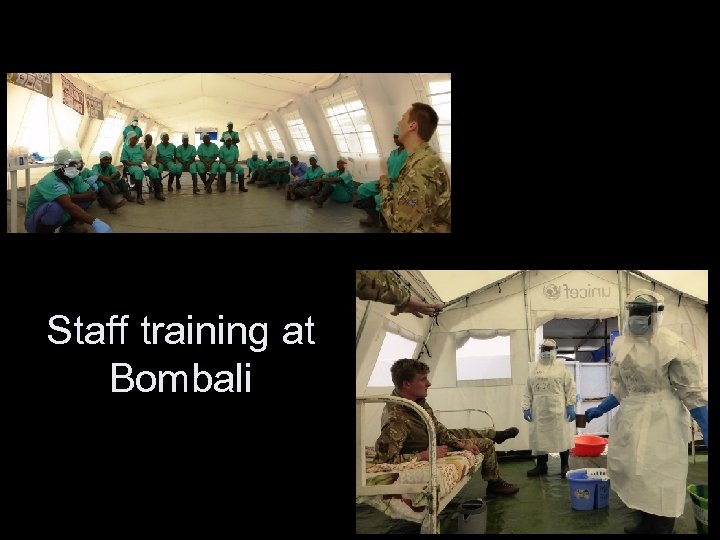 Staff training at Bombali
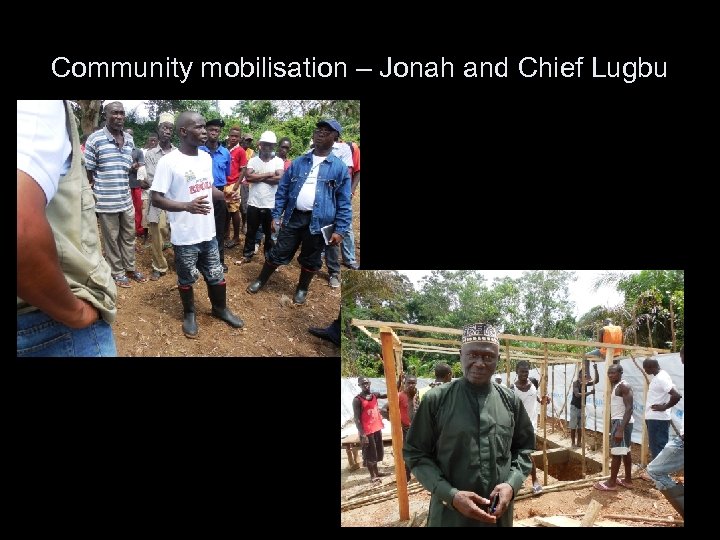 Community mobilisation – Jonah and Chief Lugbu
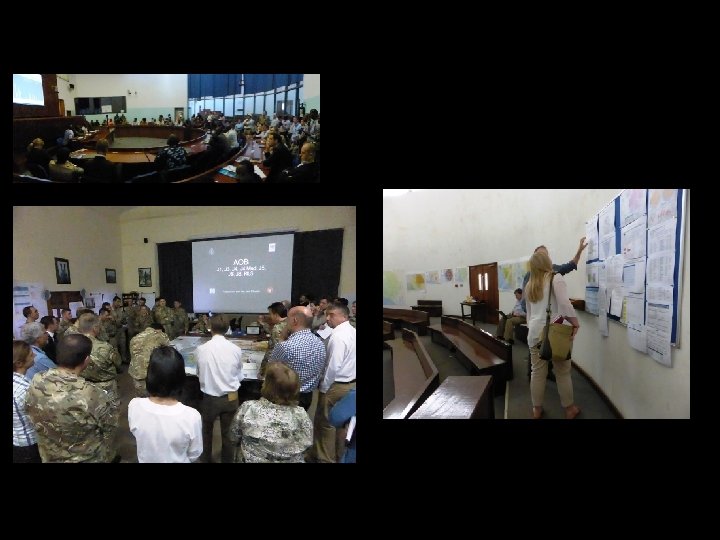
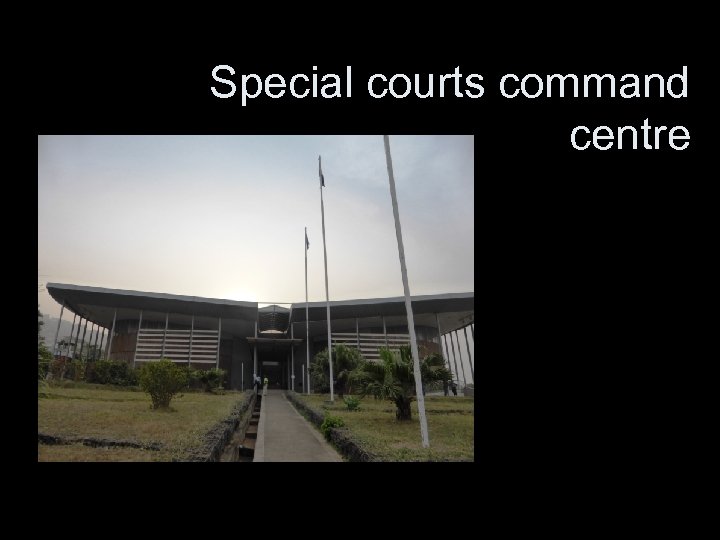 Special courts command centre
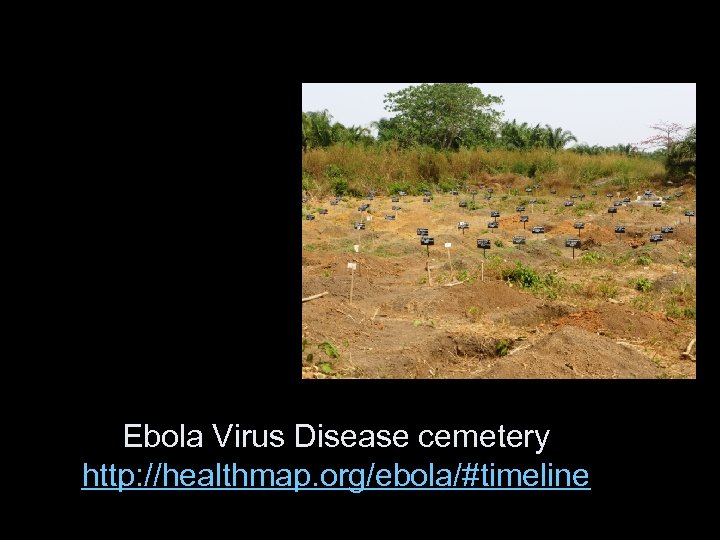 Ebola Virus Disease cemetery http: //healthmap. org/ebola/#timeline
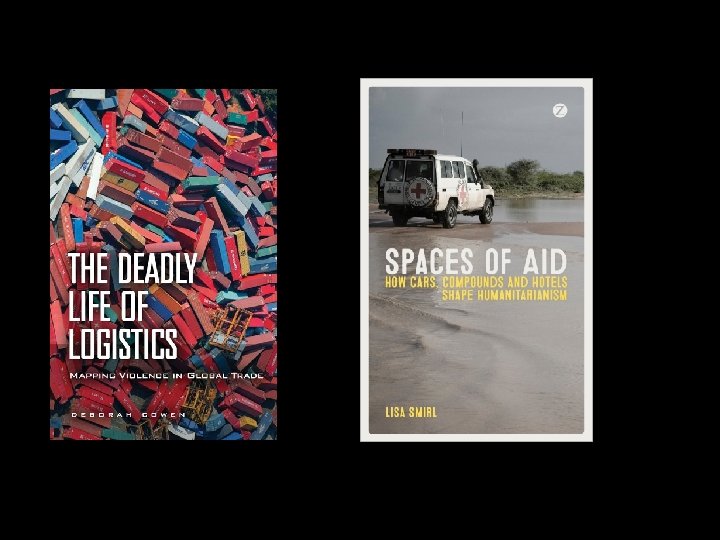
 Four geopolitical themes 1. Porous borders; closing borders 2. Transport networks – flights (closing, who flies), roads 3. Militarisation of aid response 4. Logistics
 Climate Change May produce warming, but also cooling Sea level rise Gulf stream Kyoto and Paris Emissions trading Carbon off-setting
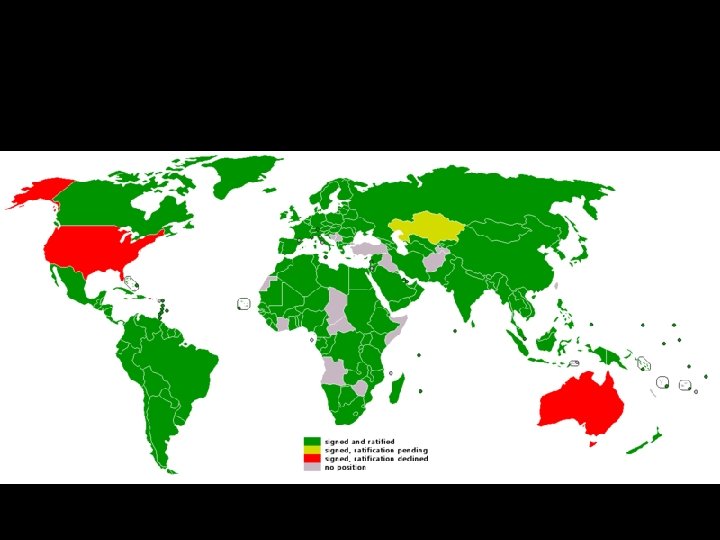
 Common but differentiated responsibilities Developed countries originated the problem (industrial revolution) Developing countries still relatively low in terms of emissions (per head) Share of emissions allowed should reflect development Therefore China and India largely exempt
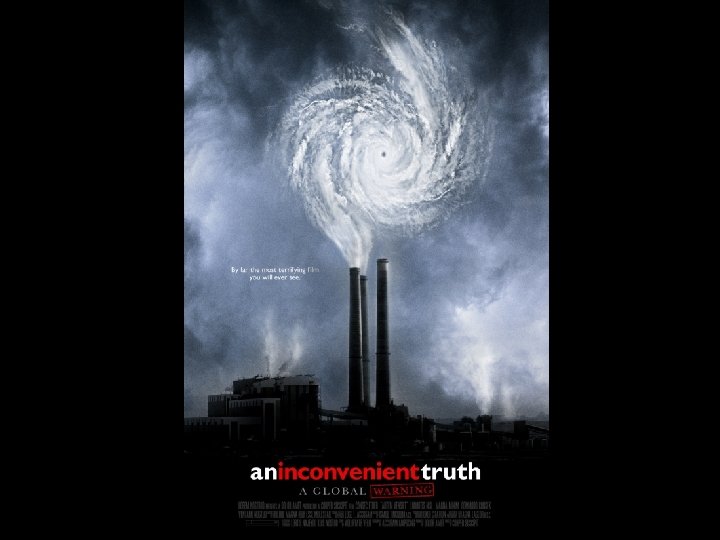
 Scepticism and Inaction It isn’t happening It is, but humans didn’t cause it Humans caused it, but we can’t do anything What we do doesn’t matter – look at China and India…
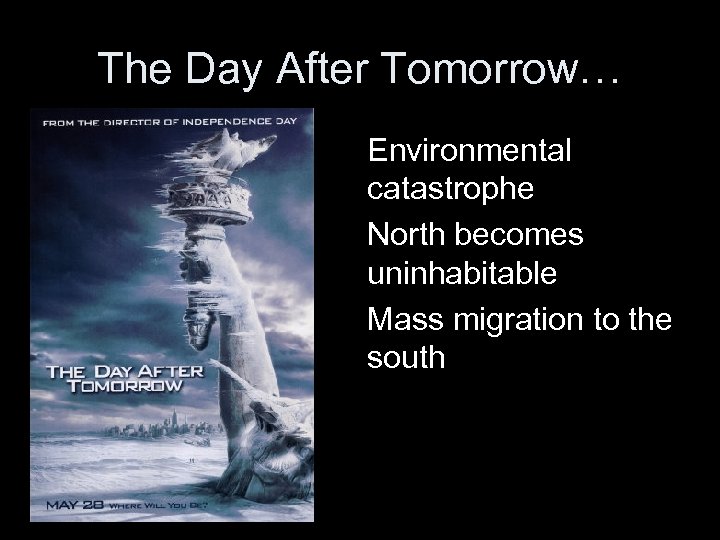 The Day After Tomorrow… Environmental catastrophe North becomes uninhabitable Mass migration to the south