


 Скачать презентацию Environmental Factors in Pediatric Respiratory Disease W Gerald
0fbe82dc23fa5b35ebdf4fbd45be08bf.ppt
- Количество слайдов: 42
 Environmental Factors in Pediatric Respiratory Disease W. Gerald Teague, M. D. The Emory Asthma Center and Pediatric Environmental Health Specialty Unit Emory University School of Medicine
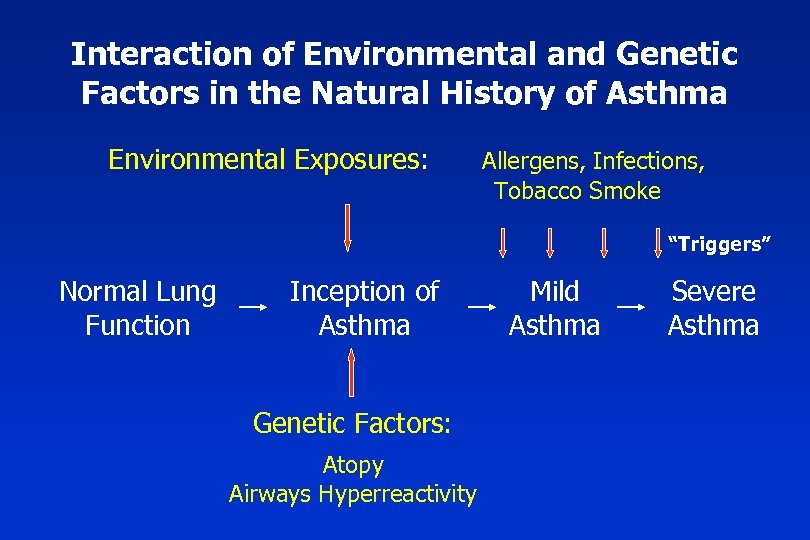 Interaction of Environmental and Genetic Factors in the Natural History of Asthma Environmental Exposures: Allergens, Infections, Tobacco Smoke “Triggers” Normal Lung Function Inception of Asthma Genetic Factors: Atopy Airways Hyperreactivity Mild Asthma Severe Asthma
 Impact of Environmental Factors on T Lymphocyte Differention B Cell Activation Default Pathway Undifferentiated T Helper Cell IL- 4 Th 2 Phenotype IL- 5 Environmental Exposures IL-12 Th 1 Phenotype Eosinophil Signaling
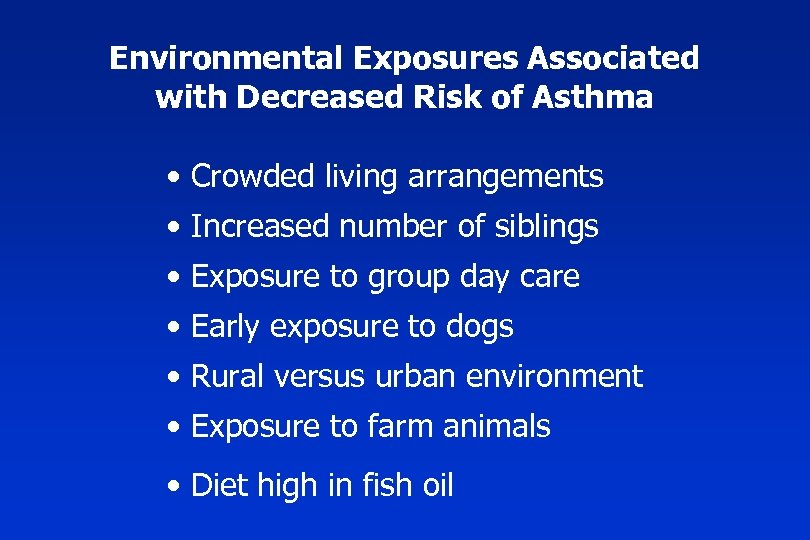 Environmental Exposures Associated with Decreased Risk of Asthma • Crowded living arrangements • Increased number of siblings • Exposure to group day care • Early exposure to dogs • Rural versus urban environment • Exposure to farm animals • Diet high in fish oil
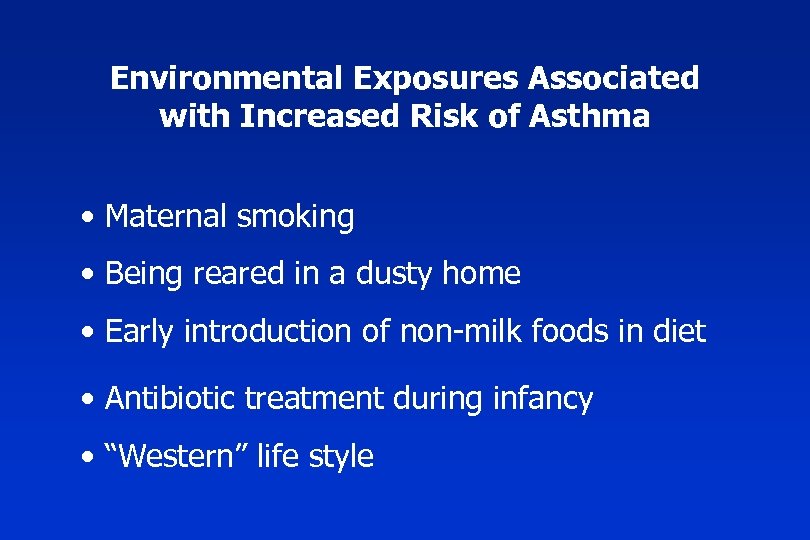 Environmental Exposures Associated with Increased Risk of Asthma • Maternal smoking • Being reared in a dusty home • Early introduction of non-milk foods in diet • Antibiotic treatment during infancy • “Western” life style
 Routes of Exposure • Breathing - Children at higher risk: Minute ventilation newborn 400 ml/min/kg/body weight adult 150 ml/min/kg/body weight • Trans-placental - Exchange of fetal lung fluid with amniotic fluid
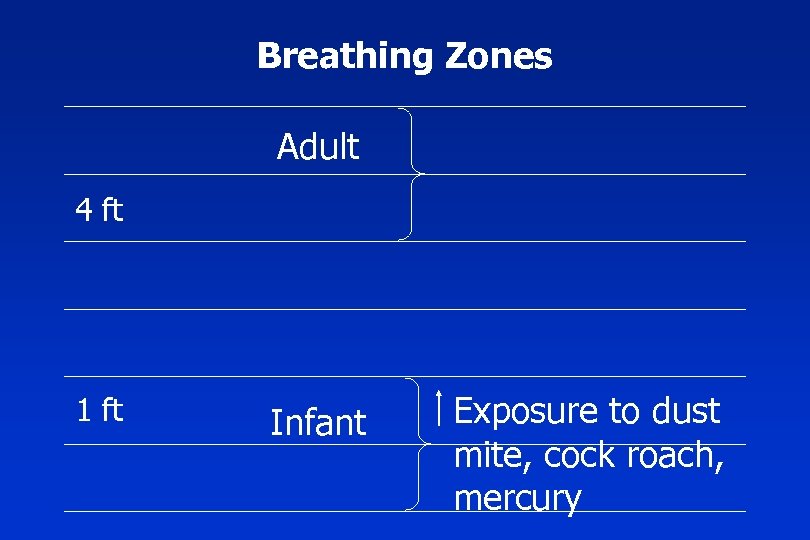 Breathing Zones Adult 4 ft 1 ft Infant Exposure to dust mite, cock roach, mercury
 Specific Environments • Prenatal • Home • School and day care • Food and water • Occupational • Medical treatments and cosmetics
 Evidence that Prenatal Tobacco Smoke Exposure Increases Risk of Respiratory Disease • Lung function and histology in the offspring of exposed pregnant rats • Increased risk of asthma and reduced lung function in children born to mothers who smoke
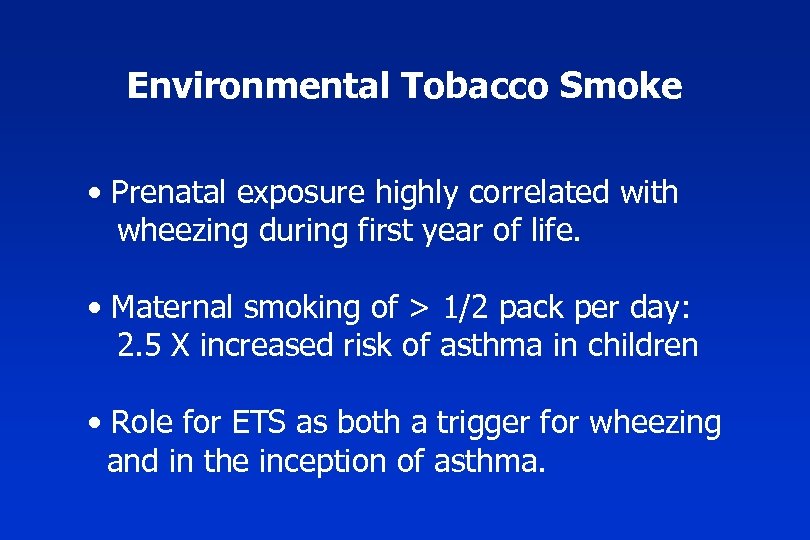 Environmental Tobacco Smoke • Prenatal exposure highly correlated with wheezing during first year of life. • Maternal smoking of > 1/2 pack per day: 2. 5 X increased risk of asthma in children • Role for ETS as both a trigger for wheezing and in the inception of asthma.
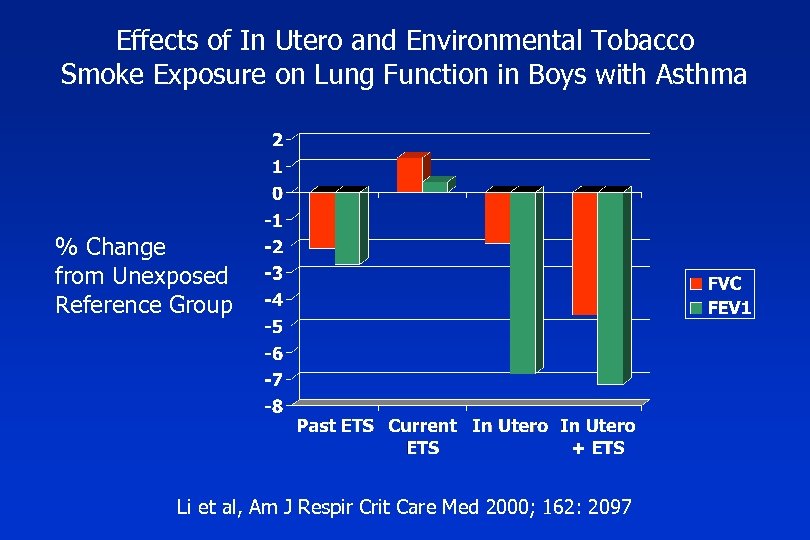 Effects of In Utero and Environmental Tobacco Smoke Exposure on Lung Function in Boys with Asthma % Change from Unexposed Reference Group Li et al, Am J Respir Crit Care Med 2000; 162: 2097
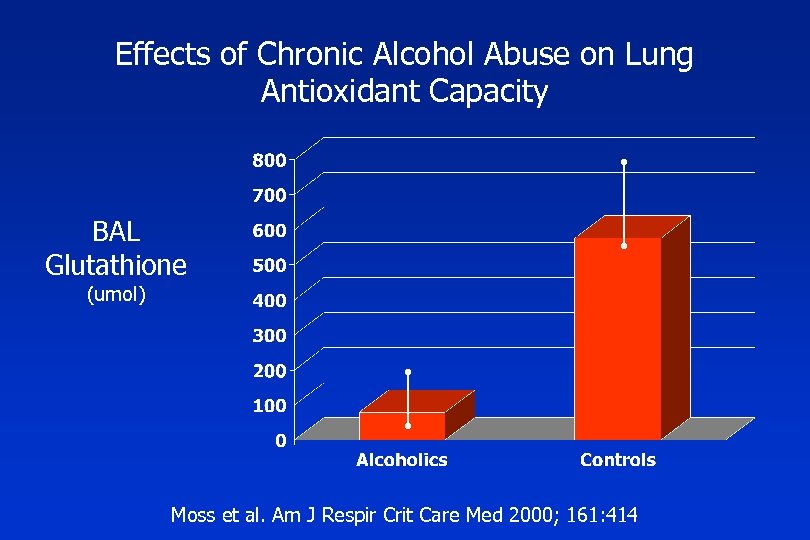 Effects of Chronic Alcohol Abuse on Lung Antioxidant Capacity BAL Glutathione (umol) Moss et al. Am J Respir Crit Care Med 2000; 161: 414
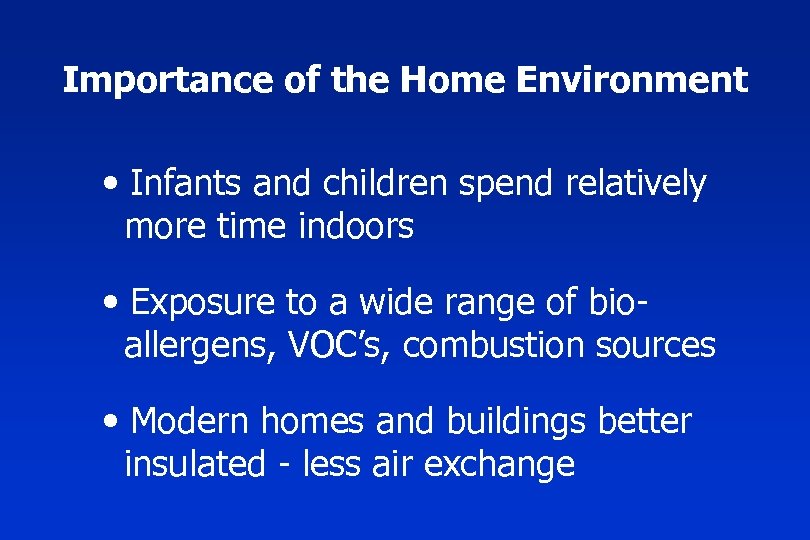 Importance of the Home Environment • Infants and children spend relatively more time indoors • Exposure to a wide range of bioallergens, VOC’s, combustion sources • Modern homes and buildings better insulated - less air exchange
 Asbestos and Radon Asbestos • An important cause of lung cancer and malignant mesothelioma in adults. • Risk of pulmonary disease is dose-dependent. • Exposure through inhalation of fibers used in building materials. Radon • Gas from the radioactive decay of uranium deposits in rocks and soil. • Exposure associated with increased rates of lung cancer.
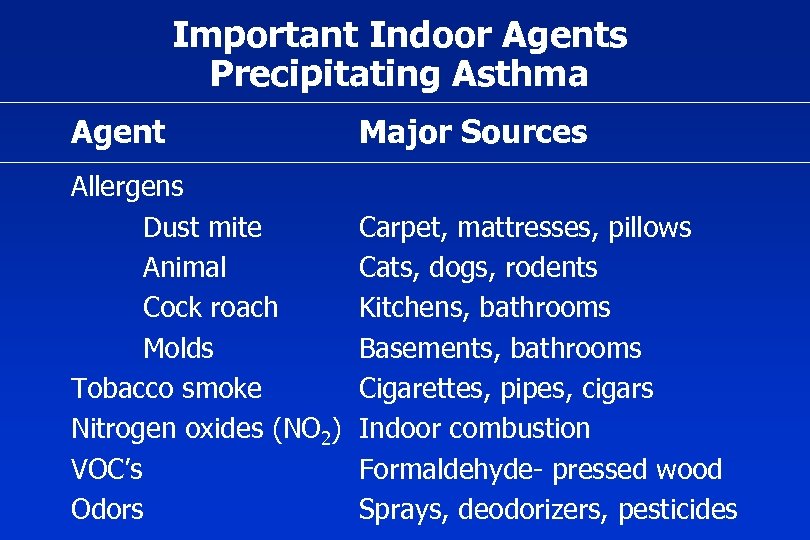 Important Indoor Agents Precipitating Asthma Agent Major Sources Allergens Dust mite Animal Cock roach Molds Tobacco smoke Nitrogen oxides (NO 2) VOC’s Odors Carpet, mattresses, pillows Cats, dogs, rodents Kitchens, bathrooms Basements, bathrooms Cigarettes, pipes, cigars Indoor combustion Formaldehyde- pressed wood Sprays, deodorizers, pesticides
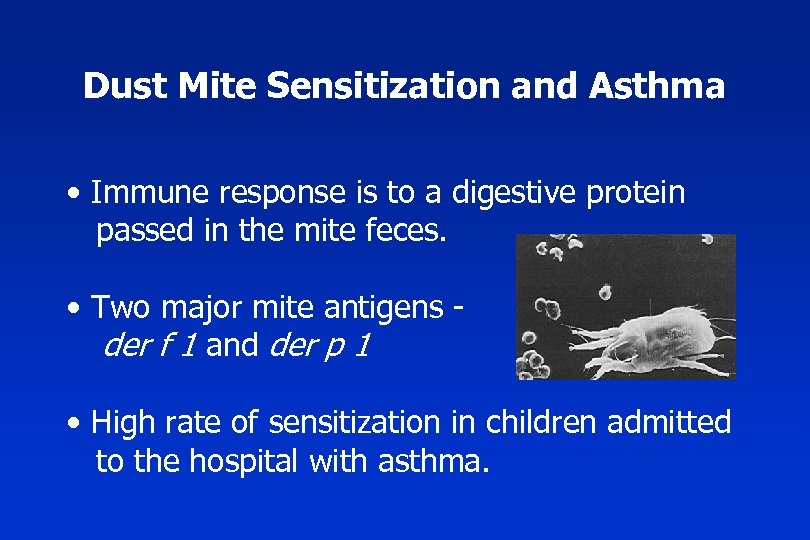 Dust Mite Sensitization and Asthma • Immune response is to a digestive protein passed in the mite feces. • Two major mite antigens der f 1 and der p 1 • High rate of sensitization in children admitted to the hospital with asthma.
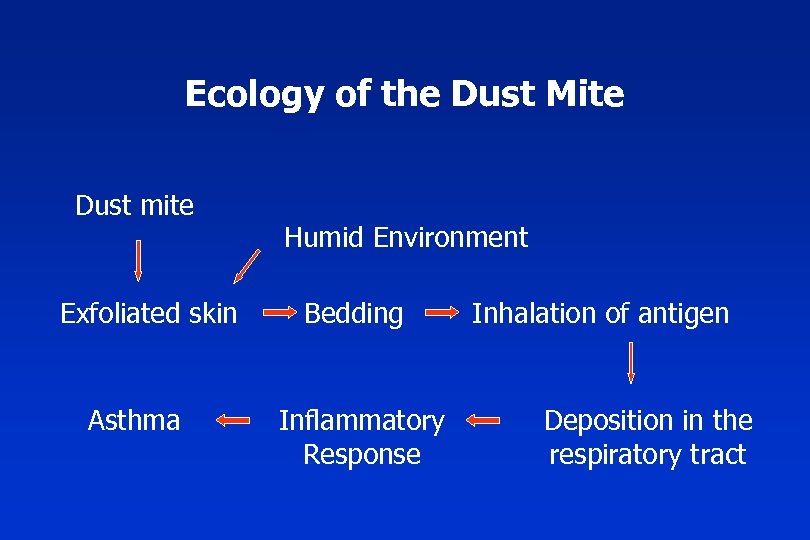 Ecology of the Dust Mite Dust mite Exfoliated skin Asthma Humid Environment Bedding Inflammatory Response Inhalation of antigen Deposition in the respiratory tract
 Avoidance Measures for Dust Mite • Encase pillows and mattresses in plastic • Decrease room humidity levels to < 50% • Wash bedding in hot (> 120° F) water every two weeks • Remove carpeting and area rugs • Enclose stuffed animals, toys, in closets • Move to high altitude
 Cock Roach Antigen and Asthma • Major public health problem in the inner city • Levels highest in the kitchen, bathroom, and TV-watching areas • 60% of urban residents with asthma are sensitized
 Avoidance Measures for Cock Roach • Minimize organic materials on open surfaces • Store foodstuffs in sealed containers • Restrict eating to the kitchen • Caulk cracks around faucets and pipes • Stick traps and boric acid • Professional extermination - last resort
 Cat Antigen (Fel d 1) • Highly respirable • Difficult to clear from the environment • Found in highest concentrations in dander • Control measures: - get rid of cat - scrub cat at intervals - special HEPA filters on vacuum
 Mold and Asthma • Alternaria and aspergillus main species • Found in dark, moist environments - bathrooms, basements, crawl spaces, air conditioner collecting systems. • Known trigger for asthma exacerbations • Controlled by reducing humidity to < 50%
 Indoor Sources of Combustion • Gas stoves, space heaters, wood stoves • Main species produced include nitrogen oxides, CO, methane • Exposure linked to increased respiratory symptoms
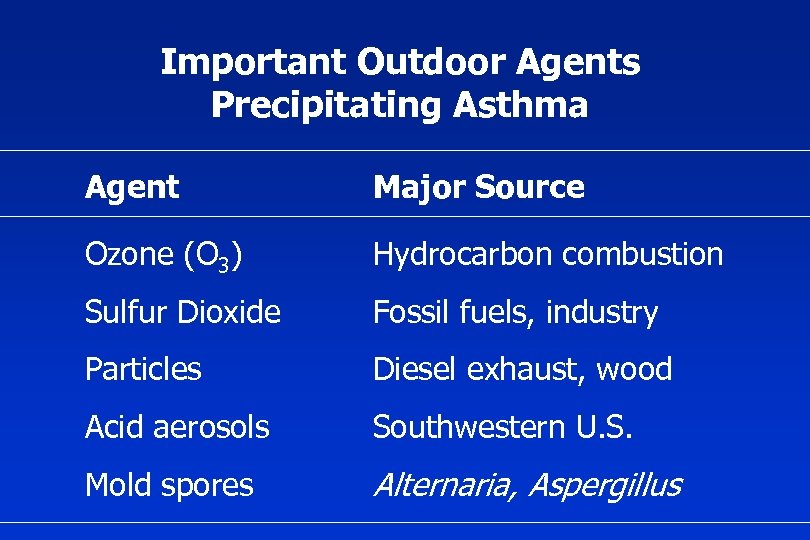 Important Outdoor Agents Precipitating Asthma Agent Major Source Ozone (O 3) Hydrocarbon combustion Sulfur Dioxide Fossil fuels, industry Particles Diesel exhaust, wood Acid aerosols Southwestern U. S. Mold spores Alternaria, Aspergillus
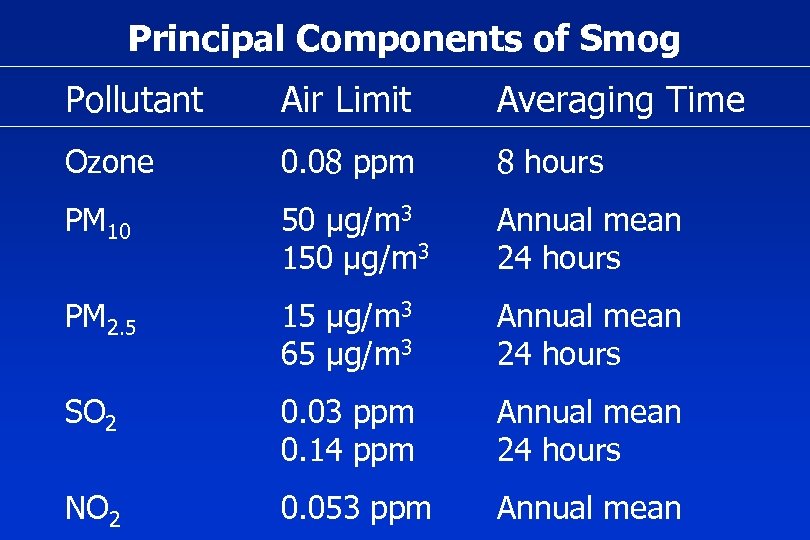 Principal Components of Smog Pollutant Air Limit Averaging Time Ozone 0. 08 ppm 8 hours PM 10 50 µg/m 3 150 µg/m 3 Annual mean 24 hours PM 2. 5 15 µg/m 3 65 µg/m 3 Annual mean 24 hours SO 2 0. 03 ppm 0. 14 ppm Annual mean 24 hours NO 2 0. 053 ppm Annual mean
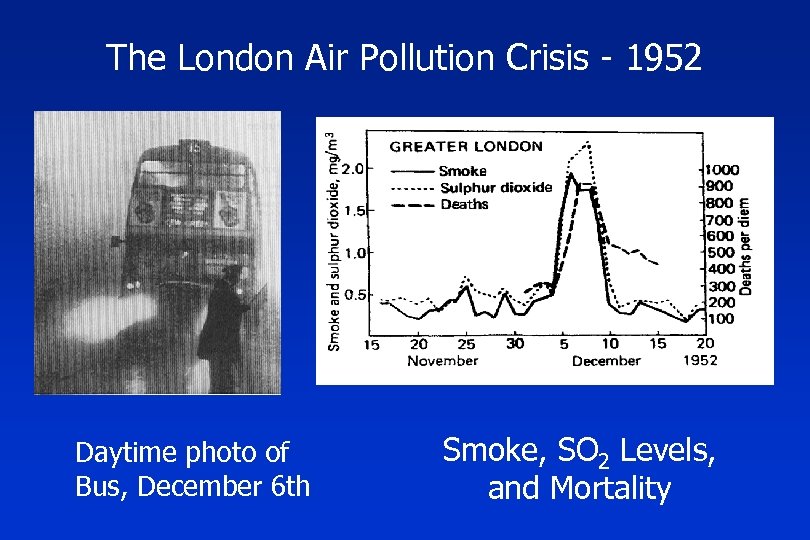 The London Air Pollution Crisis - 1952 Daytime photo of Bus, December 6 th Smoke, SO 2 Levels, and Mortality
 Importance of Fine Particulate Air Pollution and Mortality in 20 U. S. Cities 1987 -1994 • Pollutants surveyed: - fine particles < 10 µm in aerodynamic diameter (PM 10) - ozone - carbon monoxide - sulfur dioxide - nitrogen dioxide • Analysis: two-stage analytic approach of pooled data • Results - relative rate of death from cardiovascular and respiratory illnesses increased 0. 68% for each increase in PM 10 level of 10 µg per cubic meter. Samet et al. N Engl J Med 2000; 343: 1742
 Ozone Exposure and Asthma: The Atlanta Experience • Ground ozone level > EPA standards: - 33% increase in visits to Grady Hospital for children with acute wheezing • Ground ozone levels less than normal: - 42% decrease in asthma activity around the city
 Ozone Avoidance Measures for Children with Asthma • Monitor daily smog forecasts May-Sept. • Limit outdoors activity as much as possible, especially late in the afternoon • Close all doors and windows of the house, use the air conditioner
 School and Day Care Exposures • Air pollution • Bio-allergens • Volatile Organic Compounds
 Case Presentation • JH is a 12 y/o female admitted for evaluation of intermittent chest pain and shortness of breath. • The symptoms started four weeks before admission and were most acute while at school, especially at 11: 00 a. m while in band practice. The patient was symptom-free at home. • Physical examination, EKG, chest film, arrhythmia monitoring, and an echocardiogram were normal. • JH diagnosed with an “acute panic disorder” and discharged on a medication to reduce anxiety.
 Pulmonary Evaluation and Treatment • A treadmill exercise study showed a 16% decrease in FEV 1 after exercise. • Peak flow monitoring showed a consistent fall in PEFR and chest tightness within one or two hours of attending an early morning class held in a new trailer. • Treatment with fluticasone 110 MDI - two puffs BID and albuterol before entering the trailer completely restored lung function and resolved the symptoms.
 Formaldehyde and Asthma • Volatile organic compound emitted as a gas from laminated wood products (particle board). • Formaldehyde is a respiratory irritant and can trigger exacerbations of asthma. • Exposure risk highest in new modular buildings with pressed wood construction. Smedje G et al. Asthma among secondary school children in relation to the school environment. Clin Exp Allergy 1997; 27 : 1270 -78.
 The “Sick” Building Syndrome • Work-related nasal discharge, cough, wheezing, and migraine headache. • Symptoms more common in workers exposed to modern offices with heatventilating air conditioning units (HVAC) and fan coil units (FCU). Vincent et al, Envir Res 1997; 75: 100.
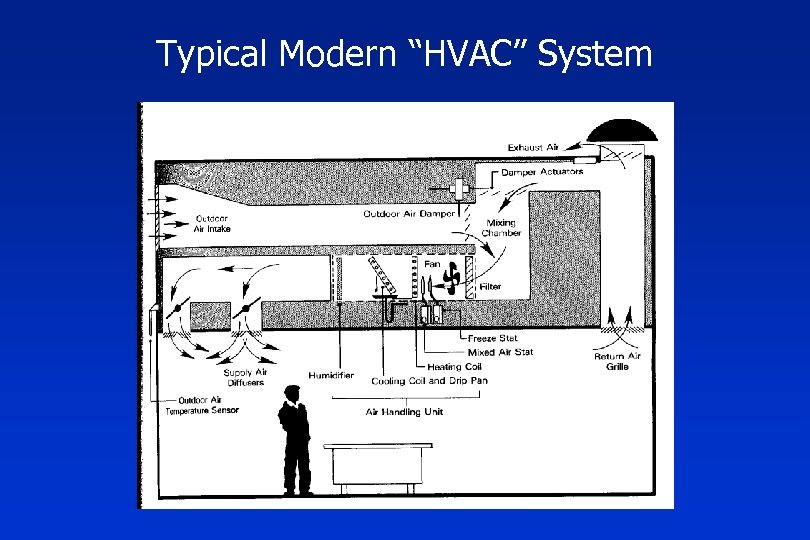 Typical Modern “HVAC” System
 The School Environment • Assessment of bio-allergen levels in 52 public schools near Birmingham, AL. • > 25% classrooms had levels of dust mite exceeding threshold sensitization levels. • > 25% cafeteria rooms had levels of cock roach exceeding threshold sensitization levels. Turner-Henson et al, AJRCCM 2000; 161: A 619
 Food and Water Exposures • Dietary factors may accelerate the inception of asthma by affecting T cell differention. • Certain foods may act as allergens and trigger asthma exacerbations: - shell fish - milk products - peanuts
 Occupational Exposures • Volatile organic compounds and respiratory irritants: - cleaning agents - restaurants, nursing homes, schools - isocyanates - auto body repair, roofing - wood dusts - shops, furniture making • Asbestos - auto brake repair, renovation projects • Tobacco smoke - restaurants
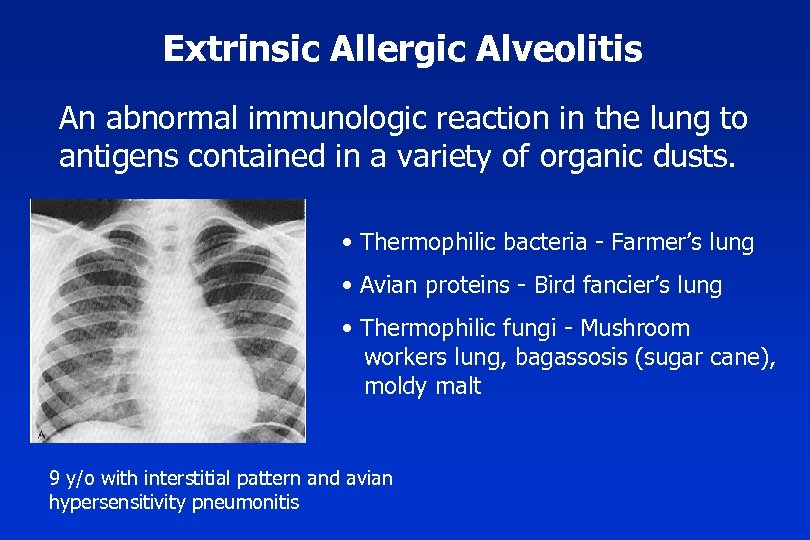 Extrinsic Allergic Alveolitis An abnormal immunologic reaction in the lung to antigens contained in a variety of organic dusts. • Thermophilic bacteria - Farmer’s lung • Avian proteins - Bird fancier’s lung • Thermophilic fungi - Mushroom workers lung, bagassosis (sugar cane), moldy malt 9 y/o with interstitial pattern and avian hypersensitivity pneumonitis
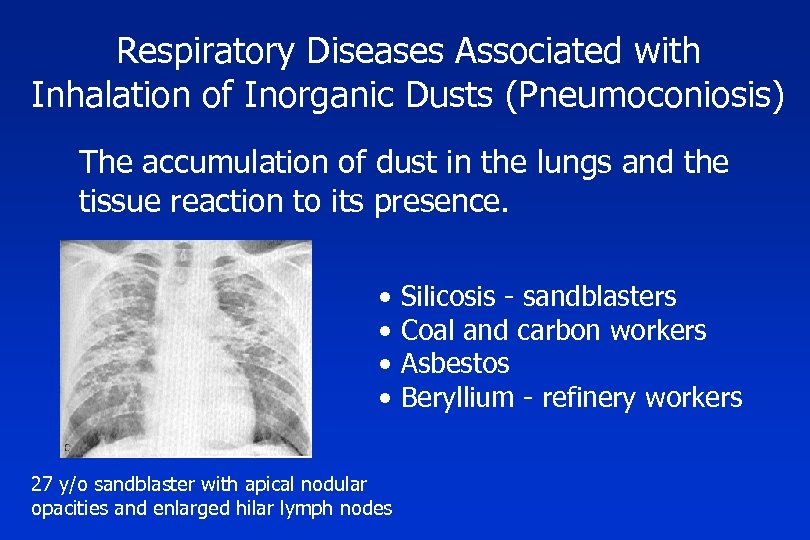 Respiratory Diseases Associated with Inhalation of Inorganic Dusts (Pneumoconiosis) The accumulation of dust in the lungs and the tissue reaction to its presence. • • 27 y/o sandblaster with apical nodular opacities and enlarged hilar lymph nodes Silicosis - sandblasters Coal and carbon workers Asbestos Beryllium - refinery workers
 Medical Treatments Ionizing radiation • Interstitial fibrosis following thoracic irradiation Drug-induced lung disease • • • Chemotherapy - bleomycin, busulfan Anti-metabolites - methotrexate Anti-microbials - nitrofurantoin, sulfasalazine Anti-arrhythmics - amiodarone Anti-convulsants - diphenylhydantoin
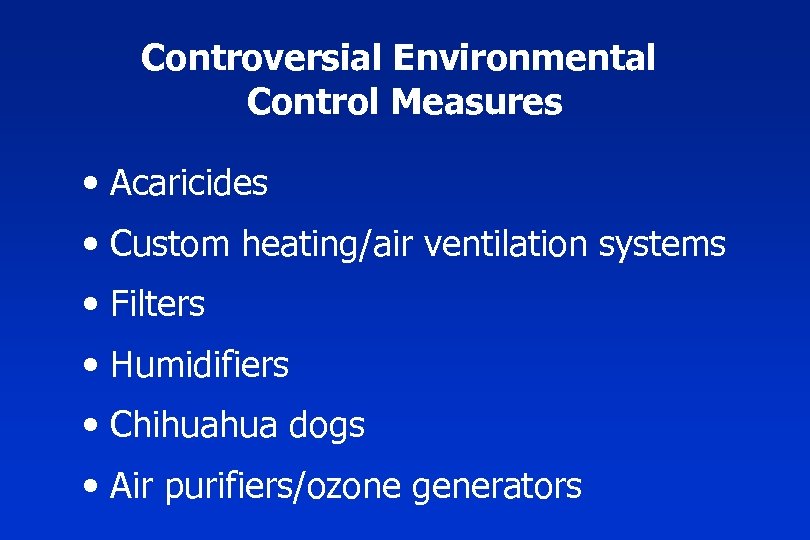 Controversial Environmental Control Measures • Acaricides • Custom heating/air ventilation systems • Filters • Humidifiers • Chihuahua dogs • Air purifiers/ozone generators