


 Скачать презентацию English Tea Time Tradition Traditionally the English
Tea Time Tradition.ppt
- Количество слайдов: 32
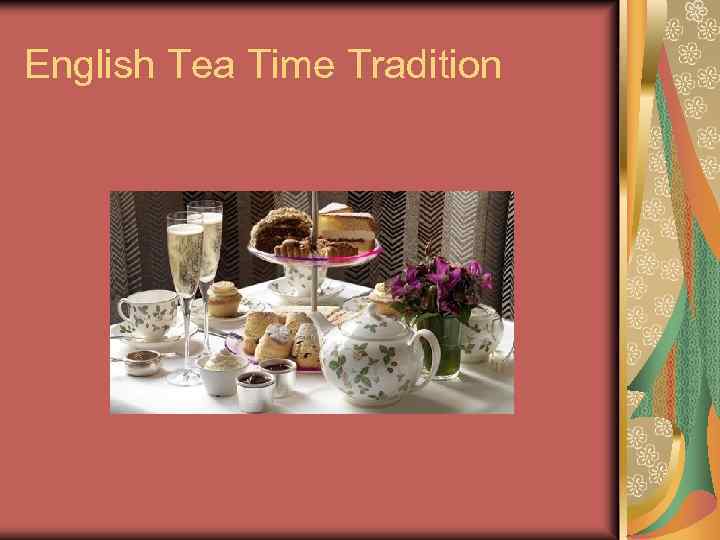 English Tea Time Tradition
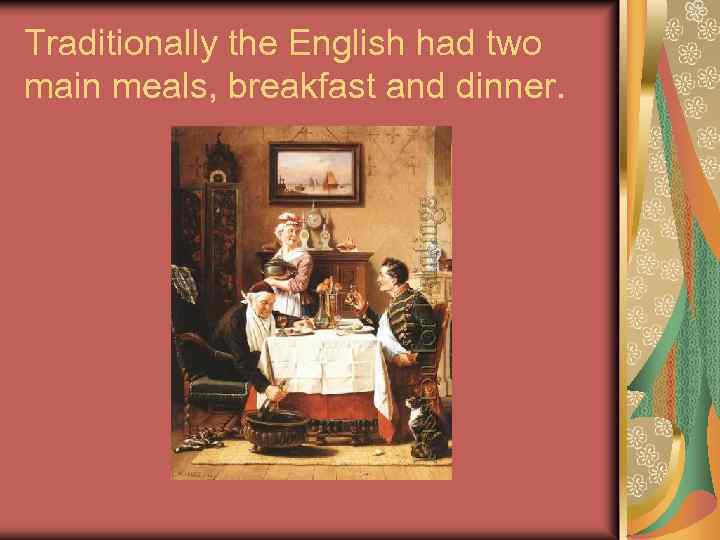 Traditionally the English had two main meals, breakfast and dinner.
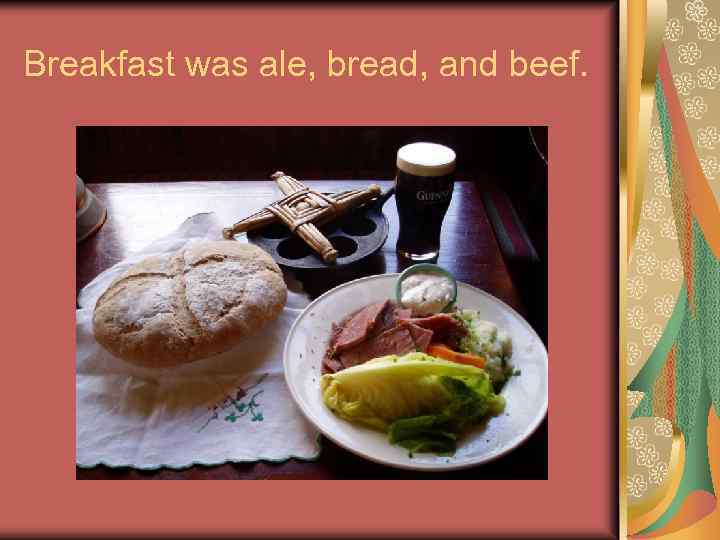 Breakfast was ale, bread, and beef.
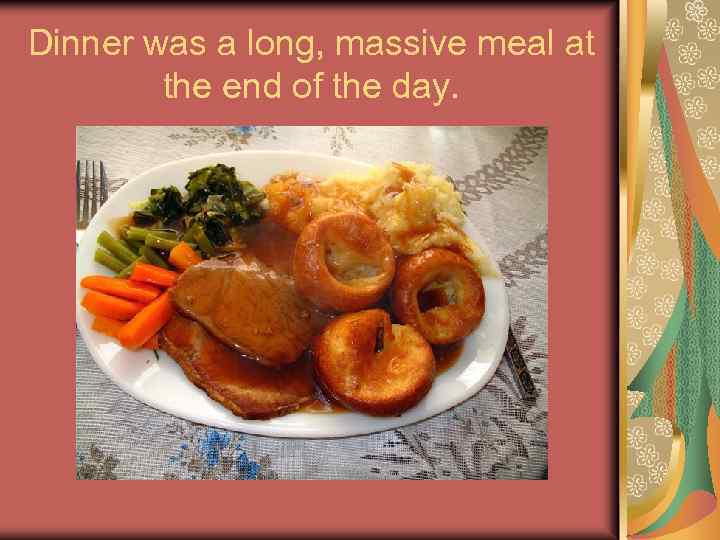 Dinner was a long, massive meal at the end of the day.
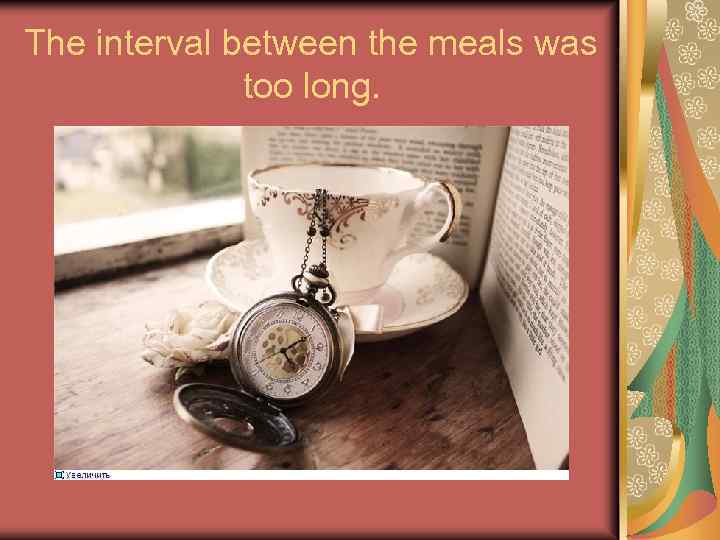 The interval between the meals was too long.
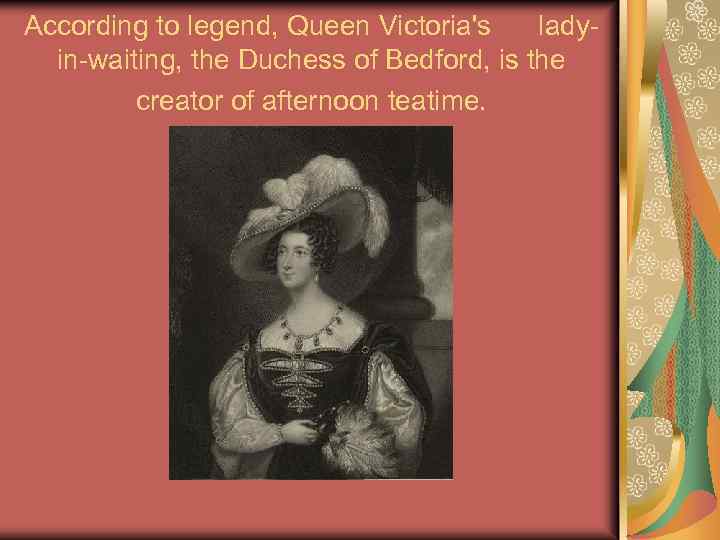 According to legend, Queen Victoria's ladyin-waiting, the Duchess of Bedford, is the creator of afternoon teatime.
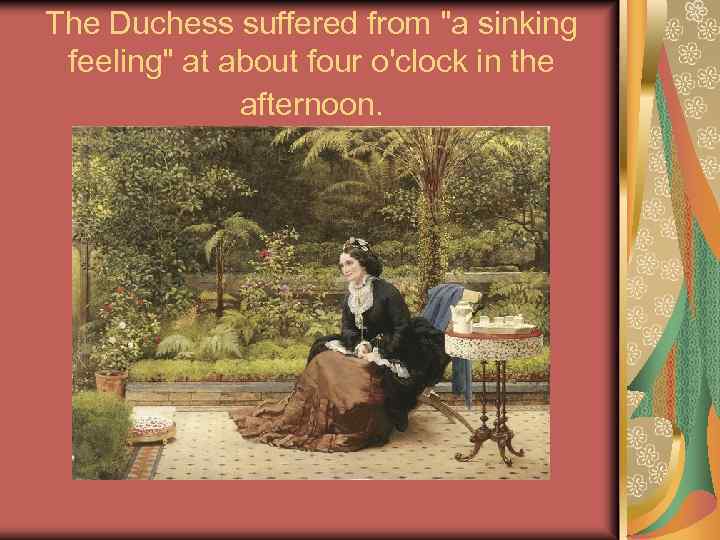 The Duchess suffered from "a sinking feeling" at about four o'clock in the afternoon.
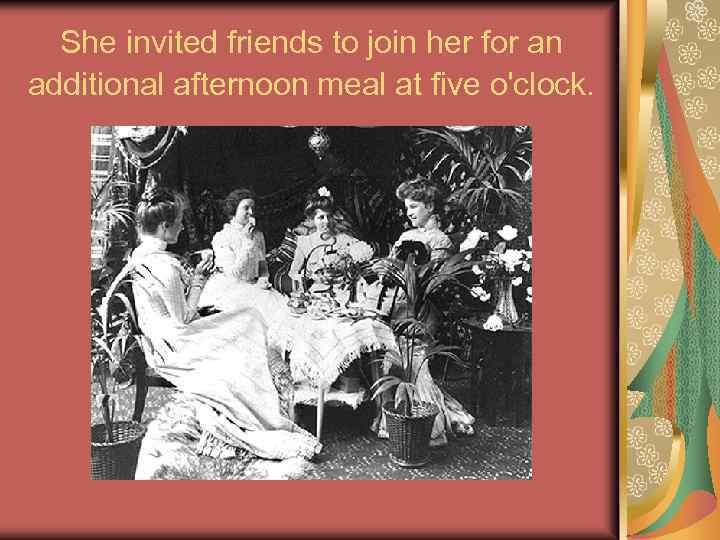 She invited friends to join her for an additional afternoon meal at five o'clock.
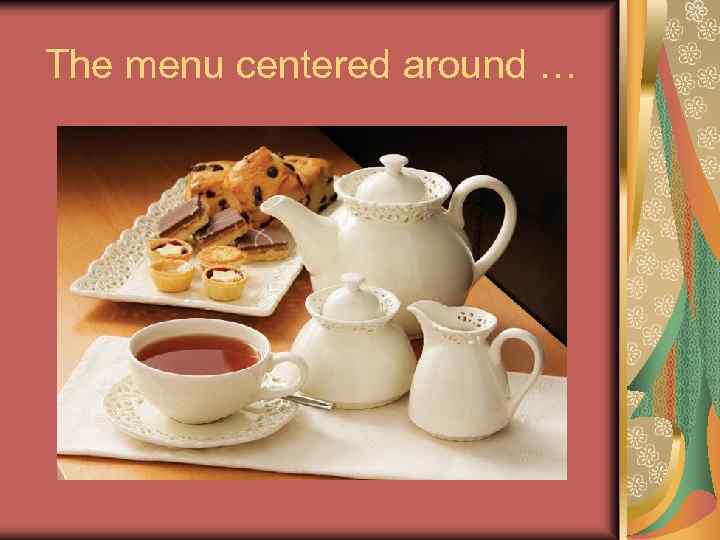 The menu centered around …
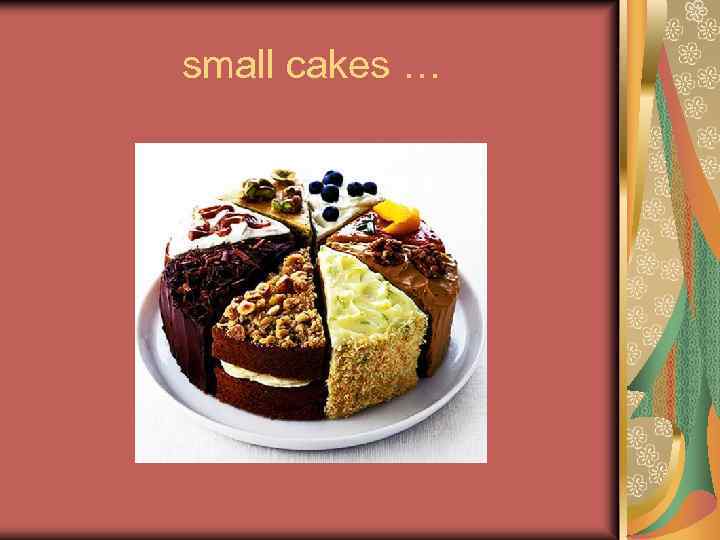 small cakes …
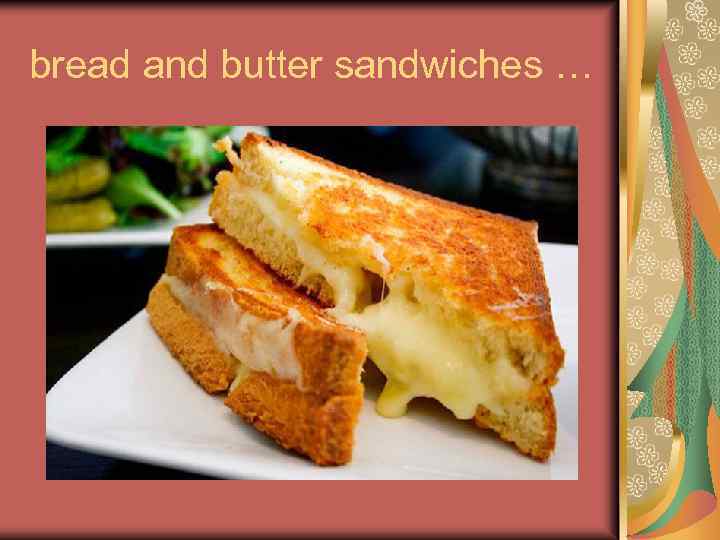 bread and butter sandwiches …
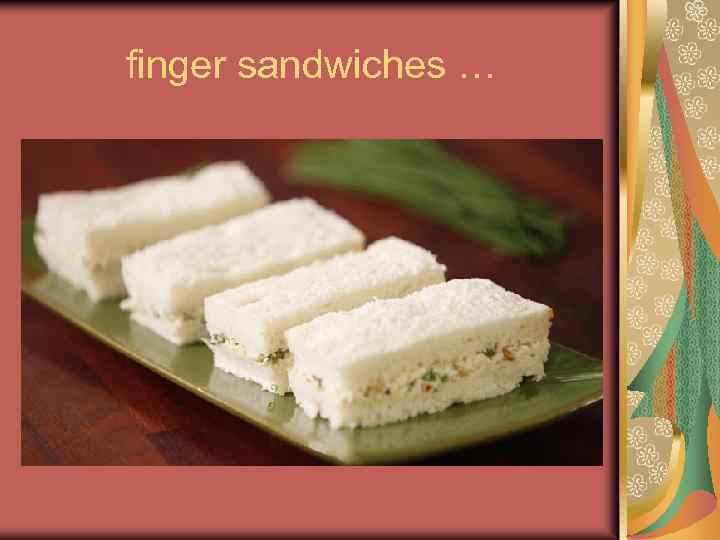 finger sandwiches …
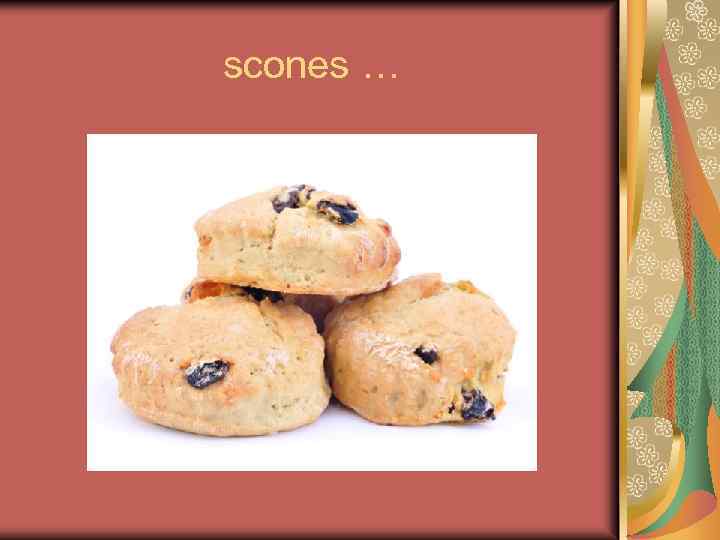 scones …
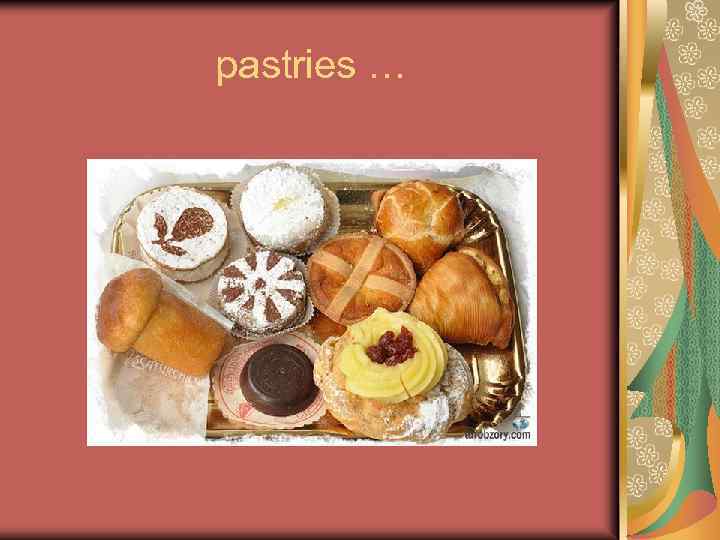 pastries …
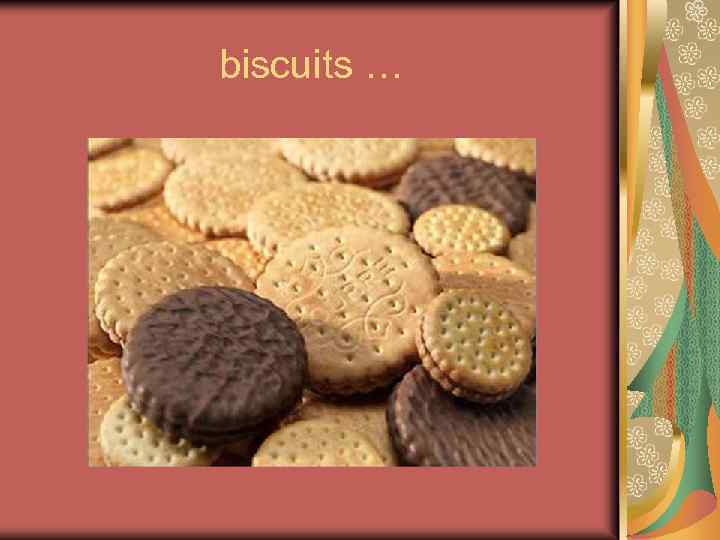 biscuits …
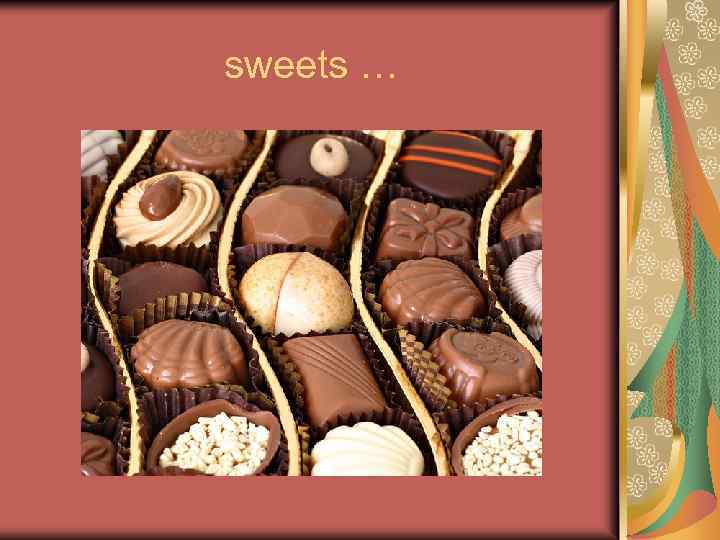 sweets …
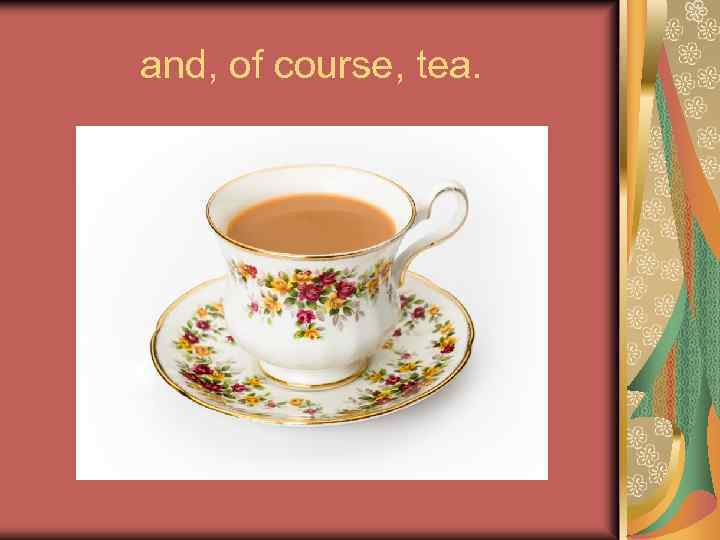 and, of course, tea.
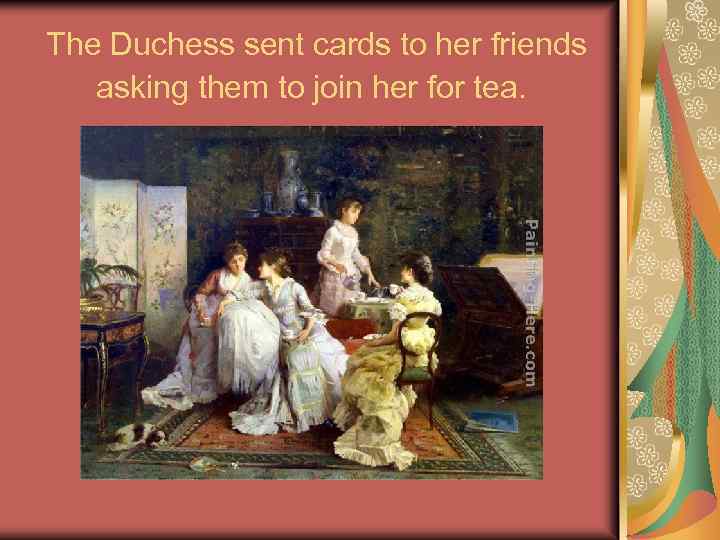 The Duchess sent cards to her friends asking them to join her for tea.
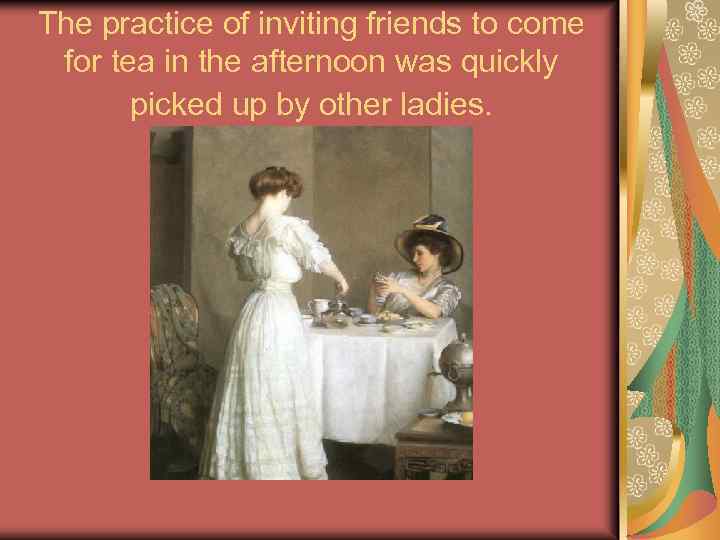 The practice of inviting friends to come for tea in the afternoon was quickly picked up by other ladies.
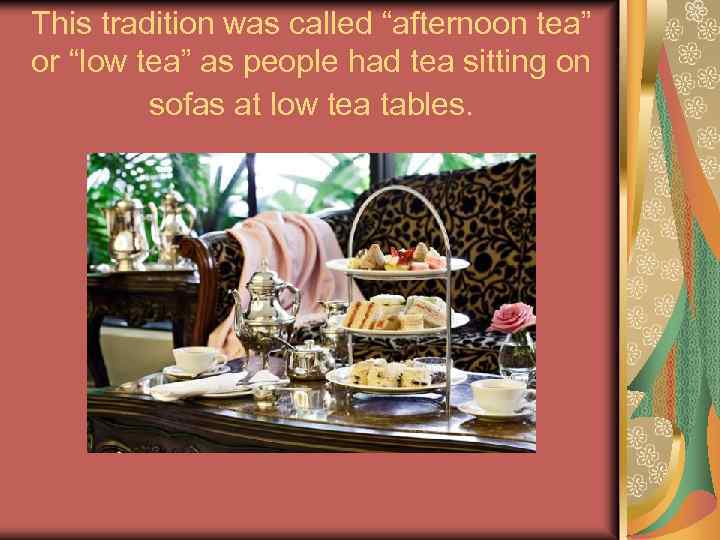 This tradition was called “afternoon tea” or “low tea” as people had tea sitting on sofas at low tea tables.
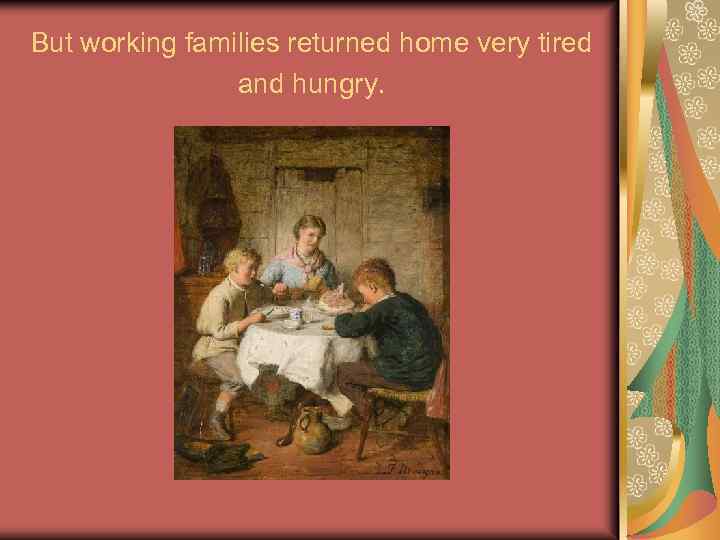 But working families returned home very tired and hungry.
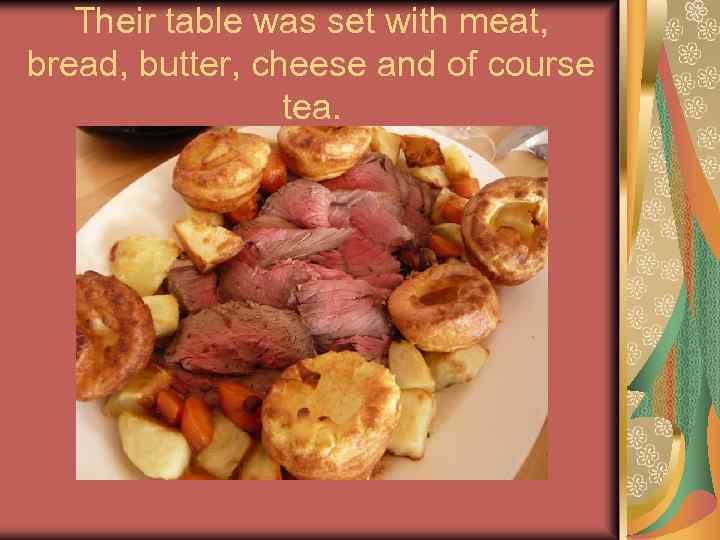 Their table was set with meat, bread, butter, cheese and of course tea.
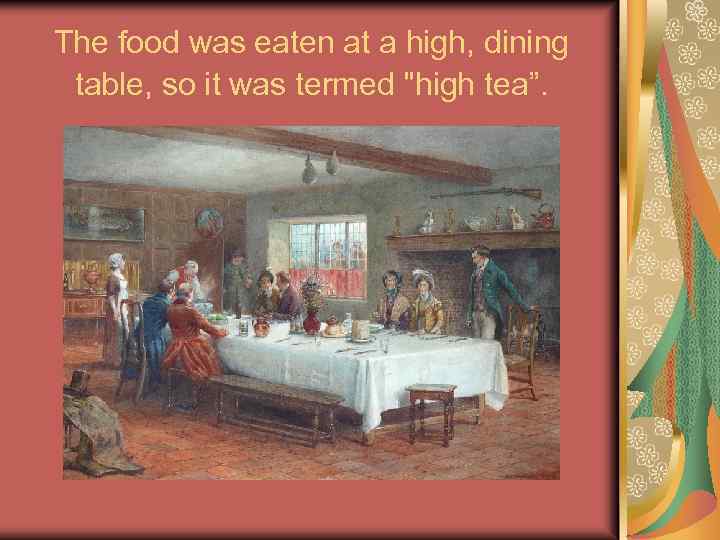 The food was eaten at a high, dining table, so it was termed "high tea”.
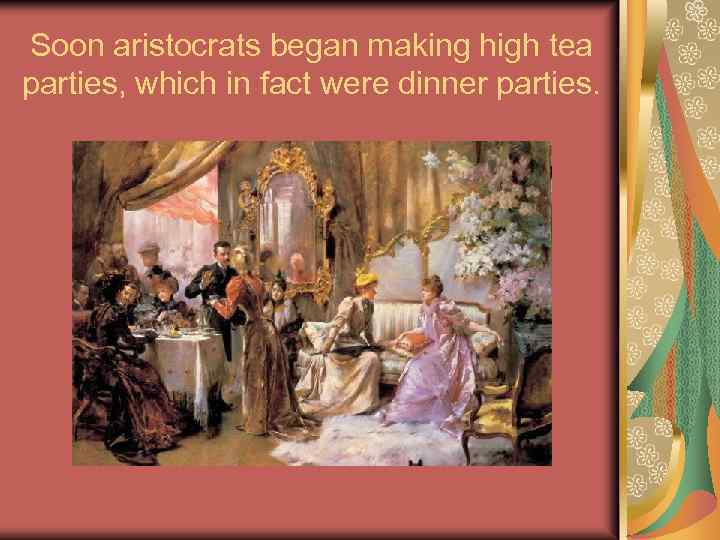 Soon aristocrats began making high tea parties, which in fact were dinner parties.
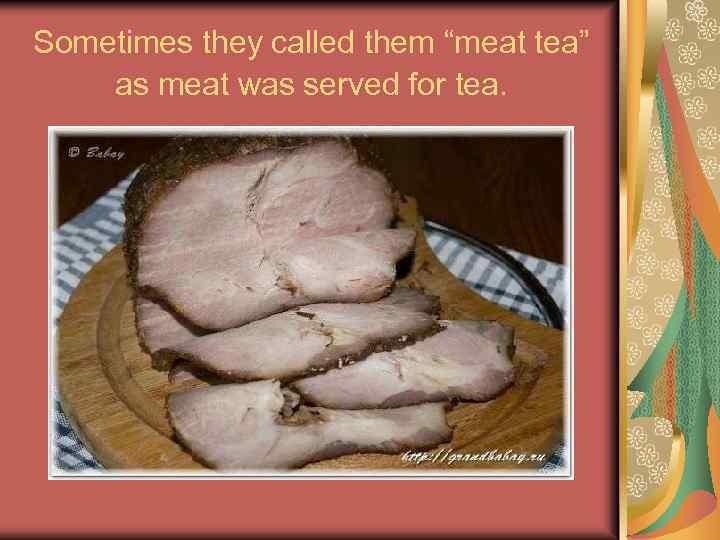 Sometimes they called them “meat tea” as meat was served for tea.
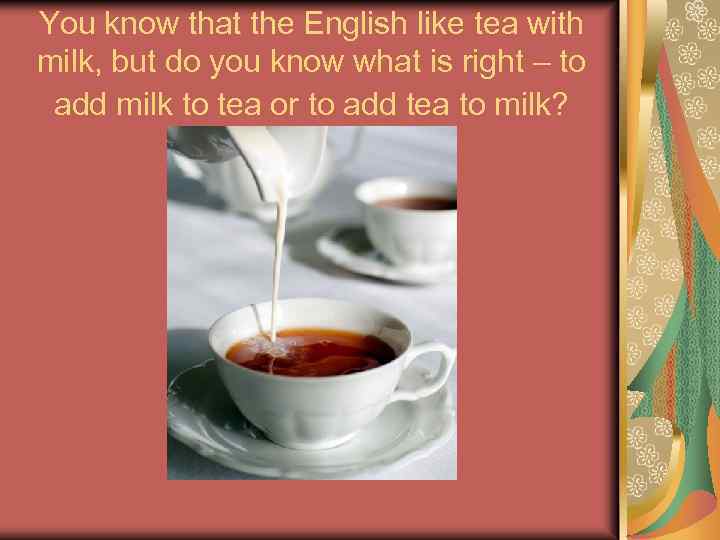 You know that the English like tea with milk, but do you know what is right – to add milk to tea or to add tea to milk?
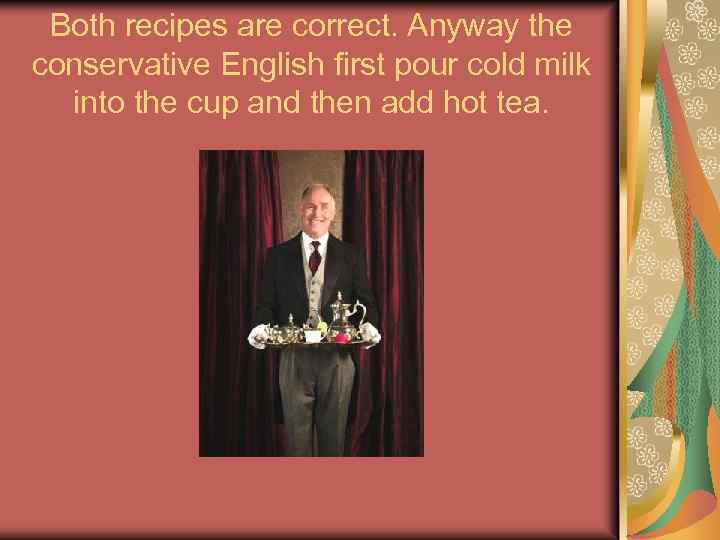 Both recipes are correct. Anyway the conservative English first pour cold milk into the cup and then add hot tea.
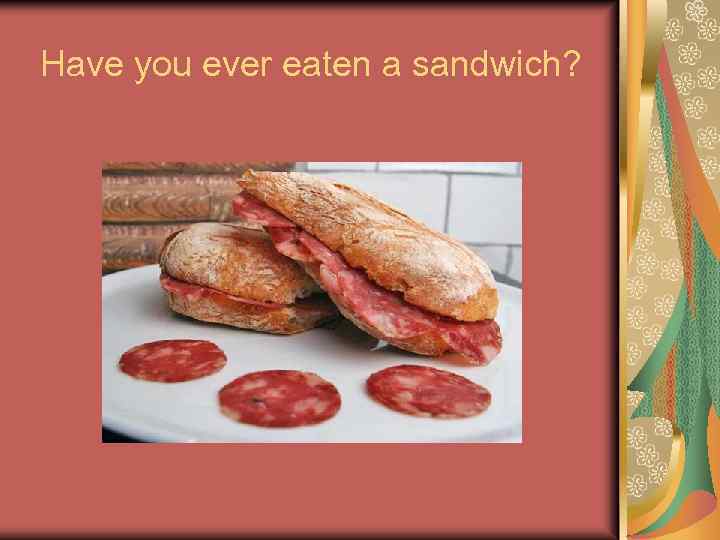 Have you ever eaten a sandwich?
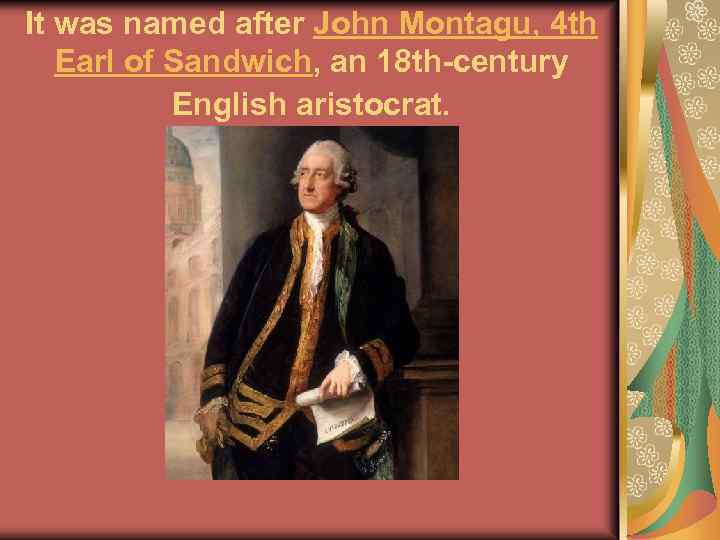 It was named after John Montagu, 4 th Earl of Sandwich, an 18 th-century English aristocrat.
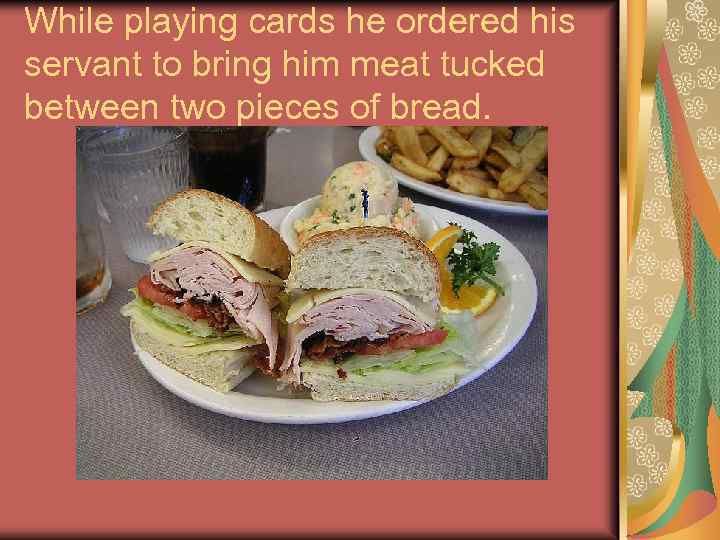 While playing cards he ordered his servant to bring him meat tucked between two pieces of bread.
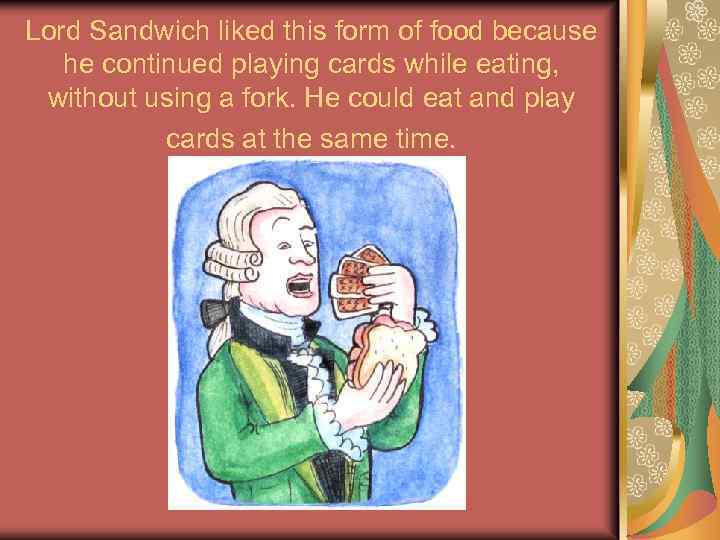 Lord Sandwich liked this form of food because he continued playing cards while eating, without using a fork. He could eat and play cards at the same time.
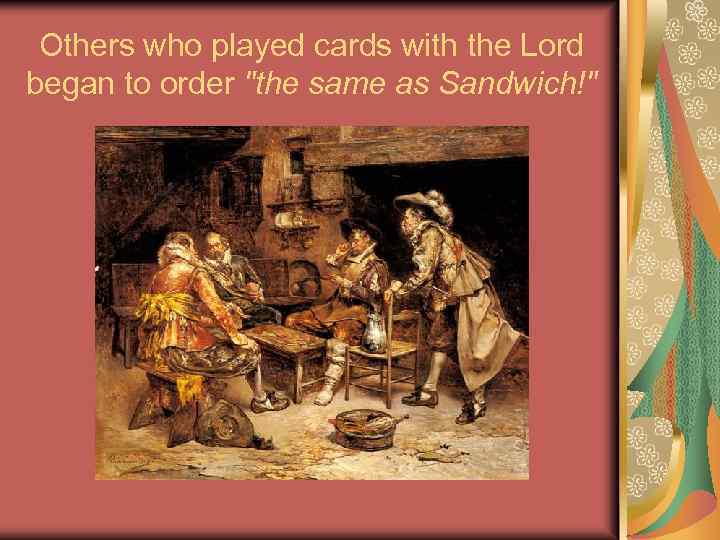 Others who played cards with the Lord began to order "the same as Sandwich!"