 Скачать презентацию Engineering a More Sustainable World One Community at
6ef3185599df4ba4c2db86f9ecf71c78.ppt
- Количество слайдов: 24



“Engineering a More Sustainable World, One Community at a Time”
What is EWB? ► ► ► Founded in 2000 by a Civil Engineer from University of Colorado. NCSU chapter established in 2001. International non-profit humanitarian organization established to partner with developing communities worldwide in order to improve their quality of life This partnership involves the implementation of sustainable engineering projects, while involving and training internationally responsible engineers and engineering students. We currently have 3 projects
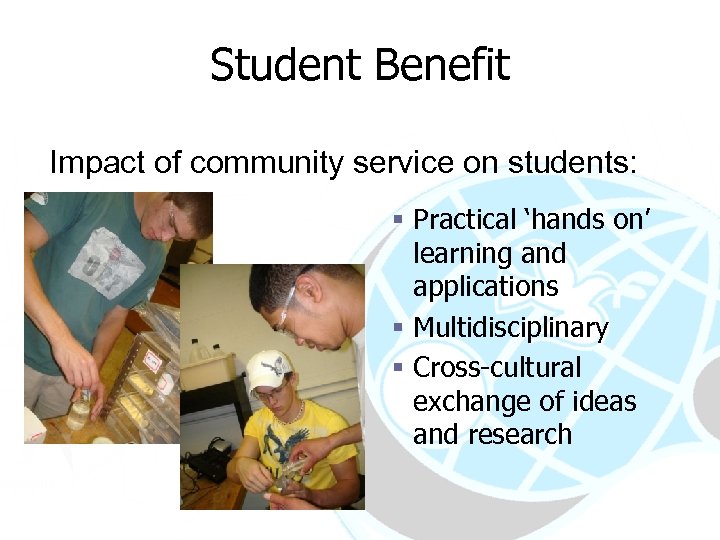
Student Benefit Impact of community service on students: § Practical ‘hands on’ learning and applications § Multidisciplinary § Cross-cultural exchange of ideas and research
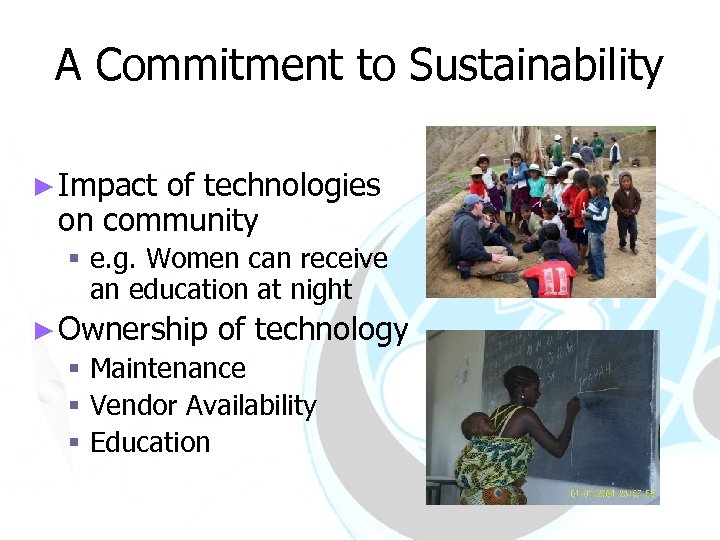
A Commitment to Sustainability ► Impact of technologies on community § e. g. Women can receive an education at night ► Ownership of technology § Maintenance § Vendor Availability § Education
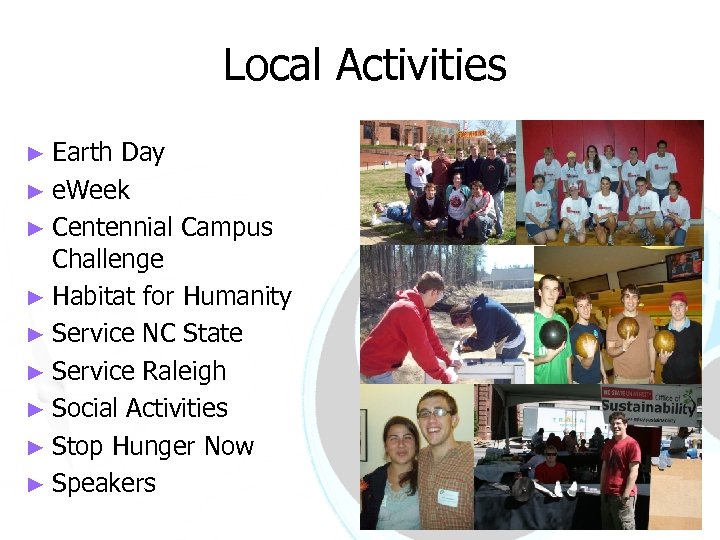
Local Activities ► Earth Day ► e. Week ► Centennial Campus Challenge ► Habitat for Humanity ► Service NC State ► Service Raleigh ► Social Activities ► Stop Hunger Now ► Speakers
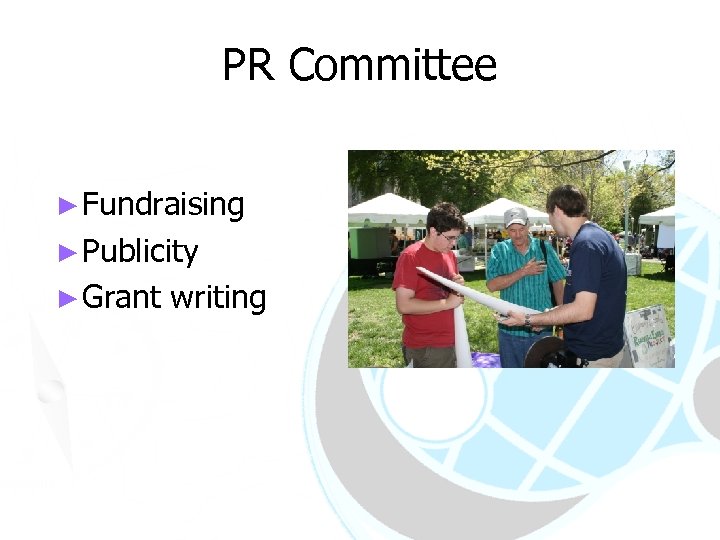
PR Committee ► Fundraising ► Publicity ► Grant writing
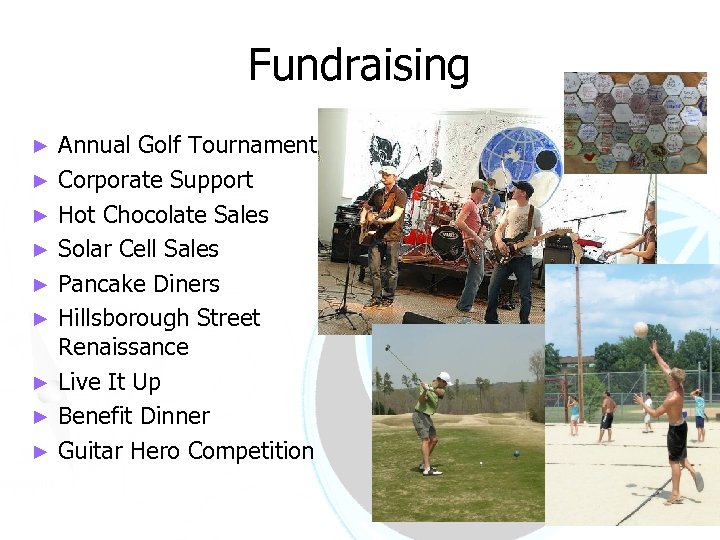
Fundraising ► ► ► ► ► Annual Golf Tournament Corporate Support Hot Chocolate Sales Solar Cell Sales Pancake Diners Hillsborough Street Renaissance Live It Up Benefit Dinner Guitar Hero Competition
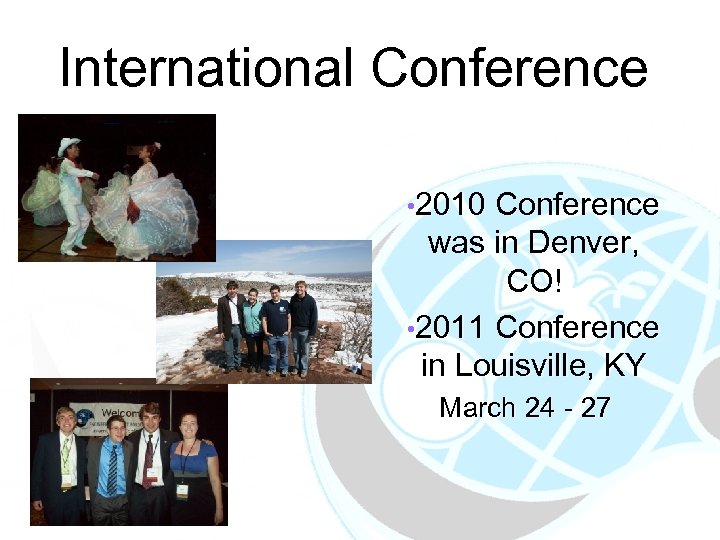
International Conference • 2010 Conference was in Denver, CO! • 2011 Conference in Louisville, KY March 24 - 27
http: //www. youtube. com/watch? v=r 98 yqbkcn 6 U
Bolivia Water Sanitation Project
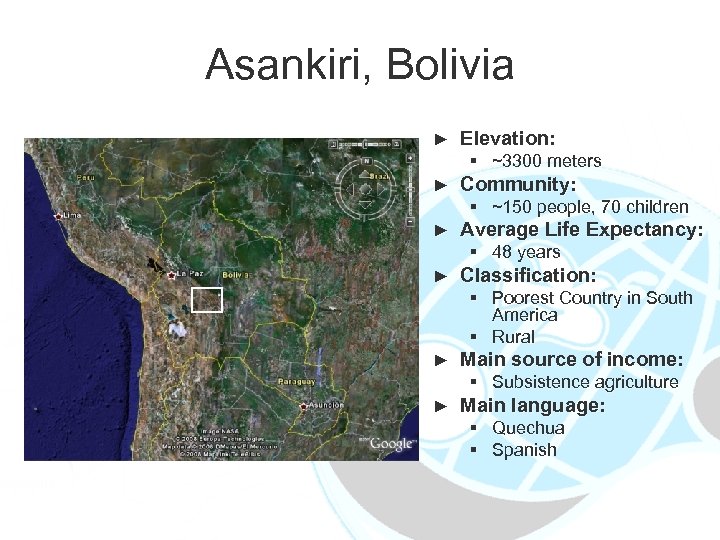
Asankiri, Bolivia ► Elevation: § ~3300 meters ► Community: § ~150 people, 70 children ► Average Life Expectancy: § 48 years ► Classification: § Poorest Country in South America § Rural ► Main source of income: § Subsistence agriculture ► Main language: § Quechua § Spanish
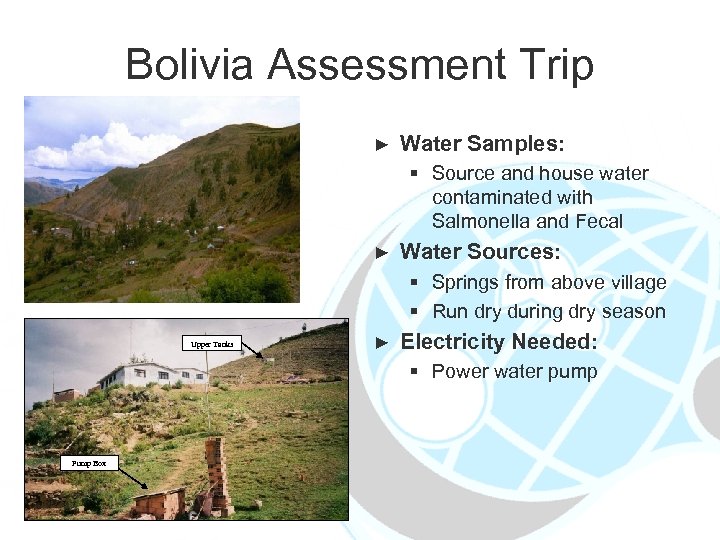
Bolivia Assessment Trip ► Water Samples: § Source and house water contaminated with Salmonella and Fecal ► Water Sources: § Springs from above village § Run dry during dry season Upper Tanks ► Electricity Needed: § Power water pump Pump Box
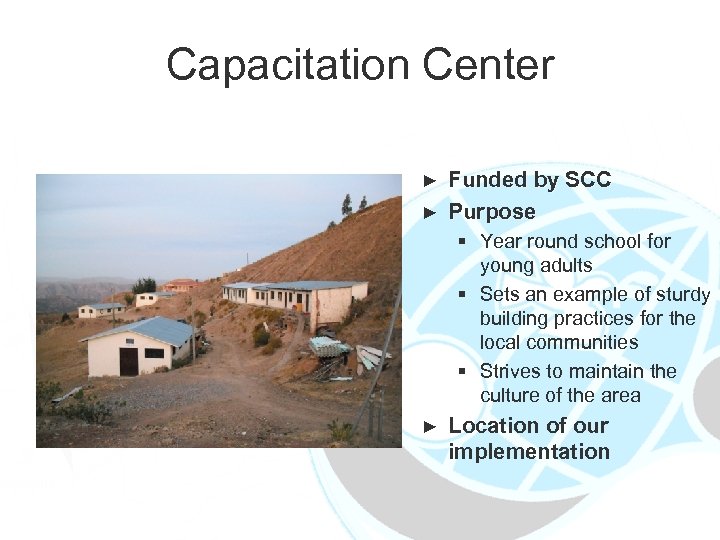
Capacitation Center Funded by SCC ► Purpose ► § Year round school for young adults § Sets an example of sturdy building practices for the local communities § Strives to maintain the culture of the area ► Location of our implementation
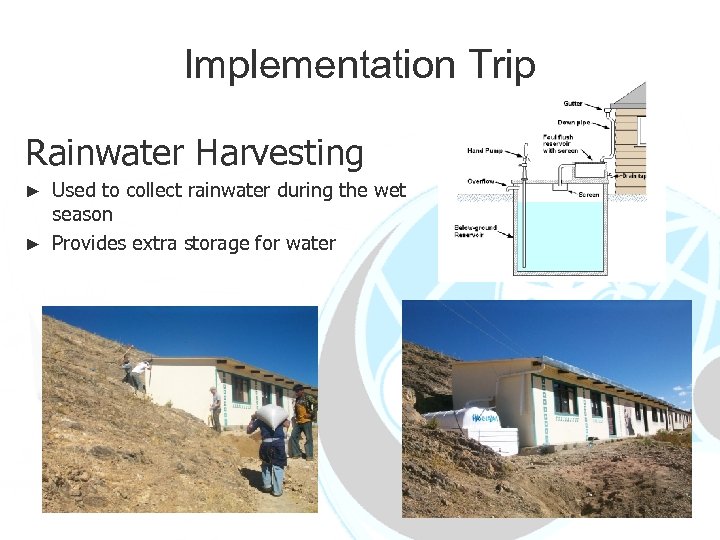
Implementation Trip Rainwater Harvesting Used to collect rainwater during the wet season ► Provides extra storage for water ►
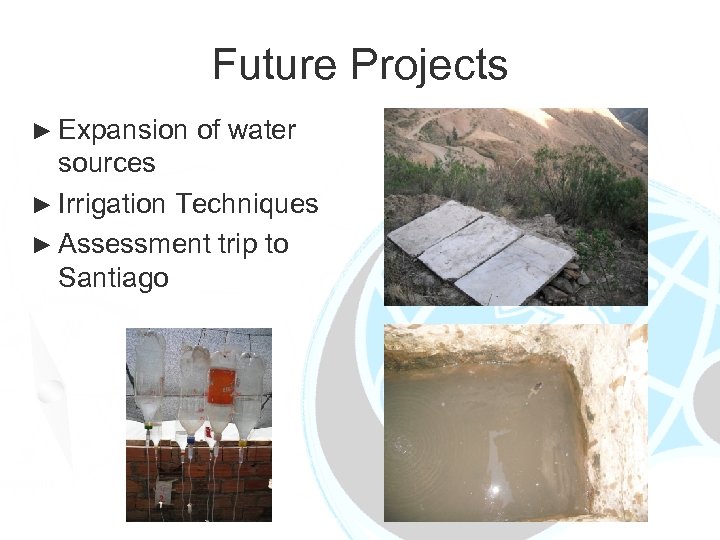
Future Projects ► Expansion of water sources ► Irrigation Techniques ► Assessment trip to Santiago
Sierra Leone Renewable Energy and Water System Projects
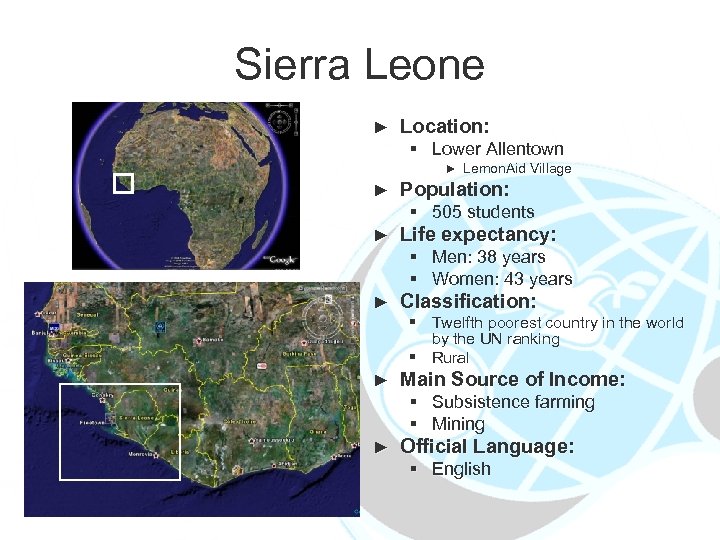
Sierra Leone ► Location: § Lower Allentown ► Lemon. Aid Village ► Population: § 505 students ► Life expectancy: § Men: 38 years § Women: 43 years ► Classification: § Twelfth poorest country in the world by the UN ranking § Rural ► Main Source of Income: § Subsistence farming § Mining ► Official Language: § English
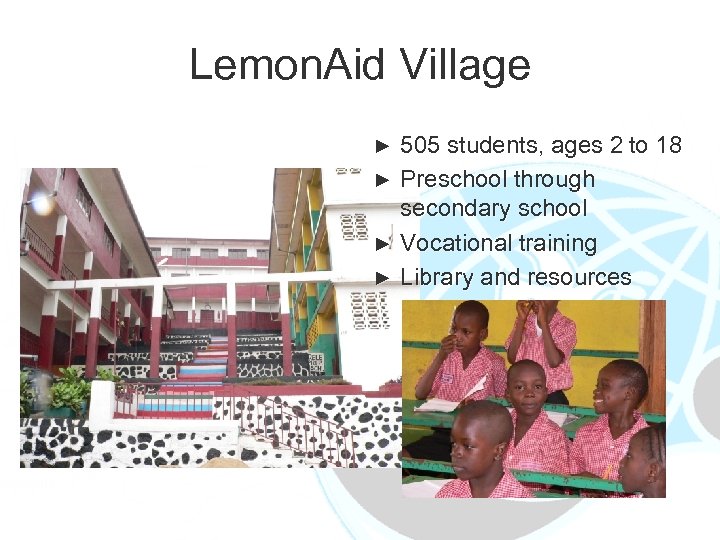
Lemon. Aid Village 505 students, ages 2 to 18 ► Preschool through secondary school ► Vocational training ► Library and resources ►
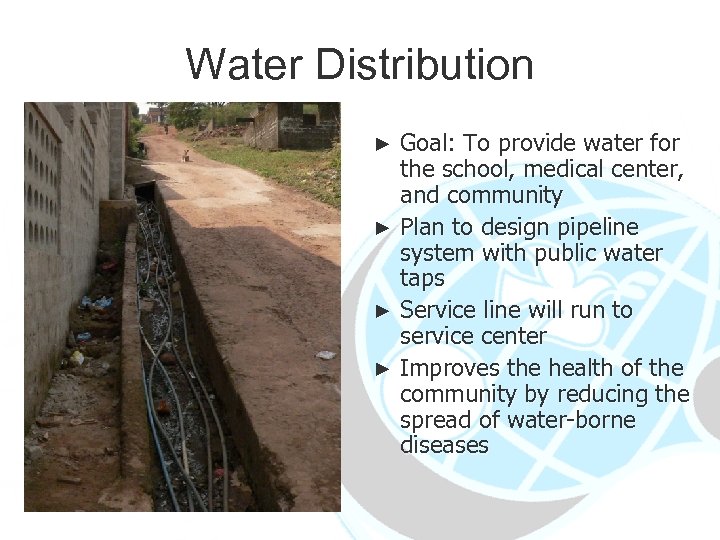
Water Distribution Goal: To provide water for the school, medical center, and community ► Plan to design pipeline system with public water taps ► Service line will run to service center ► Improves the health of the community by reducing the spread of water-borne diseases ►
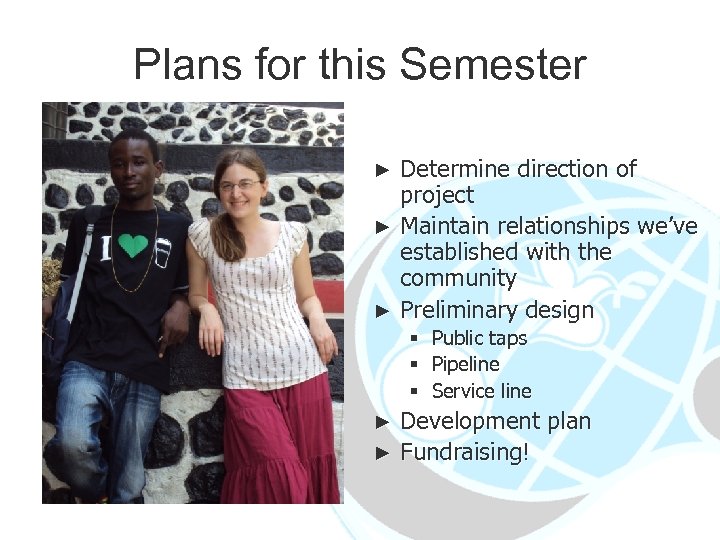
Plans for this Semester Determine direction of project ► Maintain relationships we’ve established with the community ► Preliminary design ► § § § Public taps Pipeline Service line Development plan ► Fundraising! ►
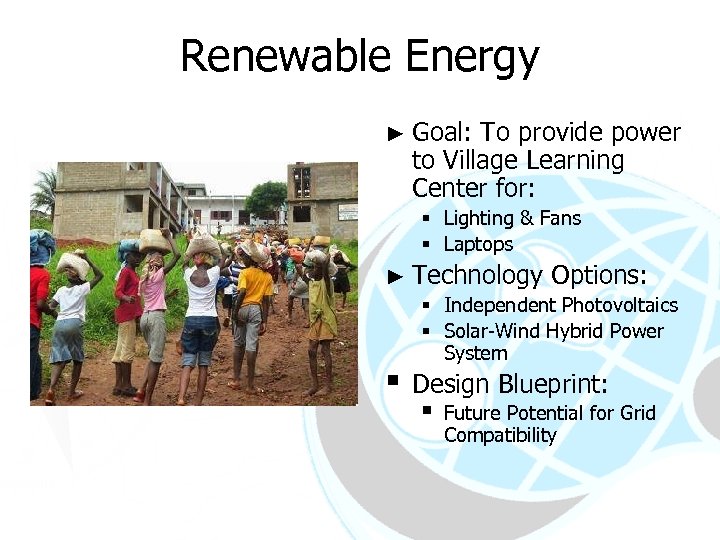
Renewable Energy ► Goal: To provide power to Village Learning Center for: § Lighting & Fans § Laptops ► Technology Options: § Independent Photovoltaics § Solar-Wind Hybrid Power § System Design Blueprint: § Future Potential for Grid Compatibility
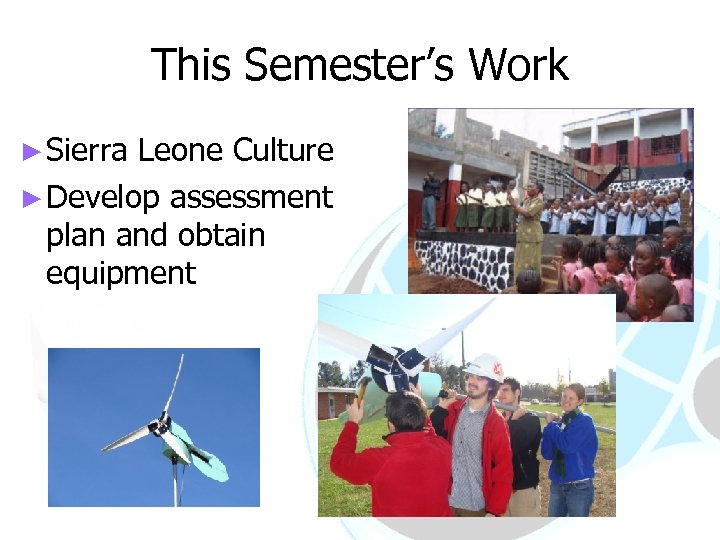
This Semester’s Work ► Sierra Leone Culture ► Develop assessment plan and obtain equipment
Questions? ? ?
Sierra Leone Trip Presentation Thursday, January 27, 2011 7: 30 PM, Riddick 325 www. ewbncsu. org
Скачать презентацию Engineering a More Sustainable World One Community at
6ef3185599df4ba4c2db86f9ecf71c78.ppt