

ENGELHARDT ASTRONOMICAL OBSERVATORY 115 years old The Engelhardt


ENGELHARDT ASTRONOMICAL OBSERVATORY 115 years old The Engelhardt Astronomycal observatory (EAO) was founded in September 21, 1901. The history EAO is connected with lives of legendary persons Queen Catherine the Great and Prince Potemkin

The main building of the observatory

Line «Potemkin – Ekaterina II» The nuptial crown Ekaterina II and Potemkin
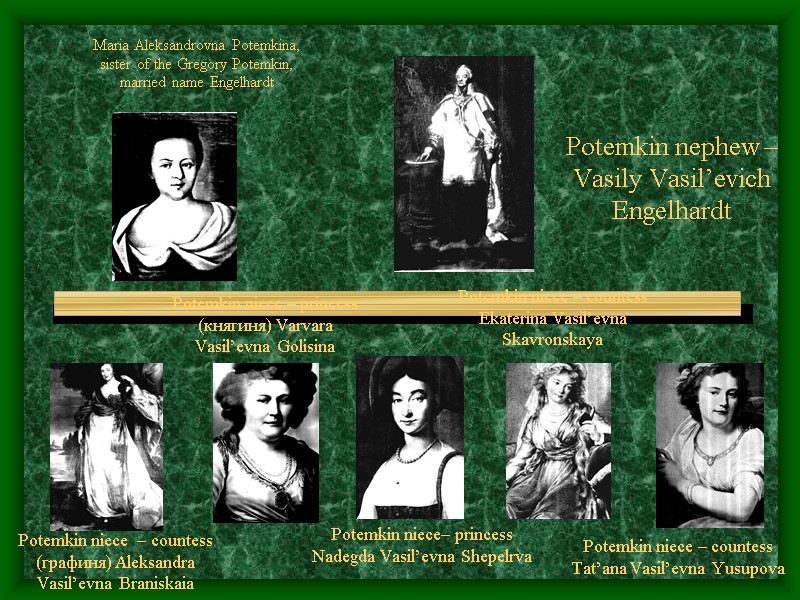
Potemkin niece – countess (графиня) Aleksandra Vasil’evna Braniskaia Maria Aleksandrovna Potemkina, sister of the Gregory Potemkin, married name Engelhardt Potemkin niece – princess (княгиня) Varvara Vasil’evna Golisina Potemkin niece– princess Nadegda Vasil’evna Shepelrva Potemkin niece – countess Ekaterina Vasil’evna Skavronskaya Potemkin niece – countess Tat’ana Vasil’evna Yusupova Potemkin nephew – Vasily Vasil’evich Engelhardt
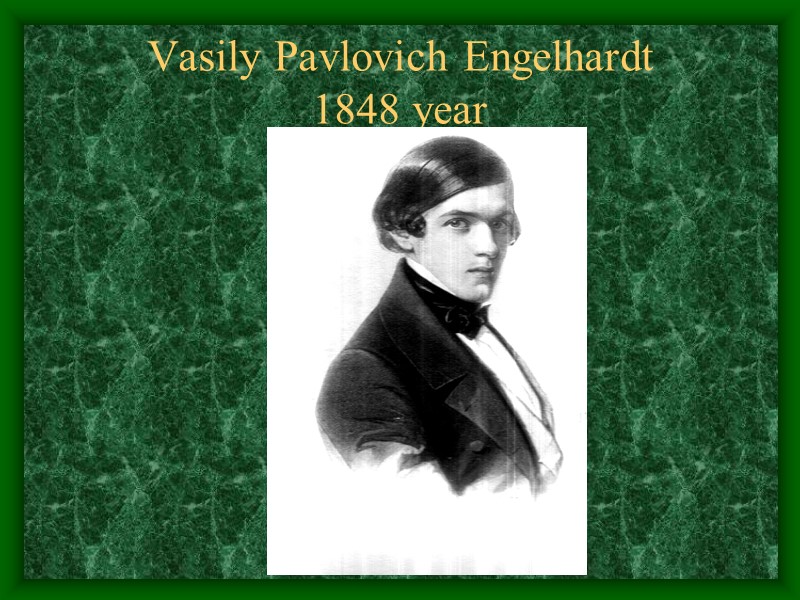
Vasily Pavlovich Engelhardt 1848 year
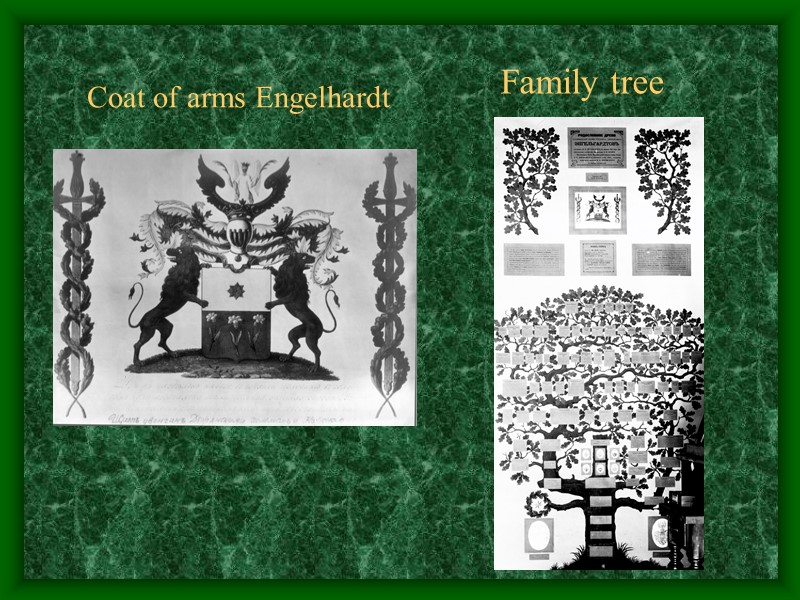
Family tree Coat of arms Engelhardt
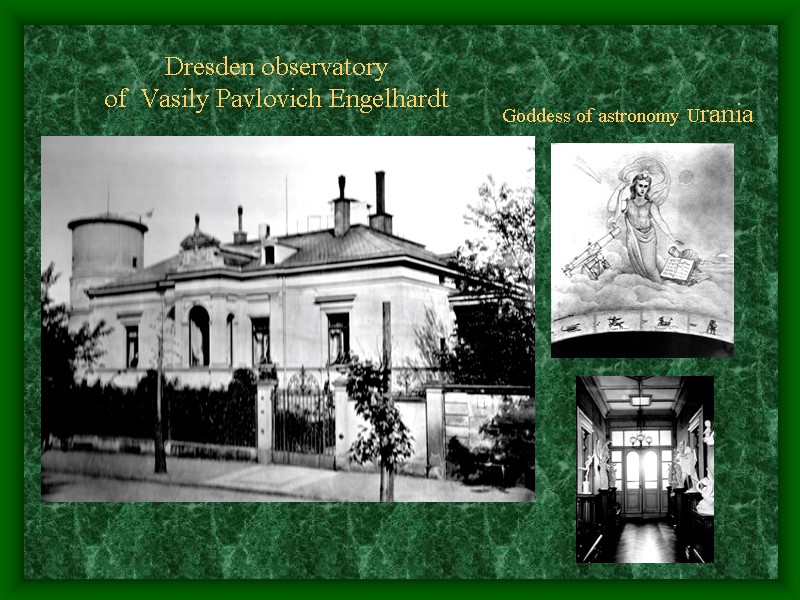
Dresden observatory of Vasily Pavlovich Engelhardt Goddess of astronomy Urania
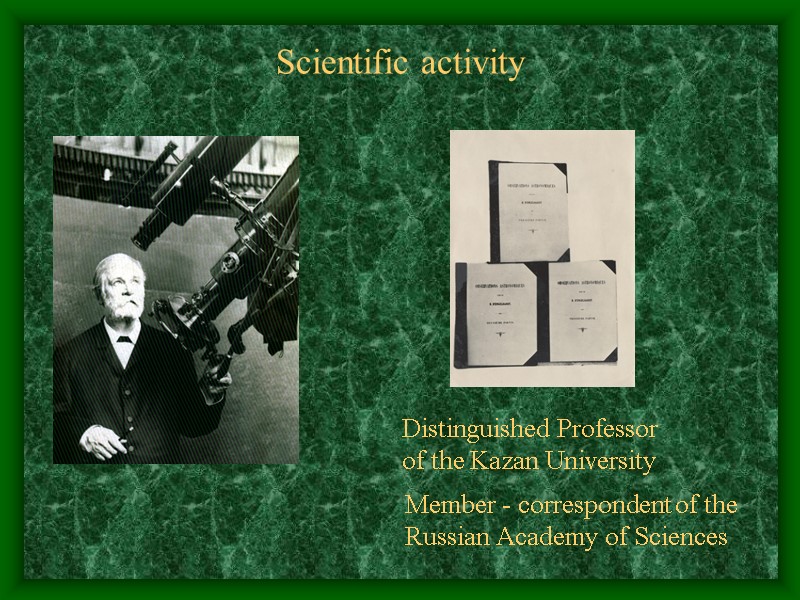
Scientific activity Distinguished Professor of the Kazan University Member - correspondent of the Russian Academy of Sciences
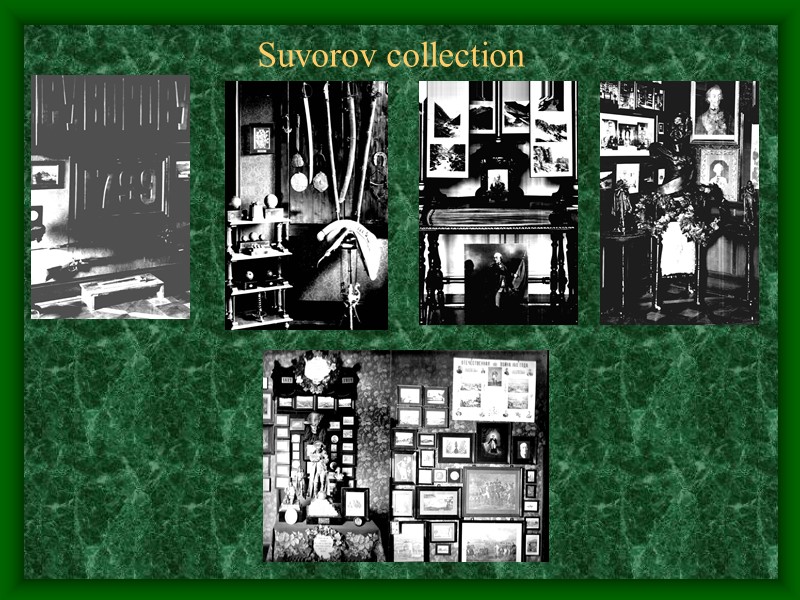
Suvorov collection

Memorial tablet Devil's Bridge

V.P.Engelhardt with friend D.I.Dubiago

Azimuth mark - burial vault
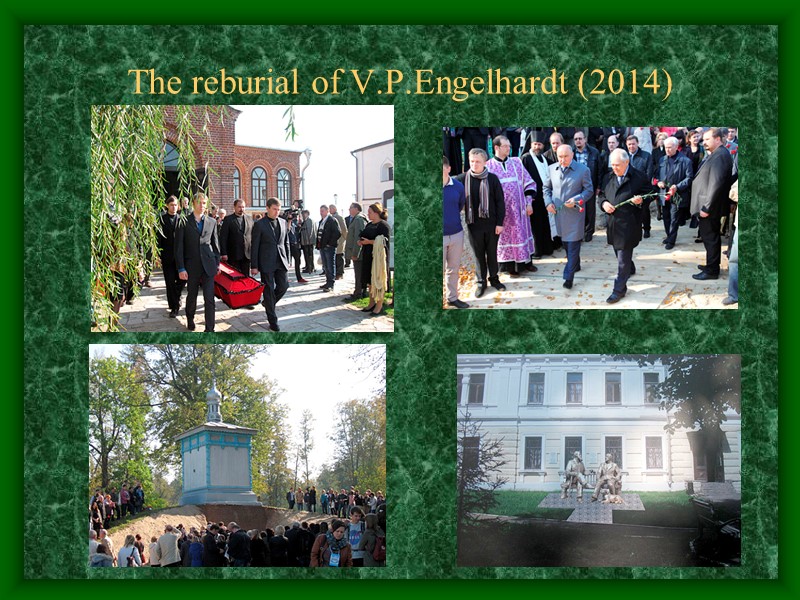
The reburial of V.P.Engelhardt (2014)
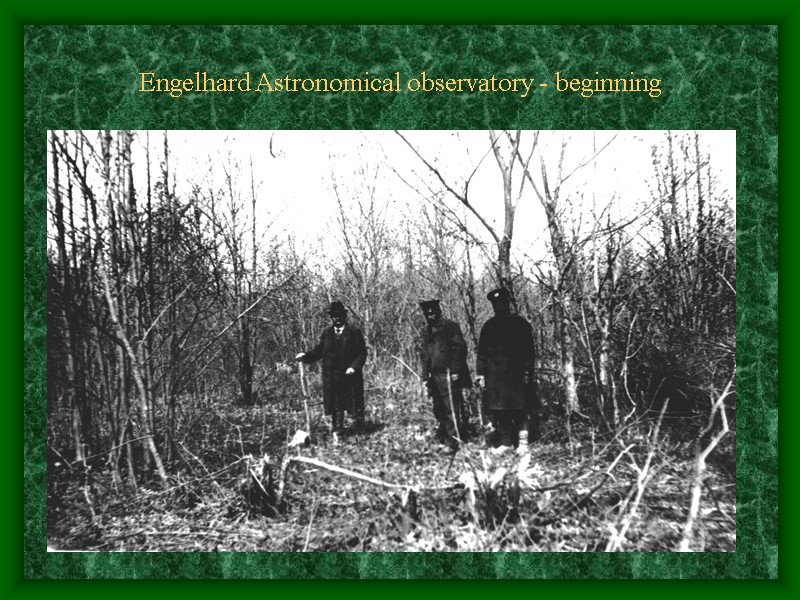
Engelhard Astronomical observatory - beginning
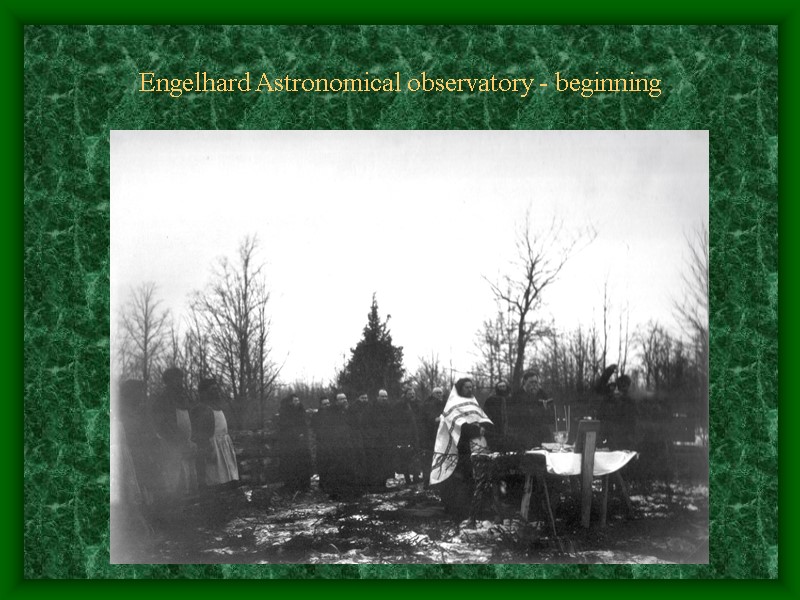
Engelhard Astronomical observatory - beginning
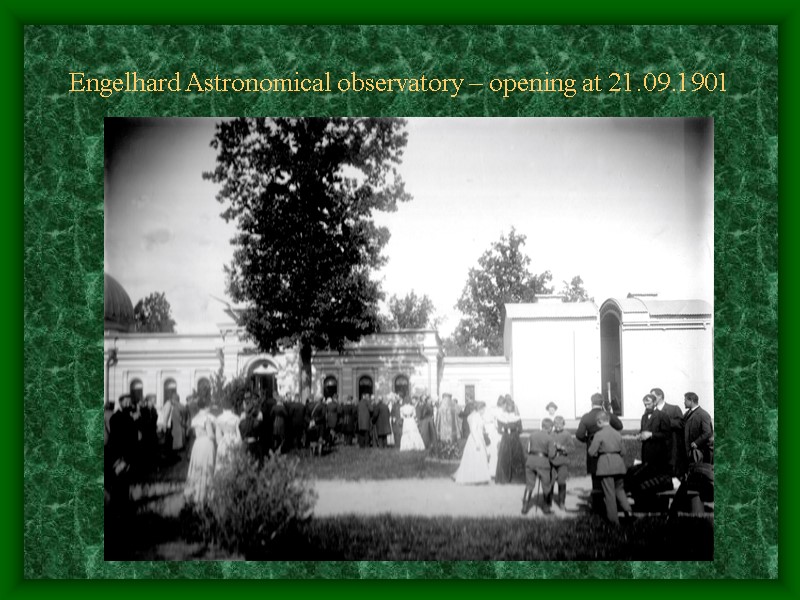
Engelhard Astronomical observatory – opening at 21.09.1901

D.I.Dubiago with his wife
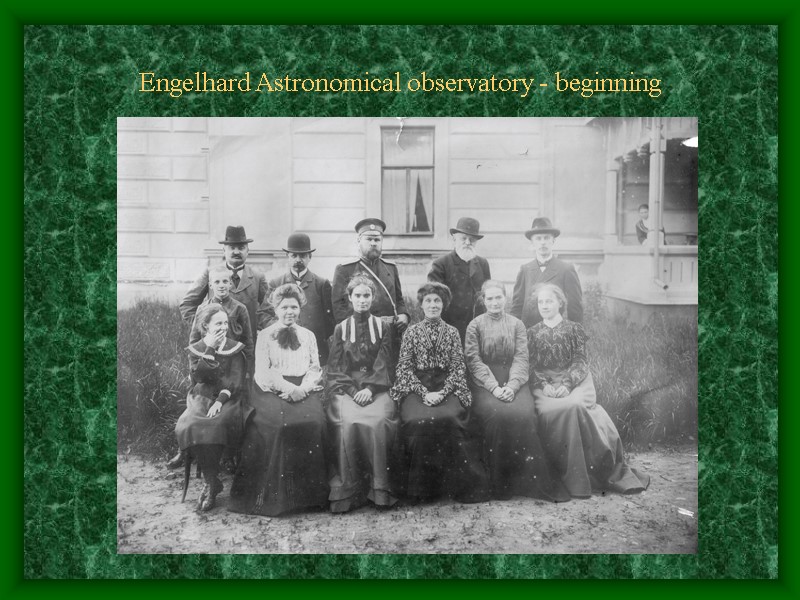
Engelhard Astronomical observatory - beginning
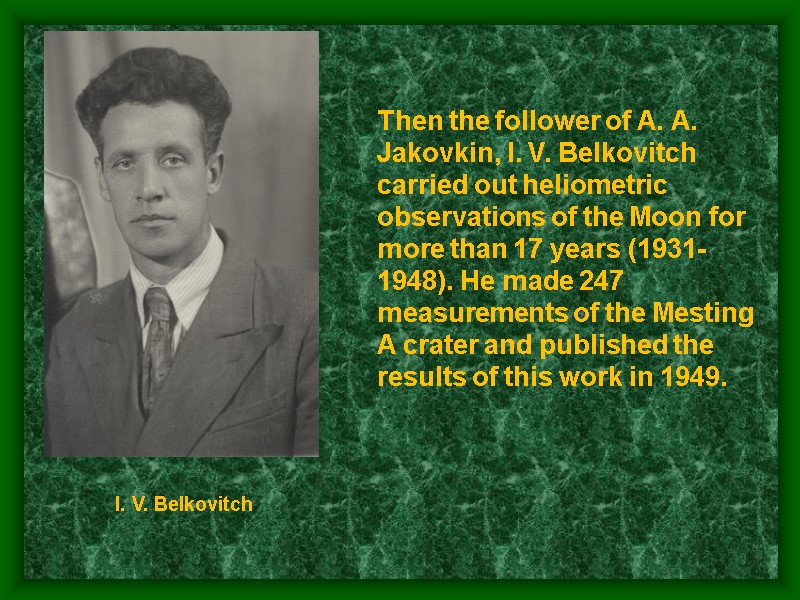
Then the follower of А. А. Jakovkin, I. V. Belkovitch carried out heliometric observations of the Moon for more than 17 years (1931-1948). He made 247 measurements of the Мesting A crater and published the results of this work in 1949. I. V. Belkovitch
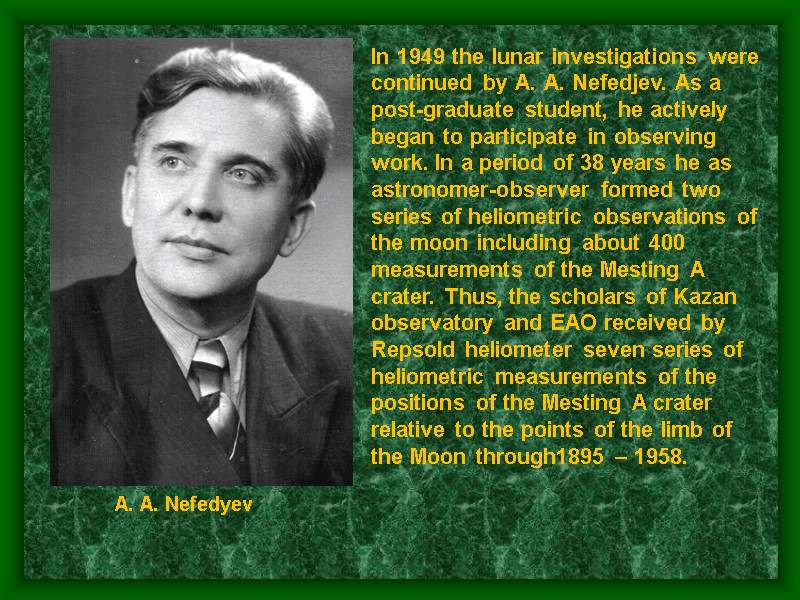
In 1949 the lunar investigations were continued by А. А. Nefedjev. As a post-graduate student, he actively began to participate in observing work. In a period of 38 years he as astronomer-observer formed two series of heliometric observations of the moon including about 400 measurements of the Mesting А crater. Thus, the scholars of Kazan observatory and EAO received by Repsold heliometer seven series of heliometric measurements of the positions of the Mesting A crater relative to the points of the limb of the Moon through1895 – 1958. A. A. Nefedyev
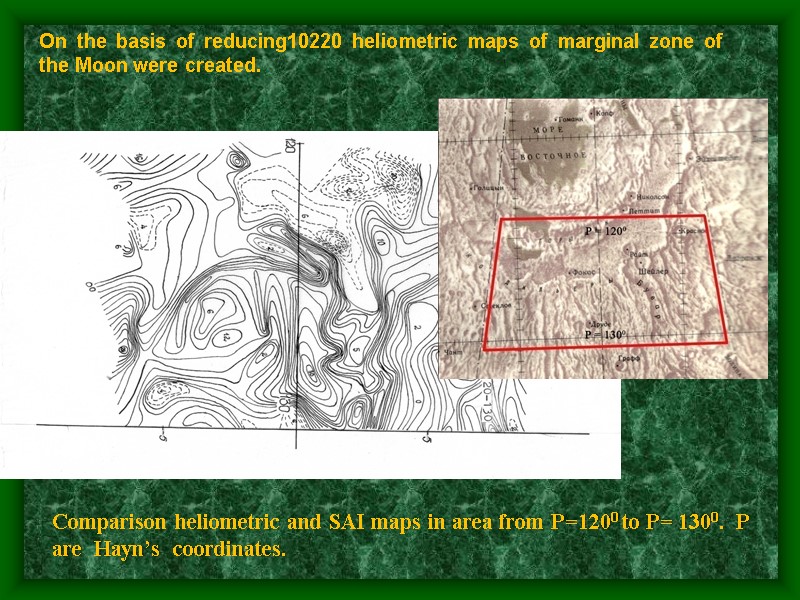
Comparison heliometric and SAI maps in area from Р=1200 to Р= 1300. P are Hayn’s coordinates. On the basis of reducing10220 heliometric maps of marginal zone of the Moon were created.
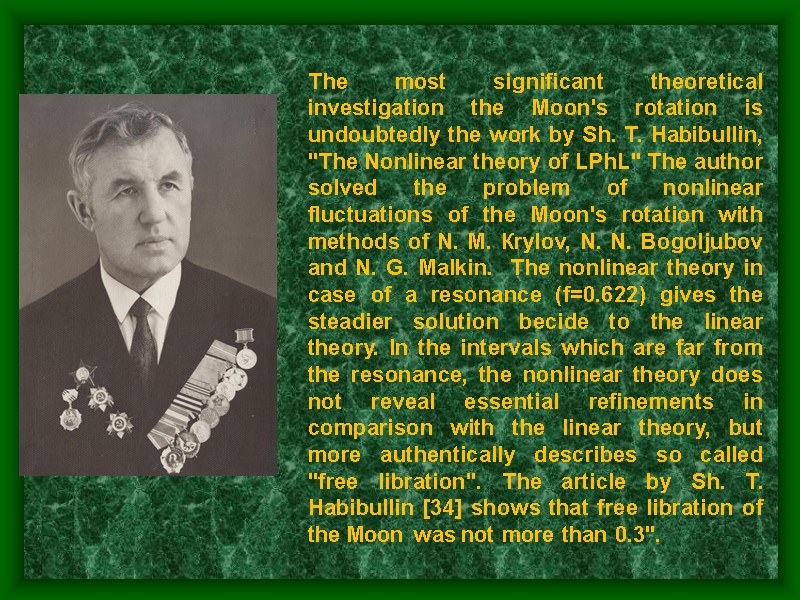
The most significant theoretical investigation the Moon's rotation is undoubtedly the work by Sh. T. Habibullin, "The Nonlinear theory of LPhL" The author solved the problem of nonlinear fluctuations of the Moon's rotation with methods of N. М. Кrylov, N. N. Bogoljubov and N. G. Маlkin. The nonlinear theory in case of a resonance (f=0.622) gives the steadier solution becide to the linear theory. In the intervals which are far from the resonance, the nonlinear theory does not reveal essential refinements in comparison with the linear theory, but more authentically describes so called "free libration". The article by Sh. T. Habibullin [34] shows that free libration of the Moon was not more than 0.3".
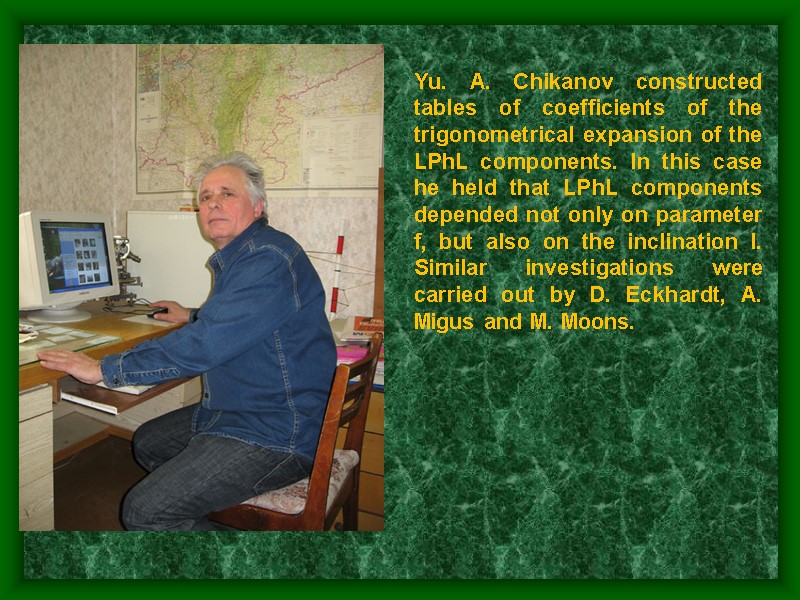
Yu. А. Chikanov constructed tables of coefficients of the trigonometrical expansion of the LPhL components. In this case he held that LPhL components depended not only on parameter f, but also on the inclination I. Similar investigations were carried out by D. Eckhardt, А. Мigus and М. Мoons.
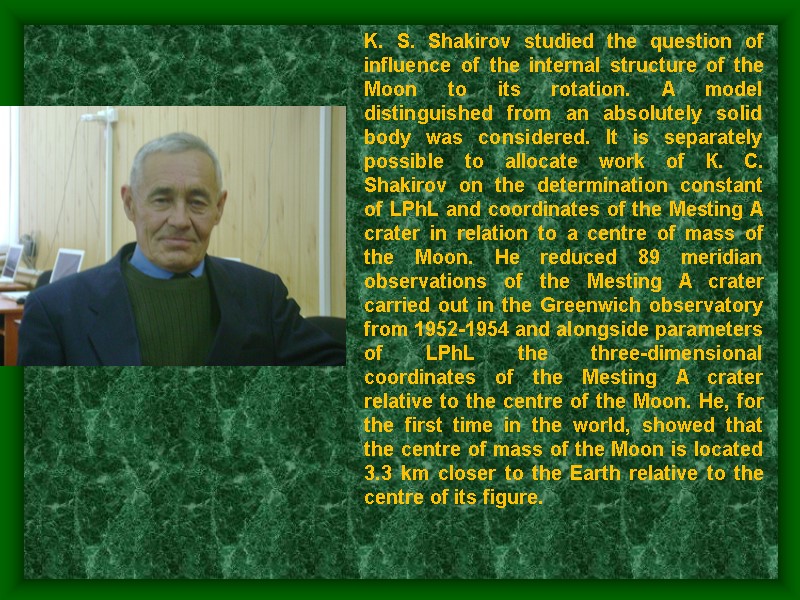
K. S. Shakirov studied the question of influence of the internal structure of the Moon to its rotation. A model distinguished from an absolutely solid body was considered. It is separately possible to allocate work of К. С. Shakirov on the determination constant of LPhL and coordinates of the Меsting A crater in relation to a centre of mass of the Moon. He reduced 89 meridian observations of the Меsting A crater carried out in the Greenwich observatory from 1952-1954 and alongside parameters of LPhL the three-dimensional coordinates of the Меsting A crater relative to the centre of the Moon. He, for the first time in the world, showed that the centre of mass of the Moon is located 3.3 km closer to the Earth relative to the centre of its figure.
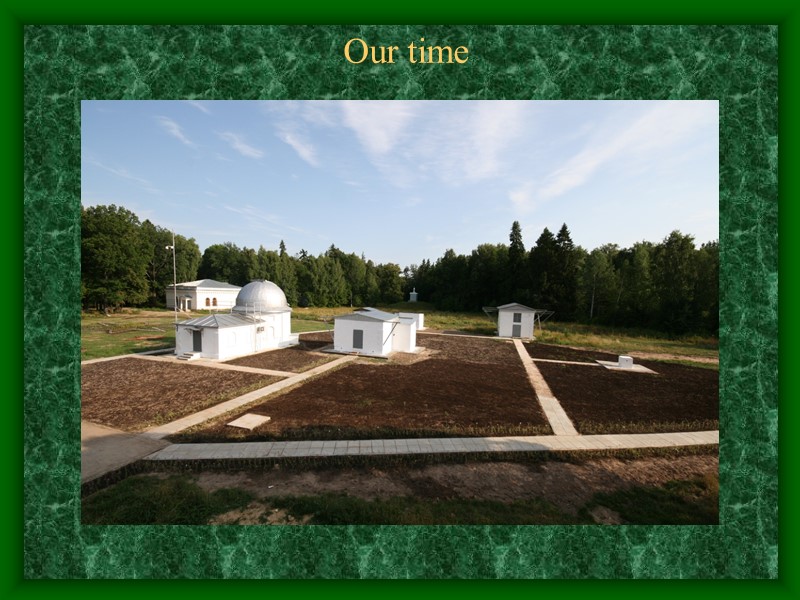
Our time
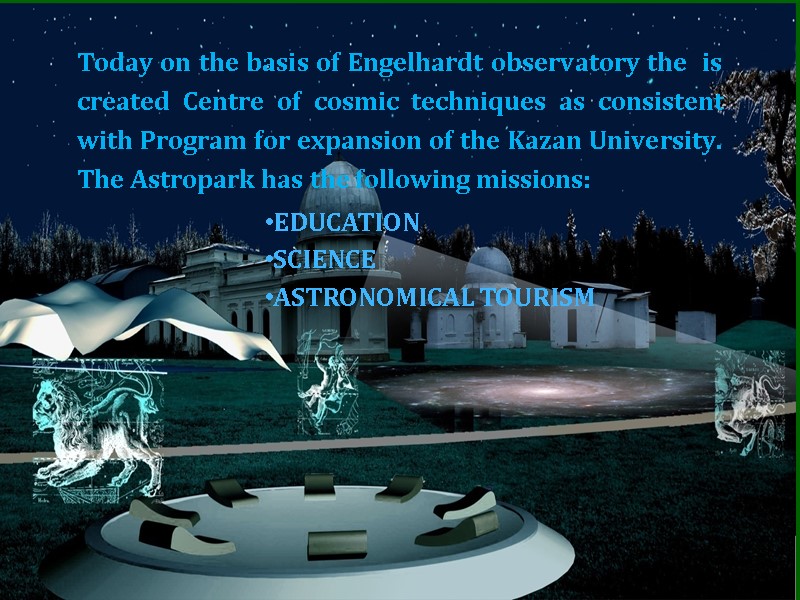
EDUCATION SCIENCE ASTRONOMICAL TOURISM Today on the basis of Engelhardt observatory the is created Centre of cosmic techniques as consistent with Program for expansion of the Kazan University. The Astropark has the following missions:
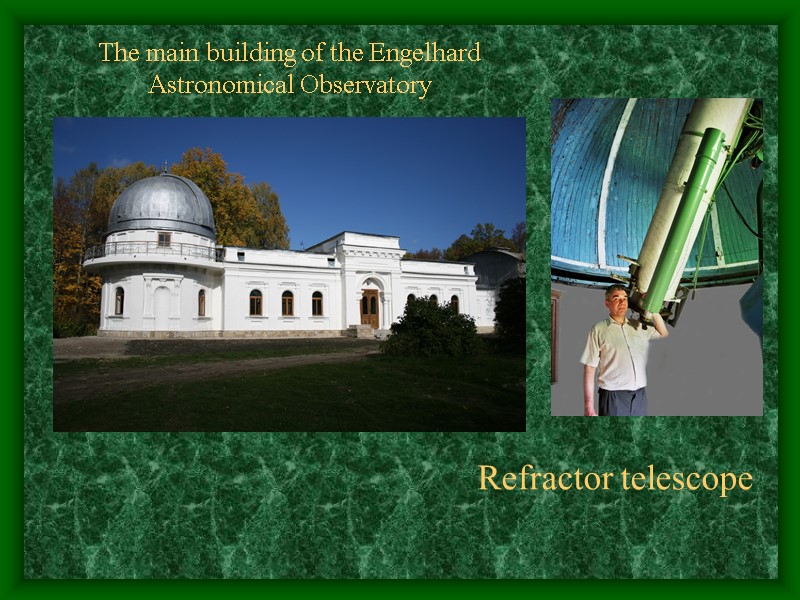
The main building of the Engelhard Astronomical Observatory Refractor telescope
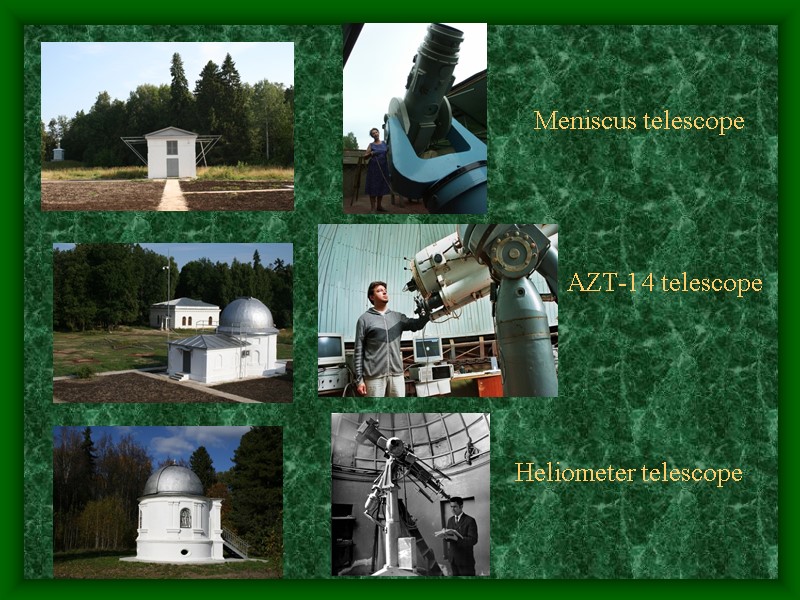
AZT-14 telescope Meniscus telescope Heliometer telescope
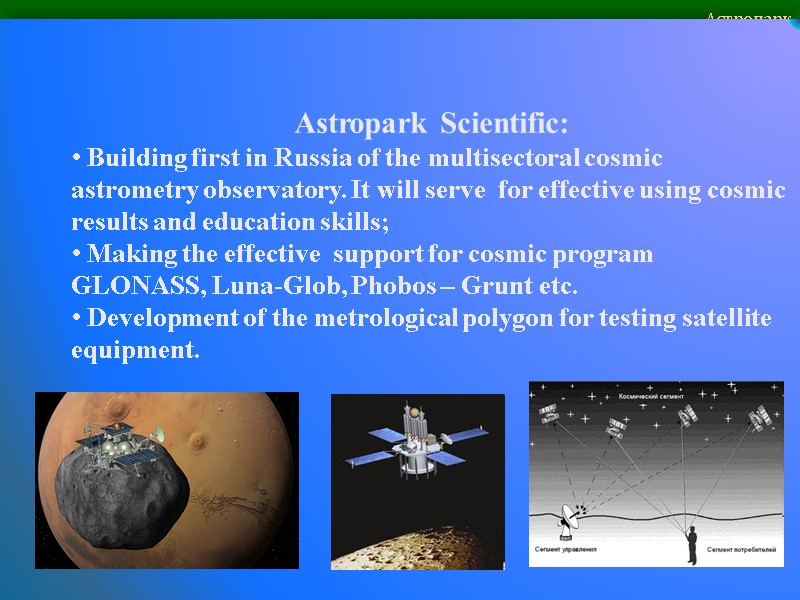
Астропарк Astropark Scientific: Building first in Russia of the multisectoral cosmic astrometry observatory. It will serve for effective using cosmic results and education skills; Making the effective support for cosmic program GLONASS, Luna-Glob, Phobos – Grunt etc. Development of the metrological polygon for testing satellite equipment.
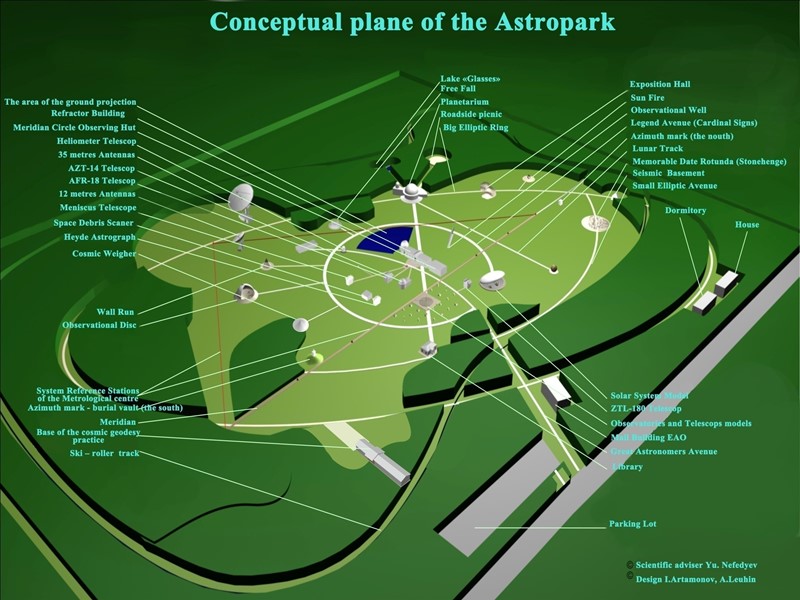
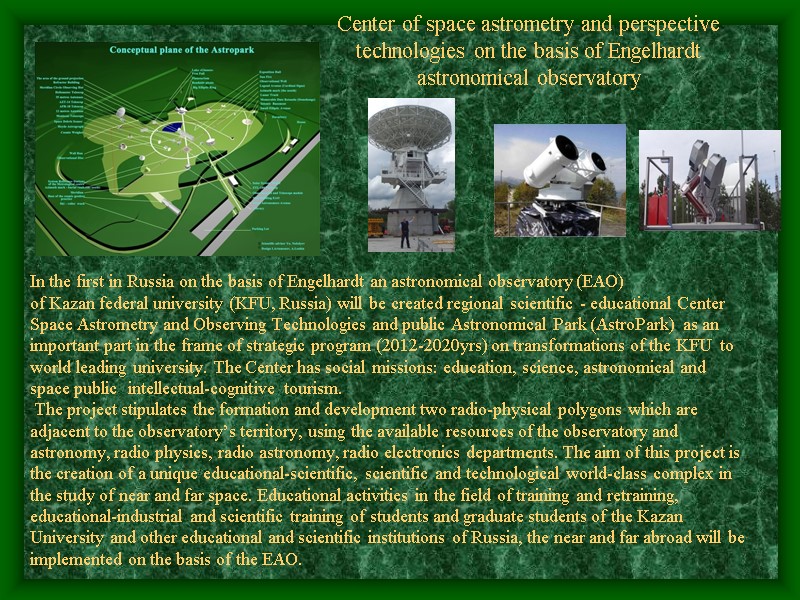
Center of space astrometry and perspective technologies on the basis of Engelhardt astronomical observatory In the first in Russia on the basis of Engelhardt an astronomical observatory (EAO) of Kazan federal university (KFU, Russia) will be created regional scientific - educational Center Space Astrometry and Observing Technologies and public Astronomical Park (AstroPark) as an important part in the frame of strategic program (2012-2020yrs) on transformations of the KFU to world leading university. The Center has social missions: education, science, astronomical and space public intellectual-cognitive tourism. The project stipulates the formation and development two radio-physical polygons which are adjacent to the observatory’s territory, using the available resources of the observatory and astronomy, radio physics, radio astronomy, radio electronics departments. The aim of this project is the creation of a unique educational-scientific, scientific and technological world-class complex in the study of near and far space. Educational activities in the field of training and retraining, educational-industrial and scientific training of students and graduate students of the Kazan University and other educational and scientific institutions of Russia, the near and far abroad will be implemented on the basis of the EAO.
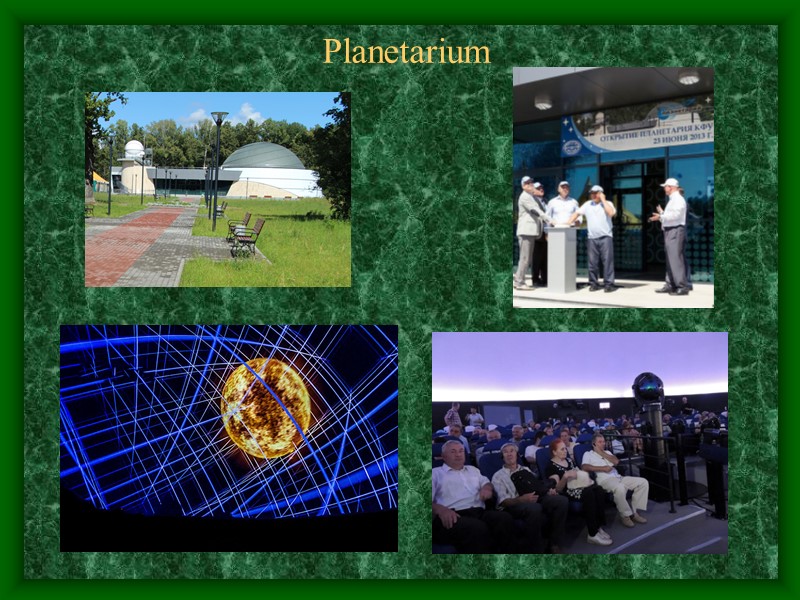
Planetarium
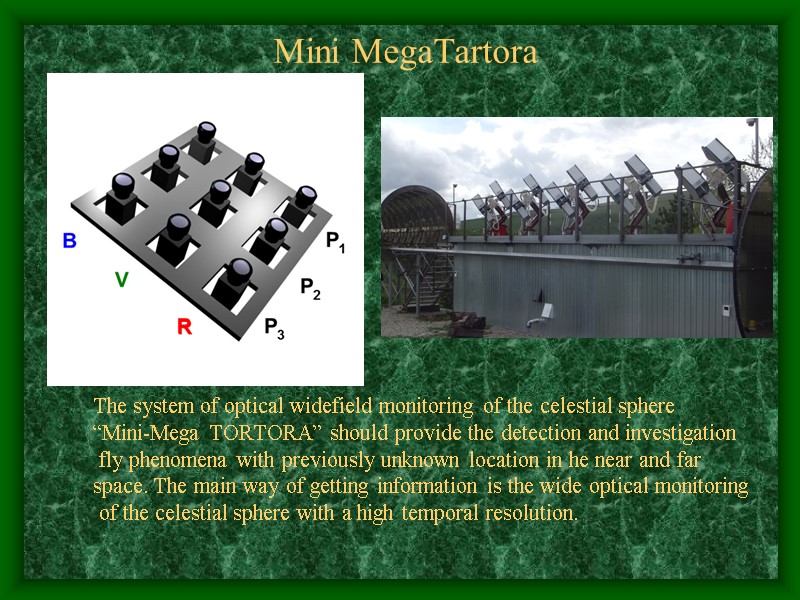
Mini MegaTartora The system of optical widefield monitoring of the celestial sphere “Mini-Mega TORTORA” should provide the detection and investigation fly phenomena with previously unknown location in he near and far space. The main way of getting information is the wide optical monitoring of the celestial sphere with a high temporal resolution.

Mini MegaTartora and gamma-ray bursts June, 25, 2016 MMT (Mini MegaTORTORA) was able to observe in real time the birth of a black hole at a distance of 9 billion light-years.
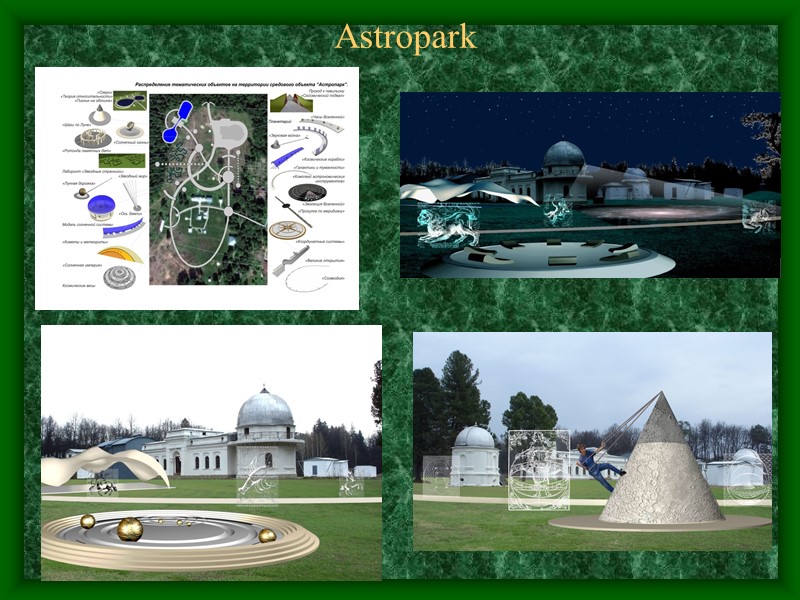
Astropark
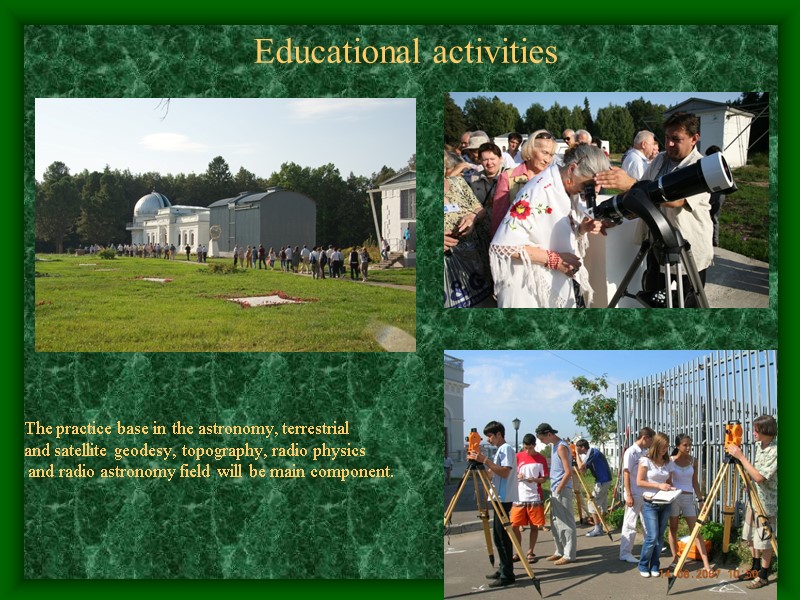
Educational activities The practice base in the astronomy, terrestrial and satellite geodesy, topography, radio physics and radio astronomy field will be main component.
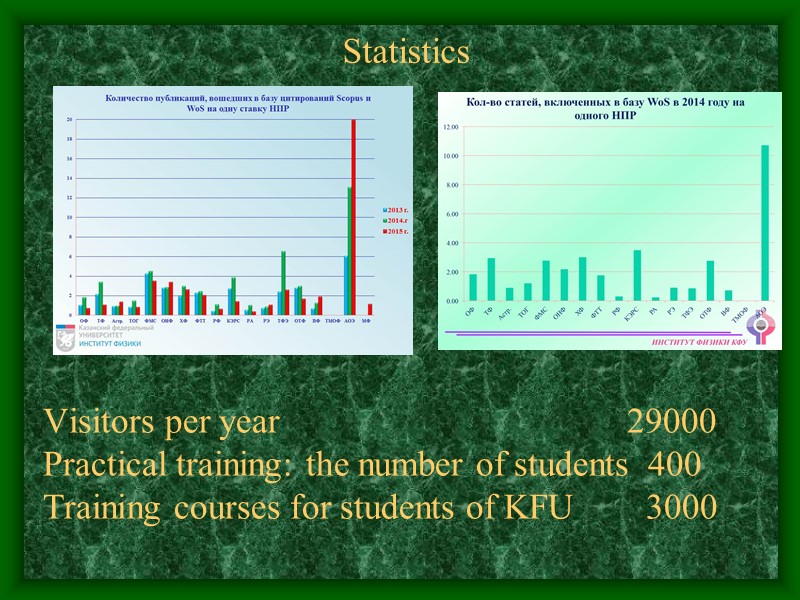
Statistics Visitors per year 29000 Practical training: the number of students 400 Training courses for students of KFU 3000
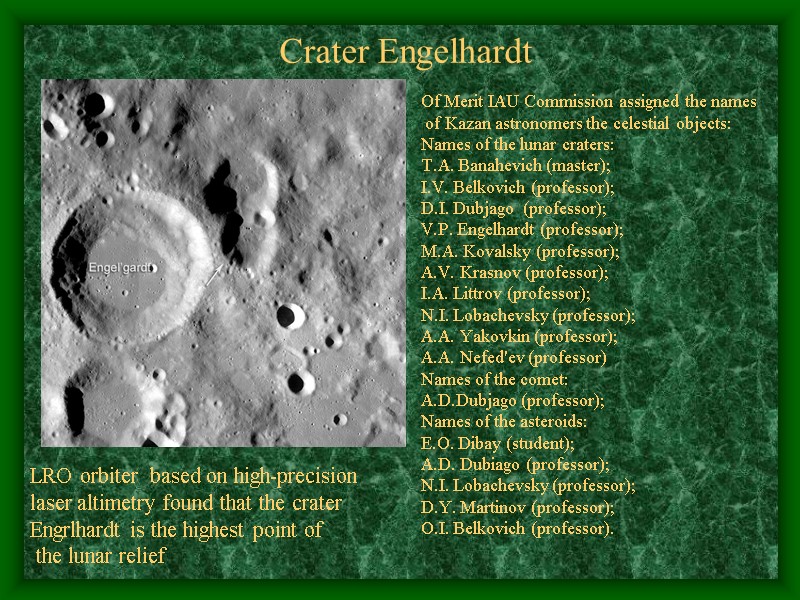
Crater Engelhardt Of Merit IAU Commission assigned the names of Kazan astronomers the celestial objects: Names of the lunar craters: T.A. Banahevich (master); I.V. Belkovich (professor); D.I. Dubjago (professor); V.P. Engelhardt (professor); M.A. Kovalsky (professor); A.V. Krasnov (professor); I.A. Littrov (professor); N.I. Lobachevsky (professor); A.A. Yakovkin (professor); A.A. Nefed'ev (professor) Names of the comet: A.D.Dubjago (professor); Names of the asteroids: E.O. Dibay (student); A.D. Dubiago (professor); N.I. Lobachevsky (professor); D.Y. Martinov (professor); O.I. Belkovich (professor). LRO orbiter based on high-precision laser altimetry found that the crater Engrlhardt is the highest point of the lunar relief

Thank you!
 Скачать презентацию ENGELHARDT ASTRONOMICAL OBSERVATORY 115 years old The Engelhardt
23262-kazan_observatory_115_years.ppt
- Количество слайдов: 39