Скачать презентацию ENERGY SECURITY Vicepresidence for Sectors and Knowledge Infrastructure
bb30d05168f5669ece896a01d64233b7.ppt
- Количество слайдов: 25
 ENERGY SECURITY Vicepresidence for Sectors and Knowledge. Infrastructure and Environment Sector. Energy Division German Cruz December 2008
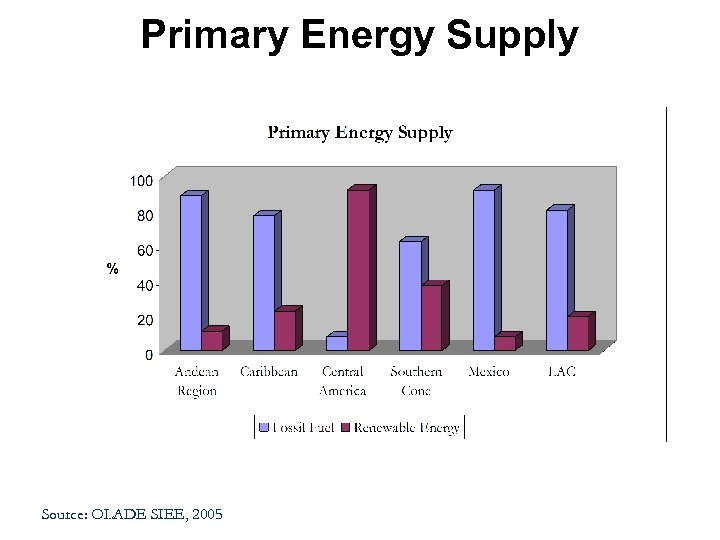
 Primary Energy • Crude oil is the more accessible and commercial form of primary energy around the world • Petroleum derivates can be used for transportation sector o thermal power generation • Other fossil sources like gas, or coal are used fundamentally for thermal power generation. • Other sources supply of primary energy,
 Primary Energy Supply Source: OLADE SIEE, 2005
 Western Hemisphere- oil
 Western Hemisphere- oil 2020
 Western Hemisphere Oil Stocks (Bb) 1985 1995 2005 % of total stocks 164 173 163 ~ 0% 102 89 59 36. 5% 63 84 104 63. 5% Non-Andean 5 10 16 9. 9% Andean 57 73 87 53. 6% Western Hemisphere North. America South. America
 Energy Sector in Latin America and the Caribbean • Energy production and consumption in the region is comparatively low, although these are rising. • The intensity of energy use and energy supply varies across the region. • Much of the region’s energy consumption is concentrated in Argentina, Brazil, Mexico, and Venezuela. • Across the region, the sectors consuming the most energy are: – Industry (region-wide average of 38%) – Transportation (32% on average)
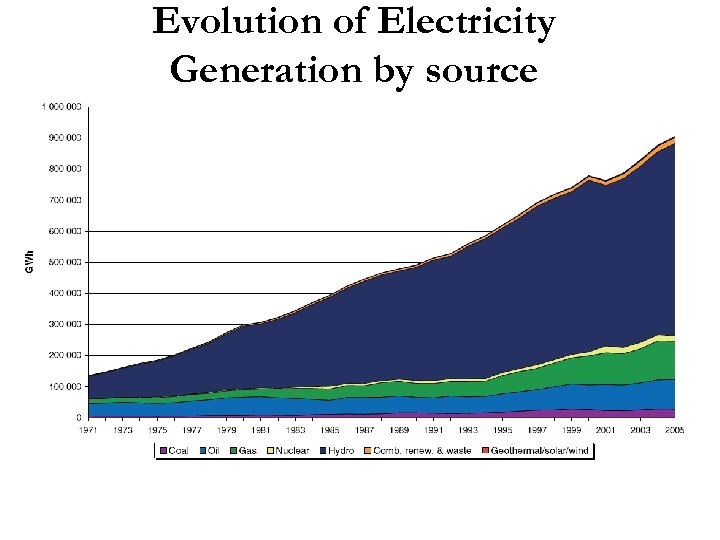 Evolution of Electricity Generation by source - Latin America -
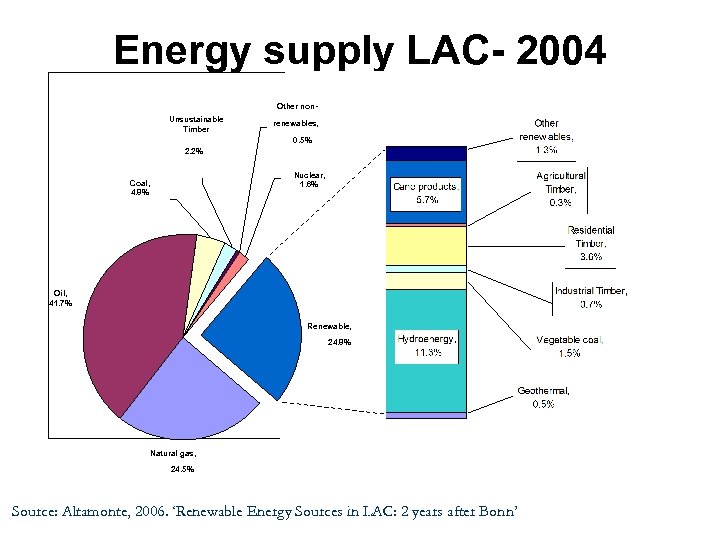 Energy supply LAC- 2004 Other non. Unsustainable Timber renewables, 0. 5% 2. 2% Nuclear, 1. 6% Coal, 4. 8% Oil, 41. 7% Renewable, 24. 8% Natural gas, 24. 5% Source: Altamonte, 2006. ‘Renewable Energy Sources in LAC: 2 years after Bonn’
 Renewable Energy in LAC* • Today, renewable sources of energy generate 24. 8% of LAC’s electricity. – Studies indicate they could generate up to 47% of the electric demand estimated for 2030. • Biomass and biological wastes are another important source of renewable energy in the region • Central America and the Caribbean could replace between 10% and 50% of their * LAC: Latin American and the Caribbean gasoline consumption through the
 Hydropower • The region as a whole relies heavily on hydroelectricity (Brazil, Colombia, etc. ) • The region holds 21 % of global hydrogeneration capacity. • Most countries in the region use already a good portion of their hydraulic potential to generate electricity. • Most countries operate on the multi-megawatt range. However, small hydropower should be exploited as a good alternative given the high rainfall indices and rough topography of many Source: Huacuz, J. , 2003 countries.
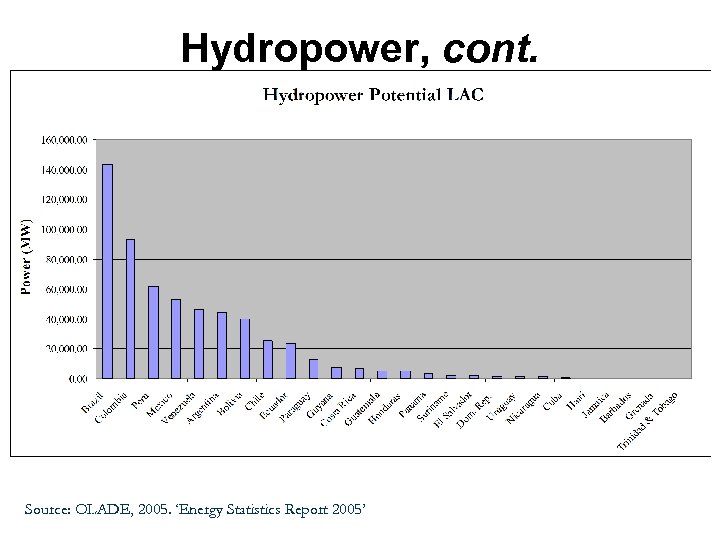 Hydropower, cont. Source: OLADE, 2005. ‘Energy Statistics Report 2005’
 Solar Energy • Thanks to its low cost is becoming an attractive means of bringing electricity to isolated rural communities. – The first solar cells cost around $200 dollars per watt. Today they cost less than $3 dollars per watt. • Peru- Sustainable Rural Electrification: Installation of 12, 500 Photovoltaic systems in rural households ill-suited for grid extension in four regions of the country. • Chile- Rural Electrification Program: IDB
 Geothermal Energy • Costa Rica generates 98 percent of its electricity through renewable sources, thanks in part to a growing reliance on geothermal energy. • Mexico is now the world’s third largest producer of geothermal electricity. – It generates 953 MW for around 6, 600 GWh of geothermal energy per year, contributing 3. 1% to the Mexico’s electricity supply (global geothermal supply is 0. 442%). – Studies have shown a potential for 3, 650 MW (20, 460 GWh) that could provide more than 12% of total electricity generation. Source: Gawell & Greenberg, 2007. ‘ 2007 Interim Report, Update on World Geothermal Dev. ’
 Wind Energy • Most commercial RE alternative in the developed world. Estimated $71 billion invested in RE worldwide in 2007, of which 47% was for wind. • Principal component for decarbonizing society since free of GHG emissions • New materials, turbine designs and new technologies have slashed the cost per watt
 Wind Energy LAC • Good experiences with pilot projects at different levels: Costa Rica (commercial), Colombia (technical cooperation). • Brazil: Rapidly increasing its wind installed capacity: – 2006: 28 MW – 2007: 237 MW – Expected increase from new projects: 1400 MW • Mexico - La Venta II: total installed capacity of 83. 3 MW and 307, 728 MWh estimated yearly average generation. – Expected increase 3000 MW for 2006 -2014 according to the Mexican Wind Energy Association
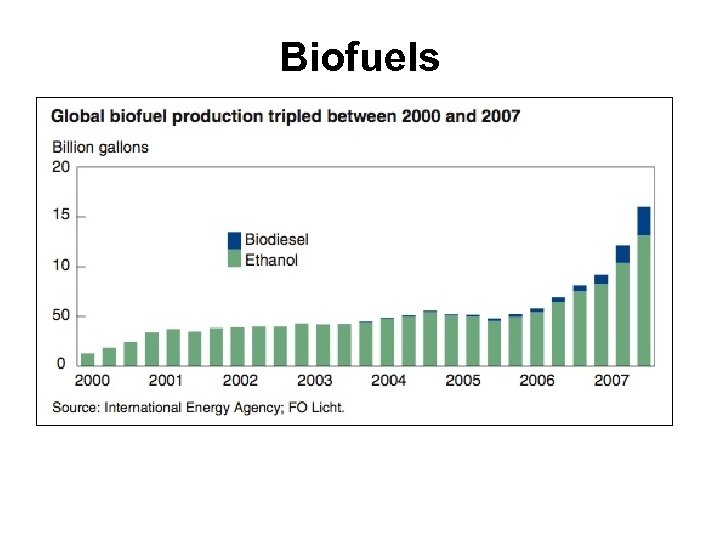 Biofuels
 Sustained Biofuels Certain importing markets will require biofuels that meet certain sustainability standards. • LAC has the potential to be at the forefront of creating a sustainable biofuels industry. • IDB partners with the Roundtable on Sustainable Biofuels to increase investment in sustainable biofuels. • The IDB is currently : - Developing internal sustainability guidelines for • biofuels - Developing a “scorecard” to promote only the most sustainable biofuels
 What lies ahead • Increase energy efficiency and reduce harmful pollution while also promoting economic development. • Investment needed in Energy in LAC (2005 -2030) • The energy demand in LAC will increase 75% by 2030. • Required investments: US$ 1, 600 billion • In the next decade alone, LAC will require a 50% increase in its installed capacity, more than 90 GW
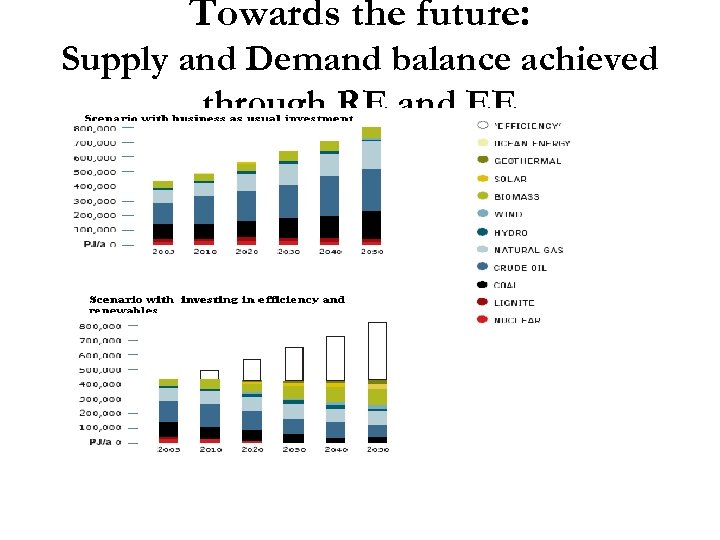 Towards the future: Supply and Demand balance achieved through RE and EE
 Renewable Energy: Importance for Poverty Alleviation • Energy security has important implications on Poverty • Poverty is still higher than in 1980 in both relative and absolute terms • Approx. 10% of total population (50 million people) does not have electricity • Poverty relief linked to increased energy consumption • For the 16 countries which are net importers of oil, the price increase of hydrocarbons poses an increasing challenge. • Some of LAC’s major exporters are experiencing reduction in the productivity of their deposits Sustainable Energy: A priority for the IDB
 Challenges for the Region • Achieve sustainability of energy supply and rational use of resources • Energy access for all the population • Within the region some countries face: – Energy security issues and high energy bills – Urban pollution problems and extreme vulnerability to climate change • Regulatory and institutional frameworks • Pre-investment resources to support project preparation and development
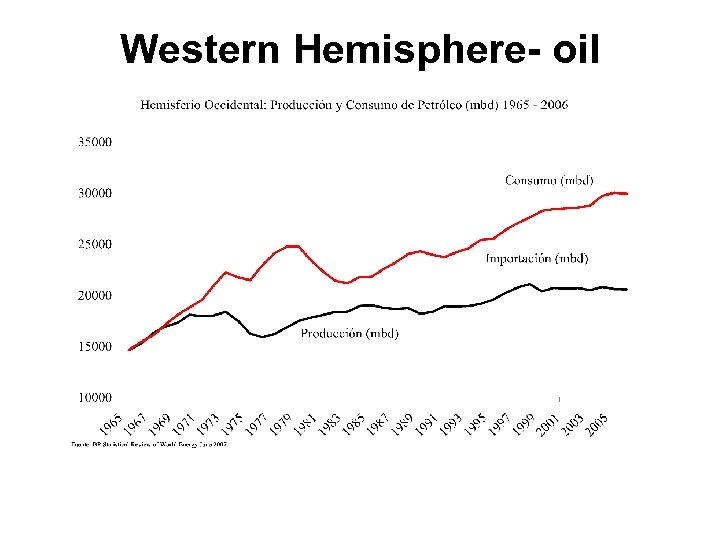
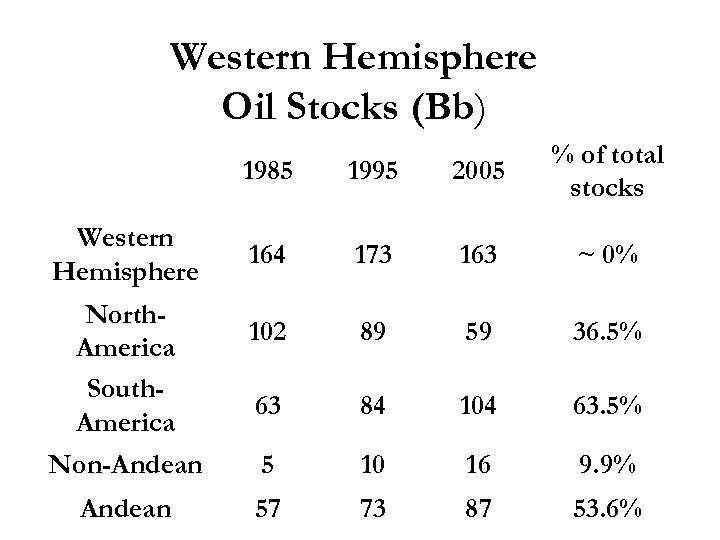
 Conclusions • The Western Hemisphere is an energy net importer • The deficit originates from the energy gap of North America • With declining stocks, this gap will tend to widen with time. • Climate Change is likely to add extra strain to the energy deficit. • Renewable Energies and Energy Efficiency will contribute to cover the energy deficit. • Climate Change Mitigation and Adaptation are becoming part of Energy Security strategies.