 Скачать презентацию EN 1990 Basis of structural design Section
9e44b3da22df86cf6a480ae1d288bdac.ppt
- Количество слайдов: 16



EN 1990 – Basis of structural design Section 4 : Basic variables Prof. Pierre SPEHL Technical Control Bureau for Construction www. seco. be 1
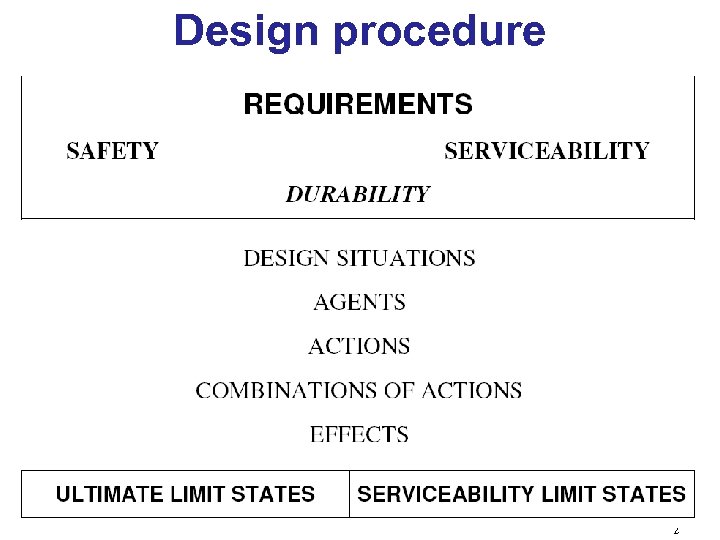
Design procedure 2
Limit state design Structural and load models (physical or mathemetical) using design values for • actions • material or product properties • geometrical data Load cases should be selected, identifying • load arrangements, • possible deviations from assumed directions and positions of actions, • sets of deformations and imperfections, that should be considered simultaneously 3
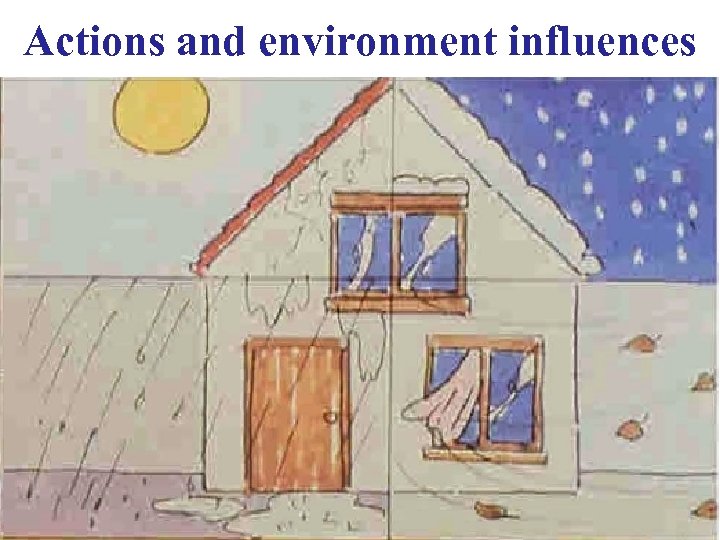
Actions and environment influences 4
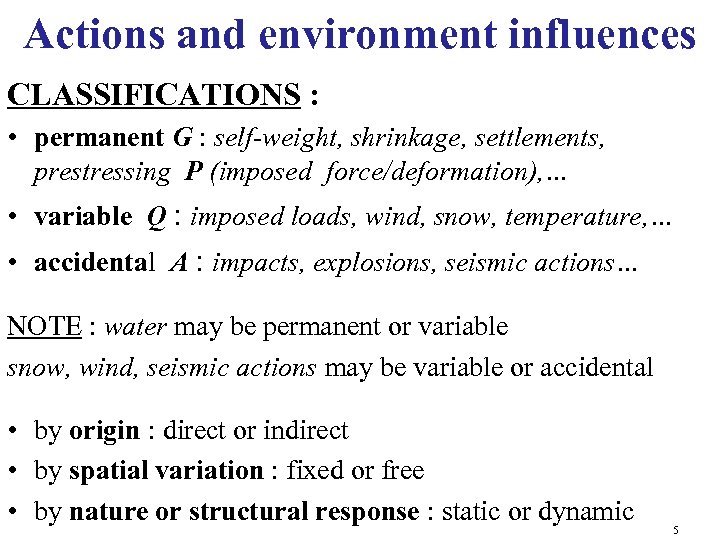
Actions and environment influences CLASSIFICATIONS : • permanent G : self-weight, shrinkage, settlements, prestressing P (imposed force/deformation), … • variable Q : imposed loads, wind, snow, temperature, … • accidental A : impacts, explosions, seismic actions… NOTE : water may be permanent or variable snow, wind, seismic actions may be variable or accidental • by origin : direct or indirect • by spatial variation : fixed or free • by nature or structural response : static or dynamic 5
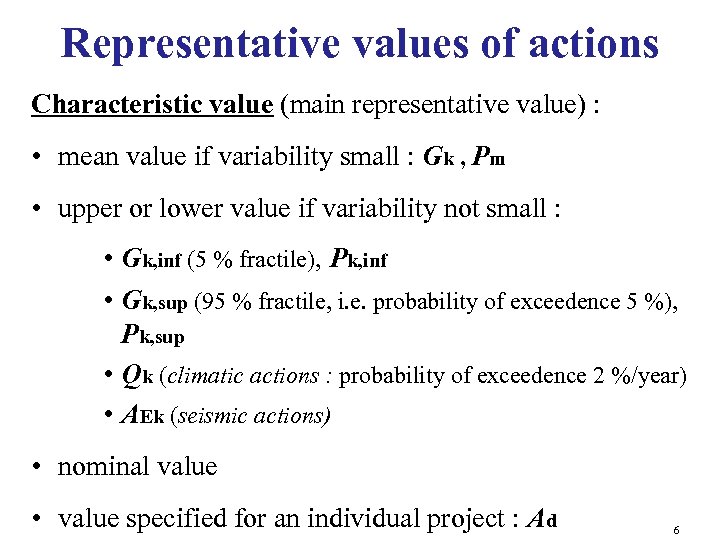
Representative values of actions Characteristic value (main representative value) : • mean value if variability small : Gk , Pm • upper or lower value if variability not small : • Gk, inf (5 % fractile), Pk, inf • Gk, sup (95 % fractile, i. e. probability of exceedence 5 %), Pk, sup • Qk (climatic actions : probability of exceedence 2 %/year) • AEk (seismic actions) • nominal value • value specified for an individual project : Ad 6
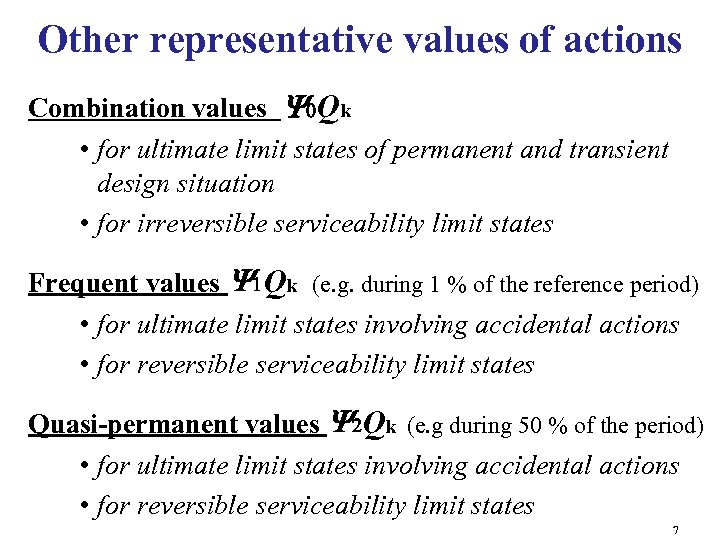
Other representative values of actions Combination values Y 0 Qk • for ultimate limit states of permanent and transient design situation • for irreversible serviceability limit states Frequent values Y 1 Qk (e. g. during 1 % of the reference period) • for ultimate limit states involving accidental actions • for reversible serviceability limit states Quasi-permanent values Y 2 Qk (e. g during 50 % of the period) • for ultimate limit states involving accidental actions • for reversible serviceability limit states 7
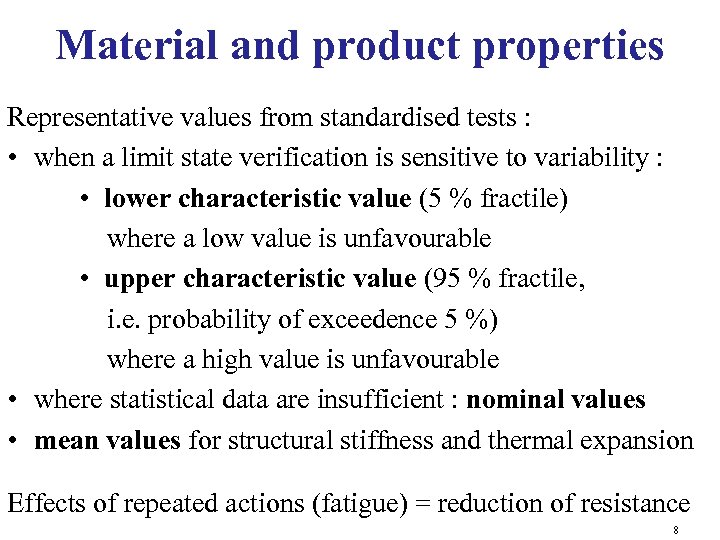
Material and product properties Representative values from standardised tests : • when a limit state verification is sensitive to variability : • lower characteristic value (5 % fractile) where a low value is unfavourable • upper characteristic value (95 % fractile, i. e. probability of exceedence 5 %) where a high value is unfavourable • where statistical data are insufficient : nominal values • mean values for structural stiffness and thermal expansion Effects of repeated actions (fatigue) = reduction of resistance 8
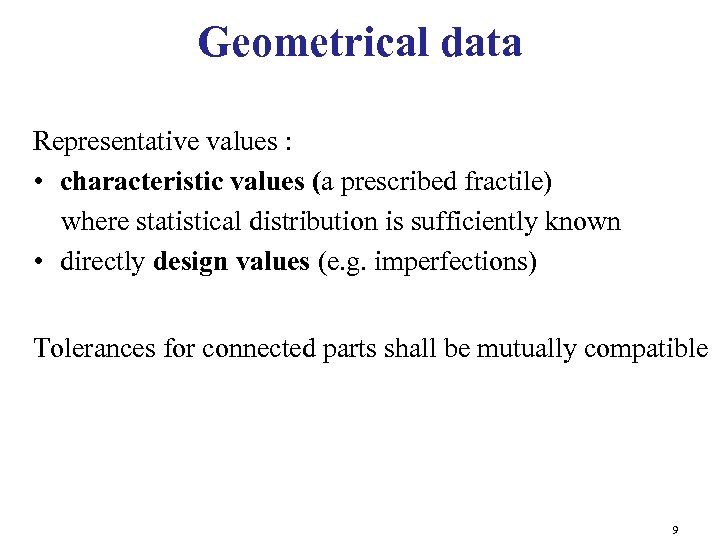
Geometrical data Representative values : • characteristic values (a prescribed fractile) where statistical distribution is sufficiently known • directly design values (e. g. imperfections) Tolerances for connected parts shall be mutually compatible 9
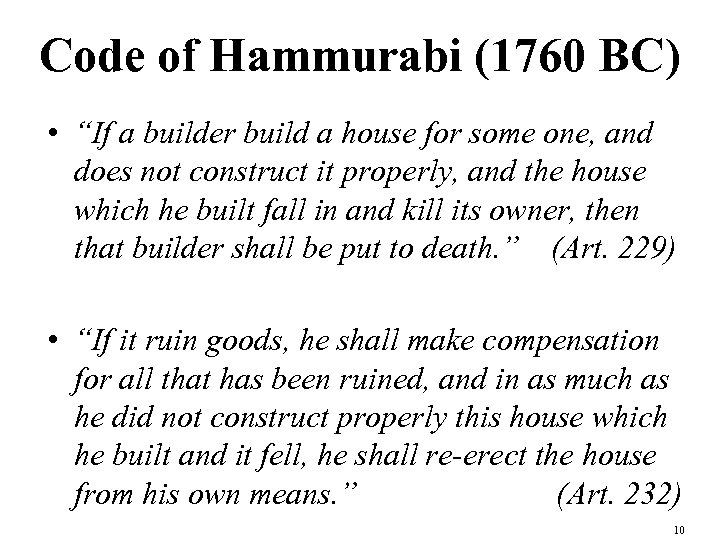
Code of Hammurabi (1760 BC) • “If a builder build a house for some one, and does not construct it properly, and the house which he built fall in and kill its owner, then that builder shall be put to death. ” (Art. 229) • “If it ruin goods, he shall make compensation for all that has been ruined, and in as much as he did not construct properly this house which he built and it fell, he shall re-erect the house from his own means. ” (Art. 232) 10
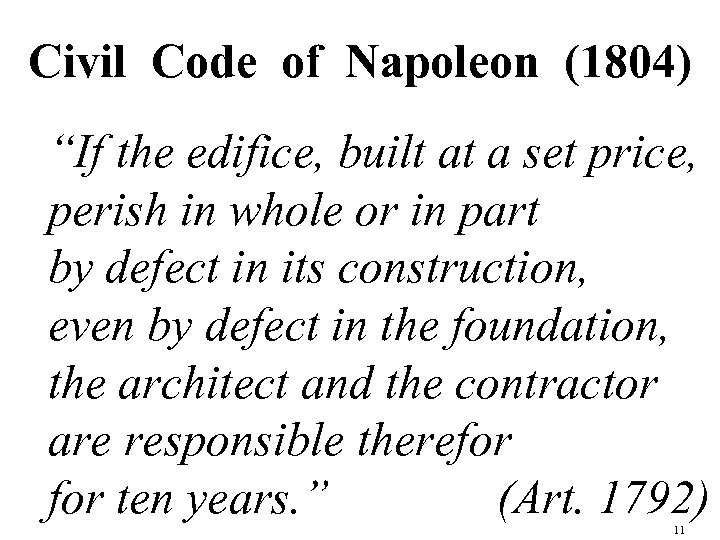
Civil Code of Napoleon (1804) “If the edifice, built at a set price, perish in whole or in part by defect in its construction, even by defect in the foundation, the architect and the contractor are responsible therefor ten years. ” (Art. 1792) 11
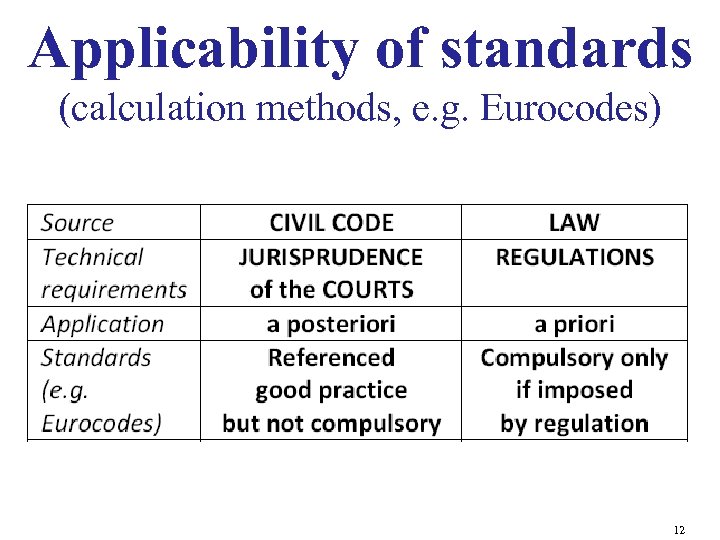
Applicability of standards (calculation methods, e. g. Eurocodes) 12
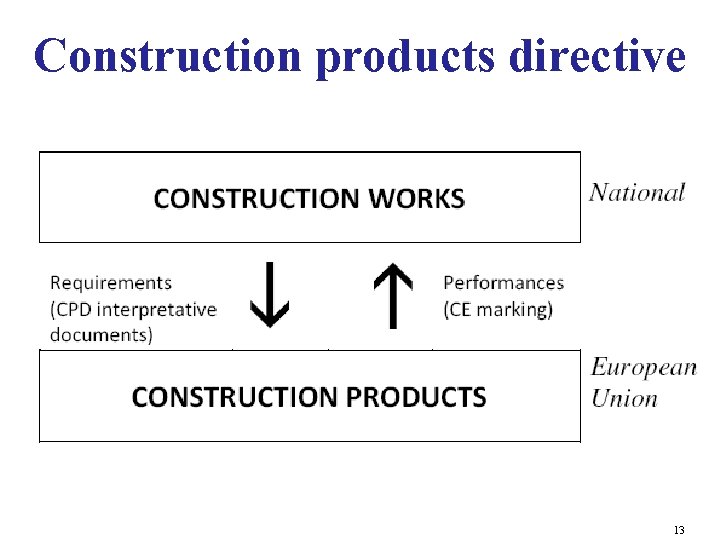
Construction products directive 13

Eurocodes : “a harmonised tool” Jean MONNET (1888 -1979), Memoirs : “Beyond the defense of national positions, something new and strong comes into living within the team : it’s the European spirit which is the fruit of the work together and, above all, of the need to come to a common conclusion after the discussion. ” 14

“the European spirit” 15

Thank’s for your attention 16
Скачать презентацию EN 1990 Basis of structural design Section
9e44b3da22df86cf6a480ae1d288bdac.ppt