 Скачать презентацию Emerging Europe the Byzantine Empire
94d84e1a7cd3567a3a42fab7f194e509.ppt
- Количество слайдов: 87



Emerging Europe & the Byzantine Empire

– The Byzantine Empire
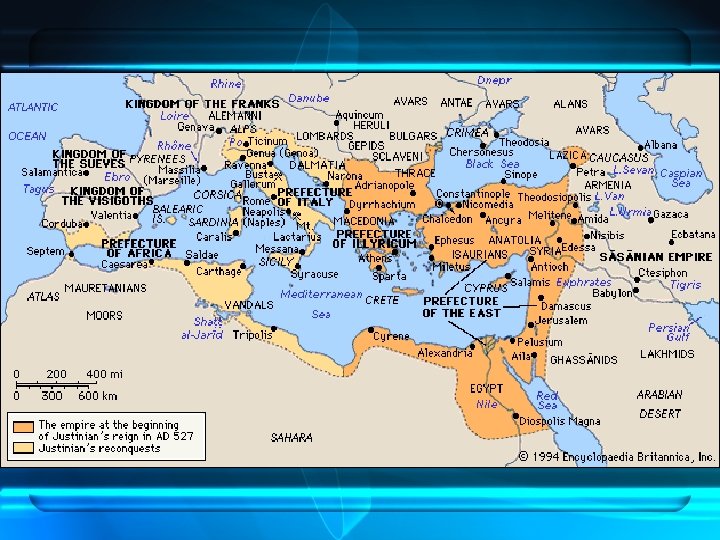
The Reign of Justinian • Germanic tribes rule western part of Roman Empire – Eastern Roman Empire continues to exist • Justinian became emperor of ERE in 527 – Wanted to restore the full Roman Empire – Most important contribution: The Body of Civil Law (Justinian’s Code) – basis for much of the legal system of Europe
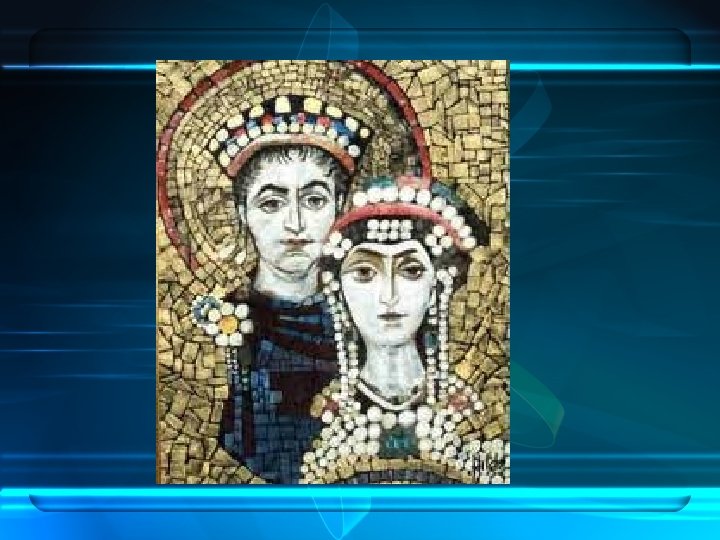
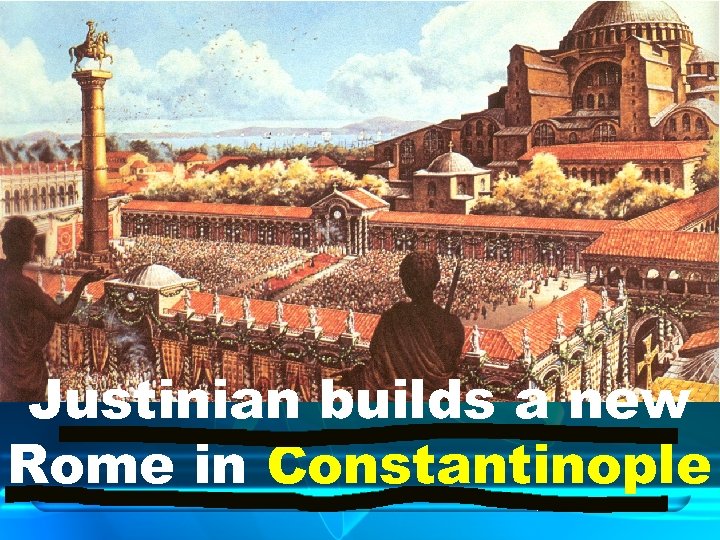
Justinian builds a new Rome in Constantinople
Life in Constantinople • Largest city in Europe in the Middle Ages • Chief center for trading goods • Justinian smuggled in silkworms from China – silk became the city’s most lucrative product
From Eastern Empire to Byzantine Empire • Troubles: –Too much territory (couldn’t protect all of it) –Empty treasury –Population decline due to plague –Renewed threats on the frontier • Unified Arab force invaded ERE
Byzantine Empire • Lost Syria and Palestine • By 8 th Century, empire consisted of only Asia minor and the Eastern Balkans • Empire was both Christian and Greek • Greek is the official language • Empire was built on the Greek Orthodox Church
Excommunication • Eastern Church could not accept the pope as the head of the Christian faith • 1054 Pope Leo IX and Patriarch Michael Cerularius excommunicated each other • Schism: separation between the two branches of the Christianity
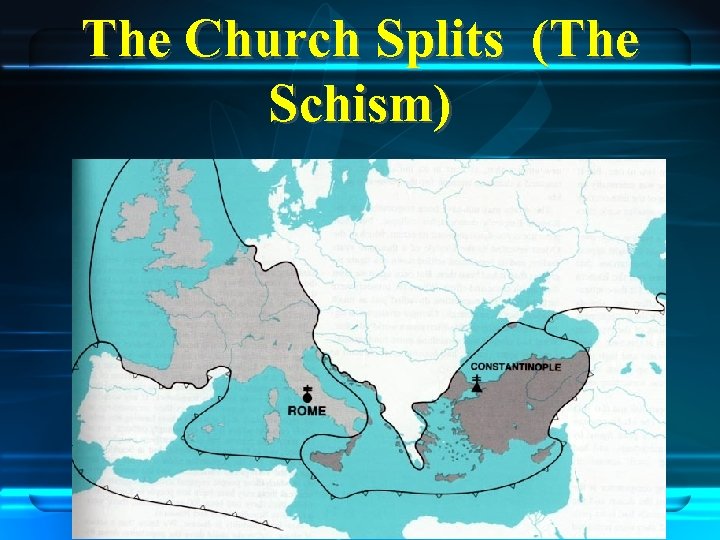
The Church Splits (The Schism)
Byzantine Empire • The emperor’s power was absolute b/c he was chosen by God – He appointed the head of the Church, the patriarch
Life in Constantinople • Hogia Sophia: Church of the Holy Wisdom – 42 windows, light shining in symbolizes the presence of God in the world
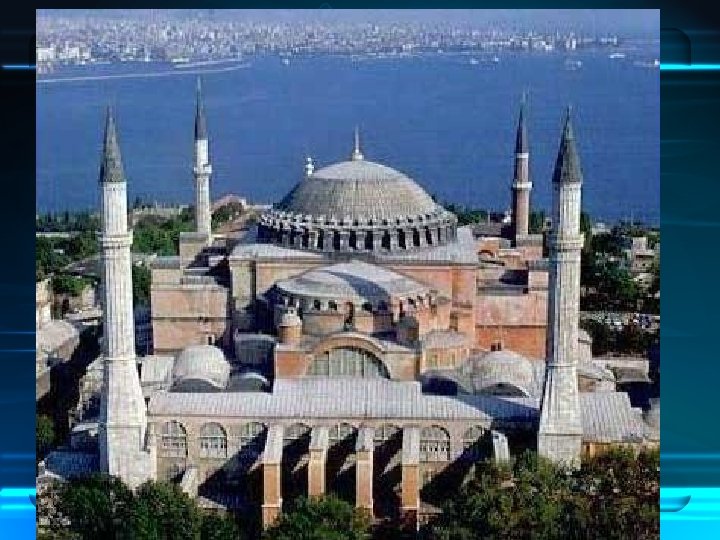
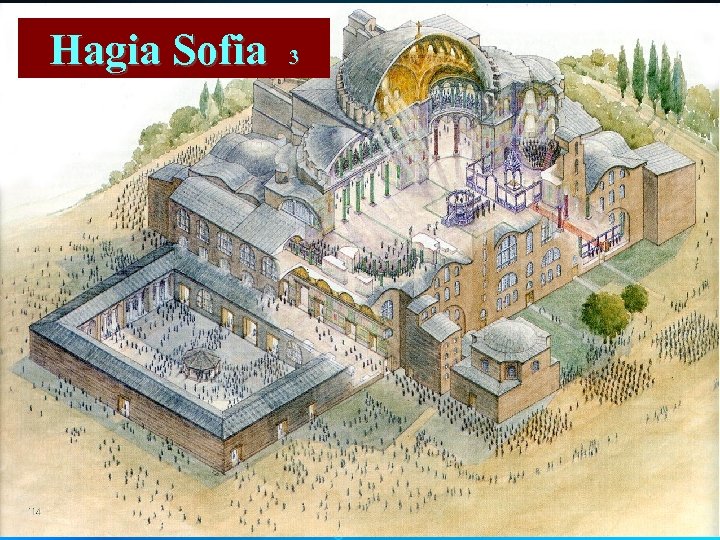
Hagia Sofia 3
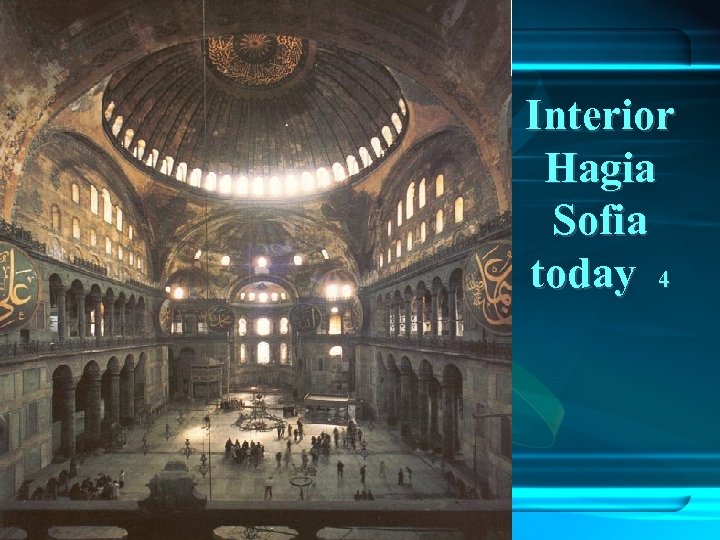
Interior Hagia Sofia today 4
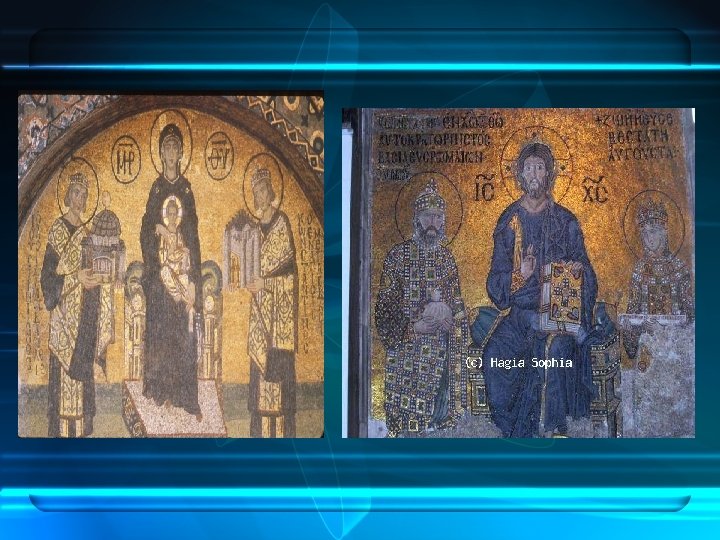
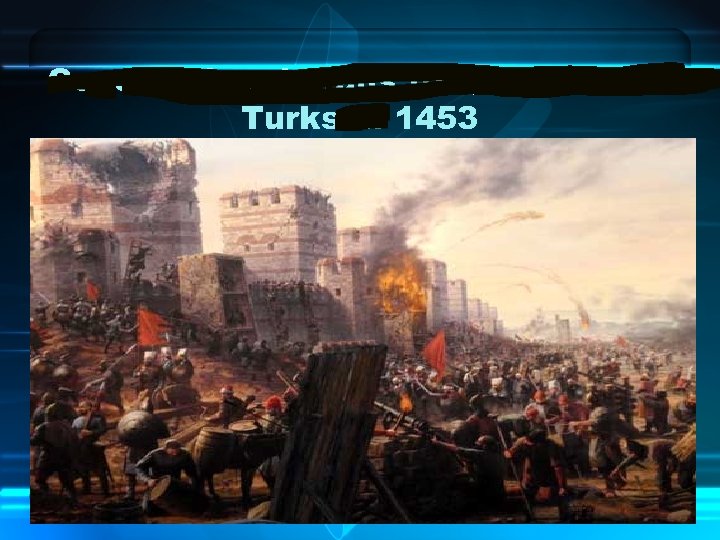
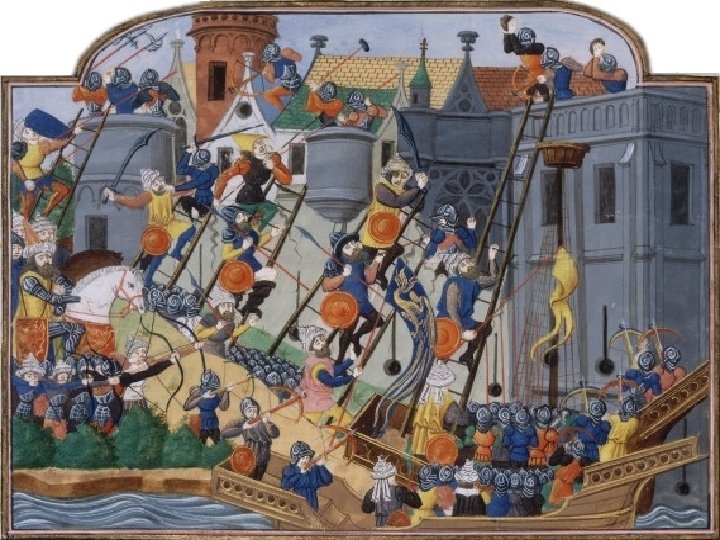
Constantinople falls to the Ottoman Turks in 1453
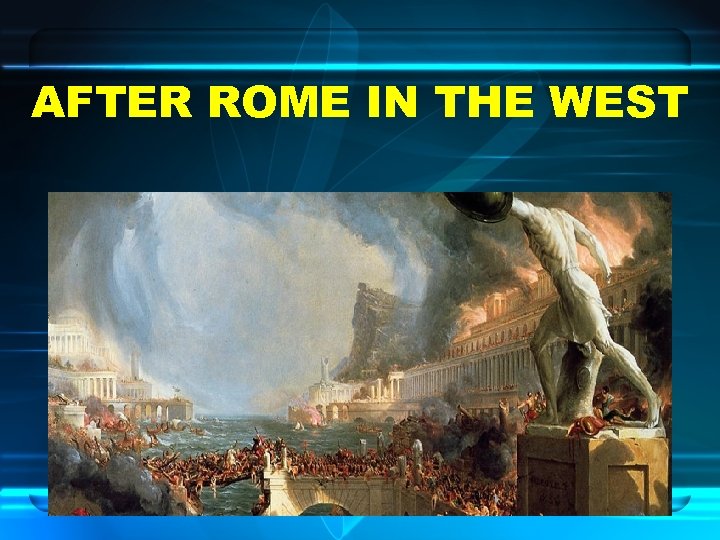
AFTER ROME IN THE WEST
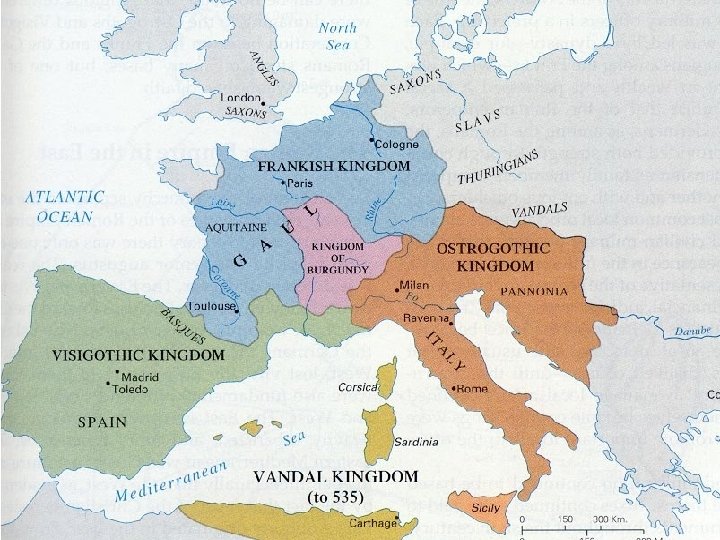
Section 1: Transforming the Roman World • New Germanic Kingdoms (3 rd Century) – Visigoths occupied Spain & Italy – Ostrogoths took control of Italy – 5 th Century – Angles & Saxons moved into Britain – 5 th Century (known as Anglo-Saxons) – The Franks: longest lasting German kingdom
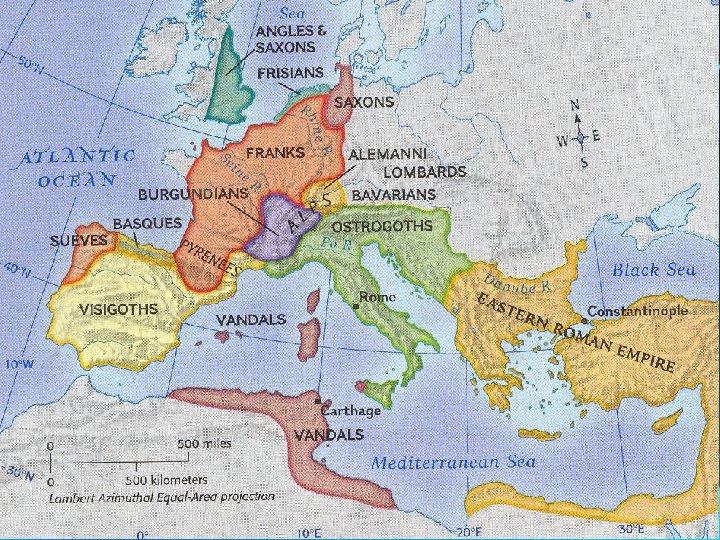
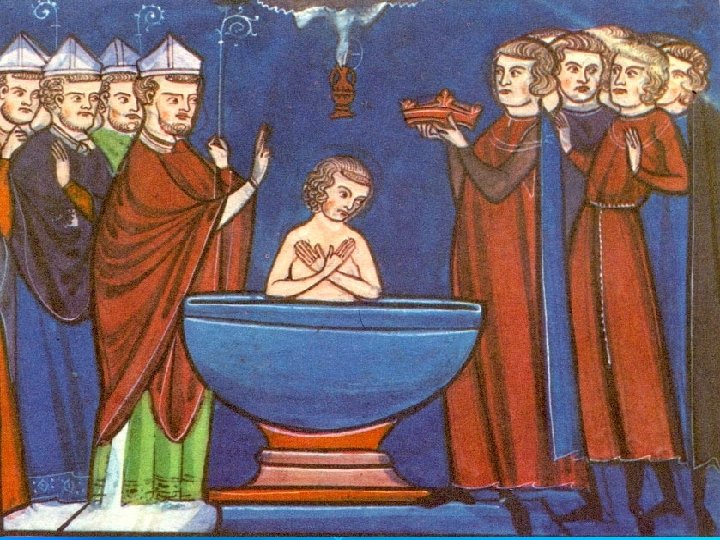
Clovis • Established Frankish Kingdom • Converted to Christianity around 500 – conversion won support of the Roman Catholic Church • After his death, Clovis’s sons divided the kingdom among themselves
German Society • Extended family was the center of German society – Worked the land together and protected each other in violent times • Germanic law was personal – Wergild: “money for man; ” wrongdoer paid the injured party’s family a set amount of money – Ordeal: Germanic way of determining guilt; if the accused was unharmed – he/she was presumed innocent
The Role of the Church • Christianity was the supreme religion of the Roman Empire – Priests headed local communities called parishes – Group of parishes was headed by a bishop – Bishopric: bishop’s authority or Bishopric diocese – Archbishop: directed bishoprics Archbishop
The Pope • The Bishop of Rome claimed leadership of the Roman Catholic Church – Claim is based on the belief that Jesus gave Peter the keys to Heaven – Peter was the first bishop of Rome – The Bishops that succeeded him came to be called popes
Pope Gregory I • 590 – 640 • Strengthened the power of the papacy – Took political control of Rome and its surrounding territories – “Papal States”
The Monks & Their Missions • Monk: man who separates himself from everyday life to dedicate himself to God • Monasticism: practice of living the life of a monk • Saint Benedict: founded an order of monks, wrote rules for their practice
The Monks & Their Missions • Benedict’s Rules divided the day into activities – Idleness was “the enemy of the soul” – Prayer was “the work of God” – Monks meditated, read privately, and copied manuscripts in Scriptoria (writing rooms) – Prayed together 7 times a day
The Monks & Their Missions • An abbot “father” ruled each Benedictine monastery • Missionaries: people sent out to carry a religious message • Nuns: women who dedicated their lives to God • Abbesses: leader of the Convent
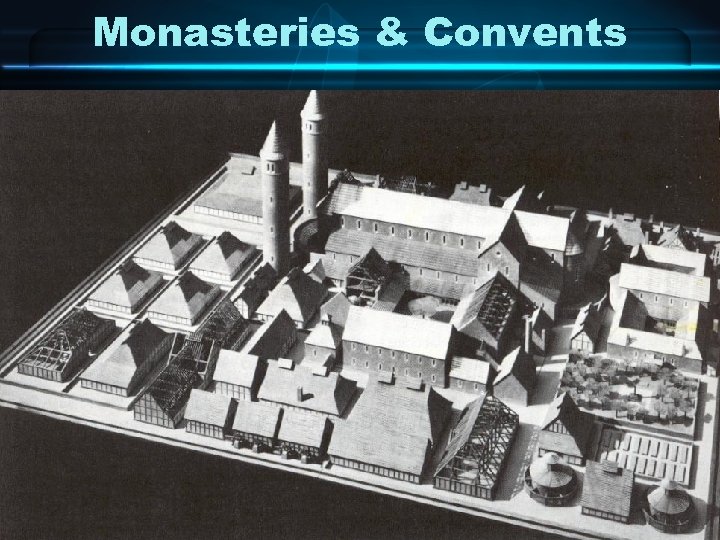
Monasteries & Convents

- Mt. Saint Michel’s Away from worldly distractions
Charlemagne & the Carolingians • 600’s & 700’s, Frankish kings lost their power to the chief officers of the king’s household – mayors of the palace – Pepin assumed the kingship; his son, Charlemagne, became king after Pepin’s death in 768
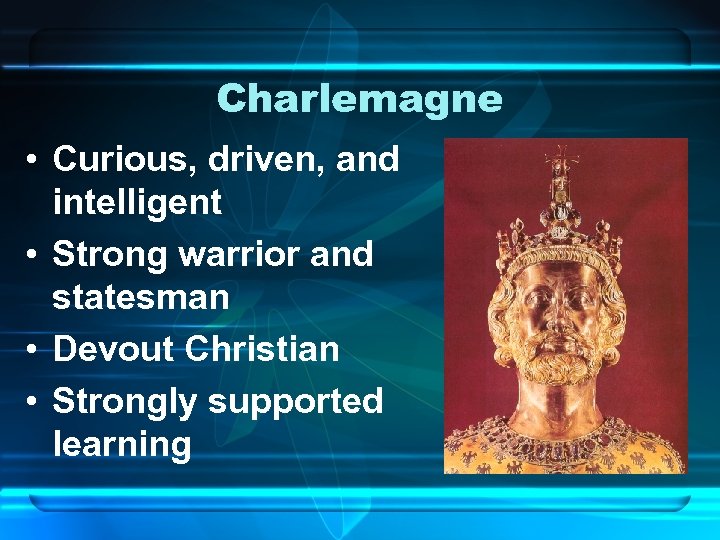
Charlemagne • Curious, driven, and intelligent • Strong warrior and statesman • Devout Christian • Strongly supported learning
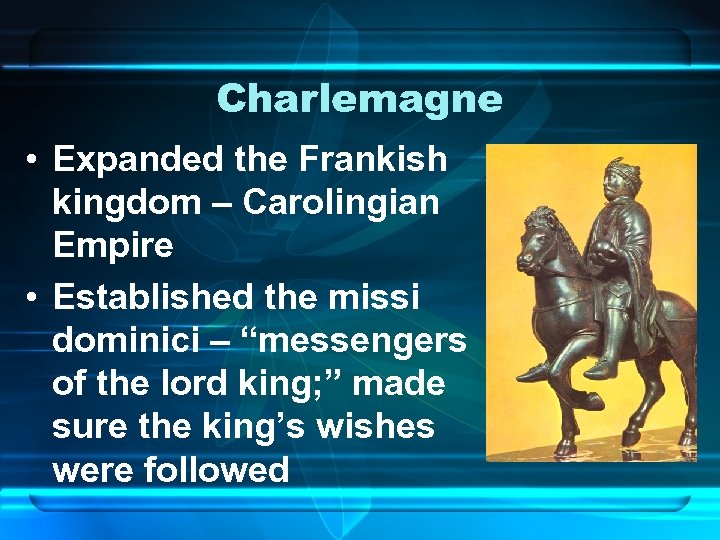
Charlemagne • Expanded the Frankish kingdom – Carolingian Empire • Established the missi dominici – “messengers of the lord king; ” made sure the king’s wishes were followed
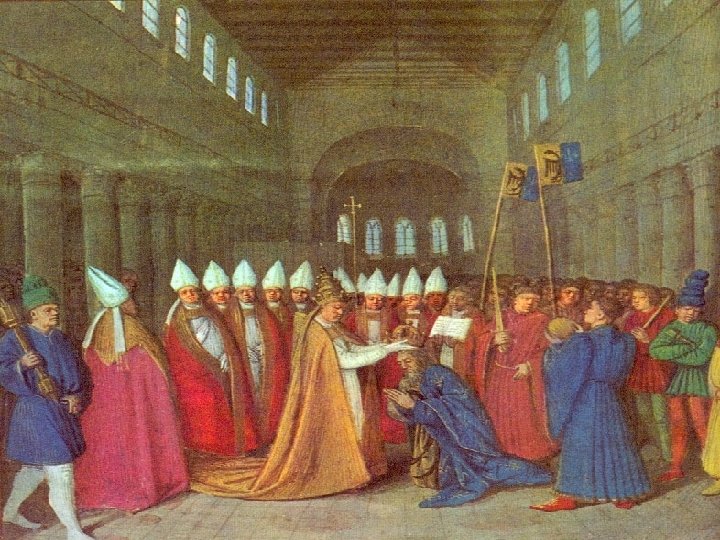
Charlemagne • 800, Crowned emperor of the Romans • Coronation symbolized the coming together of the Roman, Christian, and Germanic elements • The Pope had crowned a Germanic king Roman emperor – Why is the important?
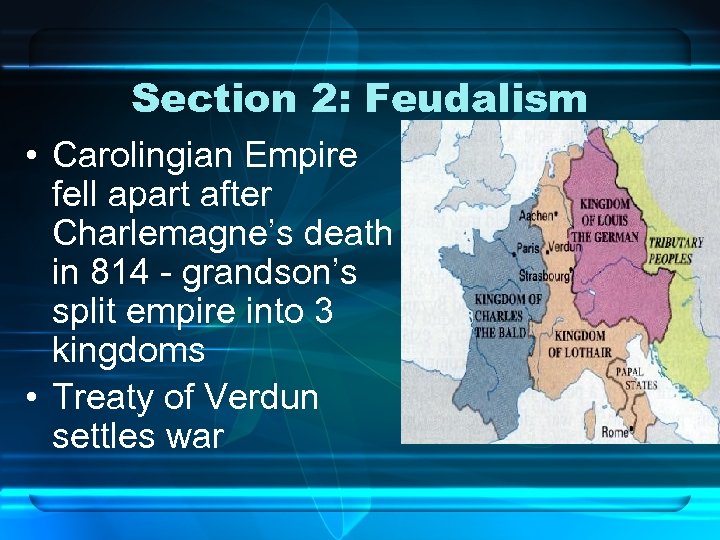
Section 2: Feudalism • Carolingian Empire fell apart after Charlemagne’s death in 814 - grandson’s split empire into 3 kingdoms • Treaty of Verdun settles war
Invasions • Muslims invaded Southern France • Norsemen or “Vikings” of Scandinavia invaded Northern, Eastern and Western Europe – Superb warriors, sailors and shipbuilders
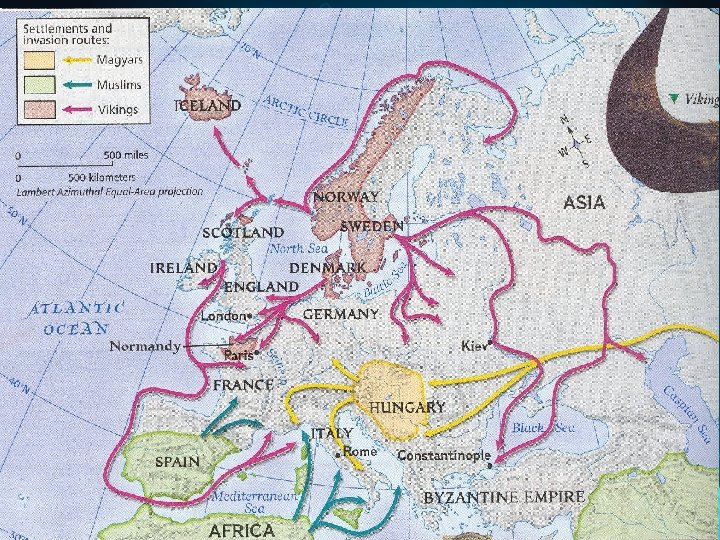
The Vikings
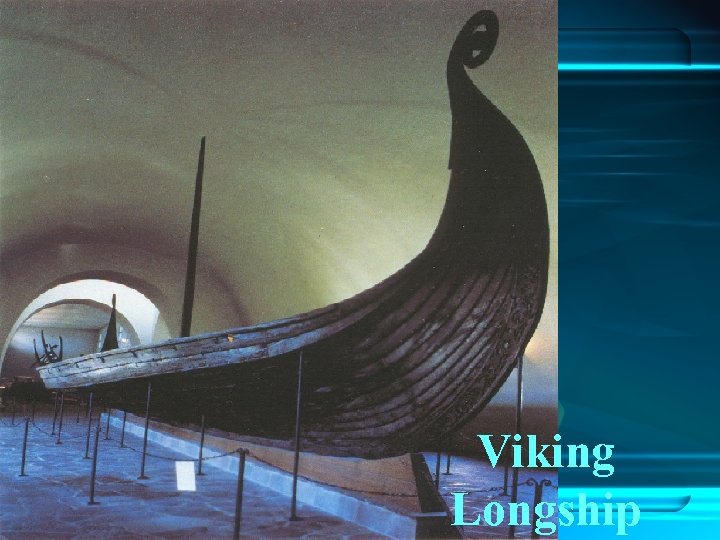
Viking Longship
Development of Feudalism • Invaders posed a threat • People turned to local nobles for protection – creates new political/social system • Feudalism: noble offers protection and land in return for services – Vassalage: swearing an oath to your leader – Vassal: man who served a lord militarily
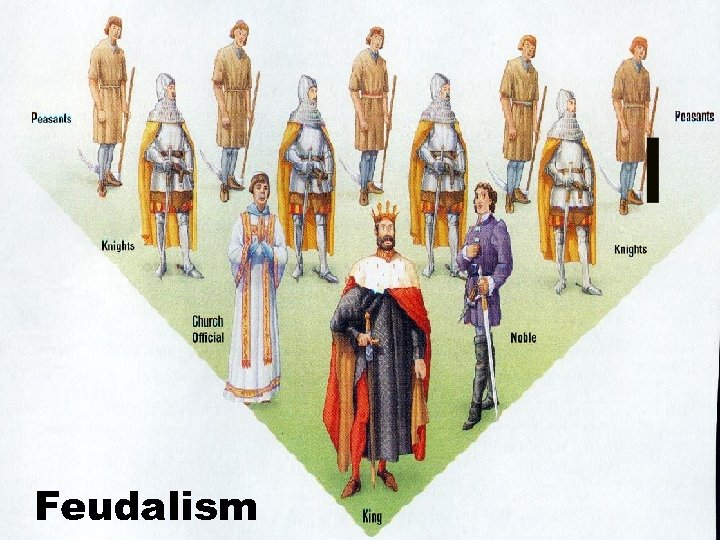
Feudalism
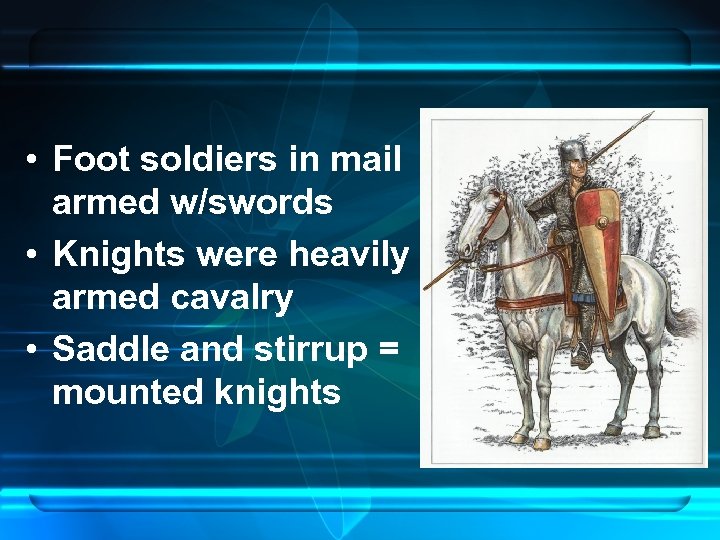
• Foot soldiers in mail armed w/swords • Knights were heavily armed cavalry • Saddle and stirrup = mounted knights
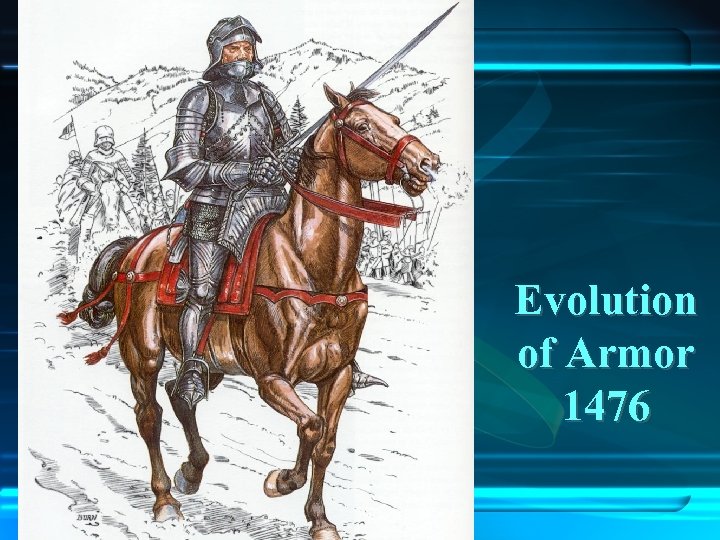
Evolution of Armor 1476
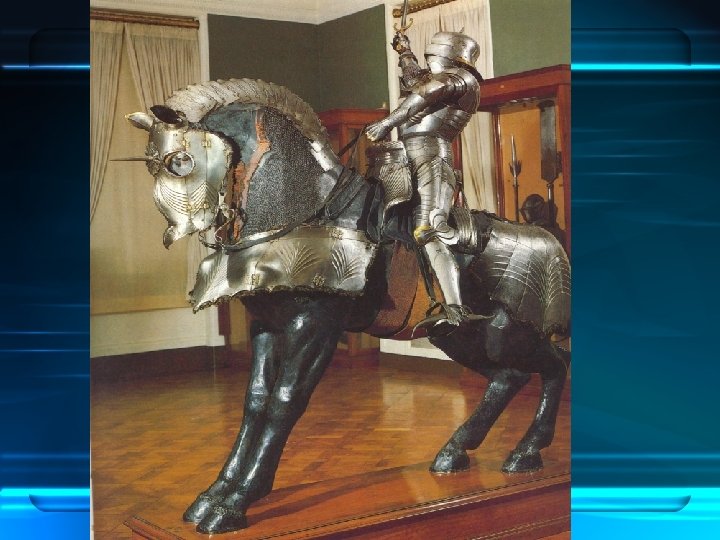
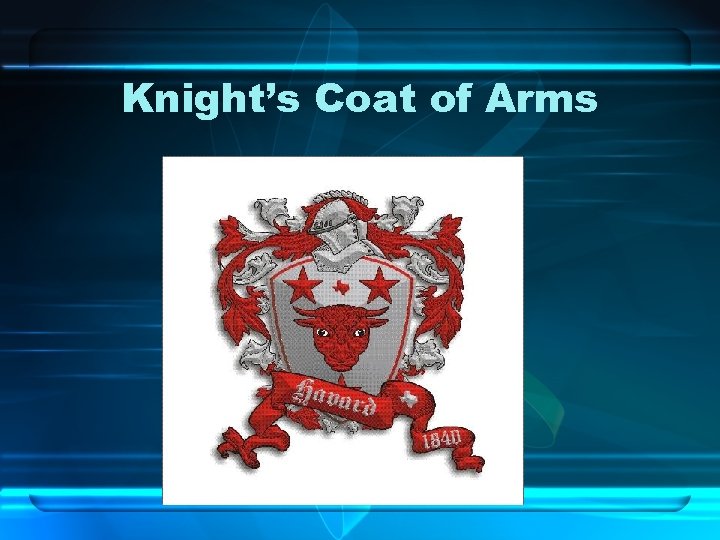
Knight’s Coat of Arms
Feudalism or Manorialism • Wealth was based on owning land • Fief: piece of land granted to the vassal from the lord – In exchange for a service – military service, about 40 days a year or financial obligations – Lord’s responsibilities: land grant, military protection, and in court • Feudal Contract: set of unwritten rules that determined the relationship between lord and vassal
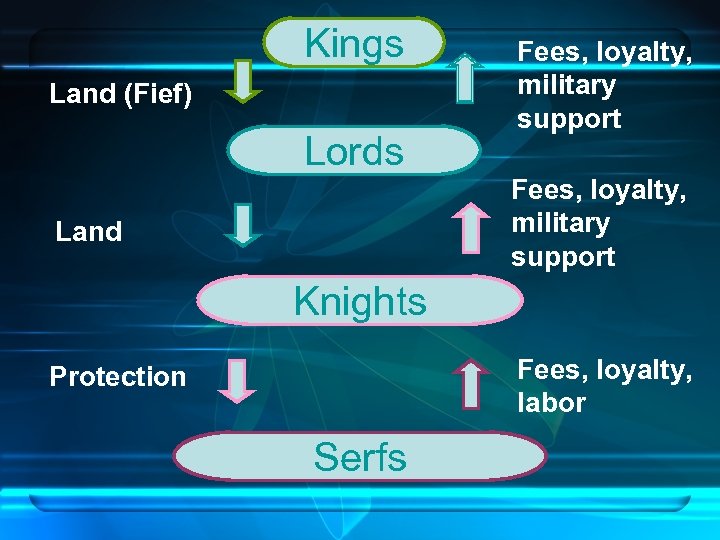
Kings Land (Fief) Lords Fees, loyalty, military support Land Knights Fees, loyalty, labor Protection Serfs
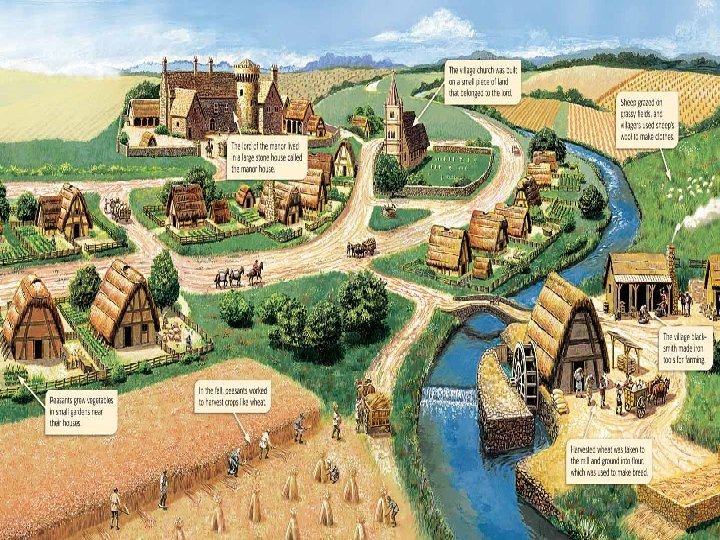
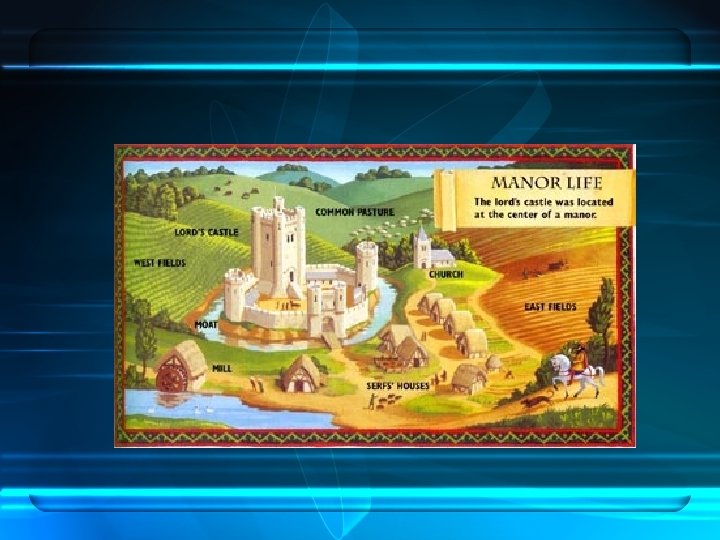
Manors 1. Everything owned by the lord (mills, ovens, churches etc. ) 2. Peasants pay for land with service & crops
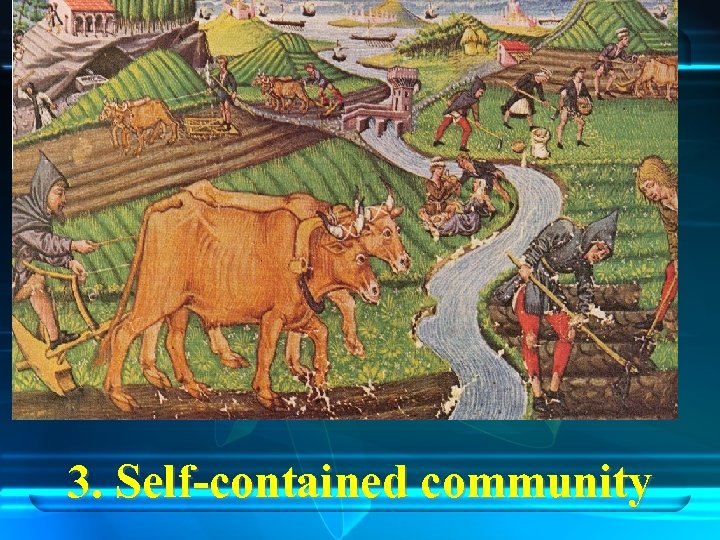
3. Self-contained community
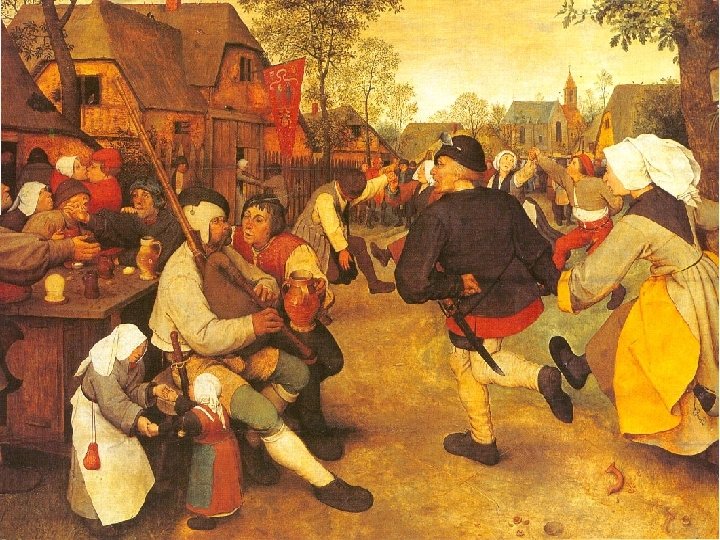
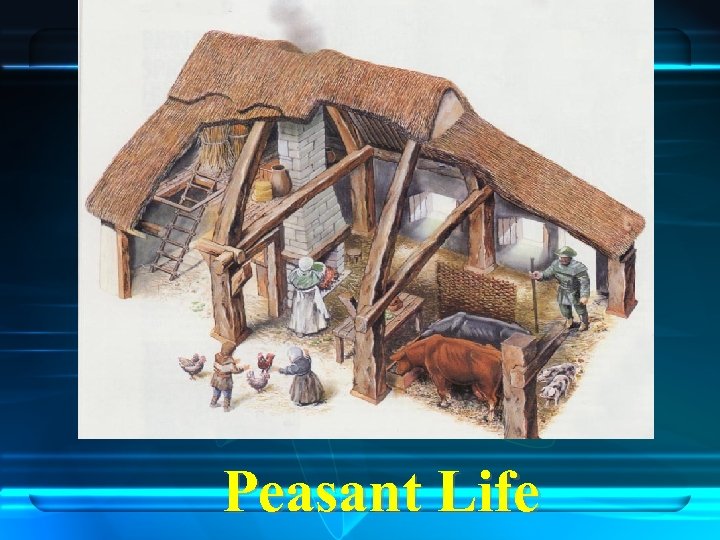
Peasant Life
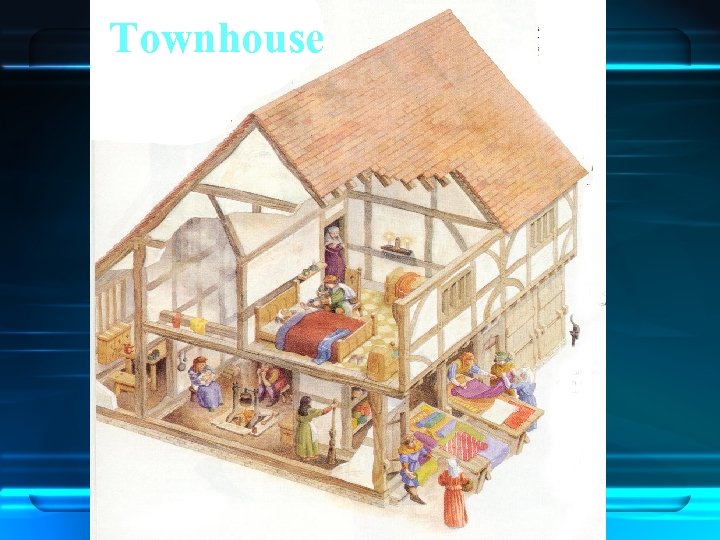
Townhouse
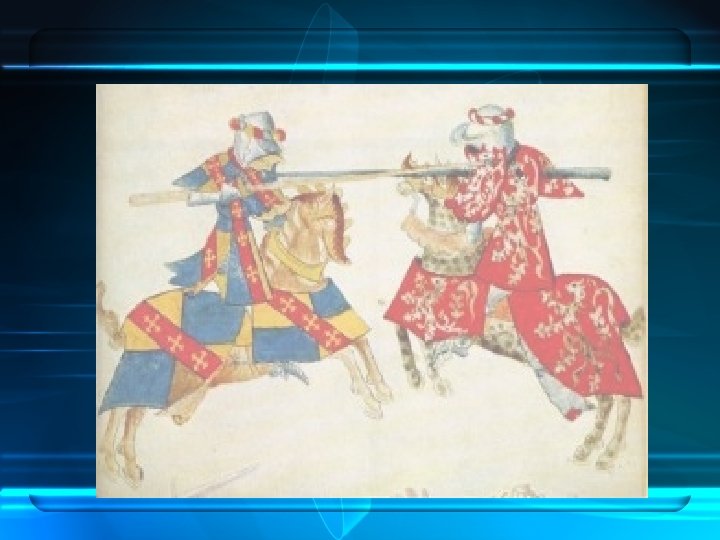
Nobility • Nobles were: kings, dukes, counts, barons, and bishops • Knighthood: united lords and knights in the aristocracy – Trained warriors w/no responsibilities – Held tournaments to occupy their time when they weren’t fighting
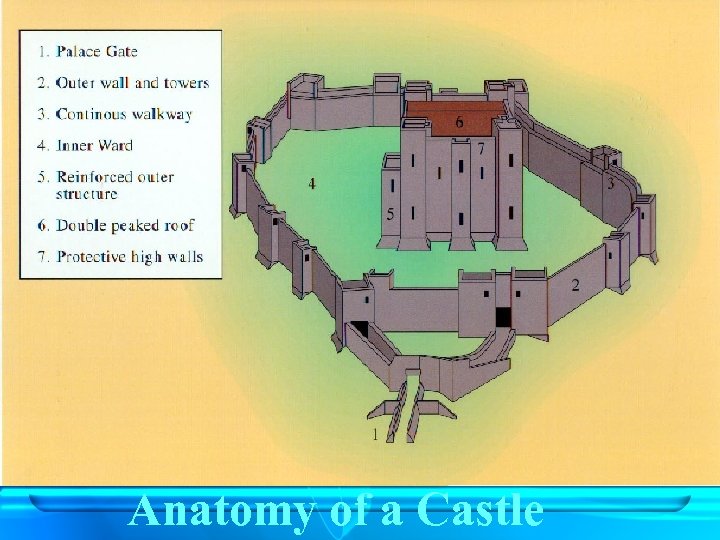
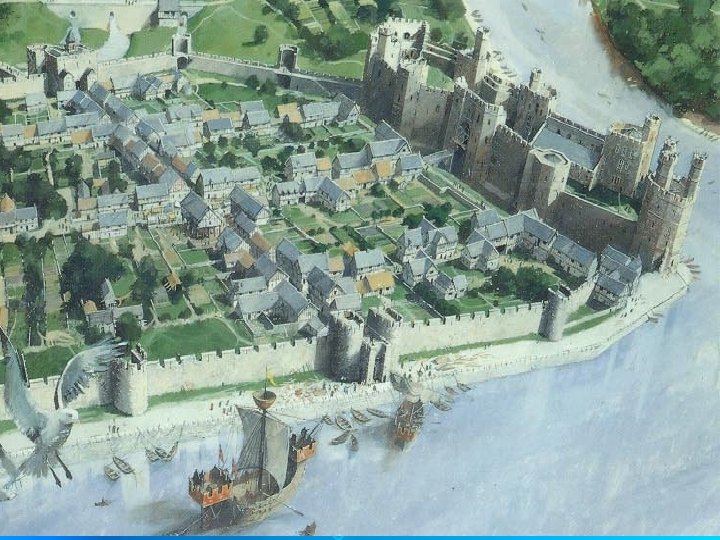
Anatomy of a Castle
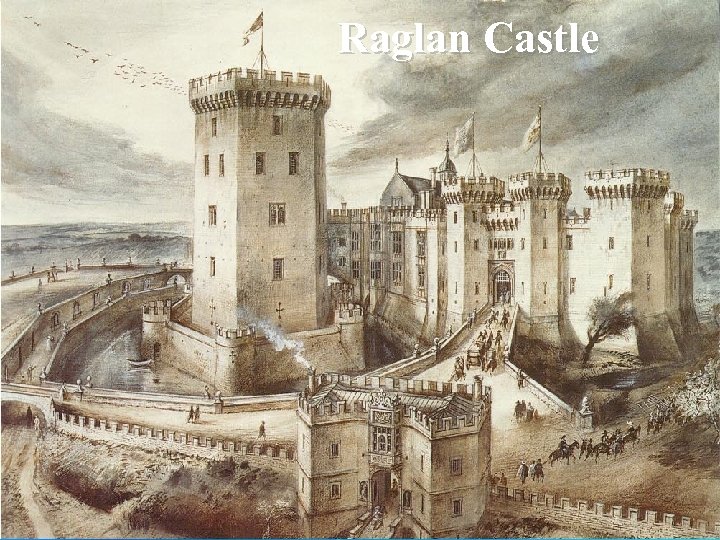
Raglan Castle
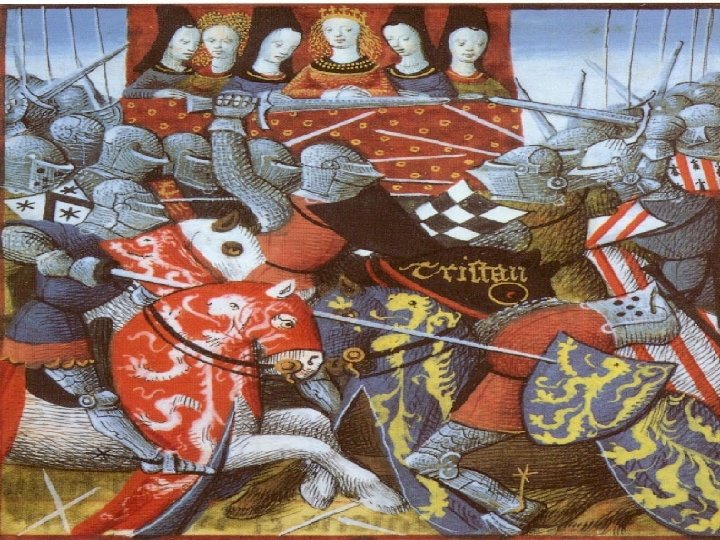
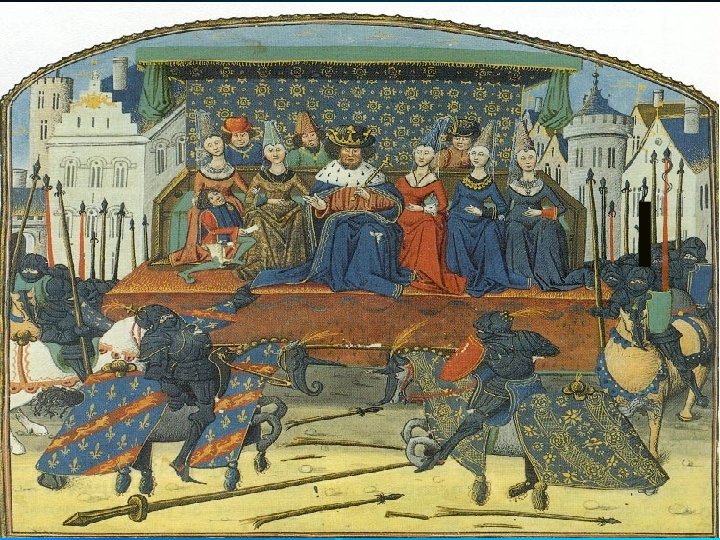
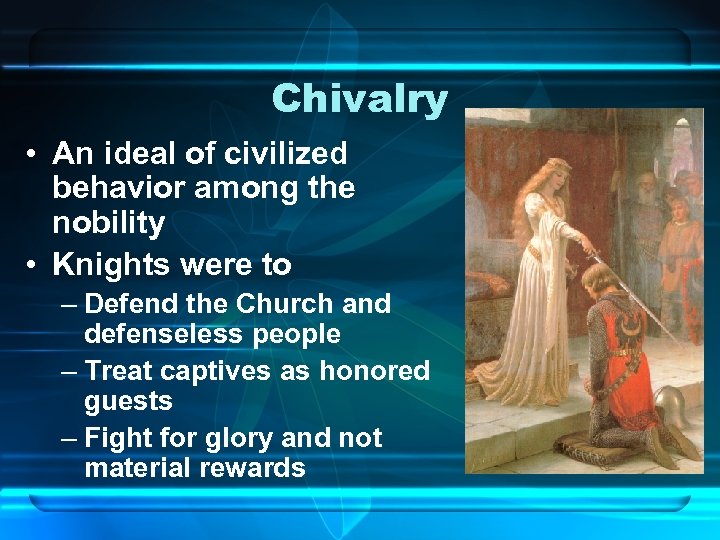
Chivalry • An ideal of civilized behavior among the nobility • Knights were to – Defend the Church and defenseless people – Treat captives as honored guests – Fight for glory and not material rewards

England in the High Middle Ages • Anglo-Saxon kings ruled England from the 5 th -11 th century • In 1066, William of Normandy (France) defeats King Harold (England) in the Battle of Hastings – William the Conqueror is crowned King of England
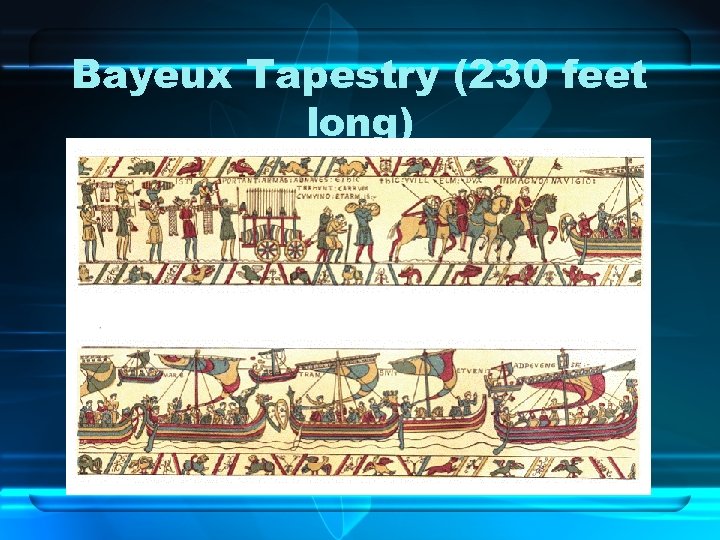
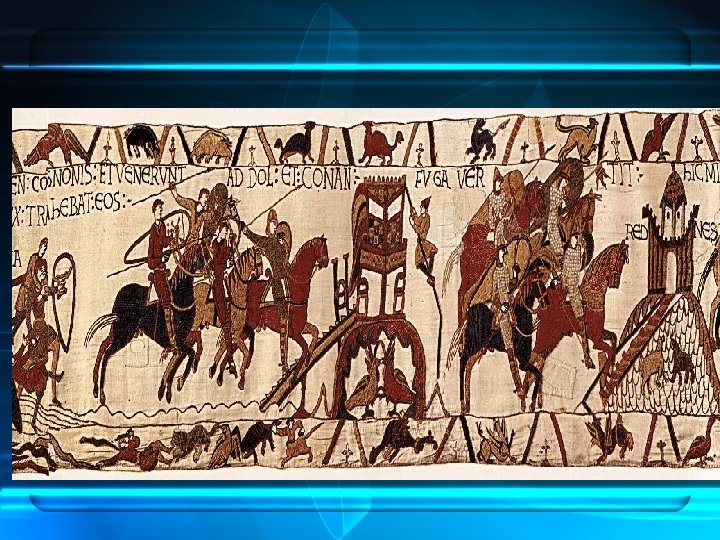
Bayeux Tapestry (230 feet long)
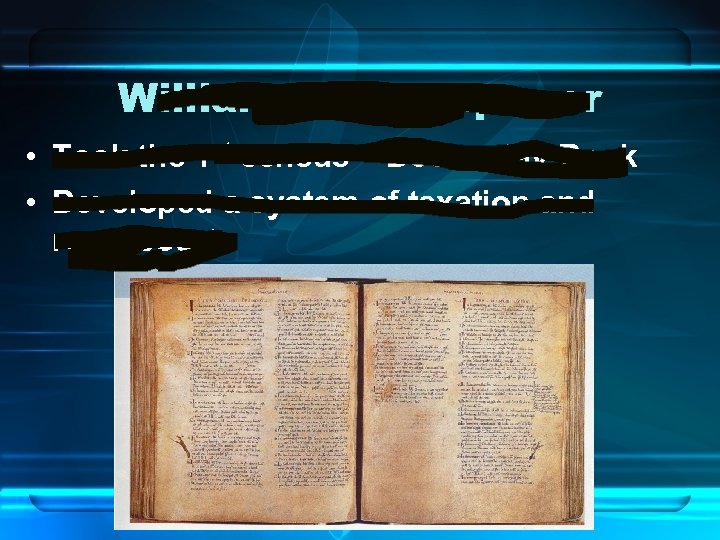
William the Conqueror • Took the 1 st census – Doomsday Book • Developed a system of taxation and royal courts
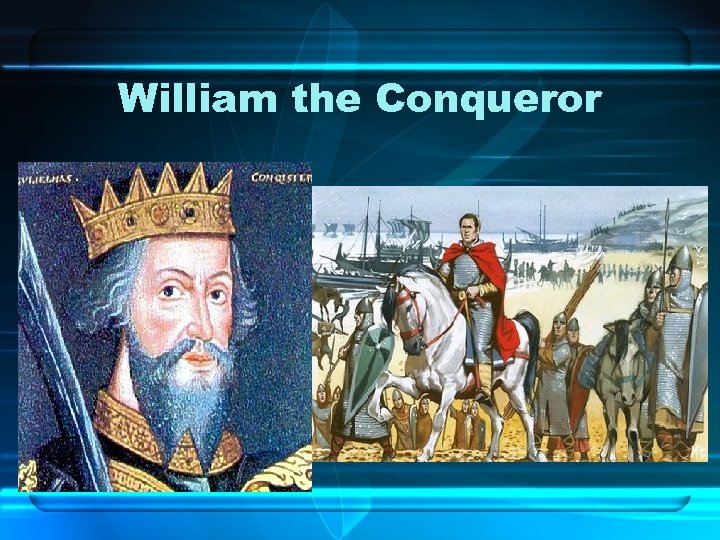
William the Conqueror
• Henry II (1154 – 1189): expanded the royal courts’ powers – Common law: law common to the whole kingdom; replaced varying local codes – Claimed the right to punish the clergy – Best friend, Thomas à Becket, archbishop of Canterbury, disagreed – Henry expressed his desire to be rid of Thomas and four knights killed the archbishop
Magna Carta • Many nobles rebelled against King John b/c they resented the monarchy’s expanding power • King John is forced to agree to the Magna Carta, the “Great Charter” • Document recognized the idea of mutual rights and obligations between lords and vassals
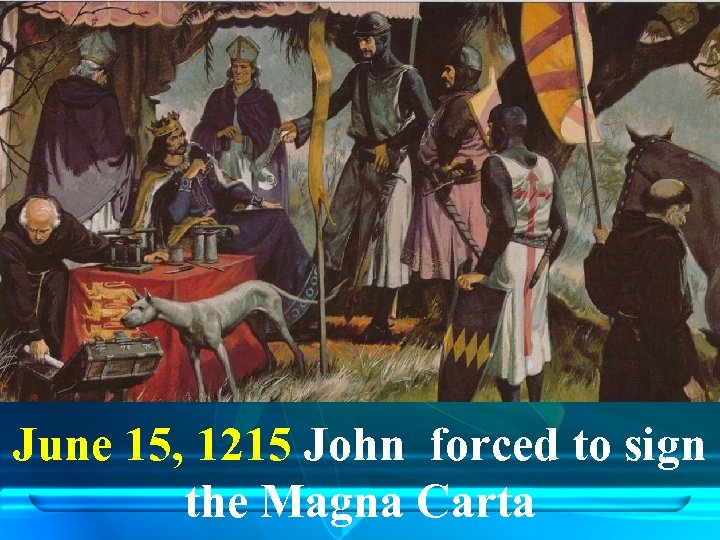
June 15, 1215 John forced to sign the Magna Carta
Edward I • English Parliament: representative government – Composed of 2 knights from each county, 2 people from each town, and all of England’s nobles and bishops – Today: form the House of Lords and House of Commons
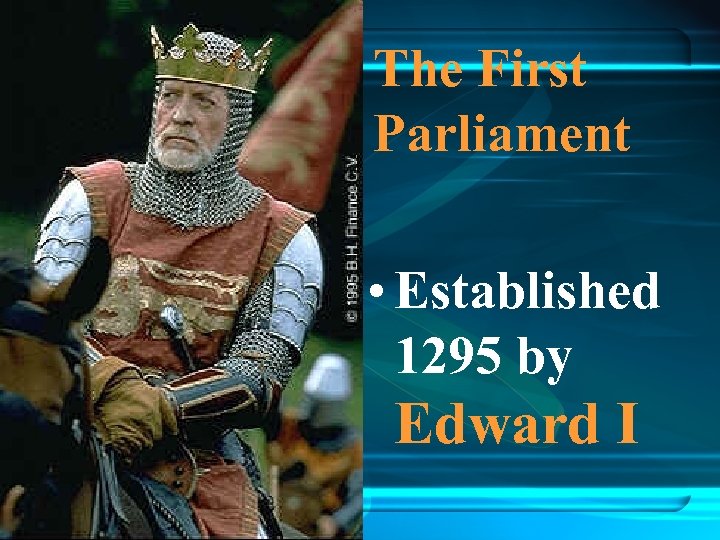
The First Parliament • Established 1295 by Edward I
The French Kingdom • Carolingian Dynasty ends in 843 • Capetian Dynasty begins w/Hugh Capet – Has little power • King Philip II Augustus (1180 -1223) – Took back the French territories of Normandy, Maine, Anjou, and Aquitaine from the English – Increased the income and power of the French monarchy
Philip IV • Philip the Fair expanded royal bureaucracy • 1 st French parliament, the Estates -General, by meeting w/three estates (classes) – 1 st estate: clergy, 2 nd estate: nobles; 3 rd estate: townspeople
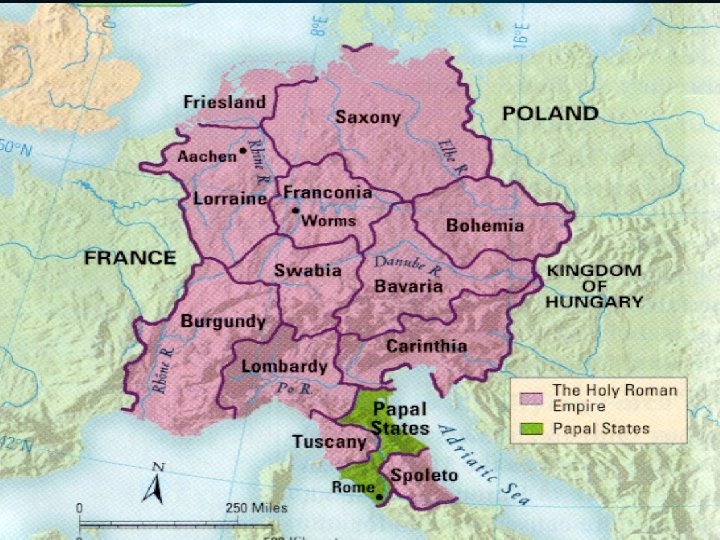
The Holy Roman Empire • Otto I “The Great” – Crowned emperor of the Romans by the pope in return for protecting him • Frederick I & II – Tried to rule both German and Italian lands – Italian cities formed alliances w/Pope defeated their armies
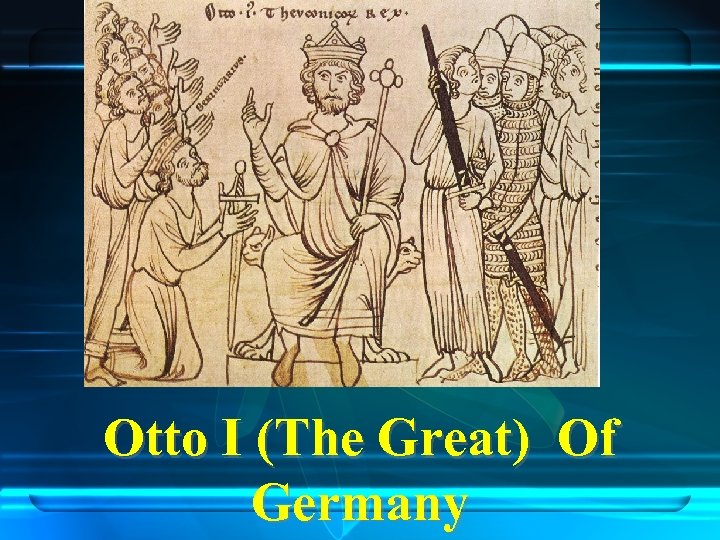
Otto I (The Great) Of Germany
• Copied Charlemagne • Protected the Pope • Crowned Emperor by the Pope • Created the Holy Roman Empire
The Holy Roman Empire • Struggle between popes and emperors effected the Holy Roman Empire – Monarch was always gone fighting – the nobles (in Germany) created independent states – Monarch couldn’t keep control of both
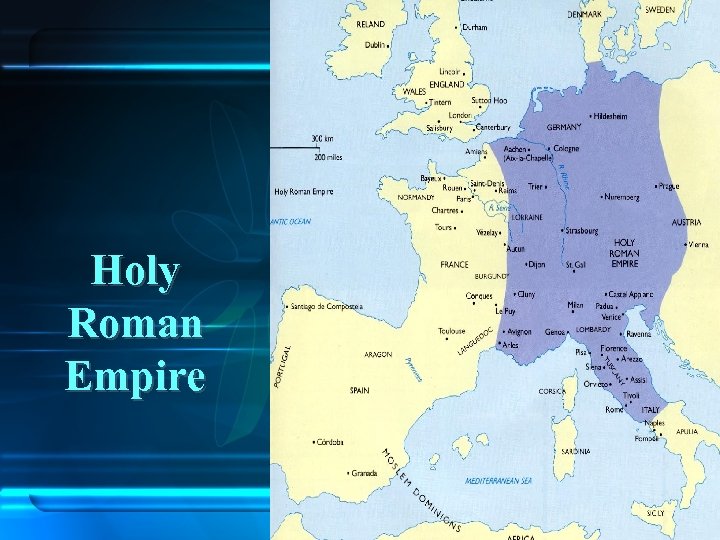
Holy Roman Empire
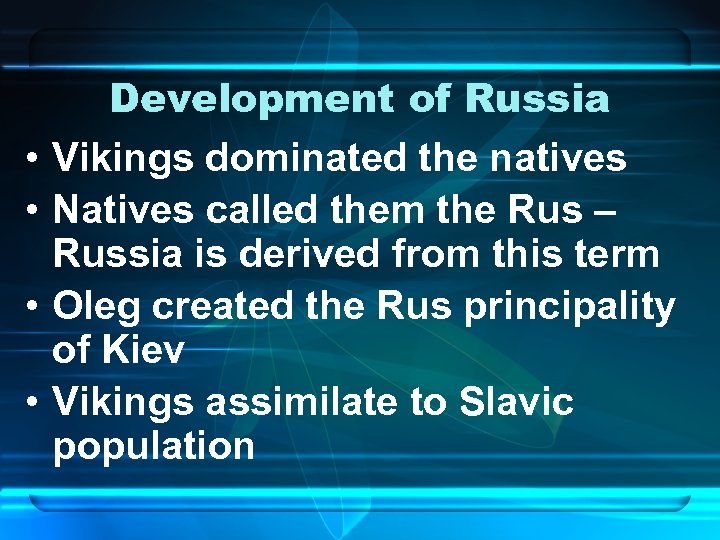
• • Development of Russia Vikings dominated the natives Natives called them the Rus – Russia is derived from this term Oleg created the Rus principality of Kiev Vikings assimilate to Slavic population
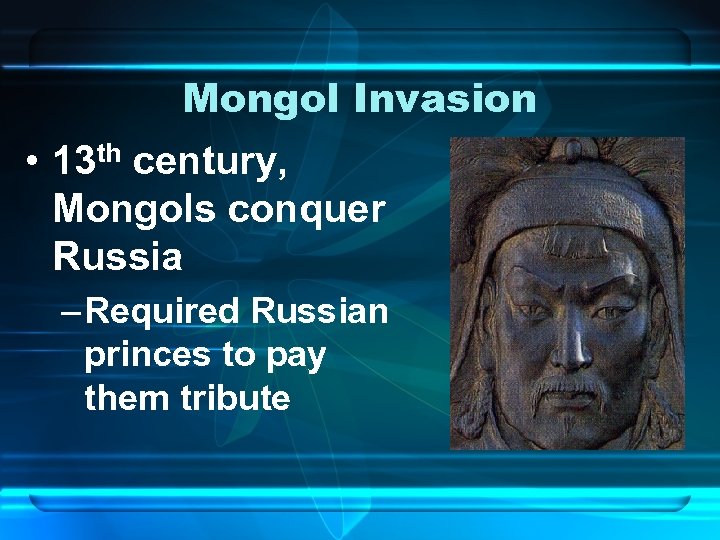
Mongol Invasion • 13 th century, Mongols conquer Russia – Required Russian princes to pay them tribute
Скачать презентацию Emerging Europe the Byzantine Empire
94d84e1a7cd3567a3a42fab7f194e509.ppt