


 Скачать презентацию Emerging Diseases Emerging Infectious Disease Categories NIAID
1631e7700009314965cc7c91826a998c.ppt
- Количество слайдов: 50
 Emerging Diseases
 Emerging Infectious Disease Categories (NIAID) 1 of 3 Category A Priority Pathogens Category A pathogens are those organisms/biological agents that pose the highest risk to national security and public health because they: ØCan be easily disseminated or transmitted from person to person ØResult in high mortality rates and have the potential for major public health impact ØMight cause public panic and social disruption ØRequire special action for public health preparedness
 Emerging Infectious Disease Categories (NIAID) 2 of 3 Category B Priority Pathogens Category B pathogens are the second highest priority organisms/biological agents. They: ØAre moderately easy to disseminate ØResult in moderate morbidity rates and low mortality rates ØRequire specific enhancements for diagnostic capacity and enhanced disease surveillance
 Emerging Infectious Disease Categories (NIAID) 3 of 3 Category C Priority Pathogens Category C pathogens are third highest priority and include emerging pathogens that could be engineered for mass dissemination in the future because of ØAvailability ØEase of production and dissemination ØPotential for high morbidity and mortality rates and major health impact
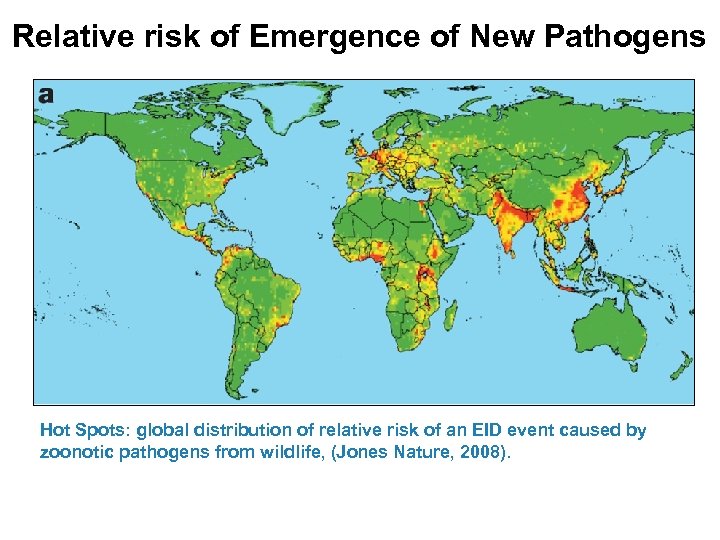 Relative risk of Emergence of New Pathogens Hot Spots: global distribution of relative risk of an EID event caused by zoonotic pathogens from wildlife, (Jones Nature, 2008).
 JITMM, Bangkok, 12 -14 December 2012
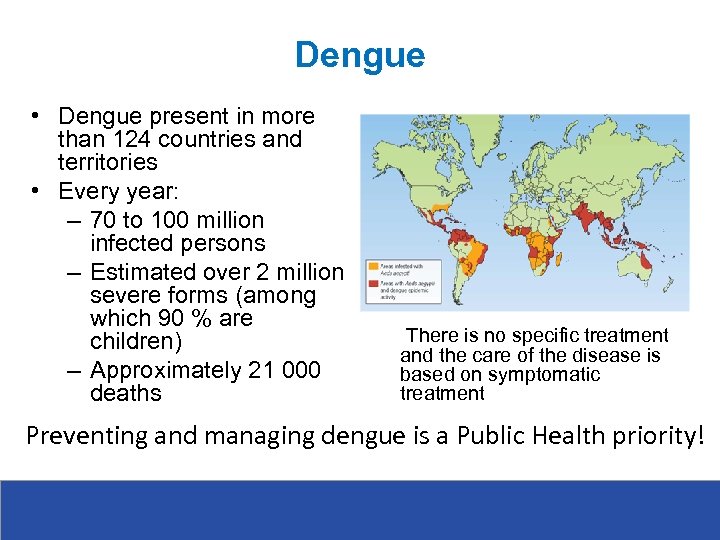 Dengue • Dengue present in more than 124 countries and territories • Every year: – 70 to 100 million infected persons – Estimated over 2 million severe forms (among which 90 % are children) – Approximately 21 000 deaths There is no specific treatment and the care of the disease is based on symptomatic treatment Preventing and managing dengue is a Public Health priority!
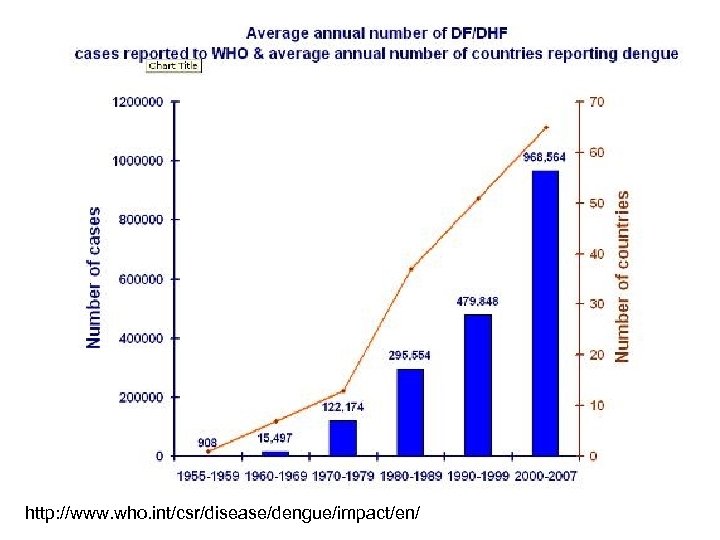 http: //www. who. int/csr/disease/dengue/impact/en/
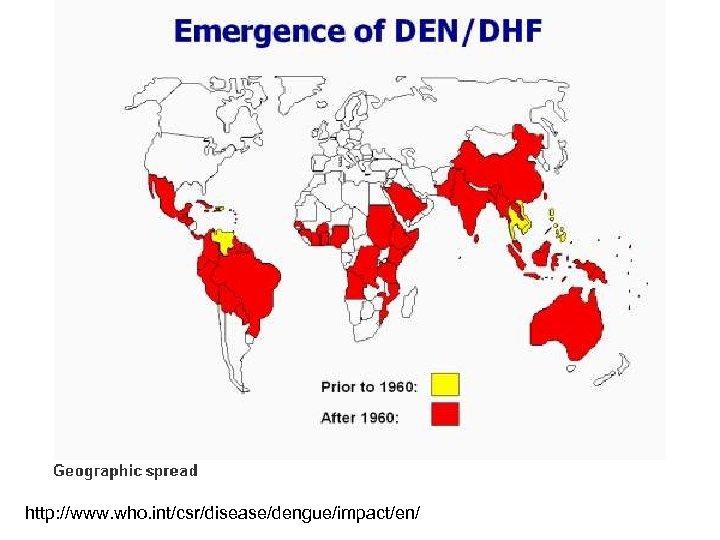 http: //www. who. int/csr/disease/dengue/impact/en/
 Transmission of Dengue Mosquitoes v. Aedes aebypti v. Aedes albopictus Other v. Blood v. Transplacental Incubation: 8 -12 days in mosquito
 Dengue Characteristics Types v. DENU 1, DENU 2, DENU 3, DENU 4 Clinical Outcomes v. Incubation period (post-bite), 4 -10 days v. Asymptomatic to mild disease – majority v“Break bone” fever v. Vomiting, headach v. Hemorrhagic fever – severe, high cas fatality Treatment v. Supportive; e. g. , acetaminophen – No ASA v. Platelet replacement (hemorrhagic fever)
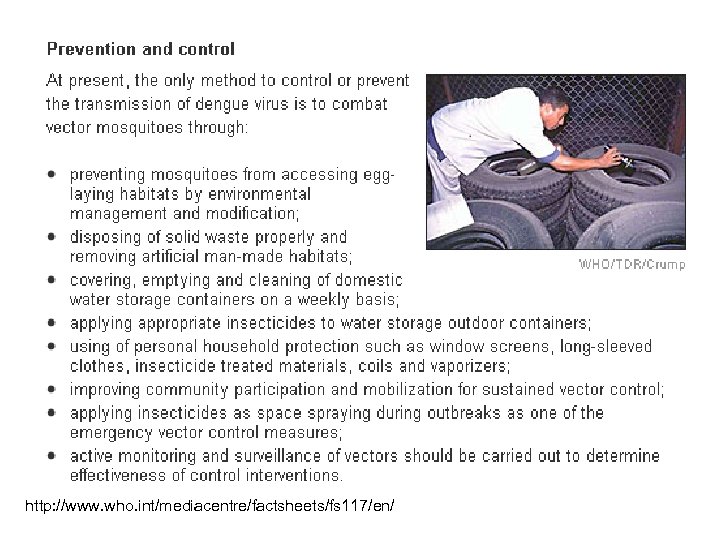 http: //www. who. int/mediacentre/factsheets/fs 117/en/
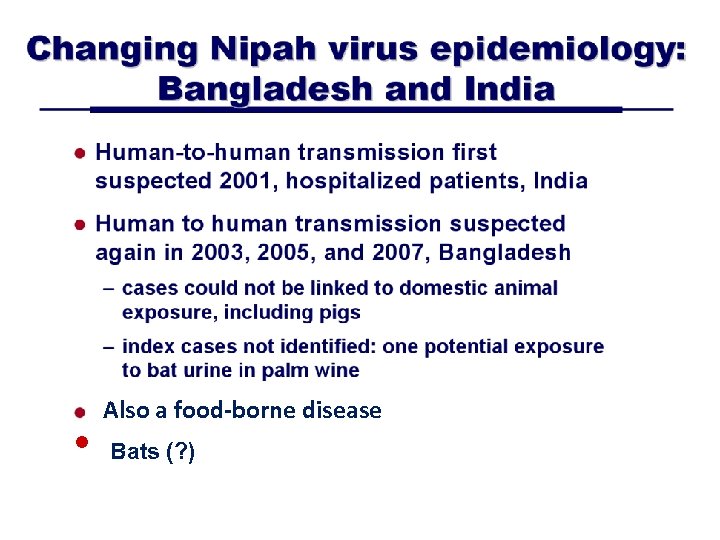 • Also a food-borne disease Bats (? )
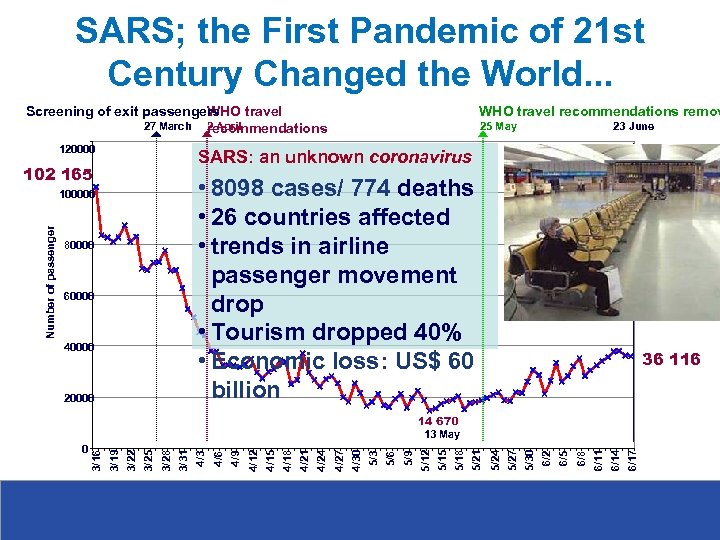 SARS; the First Pandemic of 21 st Century Changed the World. . . Screening of exit passengers WHO travel 27 March recommendations 2 April 120000 25 May 23 June SARS: an unknown coronavirus 102 165 • 8098 cases/ 774 deaths • 26 countries affected • trends in airline passenger movement drop • Tourism dropped 40% • Economic loss: US$ 60 billion 100000 80000 60000 40000 20000 36 116 JITMM, Bangkok, 12 -14 December 2012 6/17 6/14 6/11 6/8 6/5 6/2 5/30 5/27 5/24 5/21 5/18 5/15 5/12 5/9 5/6 5/3 4/30 4/27 4/24 4/21 4/18 4/15 4/12 4/9 4/6 4/3 3/31 3/28 3/25 3/22 0 3/19 14 670 13 May 3/16 Number of passenger WHO travel recommendations remov
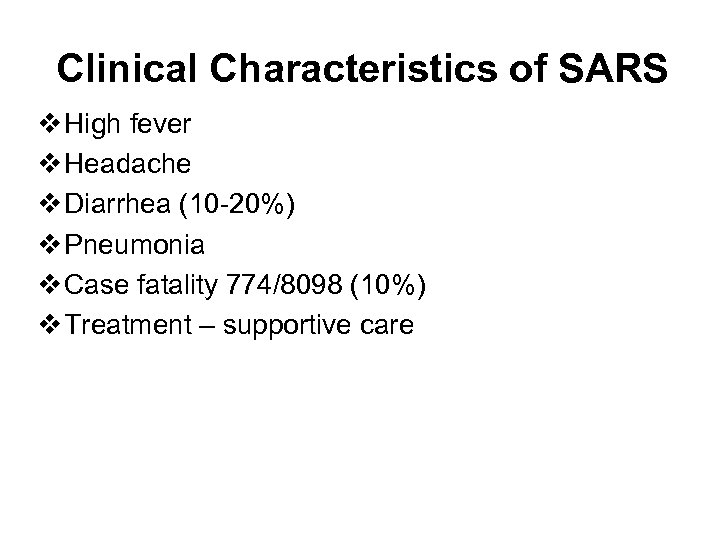 Clinical Characteristics of SARS v High fever v Headache v Diarrhea (10 -20%) v Pneumonia v Case fatality 774/8098 (10%) v Treatment – supportive care
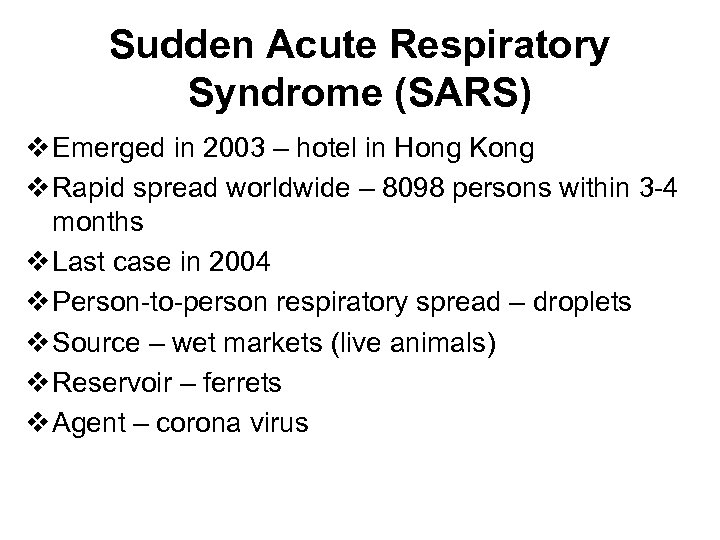 Sudden Acute Respiratory Syndrome (SARS) v Emerged in 2003 – hotel in Hong Kong v Rapid spread worldwide – 8098 persons within 3 -4 months v Last case in 2004 v Person-to-person respiratory spread – droplets v Source – wet markets (live animals) v Reservoir – ferrets v Agent – corona virus
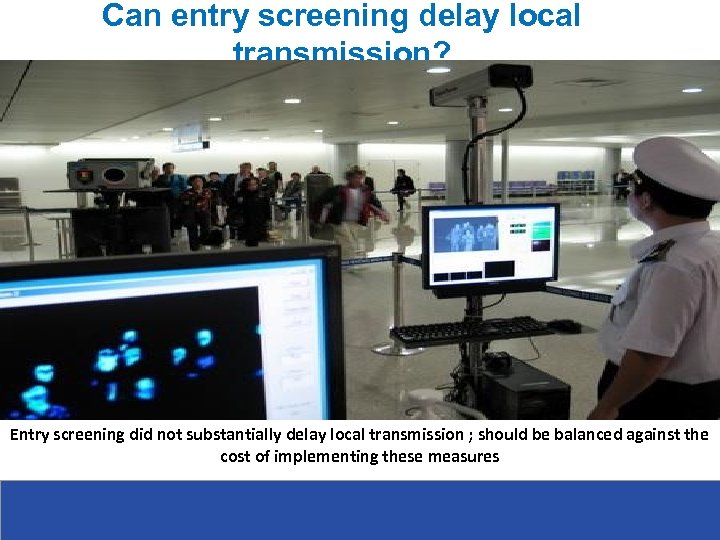 Can entry screening delay local transmission? Entry screening did not substantially delay local transmission ; should be balanced against the cost of implementing these measures
 GONORRHEA (N. gonorrheae) #2 infectious disease in the U. S. – 600, 000 cases/yr (2012) Drug resistance: v. Penicillin – 1940 s v. Tetracycline – 1980 s v. Fluoroquinolones – 2007 v. Cephalosporens - 2014 Next?
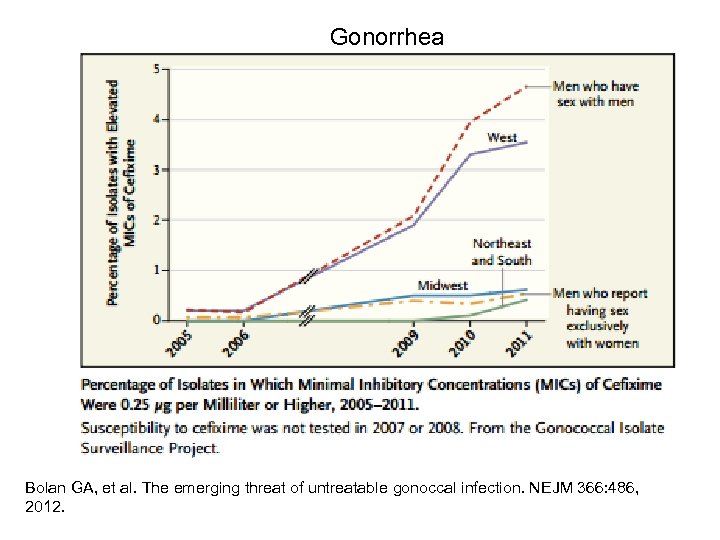 Gonorrhea Bolan GA, et al. The emerging threat of untreatable gonoccal infection. NEJM 366: 486, 2012.
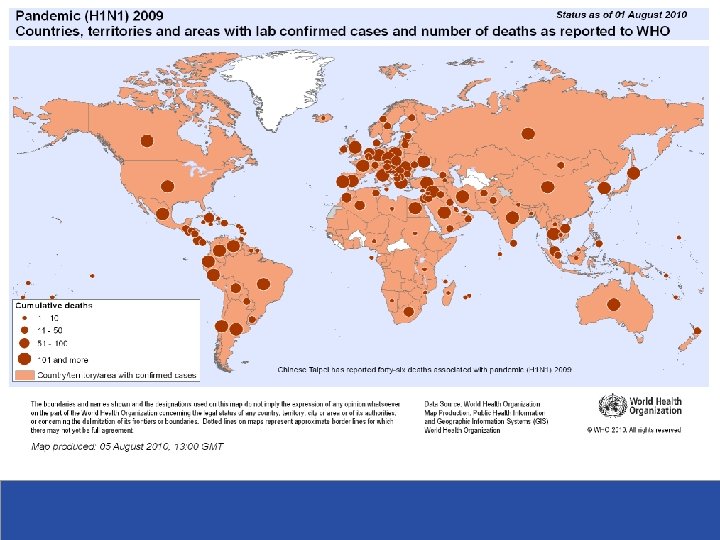
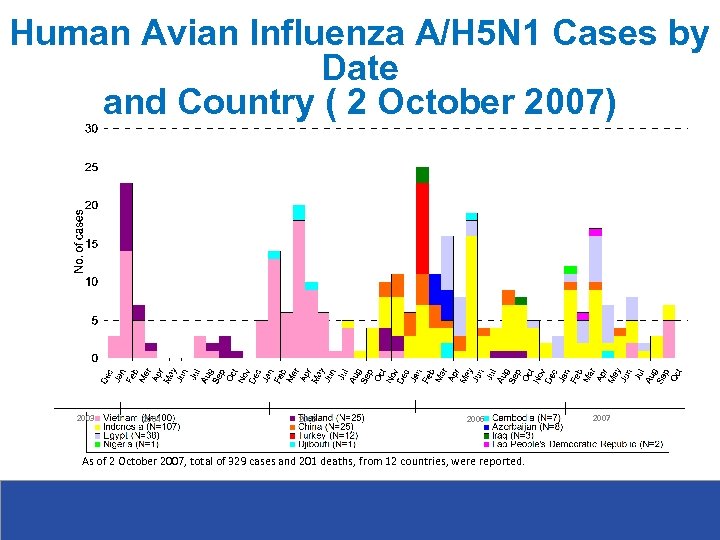 Human Avian Influenza A/H 5 N 1 Cases by Date and Country ( 2 October 2007) 2003 2004 2005 2006 As of 2 October 2007, total of 329 cases and 201 deaths, from 12 countries, were reported. 2007
 EPIDEMIOLOGY AND BIOLOGY OF H 5 N 1 INFLUENZA
 Characteristics of H 5 N 1 Avian Influenza 1. Highly infectious and pathogenic for domestic poultry 2. Wild fowl, ducks asymptomatic reservoir 3. Now endemic in poultry in Southeast Asia 4. Proportion of humans with subclinical infection unknown 5. Case fatality in humans is >50%
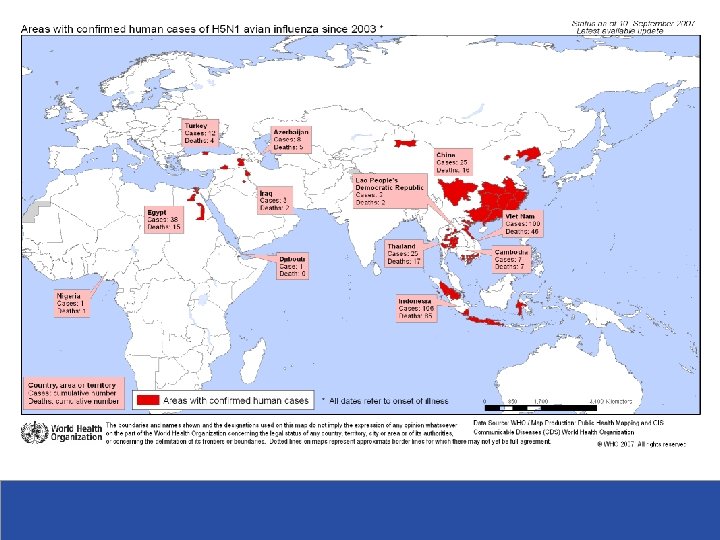
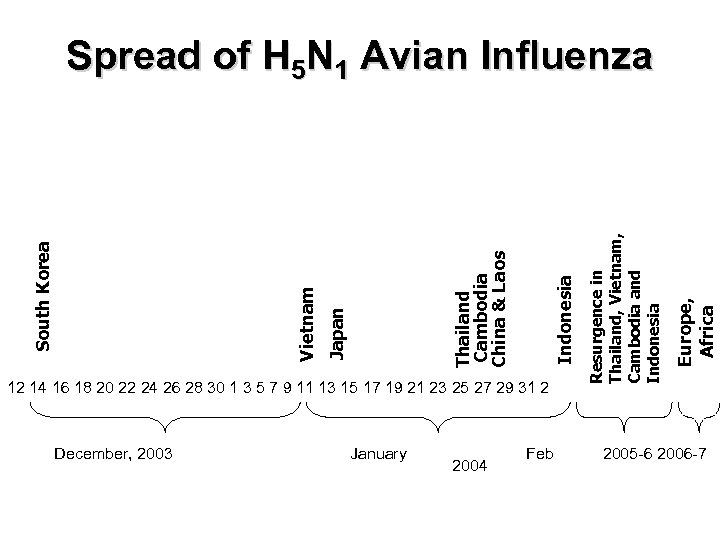 12 14 16 18 20 22 24 26 28 30 1 3 5 7 9 11 13 15 17 19 21 23 25 27 29 31 2 December, 2003 January 2004 Feb Europe, Africa Resurgence in Thailand, Vietnam, Cambodia and Indonesia Thailand Cambodia China & Laos Japan Vietnam South Korea Spread of H 5 N 1 Avian Influenza 2005 -6 2006 -7
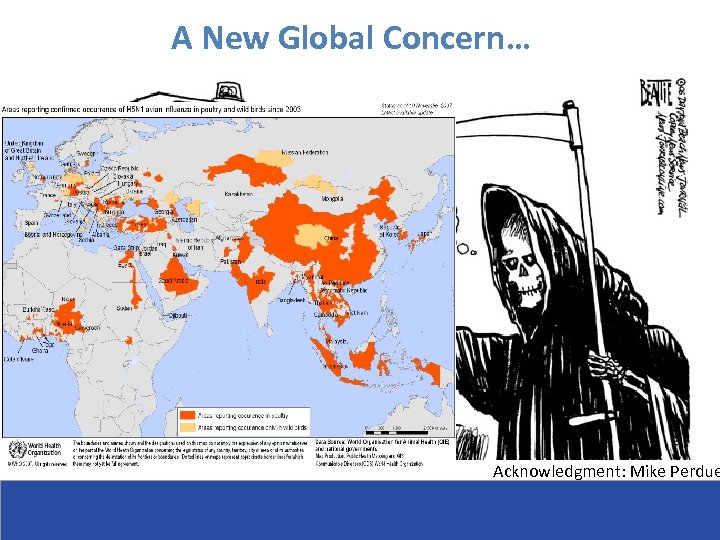 A New Global Concern… Acknowledgment: Mike Perdue
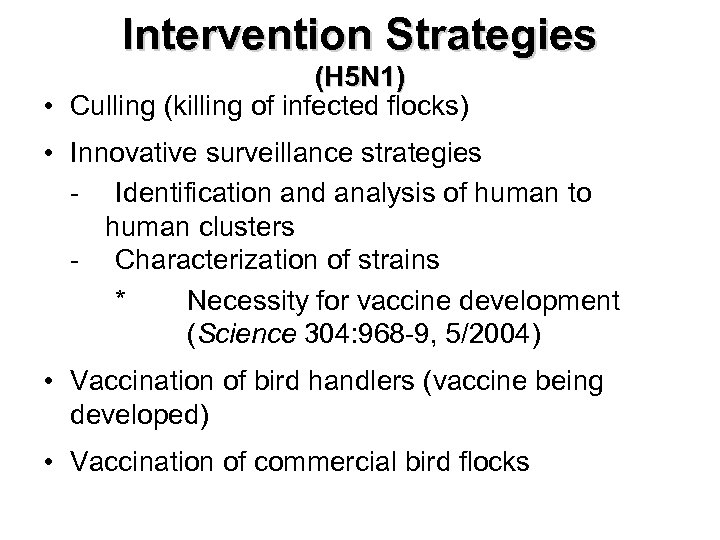 Intervention Strategies (H 5 N 1) • Culling (killing of infected flocks) • Innovative surveillance strategies - Identification and analysis of human to human clusters - Characterization of strains * Necessity for vaccine development (Science 304: 968 -9, 5/2004) • Vaccination of bird handlers (vaccine being developed) • Vaccination of commercial bird flocks
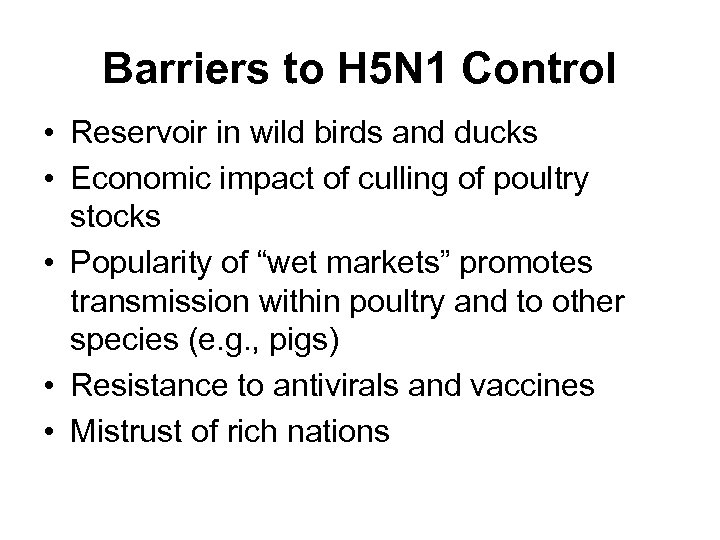 Barriers to H 5 N 1 Control • Reservoir in wild birds and ducks • Economic impact of culling of poultry stocks • Popularity of “wet markets” promotes transmission within poultry and to other species (e. g. , pigs) • Resistance to antivirals and vaccines • Mistrust of rich nations
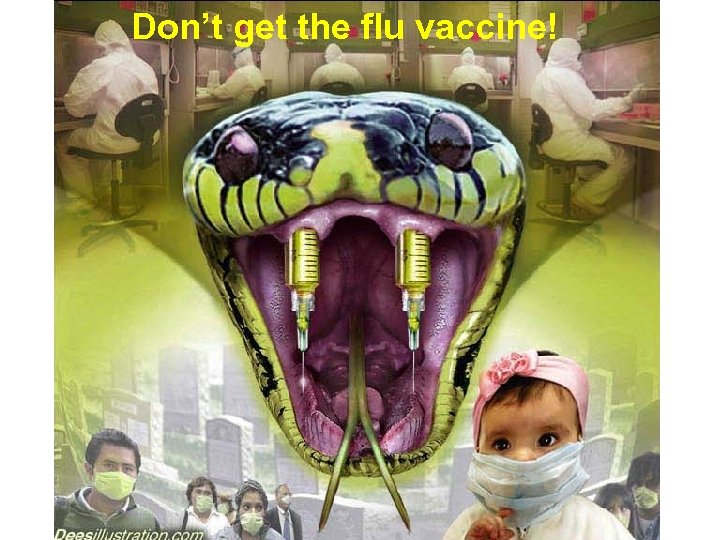 Don’t get the flu vaccine!
 FACTORS CONTRIBUTING TO EMERGENCE OR RE-EMERGENCE OF INFECTIOUS DISEASES (1) • Human demographic change by which persons begin to live in previously uninhabited remote areas of the world and are exposed to new environmental sources of infectious agents, insects and animals • Unsustainable urbanization causes breakdowns of sanitary and other public health measures in overcrowded cities (e. g. , slums)
 FACTORS CONTRIBUTING TO EMERGENCE OR RE-EMERGENCE OF INFECTIOUS DISEASES (2) • Economic development and changes in the use of land, including deforestation, reforestation, and urbanization • Global warming - climate changes cause changes in geographical distribution of agents and vectors • Changing human behaviours, such as increased use of child-care facilities, sexual and drug use behaviours, and patterns of outdoor recreation • Social inequality
 FACTORS CONTRIBUTING TO EMERGENCE OR RE-EMERGENCE OF INFECTIOUS DISEASES (3) • International travel and commerce that quickly transport people and goods vast distances • Changes in food processing and handling, including foods prepared from many different individual animals and countries, and transported great distances
 FACTORS CONTRIBUTING TO EMERGENCE OR RE-EMERGENCE OF INFECTIOUS DISEASES (4) • Evolution of pathogenic infectious agents by which they may infect new hosts, produce toxins, or adapt by responding to changes in the host immunity. (e. g. influenza, HIV) • Development of resistance by infectious agents such as Mycobacterium tuberculosis and Neisseria gonorrhoeae to chemoprophylactic or chemotherapeutic medicines.
 FACTORS CONTRIBUTING TO EMERGENCE OR RE-EMERGENCE OF INFECTIOUS DISEASES (5) • Resistance of the vectors of vector-borne infectious diseases to pesticides. • Immunosuppression of persons due to medical treatments or new diseases that result in infectious diseases caused by agents not usually pathogenic in healthy hosts (e. g. leukemia patients)
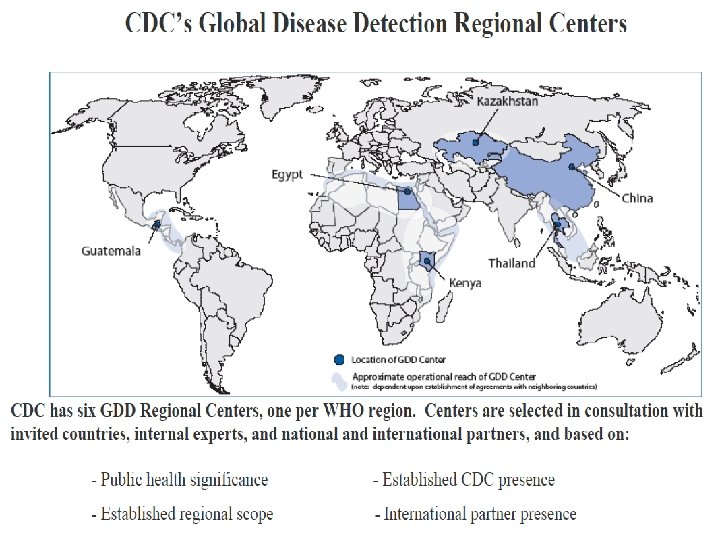
 FACTORS CONTRIBUTING TO EMERGENCE OR RE-EMERGENCE OF INFECTIOUS DISEASES (6) • Deterioration in surveillance systems for infectious diseases, including laboratory support, to detect new or emerging disease problems at an early stage (e. g. Indonesian resistance to “scientific colonialism”) • Illiteracy limits knowledge and implementation of prevention strategies • Lack of political will – corruption, other priorities
 FACTORS CONTRIBUTING TO EMERGENCE OR RE-EMERGENCE OF INFECTIOUS DISEASES (7) • Biowarfare/bioterrorism: An unfortunate potential source of new or emerging disease threats (e. g. anthrax and letters) • War, civil unrest – creates refugees, food and housing shortages, increased density of living, etc. • Famine causing reduced immune capacity, etc. • Manufacturing strategies; e. g. , pooling of plasma, etc.
 STRATEGIES TO REDUCE THREATS (1) • DEVELOP POLITICAL WILL AND FUNDING • IMPROVE GLOBAL EARLY RESPONSE CAPACITY – WHO – National Disease Control Units (e. g. USCDC, CCDC) – Training programs
 STRATEGIES TO REDUCE THREATS (2) • IMPROVE GLOBAL SURVEILLANCE – Improve diagnostic capacity (training, regulations) – Improve communication systems (web, e-mail etc. ) and sharing of surveillance data – Rapid data analysis – Develop innovative surveillance and analysis strategies
 STRATEGIES TO REDUCE THREATS (3) • IMPROVE GLOBAL SURVEILLANCE (continued) – Utilize geographical information systems – Utilize global positioning systems – Utilize the Global Atlas of Infectious Diseases (WHO) – Increase and improve laboratory capacity – Coordinate human and animal surveillance
 STRATEGIES TO REDUCE THREATS (4) • USE OF VACCINES – Increase coverage and acceptability (e. g. , oral) – New strategies for delivery (e. g. , nasal spray administration) – Develop new vaccines – Decrease cost – Decrease dependency on “cold chain” • NEW DRUG DEVELOPMENT
 STRATEGIES TO REDUCE THREATS (5) • DECREASE INAPPROPRIATE DRUG USE – Improve education of clinicians and public – Decrease antimicrobial use in agriculture and food production • IMPROVE VECTOR AND ZOONOTIC CONTROL – Develop new safe insecticides – Develop more non-chemical strategies e. g. organic strategies • BETTER AND MORE WIDESPREAD HEALTH EDUCATION (e. g. , west Nile virus; bed nets, mosquito repellent)
 STRATEGIES TO REDUCE THREATS (6) • DEVELOPMENT OF PREDICTIVE MODELS BASED ON: – Epidemiologic data – – Climate change surveillance Human behavior • ESTABLISH PRIORITIES – The risk of disease – The magnitude of disease burden • Morbidity/disability • Mortality • Economic cost – REDUCE POTENTIAL FOR RAPID SPREAD – DEVELOP MORE FEASIBLE CONTROL STRATEGIES
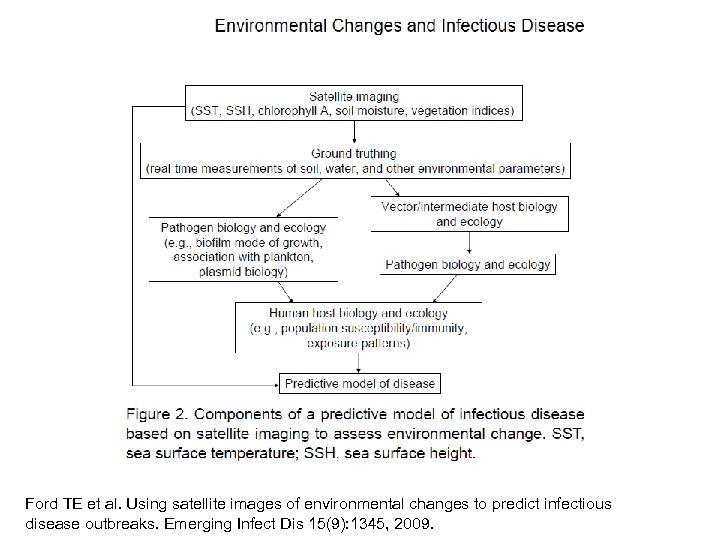 Ford TE et al. Using satellite images of environmental changes to predict infectious disease outbreaks. Emerging Infect Dis 15(9): 1345, 2009.
 STRATEGIES TO REDUCE THREATS (7) • Develop new strategies requiring low-cost technology • Social and political mobilization of communities • Greater support for research • Reduce poverty and inequality
 BASIC ELEMENTS IN PREPAREDNESS • International Health Regulations • International -- WHO – Global Outbreak Alert and Response Network (GOARN) • 120 technical institutions participating • 2000 -02 -- Responded to 34 events in 26 countries • Coordination of SARS and H 5 N 1 threats – Global Public Health Information Network (GPHIN)
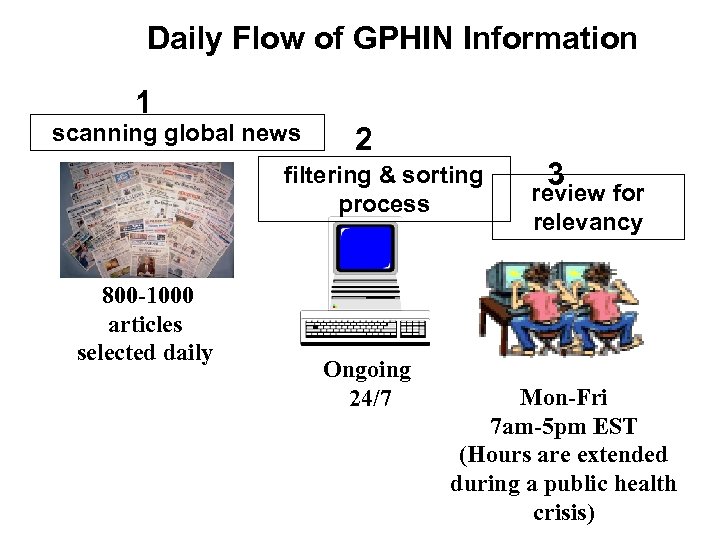 Daily Flow of GPHIN Information 1 scanning global news 2 filtering & sorting process 800 -1000 articles selected daily Ongoing 24/7 3 review for relevancy Mon-Fri 7 am-5 pm EST (Hours are extended during a public health crisis)
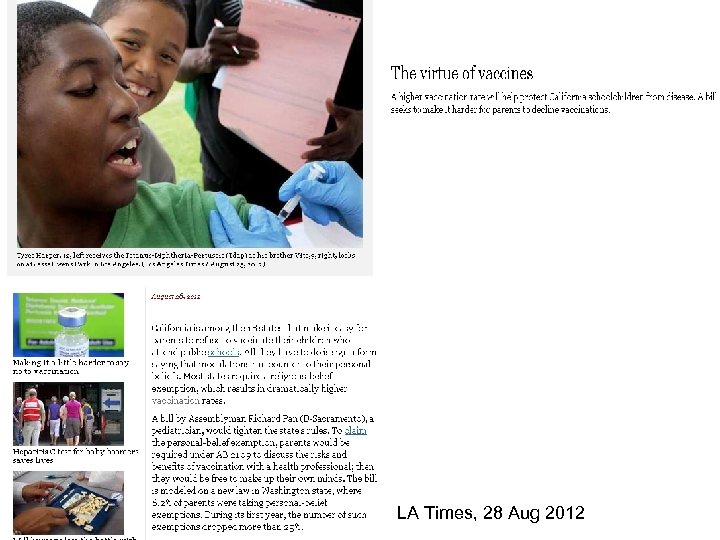 LA Times, 28 Aug 2012
 ESSENTIAL FACTORS FOR DISEASE ERADICATION • Knowledge of its epidemiology and transmission patterns/mode • Availability of effective tools for diagnosis, treatment and prevention • Knowledge of local cultural and political characteristics • Community acceptance and mobilization • Political will and leadership • Adequate and sustained funding
 ROLE OF THE PUBLIC HEALTH PROFESSIONAL • Establish surveillance for: – Unusual diseases – Drug resistant agents • Assure laboratory capacity to investigate new agents (e. g. , high-throughput labs) • Develop plans for handling outbreaks of unknown agents • Inform physicians about responsible antimicrobial use