


 Скачать презентацию Electricity Electrical Force energex com au
5f9917421fbd09315e21d9cea08bc27d.ppt
- Количество слайдов: 28
 Electricity
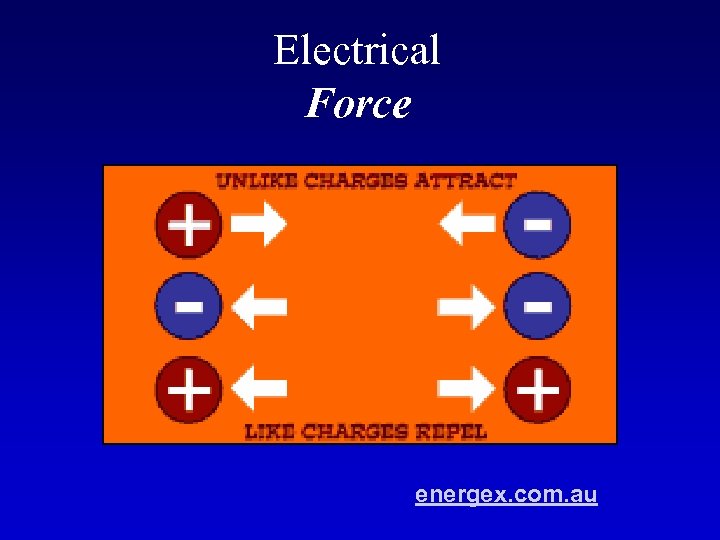 Electrical Force energex. com. au
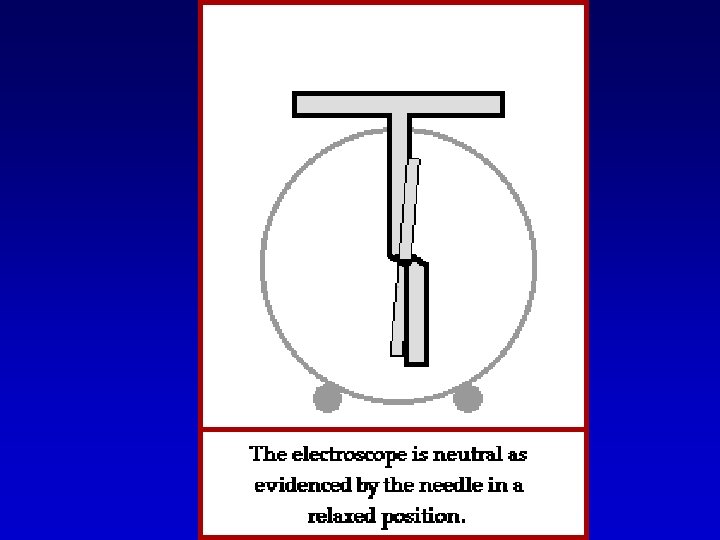
 • An object becomes charged by – Friction – Conduction – Induction
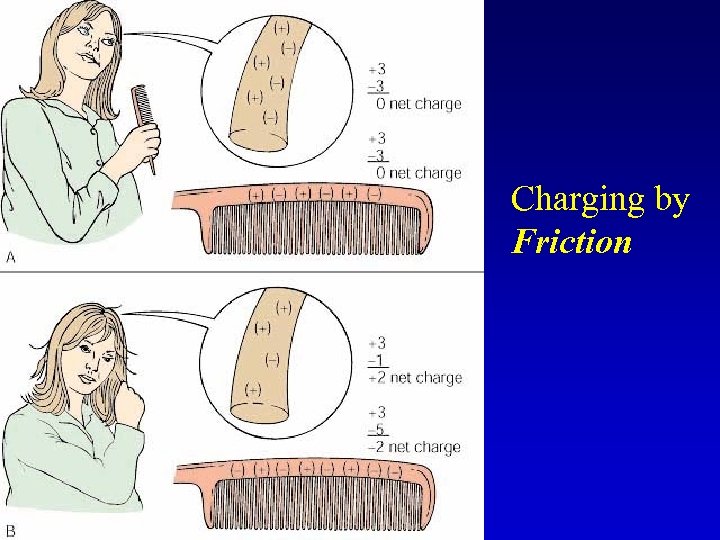 Charging by Friction
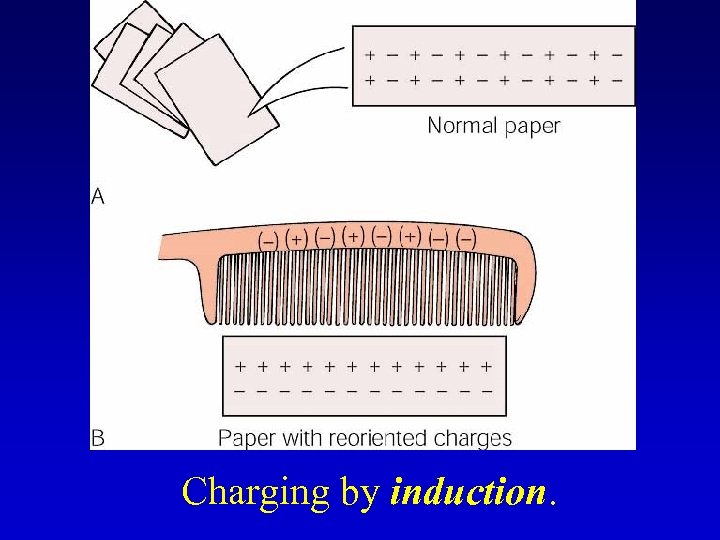 Charging by induction.
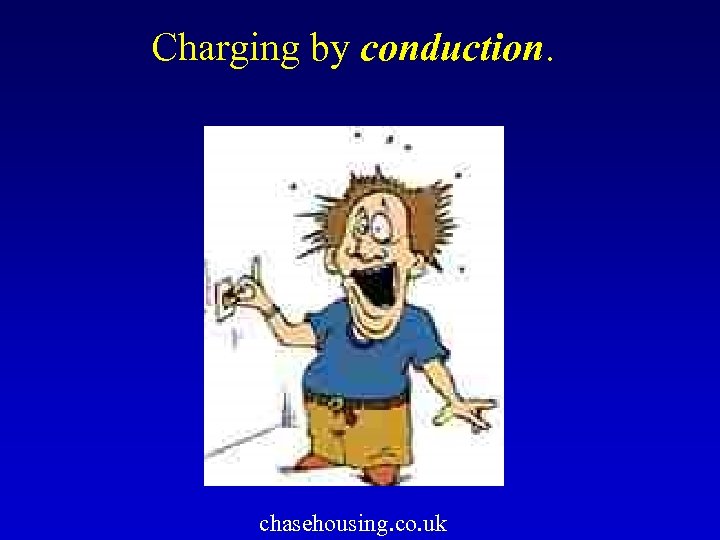 Charging by conduction. chasehousing. co. uk
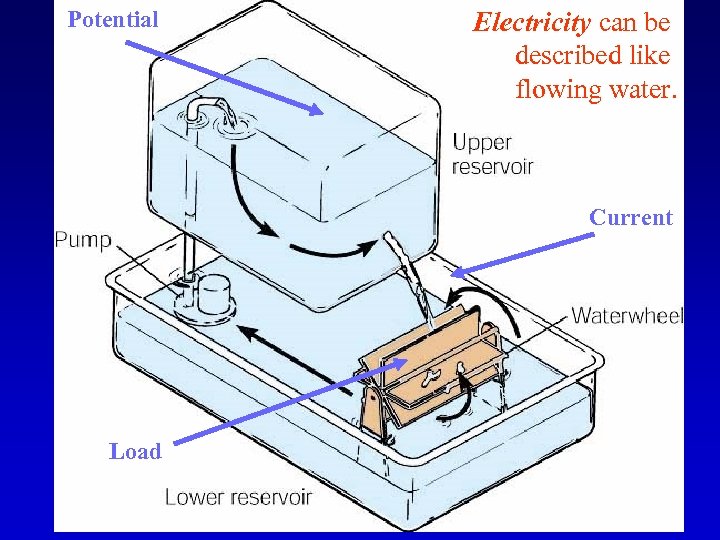 Potential Electricity can be described like flowing water. Current Load
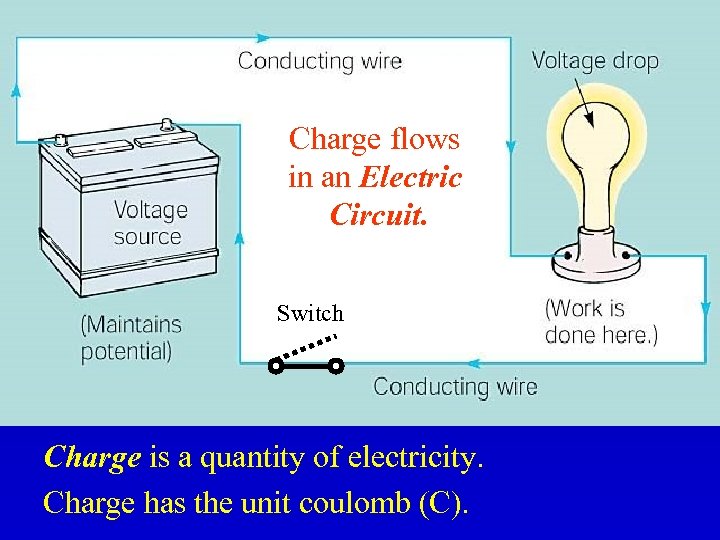 Charge flows in an Electric Circuit. Switch Charge is a quantity of electricity. Charge has the unit coulomb (C).
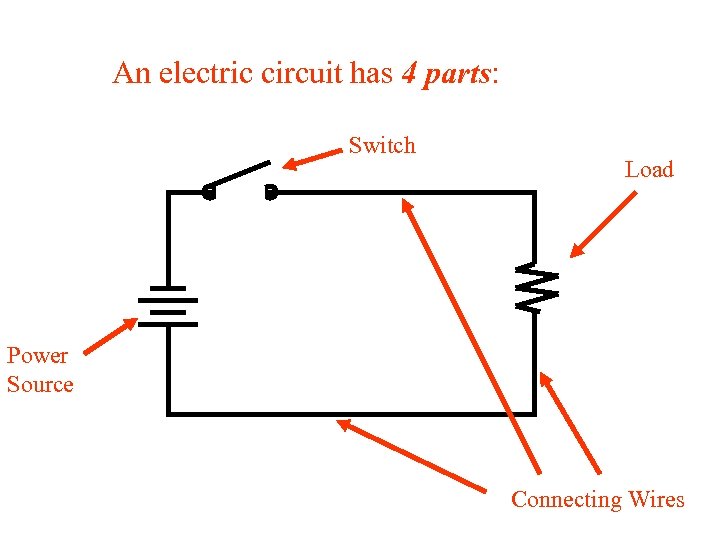 An electric circuit has 4 parts: Switch Load Power Source Connecting Wires
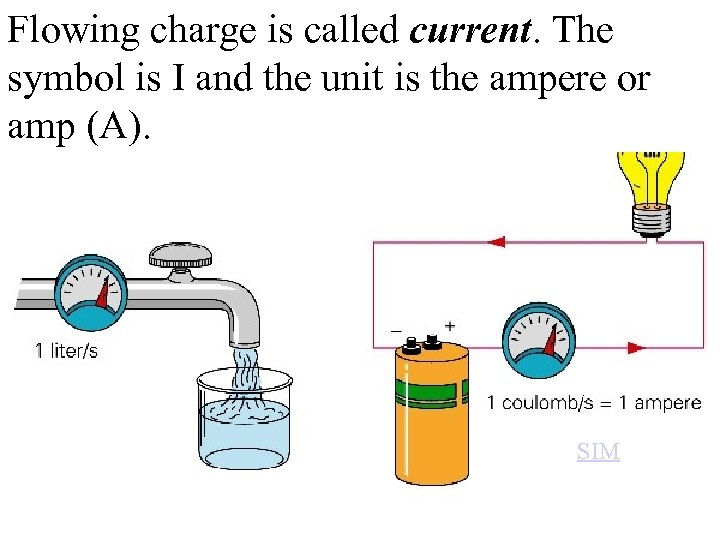 Flowing charge is called current. The symbol is I and the unit is the ampere or amp (A). SIM
 – Voltage is a measure of the potential difference between two places in a circuit. – The unit is the Volt (V). – Voltage IS Potential Energy!!! – Voltage IS NOT flowing charge.
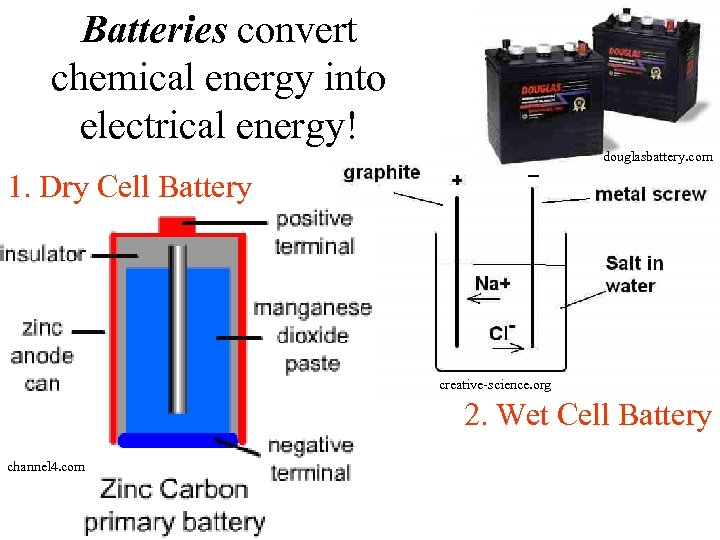 Batteries convert chemical energy into electrical energy! douglasbattery. com 1. Dry Cell Battery creative-science. org 2. Wet Cell Battery channel 4. com
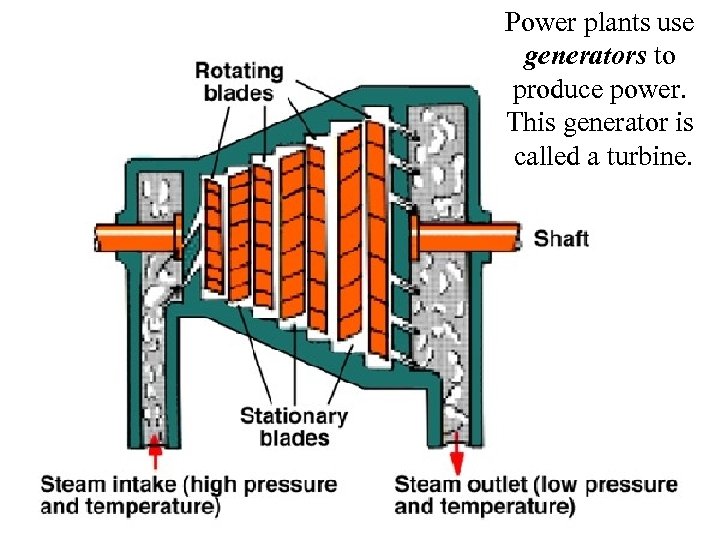 Power plants use generators to produce power. This generator is called a turbine.
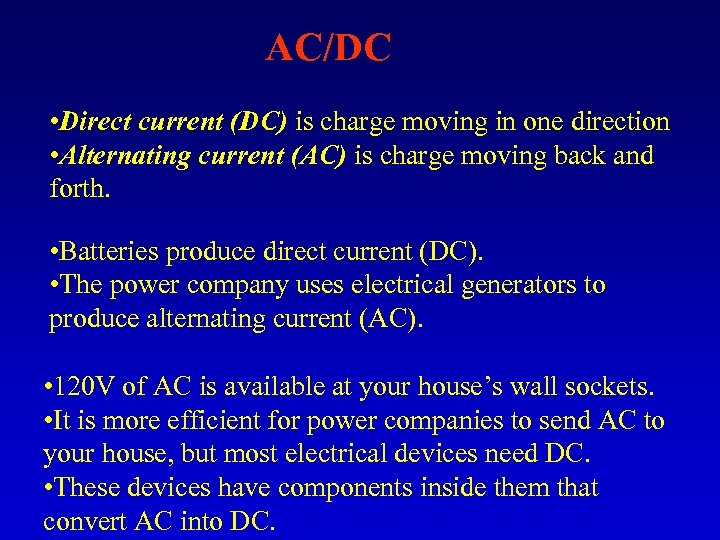 AC/DC • Direct current (DC) is charge moving in one direction • Alternating current (AC) is charge moving back and forth. • Batteries produce direct current (DC). • The power company uses electrical generators to produce alternating current (AC). • 120 V of AC is available at your house’s wall sockets. • It is more efficient for power companies to send AC to your house, but most electrical devices need DC. • These devices have components inside them that convert AC into DC.
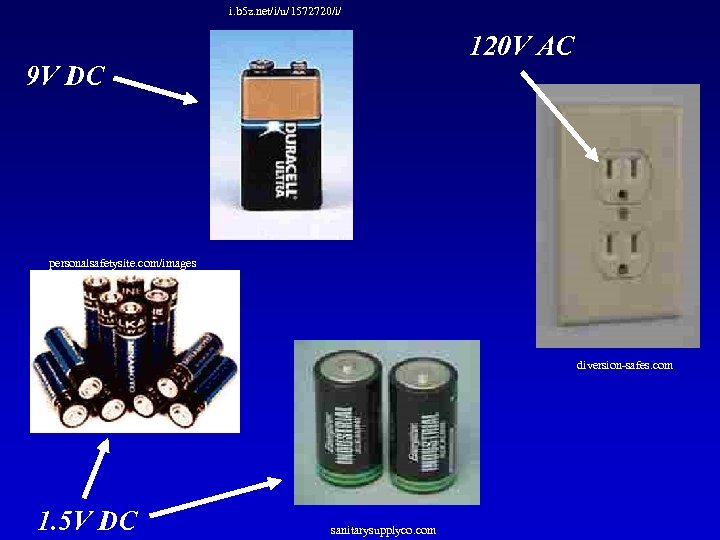 i. b 5 z. net/i/u/1572720/i/ 120 V AC 9 V DC personalsafetysite. com/images diversion-safes. com 1. 5 V DC sanitarysupplyco. com
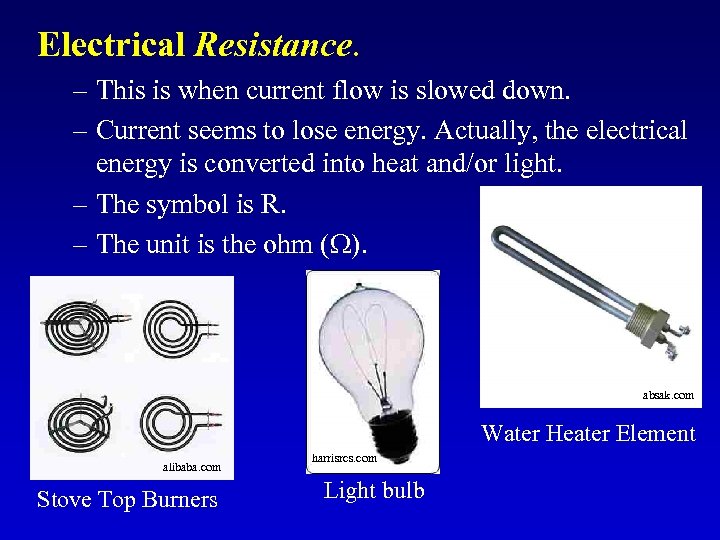 Electrical Resistance. – This is when current flow is slowed down. – Current seems to lose energy. Actually, the electrical energy is converted into heat and/or light. – The symbol is R. – The unit is the ohm ( ). absak. com Water Heater Element alibaba. com Stove Top Burners harrisrcs. com Light bulb
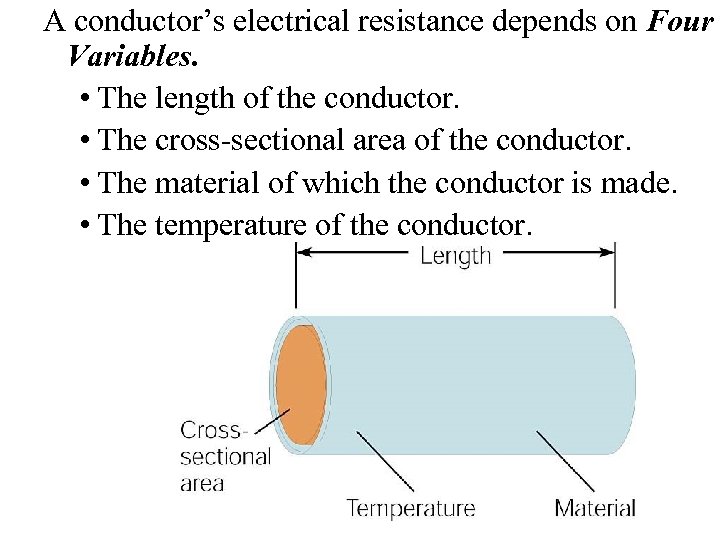 A conductor’s electrical resistance depends on Four Variables. • The length of the conductor. • The cross-sectional area of the conductor. • The material of which the conductor is made. • The temperature of the conductor.
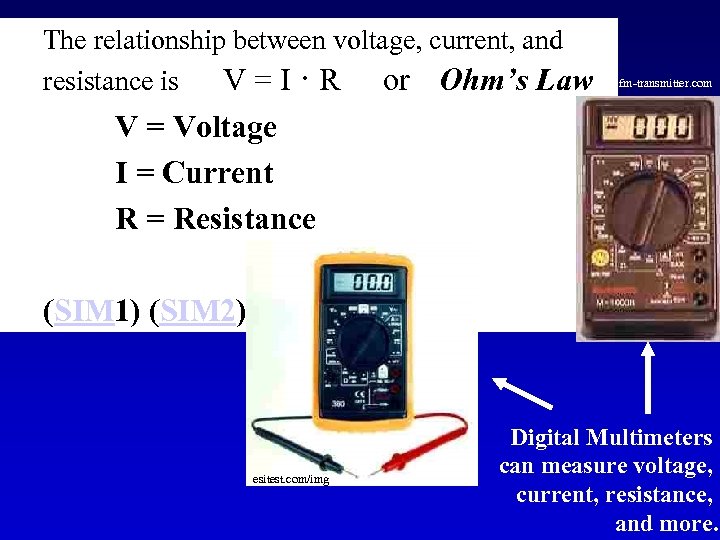 The relationship between voltage, current, and resistance is V = I · R or Ohm’s Law fm-transmitter. com V = Voltage I = Current R = Resistance (SIM 1) (SIM 2) esitest. com/img Digital Multimeters can measure voltage, current, resistance, and more.
 Electrical Work. • A voltage source does work when releasing charge. • The unit of electrical work is joules (J). Electrical Power. • The unit of power is called the watt (W). • power = current · voltage P=I ·V Paying for Electricity. • The electric company charges you based on the amount of power and the amount of time. • The unit is kilowatt-hour (k. W-hr). • 1 k. W = 1, 000 Watts
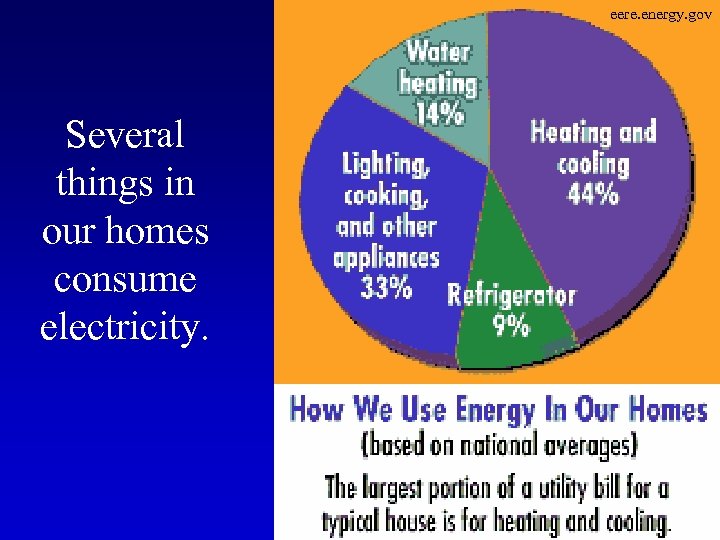 eere. energy. gov Several things in our homes consume electricity.
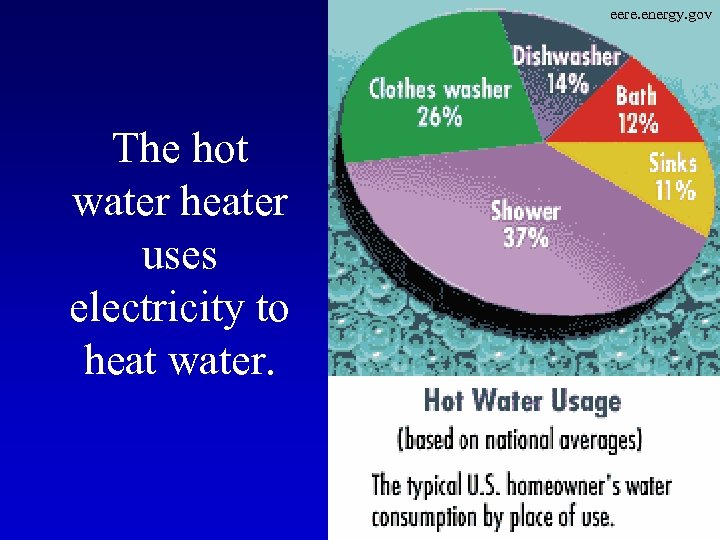 eere. energy. gov The hot water heater uses electricity to heat water.
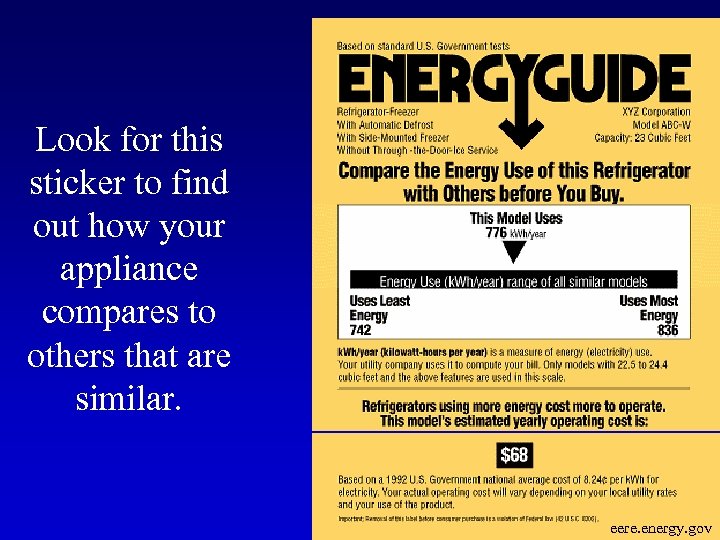 Look for this sticker to find out how your appliance compares to others that are similar. eere. energy. gov
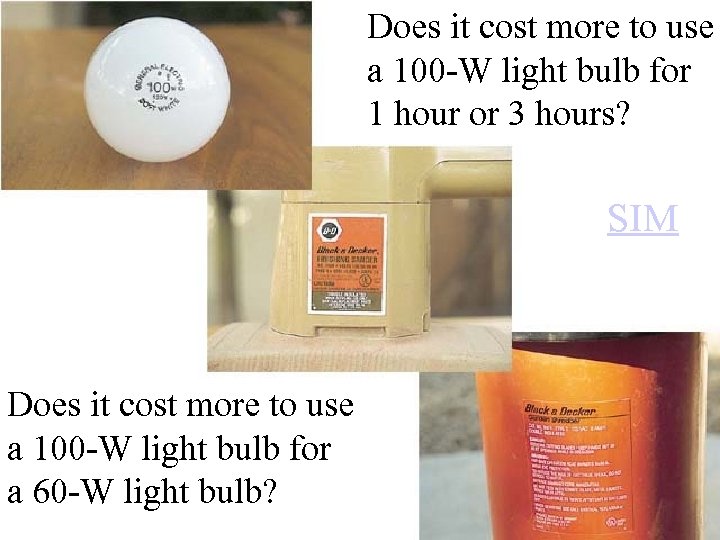 Does it cost more to use a 100 -W light bulb for 1 hour or 3 hours? SIM Does it cost more to use a 100 -W light bulb for a 60 -W light bulb?
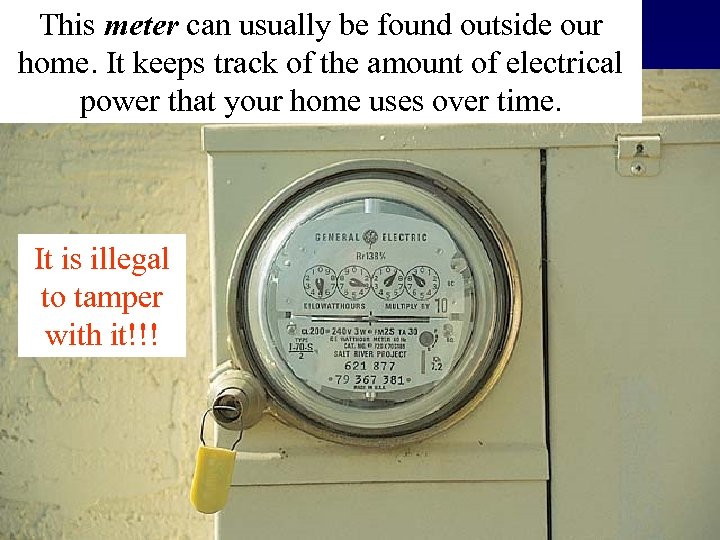 This meter can usually be found outside our home. It keeps track of the amount of electrical power that your home uses over time. It is illegal to tamper with it!!!
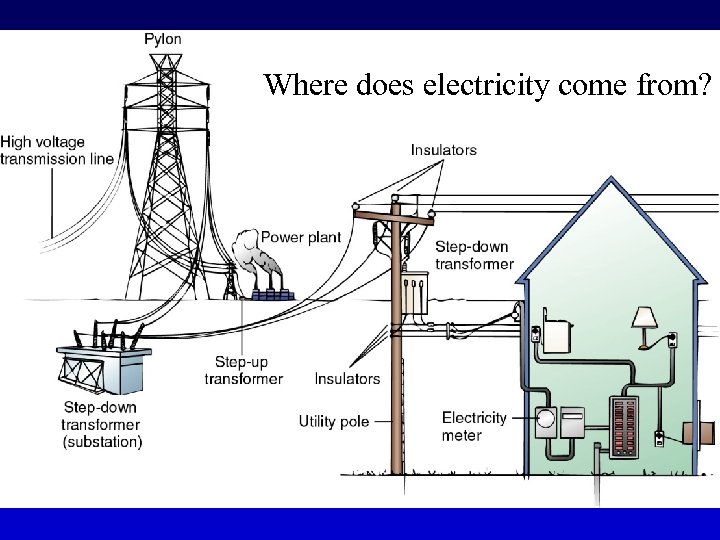 Where does electricity come from?
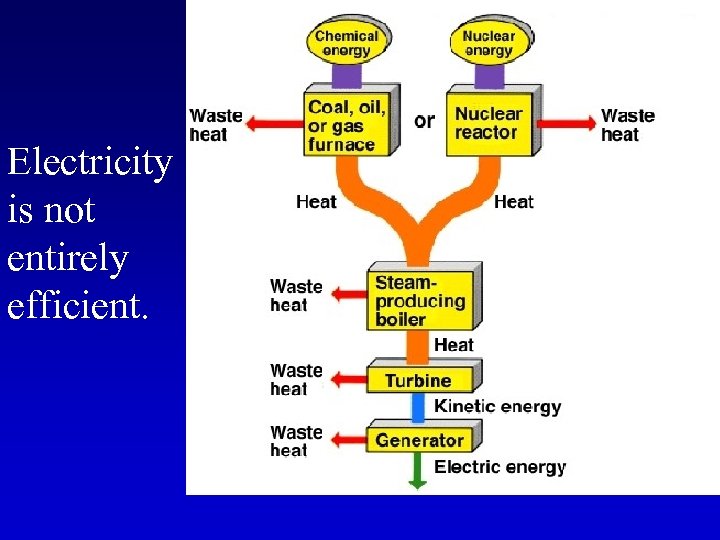 Electricity is not entirely efficient.
 Sources • Bloomfield, How Things Work. • Krauskopf & Beiser, The Physical Universe. 10 th ed. • Tillery, Physical Science.