 Скачать презентацию Elective Single Embryo Transfer e SET How Much
ceacff4831421f4f3c6fabf37bbc8363.ppt
- Количество слайдов: 31



Elective Single Embryo Transfer (e. SET); How Much Reasonable ? Rifat H. Gürsoy , M. D. Gazi University School of Medicine Dept. Of Ob/Gyn Reproductive Endocrinology & Infertility Division Ankara-TURKEY
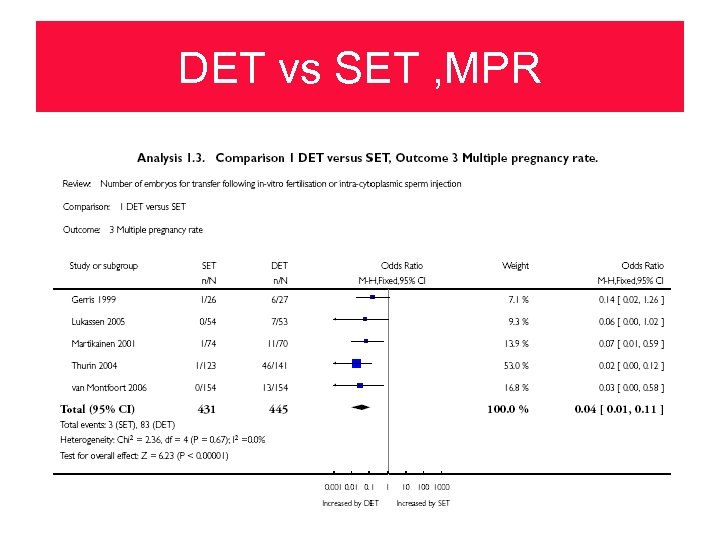
Background • Multiple embryo tranfer during IVF has increased multiple pregnancy rates (MPR) causing maternal and perinatal morbidity • Elective single embryo transfer (e. SET) is now being considered as an effective means of reducing this iatrogenic complications
Background Women undergoing treatment with IVF face to an approximately 20 -fold increased risk of twins and 400 -fold risk of higher order pregnancies
Background When compared with single births, twins have a 4 -fold increased risk of mortality and for triplets the risk is 6 -fold higher.
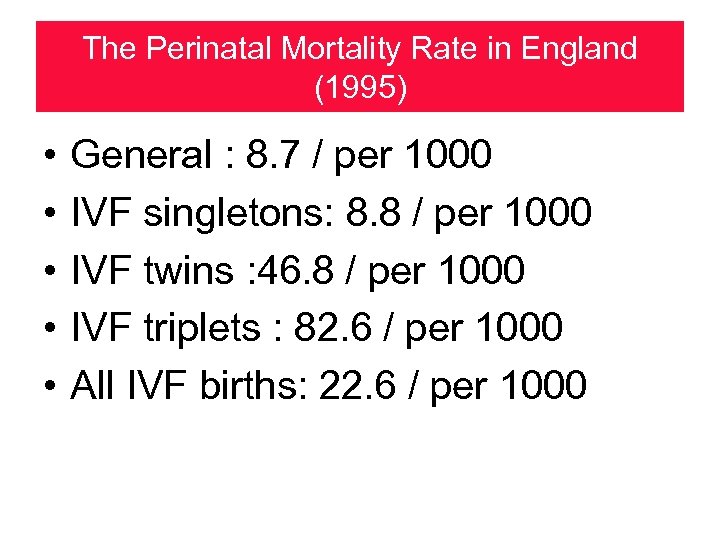
The Perinatal Mortality Rate in England (1995) • • • General : 8. 7 / per 1000 IVF singletons: 8. 8 / per 1000 IVF twins : 46. 8 / per 1000 IVF triplets : 82. 6 / per 1000 All IVF births: 22. 6 / per 1000
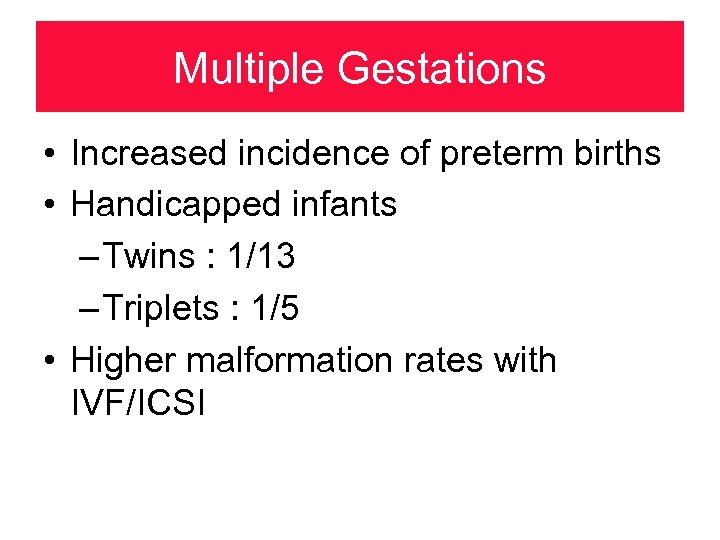
Multiple Gestations • Increased incidence of preterm births • Handicapped infants – Twins : 1/13 – Triplets : 1/5 • Higher malformation rates with IVF/ICSI
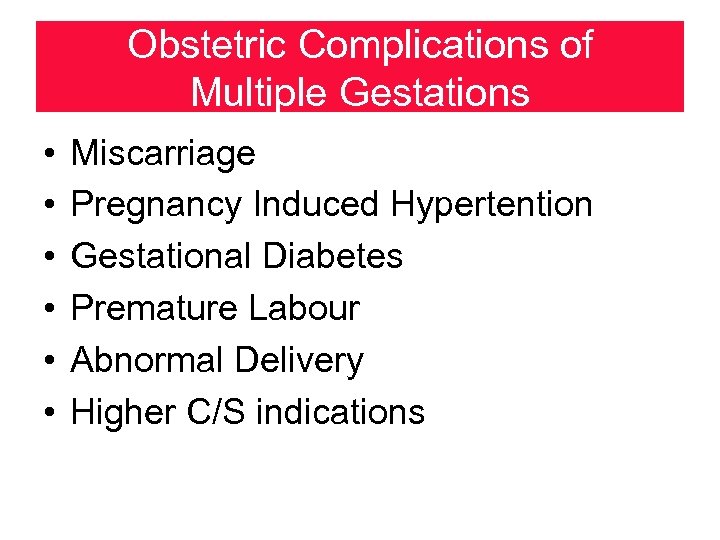
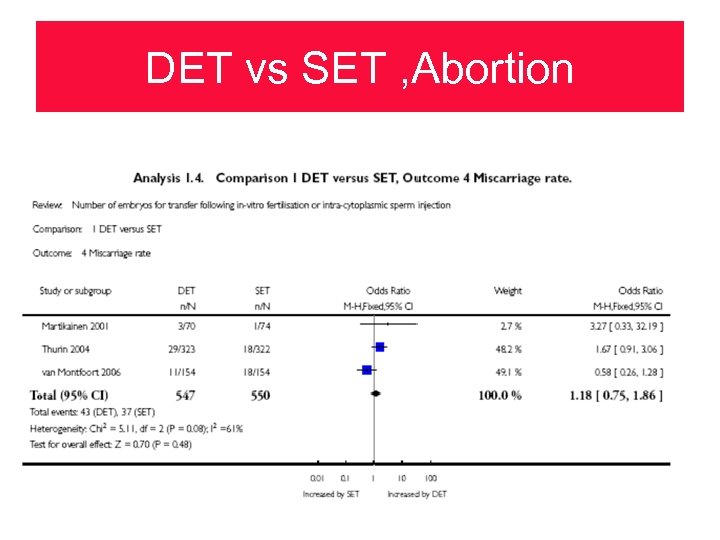
Obstetric Complications of Multiple Gestations • • • Miscarriage Pregnancy Induced Hypertention Gestational Diabetes Premature Labour Abnormal Delivery Higher C/S indications
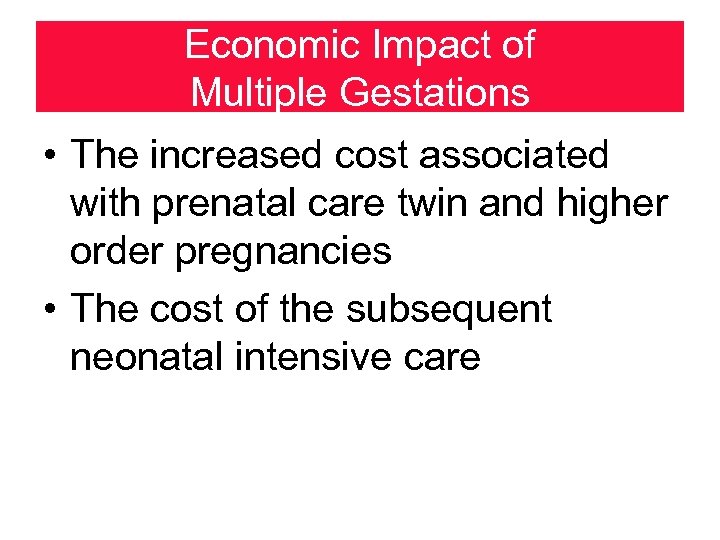
Economic Impact of Multiple Gestations • The increased cost associated with prenatal care twin and higher order pregnancies • The cost of the subsequent neonatal intensive care
Parenthood of Multiple Gestations • • Practical dificulties Residuel stress Demand of more resources Emotional stress
Strategies to Minimise the Multiple Pregnancies • Multi-fetal pregnancy reduction (MFPR) • Individualised embryo transfer policy • Blastocyst transfer • Elective single embryo transfer
Elective Single Embryo Transfer (e. SET) Untill recently, e. SET was not an optional in clinical practice, for fear tahat the overall success rates would decline , too far
Reason of This Presumption • Published data of single embryo transfer where only one embryo was available • No opportunity for selection of more suitable embryos exists • Poor potential of the only available embryo (around 10%)
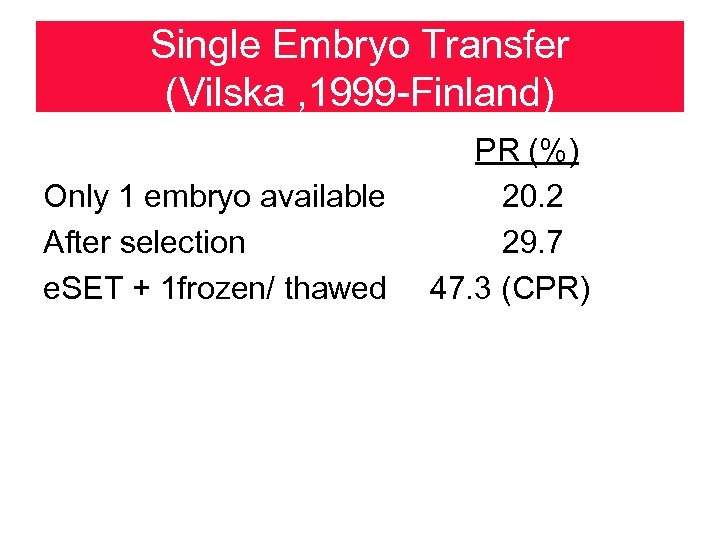
Single Embryo Transfer (Vilska , 1999 -Finland) Only 1 embryo available After selection e. SET + 1 frozen/ thawed PR (%) 20. 2 29. 7 47. 3 (CPR)
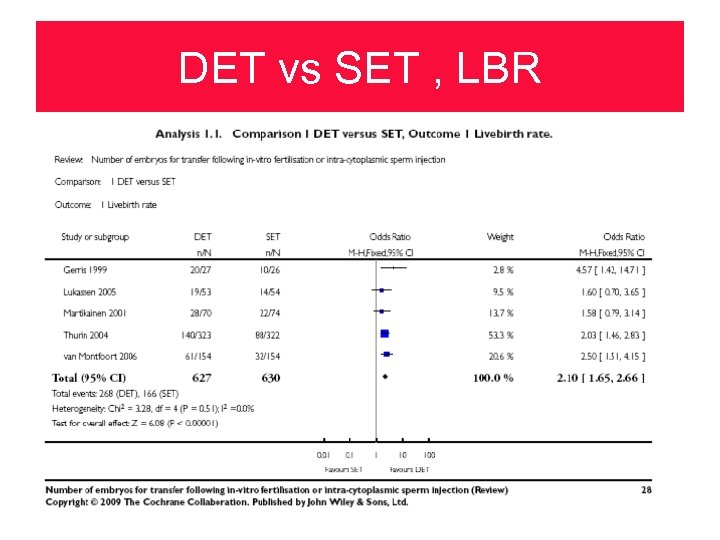
DET vs SET , LBR
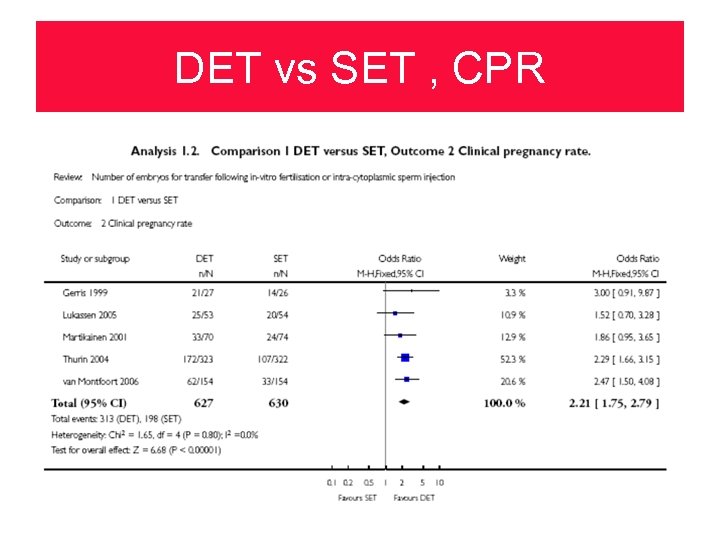
DET vs SET , CPR
DET vs SET , MPR
DET vs SET , Abortion
DET vs SET+FZET , LBR
DET vs SET+FZET , CPR
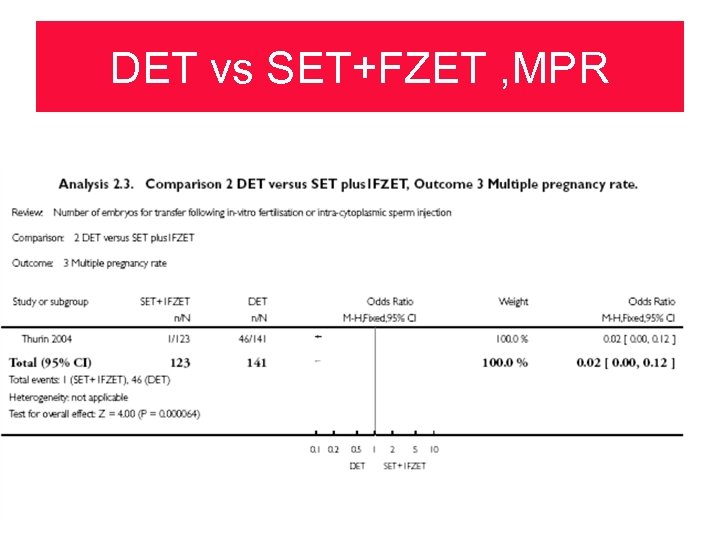
DET vs SET+FZET , MPR
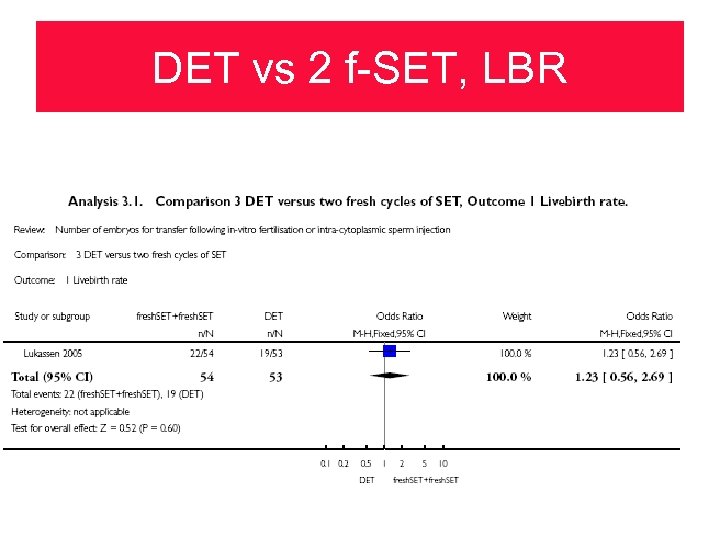
DET vs 2 f-SET, LBR
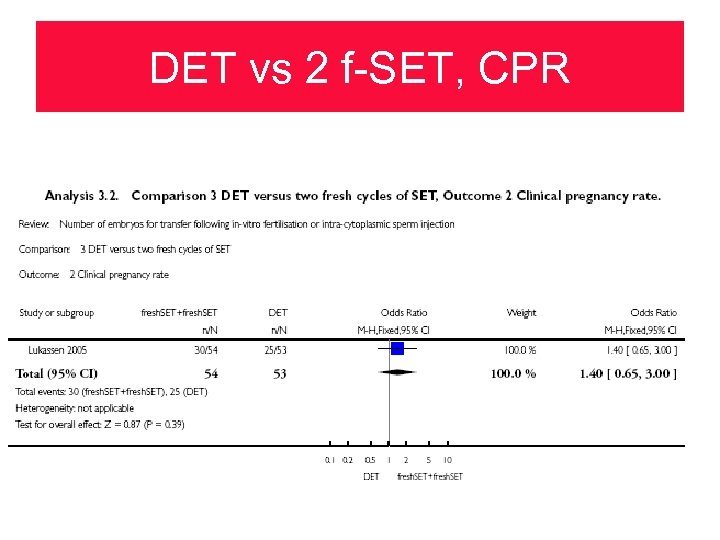
DET vs 2 f-SET, CPR
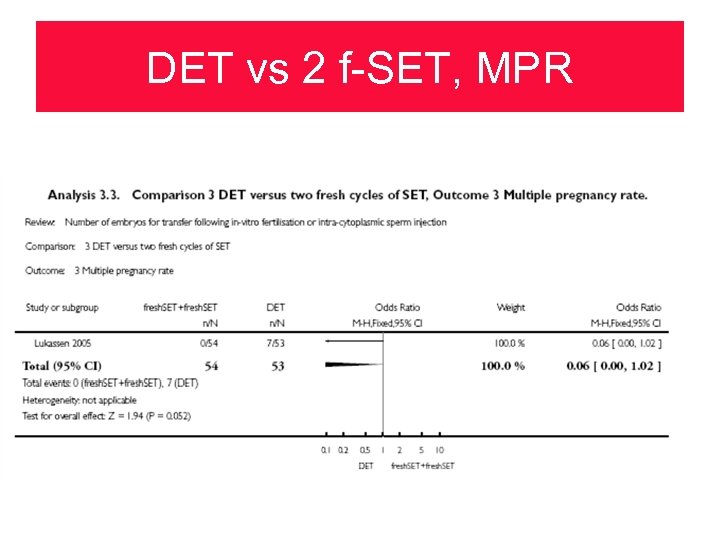
DET vs 2 f-SET, MPR
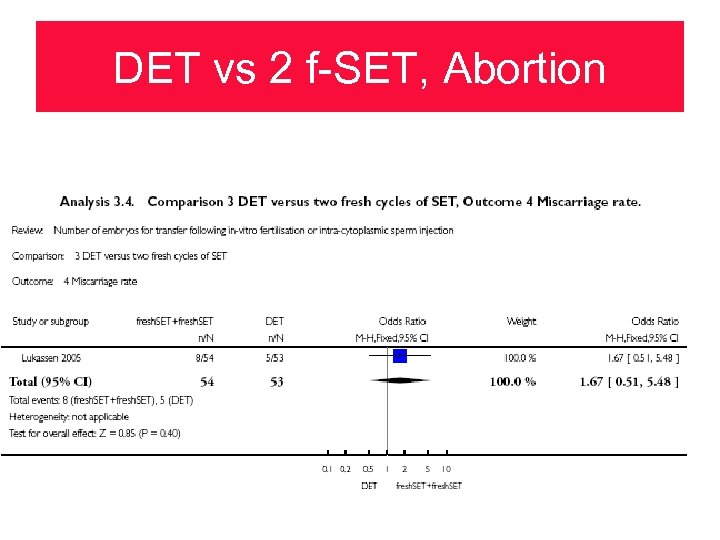
DET vs 2 f-SET, Abortion
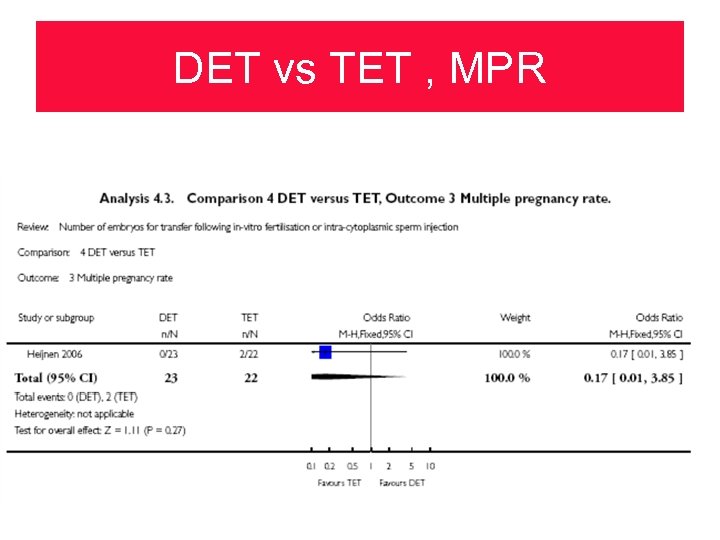
DET vs TET , MPR
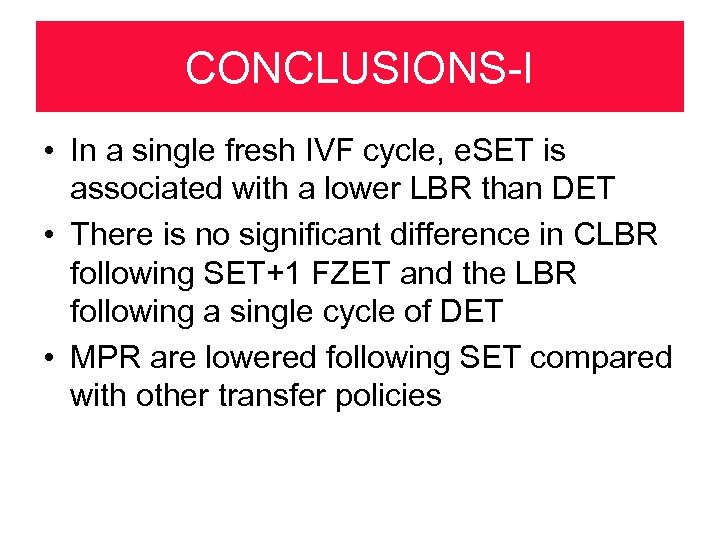
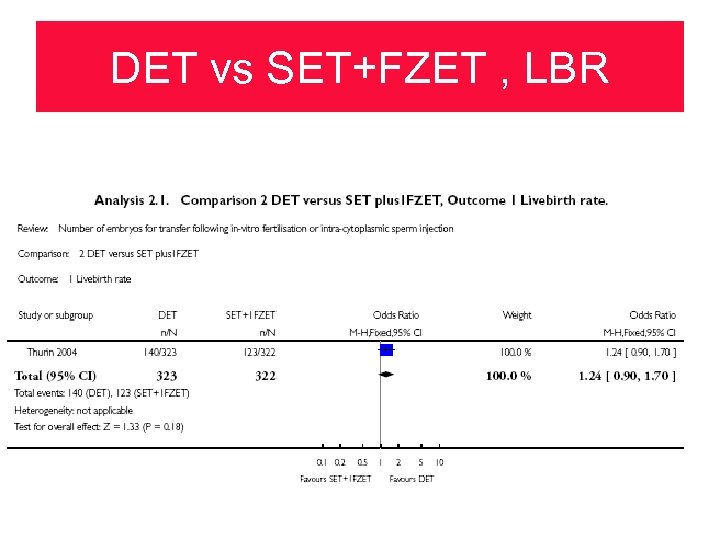
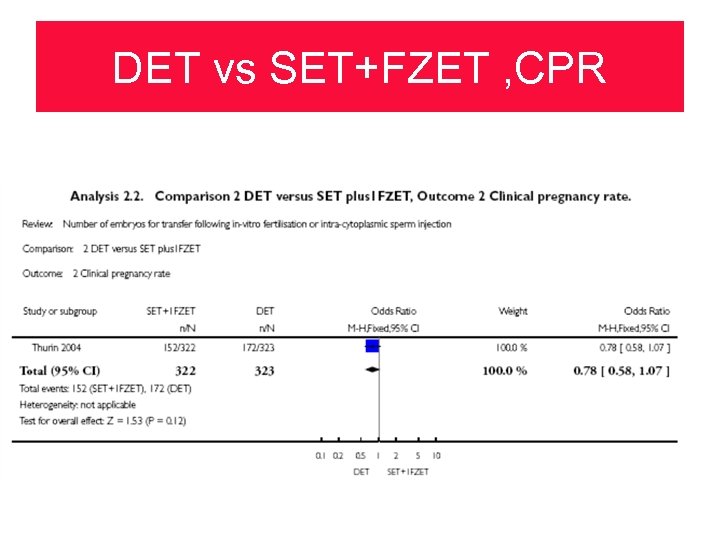
CONCLUSIONS-I • In a single fresh IVF cycle, e. SET is associated with a lower LBR than DET • There is no significant difference in CLBR following SET+1 FZET and the LBR following a single cycle of DET • MPR are lowered following SET compared with other transfer policies
Registry • European Society of Human Reproduction & Embryology (ESHRE) • Australian & New Zealand Assisted Reproduction Database (ANZARD) • The International Committee for Monitoring Assisted Reproductive Technology (ICMART) • Canadian ART register • Society of Assisted Reproductive Technology, USA (SART) • Human Fertilization & Embryology authority (HFEA, UK)
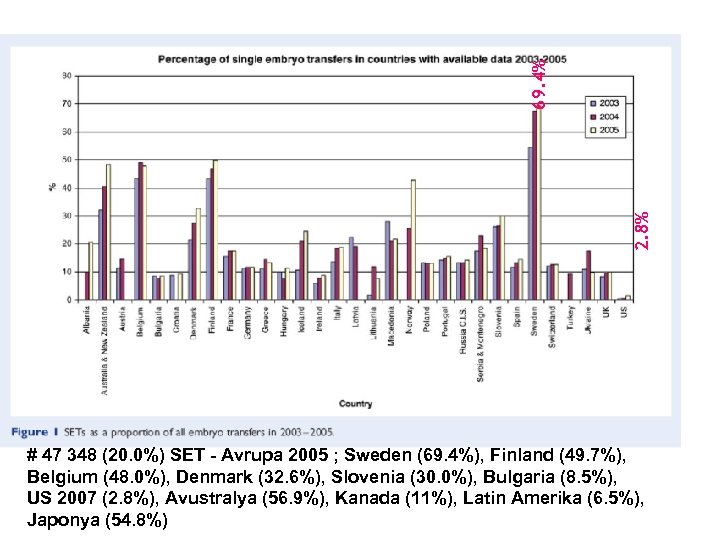
2. 8% 69. 4% # 47 348 (20. 0%) SET - Avrupa 2005 ; Sweden (69. 4%), Finland (49. 7%), Belgium (48. 0%), Denmark (32. 6%), Slovenia (30. 0%), Bulgaria (8. 5%), US 2007 (2. 8%), Avustralya (56. 9%), Kanada (11%), Latin Amerika (6. 5%), Japonya (54. 8%)
CONCLUSIONS-II • e-SET may be an effective policy regarding to lower the incidence of high order pregnancies • But should not to be considered as the only and the sole choice
Скачать презентацию Elective Single Embryo Transfer e SET How Much
ceacff4831421f4f3c6fabf37bbc8363.ppt