


 Скачать презентацию ELEC-E 8422 Introduction to Electrical Energy Systems FUTURE
add71eab315821a4fbbf68a1c022a2b6.ppt
- Количество слайдов: 25
 ELEC-E 8422 Introduction to Electrical Energy Systems FUTURE POWER SYSTEMS Matti Lehtonen
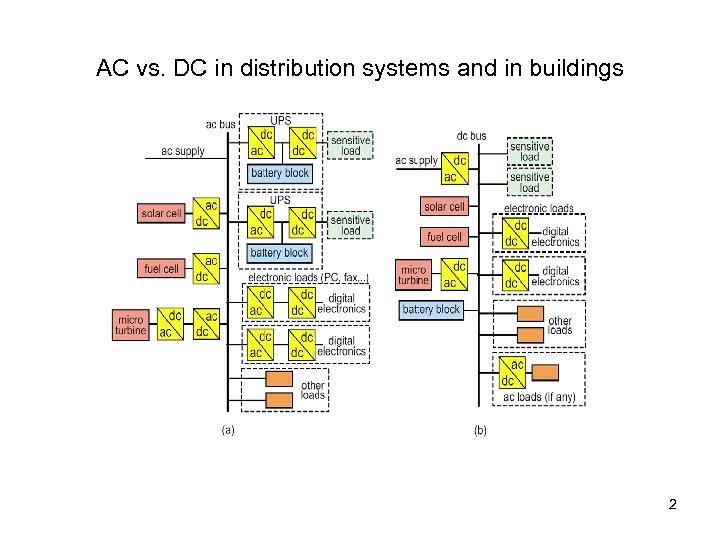 AC vs. DC in distribution systems and in buildings 2
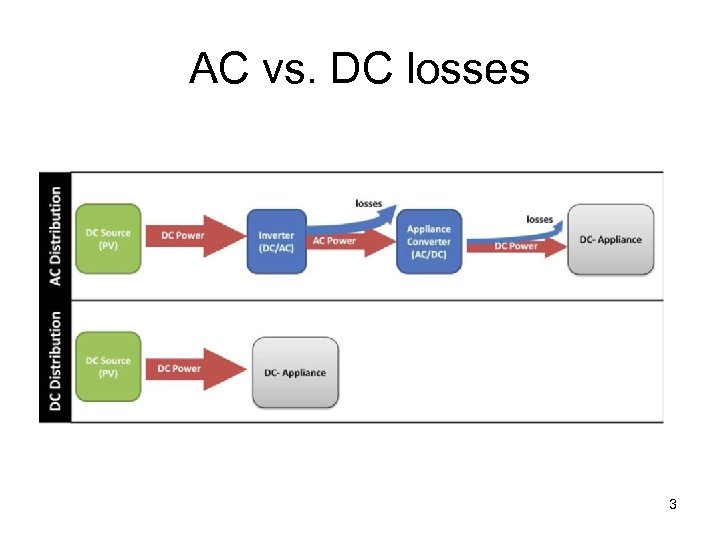 AC vs. DC losses 3
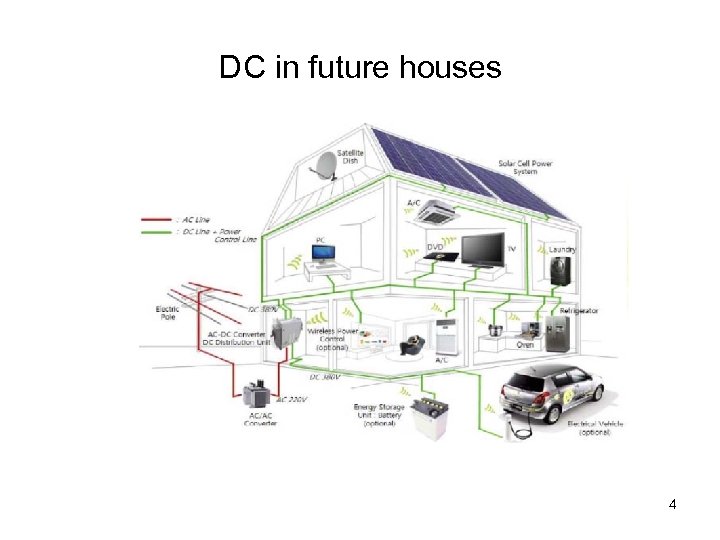 DC in future houses 4
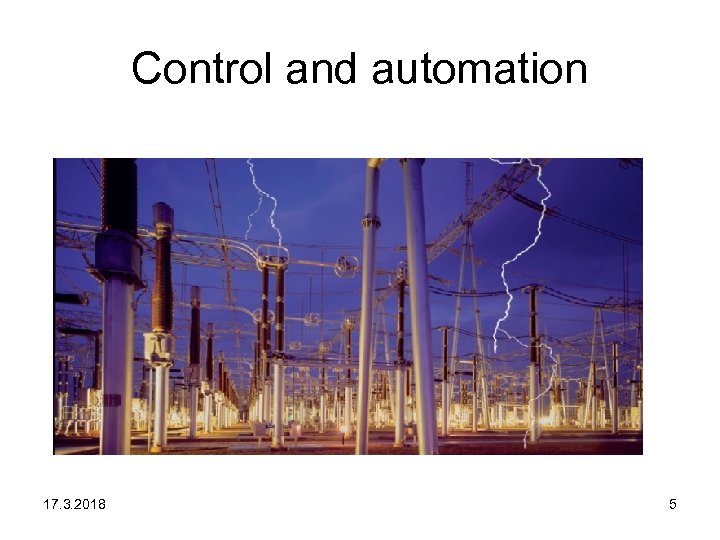 Control and automation 17. 3. 2018 5
 SELF-HEALING NETWORKS • Smart Grids – Self Healing – Remote control and monitoring – Automatic switching in faults – Quick fault location • And the result: – Shorter outages – Better power quality – Better system maintenance In the future supply reliability is more critical
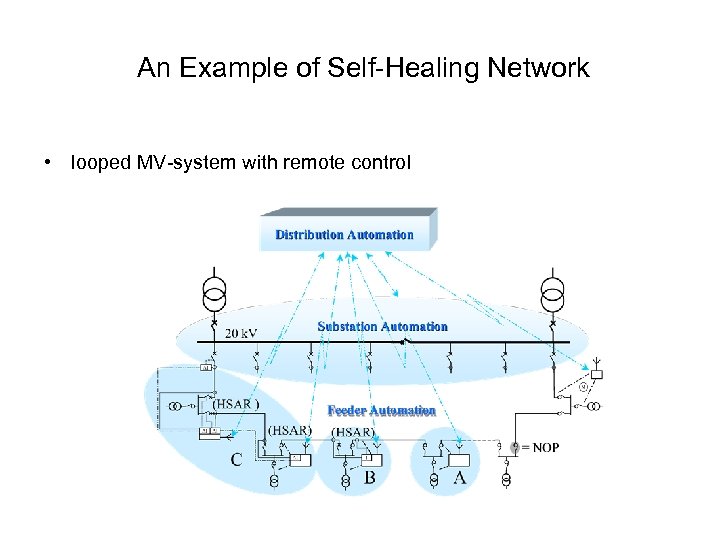 An Example of Self-Healing Network • looped MV-system with remote control
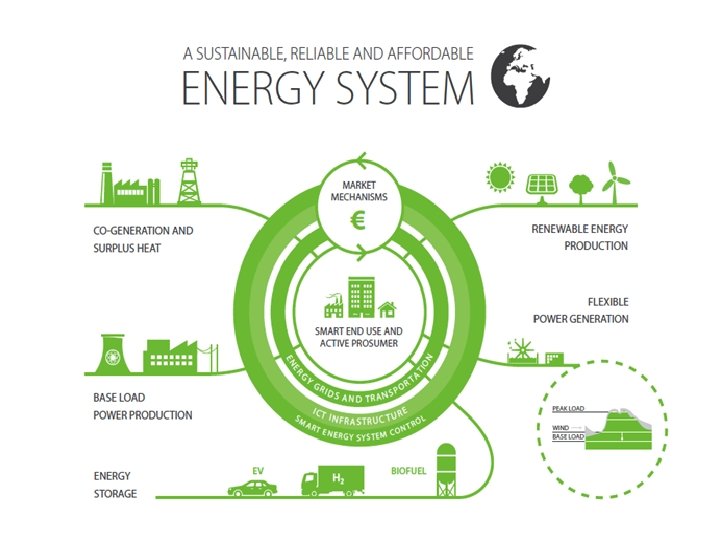
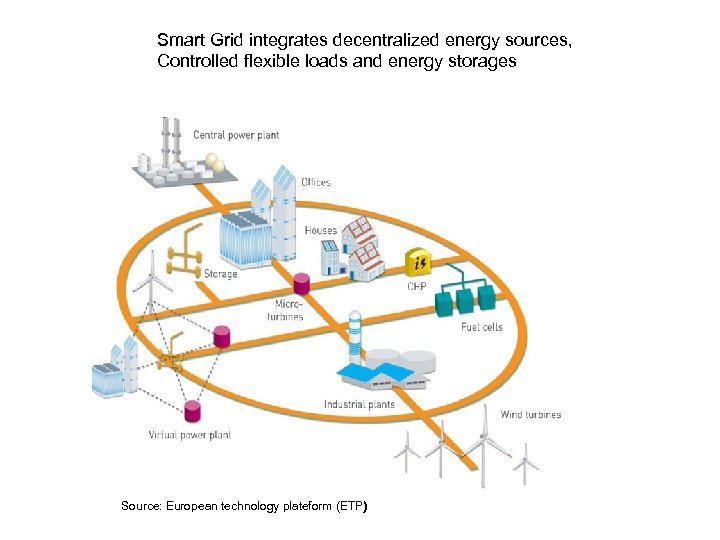 Smart Grid integrates decentralized energy sources, Controlled flexible loads and energy storages Source: European technology plateform (ETP)
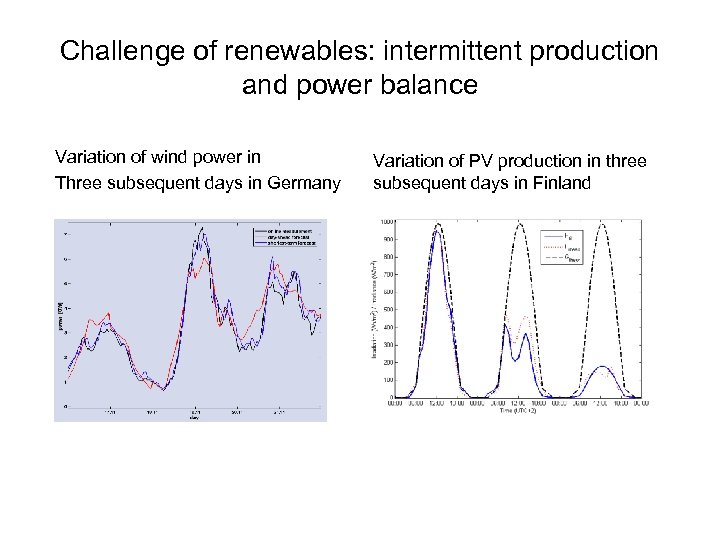 Challenge of renewables: intermittent production and power balance Variation of wind power in Three subsequent days in Germany Variation of PV production in three subsequent days in Finland
 Smart Grids and Power Balance • In present power systems even moderate share of renewables cause difficulties: – In Denmark wind production frequently exceeds power demand negative prices in electricity exchange ! – In Germany 3% share ot PV production has led to 50. 2 Hz problem requirements to tune down PV production ! • Substantial increase of renewable power generation, both in centralized plants and at distributed locations, is impossible without better control of power balance using Smart Grid technologies
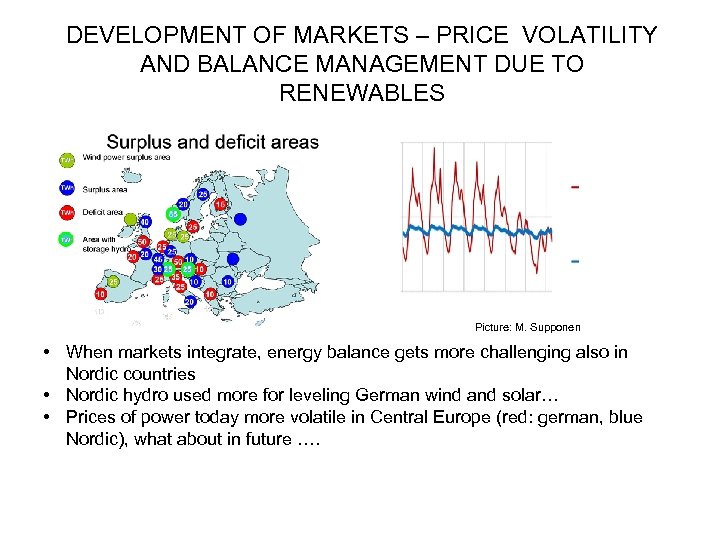 DEVELOPMENT OF MARKETS – PRICE VOLATILITY AND BALANCE MANAGEMENT DUE TO RENEWABLES Picture: M. Supponen • When markets integrate, energy balance gets more challenging also in Nordic countries • Nordic hydro used more for leveling German wind and solar… • Prices of power today more volatile in Central Europe (red: german, blue Nordic), what about in future ….
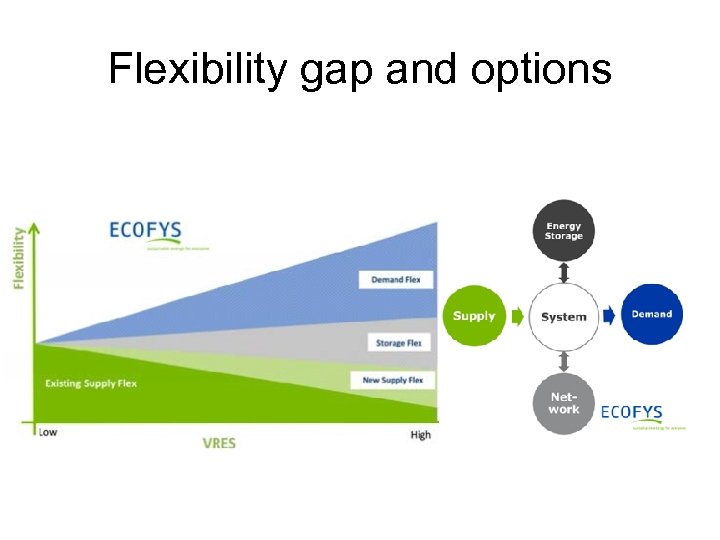 Flexibility gap and options
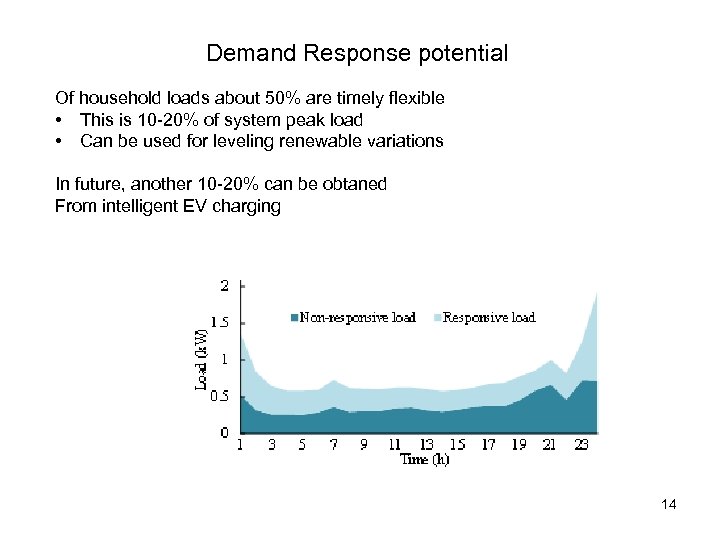 Demand Response potential Of household loads about 50% are timely flexible • This is 10 -20% of system peak load • Can be used for leveling renewable variations In future, another 10 -20% can be obtaned From intelligent EV charging 14
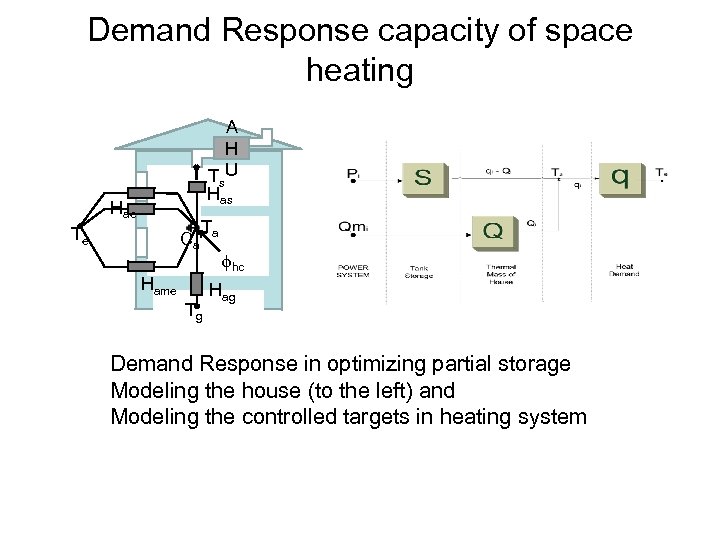 Demand Response capacity of space heating A H Ts U Has Hae Te Ca Ta Hame Tg fhc Hag Demand Response in optimizing partial storage Modeling the house (to the left) and Modeling the controlled targets in heating system
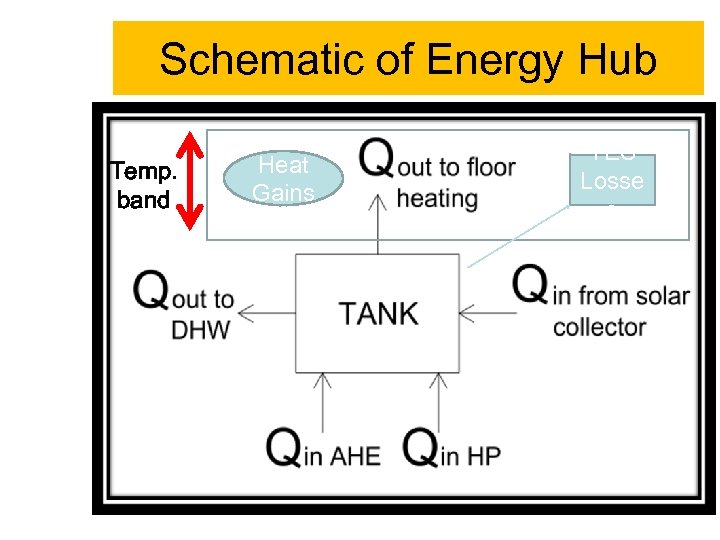 Schematic of Energy Hub Temp. band Heat Gains TES Losse s
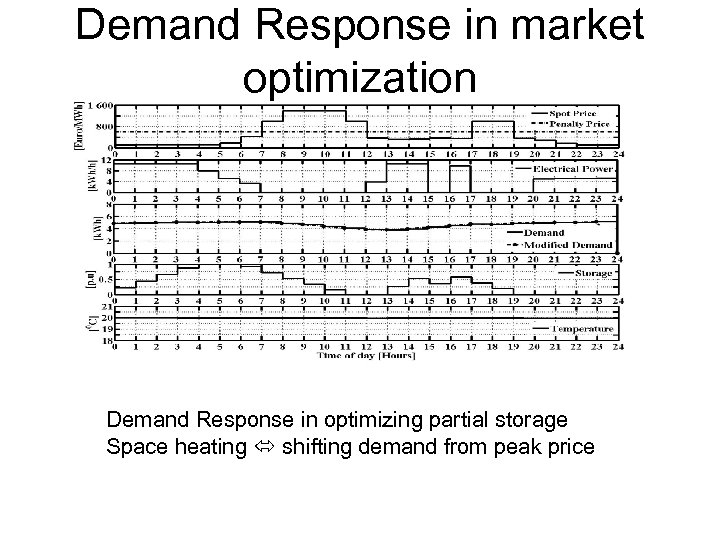 Demand Response in market optimization Demand Response in optimizing partial storage Space heating shifting demand from peak price
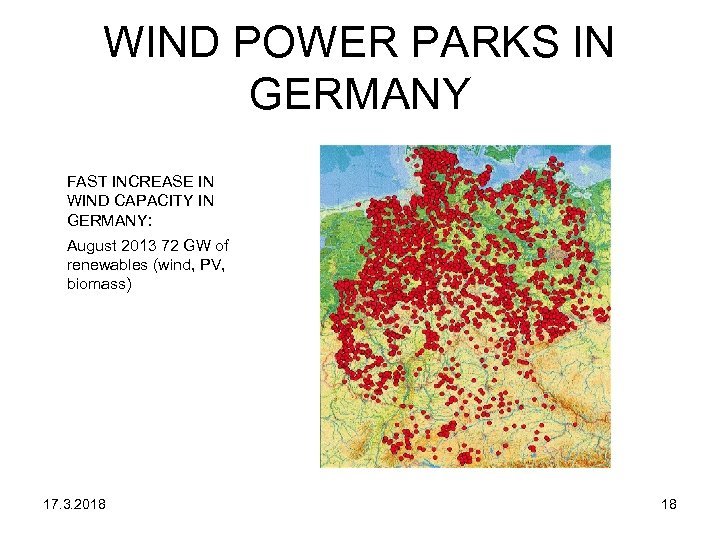 WIND POWER PARKS IN GERMANY FAST INCREASE IN WIND CAPACITY IN GERMANY: August 2013 72 GW of renewables (wind, PV, biomass) 17. 3. 2018 18
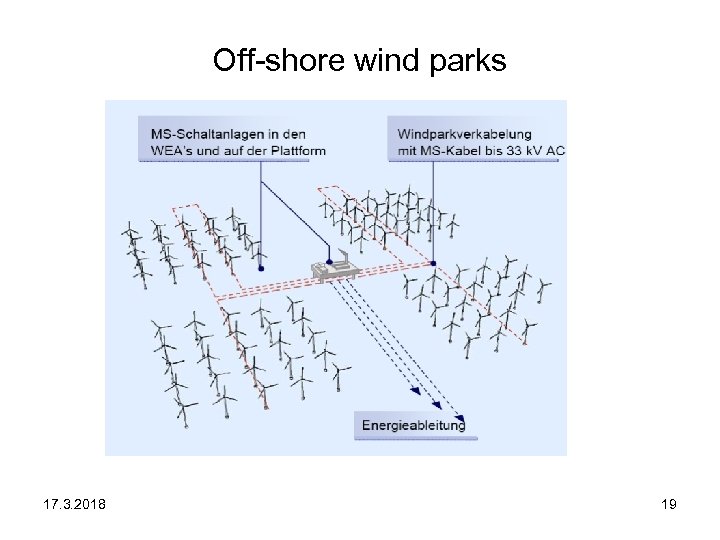 Off-shore wind parks 17. 3. 2018 19
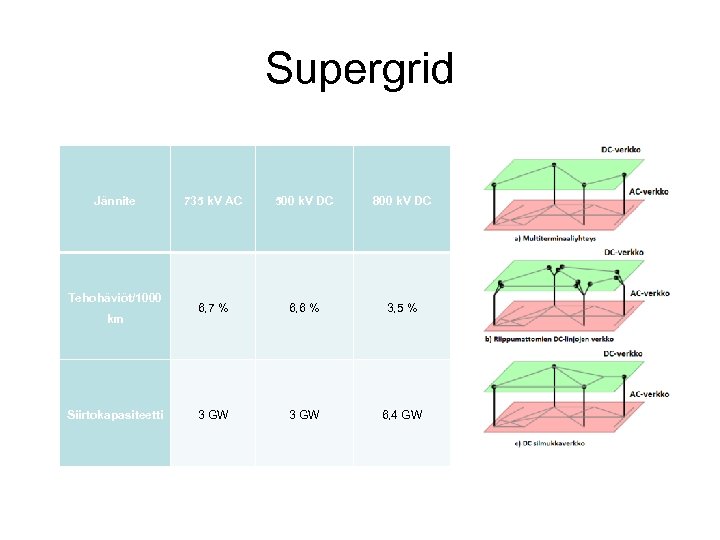 Supergrid Jännite Tehohäviöt/1000 km Siirtokapasiteetti 735 k. V AC 500 k. V DC 800 k. V DC 6, 7 % 6, 6 % 3, 5 % 3 GW 6, 4 GW
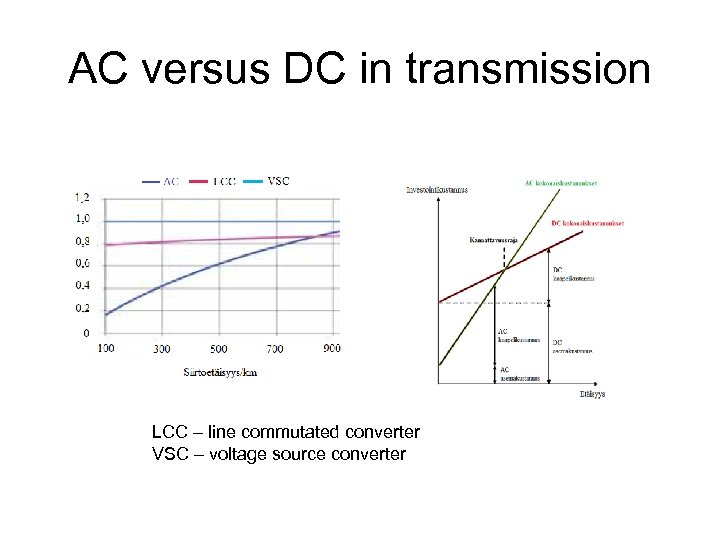 AC versus DC in transmission LCC – line commutated converter VSC – voltage source converter
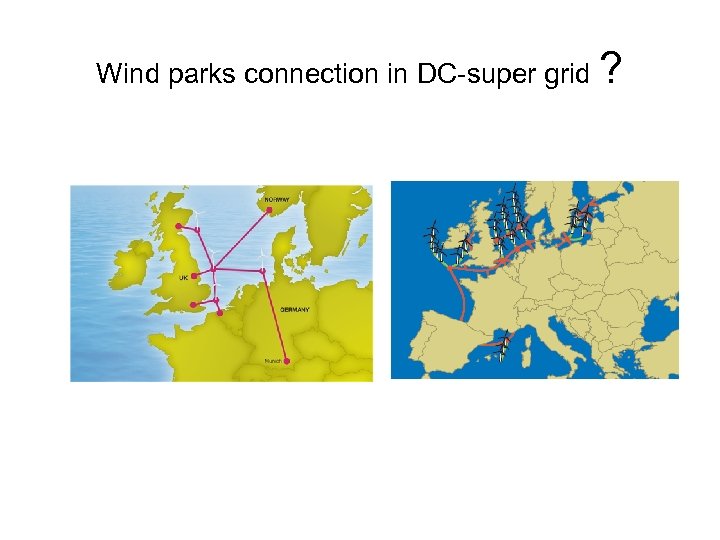 Wind parks connection in DC-super grid ?
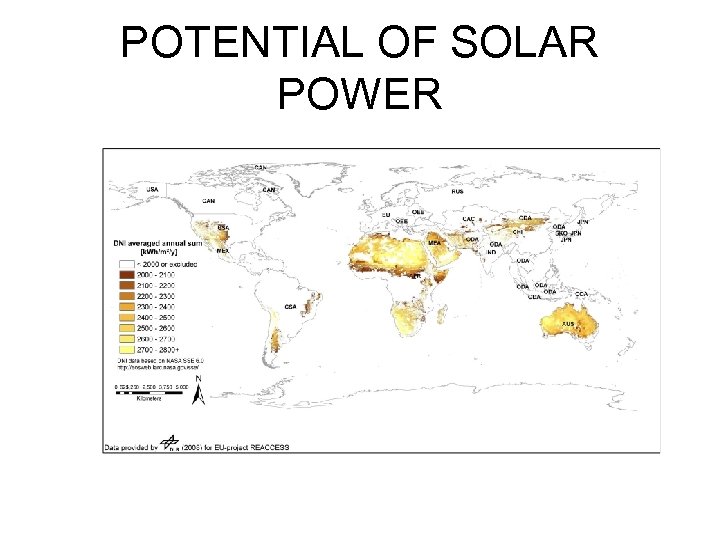 POTENTIAL OF SOLAR POWER
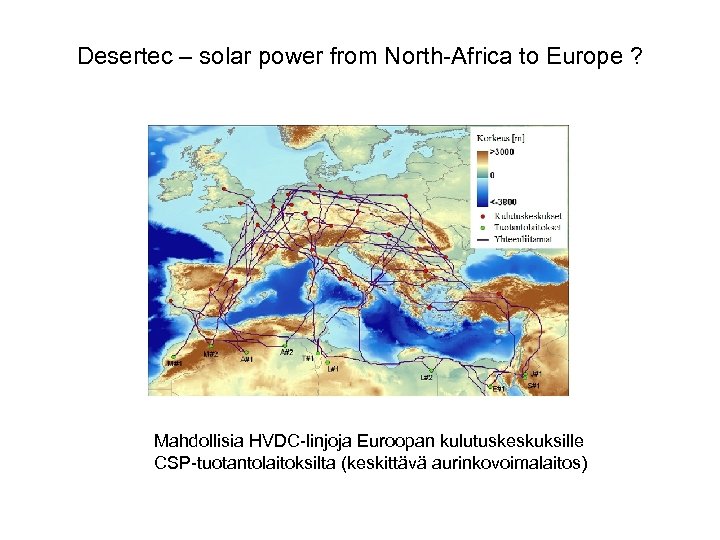 Desertec – solar power from North-Africa to Europe ? Mahdollisia HVDC-linjoja Euroopan kulutuskeskuksille CSP-tuotantolaitoksilta (keskittävä aurinkovoimalaitos)
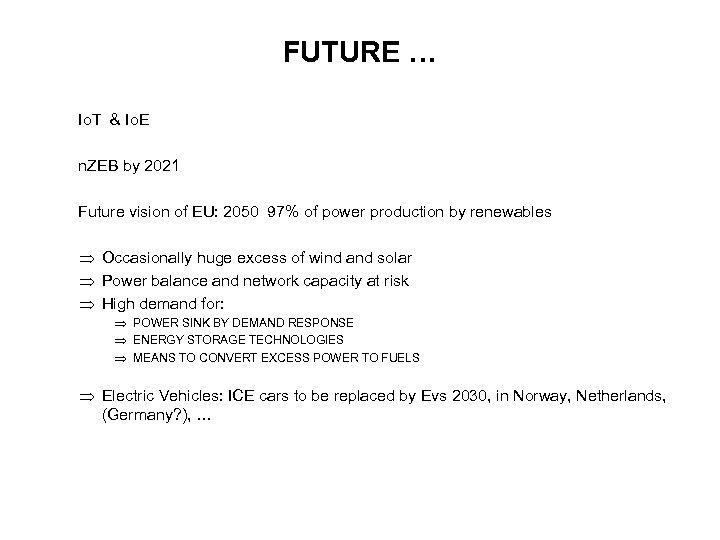 FUTURE … Io. T & Io. E n. ZEB by 2021 Future vision of EU: 2050 97% of power production by renewables Þ Occasionally huge excess of wind and solar Þ Power balance and network capacity at risk Þ High demand for: Þ POWER SINK BY DEMAND RESPONSE Þ ENERGY STORAGE TECHNOLOGIES Þ MEANS TO CONVERT EXCESS POWER TO FUELS Þ Electric Vehicles: ICE cars to be replaced by Evs 2030, in Norway, Netherlands, (Germany? ), …