Скачать презентацию Either way with a hydrogen vehicle you d have
f1ef805f85f2e6f1fd875bb7840566e4.ppt
- Количество слайдов: 69






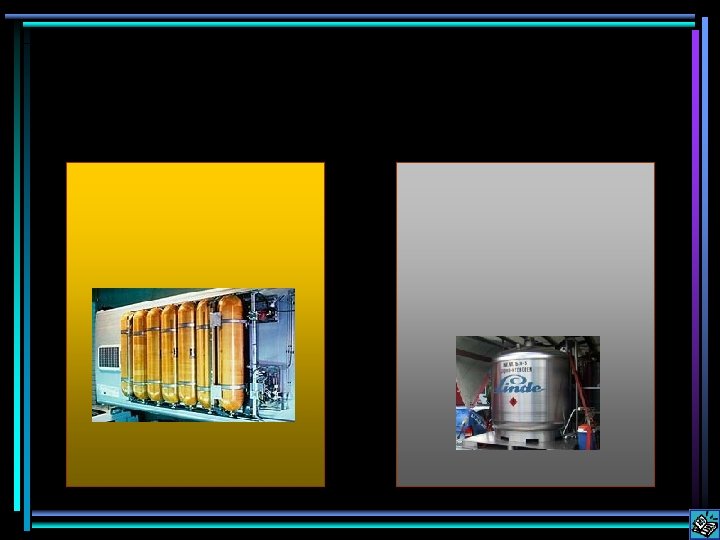
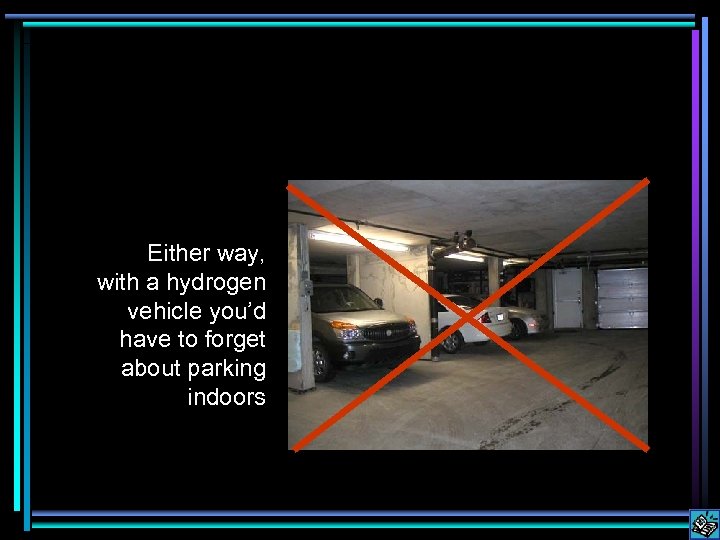 Either way, with a hydrogen vehicle you’d have to forget about parking indoors
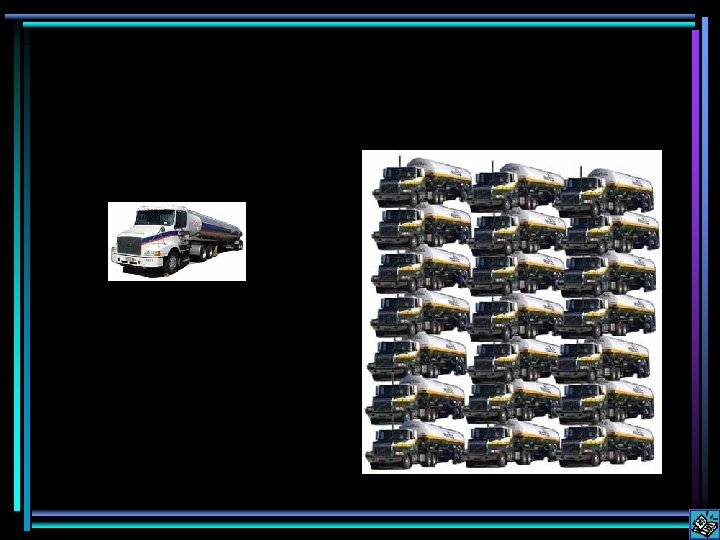
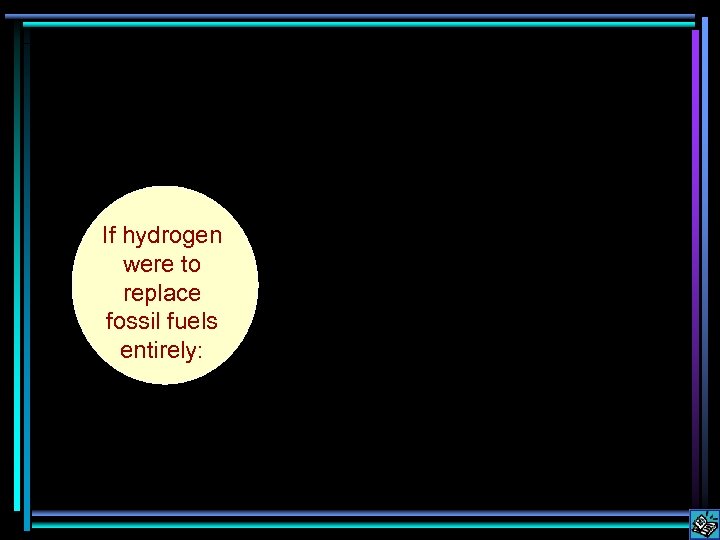 If hydrogen were to replace fossil fuels entirely:


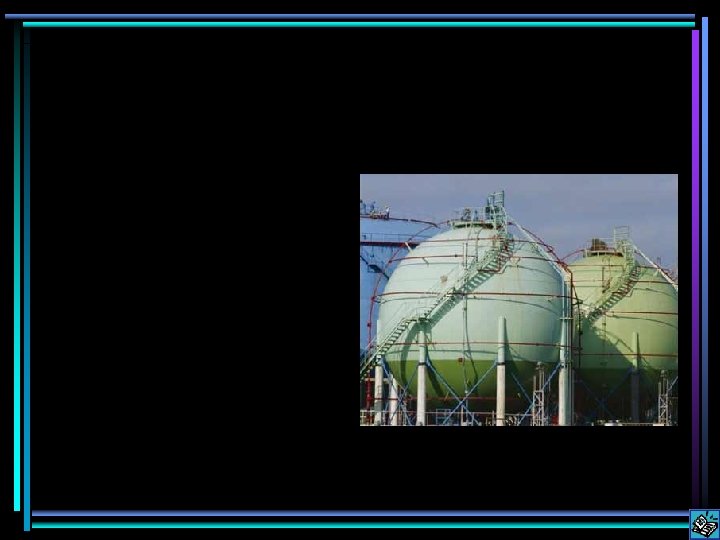
 To convert from a gasoline to a hydrogen infrastructure would require massive amounts of :
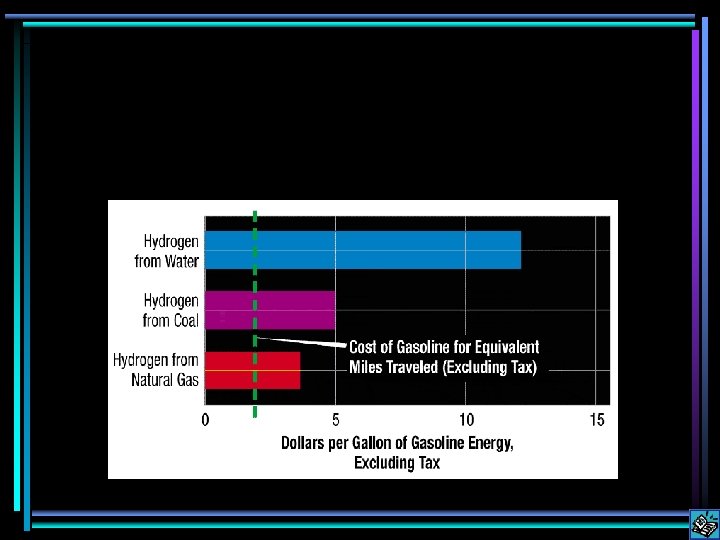


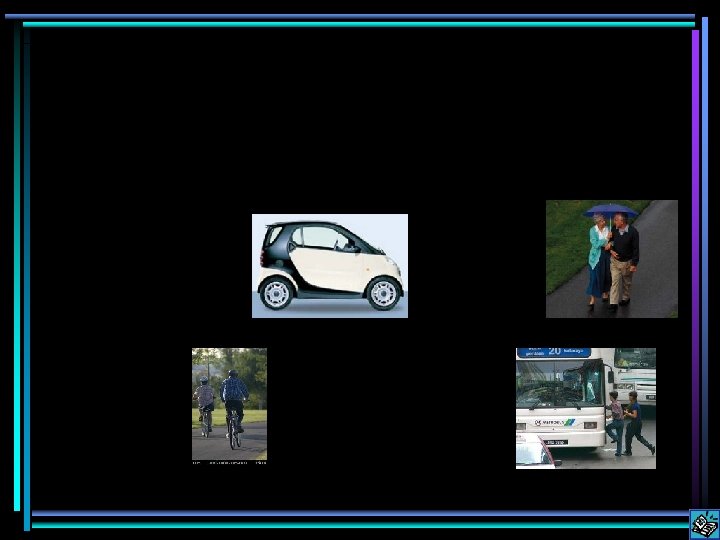

 Some analysts conclude that:




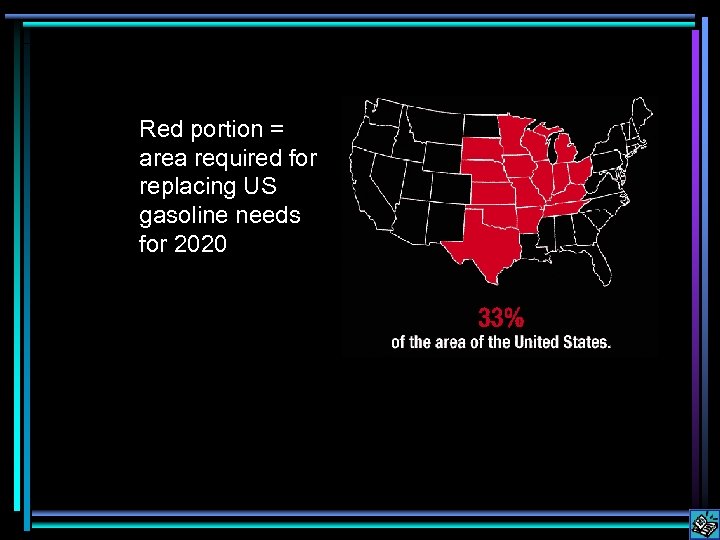 Red portion = area required for replacing US gasoline needs for 2020





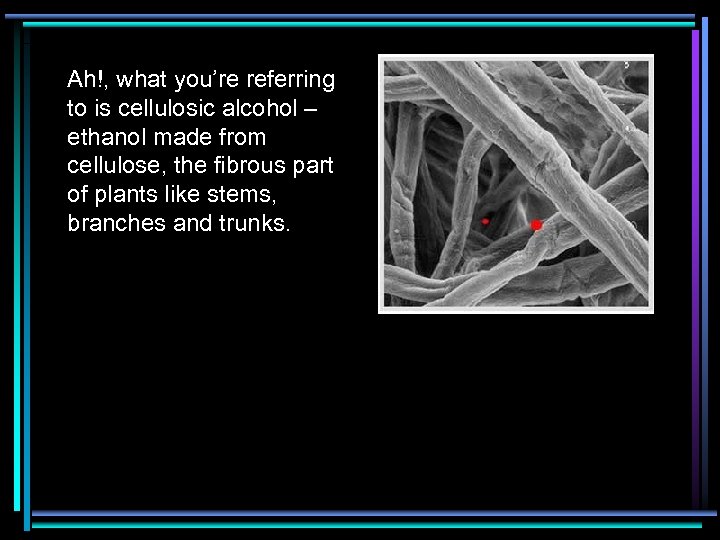 Ah!, what you’re referring to is cellulosic alcohol – ethanol made from cellulose, the fibrous part of plants like stems, branches and trunks.



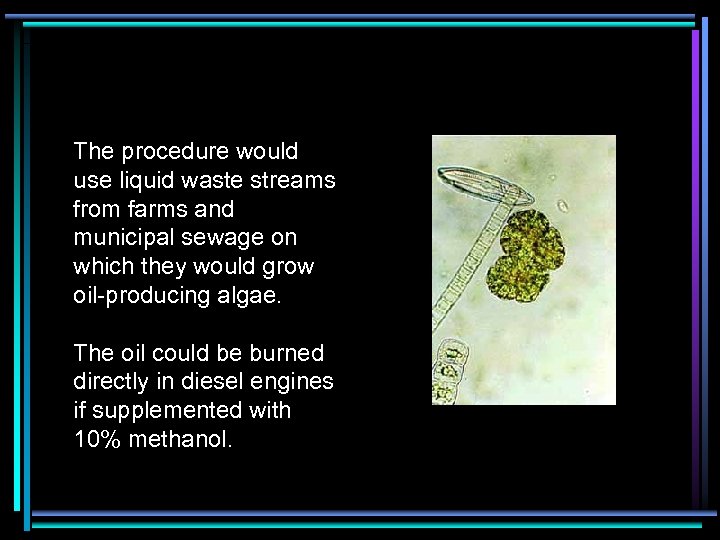 The procedure would use liquid waste streams from farms and municipal sewage on which they would grow oil-producing algae. The oil could be burned directly in diesel engines if supplemented with 10% methanol.
 If something is too good to be true… …draw your own conclusions

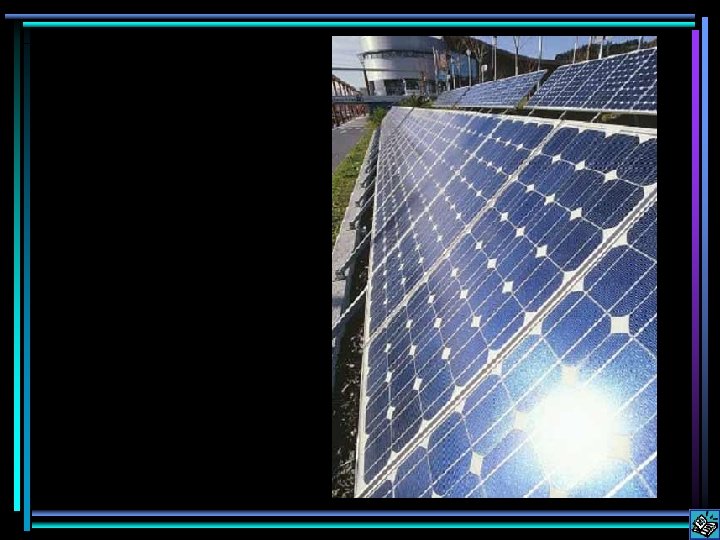
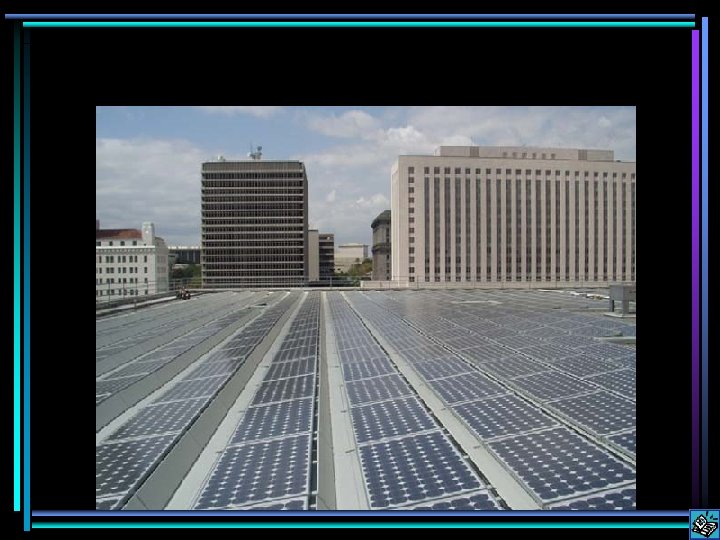

 1) When it’s cloudy (think of November And December)

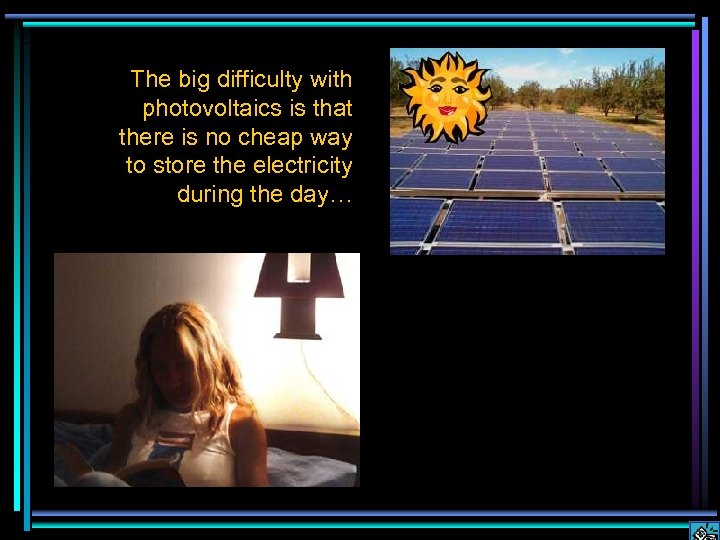 The big difficulty with photovoltaics is that there is no cheap way to store the electricity during the day…
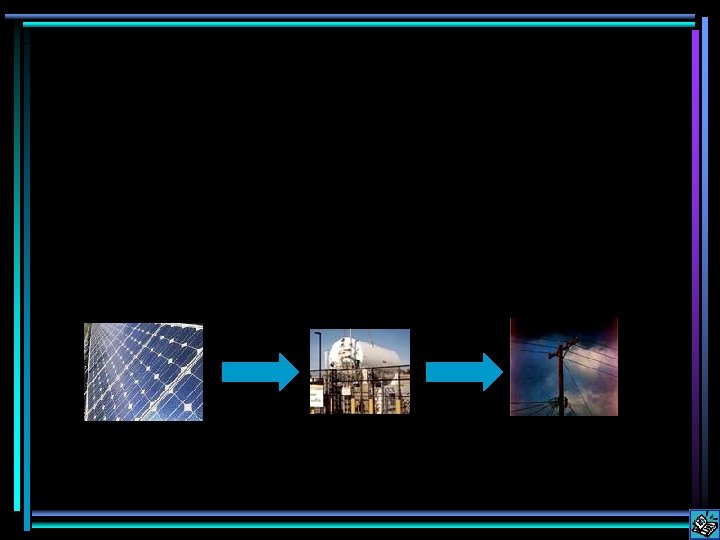
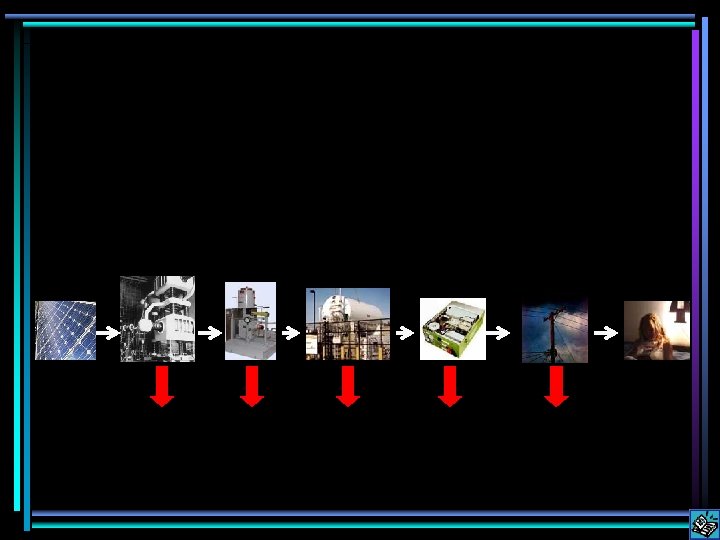
 The problem with doing this, is that in each step of the conversion process, we lose some of the energy through waste heat. Those darned laws of thermodynamics come into play!
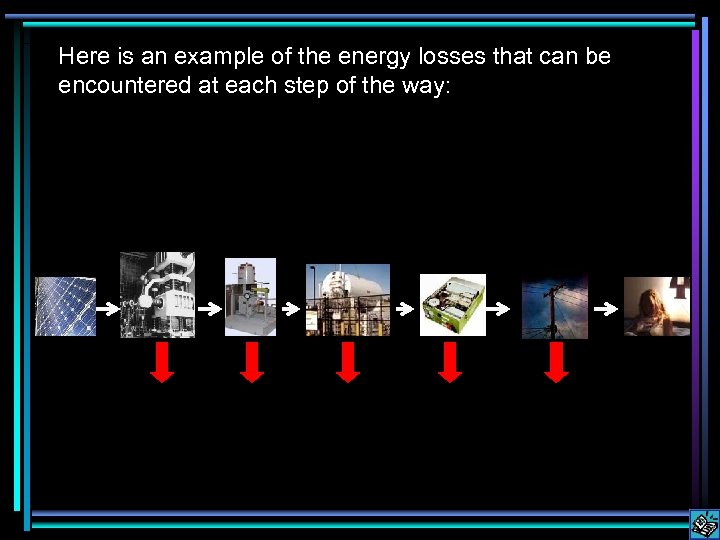 Here is an example of the energy losses that can be encountered at each step of the way:


 It’s not likely that in the future we will ever be able to make replacement solar panels from the energy generated by solar panels.
 The cost of making solar panels depends very much on the cost of energy. So they will become much more expensive.


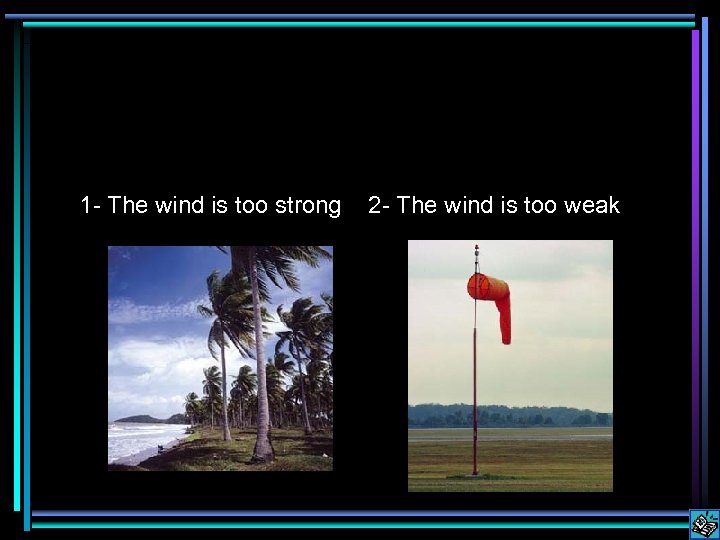 1 - The wind is too strong 2 - The wind is too weak

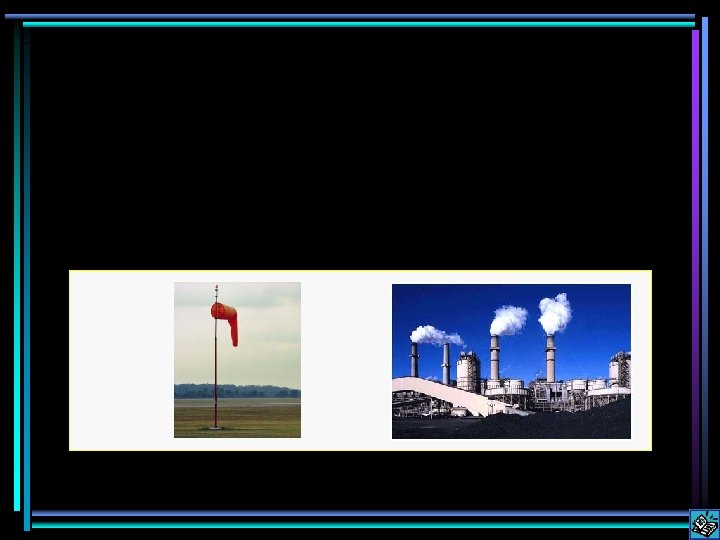
 So wind farms won’t reduce the size of our fossil fuel infrastructure.
 It could be stored in the form of liquid hydrogen or by pumping water up into reservoirs, but the infrastructure has yet to be built. Other methods of storage might be possible, subject to research.
 1 - Every KWH of power you produce with wind means 1 KWH you don’t need to produce with oil or gas. The oil or gas thus saved could be used in transportation. 2 - Its electricity could be used to produce liquid hydrogen for transportation, but it would be extremely expensive.


 Two major drawbacks …