


 Скачать презентацию Egyptian Civilization The Gift of the Nile
de3ce43dc56569ae1b5a83f206d2e488.ppt
- Количество слайдов: 28
 Egyptian Civilization “The Gift of the Nile”
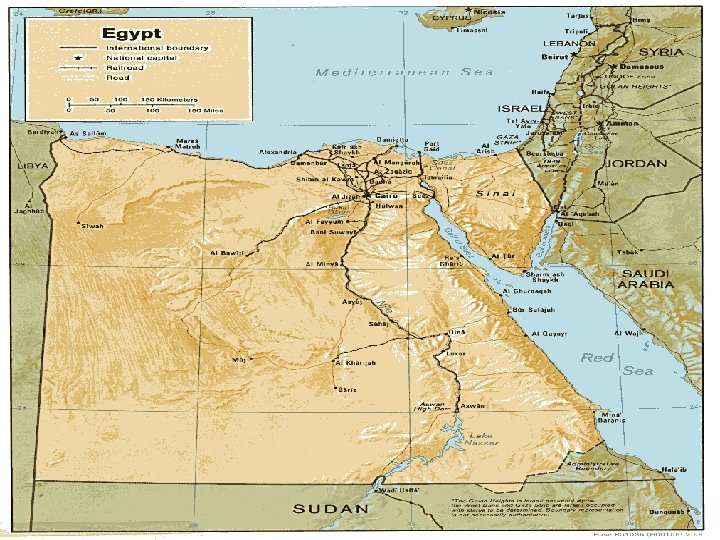
 Nile River Begins in heart of Africa and runs over 4, 000 miles l Northern part- Lower Egypt l Southern part- Upper Egypt l Flooding -Agriculture, 10 mile wide Black Land, Red Land l Natural Barriers l
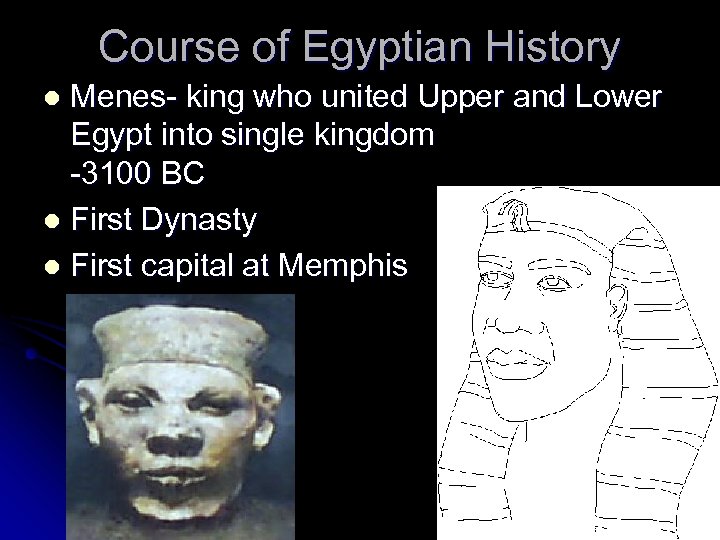 Course of Egyptian History Menes- king who united Upper and Lower Egypt into single kingdom -3100 BC l First Dynasty l First capital at Memphis l
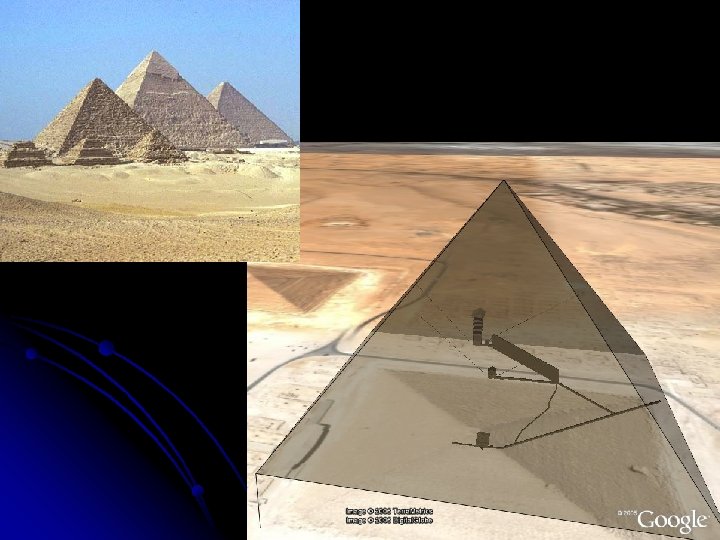
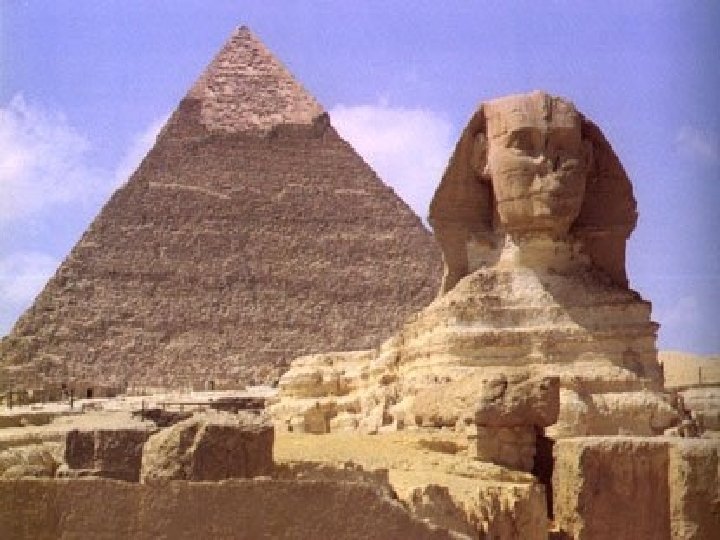
 Old Kingdom 2575 to 2130 BC – age of prosperity l Pharaohs- absolute power and religious leader l Bureaucracy- departments and levels of authority l Vizier- “steward of the whole land”, chief minister l Pyramids- dedicated to the dead -mummification l Great Pyramids at Giza built l
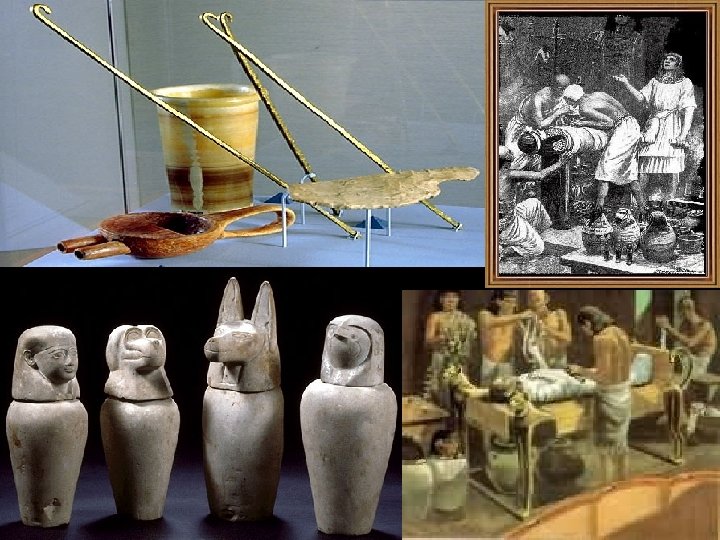
 Mummification Steps Announcement of Death Embalming the Body Removal of Brain Removal of Internal Organs Drying Out Process Wrapping of the Body Final Procession
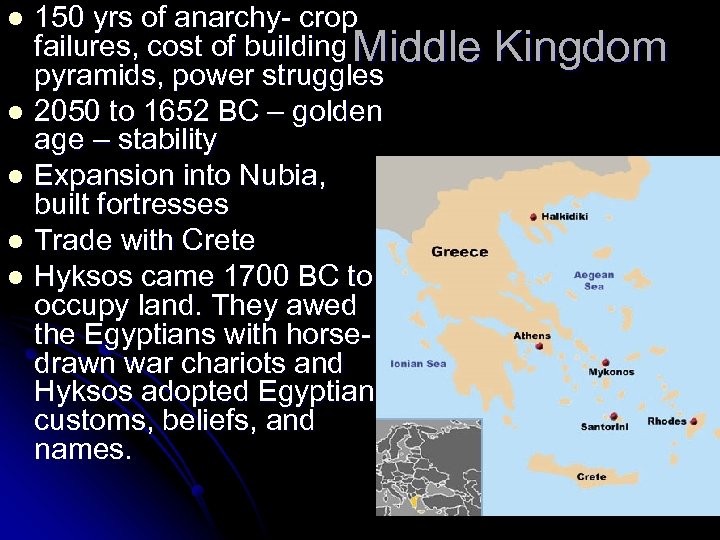 150 yrs of anarchy- crop failures, cost of building Middle pyramids, power struggles l 2050 to 1652 BC – golden age – stability l Expansion into Nubia, built fortresses l Trade with Crete l Hyksos came 1700 BC to occupy land. They awed the Egyptians with horsedrawn war chariots and Hyksos adopted Egyptian customs, beliefs, and names. l Kingdom
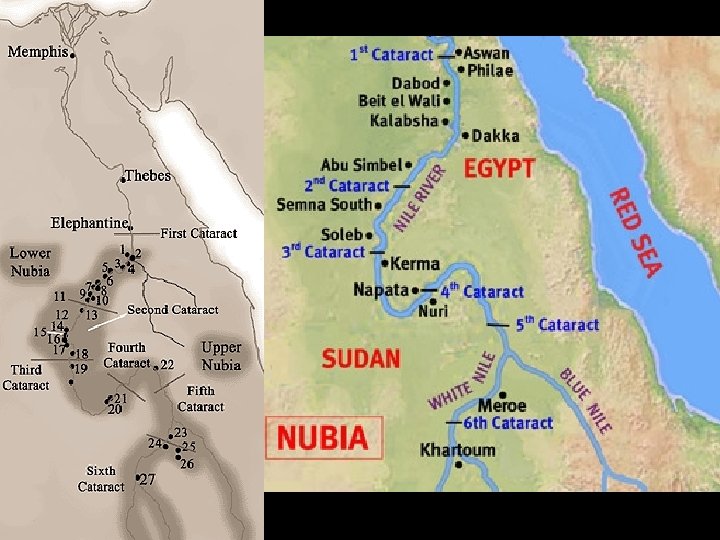
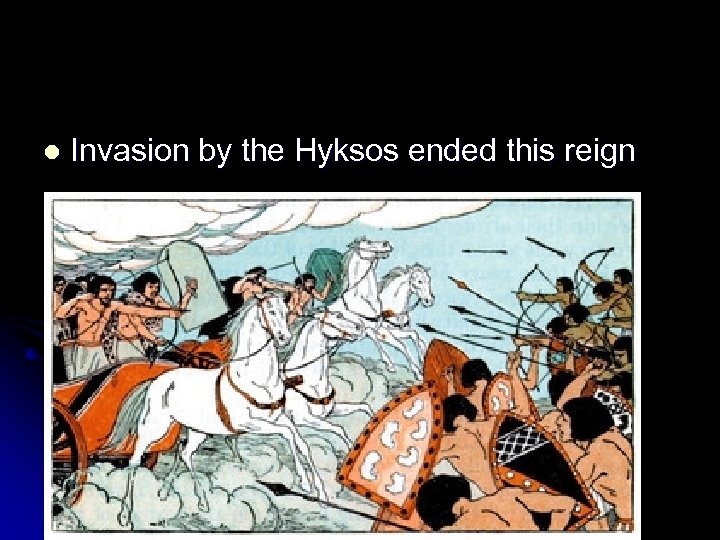 l Invasion by the Hyksos ended this reign
 New Kingdom 1567 to 1085 BC- new militaristic path, more contact with Africa and Asia l Hatshepsut- first female ruler l Thutmose III- stepson, 17 campaigns l Akhenaton- introduced god of sundisk l Tutankhamen- restored old way, “boy king” l Ramses II- 1279 to 1213 BC, fought back and bragged all over temples l Everything collapsed in 1085 BC l
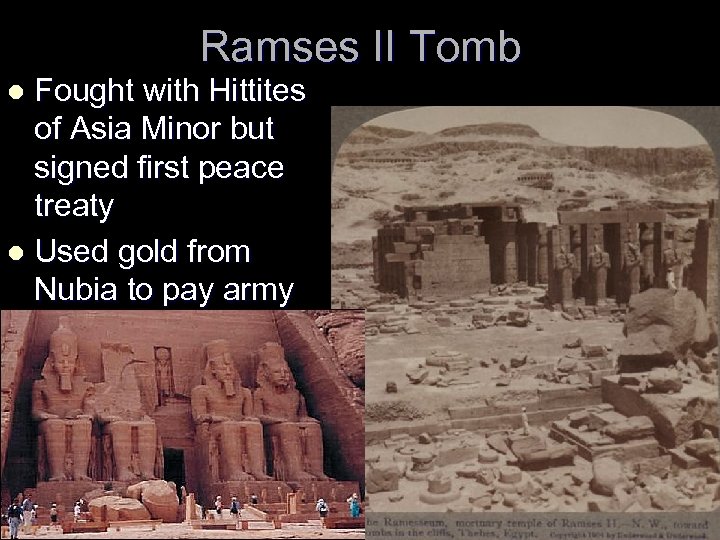 Ramses II Tomb Fought with Hittites of Asia Minor but signed first peace treaty l Used gold from Nubia to pay army l
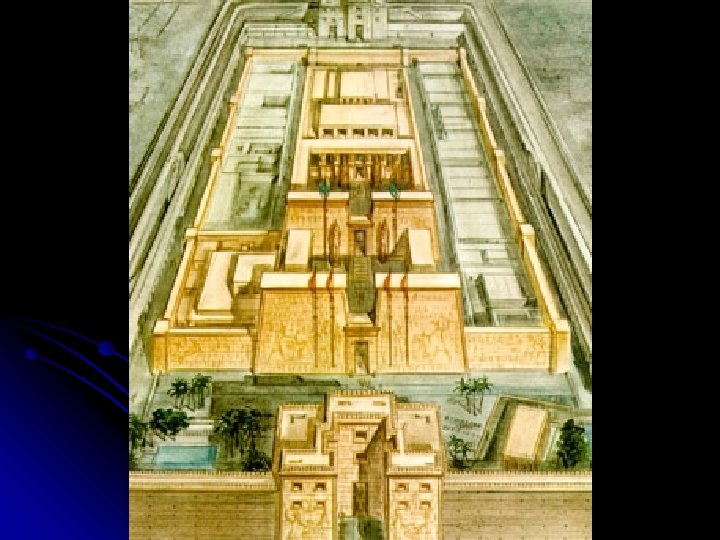
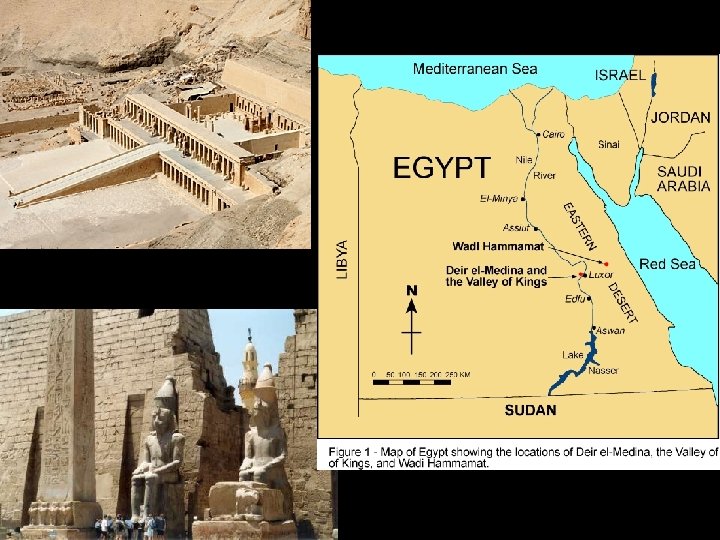
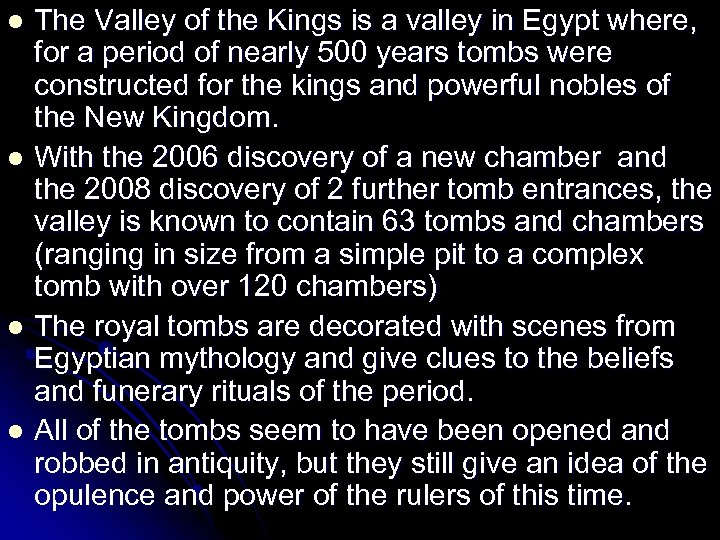 The Valley of the Kings is a valley in Egypt where, for a period of nearly 500 years tombs were constructed for the kings and powerful nobles of the New Kingdom. l With the 2006 discovery of a new chamber and the 2008 discovery of 2 further tomb entrances, the valley is known to contain 63 tombs and chambers (ranging in size from a simple pit to a complex tomb with over 120 chambers) l The royal tombs are decorated with scenes from Egyptian mythology and give clues to the beliefs and funerary rituals of the period. l All of the tombs seem to have been opened and robbed in antiquity, but they still give an idea of the opulence and power of the rulers of this time. l
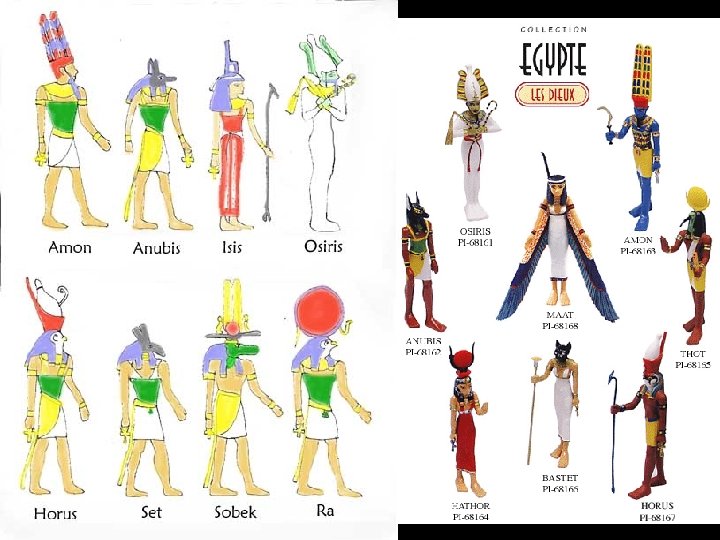
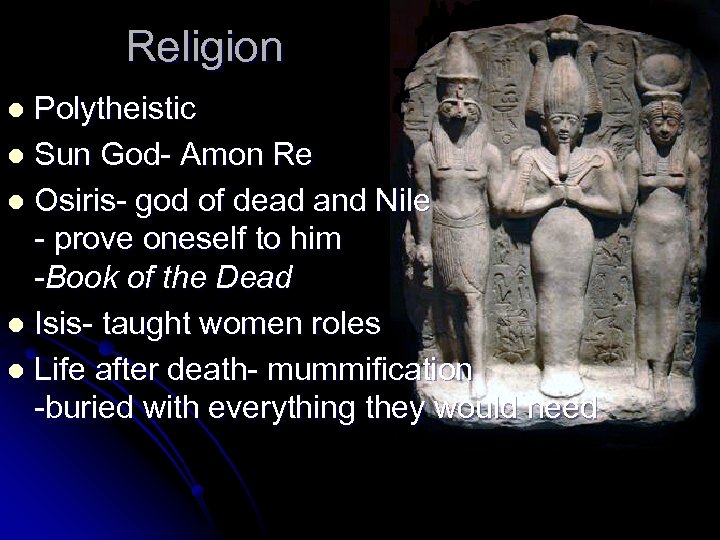 Religion Polytheistic l Sun God- Amon Re l Osiris- god of dead and Nile - prove oneself to him -Book of the Dead l Isis- taught women roles l Life after death- mummification -buried with everything they would need l
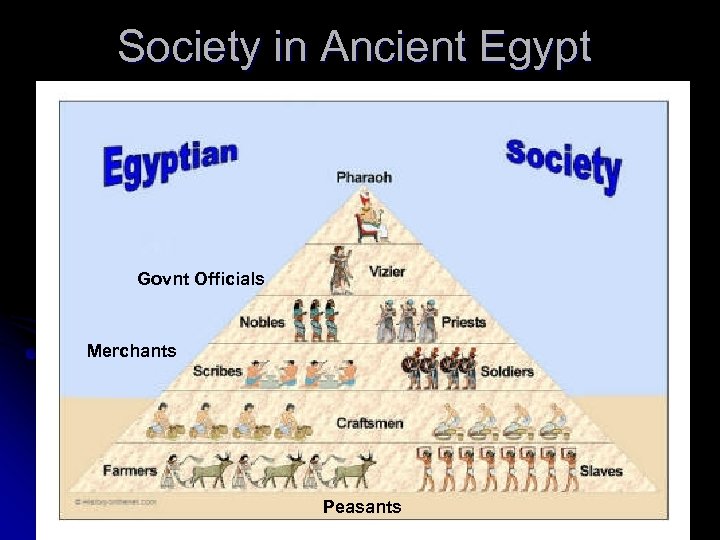 Society in Ancient Egypt Govnt Officials Merchants Peasants
 Daily Life Married Young -boys at 14, girls at 12 -monogamy l Men l Women- inherit property, enter business deals, buy and sell goods, go to court, divorce -priesthood for goddesses -no govn’t jobs or scribes l Concerns- family and property, produce children, especially sons to carry on name l
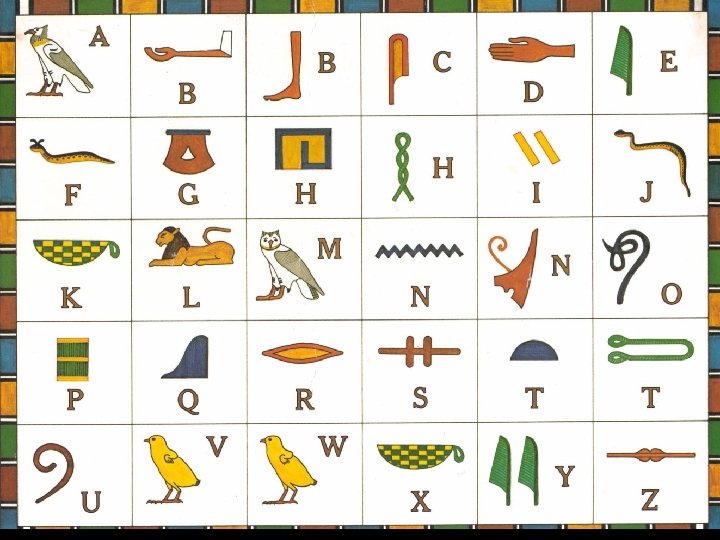
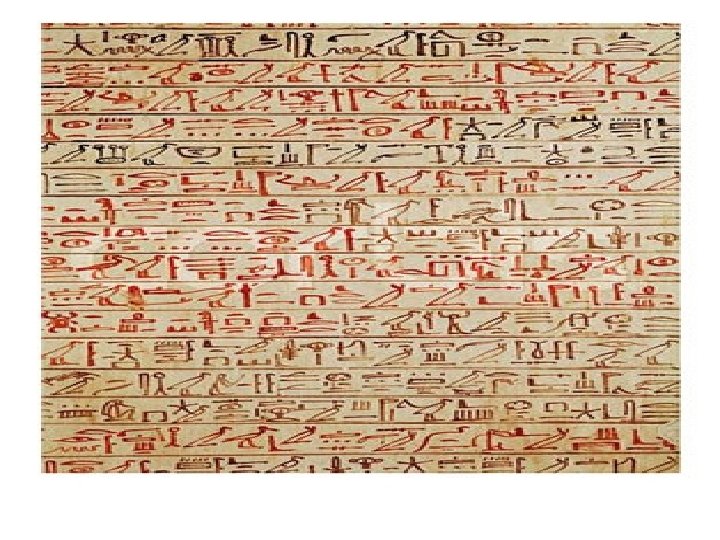
 Writing and Education Hieroglyphics- pictures and forms l Hieratic script- simplified version, cursive - record keeping, business transactions, general needs of daily life l Papyrus- plant woven together l Boys start as early as 10 yrs old l
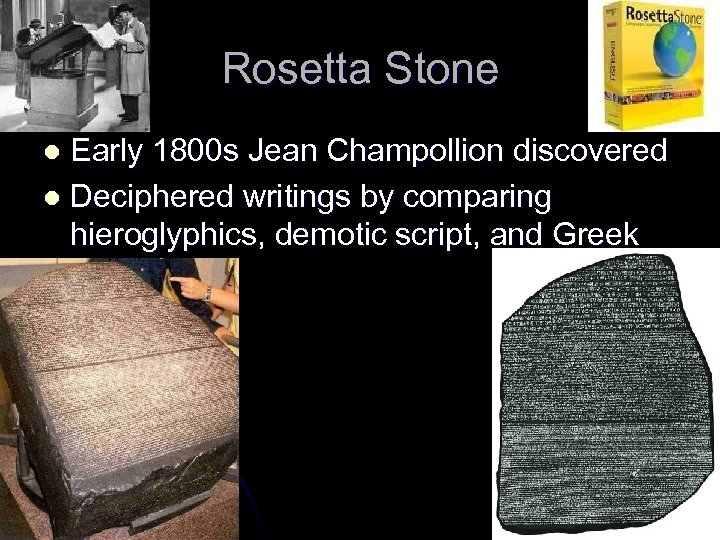 Rosetta Stone Early 1800 s Jean Champollion discovered l Deciphered writings by comparing hieroglyphics, demotic script, and Greek l
 Science and Math Distinctive style l Geometry- buildings and surveying fields -area and volume l 365 day calendar- 12 months 30 days +5 l Medical expertise in human anatomy -splints, bandages, fractures, wounds, and disease while giving out cures as well l
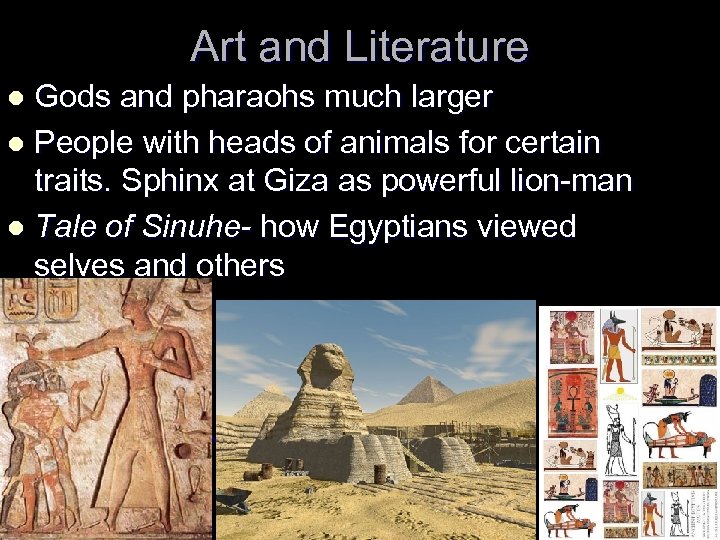 Art and Literature Gods and pharaohs much larger l People with heads of animals for certain traits. Sphinx at Giza as powerful lion-man l Tale of Sinuhe- how Egyptians viewed selves and others l
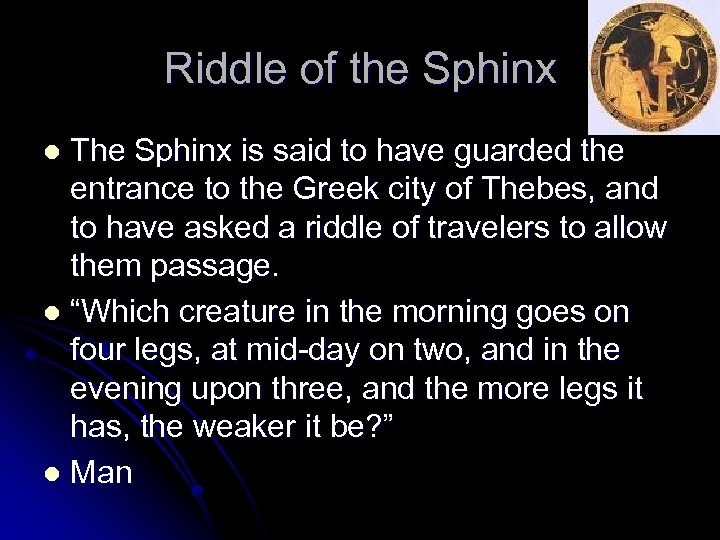 Riddle of the Sphinx The Sphinx is said to have guarded the entrance to the Greek city of Thebes, and to have asked a riddle of travelers to allow them passage. l “Which creature in the morning goes on four legs, at mid-day on two, and in the evening upon three, and the more legs it has, the weaker it be? ” l Man l