


 Скачать презентацию Economics It s a social science which studies human
6060b078bad89e2ae7147562dd352394.ppt
- Количество слайдов: 17
 Economics It’s a social science which studies human behaviour. Individuals, companies and governments make decisions about the use of their scarce resources. The scarce resources have alternative uses so choices must be made.
 The Aims of Economics 1. To achieve efficient use of resources. 2. To achieve an equitable distribution of wealth. 3. To create stability in an economy.
 Microeconomics • Deals with individual units. • Eg. consumer, household, firm. • It deals with supply and demand. • It shows how many goods will be produced and consumed at a given market price.
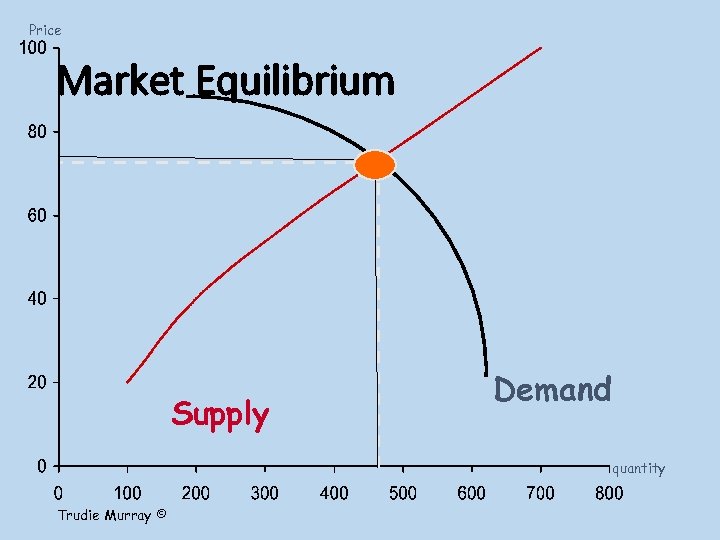 Price Market Equilibrium Supply Demand quantity Trudie Murray ©
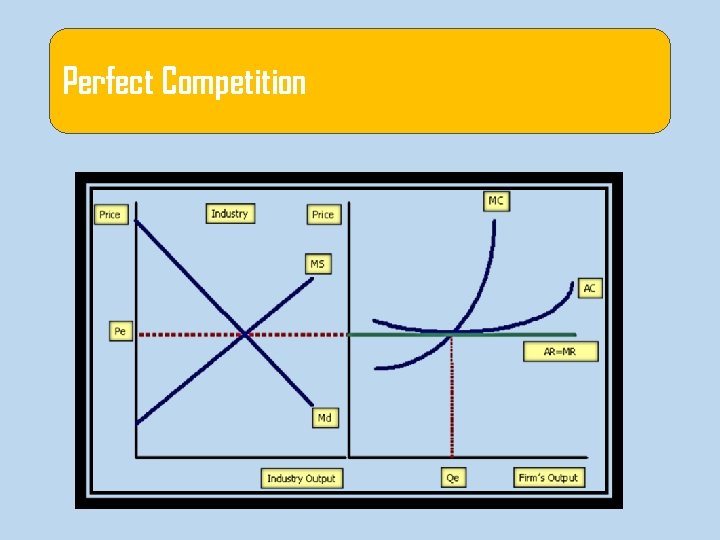 Perfect Competition
 The Law of Diminishing Marginal Utility • states that as a consumer consumes extra units of a good, then at some stage the marginal utility will decrease.
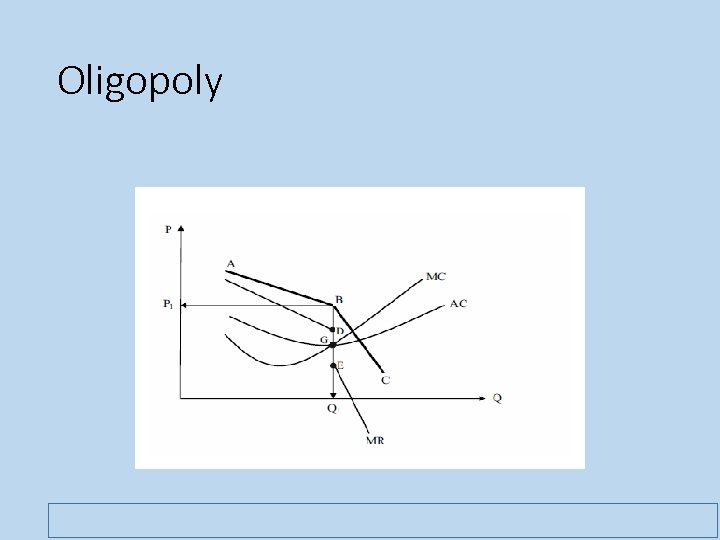 Oligopoly
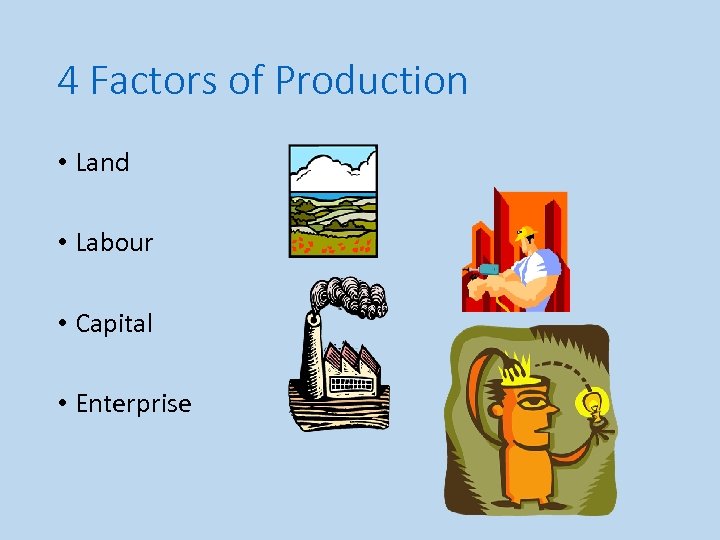 4 Factors of Production • Land • Labour • Capital • Enterprise
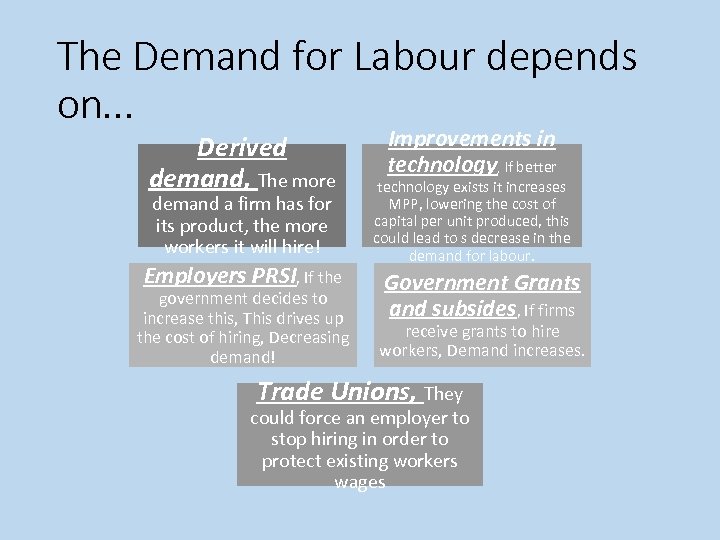 The Demand for Labour depends on. . . Derived demand, The more demand a firm has for its product, the more workers it will hire! Employers PRSI, If the government decides to increase this, This drives up the cost of hiring, Decreasing demand! Improvements in technology, If better technology exists it increases MPP, lowering the cost of capital per unit produced, this could lead to s decrease in the demand for labour. Government Grants and subsides, If firms receive grants to hire workers, Demand increases. Trade Unions, They could force an employer to stop hiring in order to protect existing workers wages
 Macroeconomics • Is the study of the economic issues at national or international level. • National Income • Role of Government • Money & Banking • Inflation • Unemployment • Population • Economic Development. .
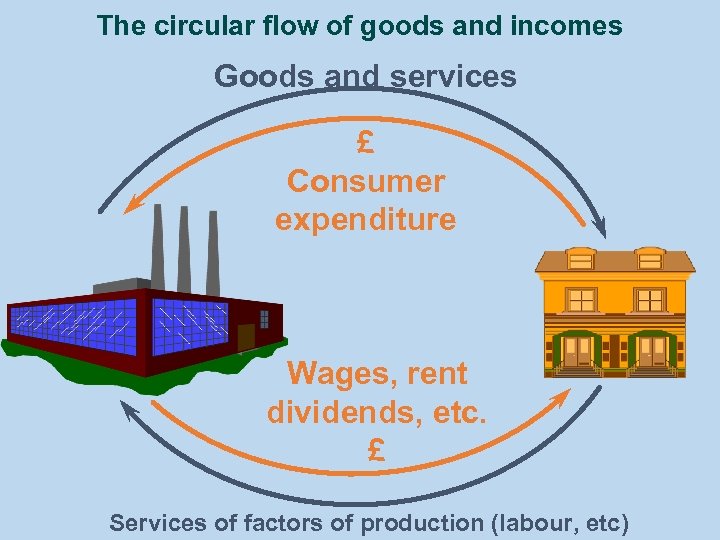 The circular flow of goods and incomes Goods and services £ Consumer expenditure Wages, rent dividends, etc. £ Services of factors of production (labour, etc)
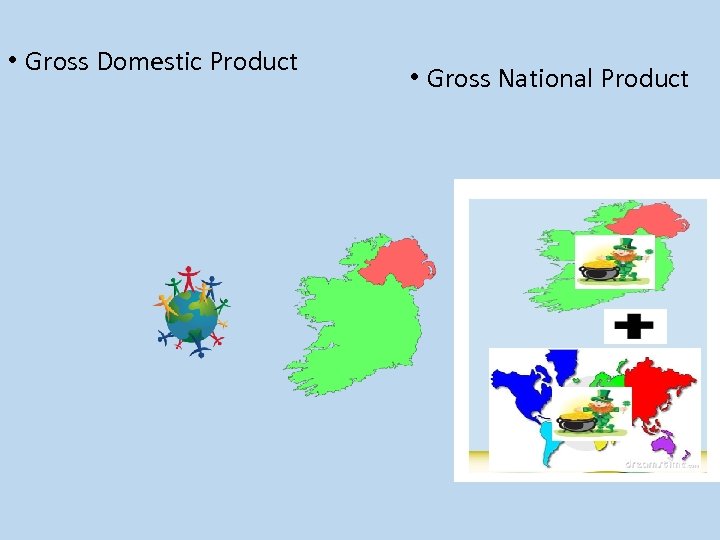 • Gross Domestic Product • Gross National Product
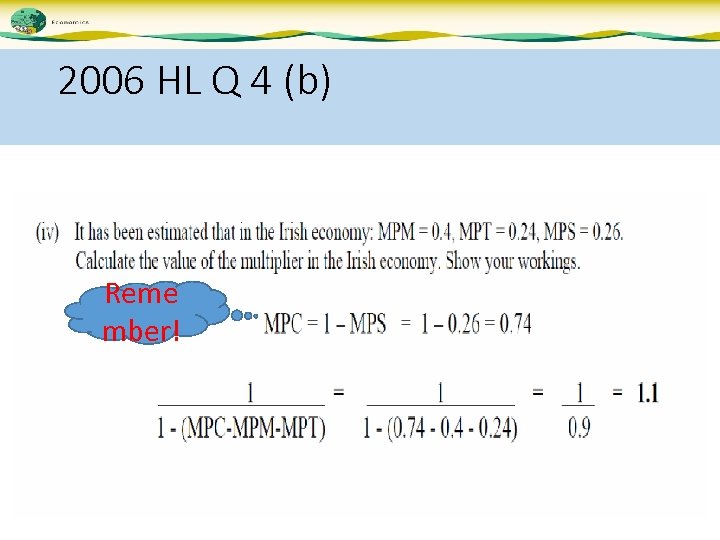 2006 HL Q 4 (b) Reme mber!
 Topical issues • Industrial relations • Greece • Brexit • President Trump’s economic policy • Government budgets • Rent increases • House prices
 Why study economics? • It is part of our everyday lives. • It is studied as part of all business courses in third level. • May also be in Arts, Management, Engineering, Construction, Journalism and many other courses. • Relatively short course • Good choice of questions in the exam.
 Careers in Economics • Economist • Journalist • TV presenter • Finance & Banking • Developing Countries
 • You'll be pleased to hear economics comes fifth, only being beaten by Medicine, Dentistry, Chemical and General Engineering in a survey of earnings in a recent UK study.