


 Скачать презентацию Economic Systems How the Government influences how I
Economic Systems презентация 11 класс.pptx
- Количество слайдов: 51
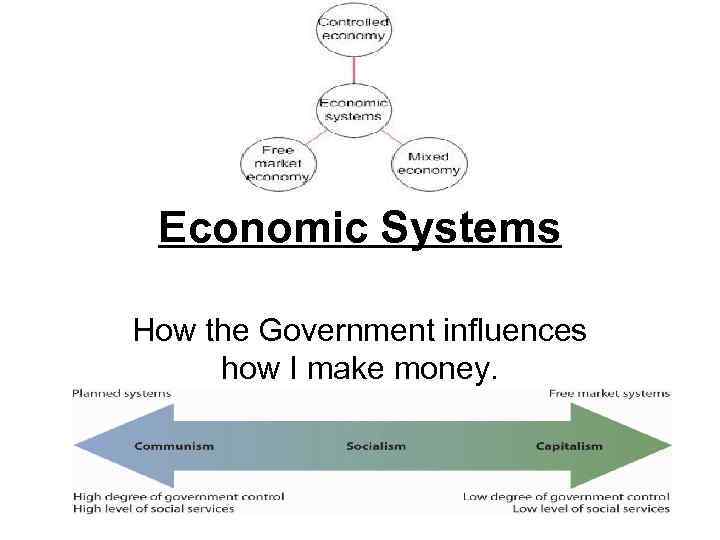 Economic Systems How the Government influences how I make money.
 Economic Systems • Def. The method used by a society to produce and distribute goods and services. • Or, How the government tells us what we can get and how to get it!
 Economic Systems § An economic system describes how a country’s economy is organized § Because of the problem of scarcity, every country needs a system to determine how to use its productive resources § Scarcity = not having enough of something § An economic system must answer 3 questions…
 Three Basic Economic Questions • What to produce? This question asks what people will make and sell. Many countries produce goods or services based on which resources are available and which will make the most money for the lowest cost. A country's type of economy usually has less influence on this question than it does on the other questions. • How to produce? This question asks how people will make a good or service. Manufacturing is a way to produce. Sometimes production is outsourced, or sent to other countries, in order to keep cost down. Downsizing reduces the number of employees, also allowing cost to be kept down. • For whom to produce? This question asks whom goods are services will be made for. People in market economies will produce for a target market. This will allow them to make the greatest profit.
 Three Types of Economic Systems: § 1. Traditional Economy § 2. Command Economy § 3. Market Economy § 4. * Most countries are… Mixed Economies! (Market + Command)
 Traditional Economies • Basic economic questions answered by what has been done in the past • Traditions are maintained • Ritual, Habit, and Custom
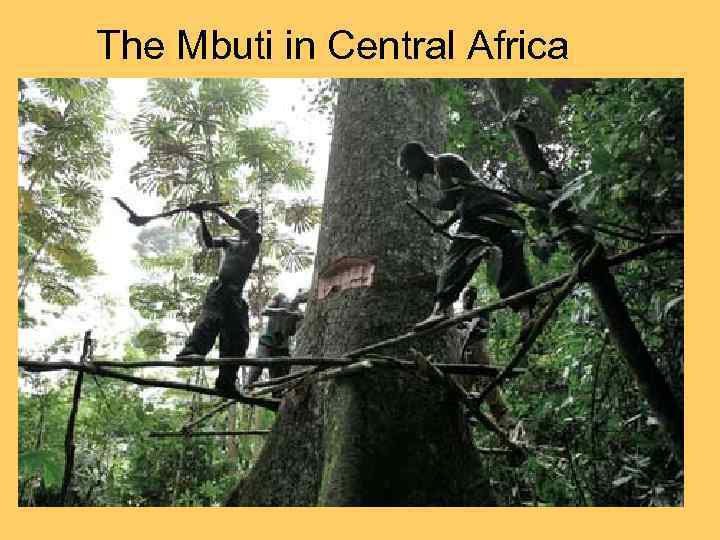
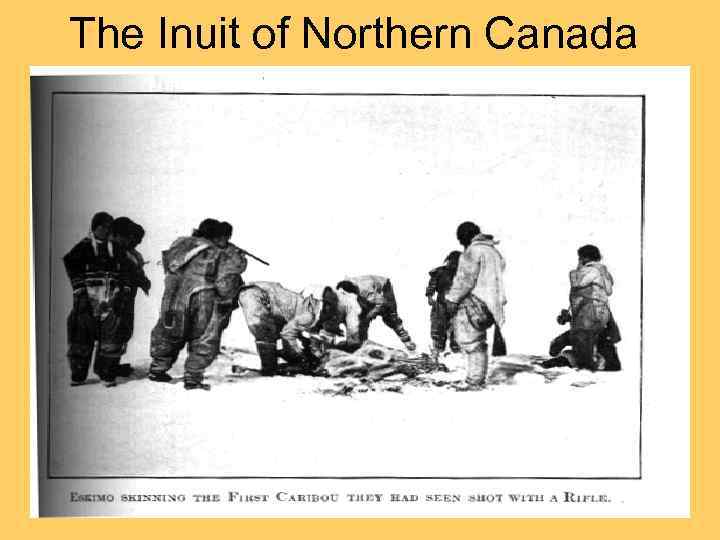
 Traditional economies • Individual roles and choices are defined by the customs of elders and ancestors • These economies are usually based in societies of hunter/gatherers • Sharing is a big part of these economies
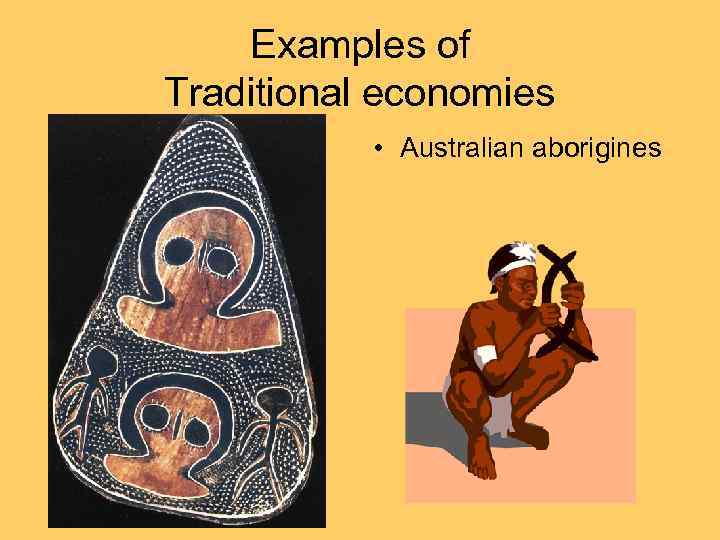 Examples of Traditional economies • Australian aborigines
 The Mbuti in Central Africa
 The Inuit of Northern Canada
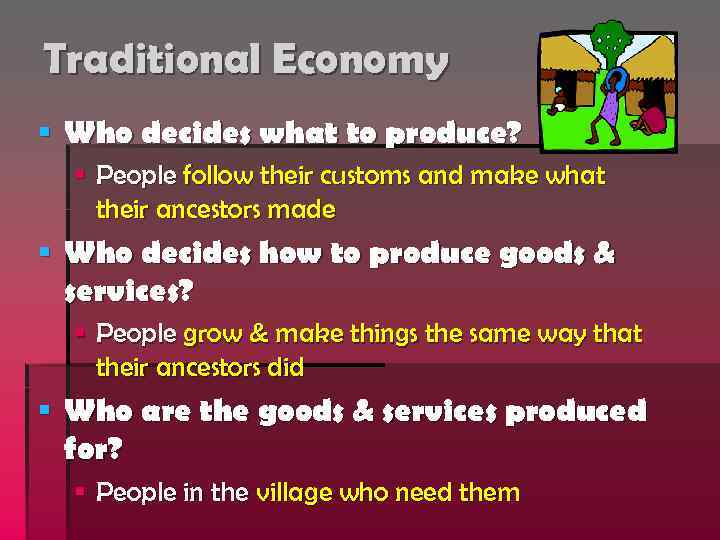 Traditional Economy § Who decides what to produce? § People follow their customs and make what their ancestors made § Who decides how to produce goods & services? § People grow & make things the same way that their ancestors did § Who are the goods & services produced for? § People in the village who need them
 Advantages of Traditional economy • There is little to no uncertainty • Everyone knows what role to play • Life is generally stable, predictable, and continuous
 Disadvantages of Traditional economies • Tend to discourage new ideas and new ways of doing things • Lack of progress lowers standard of living
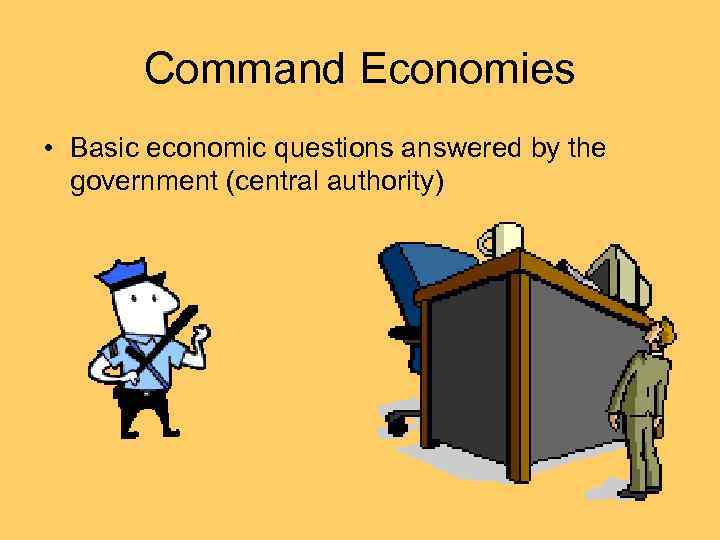 Command Economies • Basic economic questions answered by the government (central authority)
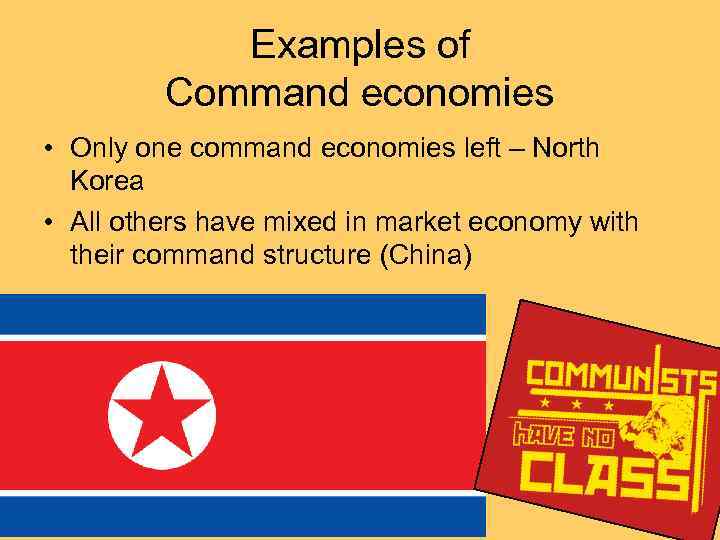 Examples of Command economies • Only one command economies left – North Korea • All others have mixed in market economy with their command structure (China)
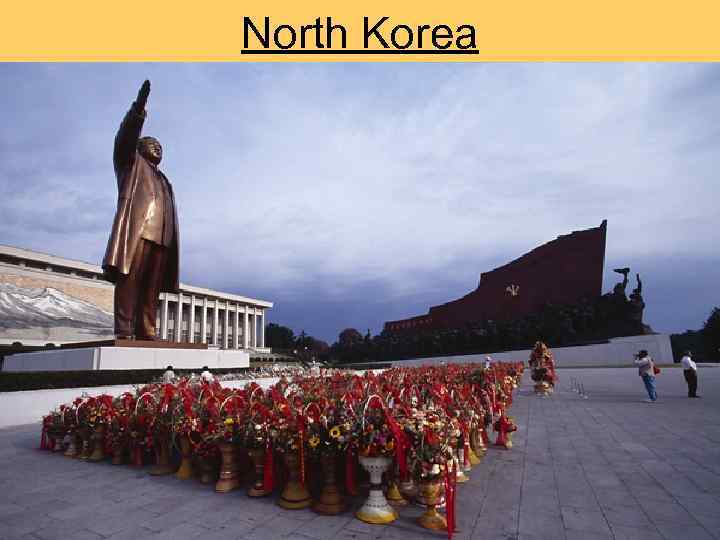 North Korea
 Command Economy § Who decides what to produce? § Government makes all economic decisions § Who decides how to produce goods and services? § Government decides how to make goods/services § Who are the goods and services produced for? § Whoever the government decides to give them to
 Advantages of Command economy • Because the government has total control over production and its factors, these economies can change rapidly. • Whatever is needed most will be produced. • There is no uncertainty (people are told when and how to work) • Free education, health care, and other public services
 Disadvantages of Command economy • Economy designed to meet needs not wants • No incentive to work hard (people don’t often lose their jobs, so they do the bare minimum to get by) • Large bureaucracy means slow decision making, raises cost of production, lacks flexibility • No reward for initiative which slows progress
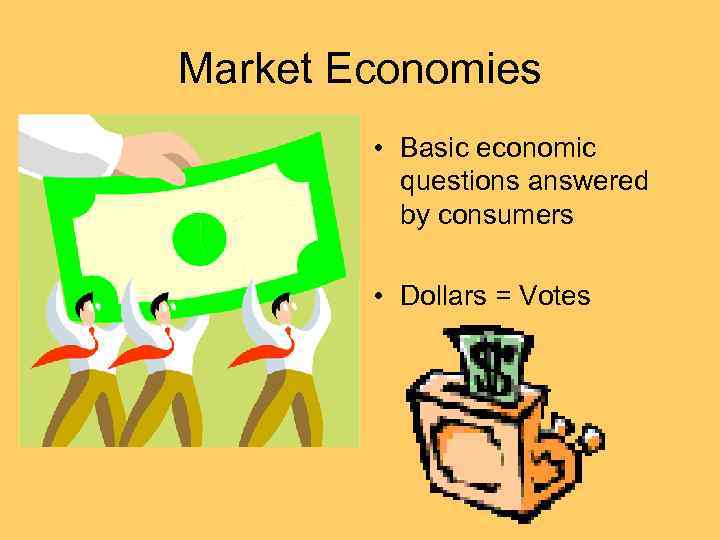 Market Economies • Basic economic questions answered by consumers • Dollars = Votes
 Examples of Market economies • USA, Canada, UK, etc.
 Market Economy § Who decides what to produce? § Businesses base decisions on supply and demand free enterprise (PRICE) § Who decides how to produce goods and services? § Businesses decide how to produce goods § Who are the goods and services produced for? § consumers
 Market Economies A. An economic system in which factories, equipment, or other means of production are privately owned rather than controlled by the government. B. Example – United State of America
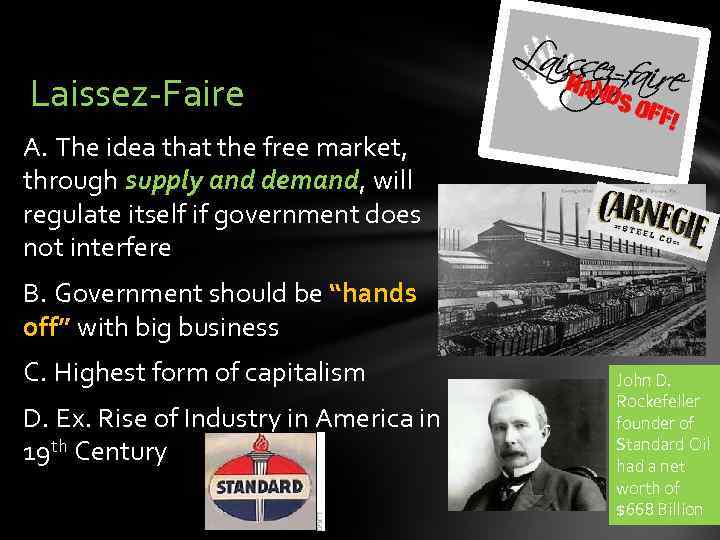 Laissez-Faire A. The idea that the free market, through supply and demand, will regulate itself if government does not interfere B. Government should be “hands off” with big business C. Highest form of capitalism D. Ex. Rise of Industry in America in 19 th Century John D. Rockefeller founder of Standard Oil had a net worth of $668 Billion
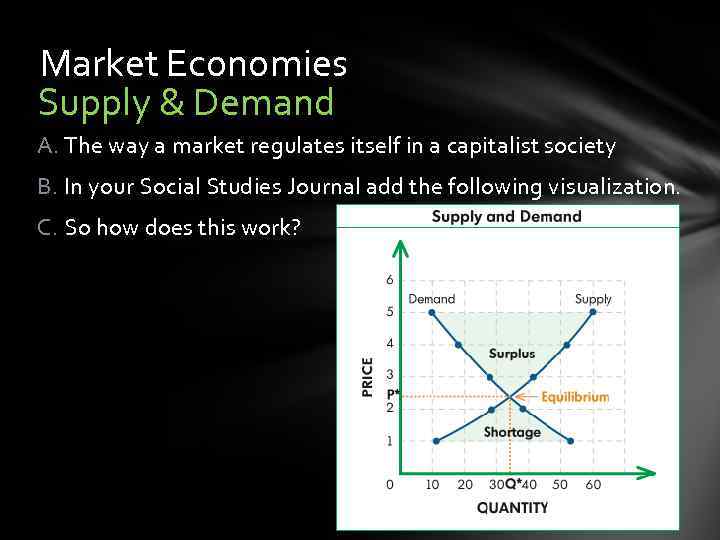 Market Economies Supply & Demand A. The way a market regulates itself in a capitalist society B. In your Social Studies Journal add the following visualization. C. So how does this work?
 Advantages of Market Economies • Adjusts to change based on consumer wants • High degree of individual freedom • Low levels of government interference • Because individuals (with money) make the decisions, everyone (with money) has a voice in the way the economy runs • Wide variety of available goods & services • Many choices = high degree of consumer satisfaction
 Disadvantages of Market Economies • Poverty: only those with money can participate • Market does not provide for people’s basic needs. Governments must attempt to do this (think Katrina). • High degree of uncertainty people lose jobs, businesses fail • Greed based system puts profit before people
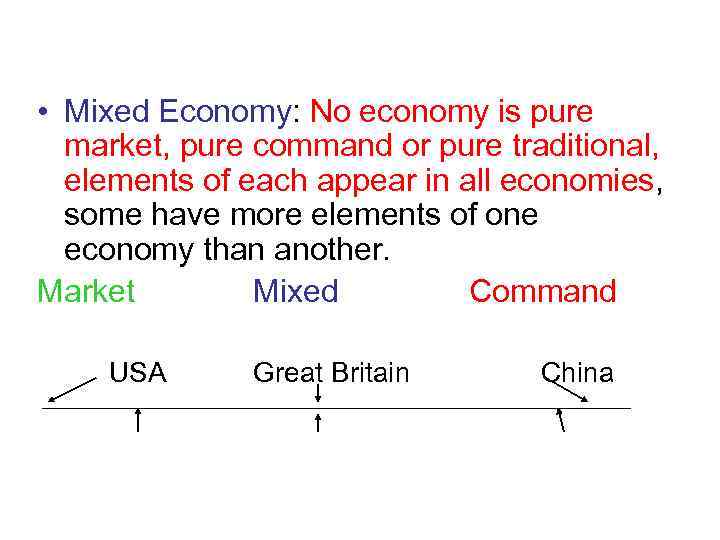 • Mixed Economy: No economy is pure market, pure command or pure traditional, elements of each appear in all economies, some have more elements of one economy than another. Market Mixed Command USA Great Britain China
 Mixed Economy § Who decides what to produce? § businesses § Who decides how to produce goods and services? § Businesses, but the government regulates certain industries § Who are the goods and services produced for? § consumers
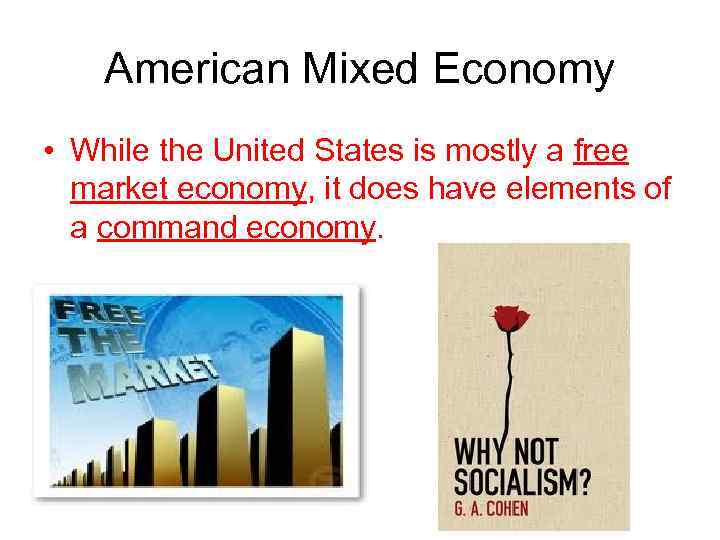 American Mixed Economy • While the United States is mostly a free market economy, it does have elements of a command economy.
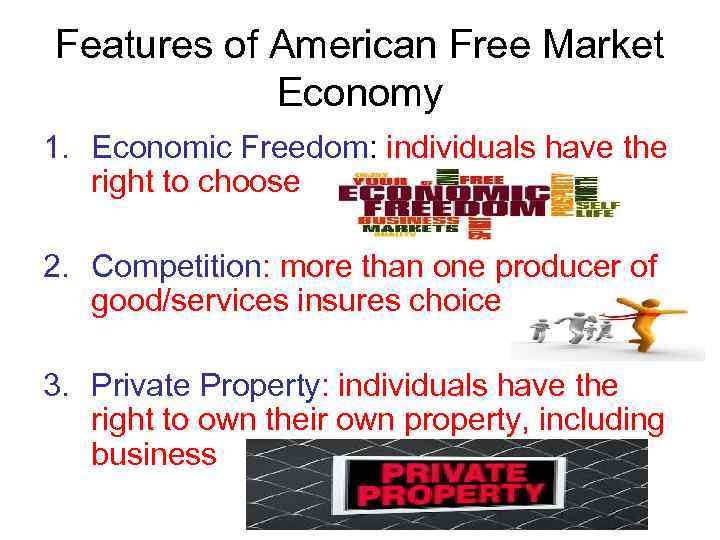 Features of American Free Market Economy 1. Economic Freedom: individuals have the right to choose 2. Competition: more than one producer of good/services insures choice 3. Private Property: individuals have the right to own their own property, including business
 Features of American Free Market Economy (cont) 4. Self-Interest: individuals make decisions based on what is best for them 5. Voluntary Exchange: individuals may freely buy and sell goods 6. Profit Motive: individuals are driven by a desire to profit (make money)
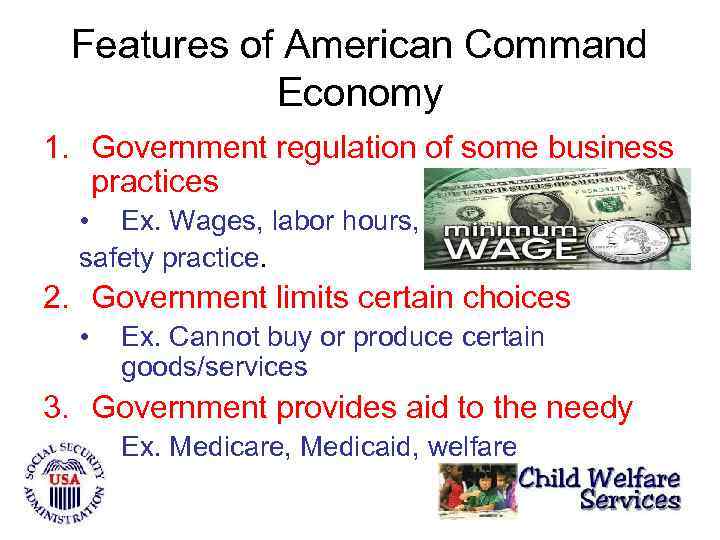 Features of American Command Economy 1. Government regulation of some business practices • Ex. Wages, labor hours, safety practice. 2. Government limits certain choices • Ex. Cannot buy or produce certain goods/services 3. Government provides aid to the needy • Ex. Medicare, Medicaid, welfare
 My Pizzeria • How would my pizzeria function under different economic systems?
 My Pizzeria in a Free Market • I answer the basic economic questions! • I determine how much cheese and pepperoni goes on the pizza • I determine the quality of the cheese and pepperoni • I set my employees wages • I set my business hours
 My Pizzeria in a Command Economy • The government answers the basic economic questions • The government sets the amount of cheese and pepperoni on each pizza • The government determines quality of cheese and pepperoni • The government sets employees wages • The government sets business hours Problem: What does the government know about pizza?
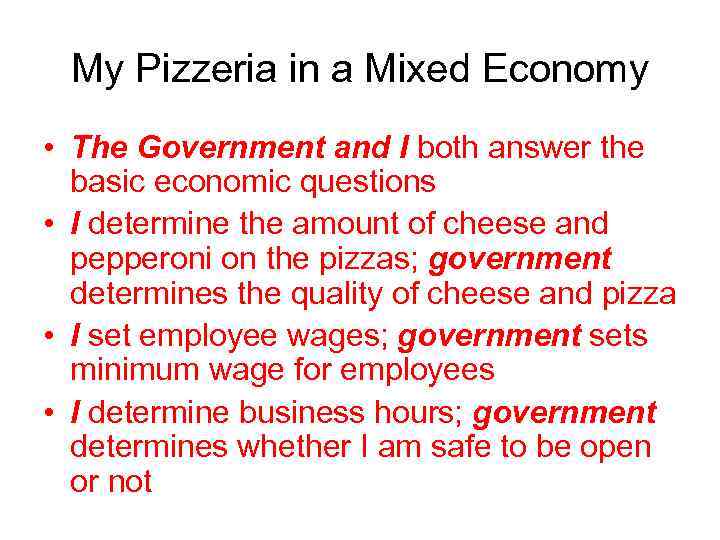 My Pizzeria in a Mixed Economy • The Government and I both answer the basic economic questions • I determine the amount of cheese and pepperoni on the pizzas; government determines the quality of cheese and pizza • I set employee wages; government sets minimum wage for employees • I determine business hours; government determines whether I am safe to be open or not
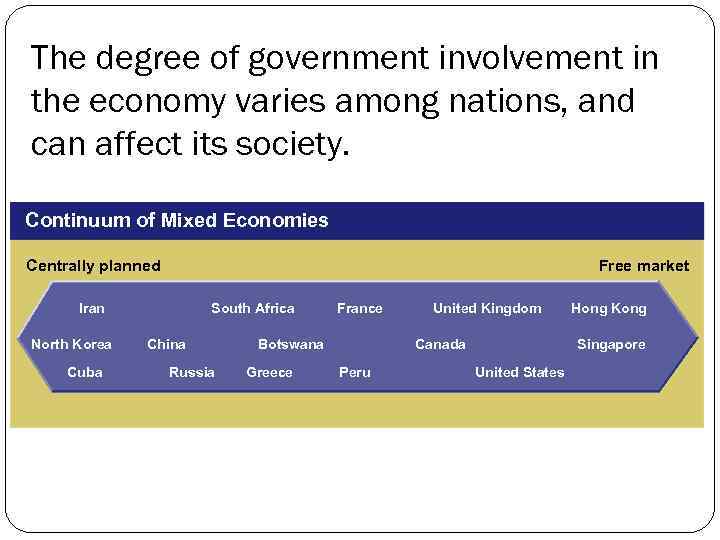 The degree of government involvement in the economy varies among nations, and can affect its society. Continuum of Mixed Economies Centrally planned Free market Iran North Korea Cuba South Africa China Russia France Botswana Greece United Kingdom Canada Peru Hong Kong Singapore United States
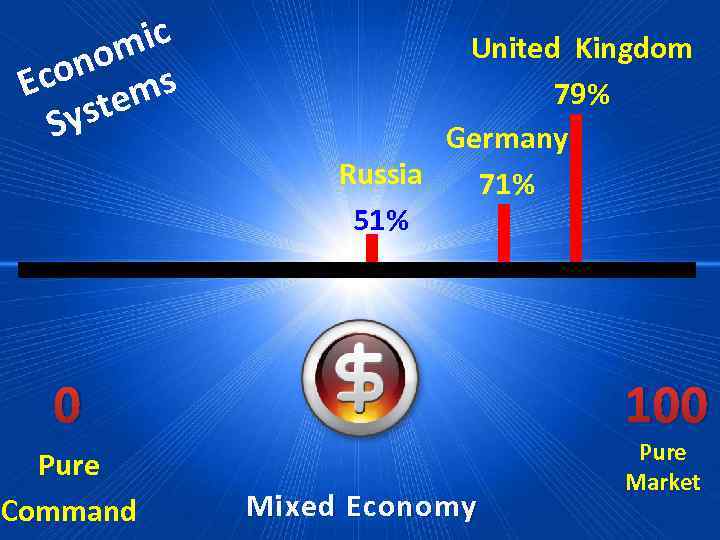 ic om con ms E ste Sy United Kingdom 79% Germany Russia 71% 51% 0 100 Pure Command Pure Market Mixed Economy
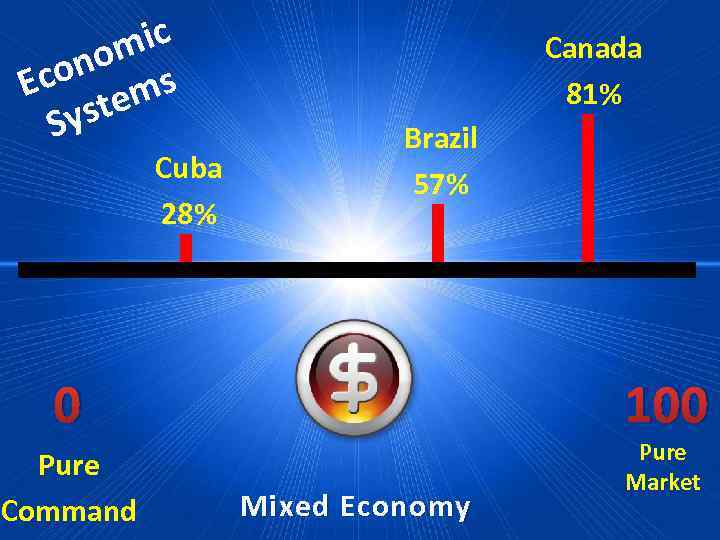 ic om con ms E ste Sy Cuba 28% Canada 81% Brazil 57% 0 100 Pure Command Pure Market Mixed Economy
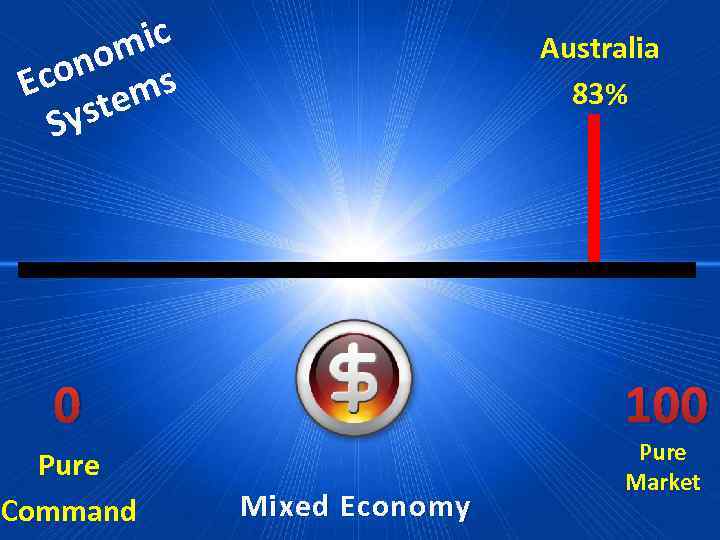 ic om con ms E ste Sy Australia 83% 0 100 Pure Command Pure Market Mixed Economy
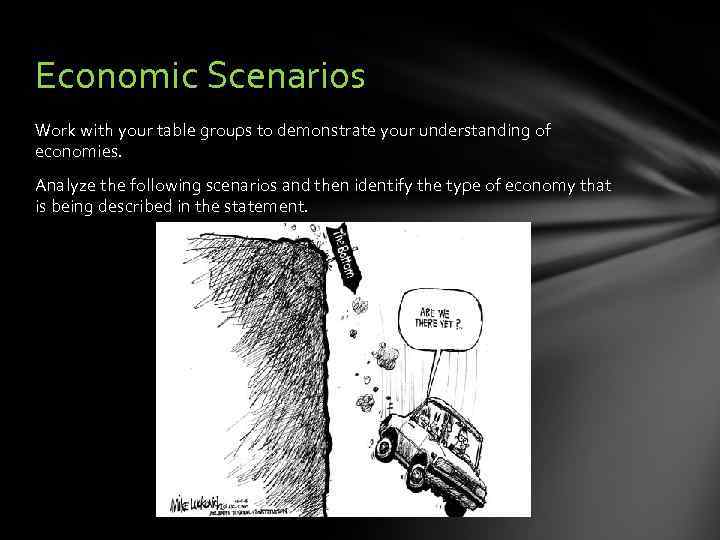 Economic Scenarios Work with your table groups to demonstrate your understanding of economies. Analyze the following scenarios and then identify the type of economy that is being described in the statement.
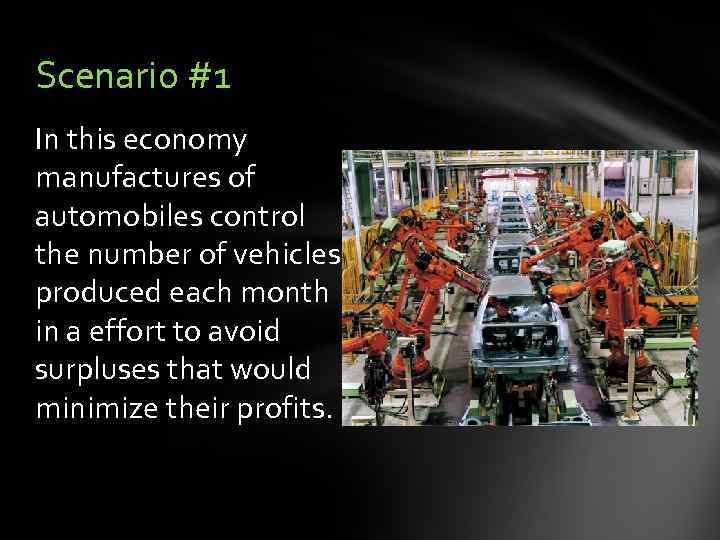 Scenario #1 In this economy manufactures of automobiles control the number of vehicles produced each month in a effort to avoid surpluses that would minimize their profits.
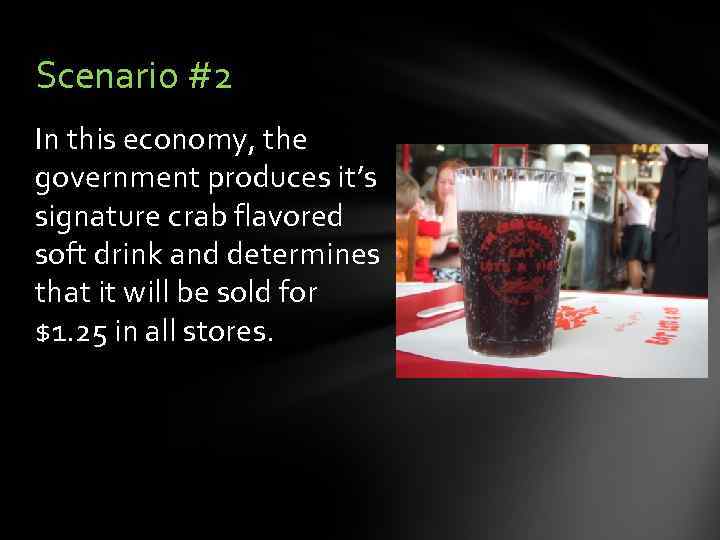 Scenario #2 In this economy, the government produces it’s signature crab flavored soft drink and determines that it will be sold for $1. 25 in all stores.
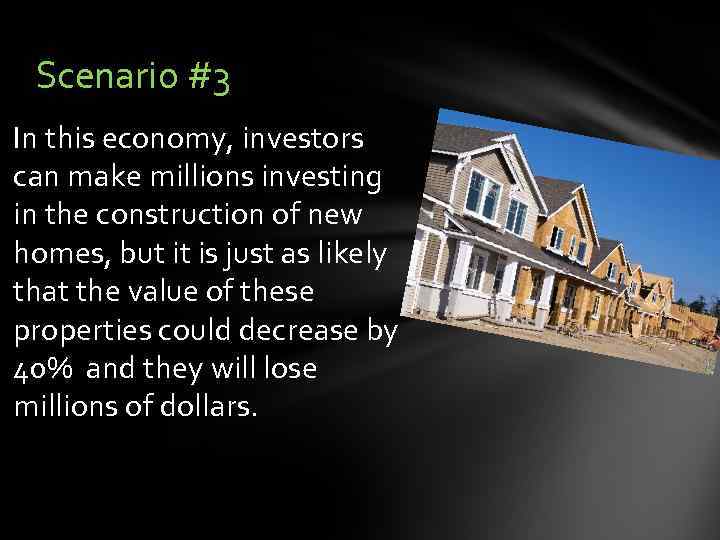 Scenario #3 In this economy, investors can make millions investing in the construction of new homes, but it is just as likely that the value of these properties could decrease by 40% and they will lose millions of dollars.
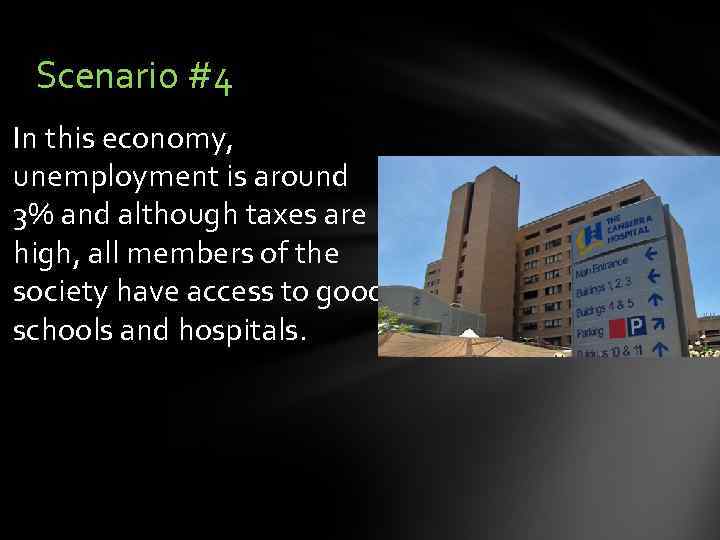 Scenario #4 In this economy, unemployment is around 3% and although taxes are high, all members of the society have access to good schools and hospitals.
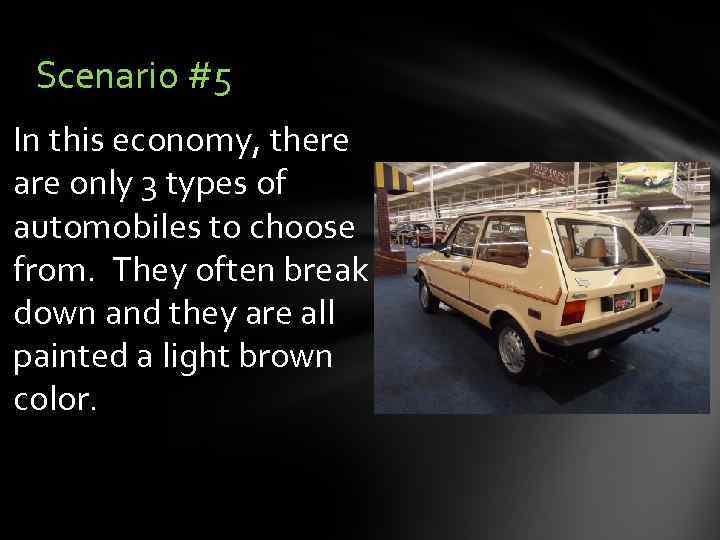 Scenario #5 In this economy, there are only 3 types of automobiles to choose from. They often break down and they are all painted a light brown color.
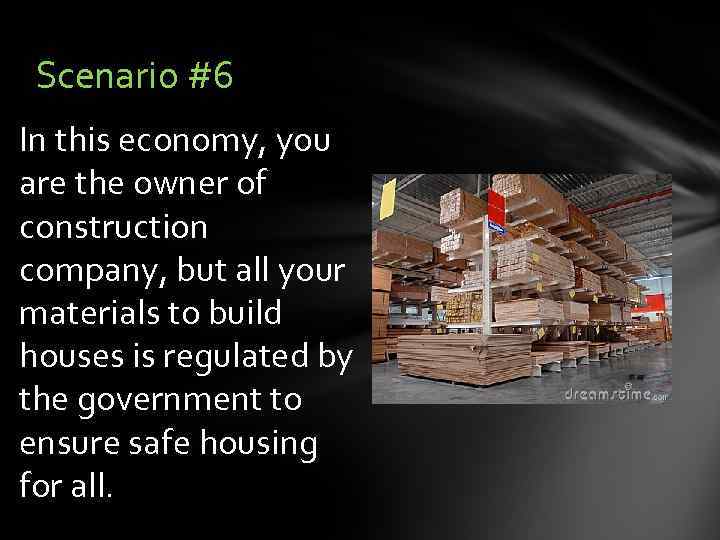 Scenario #6 In this economy, you are the owner of construction company, but all your materials to build houses is regulated by the government to ensure safe housing for all.
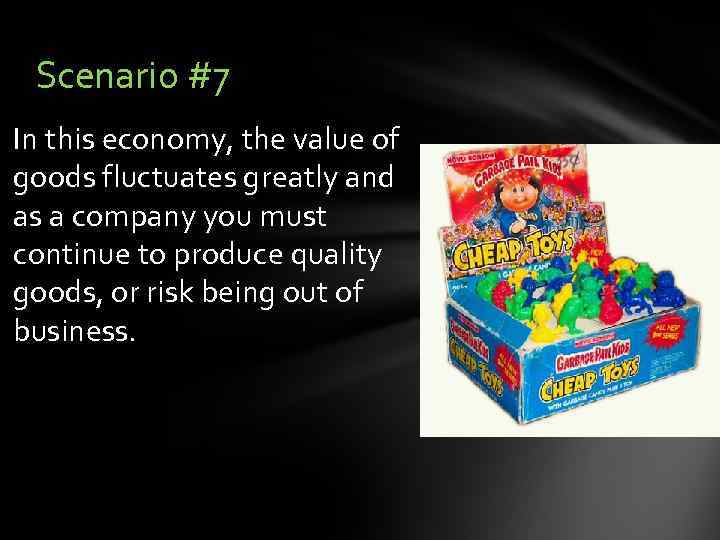 Scenario #7 In this economy, the value of goods fluctuates greatly and as a company you must continue to produce quality goods, or risk being out of business.

 Which Economic System Is Best? § Market system promotes the goals of growth, freedom, & efficiency § Citizens are free to own their own property and use it in the most efficient and profitable way § Command Traditional systems sometimes offer more security, but are not nearly as strong in efficiency, growth, freedom, and environmental quality