


 Скачать презентацию Economic factors Structure Economics Microeconomics Supply and
Prezentatsia1_222.pptx
- Количество слайдов: 36
 Economic factors
 Structure Economics Microeconomics Supply and demand Cost behaviour Macroeconomics Market types Business activity Policy options Specific policies
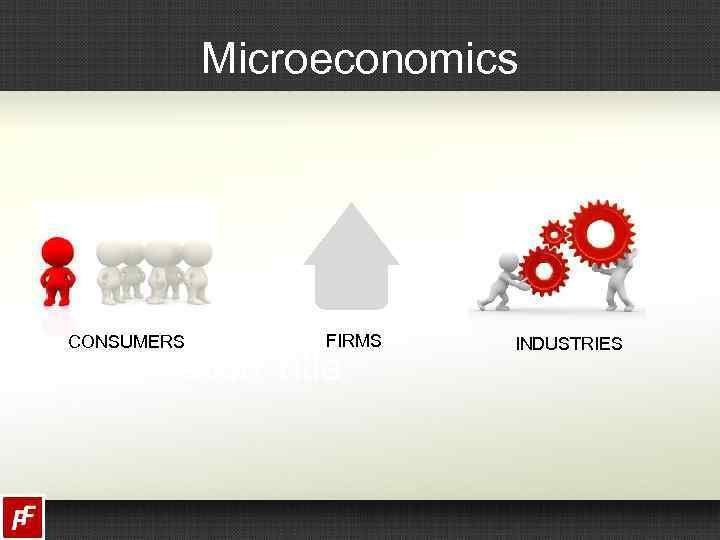 Microeconomics CONSUMERS FIRMS INDUSTRIES
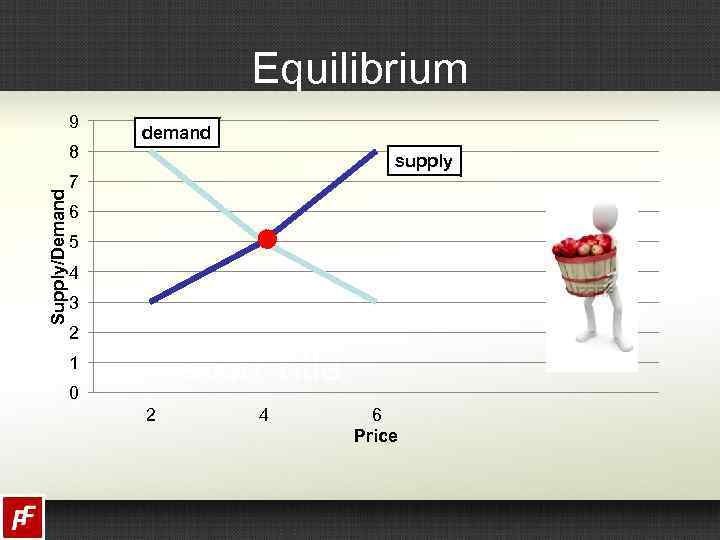 Equilibrium 9 Supply/Demand 8 demand supply 7 6 5 4 3 2 1 0 2 4 6 Price
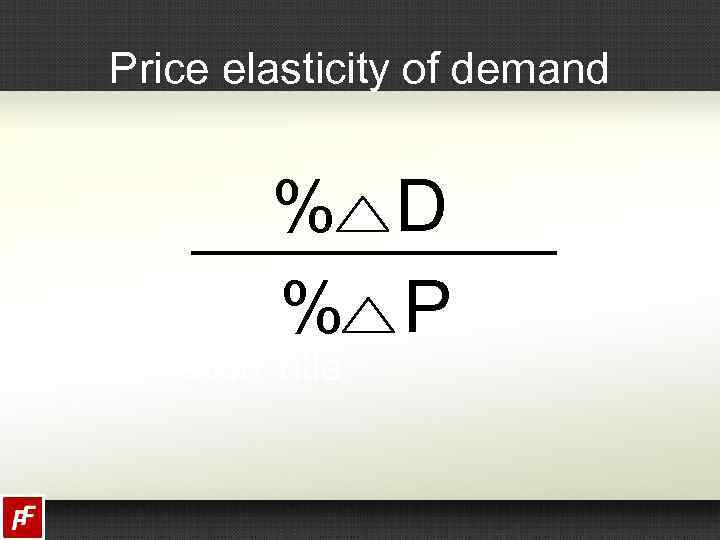 Price elasticity of demand % D % P
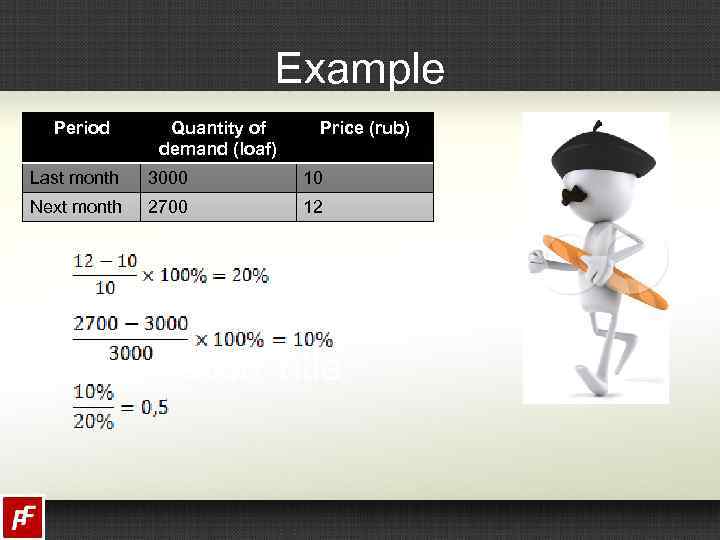 Example Period Quantity of demand (loaf) Price (rub) Last month 3000 10 Next month 2700 12
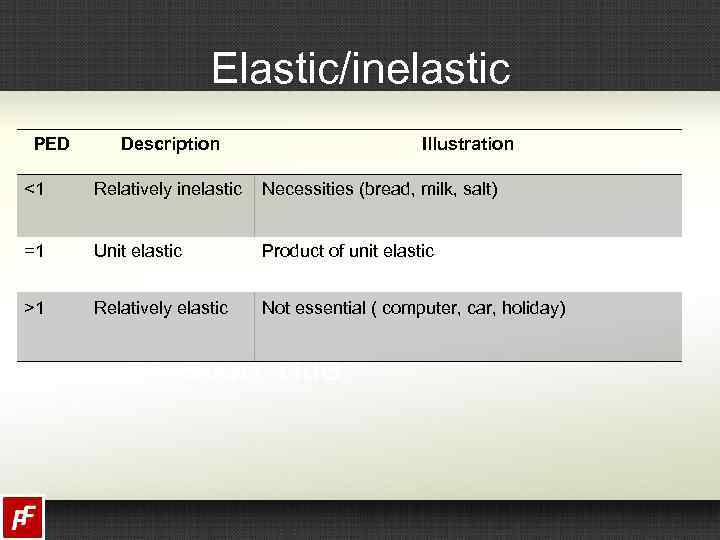 Elastic/inelastic PED Description Illustration <1 Relatively inelastic Necessities (bread, milk, salt) =1 Unit elastic Product of unit elastic >1 Relatively elastic Not essential ( computer, car, holiday)
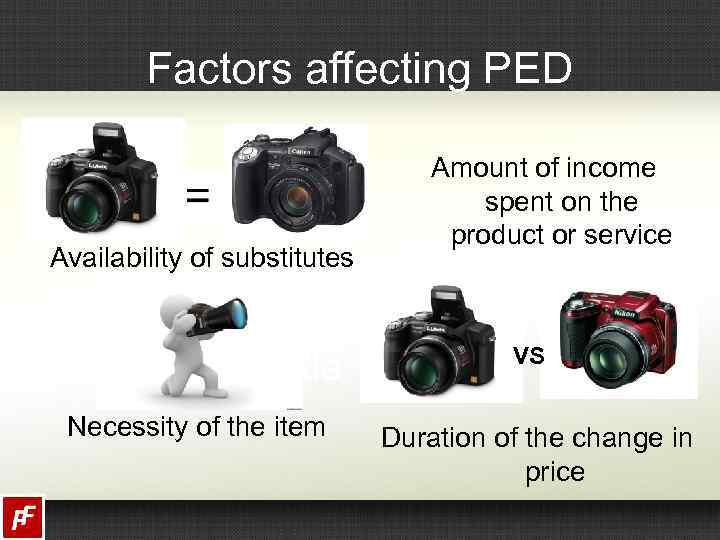 Factors affecting PED Availability of substitutes Amount of income spent on the product or service VS Necessity of the item Duration of the change in price
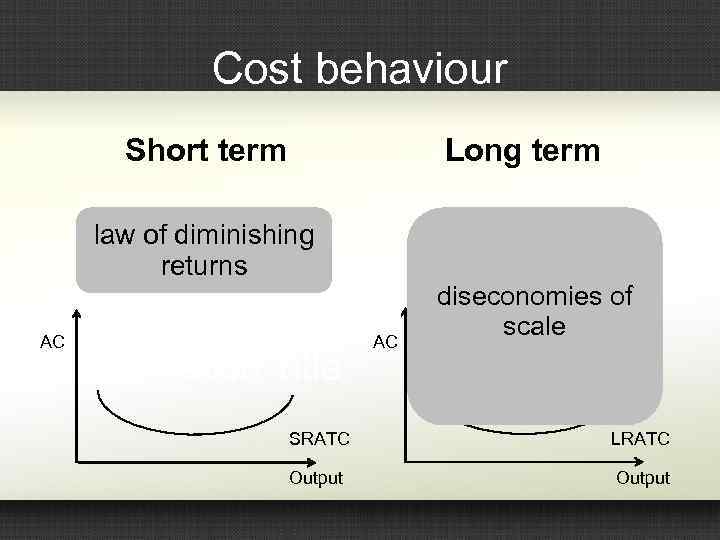 Cost behaviour Short term Long term law of diminishing returns AC AC diseconomies of scale SRATC LRATC Output
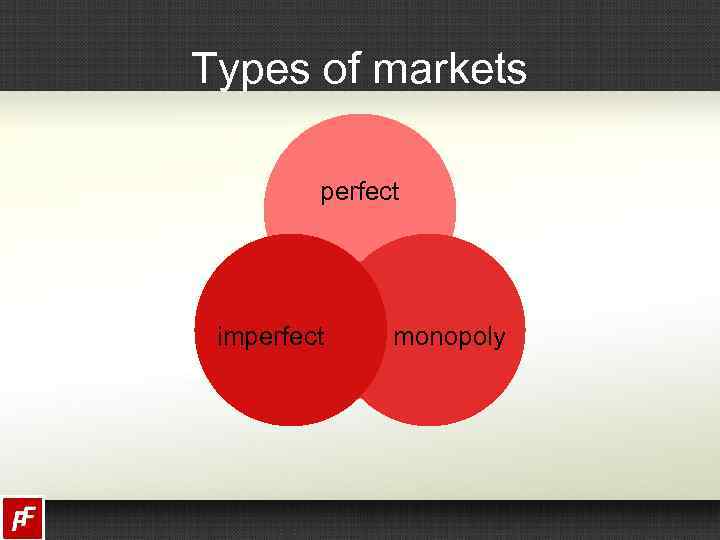 Types of markets perfect imperfect monopoly
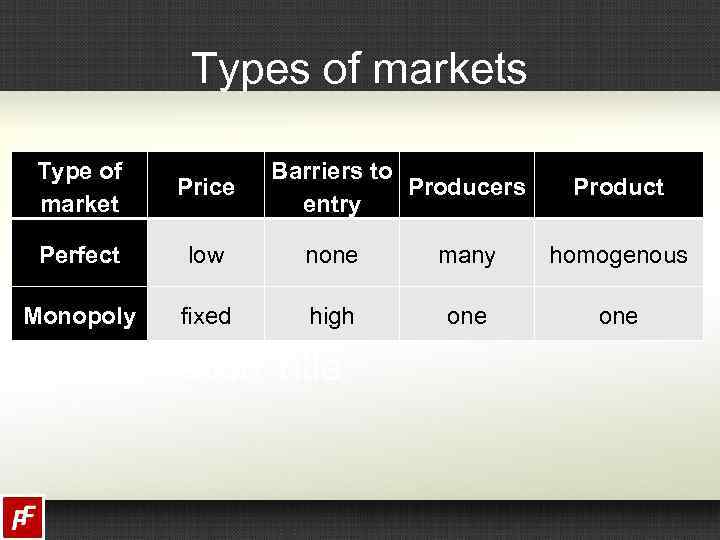 Types of markets Type of market Barriers to Producers entry Price Perfect low none many homogenous Monopoly fixed high one Product
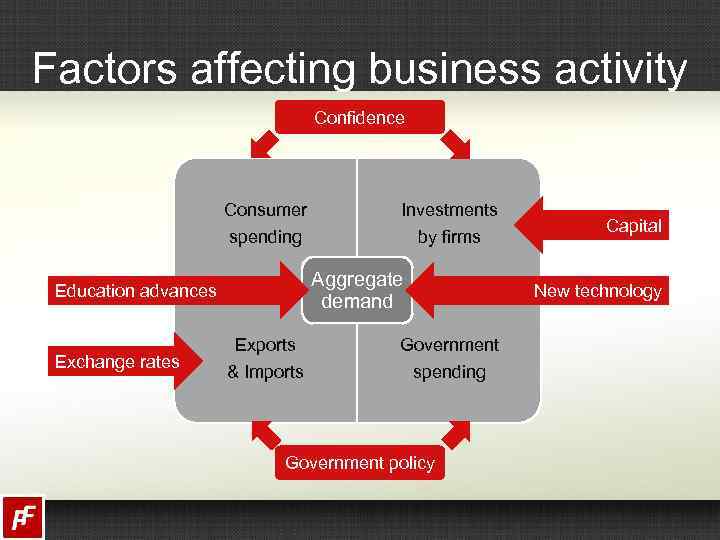 Factors affecting business activity Confidence Consumer Investments spending by firms Aggregate demand Education advances Exchange rates Capital New technology Exports Government & Imports spending Government policy
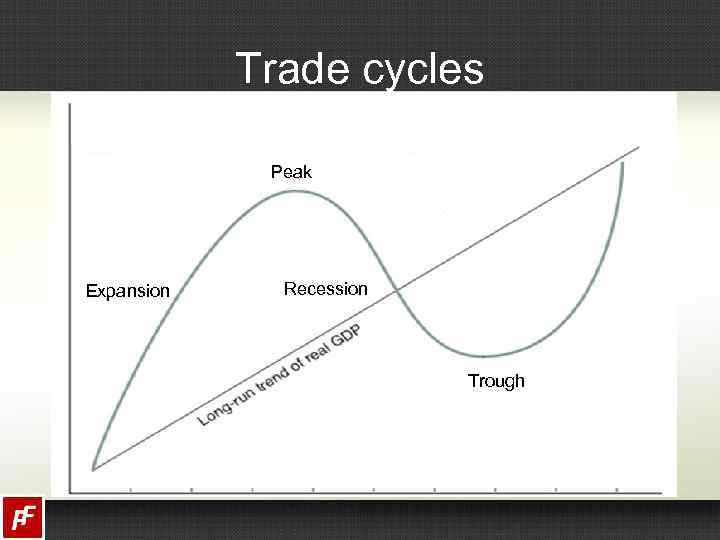 Trade cycles Peak Expansion Recession Trough
 Economic growth: problems • Growth may be through exploitation of the poor • Growth may be at the expense of the environment • Gap between rich and poor may grow • Rapid growth “sucks in” imports
 Inflation and unemployment • Inflation causes uncertainty and stifles investment • Not all the incomes rise with line with inflation • Unemployment restricts economic growth • Rise in crime, poor health, etc
 Balance of payments • Long-term deficit slows down economy • Long-term trade surplus can cause rise of inflation
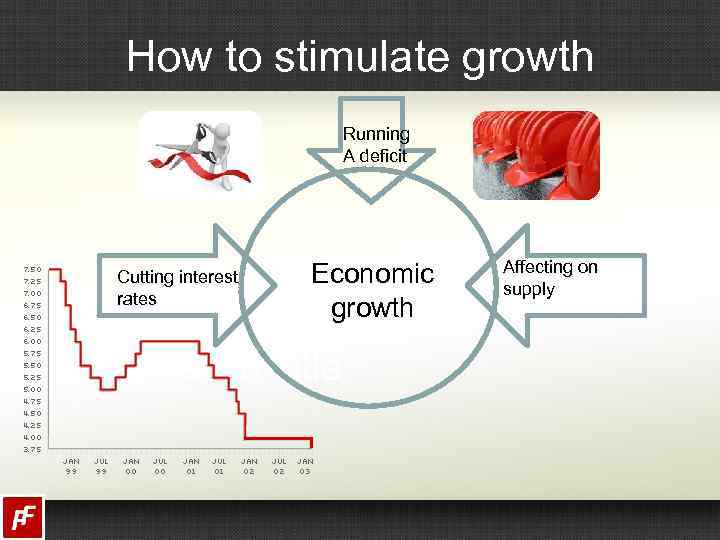 How to stimulate growth Running A deficit Cutting interest rates Economic growth Affecting on supply
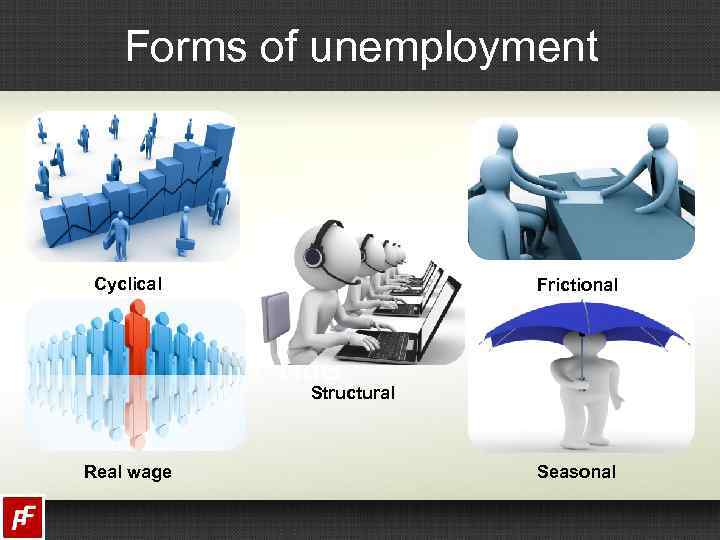 Forms of unemployment Cyclical Frictional Structural Real wage Seasonal
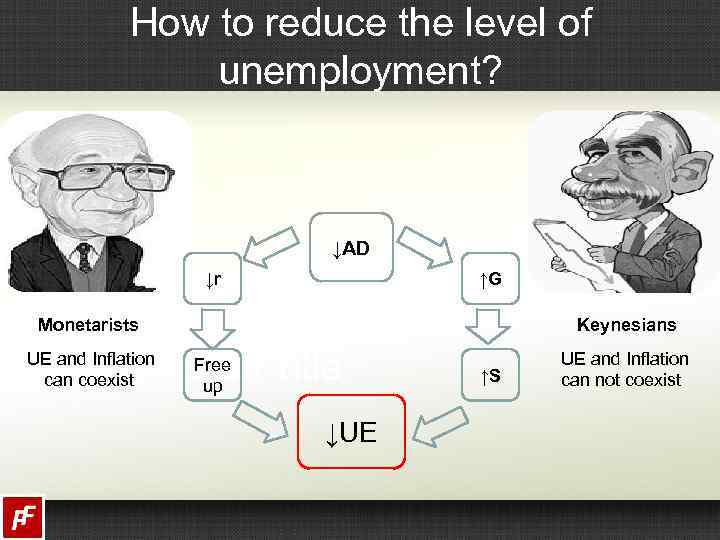 How to reduce the level of unemployment? ↓AD ↓r ↑G Monetarists UE and Inflation can coexist Keynesians Free up ↑S ↓UE UE and Inflation can not coexist
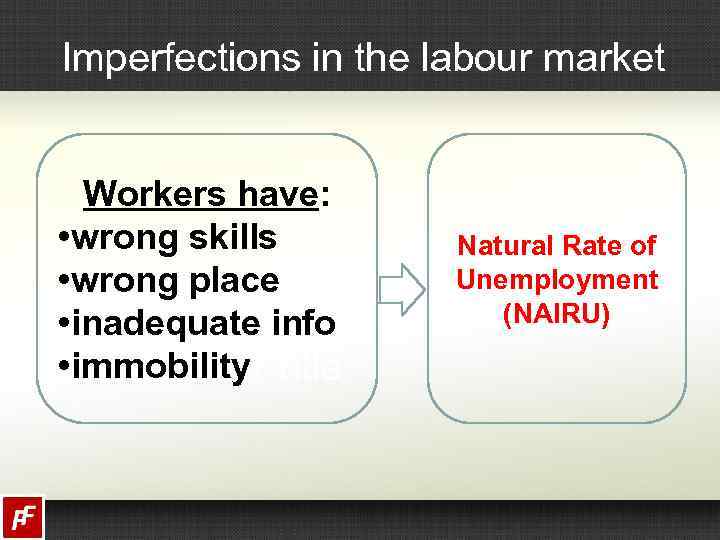 Imperfections in the labour market Workers have: • wrong skills • wrong place • inadequate info • immobility Natural Rate of Unemployment (NAIRU)
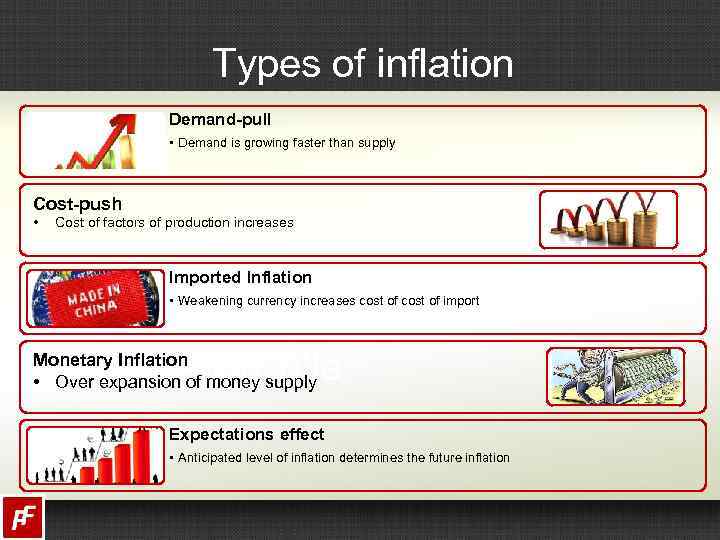 Types of inflation Demand-pull • Demand is growing faster than supply Cost-push • Cost of factors of production increases Imported Inflation • Weakening currency increases cost of import Monetary Inflation • Over expansion of money supply Expectations effect • Anticipated level of inflation determines the future inflation
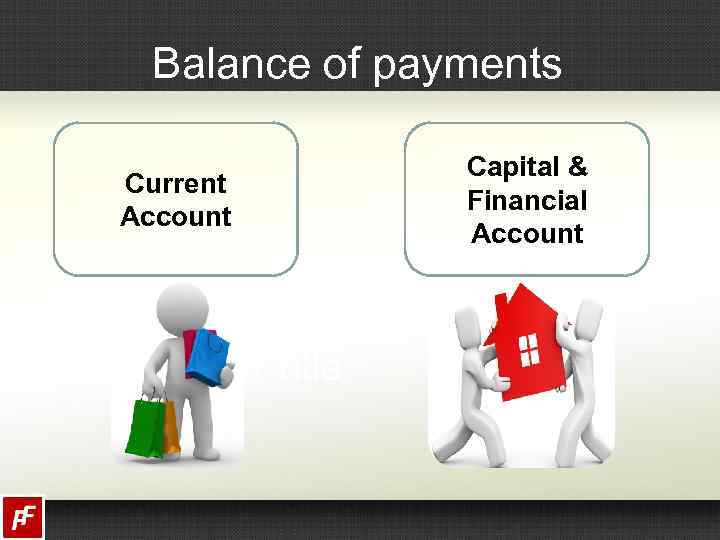 Balance of payments Current Account Capital & Financial Account
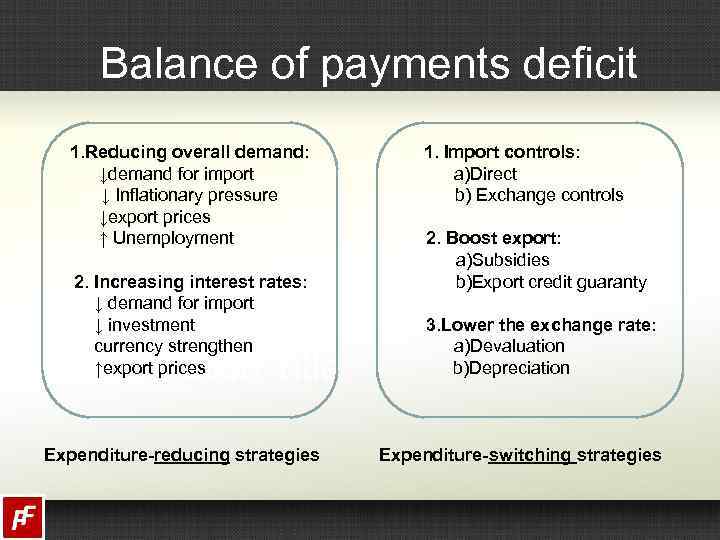 Balance of payments deficit 1. Reducing overall demand: ↓demand for import ↓ Inflationary pressure ↓export prices ↑ Unemployment 2. Increasing interest rates: ↓ demand for import ↓ investment currency strengthen ↑export prices Expenditure-reducing strategies 1. Import controls: a)Direct b) Exchange controls 2. Boost export: a)Subsidies b)Export credit guaranty 3. Lower the exchange rate: a)Devaluation b)Depreciation Expenditure-switching strategies
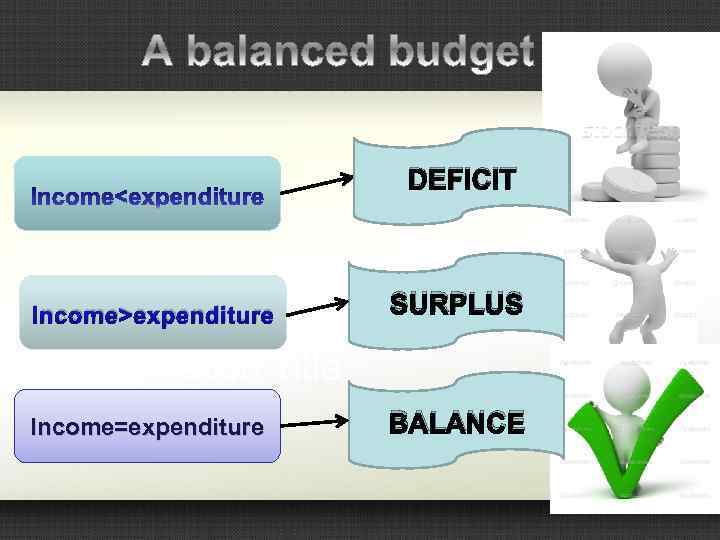 DEFICIT Income>expenditure SURPLUS Income=expenditure BALANCE
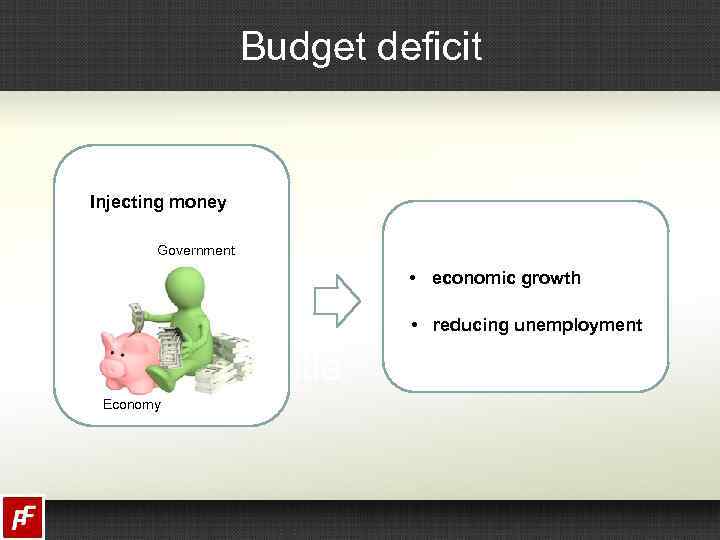 Budget deficit Injecting money Government • economic growth • reducing unemployment Economy
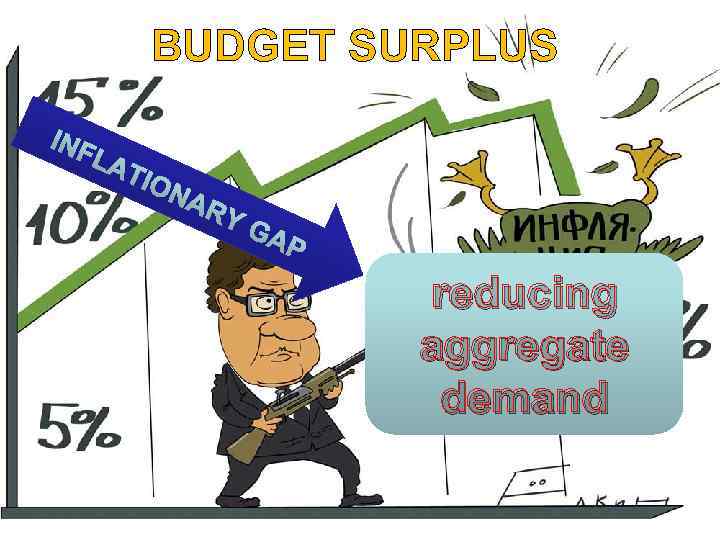 BUDGET SURPLUS reducing aggregate demand
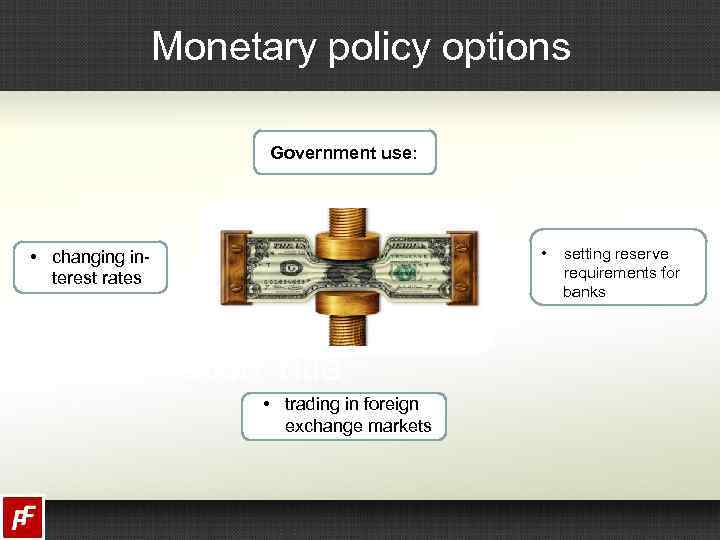 Monetary policy options Government use: • • changing interest rates • trading in foreign exchange markets setting reserve requirements for banks
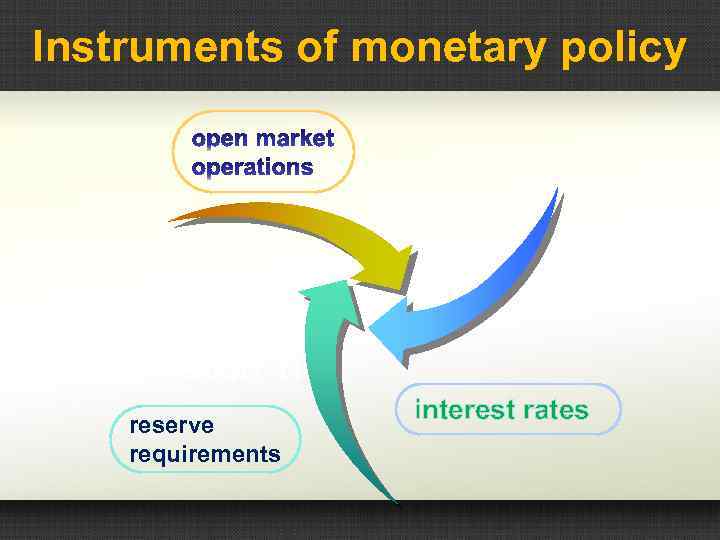 Instruments of monetary policy reserve requirements interest rates
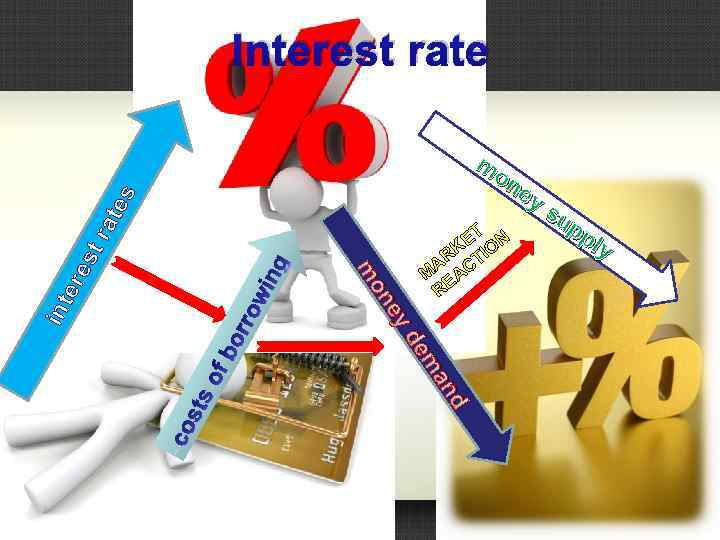 Interest rate ere on ey int ET ON RK TI A M EAC R m st rat es m on ey su pp ly m de d an
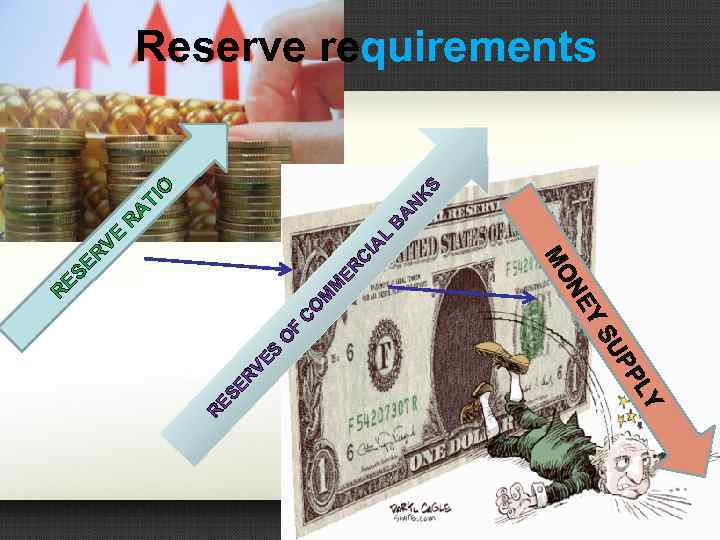 Reserve requirements O K S TI A B C IA L ER M M O C O F VE S ER LY ES PP SU R Y NE MO R VE ER ES N A R
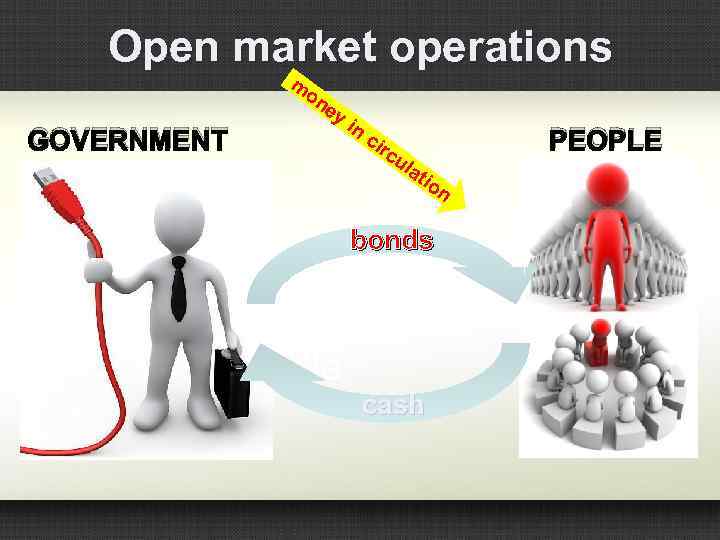 Open market operations m on GOVERNMENT ey i n PEOPLE cir cu lat io n bonds cash
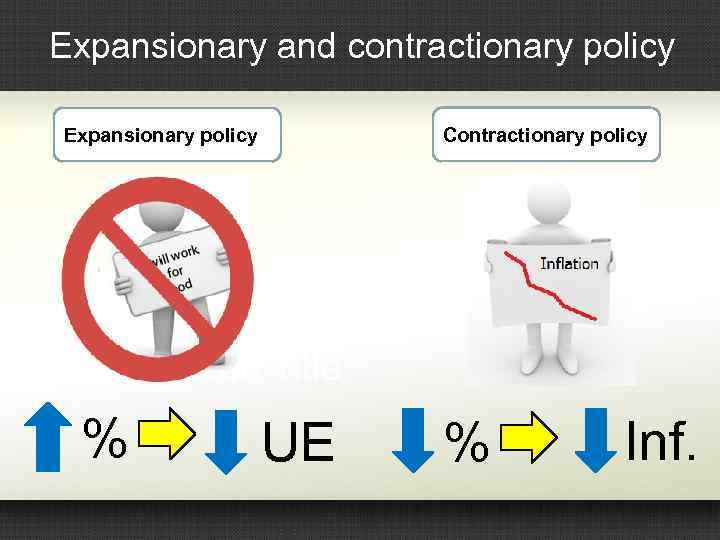 Expansionary and contractionary policy Contractionary policy Expansionary policy % UE % Inf.
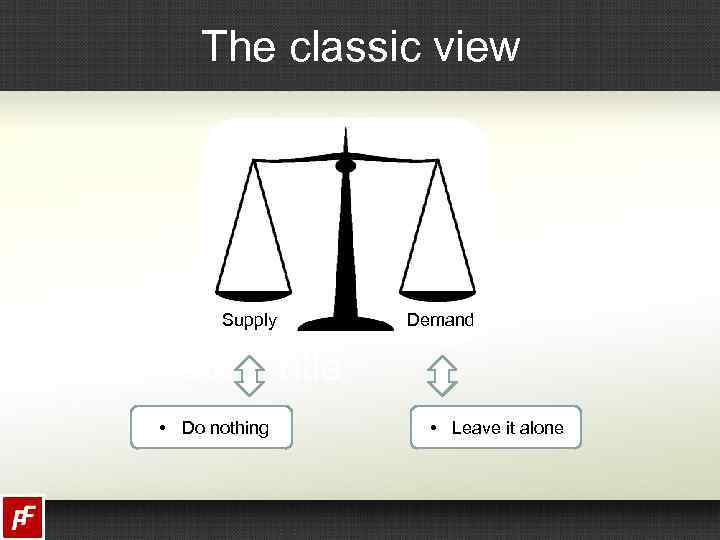 The classic view Supply • Do nothing Demand • Leave it alone
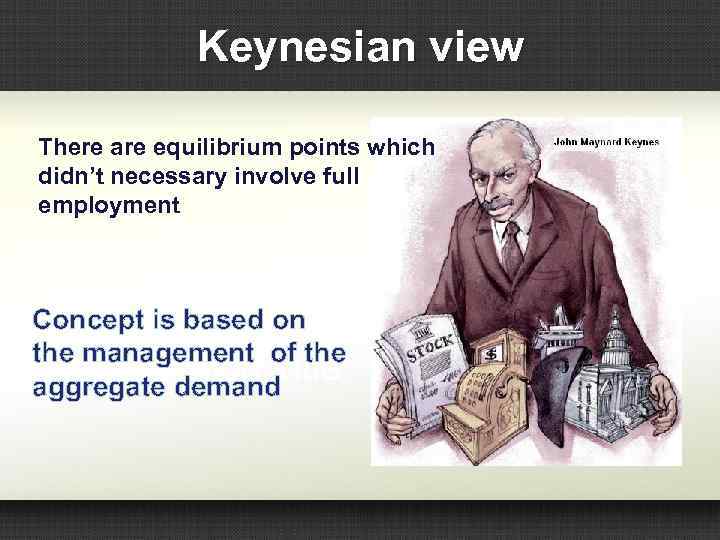 Keynesian view There are equilibrium points which didn’t necessary involve full employment Concept is based on the management of the aggregate demand
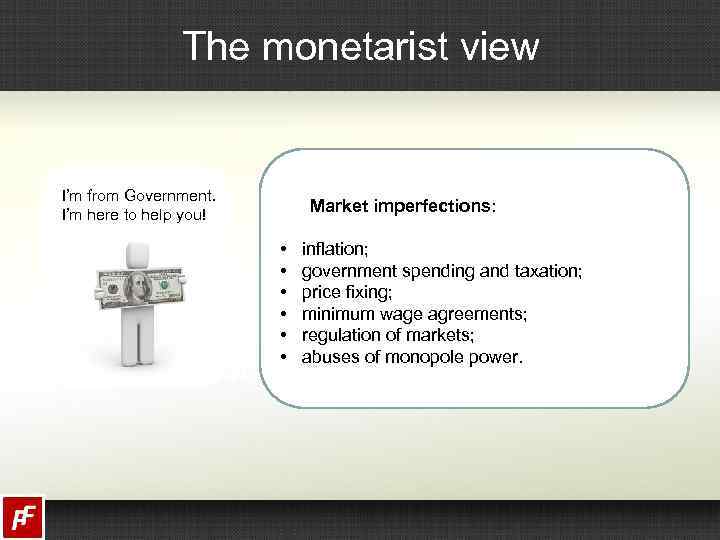 The monetarist view I’m from Government. I’m here to help you! Market imperfections: • • • inflation; government spending and taxation; price fixing; minimum wage agreements; regulation of markets; abuses of monopole power.
 Fantastic Four Irina Borodina Olga Gnutova Mary Levkova Pavel Troshenkov Dmitry Stiran Specialists in Anchorman Microeconomics Economic Policy