


 Скачать презентацию Economic and Financial Integration in Europe Recent Stresses
350003a96f71c2881410eed9b5fb7c30.ppt
- Количество слайдов: 23
 Economic and Financial Integration in Europe Recent Stresses and Policy Challenges Mahmood Pradhan European Department IMF
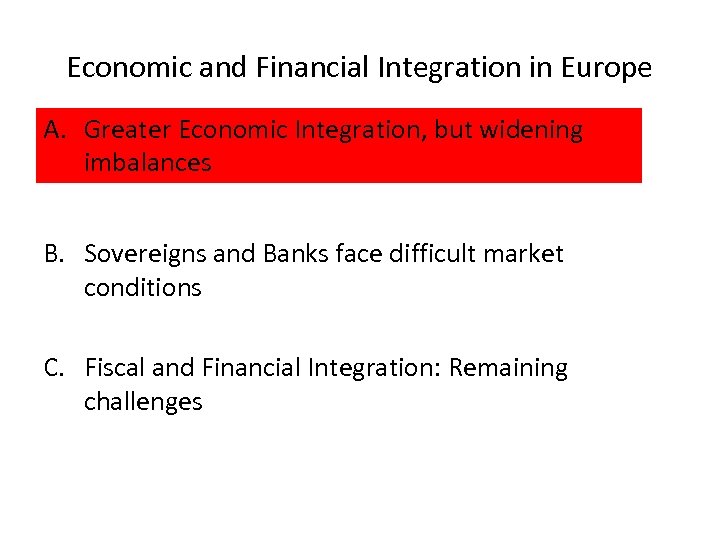 Economic and Financial Integration in Europe A. Greater Economic Integration, but widening imbalances B. Sovereigns and Banks face difficult market conditions C. Fiscal and Financial Integration: Remaining challenges
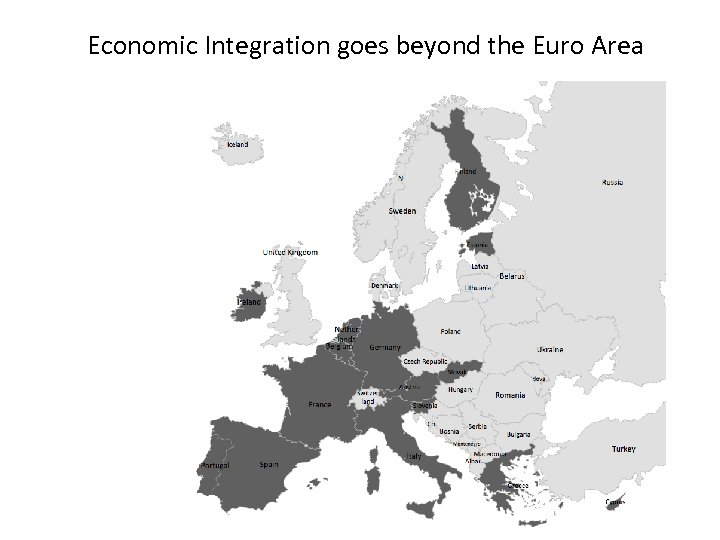 Economic Integration goes beyond the Euro Area
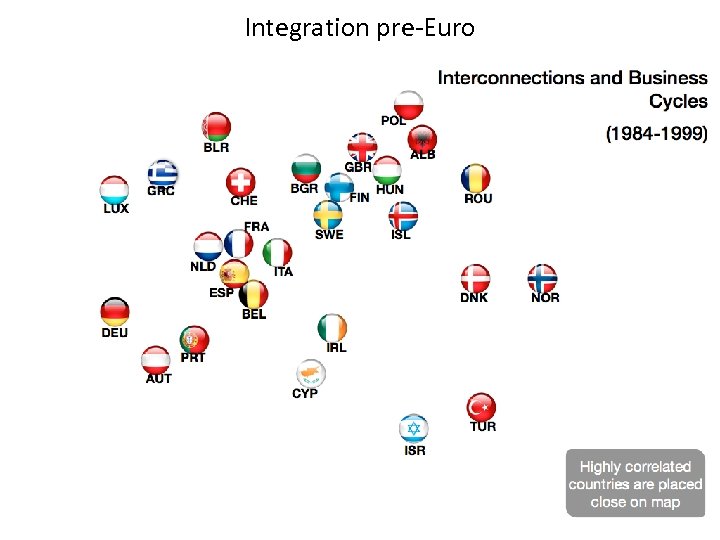 Integration pre-Euro
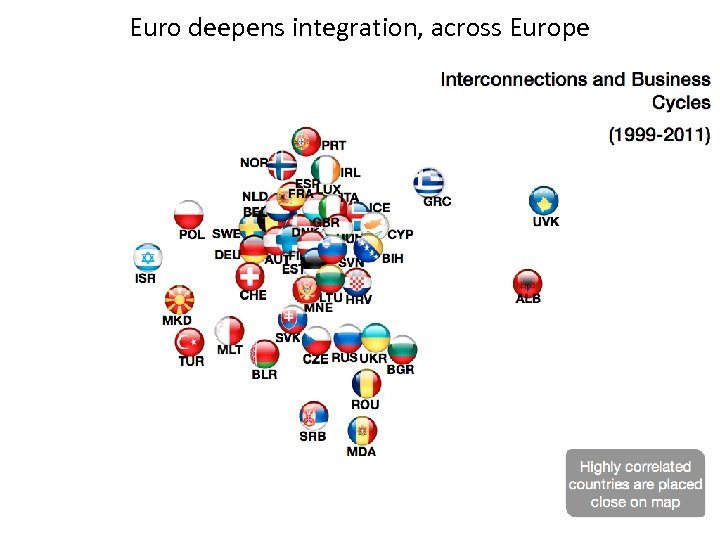 Euro deepens integration, across Europe
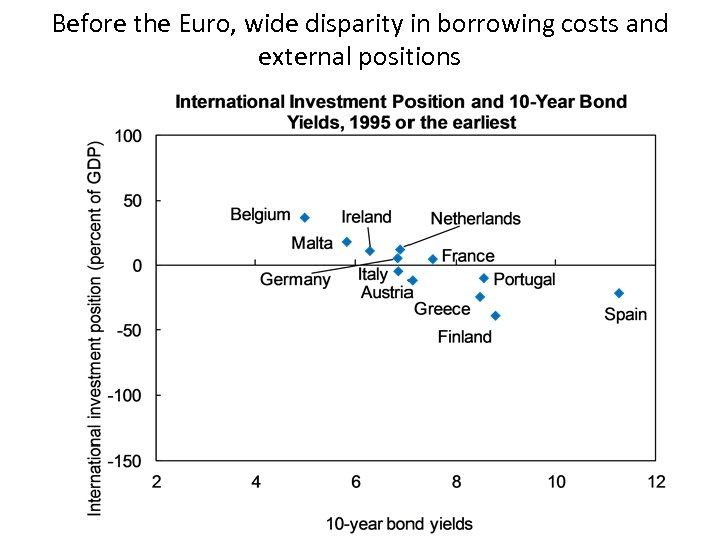 Before the Euro, wide disparity in borrowing costs and external positions
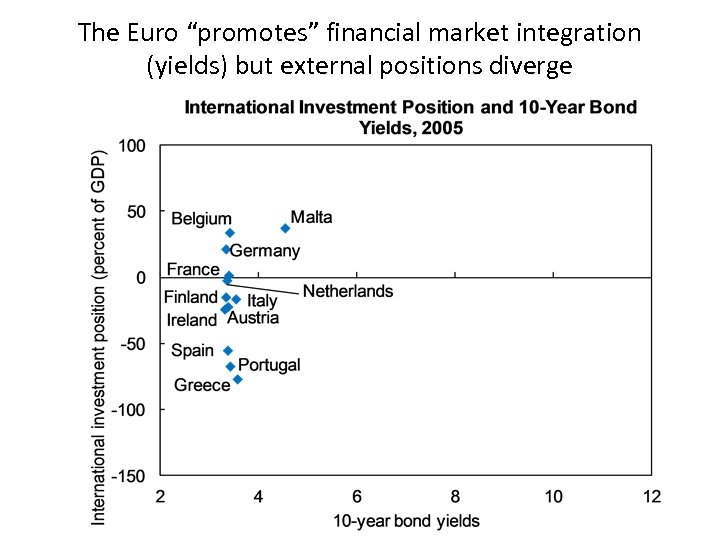 The Euro “promotes” financial market integration (yields) but external positions diverge
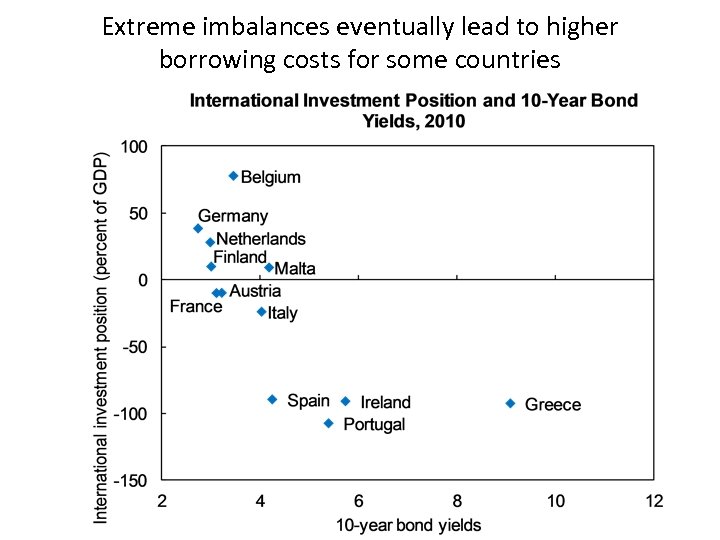 Extreme imbalances eventually lead to higher borrowing costs for some countries
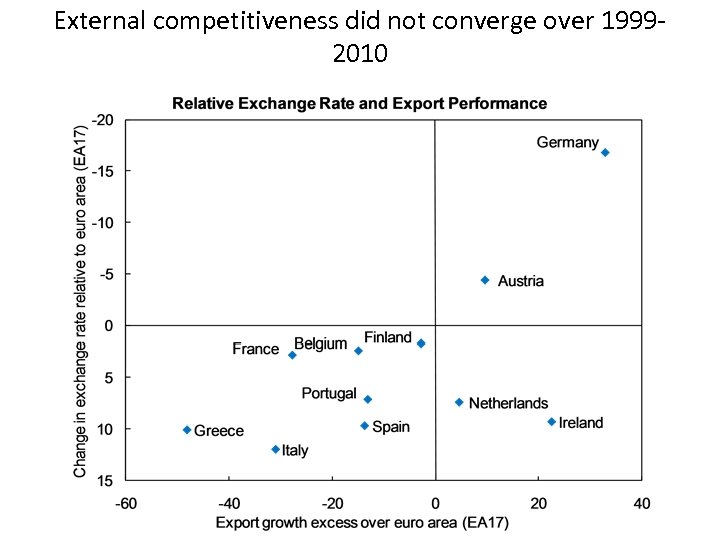 External competitiveness did not converge over 19992010
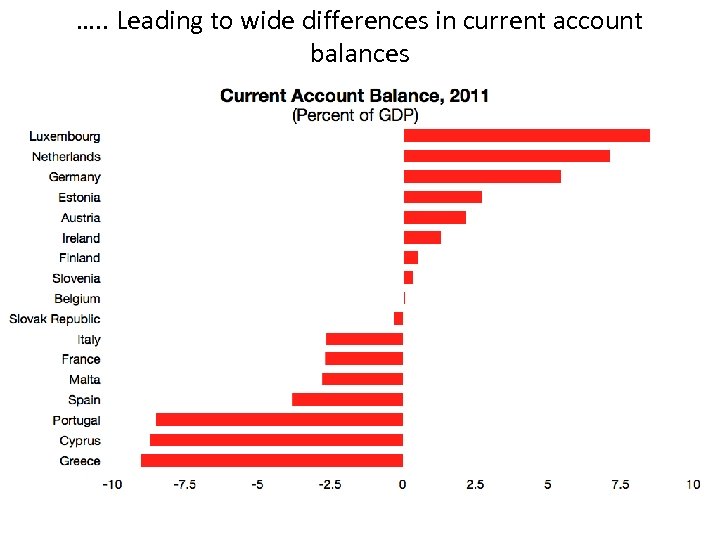 …. . Leading to wide differences in current account balances
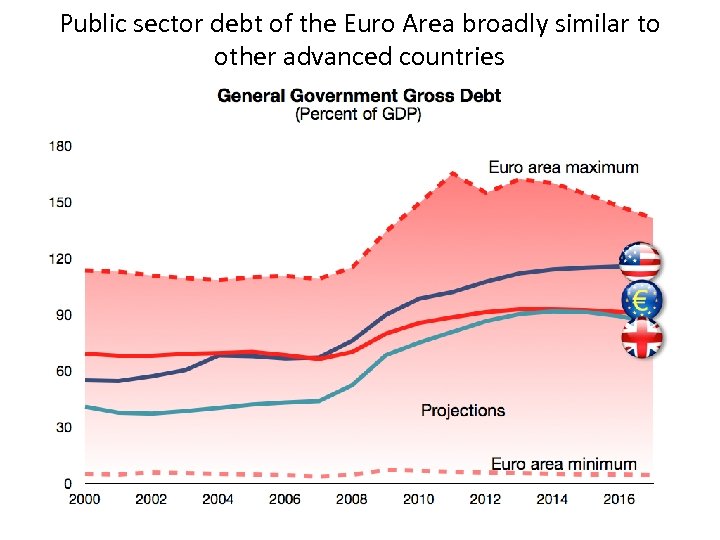 Public sector debt of the Euro Area broadly similar to other advanced countries
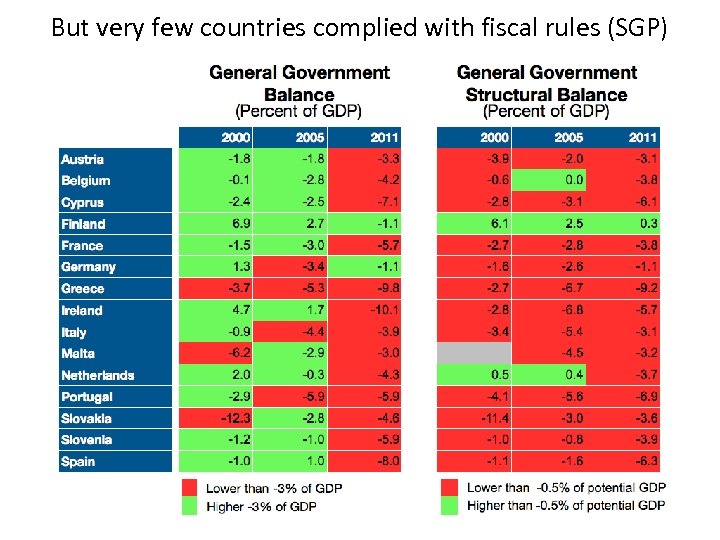 But very few countries complied with fiscal rules (SGP)
 Economic and Financial Integration in Europe A. Greater Economic Integration but widening imbalances B. Sovereigns and Banks face difficult market conditions C. Fiscal and Financial Integration: Remaining challenges
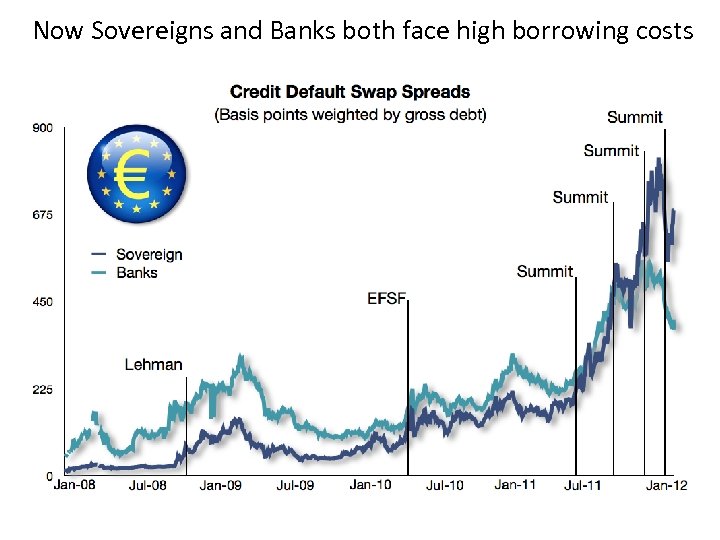 Now Sovereigns and Banks both face high borrowing costs
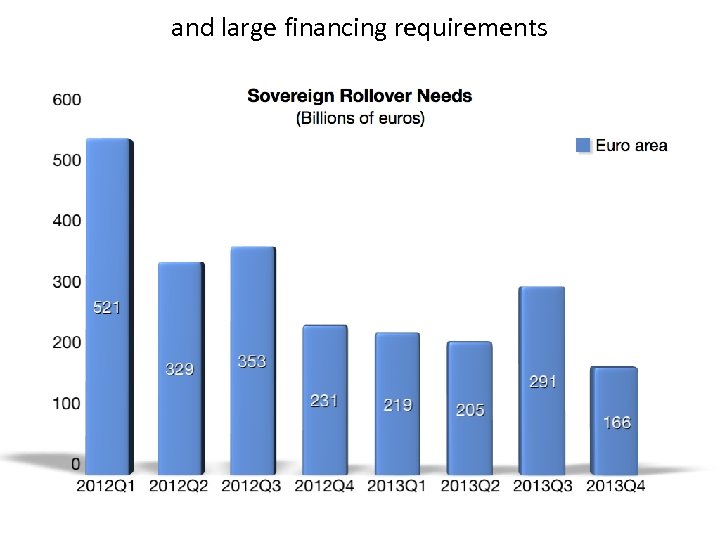 and large financing requirements
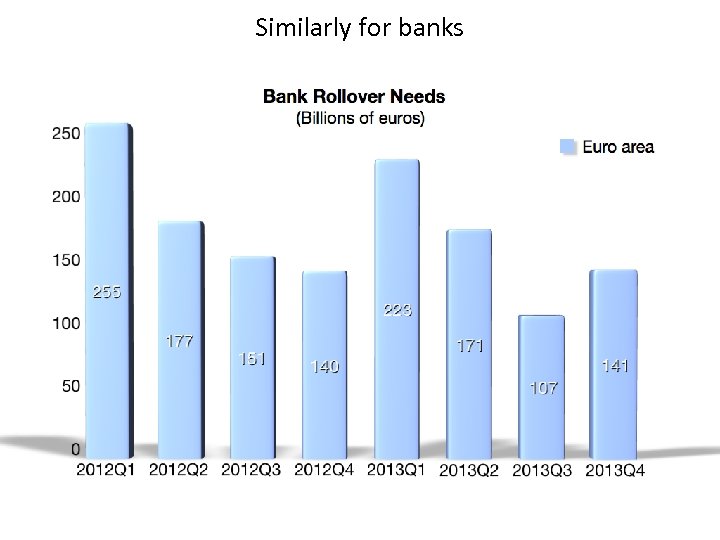 Similarly for banks
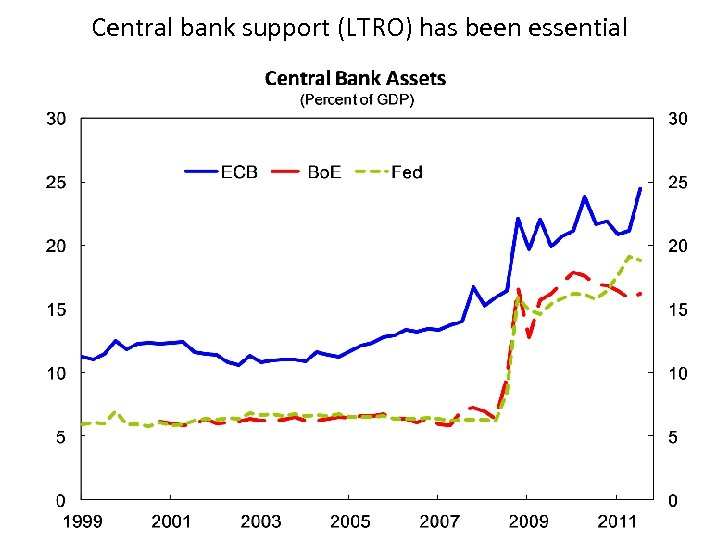 Central bank support (LTRO) has been essential
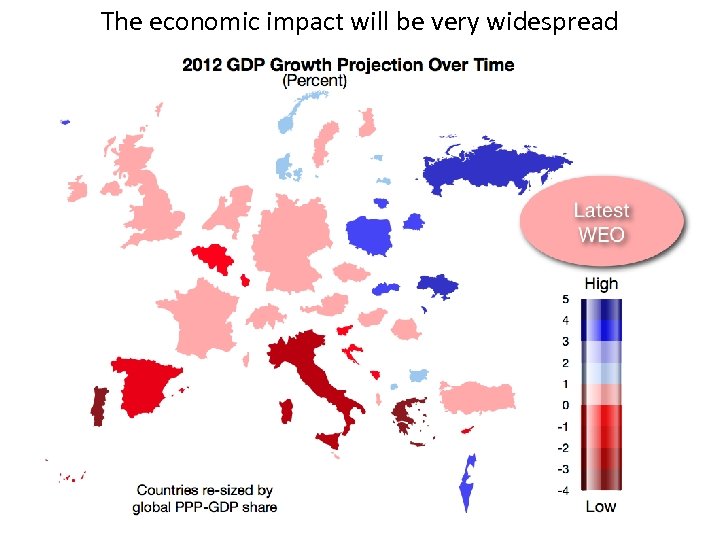 The economic impact will be very widespread
 Economic and Financial Integration in Europe A. Greater Economic Integration but widening imbalances B. Sovereigns and Banks face difficult market conditions C. Fiscal and Financial Integration: Remaining challenges
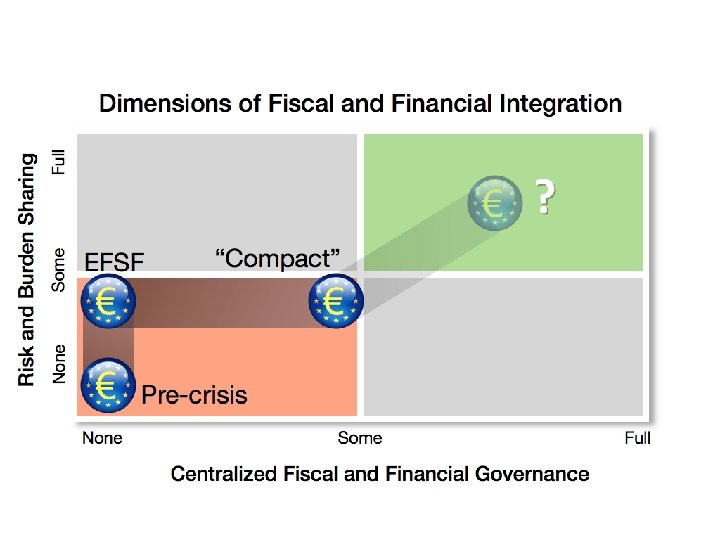
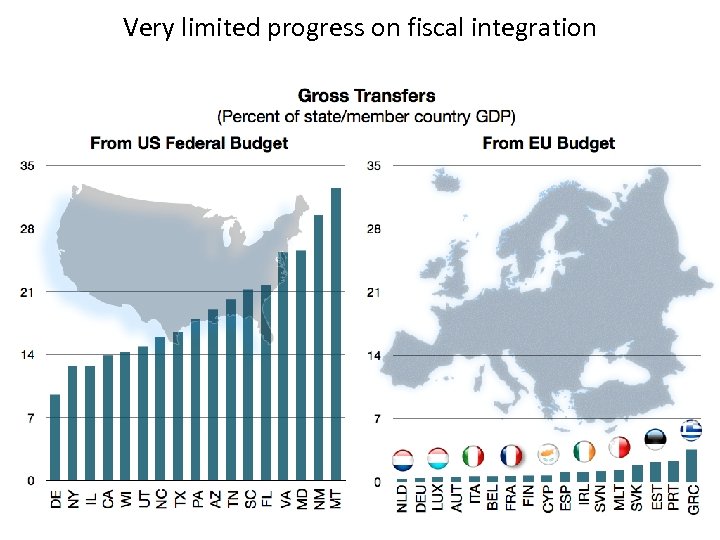 Very limited progress on fiscal integration
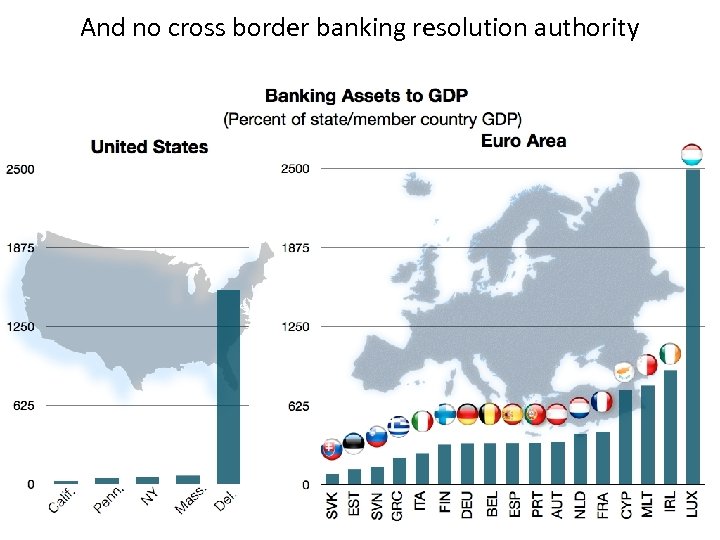 And no cross border banking resolution authority
 Stronger growth Deeper integration Thank you! Higher firewall Global effort