


 Скачать презентацию e RISK Learning Nanotechnology Applications and Implications
20e08ae9d71f6469e418165a6ddb00d5.ppt
- Количество слайдов: 53
 e RISK Learning Nanotechnology – Applications and Implications for Superfund October 18, 2007 Session 8: “Nanoparticles: Ecotoxicology” Stephen Klaine, Clemson University Patrick Larkin, Santa Fe Community College SBRP/NIEHS Organizing Committee: William Suk EPA MDB Heather Henry Michael Gill Nora Savage Maureen Avakian Claudia Thompson Jayne Michaud Barbara Walton Larry Whitson Beth Anderson Warren Layne Randall Wentsel Larry Reed Kathy Ahlmark Marian Olsen Mitch Lasat David Balshaw Charles Maurice Martha Otto
 Nanomaterials in the Environment: Carbon in Aquatic Ecosystems Stephen J. Klaine, Ph. D. Professor, ENTOX Clemson University sklaine@clemson. edu 1 1
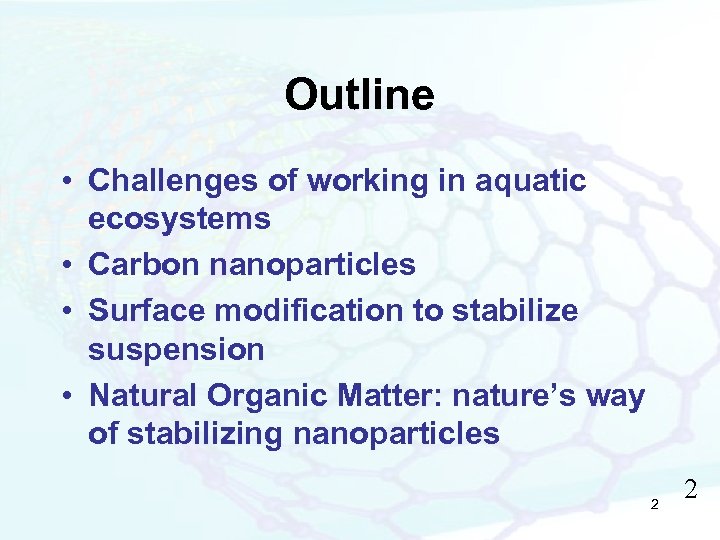 Outline • Challenges of working in aquatic ecosystems • Carbon nanoparticles • Surface modification to stabilize suspension • Natural Organic Matter: nature’s way of stabilizing nanoparticles 2 2
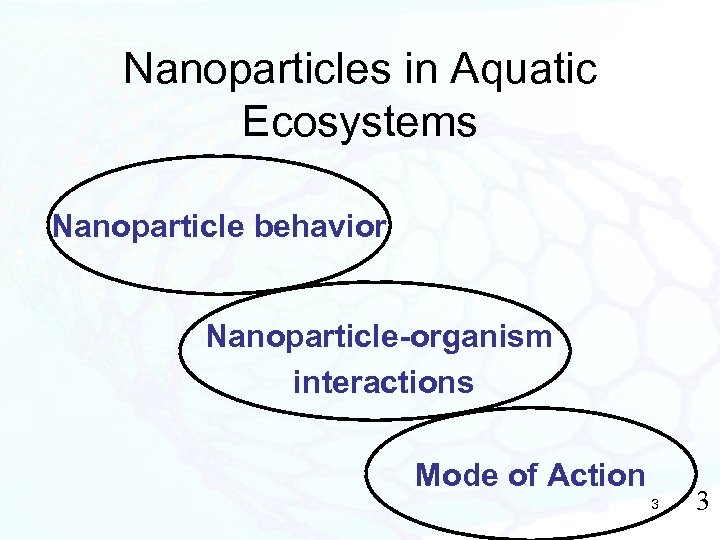 Nanoparticles in Aquatic Ecosystems Nanoparticle behavior Nanoparticle-organism interactions Mode of Action 3 3
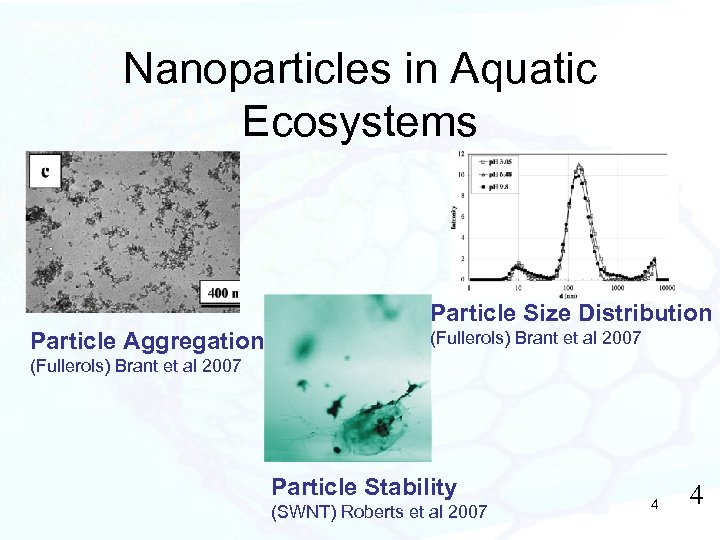 Nanoparticles in Aquatic Ecosystems Particle Size Distribution Particle Aggregation (Fullerols) Brant et al 2007 Particle Stability (SWNT) Roberts et al 2007 4 4
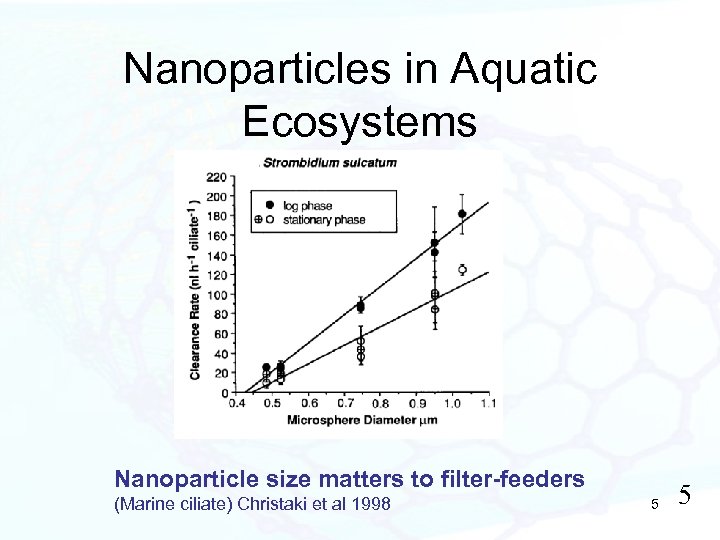 Nanoparticles in Aquatic Ecosystems Nanoparticle size matters to filter-feeders (Marine ciliate) Christaki et al 1998 5 5
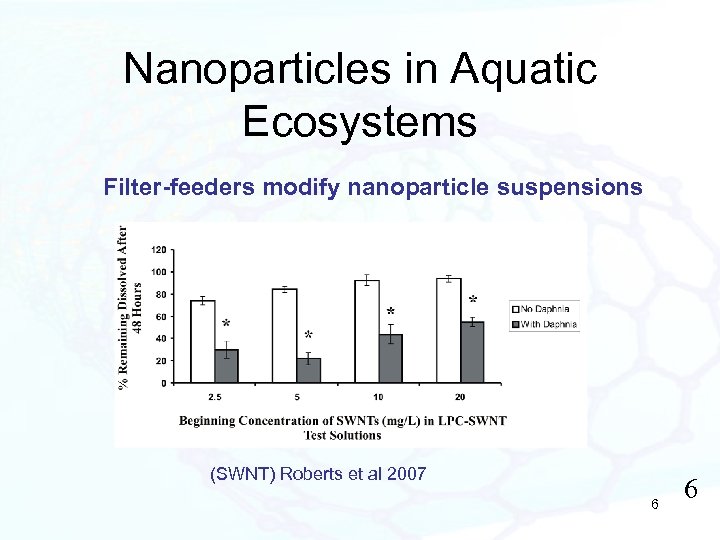 Nanoparticles in Aquatic Ecosystems Filter-feeders modify nanoparticle suspensions (SWNT) Roberts et al 2007 6 6
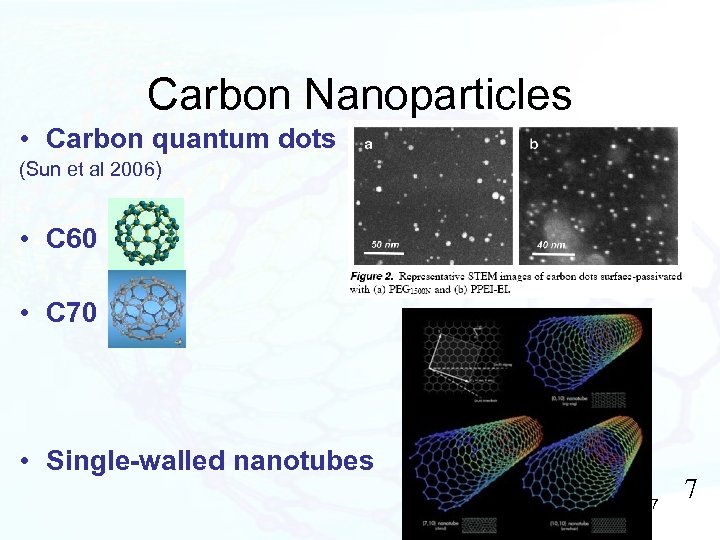 Carbon Nanoparticles • Carbon quantum dots (Sun et al 2006) • C 60 • C 70 • Single-walled nanotubes 7 7
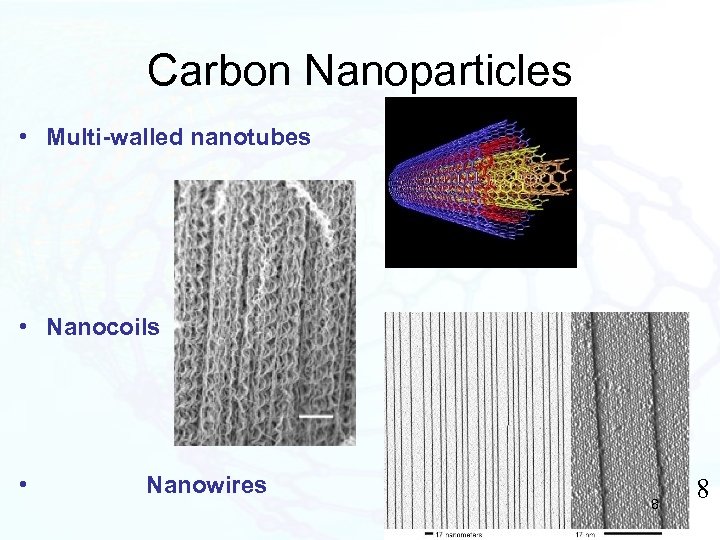 Carbon Nanoparticles • Multi-walled nanotubes • Nanocoils • Nanowires 8 8
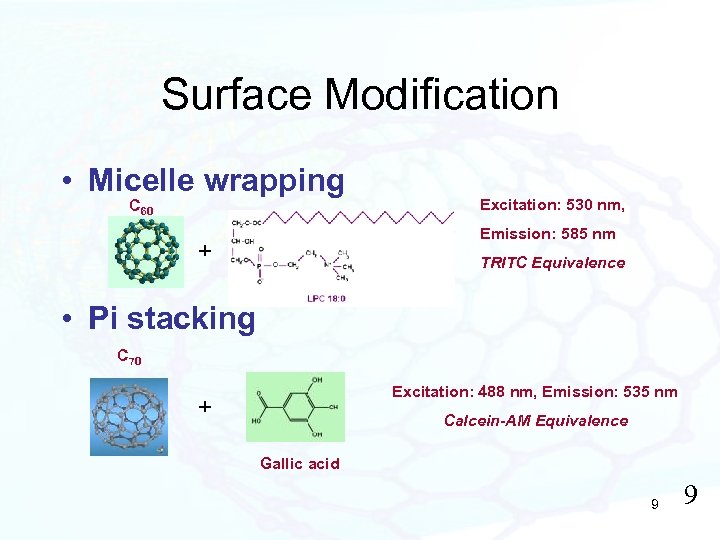 Surface Modification • Micelle wrapping C 60 Excitation: 530 nm, Emission: 585 nm + TRITC Equivalence • Pi stacking C 70 Excitation: 488 nm, Emission: 535 nm + Calcein-AM Equivalence Gallic acid 9 9
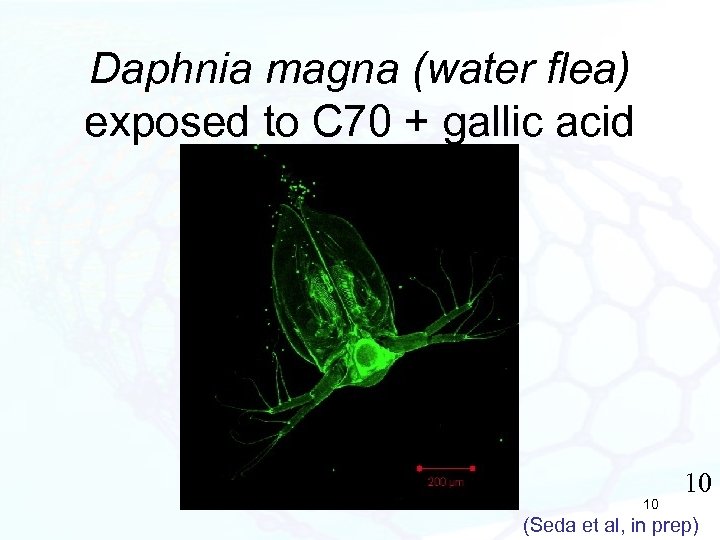 Daphnia magna (water flea) exposed to C 70 + gallic acid 10 10 (Seda et al, in prep)
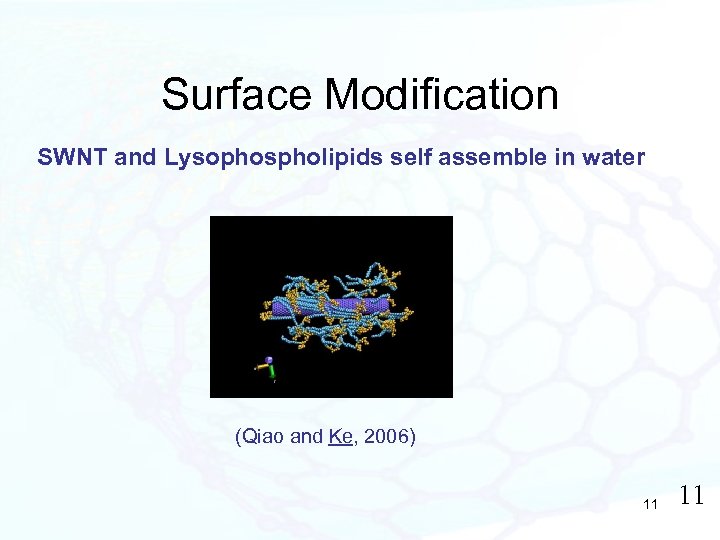 Surface Modification SWNT and Lysophospholipids self assemble in water (Qiao and Ke, 2006) 11 11
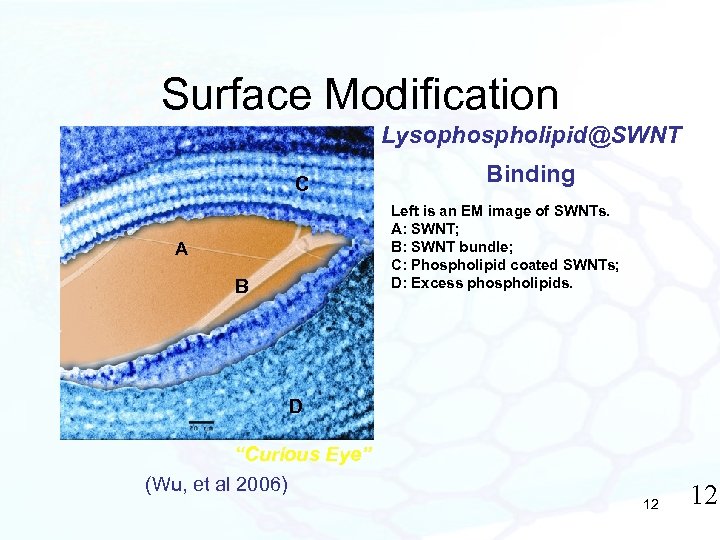 Surface Modification Lysophospholipid@SWNT C Binding Left is an EM image of SWNTs. A: SWNT; B: SWNT bundle; C: Phospholipid coated SWNTs; D: Excess phospholipids. A B D “Curious Eye” (Wu, et al 2006) 12 12
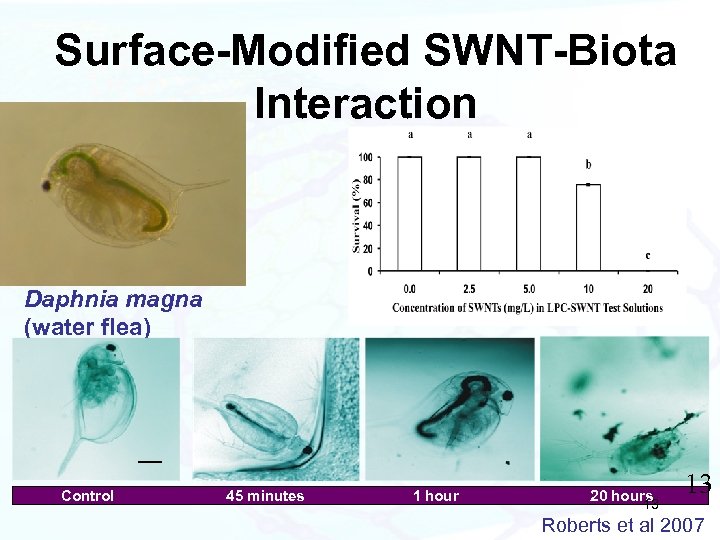 Surface-Modified SWNT-Biota Interaction Daphnia magna (water flea) Control 45 minutes 1 hour 20 hours 13 13 Roberts et al 2007
 Natural Organic Matter: Nature’s way of stabilizing nanoparticles Natural organic matter (NOM) is used to describe the complex mixture of organic material, such as humic acids, hydrophilic acids, proteins, lipids, amino acids and hydrocarbons, present in surface waters and resulting from the decay of biota within the watershed. 14 14
 Natural Organic Matter: Nature’s way of stabilizing nanoparticles NOM is composed of a mixture of complex molecules varying from low to high molecular weights, including diagenetically altered biopolymers and black carbons. NOM can vary greatly, depending on its origin, transformation mode, age, and existing environment, thus its biophysico-chemical functions and properties vary with different environments. 15 15
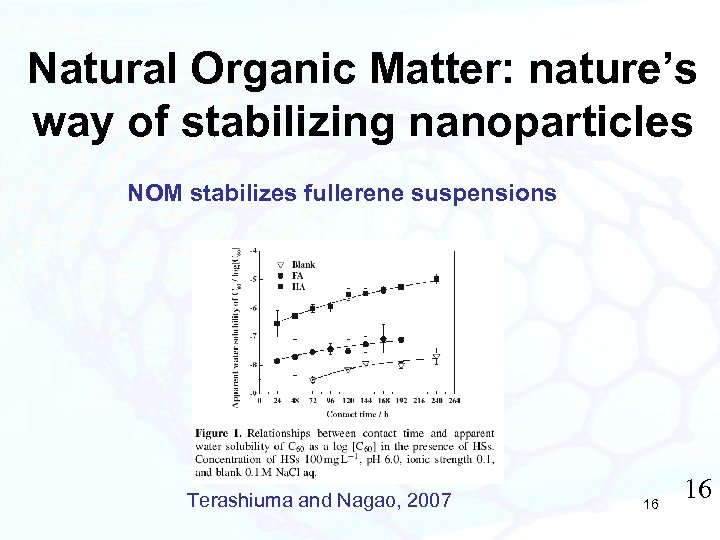 Natural Organic Matter: nature’s way of stabilizing nanoparticles NOM stabilizes fullerene suspensions Terashiuma and Nagao, 2007 16 16
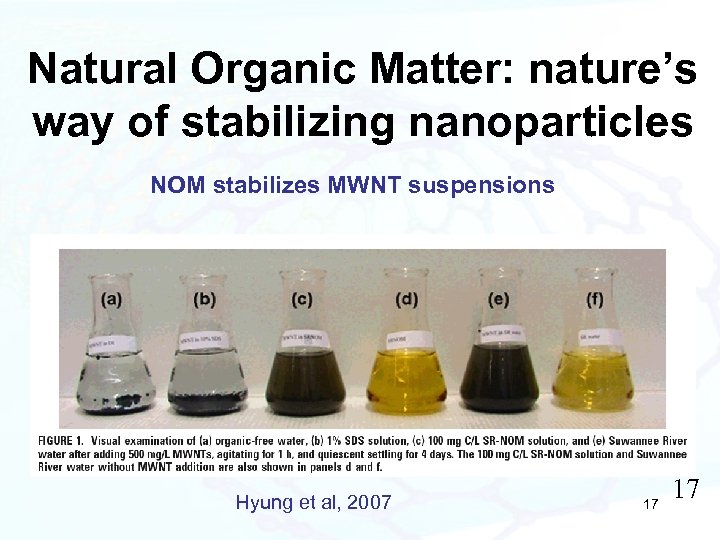 Natural Organic Matter: nature’s way of stabilizing nanoparticles NOM stabilizes MWNT suspensions Hyung et al, 2007 17 17
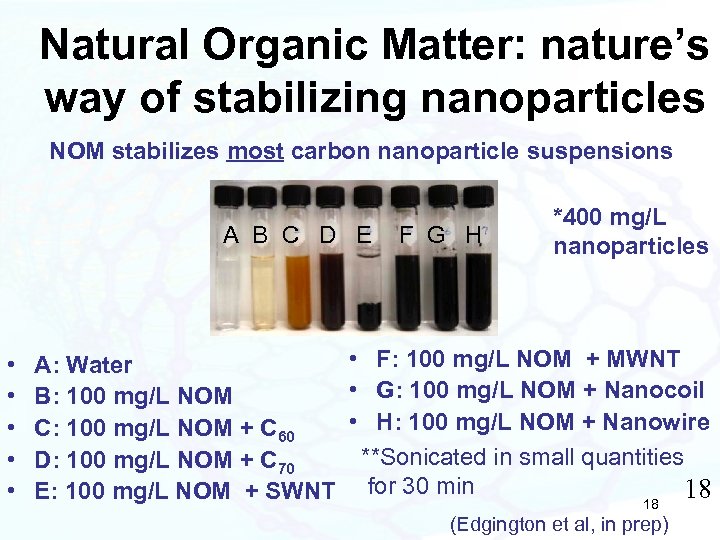 Natural Organic Matter: nature’s way of stabilizing nanoparticles NOM stabilizes most carbon nanoparticle suspensions A B C D E • • • F G H *400 mg/L nanoparticles • F: 100 mg/L NOM + MWNT A: Water • G: 100 mg/L NOM + Nanocoil B: 100 mg/L NOM • H: 100 mg/L NOM + Nanowire C: 100 mg/L NOM + C 60 **Sonicated in small quantities D: 100 mg/L NOM + C 70 18 E: 100 mg/L NOM + SWNT for 30 min 18 (Edgington et al, in prep)
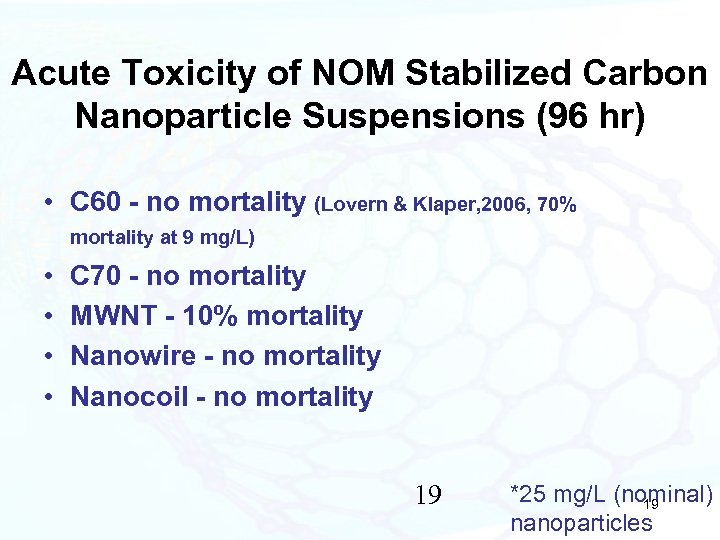 Acute Toxicity of NOM Stabilized Carbon Nanoparticle Suspensions (96 hr) • C 60 - no mortality (Lovern & Klaper, 2006, 70% mortality at 9 mg/L) • • C 70 - no mortality MWNT - 10% mortality Nanowire - no mortality Nanocoil - no mortality 19 *25 mg/L (nominal) 19 nanoparticles
 Creating Reproducible Nanoparticle Suspensions - SOP • 25 mg/l carbon nanoparticles were suspended via sonication in a solution containing 15 mg/l dissolved organic carbon. • After 24 hours, an average of 7 mg/l had fallen out of suspension to the bottom of the tube. Concentration at 24 h was 18 ± 0. 5 mg/l. (n=12; cv = 5. 9%) 20 20 (Edgington et al, in prep)
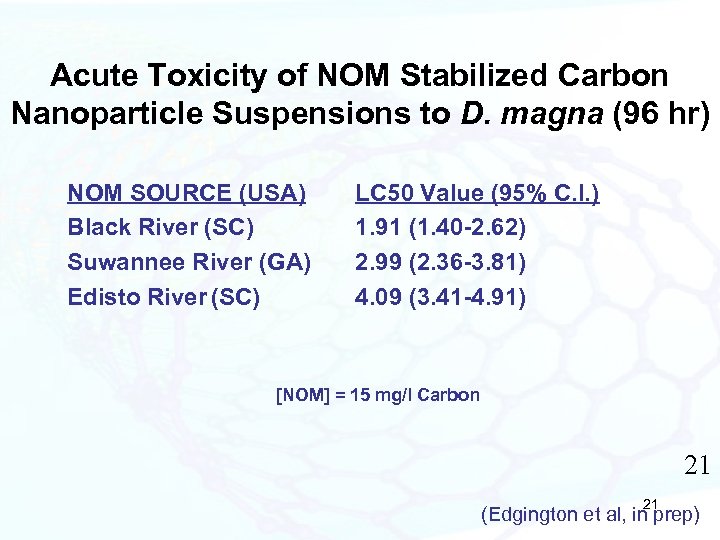 Acute Toxicity of NOM Stabilized Carbon Nanoparticle Suspensions to D. magna (96 hr) NOM SOURCE (USA) Black River (SC) Suwannee River (GA) Edisto River (SC) LC 50 Value (95% C. I. ) 1. 91 (1. 40 -2. 62) 2. 99 (2. 36 -3. 81) 4. 09 (3. 41 -4. 91) [NOM] = 15 mg/l Carbon 21 21 (Edgington et al, in prep)
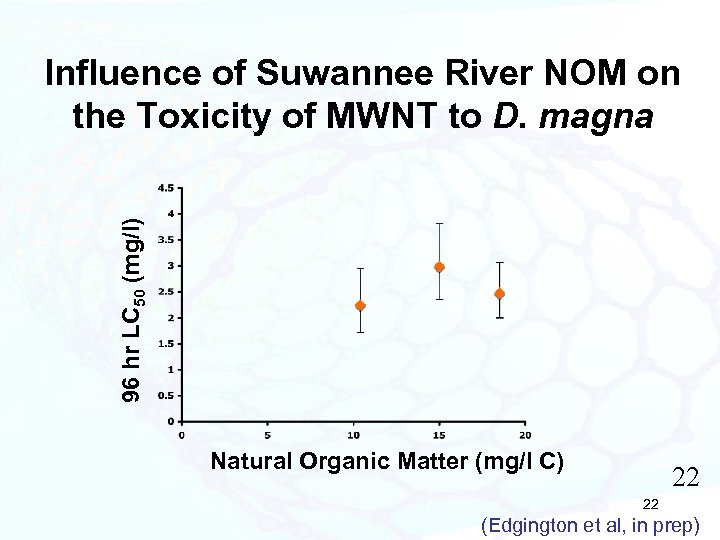 96 hr LC 50 (mg/l) Influence of Suwannee River NOM on the Toxicity of MWNT to D. magna Natural Organic Matter (mg/l C) 22 22 (Edgington et al, in prep)
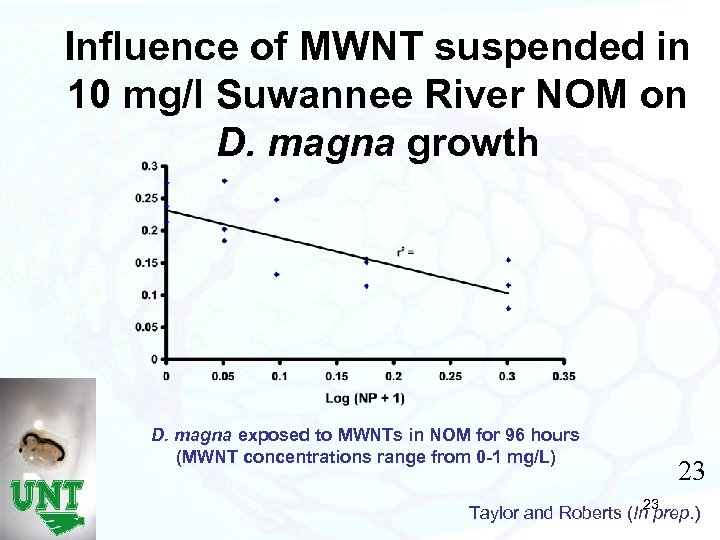 Influence of MWNT suspended in 10 mg/l Suwannee River NOM on D. magna growth D. magna exposed to MWNTs in NOM for 96 hours (MWNT concentrations range from 0 -1 mg/L) 23 23 Taylor and Roberts (In prep. )
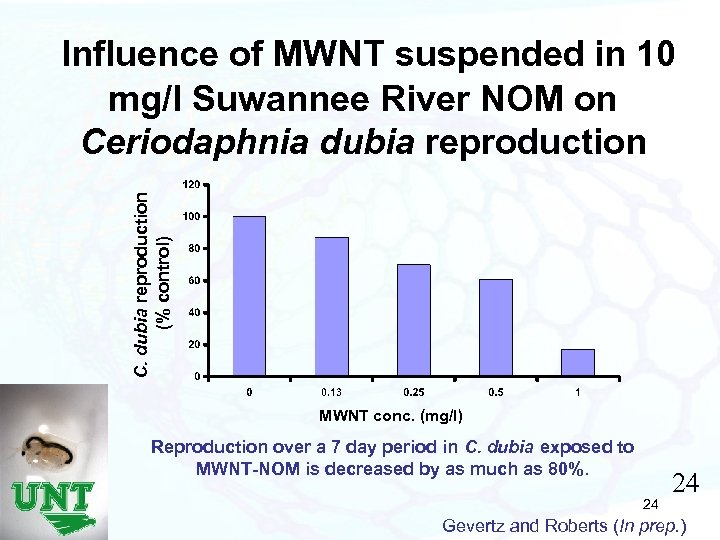 C. dubia reproduction (% control) Influence of MWNT suspended in 10 mg/l Suwannee River NOM on Ceriodaphnia dubia reproduction MWNT conc. (mg/l) Reproduction over a 7 day period in C. dubia exposed to MWNT-NOM is decreased by as much as 80%. 24 24 Gevertz and Roberts (In prep. )
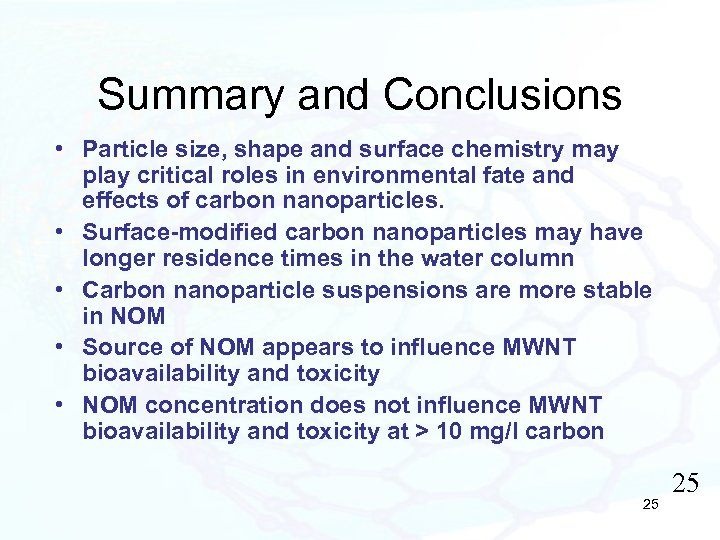 Summary and Conclusions • Particle size, shape and surface chemistry may play critical roles in environmental fate and effects of carbon nanoparticles. • Surface-modified carbon nanoparticles may have longer residence times in the water column • Carbon nanoparticle suspensions are more stable in NOM • Source of NOM appears to influence MWNT bioavailability and toxicity • NOM concentration does not influence MWNT bioavailability and toxicity at > 10 mg/l carbon 25 25
 Collaborators and Funding • Clemson University: – – – Brandon Seda and Aaron Edgington, ENTOX Ph. D. students P. C. Ke, Department of Physics R. Qiao, Department of Mechanical Engineering A. Mount, Department of Biological Science Y. P. Sun, Department of Chemistry • University of North Texas – A. Roberts, Institute of Applied Sciences • Georgia Institute of Technology – E. M. Perdue, School of Earth and Atmospheric Sciences 26 26
 Literature Cited • • • Brant, J. A. , J. Labille, C. O. Robichaud, and M. Wiesner. 2007. Fullerol cluster formation in aqueous solutions: Implications for Environmental Release. J. Colloid and Interface Science 314: 281 -288. Christaki, U. , J. R. Dolan, S. Pelegri, and F. Rassoulzadegan. 1998. Consumption of picoplankton-size particles by marine ciliates: Effects of physiological state of the ciliate and particle quality. Limnol. Oceanogr. 43(3): 458 -464. Hyung, H. , J. D. Fortner, J. B. Hughes, and J. H. Kim. 2007. Natural Organic Matter Stabilizes Carbon Nanotubes in the Aqueous Phase. Environ. Sci. Technol. 41: 179 -184. Lovern, S. B. ; Klaper, R. , Daphnia magna mortality when exposed to titanium dioxide and fullerene (C-60) nanoparticles. Environ. Toxicol. Chem. 2006, 25, (4), 1132 -1137. Qiao, R. and P. C. Ke. 2006. Lipid-Carbon Nanotube Self Assembly in Aqueous Solution. J. Am. Chem. Soc. 128 (2006), 13656. Roberts, A. P. , A. S. Mount, B. Seda, J. Souther, R. Qiao, S. Lin, P. C. Ke, A. M. Rao and S. J. Klaine Environ. Sci. Technol. 41: 3025 -3029, 2007 Terashiuma, M. and S. Nagao. 2007. Solubilization of [60] Fullerene in Water by Aquatic Humic Substances. Chemistry Letters 36(2): 302 -303. Wu, Y. , Q. Lu, J. S. Hudson, A. S. Mount, J. M. Moore, A. M. Rao, E. Alexov, and P. C. Ke. 2006. Coating Single-Walled Carbon Nanotubes with Phospholipids, J. Phys. Chem. B 110, 2475. Sun, Y. P, B. Zhou, Y. Lin, W. Wang, K. A. Shiral Fernando, P. Pathak, M. J. Meziani, B. A. Harruff, X. Wang, H. Wang, P. G. Luo, H. Yang, M. E. Kose, B. Chen, L. M. Veca, and S. Y. Xie. 2006. Quantum -sized Carbon Dots for Bright and Colorful Photoluminescence. J. Am. Chem. Soc. 128: 77567757. 27 27
 Screening of a nanoparticle using in vivo and microarray studies Dr. Patrick Larkin, Ph. D. Patrick. larkin@sfcc. edu -Independent Ecotoxicology Consultant -Santa Fe Community College Microarray cover art, 2004©Neill Bio. Medical Art. 28
 Participants and Funding Eva Oberdörster, Ph. D. David Rejeski, M. P. A, M. E. D. , B. F. A. Andrew Maynard, Ph. D. 29
 Reference for nano study ● Oberdorster et al. , (2006) Rapid environmental impact screening for engineered nanomaterials: A case study using microarray technology. Project on emerging Nanotechnologies at the Woodrow Wilson International Center for Scholars, Washington D. C. USA. Web site: www. nanoproject. com 30
 Outline of talk (1) Background of project (2) Daphnia studies -Exposures -Results (3) Fathead minnow studies -Exposures and results -Background on arrays -Array results (4) Conclusions 31
 Background The increasingly rapid introduction of nanobased substances into the marketplace requires new methods to assess both short and long-term potential environmental impacts of these compounds. 32
 Background To test the nanoparticles we used a standard EPAapproved ecotoxicology test using daphnia with assays using a newly developed, 2000 -gene DNA array for the fathead minnow. 33
 Background We collaborated directly with a company, Toda America, that manufactures Reactive Nano-Iron Particles (RNIP). These particles are currently being used to remediate toxic waste sites. 34
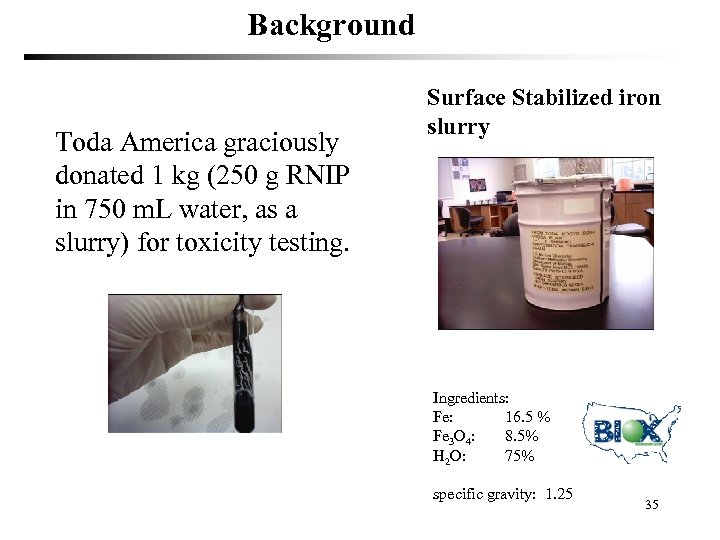 Background Toda America graciously donated 1 kg (250 g RNIP in 750 m. L water, as a slurry) for toxicity testing. Surface Stabilized iron slurry Ingredients: Fe: 16. 5 % Fe 3 O 4: 8. 5% H 2 O: 75% specific gravity: 1. 25 35
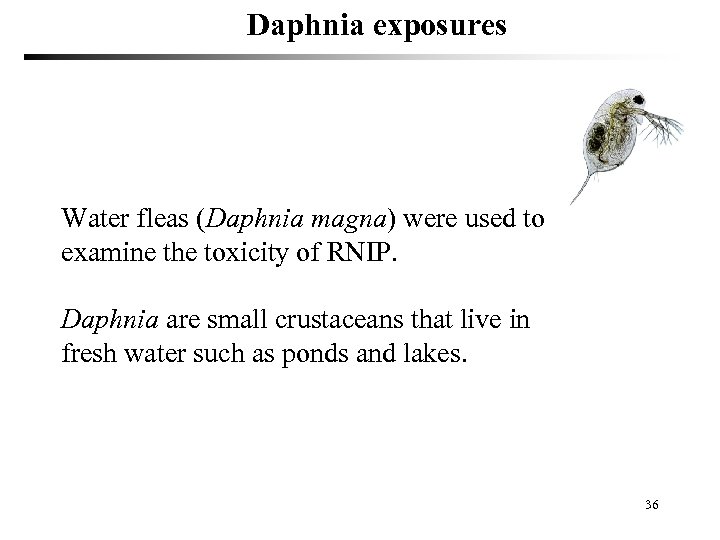 Daphnia exposures Water fleas (Daphnia magna) were used to examine the toxicity of RNIP. Daphnia are small crustaceans that live in fresh water such as ponds and lakes. 36
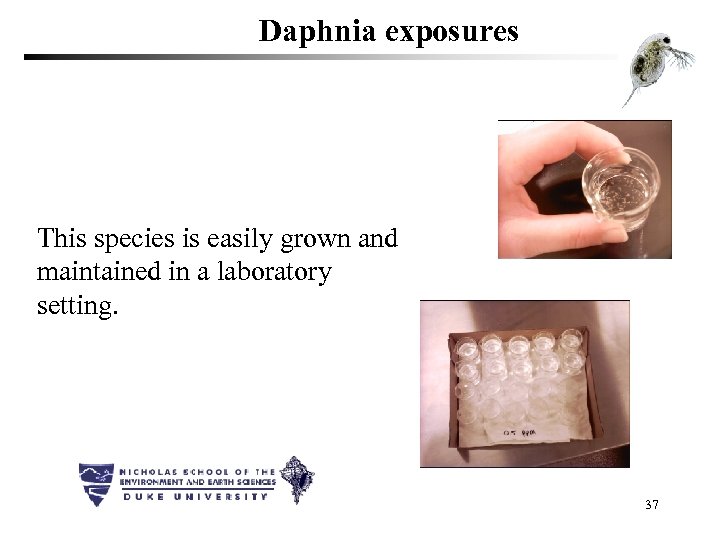 Daphnia exposures This species is easily grown and maintained in a laboratory setting. 37
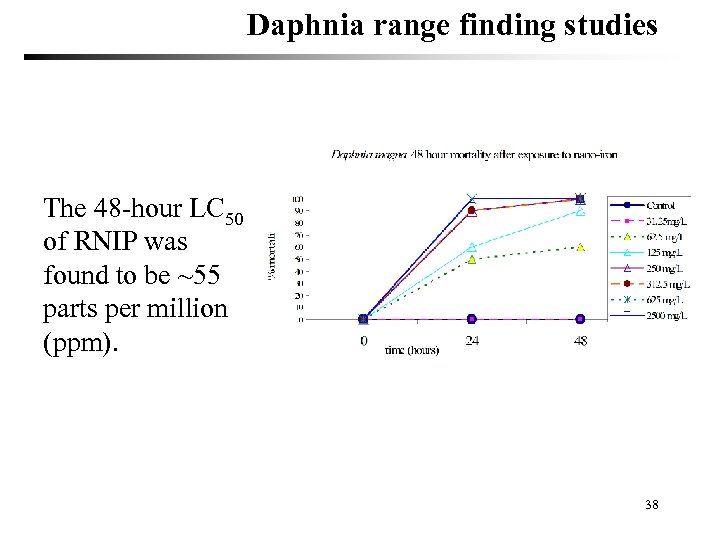 Daphnia range finding studies The 48 -hour LC 50 of RNIP was found to be ~55 parts per million (ppm). Figure 2: Daphnia mortality curve. 38
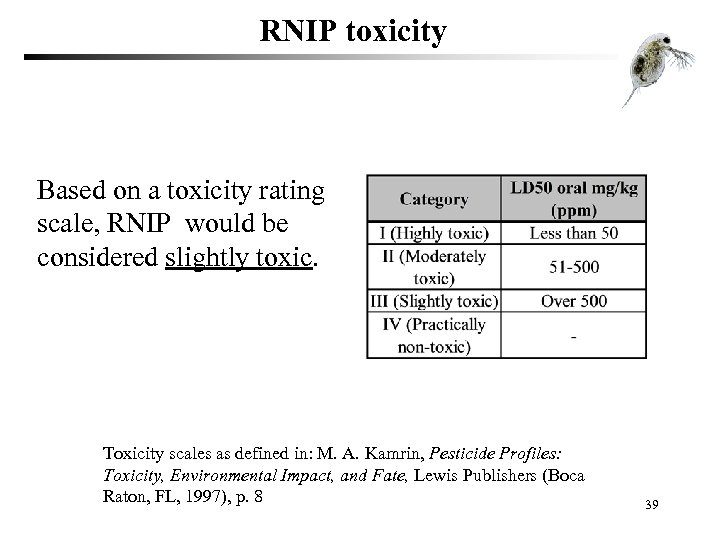 RNIP toxicity Based on a toxicity rating scale, RNIP would be considered slightly toxic. Toxicity scales as defined in: M. A. Kamrin, Pesticide Profiles: Toxicity, Environmental Impact, and Fate, Lewis Publishers (Boca Raton, FL, 1997), p. 8 39
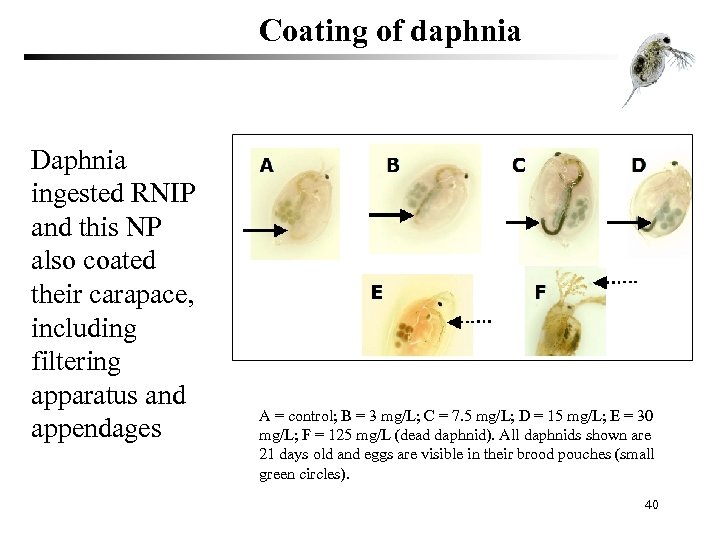 Coating of daphnia Daphnia ingested RNIP and this NP also coated their carapace, including filtering apparatus and appendages A = control; B = 3 mg/L; C = 7. 5 mg/L; D = 15 mg/L; E = 30 mg/L; F = 125 mg/L (dead daphnid). All daphnids shown are 21 days old and eggs are visible in their brood pouches (small green circles). 40
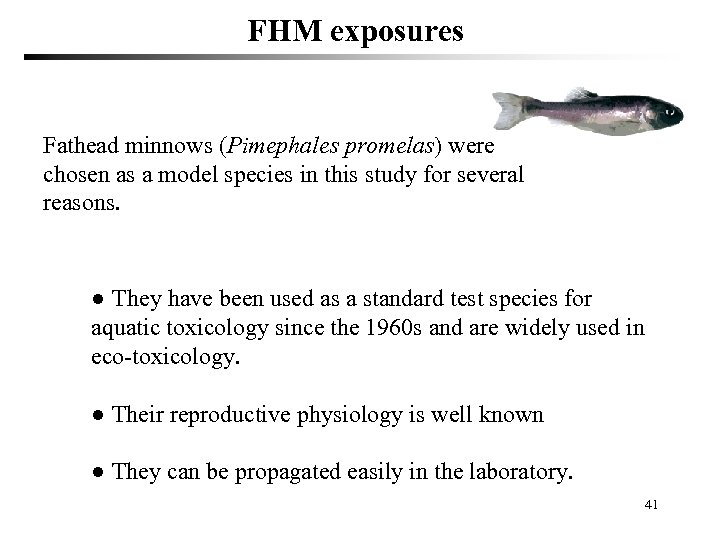 FHM exposures Fathead minnows (Pimephales promelas) were chosen as a model species in this study for several reasons. ● They have been used as a standard test species for aquatic toxicology since the 1960 s and are widely used in eco-toxicology. ● Their reproductive physiology is well known ● They can be propagated easily in the laboratory. 41
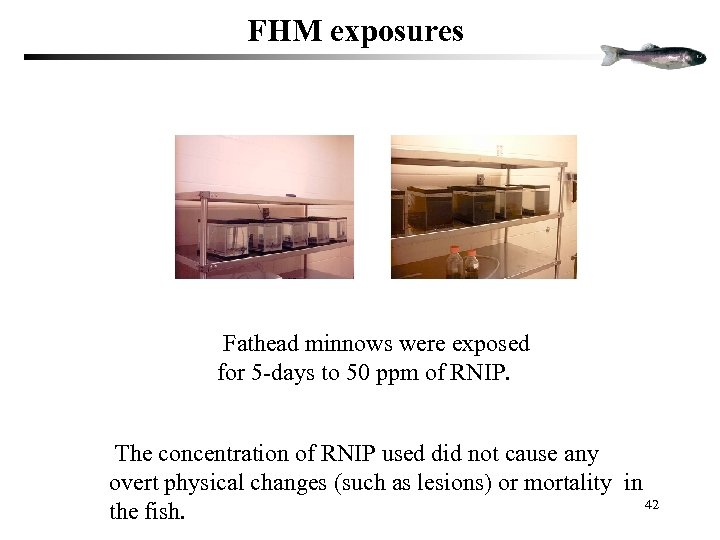 FHM exposures Fathead minnows were exposed for 5 -days to 50 ppm of RNIP. The concentration of RNIP used did not cause any overt physical changes (such as lesions) or mortality in 42 the fish.
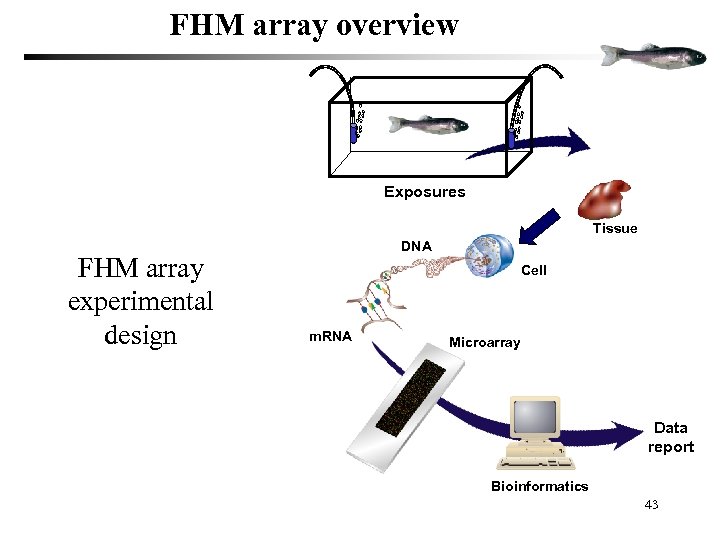 FHM array overview Exposures Tissue FHM array experimental design DNA Cell m. RNA Microarray Data report Bioinformatics 43
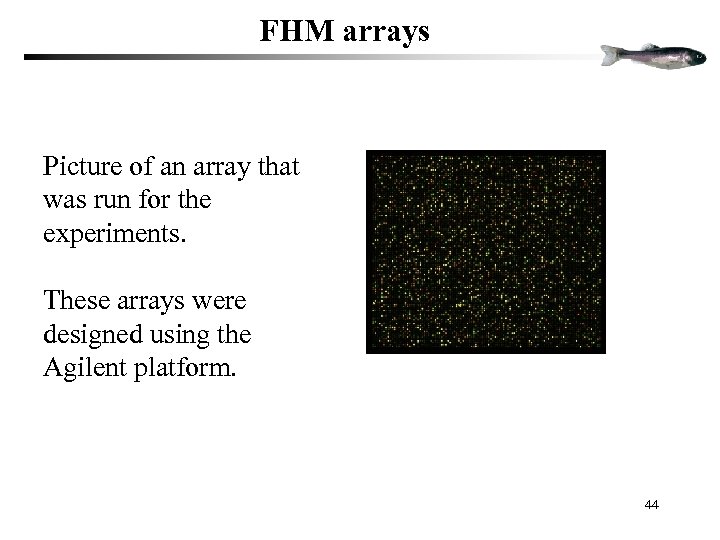 FHM arrays Picture of an array that was run for the experiments. These arrays were designed using the Agilent platform. 44
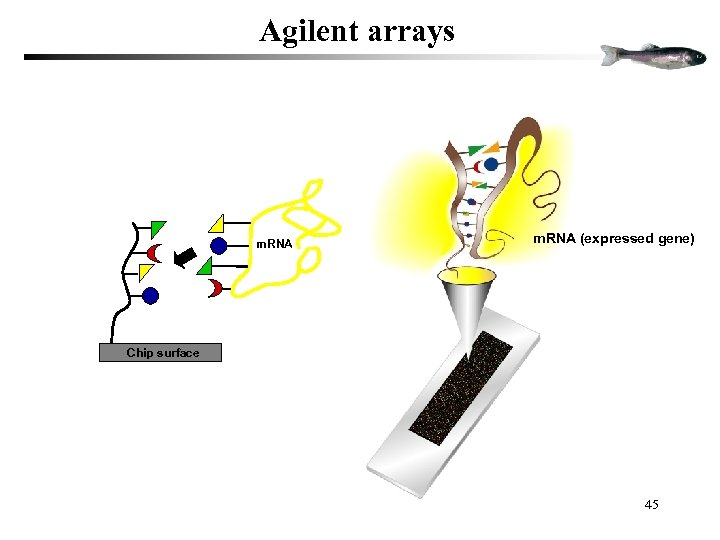 Agilent arrays m. RNA (expressed gene) Chip surface 45
 Custom design your on array Agilent’s e. Array -Custom printing. -Agilent’s manufacturing allows you to create your own microarray designs that meet your specific biological needs. -Design at your own pace and receive delivery of your arrays in weeks 200, 000 sequences now publicly available for fathead minnows 46
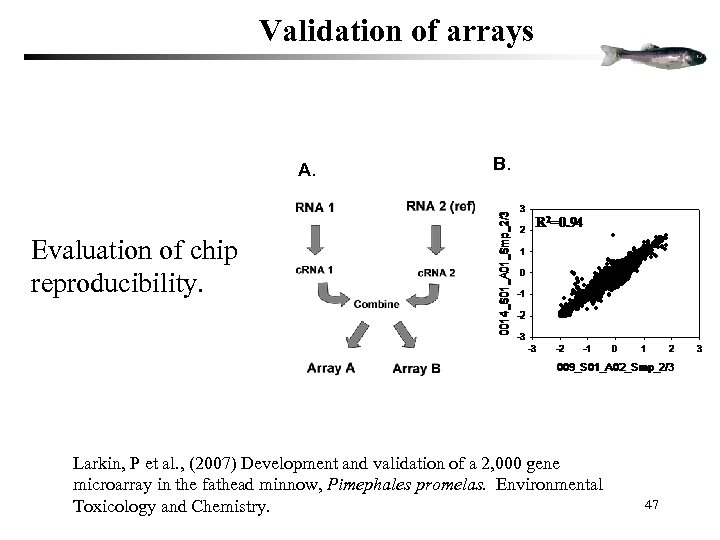 Validation of arrays A. B. Evaluation of chip reproducibility. Larkin, P et al. , (2007) Development and validation of a 2, 000 gene microarray in the fathead minnow, Pimephales promelas. Environmental Toxicology and Chemistry. 47
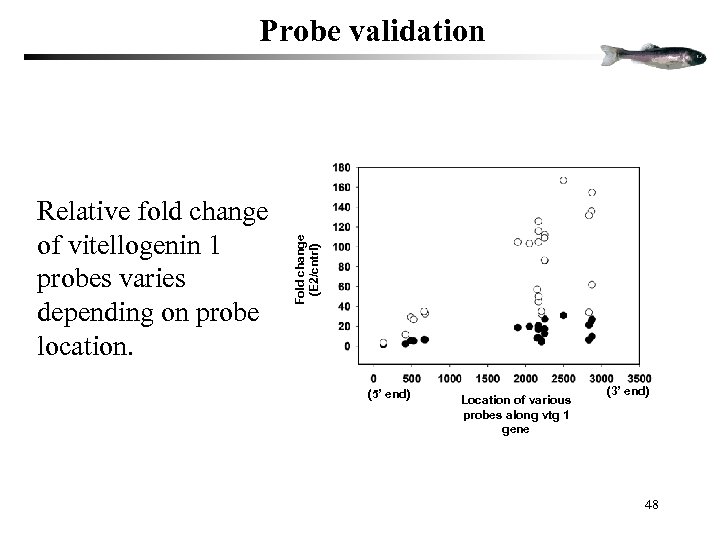 Relative fold change of vitellogenin 1 probes varies depending on probe location. Fold change (E 2/cntrl) Probe validation (5’ end) Location of various probes along vtg 1 gene (3’ end) 48
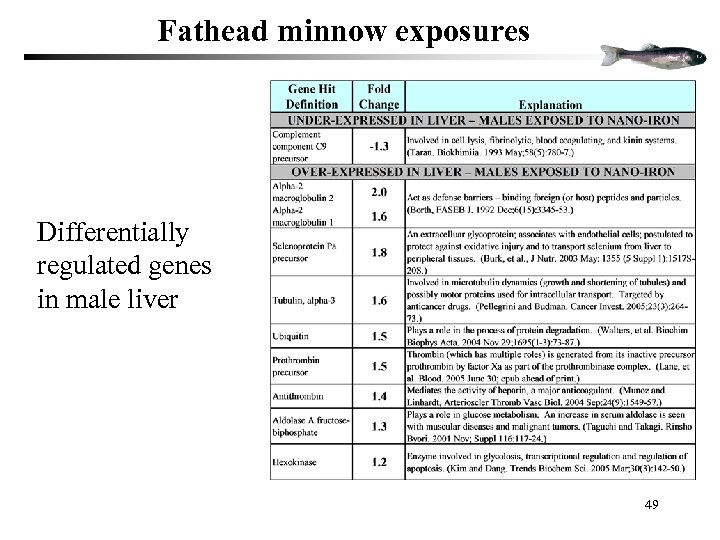 Fathead minnow exposures Differentially regulated genes in male liver 49
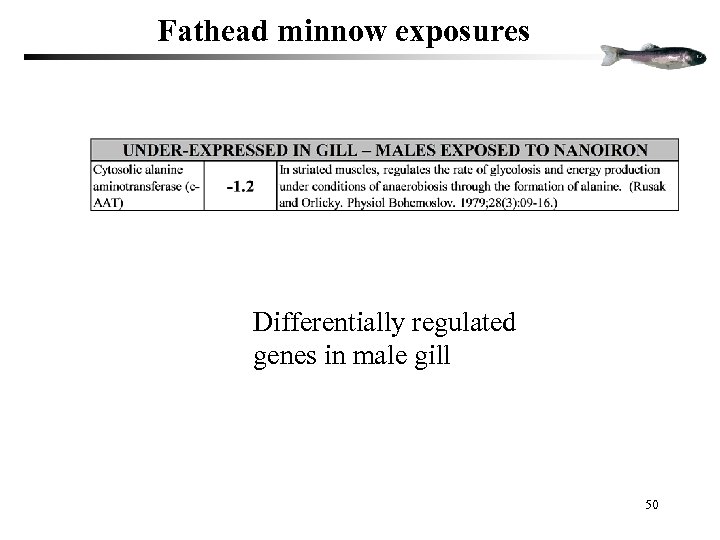 Fathead minnow exposures Differentially regulated genes in male gill 50
 Conclusions 51
 Thank You After viewing the links to additional resources, please complete our online feedback form. Thank You Links to Additional Resources Feedback Form 52