


 Скачать презентацию Duties of the OOW Officer of the Watch
OOWDutiesAtSea[1].ppt
- Количество слайдов: 40
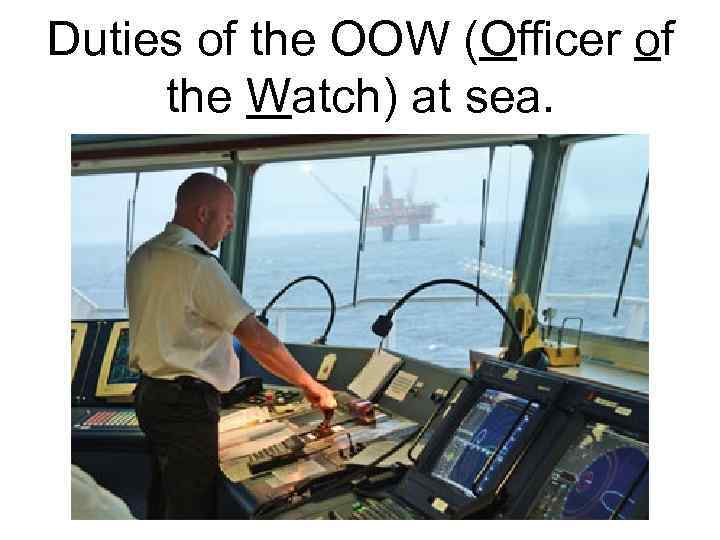 Duties of the OOW (Officer of the Watch) at sea.
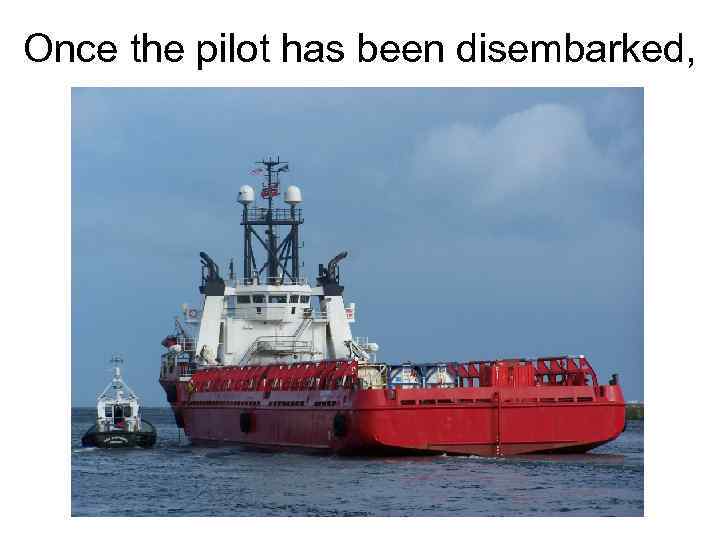 Once the pilot has been disembarked,
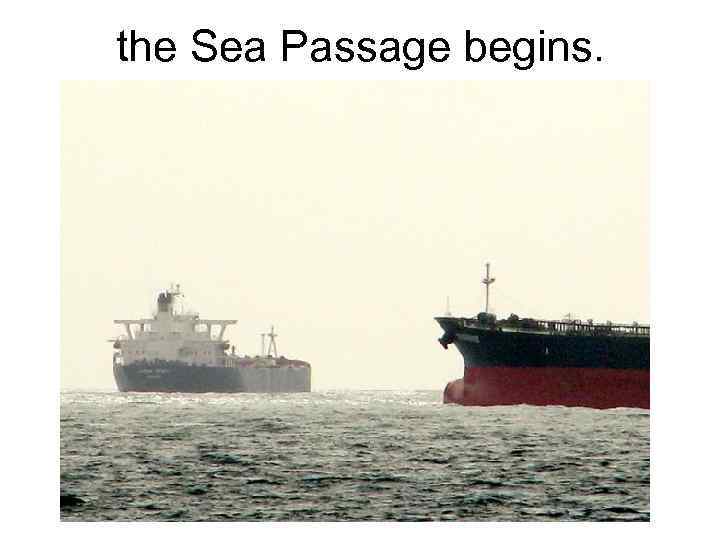 the Sea Passage begins.
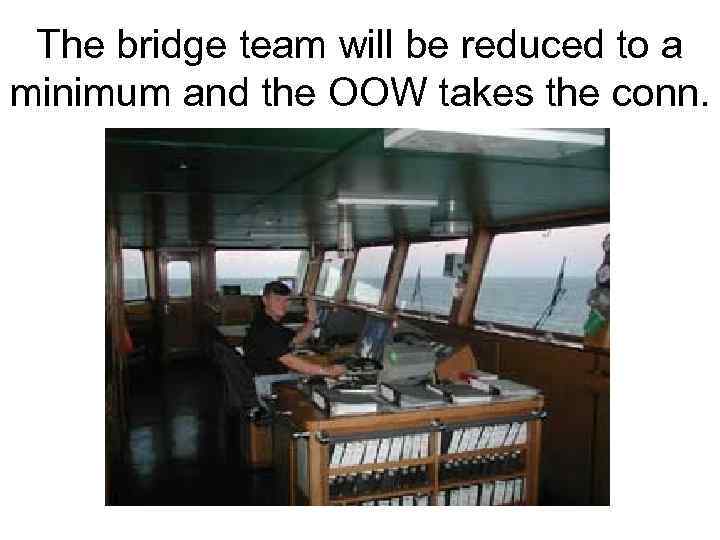 The bridge team will be reduced to a minimum and the OOW takes the conn.
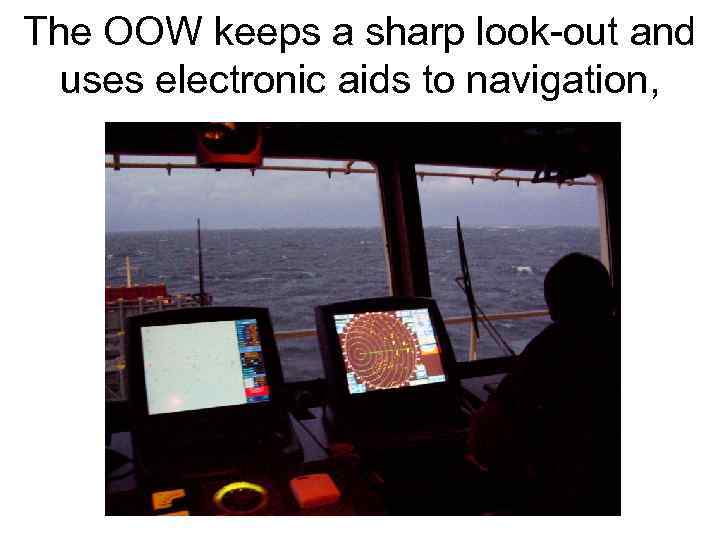 The OOW keeps a sharp look-out and uses electronic aids to navigation,
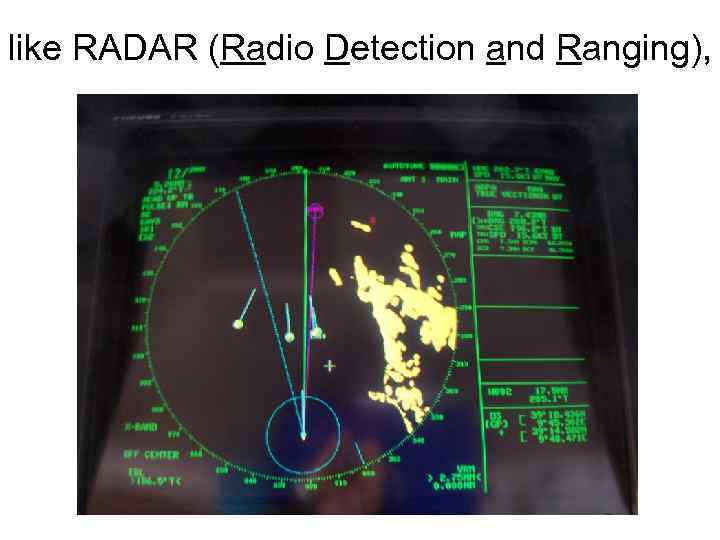 like RADAR (Radio Detection and Ranging),
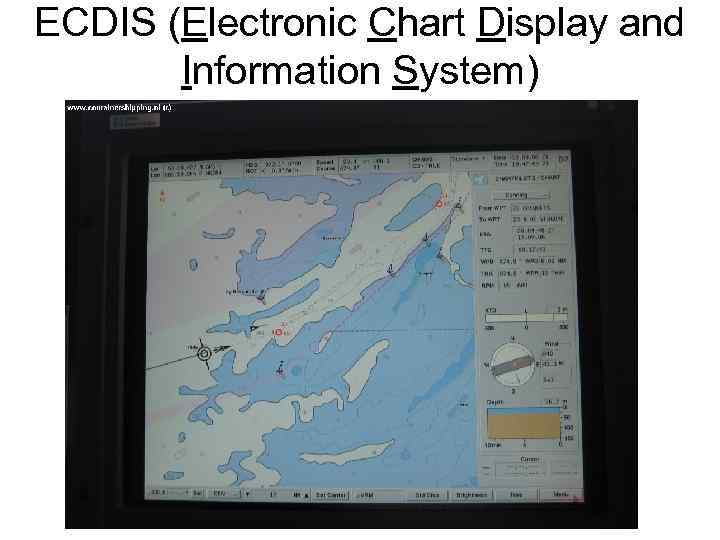 ECDIS (Electronic Chart Display and Information System)
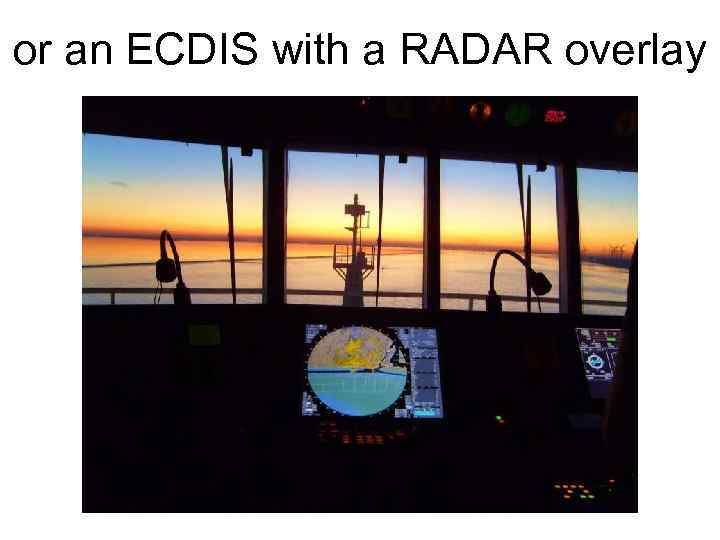 or an ECDIS with a RADAR overlay
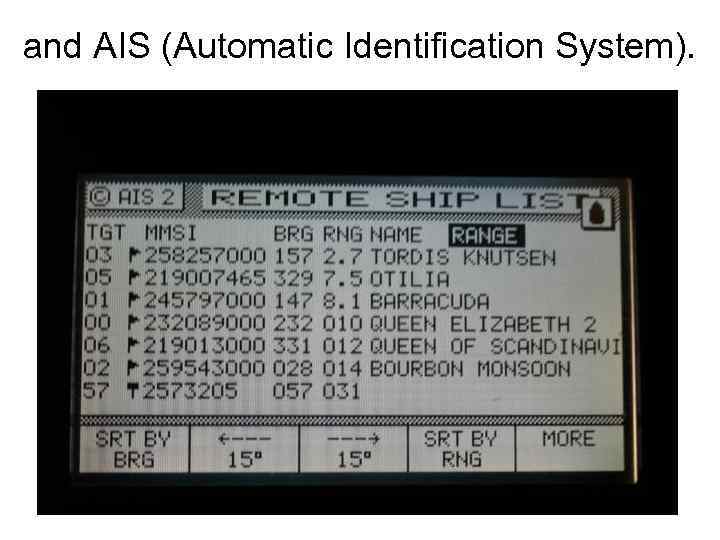 and AIS (Automatic Identification System).
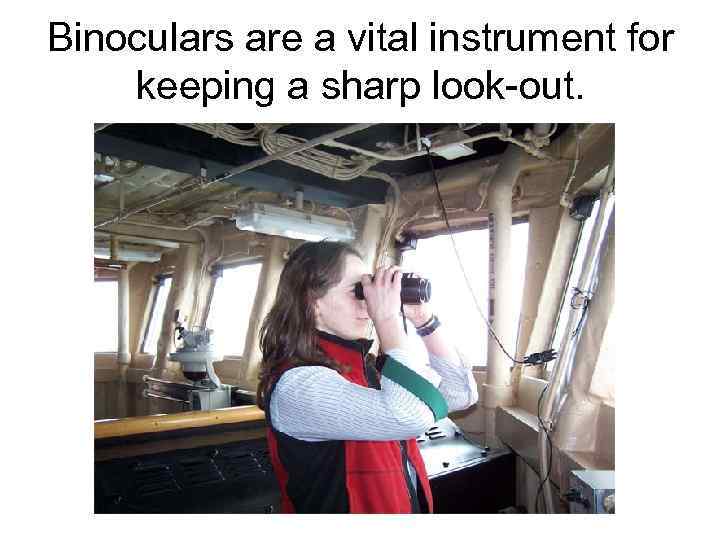 Binoculars are a vital instrument for keeping a sharp look-out.
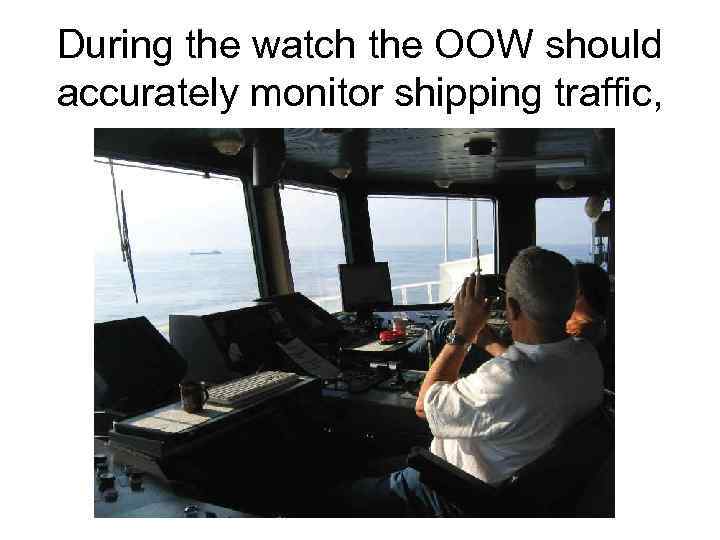 During the watch the OOW should accurately monitor shipping traffic,
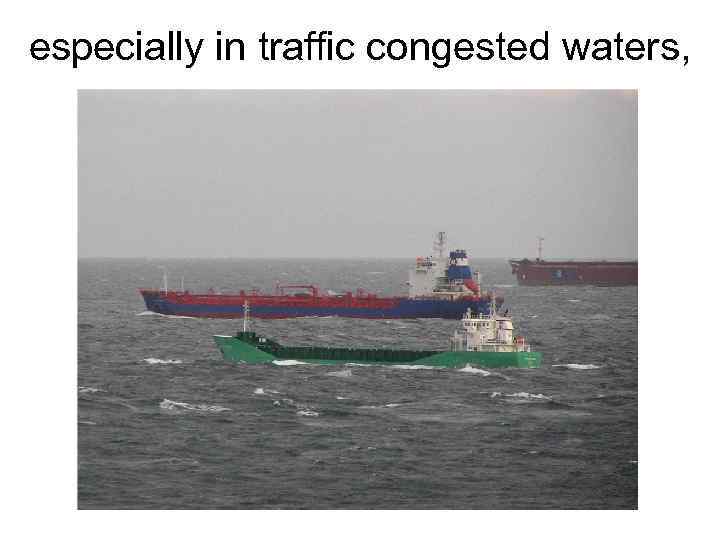 especially in traffic congested waters,
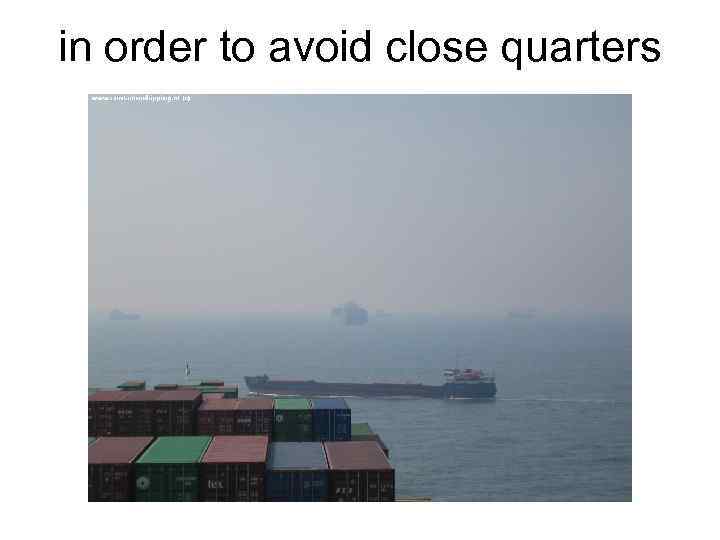 in order to avoid close quarters
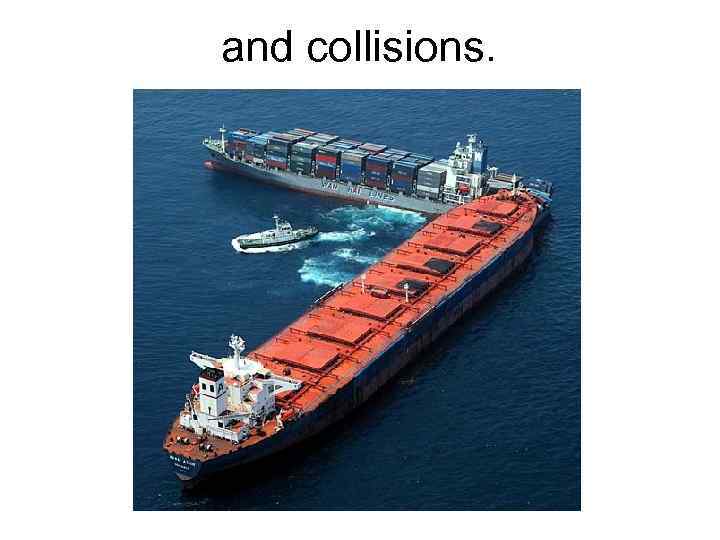 and collisions.
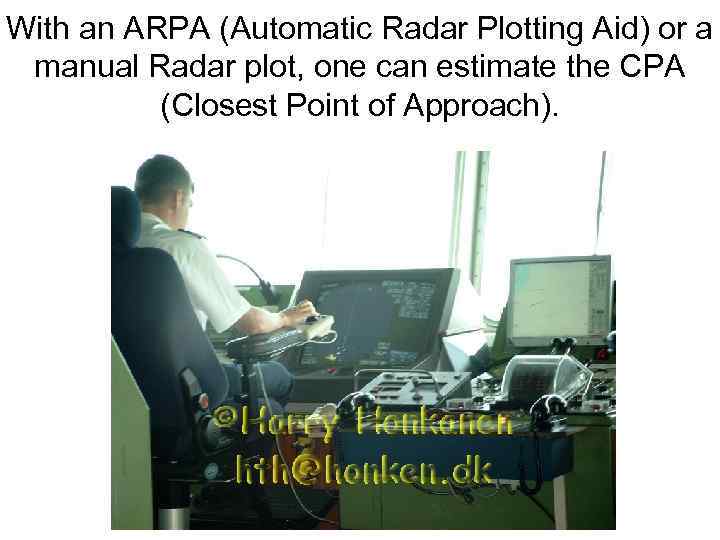 With an ARPA (Automatic Radar Plotting Aid) or a manual Radar plot, one can estimate the CPA (Closest Point of Approach).
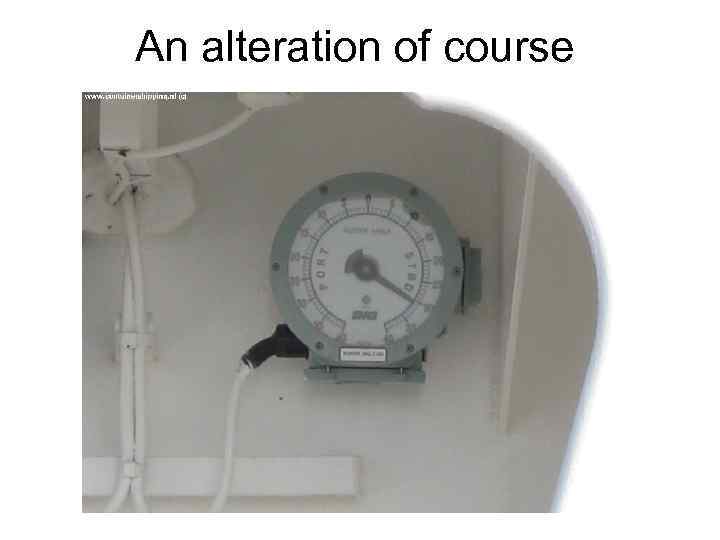 An alteration of course
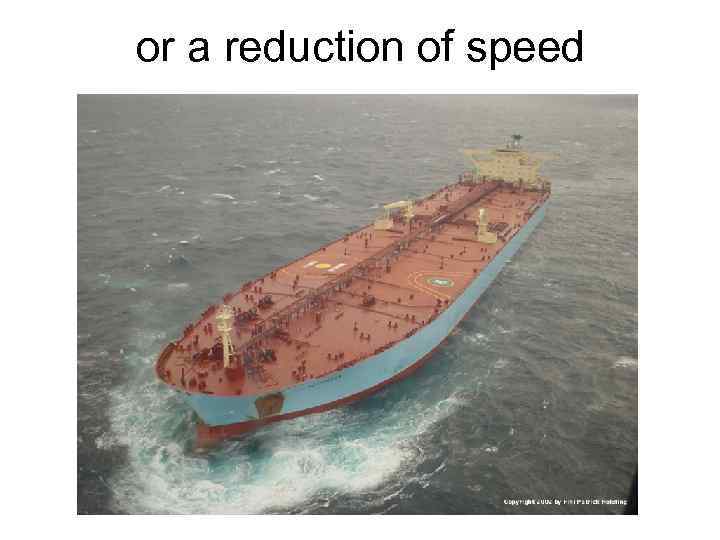 or a reduction of speed
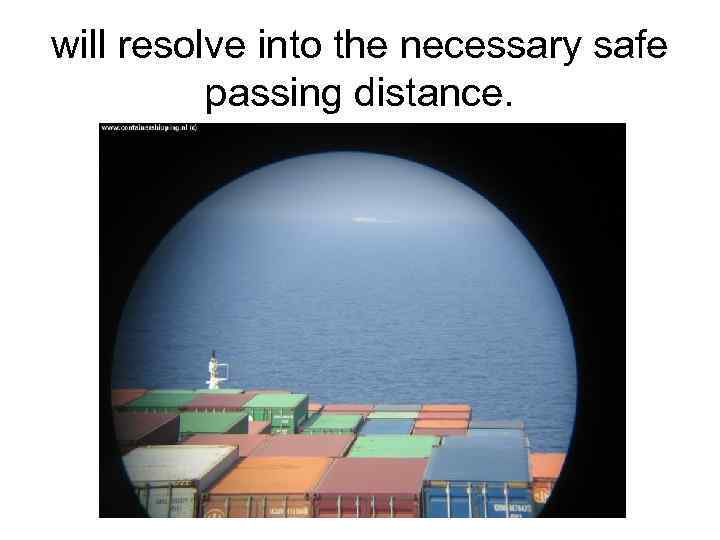 will resolve into the necessary safe passing distance.
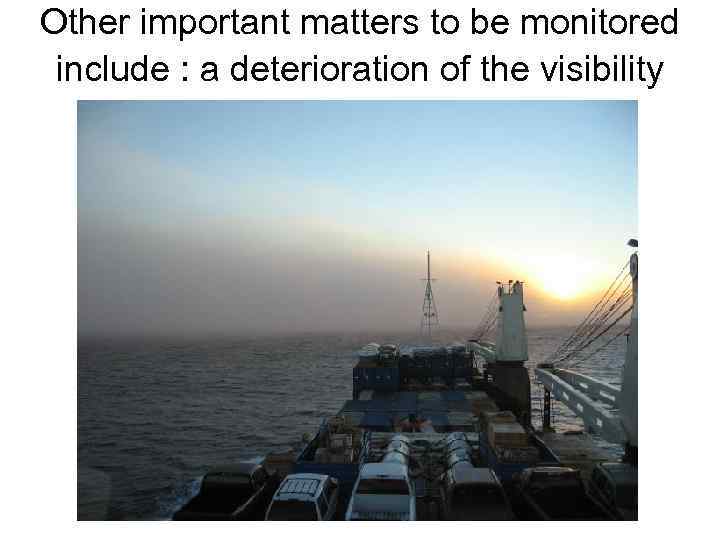 Other important matters to be monitored include : a deterioration of the visibility
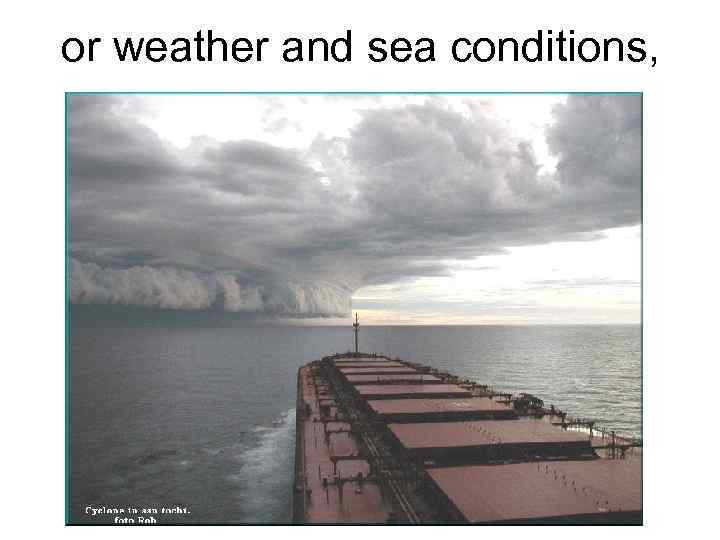 or weather and sea conditions,
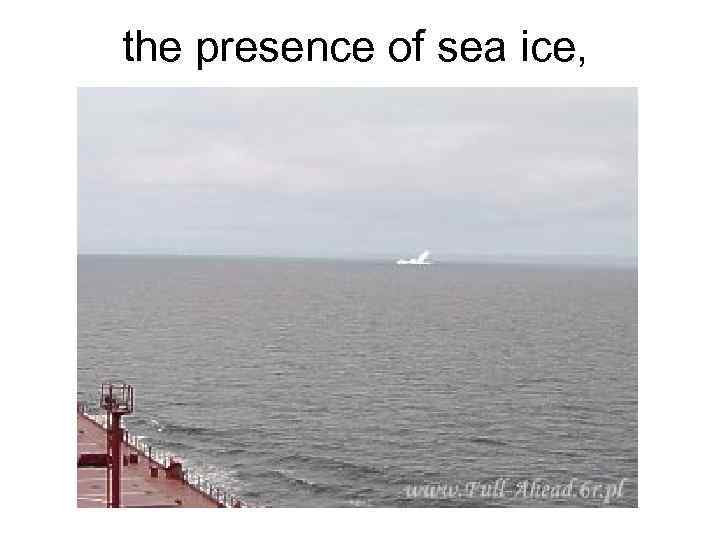 the presence of sea ice,
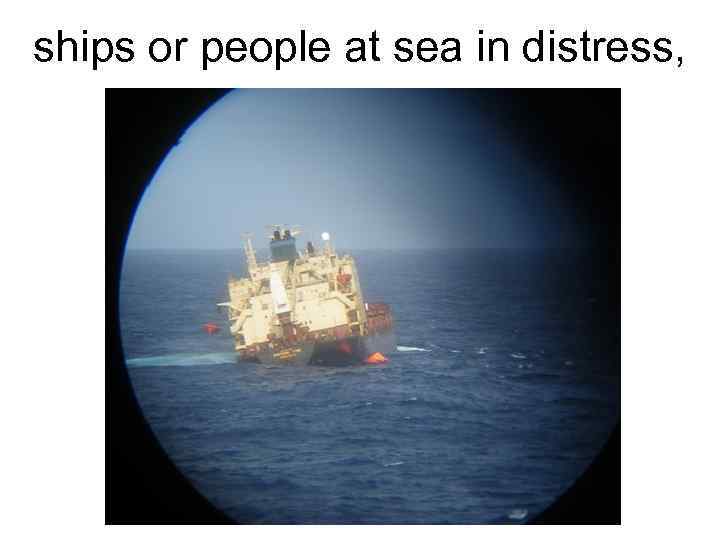 ships or people at sea in distress,
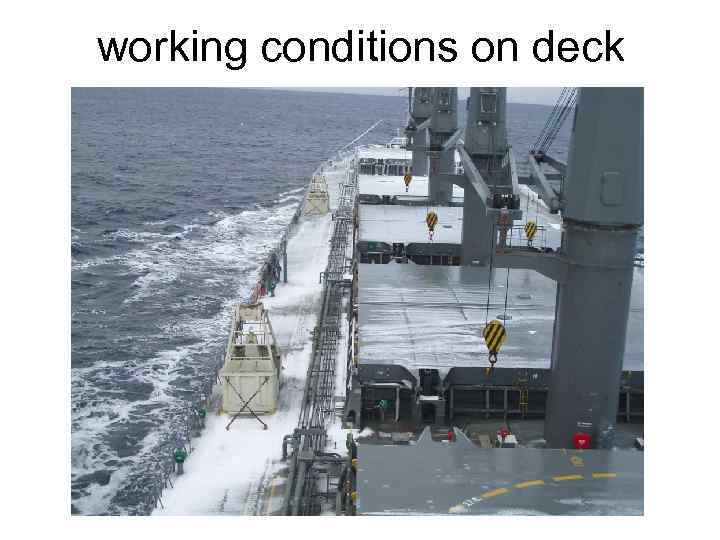 working conditions on deck
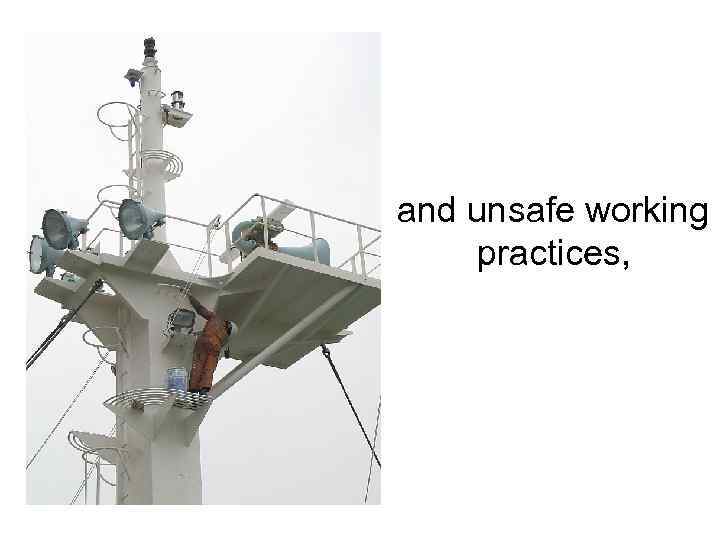 and unsafe working practices,
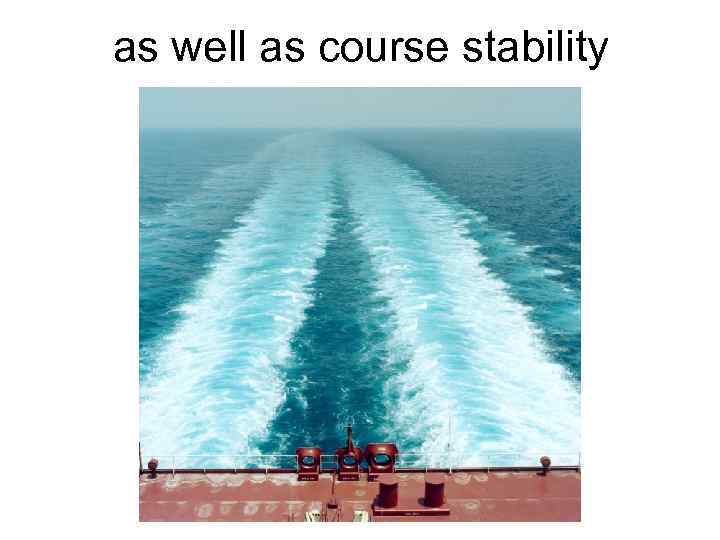 as well as course stability
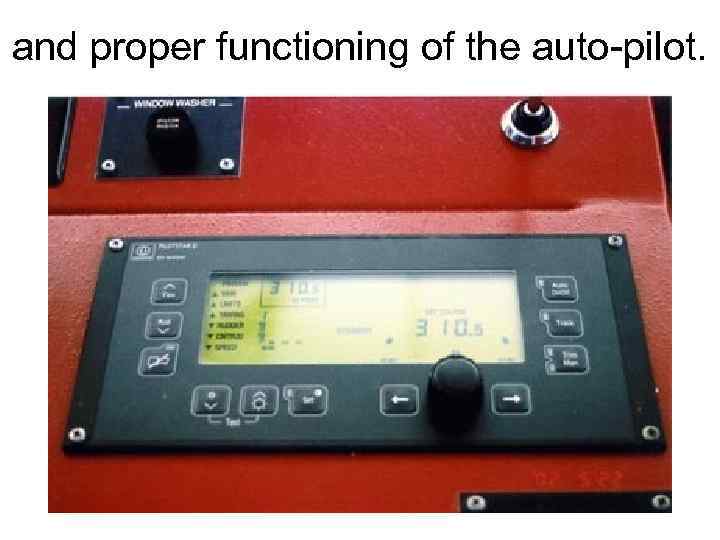 and proper functioning of the auto-pilot.
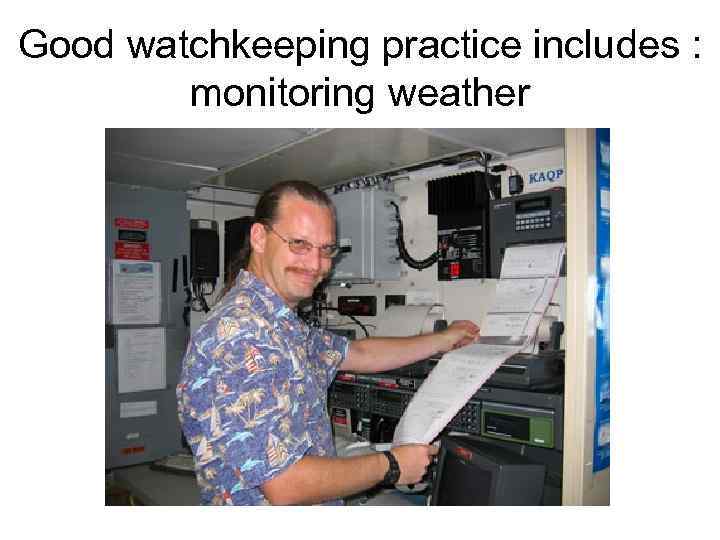 Good watchkeeping practice includes : monitoring weather
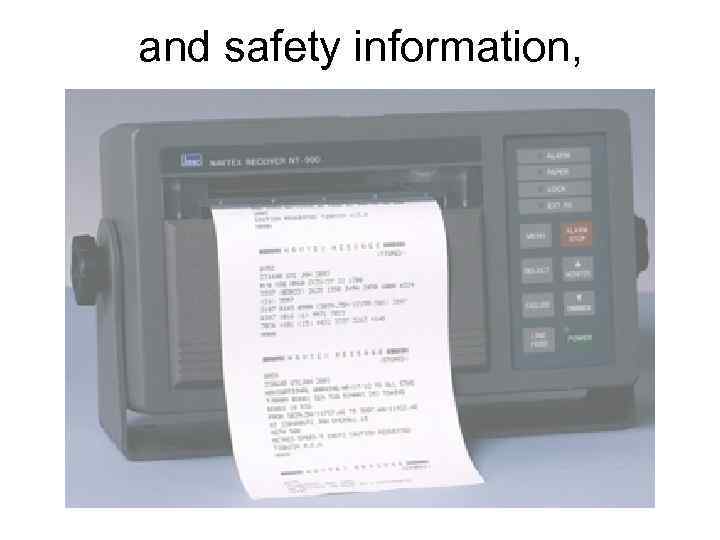 and safety information,
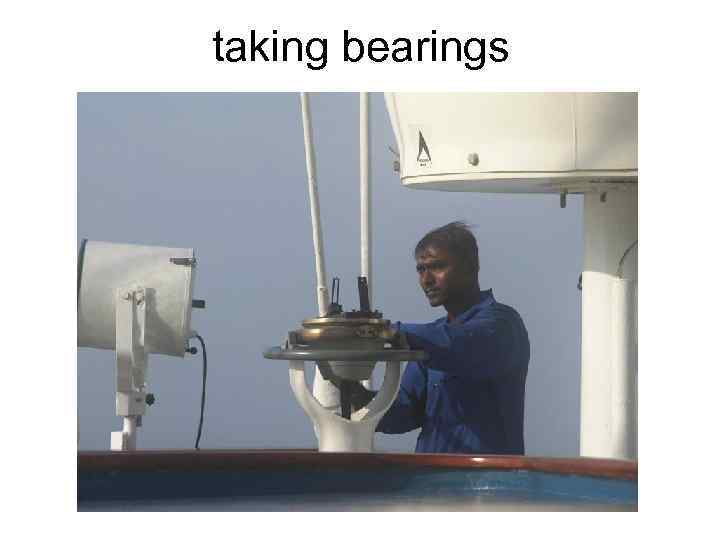 taking bearings
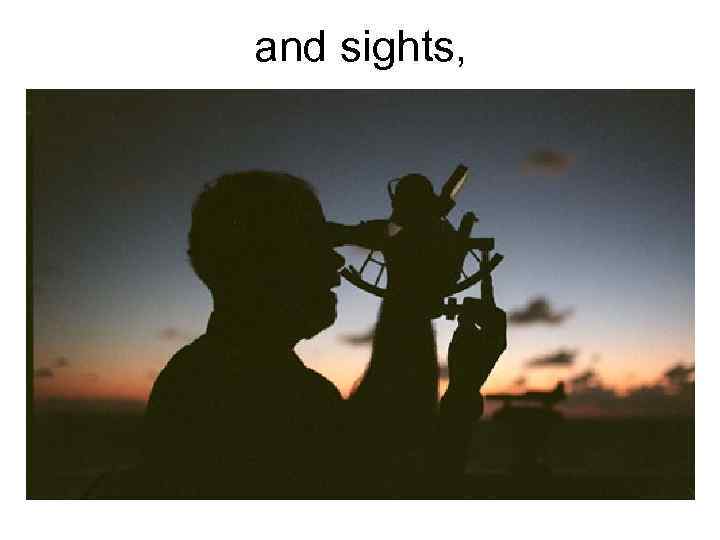 and sights,
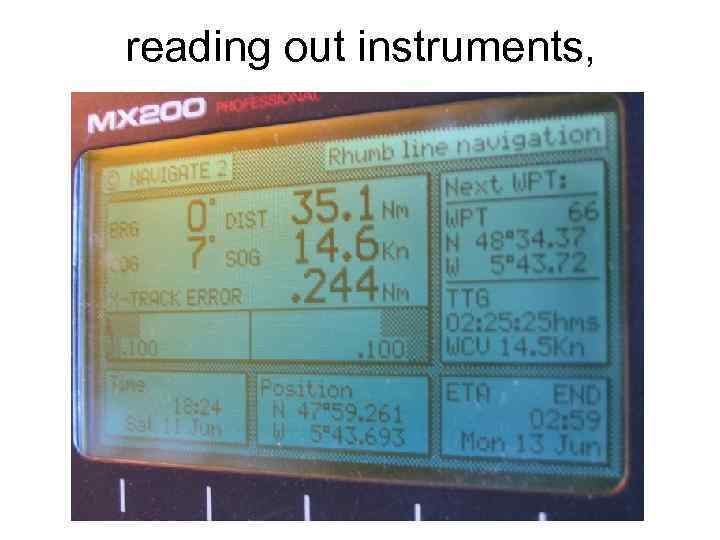 reading out instruments,
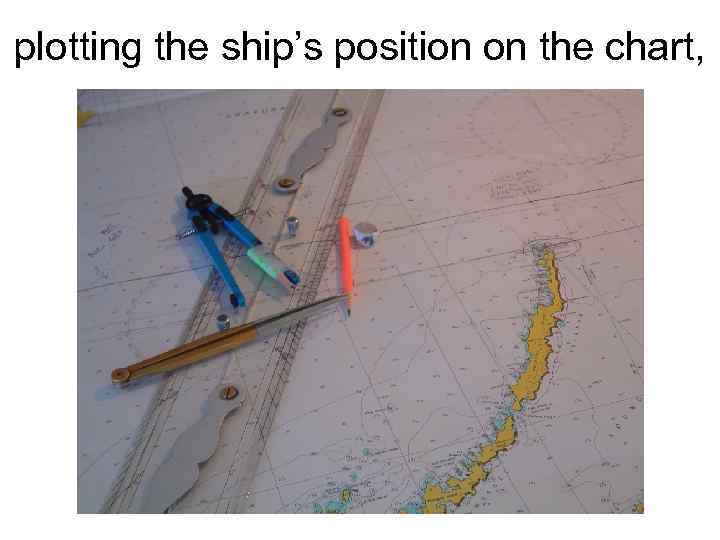 plotting the ship’s position on the chart,
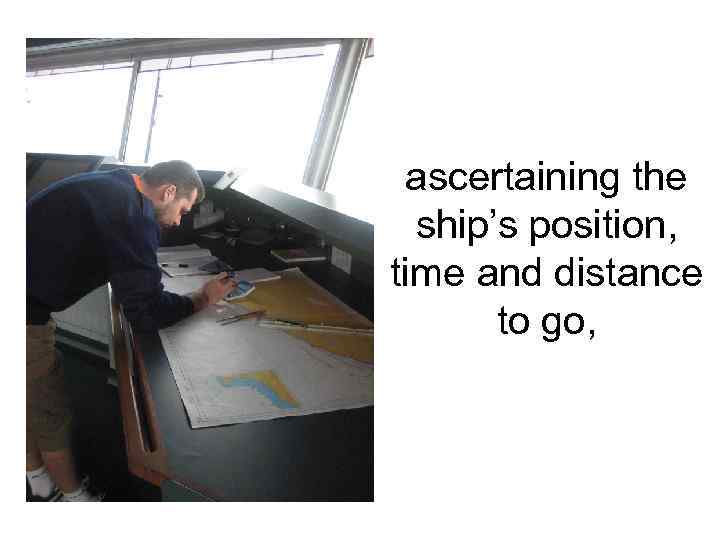 ascertaining the ship’s position, time and distance to go,
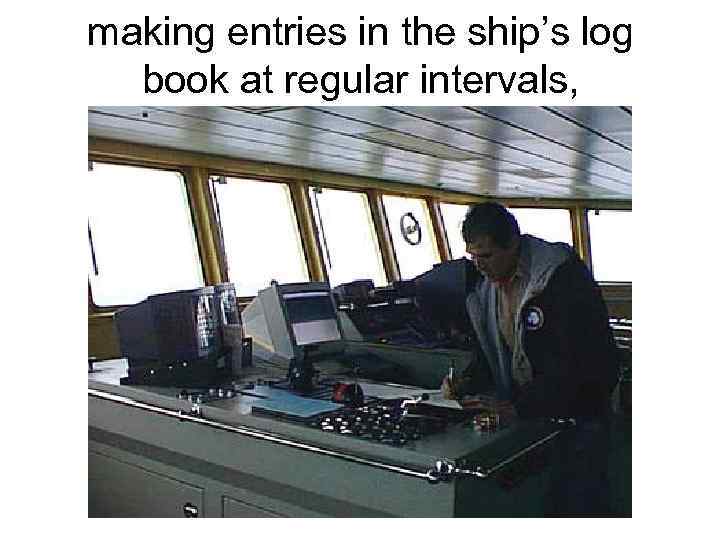 making entries in the ship’s log book at regular intervals,
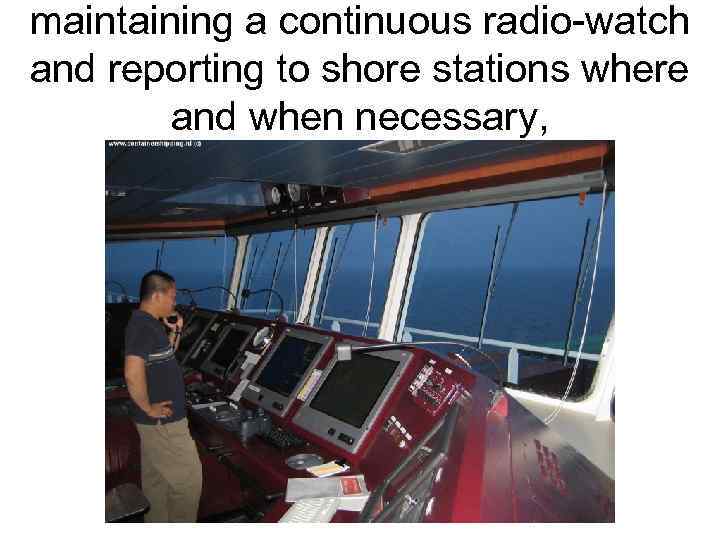 maintaining a continuous radio-watch and reporting to shore stations where and when necessary,
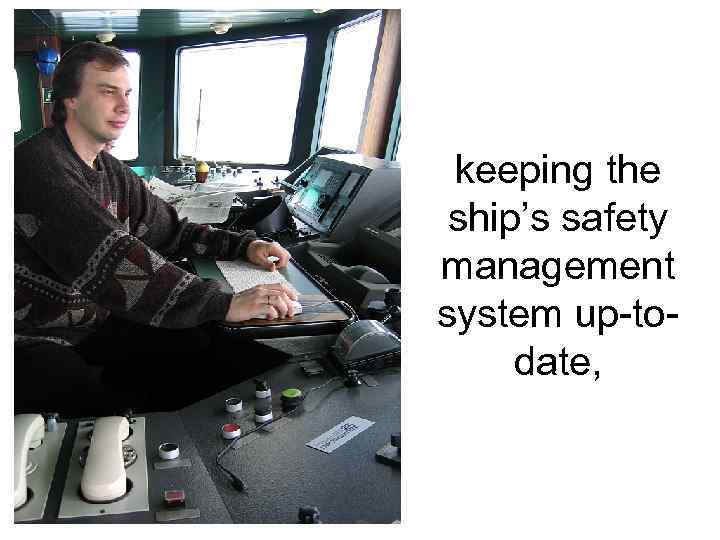 keeping the ship’s safety management system up-todate,
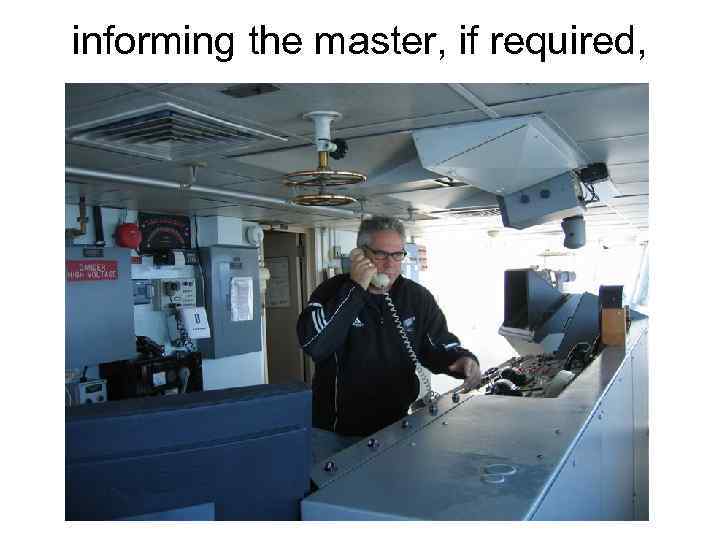 informing the master, if required,
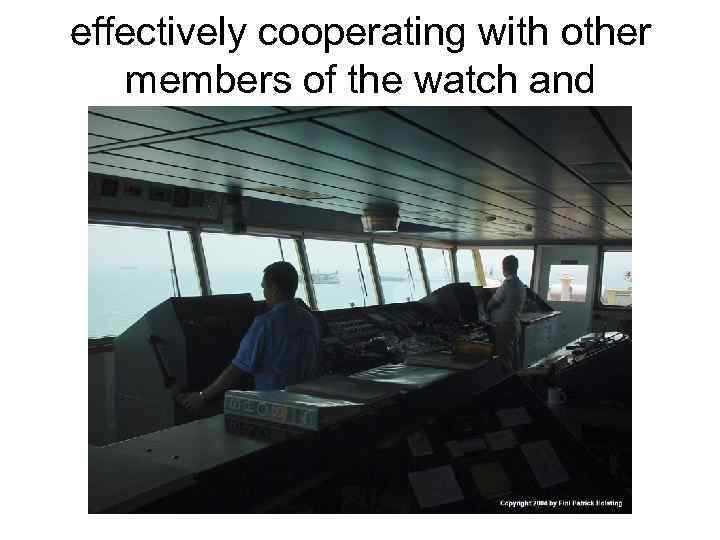 effectively cooperating with other members of the watch and
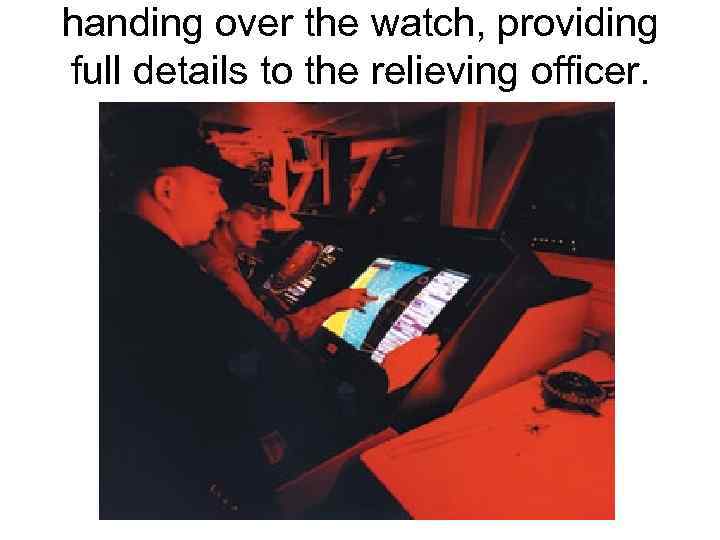 handing over the watch, providing full details to the relieving officer.
 Thank you for your attention. Have a good watch !